




The Ultimate Asakusa Travel Guide: 15+ Best Places to Go and Things to Do in Tokyo (2025-2026)
Asakusa is the most popular and captivating neighborhood in Tokyo, Japan, where whispers of ancient history blend with the vibrant energy of a modern city. For anyone planning a trip in 2025 or 2026, this district is the ultimate destination to experience the soul of Japanese culture today. Whether you seek the oldest temple in the city, the red glow of historic lanterns, or great views of the Tokyo Skytree building across the Sumida River, Asakusa offers an authentic feel you cannot find elsewhere.
When you start your day walk through the iconic Kaminarimon Gate early in the morning, you feel transported back to the Edo period. The busy streets are lined with traditional shops and small stalls, perfect for shopping and tasting local foods. It is a good place where locals and visitors gather to enjoy the lively atmosphere. This guide will explore the best asakusa places to go, from the main site of Senso-ji to unique shrines and hidden spots.
Planning your tour itinerary on a map is a fun adventure, whether you stay for a long time or just a few days. From kimono experiences to tasting sushi and matcha, there are many things to discover. As you read this post, you find helpful tips on access from stations like Shinjuku or JR lines, making travel easy. Before you visit, check our website for the latest content, contact details, and privacy policy updates. Let us explore this beautiful neighborhood together, ensuring your visit is 100 percent perfect.
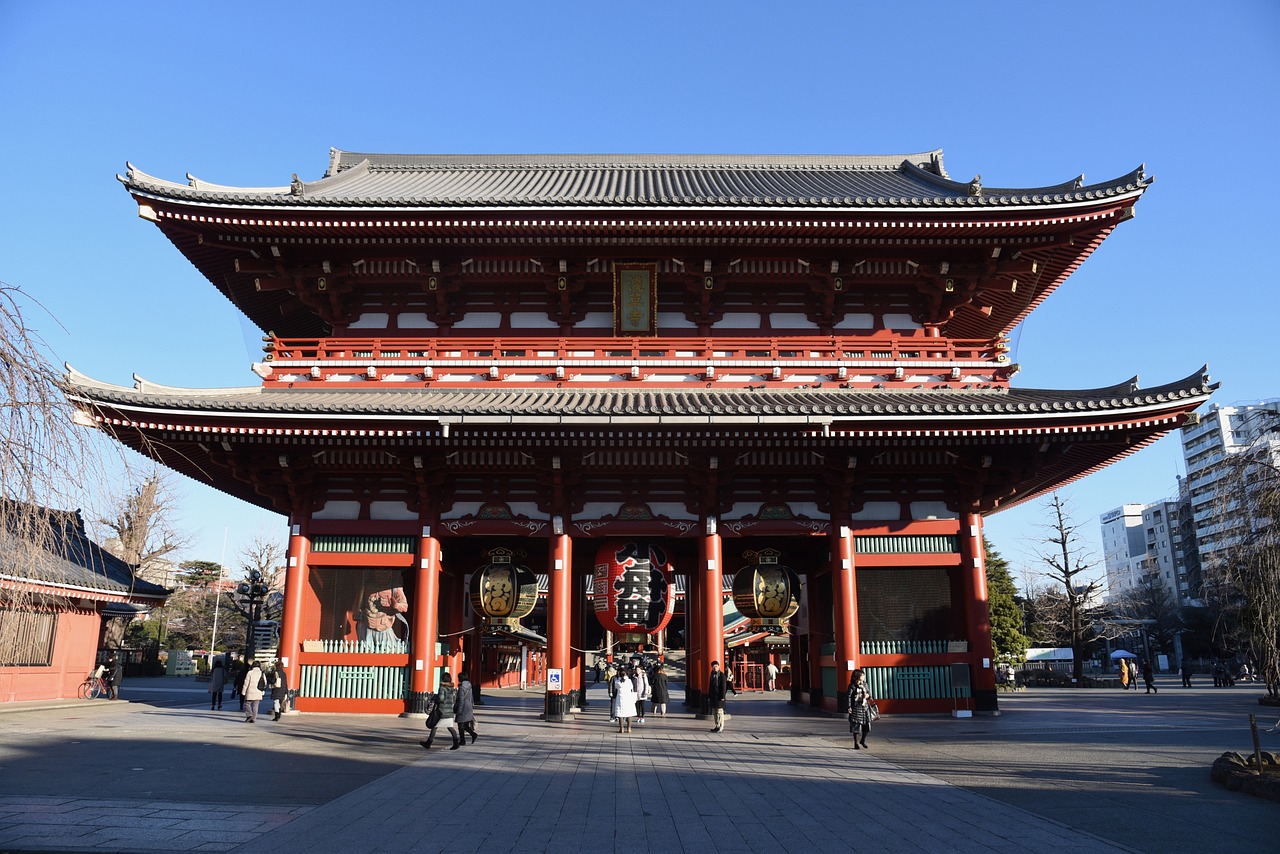
Start at the Iconic Kaminarimon Gate and Senso-ji Temple
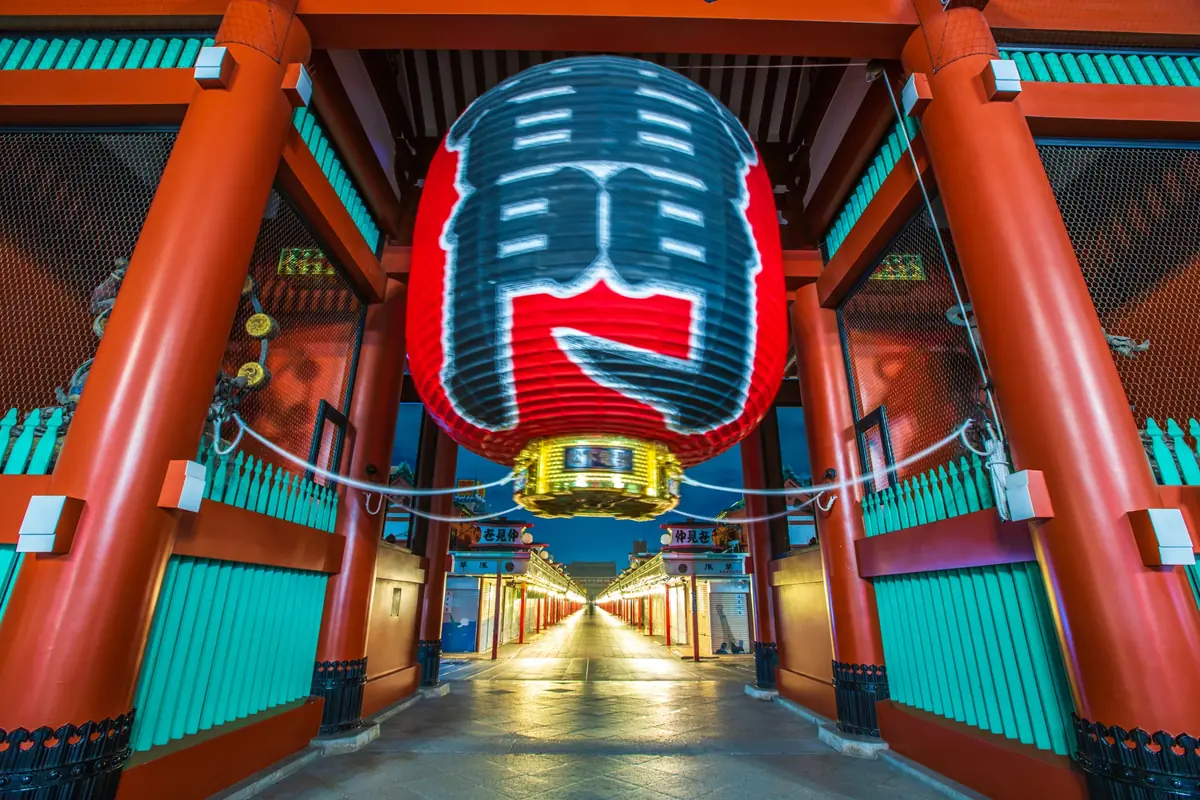
Your journey through the heart of traditional Tokyo must begin at the Kaminarimon Gate, the grand entrance to the most famous district in the city. This massive red lantern, decorated with bold black characters, is perhaps the most iconic photo spot in all of Japan. Located just a short minute walk from Asakusa Station, it represents the spiritual protection of the Buddhist grounds. Standing tall at the entrance, the fierce statues of the wind and thunder gods welcome millions of visitors every year. It is the perfect place to start your morning tour before the area gets too busy with tour groups.
Walking through Nakamise Shopping Street
Walking through Nakamise Shopping Street is an essential experience for any tourist. This historic street leads you directly from the outer gate to the inner sanctum of the temple. This district has been a bustling center for shopping for centuries, with many stalls dating back to the Edo period. As you stroll along the 250-meter path, you will find nearly 100 small shops lined up side by side, selling traditional Japanese goods, unique souvenirs, and mouth-watering snacks.
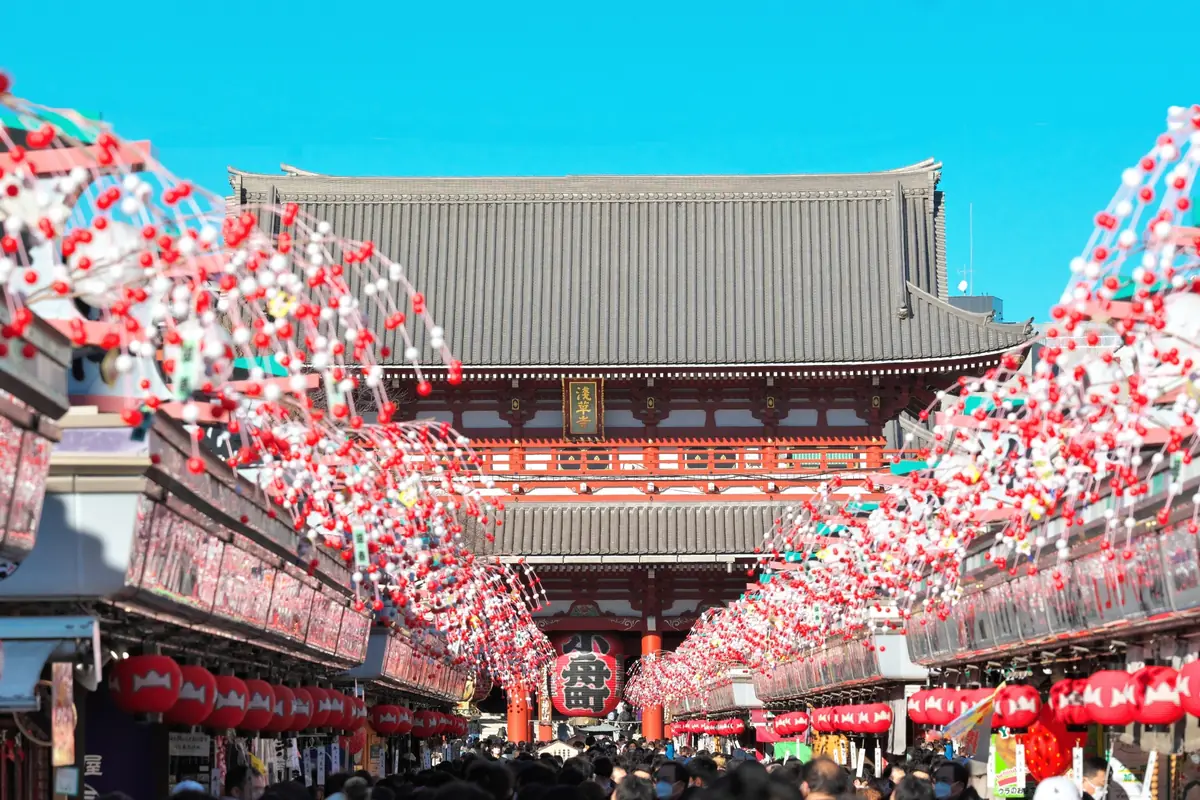
It is truly a paradise for those who love to eat and shop. I highly recommend trying the fresh senbei rice crackers or the sweet age-manju, which are fried buns filled with delicious red bean paste. The smell of grilled treats fills the air, making it impossible to leave without a taste. If you are looking for a special souvenir, such as a hand-painted fan or a small lucky charm, this is the place to buy it. The prices are reasonable, and the lively atmosphere makes it a fun stroll for the whole family.
Experiencing the Main Hall and Five-Story Pagoda
As you reach the end of the shopping street, you pass through the Hozomon Gate, where two large guardian statues and giant straw sandals are displayed. Beyond this, the magnificent Senso ji temple complex opens up before you. Founded in the year 628, this is the oldest Buddhist site in Tokyo, with a history spanning over a thousand years. The Main Hall, known as the Hondo, is the primary destination where people gather to pray and seek good luck.
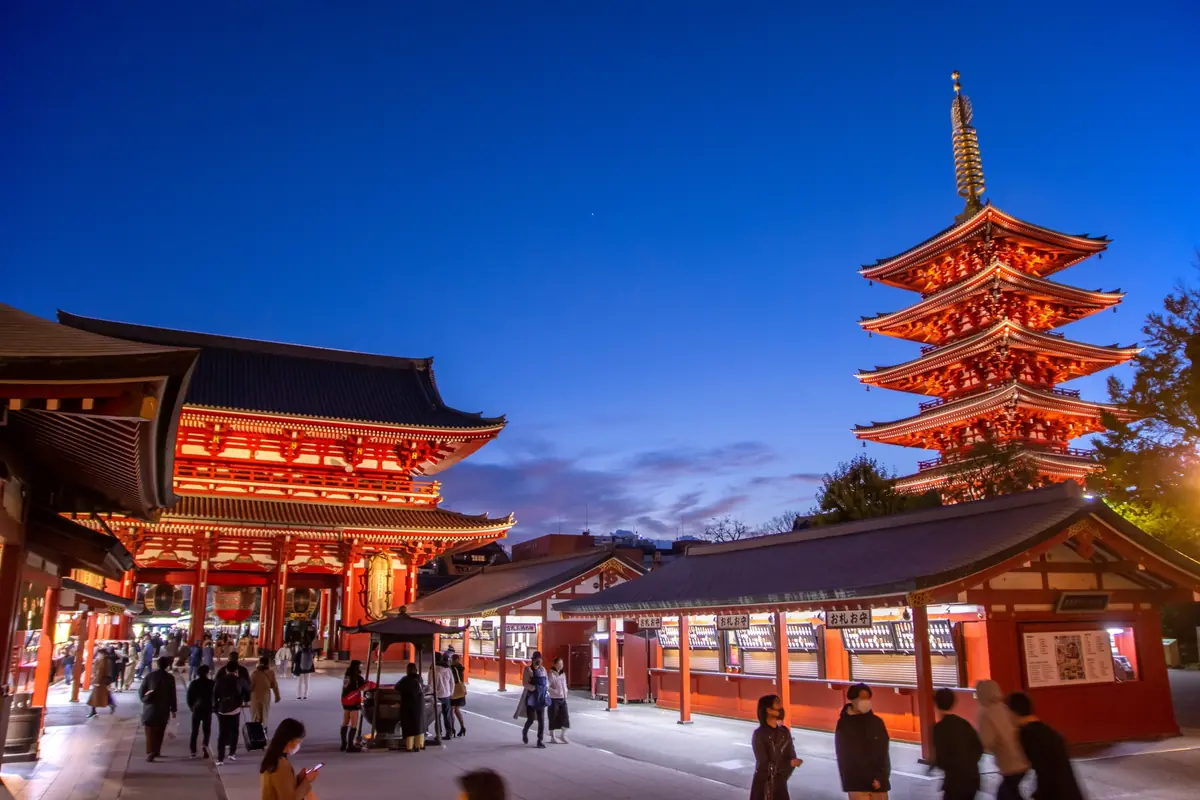
Before you head up the steps, stop at the large incense burner. It is a local tradition to fan the smoke onto your body, as the aromatic clouds are believed to have healing powers and bring health to the visitors. Inside the hall, the atmosphere is quiet and respectful, a sharp contrast to the busy streets outside. Nearby, the Five-Story Pagoda stands as a beautiful symbol of spiritual strength. This elegant building is one of the tallest of its kind in Japan.
If you want to test your luck, try the omikuji fortune-telling. For a small fee of 100 yen, you can shake a metal box and receive a paper strip that tells your future. Even if you get a bad fortune, do not worry; you can simply tie the paper to a nearby rack to leave the bad luck behind. Whether you visit in the warm month of July or during the cherry blossom season in April, these grounds offer a unique feel of old Japan that remains the top choice among asakusa places to go.
Cultural Experiences You Can’t Miss: The Heart of Asakusa
To truly understand why this district remains the most beloved part of Tokyo, you must look beyond the architecture and dive into the living traditions that define the local identity. Asakusa is not just a collection of old buildings; it is a place where the spirit of the Edo period continues to breathe through its people and their crafts. If you are looking for asakusa places to go that offer more than just a quick photo opportunity, engaging in a cultural experience is the best way to spend your time. These activities allow you to step out of the role of a tourist and into the shoes of a local, creating a deeper connection with Japan.
Traditional Kimono Rental and Photoshoots
One of the most popular ways to enjoy a day in Asakusa is by wearing a traditional kimono. Walking through the historic streets in a silk robe completely changes how you feel and interact with the surroundings. There are many rental shops located near the station and the temple where professional staff will help you choose a beautiful design and assist with the complex process of dressing. This is a great activity for families and friends, as it turns a simple walk into a memorable event.
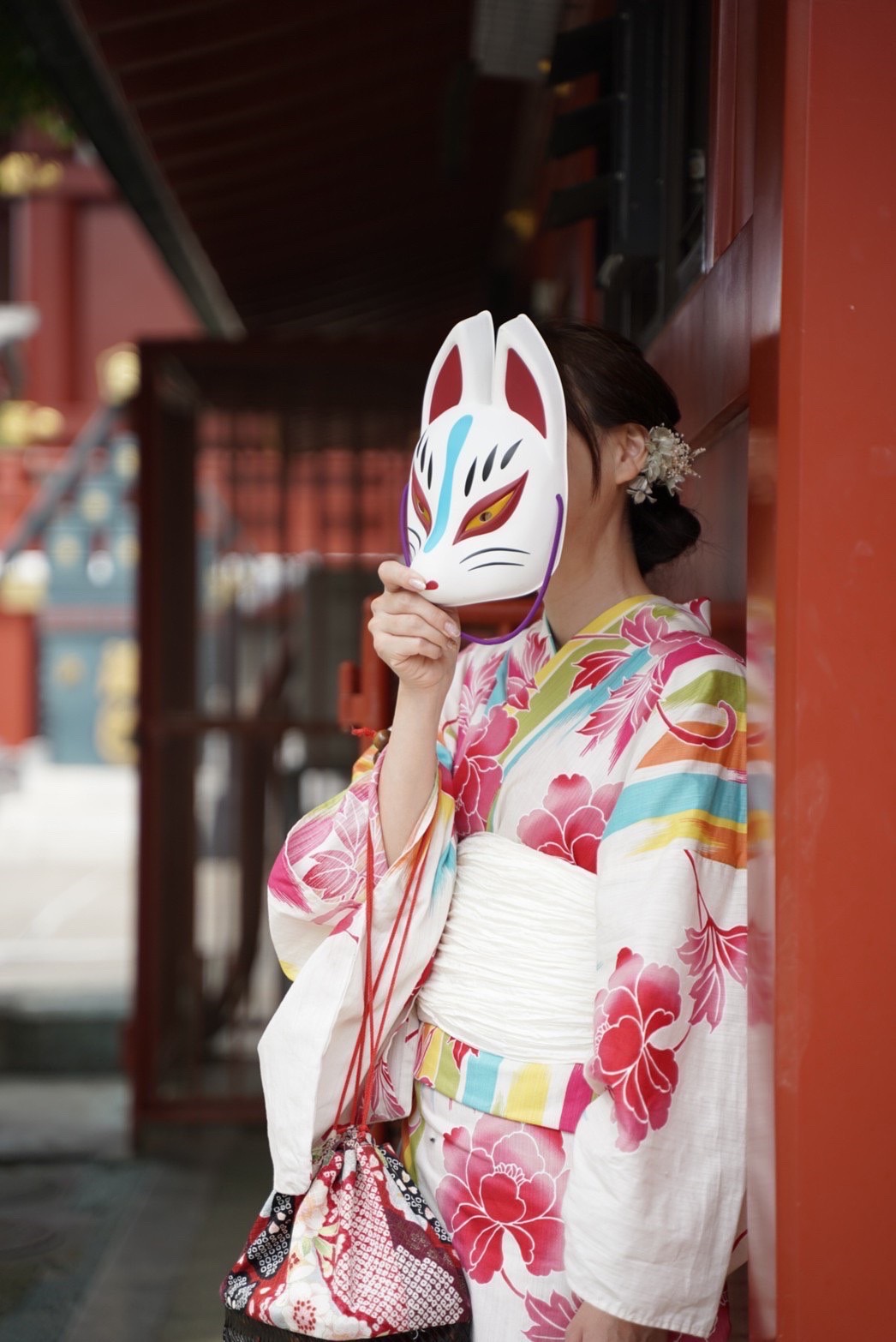
With your kimono on, every corner of the neighborhood becomes a perfect backdrop for photos. The bright red of the temple gates, the quiet stone paths of the side streets, and the scenic views along the Sumida River provide a stunning contrast to the traditional gear. Many shops also offer professional photoshoot packages, ensuring you capture the beauty of your trip in high quality. It is a wonderful way to honor the culture while creating a lasting souvenir of your visit to Japan.
Discovering the World of Geisha in Asakusa: An Authentic Legacy
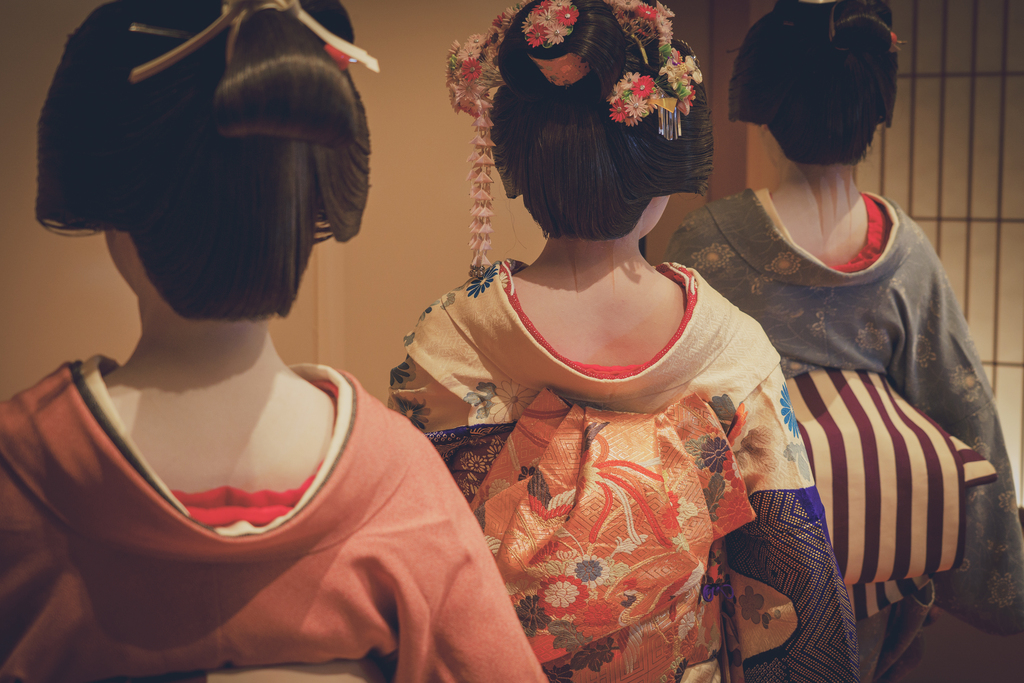
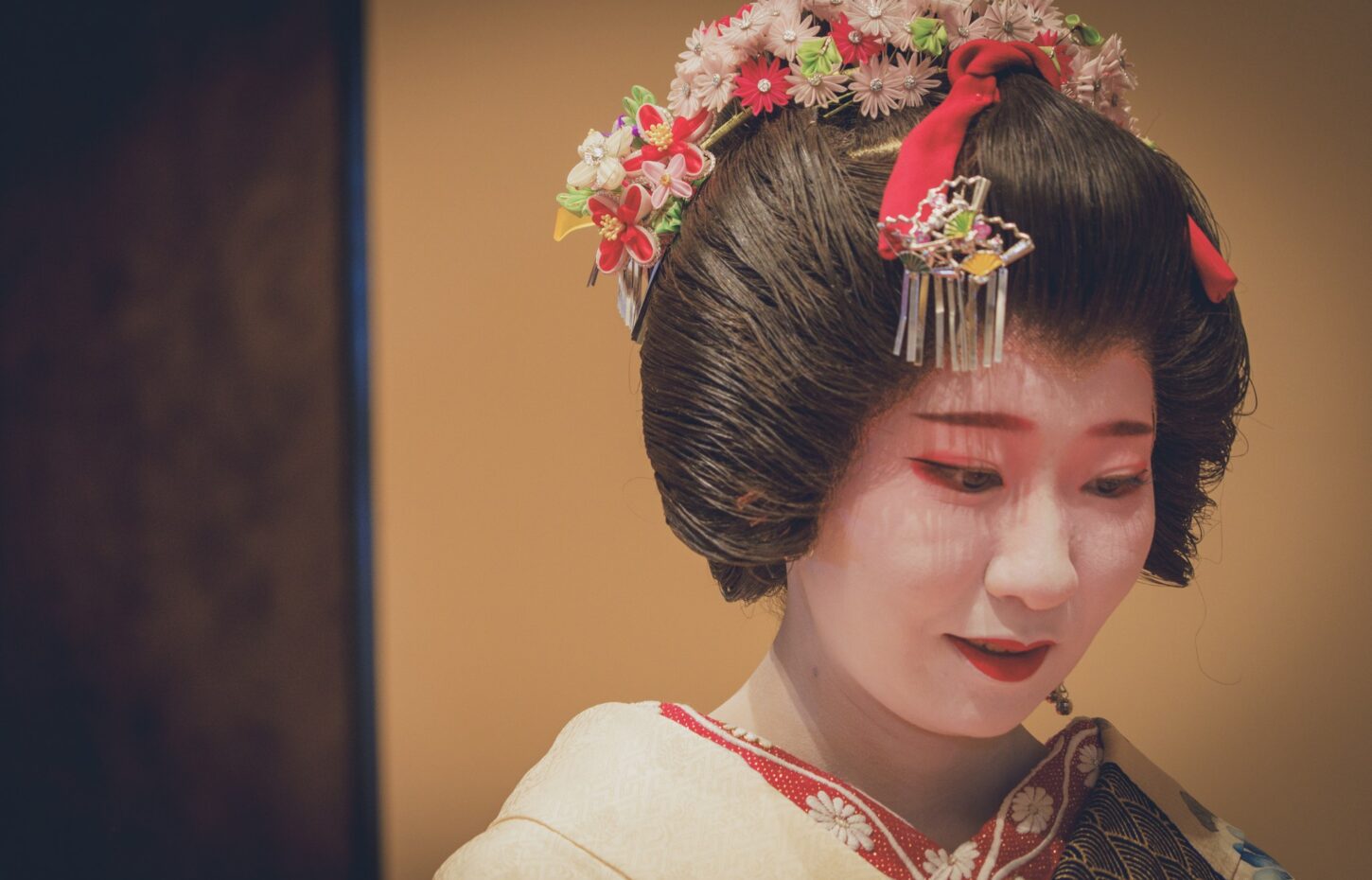
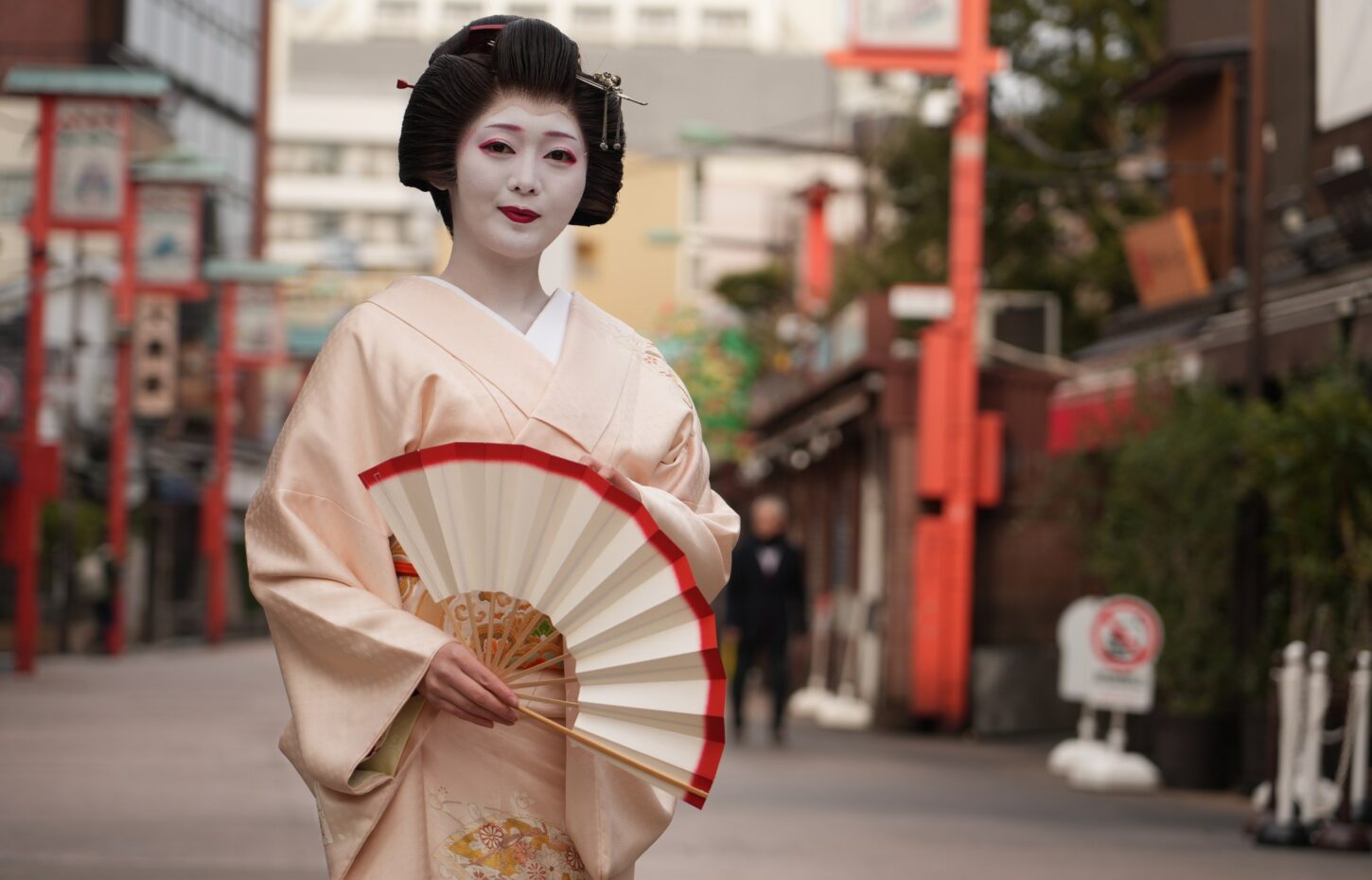
While many visitors are familiar with the geisha of Kyoto, the geisha of Asakusa offer a unique and perhaps more accessible window into this mysterious world. Known as geisha, these women are dedicated artists who spend years mastering the arts of classical dance, music, and the refined skill of conversation. Asakusa has a long history as an open district, where the culture was nurtured by the local community rather than just the elite. This has resulted in a style that is sophisticated yet welcoming, characterized by the spirit of iki—a subtle, stylish, and cool aesthetic that was highly valued in Edo society.
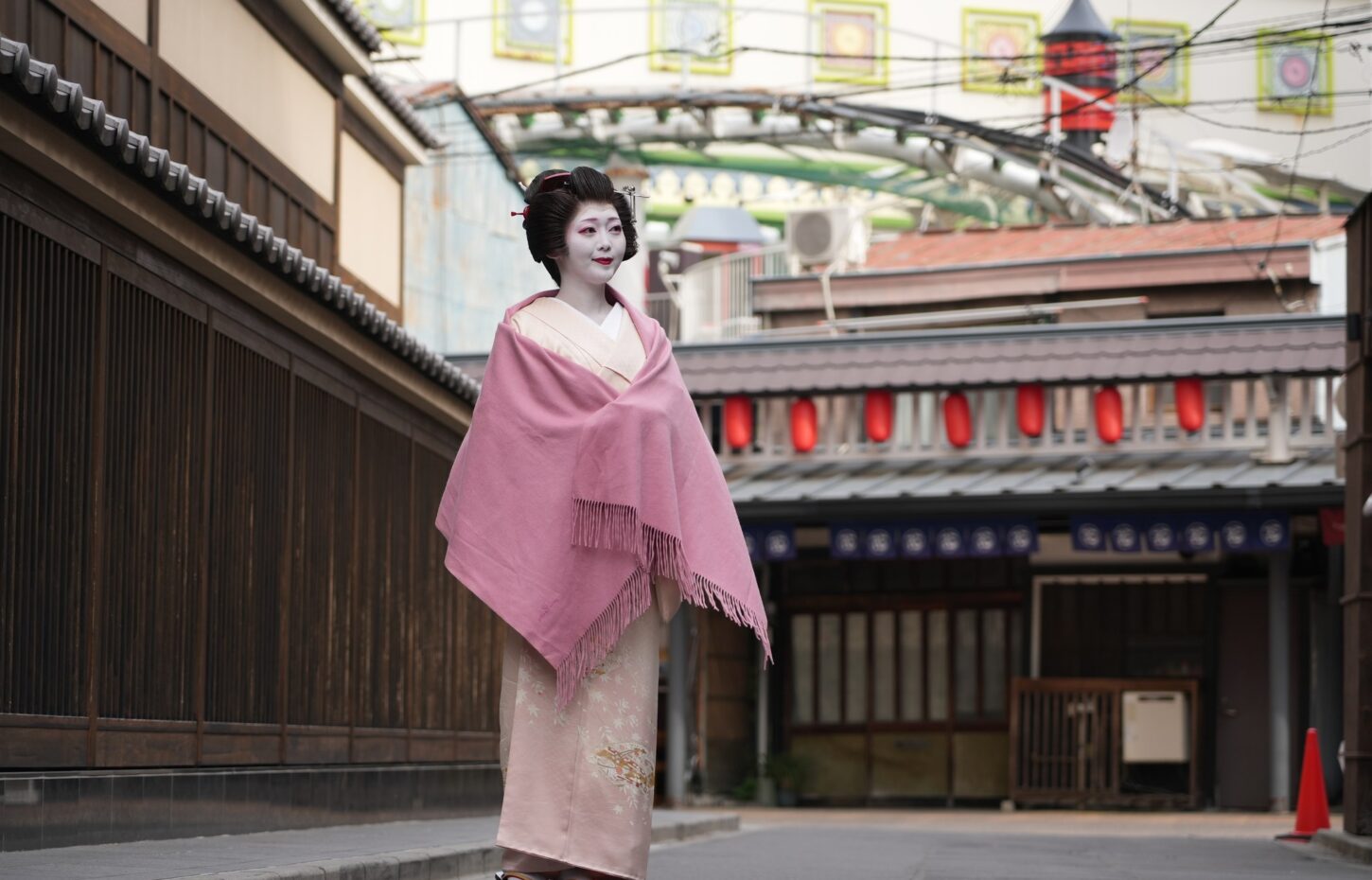
The history of the geisha here is deeply tied to the Kannon-ura area, located just north of the main temple. This neighborhood is quieter and retains the atmosphere of old Tokyo. Here, the tradition is not just a performance for a stage; it is a way of life. The geisha carry the weight of 400 years of history, and their presence adds a layer of grace and beauty to the city that is truly unique. For those who want to experience the authentic legacy of Japan, witnessing a geisha performance is an essential part of any cultural tour. To learn more, see our complete guide to the Asakusa geisha district.
Miyakodori: The Exclusive Machiai Chaya Experience
If you wish to reach the pinnacle of Japanese hospitality, a visit to Miyakodori is required. Founded in 1950, this historic establishment is a true hidden gem located in the atmospheric Kannon-ura district. Miyakodori is unique because it is the only remaining machiai chaya in Asakusa—a traditional type of restaurant that focuses primarily on providing a space to enjoy the company and performances of geisha. The name Miyakodori comes from a famous poem in the Tales of Ise, reflecting a desire to be a place where guests and hosts can share a deep, meaningful connection.
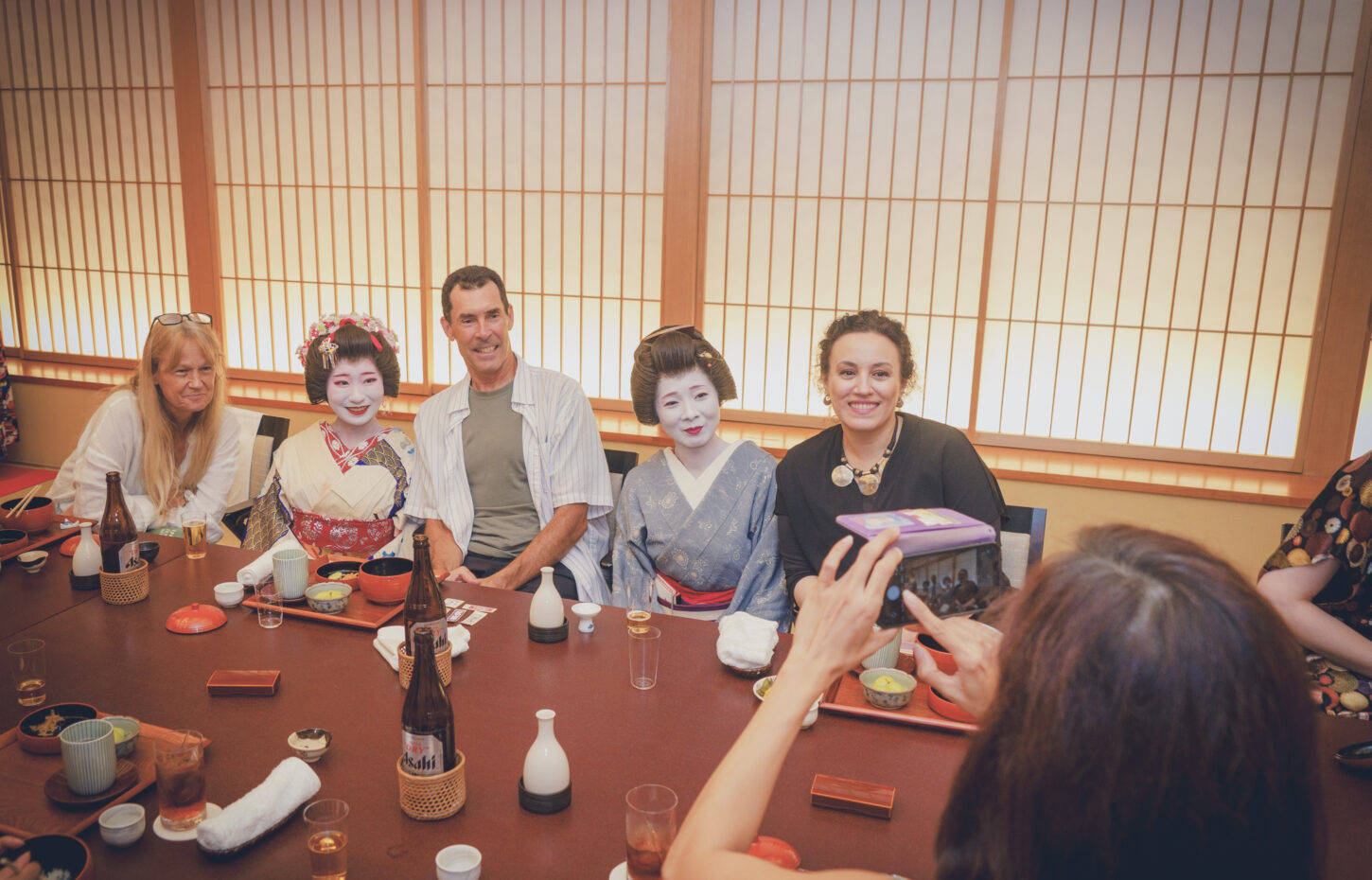
At Miyakodori, guests in the 3-hour plan enjoy an exquisite kaiseki dinner in the privacy of a beautifully designed room. Each dish is a work of art, featuring the finest seasonal ingredients that express the beauty of the Japanese seasons on a single plate. The true soul of the experience, however, is the omotenashi provided by the geisha. Under the guidance of the proprietress, who is a former geisha herself, the staff ensures that every guest feels truly welcome. You can watch elegant dances, listen to the beautiful melodies of traditional instruments, and even participate in lighthearted ozashiki (geisha banquet) games. For a closer look at these traditional games, explore our guide to ozashiki games and traditional geisha play.
This is the perfect setting for a special anniversary, an important business reception for VIPs, or simply for travelers who want to experience the real Japan. Unlike the more modern entertainment versions of geisha shows, Miyakodori preserves the authentic atmosphere of the flower and willow world. It is a place where time slows down, allowing you to forget the busy city outside and immerse yourself in a world of refined beauty and joy. Whether you are visiting for a family celebration or a quiet dinner, the memory of an evening at Miyakodori will stay with you forever.
Experience the Hidden Heart of Asakusa
Beyond the temples and lanterns lies a world few visitors ever discover. At Miyakodori—Asakusa’s only machiai chaya—you can enjoy a private ozashiki (geisha banquet) dinner with live performance in an authentic setting founded in 1950.
Request a ReservationHidden Gems and Quirky Streets Beyond the Main Temple
If you think the central temple is the only thing to see, you are missing some of the best asakusa places to go. The neighborhood is full of small streets where time seems to stand still, offering a quiet escape from the main tourist crowds. These side streets are where you can find the true heart of the city, where local people live, work, and maintain their traditional lifestyle. As you wander away from the red lanterns of the main site, you will discover unique spots that add depth to your trip. Whether you are searching for a special gift or just want a peaceful stroll, these areas are worth adding to your itinerary.
Tanuki Street and Denboin Street: The Artisan Spirit
Just a few minute walk from the busy Senso ji grounds, Denboin Street offers a beautiful experience of the Edo period architecture. The buildings here are designed with wooden shutters and traditional tiled roofs, creating a perfect atmosphere for photos. You can find many shops selling historic goods, such as handmade glass, traditional paper, and small accessories. It is a good place to pick a unique souvenir that reflects the real culture of Tokyo. Many of these small stores have been family-owned for generations, and the owners are often happy to share stories about their craft.
Nearby is the famous Tanuki Street, named after the mythical Japanese raccoon dogs that are said to bring good luck. There are twelve statues hidden throughout the street, each representing a different blessing such as health or wealth. Finding all of them is a fun activity for kids and adults alike. This area is much more quiet than Nakamise, allowing you to enjoy a slow walk while looking at the interesting details of the local buildings. It is especially beautiful in the late afternoon when the light is soft and the neighborhood feels like a scene from a movie.
Kappabashi Kitchenware Town: A Chef’s Paradise
A short walk toward the north brings you to Kappabashi, a unique district famous for its kitchenware and restaurant supplies. If you love to cook at home, this is a destination you cannot skip. The street is lined with specialized shops selling everything from high-quality Japanese knives to beautiful pottery and lacquerware. One of the most popular attractions here is the plastic food samples. These realistic models are used in restaurant windows all over Japan, and they make for a great and funny souvenir to take home.
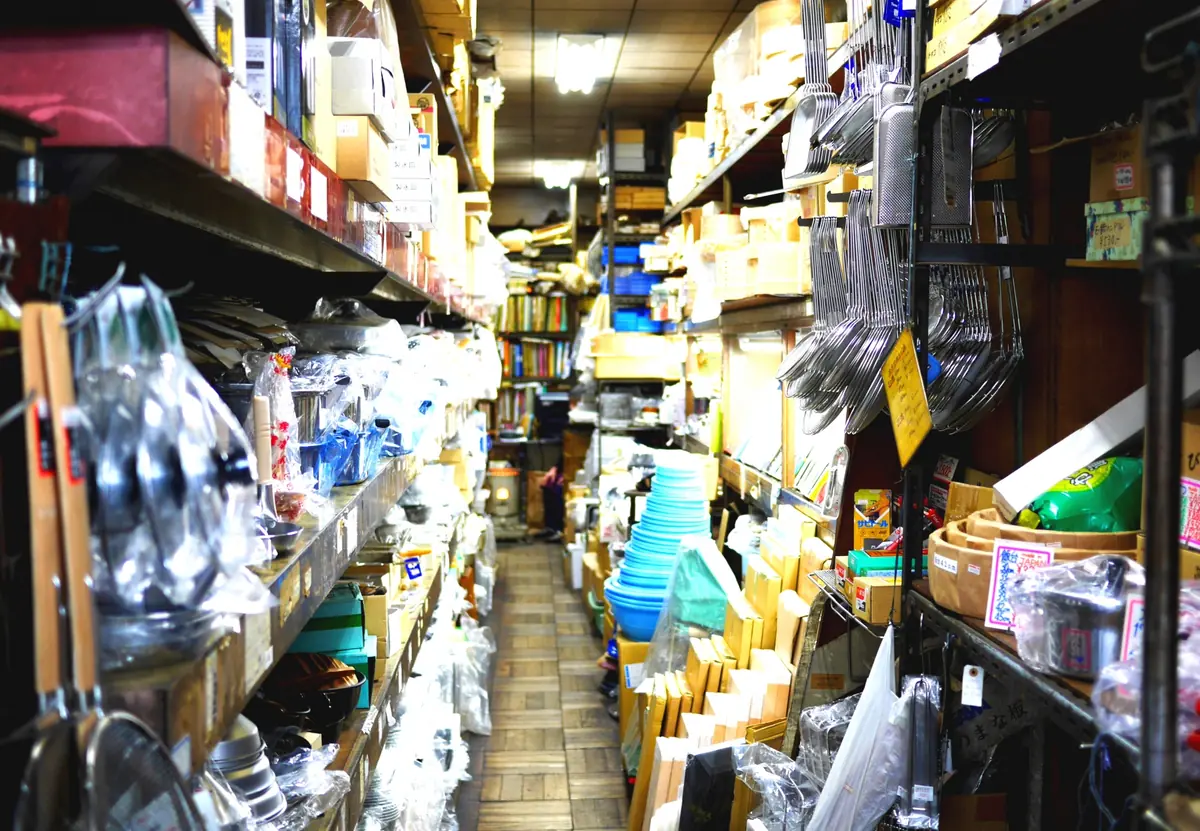
The area is also known for its giant statue of a chef on top of a building near the entrance. You can spend an hour or more here just exploring the different options for your kitchen. Prices are often better than in central shopping malls, and the quality is excellent. Many visitors find that Kappabashi is one of their favorite places to go because it is so different from other tourist spots. Even if you do not plan to buy a large set of dishes, just looking at the sheer variety of items is a fun experience. It is a lively center where you can see professional chefs from all over the city choosing their gear for the day.
Hanayashiki: A Nostalgic Trip to Japan’s Oldest Amusement Park
For a change of pace, visit Hanayashiki, which is recognized as the oldest amusement park in the country. Established in 1853, it has a nostalgic feel that you will not find in modern theme parks. It is located very close to the main temple and features a short but exciting roller coaster that weaves through the park grounds. This park is perfect for families with kids who want to have some fun after a long morning of sightseeing. The entrance fee is reasonable, and it offers a variety of classic rides and attractions.
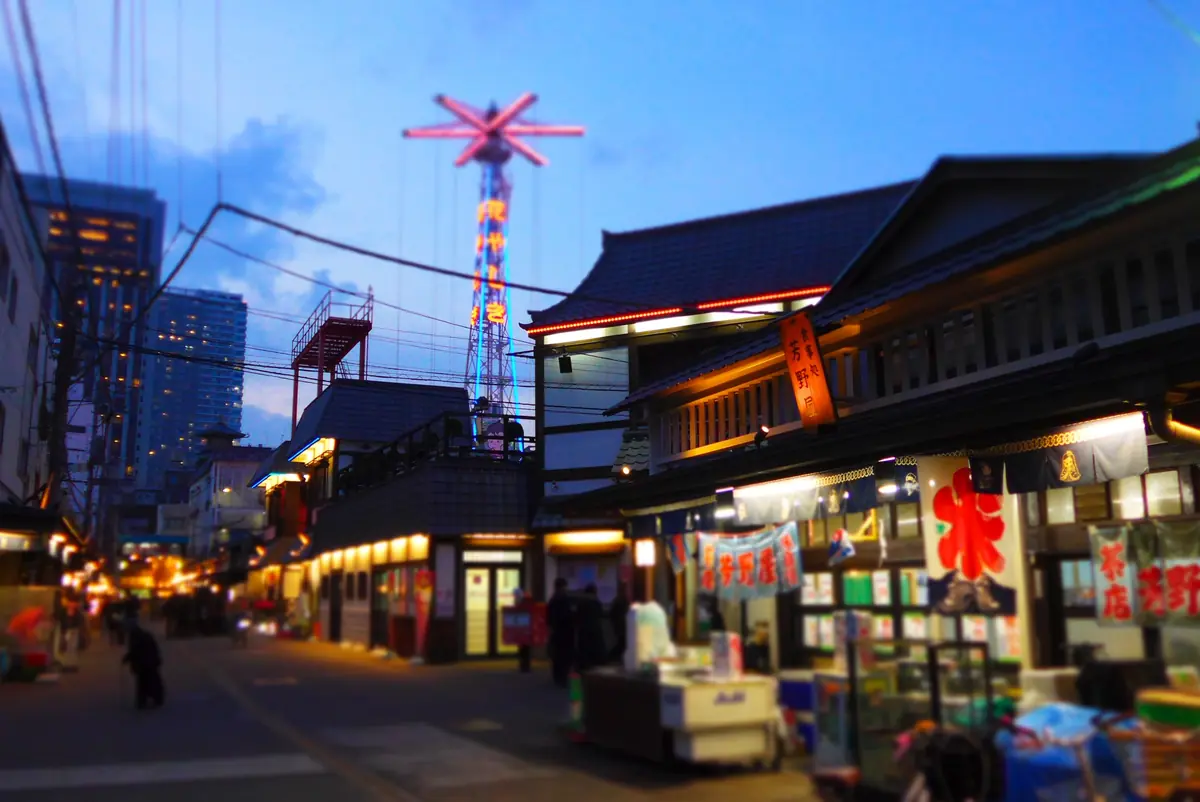
The atmosphere in Hanayashiki is very friendly and local. It is not as large or busy as the major parks, which makes it an easy and relaxing place to spend some time. You can grab a quick snack or a cold drink and watch the people enjoy the retro rides. Despite its small size, it is a significant part of the history of the neighborhood and has survived through many decades. Whether you want to try the rides or just enjoy the beautiful views of the pagoda from inside the park, it is a special spot that remains a popular choice for visitors.
Where to Eat: From Street Food to Fine Kaiseki Dining
No trip to Asakusa in 2025 or 2026 is complete without exploring the incredible variety of food available in this historic district. This area is like a culinary map of Japan, offering everything from simple street snacks to high-end restaurants. If you are planning your tour itinerary, make sure to leave plenty of room in your stomach to explore everything this local neighborhood has to offer. The culture here is deeply connected to its flavors, and eating your way through the streets is one of the best asakusa places to go for a true Japanese experience. From the busy stalls near the temple to the quiet, upscale dining rooms in Kannon-ura, the food here will satisfy every visitor. For recommendations on the finest kaiseki in Tokyo, see our guide to best kaiseki Tokyo.
Must-try Asakusa Snacks: Senbei, Age-manju, and Matcha
As you walk through the famous Nakamise shopping street, you will be surrounded by the delicious smell of fresh food being prepared right before your eyes. One of the most popular snacks you must try is senbei, or grilled rice crackers. You can buy them warm and crunchy, often wrapped in a piece of salty seaweed. These are perfect for a quick bite while you enjoy the views of the red lanterns and traditional shops. Another local favorite is age-manju. These are deep-fried buns filled with sweet red bean paste, creating a perfect contrast of textures that many people love.
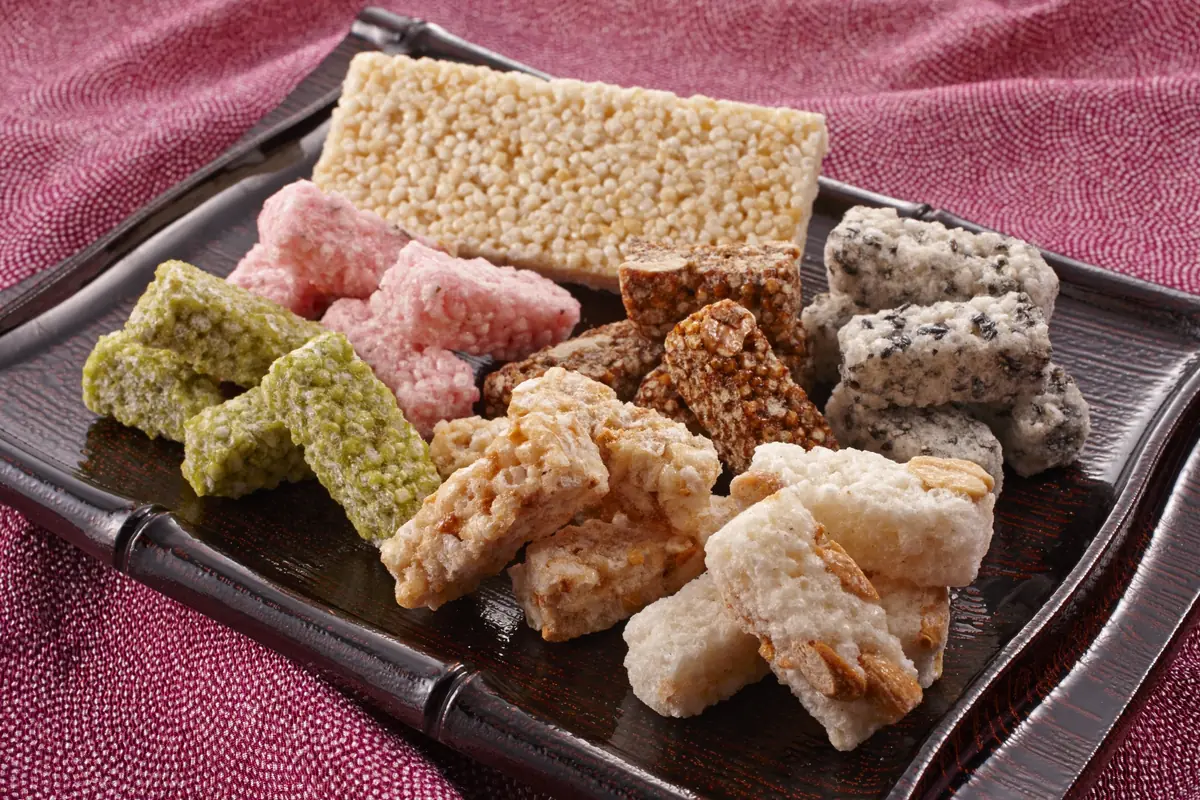
For those who prefer a cold treat, a matcha-flavored ice cream or a refreshing cup of green tea is a great way to stay cool during a long day of sightseeing. You can also find beautiful shops selling traditional sweets made of rice and sugar. These snacks are easy to grab and enjoy while you wander through the historic streets. Trying these items is a unique part of the culture that makes a trip to this city so special. Whether it is a hot summer day in July or a cool afternoon in March, the variety of sweets and snacks will always keep you happy and ready for more exploration.
Hoppy Street: Experiencing Local Nightlife
For a more lively and authentic atmosphere, head over to Hoppy Street, located just west of Senso ji. This street is famous for its outdoor tables and traditional izakaya style restaurants. It is particularly popular in the evening when local people and tourists gather to share drinks and small plates of food. The name of the street comes from Hoppy, a low-alcohol drink that tastes like beer and is often mixed with a Japanese spirit. This place is great for a group of friends who want to relax and talk after a busy day of walking.
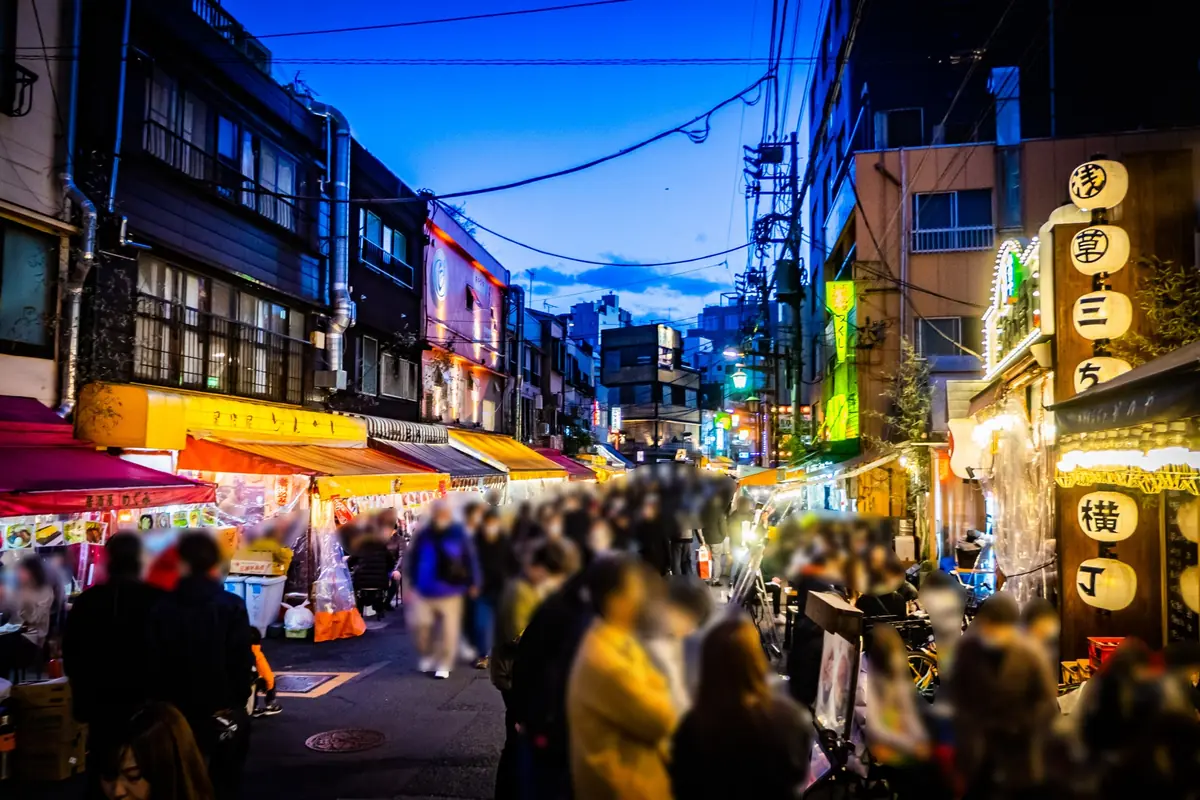
You must try the beef stew, which is the signature dish of the restaurants here. Sitting at a small table on the street, surrounded by the laughter and energy of the city, is a fun way to experience the modern life of Tokyo after dark. The atmosphere is very open and welcoming to everyone, making it a good spot to leave the busy main sites behind and just enjoy the moment. Many visitors stay late into the night here, enjoying the fresh taste of local food and the friendly vibe of the neighborhood. For more ideas on enjoying Asakusa after dark, see our Asakusa nightlife guide.
Dining with a View: Asahi Beer Hall and Riverside Cafes
If you prefer a more modern setting with a beautiful view, the riverside area along the Sumida River is the perfect place to go. The Asahi Beer Hall, with its famous golden building, offers a variety of fresh beer and a full menu of Japanese and international dishes. Many cafes along the river have outdoor seating where you can enjoy a coffee or a light lunch while looking at the Tokyo Skytree and the water. It is a very peaceful spot compared to the busy temple grounds, and the riverside walk is beautiful in any season.
For a more formal dinner, there are excellent sushi restaurants and traditional spots where you can book a private room for your family or business guests. Whether you want to try fresh fish or a large set menu, the quality of service in this district is always high. Before you go, it is a good idea to check the restaurant website for hours and policy information. You can even find places that offer halal options for visitors with specific needs. From a quick snack on the street to a high-end restaurant table, the dining culture here will make your trip to Japan unforgettable.
Modern Attractions and Riverside Adventures
Asakusa provides a unique contrast where you can stand in a 7th-century temple and look across the water at one of the tallest modern towers in the world. This blend of old and new is what makes a trip to Tokyo in 2025 or 2026 so exciting. After exploring the narrow streets of the temple district, heading toward the Sumida River offers a fresh perspective on the city. The riverside area is a popular spot for both visitors and locals to enjoy the sky and the open space. It is a good place to see how the history of the Edo period still influences the modern identity of the city.
Tokyo Skytree: Touching the Clouds
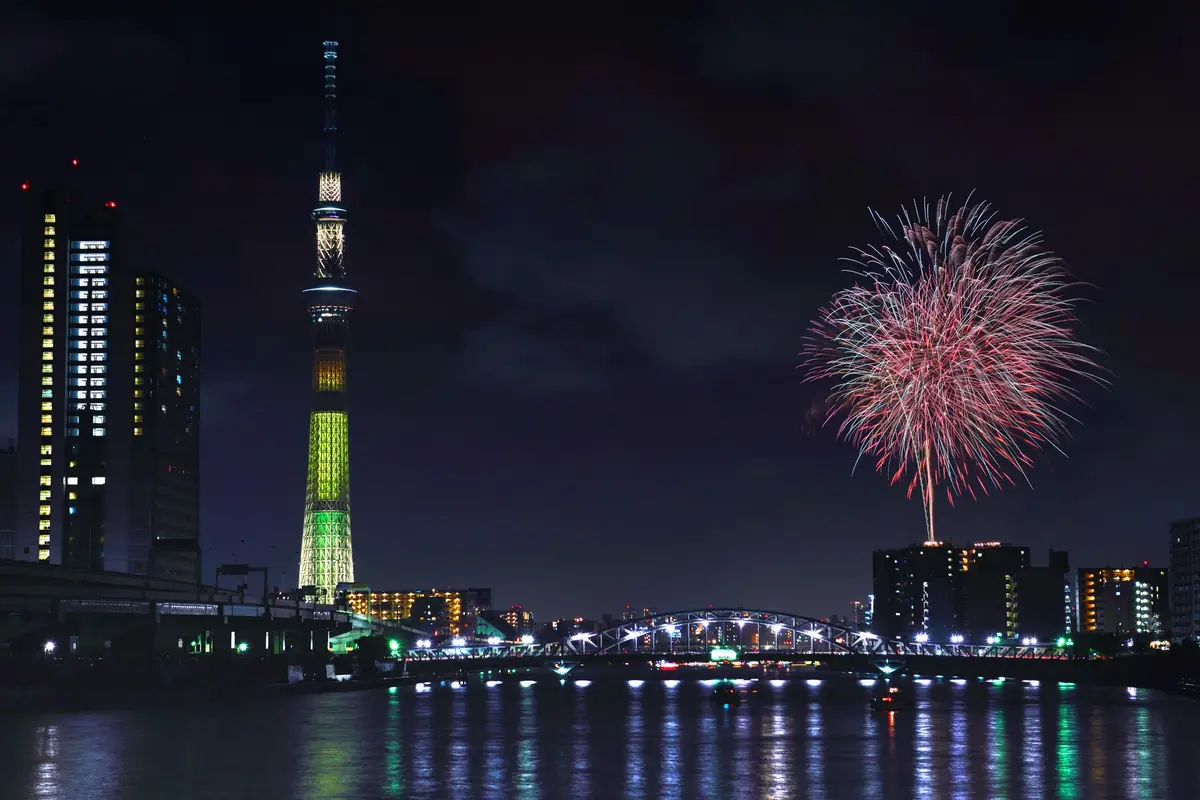
Just across the Sumida River stands the Tokyo Skytree, a magnificent building that has become a symbol of modern Japan. Reaching a height of 634 meters, it is the tallest tower in the country and offers an observation floor with a breathtaking view of the entire city. On a clear day, you can even see Mount Fuji in the distance. The walk from Asakusa station across the bridge takes about 15 to 20 minutes, or you can take a short train ride. Inside the complex, you will find a large shopping mall, an aquarium, and many restaurants. It is a great place to spend an afternoon if you want to see the scale of Tokyo from high above. Visiting the rooftop observation decks at night is also highly recommended to see the city lights.
Sumida River Cruises: Seeing the City from the Water
One of the most relaxing things to do is taking a stroll along the riverside and then hopping on a boat. The Sumida River cruises, often called the Water Bus, offer a unique way to travel to other popular areas like Odaiba or Hamarikyu Gardens. Some of the boats are designed with a futuristic look, featuring glass windows and a sleek shape that looks like something from a movie. As you sail under the many colorful bridges, you get a great view of the riverside buildings and the local life along the water. It is a quiet and beautiful way to see the city from a different angle, especially during the sunset when the water reflects the city lights.
Sumida Park: Seasonal Beauty and Relaxation
Located along both sides of the river, Sumida Park is a peaceful green space that is famous for its cherry blossoms in April. It is a perfect place for a walk after a busy day of shopping in the crowded streets. The park has traditional gardens and offers one of the best spots to take a photo of the Skytree with the river in the background. Whether you visit in the warm summer or the cool winter, the park provides a nice break from the busy tourist sites. Many people enjoy a small picnic here while watching the boats go by. It is a wonderful spot to feel the natural beauty of the city while remaining close to the heart of the action.
Practical Information for Visitors
To make your trip to Asakusa in 2025 or 2026 a complete success, it is important to plan the practical details of your travel. This historic neighborhood is located in the northeastern part of central Tokyo and is very easy to reach from major hubs like Shinjuku or Tokyo Station. Whether you are coming for a day tour or planning a long stay, having a clear map and understanding the local transport will save you time and energy. For a broader look at everything this neighborhood has to offer, our Asakusa experience guide is a great companion read.
How to Get to Asakusa Station
Asakusa Station is the primary gateway to the district and is served by several different lines. You can use the Tokyo Metro Ginza Line, which is very convenient if you are coming from the Shibuya or Ueno area. The Toei Asakusa Line provides a direct link to the international airports, making it a good choice for your first day in Japan. If you are using a JR pass, you can take a JR train to Ueno station and then switch to the subway for a short five minute ride. Before you head out, it is a smart move to check the official station website or use online maps to find the best exit for the temple or your hotel. The station is located right in the center of the action, giving you quick access to the main streets.
Best Hotels and Ryokans to Stay
Choosing where to stay is a big part of the experience. Staying in the district allows you to enjoy the quiet atmosphere of the streets late at night or visit the temple early in the morning before the large crowds arrive. There are many hotel options that offer beautiful views of the Tokyo Skytree and the Sumida River. If you want a more traditional feel, there are several historic ryokans where you can experience Japanese style rooms and hospitality. Prices vary depending on the season, so it is a good idea to book your room well in advance. Most places offer free English guides and helpful tips for visitors.
Best Times to Visit: Festivals and Seasons
The feel of Asakusa changes beautifully with each month. March and April are the most popular times because of the cherry blossoms that line the riverside. In the warm month of July, you can enjoy the famous fireworks display over the water. If you love a lively party, the Sanja Matsuri in May is one of the biggest festivals in the city, where thousands of people gather to celebrate. No matter when you visit, the neighborhood always has something special to offer. Always check the latest updated content on travel websites for specific festival dates and any policy changes for visitors.
Frequently Asked Questions (Q&A)
As you plan your journey to this historic district, you might have a few questions about how to make the most of your visit. Here are some of the most common inquiries from travelers looking for the best asakusa places to go.
Q: Is Asakusa safe to visit at night?
A: Yes, it is very safe. In fact, many people prefer visiting in the evening when the large red lanterns are lit up and the crowds are smaller. The area around Hoppy Street is lively and welcoming for international visitors.
Q: How can I see a real geisha in Asakusa?
A: While you might see geisha walking between appointments in the Kannon-ura area, the best way to experience their art is by booking a dinner at a traditional place like Miyakodori. This ensures you can watch their dance and music in a private and authentic setting.
Q: Do I need to book activities in advance for 2025 or 2026?
A: For popular experiences like kimono rentals or a private dinner at a machiai chaya, it is highly recommended to book early via their website. This helps you skip the long wait and ensures you get the time slot you want.
Q: Are there English guides available?
A: Yes, many local tours and shops offer English services. Most major sites have signs in English, making it easy to navigate.
Q: What is the best way to contact local businesses for reservations?
A: Most businesses prefer contact through their official website or email. Be sure to check their privacy policy and cancelation terms when you book.
Conclusion: Why Asakusa remains the heart of Tokyo history
Asakusa is more than just a tourist destination; it is a living bridge between the ancient Edo period and the modern energy of Japan today. From the iconic red gate of Senso ji to the refined elegance of a geisha performance at Miyakodori, every corner of this neighborhood tells a story of resilience, culture, and hospitality. Whether you are shopping for local goods on a busy street or enjoying a quiet moment in a riverside park, the experience is 100 percent authentic and unique.
As you plan your trip for 2025 or 2026, remember that the true magic of this city lies in its people and their traditions. We invite you to explore the local shops, taste the seasonal food, and immerse yourself in the world of the flower and willow. A visit to Miyakodori will provide a memory that lasts a lifetime, offering a deep connection to the heart of Japanese culture. We look forward to welcoming you to the beautiful and historic streets of Asakusa.
Exclusive Geisha Experience in Asakusa
Request Your Evening at Miyakodori
Asakusa’s only machiai chaya — founded in 1950 — offers an authentic ozashiki (geisha banquet) dinner with live dance and shamisen performance in a private tatami room.
English interpreter available • Dietary options including halal & vegan • Groups welcome
Request a ReservationReservations recommended in advance • en.miyakodori-geisha.com
Footnotes & References
- About Ozashiki Chaya (Traditional Reception Tea House) — prtimes.jp
- About Asakusa Miyakodori — asakusa.gr.jp
- Tokyo Metropolitan Government Official Website: Culture and History of Asakusa — my.metro.tokyo.lg.jp
- Asakusa Geisha Promotion, Asakusa Kenban Official Website — asakusakenban.com
- Asakusa Miyakodori Official Website — miyakodori-geisha.com
Related Guides


- 12 Best Tokyo Dinner Places: A Complete Guide (2026)
- 2026 Best Geisha Dinner in Kyoto and Tokyo: Private Experience Review and Booking Guide
Japanese Culture Items: A Complete Guide to Traditional Crafts and Objects
Japanese Culture Events: A 2026 Guide to Festivals and Traditions for International Travelers
Japanese Culture and History: A Complete Guide for International Travelers
Japanese Culture: Traditions, Arts and Living Heritage — Complete Guide
Asakusa Area Hot Springs & Sauna Guide | 3 Local Spas to Heal Tourist Fatigue
Authentic Experience Touching Artisan Skills! Asakusa’s Traditional Culture Workshop
Comment ( 0 )
Trackbacks are closed.

No comments yet.