



Japanese Culture Events: A 2026 Guide to Festivals and Traditions for International Travelers
Japan is a country where the past and the present live together in harmony. As we move through 2026, the global interest in Japanese culture continues to grow. People from all over the world travel to this beautiful island nation to witness how ancient customs are preserved in modern society. The heart of this cultural endurance lies in the various events and festivals held throughout the year. Every single event offers a unique window into the soul of the community, showing a deep respect for nature, ancestors, and history.
For international visitors, participating in a local festival or a cultural gathering is not just a simple sightseeing activity; it is a completely immersive experience. It allows you to feel the pulse of the city, taste authentic food, and appreciate traditional art forms that have been passed down for generations. Whether you are walking through the neon-lit streets of Tokyo or exploring the quiet temples of Kyoto, you will find that a Japanese celebration is filled with energy, music, and dance. In 2026, the calendar is packed with incredible opportunities to engage with these living traditions. Understanding the meaning behind these gatherings will enrich your travel experience and help you connect with the local people on a deeper level. This guide will provide everything you need to know about navigating these cultural phenomena.
Top Annual Japanese Festivals and Cultural Events
The seasonal shifts in Japan are marked by beautiful celebrations. Each season brings a completely different vibe, colored by distinct rituals, decorations, and performances. From the delicate pink of spring to the fiery energy of summer, the traditional calendar reflects the changing face of nature. Let us explore the most prominent events across the year.
Spring Events (Cherry Blossom Festivals and Spring Rituals)
Spring in Japan is famous worldwide for the cherry blossom season. Known as sakura, these beautiful pink flowers bloom across the country, starting in the south and moving north. A classic spring ritual is hanami, which translates to flower viewing. Families, friends, and coworkers gather under the blooming trees in parks and along riverbanks to share delicious food, drink, and laughter. In Tokyo, spots like Ueno Park, Shinjuku Gyoen, and the Meguro River become major centers of celebration. This event is a true reflection of the Japanese concept of mono no aware, the awareness of the impermanence of things, as the blossoms only last for a couple of weeks. People enjoy the fleeting beauty, inspired by the delicate petals falling like snow.
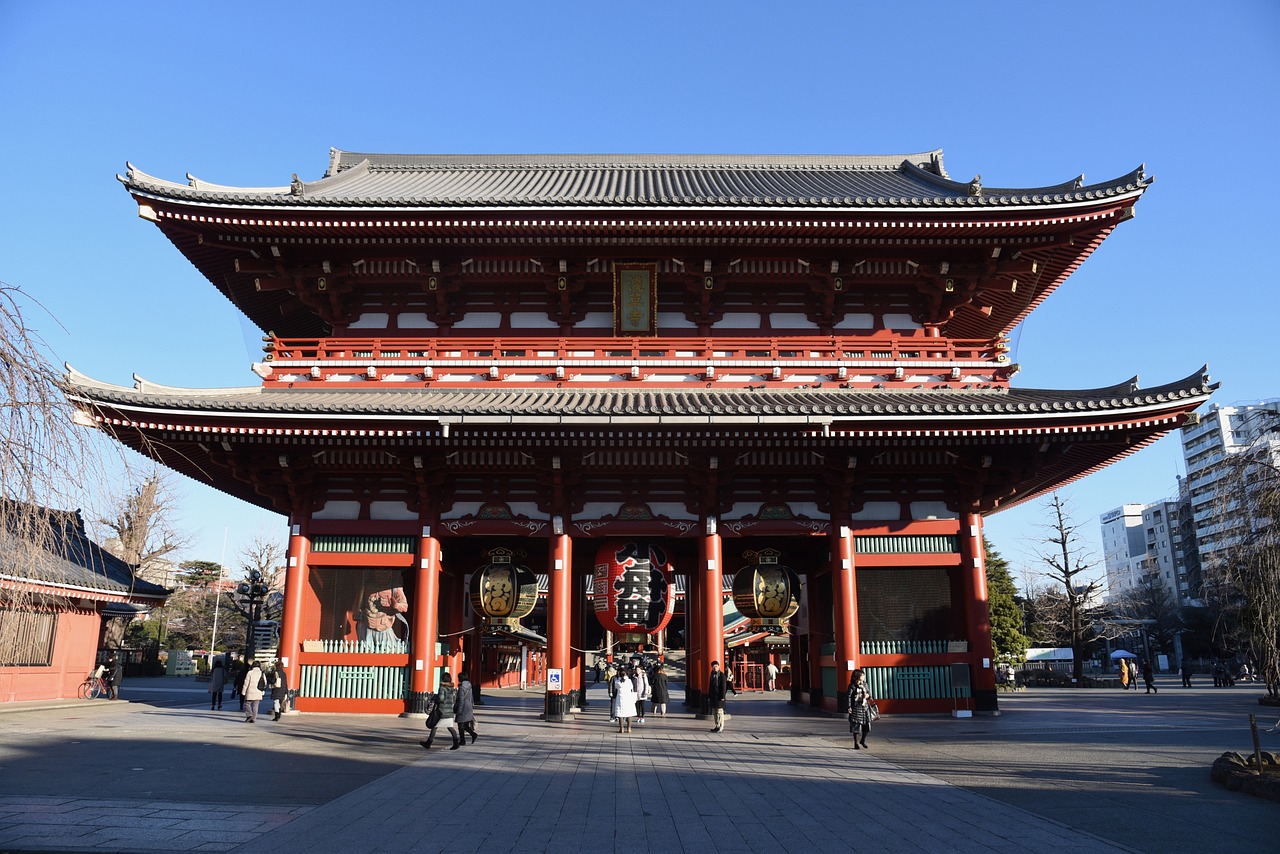
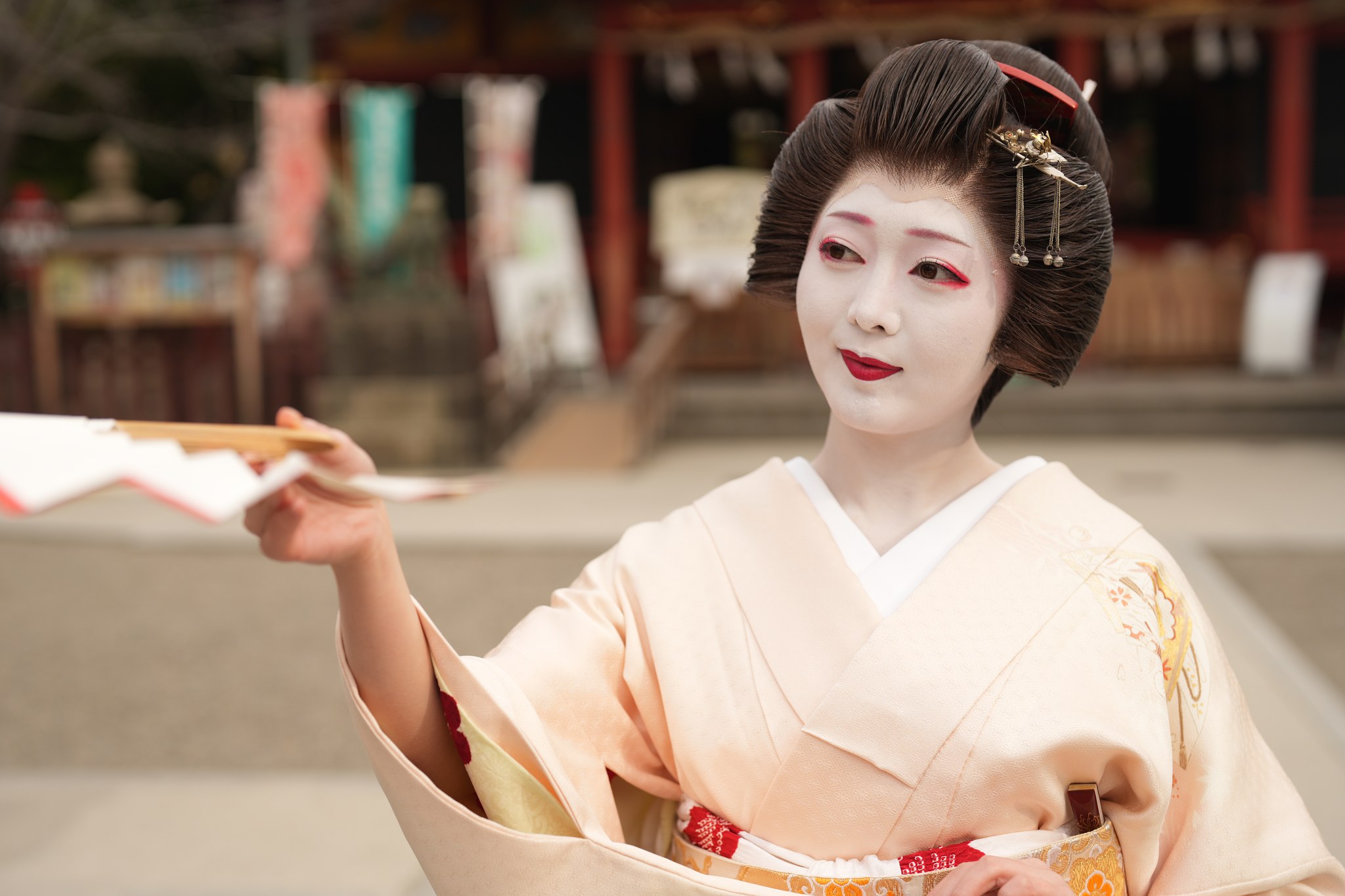
Apart from flower viewing, spring is also a time for deep-rooted religious rituals. In mid-May, Tokyo hosts the Sanja Matsuri, one of the three major festivals of the city. Held in the historic Asakusa geisha district around Senso-ji Temple, this event honors the three men who founded the temple. The atmosphere is electric as local residents carry massive portable shrines, called mikoshi, through the crowded streets. The rhythmic chants, the sound of taiko drums, and the traditional flutes create an unforgettable energy. It is an amazing way to see the local community come together to protect their shared heritage, showing a powerful display of neighborhood pride and unity that has lasted for centuries.
Summer Matsuri (July and August Fireworks, Dance, and Street Food)
When summer arrives, the country transforms into a vibrant stage for summer matsuri. The months of July and August are particularly famous for spectacular fireworks displays, known as hanabi taikai, and energetic dance festivals. People dress up in yukata, which are lightweight cotton kimonos, and head out into the warm evening air to enjoy the festivities.
In July, Kyoto hosts the Gion Matsuri, an entire month of celebrations featuring massive, beautifully decorated floats parading through the city streets. Meanwhile, in late July, Tokyo experiences the Sumida River Fireworks Festival, where thousands of fireworks light up the night sky over the historic river near Asakusa.
As August begins, the focus shifts to traditional dance. The Awa Odori in Tokushima and the Koenji Awa Odori in Tokyo are incredible events where teams of dancers move through the streets in synchronized, rhythmic patterns, accompanied by traditional music. Street food is a major feature of any summer matsuri. Visitors can enjoy delicious snacks like takoyaki (octopus balls), yakitori (grilled chicken skewers), and kakigori (shaved ice with sweet syrup). Walking along a street lined with food stalls while listening to the distant sound of drums is the ultimate Japanese summer experience.
Autumn and Winter Celebrations (Traditional Arts and Workshops)
As the weather cools down, autumn brings stunning foliage and harvest celebrations. Leaves turn bright red and gold, creating a perfect backdrop for cultural events. In October, Kyoto celebrates the Jidai Matsuri, or Festival of the Ages, which features a massive parade of people dressed in authentic historical costumes from different eras of Japan’s history. Autumn is also a wonderful time for art and craft exhibitions, tea ceremonies, and museum workshops, where visitors can learn about traditional pottery, textile dyeing, and calligraphy.
Winter brings its own unique charm, turning the colder days into a magical experience. In February, the northern city of Sapporo holds its world-renowned Snow Festival, featuring massive, highly detailed ice sculptures that attract millions of international visitors. In other parts of the country, winter is marked by illumination events, where entire parks and streets are decorated with millions of colorful lights. It is also a time for quiet reflection and traditional customs, such as visiting a temple or shrine on New Year’s Day to pray for health and good fortune in the upcoming year.
Planning Your Trip Around Japan’s Upcoming Events
If you are planning to visit Japan in 2026, it is highly recommended to design your travel itinerary around these upcoming events. Experiencing a traditional festival can easily be the highlight of your trip. However, because these celebrations attract large crowds of both local residents and international tourists, advanced planning is essential. Tokyo and Kyoto are excellent base cities, as they host major festivals and offer easy access to regional events via the efficient bullet train network.
When scheduling your trip, check the exact dates of the festivals you wish to attend, as some dates change slightly depending on the calendar or the weekend. Booking your accommodations and train tours months in advance will save you from unnecessary stress. Additionally, consider joining guided cultural tours that include festival access. These tours often provide valuable historical context and take you directly to the best viewing spots, allowing you to focus completely on the fun and beauty of the celebration without worrying about logistics.
Join the Community: Classes, Workshops, and Local Experiences
To truly appreciate the depth of Japanese culture, you should look beyond just watching from the sidelines. Participating in hands-on activities, workshops, and local classes is the perfect way to connect with the community. Across major cities like Tokyo, there are numerous cultural centers and local studios that offer experiences designed specifically for international visitors. You can join a traditional tea ceremony class, try your hand at Japanese drumming (taiko), or take a workshop in flower arranging (ikebana).
Many of these local experiences are free or available for a small fee, making them highly accessible to travelers on any budget. Engaging in these activities allows you to interact directly with local artisans and masters who are passionate about sharing their arts. By learning the basic steps of a traditional dance or understanding the delicate balance of flavors in Japanese food, you gain a personal connection to the culture that goes far beyond a typical tourist experience. It transforms your journey from simple sightseeing into a meaningful cultural exchange that stays with you long after you return home.
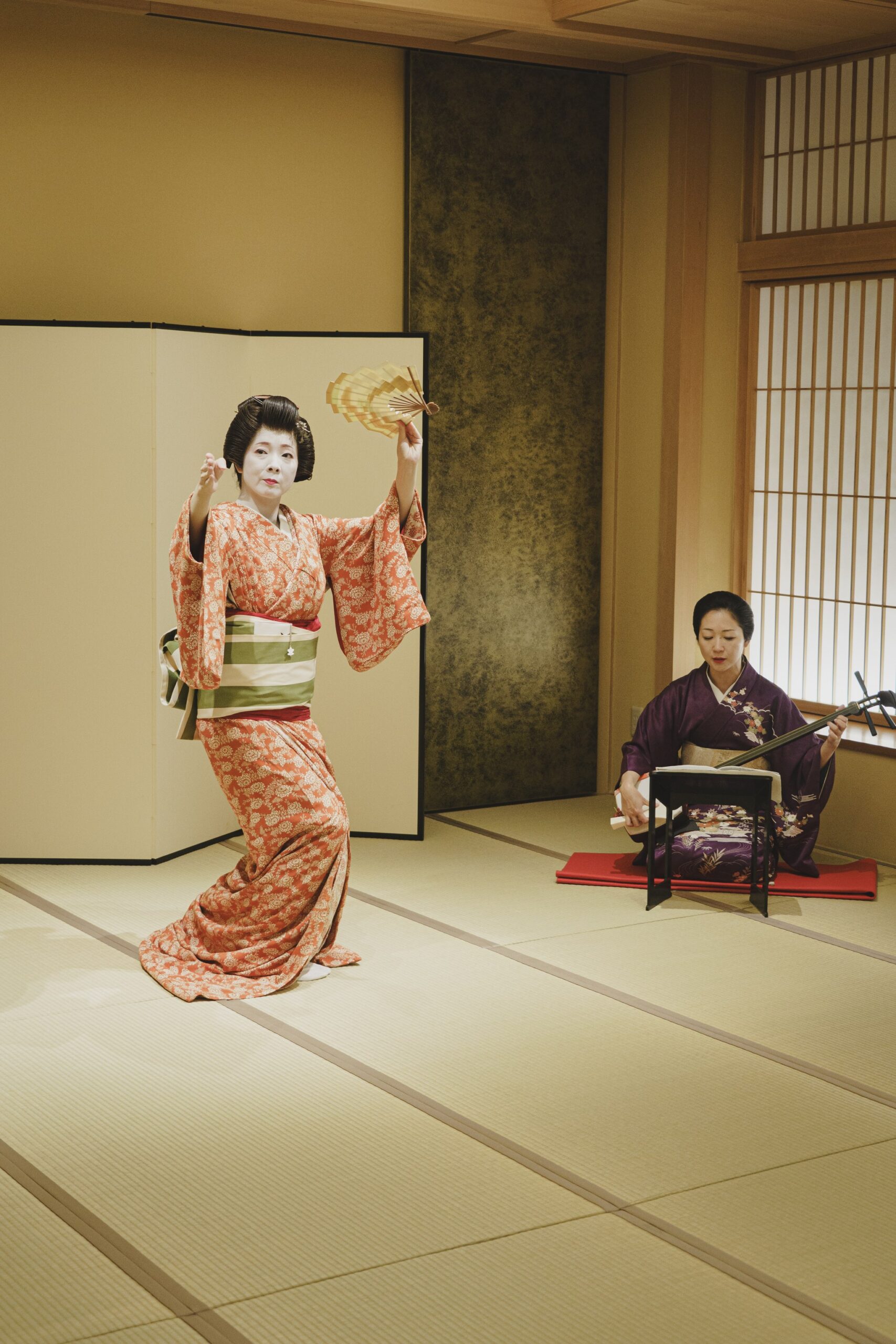
Experience Living Culture at Miyakodori
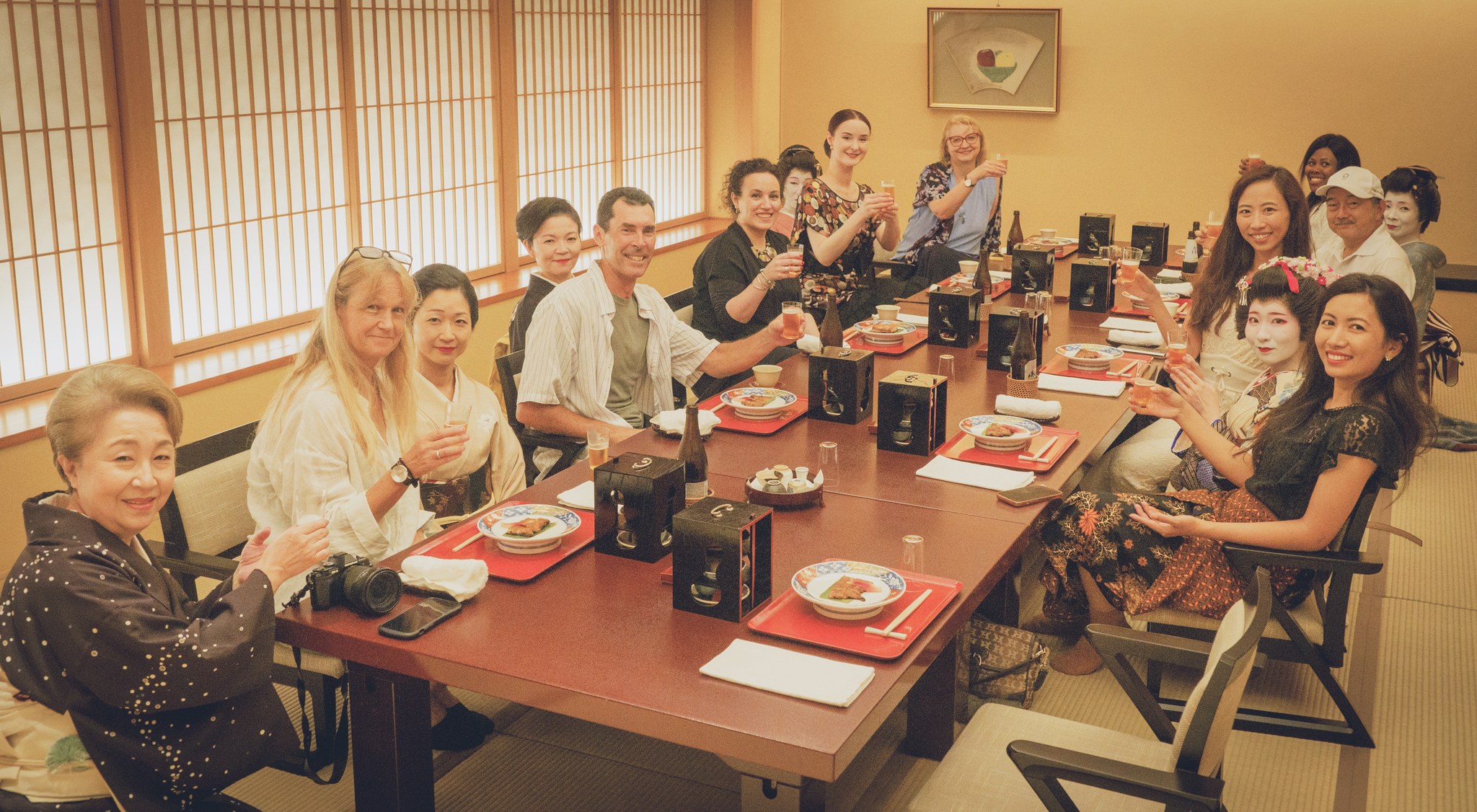
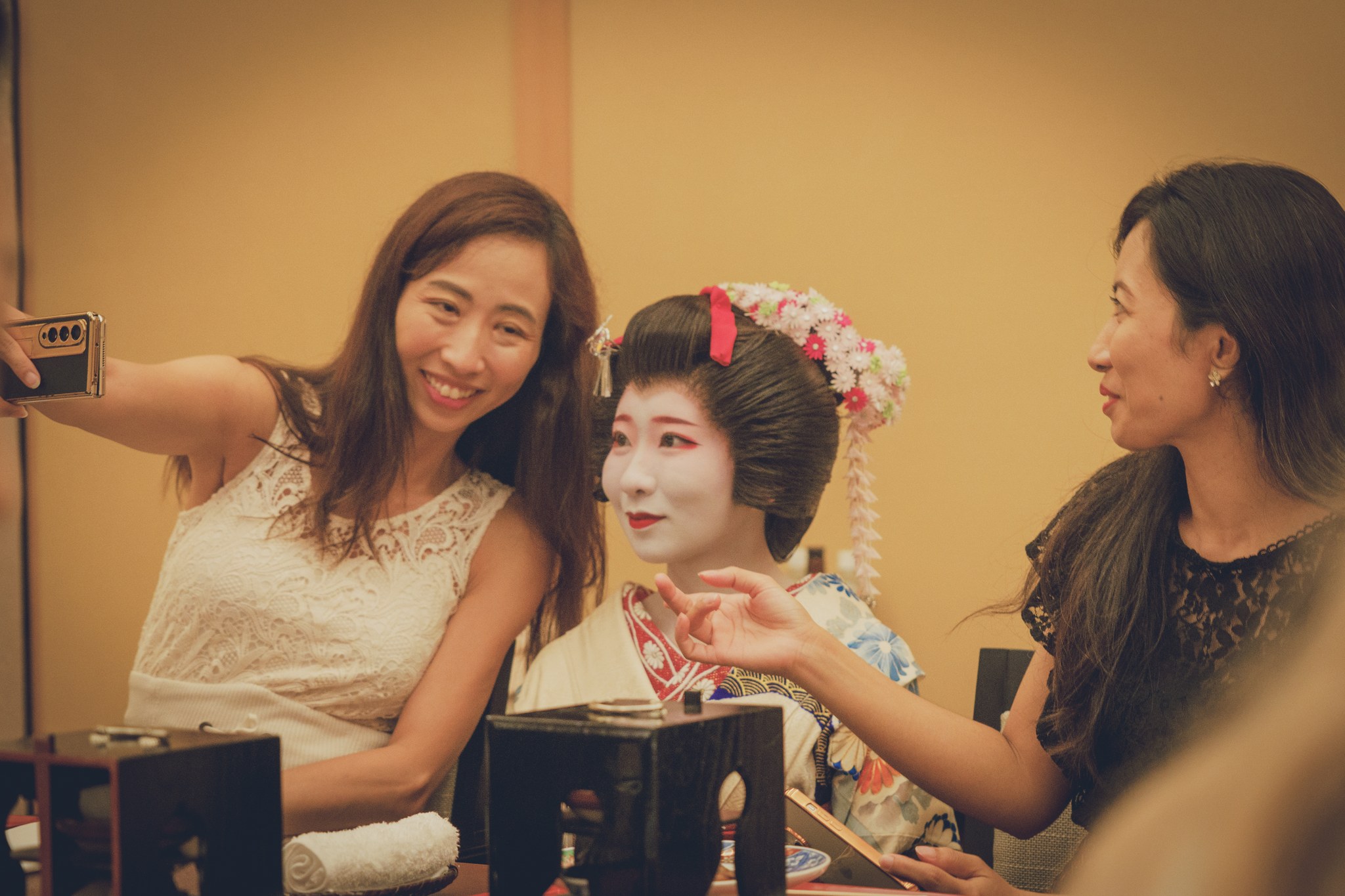
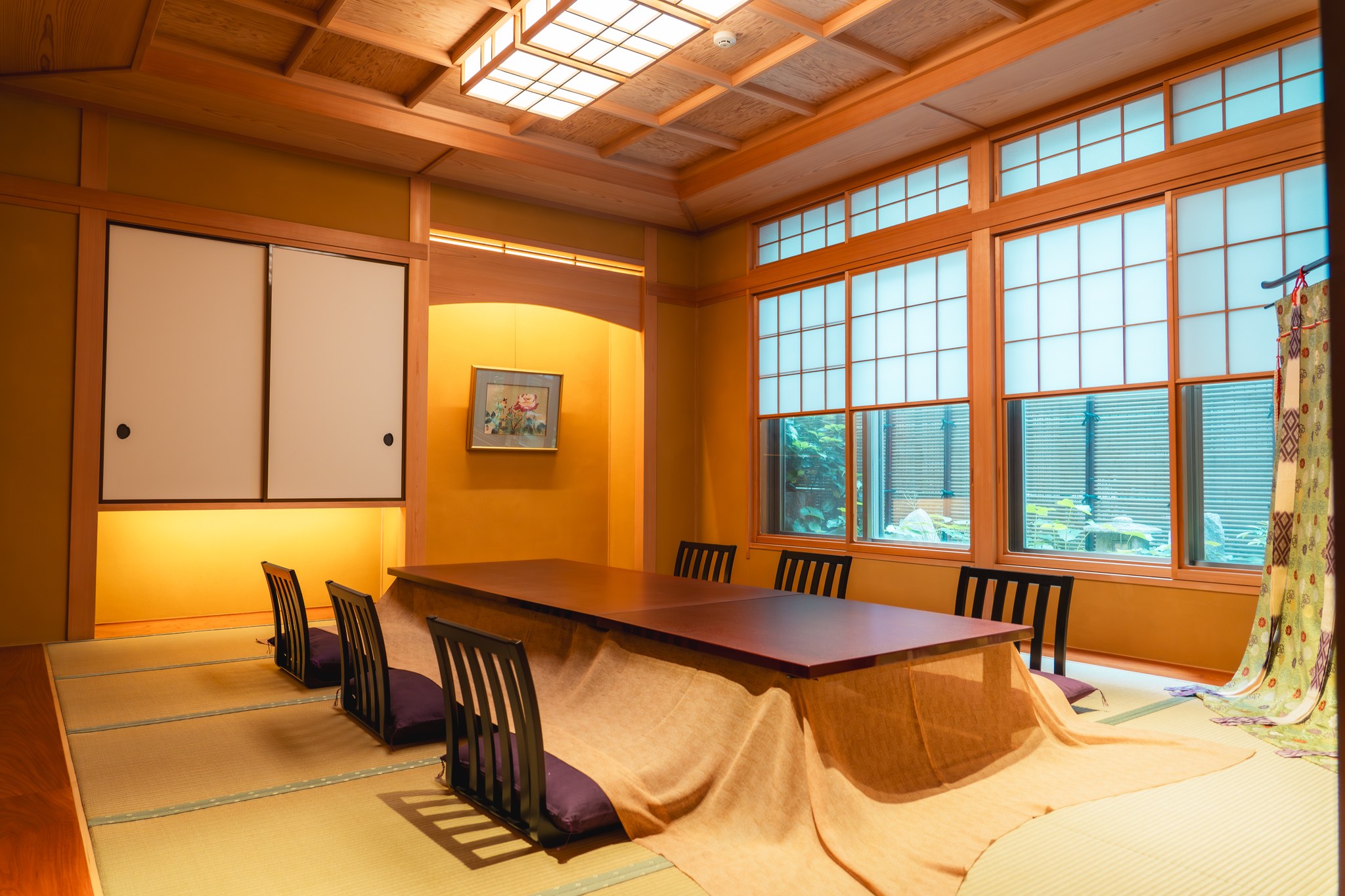
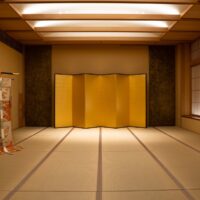
Beyond public festivals, Asakusa offers a private encounter with Japan’s living traditions. At Miyakodori, professional geisha welcome you to an intimate ozashiki banquet — shamisen music, traditional parlor games, and kaiseki cuisine in a tatami room steps from Senso-ji Temple.
Request a ReservationConclusion: A Private Encounter with Japan’s Living Traditions
Attending a festival or engaging in a local cultural event in Japan is a life-changing experience that will leave you with memories to cherish forever. From the beautiful cherry blossoms of spring to the energetic street dances of summer, Japan’s traditions are alive, welcoming, and deeply moving.
If you are looking for an authentic, private cultural experience in the heart of Tokyo, start in the historic district of Asakusa. While large public festivals are wonderful, a private and intimate encounter with Japan’s living history offers an entirely different level of appreciation. Located in the quiet area behind the famous Senso-ji Temple, known as Asakusa Kannondo, you will find Miyakodori. Founded in 1950, Miyakodori is a machiai-chaya — a traditional venue where the main purpose is to enjoy the company, music, and elegant dance of authentic Asakusa geisha.
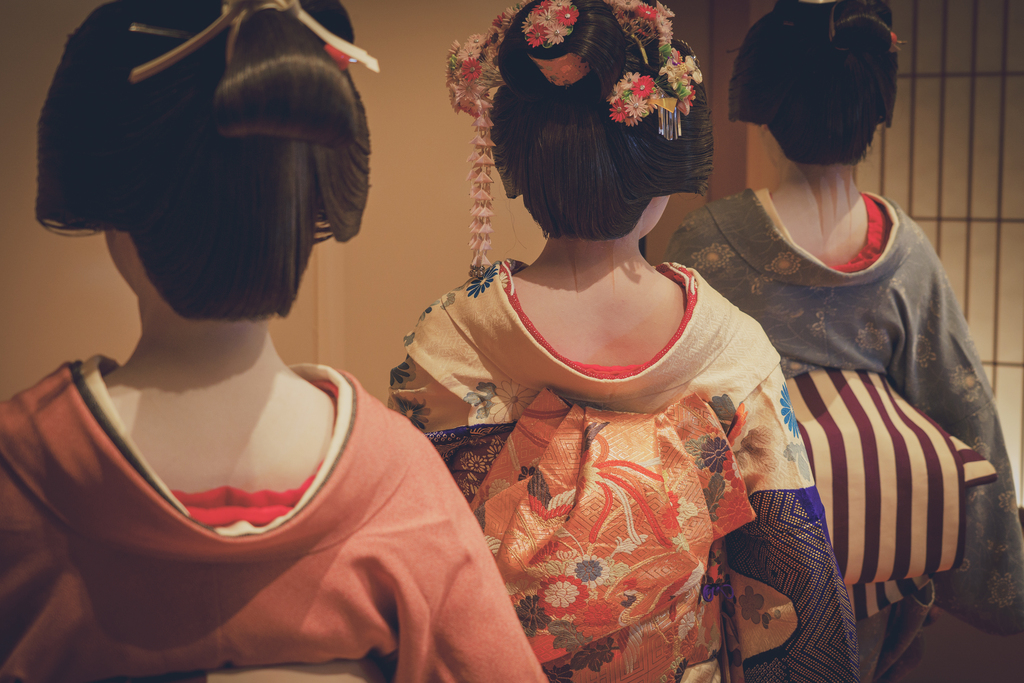
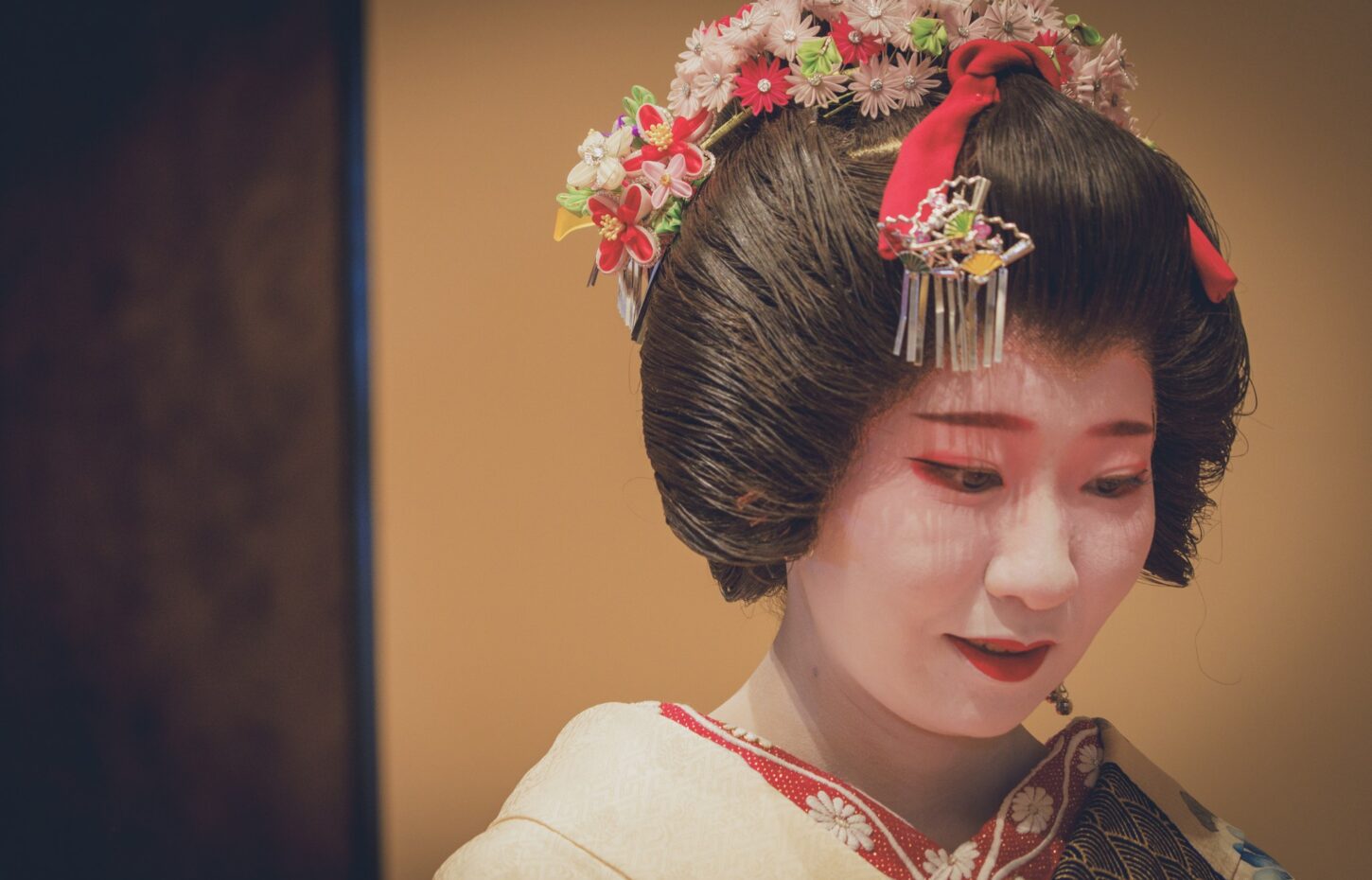
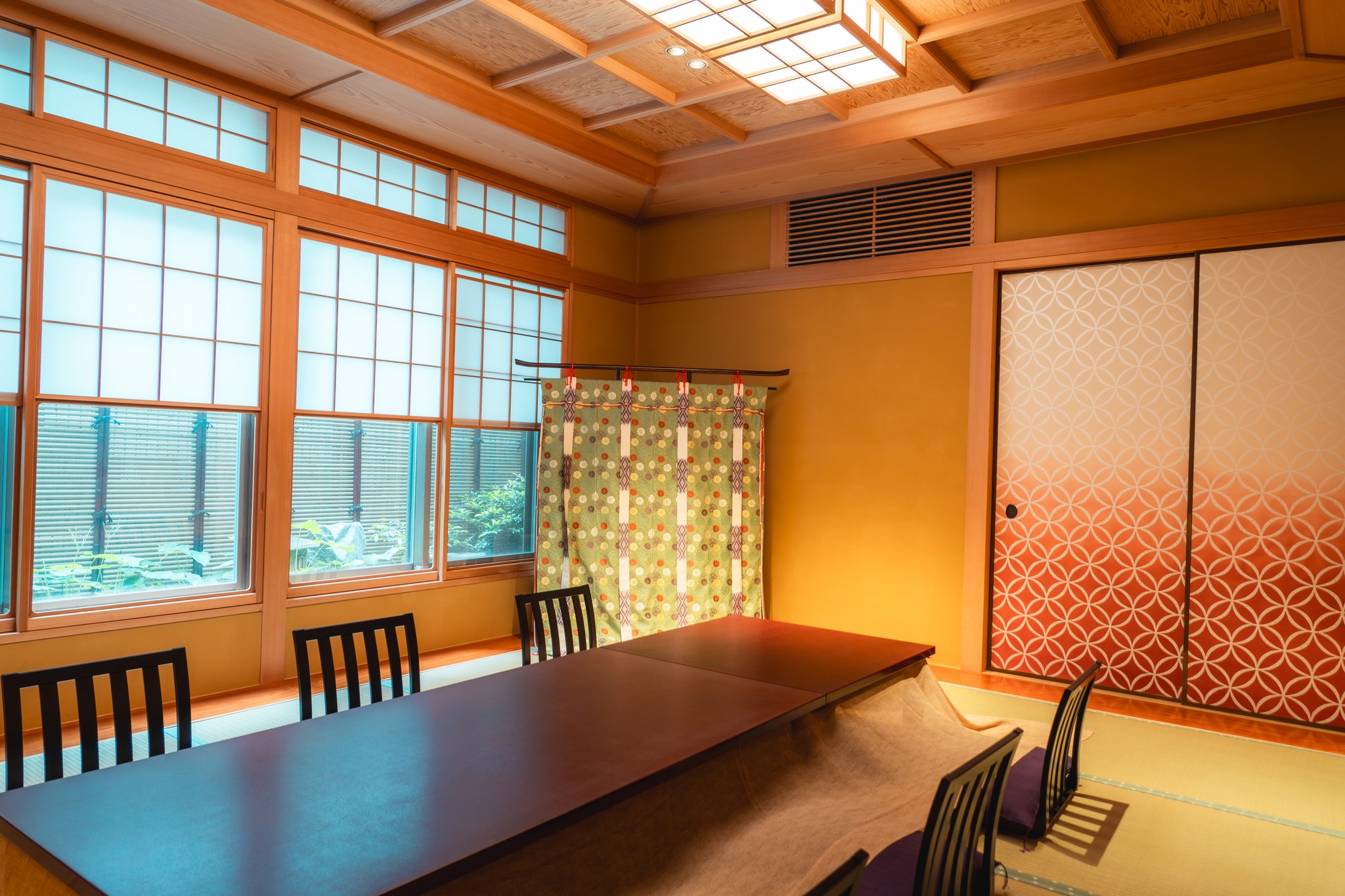
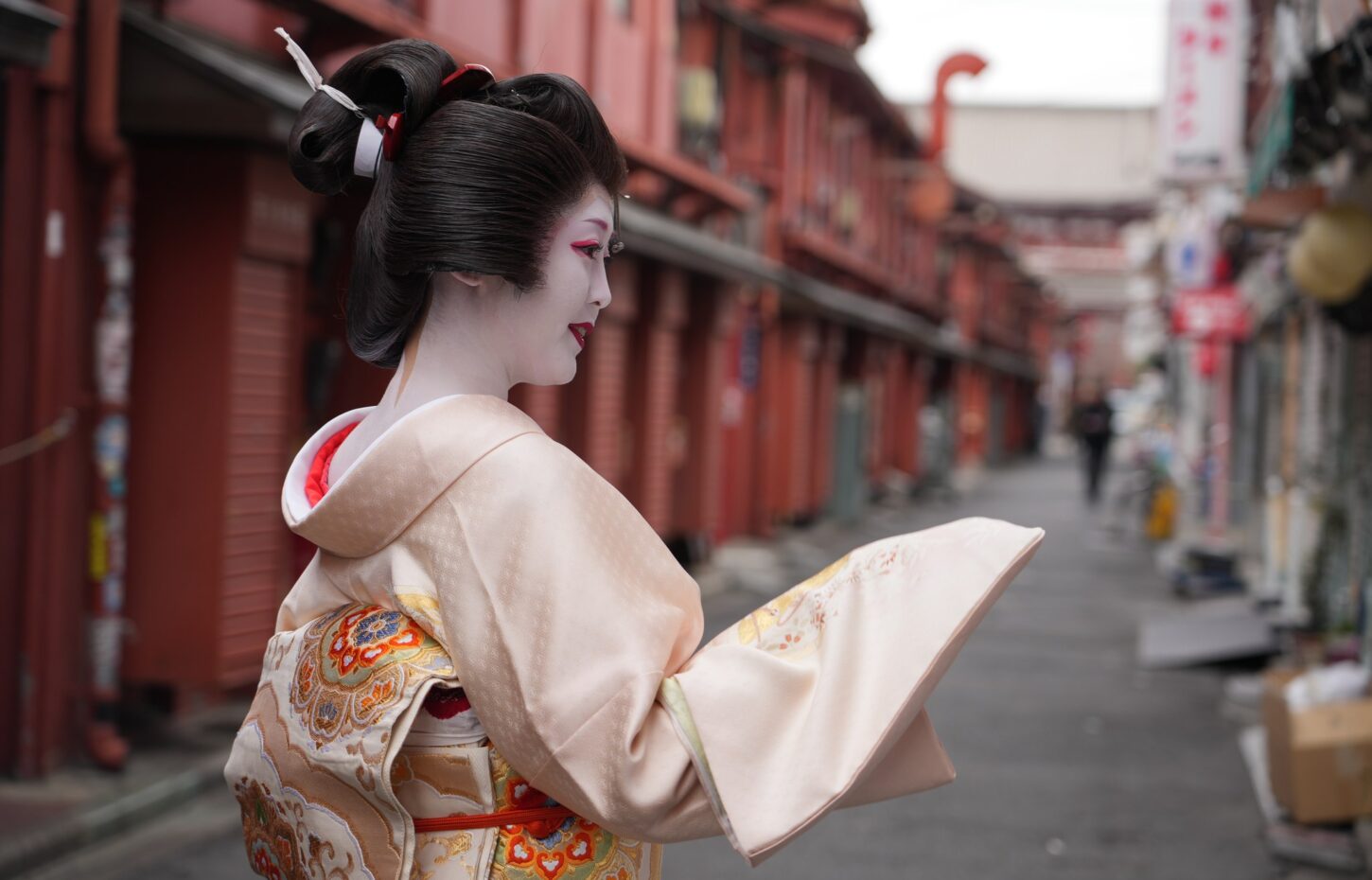
Asakusa has a rich history of over 400 years since the start of the Edo period. Unlike other exclusive districts that can feel closed off, Asakusa has always been an open and welcoming community, embracing visitors from all walks of life. At Miyakodori, geisha who have undergone strict and dedicated training welcome you from the bottom of their hearts. You can enjoy a luxurious kaiseki dinner featuring fresh, seasonal ingredients that capture the beauty of the four seasons on your plate.
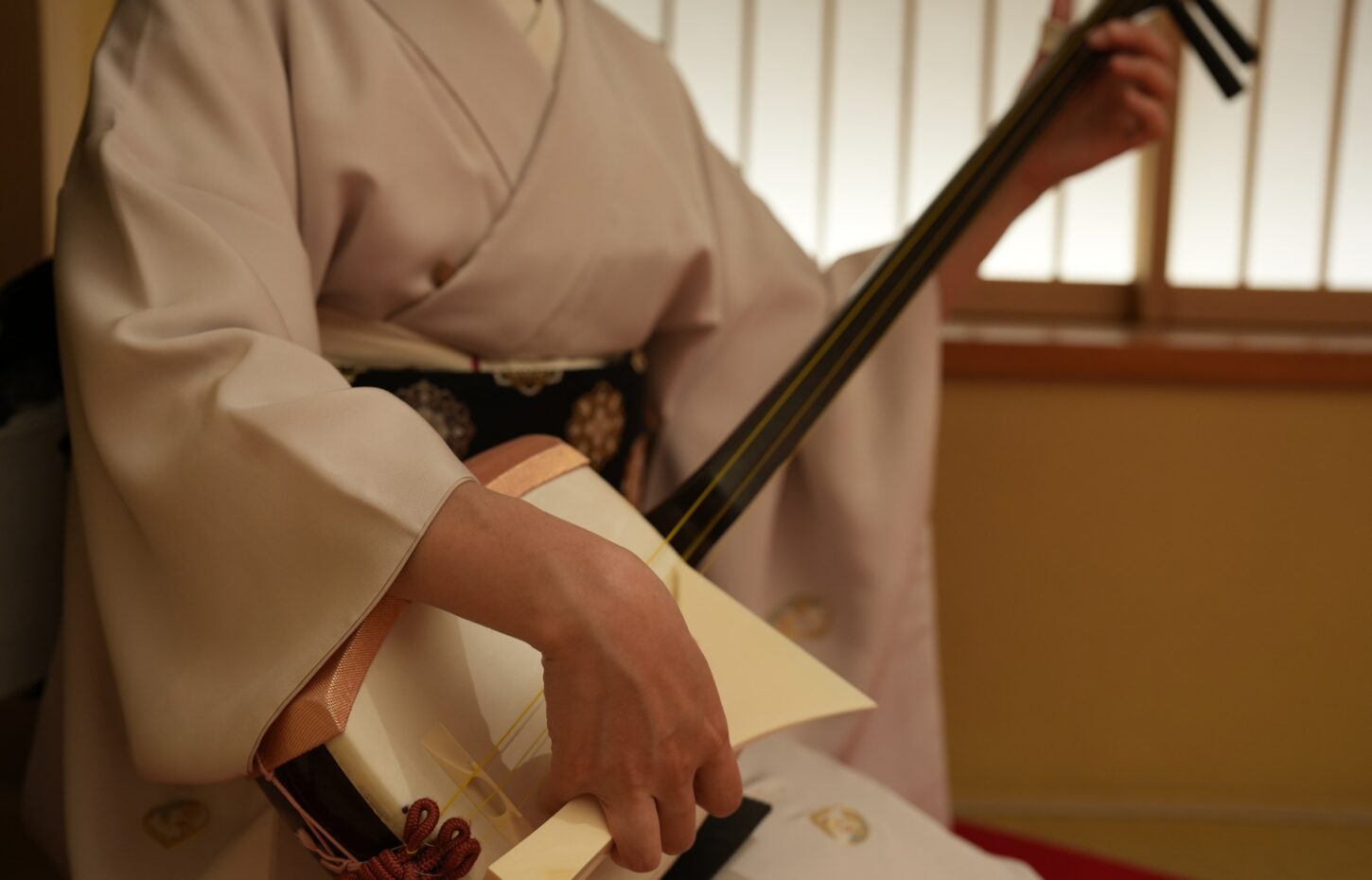
While listening to the beautiful live music of the shamisen, you can participate in traditional ozashiki games like Konpira Fune Fune or Tora Tora. These games have been enjoyed live for over 200 years, offering a unique entertainment that cannot be fully captured by photos or videos. The master of the house, the okami, is a veteran of this world and a former geisha herself, adding an extra layer of cultural authenticity to your visit.
Miyakodori warmly welcomes first-time guests and international visitors, offering modern comforts such as an elevator while maintaining its beautiful traditional atmosphere. Whether you are celebrating a special family anniversary, hosting a business dinner for VIPs, or looking for an unforgettable highlight for your Japan travel, Miyakodori provides a space where you can escape daily life and experience the true essence of Edo culture. To learn more about geisha culture in Japan and the ultimate guide to geisha in Japan, explore our related articles.
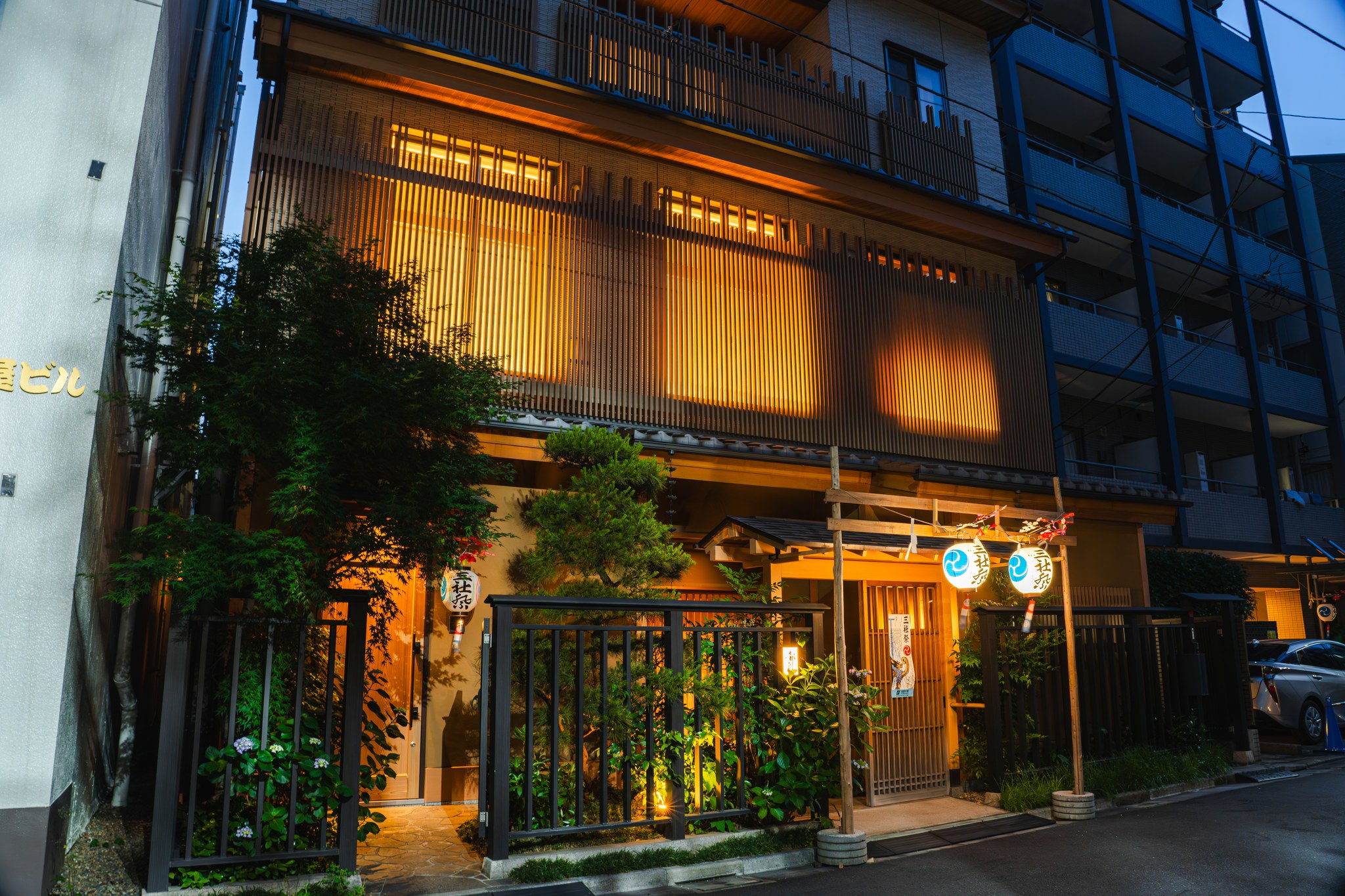
Experience Asakusa’s Living Festival Culture
Miyakodori is the only remaining machiai-chaya in Asakusa — a private tatami room, professional geisha, shamisen music, and traditional parlor games, just steps from Senso-ji Temple. Reservations are available for groups of two or more.
Or contact us directly: [email protected]
Frequently Asked Questions
- What is the best time of year to experience Japanese festivals?
- Japan has remarkable cultural events in every season. Spring (March to May) is ideal for cherry blossom festivals and Sanja Matsuri in Asakusa. Summer (July to August) brings spectacular fireworks and dance festivals. Autumn offers foliage celebrations and historical parades, while winter features illumination events and New Year shrine visits. For a private ozashiki geisha experience at Miyakodori, reservations are available year-round.
- Can international visitors fully participate in Japanese festivals without speaking Japanese?
- Absolutely. Most major festivals in Tokyo and Kyoto are welcoming to international visitors, with English signage and staff at major events. For a deeper cultural immersion, venues like Miyakodori offer geisha experiences in English-friendly environments, guiding guests through every element of the evening — from traditional parlor games to kaiseki dining. You can learn more about what to expect from a geisha experience in Tokyo.
- Is an ozashiki geisha banquet similar to attending a public festival?
- They offer complementary but distinct experiences. Public festivals are lively and communal, perfect for soaking in the collective energy of Japanese celebration. An ozashiki geisha banquet at Miyakodori is intimate and private — a formal yet warm gathering where professional geisha perform traditional music and dance, share conversation, and guide guests through parlor games that have been played for over 200 years. Founded in 1950, Miyakodori is the only remaining machiai-chaya in Asakusa.
- How far in advance should international visitors plan their Japan trip around cultural events?
- For major festivals like Gion Matsuri in Kyoto or Sanja Matsuri in Asakusa, planning three to six months in advance is strongly recommended, as accommodations fill quickly. For private experiences such as an ozashiki banquet at Miyakodori, booking at least two to four weeks ahead is advisable, especially during peak seasons (spring and autumn) or for larger groups.
- What is a machiai-chaya, and how does it relate to Japanese festival culture?
- A machiai-chaya is a specialized traditional venue designed specifically for private gatherings between guests and professional geisha. It emerged during the Edo period within the same entertainment culture that produced many of Japan’s beloved matsuri traditions. Unlike a restaurant or a public festival venue, its entire purpose is the experience itself: the conversation, the performance, and the refined social ritual. Miyakodori is the last remaining machiai-chaya in Asakusa, keeping this living cultural tradition accessible to guests from around the world.
Sources
- Historical role of traditional restaurants and geisha houses in Asakusa — PR Times
- Asakusa tourism and community-wide cultural preservation — Asakusa.gr.jp
- Tokyo traditional culture preservation and official updates — Tokyo Metropolitan Government
- Training of Asakusa geisha and registry office roles — Asakusa Kenban


- Japanese Culture and History: A Complete Guide for International Travelers
- Kanzashi: A Guide to Japanese Hair Ornaments
Complete Guide to Asakusa: Tourist Spots, Food & Hidden Gems
Geisha Instruments: The Music Behind the Ozashiki
Asakusa Geisha: Where to Meet Real Geisha in Tokyo
How to See a Geisha in Tokyo: 5 Ways Compared (2026)
Asakusa Nightlife 2026: A Guide to Tokyo’s Historic Heart After Dark
Experience a Different Kind of Halloween in 2025: A “Wa-Style” Halloween in Asakusa, Tokyo
Comment ( 0 )
Trackbacks are closed.
No comments yet.