



Omotenashi Meaning: The Idea Behind Japanese Hospitality
Omotenashi (おもてなし, pronounced o-mo-te-na-shi) is the Japanese way of looking after a guest wholeheartedly: thinking ahead for them and expecting nothing back. It is usually translated as hospitality, but it is closer to a way of hosting than to a service that is paid for. This guide sets out what the word means and where it comes from, then shows what it looks like in a geisha teahouse in Asakusa.
We are Miyakodori, a teahouse in Asakusa where geisha entertain guests, open since 1950. The history of the word below comes from the sources listed at the end of this page, checked on 13 November 2026. The account of what happens in our rooms comes from how our house is run.
Omotenashi Meaning: Where the Word Comes From
Omotenashi is the noun form of the verb motenasu, with the polite prefix o- in front. A JapanKnowledge column on the word, citing the Nihon Kokugo Daijiten, a major Japanese dictionary, traces motenasu to nasu, which means to do or to make, with the prefix mote- added. The same prefix appears in motehayasu, to make much of. The column says that motenasu first meant to adopt a deliberate manner, or to see that a matter is handled, and that from the medieval period it also meant entertaining a guest warmly. A Japanese version of Aesop’s fables printed by Jesuit missionaries in 1593 already uses the word.
The Digital Daijisen, a Japanese dictionary, lists four senses for the noun motenashi. Only the first two are about guests. The other two stay close to the word’s older meaning of bearing and handling, and the dictionary illustrates both with passages from The Tale of Genji.
| Sense | What it covers | The dictionary’s example |
|---|---|---|
| How a guest is treated | The way a host receives and looks after a visitor | A phrase about receiving generous hospitality |
| Food and tea served | A meal, or tea and sweets, offered to a guest | A phrase about being given tea and sweets |
| Bearing | How a person carries themselves | The Tale of Genji, the Suetsumuhana chapter |
| Handling | Arranging or dealing with a matter | The Tale of Genji, the Agemaki chapter |
The word reached a wide audience in 2013. On 7 September that year, at the 125th session of the International Olympic Committee in Buenos Aires, Christel Takigawa spoke in French as an ambassador for Tokyo’s Olympic bid and presented omotenashi, spelling it out as o-mo-te-na-shi. It was named one of Japan’s buzzwords of the year.
You may also read that omotenashi comes from omote-nashi, meaning no front: a host with no gap between the face shown and the heart. The reading is popular in English-language articles, and it fits the idea, but it is not the dictionary’s derivation. We follow the dictionary above and treat this one as a way to remember the word.
Omotenashi vs Service and Hospitality
Translators usually reach for hospitality, and it is a fair first answer. A Japanese language column on the word, published by JapanKnowledge in 2013, puts it this way: service sounds businesslike, and hospitality comes closer without quite reaching it.
Japan’s national tourism organization draws the line from the other side. It describes omotenashi as going beyond the idea that the customer is always right, with an unspoken understanding that no task is too small if it improves a guest’s experience. It rests on care rather than on expectation. When a shop assistant calls out irasshaimase, welcome, as you walk in, a nod or a smile is enough, and nobody expects more in return.
Japan Intercultural Consulting offers a simple test. If a detail leaves you pleasantly surprised and wondering how they thought of that, you have met omotenashi. The firm adds that the extra care is meant only for the guest’s comfort and much of it goes unnoticed, and that good service is the goal itself, not a way to earn a tip or a good review.
Put together, the difference is one of direction. Service answers a request. Omotenashi tries to meet the need before anyone has to ask, and it does not keep score.
Omotenashi and the Way of Tea
The tourism organization also roots omotenashi in sado, the way of tea. At a tea gathering the guest is at the center, the host thinks of the guest at each movement, and what matters most is a bowl prepared from the heart.
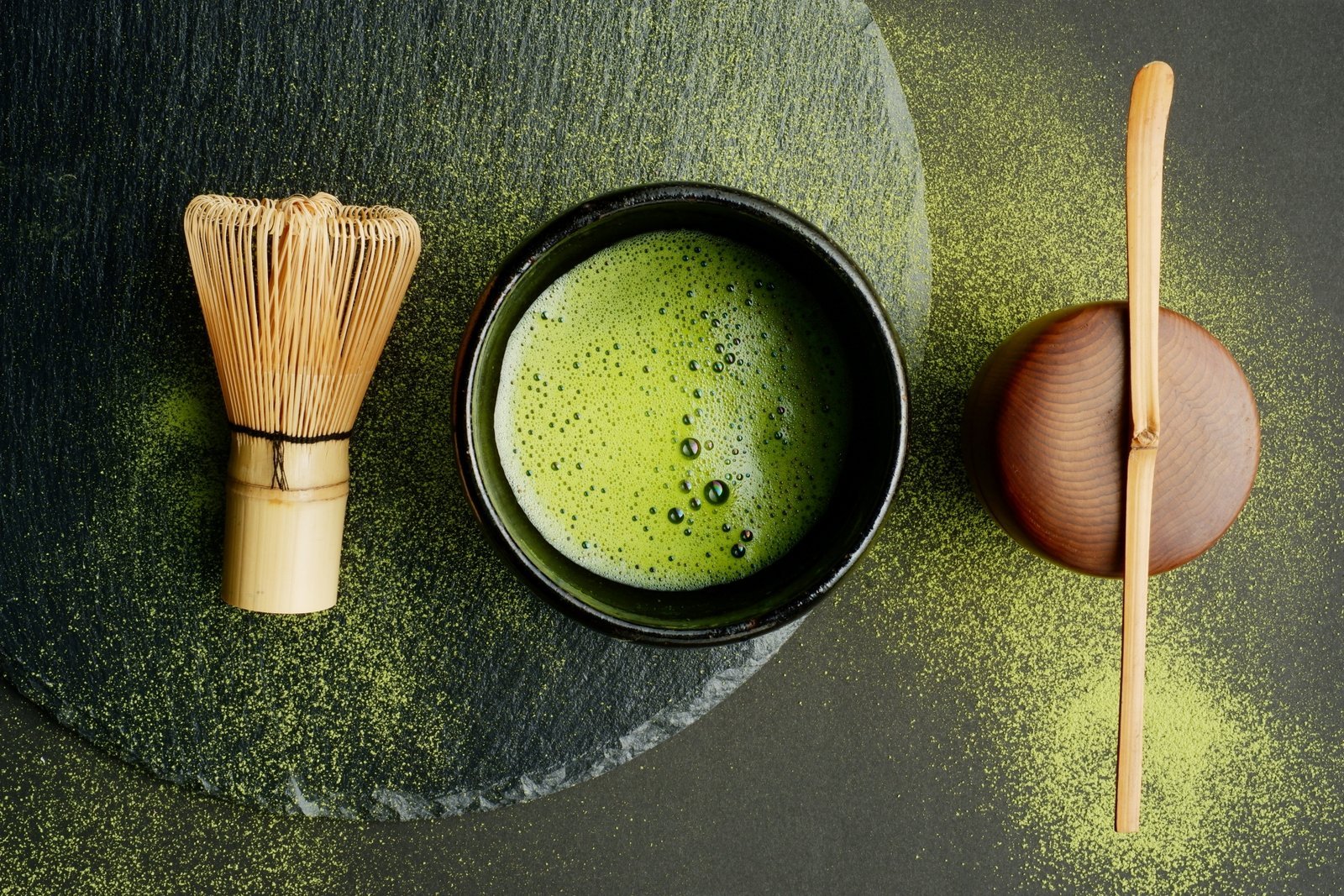
One name that comes up often is Sen no Rikyu (1522 to 1591), the tea master known for perfecting wabi-cha, a plain tea held in a small thatched hut. Be careful with sayings attributed to him. The Nanpōroku, a text long taken to hold his secret teachings, is now more often judged an Edo-period forgery, so a line quoted in Rikyu’s name needs a source before you trust it.
The phrase ichigo ichie, one lifetime, one meeting, belongs to the same world. It spread as a four-character phrase in the late Edo period, after the shogunate’s chief minister Ii Naosuke put it at the head of his book on tea, the Chanoyu Ichie-shū, as the first thing a tea person should hold in mind. As the book is summarized, the same host and guests may meet many times, but today’s gathering will not come round again. So the host should give the occasion full care and leave nothing careless, and the guest, knowing the same, should notice each of the host’s choices and answer them with sincerity.
The dictionary history and the tea ideal are separate threads, and sources differ on how closely they join. The word’s roots lie in handling and entertaining a guest. The tea gathering gives a clear picture of the ideal: a host who thinks of the guest at each step, and a guest who gives the occasion the same attention.
Where You Meet Omotenashi, and What It Asks of You
As a traveler you can meet omotenashi in three kinds of places. This table sets out what the host does, what is asked of you, and whether you need to book.
| Setting | What the host does | What it asks of you | Booking |
|---|---|---|---|
| Shops, restaurants and stations | Staff greet you as you enter and do small tasks without being asked. Bullet-train cleaning crews bow to passengers, an example the tourism organization gives. | Nothing. A nod or a smile is enough. | None |
| A tea gathering (chakai) | The host prepares the bowl with you in mind and attends to each movement. | Taking part in the set order of the gathering. A class explains how to receive the bowl. | A class or a booked gathering |
| An ozashiki, a banquet with geisha in a tatami room, at a teahouse such as ours | We prepare the room, light incense and call the geisha. | Very little. Staff and geisha guide you, and pouring a drink for a geisha is welcome. | Reservation needed |
An ozashiki has its manners, but the house looks after most of them for you. Our guide to geisha etiquette in a tatami room covers the few that are yours.
What Omotenashi Looks Like in an Ozashiki
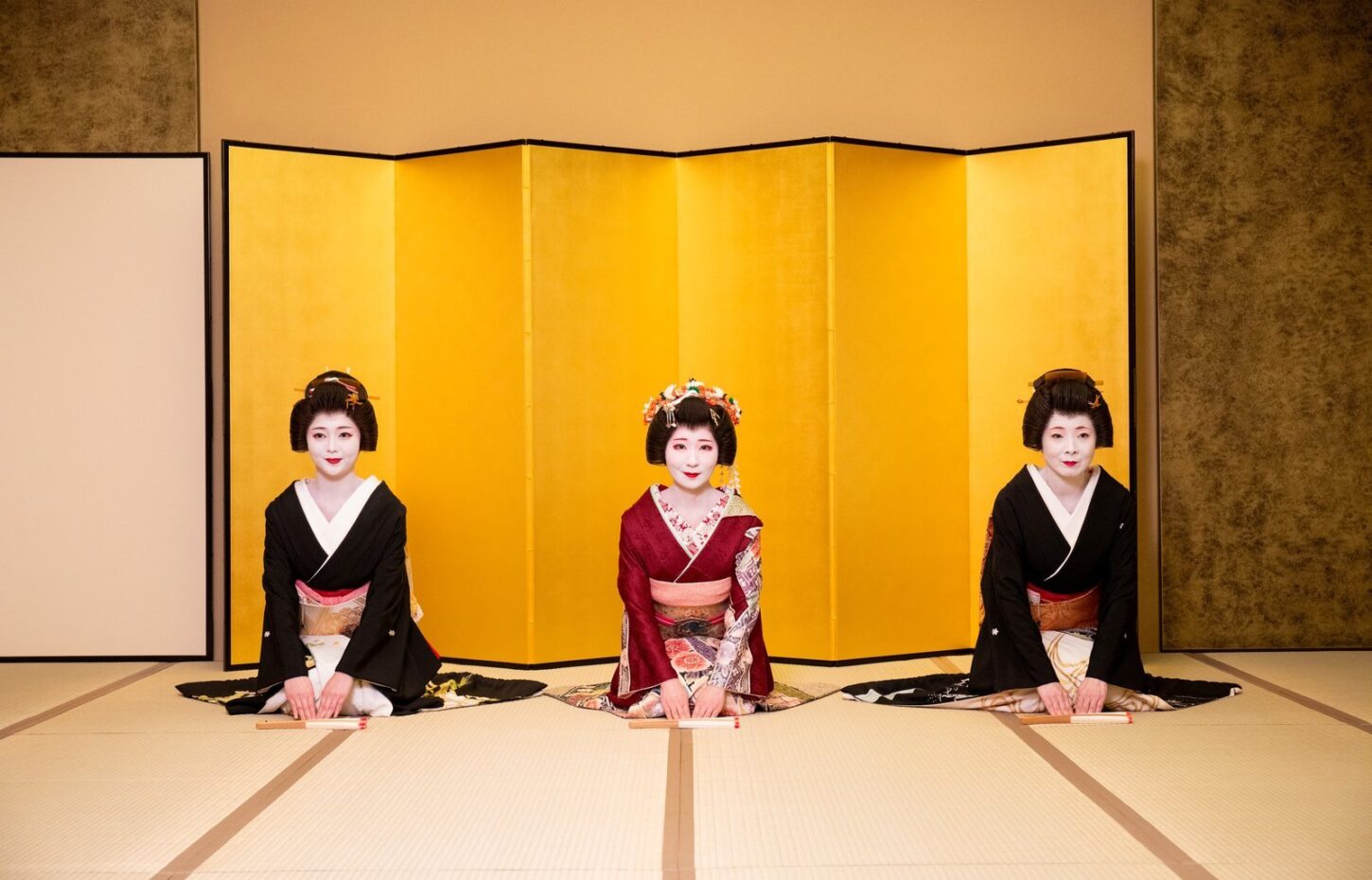
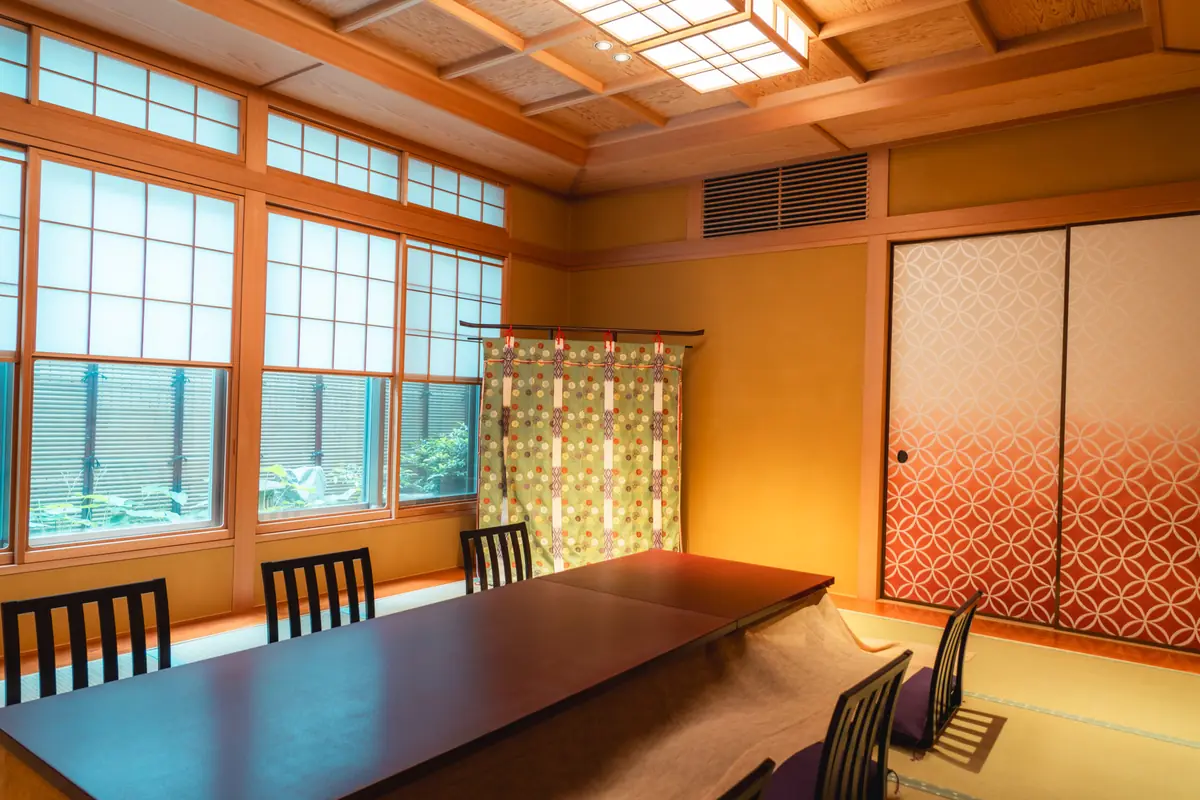
Our house is a machiai-chaya, a Tokyo teahouse where geisha entertain guests but no food is cooked. The house prepares the room and calls the geisha, and the meal comes from caterers. Since the kitchen is not ours, our care goes into the room and into how guests are received. This is what we do, in the order a visit runs.
Before You Arrive
Incense is always lit when we welcome guests, so the scent is the first thing you notice on entering. The alcove holds no hanging scroll. We put up a painting that changes every month, with flowers beside it.
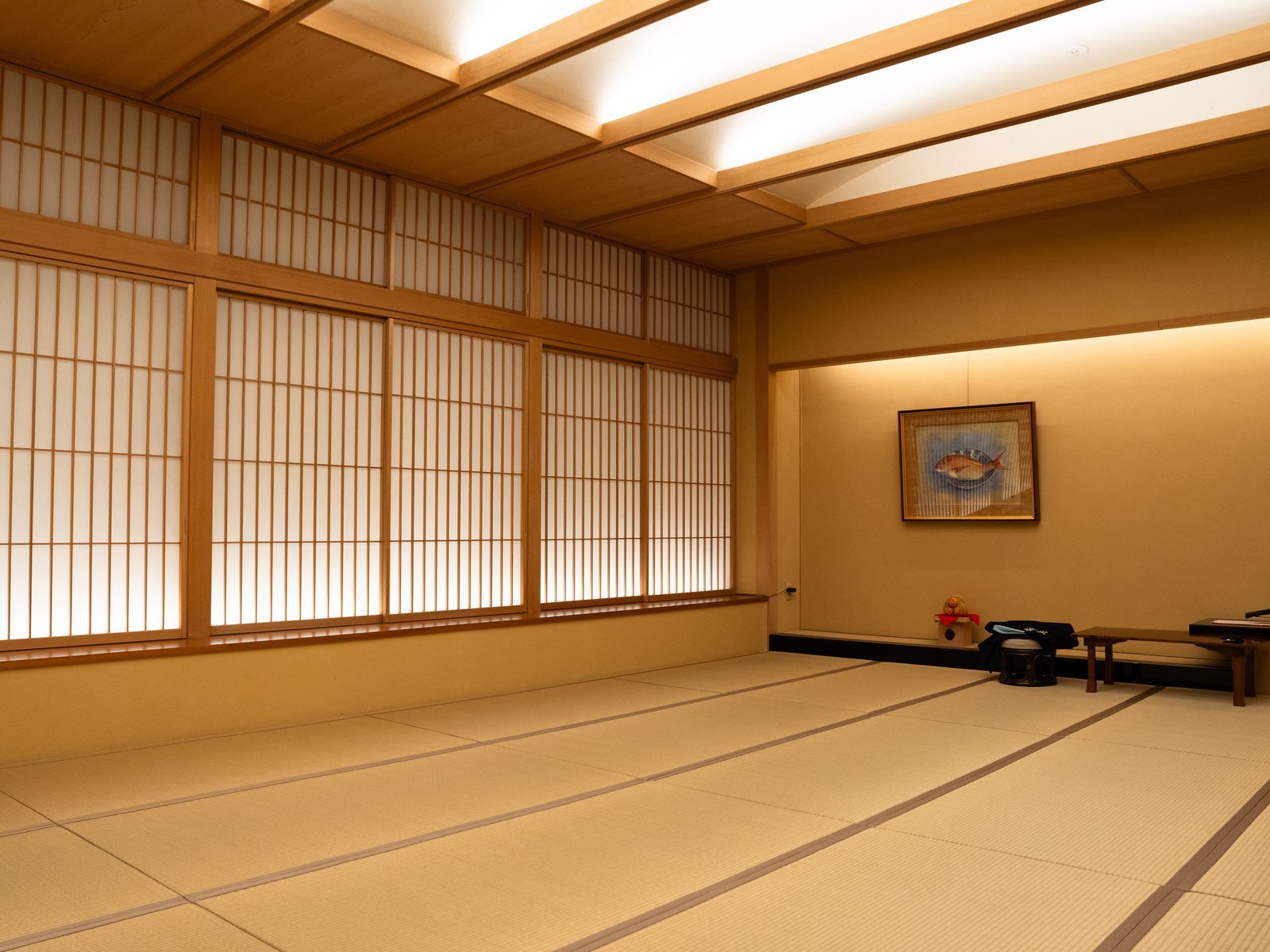
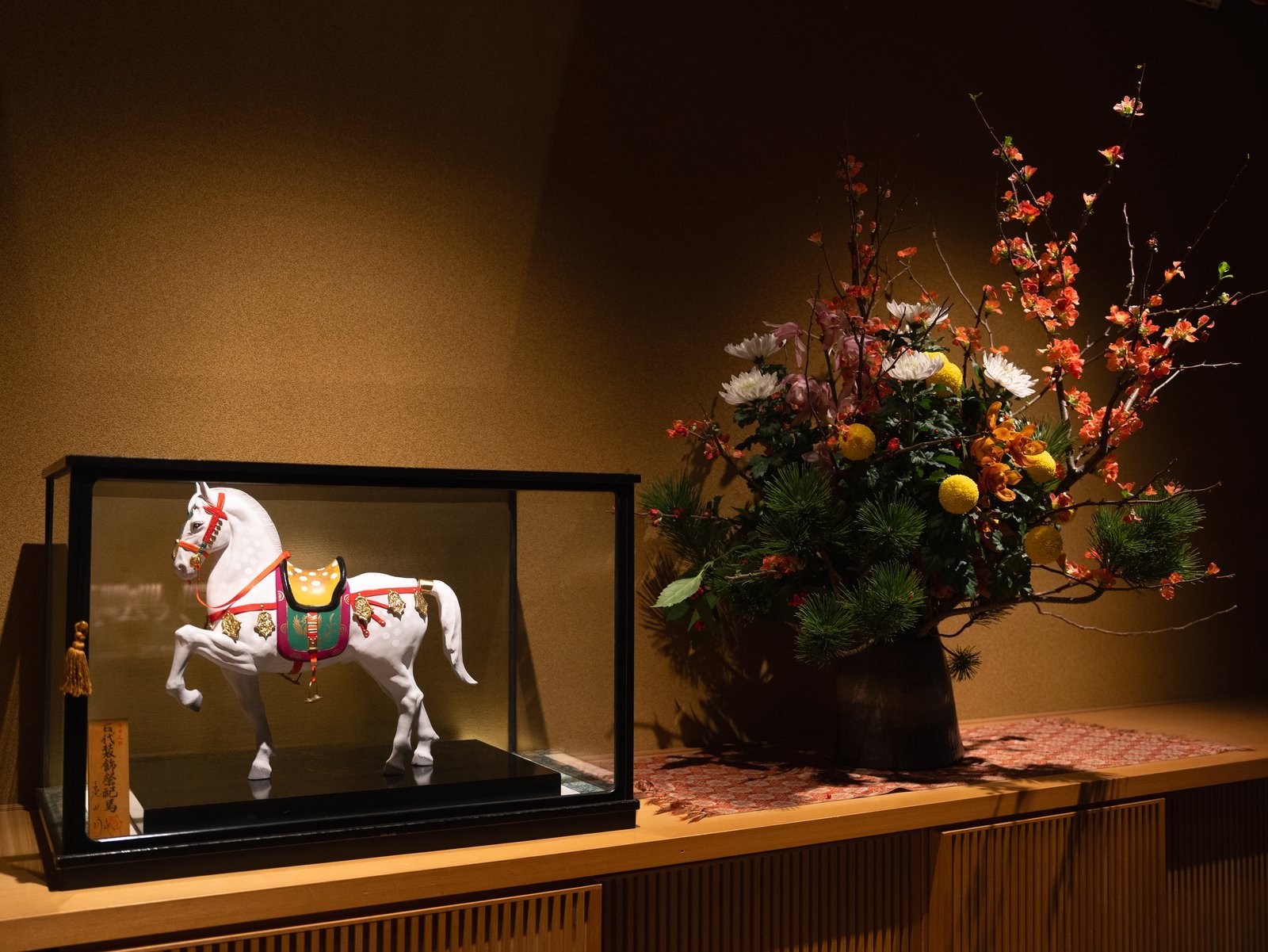
Seasonal pieces come out as the year turns, with New Year decorations in January and armor in February.
At the Door and in the Room
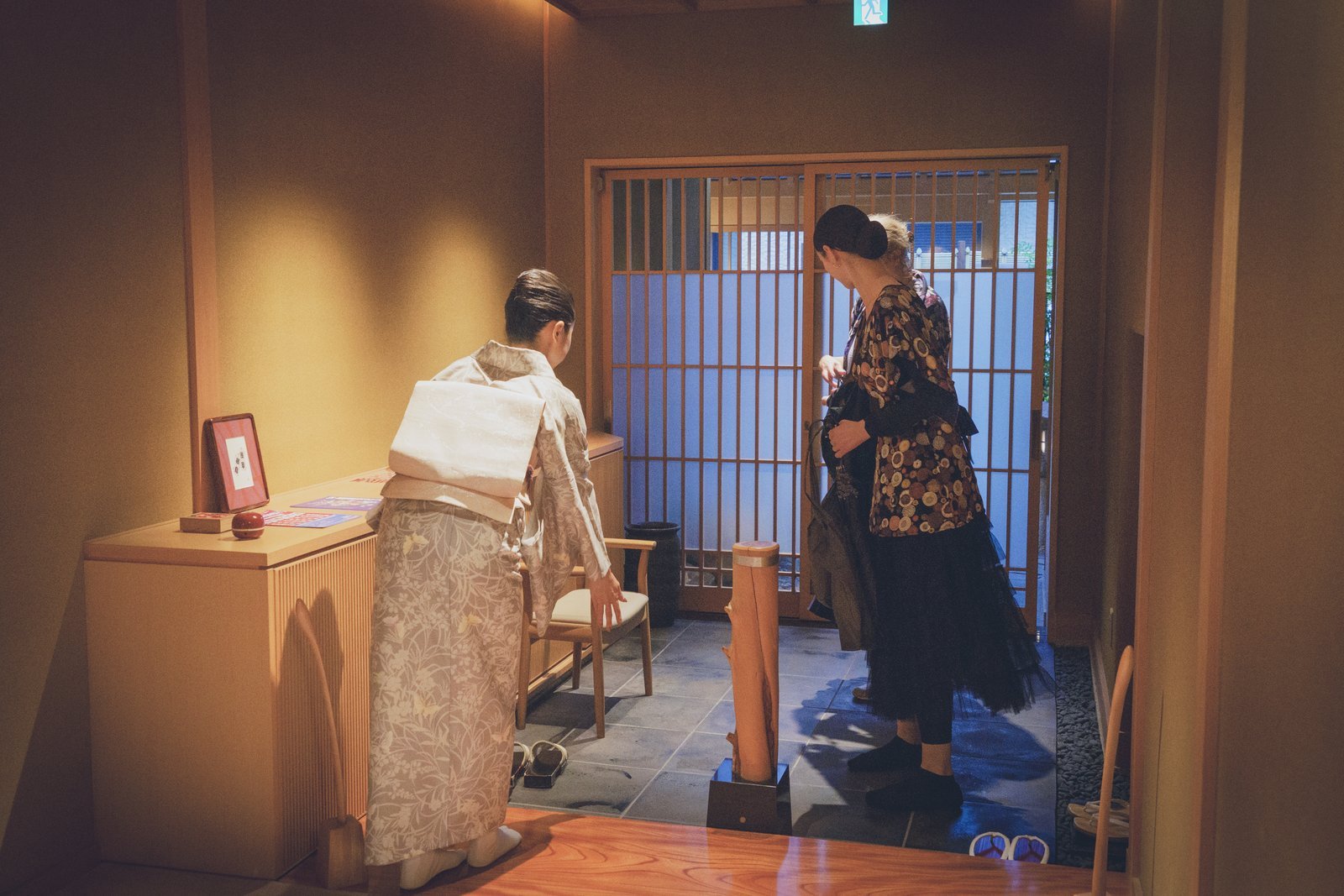
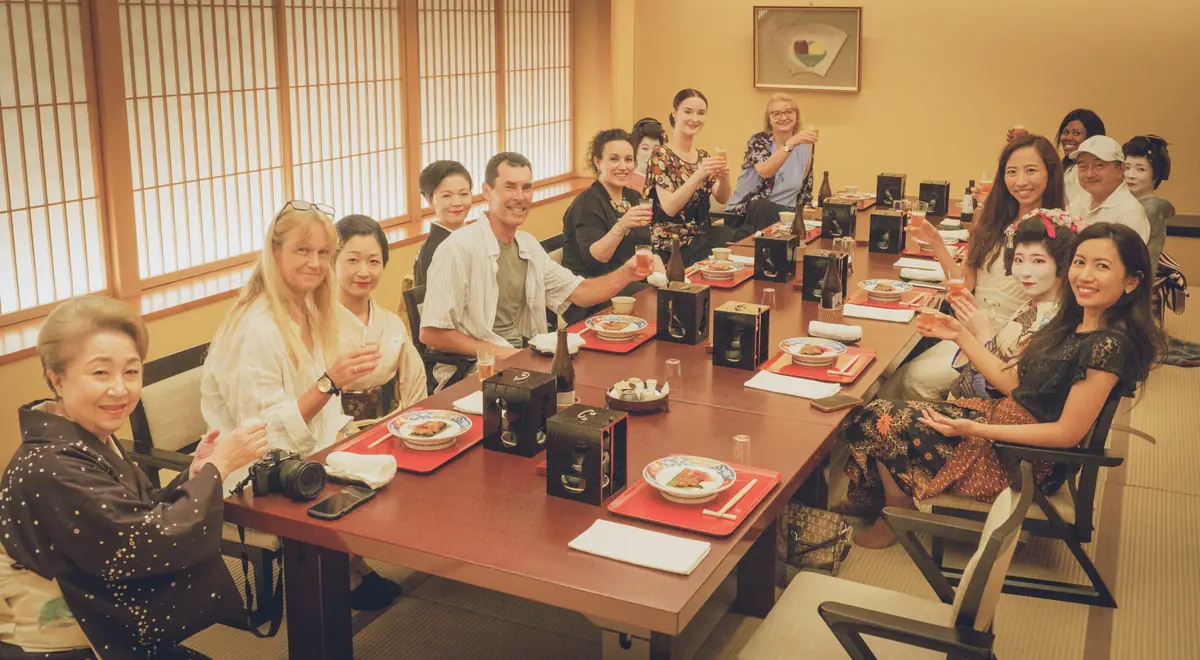
At the door, our staff meet you, take your bags and show you to the room, by elevator unless it is on the first floor. Guests who arrive early are offered a drink, and they often toast with each other while they wait.
Soon after you are seated, the geisha come in with a short, plain greeting. The greeting is plain on purpose. The guests are the center of the room, and it matters a great deal to the geisha not to break its mood.
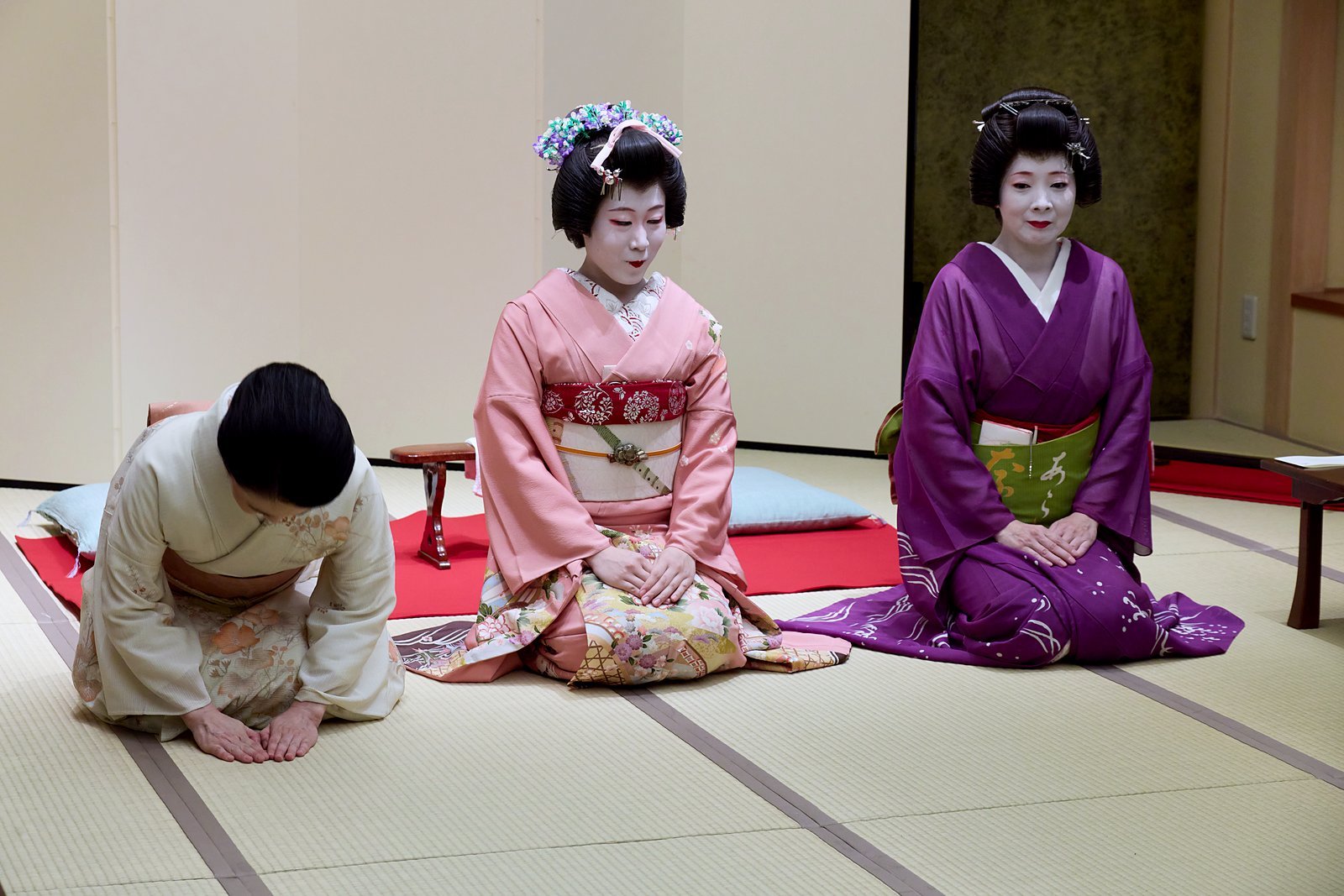
Pouring goes both ways. A geisha will pour for you, and you are welcome to pour for her. Sometimes the geisha will ask whether you would pour for her too.
How a Visit Ends
The end is not announced. When the last dishes arrive, guests usually understand that the visit is drawing to a close, and if the room is not ready to finish, our okami, the proprietress of the house, comes over and brings it to a gentle end.
When you leave, the geisha, the serving staff and our okami see you off. At the front door the geisha kneel and bow, and the serving staff come outside. If your room is on the second floor, the farewell begins at the elevator and finishes at the front door.
What the Okami Wants the House to Be
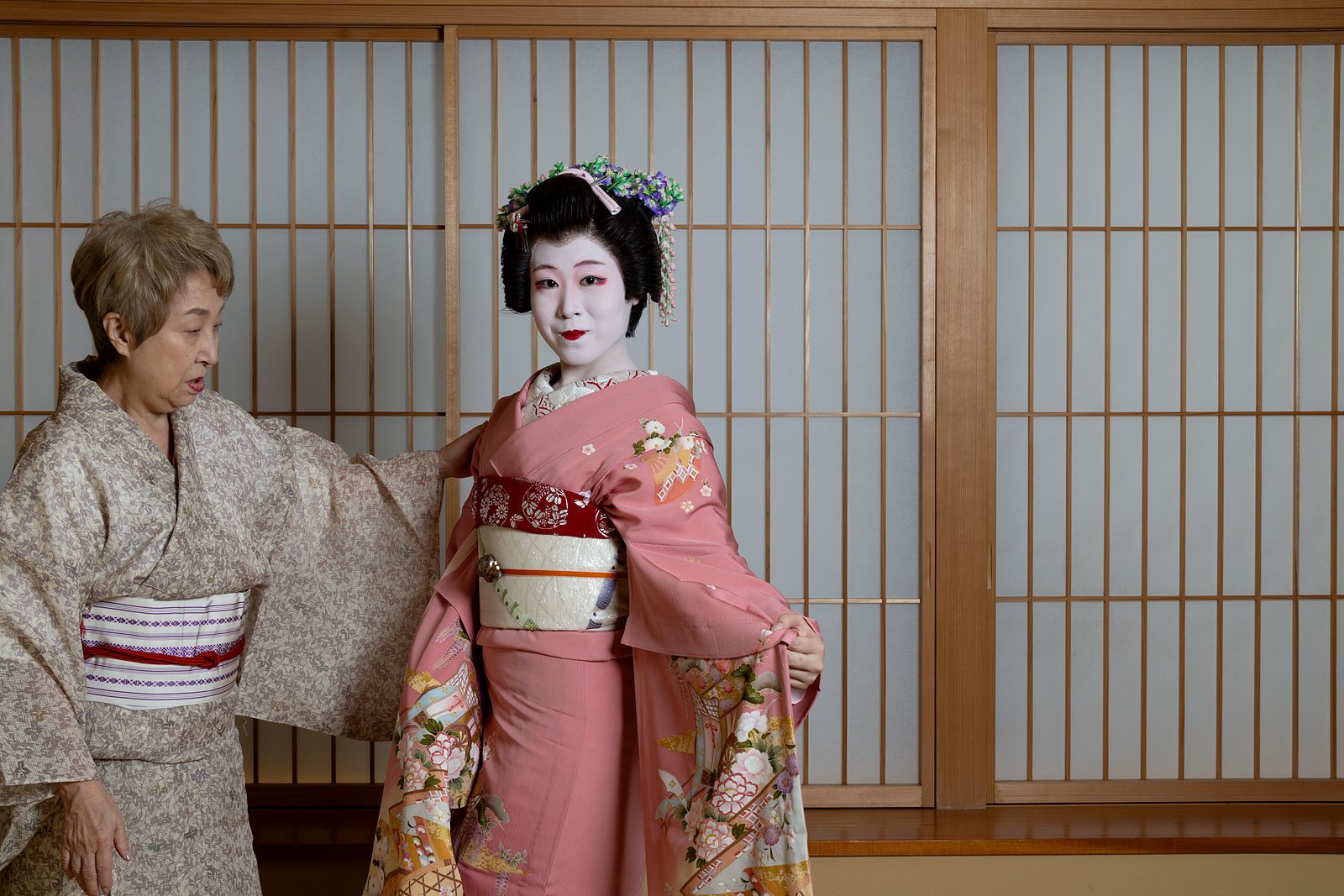
Our okami, Chikage, has said that she wants the house to stay a place where guests and the house think of each other. That wish is a fair summary of what the small things above are for. The house takes its name from a poem by Ariwara no Narihira, in which a traveler beside the Sumida River asks a bird about the person he left behind; our article on the poem behind our name tells the story.
A First Look at Our Rooms
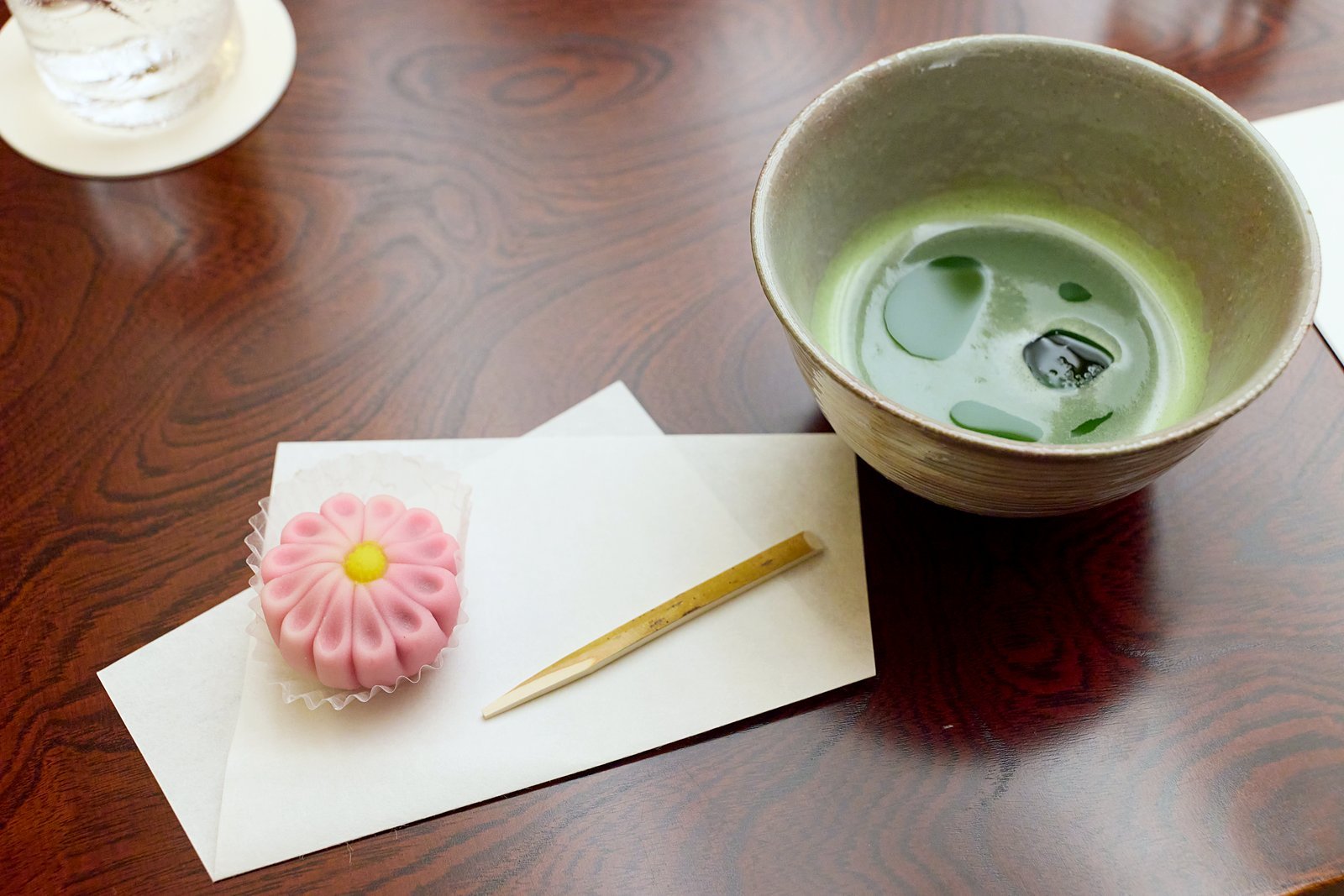
If you would like a shorter way in, the Ozashiki Tea House is a shared 75-minute introduction. Matcha with a seasonal sweet is served as hospitality. It is not a tea ceremony: nobody prepares the tea in front of you or teaches the steps. Our guide to tea houses in Tokyo sets out how it differs from a ceremony in a tea room.
Be a Guest at an Ozashiki in Asakusa
A private ozashiki in a tatami room for your party alone, with dances to live shamisen music and traditional games. Choose one, two or three hours, starting between 2:00 and 8:00 pm on weekdays except public holidays. A guest travelling alone can book.
Request a ReservationFrequently Asked Questions
What is omotenashi?
Omotenashi is the Japanese way of looking after a guest wholeheartedly: thinking ahead for them and expecting nothing back. The word is the noun form of the verb motenasu, with the polite prefix o-, and it is usually translated as hospitality.
How do you pronounce omotenashi?
Say it in five even beats: o-mo-te-na-shi. Keep the beats level rather than stressing one of them.
What is the difference between omotenashi and service?
Service answers a request. Omotenashi tries to meet the need before anyone has to ask, and it does not keep score. Japan’s national tourism organization describes it as going beyond the idea that the customer is always right.
Does omotenashi come from the tea ceremony?
Japan’s national tourism organization roots omotenashi in the way of tea, where the host thinks of the guest at each movement. Dictionaries trace the word itself to the verb motenasu, which meant handling a matter and later entertaining a guest. The two are separate threads that people now join, and sources differ on how closely.
What is an example of omotenashi?
In a shop it may be a small task done without being asked. In an ozashiki it is incense lit before you arrive, a painting and flowers set in the alcove for the month, and geisha who greet the room briefly because the guests are its center. A good test is whether a detail makes you wonder how they thought of that.
Can I experience omotenashi at a geisha teahouse in Tokyo?
Yes. At Miyakodori in Asakusa, open since 1950, you can book the shared 75-minute Ozashiki Tea House or request a private ozashiki of one, two or three hours. A guest travelling alone is welcome.
Sources
- Japan National Tourism Organization: Omotenashi (checked 13 November 2026)
- JapanKnowledge, language column on the word, in Japanese (2013): O-mo-te-na-shi (checked 13 November 2026)
- Weblio, Digital Daijisen entry for motenashi, in Japanese: Motenashi (checked 13 November 2026)
- Japanese Wikipedia: Omotenashi, Ichigo ichie and Sen no Rikyu (checked 13 November 2026)
- Japan Intercultural Consulting: So, What is Omotenashi Actually? (checked 13 November 2026)
- Tokyo Weekender: Japanese Words We Can’t Translate: Is Omotenashi Really Japanese Hospitality? (checked 13 November 2026)
Sources differ on the history of the word, and reference pages are revised. Check them if a detail matters to you.


- Sumo in Tokyo: Tournaments, Morning Practice and Shows Compared
- Shrines in Asakusa: What Each Is Prayed For, and a Walk North of Senso-ji
Traditional Entertainment in Tokyo: Kabuki, Sumo, Rakugo and a Geisha Ozashiki
Traditional Japanese Architecture: What You Find Inside a Japanese House, and How to Behave There
Sumo in Tokyo: Tournaments, Morning Practice and Shows Compared
Best Kaiseki Tokyo: Japan’s Ultimate Culinary Art Form
12 Best Tokyo Dinner Places: A Complete Guide (2026)
The Ultimate Guide to Geisha Lunch Specials: Sushi, Hibachi, and More
Comment ( 0 )
Trackbacks are closed.

No comments yet.