



Geisha Etiquette in a Tatami Room: What to Know Before You Go
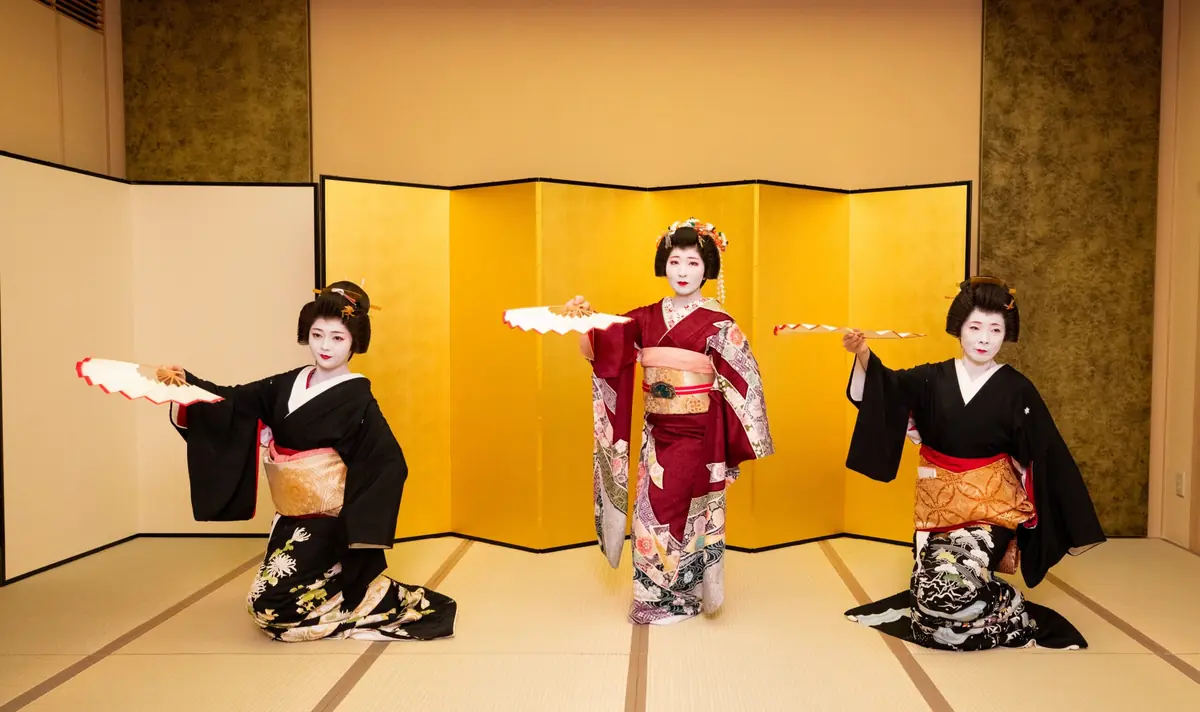
At a Tokyo geisha tea house — an ozashiki — the rules of behavior are mostly unspoken, but they exist, and the geisha live by them. The four most important rules the okami trains every apprentice in (from her minarai trainee days, before she ever debuts as hangyoku) are: (1) never turn your back to a guest, (2) always sit down before handing or receiving anything, (3) observe the seat-of-honor order (kamiza nearest the tokonoma alcove, shimoza nearest the door — a kagai-wide convention, not just Asakusa’s), and (4) prefix nouns with the honorific o-. As a foreign guest, you are not expected to perform any of these rules. The geisha do. Your job is to enjoy the room. At Asakusa Miyakodori, a working geisha tea house founded in 1950, English-speaking staff guide first-time visitors through every detail, and the okami’s standing instruction is: “Don’t worry about getting it perfect. We’ll take care of you.”
The Foundational Rules the Okami Teaches Every Apprentice
A geisha’s training in ozashiki etiquette begins long before her first paying guest — and even before she debuts as hangyoku. From the day a young woman enters a tea house as a minarai (見習い・apprentice trainee), she begins learning a code of conduct that touches almost every gesture: how to sit, how to speak, how to walk on tatami, when to pour, when to wait, how to hand a card, where her body points relative to the guest. Most of these rules are taught not in a single lesson but in dozens of small corrections from the okami and from the older geisha, repeated over months until the rules become invisible — present in every motion but no longer thought about.
(The same training is what Miyakodori gives its own front-of-house staff — not just the geisha. Anyone who steps into the ozashiki in a service role, including male staff, is held to the same posture and pacing rules.)
For a foreign visitor, the most important thing to understand at the outset is this: the okami expects the geisha to know all of this. She does not expect you to.
The Asakusa okami of Miyakodori, Chikage, is direct on this point. In her own words:
“When foreign guests come, I tell them not to worry. The girls have been doing this for years. The guests are here to enjoy the room. We do the rest.”
— Okami Chikage, Miyakodori interview, 2026
That said, knowing the four core rules — even just understanding why they exist — adds a layer of pleasure to the evening. You stop just seeing the geisha move and start reading them.
Rule #1: Never Turn Your Back to a Guest (and Why Sitting Matters)
The first thing a minarai trainee learns is how to position her body relative to the guests in the room.
The okami of Miyakodori, in her own words:
“Never turn your back to a guest. Never hand something while standing — always sit, then hand it. If you stand to hand something, you end up looking down on the person. In the tatami room, eye level matters.”
— Okami Chikage
There are two distinct rules embedded here:
Rule 1A: Don’t Show Your Back
When moving across a tatami room, both the geisha and the in-house staff turn their body so that their front (or at minimum their side) remains oriented toward the guests. They do not pivot heel-to-heel; they take small angled steps. Watch a geisha clear an empty cup — she will move backward, or sideways, never directly turning away. Showing your back to a guest in this room is one of the small failures of grace the okami works hardest to train out.
Rule 1B: Sit Before Handing
This is the rule a foreign guest is most likely to encounter directly. If a geisha brings you a drink, she will kneel first, set the drink down, and only then look up. The reverse is also true: if you offer the geisha something — a business card, a phone for a photo, a small gift — she will sit down to receive it. Geisha across Tokyo also carry their own senjafuda name-slips, and may hand you one as a keepsake. The two of you settle onto the tatami at the same eye level.
For you, the guest, this rule does not apply. Pass things across the table while seated, while standing, however is comfortable. Mirroring the geisha’s small kneel before passing something is rare and elegant if it comes naturally — but a guest who tries too hard at this can make the room more, not less, formal. The geisha’s job includes making sure the guest never feels they have to be careful. Being careful is the geisha’s craft, not yours.
Why “Eye Level Matters”
The okami’s explanation — “standing makes you look down on the other person” — is older than the geisha world. It is rooted in the same Japanese principle that governs how a host bows, where a senior employee sits at a meeting, and why the most senior person in a business dinner sits farthest from the door. Eye level is, in Japan, a signal of respect. To remain standing while another person kneels is to claim a position above them.
The geisha will never claim that position over a guest.
Rule #2: Where You Sit — Kamiza, Shimoza, and the Tokonoma
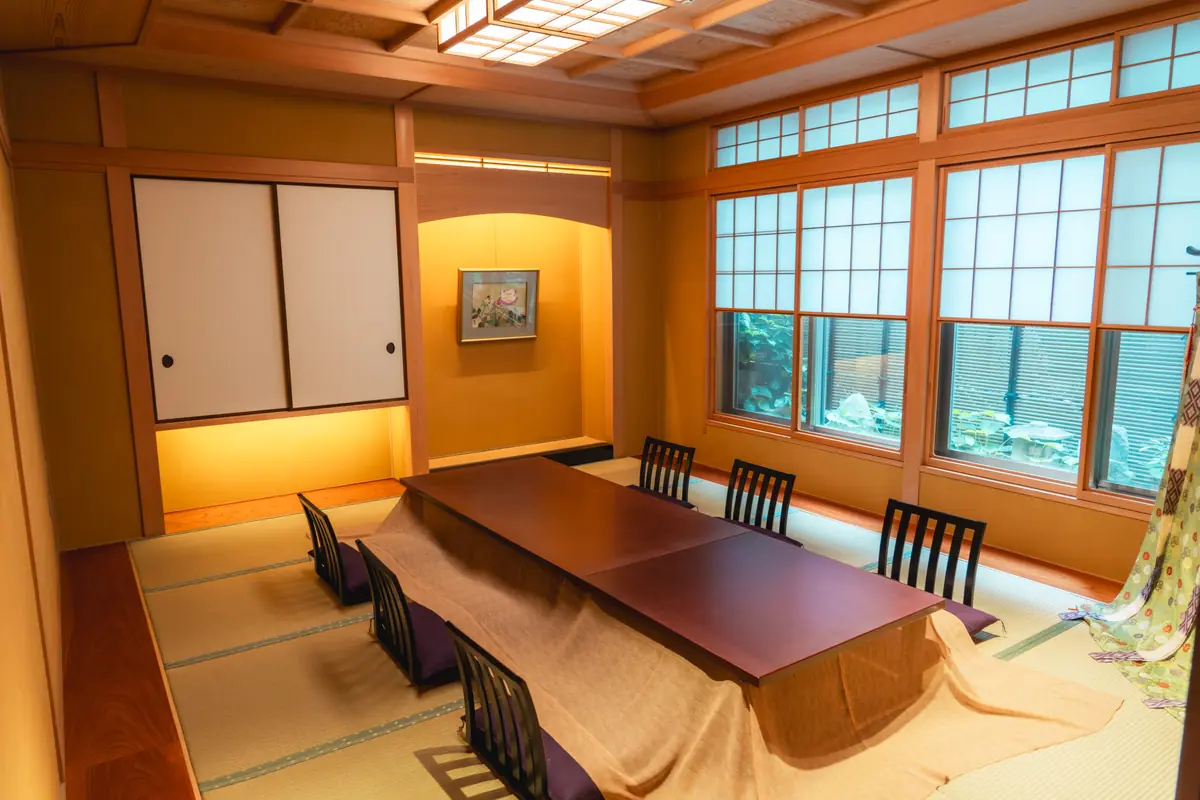
In a traditional tatami room, the seat of honor is determined by the tokonoma (床の間) — the slightly raised alcove at one end of the room, usually decorated with a hanging scroll and a seasonal flower arrangement.
- Kamiza (上座) is the seat closest to the tokonoma. It is the seat of honor, reserved for the most senior or important person.
- Shimoza (下座) is the seat closest to the entrance. It is for the most junior person.
This convention is not Asakusa-specific — it runs across all Tokyo kagai (花街・geisha districts) and through most formal tatami settings in Japan. Our okami learned it from her own seniors; her seniors learned it from theirs. The rule travels with the room.
In a guest setting, the most senior or honored guest is seated at the kamiza. In Asakusa hanamachi, this might be the host of the evening, a senior visitor, or — if you are alone — you yourself. The geisha and the okami will sit in positions that respect this order.
Among the Geisha Themselves
Even among the geisha, the same hierarchy applies. The okami of Miyakodori explains the small choreography:
“If an older sister tells you ‘go up to the tokonoma side,’ you say ‘taka-agari shitsurei shimasu’ — ‘forgive me for taking the higher seat’ — before sitting.”
— Okami Chikage
This phrase, taka-agari shitsurei shimasu, is a small linguistic rite — a verbal acknowledgment that you, the junior, are temporarily occupying a senior position. The geisha use it whenever a more senior geisha is in the room.
As a Foreign Guest
You do not need to know any of this in advance. The okami or the geisha will guide you to your seat when you arrive. If you are part of a group, the most senior or oldest member is typically directed to the kamiza; the rest follow naturally. There is no expectation that you negotiate this yourself.
What is helpful is to let yourself be guided. Foreign guests sometimes try to be polite by selecting a “modest” seat near the door, only to be gently moved to the proper place. The okami knows where you should sit. Trust her.
Experience an Authentic Asakusa Ozashiki at Miyakodori
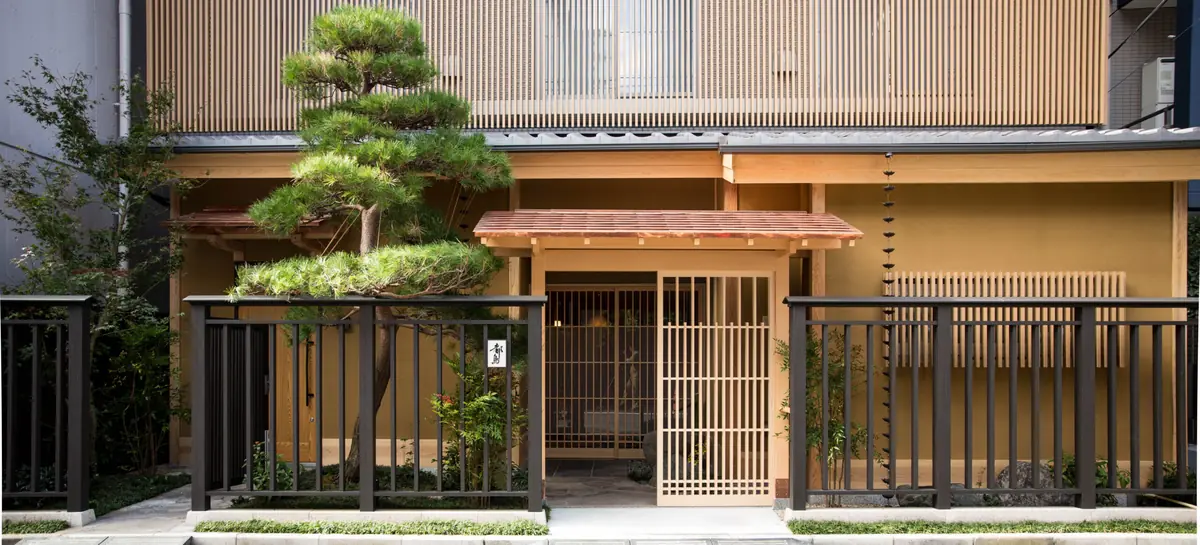
Miyakodori is the only remaining machiai-chaya in Asakusa — a working geisha tea house founded in 1950. Private ozashiki (geisha banquet) plans of one, two, or three hours. The okami and English-speaking staff guide every detail. No introduction required.
Rule #3: The “O-” Honorific (How Geisha Speak About Everything)
If you spend an evening in an Asakusa tea house, you will start to notice that the geisha speak in a slightly different register than ordinary conversational Japanese. The most visible feature is the honorific prefix o-, attached to almost every common noun.
The okami of Miyakodori, again in her own words:
“We don’t simply say ‘beer’ or ‘sake.’ We say o-beer, o-sake, o-shamisen, o-cha. Adding the honorific ‘o-‘ to almost every noun is one of those small habits that runs deep in our world. Sometimes we even slip and say it outside the tea house.”
— Okami Chikage
A small selection of nouns the geisha will o- in front of you:
| Ordinary Japanese | Geisha Tea House Form | English |
|---|---|---|
| ビール (biiru) | お ビール (o-biiru) | beer |
| 酒 (sake) | お 酒 (o-sake) | sake |
| 三味線 (shamisen) | お 三味線 (o-shamisen) | shamisen |
| 部屋 (heya) | お 部屋 (o-heya) | the room |
| 扇子 (sensu) | お 扇子 (o-sensu) | folding fan |
| 茶 (cha) | お 茶 (o-cha) | tea |
Why It Matters
The o- prefix is, formally, a marker of refinement and respect — the same one used in the language of the imperial court and in the polite forms taught to children. In the geisha world, it is universal. It marks every object as worthy of respect, and by extension, every guest in the room with the object as well. To call a sake cup simply sakazuki in an ozashiki would feel jarring; to call it o-sakazuki is to give it the dignity of the room.
You do not need to imitate this. Speaking ordinary English (or ordinary Japanese) is fine. The o- belongs to the geisha. Your job is simply to enjoy hearing it.
Rule #4: Hierarchy Among Geisha (and Why It Doesn’t Apply to You)
A foreign guest watching an ozashiki unfold may notice that the geisha have small, precise customs among themselves — far more elaborate than anything they will ever ask of you.
The Greeting Protocol
“When you enter an ozashiki and a senior geisha is already there, you greet her with ‘osaki e’ — ‘pardon me for being later.’ When a geisha leaves, the others say ‘itterasshai’ or ‘osaki ni’. Osaki ni is a useful all-purpose phrase.”
— Okami Chikage
Roughly translated: every entrance and exit between the geisha is marked by a small verbal formality. Osaki ni — “before you” — works as both a greeting on arrival and a farewell on departure. It signals seniority, awareness, and continuous courtesy.
The Car-Seating Protocol
“When three geisha ride in the back of a car, the most junior sits in the middle. The senior geisha is given the side. The most junior also takes the front passenger seat. If you put the senior in the middle, people will say you don’t know what you’re doing.”
— Okami Chikage
This is not a rule about cars. It is a rule about kiki ga kikanai — “she doesn’t notice things” — one of the worst things that can be said about a young geisha. A geisha is expected to read the room without being told. The car-seating is just one place this shows up.
What This Means for You
None of these rules apply to you, the guest. You sit where the okami directs. You greet the geisha when they arrive. You enjoy the dance. You may notice, if you watch closely, the small adjustments the geisha make among themselves — and now you know what you are seeing.
This is, in many ways, the deepest pleasure of an ozashiki: watching a hierarchy that has nothing to do with you operate around you, with you as the guest at the center of all the courtesies.
From the sliding door onward: the greeting at the entrance, the shoes, the room, and the first course already set at your place. Watch what a guest actually does. English subtitles available.
What You Actually Need to Do as a Guest
The honest answer is: very little. The Asakusa hanamachi has been hosting first-time foreign guests for over a century. Every awkwardness has been seen before. The geisha will guide you.
That said, here is a short list of small things that will make your evening more enjoyable and that the geisha will quietly appreciate:
Do
- Sit when offered a seat. The okami or the geisha will direct you. Settle in.
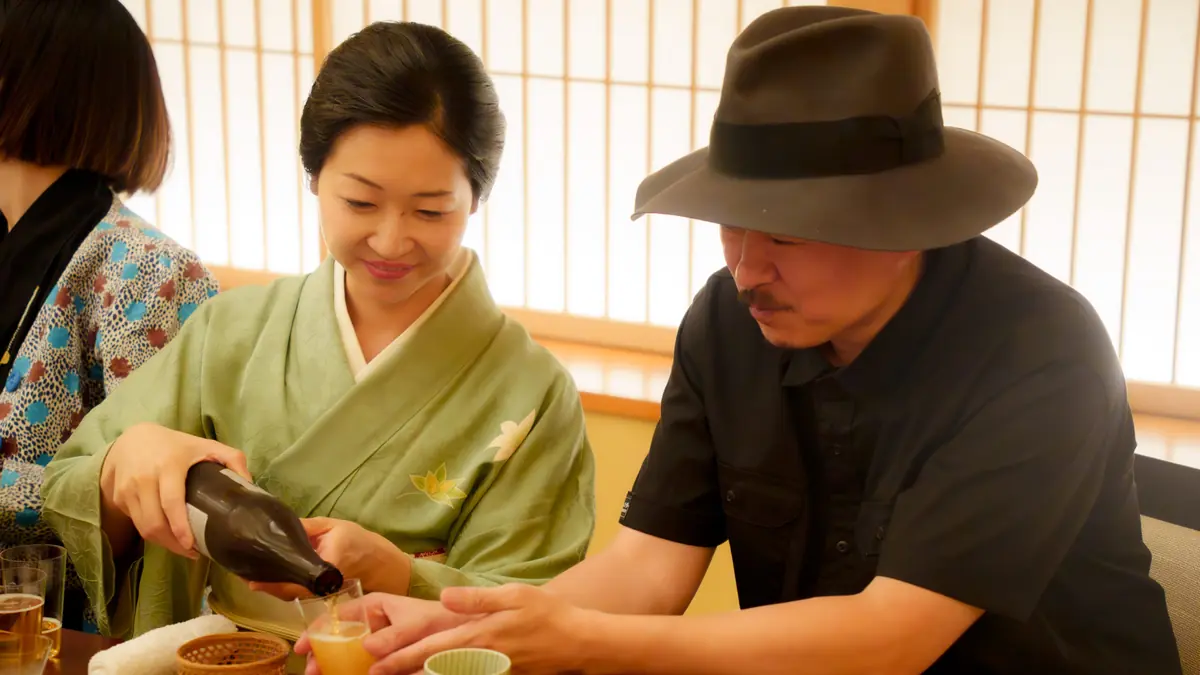
- Accept the first drink — even just a sip — when poured. It is a ritual welcome.
- Pour for your geisha when she pours for you. Reciprocal pouring — she pours your sake or beer, you pour hers — is one of the warmest threads of ozashiki communication. Foreign guests sometimes hesitate, thinking pouring is the geisha’s exclusive job. It isn’t. Pouring back is welcomed, expected, and one of the small pleasures the evening is built around.
- Look at the geisha when they perform rather than at your phone. The dance is the centerpiece.
- Ask questions during the Q&A. The geisha enjoy them, especially questions about training, the shamisen, or kimono.
- Say “thank you” in any language. Arigatō gozaimasu is welcomed but not required.
Don’t
- Don’t touch the geisha without invitation. Photo poses are fine when offered; spontaneous hugs or arm-around poses are not.
- Don’t ask about money during the evening. Pricing and tipping are handled by the okami at the end.
- Don’t push for personal contact information. Geisha keep their professional and personal lives separate.
- Don’t live-stream the ozashiki. Photos and videos for personal use are welcomed on private plans (see the FAQ); live broadcast to the public is the one thing we ask guests not to do.
The okami’s summary, in her own words, is hard to improve on: “Just be a guest. We’ll do the rest.”
The Goshugi Tradition (Tipping in Asakusa)
One area where foreign guests sometimes worry — and where the answer is more interesting than “yes” or “no” — is the question of goshugi (御祝儀), the small monetary gift traditionally offered to the geisha after their performance.
What Goshugi Is (and Isn’t)
Goshugi is not a tip. A tip is paid at the end of a service, in proportion to satisfaction. Goshugi is given after the geisha’s performance (typically the dance and music portion), as a gesture of appreciation and a mark of cultural courtesy. It is closer to a cash-filled congratulatory envelope at a wedding than to a tip in a Western restaurant.
A guest who brings goshugi is described in Japanese as iki — “stylish,” “in the know,” “a guest of refinement.”
How Much
Typical amounts in Asakusa: ¥3,000 to ¥10,000 per geisha, with ¥5,000–¥10,000 being the most common range. The exact amount depends on the size and formality of the gathering.
How to Give It
Goshugi is presented in a small decorative envelope called a pochi-bukuro (ポチ袋). The envelope is essential — handing cash directly is considered crude. The proper sequence:
- Don’t give it directly to the geisha during the meal. Speak to the okami or a senior staff member instead.
- The okami arranges the moment — typically just after the formal dance segment.
- The envelope passes from your hand to the geisha’s, often with both hands and a small bow on her side.
The Three Practical Patterns at Miyakodori
For foreign guests who do not have Japanese cash on hand, Miyakodori offers three patterns:
- A — The tea house provides the envelope. You bring the cash and place it inside.
- B — You give cash to the staff in advance. The staff prepares the envelope and returns it to you to present.
- C — The tea house fronts the cash entirely. You present the envelope; the amount is added to your final bill, payable by credit card.
Pattern C is the most common for international visitors. You can fully participate in the goshugi tradition without needing to handle Japanese cash at any point in the evening.
Goshugi Versus Tip
A small subtlety: goshugi does not replace a tip to the okami or staff at the end of the evening. Some guests give both — goshugi to the geisha (envelope, mid-evening, ritualized), and a separate envelope to the okami or the cashier at the close. Guests who do both are quietly recognized as iki — stylish, attuned to the tradition, the kind of guest a tea house remembers warmly. Both are appreciated; neither is required. The okami will guide you whichever way you want to go.
Common Foreign-Guest Anxieties
Three concerns come up repeatedly from first-time foreign visitors, and all three have the same answer.
“I don’t speak Japanese — will I embarrass myself?”
No. The geisha at Miyakodori work with English-speaking staff. The dance, the shamisen, the games — none of these depend on shared language. The Q&A segment is interpreted. Smiling, eye contact, and arigatō will get you through.
“I’m nervous about sitting on tatami — my knees hurt.”
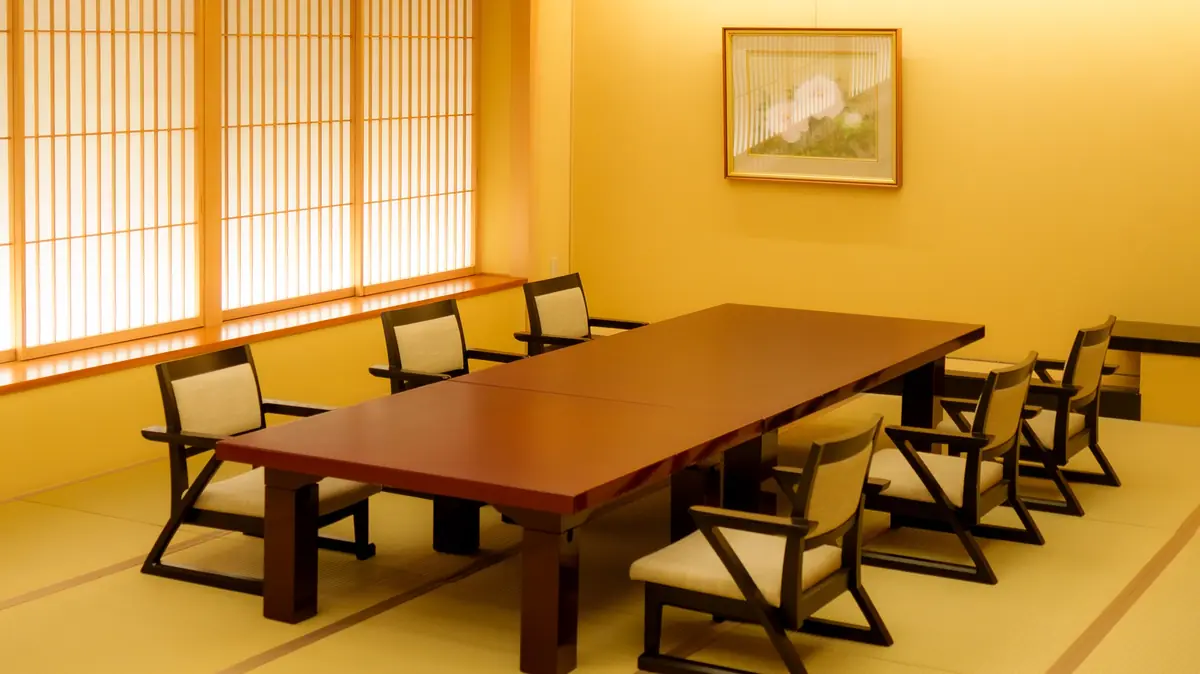
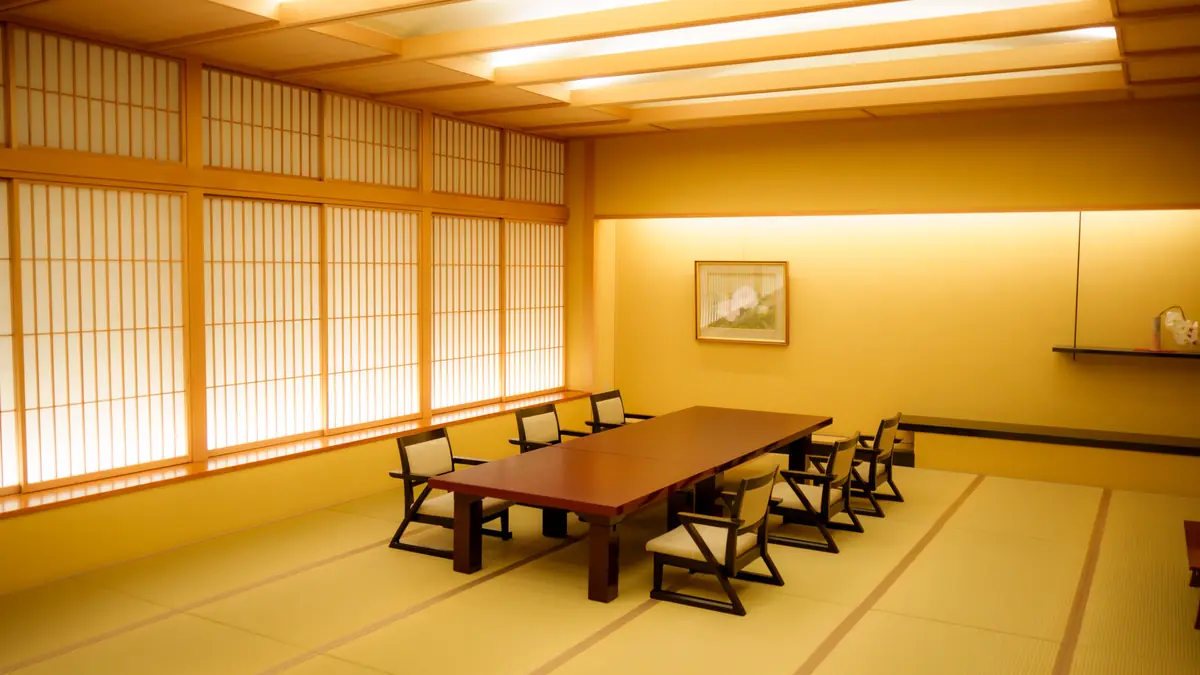
At Miyakodori, low chairs are the default at the tatami table — no need to sit on the floor. Some guests still prefer agura (cross-legged) on a cushion, or seiza (formal kneeling) for short stretches; either is welcome. The chair-as-default is one of the small adjustments the okami built into the room from the start. Comfort is more important than form. Her instruction is clear: “We want you to enjoy the evening, not to suffer through it.”
“I’m not used to sake — what if I refuse to drink?”
You can. Sake, beer, and tea are all available, and a guest who chooses tea is treated exactly the same as a guest who chooses sake. The traditional games, including Konpira Fune Fune, can be played with whatever drink is in front of you — only the cup contents change.
The principle: reading the room is the geisha’s craft. If she sees a guest growing uncertain, she will adjust. The okami supports the geisha in this — she’s been training their eye for it for forty years — but the moment-to-moment adjustments at your table belong to the geisha sitting across from you.
Frequently Asked Questions
Q: Do I need to wear traditional Japanese clothing to a geisha tea house?
No formal dress code. Casual to smart-casual is fine. The geisha wear formal kimono; you do not need to match them. That said, if you’d like to come in kimono, you’re warmly welcomed. The room is built for it. Some guests rent kimono earlier in the day and come straight to us — it’s one of our favorite arrivals.
Q: Should I bow when I enter the room?
A small head nod is more than enough. The geisha will bow first, often in a deeper formal style. Returning a casual nod or a small upper-body bow is appropriate; full formal bowing is not expected.
Q: Can I take photos with the geisha?
Yes — and on private plans (1-hour and longer), photos and videos are entirely up to you, anytime in the evening. There is no fixed photo session and no MC directing the room; the geisha and the okami are the only roles in the room. The only thing we ask is no live-streaming. On the 75-minute Tea House plan (shared seating), a simple host (MC) guides the session; filming during the session is welcome, and there is a dedicated photo time near the end (about two photos per group).
Q: What if I make a mistake?
The geisha will not visibly correct you. The okami will discreetly redirect you if needed (offering you a different seat, gently moving a cup, etc.). Most “mistakes” foreign guests make are invisible to anyone but a trained eye.
Q: Is there a dress code I should know about?
No formal dress code at Miyakodori. Smart casual is the norm. Some guests (particularly for evening sessions or birthdays) dress more formally, including kimono; this is welcomed but not required.
Q: How is etiquette in Asakusa different from Kyoto?
Manners inside the tea house are rigorous in both Asakusa and Kyoto — the ozashiki code is essentially the same. Where Asakusa differs is in access: like every Tokyo hanamachi, Asakusa was traditionally ichigen-san okotowari (introduction-only), and most Asakusa tea houses still maintain that rule. Miyakodori is the house that opened that door — direct booking, English support, transparent pricing — and remains the easiest entry point for first-time foreign guests in Tokyo. Kyoto’s Gion is similarly closed; Asakusa via Miyakodori is the more accessible doorway.
Q: Is it rude to leave early?
No. If you need to leave at a specific time (a flight, an early start, a child waiting at a hotel), tell the okami when you arrive. She will adjust the pacing of the evening so that you do not miss the centerpiece — the dance.
Booking & Final Note
The deepest etiquette of an Asakusa tea house is, in the end, hospitality — not by you toward the geisha, but by the geisha toward you. Generations of practice have made this room a place where a foreign guest does not need to be expert. They need only to be present.
If you would like to experience an ozashiki yourself:
- The Tea House plan at Miyakodori — 75 minutes, ¥17,600 per person (currently a special campaign price, 20% off the regular ¥22,000) — is the entry-point format for first-time visitors on a tighter budget. Includes a seasonal dance, Q&A, Konpira Fune Fune, matcha and seasonal sweets, and end-of-session photo time. English support throughout.
- The private 1-, 2-, or 3-hour plans extend the evening into a full ozashiki: your own room, two or three geisha for parties up to 5, multiple games, kaiseki dining (3-hour plan), and the closing tejime. This is the format the okami recommends for the deeper experience.
The okami’s only request: come ready to enjoy. Everything else, she will handle.
Request Your Asakusa Ozashiki — Etiquette Included
Miyakodori is the only remaining machiai-chaya in Asakusa — founded in 1950. The okami and English-speaking staff guide every detail of the ozashiki (geisha banquet) so you can simply enjoy the room. Direct booking — no introduction required.
Sources & References
- Asakusa Miyakodori Official Website: https://en.miyakodori-geisha.com/
- Okami Chikage interview, Miyakodori, March 2026 — quotes on geisha greeting protocol, car-seating order, never turn your back / sit before handing, the o- honorific, and kamiza/shimoza with taka-agari shitsurei shimasu
- Reciprocal pouring etiquette, photo/video freedom on private plans, “low chair as default” seating, and the kagai-wide origin of the kamiza/shimoza convention — direct correction by Miyakodori operator, 2026-05
- Asakusa Geisha Association: https://asakusakenban.com/


- How Long Is a Geisha Experience? (Tokyo Ozashiki Guide)
- Real Geisha Stories: Tokyo — Komaaki, Chino & Chizuru of Asakusa
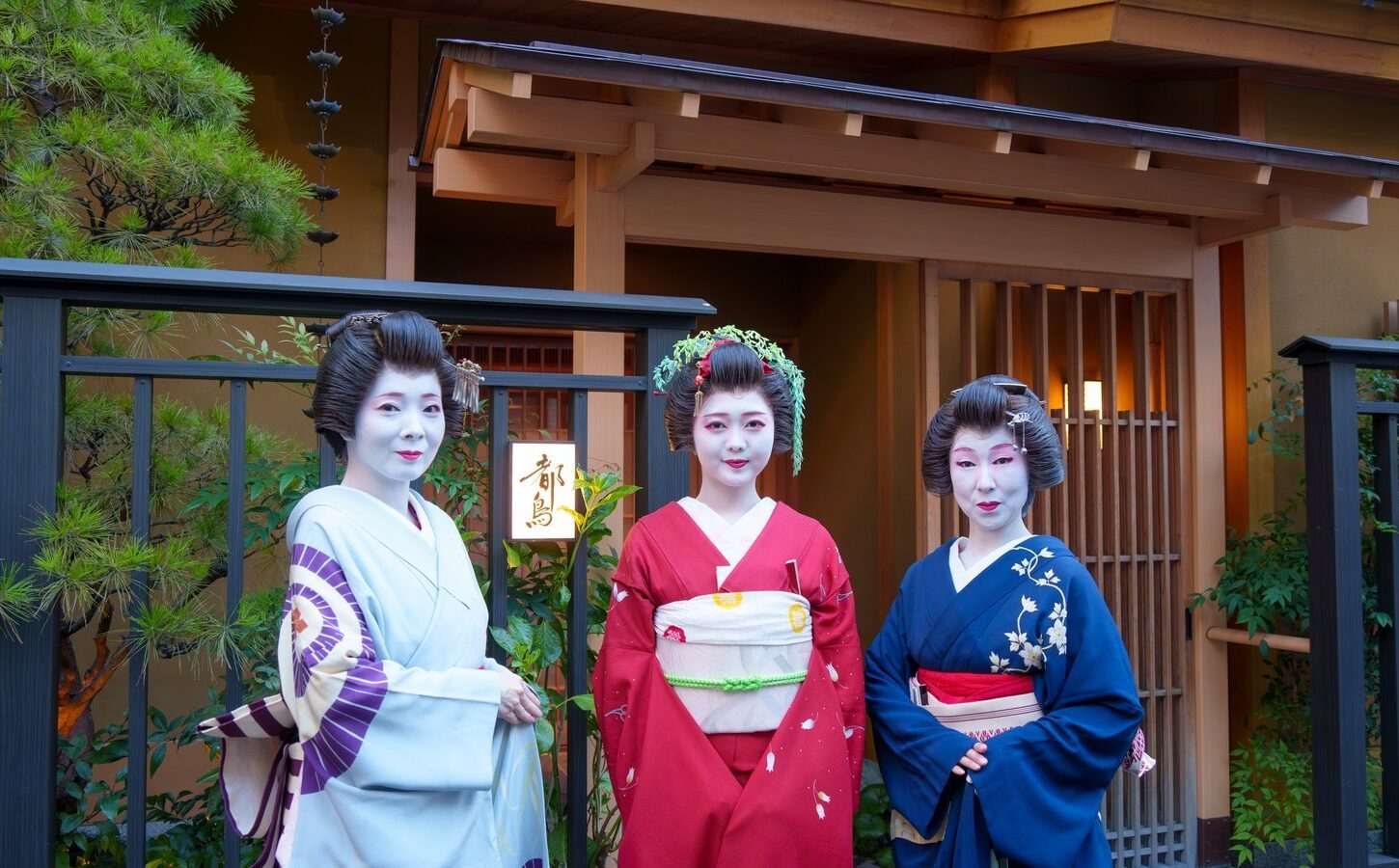
How to Become a Geisha: Training, Stages, and Life in Asakusa Today
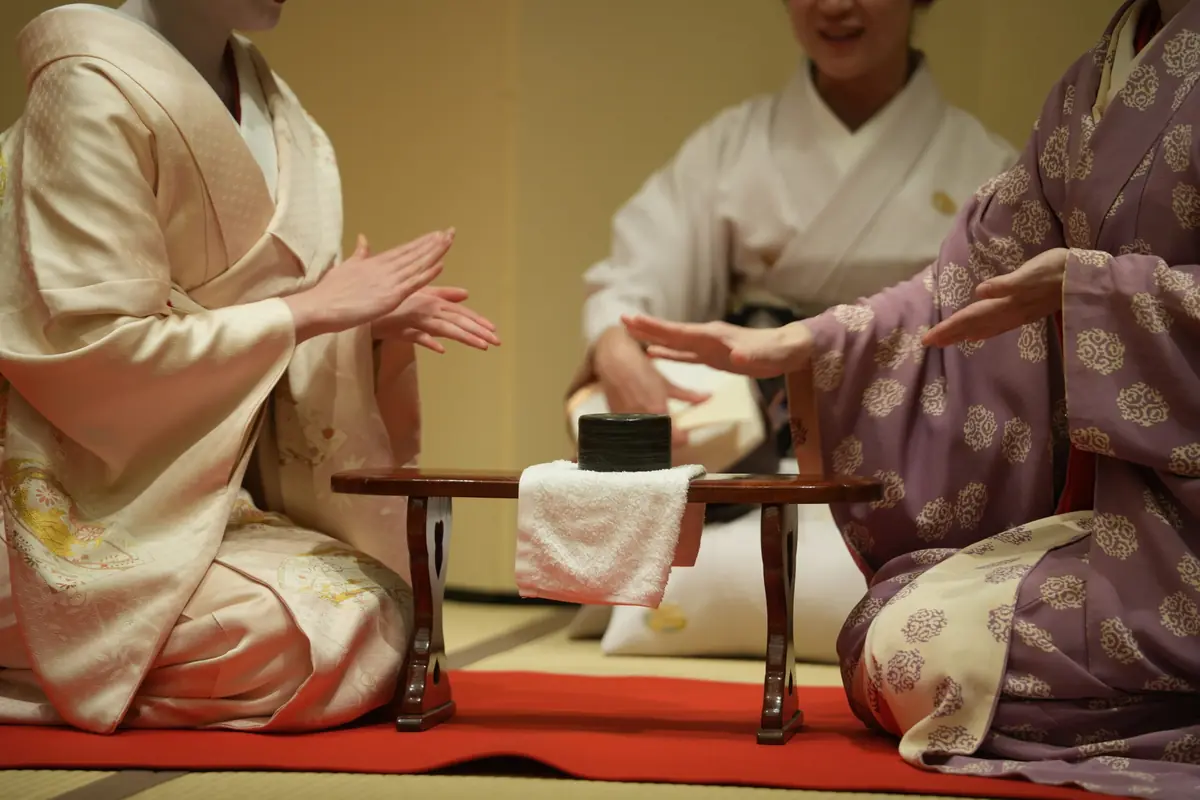
Konpira Fune Fune Lyrics and How to Play the Geisha Drinking Game (2026)
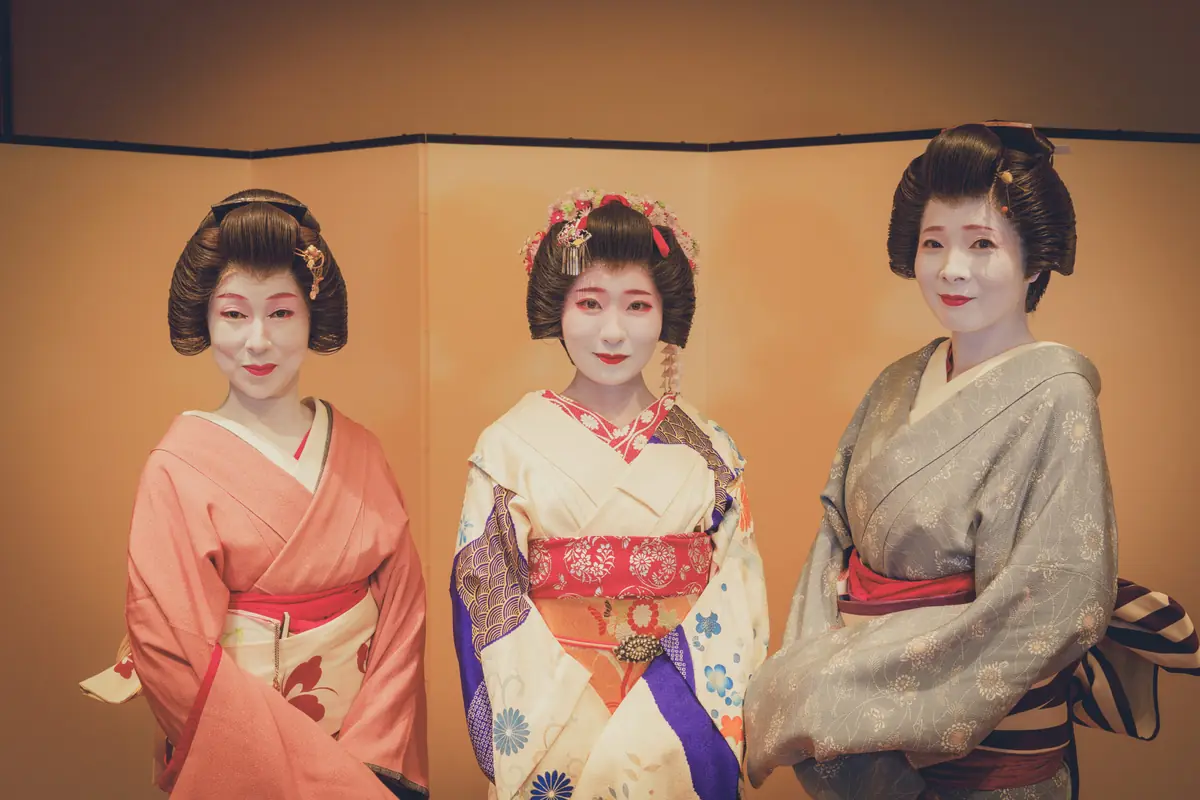
Tokyo Geisha House Guide 2026: Authentic Okiya Experiences & Traditional Japan
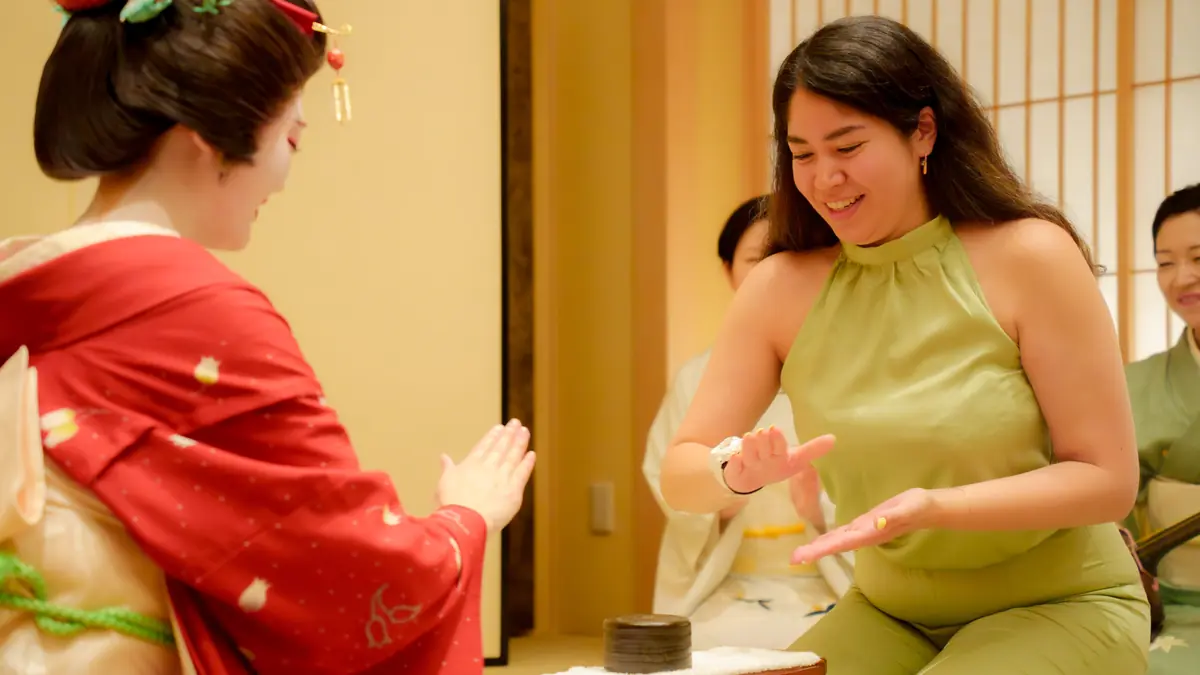
Japanese Geisha Cup Game: Rules and How to Play Konpira Fune Fune
What is a Geisha House? An Ultimate Guide to the World of Okiya and Ochaya (2026 Edition)
2026 Best Tokyo Geisha Dinner Guide: Top Recommendations for an Authentic Evening in Asakusa
Comment ( 0 )
Trackbacks are closed.
No comments yet.