



The Ultimate Guide to Geisha Districts in Tokyo
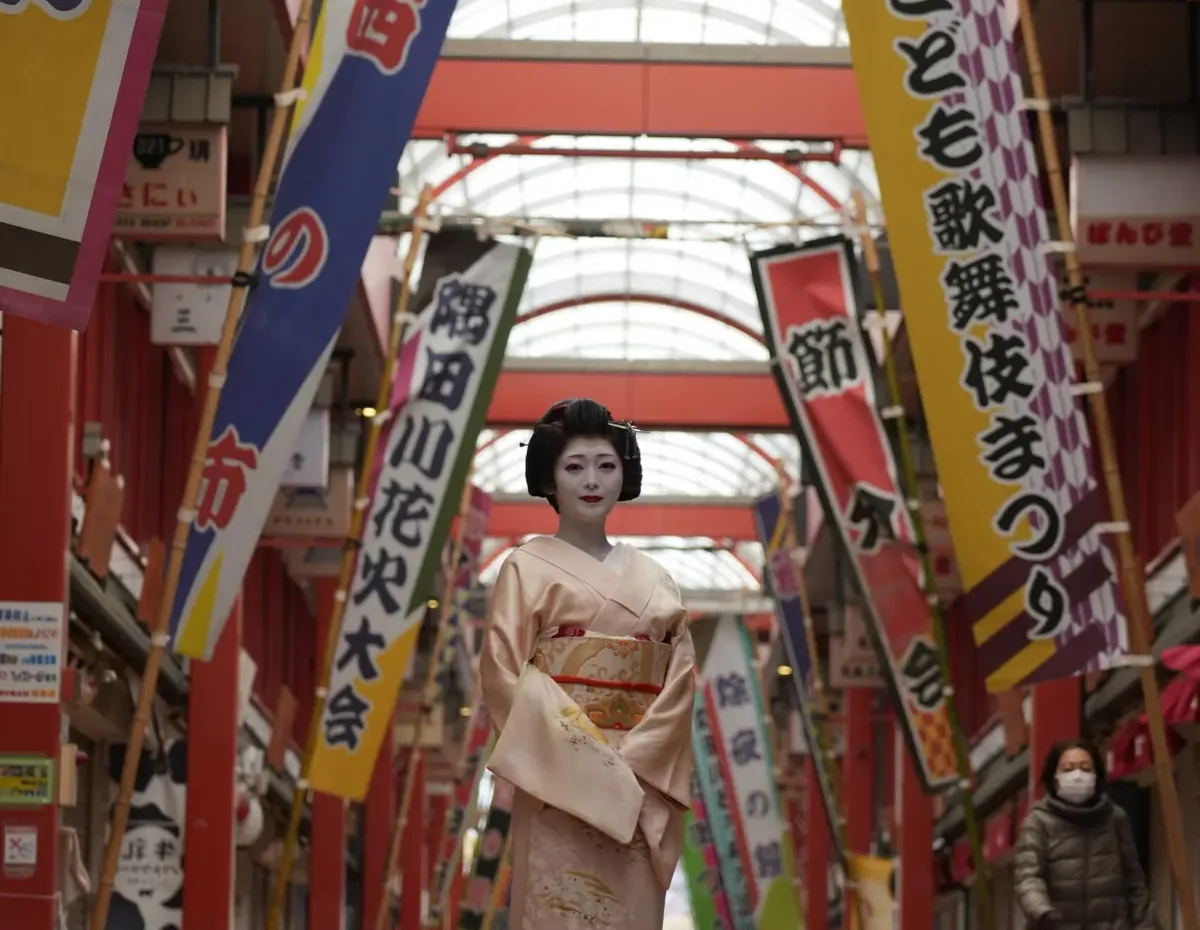
Tokyo is a city that feels like a living bridge between tomorrow and yesterday. It is easy to get lost in the neon hum of Shibuya or the towering heights of Shinjuku, but if you step just a little off the beaten path, you will find a version of Japan that feels wonderfully still. For those seeking a deep, soul-stirring culture experience in Japan, exploring a geisha district in Tokyo offers a rare window into a world of refined art, music, and hospitality that has survived for centuries. These areas, known as hanamachi or flower towns, are the historic heartbeats of the city. While Kyoto often takes the spotlight for tradition, Tokyo has a unique, chic style of its own that is waiting to be discovered. This guide will walk you through the historic streets of districts like Asakusa and provide everything you need to know to navigate this mysterious and beautiful world. Let us begin your journey into the authentic heart of Japanese history.
What are Geisha? Understanding Tokyo’s Cultural Icons
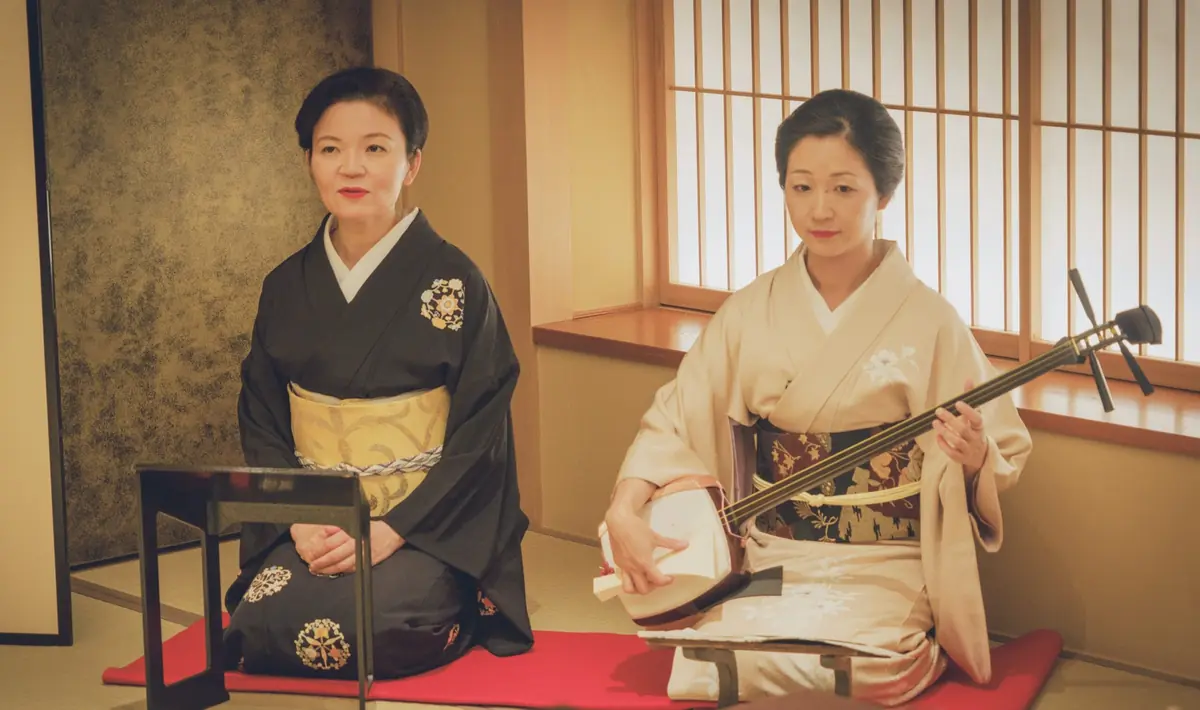
Many people visiting Japan have a vague idea of what a geisha is, often fueled by movies or popular misconceptions. In reality, a geisha is a professional artist and a master of hospitality. The word itself translates to art person, and this title is earned through years of dedicated training. These women are the keepers of traditional Japanese culture, excelling in classical music, intricate dance, and the delicate art of conversation.
The difference between Geisha, Geiko, and Hangyoku
One point of confusion for many travelers is the different names used across the country. In Kyoto, you will hear the term geiko, which refers to a fully fledged artist. However, in the geisha district in Tokyo, the term geisha is the standard. Even more unique to the Tokyo scene is the word hangyoku. While Kyoto uses the word maiko for junior geisha still in training, Tokyo calls its junior geisha hangyoku, which literally means half jewel. This name comes from the historical fact that their performance fee was half that of a full geisha. Learning these local distinctions helps you appreciate the deep history and pride found within each specific hanamachi. Whether they are playing the shamisen or performing a seasonal dance, their presence serves as a beautiful bridge to a historic and high end era of Japan.
A Brief History of Geisha Culture in Tokyo From the Edo Period to Modern Times
To truly appreciate a geisha district in Tokyo, one must look back at the Edo period. This era, spanning over 250 years, was a time of immense peace and artistic flourishing. While Kyoto’s tradition was born in the imperial court, Tokyo’s culture emerged from the samurai class and the rising merchant elite. Geisha culture actually goes back to the late 17th century. Interestingly, the very first people to call themselves geisha were men who entertained with music and jokes. It was not long before women took over the role, becoming symbols of fashion and sophistication.
In those days, the hanamachi were the centers of the floating world. Unlike the delicate and soft style of Kyoto, Tokyo developed a culture of iki. This concept represents a sharp, stylish, and direct aesthetic that mirrored the spirit of the Edo people. Throughout the Meiji and Taisho eras, geisha were the trendsetters of Japan, influencing everything from kimono patterns to hairstyles. Today, while the number of geisha has decreased compared to the golden age, the tradition remains a living part of the city. Visiting these districts today allows travelers to step back in time and witness a level of discipline and beauty that has been polished for centuries.
Exploring the Six Geisha Districts (Hanamachi) of Tokyo
While many travelers flock to Kyoto to see the famous Gion district, Tokyo holds a secret that is just as deep and culturally rich. The city is home to six major geisha districts, collectively known as the Tokyo Roku-hanamachi. Each area has its own unique flavor, history, and level of accessibility for international visitors. Exploring these districts allows you to see how the traditional arts have adapted to the modern landscape of a global city.
Asakusa: The Most Accessible District
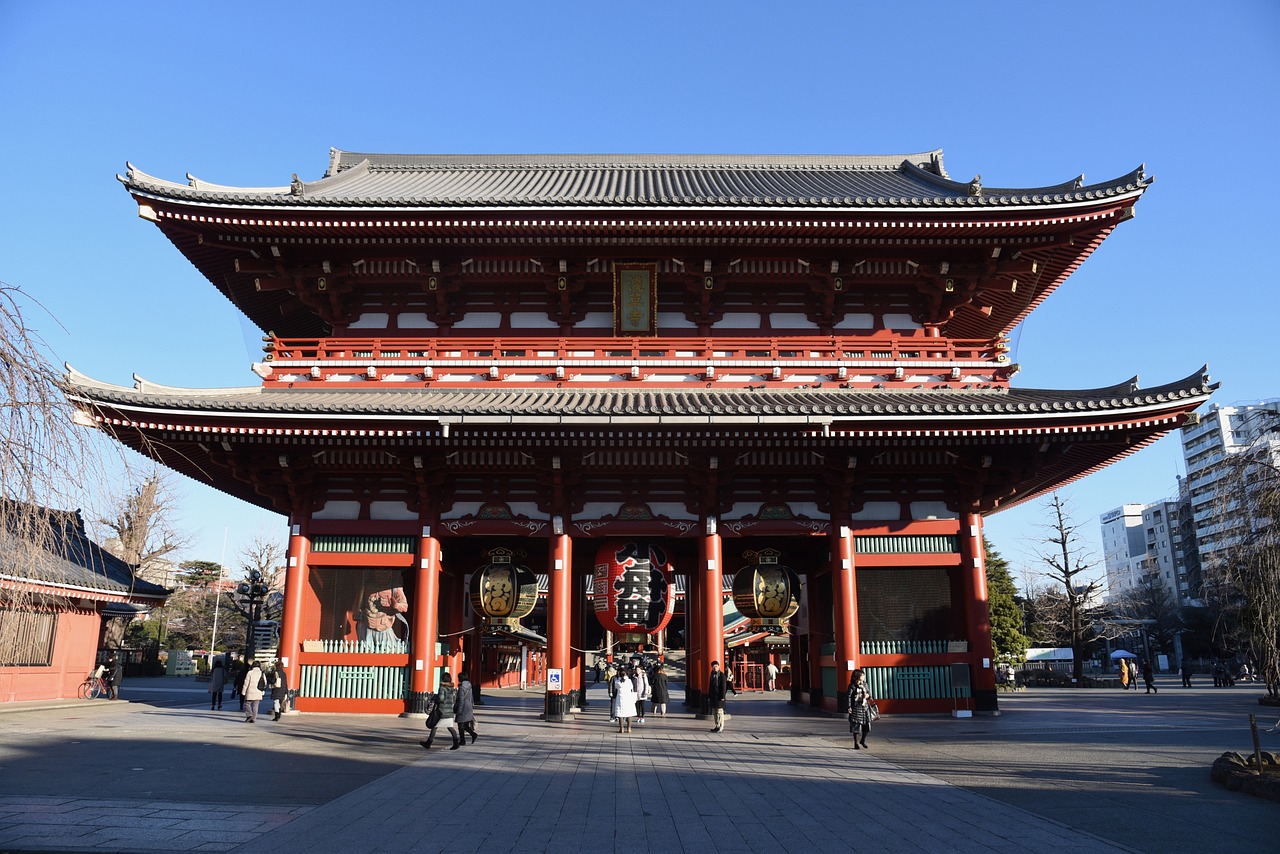
Asakusa is arguably the most famous geisha district in Tokyo. Located near the historic Senso-ji temple, this area was the heart of the lower city during the Edo period. What makes Asakusa unique is its open and welcoming atmosphere. Unlike some other districts that are very exclusive, Asakusa has worked hard to share its culture with everyone, from regular locals to tourists from around the world. Here, the geisha are known for being spirited and friendly, embodying the true Edo style. The district still maintains several high end restaurants where you can witness a beautiful performance of dance and music. It is a place where history feels alive in every street and corner.
Kagurazaka: Traditional Atmosphere and Chic Eateries
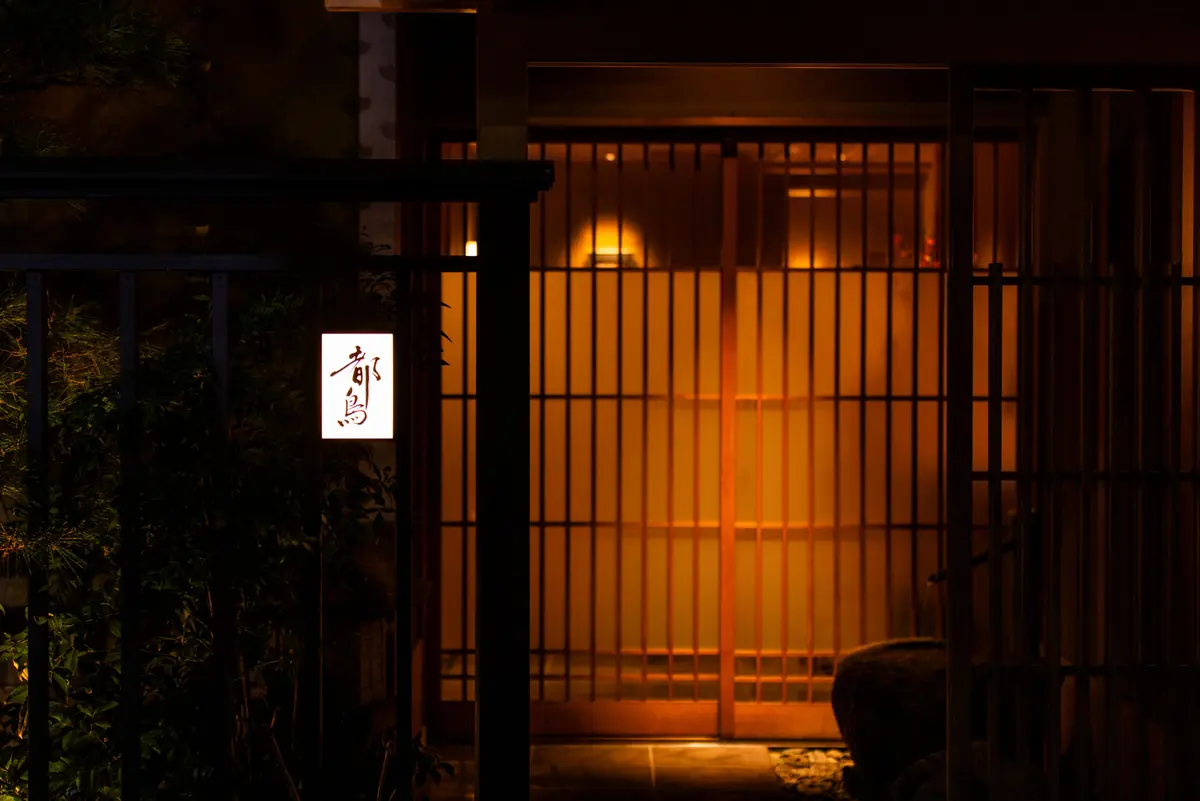
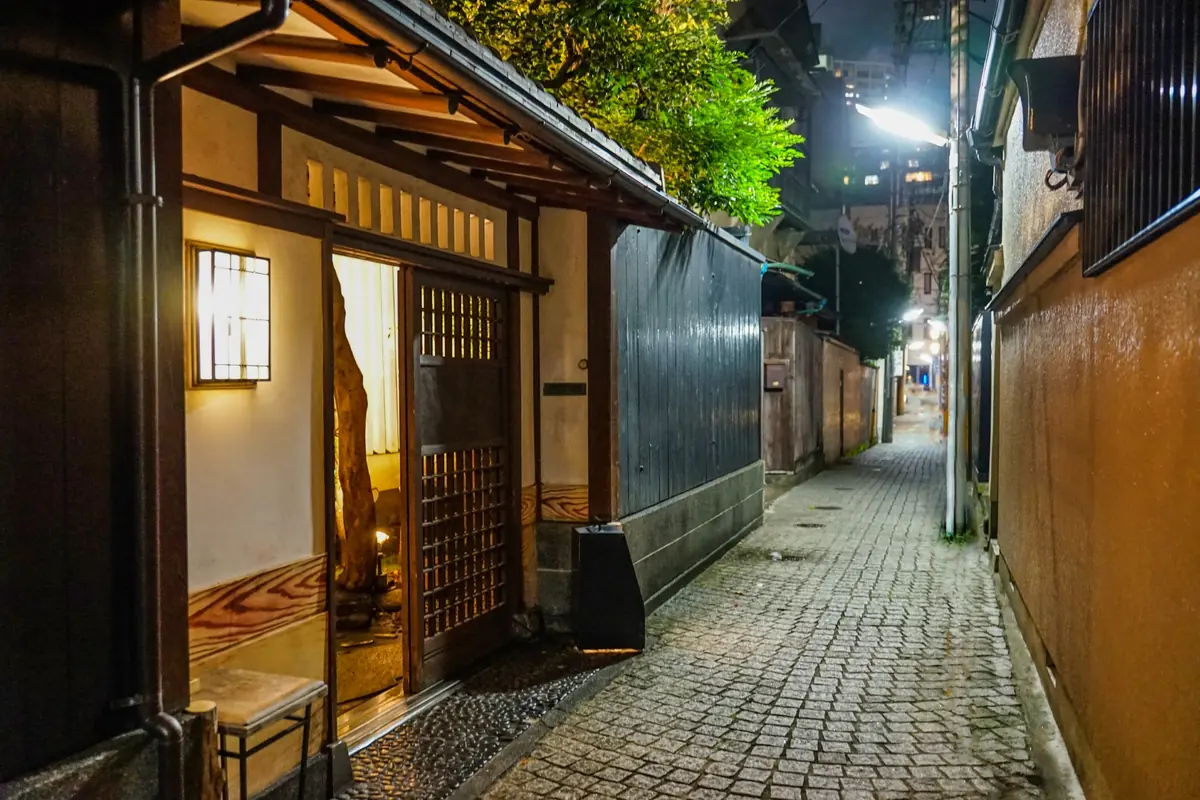
Kagurazaka offers a different vibe altogether. Known for its charming cobblestone streets and hidden alleys, this district was once home to numerous teahouses and samurai residences. Today, it is a popular spot for food lovers, blending traditional Japanese architecture with a touch of French influence. Walking through Kagurazaka feels like stepping into a private world away from the busy city. The geisha here are highly skilled in the shamisen and traditional singing, maintaining a high standard of entertainment that draws a sophisticated crowd.
Mukojima: The Largest Hanamachi with Deep Roots
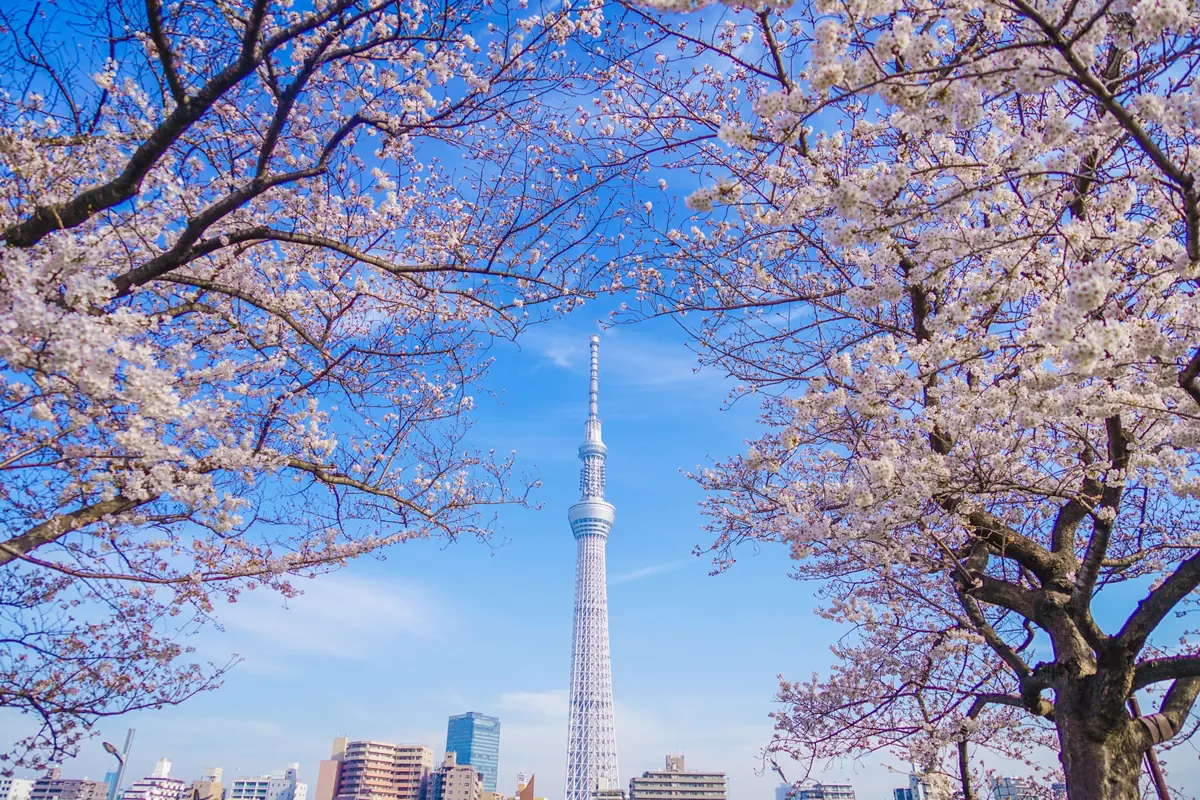
If you cross the Sumida River, you will find Mukojima. This is currently the largest geisha district in Tokyo, boasting the highest number of active geisha. Its history is tied to the beauty of the river and the cherry blossoms that bloom there each spring. Mukojima geisha are famous for their hospitality and the depth of their training in the arts. Because it is slightly removed from the central tourism hubs, it offers an incredibly authentic experience for those willing to make the journey.
Akasaka: High-End Hospitality Near the Political Center
Located near the heart of Japan’s political and business world, Akasaka has long been a place where powerful leaders gather. The restaurants in this district are known for their extreme privacy and high end service. The geisha here are experts at navigating complex social situations, providing an atmosphere where guests can relax during an expensive dinner. It remains one of the most prestigious districts in the city.
Yoshicho (Nihonbashi): Business and Tradition Intertwined
Yoshicho, located in the Nihonbashi area, is one of the oldest geisha districts. As the financial center of Japan, this area saw the rise of the merchant class who became the primary patrons of the geisha. Today, Yoshicho geisha continue to represent the historic pride of the city, performing at various events and private gatherings that keep the Edo period spirit alive.
Shinbashi: The Elegance of the Shimbashi Enbujo
Shinbashi is legendary for its dedication to the performing arts. The geisha here are renowned for their exceptional skills in dance and music, often performing on a large scale at the Shimbashi Enbujo theater. Their annual Azuma Odori performance is a major cultural event that showcases the peak of Japanese tradition. This district serves as a bridge between tradition and modernity.
Experience Tokyo’s Geisha Culture at Miyakodori, Asakusa
Miyakodori — founded in 1950, the only machiai-chaya in Asakusa — offers private ozashiki (geisha banquet) experiences with live shamisen, traditional dance, seasonal kaiseki (3-hour plan), and ozashiki games. Open to international visitors. No introduction required.
How to Experience a Geisha Performance in Tokyo
For many travelers, the world of the geisha feels like a closed door. You might think you need a secret connection or a massive budget to see a performance, but that is no longer the case. In modern Tokyo, there are several ways to experience this culture, ranging from casual public displays to the high end luxury of a private dinner. Understanding these options helps you choose the right path for your specific travel style and interests.
Bookable Geisha Shows and Tea Ceremonies
If you are looking for a shorter introduction, there are various bookable shows and tea ceremonies across the city. Places like the Asakusa Culture Tourist Information Center often host public performances where you can see a glimpse of the dance and music for a very affordable price. These events are great for families or those with a busy schedule who still want to witness the beauty of a kimono and a traditional dance. Many tourism companies also offer group tours that include a brief meeting with a geisha, making it very accessible for English speakers.
Ozashiki (Geisha Banquet): The Authentic Private Dinner Experience
For those seeking the ultimate authentic experience, nothing beats an ozashiki (geisha banquet). This is a private room dinner at a traditional restaurant where the geisha is the host of your evening. During an ozashiki (geisha banquet), you enjoy a high quality seasonal meal while geisha perform elegant dances and play the shamisen. The true magic, however, lies in the conversation and the traditional games. These games are a unique part of the culture that allows guests to interact directly with the artists in a fun, relaxed setting. While this was once a strictly referral only world, certain teahouses in Asakusa now welcome international guests, providing a rare opportunity to step into a historic era of Japan.
Free Performances and Public Festivals
Finally, do not forget about public festivals. During events like the Sanja Matsuri or the cherry blossom season in Mukojima, geisha often participate in parades or perform on outdoor stages. This is a wonderful way to see them as part of the local community, surrounded by the energy of the city. While you won’t get the one on one interaction of a private dinner, the atmosphere is unforgettable and provides a great window into how the tradition lives on today.
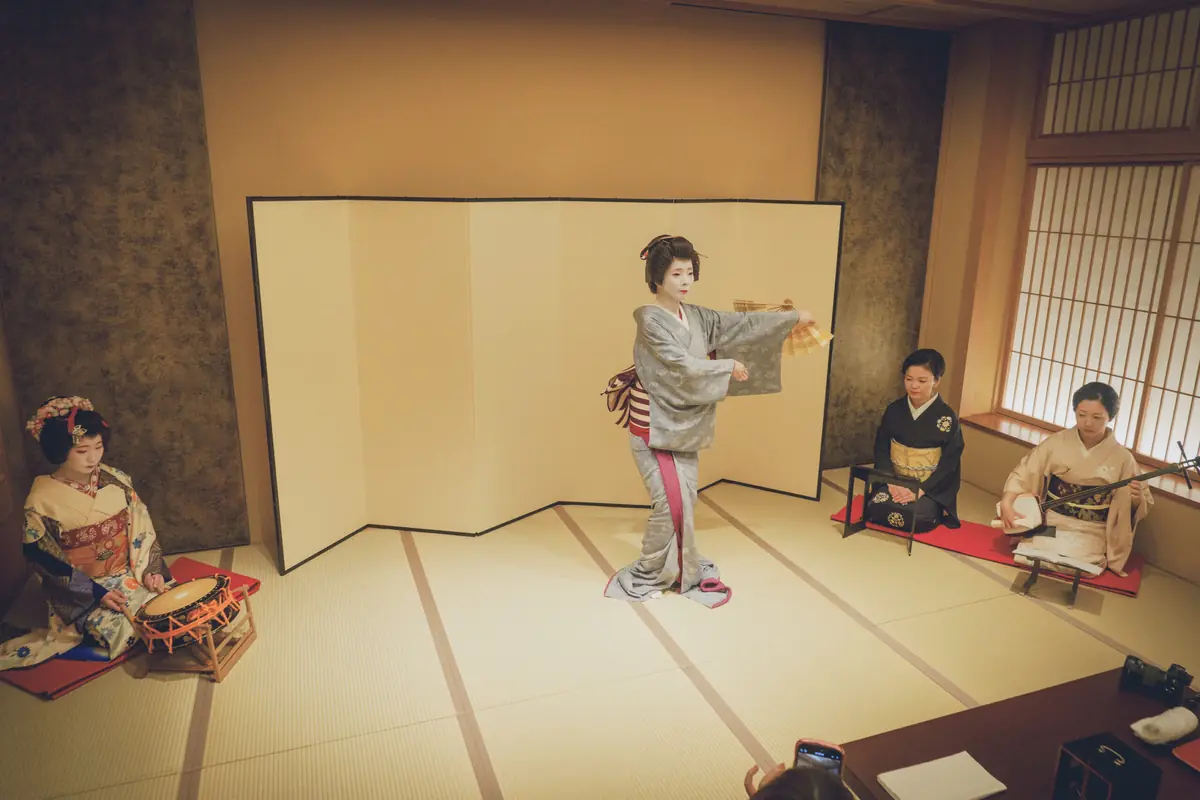
A veteran of the Asakusa hanamachi explains the rules geisha keep among themselves: who greets whom on arriving at a teahouse, and why a geisha apologises before taking a seat nearer the head of the table. Subtitled on screen.
Etiquette and Rules: How to Interact with Geisha
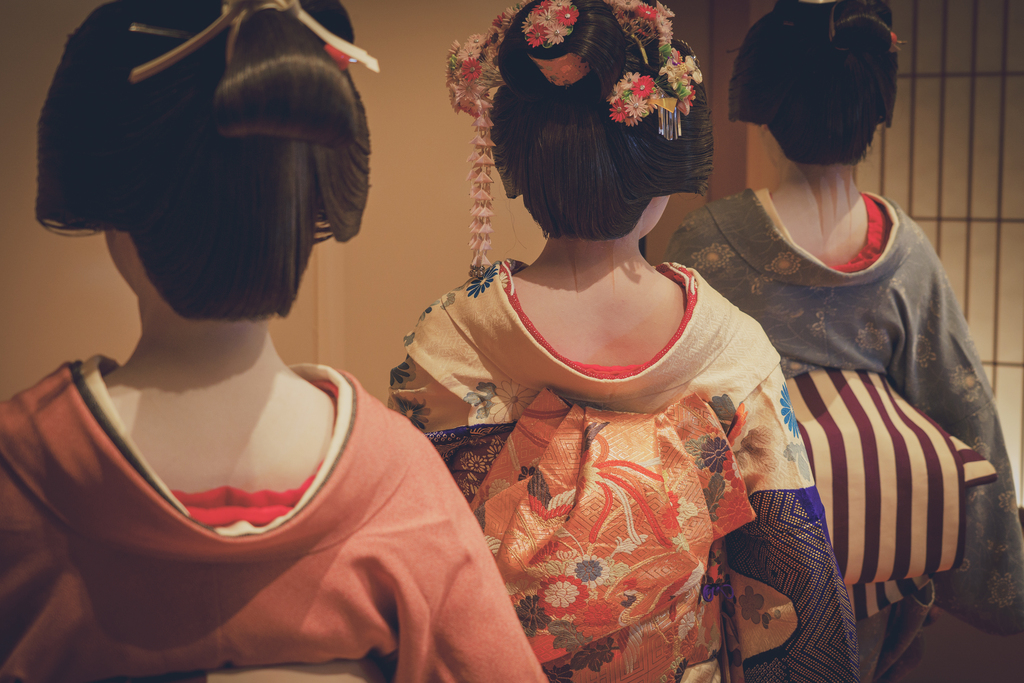
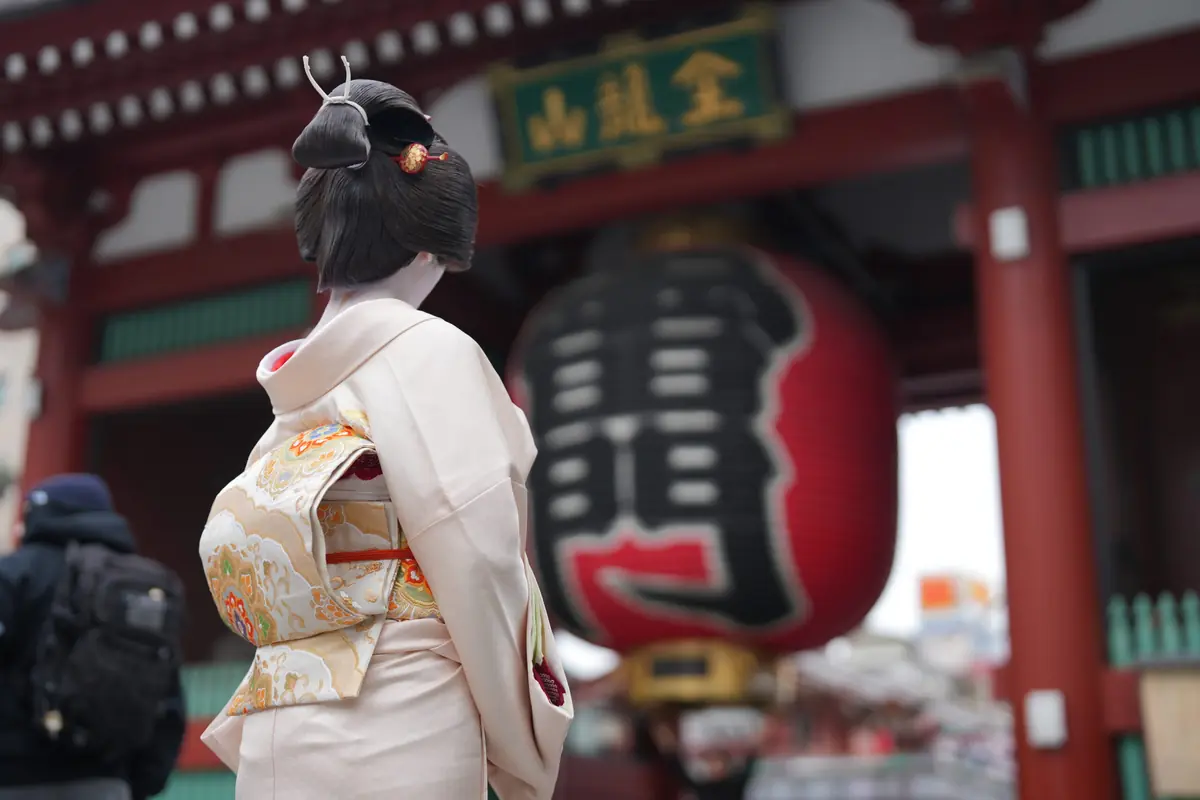
Entering a geisha district in Tokyo is quite like stepping into a living gallery of fine art. Because this world is built on deep-rooted traditions, understanding a few basic rules ensures your experience is respectful and smooth. First and foremost, never touch a geisha or her kimono. These garments are incredibly expensive, often handmade masterpieces that represent years of dedicated training. Similarly, her wig and ornaments are delicate works of art. When you see a geisha on the street, please refrain from chasing her or blocking her path for photos. It is always best to ask for permission or wait for a scheduled photo opportunity during a performance. During a meal or an ozashiki (geisha banquet) session, remember that they are professional entertainers and conversationalists. Avoid overly personal questions and instead show interest in their music, dance, or the history of Japan. By treating them with the respect they deserve as high level artists, you will find that the atmosphere becomes much more open and warm, allowing for a truly authentic cultural connection.
Tokyo vs. Kyoto: Which Geisha Experience is Right for You?
When people think of a geisha in Japan, their minds often drift immediately to Kyoto and the famous Gion district. Kyoto is legendary for its imperial history and a soft, elegant style known as miyabi. However, choosing a geisha district in Tokyo offers a completely different atmosphere that is equally historic and fascinating. While Kyoto often feels like a preserved museum, Tokyo’s hanamachi are a vibrant, living part of a high-energy city. The Tokyo style is defined by iki, a sense of chic sophistication and directness that dates back to the Edo period and the samurai spirit.
In Kyoto, the apprentices are called maiko and are known for their very long sleeves and high wooden sandals. In Tokyo, these young artists are called hangyoku. The culture in areas like Asakusa is generally much more open to international travelers compared to the often exclusive teahouses of Kyoto. If you want a performance that feels refined yet approachable and friendly, Tokyo is the perfect choice for your travel. Both cities offer a beautiful glimpse into the history of Japanese culture, but Tokyo provides a unique, stylish connection between traditional training and modern city life.
Why Choose Miyakodori for Your Tokyo Geisha Experience?
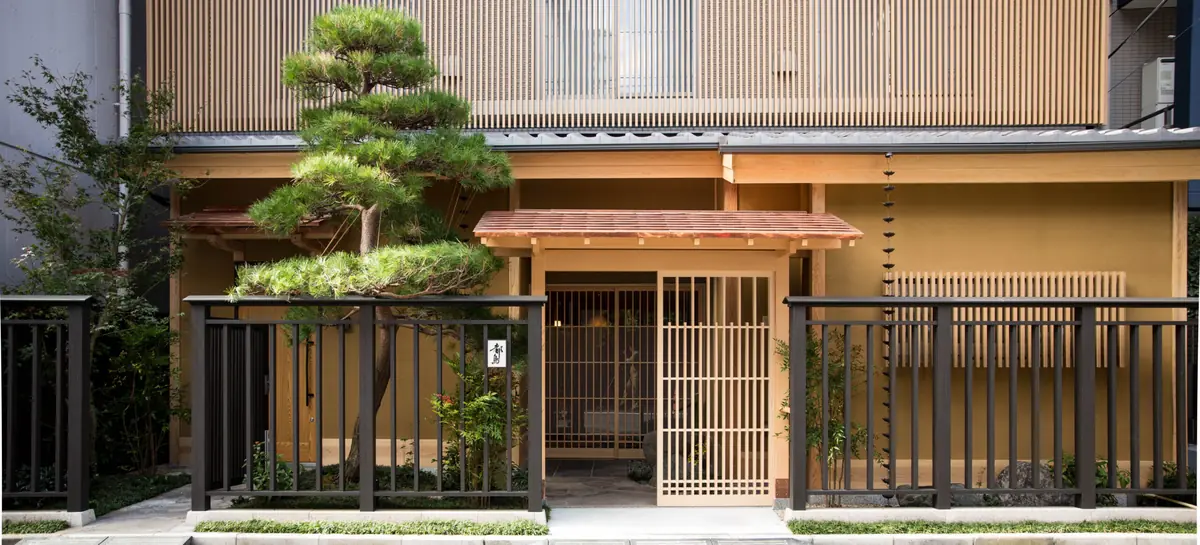
If you are looking for the most authentic geisha district in Tokyo experience, Miyakodori in Asakusa is a natural starting point. Since its founding in 1950, this historic teahouse has preserved the spirit of old Japan while welcoming guests from all over the world. Miyakodori is unique because it is the only remaining machiai chaya in Asakusa. This means it is a place specifically designed for enjoying the company of geisha, where the focus is entirely on traditional entertainment and refined play. Here, you can escape the noise of the modern city and step into a private world of elegance.
The geisha at Miyakodori undergo rigorous training to ensure every performance of music and dance is a masterpiece. Beyond the art, the essence of Miyakodori lies in its hospitality and its seasonal kaiseki cuisine. Each meal is a work of art that reflects the beauty of the four seasons on every plate. They even offer halal options, making it possible for every international guest to enjoy the experience without worry. Whether you are hosting a high end business meeting or celebrating a special anniversary with family, the private rooms provide a prestigious and comfortable setting. By choosing Miyakodori, you are not just booking a dinner; you are becoming part of a living history that is both sophisticated and incredibly warm. It is a place where the chic spirit of Edo truly comes to life.
Frequently Asked Questions about Tokyo Geisha
Q: How much does a geisha experience in Tokyo cost?
The price can vary significantly depending on the type of activity. A short public performance or a group tour might cost a few thousand yen. However, a full ozashiki (geisha banquet) experience, which involves a private dinner at a high end restaurant with multiple geisha and a seasonal meal, is a luxury activity. These evenings often start at forty thousand yen or more per person, reflecting the high level of training and the exclusive nature of the setting.
Q: Is it possible to book a geisha without a Japanese connection?
Traditionally, many teahouses were invitation only, but today the atmosphere has changed. In the Asakusa geisha district in Tokyo, places like Miyakodori are very welcoming to international travelers and provide services in English to ensure you understand the history and the games.
Q: What is the best time to see geisha in Tokyo?
While they work throughout the year, visiting during major festivals like the Sanja Matsuri in May or the cherry blossom season offers more opportunities for public sightings. For a private performance, booking in advance is essential as their schedules are carefully managed.
Q: What should I know about the cancellation policy for private geisha dinner experiences?
Since these high end activities require significant preparation of seasonal meals and artist schedules, a formal cancellation policy is applied to all bookings. If you need to adjust your plans, please contact our team as soon as possible. We often provide a flexible reschedule option when notice is given well in advance to ensure you can still enjoy your visit to our house.
Conclusion: Making Your Tokyo Trip Unforgettable
A visit to a geisha district in Tokyo is more than just a sightseeing stop; it is a chance to touch the living pulse of Japanese history. From the historic streets of Asakusa to the chic atmosphere of Kagurazaka, the six hanamachi offer a unique blend of ancient training and modern hospitality. By choosing an authentic experience at a teahouse like Miyakodori, you are ensuring that your time in Japan is marked by beauty, music, and the refined spirit of the Edo period. These artists have dedicated their lives to mastering the shamisen, the dance, and the art of the meal to provide you with an evening that transcends the ordinary. We invite you to step through the curtain and discover the mystery and elegance of the geisha world for yourself. Your journey into the heart of Tokyo tradition starts here.
Step Into Tokyo’s Geisha World — Request Your Evening at Miyakodori
Miyakodori is the only remaining machiai-chaya in Asakusa — a historic geisha waiting house founded in 1950. Enjoy a private ozashiki (geisha banquet) with seasonal kaiseki, live shamisen, traditional dance, and ozashiki games. Halal options available. English support provided. Reserve online — no introduction required.
Footnotes / Sources
Sources & References
- Asakusa Miyakodori Official Website: https://miyakodori-geisha.com/
- PR TIMES – Ozashiki Chaya: https://prtimes.jp/main/html/rd/p/000000001.000165250.html
- Asakusa Sightseeing Guide: https://asakusa.gr.jp/jp/?p=385
- Tokyo Metropolitan Government – Cultural Features: https://www.my.metro.tokyo.lg.jp/w/000-20240711-43128106
- Asakusa Kenban – Geisha Association: https://asakusakenban.com/
Related Guides
- Geisha Areas in Tokyo


- The Ultimate Guide to the Best Things to Do in Asakusa Tokyo Japan for Your 2026 Travel
- The Ultimate Guide to Geisha Lunch Specials: Sushi, Hibachi, and More
Oiran: The Courtesans of Japan’s Yoshiwara — History, Hierarchy, and Legacy
Geisha Etiquette in a Tatami Room: What to Know Before You Go
Ultimate Guide to Asakusa Geisha Ozashiki Odori: Experience Traditional Geisha Dance in Tokyo
Beyond “Geisha Girls”: Understanding Japan’s Traditional Artists of the Flower and Willow World
Geisha in Tokyo: The Complete Knowledge Guide
Asakusa Nightlife 2026: A Guide to Tokyo’s Historic Heart After Dark
Comment ( 0 )
Trackbacks are closed.
No comments yet.