


Sumo in Tokyo: Tournaments, Morning Practice and Shows Compared
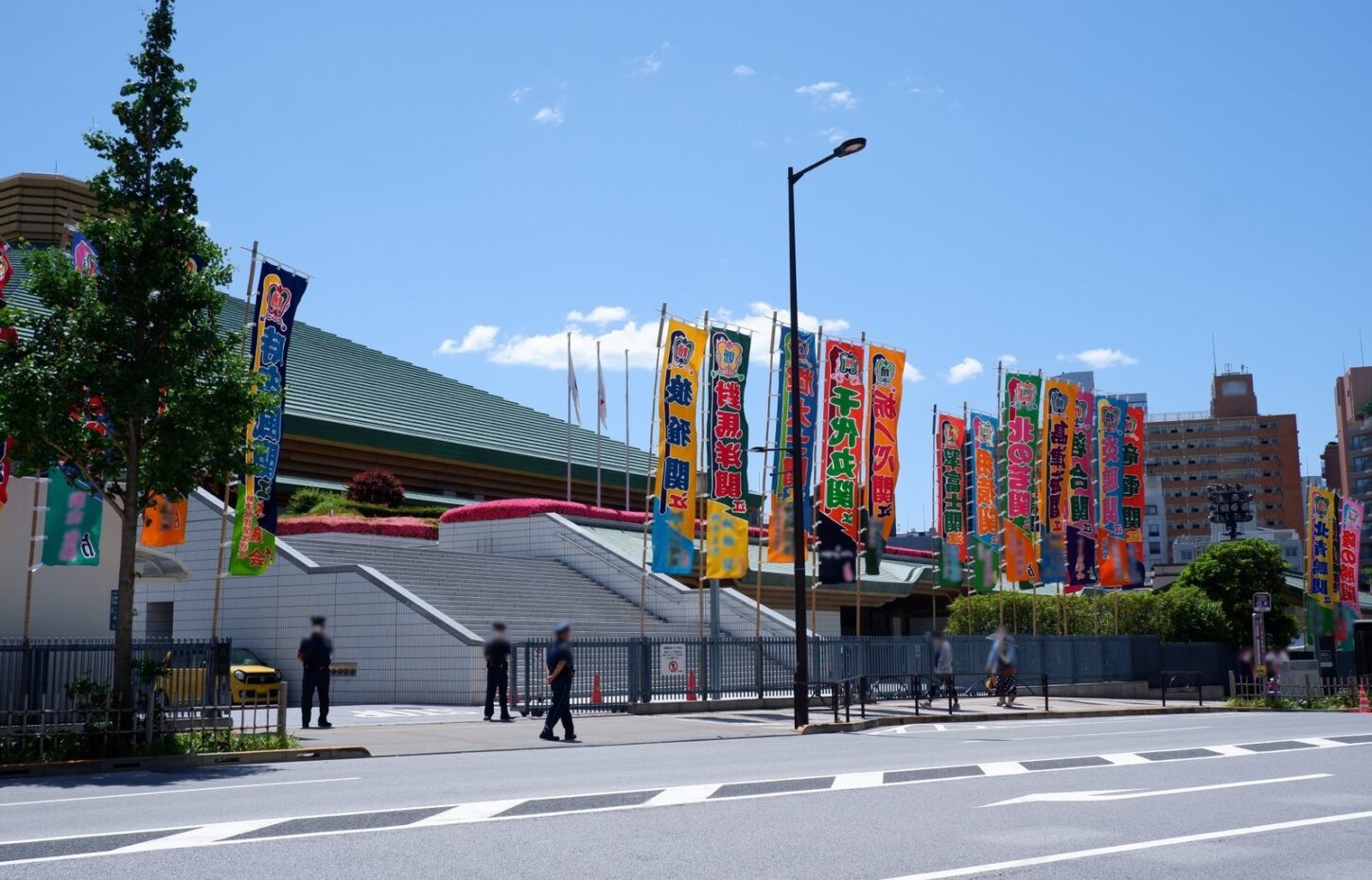
There are three ways to watch sumo in Tokyo. A grand tournament at the Ryogoku Kokugikan is the real competition, but Tokyo holds them in January, May and September, and tickets go on sale about a month ahead. Morning practice at a sumo stable shows active wrestlers training up close, but stables are not open to the public, so you go with a tour. A sumo show is an entertainment program by retired wrestlers, usually with a meal, and runs on most days of the year. If your dates fall on a Tokyo tournament, go to the tournament. If they do not, choose practice for the real training and a show for an easy, explained introduction.
Miyakodori is a machiai-chaya in Asakusa, a traditional teahouse where geisha gatherings are held, founded in 1950. We are not a sumo venue, and we have not joined a stable tour or booked a sumo show ourselves. The dates, seats and rules below come from the Japan Sumo Association, its official ticket service and Japan’s national tourism organization, which we read on 12 November 2026. Show prices come from a travel guide that compares the shows, and we say where. For sumo next to kabuki, rakugo and a geisha gathering, see our guide to traditional entertainment in Tokyo.
Tournament, Morning Practice or Sumo Show: The Three Compared
People often mix these three up, and they are very different. The table puts what each one is, who is in the ring and how you get in side by side.
| Grand tournament | Morning practice | Sumo show | |
|---|---|---|---|
| What it is | Official ranked bouts, 15 days in a row | Daily training inside a stable | An explained performance with demonstration bouts |
| Who is in the ring | Active professional wrestlers of every division | Active wrestlers of that stable | Retired wrestlers |
| When in Tokyo | January, May and September only | Mornings, on the days the tour runs | Most days, at set show times |
| How to get in | Tickets from about a month ahead | A guided tour | Book a seat through the venue or a booking site |
| Price as listed | From ¥5,000 a chair seat on a weekday (January 2027) | Set by each tour | About ¥12,000 to ¥20,000 a person |
| Time to allow | From the afternoon for the top division, or all day | Two to three hours of sitting quietly | About 1.5 to 2 hours |
| Suits | Anyone who wants the real competition and its ceremony | Visitors who can sit still and want to see training | First-timers, families and anyone who wants things explained |
Tournament prices are the January 2027 chair seats on the Japan Sumo Association’s official ticket service. Show prices are the range given in LIVE JAPAN’s comparison of Tokyo sumo shows, which lists booking-site prices. The practice time is from japan-guide.com’s page on sumo. Check each one again before you book.
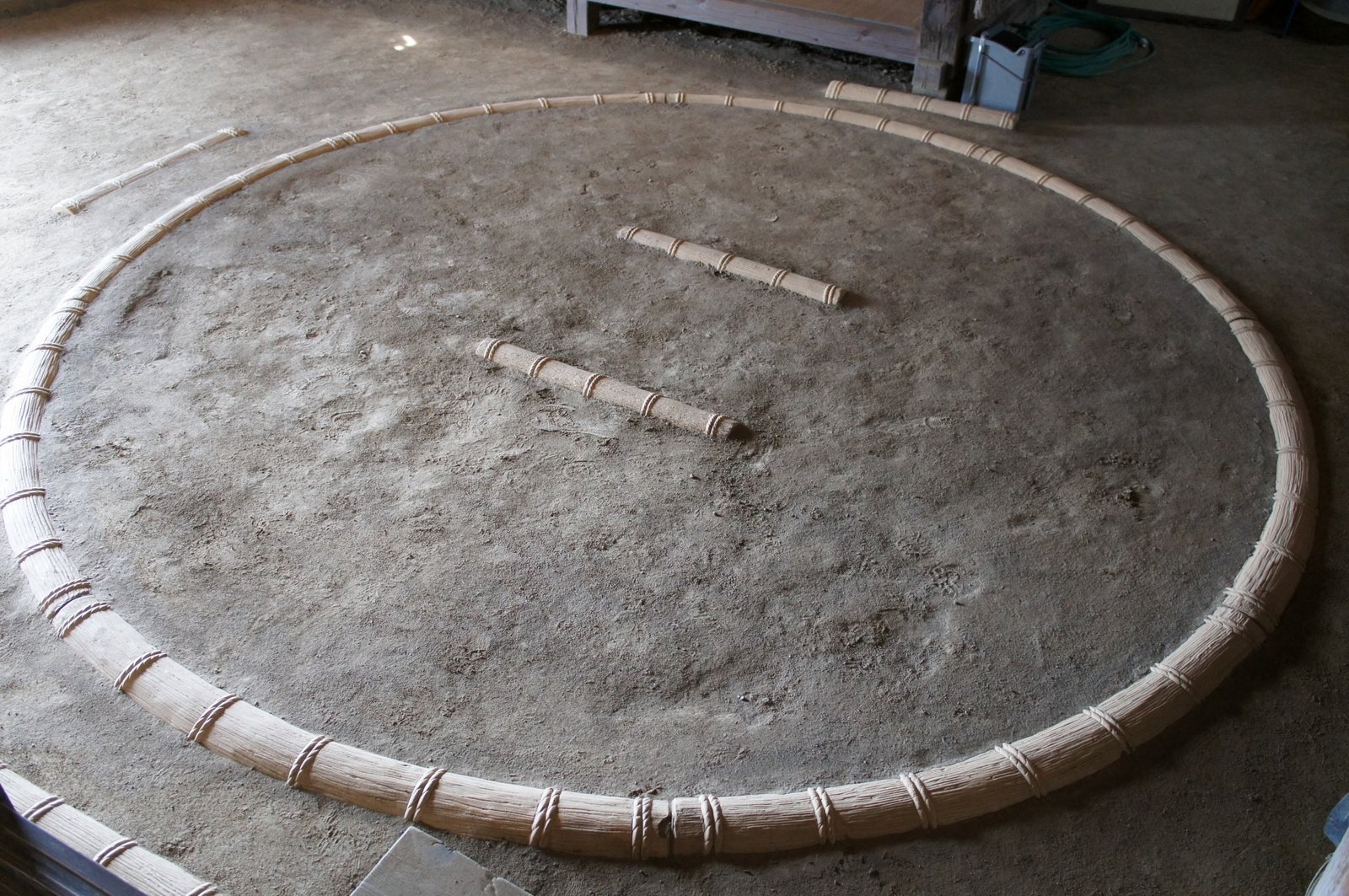
Grand Tournaments at the Ryogoku Kokugikan
Professional sumo holds six grand tournaments a year, each lasting 15 days. Three are in Tokyo, at the Ryogoku Kokugikan, and the other three are in Osaka, Nagoya and Fukuoka. The table shows the next year of tournaments and the day advance sales open on the official ticket service.
| Tournament | Dates | City | Advance sales open |
|---|---|---|---|
| November 2026 | 8 to 22 November 2026 | Fukuoka | Sold out for every day |
| January 2027 | 10 to 24 January 2027 | Tokyo | 5 December 2026 |
| March 2027 | 14 to 28 March 2027 | Osaka | 6 February 2027 |
| May 2027 | 9 to 23 May 2027 | Tokyo | 10 April 2027 |
| July 2027 | 11 to 25 July 2027 | Nagoya | 15 May 2027 |
| September 2027 | 12 to 26 September 2027 | Tokyo | 7 August 2027 |
From Ticket Oosumo English, the Japan Sumo Association’s official ticket service, checked on 12 November 2026. Its page for the November tournament says there will be no tickets sold on the day.
The seats come in three kinds. Box seats on the ground floor are Japanese style: you take off your shoes and sit on cushions, and a box is sold whole for four people. Chair seats are on the second floor. Ringside seats sit right beside the ring, and the English ticket service notes they are sold only on its Japanese site. For the January 2027 tournament, a weekday chair seat costs from ¥5,000 (Chair C) to ¥11,000 (Chair S), and a weekday box costs from ¥38,000 to ¥72,000 for the four places. Weekends, holidays and the last two days cost more. The English ticket service adds a ¥2,000 fee per ticket, takes credit cards only, and prints tickets at Seven-Eleven stores in Japan. Bought tickets cannot be changed or refunded, and children aged four and over need their own ticket.
JNTO’s sumo guide says a single arena ticket costs under ¥4,000 and a box around ¥10,000. Those figures are lower than the January 2027 prices on the official ticket service, so plan with the ticket service’s table.
One ticket covers the whole day. For January 2027 the doors open at 8:45 am, except at 10:30 am on 22 and 23 January and at 10:00 am on the final day. Bouts run from the morning until around 6:00 pm, and the top-division wrestlers start around 2:00 pm. You may leave and come back once, returning by 5:00 pm. Many visitors arrive after lunch, watch the junior divisions and the ring-entering ceremony, and stay for the top division.
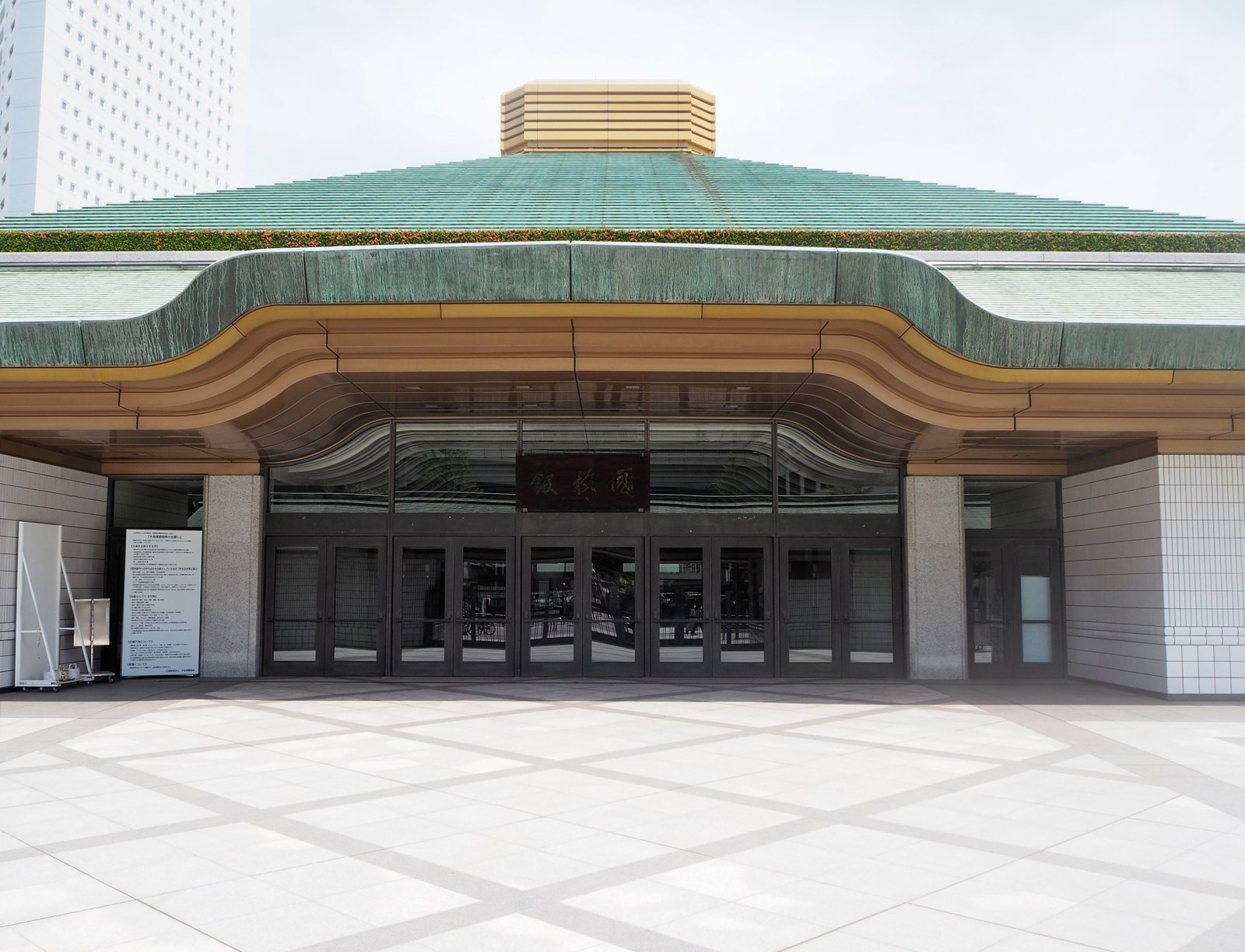
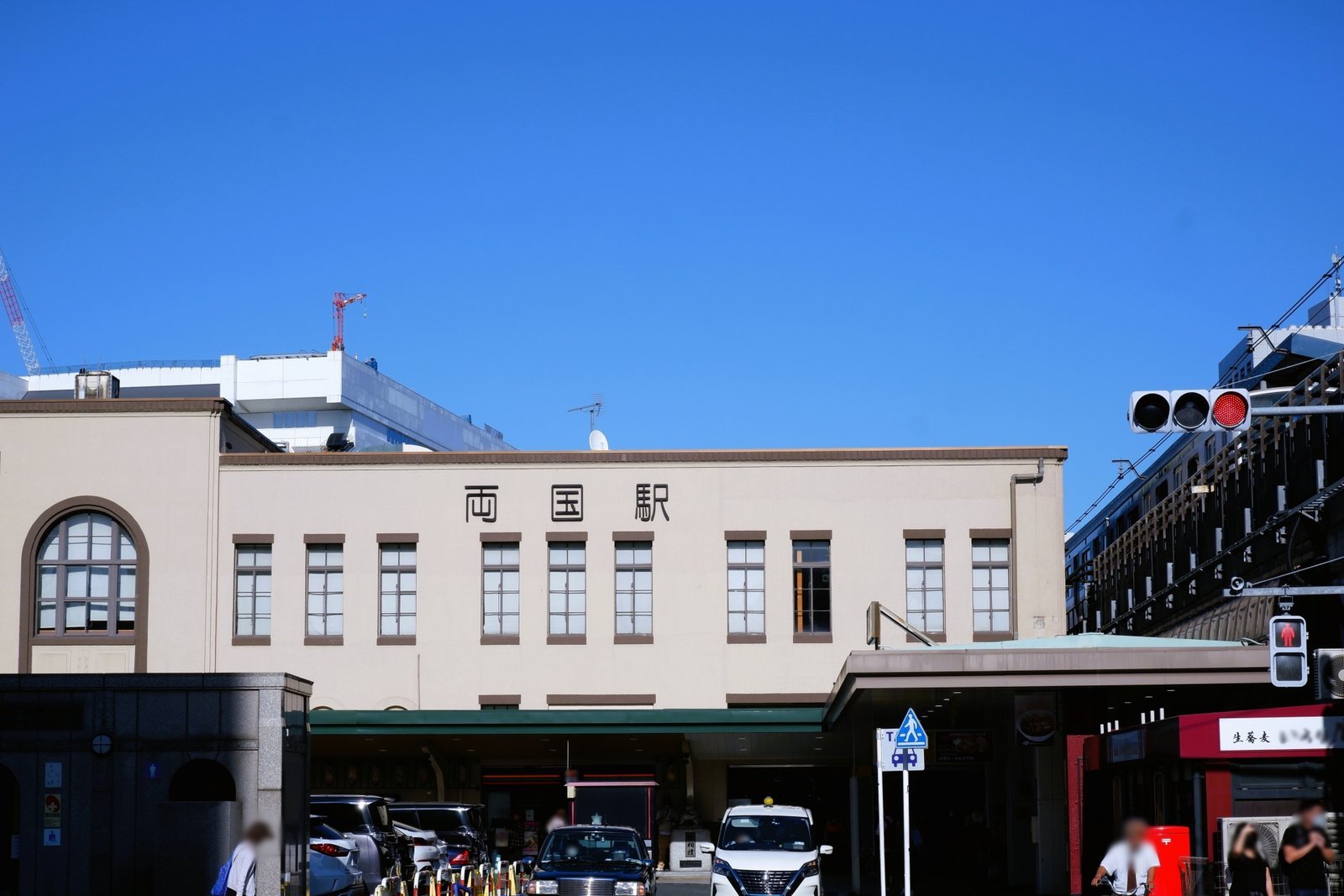
JNTO gives the Kokugikan as a two-minute walk from the West Exit of JR Ryogoku Station on the Sobu Line, or five minutes from the Oedo Line exits of the same station. The Sumo Museum is inside the building, with free admission. japan-guide.com lists it as open 10:00 am to 4:30 pm with last entry at 4:00 pm, closed on weekends, national holidays and between exhibitions, and open only to ticket holders during a Tokyo tournament. It suits a weekday visit when no tournament is on.
Morning Practice at a Sumo Stable
Wrestlers live and train in stables, called heya. japan-guide.com counts about forty, all in the Greater Tokyo area and many in Ryogoku. JNTO describes the training as wrestlers practicing their moves and building strength under the stable master, usually a retired wrestler, and some trusted senior wrestlers.
Stables are homes and training rooms, not sightseeing spots. JNTO says casual, spontaneous visits are not encouraged, and that some travel agencies arrange tours for small groups. japan-guide.com adds that only a few stables accept tourists, that they ask for a companion who speaks fluent Japanese and knows the customs of the sumo world, and that you should expect to sit silently on the floor for two to three hours. For a visitor from abroad, a guided tour is the practical way in.
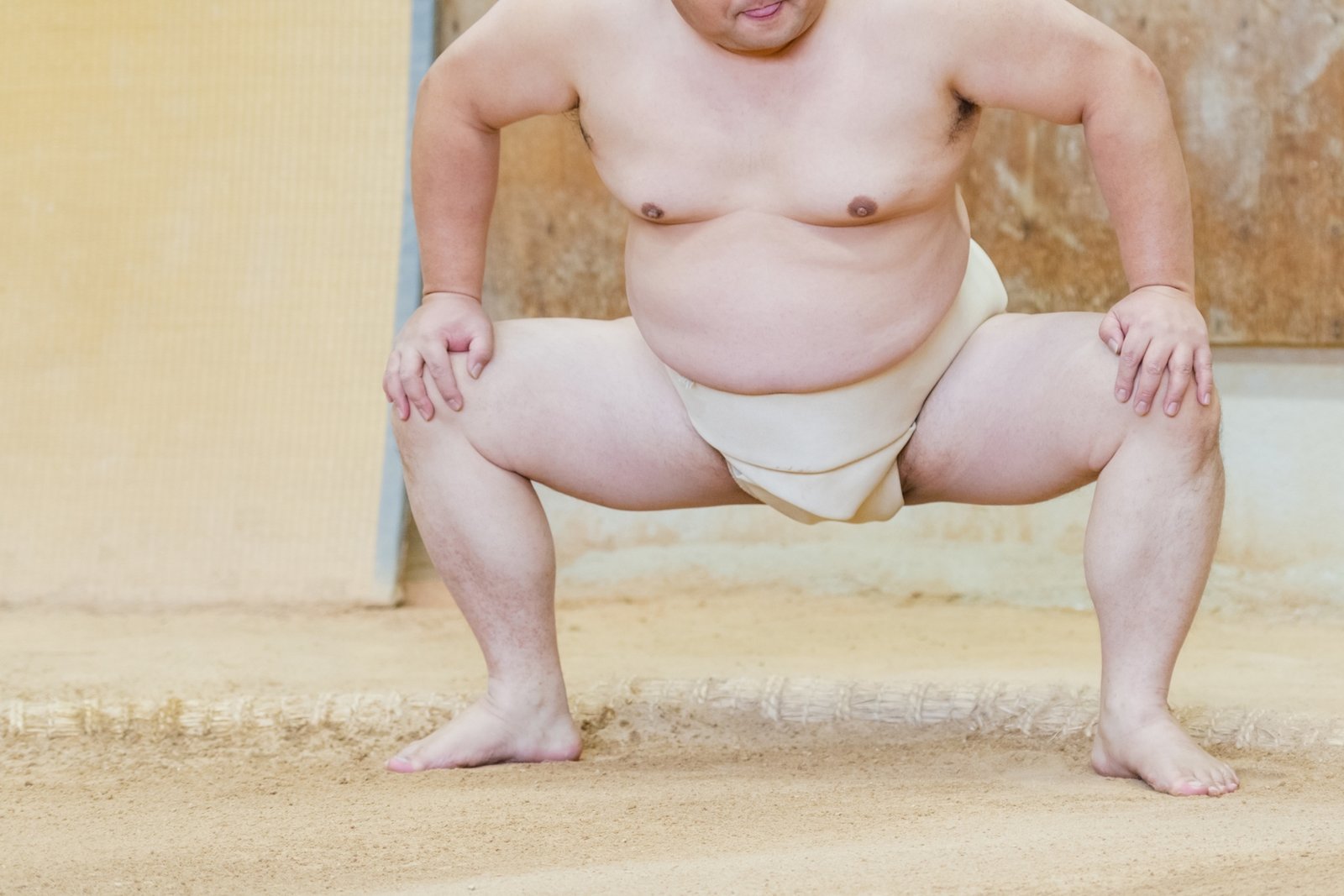
Tours set their own rules. LIVE JAPAN’s comparison notes that many limit entry to guests aged 12 and over, with at least one tour taking children from age four. Before you book, ask the operator three things: whether practice runs on your date, the minimum age, and whether photos are allowed. The first question matters most in March, July and November, when the tournament is held outside Tokyo.
Sumo Shows: Retired Wrestlers, a Meal and a Turn in the Ring
A sumo show is built for visitors. Retired wrestlers explain the rituals and rules, show the basic movements, and stage short demonstration bouts. Most shows end with photos, and many let a few guests step into the ring to push against a wrestler. It is entertainment, so there is no ranking or result that counts, and the wrestlers are no longer competing. In return, everything is explained in English and the timing is fixed.
LIVE JAPAN’s comparison of Tokyo sumo shows, updated for 2026, lists shows in several parts of the city. Most include a meal or a drink, and the listed prices run from about ¥12,000 to ¥20,000 a person. These are booking-site prices, and they change, so check the date and the meeting point on the page you book through. Some shows are held in more than one branch of the same name.
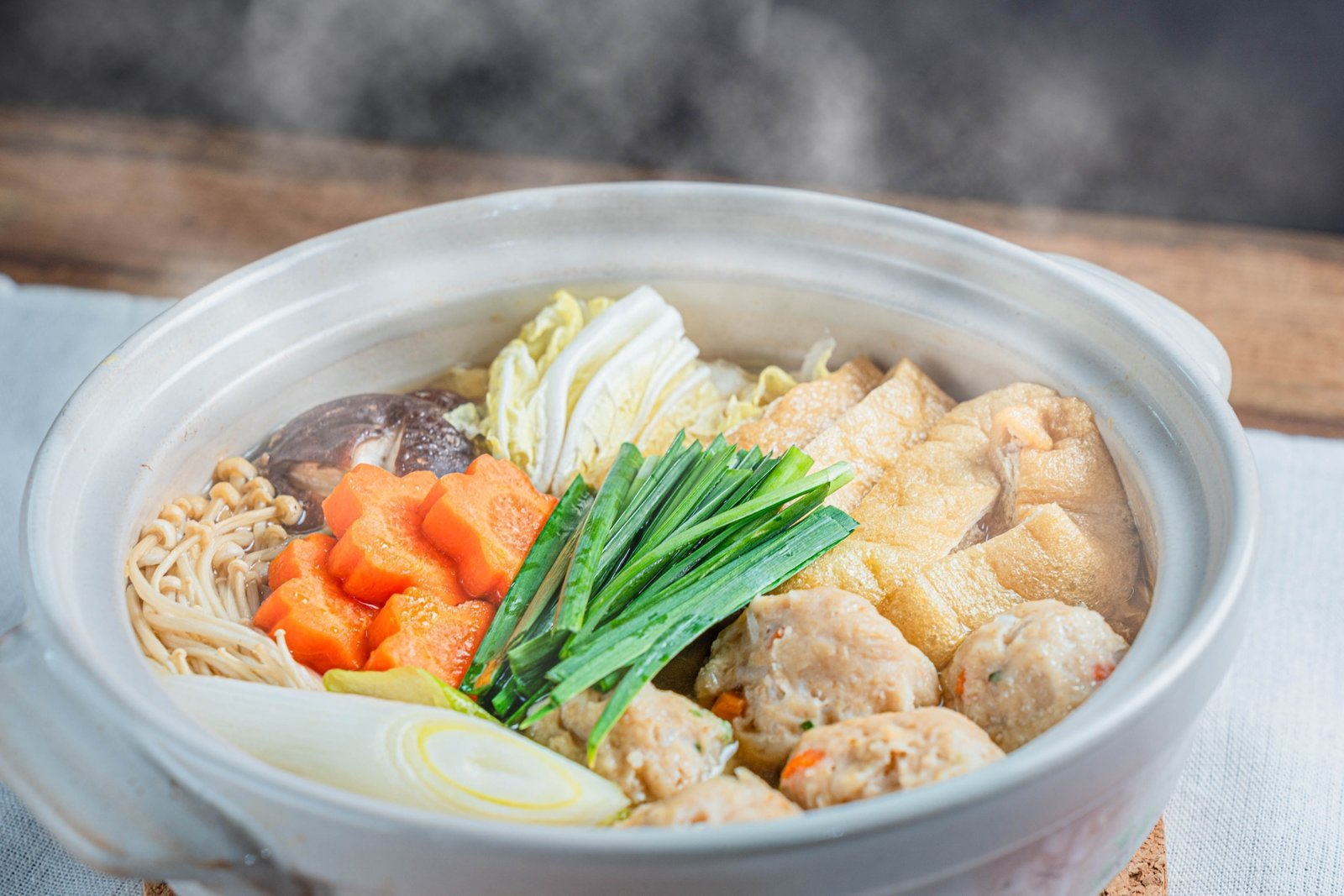
Chanko nabe is the hot pot that wrestlers eat in their stables, and a show with chanko is the simplest way to try it with sumo around you. Ryogoku also has chanko restaurants, so a tournament day or a practice tour can end with a bowl nearby.
If Your Dates Miss a Tokyo Tournament
The November 2026 tournament is in Fukuoka and sold out for every day. The next Tokyo tournament runs from 10 to 24 January 2027, with tickets on sale from 10:00 am Japan time on 5 December 2026. Between tournaments, JNTO notes that the Japan Sumo Association runs a regional tour around the country, with practice bouts, demonstrations and talks by wrestlers, so check the association’s English site for dates near your trip.
In Tokyo itself, a weekday at the Sumo Museum and a walk around Ryogoku shows you the neighborhood. A practice tour shows you real training, and a show gives you the explanations and a seat close to the ring. Our guide to choosing things to do in Tokyo has more ideas for the rest of the day.
Sumo and Geisha in One Room in Asakusa
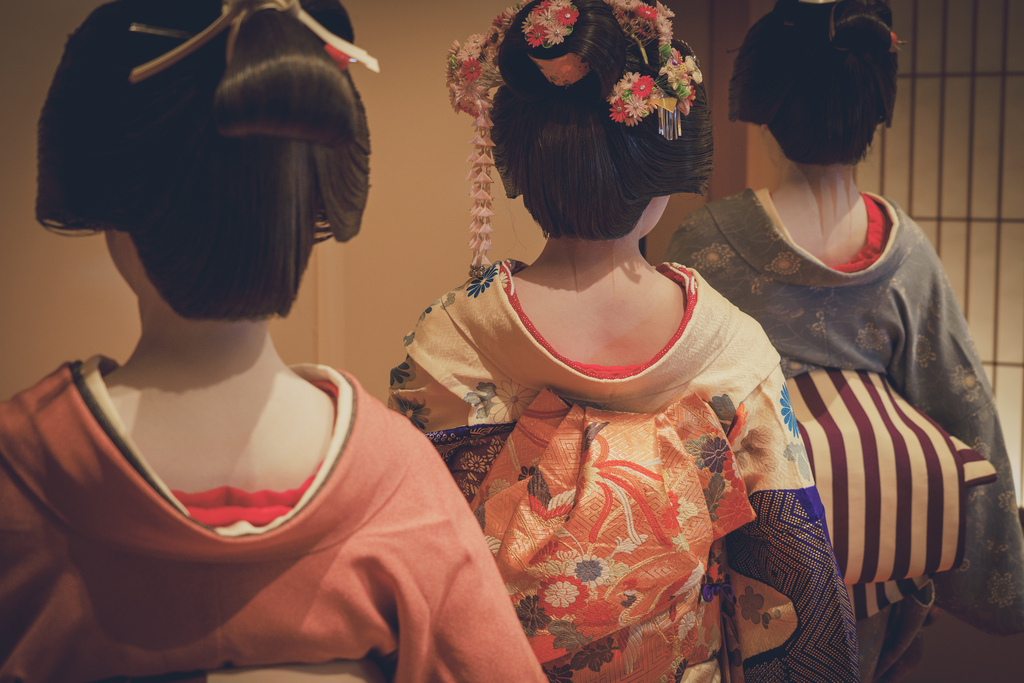
There is one more way to see sumo up close, and it happens in a tatami room. In the Geisha Sumo Special Experience at Miyakodori, Asakusa geisha and sumo actors join your party in an ozashiki, a private gathering with geisha, in a room reserved for you. The sumo actors are not professional wrestlers. They have performed in the United States and appeared in films. On the two-hour and three-hour plans they stage bouts a few steps from your seat, and the one-hour plan is a close-up demonstration of the basic movements without a bout. The geisha dance to live shamisen music and play traditional games with you and the sumo actors.
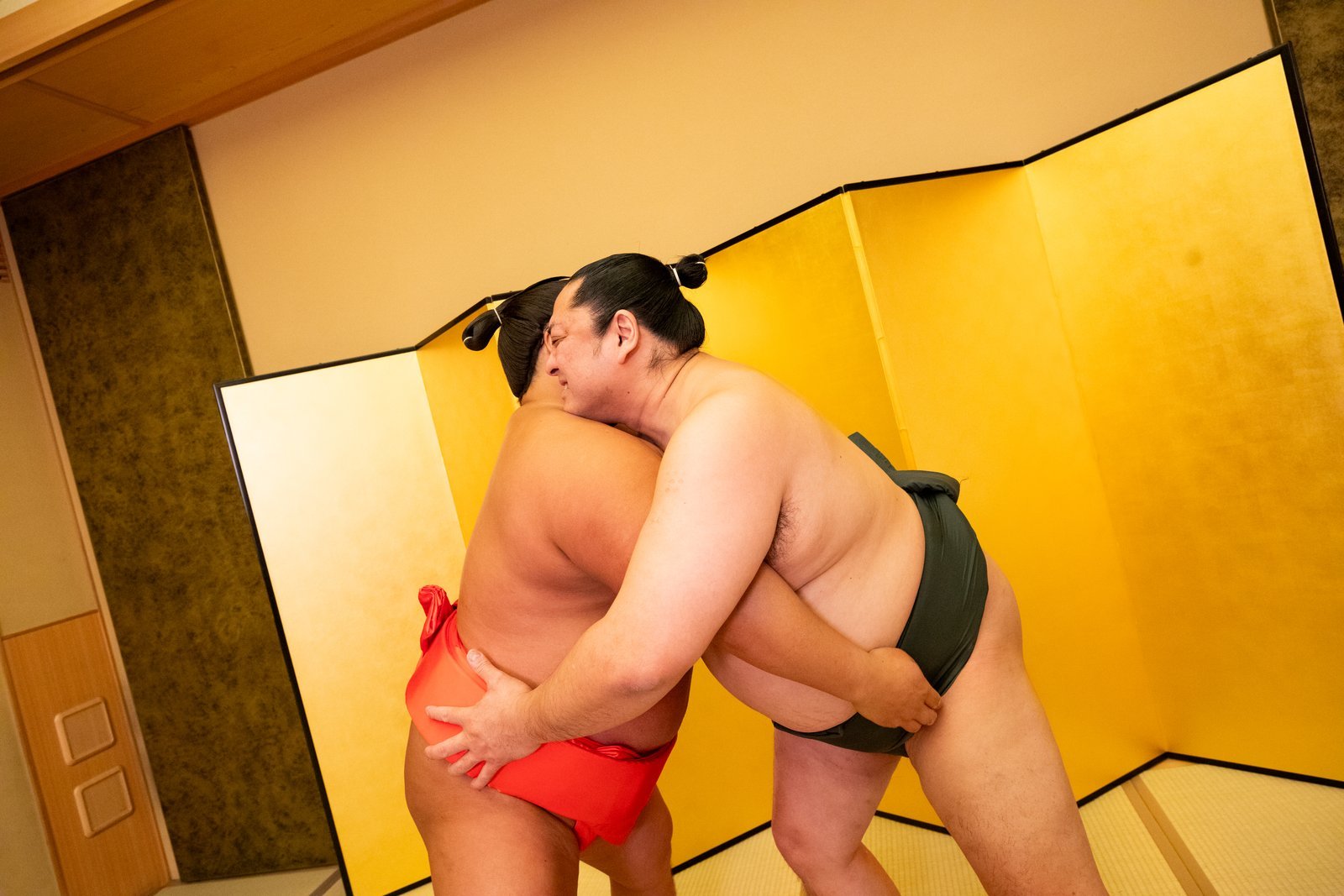
It is a request reservation, made at least two weeks ahead through the form on our exclusive experiences page, for up to 14 guests. Visits can start in the afternoon as well as later in the day. In our experience, many guests who watch sumo come to us afterward, so a tournament day in Ryogoku and a visit to Asakusa can sit in the same trip. If you would rather keep sumo to the Kokugikan, a standard ozashiki without sumo is shown on our ozashiki page, with current rates on the pricing page.
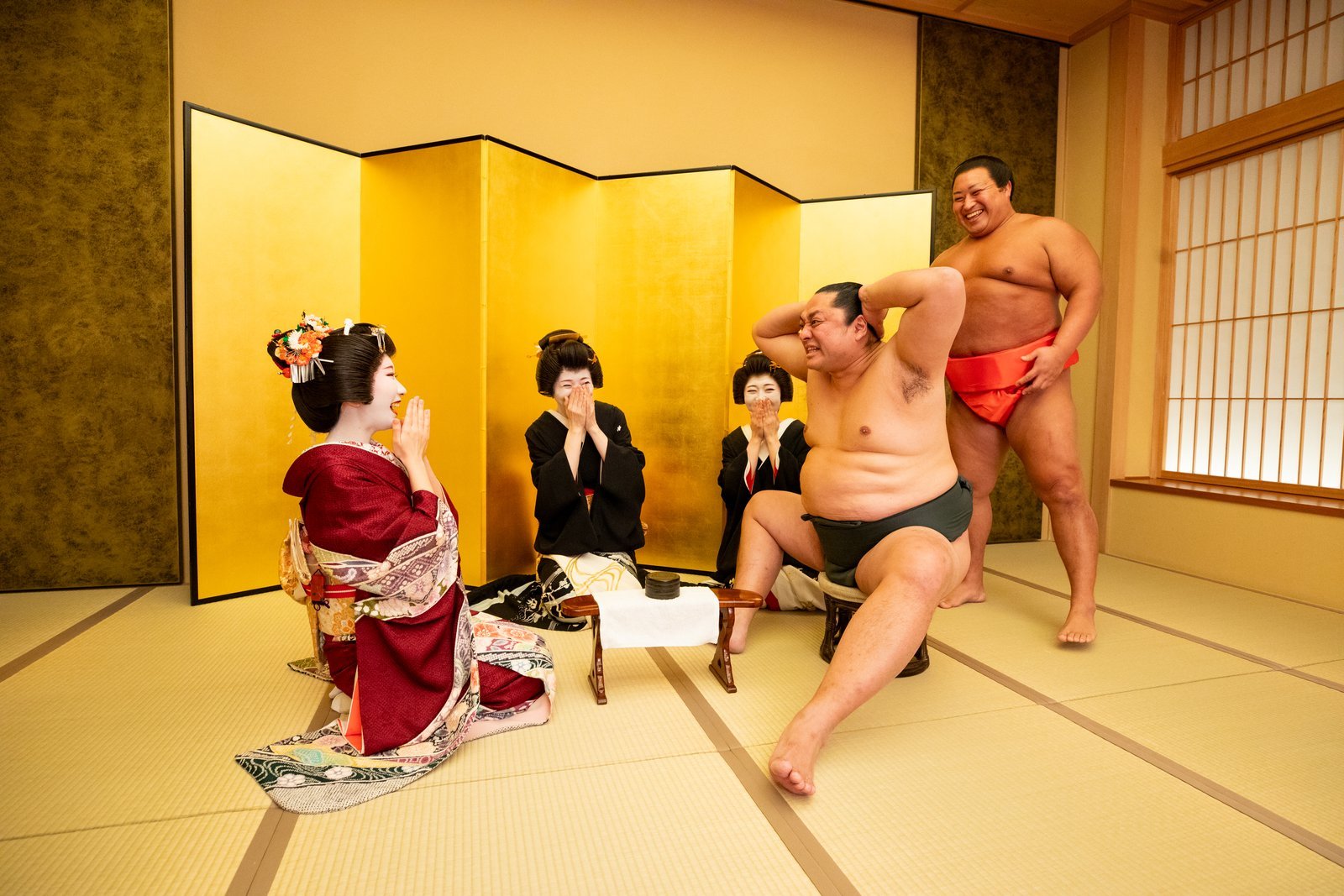
Plan a Private Ozashiki with Geisha and Sumo Actors
A private gathering with Asakusa geisha in a tatami room for your party alone, with sumo actors, traditional games and a photo together. Choose one, two or three hours, and send a request at least two weeks ahead.
See the Geisha Sumo Special ExperienceFrequently Asked Questions
Is there a sumo tournament in Tokyo in November or December?
No. Tokyo holds its grand tournaments in January, May and September at the Ryogoku Kokugikan. The November 2026 tournament is in Fukuoka, from 8 to 22 November, and is sold out. The next Tokyo tournament runs from 10 to 24 January 2027, with tickets on sale from 5 December 2026.
How much are sumo tournament tickets in Tokyo?
For January 2027, the official ticket service lists weekday chair seats from ¥5,000 to ¥11,000 each and weekday four-person boxes from ¥38,000 to ¥72,000. Weekends, holidays and the last two days cost more, and the English ticket service adds ¥2,000 per ticket.
Can tourists watch sumo morning practice in Tokyo?
Yes, usually on a guided tour. JNTO says casual, spontaneous visits to stables are not encouraged and that some travel agencies arrange small-group tours. Expect to sit quietly on the floor for two to three hours, and check the tour’s minimum age, which is often 12.
Are the wrestlers in Tokyo sumo shows real sumo wrestlers?
They are retired wrestlers. A show is an entertainment program with explanations and demonstration bouts, not a competition. To see active wrestlers, go to a grand tournament or a morning practice tour.
What time should I arrive at a sumo tournament?
The top-division bouts start around 2:00 pm and the day ends around 6:00 pm, so arriving in the early afternoon is enough for most visitors. For January 2027 the doors open at 8:45 am on most days, and your ticket lets you leave and return once, by 5:00 pm.
Which sumo experience is best for children?
A sumo show is the easiest, with fixed times, English explanations and a meal, and LIVE JAPAN lists several shows that accept all ages. Many morning practice tours accept only guests aged 12 and over. At a tournament, children aged four and over need their own ticket.
Sources
Pages checked on 12 November 2026. Dates, prices and rules change, so use these for orientation and confirm with each organizer.
- Ticket Oosumo English, the Japan Sumo Association’s official ticket service: tournament schedule and sale dates and the January 2027 tournament page, for the dates, seat types, prices, fees, ticket pick-up, door times and re-entry, and the sold-out notice for November 2026.
- Japan Sumo Association, English home page: the November 2026 ticket notice and the regional tour schedule.
- JNTO, Experience Sumo and Tokyo Sumo Tournaments: the Tokyo tournament months, stable visits, the regional tour, the older ticket figures and the walk from Ryogoku Station.
- japan-guide.com, Sumo: the number of stables, the conditions for visiting one, the seat types and the Sumo Museum hours.
- LIVE JAPAN, Best Sumo Shows & Experiences in Tokyo (2026): Prices Compared: the show formats, areas, listed prices and age guidelines for practice tours.
- Miyakodori, exclusive experiences: the Geisha Sumo Special Experience and its request form.


- Tea Houses in Tokyo: Which Kind of Teahouse to Visit
- Omotenashi Meaning: The Idea Behind Japanese Hospitality
3 Day Tokyo Itinerary: What to Book for Each Night, With a Day in Asakusa
Top Rated Traditional Japanese Restaurants Near Me: Authentic Flavors and Sushi
12 Best Tokyo Dinner Places: A Complete Guide (2026)
Kabuki in Tokyo for First-Timers: One Act, English Help and Tickets
The Ultimate Guide to Tokyo Dinner Reservations in 2026: How to Secure the Best Tables
Best Restaurants for a Birthday Dinner in Tokyo | Memorable Dining Experiences
Comment ( 0 )
Trackbacks are closed.
No comments yet.