



Tea Houses in Tokyo: Which Kind of Teahouse to Visit
In Tokyo, “tea house” covers three different places. A garden teahouse is a pavilion in a park where you sit with matcha and a sweet for the price of a cup, with no booking. A tea room, or chashitsu, is the small room built for the tea ceremony, and you enter one through a class or a booked ceremony. A geisha teahouse, an ochaya in Kyoto or a machiai-chaya in Tokyo, is a place where guests are entertained by geisha, and it needs a reservation. If you want a quiet half hour, go to a garden. If you want to learn how tea is made, book a ceremony. If you want to meet geisha, book a geisha teahouse.
We are Miyakodori, a teahouse in Asakusa where geisha entertain guests, open since 1950. Some guests have booked our Tea House expecting a tea ceremony, which it is not, so this guide sets out what each kind of teahouse offers and how to choose. The garden details below were checked on the official pages of the Tokyo Metropolitan Park Association and the Ministry of the Environment on 12 November 2026.
Three Kinds of Tea House in Tokyo, Compared
The word is the same in English, but the visit is not. This table puts the three side by side, with the costs we could confirm.
| Kind | What you do there | Booking | Time to allow | Not for you if |
|---|---|---|---|---|
| Garden teahouse | Sit by a pond with matcha and a Japanese sweet. No ceremony and no lesson. | None. Pay the garden entry (¥300 at Hama-rikyu and Rikugien) and order at the teahouse. | 30 minutes to an hour, plus the garden walk | You want to be taught anything about tea, or you arrive after the last order. |
| Tea room (chashitsu) | Watch a host prepare tea in the set order of the ceremony, then drink it, often with a short lesson. | Book a class or a ceremony. Some gardens also rent their tea rooms to groups. | About an hour | Sitting quietly on your knees on tatami for a long time is hard for you. |
| Geisha teahouse (ochaya, machiai-chaya) | Geisha dance to live shamisen music, play traditional games with you and talk with you in a tatami room. | Reservation needed. In Kyoto many ochaya take guests only by introduction. | One to three hours | You are looking for a tea ceremony. Matcha may be served, but tea is not the point. |
Garden Teahouses: Matcha by the Pond, No Booking
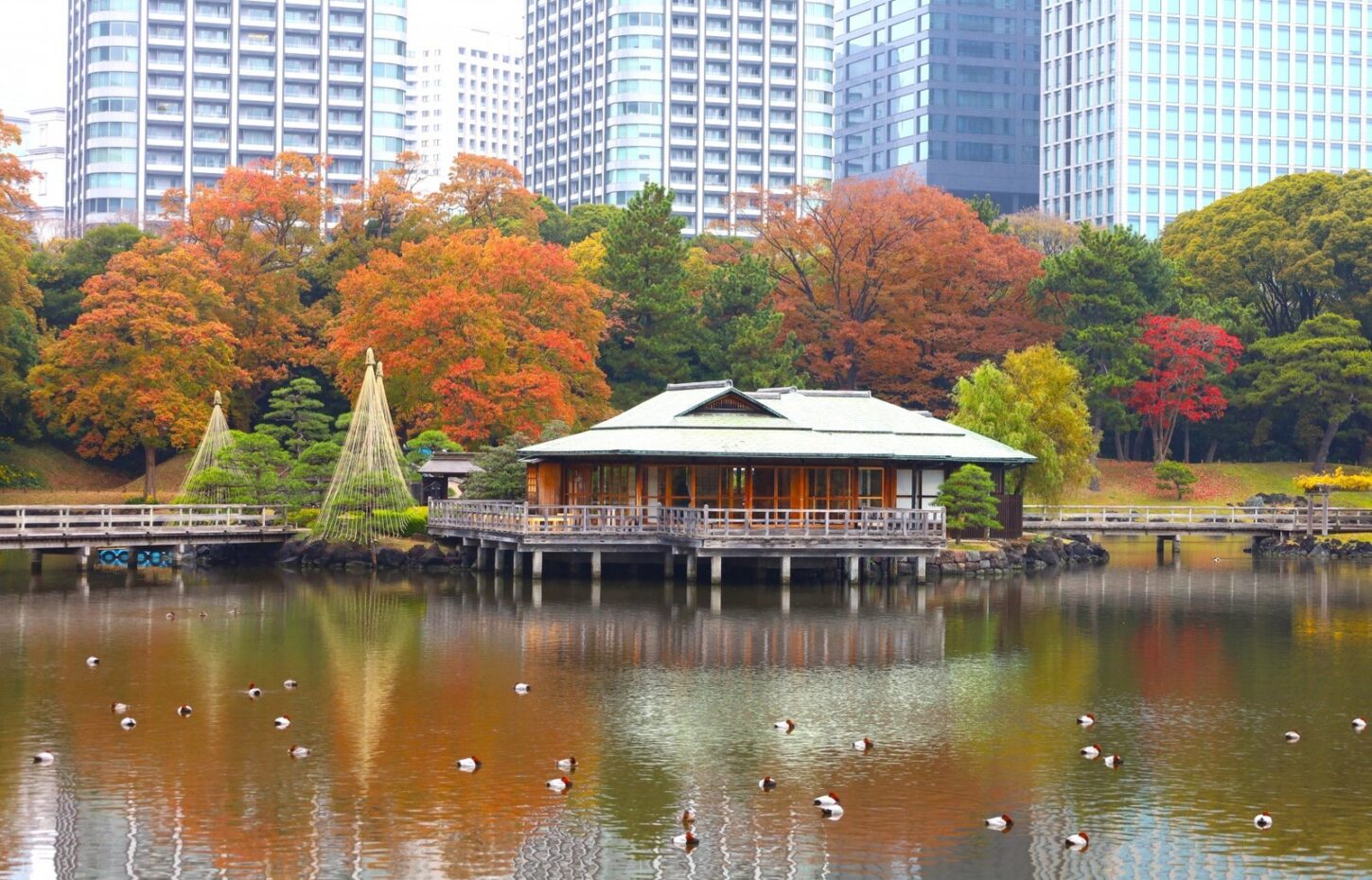
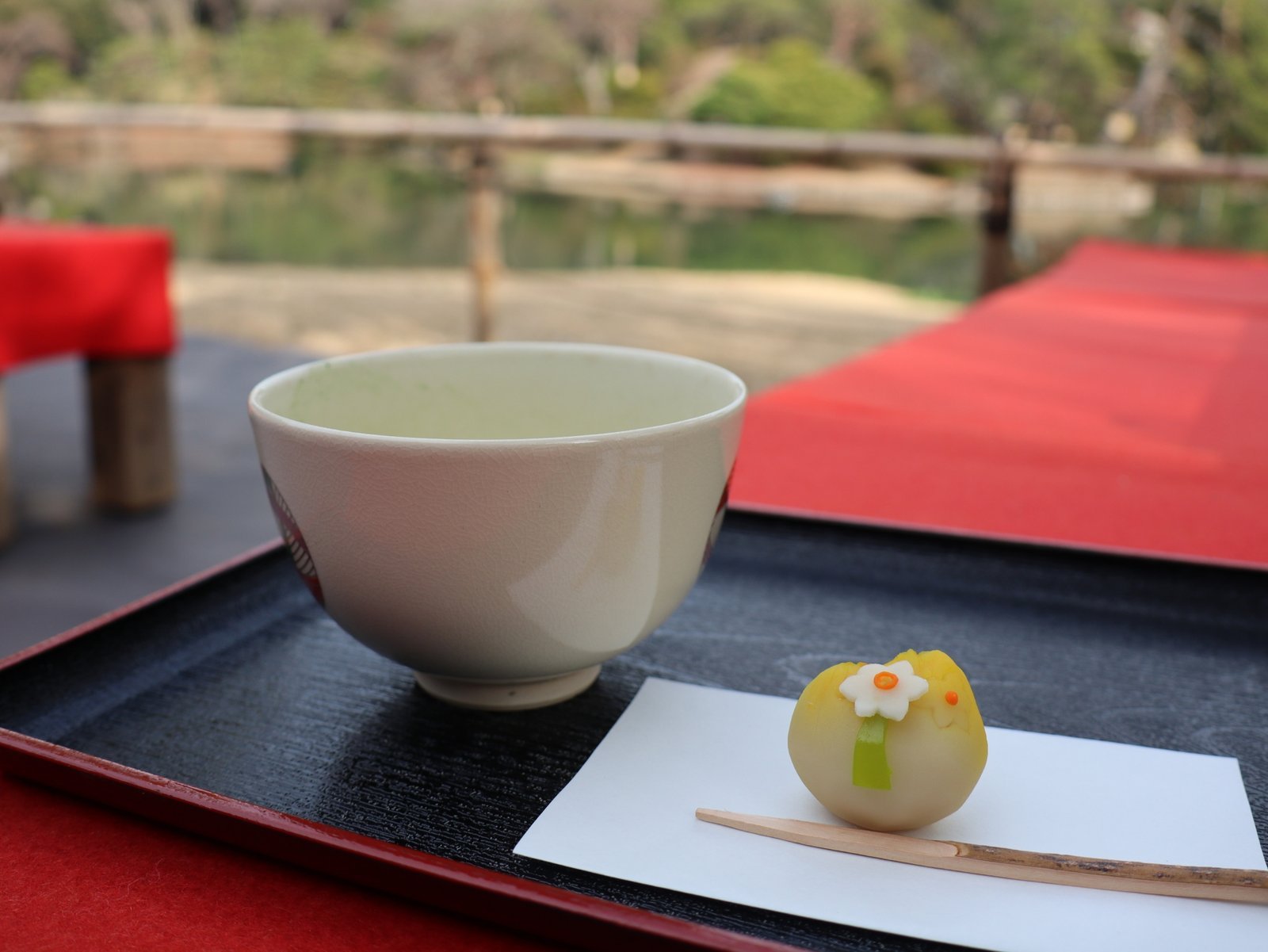
This is what most visitors picture when they search for a tea house in Tokyo. The former daimyo and shogun gardens kept their teahouses, and some still serve matcha with a sweet. You pay the garden entry, walk to the teahouse and sit down. There is no ceremony, and nobody minds if you have never held a tea bowl.
Nakajima-no-ochaya, Hama-rikyu Gardens
The Nakajima-no-ochaya stands on an island in the tidal pond of Hama-rikyu Gardens, reached by a 118-meter wooden bridge. The Tokyo Metropolitan Park Association says the teahouse was first built in 1704 and was used by the shoguns and court nobles, and that it was rebuilt in 1983. Time Out Tokyo lists the teahouse among Tokyo’s places for matcha and a sweet; the price is posted at the teahouse, not on the garden’s official page. The garden is open from 9:00 am to 5:00 pm, with entry until 4:30 pm, and closes from 29 December to 1 January. Entry is ¥300, or ¥150 for visitors aged 65 and over.
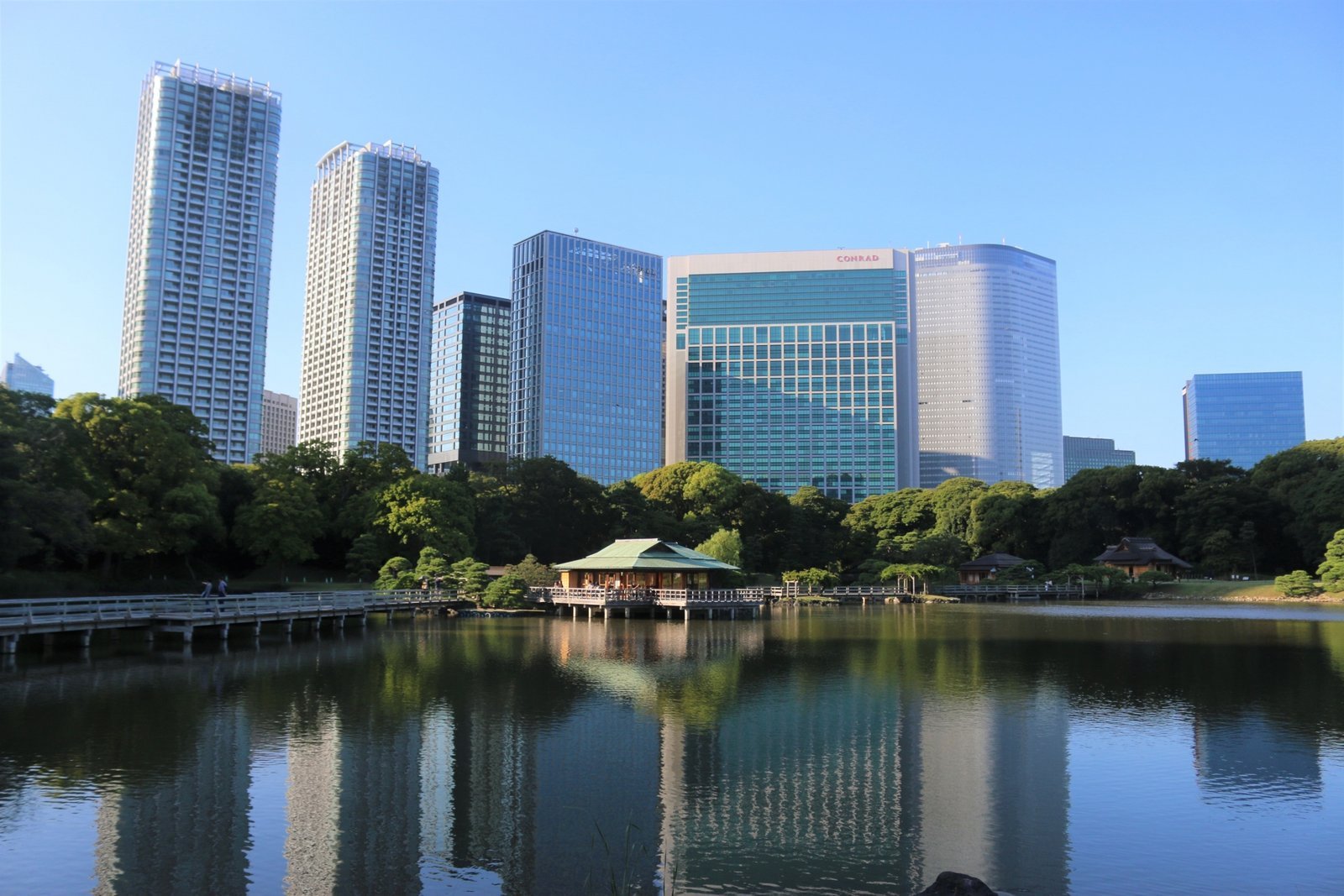
Hama-rikyu is a 7-minute walk from Shiodome or Tsukiji-shijo stations, and the official page also lists the Suijo Bus, the river boat that runs from Asakusa to Hama-rikyu. That makes it easy to combine with a day in Asakusa: take the boat down the Sumida River in the morning and the train back.
Rikugien Gardens, Komagome
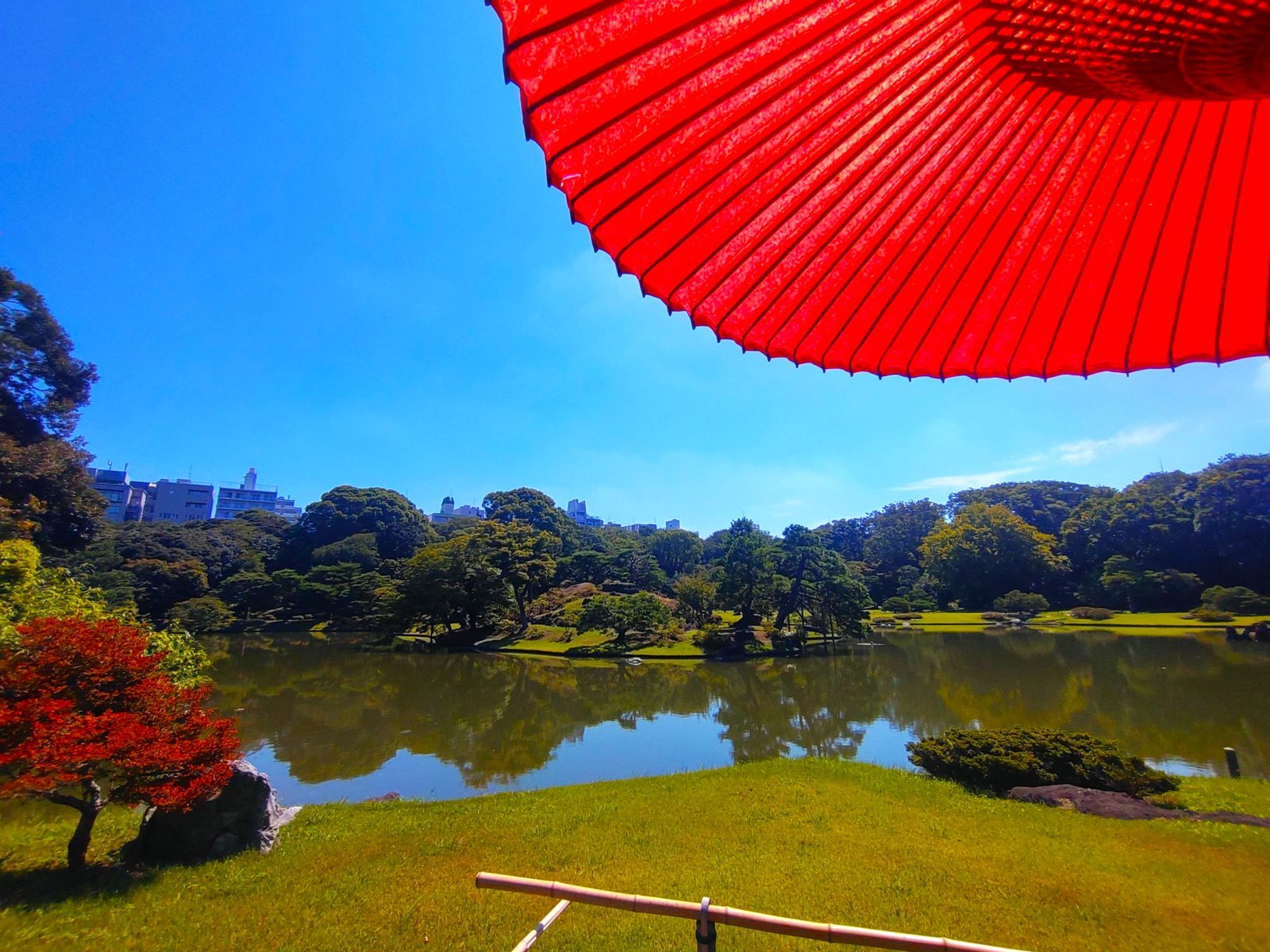
Rikugien has several teahouses around its pond. The official page describes the Tsutsuji-no-chaya, built in the Meiji period from the wood of old trees, which survived the war and is at its best when the maples turn red. It is a building to look at rather than a place to order tea. Visitor guides list matcha and a sweet at the Fukiage-chaya by the pond; the official page does not, so ask at the gate. Rikugien keeps the same hours and entry fee as Hama-rikyu: 9:00 am to 5:00 pm, entry until 4:30 pm, ¥300.
Shouten-tei, Shinjuku Gyoen
In Shinjuku Gyoen, the Ministry of the Environment’s facility guide lists the Shouten-tei teahouse, which serves Japanese sweets with matcha and has both tables and a raised tatami area. It is open on the days the garden is open. From 1 October to 14 March it serves from 9:00 am to 4:30 pm, with the last order at 4:00 pm. From 15 March to 30 September it serves until 6:00 pm, with the last order at 5:00 pm. The tables make it the easiest of the three for anyone who cannot sit on the floor.
Tea Rooms: Where the Tea Ceremony Happens
A chashitsu is a room built for chanoyu, the tea ceremony. It is usually small and plain, and every step of the host’s preparation follows a set order. You do not walk in off the street. Visitors enter a tea room through a ceremony class held in a hotel, a cultural center or a tea school, and the class explains how to receive the bowl and when to drink.
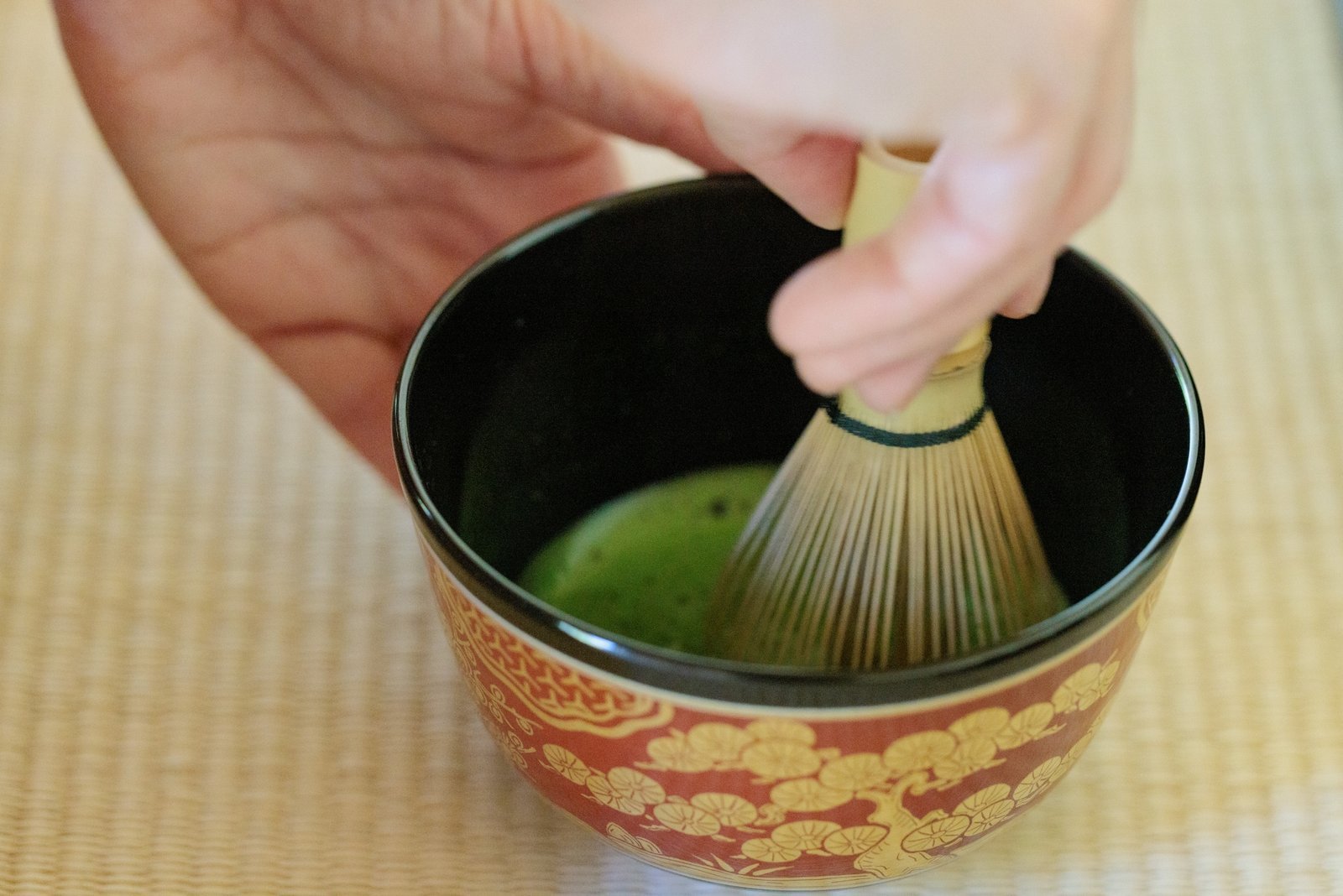
Some public gardens rent their tea rooms. Rikugien’s official page lists the tea ceremony rooms of the Gishun-tei for up to 5 people at ¥7,400, which suits a group bringing its own teacher. For a first visit, a class is simpler. Our guide to the Japanese tea ceremony in Tokyo explains what happens during a ceremony and where visitors can join one.
Geisha Teahouses: Ochaya and Machiai-chaya
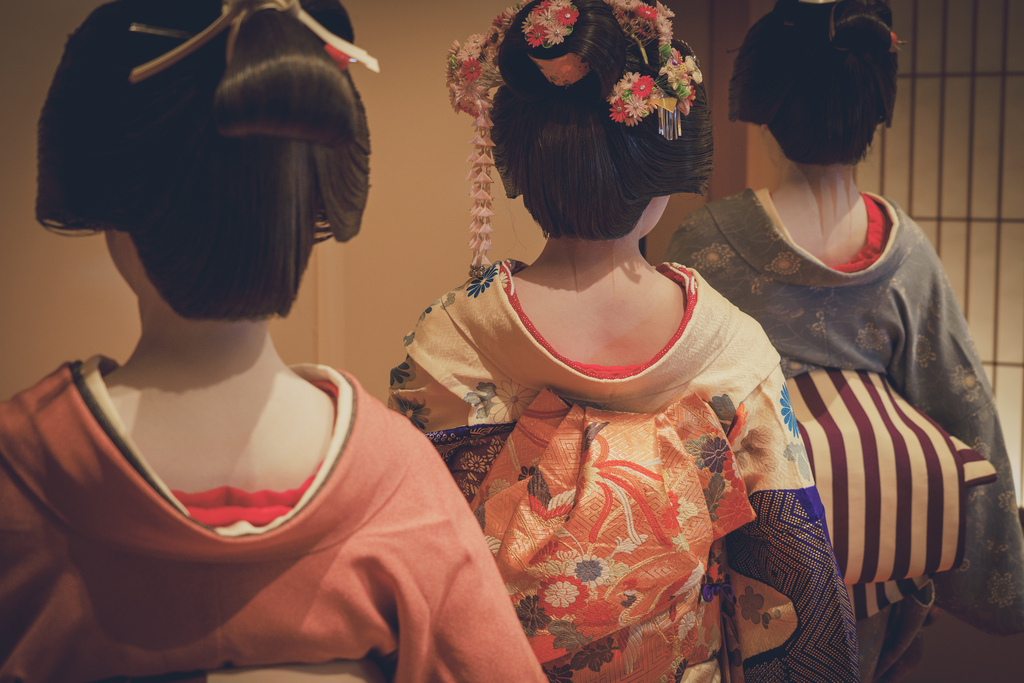
The third kind of tea house has nothing to do with the tea ceremony. In the geisha districts of Kyoto, an ochaya is a house where guests are entertained by maiko and geiko, and many take new guests only through an introduction. The geisha themselves live and train in another kind of house, the okiya; our article on what a geisha house is explains the difference.
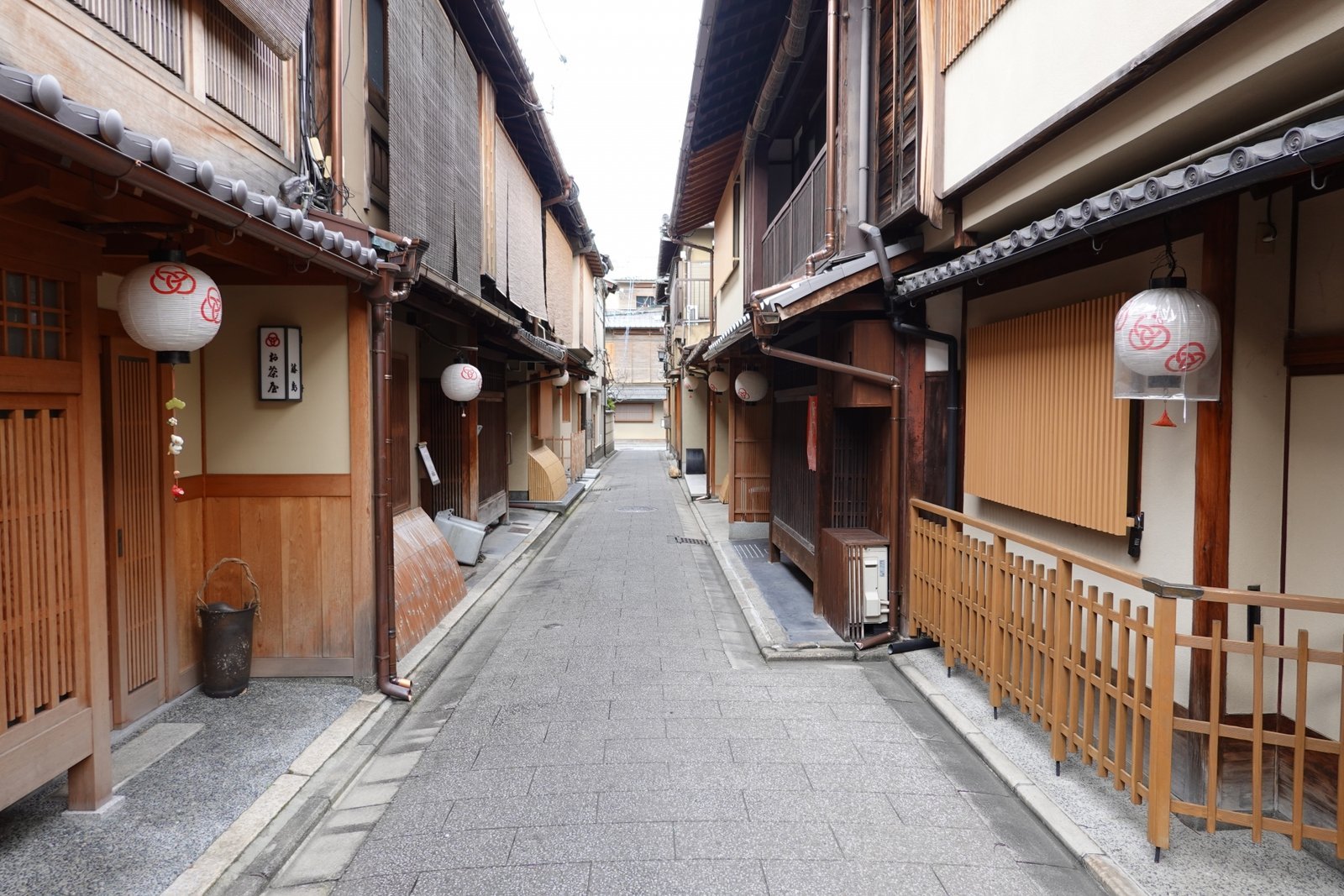
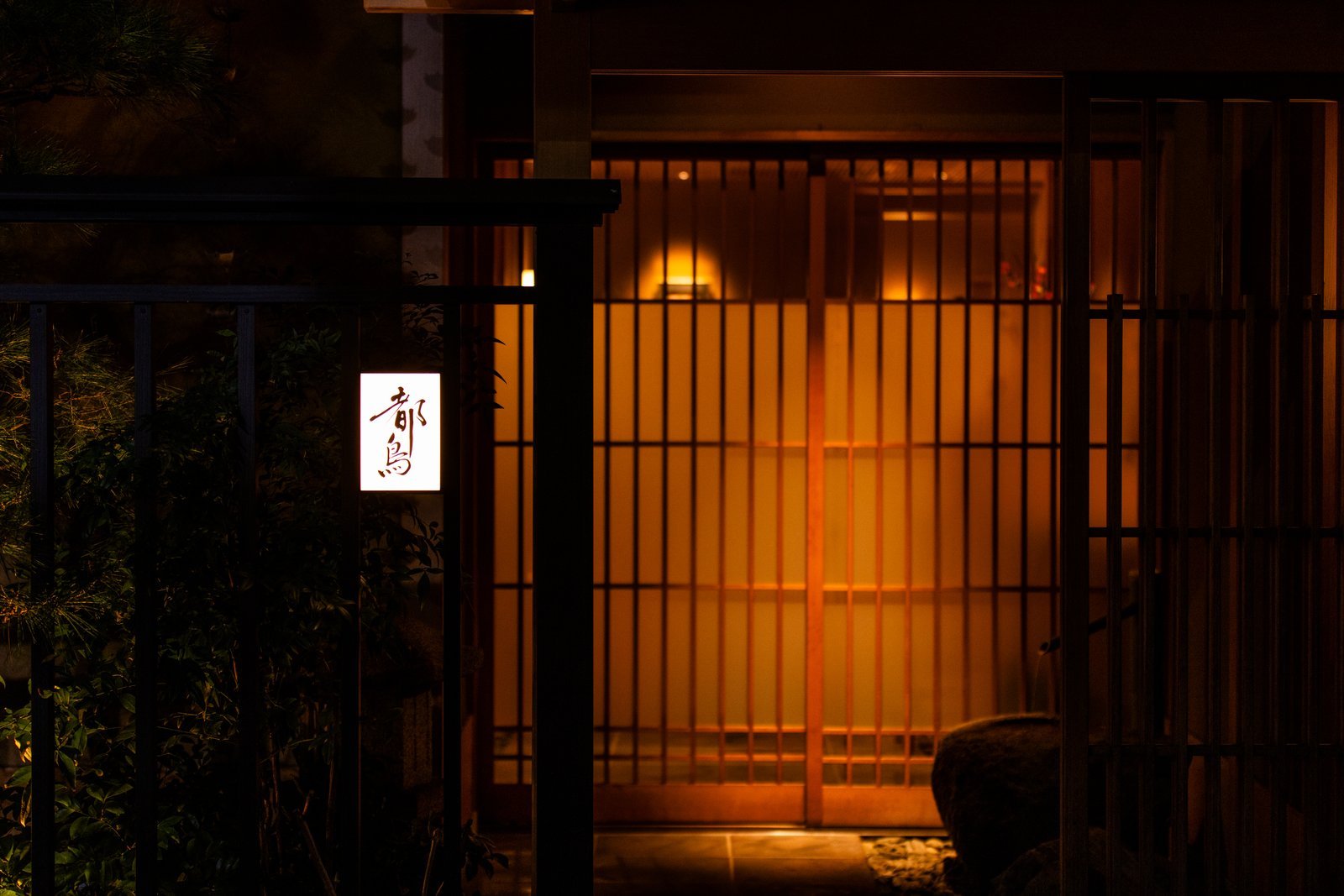
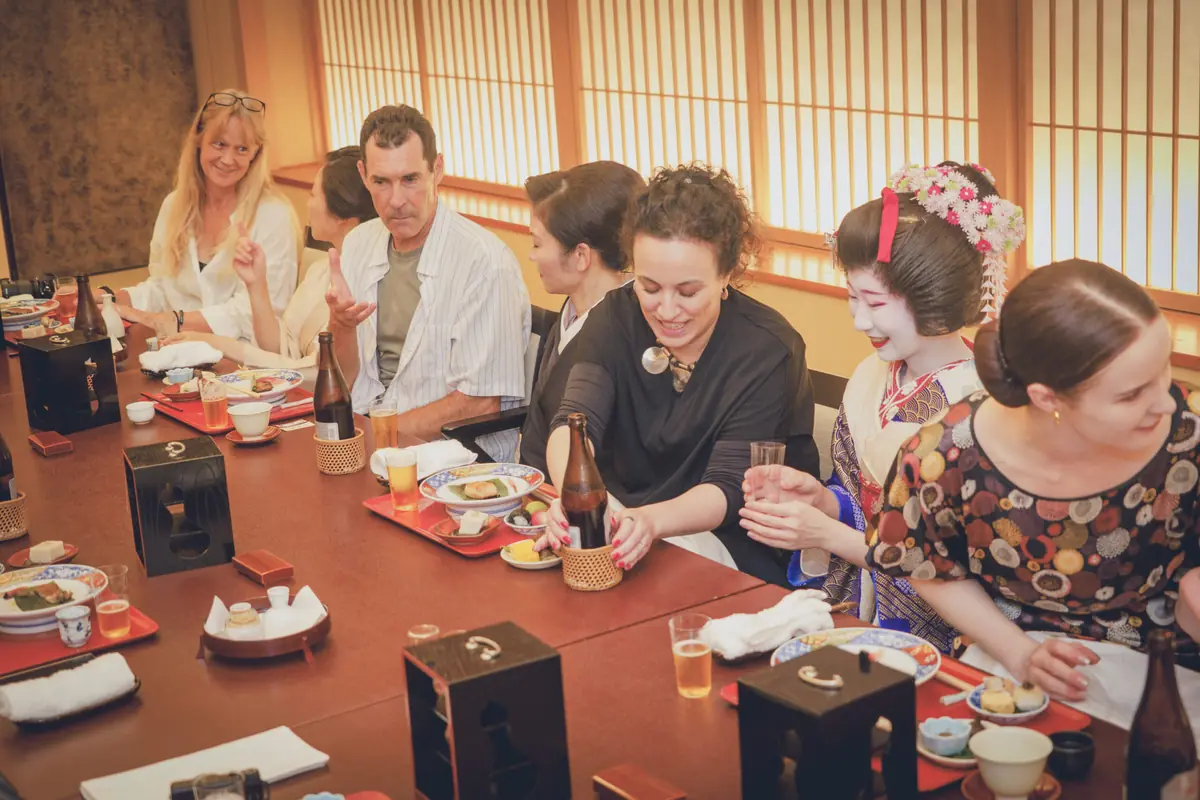
In Tokyo the same role was filled by the ryotei, a restaurant with private rooms, and by the machiai-chaya, a teahouse that does not cook. A machiai-chaya prepares the room and calls the geisha, and the meal comes in from outside. Miyakodori keeps that form in Asakusa. We do not run a kitchen for the banquet; dishes come from caterers, which is also why we can arrange vegan, halal or gluten-free meals. When guests arrive, we burn incense, and the painting and flowers in the alcove change every month. In Asakusa today there are two places where guests can spend time with geisha, Miyakodori included, and Miyakodori is the only one that keeps the machiai-chaya form.
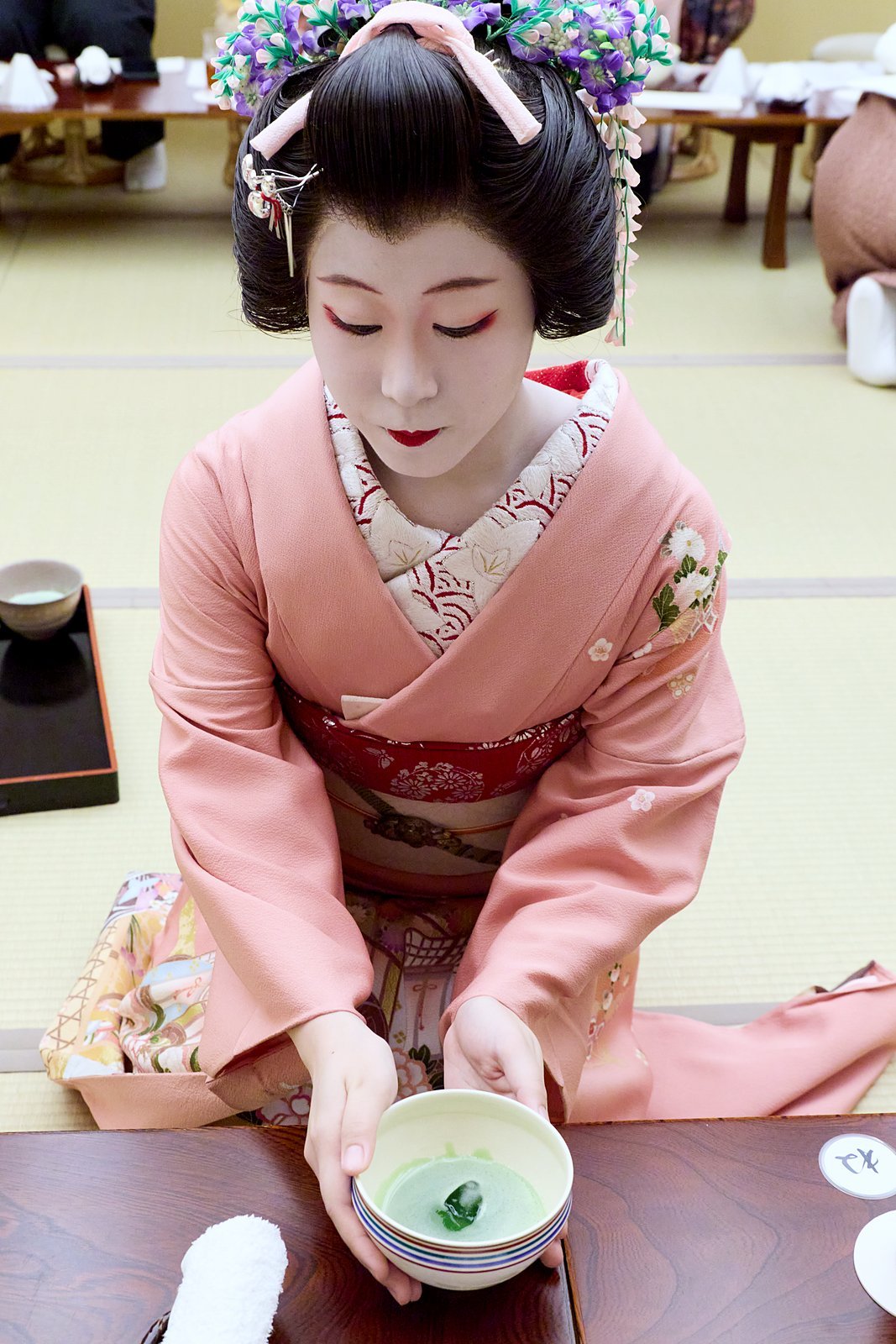
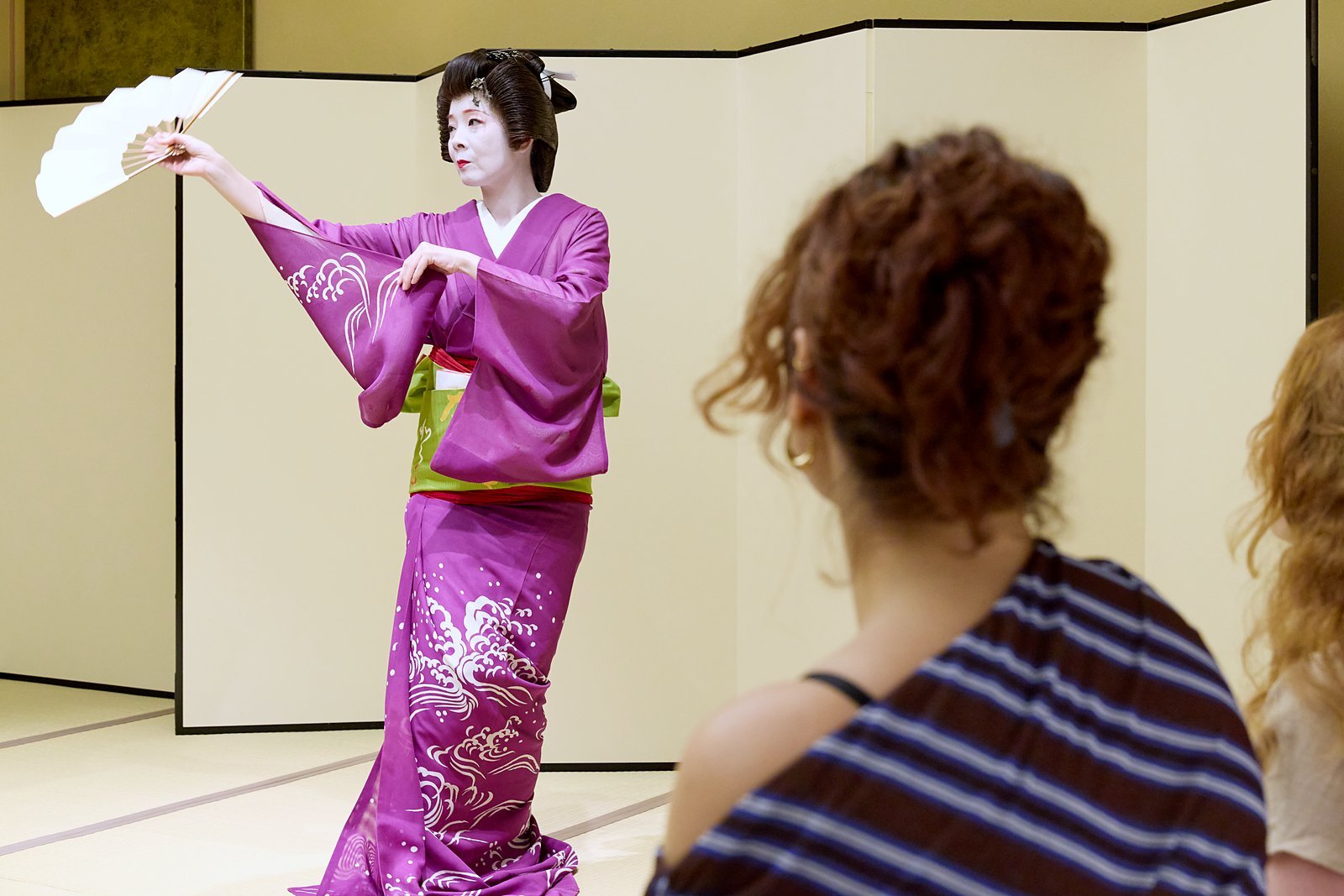
There are two ways to visit us. The Ozashiki Tea House is a 75-minute introduction with three geisha, usually on Mondays, Wednesdays and Fridays at 3:00 pm, with seating shared with other guests. It includes a dance to live shamisen music, questions for the geisha, a game of konpira fune fune, and matcha with a seasonal sweet. One drink per guest is ordered separately. It is not a tea ceremony: the matcha is served as hospitality, and nobody prepares it in front of you or teaches the steps. We say this plainly because guests who came expecting a ceremony have told us they were disappointed.
A private ozashiki is the fuller visit: a tatami room for your party alone, with geisha for one, two or three hours, starting between 2:00 and 8:00 pm on weekdays except public holidays. You can add a catered meal and ask the geisha anything. Current rates for both are on our pricing page, and the Tea House has its own page at Ozashiki Tea House.
Which Tea House Fits Your Day
- A quiet break between sights: a garden teahouse. Hama-rikyu pairs with the river boat from Asakusa, and Shouten-tei has table seating.
- Learning how tea is made: a tea ceremony class in a tea room. Book ahead.
- Meeting geisha: a geisha teahouse. For a short first look with other guests, the Ozashiki Tea House. For your own room and more time with the geisha, a private ozashiki.
- Two in one day: a garden teahouse in the morning and a geisha teahouse in the afternoon work well together, since the gardens close at 5:00 pm and our visits start from 2:00 pm.
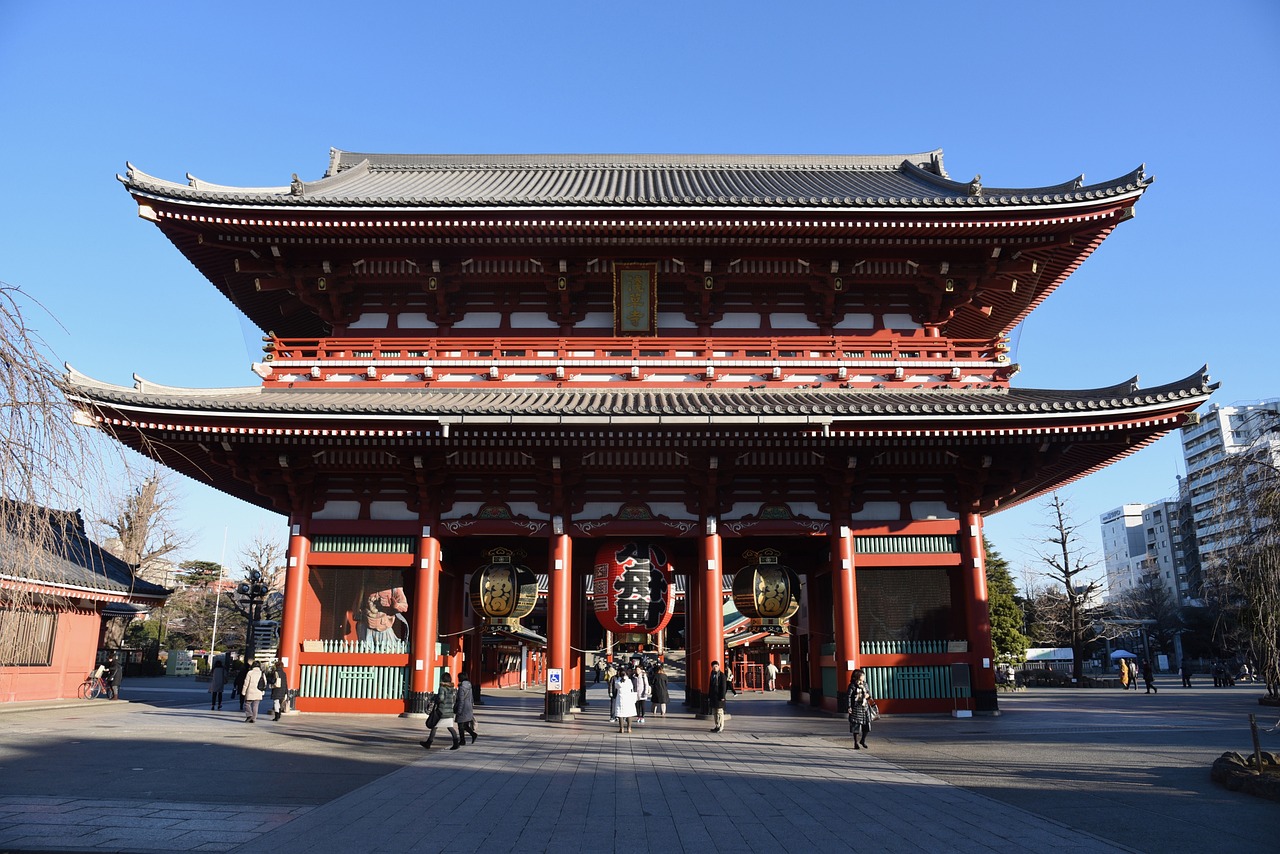
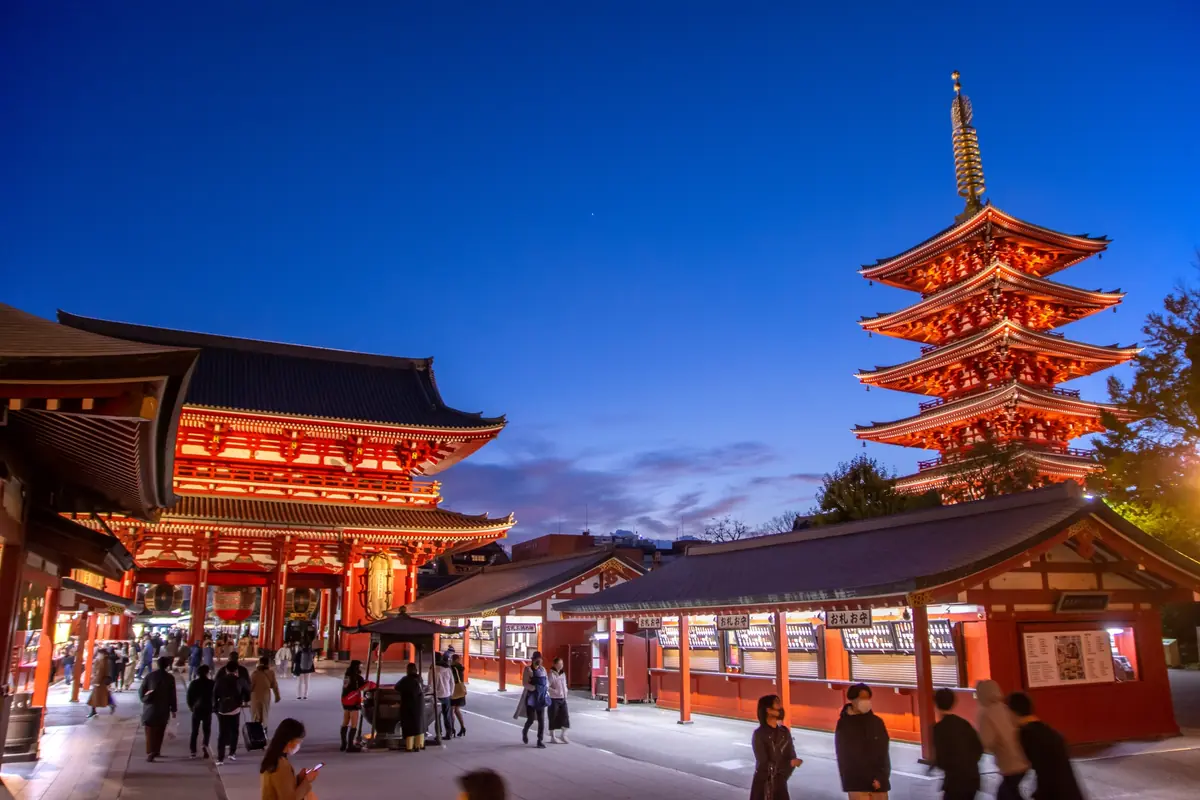
Miyakodori is a 13-minute walk from the Asakusa stations of the Ginza Line, the Tobu Skytree Line and the Tsukuba Express, and 15 minutes from the Toei Asakusa Line station. The route passes through the grounds of Senso-ji, and we are about 3 minutes north of the temple once you leave its grounds. A taxi from the Asakusa stations takes about 4 minutes.
Visit a Geisha Teahouse in Asakusa
A private ozashiki in a tatami room for your party alone, with dances to live shamisen music and traditional games. Choose one, two or three hours, starting between 2:00 and 8:00 pm on weekdays. A guest travelling alone can book.
Request a ReservationFrequently Asked Questions
What is a Japanese tea house?
In Tokyo the term covers three places: a garden teahouse where you sit with matcha and a sweet, a tea room (chashitsu) built for the tea ceremony, and a geisha teahouse (ochaya or machiai-chaya) where guests are entertained by geisha. Only the tea room is about the tea ceremony itself.
Do I need to book a tea house in Tokyo?
Not for a garden teahouse: you pay the garden entry, ¥300 at Hama-rikyu and Rikugien, and order at the teahouse. A tea ceremony class and a geisha teahouse both need a reservation.
Is a geisha tea house the same as a tea ceremony?
No. At a geisha teahouse the geisha dance, play games and talk with guests. Matcha may be served as hospitality, as it is at Miyakodori’s Ozashiki Tea House, but nobody performs the tea ceremony or teaches its steps.
Where can I drink matcha in a traditional teahouse in Tokyo?
The garden teahouses are the simplest choice: the Nakajima-no-ochaya in Hama-rikyu Gardens, the teahouses around the pond at Rikugien, and the Shouten-tei in Shinjuku Gyoen, which has both tables and a tatami area. The gardens close at 5:00 pm or earlier, so go before mid-afternoon.
What is a machiai-chaya?
It is a Tokyo teahouse where geisha entertain guests but where no food is cooked. The house prepares the room and calls the geisha, and the meal comes in from outside caterers. Miyakodori, open in Asakusa since 1950, keeps this form.
Can I visit a geisha teahouse in Tokyo without an introduction?
Yes, at Miyakodori in Asakusa. You can book the shared 75-minute Ozashiki Tea House online, or request a private ozashiki of one to three hours. A guest travelling alone is welcome.
Sources
- Tokyo Metropolitan Park Association, Hama-rikyu Gardens: Outline, View Point and Access (checked 12 November 2026)
- Tokyo Metropolitan Park Association, Rikugien Gardens: Outline and View Point (checked 12 November 2026)
- Ministry of the Environment, Shinjuku Gyoen: Facility Guide (checked 12 November 2026)
- Time Out Tokyo: Nakajima no Ochaya
Opening hours and fees change. Check the official pages before you go.


- Kimono vs Yukata: The Differences, and What to Wear in Asakusa
- Sumo in Tokyo: Tournaments, Morning Practice and Shows Compared
Best Private Room Restaurant in Tokyo: A Guide to Exclusive Dining at Asakusa Miyakodori
26 Best Experiences in Tokyo: Unique Guide (2026)
Sumo in Tokyo: Tournaments, Morning Practice and Shows Compared
Top Rated Traditional Japanese Restaurants Near Me: Authentic Flavors and Sushi
The Ultimate Guide to Tokyo Dinner Reservations in 2026: How to Secure the Best Tables
3 Day Tokyo Itinerary: What to Book for Each Night, With a Day in Asakusa
Comment ( 0 )
Trackbacks are closed.

No comments yet.