



Kimono vs Yukata: The Differences, and What to Wear in Asakusa
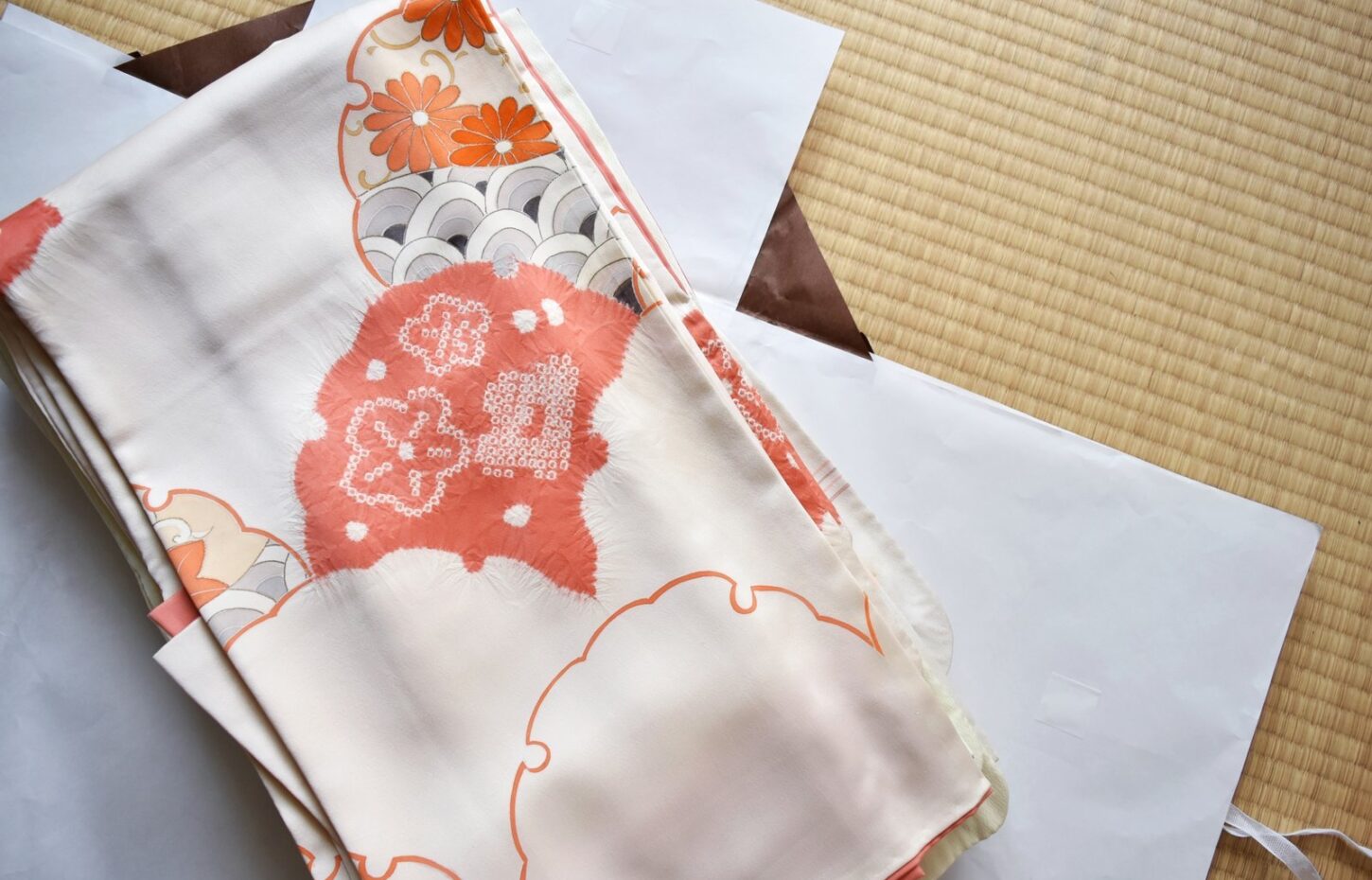
A yukata is a casual, unlined cotton kimono made for summer. What most people mean by “kimono” is the dressier robe: often silk, worn in layers, and lined or unlined depending on the month. The table below compares the two on fabric, season, obi, shoes, dressing and price.
Miyakodori is a machiai-chaya, a traditional teahouse in Asakusa that was founded in 1950 and hosts private gatherings with geisha. Visitors to Asakusa often wonder whether to rent a kimono or a yukata, and some of our guests collect a rental kimono earlier in the day and arrive in it. This guide sets the two garments side by side, then covers renting in Asakusa and what to know before you wear a kimono to a gathering with geisha. The prices come from published guides, not from us, and we give the date we checked them.
Kimono vs Yukata at a Glance
In this table, “kimono” means the dressier robe and “yukata” means the casual summer one.
| Feature | Kimono | Yukata |
|---|---|---|
| What the name means | Literally “thing to wear”. In daily use, the dressier robe. | Literally “bathing cloth”, because it began as a bathrobe. |
| Fabric | Silk for the finest pieces, and also polyester, wool or hemp. | Usually cotton, sometimes linen or polyester. Many modern ones are machine washable. |
| Lining | Lined in the cooler months, unlined or sheer in summer. | Unlined. |
| Season | All year, in different weights. | Summer. |
| Layers underneath | An under-robe (nagajuban) whose collar shows at the neckline. | Usually a single layer. |
| Obi (sash) | Wider than a yukata’s, in several types such as the Nagoya and the Fukuro. | A narrow half-width obi (han-haba), lighter and easier to tie. |
| Shoes | Zori sandals with tabi socks. Modern shoes and boots are increasingly common too. | Geta, wooden sandals, rather than the dressier zori. |
| Where it is worn | Weddings, graduations and smart outings. | Summer festivals, fireworks and hot-spring inns. |
| Putting it on | An under-robe, a wide obi and several ties, so a rental shop usually dresses you. | A single layer and an easier obi, and a perfect fit matters less. |
| Rental in Asakusa | A basic day plan is roughly ¥3,000 to ¥4,500 when booked online, and some shops include hairstyling toward the upper end of that range. Silk or a long-sleeved furisode costs more and can pass ¥10,000. | Basic plans commonly start at roughly ¥3,000 to ¥3,600, and a few shops start near ¥1,900. Hairstyling is sometimes extra. |
| Buying new | From about ¥100,000. Secondhand pieces can cost a few thousand yen. | About ¥3,000 to ¥6,000 for a yukata and obi set. Secondhand from about ¥1,000. |
Prices are as reported in the rental and shopping guides listed under Sources, which were updated in 2025 and 2026, and we checked them on 6 November 2026. Shops change their plans, so confirm the current price with the shop before you book.
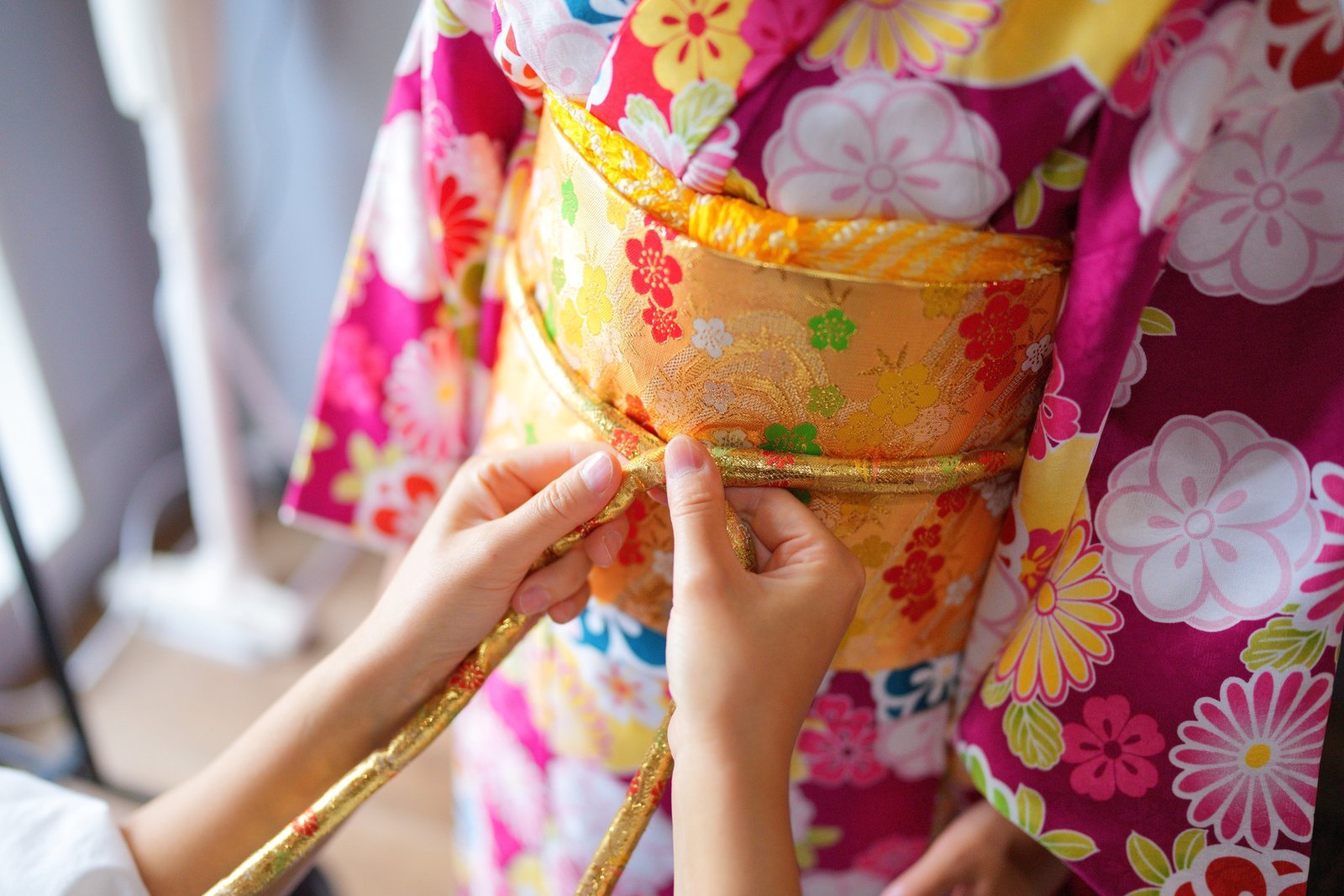
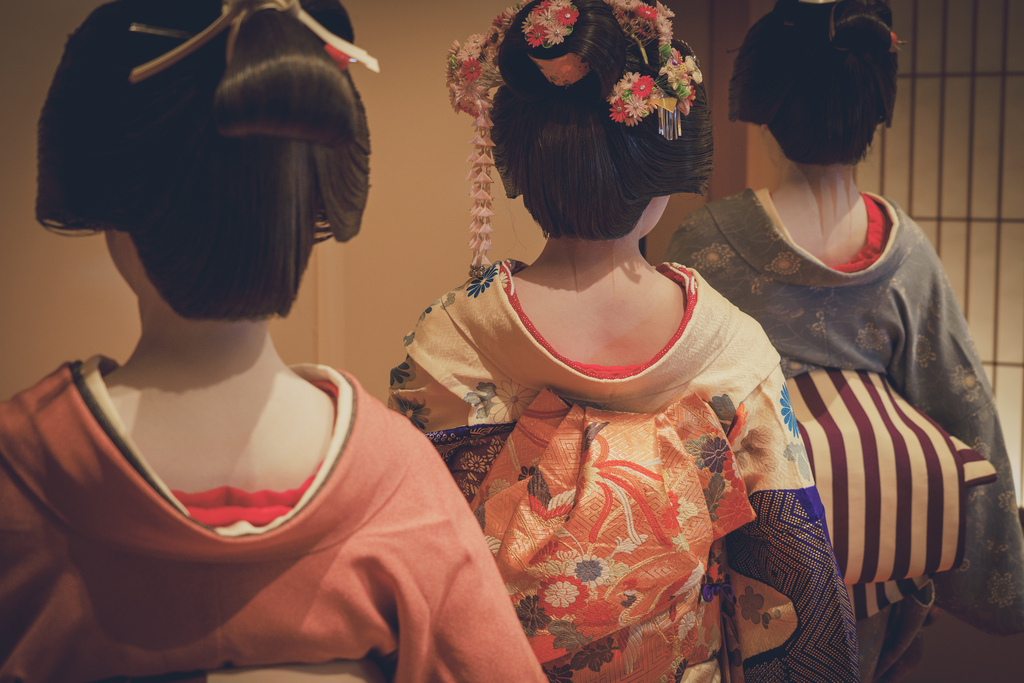
Both garments close the same way, with the left side over the right. The reverse closure is kept for dressing the dead, so it is the one mistake worth avoiding. Our guide to what a geisha wears shows the correct collar in a photograph.
Is a Yukata a Kimono?
In the broad sense, yes. The word kimono means “thing to wear”, and the yukata is the most informal type of kimono. In everyday English, though, “kimono” usually points to the dressier robe in the table above, which is why the two are so often set against each other.
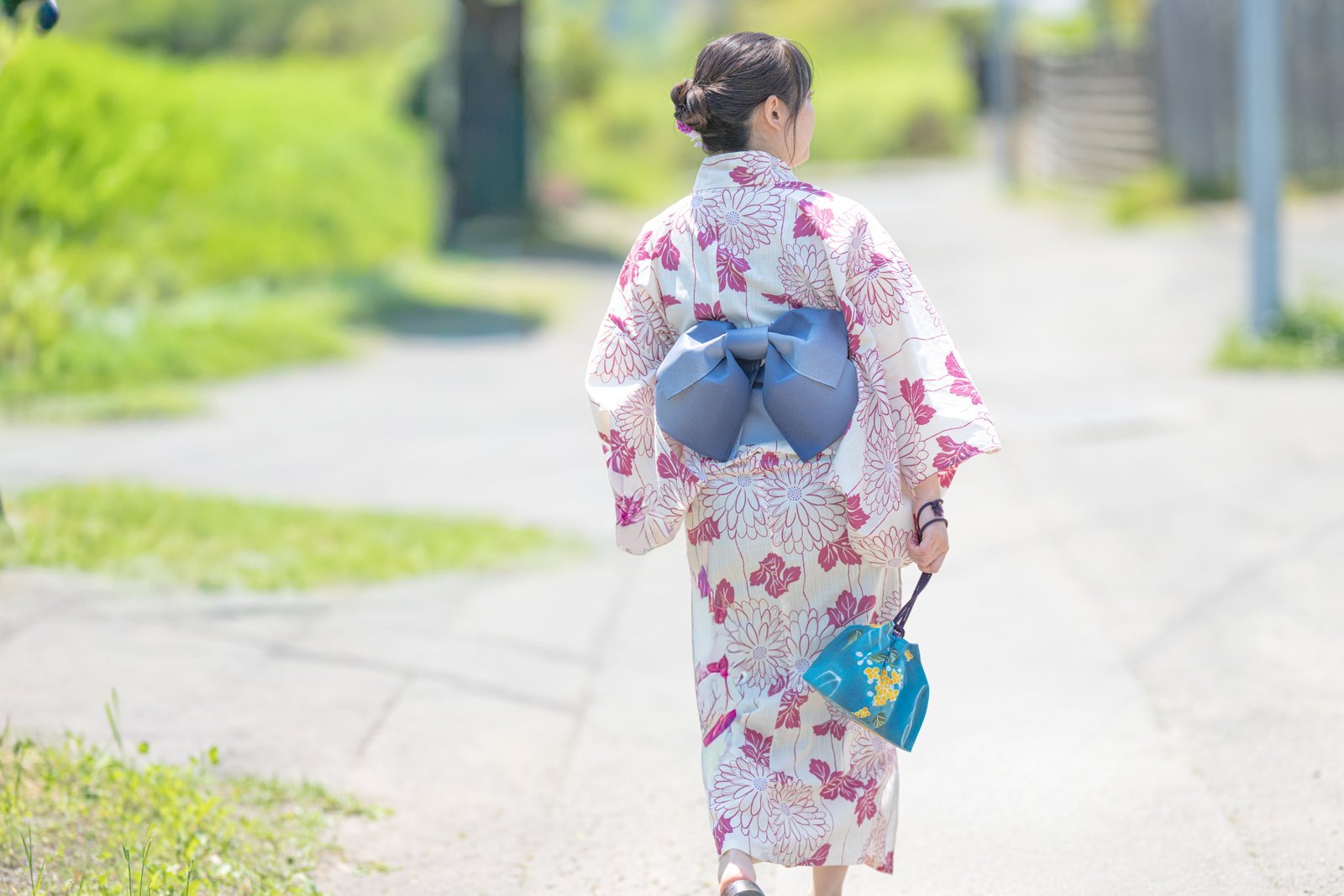
The yukata began as a robe to wear after a bath. Today it is the relaxed outfit of summer festivals and fireworks, and hot-spring inns still provide one for guests to wear during their stay.
Which Months Suit Which Garment?
A kimono follows a calendar of weights, and a yukata sits at the light end of it. Treat the months below as rough guides, not fixed rules, since shops and wearers differ at the edges.
| Months | Kimono | Yukata |
|---|---|---|
| October to May | Lined kimono (awase). | Usually too thin for outdoors. A hot-spring inn may still provide one for indoor wear. |
| June and September | Unlined kimono (hitoe). | Comfortable, and rental shops offer yukata plans. |
| July and August | Thin, airy weaves such as ro and sha. | At its best, for festivals and fireworks. |
The calendar reaches the details too, from the collar to the under-kimono. Our guide to what a geisha wears shows how it plays out in a geisha house.
Which Should You Wear in Asakusa?
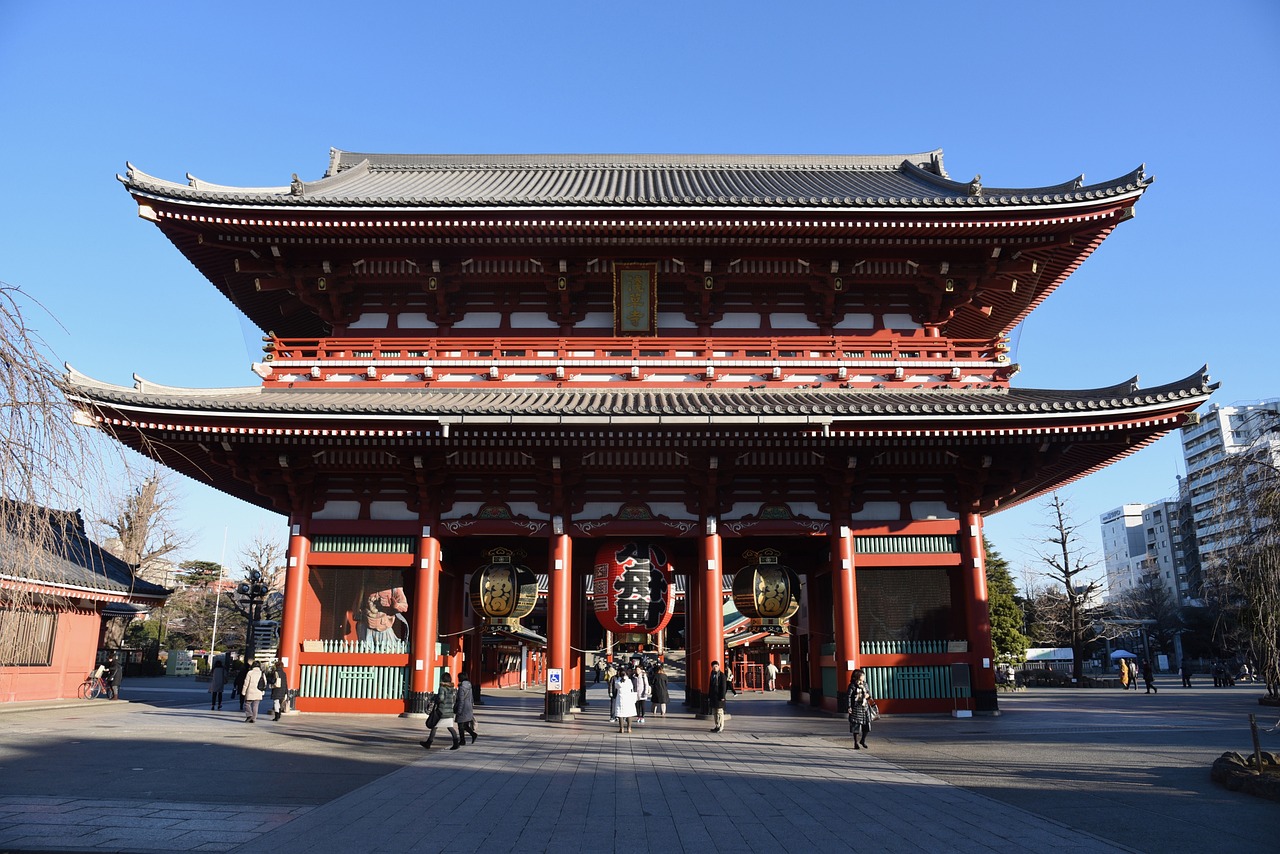
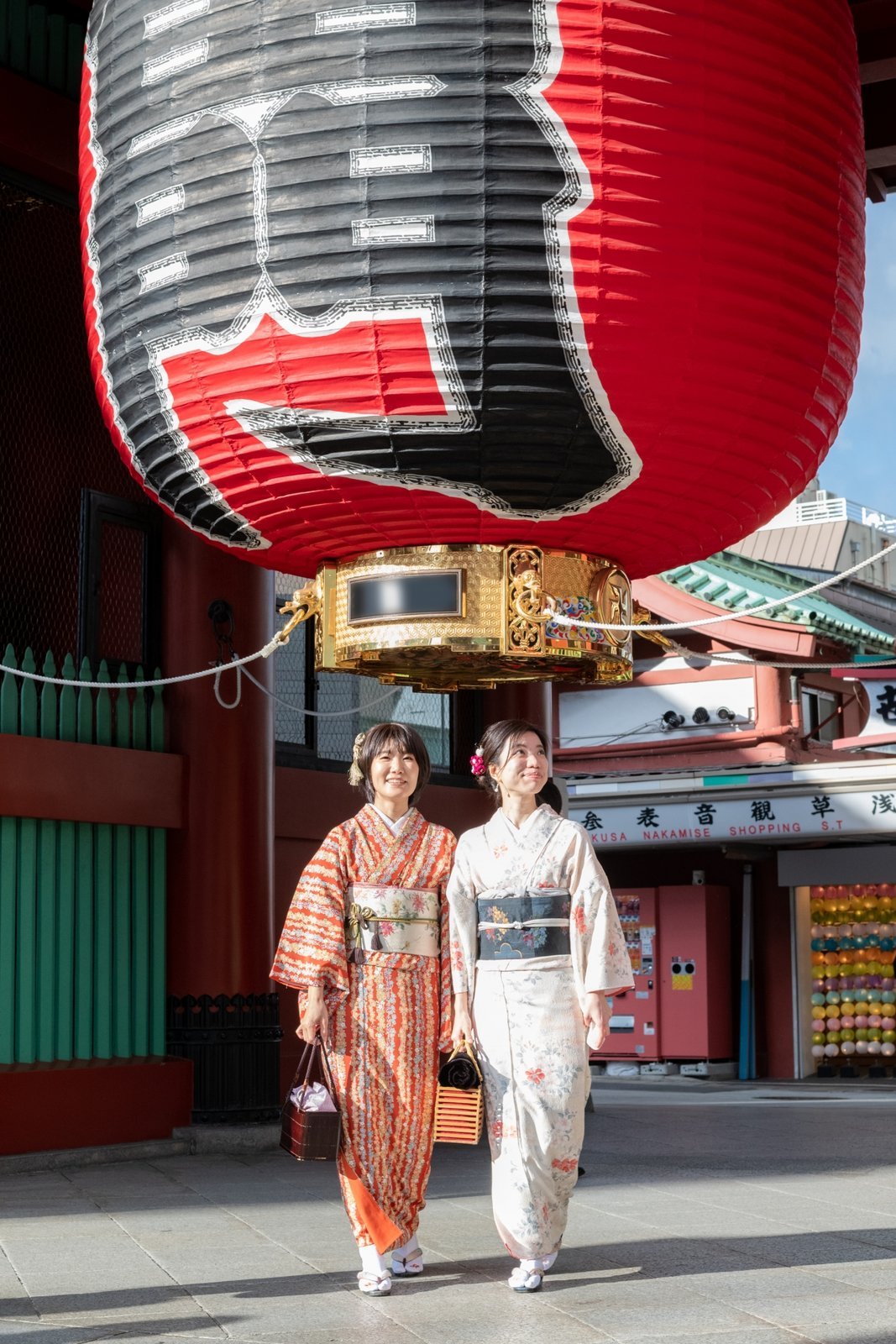
Let the month decide. From June to September a yukata is the lighter choice, and from October to May a kimono suits the weather. In July and August a kimono is still possible in thin weaves such as ro and sha, but the yukata is the cooler choice. According to Tokyo Cheapo, Asakusa has the most kimono rental shops in Tokyo, and some are a short walk from Kaminarimon, the gate of Senso-ji. Most rental shops stock yukata as well.
Before you book a rental:
- Reserve online. Booking ahead online usually costs less than turning up at the door, and it holds your time slot.
- Check the return time. Most shops want the outfit back by 17:00 or 17:30, a few allow until 18:00, and returning it the next day usually costs extra.
- Ask what the plan includes. A basic plan covers the garment, obi, sandals and dressing. Hairstyling is included at some shops and extra at others, and some shops ask for ID or a deposit.
- Expect seasonal extras. From autumn, some shops charge a small fee for a haori, the short jacket worn over a kimono, and busy festival days can cost more.
We do not recommend a particular rental shop, so check each shop’s current terms before you book. For hair and makeup, our guide to kimono makeup explains how the services at Asakusa rental shops usually work, and it has a section on yukata makeup.
Wearing a Kimono to an Ozashiki in Asakusa
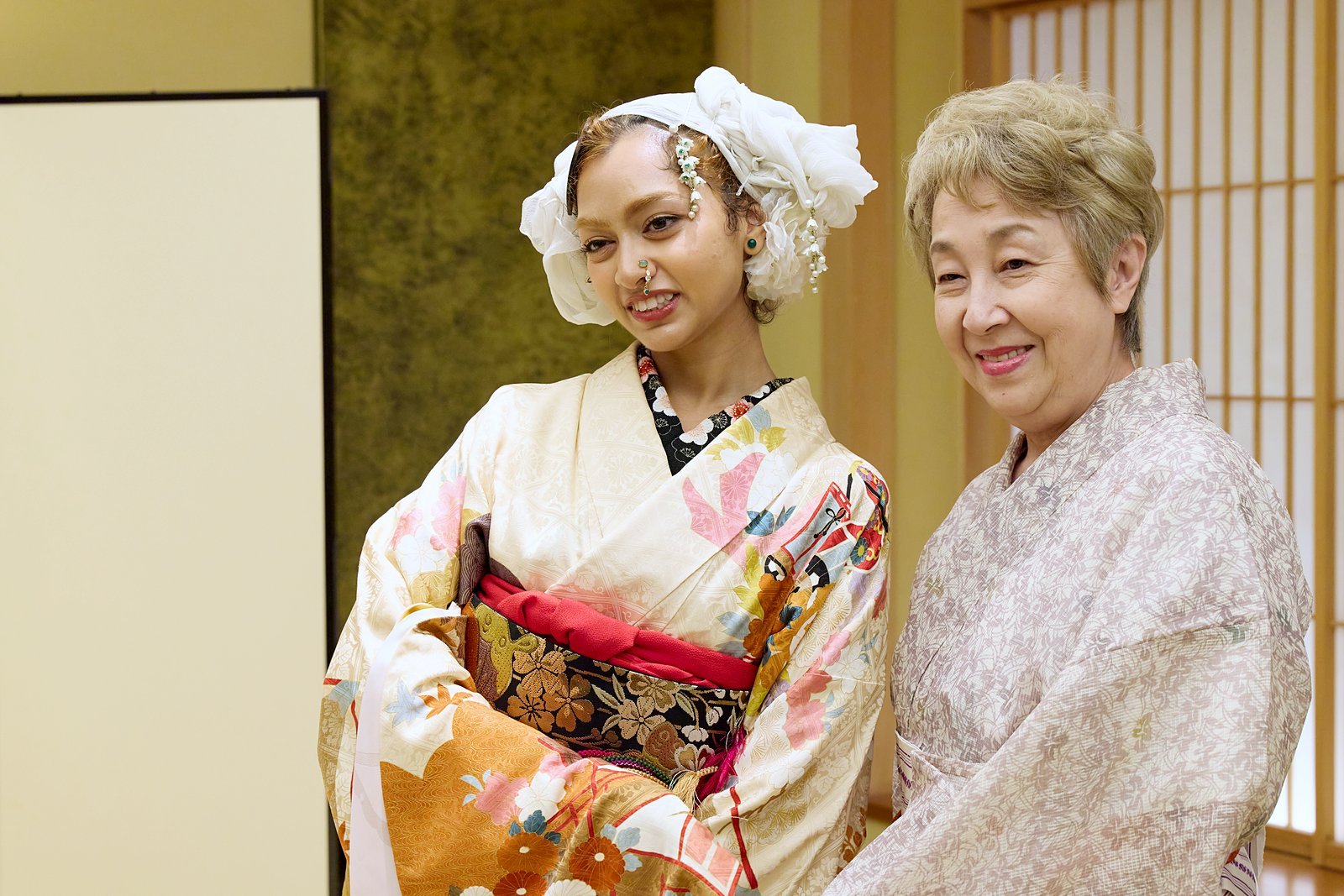
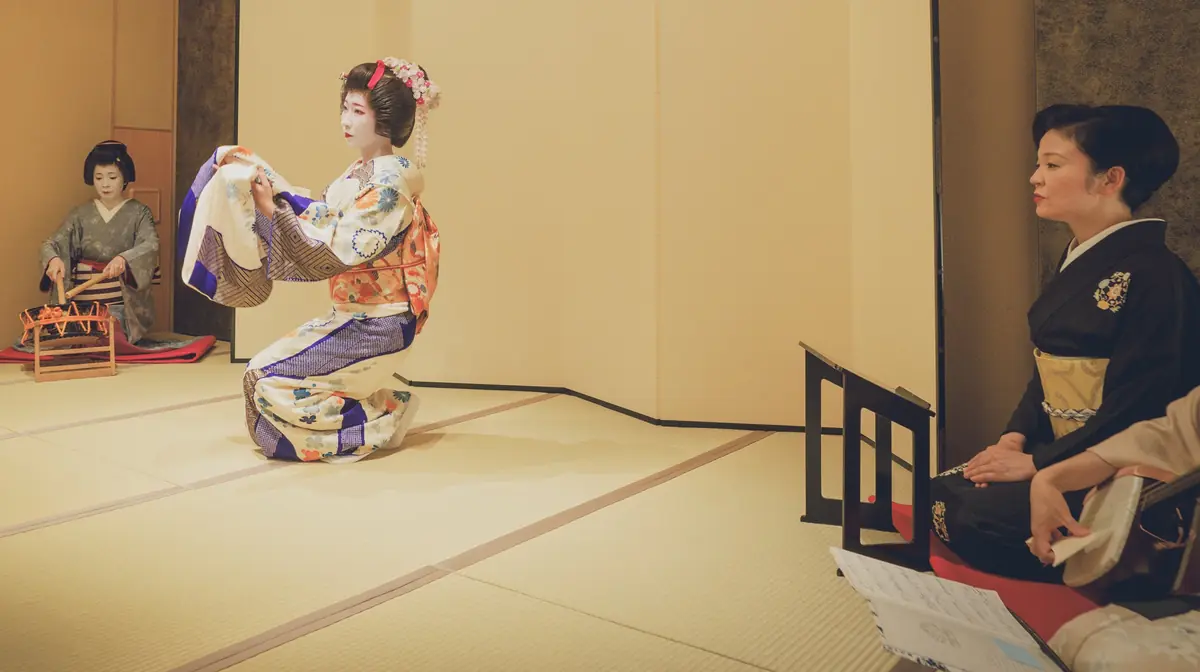
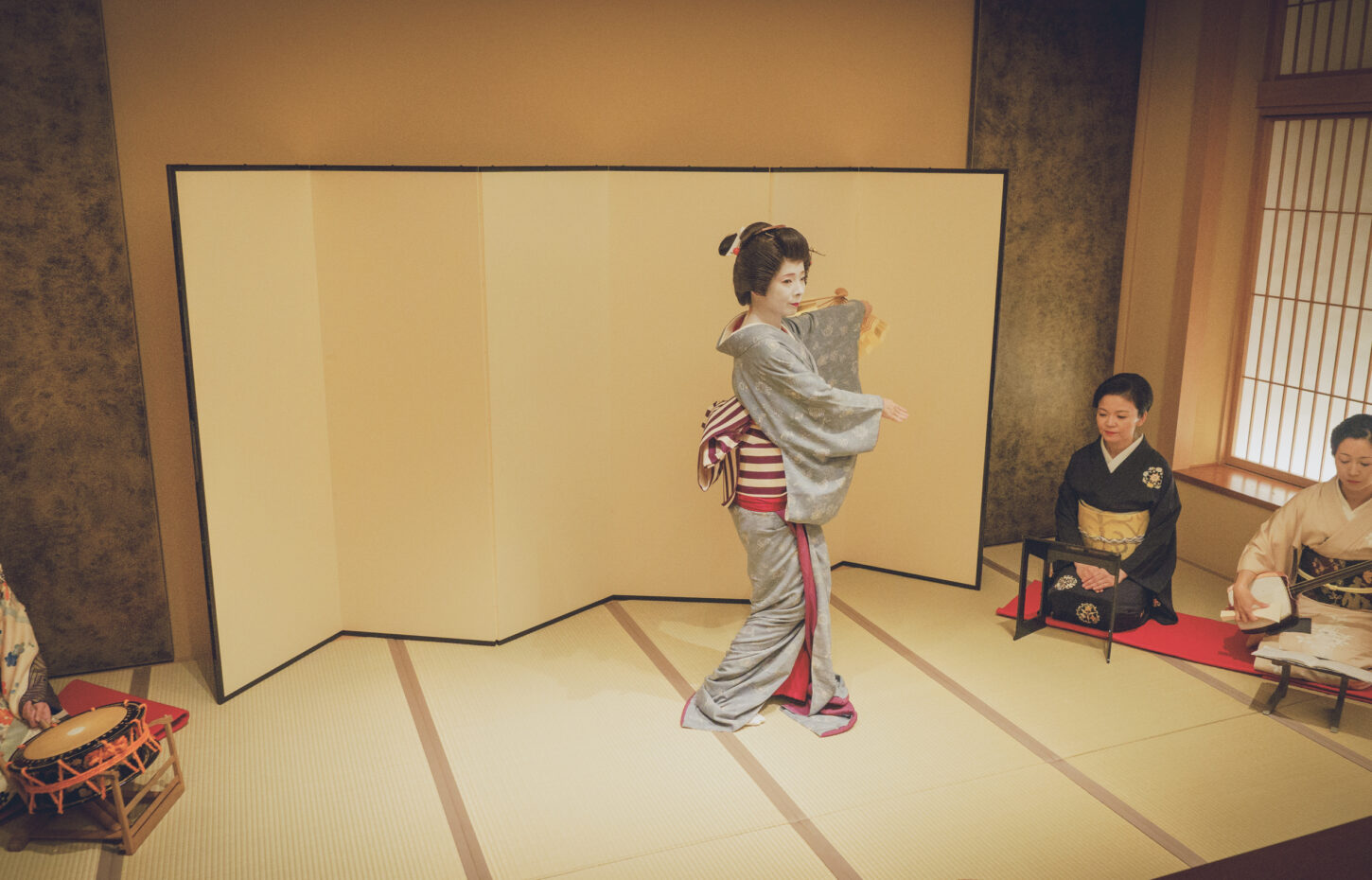
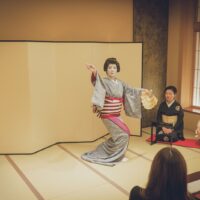
An ozashiki is a private gathering with geisha. You sit in a tatami room, the geisha pour your drinks and talk with you, and they dance to live shamisen (a three-stringed lute) and play games with you. Miyakodori has no formal dress code, and casual to smart-casual clothes are fine. A kimono is especially welcome, though.
- Socks. Shoes come off at the entrance and the floors are tatami, so wear or bring a pair of socks. If you are in kimono, tabi (split-toe socks) are the natural choice.
- Seating. All three rooms have tatami floors. Two are set with tables and chairs, and the third has a table over a sunken floor (horigotatsu), so nobody has to kneel. The ozashiki page shows the rooms.
- Timing. Visits can start between 14:00 and 20:00, except the three-hour plan, which starts at 17:30 or later. If you are renting, ask the shop about a late return before you book, since many want the outfit back between 17:00 and 18:00.
For a shorter first visit, the 75-minute Ozashiki Tea House is a shared session with matcha and a Japanese sweet. Current rates for every plan are on our pricing page. For a sample day that pairs a rental kimono with an ozashiki, see our kimono and ozashiki day plan.
Join a Private Gathering with Geisha in Asakusa
At an ozashiki, geisha pour your drinks and chat with you, then dance to live shamisen and join you in games. Visits last one to three hours in a tatami room reserved for your group, and a single guest can book. A kimono is especially welcome.
Request a ReservationFrequently Asked Questions
What is the difference between a kimono and a yukata?
A yukata is a casual, unlined cotton kimono for summer, worn with a narrow obi and wooden geta sandals. What most people call a kimono is the dressier robe: often silk, worn over an under-robe, tied with a wider obi, and lined or unlined depending on the month. Both close left over right.
Can you wear a yukata in winter?
A yukata is made for summer, so in the cooler months it is usually too thin to wear outdoors. Hot-spring inns still provide one for guests to wear during their stay. For a winter walk through Asakusa, a lined kimono is the better choice.
Which is easier to put on, a kimono or a yukata?
A yukata. It is a single layer with a narrow half-width obi that is lighter and easier to tie, and the fit matters less than it does for a kimono. A kimono has an under-robe and a wider obi, so a rental shop usually dresses you.
How much does it cost to rent a kimono or a yukata in Asakusa?
As of 6 November 2026, published guides put a basic kimono day plan at roughly ¥3,000 to ¥4,500 when booked online, and basic yukata plans at roughly ¥3,000 to ¥3,600, with a few shops starting lower. Silk and long-sleeved furisode plans cost more, and hairstyling is included at some shops and extra at others. Shops change their prices, so confirm with the shop.
Which way do you wrap a kimono or a yukata?
Left side over right. The reverse closure is kept for dressing the dead, so it is the one mistake to avoid.
Can I wear a kimono to a geisha gathering at Miyakodori?
Yes. There is no formal dress code, and guests who come in kimono are especially welcome. Because shoes come off at the entrance, wear or bring socks, or tabi with a kimono. If you rented the outfit, check the shop’s return time first, since many want it back between 17:00 and 18:00.
Sources
Pages checked on 6 November 2026. Prices and plans change, so use these for orientation and confirm with the shop.
- Wikipedia, Kimono: the meaning of the word, the left-over-right closure, and the range from informal to formal.
- Wikipedia, Yukata: the name, the bathrobe origin, fabrics and hot-spring inns.
- Tokyo Weekender, differences between kimono and yukata: layers, obi, shoes, formality and the seasonal lining calendar.
- Tokyo Cheapo, kimono rental in Tokyo: day-plan prices, return times, booking tips and the cost of buying a kimono.
- Tokyo Weekender, yukata rental guide: starting prices for yukata plans and the months they run.
- Japan Experience, where to buy a yukata in Tokyo: prices of new and secondhand yukata and day packages in Asakusa.


Hakoya: The Unsung Keeper of Asakusa’s Geisha World
The Asakusa Geisha District: A Journey Through Time, Tradition, and Authentic Experiences
Konpira Fune Fune: How to Play the Geisha Cup Game (Rules and History)
Are There Still Geisha in Japan? Yes, and Here’s Where
Traditional Japanese Culture Experience: A 2026 Travel Guide
What Is a Geisha? A Direct Answer from Asakusa
Comment ( 0 )
Trackbacks are closed.

No comments yet.