

Geisha Makeup: From Traditional Art to Modern Style
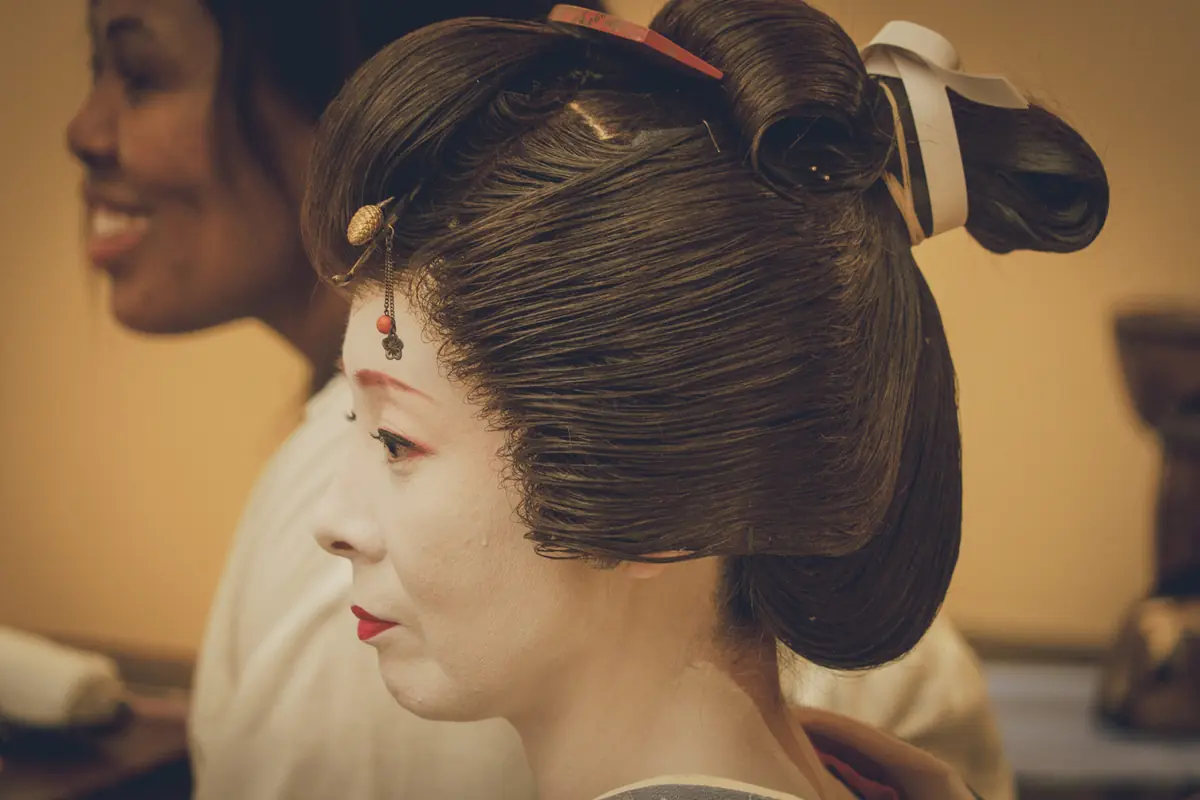
Geisha makeup is a centuries-old Japanese art form centered on a white foundation (oshiroi), precise red accents, and defined eyes. Applied using traditional tools such as bintsuke abura (soy-based wax primer) and benibana (safflower pigment), the look signals rank, age, and experience. In 2026, real geisha continue to use the original method as a ritual of preparation — while modern beauty worldwide draws inspiration from its porcelain skin and bold red lip aesthetic.
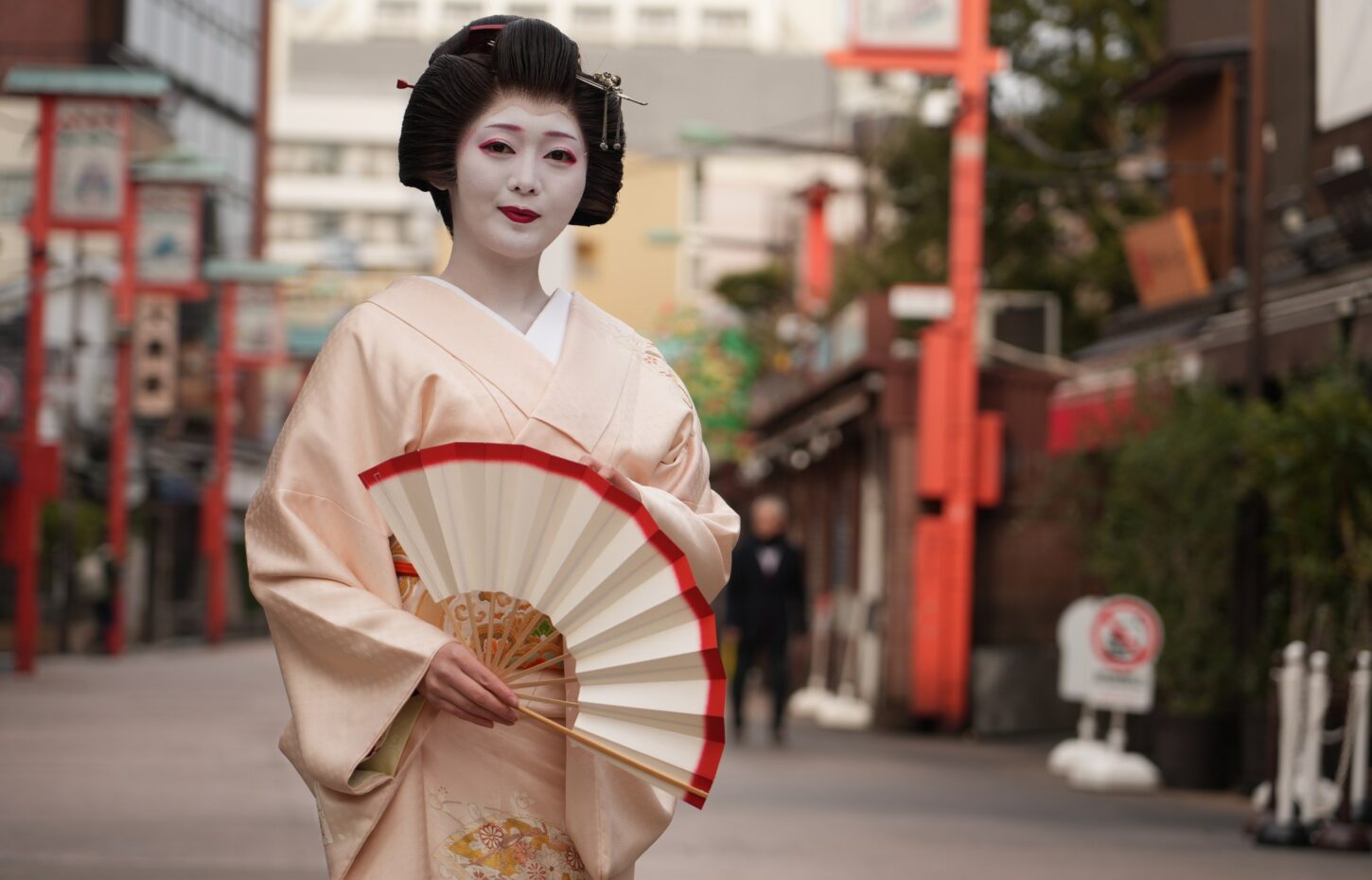
The image of a geisha is perhaps the most iconic symbol of Japanese culture. With her snow white face, striking red lips, and meticulously styled hair, she represents a world of mystery, discipline, and refined beauty. For many travelers coming to Japan, seeing a geisha in person is a top priority. But there is much more to this look than just paint and powder. In 2026, as the world moves faster than ever, the slow and deliberate art of geisha makeup offers a profound connection to the past. Whether you are a makeup artist, a history fan, or a traveler planning a trip to Tokyo or Kyoto, understanding the traditional techniques and their modern application reveals the true heart of Japanese hospitality.
A Brief History of Geisha Makeup
The history of geisha makeup is deeply rooted in the Edo period, a time when Japan was largely closed to the outside world. During this era, the aesthetic of the white face became a standard of beauty. In the dim light of traditional wooden buildings and tea houses, a bright white base was essential for the geisha’s features to be visible to her guests. Originally, this white powder contained lead, which was unfortunately toxic, but over the years, the materials evolved into the safe, high quality products used today. The style has always been about more than just looking beautiful. It was a way to denote status, age, and experience. In places like the Asakusa district of Tokyo, the makeup reflected the chic and spirited nature of the locals, a concept known as iki. Unlike the more ornate styles found in other regions, Asakusa geisha often favored a slightly more refined look that highlighted their natural grace and wit.
See the Art of Geisha Makeup Up Close in Asakusa
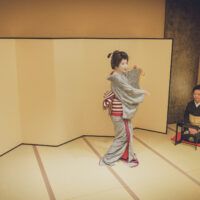
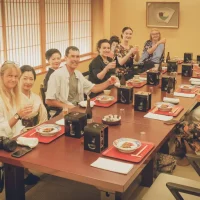
At Miyakodori — Asakusa’s only machiai-chaya (waiting tea house) — you can meet real geisha and witness the artistry behind their appearance during a private ozashiki (geisha banquet). Established in 1950, Miyakodori welcomes international guests with English-speaking support.
Understanding the Materials and Tools
To create the perfect geisha look, one must use specific traditional tools and materials. It is not something that can be achieved with standard modern foundation. The most critical component is oshiroi, the white powder that is mixed with water to create a thick paste. Before the oshiroi is applied, the skin must be prepared with bintsuke abura, a special wax or oil made from soy and other botanical ingredients. This wax acts as a primer, ensuring the white base adheres smoothly to the skin and protects the pores.
The application requires specialized brushes. A wide, flat brush is used to apply the oshiroi over the face and neck, while smaller, finer brushes are used for the delicate details around the eyes and eyebrows. For the striking red accents, geisha traditionally use benibana, a pigment derived from safflower. When a drop of water is added to the dried pigment, it turns into a vibrant crimson. This red is applied to the eyes and lips carefully to create a look that is both bold and delicate. Modern geisha continue to use these items because no modern synthetic alternative can quite capture the same porcelain like finish.
Step by Step: The Traditional Makeup Process
Step 1: Preparing the Skin with Oil
The process begins by warming the bintsuke abura in the hands and massaging it into the face, neck, and upper chest. This creates a tacky surface that the makeup will grip onto. It requires a lot of practice to apply the right amount; too little and the makeup streaks, too much and it slides off.
Step 2: Applying the White Foundation (Oshiroi)
The white paste is applied using a large brush. A geisha must be careful to leave a small area of bare skin at the hairline and on the back of the neck. On the neck, a specific W or V pattern is painted, leaving the natural skin visible. This is considered very attractive in Japanese culture, as the neck is seen as a highly sensual area.
Step 3: The Art of the Eyes and Eyebrows
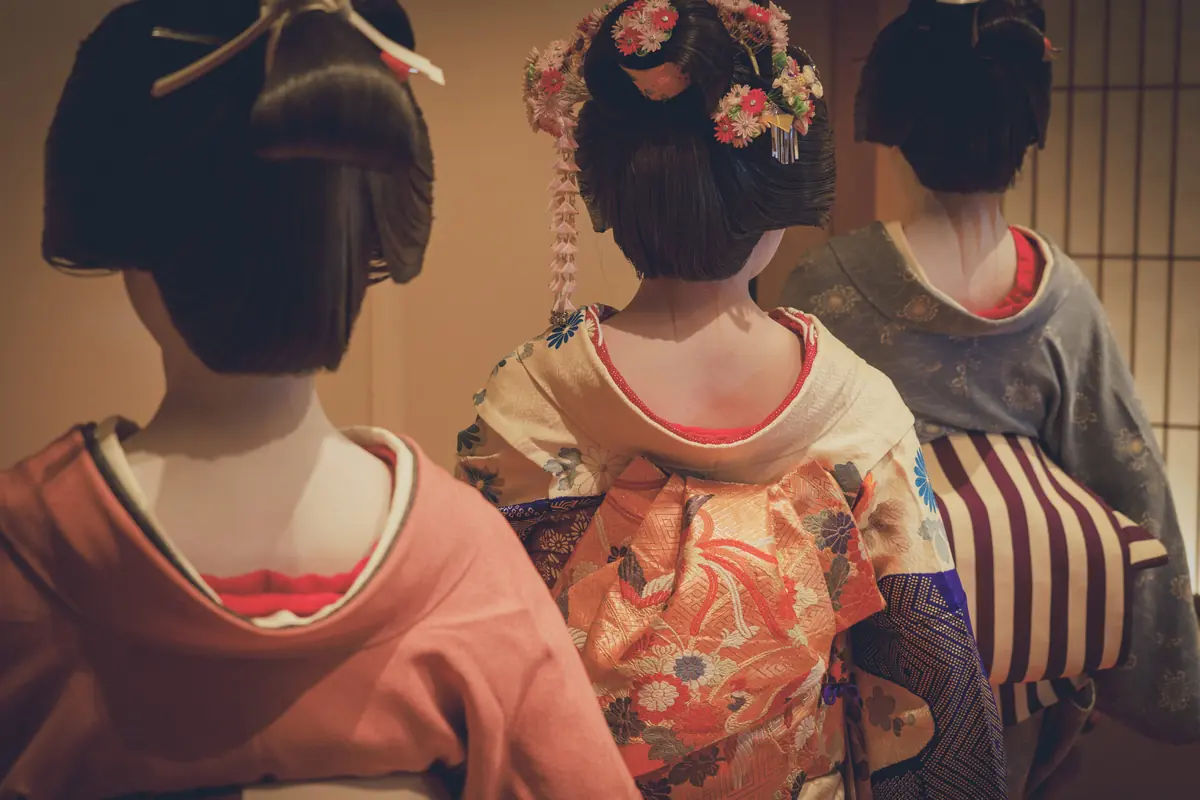
Once the white base is set, the artist defines the features. Black eyeliner and charcoal are used for the eyebrows, but a touch of red is often blended in. This red tint is a signature of the geisha style, symbolizing youth and health. The eyeliner is applied carefully to elongate the eyes, giving them a sophisticated, feline appearance.
Step 4: Defining the Lips
The final touch is the lipstick. Using a small brush, the geisha paints her lips with the crimson pigment. For a fully qualified geiko (geisha), the entire lip is usually painted. However, the shape is often slightly smaller than the natural lip line to create a flower bud effect.
Key Differences: Maiko vs. Geiko (Geisha) Makeup
A common mistake for visitors is confusing a maiko (apprentice) with a geiko (fully fledged geisha). Their makeup tells the story of their journey. A maiko‘s makeup is generally more colorful and elaborate. For instance, in her first year of training, a maiko only paints her lower lip red, leaving the upper lip white. This signifies her innocence and trainee status. Her eyebrows are often more pink or red than a geiko‘s.
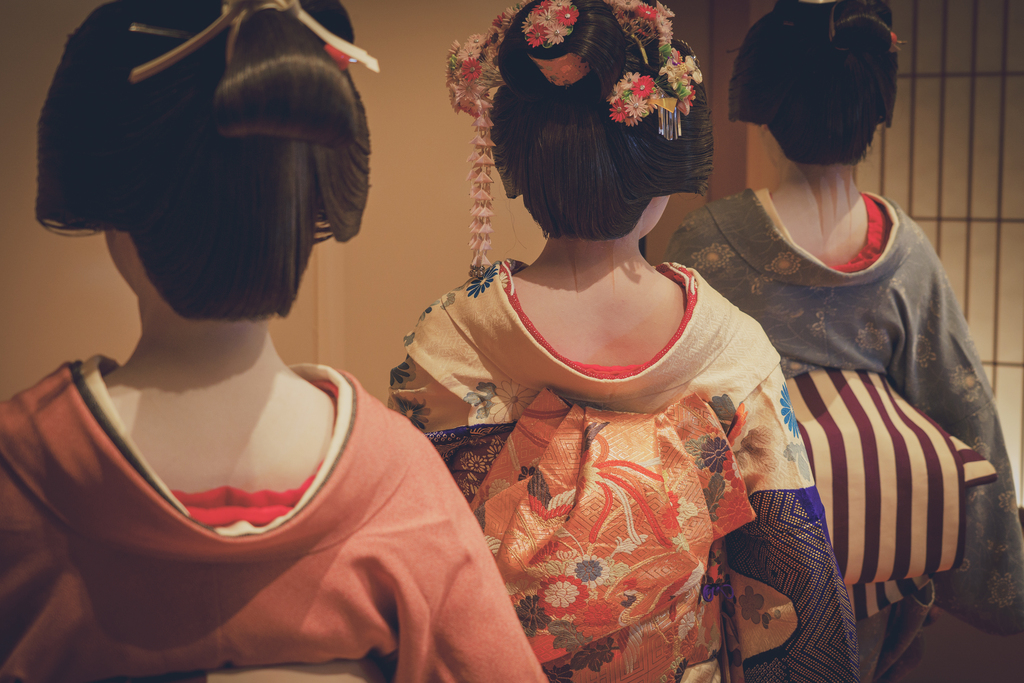
A geiko, on the other hand, wears a more understated look. Her eyebrows are more defined with black, and her entire lips are painted red. The pattern on the back of the neck also changes as she matures. While a maiko‘s hair is her own, styled into complex shapes, a geiko usually wears a wig, which allows her to maintain a perfect silhouette every day. Understanding these nuances makes any encounter with these women much more meaningful.
For a deeper look at how geisha appearances evolve through training, see our Complete Geisha Knowledge Guide.
Geisha Makeup in the Modern Era
In 2026, geisha beauty continues to influence the global fashion and makeup industry. We see the influence of the porcelain skin and bold red lip on high fashion runways and in the products developed by major Japanese beauty brands. Modern enthusiasts often adapt these techniques for photography or special events. For those who want to achieve a geisha inspired look today, the focus is on skin care and precision. Using high quality oils and a bright, matte foundation can help replicate the look without the heavy weight of traditional oshiroi.
However, the modern geisha herself remains a guardian of the original method. Despite the availability of long wear liquids and airbrushing, the women of the flower world choose to continue the traditional ways. They see their makeup as a ritual that prepares them mentally for the evening’s performance. It is a moment of quiet reflection before they step into the role of hostess.
To explore the broader visual world of geisha — including kimono, hairstyles, and photography — visit our Geisha Pictures: Stock Photos & Visual Guide.
Cultural Significance and Etiquette
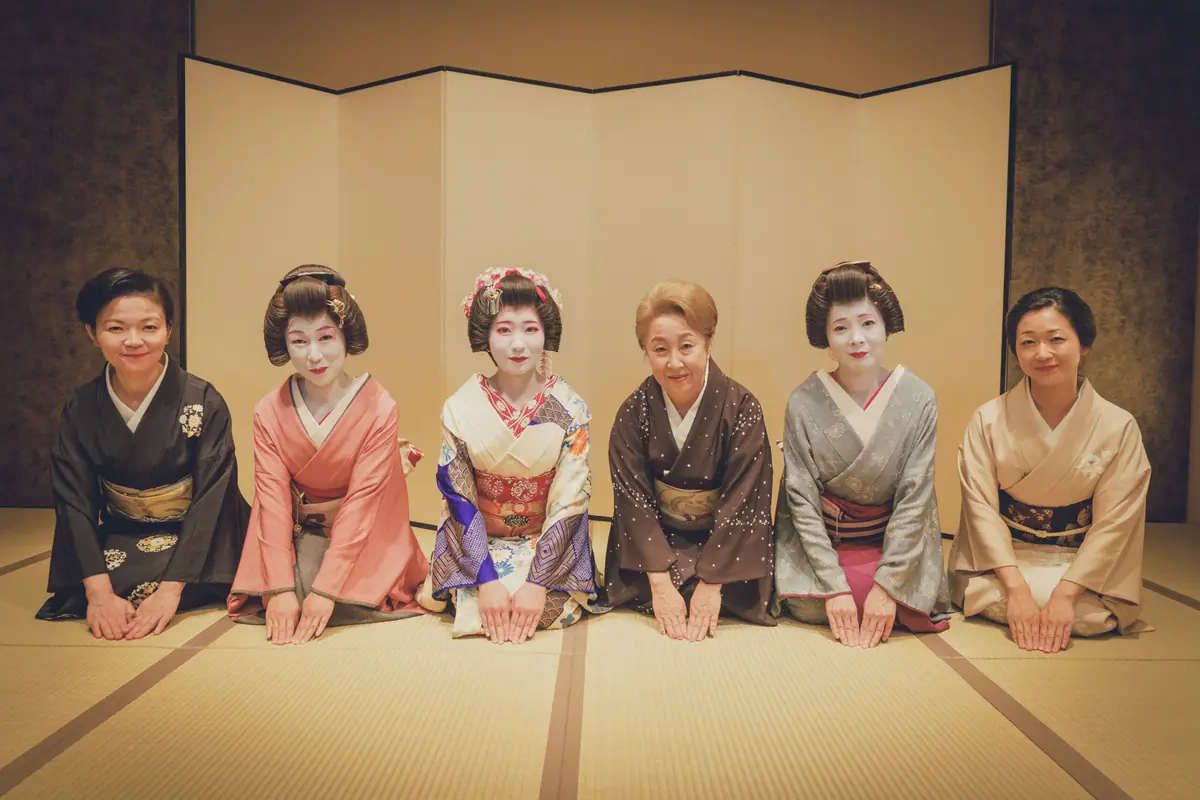
It is important to remember that geisha makeup is not a costume. It is a professional uniform earned through years of dedicated study in dance, music, and conversation. When you see a geisha, you are looking at a living work of art. In the Asakusa district of Tokyo, the geisha culture is uniquely open and welcoming. Unlike the more exclusive quarters in other cities, Asakusa has a long history of being a place where people from all walks of life can enjoy the arts. However, respect is still paramount. Taking photos without permission or touching a geisha’s kimono or hair is a serious breach of etiquette. By learning the history and effort behind their appearance, visitors can better appreciate the depth of the culture they are witnessing.
For a complete visual guide to geisha appearance and what to look for, see our article on Traditional Geisha Makeup: History, Meaning & Application.
Conclusion: Experience the True Culture
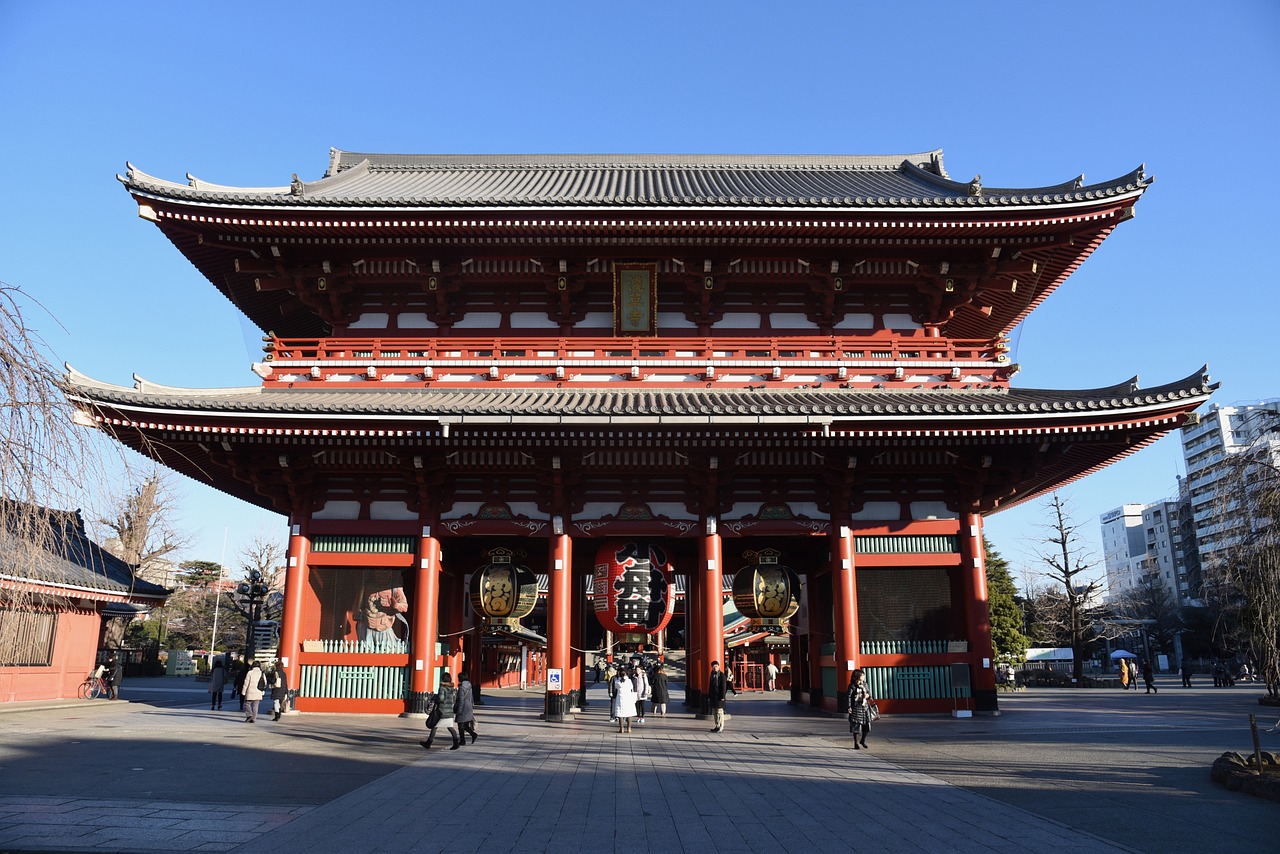
If you are traveling to Japan and wish to experience the true essence of this culture, there is no better place than Miyakodori in Asakusa. Miyakodori is a traditional machiai-chaya (waiting tea house) that has been a pillar of the community since its establishment in 1950. Located in the historic area behind the Senso-ji Temple, it offers a rare opportunity to step back in time and meet real geisha.
The name Miyakodori comes from a famous poem by Ariwara no Narihira in the Tales of Ise, expressing a longing for a loved one. This spirit of connection and care is exactly what you will find at Miyakodori. Here, you can enjoy the graceful dances and arts of authentic Asakusa geisha, with seasonal Japanese cuisine options available. Whether you are celebrating an anniversary, hosting a business dinner, or simply wish to see the stunning makeup and art of the geisha up close, Miyakodori provides an unforgettable, authentic experience. Discover the heart of Japanese hospitality and the beauty of a 400 year old tradition in the modern heart of Tokyo.
For more on what modern geisha life looks like today, read our guide to Geisha in Modern Japan: Tradition, Culture, and Where to Experience Them Today.
Sources: Asakusa Kenban | Asakusa Tourism | Miyakodori PR | Tokyo Metropolitan Government
Experience Authentic Geisha Culture at Miyakodori
Book a private ozashiki (geisha banquet) at Asakusa Miyakodori — established 1950, the only machiai-chaya in Asakusa where international guests can meet real geisha in a traditional setting.
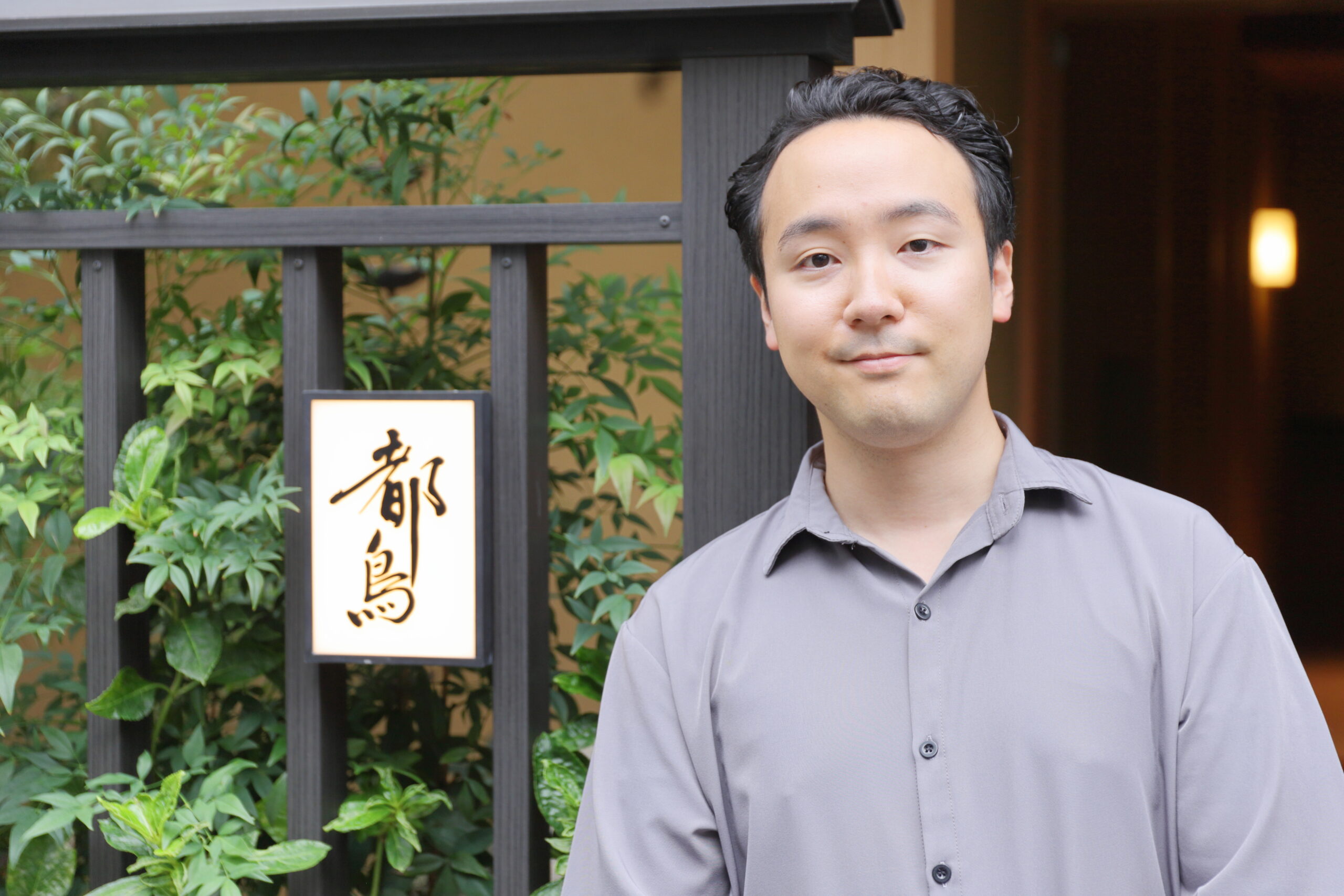


- Yoshiwara: History, Location & Legacy of Japan's Famous District
- The Best Geisha Game Song: Konpira Fune Fune (2026 Guide)
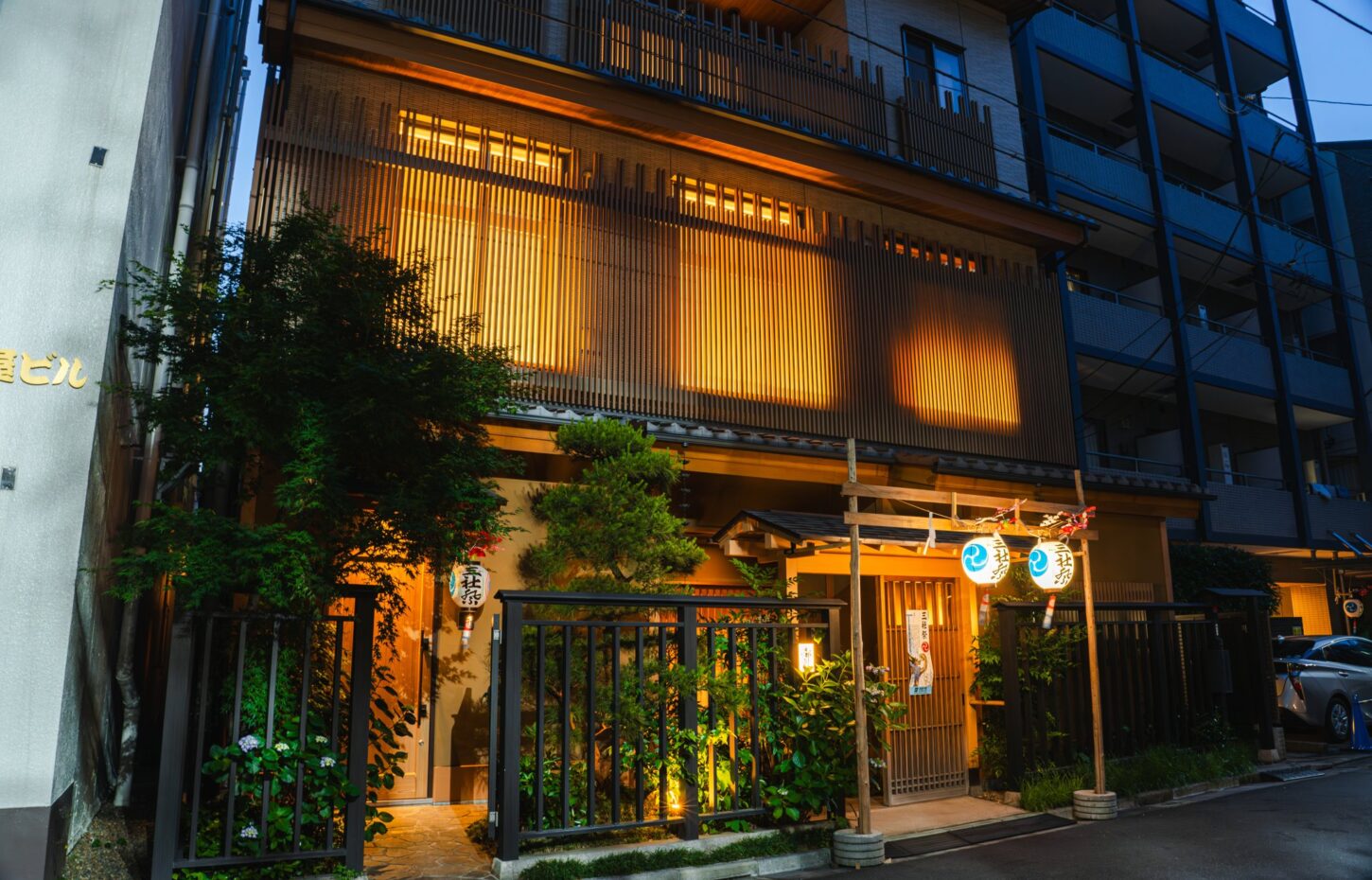
What Is a Hanamachi? Meaning, Structure & Japan’s Geisha Districts Explained
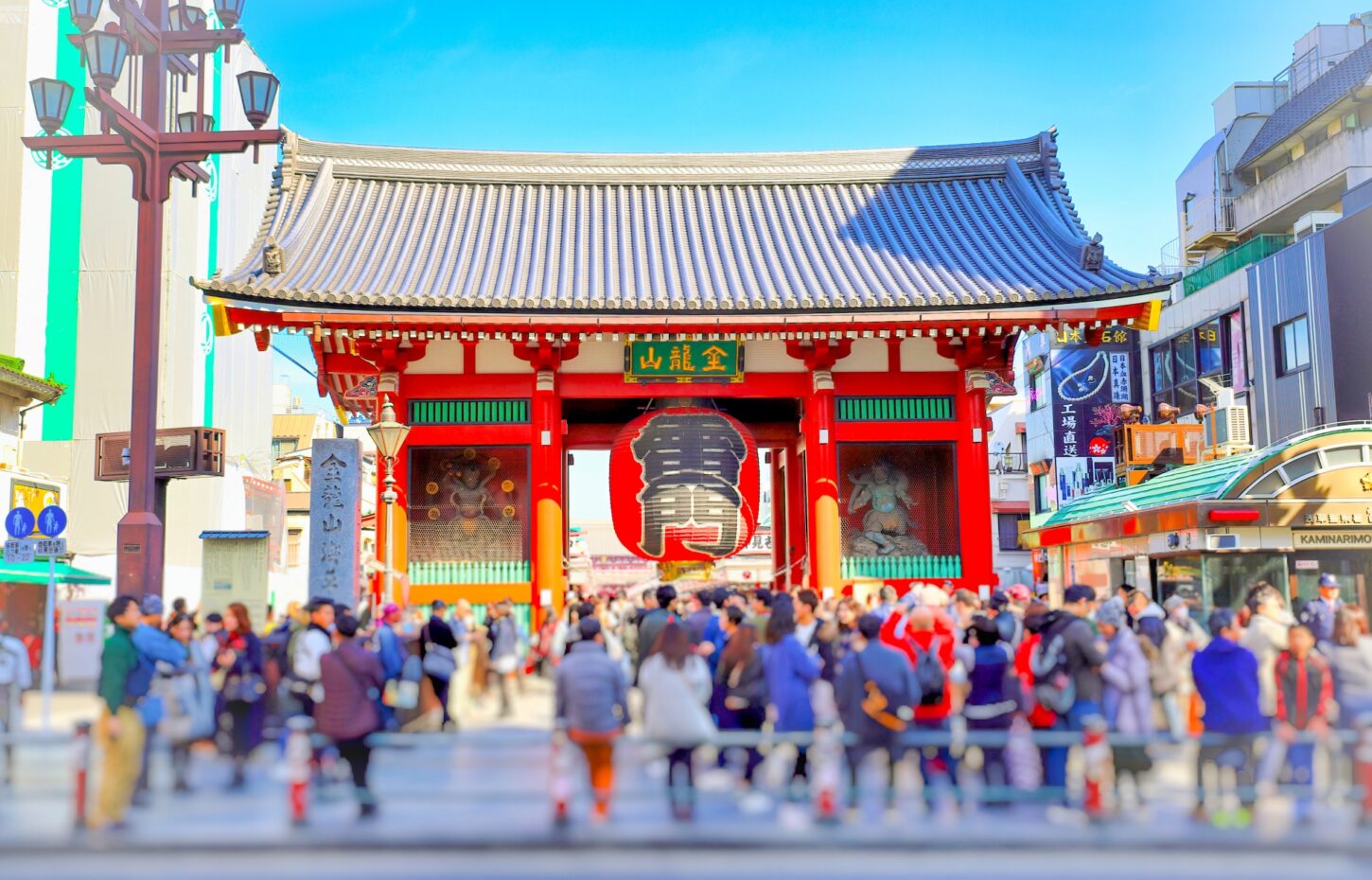
Japanese Culture and History: A Complete Guide for International Travelers
Japanese Culture vs American Culture: A Traveler’s Guide
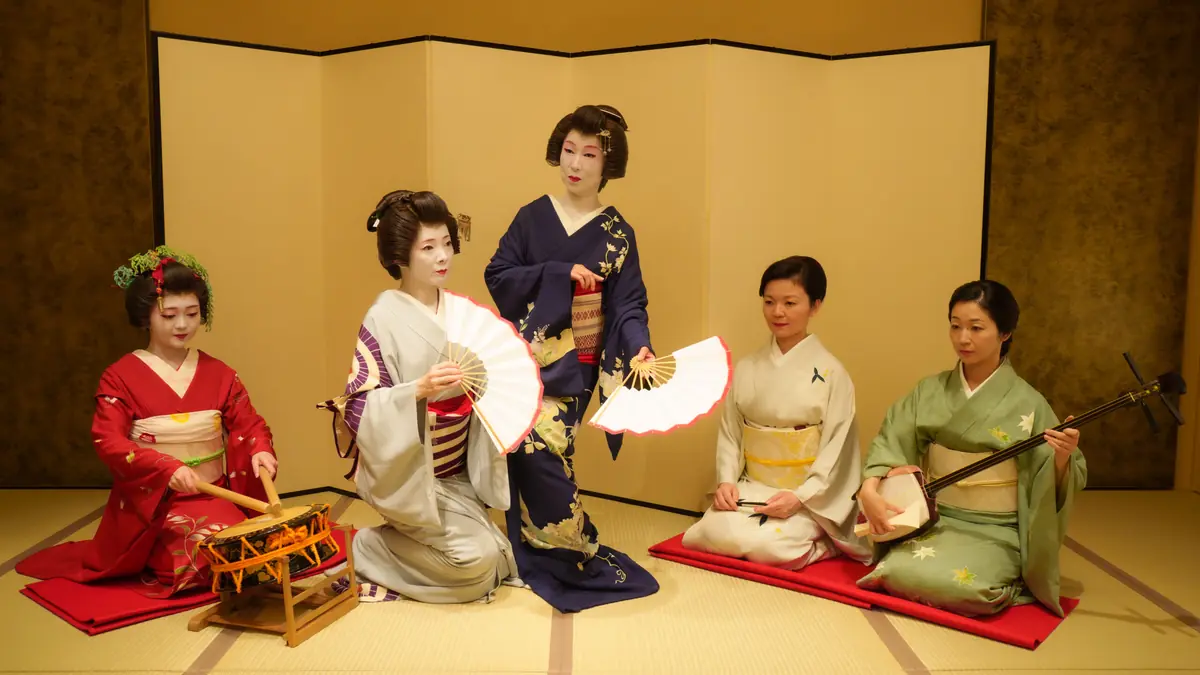
Authentic Geisha Experience vs. Geisha Makeover: What’s the Difference?
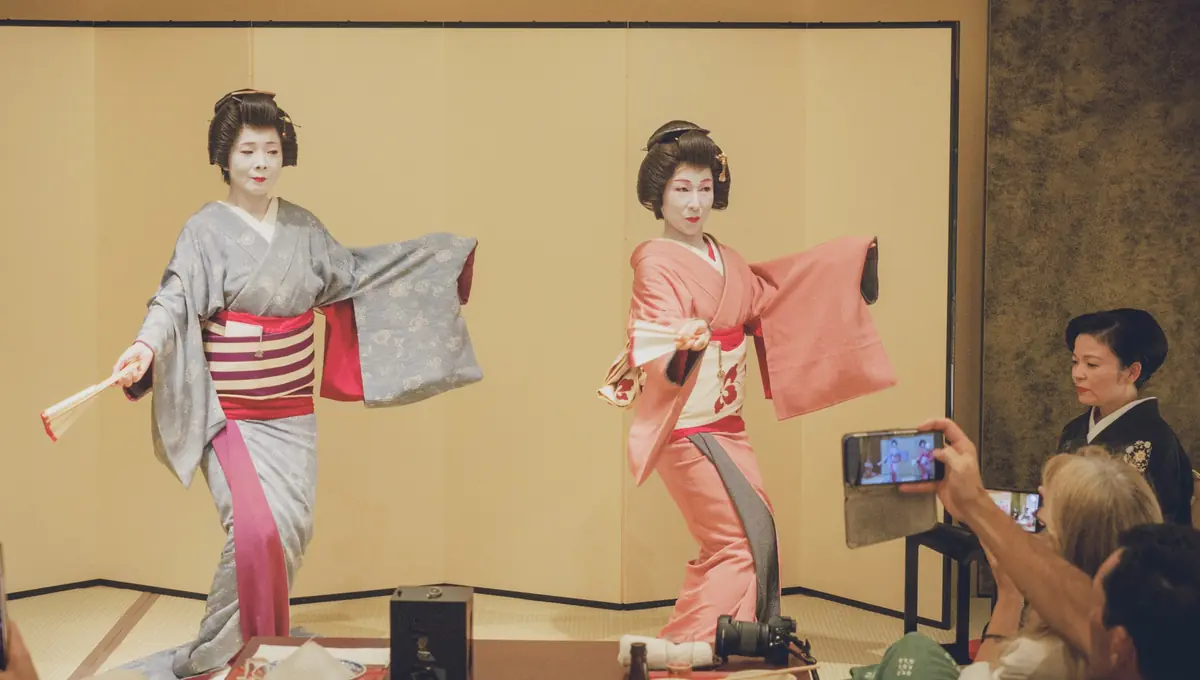
The Best Tokyo Geisha Shows and Dinner Experiences: Your Guide to Authentic Private Performances
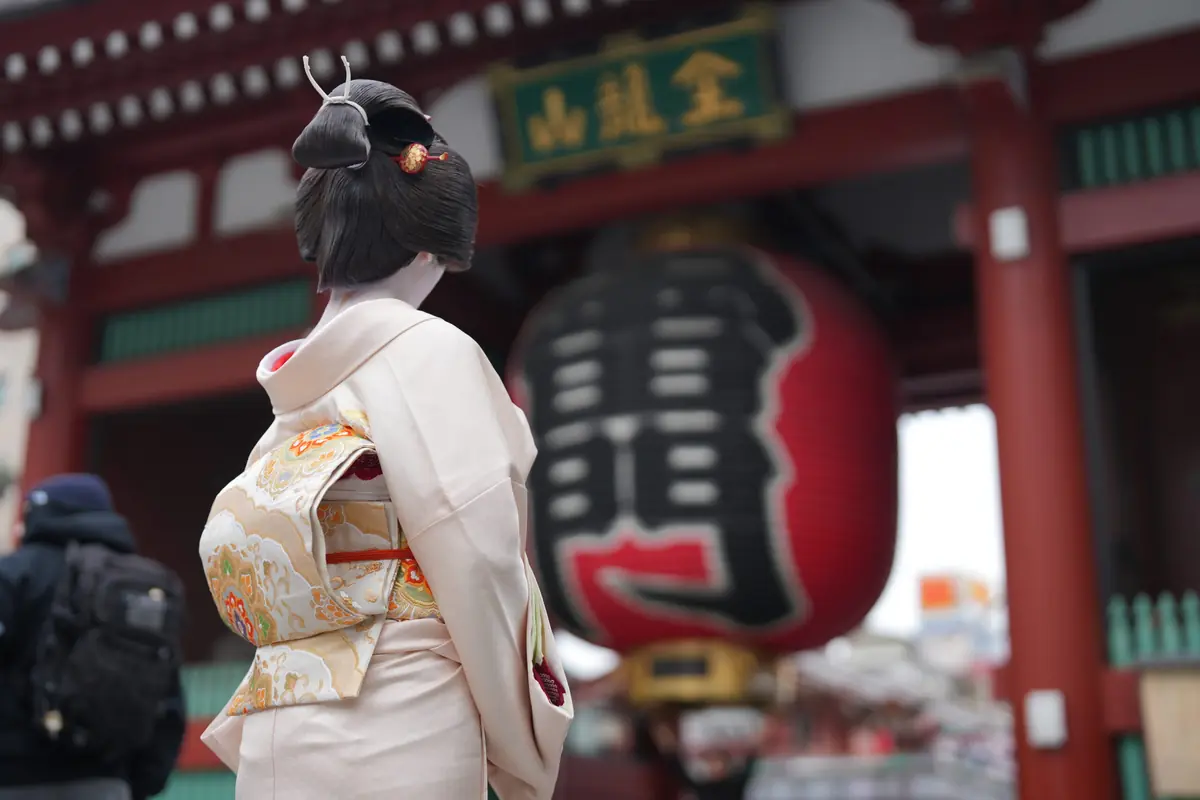
Geisha in Japan: The Ultimate Guide to Their History, Arts, and Modern Role (2026 Edition)
Comment ( 0 )
Trackbacks are closed.
No comments yet.