



Geisha Pictures: A Comprehensive Visual Guide and Stock Photo Resources
Welcome to the definitive guide for 2026 on capturing and understanding the visual essence of the geisha. Whether you are a graphic designer looking for the perfect stock photo for a Japanese restaurant menu, a historian researching the evolution of the kimono, or a traveler captivated by the enigmatic beauty of a geisha face, this article provides the depth and resources you need. The world of the geisha is one of refined aesthetics, where every detail of a girl’s appearance tells a story of tradition, discipline, and artistic mastery. In this guide, we will bridge the gap between digital images and the living reality of the geisha.
Where to Find High-Quality Geisha Stock Photos
In 2026, the demand for authentic Japanese imagery has never been higher. When searching for a geisha picture, the first stop for most professionals is a high-quality stock photo platform. These sites offer a range of visual assets, from a hyper-realistic photo of a performance to a stylized illustration suitable for a digital sign.
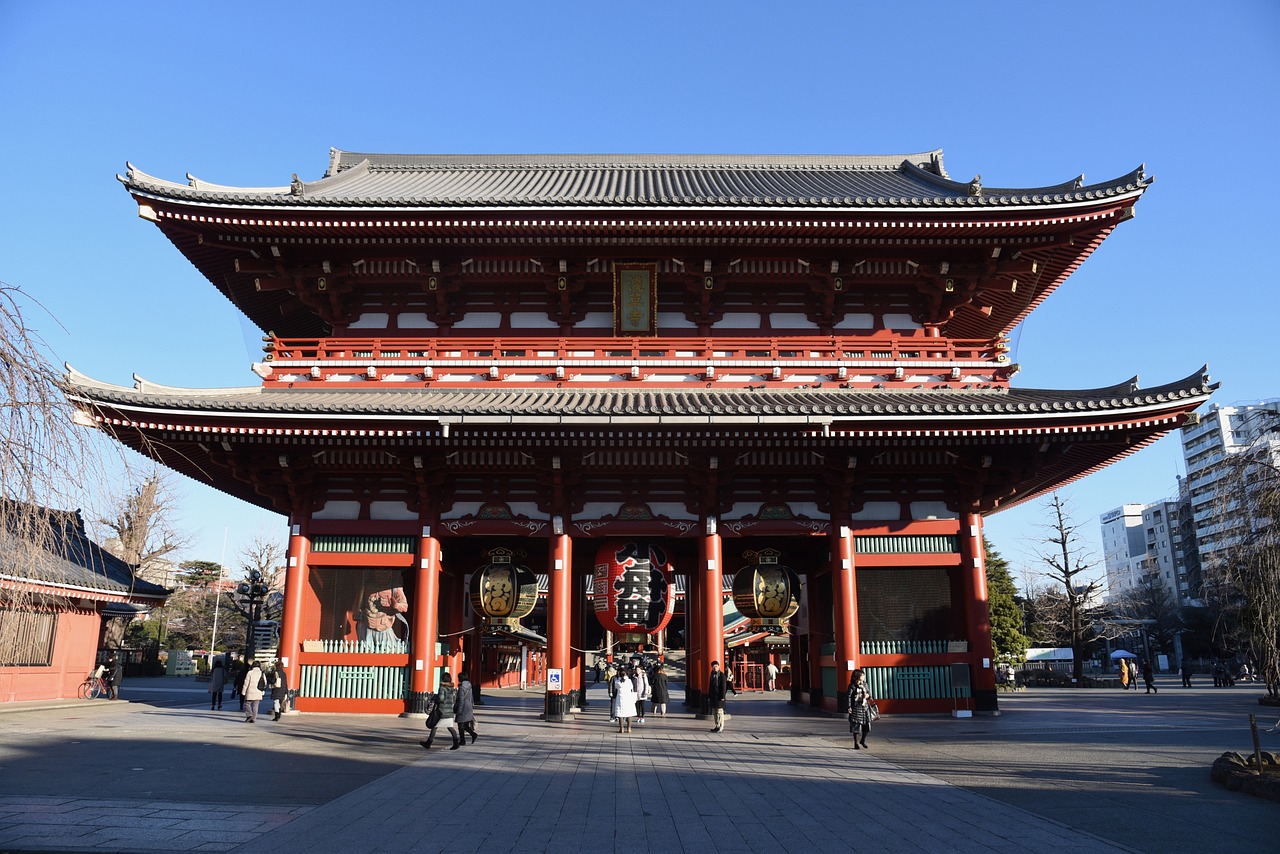
Adobe Stock and Getty Images remain the titans of this industry. They provide high-resolution images that capture the intricate textures of a silk kimono and the subtle nuances of traditional makeup. If you are looking for an image that screams professional quality, these are your primary resources. For those who require a more local, authentic Japanese perspective, PIXTA is an excellent alternative. Based in Japan, this platform often features photos taken in real geisha districts like Asakusa or Gion, providing a sense of place that global sites might lack.
When selecting stock images, pay close attention to the licensing agreements. For commercial projects like a restaurant menu or a promotional sign, you must ensure the photo is cleared for commercial use. Look for keywords such as traditional, historical, and authentic to filter out modern recreations that might lack cultural accuracy. Using a generic photo of a girl in a cheap robe is a common mistake that can undermine the credibility of your design.
The Visual Elements of a Geisha: Makeup, Kimono, and Hair
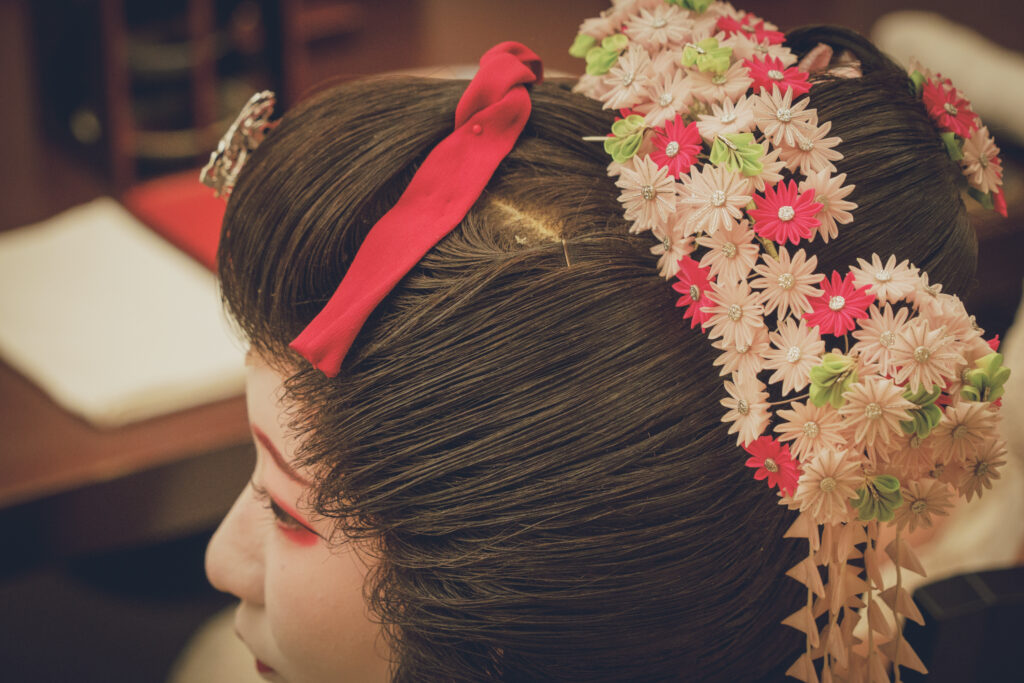
To truly appreciate a geisha picture, one must understand the layers of craftsmanship that go into her appearance.
The Face: Shiro-nuri
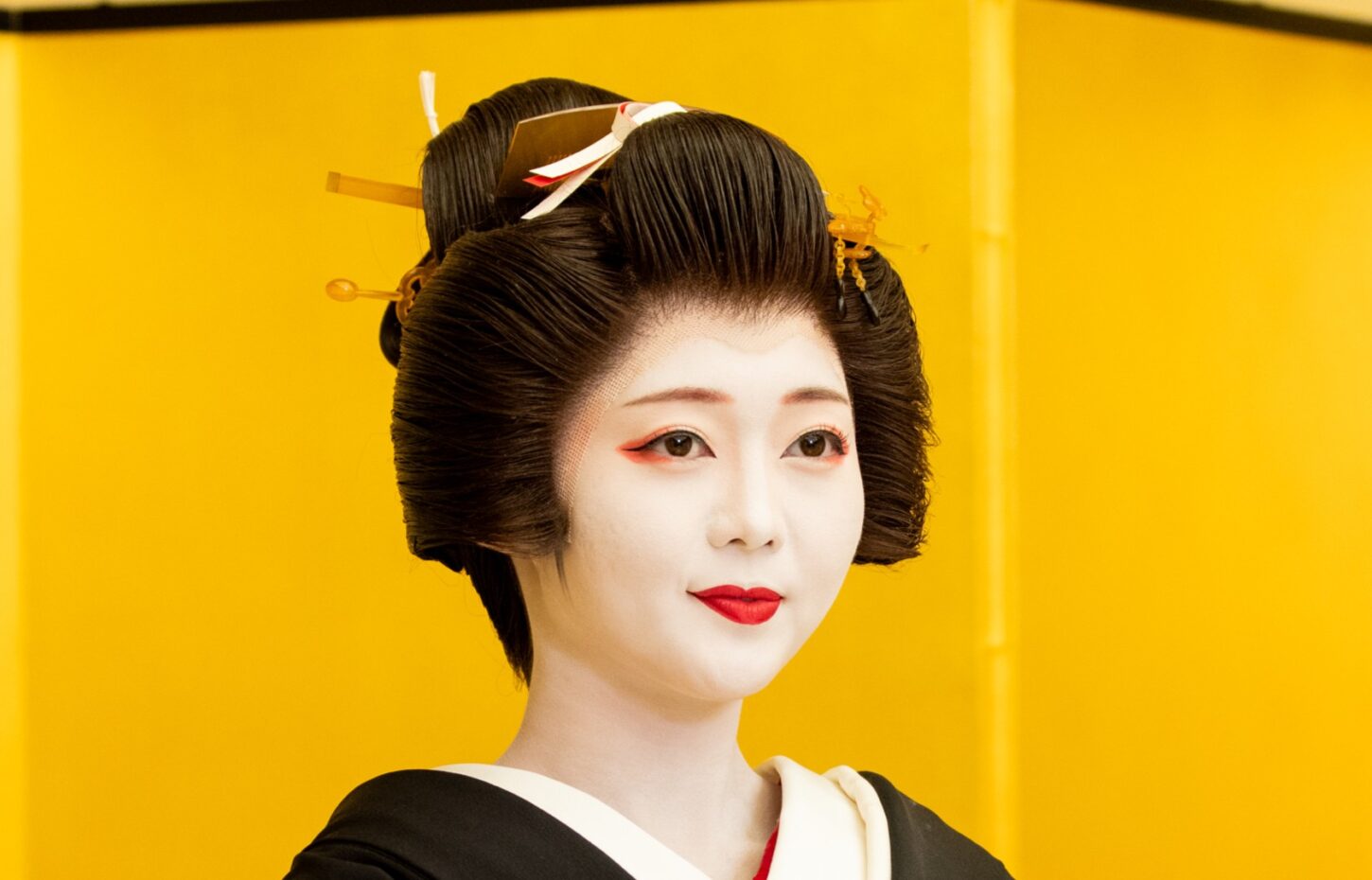
The most striking feature in any geisha photo is the white face, known as shiro-nuri. This traditional makeup was originally designed to catch the flickering light of candles in dark wooden rooms before the advent of electricity. In 2026, high-definition photography allows us to see the artistry in this application. The face is painted white using a paste, leaving a small area of skin bare at the nape of the neck to create a sense of mystery and allure. The eyes are lined with black and red, and the lips are painted a vivid crimson. These colors—white, black, and red—carry deep cultural significance in Japan, representing purity, strength, and life.
The Kimono: A Canvas of the Seasons
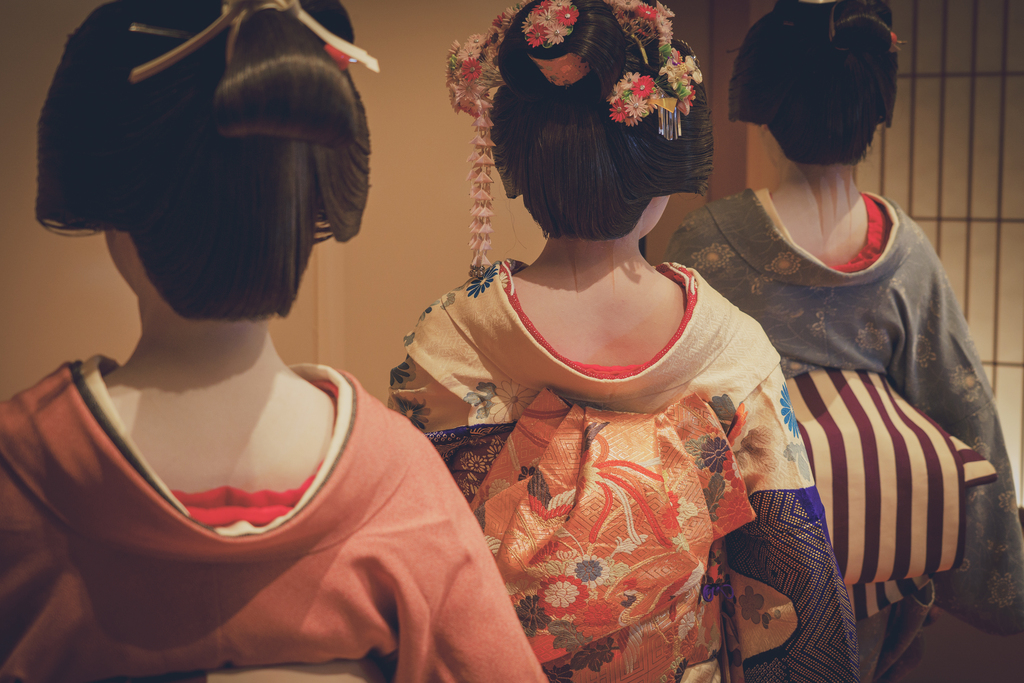
A geisha’s kimono is a masterpiece of textile art. Unlike a standard kimono worn by a typical Japanese girl for a festival, a geisha’s garment is made of heavy, hand-painted silk and can cost as much as a luxury car. When looking at images, notice how the patterns change with the seasons. In spring, you will see cherry blossoms (sakura); in autumn, maple leaves (momiji). The way the kimono hangs—lower on the back of the neck—is a signature visual cue of a professional geisha.
The Hair: Sculpted Elegance
The hairstyle seen in a geisha picture is equally complex. For a fully-fledged geisha, this is usually a wig (katsura) that has been expertly styled by a specialist craftsman. The hair is adorned with kanzashi (ornaments) that also change monthly to reflect the seasonal flora. These details are what make a photo truly authentic.
Historical Geisha Pictures: From Meiji Era to Modern Japan
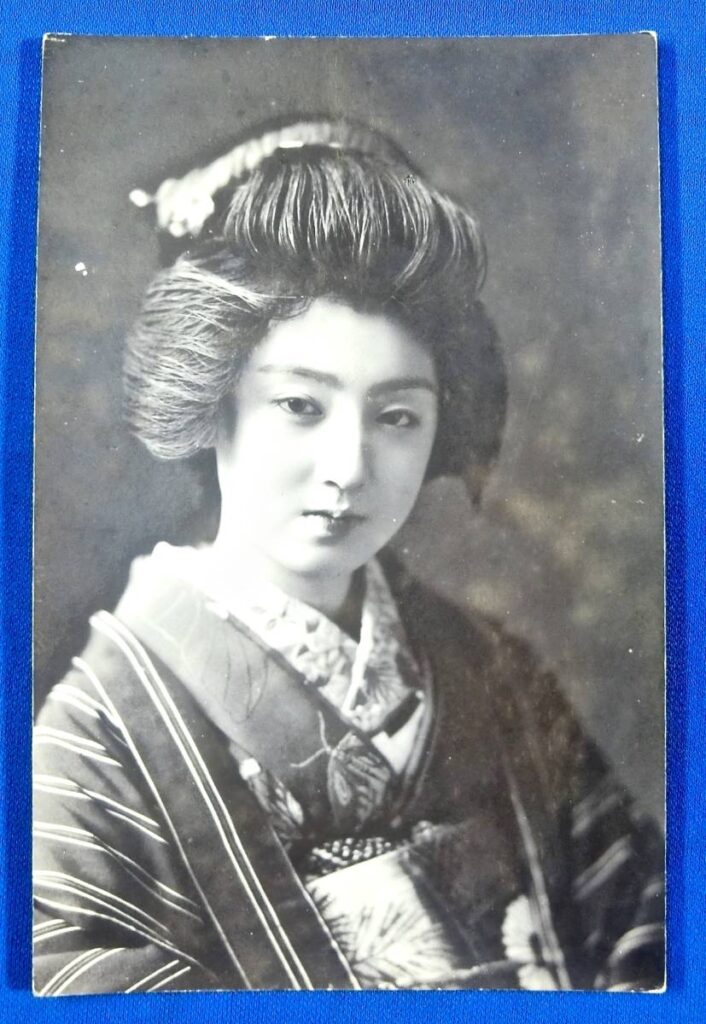
The history of geisha photography is as old as the camera itself in Japan. Historical images from the Meiji and Taisho eras provide a window into a world that was once deeply shrouded in secrecy. These vintage photos, often hand-colored, show geisha as the ultimate fashion icons of their time.
During the late 19th and early 20th centuries, geisha were the most photographed women in Japan. Their images appeared on postcards that were sold both domestically and to early Western tourists. These historical photos are invaluable for understanding how the tradition has stayed consistent while adapting to the times. For example, looking at a photo from 1950—the year the famous Asakusa restaurant Miyakodori was Founded in 1950—one can see the resilience of geisha culture in the post-war era.
In 2026, digital archives have made these historical images more accessible than ever. Researchers and enthusiasts can study the transition from the natural hair styles of the past to the more standardized wigs of the modern era. These images serve as a bridge between the old world of Edo and the high-tech reality of modern Japan.
Understanding the Difference: Geisha vs. Maiko in Pictures
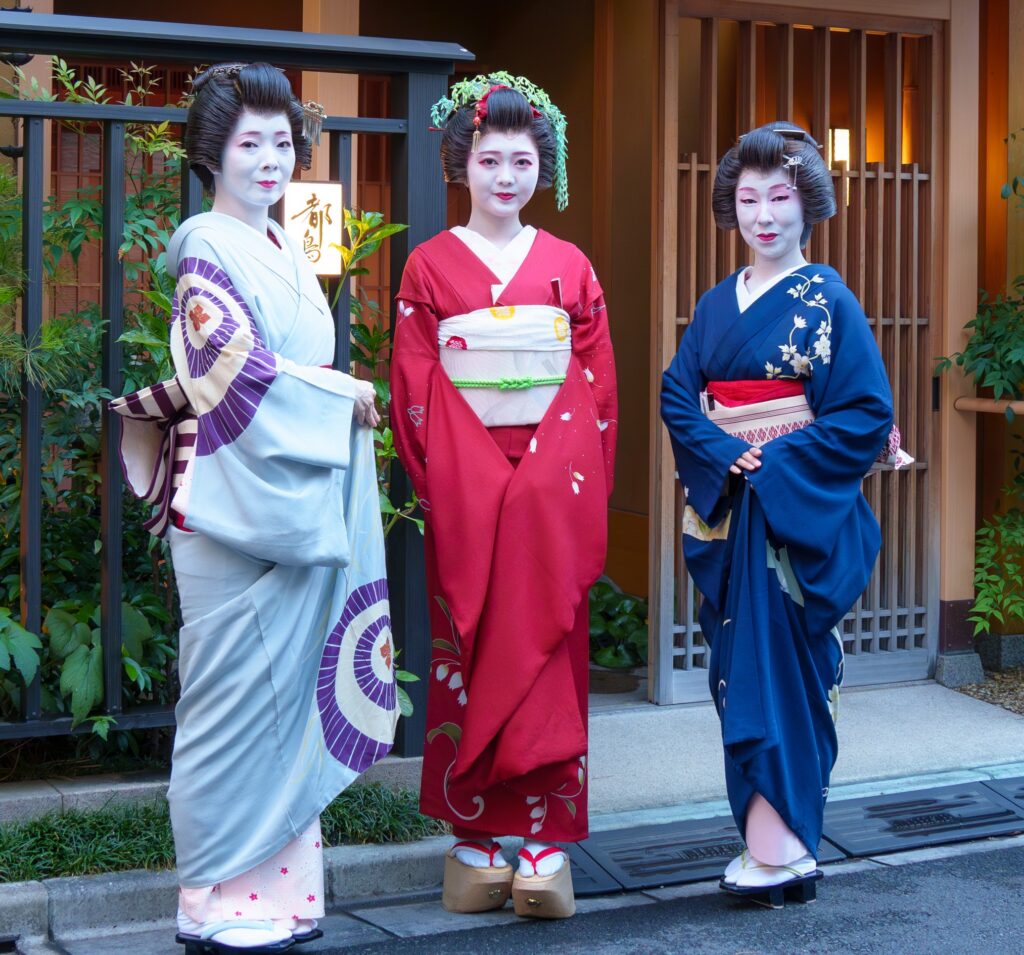
One of the most common errors in search results for geisha pictures is the confusion between a geisha and a maiko (an apprentice). To the untrained eye, they might look identical, but there are clear visual markers that distinguish them in any photo.
The Maiko Appearance
A maiko is essentially a girl in training. Because she is younger, her look is more ornate and “cute.” In pictures, look for:
- Long sleeves: Maiko wear furisode, which have very long sleeves.
- Large hair ornaments: Maiko use many colorful kanzashi, often with dangling pieces.
- Natural hair: Unlike geisha, maiko’s own natural hair is styled.
- The collar: A maiko’s collar is red and heavily embroidered.
The Geisha Appearance
A geisha’s look is more restrained and elegant—the epitome of “iki” or chic. Visual cues include:
- Shorter sleeves: Their kimono sleeves are standard length.
- Subtle hair: Fewer ornaments and the use of a wig.
- The white collar: A full geisha wears a plain white collar, symbolizing her seniority.
When searching for stock photos, knowing these differences ensures you choose the right image for your specific context. If your goal is to represent “apprentice culture,” a maiko photo is perfect. If you want to show “mature mastery,” you need a geisha.
Tips for Using Geisha Images in Your Projects (Sign, Menu, and Web Design)
If you are a business owner or designer using a geisha photo for a sign or a menu, authenticity is your best friend. In 2026, consumers are savvy and can spot a “fake” or culturally insensitive image easily.
For a restaurant menu, consider using a photo that emphasizes the connection between the geisha and the food. A picture of a geisha serving sake or seasonal kaiseki cuisine adds a layer of sophistication. If you are designing a sign for a cultural event, an illustration might be more effective than a photo to convey a sense of timelessness.
Ensure the background of the image is appropriate. A geisha in a modern office setting looks out of place unless it is a very specific artistic choice. Aim for backgrounds featuring traditional wooden architecture, tatami mats, or the iconic streets of Asakusa. This creates a cohesive visual narrative that respects the subject matter.
Beyond the Picture: Experience the Real Thing at Asakusa Miyakodori
While a geisha picture can capture a moment in time, it cannot replace the multisensory experience of being in the presence of these artists. If you find yourself in Japan, particularly in the historic district of Asakusa, you have the opportunity to move beyond the screen and into the heart of tradition.
Asakusa is unique among Tokyo’s geisha districts. While places like Shimbashi or Akasaka have historically catered to politicians and the elite, Asakusa has always been a district of the people, nurtured by the community around Senso-ji Temple. This makes it an exceptionally welcoming place for international visitors who wish to experience the “iki” culture of Edo.
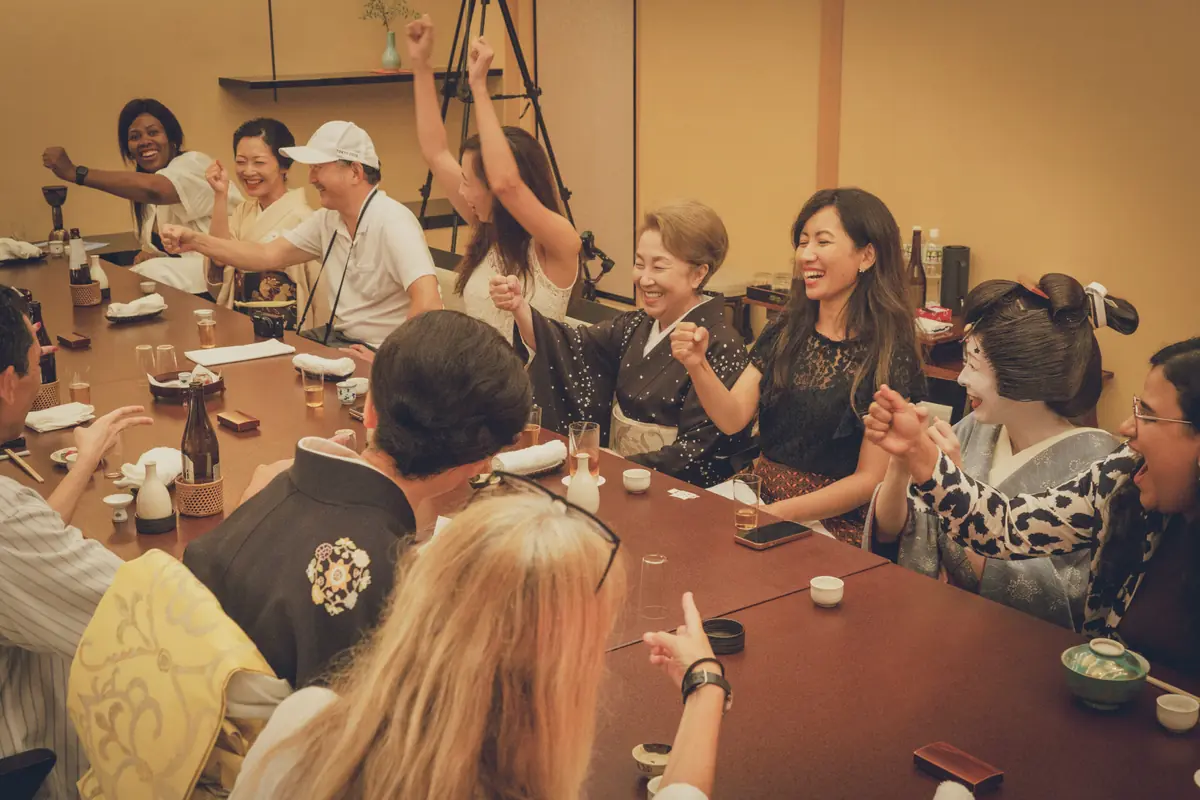
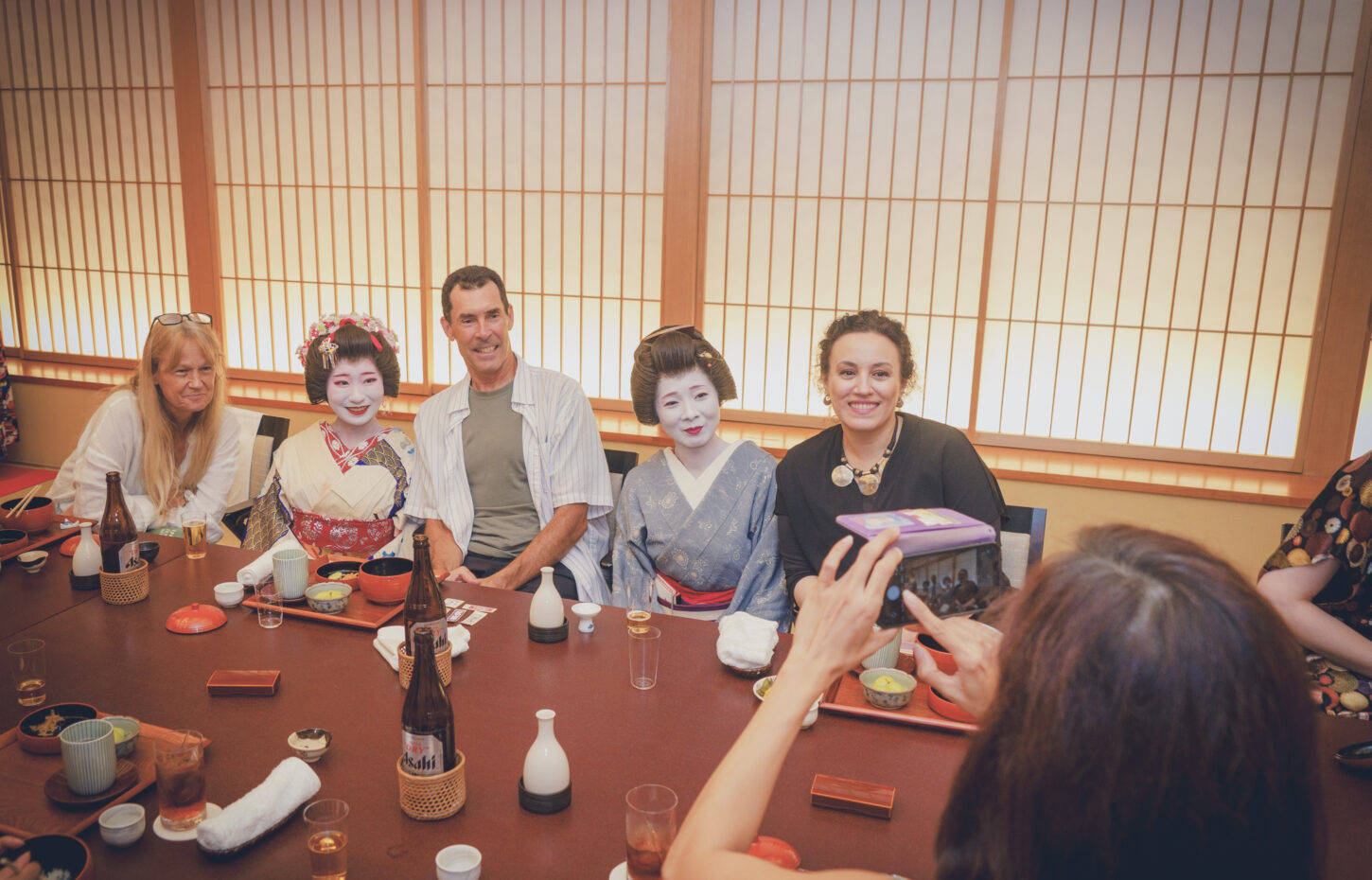
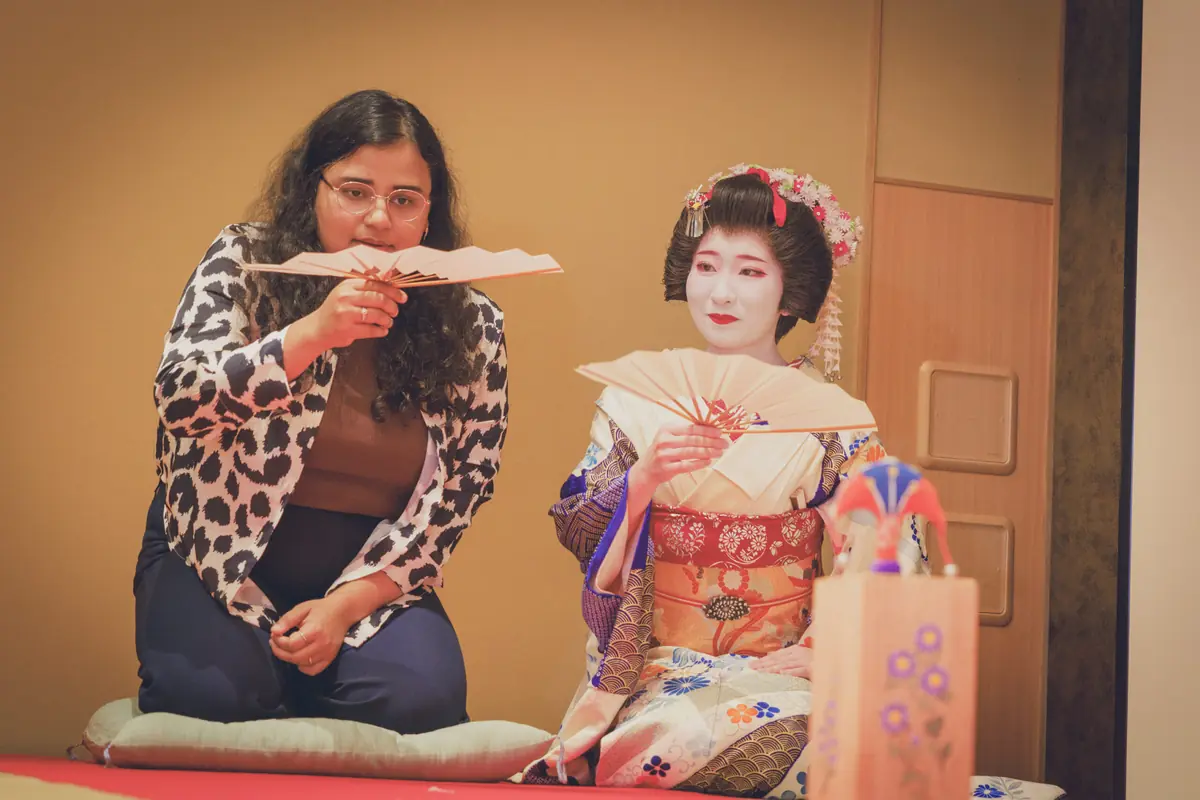
At the center of this world is Miyakodori. Established in 1950, Miyakodori is currently the only machiai-chaya (waiting tea house) left in Asakusa. Miyakodori specializes in the true essence of geisha culture: the art of the party. Here, the focus is on ozashiki-asobi—traditional games played with geisha—accompanied by dance and music.
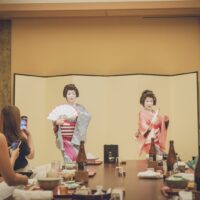
Stepping into Miyakodori is like stepping into a living historical photo. The private rooms provide a dignified space where you can witness the flash of a white face and the rustle of a silk kimono up close. The geisha here have undergone rigorous training to ensure that every guest, whether a domestic VIP or an international traveler, feels the warmth of Japanese hospitality (omotenashi).
For those concerned about dietary requirements, Miyakodori can adjust the menu for dietary needs, and fully halal meals are served as bento (boxed meals) with 5 days’ notice. The meals are a reflection of the four seasons of Japan, served on beautiful lacquerware and ceramics that are as photogenic as the geisha themselves.
Conclusion
Finding the perfect geisha picture is a journey through Japanese history, art, and fashion. From the high-resolution stock photos available in 2026 to the hand-colored postcards of the Meiji era, these images continue to fascinate the world. By understanding the nuances of their makeup, the seasonal changes in their kimono, and the difference between a maiko and a geisha, you can use these visuals with respect and accuracy.
However, the image is only the beginning. To truly understand the soul of the geisha, one must experience the sound of the shamisen and the grace of the dance in person. We invite you to visit Asakusa Miyakodori, where the traditions of the Edo period are preserved with passion and elegance. Come and create your own memories that no camera could ever fully capture.
Footnotes and Sources
- History of Asakusa Geisha: https://asakusakenban.com/
- About Asakusa Miyakodori: https://asakusa.gr.jp/jp/?p=385
- Ozashiki Culture in Tokyo: https://prtimes.jp/main/html/rd/p/000000001.000165250.html
- Traditional Culture and Tourism: https://www.my.metro.tokyo.lg.jp/w/000-20240711-43128106
Experience graceful performances, warm hospitality, and a timeless atmosphere where Japan’s living traditions come to life.
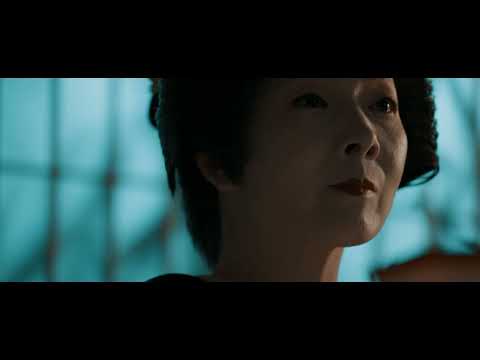
- Private Ozashiki: An intimate, refined encounter with authentic Asakusa geisha.
- Traditional Geisha Artistry: Elegant dance, live shamisen music, and interactive ozashiki games.
- Historic Machiai-chaya Setting: A sophisticated cultural experience in a traditional machiai-chaya setting.
- English Support Available: Assistance for international guests throughout your visit.


- How Many Geisha are Left in Japan? 2026 Numbers by City
- Experiencing an Authentic Geisha Show in Asakusa, Tokyo
The Complete Guide to Geisha Dance: Unveiling the Art of Nihon Buyo in Japan
Geisha Show on Netflix: The Makanai and the Real World of Geisha
From Anime Geisha to the Real Thing in Asakusa
The Ultimate Guide to the Ozashiki Party: Unlocking the Secrets of Traditional Japanese Entertainment in Tokyo
Japanese Culture Items: A Complete Guide to Traditional Crafts and Objects
UNLOCKING THE SECRETS OF OZASHIKI GAMES: TRADITIONAL GEISHA PLAY
Comment ( 0 )
Trackbacks are closed.

No comments yet.