



The Ultimate Guide to the Ozashiki Party: Unlocking the Secrets of Traditional Japanese Entertainment in Tokyo
Welcome to the hidden world of the Karyukai—the “Flower and Willow World.”
For many international travelers planning a trip to Japan, the concept of an ozashiki party is shrouded in mystery. Is it a dinner? Is it a theater performance? Is it a private club? As the operators of Asakusa Miyakodori, the only machiai-chaya (waiting tea house) in Tokyo‘s historic Asakusa district, we are here to pull back the curtain. We want to guide you through this cultural experience, explaining every nuance of the entertainment, the cuisine, and the unique hospitality that defines our world.
If you are looking for a deeper cultural experience in Tokyo, attending an ozashiki party is traditional entertainment at its most complete. It is not merely a meal; it is a participatory art form, a historical journey, and a deeply personal interaction with the masters of Japanese arts: the geisha.
What Exactly is an Ozashiki Party?
To understand the party, one must first understand the setting. The word ozashiki (お座敷) literally refers to a “tatami room”—a traditional Japanese room offering straw mats for flooring, low tables, and minimalist alcove decorations known as tokonoma. In the context of entertainment, however, ozashiki refers to a private banquet held in such a room, typically within a high-end Japanese restaurant known as a ryotei.
For centuries, these parties were the exclusive playground of politicians, literary masters, and captains of industry. They were governed by the strict rule of ichigensan okotowari—”no first-time customers without an introduction.” This rule was not meant to be exclusionary out of malice, but to preserve a relationship of trust and to ensure the payment of bills (which were often tallied months later).
However, times have changed. At Asakusa Miyakodori, we believe that the beauty of the ozashiki should be shared with the world. We have opened our doors to international guests, removing the barrier of introductions while maintaining the absolute authenticity of the experience.
An ozashiki is an interactive event. It is not passive like watching a stage play. It is about engaging with the performers and the other guests in a relaxed yet refined atmosphere. The experience is centered around omotenashi—wholehearted, anticipatory hospitality that ensures every guest feels treated like royalty.
The Stars of the Ozashiki: Understanding the Geisha
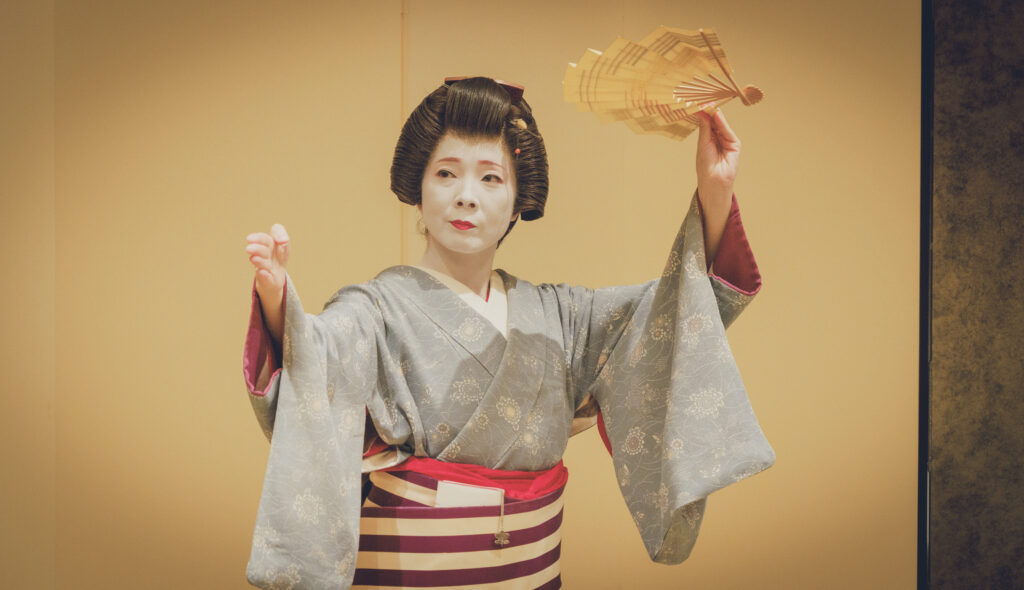
The heart of any ozashiki party is the geisha. There are many misconceptions about these women in the West, often fueled by inaccurate movies or books. Let us clarify who they are from our perspective as a machiai-chaya operator who works with them daily.
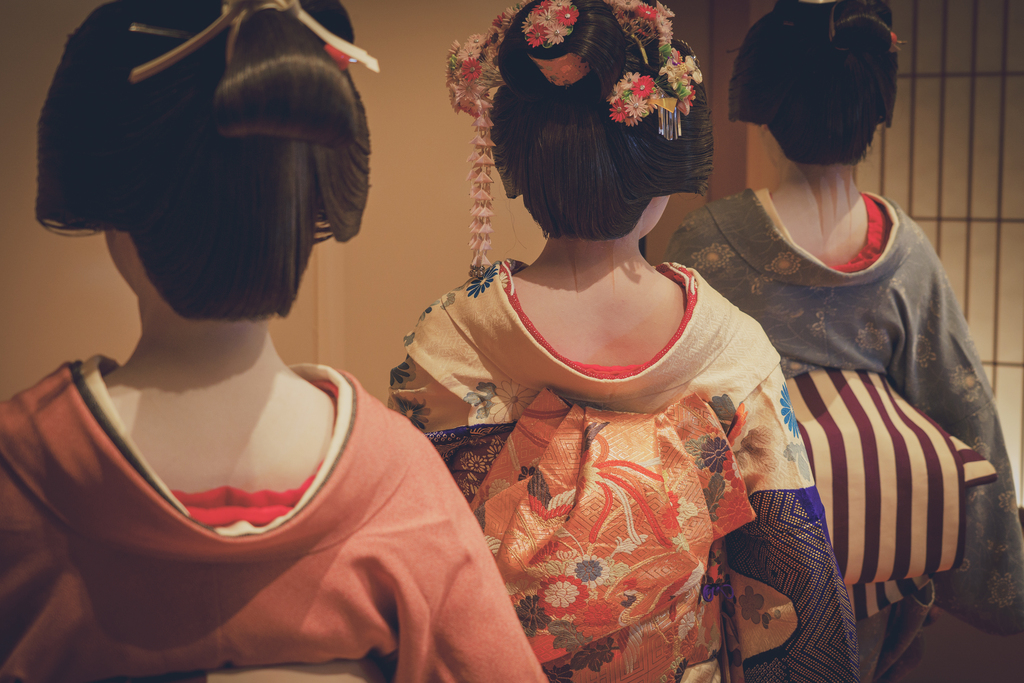
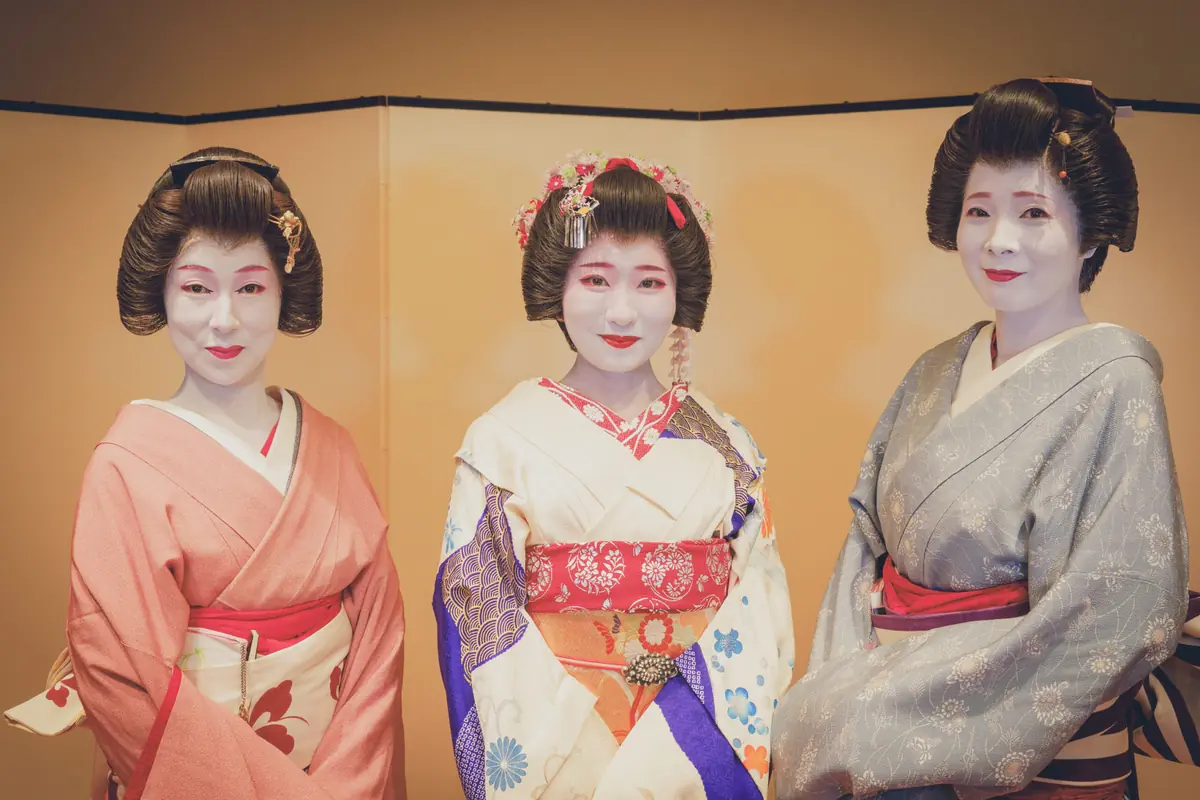
Geisha are highly skilled professional artists. The word literally translates to “artist” or “person of the arts.” Their training takes years, often beginning in their teenage years before a junior debut as hangyoku in Tokyo (maiko in Kyoto).
They dedicate their lives to mastering traditional arts such as:
- Dance (Nihon Buyo): Classical dance that uses fans and subtle gestures to tell stories of the seasons, love, and folklore.
- Music: Mastery of the shamisen (a three-stringed instrument played with a plectrum), traditional singing, and percussion instruments like the tsuzumi (hand drum).
- Conversation: A geisha must be well-read, witty, and able to converse on topics ranging from history to current affairs.
- Hostess Duties: The art of pouring sake, lighting cigarettes (historically), and ensuring no glass is ever empty.
In an ozashiki setting, they act as the ultimate hosts. They facilitate conversation, perform classical dances, and lead the guests in unique party games known as ozashiki asobi. In Tokyo, and specifically in Asakusa, the geisha are known for their iki (chic) spirit—a stylish, spirited, and somewhat sharp demeanor that dates back to the merchant culture of the Edo period.
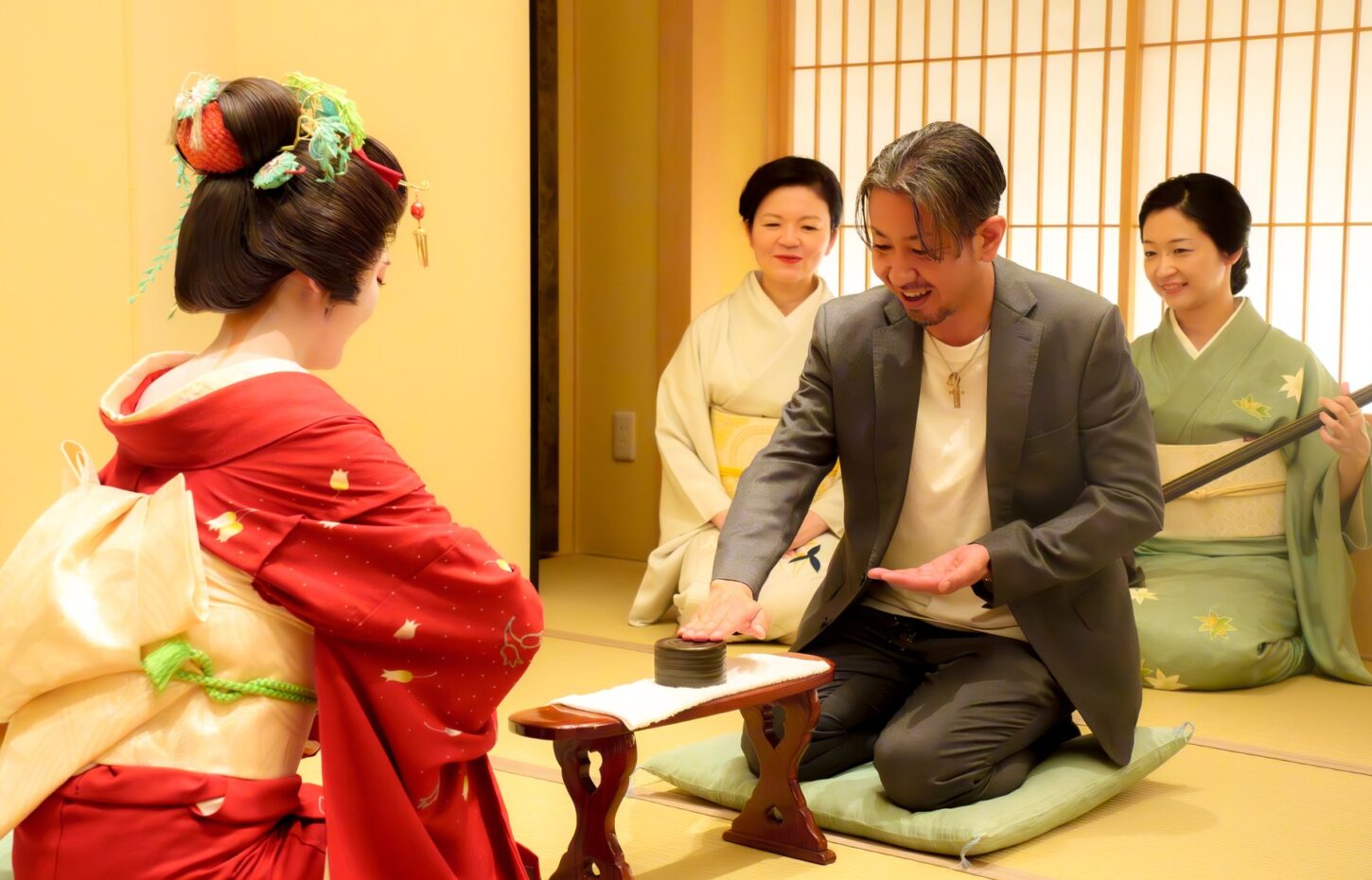
This is the part guests remember: sitting across the red felt from a geisha, hand on the stand, waiting for the song to speed up.
The Flow of an Ozashiki Experience at Asakusa Miyakodori
When you book a party with us, every visit is unique depending on the guest. An ozashiki party typically follows a structured yet fluid progression designed to break the ice and build a festive atmosphere.
1. Arrival and the Seasonal Setting
Your experience begins the moment you step through our entrance. You will leave the hustle and bustle of modern Tokyo behind. We ask guests to remove their shoes—a symbolic gesture of leaving the outside world behind. You are then guided to your private room.
In the tokonoma (alcove), you will find a hanging scroll and a flower arrangement (ikebana). These are not random decorations; we select them carefully to reflect the specific season or the occasion of your visit. If it is spring, you might see cherry blossoms; in autumn, maple leaves. This attention to the season is the foundation of Japanese culture.
2. The Cuisine: Kaiseki and Cultural Accommodations
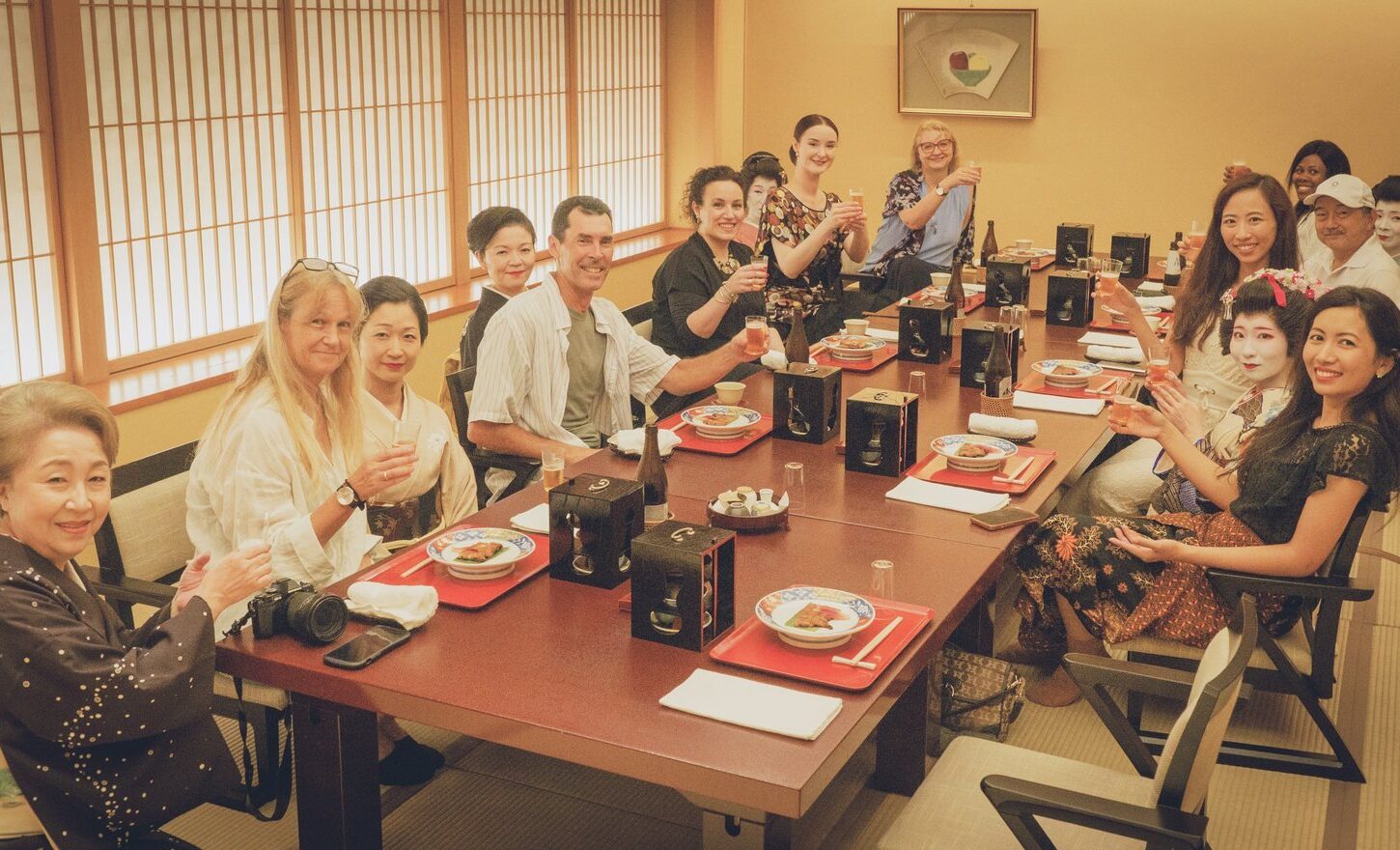
Our three-hour plan includes a traditional kaiseki menu, and it can be added to the two-hour plan when you start at 5:30 PM or later. Kaiseki is Japan’s haute cuisine, a multi-course meal that focuses on local, seasonal ingredients prepared with meticulous care.
At Asakusa Miyakodori, we pride ourselves on adapting this tradition for a global audience. We understand that food restrictions can be a barrier for travelers. So we adjust the menu for food allergies and dietary needs, including vegan, vegetarian and gluten-free diets. Fully halal or kosher meals are served as bento (boxed meals) and need 5 days’ notice. We believe that everyone should be able to enjoy Japanese cuisine without compromise.
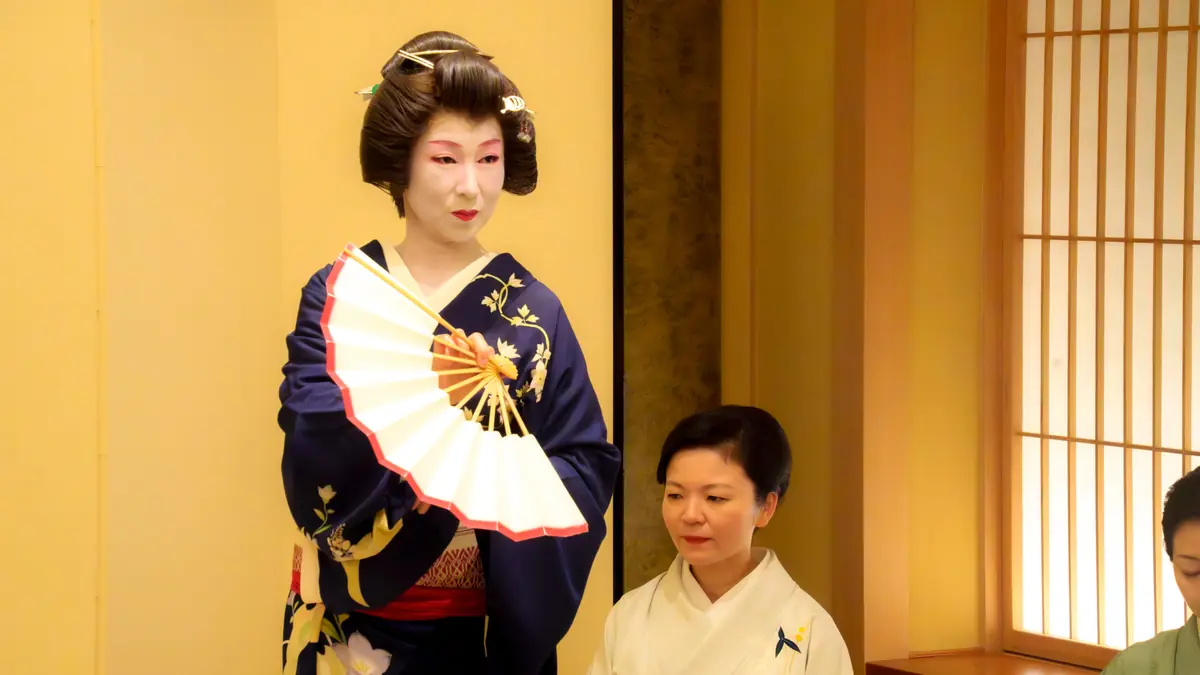
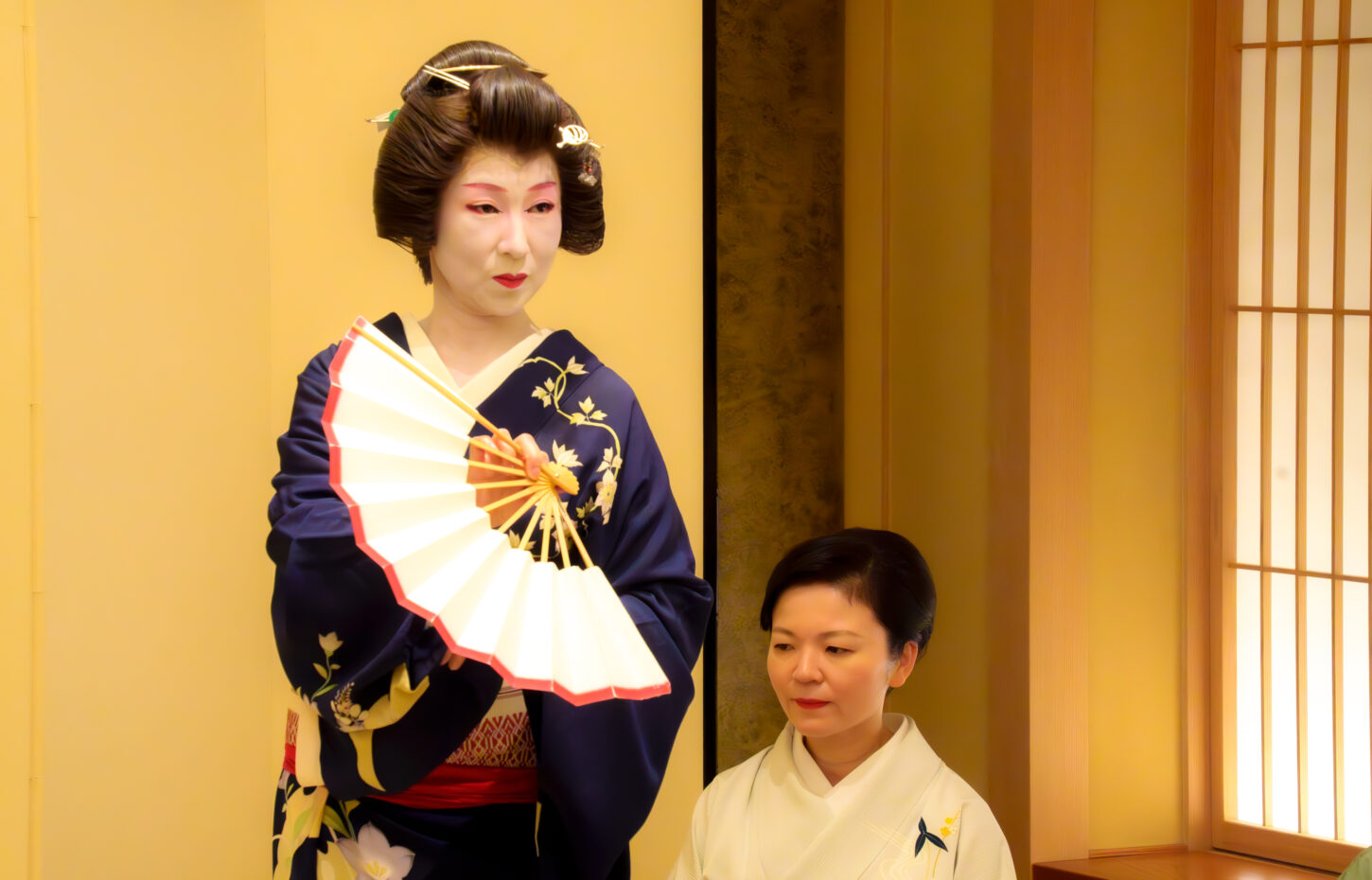
As guests begin to eat and drink, the geisha will enter the room. This is often a breathtaking moment—the rustle of silk, the elaborate wigs, and the pristine makeup. They will move around the room, pouring sake and drinks for each guest. This creates an opportunity for conversation. You can ask them about their kimono, their training, or the history of Asakusa.
3. The Performance: Dance and Shamisen
Once the meal is underway, the mood shifts. The lights may be dimmed slightly, or the guests may be asked to turn their attention to the “stage” area of the tatami room.
The geisha will perform classical dances accompanied by live music. Usually, one geisha (the tachikata) will dance while another (the jikata) plays the shamisen and sings. This is a chance to witness the elegance and discipline of their training up close. The proximity is startling; unlike a theater where you are far away, here you can see the tremble of a fan, the direction of their gaze, and the intricate patterns of the kimono fabric.
The music of the shamisen is evocative and powerful. It is the sound of old Japan. For many of our guests, this private concert is the highlight of their trip.
4. Ozashiki Asobi: The Art of Play 🎲
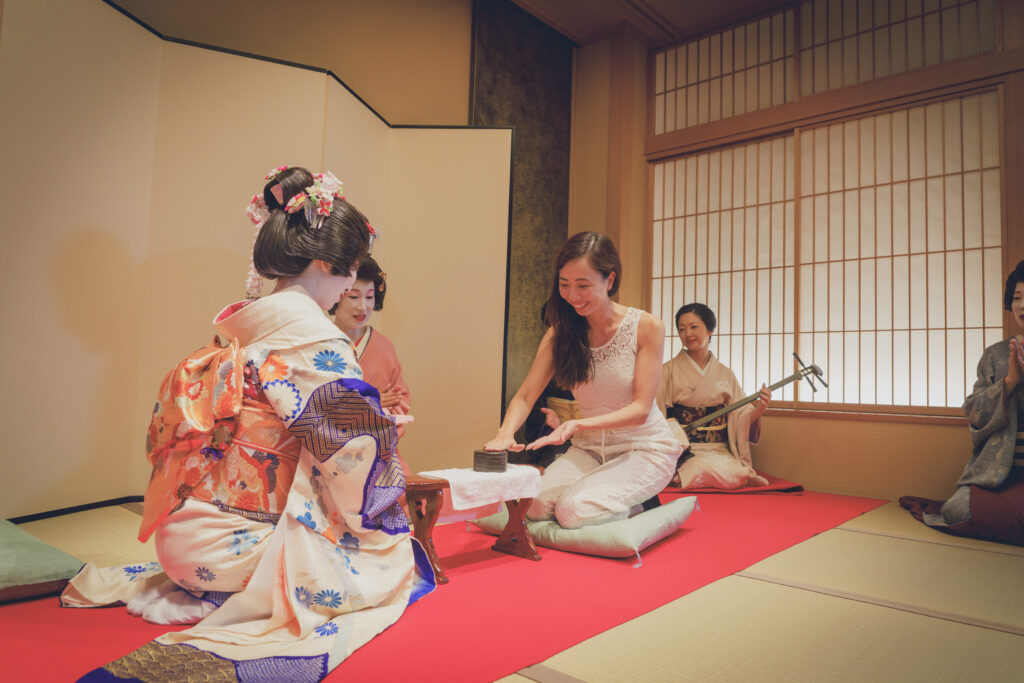
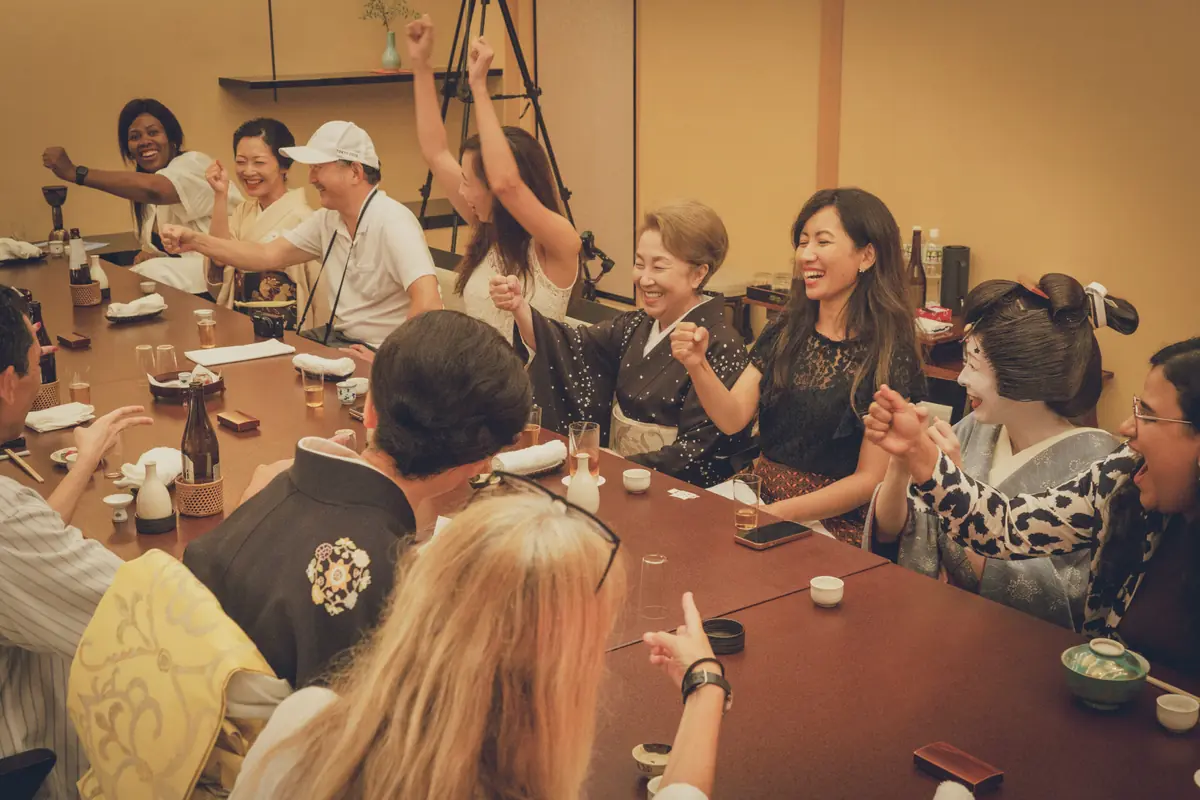
After the formality of the dance, the atmosphere relaxes. It is time for ozashiki asobi—party games. This is where the entertainment value of the geisha truly shines.
These are not complex board games; they are simple, rhythmic games played to the beat of the shamisen or a drum. They are designed to be fun, slightly competitive, and often involve a playful penalty, such as drinking a small cup of sake (or water/tea for non-drinkers).
Here are the three most popular games we host at Miyakodori:
Tora Tora (Tiger, Tiger)
This is the most famous geisha game. It is essentially a variation of rock-paper-scissors, but played with the whole body. A folding screen (byobu) is placed in the middle of the room. The guest stands on one side, the geisha on the other. They sing a song about a tiger hunt. On the final beat, both jump out from behind the screen in one of three poses:
- The Samurai (holding a spear): Beats the Tiger.
- The Tiger (crawling on fours): Beats the Old Woman.
- The Old Woman (leaning on a cane): Beats the Samurai (because he is too noble to attack her). It is a game of whit and laughter. Seeing a dignified CEO or a shy tourist crawling on the floor like a tiger alongside a geisha is a memory that lasts a lifetime.
Konpira Fune Fune
This is a rhythm game played with a small wooden hakama placed on a kyōsoku armrest. The guest and the geisha face each other.
- The song “Konpira Fune Fune” begins.
- Players take turns touching the box to the beat.
- You may either touch the box with your open palm or pick it up.
- If you pick the box up, the opponent must touch the table where the box was with a closed fist (representing a rock).
- If you leave the box where it is, the opponent touches the box with an open palm, or picks it up.
- The tempo speeds up. If you hesitate or use the wrong hand shape, you lose! It requires intense concentration and is incredibly exciting to watch.
Tosenkyo (Fan Tossing)
This is a more elegant game of skill, often compared to darts but with much more grace. A target (a small wooden object shaped like a ginkgo leaf) is placed on a wooden box. Players sit a few meters away and toss an open folding fan, trying to knock the target off. Points are awarded based on how the fan and target land. It originates from the Edo period and is a beautiful, quiet game that anyone can enjoy.
Experience an ozashiki in Asakusa
Miyakodori hosts private ozashiki (a private gathering with geisha) evenings in its own tatami rooms in Asakusa, with the geisha and taikomochi described in this guide. Tell us your date and party size, and our staff will propose a plan. Requests are answered by a person, not confirmed automatically.
Request a ReservationWhy Choose Asakusa for Your Ozashiki Party?
While Kyoto is famous for its geisha districts (hanamachi) like Gion, Tokyo has a vibrant and accessible geisha culture of its own. Specifically, Asakusa offers an atmosphere that is distinct.
Asakusa is the heart of “Shitamachi” (the low city). Historically, this was the center of entertainment for the common people, merchants, and artisans of Edo. As such, the culture here is less rigid and more open than the aristocratic districts. The Asakusa geisha are known for being friendly, approachable, and spirited.
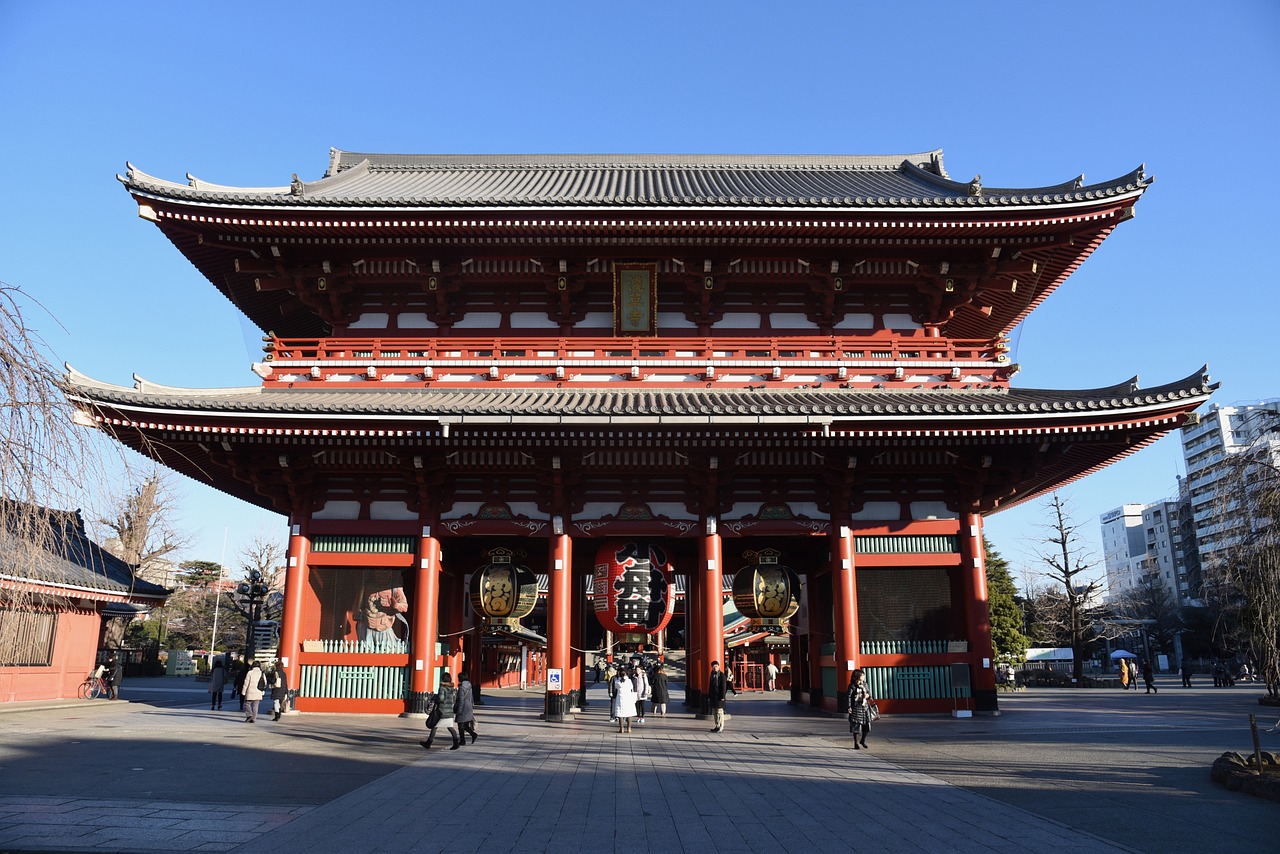
Asakusa Miyakodori is located in the historic “Kannon-ura” area, just behind the Senso-ji Temple. This area was once filled with hundreds of tea houses. Today, walking these quiet streets at twilight, seeing the lanterns glow, provides a cinematic backdrop to your evening. Unlike the modern skyscrapers of Shinjuku or the crowded crossing of Shibuya, Kannon-ura feels like time has stopped.
Furthermore, Asakusa is incredibly convenient for travelers. Easily incorporate an ozashiki dinner into your itinerary after a day of sightseeing at the temple or the Tokyo Skytree.
Etiquette and Tips for Guests: How to Be a Good Patron
We understand that visiting a ryotei can be intimidating for foreign guests. You may worry about making a mistake or offending the hosts. Please do not worry. At Miyakodori, our goal is your enjoyment. However, knowing a few basic rules of etiquette will help you feel more comfortable and show respect to the performers.
- Respect the Art: Treat the geisha with the utmost respect. They are highly trained artists, not just servers. When they are dancing, please refrain from eating or talking loudly. Watch the performance with attention.
- Photography: In a private ozashiki at Miyakodori, photography is generally allowed and encouraged. However, it is polite to ask “Photo OK?” before snapping pictures. We recommend taking a commemorative group photo at the end of your visit. Note: Never stop a geisha on the street to demand a photo; always respect their privacy outside the ryotei.
- Clothing: While formal wear is not strictly required for tourists, smart casual is recommended. Short pants or flip-flops are generally discouraged in traditional tatami rooms.
- Socks Matter: Because you will be taking off your shoes, please ensure you are wearing clean, hole-free socks. It is a small detail that shows great respect for the establishment.
- Sake Etiquette: In Japanese culture, one generally does not pour one’s own drink. Allow the geisha to pour for you. To be polite, hold your cup with two hands when receiving sake. If you do not wish to drink more, simply leave your cup full.
- Touching: Never touch a geisha’s wig, kimono, or hair ornaments. These are incredibly expensive and fragile items. Physical contact is generally limited to shaking hands (if offered) or during the explanation of games.
Why Book with Asakusa Miyakodori?
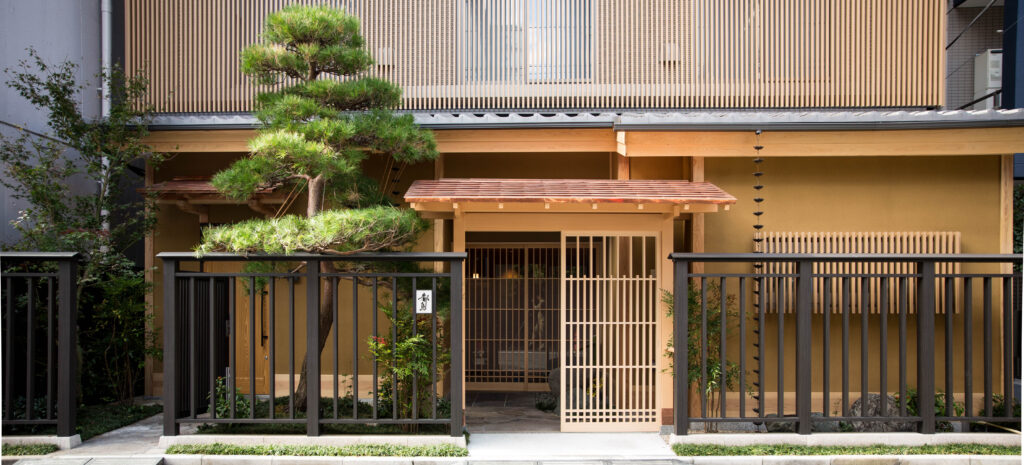
We know that planning a trip to Tokyo involves many choices. Here is why Miyakodori stands out as the premier destination for your ozashiki party.
- Authenticity: We are a historic establishment with deep ties to the Asakusa Geisha Association. You are not getting a “tourist show”; you are getting the real thing.
- Privacy: We specialize in private bookings. You will not be sharing the room with strangers. The night belongs to you and your group.
- Inclusivity: As mentioned, we can cater to halal, kosher and vegan dietary needs. We believe cultural exchange happens over a shared meal, and no one should be excluded.
- Language Support: We are accustomed to hosting international guests. We can facilitate communication so that the language barrier does not prevent you from enjoying the humor and personality of the geisha.
- Transparent Pricing: The world of ryotei is often opaque regarding costs. We offer clear, package-based pricing so you can book with confidence.
Conclusion: An Unforgettable Cultural Encounter
An ozashiki party is more than just a dinner; it is a bridge to Japan‘s past and a celebration of its enduring traditions. It is a rare opportunity to disconnect from the digital world and engage in face-to-face human connection, elevated by art and history.
Whether you are laughing while playing Tora Tora, holding your breath during a mesmerizing fan dance, or savoring the seasonal flavors of kaiseki, the memories of this unique entertainment will last a lifetime. It is a story you will tell your friends and family for years to come.If you are planning a trip to Tokyo, do not miss this chance. Step off the beaten path, go beyond the guidebooks, and enter the world of the ozashiki. Consider booking a private party at Asakusa Miyakodori to experience the true heart of Japanese hospitality. We look forward to welcoming you to Asakusa.
Ready to plan your ozashiki?
Send a reservation request for a private ozashiki (a private gathering with geisha) at Asakusa Miyakodori. We reply with a proposal for your date, party size and preferences.
Request a Reservation


- Tokyo Geisha House Guide 2026: Authentic Okiya Experiences & Traditional Japan
- The Ultimate Guide to Geisha Dinner in Tokyo: Experience Authentic Japanese Culture, Cuisine, and Entertainment in 2026
Ozashiki Games: A Complete Catalog & Rules
Geisha in Tokyo: The Complete Knowledge Guide to the Karyukai
Tokyo VIP Tours, Reimagined: An Evening at Miyakodori
Geisha Photoshoots in Tokyo: Asakusa’s Best Experiences
Experiencing an Authentic Geisha Show in Asakusa, Tokyo
The Real Meaning of Geisha in Japan: History, Life, and Modern Traditions
Comment ( 0 )
Trackbacks are closed.

No comments yet.