



Geisha Show on Netflix: The Makanai and the Real World of Geisha
The Makanai: Cooking for the Maiko House (originally titled 舞妓さんちのまかないさん, Maiko-san Chi no Makanai-san) arrived on Netflix in January 2023, directed by Hirokazu Kore-eda — the filmmaker behind Shoplifters and Still Walking. The nine-episode series is based on Aiko Koyama’s manga Kiyo in Kyoto: From the Maiko House, and it takes viewers inside a maiko house in Kyoto’s Gion district. It is a quiet, gentle drama about friendship, food, and finding one’s calling. It also offers one of the most sympathetic portrayals of geisha culture to reach a global streaming audience. If you have watched it and found yourself wanting to know more about the real world it depicts — this guide is a place to start.
Plot Summary: Two Friends, Two Paths
The central story follows Kiyo and Sumire, two young women who travel together from their hometown in Aomori, in northern Japan, to Kyoto. Both arrive at a maiko house dreaming of becoming geisha. Their paths quickly diverge. Sumire — played by Natsuki Deguchi — has a natural gift for dance and performance, and she quickly comes into her own as a maiko named Momohana. Kiyo — played by Nana Mori — discovers that the stage is not her place, but the kitchen is. She becomes the makanai, the live-in cook of the house, feeding her fellow residents after long days of training and performance.
Across nine episodes, the series follows the daily rhythms of the house: morning practice, afternoon fittings, evenings at tea ceremonies and ozashiki banquets. Other residents — including Ryoko, the daughter of one of the house mothers — add texture to the world, each carrying their own histories and futures. The tone is consistently warm and patient, much like Kiyo’s cooking.
Food as the Heart of the House
Food is not incidental to The Makanai — it is the show’s central language. Each episode turns around a dish: a pot of nabekko soup that recalls home, a batch of rice crackers made for a late night, a meal prepared with particular care for a friend going through something hard. The cooking is not haute cuisine. It is the kind of food that heals: warm, familiar, made with attention.
The series uses food to show what words cannot. Kiyo cannot perform, but through cooking she sustains everyone who can. The kitchen becomes a form of artistry — no less serious than traditional geisha dance or shamisen, just expressed differently. It is one of the show’s most quietly radical ideas.
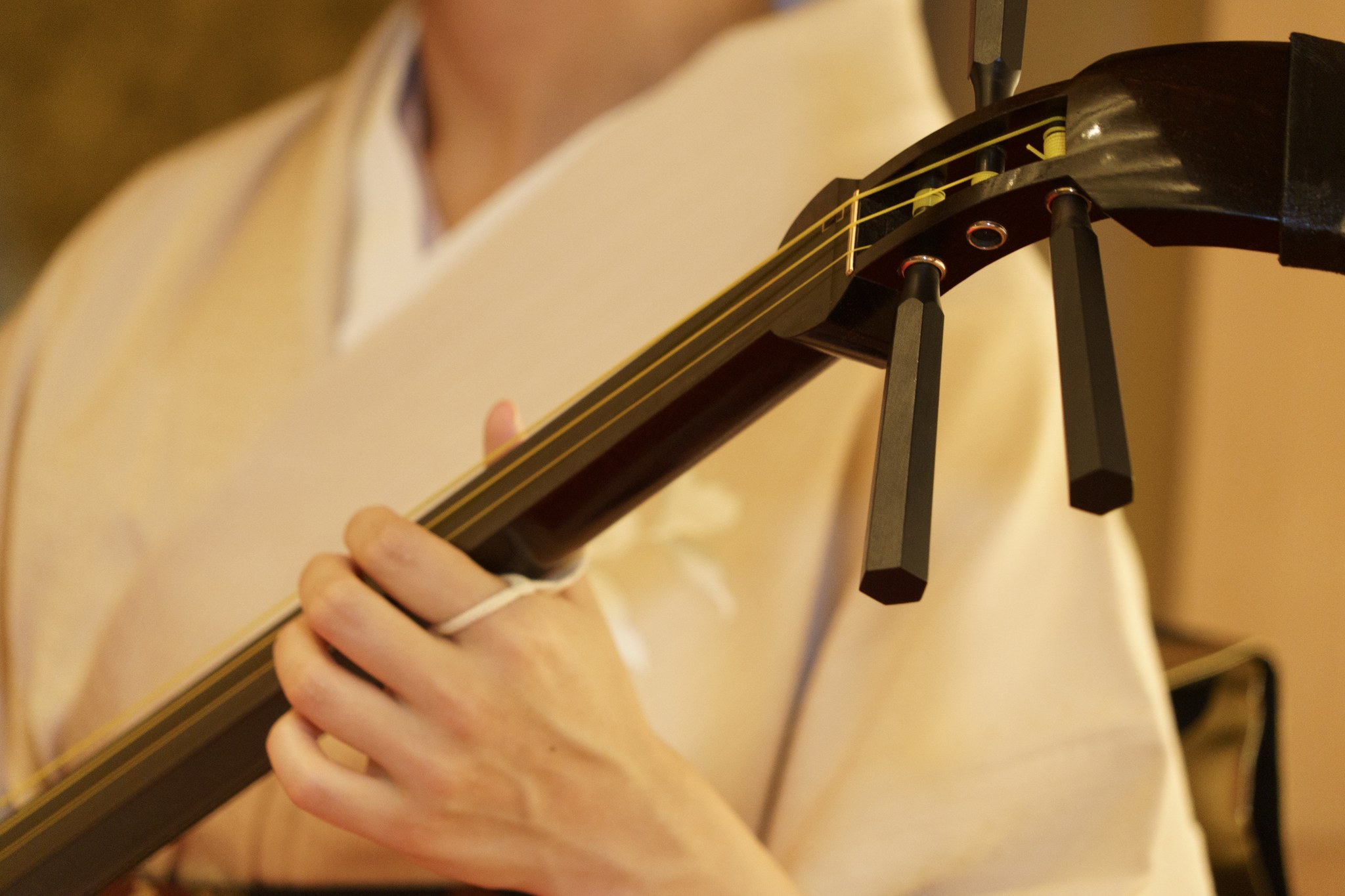
Understanding the Cultural Terms: Maiko, Geiko, and Geisha
Viewers unfamiliar with Japanese geisha culture may encounter a few terms in the show that are worth understanding.
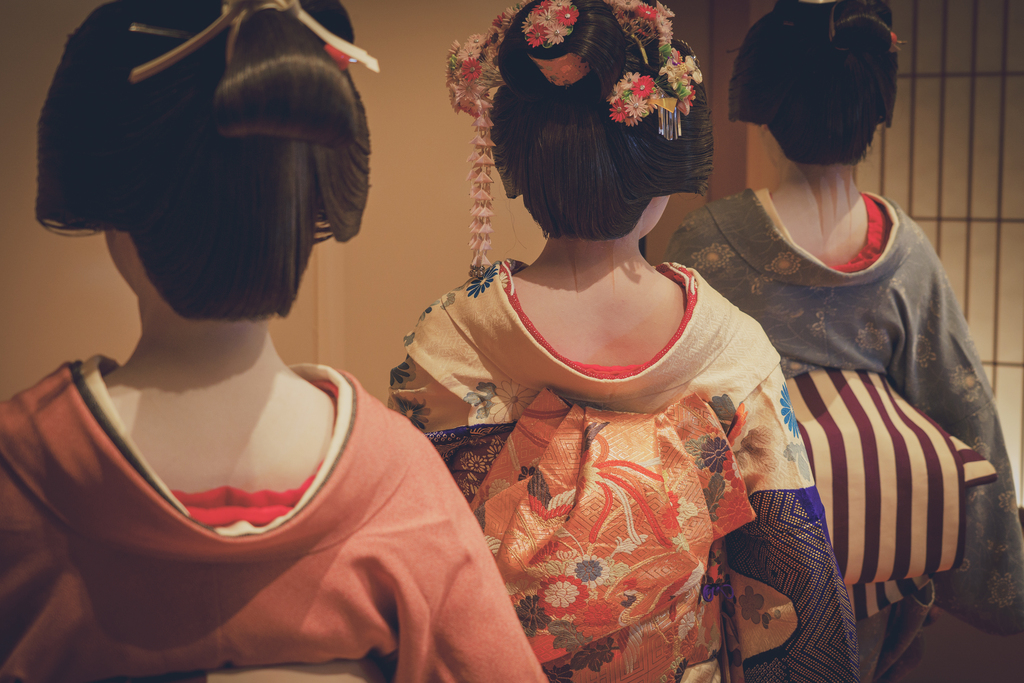
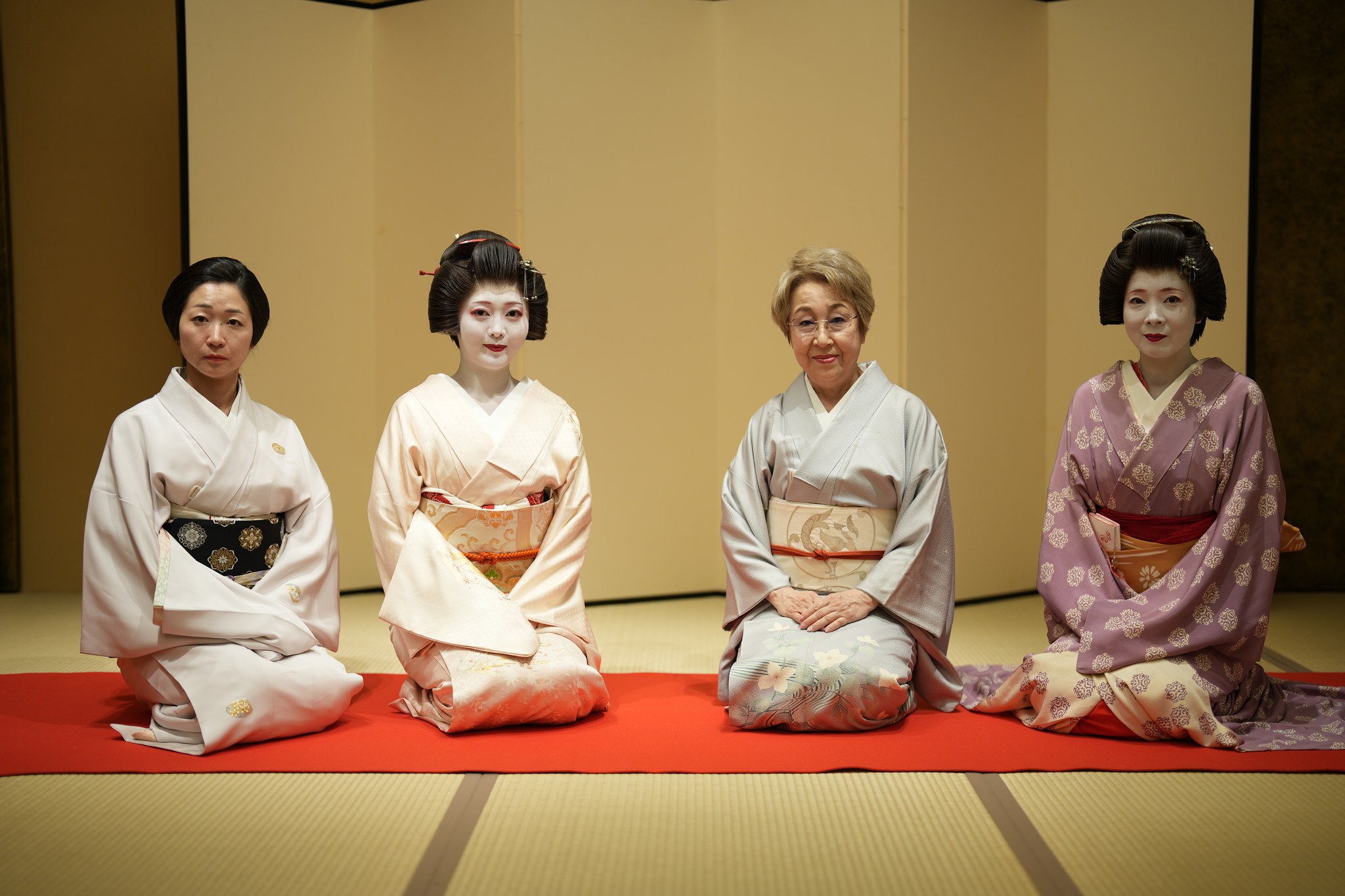
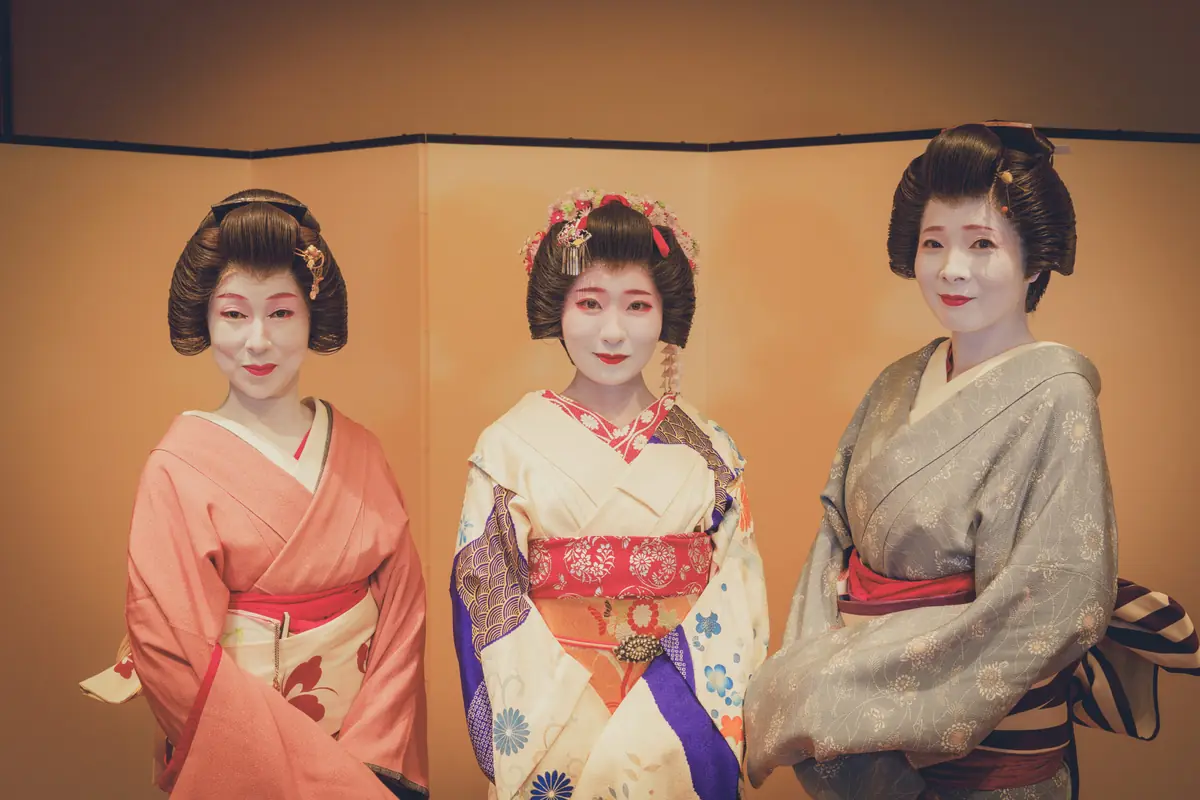
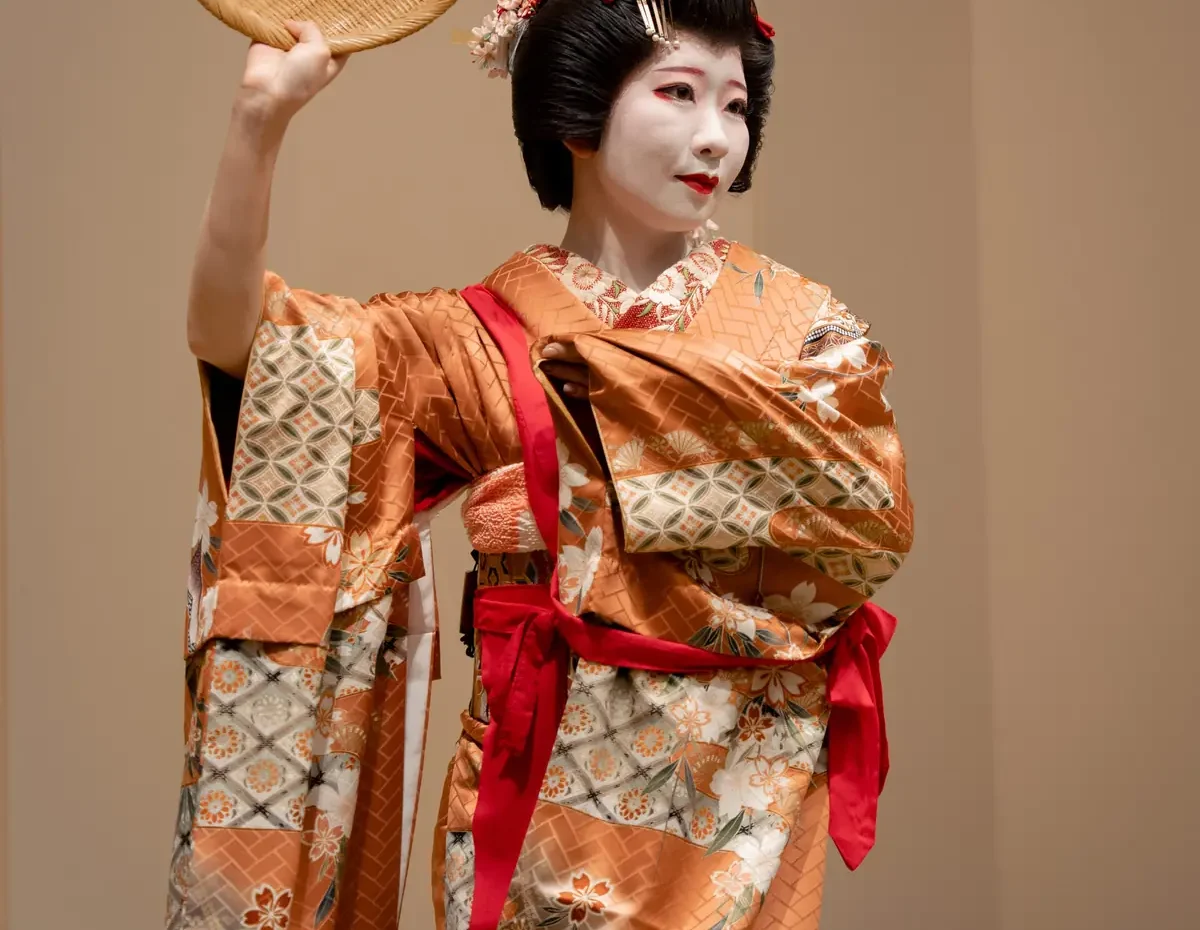
Maiko is the Kyoto term for an apprentice geisha — a young woman, typically in her mid-teens to early twenties, in the early stage of her training. She is learning traditional arts including dance, music, and the social graces expected in an ozashiki setting. The elaborate white makeup and decorated kanzashi hairpins seen on Sumire/Momohana are the visual hallmarks of a maiko.
Geiko is the Kyoto word for a fully trained geisha — someone who has completed her apprenticeship and works as an independent artist. The distinction between maiko and geiko is one of stage, not of category: both are geisha. In Tokyo, the equivalent of maiko is hangyoku, and the fully trained counterpart is simply called geisha. The path is the same — only the dialect changes. For a deeper look at how geisha training works in modern Japan, that article covers the full arc from apprentice to senior artist.
Okiya is the geisha house — the residence where apprentices live and where the house mother, called okaasan (literally “mother”), manages their training, expenses, and schedules. The building in The Makanai is an okiya.
Why the white makeup exists at all: rooms were lit by candles, and white carried in the dark. A veteran of the Asakusa hanamachi explains what it is made of and how long it takes to put on. Subtitled on screen.
How Accurate Is the Show?
Kore-eda’s portrayal is deliberately gentle. The hardships of the maiko path — strict rules about personal relationships, long hours of training, financial structures that can take years to work through — are present in the series but never foregrounded. The show is more interested in the texture of daily life and the warmth between characters than in drama or conflict.
What it gets right: the physical discipline, the community of the house, the importance of omotenashi (the spirit of wholehearted hospitality), and the way geisha training is transmitted between generations of women. The relationships between senior geisha and their juniors — a formal mentorship built on loyalty and care — are rendered with care.
What it softens: the commercial pressures, the complex negotiations between okiya and tea houses, the reality that the path is long and exits are rare. This is not a criticism of the show. It is a drama, not a documentary. But viewers who want a fuller picture of what geisha training involves will find more in dedicated accounts of geisha life — including the earlier Western portrayal in Memoirs of a Geisha, which takes a different approach to the same world.
Watching Real Geisha Performances in Kyoto
For those travelling to Japan inspired by the series, Kyoto is the natural starting point. The city’s major geisha districts — Gion Kobu, Miyagawa-cho, Kamishichiken, Pontocho, and Gion Higashi — each hold seasonal public dance performances. Miyako Odori (Kyoto’s most famous spring dance, held in April in Gion Kobu), Kyo Odori, and several other annual shows allow any ticket-holder to watch maiko and geiko perform on stage. These are large-scale, formal performances, not the intimate setting of an ozashiki banquet.
Private ozashiki access in Kyoto — the kind shown in The Makanai — operates on an introduction system. A first-time guest generally cannot book directly; they need to be introduced by an existing patron or through an approved teahouse. This barrier is long-standing and intentional. It reflects a culture built on trust, discretion, and long relationships between the tea house, the geisha kenban (registry), and their clients. For a practical overview of how to find and book geisha shows in Japan, that guide covers Kyoto options alongside alternatives.
Beyond Kyoto: The Open Geisha Culture of Asakusa, Tokyo
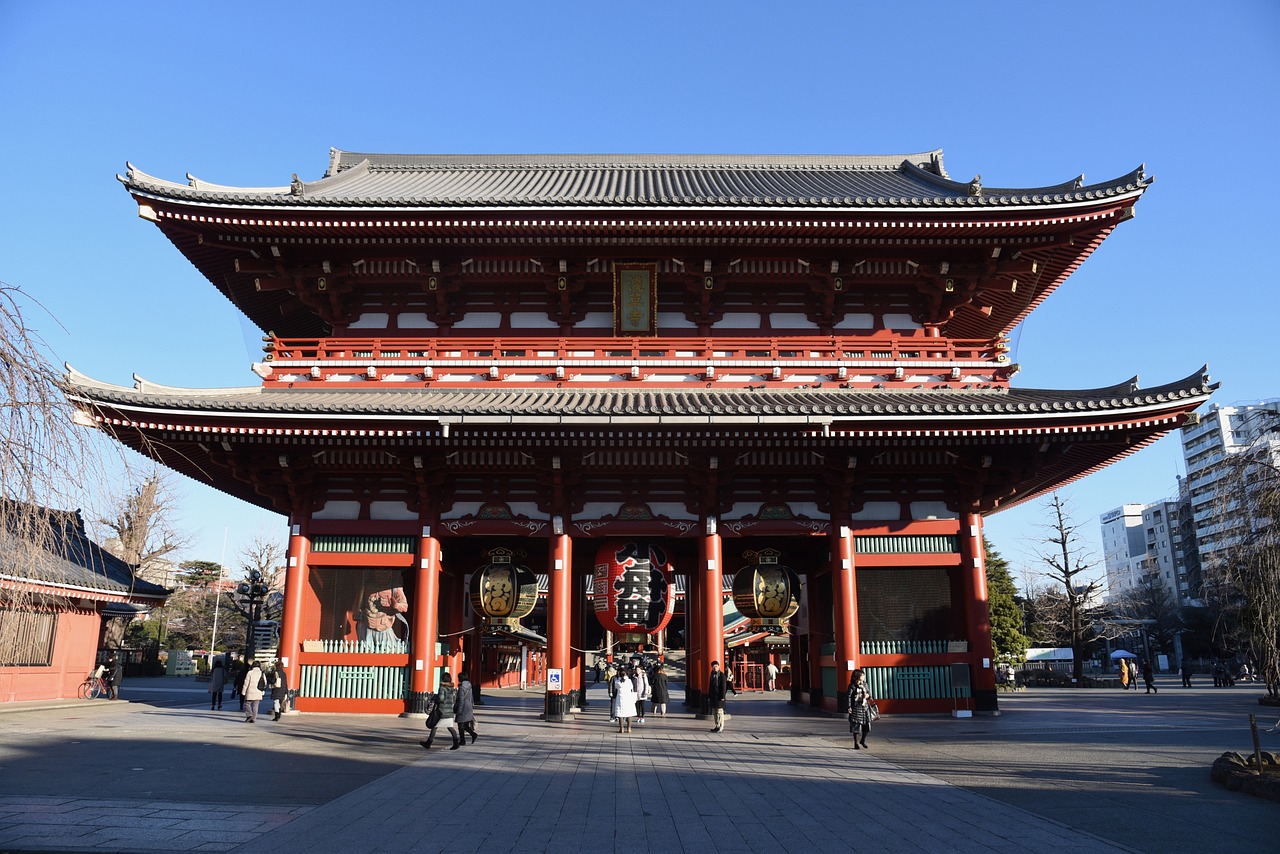
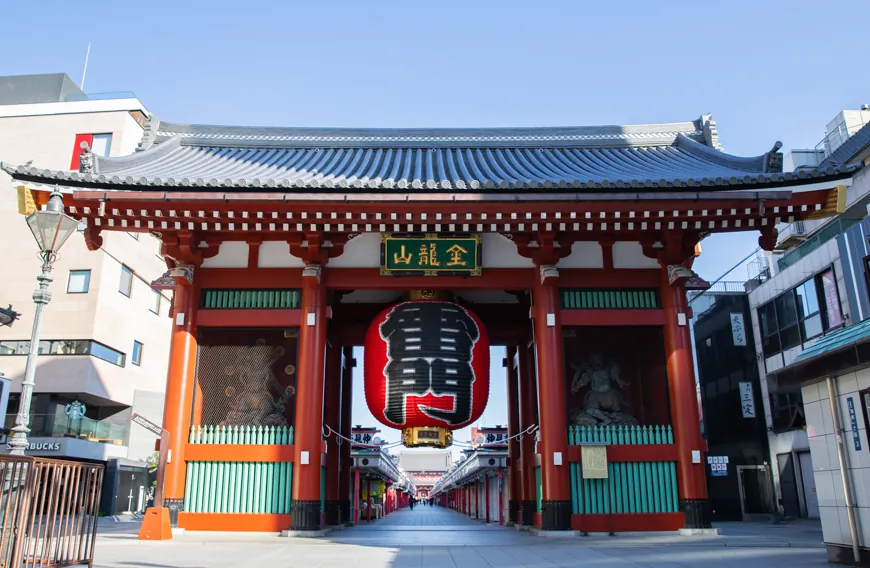
Tokyo’s geisha culture developed separately from Kyoto’s, and it has always been somewhat more accessible. Asakusa — the old downtown district of Tokyo, home to Senso-ji temple and a working hanamachi (geisha district) since the Edo period — operates without the introduction requirement that defines Kyoto’s system.
In Asakusa, a foreign visitor or first-time guest can make a reservation directly. That openness is not a compromise; it is part of Asakusa’s character. The district’s geisha culture developed in close relationship with the merchant and artisan communities of Shitamachi — “the low city” — and that orientation toward welcoming guests remains.
Experience Real Geisha Culture in Asakusa
Miyakodori, established in 1950, is the only remaining machiai-chaya (traditional waiting tea house) in Asakusa. No introduction required — direct reservations welcome.
Request a ReservationMiyakodori: Where The Story Continues in Asakusa
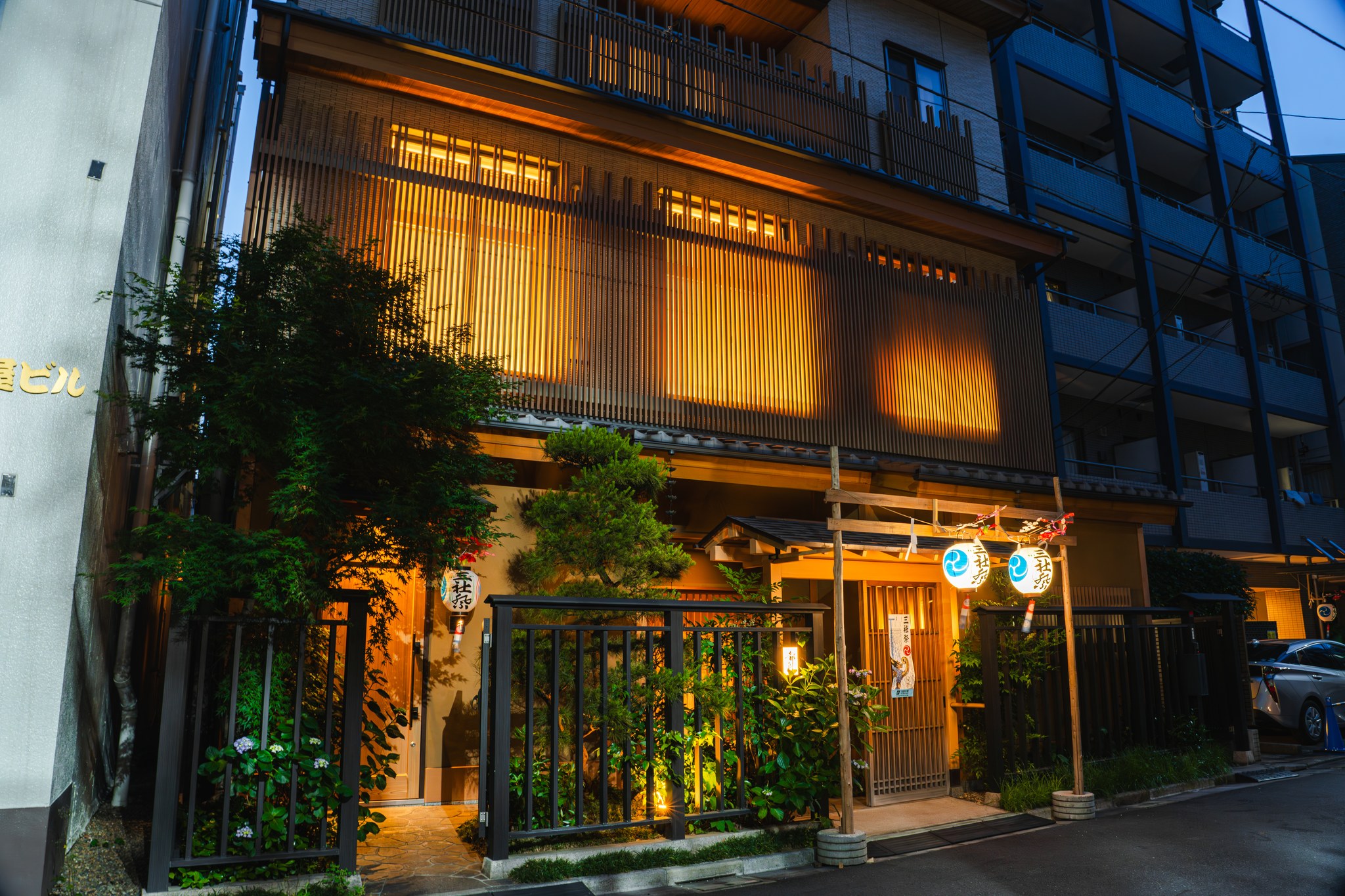
Miyakodori was established in 1950 in the Kannon-ura area of Asakusa — the quiet streets behind Senso-ji temple that have been the heart of Asakusa’s geisha district for centuries. It is a machiai-chaya (待合茶屋), a traditional waiting tea house — and it is the only establishment of this type still operating in Asakusa today.
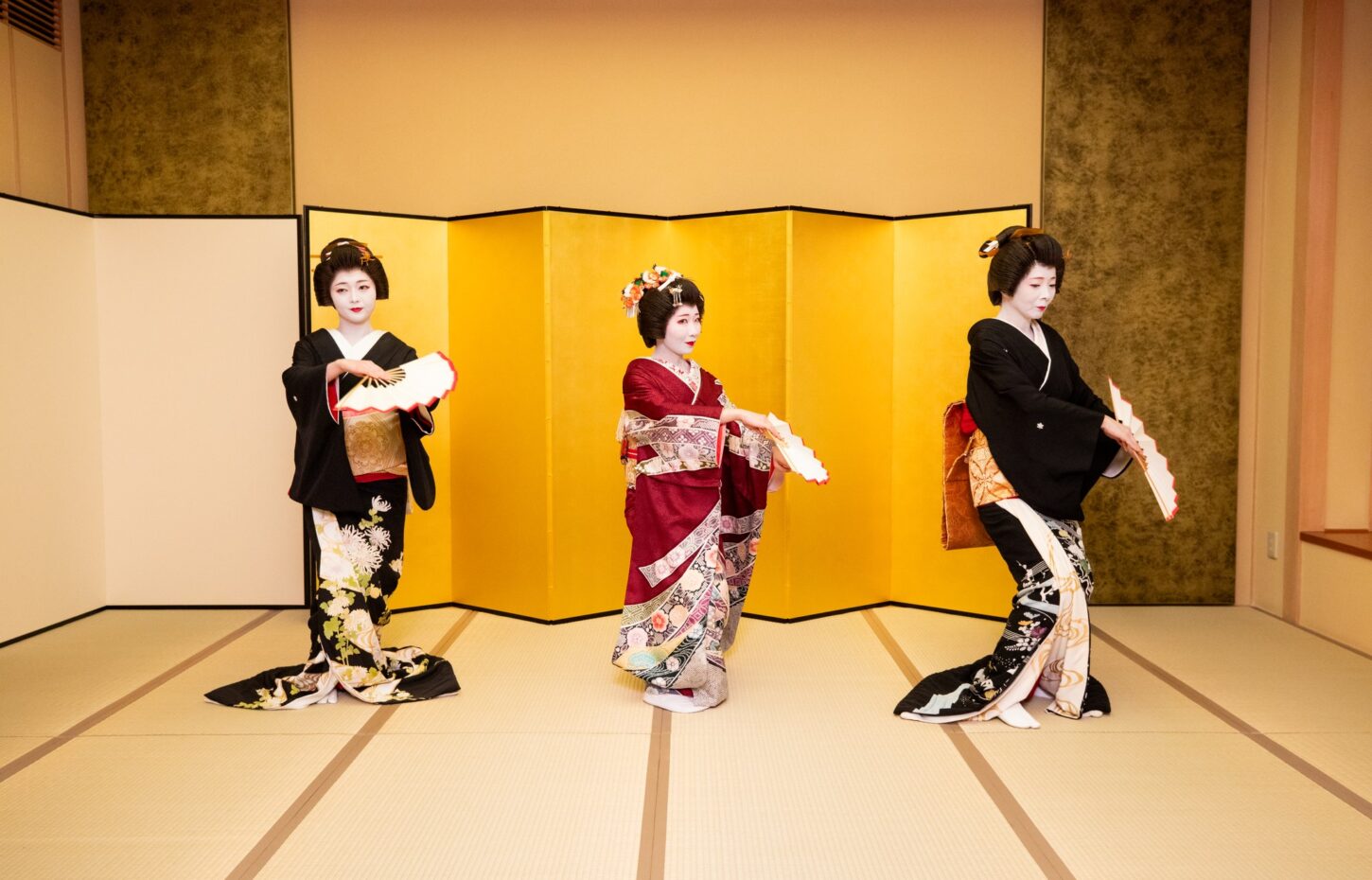
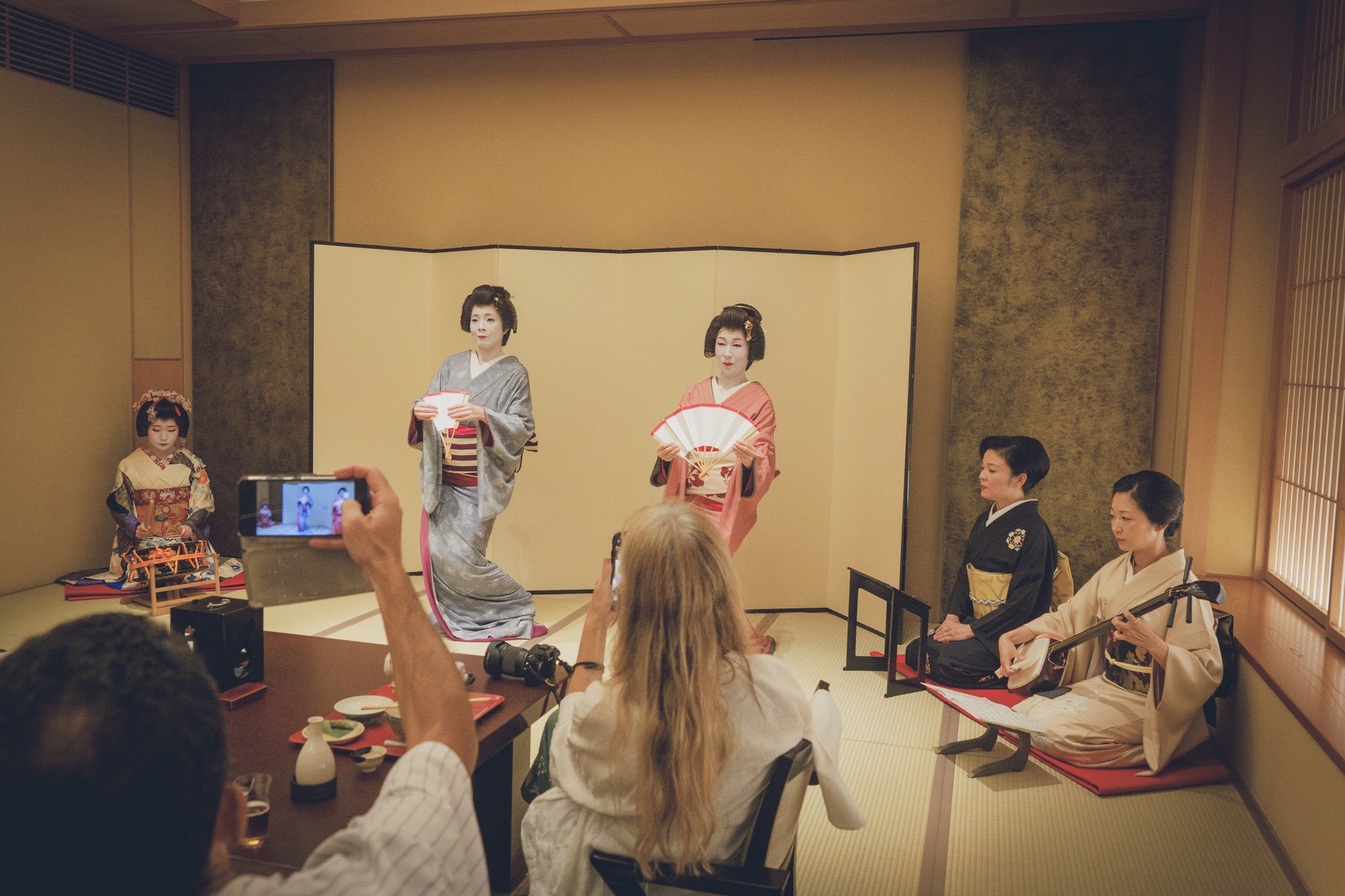
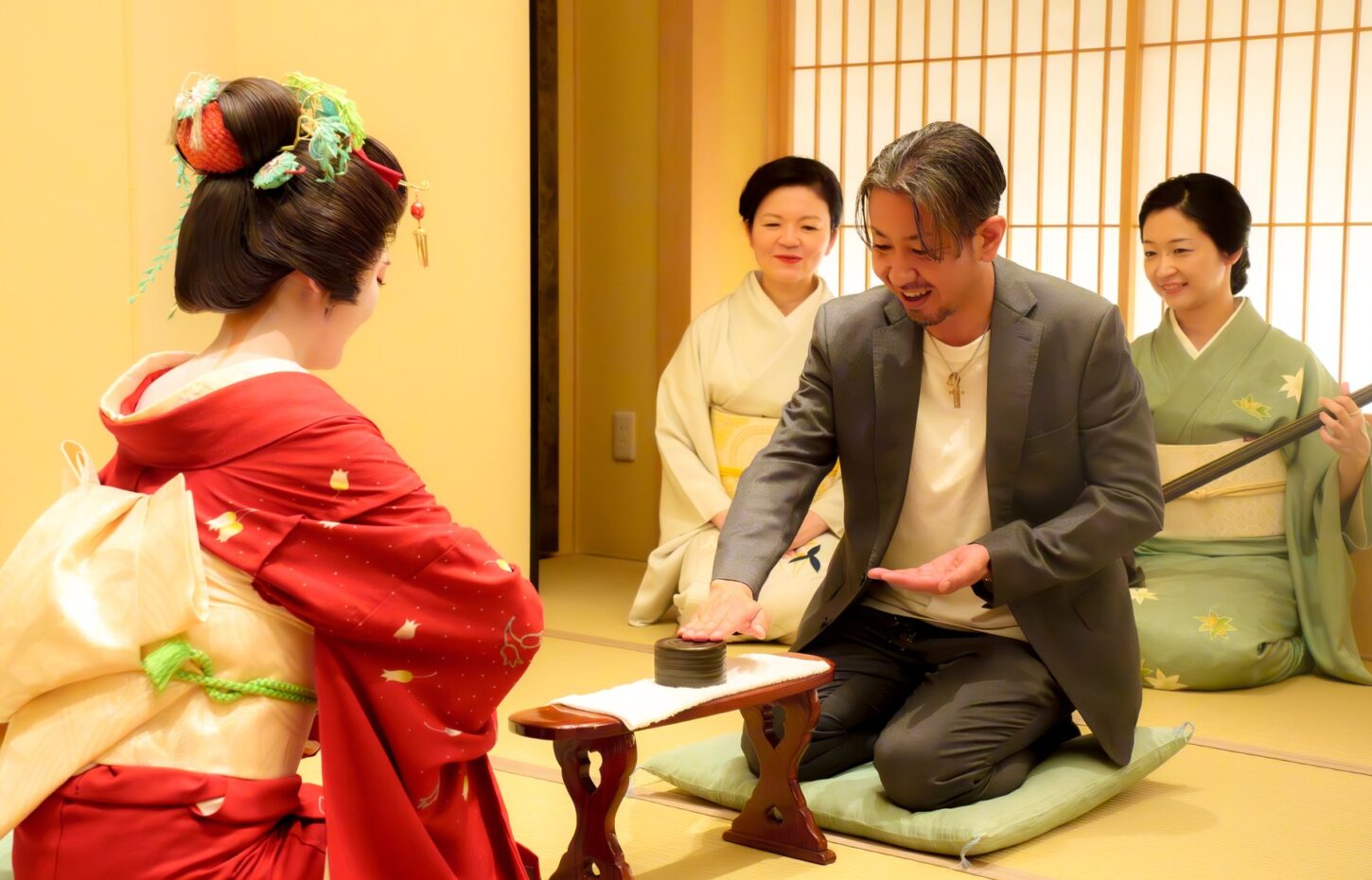
A machiai-chaya is not a restaurant, though it serves kaiseki cuisine. It is a space for a certain kind of hospitality: private, unhurried, built around the company of skilled geisha. Guests arrive, are welcomed into a tatami room, and over the course of an evening experience live dance performance, shamisen music, and ozashiki asobi — the traditional parlour games of the geisha banquet. For more on what an ozashiki evening involves, including the structure and the games, this article on experiencing an authentic geisha show in Asakusa covers it in full.
The geisha who perform at Miyakodori are professionals registered with the Asakusa kenban (the geisha guild and registry). Their training in dance and music spans years. The evening is not a tourist show — it is the real thing, in the same tradition that The Makanai portrays, simply in Asakusa rather than Kyoto.
What to Expect at an Ozashiki Evening
An ozashiki banquet at Miyakodori typically begins with guests settling into a private tatami room. The evening unfolds in stages. There is the kaiseki meal — a multi-course sequence of seasonal Japanese cuisine, each dish reflecting the produce and aesthetic of the current season. Then comes the performance: a geisha dances to shamisen and traditional song. Then the atmosphere shifts again — ozashiki asobi begins, and the geisha join the guests in the parlour games that have been part of this culture for centuries.
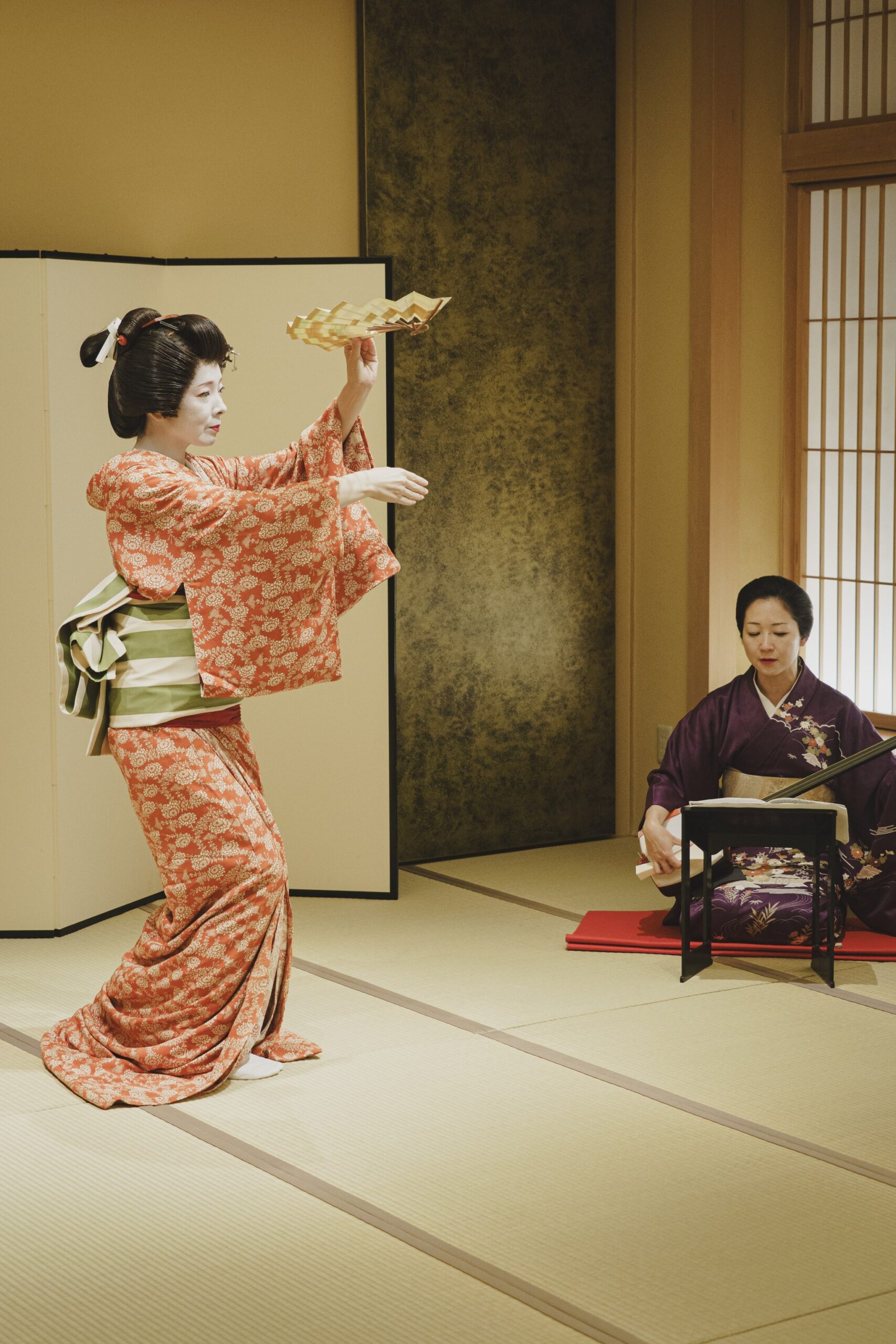
The games themselves — often the most memorable part of the evening for many guests — are a form of structured play. Konpira-fune-fune, Tora-Tora, and other games create an atmosphere of lightness and genuine fun, bridging the formality of the performance with easy interaction between geisha and guests. Many first-time visitors find that the games are the moment the evening truly opens up.
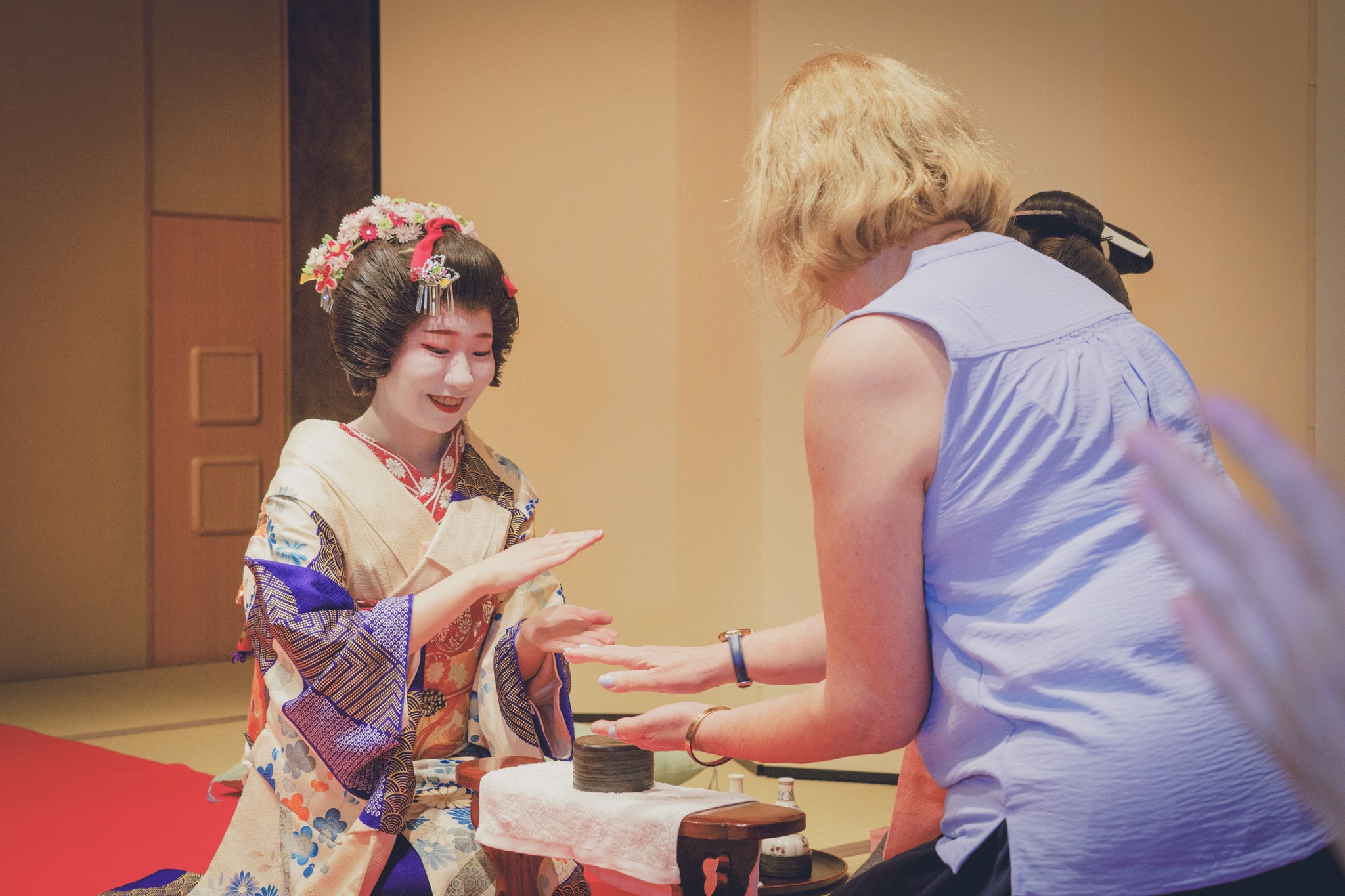
Reservations are made directly through Miyakodori’s booking page — no introduction required. The minimum group size is two guests. Dietary requirements including halal-friendly bento options are available with five days’ advance notice. English-language support is provided at the time of reservation.
From the Screen to the Tatami Room
The Makanai works because it trusts its audience to find meaning in small things: a bowl of soup, a pair of hands at the stove, a quiet moment between two friends. It is a portrait of a world where care is expressed through craft — and where the arts that sustain the house are taken seriously as a form of life.
That world is not only a subject for drama. In Asakusa, it is still active. The geisha still train, the tea houses still welcome guests, and the evenings still unfold in the way they have for generations. If the series has given you a feeling for what that world is like — a curiosity, perhaps, or something more — an ozashiki evening in Asakusa is one way to find out what it actually feels like to be inside it.
Book an Ozashiki Experience at Miyakodori
Asakusa’s only remaining machiai-chaya, established in 1950. Direct reservations welcome — no introduction required. Private tatami rooms, seasonal kaiseki, live geisha performance.
Request a Reservation


- Karyukai: The Flower and Willow World of Geisha — Japan's Geisha Culture Explained
- Tokyo Experience Gifts: Unforgettable Cultural Gift Ideas in Japan
【Wish Come True】Complete List of Benefits at Senso-ji Temple! Also Introducing the Correct Worship Methods
Ozashiki Games: A Complete Catalog & Rules
Complete Guide to Winter Asakusa Sightseeing! Recommended Spots, Gourmet, and Events Thoroughly Covered
Tokyo Geisha House Guide 2026: Authentic Okiya Experiences & Traditional Japan
Indulge in Hot Springs in Asakusa this Winter! 5 Selected Day-trip and Accommodation Facilities for Complete Relaxation
Geisha Culture in Japan: History, Training, and Modern Experiences
Comment ( 0 )
Trackbacks are closed.
No comments yet.