



Samurai, Ninja and Sumo Experiences in Tokyo Compared
In Tokyo, a samurai experience usually means one of two things: a 60-minute sword class in which you change into kimono and hakama, or a museum ticket with a guided tour, soft armor to try on and ninja stars to throw. Ninja experiences are aimed at families and run from about 40 minutes at Ninja Trick House in Shinjuku to about two hours with a museum tour in Asakusa. Sumo experiences take 60 minutes to two hours, with a show by former wrestlers and a chance to step into the ring yourself (at SUMOLAND, volunteers are picked from raised hands during the show), and two of the three below include a chanko hot pot meal. The table compares seven experiences on the operators’ own pages, checked on 22 November 2026.
We are Miyakodori, a teahouse in Asakusa where geisha entertain guests, open since 1950. We have not taken any of these sessions ourselves, so this guide describes none of them from the inside. The times, age limits, languages and prices below come from each operator’s own website, apart from one line we credit to GO TOKYO, the official Tokyo travel guide. We included only experiences whose operators publish those conditions themselves, and left out ones sold only through booking sites.
Samurai, Ninja and Sumo Experiences Compared, at a Glance
The “Time” column is the length each operator gives for one session. Prices are per person as listed; Samurai Theater and Ninja Trick House state that theirs include tax.
| Experience | What you do | Time | Ages and language | Price and booking |
|---|---|---|---|---|
| Samurai Theater Tokyo, sword class (Kagurazaka) | Change into kimono and hakama, learn to draw and swing a replica sword, then stage a fight with a samurai playing the villain. | 60 minutes, four start times a day | Children pay half price and cannot join alone. The class language is not stated; phone enquiries are in Japanese only, email in other languages. | ¥9,800 per adult. Online booking, same-day booking possible. |
| Samurai Ninja Museum Tokyo, Basic Ticket (Asakusa) | A guided tour of samurai and ninja exhibits, ninja star throwing and a soft samurai armor try-on with photos. | About 60 minutes (45 to 60) | Activities from age 3; under-3s enter free. A group tour in English, with no interpreting during the tour. | Shown when you choose a time on the booking page. |
| Ninja Trick House in Tokyo (Kabukicho, Shinjuku) | Throw metal shuriken, practise swordplay with full-size practice swords and learn ninja tricks. No costume rental. | About 40 minutes, never more than an hour | Adults and children, with an infant rate for ages 2 to 3; children must come with an adult. Simple English, plus an introduction video in 17 languages. | ¥4,378 adults, ¥3,850 ages 4 to 17, ¥1,650 ages 2 to 3. Booking recommended; closed Tuesdays and Wednesdays. |
| Ninja Experience at the Samurai Ninja Museum (Asakusa) | Wear a ninja costume, throw shuriken and try a blowgun, after the museum tour. Replica items only. | About 120 minutes, including the tour | From age 3. The tours are in English. | Shown when you choose a time on the booking page. |
| SUMOLAND Tokyo Express (Ryogoku) | A guide show and live bouts by former wrestlers, then a mock bout in a sumo costume and photos. No meal. | 60 minutes, five shows a day | Infants are welcome with a guardian, and children aged 2 and under can watch on an adult’s lap. Staff assist in English. | ¥9,000 to ¥9,500 per person. Same-day tickets online until 30 minutes before the show. |
| SUMOLAND Tokyo Signature (Ryogoku) | The same show and mock bout, plus chanko hot pot. Mochi pounding with the wrestlers is for volunteers picked during the show. | 90 to 120 minutes, three shows a day | Child price for ages 0 to 12, and children can join the bout. SUMOLAND describes its shows as fully in English. | ¥15,500 to ¥16,000 adults, ¥12,000 children. Vegan and gluten-free options. |
| Asakusa Sumo Club (Asakusa) | Chanko hot pot first, then a show by former and student wrestlers, a bout in a sumo costume for anyone who wants one, photos and questions. | About 2 hours, starting at 12:00 noon, 3:00, 6:00 or 8:30 pm | Lower price for children under 12. GO TOKYO says an English-speaking host leads the show. | ¥16,000 standard, ¥20,000 front row, ¥12,000 under 12. Up to 20 guests per booking. |
The biggest difference is how much of the time you spend doing rather than watching. At Samurai Theater the whole hour is practice. At the museum, the Basic Ticket’s hour covers the guided tour as well as the two activities. At the sumo venues you watch first, and the ring comes at the end: Asakusa Sumo Club gives a turn to anyone who wants one, while SUMOLAND picks volunteers from raised hands and may choose one per group or draw lots when many want to go.
Which One Suits You
- Children under 6: Ninja Trick House has an infant rate for ages 2 and 3, with an adult, and the museum’s Basic Ticket activities start at age 3. The museum’s samurai sword dojo does not admit children under 6.
- About an hour to spare: Ninja Trick House (about 40 minutes), the Samurai Theater sword class or SUMOLAND Tokyo Express (60 minutes each).
- You want to hold a sword and move with it: the Samurai Theater class, which ends with a staged sword fight.
- You want to push against a sumo wrestler: Asakusa Sumo Club, where anyone who wants a bout can have one. At SUMOLAND you raise your hand during the show and may not be picked. Choose Asakusa Sumo Club or SUMOLAND Tokyo Signature if you also want a meal.
- A Tuesday or Wednesday: Ninja Trick House is closed, and both SUMOLAND venues list no closing days.
Samurai Experiences: A Sword Class or a Museum With Armor
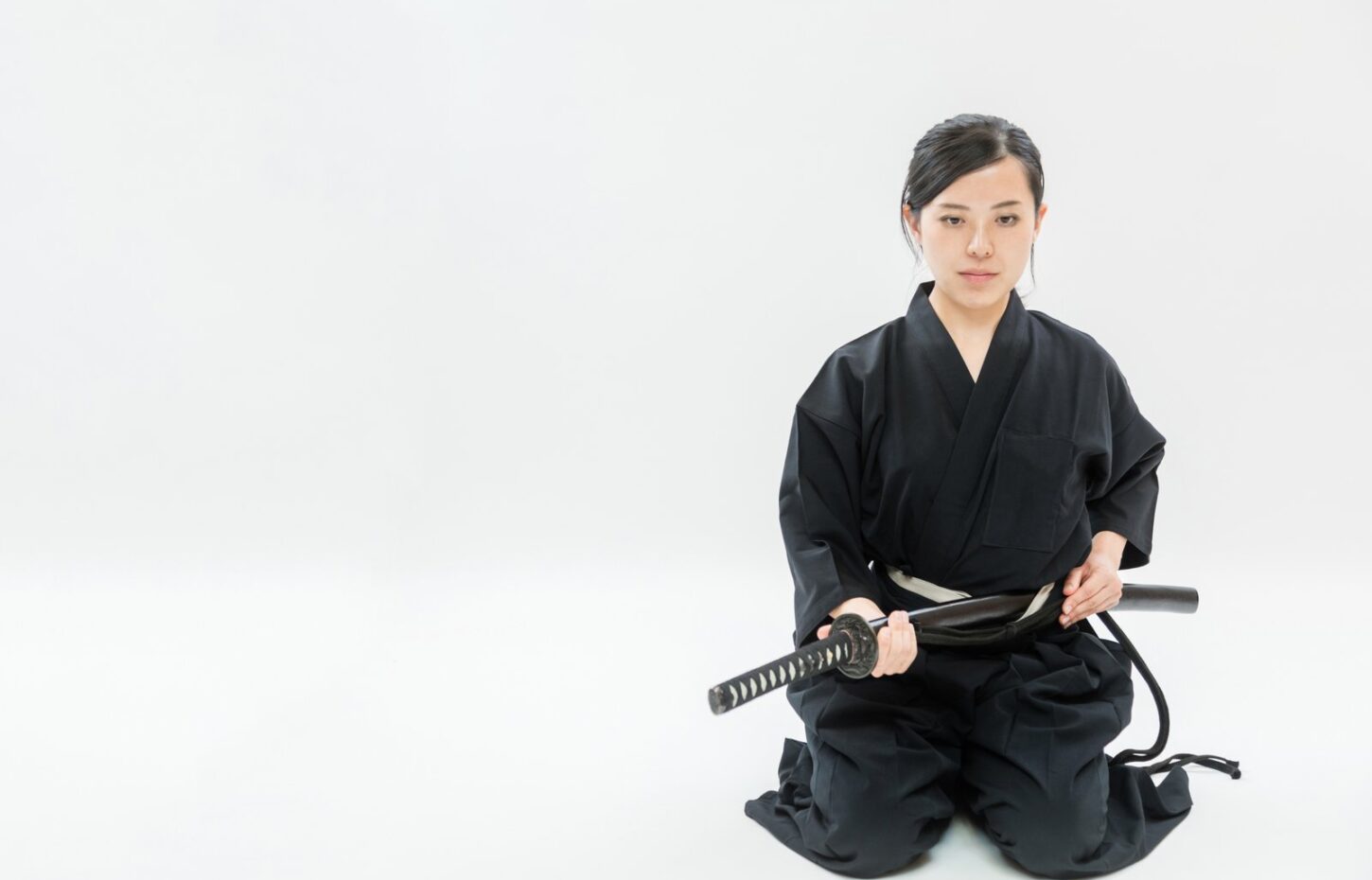
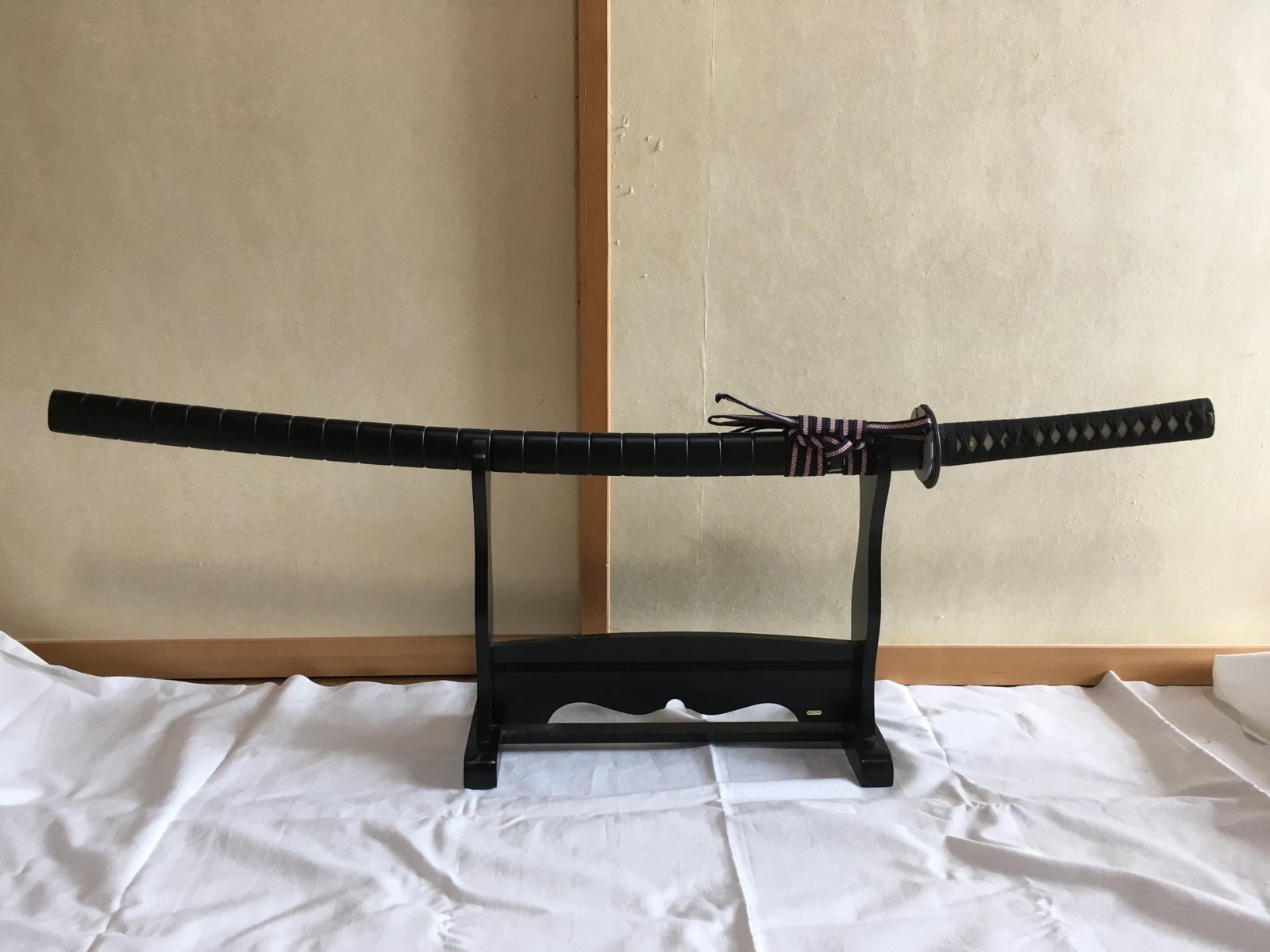
Samurai Theater Tokyo runs its class in the basement of a temple in Yokoteramachi, Kagurazaka, a 5-minute walk from exit 1a of Kagurazaka Station on the Tozai Line. Its Japanese page says the instructors are stage sword-fight choreographers, and the swords are replicas that cannot cut. You change into kimono and hakama, practise drawing, sheathing and cutting, and finish with a staged fight against a samurai playing the villain while your party takes photos or video. Groups of 1 to 10 can book, and a single traveller is welcome. The same venue offers a 60-minute armor-wearing session on Wednesdays and Thursdays at 4:00 pm, for people between 150 and 190 cm tall.
The Samurai Ninja Museum Tokyo in Asakusa, run by MAIKOYA, is 2 minutes on foot from Tawaramachi Station on the Ginza Line. Its Basic Ticket is a guided group tour in English through the samurai and ninja exhibits, with ninja star throwing and a soft armor try-on at the end. The museum asks you to arrive 5 minutes early, and it cannot store large luggage. If the sword is what you came for, the museum also runs a separate samurai sword experience in its dojo, which children under 6 cannot enter.
Ninja Experiences: Indoor and Built for Families
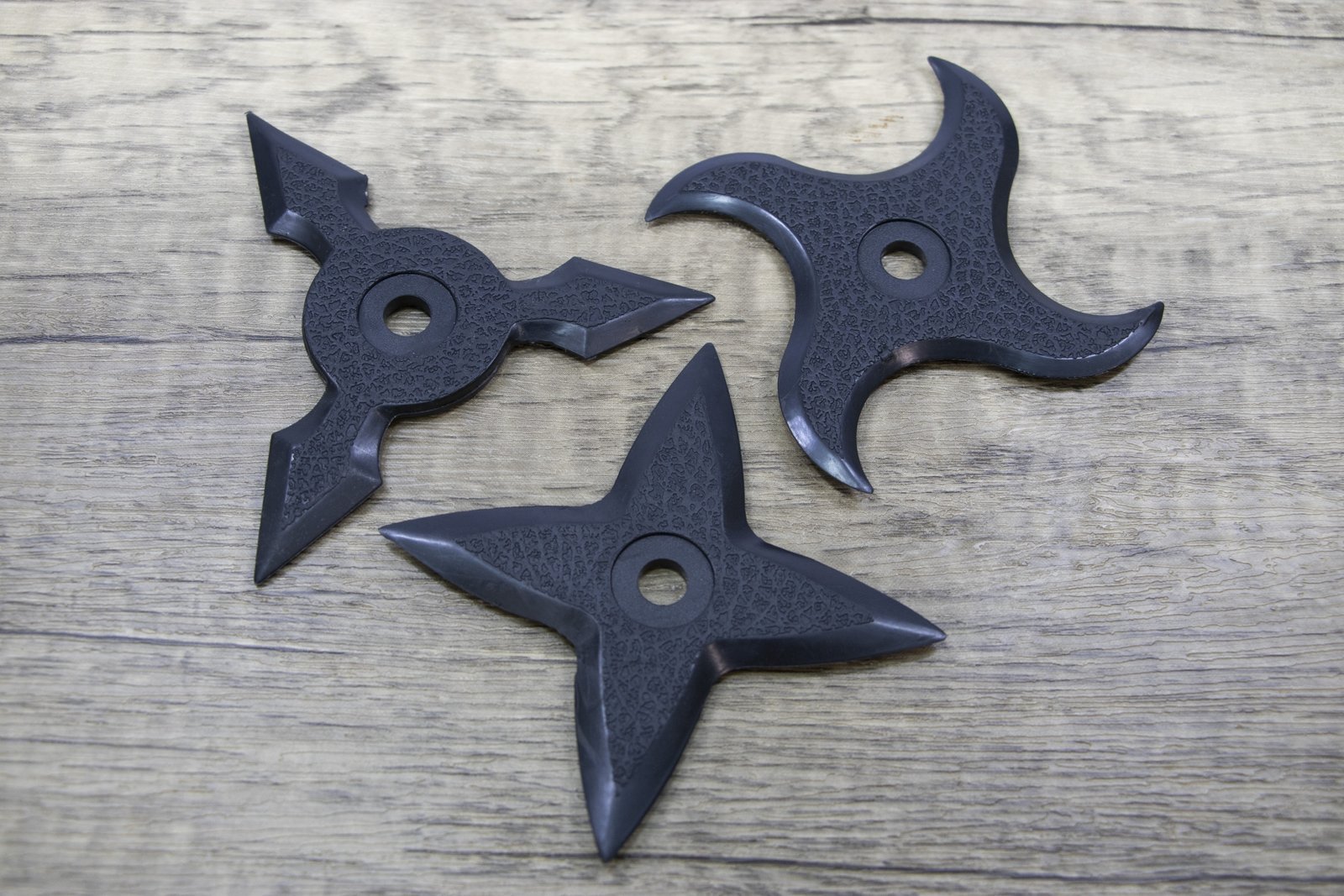
Ninja Trick House in Tokyo is on the fourth floor of a building in Kabukicho, an 8-minute walk from the East Exit of JR Shinjuku Station. A session of about 40 minutes covers throwing real metal shuriken, swordplay with practice swords the same size as real ones, and the house’s ninja tricks, for up to 8 guests at a time. It is open from 10:00 am, with final admission at 4:00 pm, and closes on Tuesdays and Wednesdays. Booking is recommended, though walk-ins are let in when there is space. There is no elevator, and no costumes to rent.
The Samurai Ninja Museum in Asakusa runs a longer Ninja Experience of about two hours, including the museum tour. Here you do wear a costume, a jacket, arm guards, belt, trousers and headband, and try a blowgun as well as shuriken. It is open to children from age 3, and all the weapons used are replicas.
Sumo Experiences: Former Wrestlers, a Ring and Usually a Meal
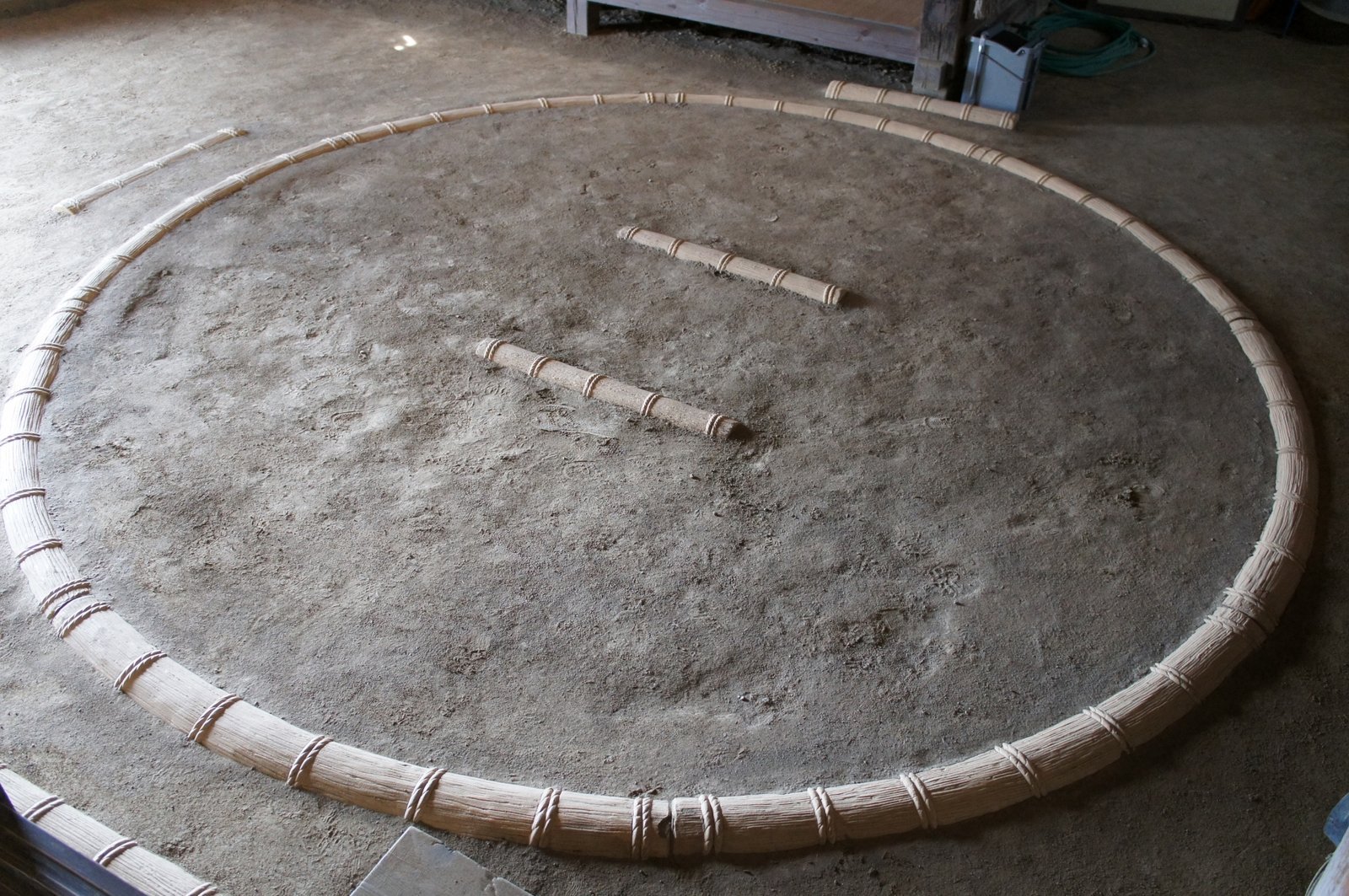
None of these is a tournament or a visit to a sumo stable. They are programs built for visitors, in which former wrestlers explain the sport, show the moves and then take on guests in mock bouts. For grand tournaments at the Ryogoku Kokugikan and morning practice at a stable, see our guide to sumo in Tokyo.
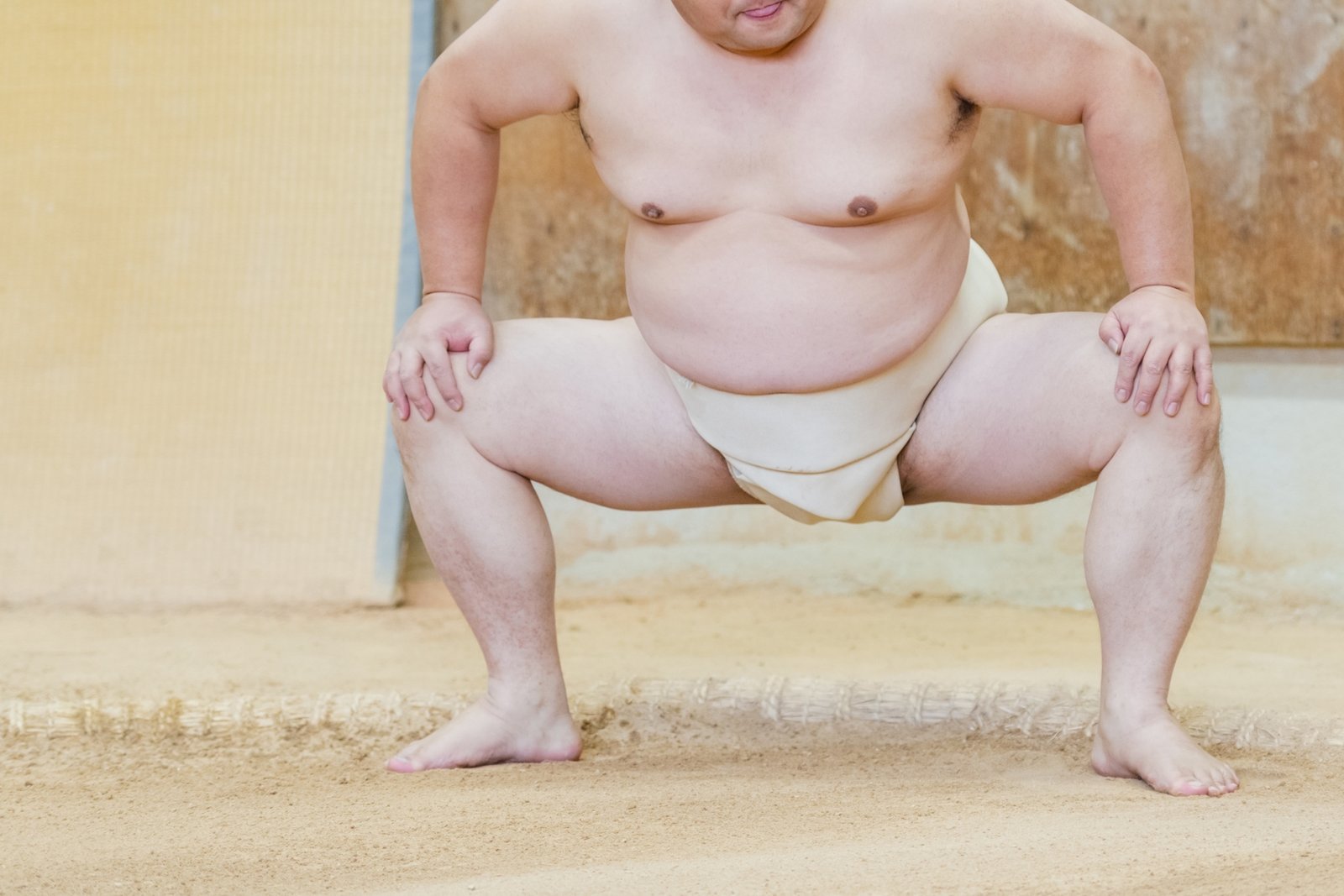
SUMOLAND has two venues near Ryogoku Station. Tokyo Signature, 3 minutes from the East Exit, runs three shows a day at 11:00 am, 2:30 pm and 6:00 pm. Each lasts 90 to 120 minutes and includes a chanko hot pot whose recipe is supervised by the Isegahama stable, and, for volunteers picked during the show, mochi pounding with the wrestlers and a mock bout in a sumo costume. Tokyo Express, a minute from the same exit, keeps the show and the bout but drops the meal, in 60 minutes, five times a day. SUMOLAND announced Express for October 2026, and its pages list both venues as open every day.
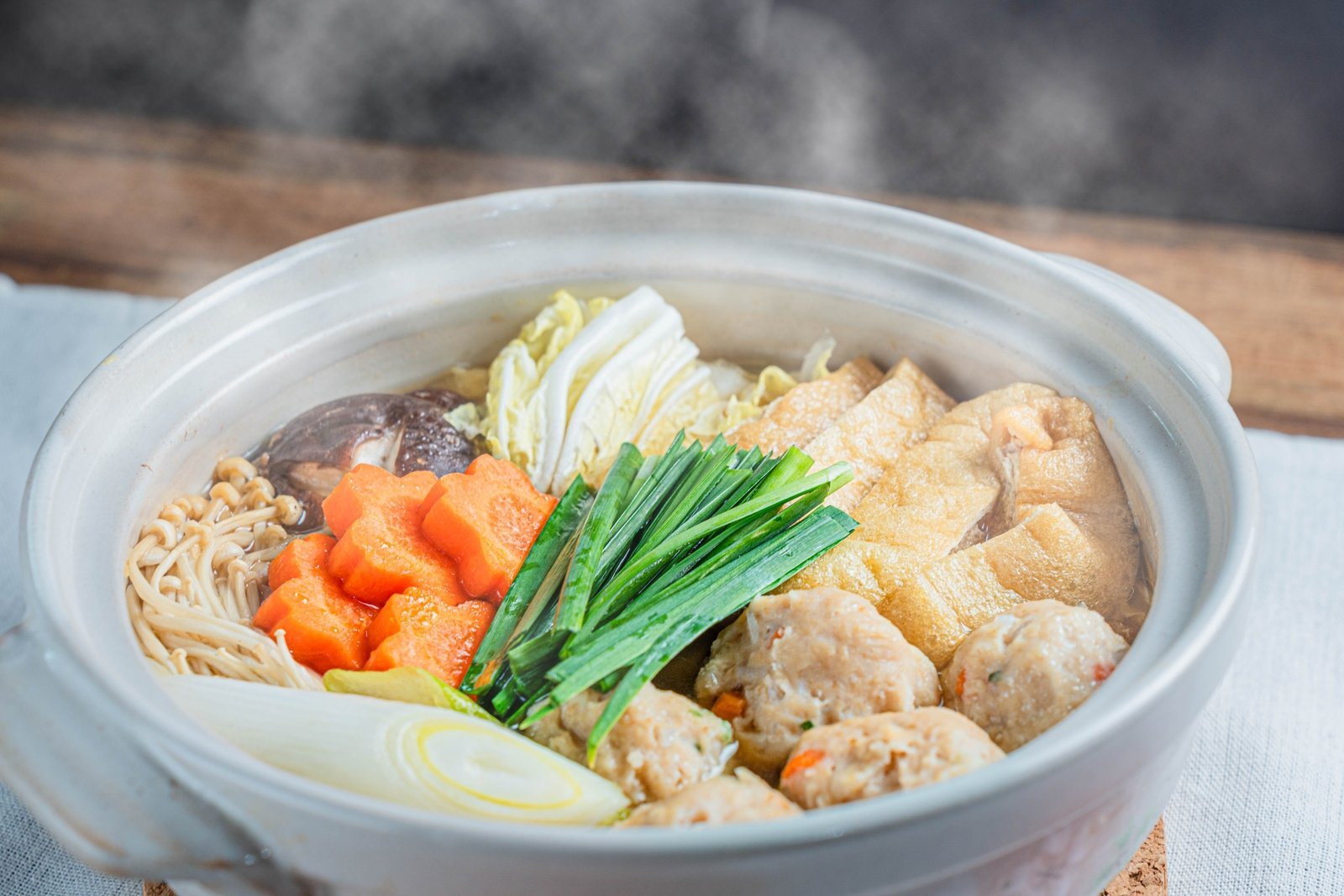
Asakusa Sumo Club, 8 minutes on foot from Asakusa Station on the Tsukuba Express, runs its two hours in a set order: chanko hot pot first, then a show by former and student wrestlers that demonstrates stances and finishing moves, then a turn for anyone who wants to put on a sumo costume and take on a former wrestler, followed by photos in the ring and questions. Vegan and vegetarian meals need to be requested when you book, and it cannot cater for gluten-free diets. If the main venue is full, the same program runs at its annex, 3 minutes away.
Before You Book: The Small Print That Differs
- Cancelling: Samurai Theater refunds 30% if you cancel 2 to 7 days ahead, 50% the day before and nothing on the day. Ninja Trick House refunds only if you cancel at least 3 days before. SUMOLAND’s rules depend on where you booked.
- What to wear: at Samurai Theater you change into kimono and hakama, so come in clothes that are easy to take off. Ninja Trick House has no costumes; the museum’s Ninja Experience includes one.
- Stairs, strollers and luggage: Ninja Trick House is on the fourth floor, with stairs and no elevator. SUMOLAND keeps strollers at the entrance. The Samurai Ninja Museum has no space for large luggage.
- Children: neither Samurai Theater nor Ninja Trick House lets children take part without an adult.
- Being on time: Samurai Theater and the museum ask you to arrive 5 minutes early, and Samurai Theater starts on time even if you are late, with no refund.
Watching Rather Than Doing: Where a Geisha Ozashiki Fits
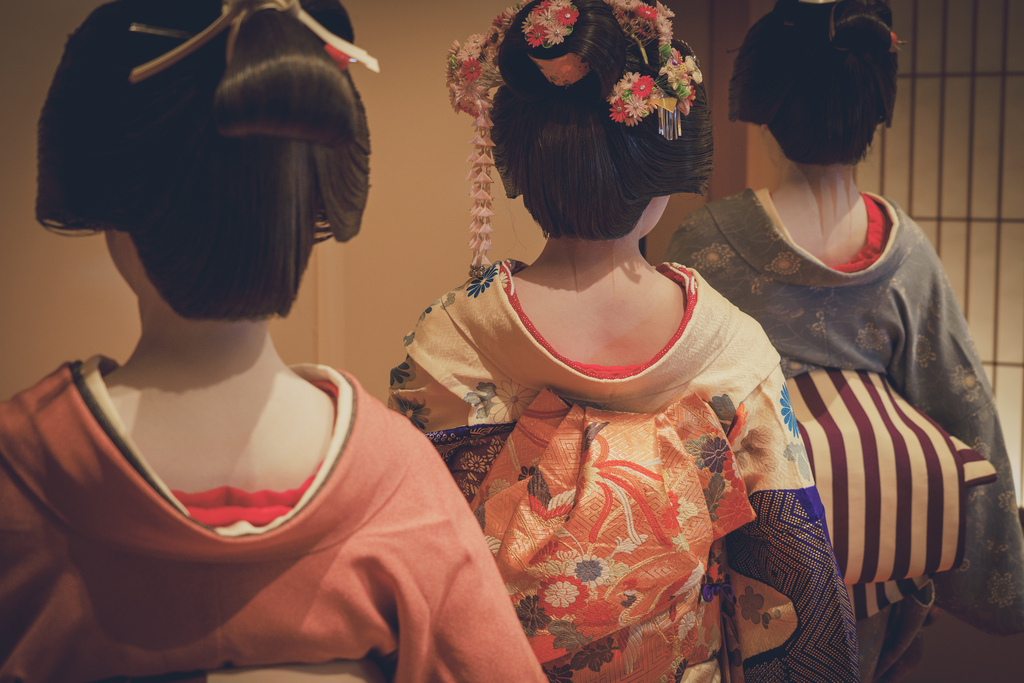
Everything above asks you to learn a move and try it. A geisha ozashiki works the other way round: it is a gathering in a tatami room where geisha dance to live shamisen music, pour drinks and talk with you, and you are the guest being entertained. There is no lesson and no costume. The part you do join in is the traditional party games, which the geisha teach on the spot. Geisha in Asakusa are independent professionals: each belongs to an okiya, a geisha house, and is registered with the Asakusa kenban.
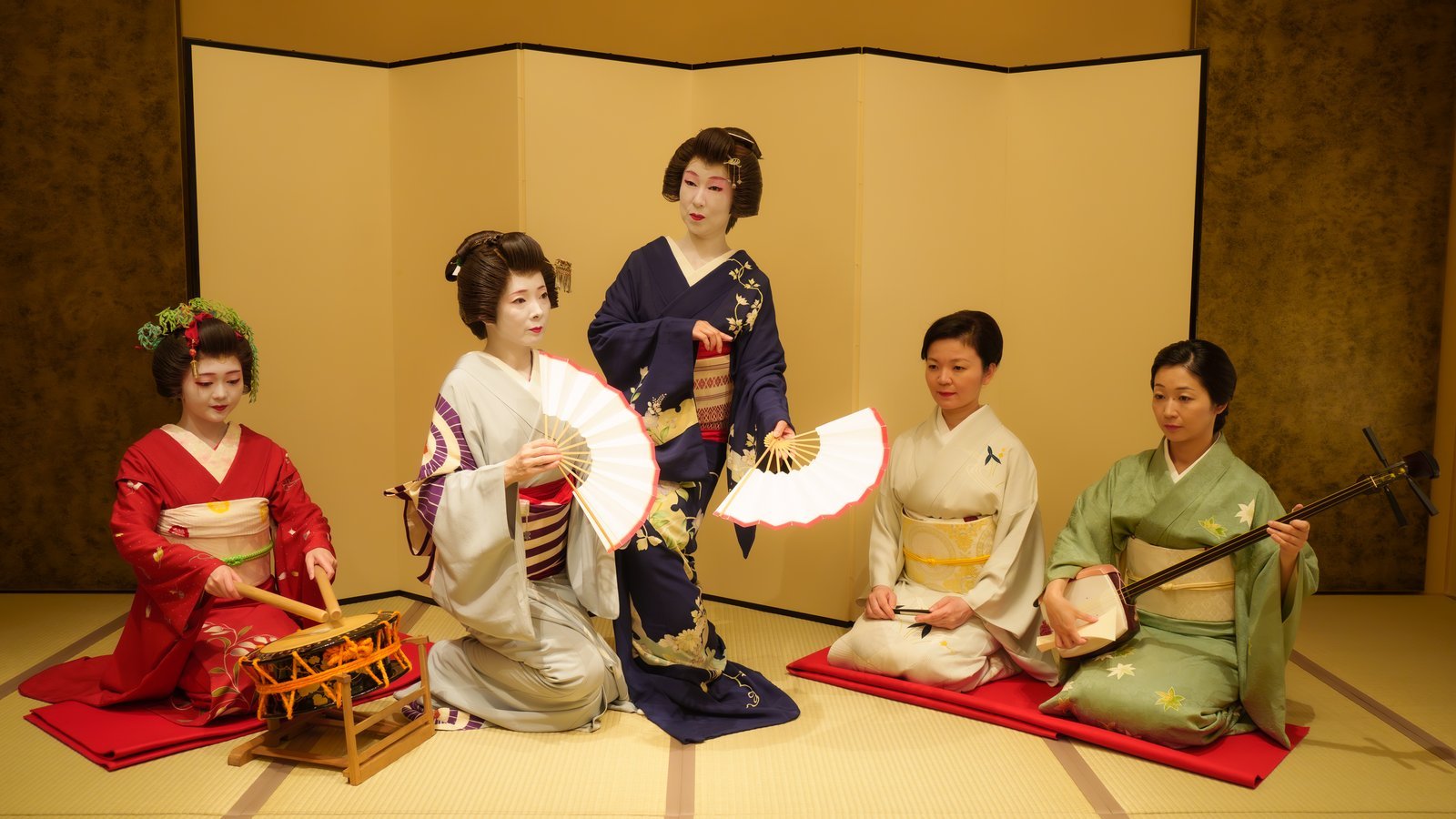
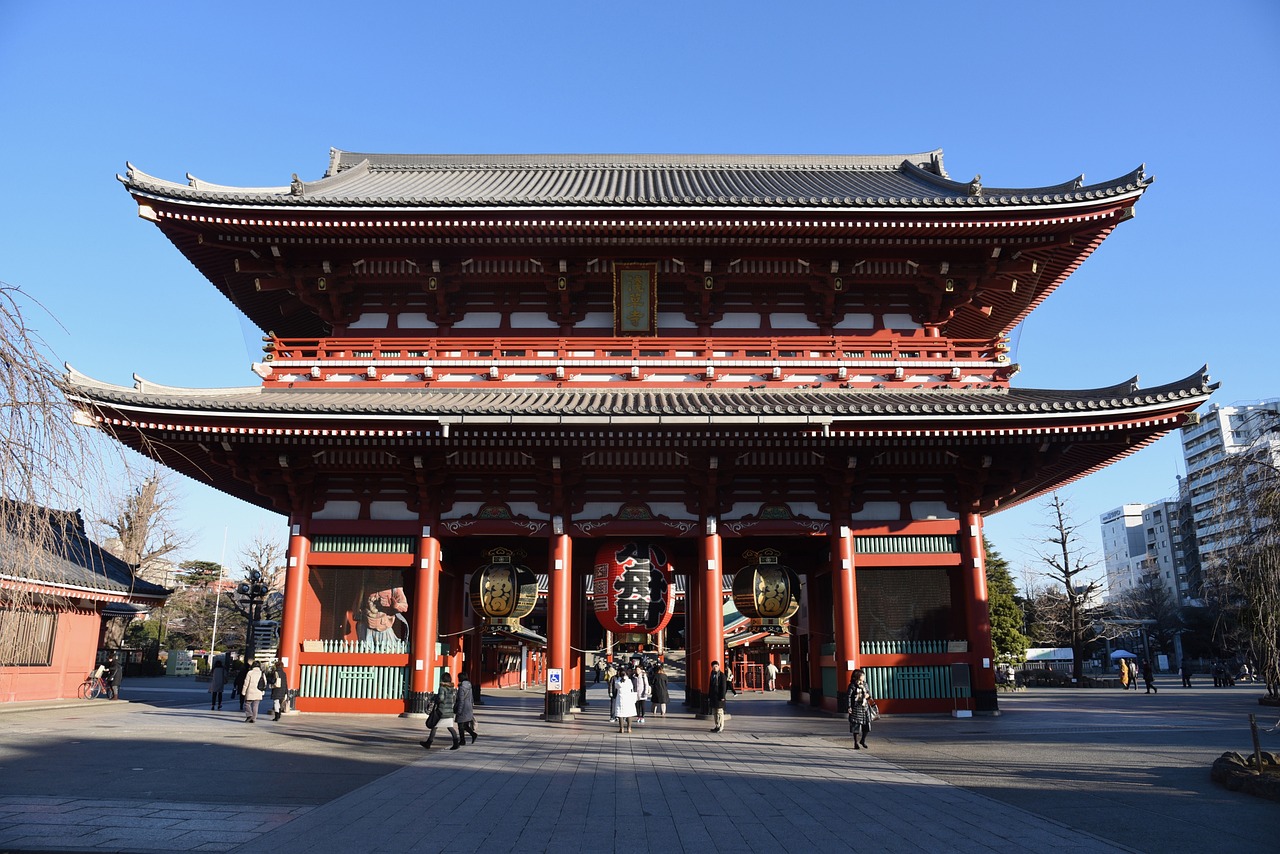
Miyakodori, on the north side of Senso-ji about 3 minutes beyond the temple grounds, holds private ozashiki on weekdays, and on other days by special arrangement. Visits of one or two hours start between 2:00 and 8:00 pm, the three-hour kaiseki dinner starts between 5:30 and 8:00 pm, and a guest travelling alone can book; rates are on our pricing page. If you are choosing among Tokyo’s other cultural plans, our guides compare cultural experiences you can book and traditional entertainment in Tokyo, and our Asakusa tourist guide covers the neighborhood around the museum and the sumo club.
Plan a Private Ozashiki in Asakusa
A tatami room for your party alone, with dances to live shamisen music and traditional games. Choose one or two hours starting between 2:00 and 8:00 pm, or three hours with a kaiseki dinner from 5:30 pm, on weekdays except public holidays.
Request a ReservationFrequently Asked Questions
Which samurai experience in Tokyo suits a first-timer?
If you want to hold a sword and move with it, the 60-minute class at Samurai Theater Tokyo in Kagurazaka, where you change into kimono and hakama and end with a staged fight. If you want the history with lighter activities, or are bringing young children, the Basic Ticket at the Samurai Ninja Museum Tokyo in Asakusa: about an hour, with an English tour, ninja stars and a soft armor try-on.
Can young children do a samurai or ninja experience in Tokyo?
Yes. Ninja Trick House in Shinjuku has an infant rate for ages 2 and 3, with an adult, and the Samurai Ninja Museum’s Basic Ticket activities and Ninja Experience start at age 3. The museum’s samurai sword dojo does not admit children under 6, and Samurai Theater does not let children take part alone.
How long does a sumo experience in Tokyo take?
From 60 minutes to about two hours. SUMOLAND Tokyo Express in Ryogoku takes 60 minutes without a meal, SUMOLAND Tokyo Signature takes 90 to 120 minutes with chanko hot pot, and Asakusa Sumo Club takes about two hours, starting with the meal.
Do you actually wrestle at a sumo experience?
At Asakusa Sumo Club, anyone who wants to can put on a sumo costume and take on a former wrestler in a mock bout; the rest watch and join the photos. SUMOLAND does not take bookings for the bout: you raise your hand when the show asks for volunteers, and if many people do, one person per group may be chosen or names drawn by lottery. SUMOLAND says children can take part too.
Are samurai, ninja and sumo experiences in Tokyo in English?
Most are. The Samurai Ninja Museum runs its tours in English, Ninja Trick House guides in simple English with a 17-language video, SUMOLAND says its staff assist in English, and GO TOKYO says Asakusa Sumo Club has an English-speaking host. Samurai Theater does not state the class language, and its phone line is in Japanese only.
Is a geisha ozashiki a hands-on experience like these?
Not in the same way. At an ozashiki you are the guest being entertained: geisha dance to live shamisen music and talk with you, with no lesson or costume, and the part you join in is the traditional party games. In Asakusa, Miyakodori holds private ozashiki on weekdays, starting between 2:00 and 8:00 pm, with booking.
Sources
- Samurai Theater Tokyo: Samurai Experience, Samurai Armor Wearing, samurai experience and access (both in Japanese)
- Samurai Ninja Museum Tokyo (MAIKOYA): the Basic Ticket, Ninja Experience in Asakusa and Samurai Sword Experience in Asakusa pages, and the museum’s page
- Ninja Trick House in Tokyo: official site and FAQ
- SUMOLAND: Tokyo Signature, Tokyo Express and tickets
- Asakusa Sumo Club: reservations, program and menu and shop information
- GO TOKYO, the official Tokyo travel guide: Feel the Spirit of Sumo in Tokyo
All pages above were checked on 22 November 2026. Times, prices and closing days change, so check the operator’s page before you book.


Old Tokyo Neighborhoods Compared: Asakusa, Yanaka, Ryogoku and Kagurazaka
Japanese Fine Dining Tokyo: The 2026 Guide to Extraordinary Culinary Experiences
The Ultimate Guide to Geisha Lunch Specials: Sushi, Hibachi, and More

Best Restaurants for a Birthday Dinner in Tokyo | Memorable Dining Experiences
Kabuki in Tokyo for First-Timers: One Act, English Help and Tickets
Things to Do in Tokyo at Night: Walk-In and Book-Ahead Options
Comment ( 0 )
Trackbacks are closed.

No comments yet.