



Old Tokyo Neighborhoods Compared: Asakusa, Yanaka, Ryogoku and Kagurazaka
Of Tokyo’s old neighborhoods, Asakusa suits a first visit and plans after dark, Yanaka suits a slow afternoon of small shops and temple lanes, Ryogoku suits sumo and museum days on weekdays, and Kagurazaka suits a short walk of cobbled alleys before dinner. The four are compared below with the same measures: the walking time on each neighborhood’s route in GO TOKYO, the official Tokyo travel guide, the train time from Tokyo Station, and the days that change the plan. All were checked on official pages on 20 November 2026.
We are Miyakodori, a teahouse in Asakusa where geisha entertain guests, open since 1950. Asakusa is the neighborhood we know from the inside; for the other three, this guide sticks to what the city’s guide, the museums and the sumo association publish, and does not add walking times or opening hours of our own. The one place we add to them is Kagurazaka’s geisha district, which is part of the same hanamachi world as ours.
Old Tokyo Neighborhoods Compared, at a Glance
The walking times come from one source, GO TOKYO’s walking route for each neighborhood, and count only the minutes between stops. Time spent at each stop is extra.
| Neighborhood | What you walk through | GO TOKYO walking route | Day to check | Suits you if |
|---|---|---|---|---|
| Asakusa | Senso-ji, the Kaminarimon gate, the Nakamise shopping street, live theaters and a working geisha district. | Asakusa Station to Kappabashi Kitchenware Town: 5 stops after the station, 27 minutes on foot. | Senso-ji’s Main Hall is open from 6:00 am (6:30 am from October to March) to 5:00 pm. Miyakodori receives guests on weekdays, and on other days by special arrangement. | It is your first old-Tokyo neighborhood, or you want something to do after dark. |
| Yanaka and Nezu | Temples, Yanaka Cemetery, the Yanaka Ginza shopping street, old wooden houses and small galleries. | Nippori Station to Nezu-jinja Shrine: 4 stops after the station, 19 minutes on foot. | The shops on Yanaka Ginza set their own hours and days off. | You like quiet lanes, snacks from small shops and an unhurried afternoon. |
| Ryogoku | The Ryogoku Kokugikan sumo arena, the Sumo Museum, the Edo-Tokyo Museum and the Sumida Hokusai Museum, beside the Sumida River. | Ryogoku Station to the Sumida Hokusai Museum: 6 stops after the station, 25 minutes on foot. | The Edo-Tokyo Museum and the Hokusai Museum close on Mondays. The Sumo Museum closes on Saturdays, Sundays and national holidays, and on some weekdays too; check its monthly calendar. | You want sumo, Edo history and museums, or need an indoor day. |
| Kagurazaka | A sloping main street, cobbled alleys with black wooden walls, Bishamonten Zenkoku-ji Temple and Akagi-jinja Shrine. | Kagurazaka Station to Bishamonten Zenkoku-ji: 4 stops after the station, 9 minutes on foot. | GO TOKYO says the main street is closed to traffic on weekends. | You want a compact walk and a restaurant at the end of it. |
The minutes show how spread out each route is, not how long to spend there. Kagurazaka’s nine minutes cover a small area you can walk end to end before a meal. Asakusa’s 27 minutes include a detour to Kappabashi after the temple, and Ryogoku’s 25 link three museums, each worth time inside.
Which Old Tokyo Neighborhood Suits You
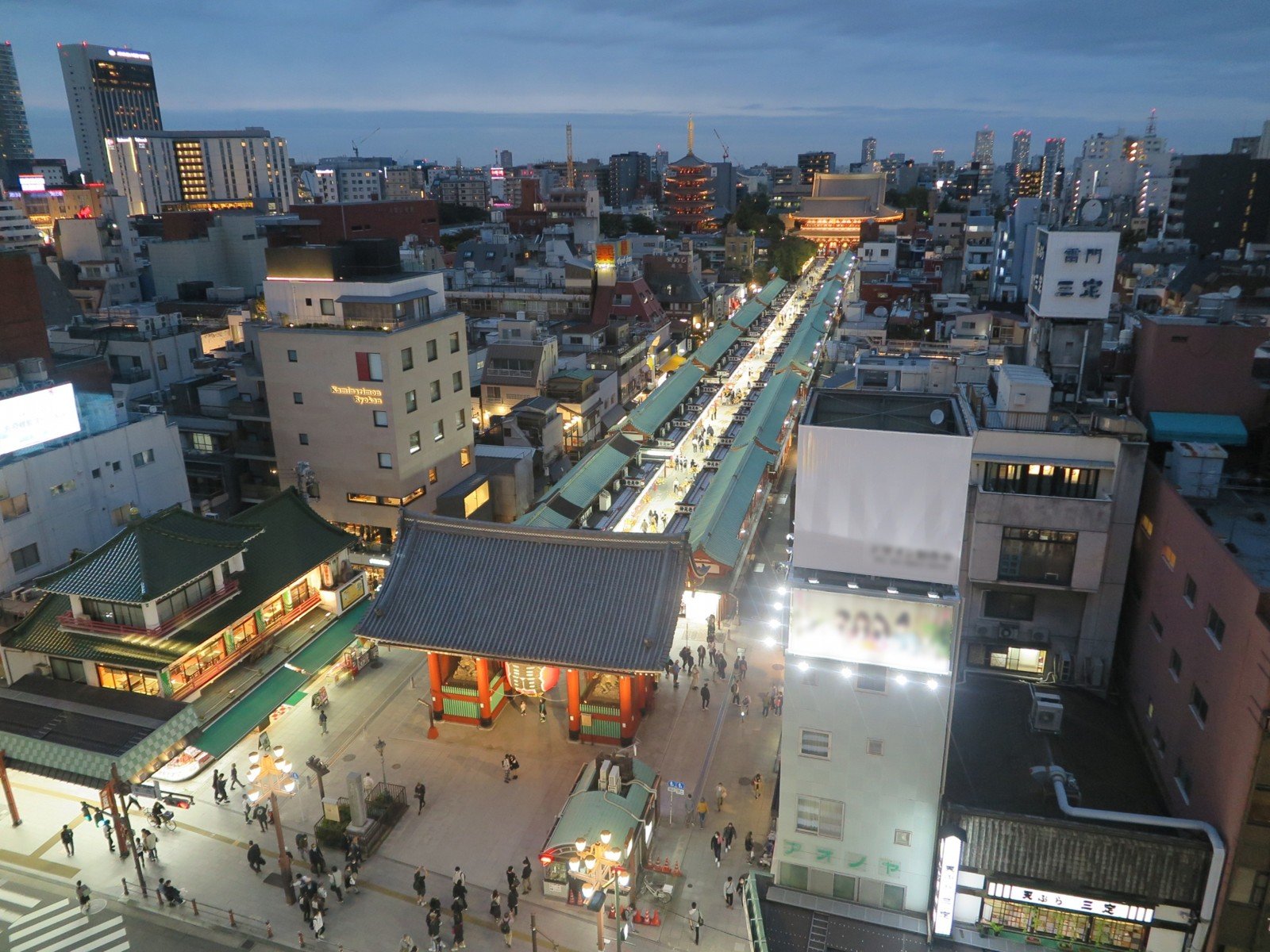
- Your first day in old Tokyo: Asakusa. The gate, the shopping street and the temple come one after another on GO TOKYO’s route, and the neighborhood still has things to do after the temple hall closes at 5:00 pm.
- A slow afternoon: Yanaka and Nezu. GO TOKYO’s route passes a rice cracker shop, a flight of steps and a shopping street, and ends at a shrine.
- Sumo or museums: Ryogoku, on a weekday. Tuesday to Friday is the only stretch of the week when the Sumo Museum, the Edo-Tokyo Museum and the Hokusai Museum can all be open, and the Sumo Museum’s monthly calendar decides which of those days it is.
- A walk before dinner: Kagurazaka. The route is short, and GO TOKYO calls the cobbled backstreets especially alluring at dusk.
- A wet day: Ryogoku’s museums keep you under a roof. For Asakusa in the rain, see our rainy day in Asakusa guide.
Asakusa: Temple, Theaters and a Geisha District
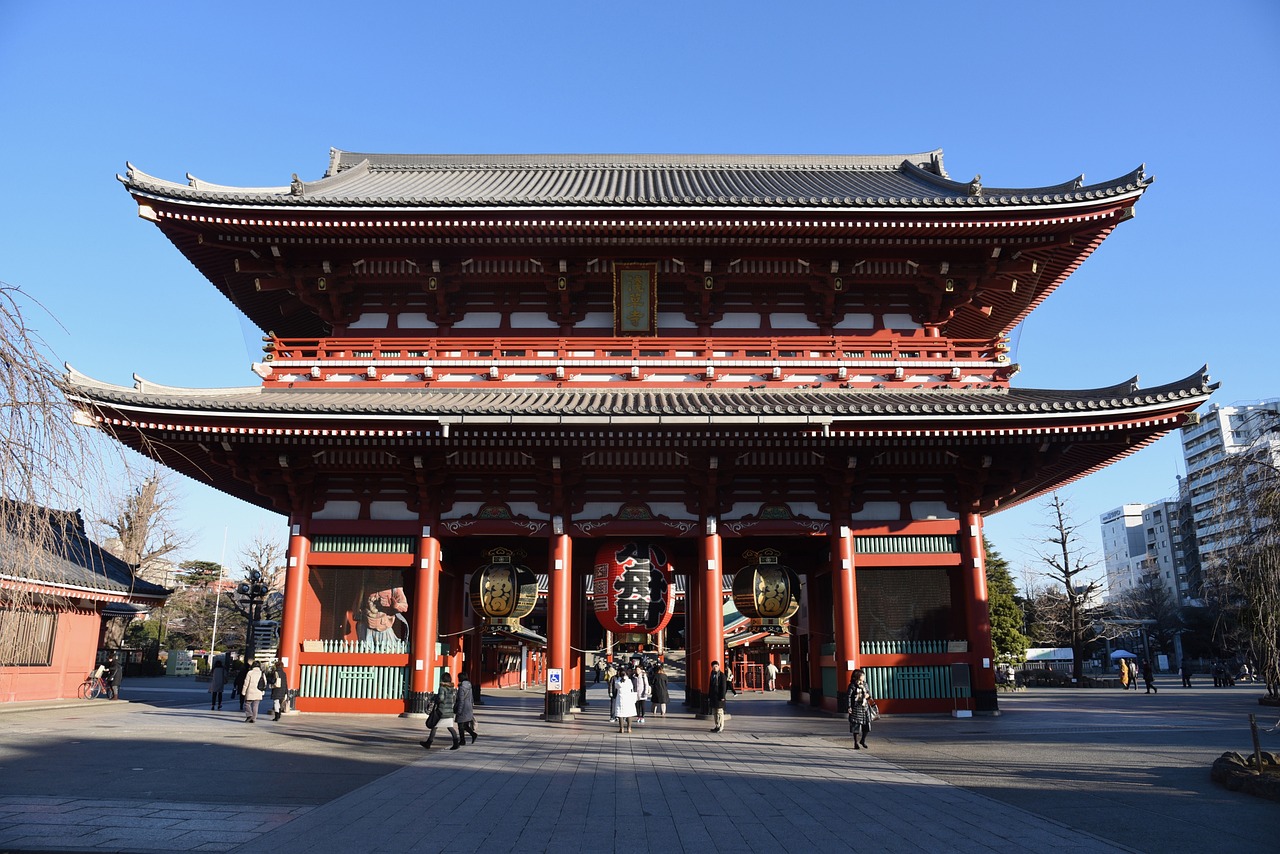
GO TOKYO’s Asakusa route starts at Asakusa Station, goes to the Asakusa Culture Tourist Information Center, crosses to the Kaminarimon gate, follows Nakamise Shopping Street to Senso-ji, and ends at Kappabashi Kitchenware Town, the street of kitchen tools and plastic food samples. Senso-ji’s Main Hall is open from 6:00 am to 5:00 pm, opening at 6:30 am from October to March. Our Asakusa tourist guide takes the same ground at a slower pace, from Senso-ji to the Sumida River.
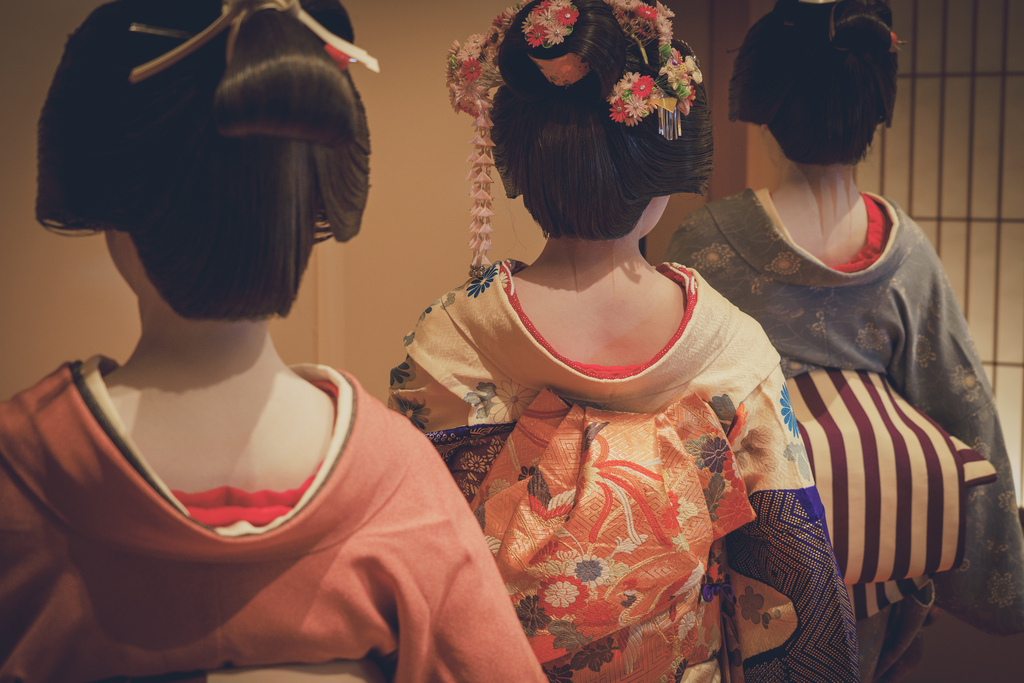
Asakusa is also one of Tokyo’s six hanamachi, or geisha districts; Kagurazaka is another. Geisha here are independent professionals: each belongs to an okiya, a geisha house, and is registered with the Asakusa kenban.
Asakusa at Night
The temple hall closes at 5:00 pm, but Asakusa keeps going. Asakusa Engei Hall runs its night show from 4:40 to 9:00 pm, with adult tickets at ¥3,500, dropping to ¥2,500 from 6:00 pm and ¥2,000 from 7:00 pm on regular programs (special programs cost more and may have no late discount). The observation terrace on top of the tourist center opposite Kaminarimon stays open until 10:00 pm. Senso-ji itself is lit after dark; our guide to Senso-ji at night has the times by month.
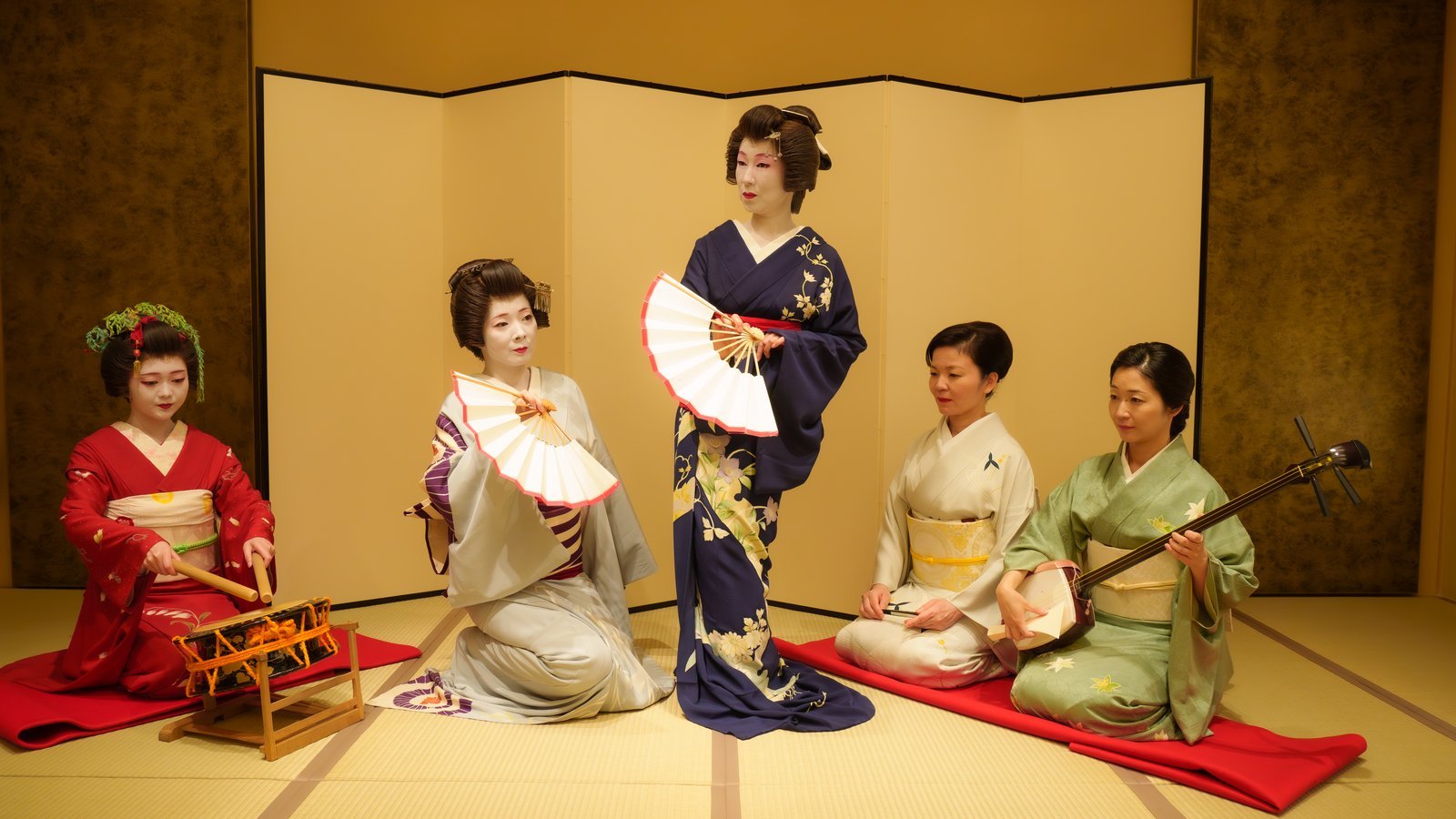
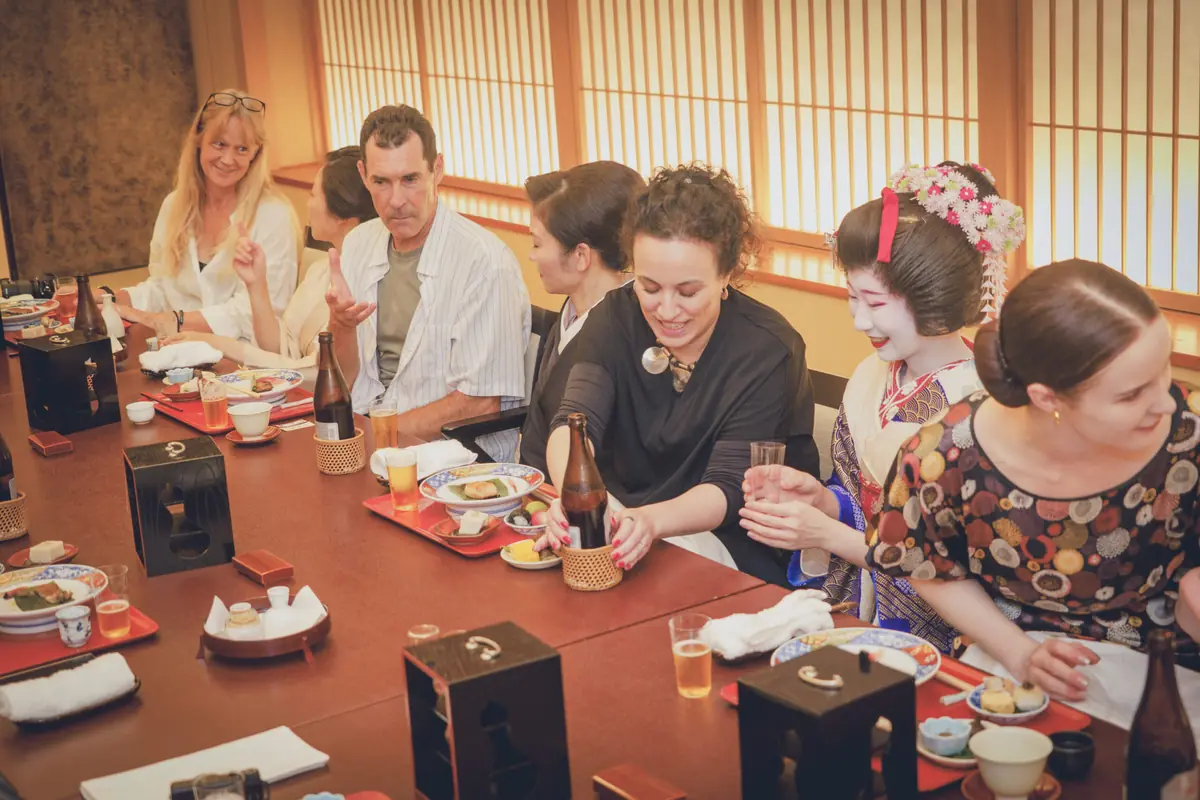
On weekdays, a private ozashiki is another way to spend the hours after dark. A geisha ozashiki is a gathering in a tatami room where geisha dance to live shamisen music, play traditional games with the guests and talk with them over drinks or a meal. If you are looking for a cultural experience with dinner in Tokyo, a three-hour private visit at Miyakodori includes a kaiseki course, and a two-hour visit that starts at 5:30 pm or later can add one.
Miyakodori is on the north side of Senso-ji, about 3 minutes beyond the temple grounds, and 13 minutes on foot from the Ginza, Tobu and Tsukuba Express stations named Asakusa (15 minutes from the Toei Asakusa Line). A taxi from any of the Asakusa stations takes about 4 minutes, and when you leave, we can call a car for you. Visits start between 2:00 and 8:00 pm on weekdays; requests usually need two or three days’ notice, and rates are on our pricing page.
Plan a Private Ozashiki in Asakusa
A tatami room for your party alone, with dances to live shamisen music and traditional games. Choose from one-, two- and three-hour visits on weekdays except public holidays. Start times are 2:00–5:00 pm or 5:30–8:00 pm for one hour, 2:00–8:00 pm for two hours, and 5:30–8:00 pm for three hours. A guest travelling alone can book.
Request a ReservationYanaka and Nezu: Lanes, Temples and a Shopping Street
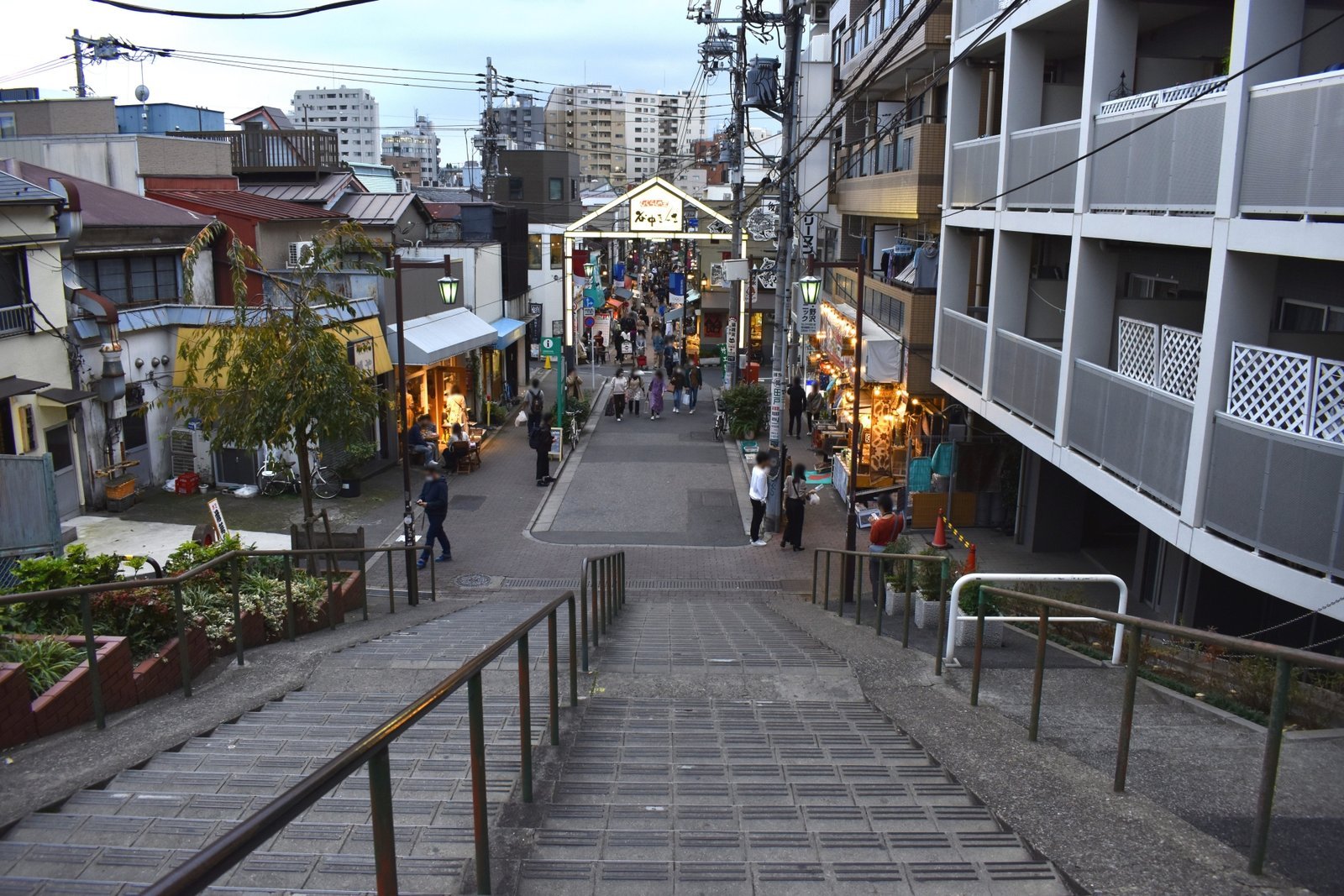
GO TOKYO describes Yanaka and Nezu as part of shitamachi, Tokyo’s old downtown, and notes that the area escaped major damage in the wars and natural disasters that reshaped much of the city. Its route starts at Nippori Station and follows the edge of Yanaka Cemetery to Yanaka Senbei Shinsendo, a rice cracker shop. From there it goes to Yuyake Dandan, the “Sunset Steps” that lead down into Yanaka Ginza, and then 12 minutes on foot to Nezu-jinja Shrine.
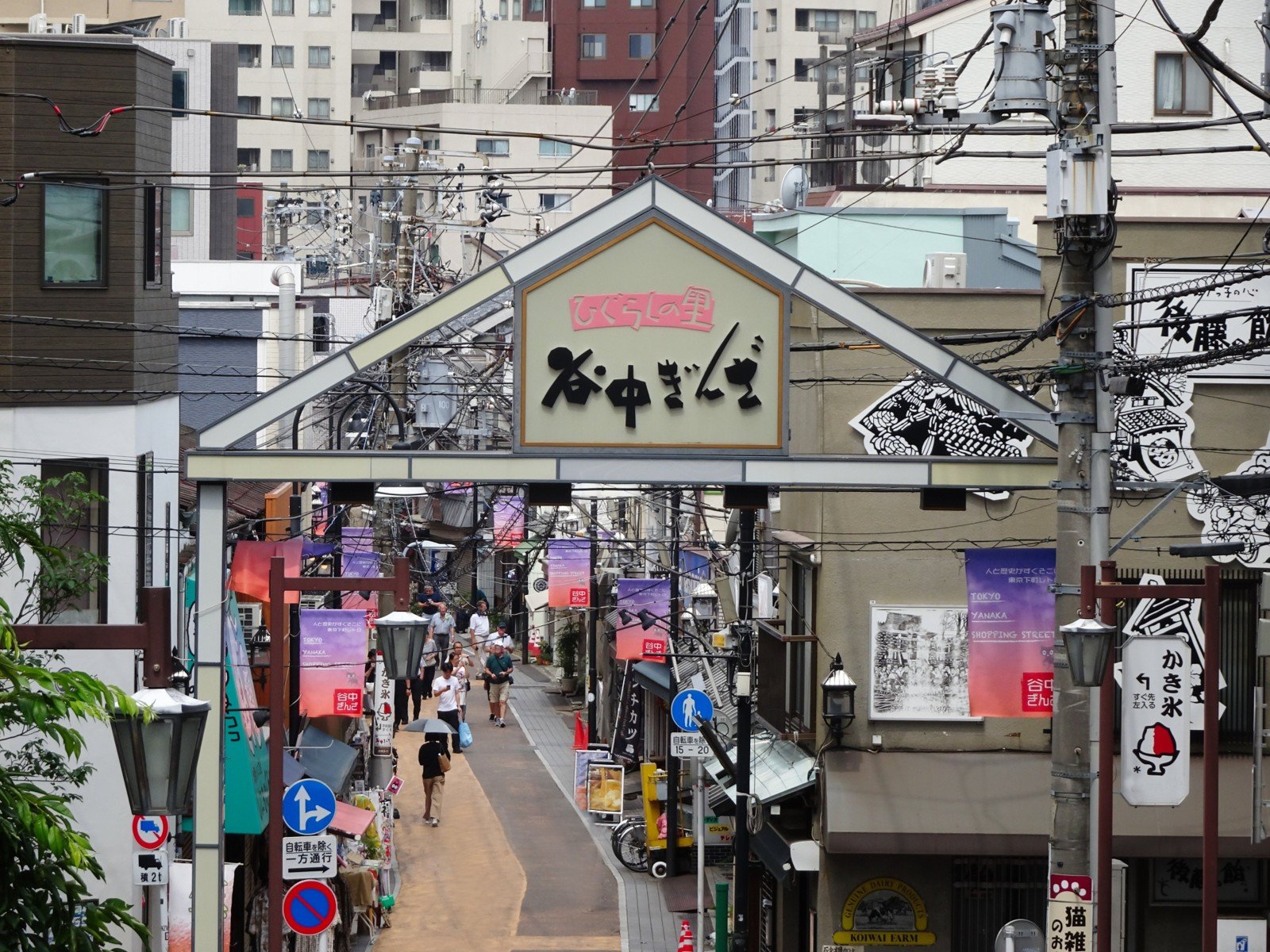
Yanaka Ginza has around 60 shops along a 170-metre street, selling snacks, sweets and everyday food. Each shop sets its own hours and days off, so there is no single closing time to plan around. Yanaka Cemetery holds the grave of Tokugawa Yoshinobu, the last shogun, and its cherry trees bloom in spring; Nezu-jinja holds an azalea festival in late spring. GO TOKYO also lists art spaces in the area, among them SCAI the Bathhouse, a gallery in a former public bath, and the Asakura Museum of Sculpture.
Yanaka sits close to Ueno Park. If you are coming from Asakusa, our guide to getting from Asakusa to Ueno covers the first half of the trip.
Ryogoku: Sumo and the Story of Edo
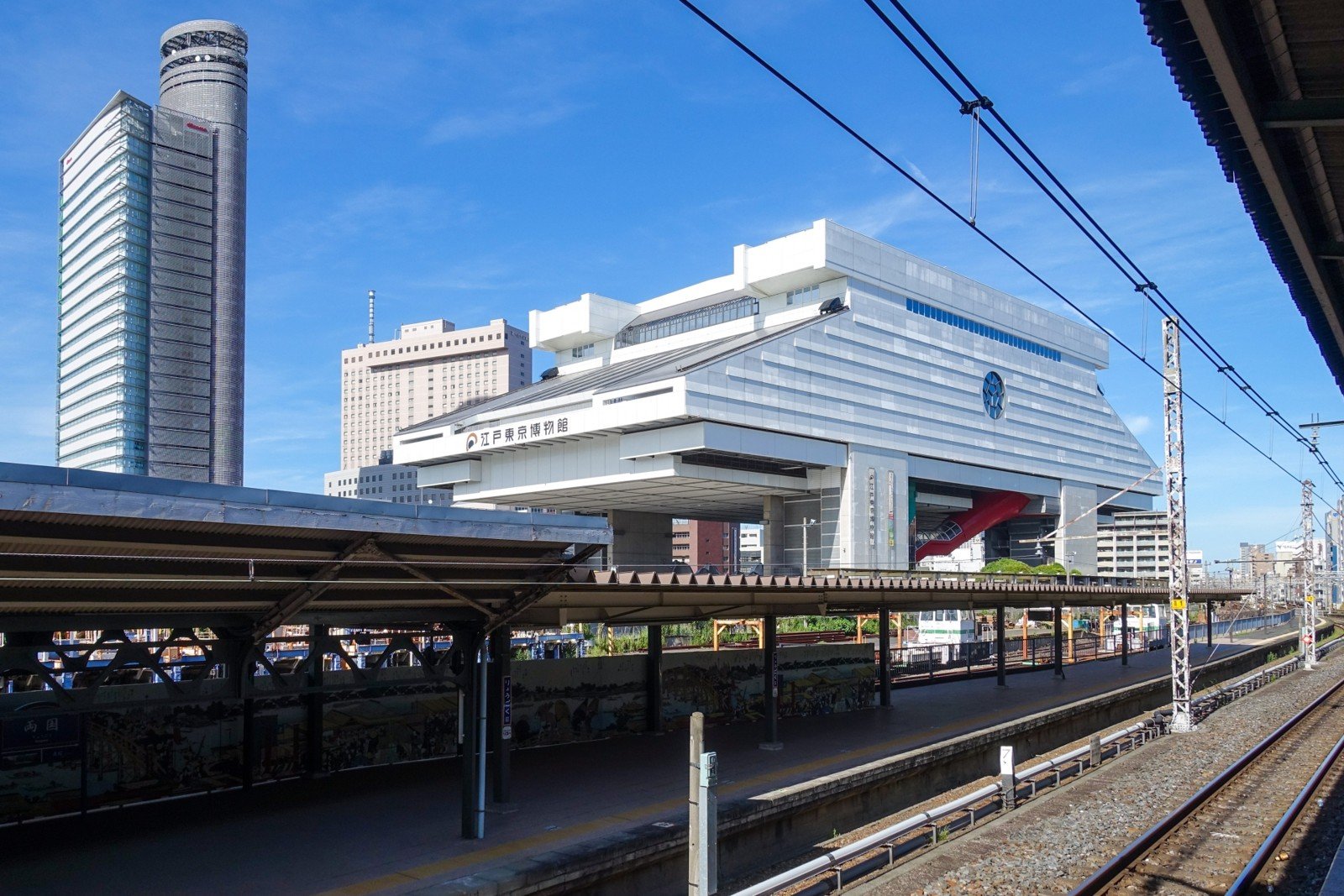
GO TOKYO’s Ryogoku route is built around sumo and museums. From Ryogoku Station it follows Kokugikan-dori, a street lined with statues of yokozuna, to the Ryogoku Kokugikan arena and the Sumo Museum inside it, then to the Edo-Tokyo Museum, the Ryogoku Edo Noren complex by the station, and 11 minutes on foot to the Sumida Hokusai Museum.
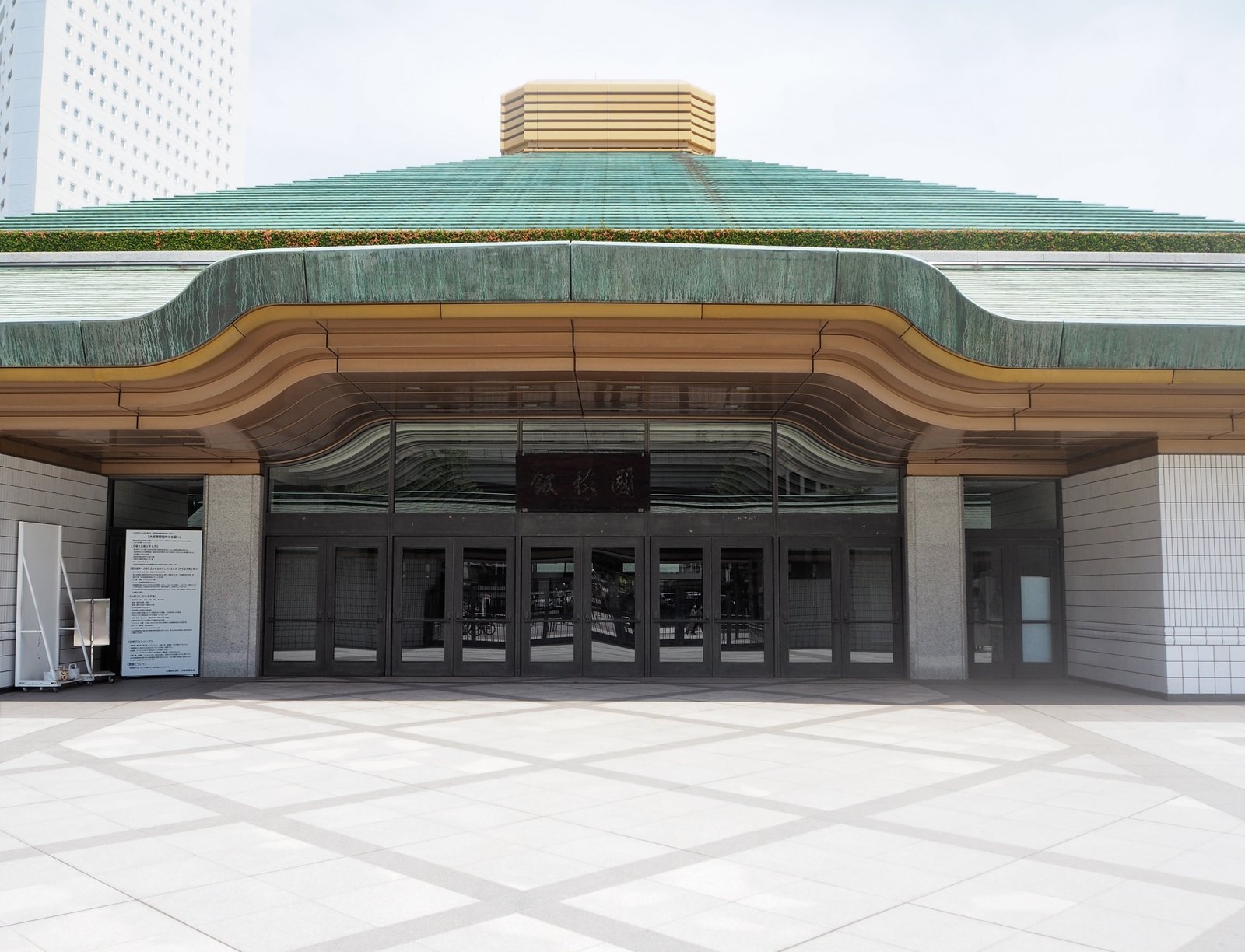
The day of the week matters more here than anywhere else in this guide. The Sumo Museum is free and open from 10:00 am to 4:30 pm (entry until 4:00 pm), but closes on Saturdays, Sundays and national holidays, and its monthly calendar adds weekday closures: in December 2026 it opens on nine days, the last on 17 December. During a tournament, you need a ticket to the arena to enter. The Edo-Tokyo Museum, which reopened on 31 March 2026, is open from 9:30 am to 5:30 pm (7:30 pm on Saturdays) and closes on Mondays. The Sumida Hokusai Museum is open from 9:30 am to 5:30 pm and also closes on Mondays.
Tokyo’s three grand sumo tournaments are held at the Kokugikan. In 2027 they run from 10 to 24 January, 9 to 23 May and 12 to 26 September, with advance tickets on sale from 5 December 2026, 10 April 2027 and 7 August 2027. Our guide to sumo in Tokyo compares tournaments, morning practice and sumo shows.
Kagurazaka: Cobbled Alleys and a Hanamachi
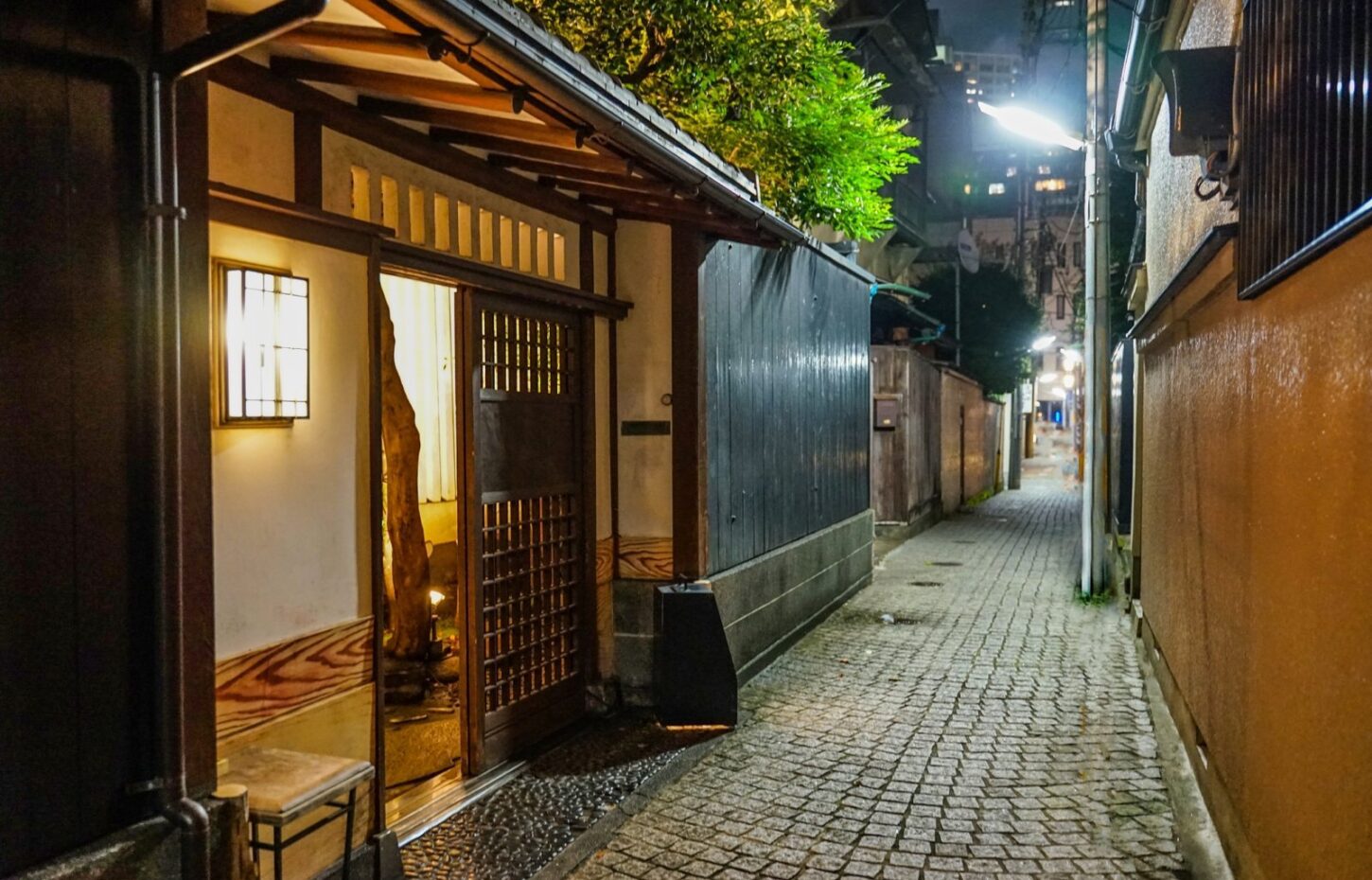
Kagurazaka is the smallest of the four routes. From Kagurazaka Station on the Tozai Line, GO TOKYO’s walk reaches Akagi-jinja Shrine, renovated by the architect Kengo Kuma, in a minute. It then passes the French restaurants the area is known for, turns into Kakurenbo Yokocho, a winding cobbled alley, and ends at the red pillars of Bishamonten Zenkoku-ji, a temple that moved to its present site on the main street in the late 18th century. GO TOKYO says Kakurenbo Yokocho and Hyogo Yokocho keep an Edo-period atmosphere, with cobbled paving and black wooden walls.
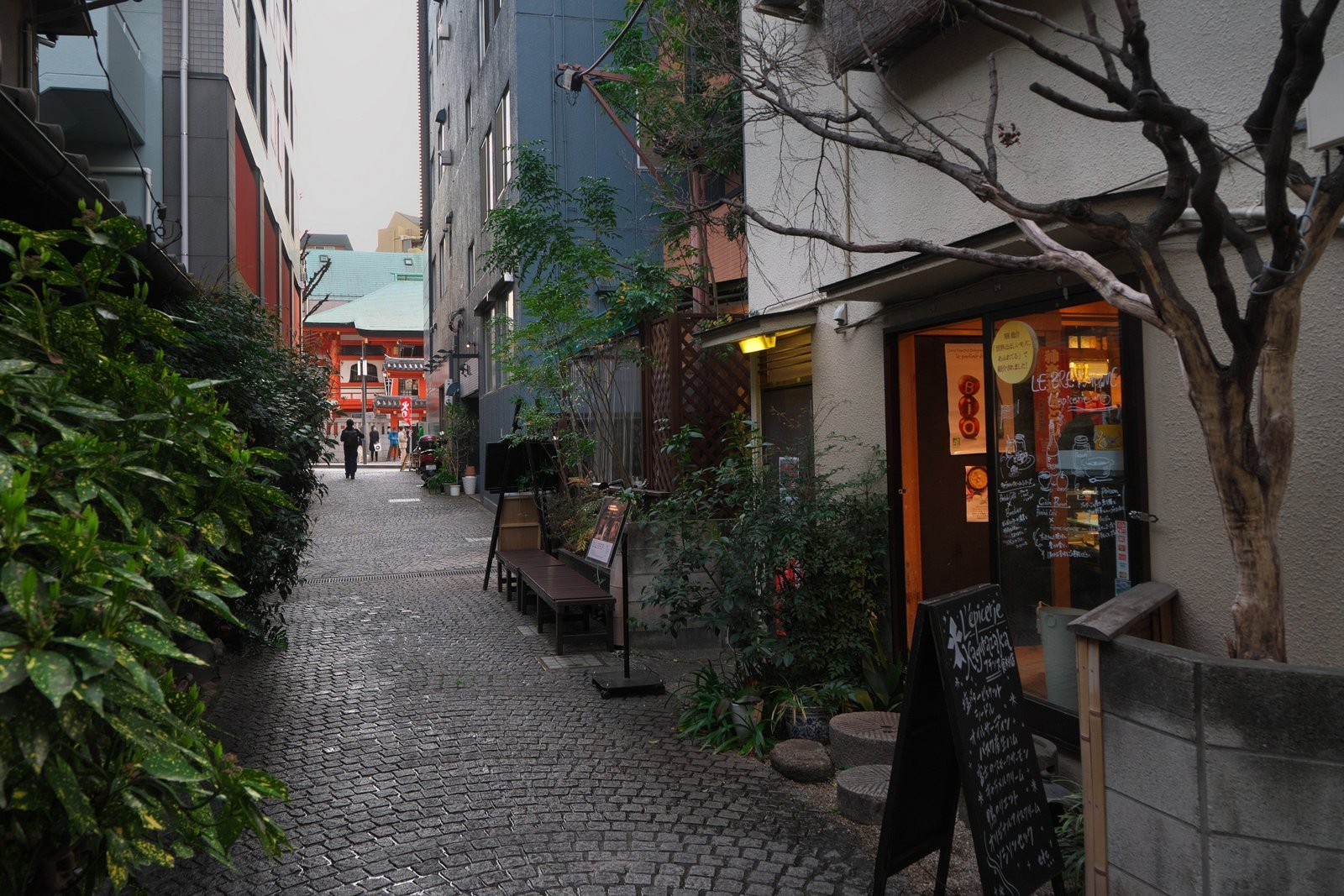
GO TOKYO describes Kagurazaka as a former geisha district. From the hanamachi world we work in, we would put it differently: Kagurazaka is one of Tokyo’s six hanamachi, and its geisha still stage their own dance performance, the Kagurazaka Odori, which began in 1963. The traditional restaurants known as ryotei sit behind discreet signs and noren curtains in the backstreets. On weekends, GO TOKYO says, the main street is closed to traffic, so you can walk from Iidabashi Station up to Akagi-jinja along the road itself. For how Tokyo’s geisha districts differ from Kyoto’s, see our guide to geisha districts in Japan.
Where the Four Neighborhoods Are, and How to Get There
GO TOKYO places Asakusa and Ryogoku in eastern Tokyo, with Ryogoku next to the Sumida River, Yanaka and Nezu in northern Tokyo close to Ueno Park, and Kagurazaka in central Tokyo, near Shinjuku. The train times below are the ones on each neighborhood’s page in GO TOKYO, so they can be compared directly.
| Neighborhood | Main stations | From Tokyo Station | From Shinjuku Station |
|---|---|---|---|
| Asakusa | Asakusa (Tokyo Metro Ginza Line, Toei Asakusa Line, Tobu Skytree Line) | 20 minutes, changing at Kanda | 35 minutes, changing at Kanda |
| Yanaka and Nezu | Nippori (JR Yamanote, Keihin-Tohoku and Joban lines, Keisei Line); Nezu and Sendagi (Tokyo Metro Chiyoda Line) | 12 minutes to Nippori on the Yamanote Line | 20 minutes to Nippori on the Yamanote Line |
| Ryogoku | Ryogoku (JR Sobu Line, Toei Oedo Line) | Around 16 minutes, changing at Akihabara | 22 minutes on the JR Sobu Line |
| Kagurazaka | Kagurazaka (Tokyo Metro Tozai Line); Iidabashi and Ushigome-Kagurazaka nearby | 30 minutes, changing at Otemachi | 20 minutes, changing at Takadanobaba |
Asakusa and Ryogoku are the natural pair for one day, since both are in the east of the city. Yanaka pairs with Ueno. Kagurazaka, 20 minutes from Shinjuku Station, fits more easily into a day spent around Shinjuku. This guide gives no times between neighborhoods, because none of the official pages we used do; use a route planner for those.
Frequently Asked Questions
Which old Tokyo neighborhood should I visit first?
Asakusa, if it is your first trip: Senso-ji, the Kaminarimon gate and Nakamise Shopping Street are on one line from Asakusa Station, and there are theaters and other plans after dark. Choose Yanaka for a quiet afternoon, Ryogoku for sumo and museums, and Kagurazaka for a short walk before dinner.
How long does it take to walk around Yanaka?
GO TOKYO’s Yanaka and Nezu route, from Nippori Station past Yuyake Dandan and Yanaka Ginza to Nezu-jinja Shrine, has 19 minutes of walking between stops. Time in the shops, the cemetery and the shrine is extra, and each shop on Yanaka Ginza keeps its own hours.
What is the best day to visit Ryogoku?
A Tuesday to Friday that is not a holiday, and a day the Sumo Museum’s monthly calendar shows as open. The Edo-Tokyo Museum and the Sumida Hokusai Museum close on Mondays, and the Sumo Museum closes on Saturdays, Sundays, national holidays and some weekdays.
When are the sumo tournaments in Ryogoku in 2027?
From 10 to 24 January, 9 to 23 May and 12 to 26 September 2027, all at the Ryogoku Kokugikan. The Japan Sumo Association starts selling advance tickets on 5 December 2026, 10 April 2027 and 7 August 2027.
Is Kagurazaka still a geisha district?
Yes. Kagurazaka is one of Tokyo’s six hanamachi, with Shinbashi, Akasaka, Mukojima, Yoshicho and Asakusa, and its geisha still stage the Kagurazaka Odori, a dance performance first held in 1963. Ryotei restaurants still sit in its cobbled backstreets.
What can I do in Asakusa at night?
Asakusa Engei Hall runs a night show of rakugo and other acts until 9:00 pm, the terrace above the tourist center opposite Kaminarimon is open until 10:00 pm, and Senso-ji is lit after dark. On weekdays, Miyakodori holds private geisha ozashiki that can start as late as 8:00 pm, with booking.
Sources
- GO TOKYO walking routes: Asakusa (updated 24 November 2020), Yanaka and Nezu (27 March 2026), Ryogoku (31 March 2026) and Kagurazaka (11 October 2019)
- GO TOKYO neighborhood pages: Asakusa, Yanaka and Nezu, Ryogoku, Kagurazaka and Yanaka Ginza
- Senso-ji: About Senso-ji (Main Hall hours) (in Japanese)
- Taito City: Asakusa Culture Tourist Information Center
- Asakusa Engei Hall: Tickets and show times (in Japanese)
- Japan Sumo Association: Sumo Museum, its December 2026 calendar and tournament schedule
- Edo-Tokyo Museum: Hours and closed days
- Sumida Hokusai Museum: Plan your visit
All pages above were checked on 20 November 2026. Opening days, hours and prices change, so check the official pages before you go.


- Rainy Day in Asakusa: Indoor Cultural Things to Do, in the Order They Open
- Samurai, Ninja and Sumo Experiences in Tokyo Compared
Tea Houses in Tokyo: Which Kind of Teahouse to Visit
Omotenashi Meaning: The Idea Behind Japanese Hospitality
12 Best Tokyo Dinner Places: A Complete Guide (2026)
The Ultimate Guide to Tokyo Dinner Shows 2026
Top Rated Traditional Japanese Restaurants Near Me: Authentic Flavors and Sushi
Best Restaurants for a Birthday Dinner in Tokyo | Memorable Dining Experiences
Comment ( 0 )
Trackbacks are closed.

No comments yet.