



Geisha Shows in Tokyo: Witnessing the Art of the Flower and Willow World in 2026
When you close your eyes and imagine Japan, what do you see? Perhaps it is the neon glow of Shinjuku, the quiet majesty of Mount Fuji, or the ancient temples of Kyoto. But for many, the most enduring symbol of Japanese culture is the Geisha. Elegant, mysterious, and talented, these women are the custodians of centuries of tradition.
For international travelers planning a trip to Tokyo in 2026, witnessing a geisha show is often at the very top of their bucket list. However, the world of the geisha—known as the karyukai (flower and willow world)—is notoriously closed off. It is a world of introductions, secret teahouses, and strict etiquette.
So, how does a visitor to Tokyo see a geisha perform? Are there shows available to the public? And how do you distinguish between a “tourist trap” and a genuine cultural encounter?
Let’s explore the different types of geisha shows available in Tokyo, delve into the history of the capital’s geisha districts, and reveal the best way to book an authentic, private evening with these master artists. Specifically, we will introduce you to Asakusa Miyakodori, a historic establishment that is opening the doors of this exclusive world to international guests.
1. Demystifying the “Geisha Show”: What to Expect
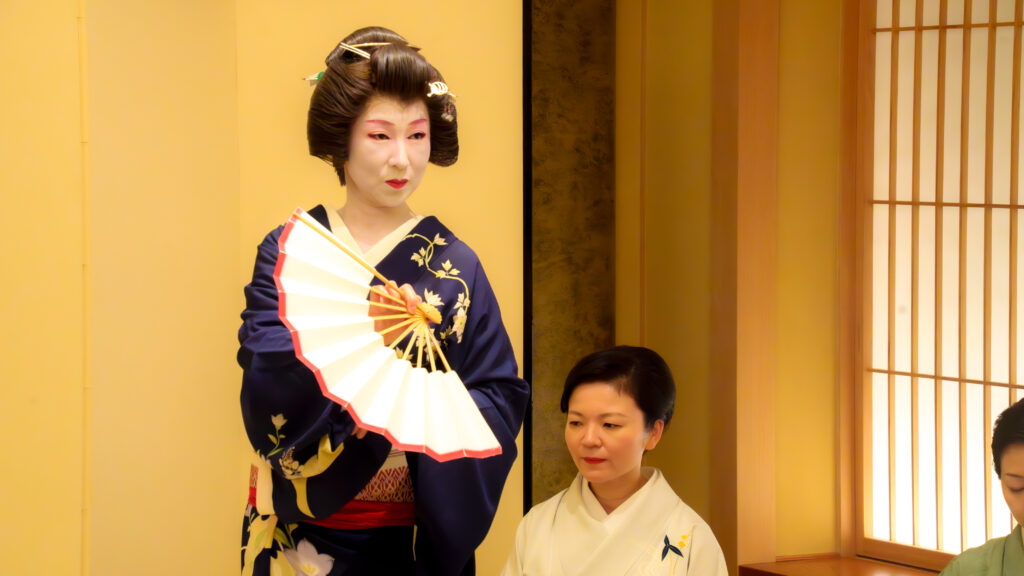
First, it is important to clarify what we mean by a “geisha show.” In the West, the word “show” implies a stage performance where you sit in a dark theater and watch a spectacle. While this exists in the geisha world, the true essence of their art is found in a much more intimate setting: the Ozashiki.
The Two Types of Geisha Performances
1. The Public Stage Performance (Odori)
Several times a year, the geisha associations of Tokyo (called Kenban) organize large-scale dance festivals held in theaters. These are formal events where dozens of geisha perform synchronized dances on stage.
- Pros: Accessible tickets, grand visual spectacle, opportunity to see many geisha at once.
- Cons: No interaction with the geisha, far from the stage, seasonal availability only (usually spring and autumn).
2. The Private Banquet (Ozashiki)
This is the authentic geisha experience. An ozashiki is a private gathering with geisha held in a traditional Japanese room (tatami room) at a high-end restaurant (ryotei) or teahouse.
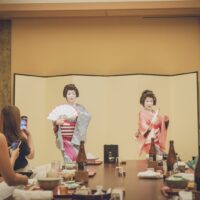
- The “Show”: The performance happens just feet away from you. It includes classical dance (Nihon Buyo), live music (shamisen and singing), and conversation.
- Pros: Deeply personal, interactive (you play games and talk), includes a full kaiseki dinner, photography is permitted.
- Cons: Traditionally difficult to book for foreigners (requires an introduction from an existing customer).
The Verdict: If you want to simply see a geisha, a stage show is fine. If you want to meet a geisha and experience Japanese hospitality, a private dinner is the only choice.
2. Tokyo vs. Kyoto: The “Iki” of the East
Many travelers assume they must go to Kyoto to see a geisha show. While Kyoto is the birthplace of the culture, Tokyo offers a distinct and vibrant style that is equally historically significant.
In Kyoto, the culture is defined by Miyabi (courtly elegance). In Tokyo, the culture is defined by Iki (chic, stylish, and spirited). Tokyo geisha are known for being sharp-witted, lively, and modern in their sensibilities, while strictly adhering to the arts of the Edo period.
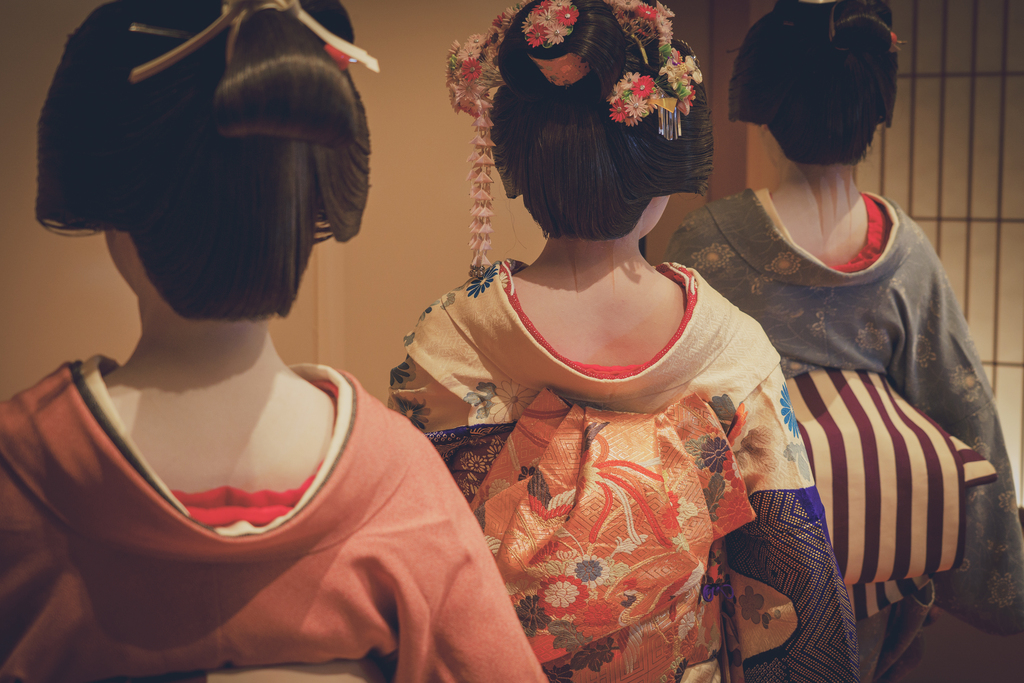
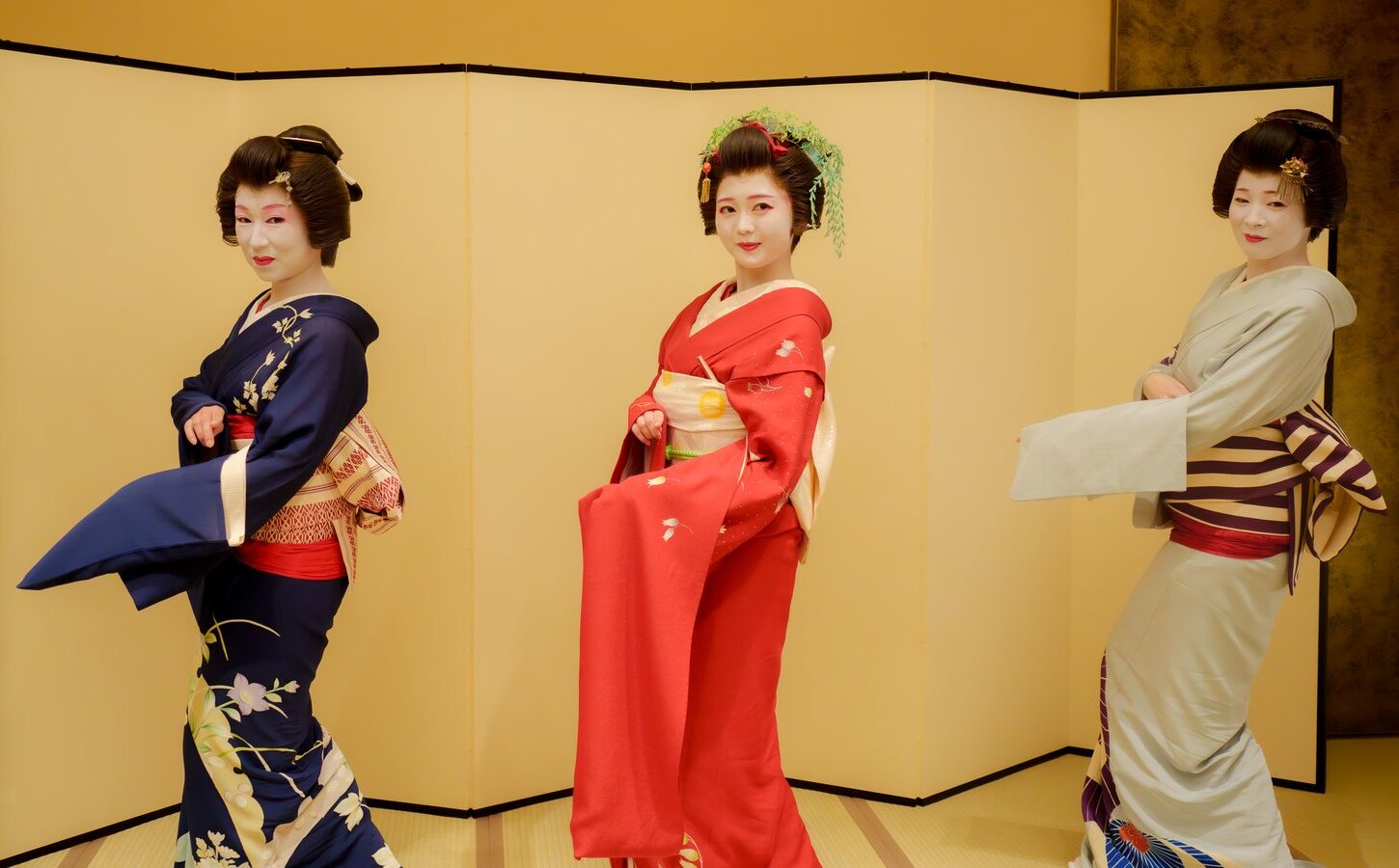
In Tokyo, a junior geisha is called a Hangyoku (literally “half-jewel”), whereas in Kyoto she is called a Maiko. The Hangyoku of Tokyo are famous for their bright, colorful kimonos and their high energy, making a Tokyo geisha show a dazzling visual feast.
3. The Best Districts to See a Geisha Show in Tokyo
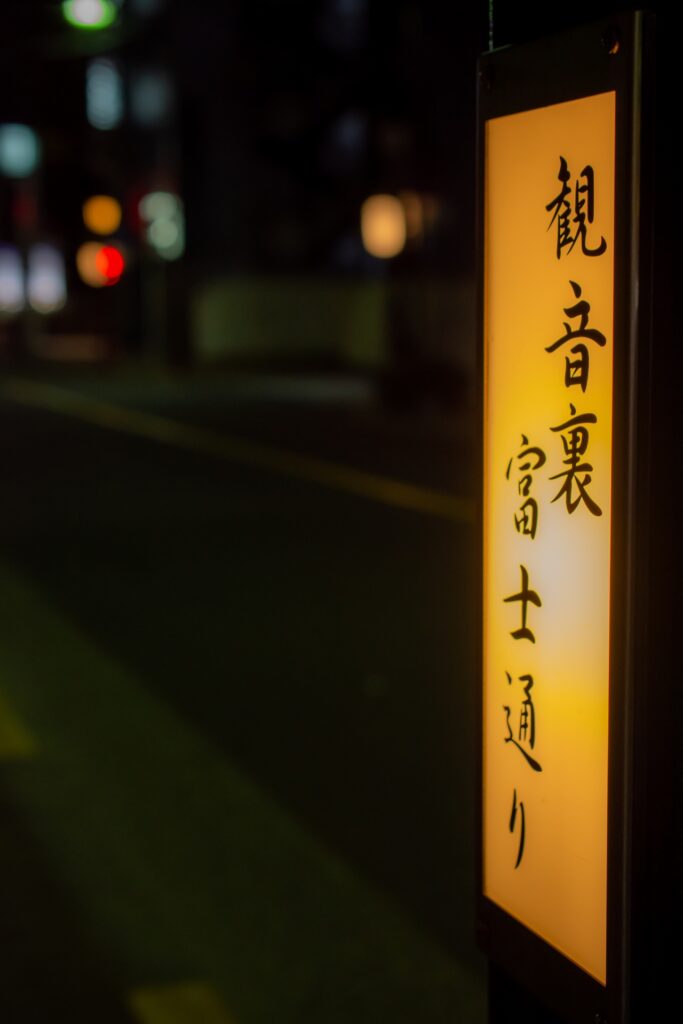
Tokyo is a massive metropolis, but the geisha world is concentrated in specific districts known as hanamachi (flower towns). If you are looking for a show, you need to look here.
Asakusa: The Heart of Old Edo
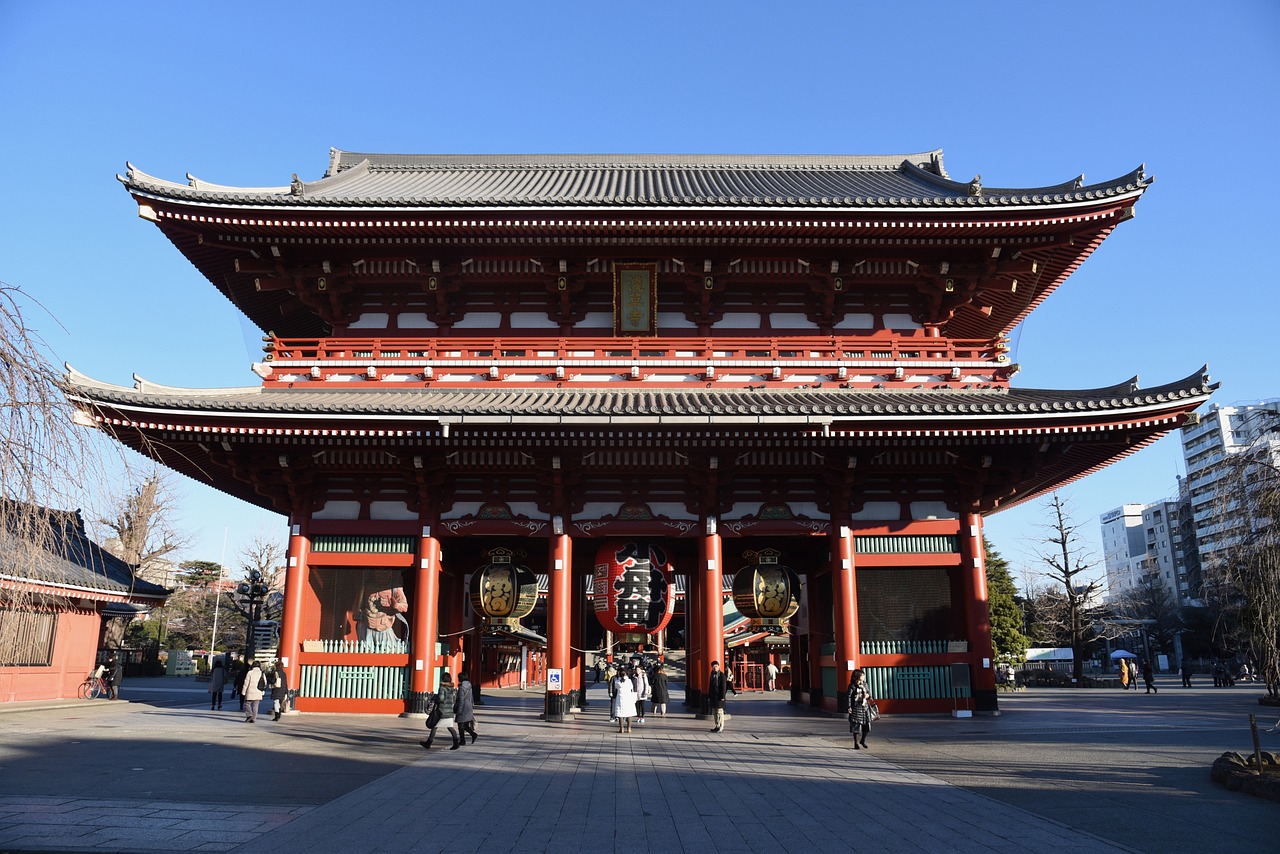
Asakusa is the most popular tourist destination in Tokyo, famous for the Senso-ji Temple. However, just north of the temple lies the “Kannon-ura” district, the home of the Asakusa geisha. Asakusa has historically been the center of entertainment for the common people of Edo (old Tokyo). As a result, the geisha culture here is known for being friendly, accessible, and deeply connected to the local festivals. It is the best place for foreigners to experience their first geisha show because the atmosphere is welcoming rather than stiffly aristocratic.
Shinbashi: The Prestige of the Elite
Shinbashi is the district of politicians and captains of industry. The “Azuma Odori” festival held here in May is one of the most prestigious dance events in Tokyo. The geisha of Shinbashi are renowned for their supreme skill in dance and music. While public shows are available once a year, booking a private dinner here is extremely difficult without high-level connections.
Kagurazaka: The Literary Hill
Known for its cobblestone streets and French influence, Kagurazaka offers a sophisticated “Little Kyoto” vibe. It is a beautiful area for a walk, and there are several restaurants offering geisha entertainment, though they can be pricey and exclusive.
4. Experience the Authentic: Asakusa Miyakodori
For years, international travelers faced a wall when trying to book a private geisha show: the rule of “Ichigensan Okotowari” (no first-time customers without an introduction).
Asakusa Miyakodori has changed the landscape.
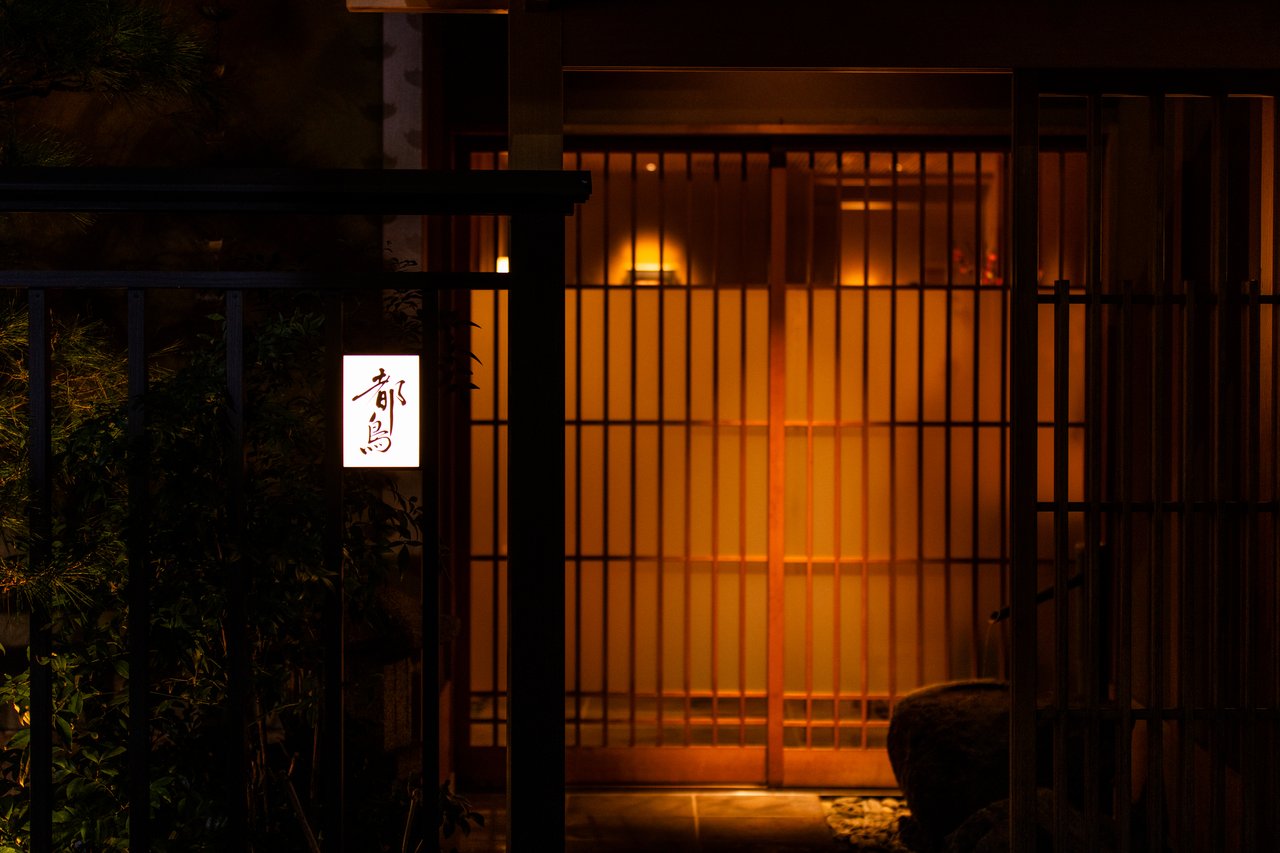
Located in the historic Kannon-ura district of Asakusa, Miyakodori is a surviving machiai-chaya (waiting tea house) founded in 1950. It is a place where history lives in the wooden pillars and the tatami mats.
Why Miyakodori is the Best Choice for 2026
If you are looking for a “geisha show” that goes beyond a tourist trap, Miyakodori offers the genuine article.
- Accessibility: They have abolished the introduction rule for guests booking via their website. You can book a private room directly.
- Authenticity: The geisha who perform at Miyakodori are registered members of the Asakusa Kenban (Geisha Association). They are true professionals, not actors in costumes.
- Language Support: Miyakodori understands the needs of global travelers. They provide support for English speakers, ensuring that you can communicate with the geisha and understand the games.
- Dietary Inclusivity: Miyakodori can adjust the menu for vegan and other dietary needs, and fully halal or kosher meals are served as bento (boxed meals) with 5 days’ notice. This ensures that guests from all cultural backgrounds can enjoy the dinner show without worry.
5. The Anatomy of a Geisha Dinner Show
What exactly happens when you book an evening at a place like Asakusa Miyakodori? It is a journey through three distinct stages.
Phase 1: The Feast (Kaiseki)
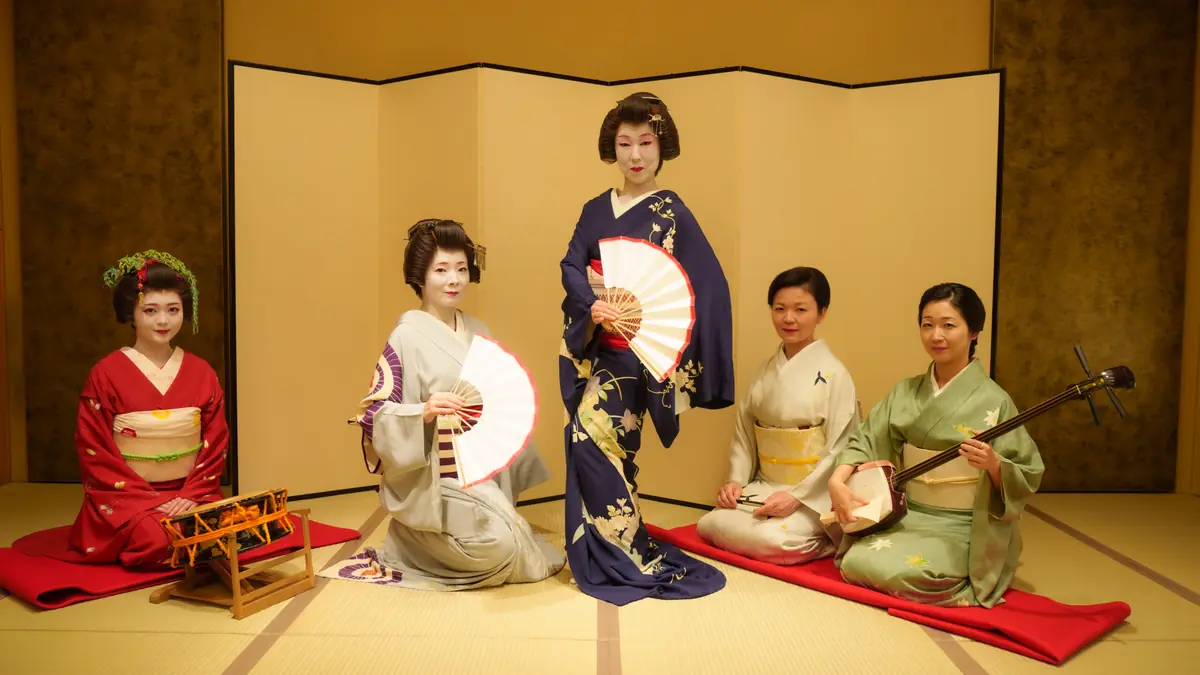
The evening begins with a multi-course meal known as Kaiseki. This is the pinnacle of Japanese cuisine, featuring seasonal ingredients plated like art. As you eat, the geisha (usually one Tachikata dancer and one Jikata musician, or sometimes a junior Hangyoku) will enter the room. They will pour your drinks (sake, beer, or tea) and engage you in conversation. This is your chance to ask questions about their kimono, their training, and their life in the arts.
Phase 2: The Performance (The Show)
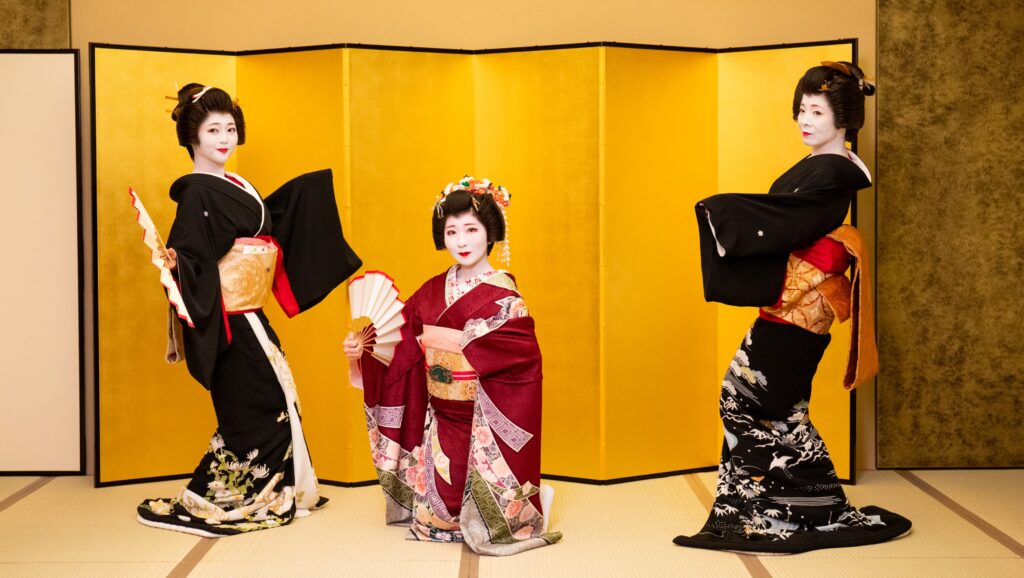
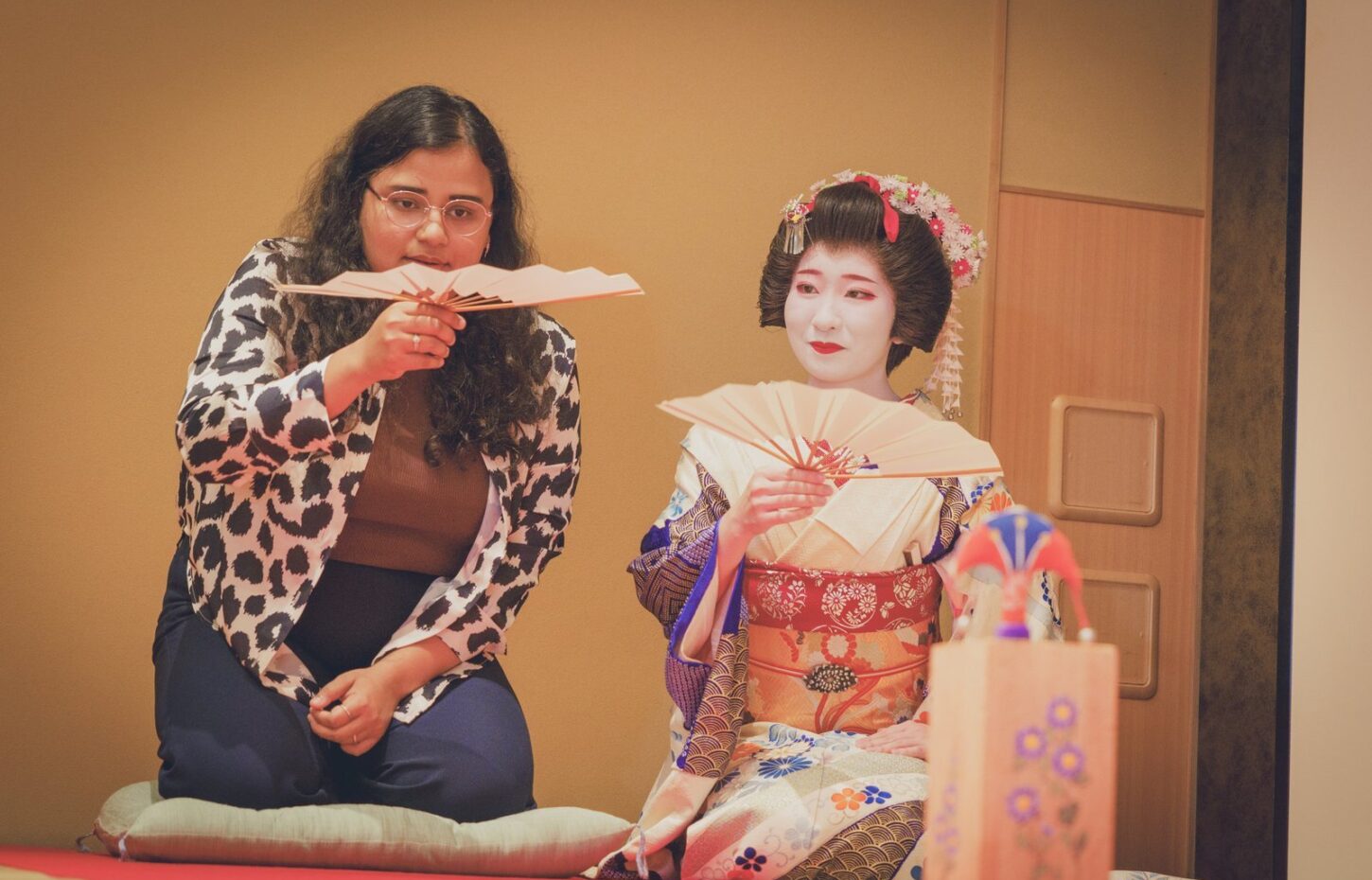
Once the meal is underway, the lights may dim slightly. The Jikata will pick up her shamisen (a three-stringed instrument), and the Tachikata (or Hangyoku) will take her place in the center of the room. You will witness a private performance of Nihon Buyo. The dance is slow, controlled, and deeply symbolic. Every movement of the fan represents an element of nature—falling snow, a blooming cherry blossom, or a flowing river. Seeing this dance just meters away from your table is an intimate experience that a large theater cannot replicate.
Phase 3: The Games (Ozashiki Asobi)
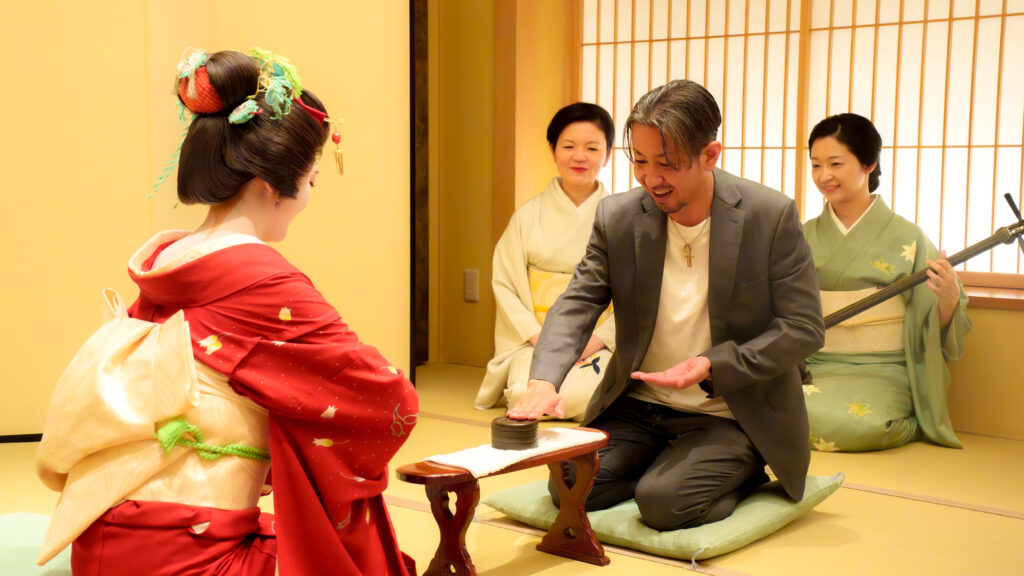
After the formal dance, the atmosphere relaxes. This is the “party” phase. The geisha will invite you to play traditional parlor games. These games are simple, rhythmic, and designed to make you laugh.
- Tora Tora: A variation of Rock-Paper-Scissors played with the whole body behind a screen. You pose as a Tiger, a Samurai, or an Old Woman to play.
- Konpira Fune Fune: A rhythm game played with a small wooden box.
- Tosenkyo: A fan-tossing game that requires skill and focus. These games bridge the language barrier. Laughter needs no translation.
6. Planning Your Visit: Practical Tips
When to Book
If you are traveling during peak seasons—such as the Cherry Blossom season (late March to early April) or the Autumn Leaves season (November)—you must book your geisha show well in advance. Authentic venues like Miyakodori have limited capacity because there are only a limited number of working geisha in Tokyo. We recommend booking at least 2 to 3 months in advance.
What to Wear
For a private dinner show at a ryotei, the dress code is usually “smart casual.” You do not need a suit and tie, but shorts and flip-flops are discouraged. Crucial Tip: You will be asked to take off your shoes at the entrance. Please ensure you are wearing clean, hole-free socks. This is a major point of etiquette in Japan.
Etiquette
- Photos: In a private room at Miyakodori, you are allowed (and encouraged) to take photos with the geisha. However, always ask “Photo OK?” before snapping pictures.
- Touching: Never touch a geisha’s kimono, wig, or hair ornaments. These items are incredibly expensive antiques.
- Respect: Treat the geisha as the highly skilled artists they are.
7. Conclusion: A Memory for a Lifetime
A geisha show in Tokyo is a portal to a bygone era. In the fast-paced, neon-lit capital of Japan, the ozashiki remains a sanctuary of beauty, grace, and human connection.
Whether you are a couple celebrating a honeymoon, a family seeking a unique cultural lesson, or a business group looking to impress clients, a private evening at Asakusa Miyakodori offers the perfect blend of history, cuisine, and art.
Don’t just watch Japan from a distance. Step into the tatami room, raise a cup of sake, and let the sound of the shamisen transport you to the world of the geisha.
Visit the Asakusa Miyakodori website today to reserve your authentic geisha experience.
References
[1] Where to See Geisha in Tokyo: Bookable Experiences, Festivals & More | Tokyo Cheapo
[2] Tokyo Geisha: Show, Experience & History – Tea Ceremony Japan Experiences MAIKOYA
[3] GEISHA ENTERTAINMENT experience IN TOKYO — TOKI
[4] Azuma Odori – the most famous Geisha Festival in Tokyo [6] Asakusa Geisha Show
Experience graceful performances, warm hospitality, and a timeless atmosphere where Japan’s living traditions come to life.
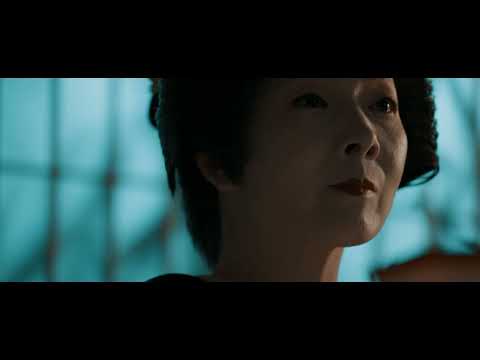
- Private Ozashiki: An intimate, refined encounter with authentic Asakusa geisha.
- Traditional Geisha Artistry: Elegant dance, live shamisen music, and interactive ozashiki games.
- Historic Machiai-chaya Setting: A sophisticated cultural experience in a traditional machiai-chaya setting.
- English Support Available: Assistance for international guests throughout your visit.
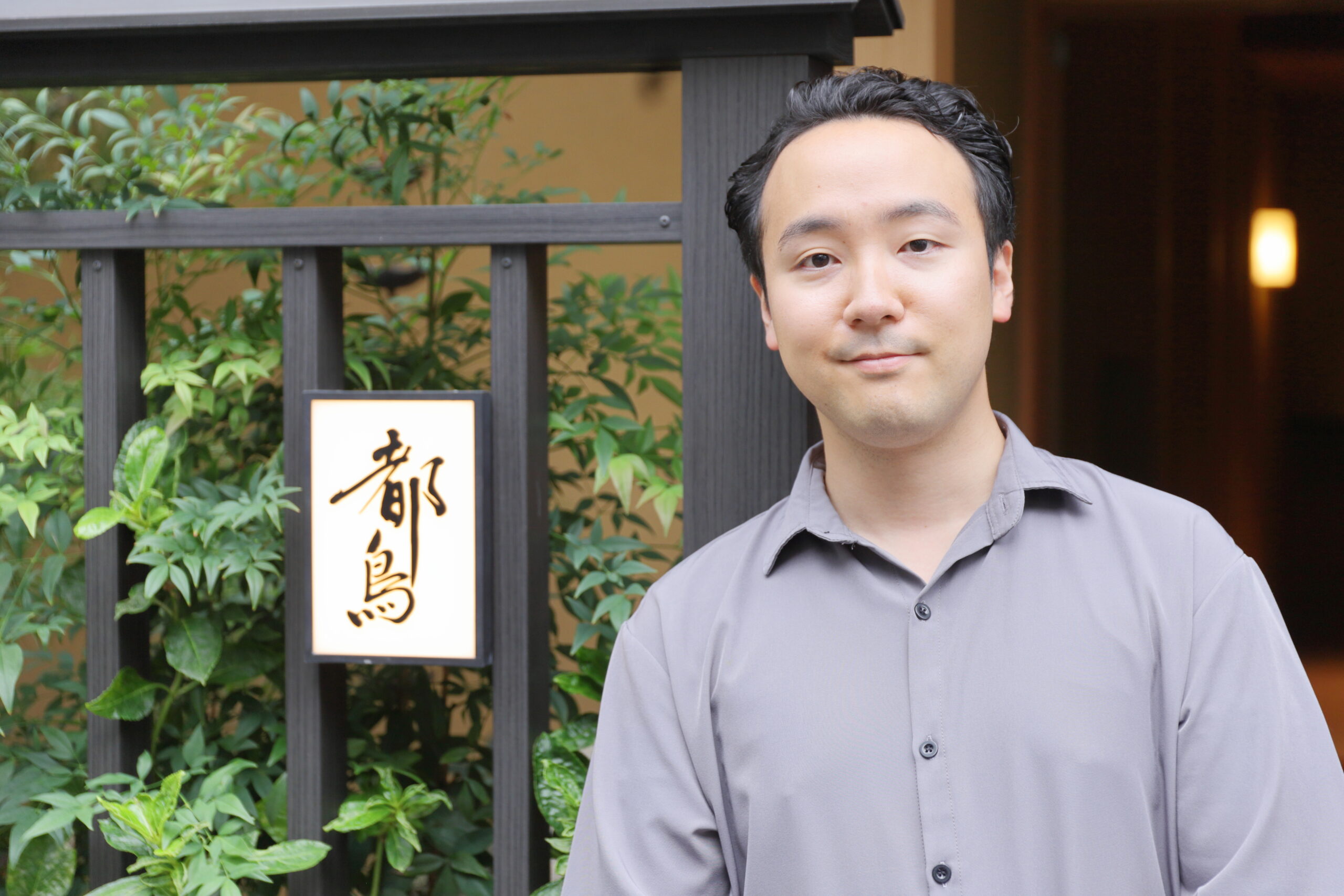


- The Geisha Experience in Tokyo: Planning Your Visit to Asakusa
- Ozashiki Asobi Experience: Traditional Geisha Games in Japan
Asakusa Geisha Culture: How-to & Etiquette Q&A【Miyakodori】
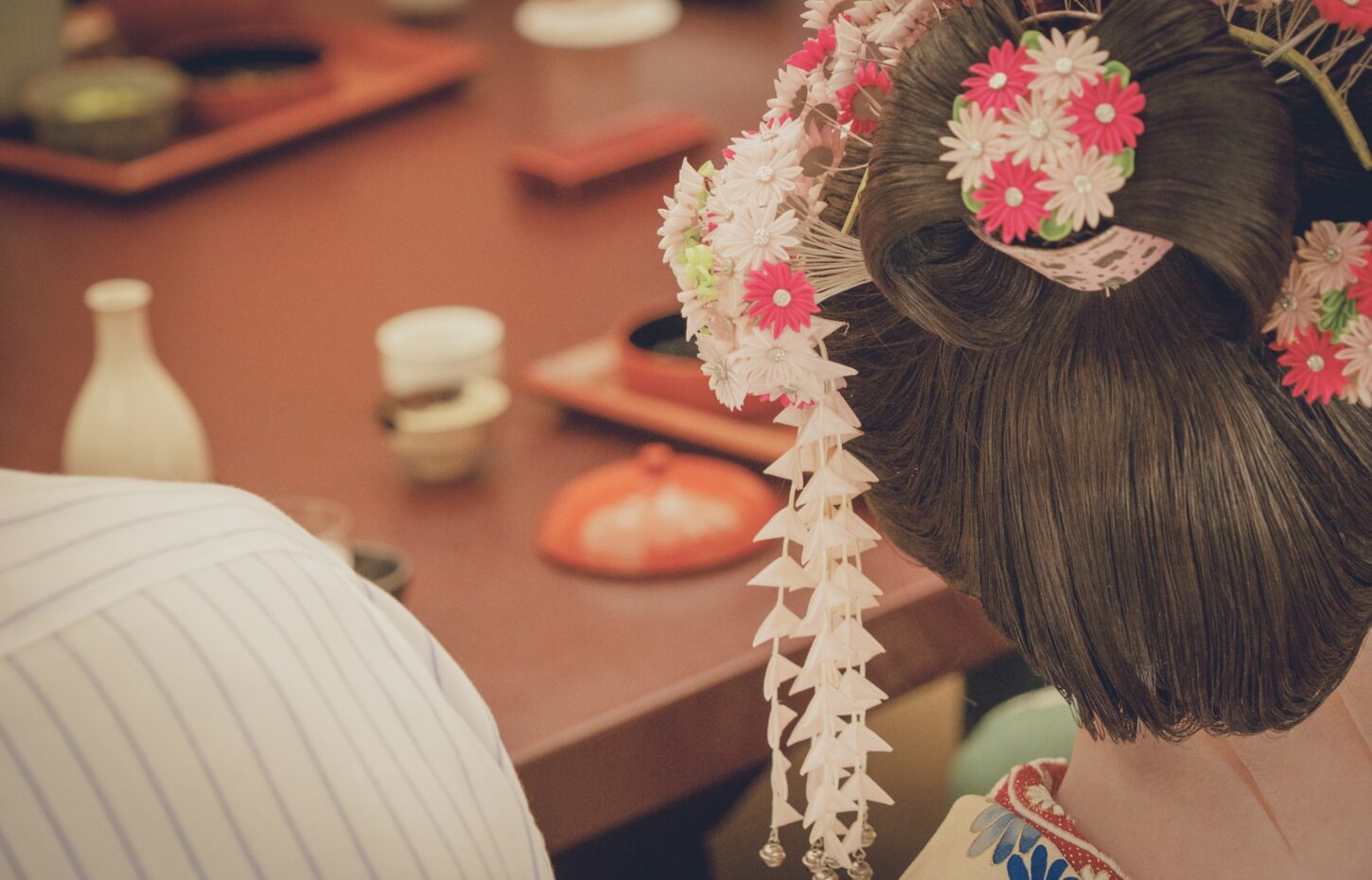
Kanzashi: A Guide to Japanese Hair Ornaments
Asakusa Geisha Encyclopedia: Inside Tokyo’s Hanamachi
Tosenkyo: The Geisha Fan-Throwing Game, Explained
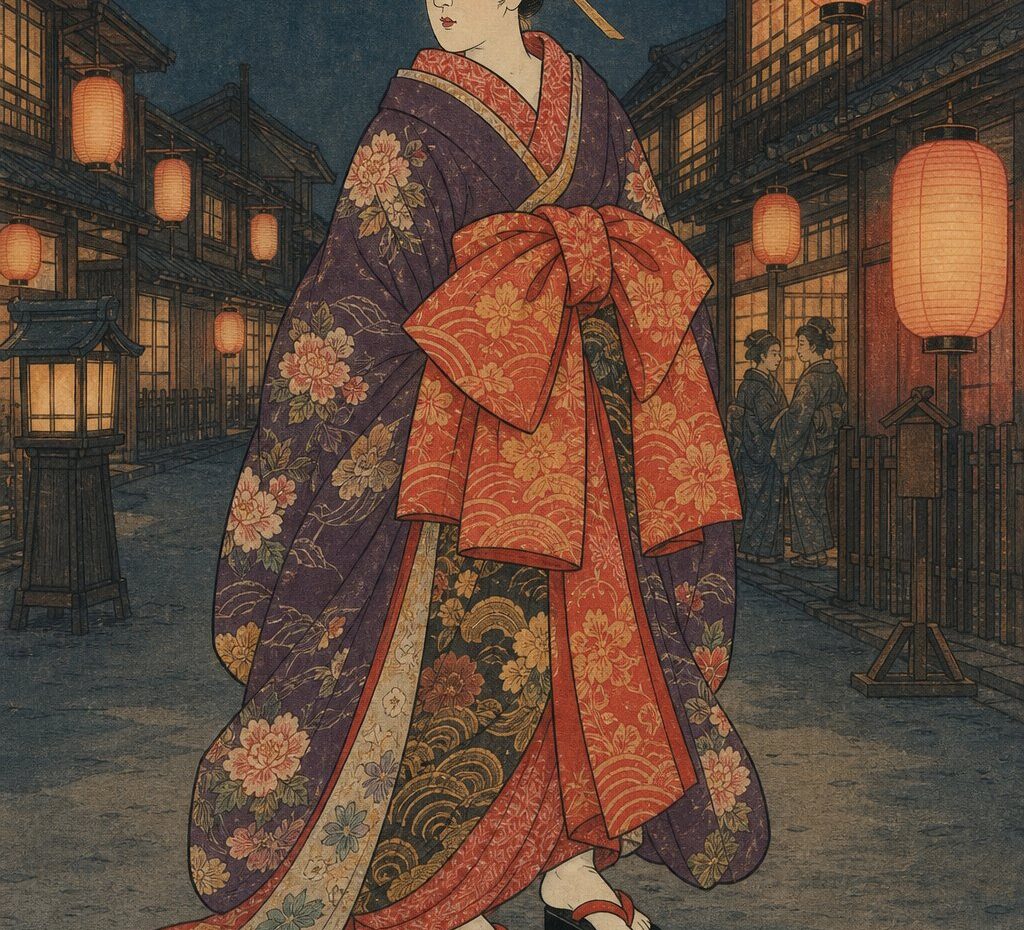
Oiran vs Geisha: What’s the Difference? (Answered in Asakusa)
Hakoya: The Unsung Keeper of Asakusa’s Geisha World
Comment ( 0 )
Trackbacks are closed.

No comments yet.