




Complete Guide to Asakusa: Tourist Spots, Food & Hidden Gems
Asakusa is one of Tokyo’s most rewarding neighborhoods to explore — a place where the pace of the Edo period still shapes how people move, eat, and gather. This guide covers the full range of what makes it special: iconic landmarks like Kaminarimon and Senso-ji, lively local streets, quieter hidden gems, the best food finds, practical access tips, and how each season transforms the town. Whether this is your first visit or your fifth, there is always something new to discover.
1. What Makes Asakusa Worth Your Time
1.1 A Town Where Edo-Period Culture Is Still Alive
Asakusa is one of Tokyo’s most historically layered districts, with roots stretching back to the Edo period. The area around Senso-ji Temple and Asakusa Shrine has retained its temple-town character for centuries — streets that once housed theaters, yose comic storytelling halls, and craftsmen’s workshops still echo that energy today. Ukiyo-e prints, ningyo-yaki cake molds, and lacquerware are not just sold as souvenirs here; they are part of an unbroken local tradition.
1.2 Downtown Warmth Alongside Modern Attractions
What sets Asakusa apart from purely tourist districts is its working downtown character. Long-established restaurants and specialty shops share the same streets with modern observation terraces and experiential cafes. The Asakusa Culture and Tourist Information Center, designed by Kengo Kuma, is a short walk from Kaminarimon and offers a free rooftop panorama that many visitors miss. Nearby, the Tokyo Skytree and Sumida River cruise routes expand the experience well beyond the temple grounds.
| What You’ll Find | Examples |
|---|---|
| History & Tradition | Senso-ji Temple, Asakusa Shrine, Engei Hall rakugo & manzai |
| Cultural Experiences | Rickshaw rides, kimono rentals, traditional crafts |
| Modern Facilities | Asakusa Culture and Tourist Information Center, Tokyo Skytree access |
| Downtown Character | Nakamise Street, Hoppy Street, long-established eateries |
| Access & Connectivity | Multiple subway lines, Sumida River water bus, Tobu Skytree Line |
2. Classic Spots: The Essentials
2.1 Senso-ji Temple and Kaminarimon Gate
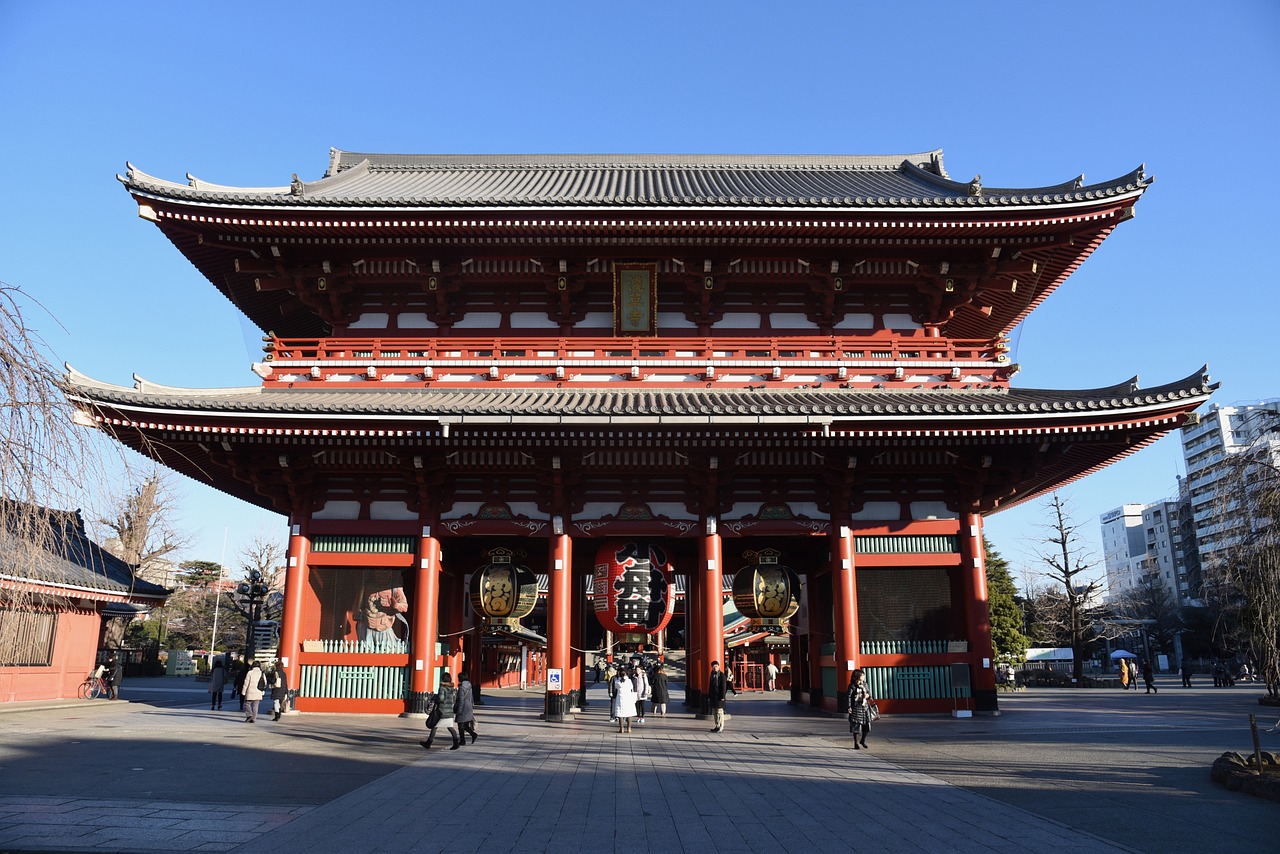
Founded in 628 AD, Senso-ji is the oldest temple in Tokyo. The approach begins at Kaminarimon — formally named Furaijinmon — where the enormous red lantern and the flanking statues of the Wind God and Thunder God greet every visitor. Beyond the gate, Nakamise Street leads through approximately 90 shops to the main hall, where visitors can draw omikuji fortune slips and make incense offerings. Behind the main hall, the seated figure of Obinzuru-sama is said to heal ailments when the corresponding part of the statue is rubbed.
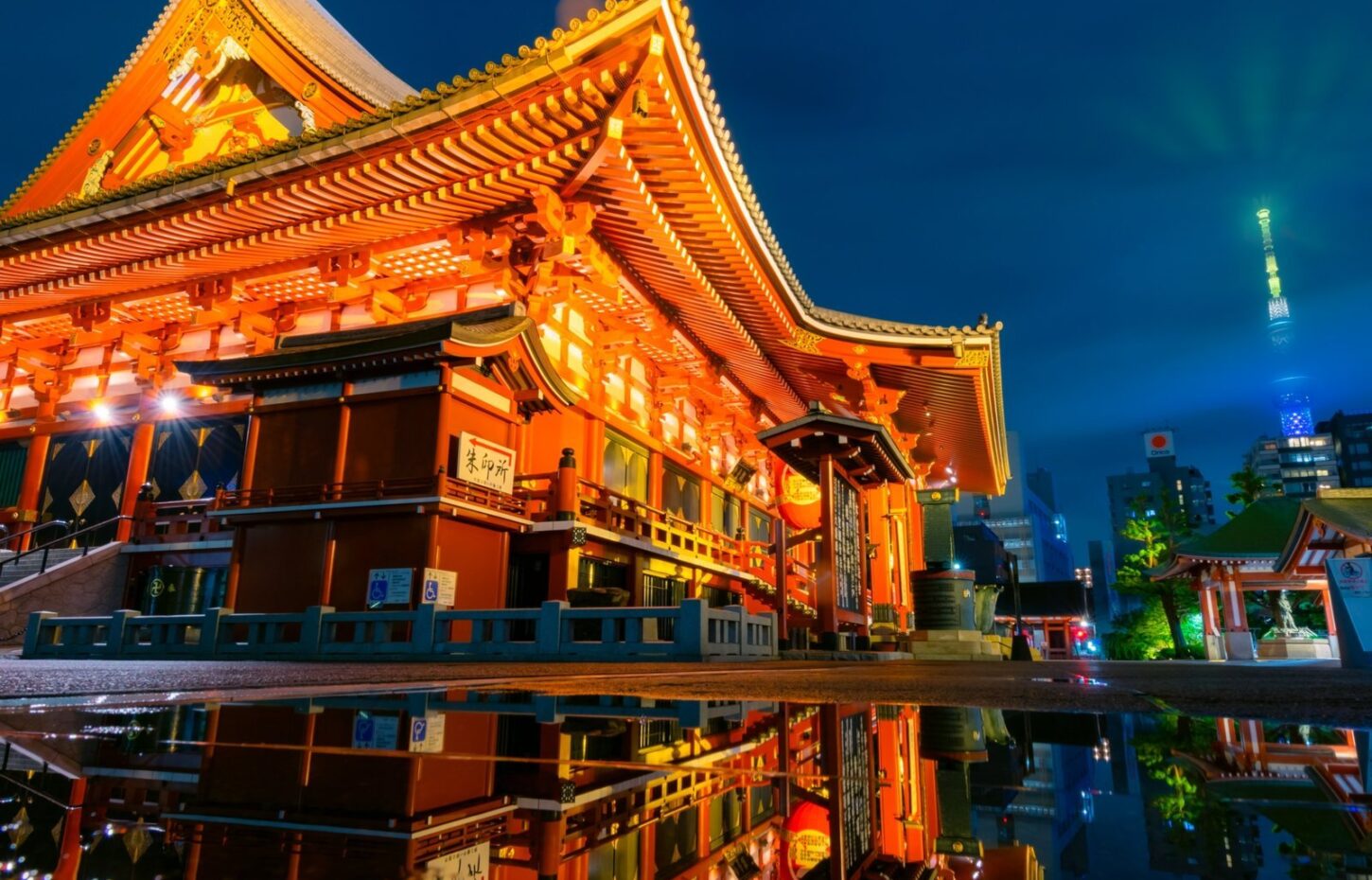
Evening visits offer a distinctly different atmosphere — the illuminated main hall and pagoda, visible from across the Sumida River, give the temple grounds a quieter, more contemplative quality than the midday crowds allow.
2.2 Asakusa Shrine and the Sanja Matsuri
Standing directly beside Senso-ji, Asakusa Shrine is dedicated to the three founders of the temple and is known locally as Sanja-sama. Its main festival, the Sanja Matsuri — held every May and considered one of Tokyo’s three great festivals — draws enormous crowds to watch over 100 portable mikoshi shrines carried through the streets by participants in happi coats. Outside festival season, the ancient trees on the shrine grounds provide a calm counterpoint to the busier Nakamise area.
2.3 Nakamise Street: Street Food and Shopping
Nakamise Street runs roughly 250 meters from Kaminarimon to the main hall — one of Japan’s oldest shopping streets, with origins in the mid-Edo period. Beyond the usual souvenir shops, several stalls specialize in street food that is genuinely worth stopping for.
| What to Try | Where | Notes |
|---|---|---|
| Fried manju | Asakusa Kuzuho area stalls | Crispy outside, soft filling — best eaten warm |
| Ningyo-yaki | Kimura-ya Main Store | Bean-paste castella in Kaminarimon and pagoda shapes |
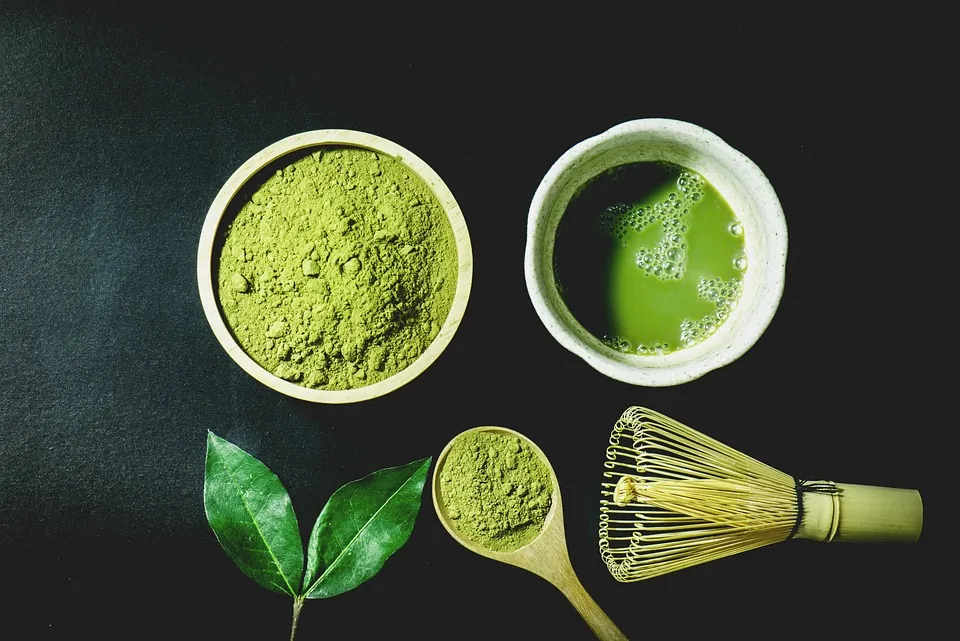
| Matcha gelato | Suzuki-en | Seven intensity levels; known for exceptionally deep matcha flavor |
3. Local Streets Worth Exploring
3.1 Hoppy Street: Showa-Era Izakayas
A few streets east of Nakamise, Hoppy Street — also called Nikomi Street — has been the center of Asakusa’s izakaya culture since the post-war era. By late afternoon, red lanterns line the street and the smell of simmered dishes fills the air. Most shops are straightforward to enter, with some offering outdoor terrace seating where spontaneous conversations with locals are common. Hoppy, the low-alcohol barley malt drink that gives the street its name, remains the default order.
3.2 Denboin Street: Edo Architecture Preserved
Running north of Senso-ji, Denboin Street is a 200-meter arcade designed to evoke the look of an Edo-period townhouse district. Craft shops, candy artisans, and Japanese miscellaneous goods fill the arcade, and live candy-art demonstrations draw small crowds. Details worth noticing: lanterns overhead, tile rooflines, and lattice doors on shop fronts. The adjacent Denboin sub-temple garden opens to the public in spring.
3.3 Kappabashi Tool Street: Professional Kitchenware
About ten minutes’ walk from Kaminarimon, Kappabashi Tool Street stretches roughly 800 meters and houses over 170 specialist shops selling professional-grade knives, cookware, tableware, and the hyper-realistic food samples displayed outside Tokyo restaurants. Several shops offer food-sample-making workshops — one of the more memorable hands-on experiences in the area.
| Category | What You’ll Find | Notes |
|---|---|---|
| Knives & Cookware | Gyuto, deba, santoku in professional grades | Wide price range; many shops ship internationally |
| Tableware | Japanese and Western tableware, lacquerware | Commercial to home-use range |
| Food Samples | Restaurant-quality wax and silicone replicas | Popular with overseas visitors; workshop options available |
| Shop Supplies | Noren curtains, signboards, decorative items | Gives a look at how Tokyo restaurants are fitted out |
4. Hidden Gems: Quieter Spots Worth Seeking Out
4.1 Imado Shrine: Romantic Ties and Beckoning Cats
Located in the northeastern corner of Asakusa along the Sumida River, Imado Shrine is known as a power spot for romantic connections and as the traditional birthplace of the maneki-neko (beckoning cat). Beckoning cats of various sizes are placed throughout the grounds. The shrine draws couples and young visitors hoping for good matches, but remains far less crowded than Senso-ji — morning visits in particular are quiet and unhurried. The limited-edition “Matchmaking Beckoning Cat Charm” is among the more distinctive souvenirs in the area.
4.2 Sumida Park: River Views and Cherry Blossoms
Stretching along the west bank of the Sumida River, Sumida Park is most celebrated for its approximately 1,000 cherry trees in spring, but it functions as a local relaxation space throughout the year. Water buses and houseboats pass at regular intervals, and the Tokyo Skytree is visible through the tree line. The riverside promenade connecting to the Sumida River Terrace is a good choice for an early-morning or late-afternoon walk away from the main tourist areas.
4.3 Asakusa Culture and Tourist Information Center: The Best Free View
The Asakusa Culture and Tourist Information Center stands directly opposite Kaminarimon. Designed by Kengo Kuma, its stacked-roof exterior is worth a look on its own. Take the elevator to the 8th-floor observation terrace — entry is free — for a direct, elevated view of the Nakamise approach, the Senso-ji main hall, the five-storied pagoda, and the Skytree in the distance. Tables and chairs are available, making this a practical stop for a coffee break with a view. Multilingual tourist materials are stocked on the lower floors.
4.4 Asakusa Hanayashiki: Japan’s Oldest Amusement Park
Founded in 1853, Hanayashiki holds the distinction of being Japan’s oldest operating amusement park, and it has made no attempt to disguise that age. The roller coaster, haunted house, and merry-go-round retain a handmade quality — nothing here runs at the scale of a modern theme park, and that is entirely the point. Seasonal events change the character of the park throughout the year. It draws a mix of families and younger visitors seeking a genuinely retro experience.
| Hidden Gem | Highlights | Best Time to Visit | Access from Asakusa Station |
|---|---|---|---|
| Imado Shrine | Beckoning cat birthplace; romantic ties power spot | Morning (quietest) | ~15 min walk northeast, along Sumida River |
| Sumida Park | Cherry blossoms; river views; Skytree backdrop | Morning or late afternoon | 5 min walk; near water bus stop |
| Culture Info Center | Free 8th-floor panorama; multilingual materials | Any time (sunset recommended) | Directly opposite Kaminarimon |
| Hanayashiki | Japan’s oldest amusement park; retro rides | Afternoon (seasonal events vary) | 3 min walk behind Senso-ji |
5. Asakusa Through the Seasons
5.1 Spring: Cherry Blossoms Along the Sumida River
Spring brings the Sumida Park Sakura Festival, when approximately 1,000 cherry trees along the riverbank come into bloom. Food stalls line the promenade and the blossoms are lit up after dark, creating a very different atmosphere from daytime visits. The stretch from Azumabashi to Kototoibashi offers the best views, and a Sumida River water-bus trip during cherry blossom season combines the hanami experience with a river perspective on the Skytree.
5.2 Summer: Sumida River Fireworks
The Sumida River Fireworks Festival, held on a Saturday in late July, is said to be Japan’s oldest fireworks festival, launching over 20,000 shells from two sites along the river. Crowds in yukata fill the area from early afternoon. Good viewing spots — Sumida Park, the Sensoji Temple grounds, and the area around Skytree — fill up quickly; arriving several hours early is the standard approach. The combination of low-burst fireworks over the water and the lit Skytree in the background is a popular photography subject.
5.3 Autumn: Asakusa Samba Carnival
Held in late August or early September, the Asakusa Samba Carnival has run for several decades and draws samba teams from across Japan. The main route runs along Umamichi Street and Kaminarimon Street, where large viewing areas are set up. The spectacle — Brazilian-style costumes, live percussion, and close-range choreography — is unlike anything else in Tokyo’s festival calendar.
5.4 Winter: Hagoita Market and New Year’s Visits
Each year from December 17 to 19, the Hagoita Market fills the Sensoji Temple grounds with elaborately decorated battledore paddles (hagoita) — a traditional year-end market that has been held here for centuries. New Year’s itself brings some of the largest first-shrine-visit crowds in Japan; the first three days of January are intensely busy, but the experience of New Year’s prayers, warm amazake (sweet fermented rice drink), and the lit-up temple in midwinter makes it worthwhile.
| Season | Main Event | Highlights | Best Viewing Spots |
|---|---|---|---|
| Spring | Sumida Park Sakura Festival | ~1,000 cherry trees; evening illumination; food stalls | Azumabashi to Kototoibashi; water bus |
| Summer | Sumida River Fireworks | 20,000+ shells; yukata crowds; Skytree backdrop | Sumida Park, Sensoji grounds, near Skytree |
| Autumn | Asakusa Samba Carnival | Japanese samba teams; Brazilian-style costumes | Umamichi Street, Kaminarimon Street |
| Winter | Hagoita Market & New Year’s | Elaborate battledore paddles; first shrine visit crowds | Sensoji Temple grounds, Nakamise Street |
6. Getting There and Planning Your Day
6.1 Access: Nearest Stations and Lines
Asakusa is served by four separate rail lines, making it easy to reach from most parts of Tokyo and from both major airports.
| Line | Nearest Station | Key Connections | Notes |
|---|---|---|---|
| Tokyo Metro Ginza Line | Asakusa Station | Ueno, Ginza, Shibuya (direct) | Most convenient from central Tokyo |
| Toei Asakusa Line | Asakusa Station | Oshiage, Nihombashi, Shinagawa, Narita/Haneda airports | Airport access without transfer |
| Tobu Skytree Line | Asakusa Station | Kita-Senju, Nikko area | Tobu Limited Express for Nikko day trips |
| Tsukuba Express | Asakusa Station (South Exit) | Akihabara, Tsukuba | Fast connection to Akihabara (~10 min) |
For first-time visitors, the Tokyo Metro Ginza Line or Toei Asakusa Line are the most direct options — both stations are within a five-minute walk to Kaminarimon.
6.2 Half-Day Itinerary
Asakusa is compact enough to cover the main highlights in three to four hours if you move with purpose.
| Time | Spot | What to Do |
|---|---|---|
| 10:00 | Kaminarimon & Senso-ji Temple | Photo at the gate; visit the main hall; omikuji fortune slip |
| 10:30 | Nakamise Street | Street food (ningyo-yaki, fried manju); browse souvenir shops |
| 11:00 | Asakusa Shrine | Short visit; read the Sanja Matsuri explanation board |
| 11:30 | Culture and Tourist Info Center | Take the elevator to the 8th floor for the free panoramic view |
| 12:00 | Hoppy Street | Lunch at a Showa-era izakaya; try nikomi stew or yakitori |
6.3 Full-Day Itinerary
With a full day, the surrounding areas — Kappabashi, the Sumida River, and Tokyo Skytree — add significantly to the experience.
| Time of Day | Area | Highlights |
|---|---|---|
| Morning | Senso-ji, Nakamise, Asakusa Shrine | Temple visit; street food; historical atmosphere before crowds build |
| Lunch | Hoppy Street or Denboin Street area | Tempura donburi at Daikokuya; kamameshi; monjayaki at Tsuchiya |
| Afternoon | Kappabashi Tool Street | Professional knives; food samples; workshop options |
| Late afternoon | Culture Info Center observation terrace | Sunset view over Senso-ji and Skytree |
| Evening | Sumida Park or Skytree area | Illuminated Skytree reflected in the river; riverside stroll |
7. Food and Souvenirs
7.1 What to Eat in Asakusa
The food culture in Asakusa runs from Edo-era recipes unchanged for a century to casual street snacks. The following are spots that have earned consistent attention from visitors and locals alike.
| Dish | Where to Find It | Notes |
|---|---|---|
| Kaminarimon Senbei | Tokiwa-do, Kaminarimon Shop | Classic Asakusa souvenir cracker; crispy, savory |
| Ningyo-yaki | Kimura-ya Ningyo-yaki Main Store | Kaminarimon-shaped bean-paste castella; good for gifts |
| Tempura donburi | Daikokuya Tempura | Established Meiji era; rich sauce; long queues at peak times |
| Monjayaki | Tsuchiya Asakusa Main Store | Cooked tableside; lively downtown atmosphere |
| Asakusa Menchi | Asakusa Menchi Main Store | Juicy menchi-katsu; best eaten immediately |
| Imoyokan | Funawa Main Store | Sweet potato jelly; no artificial coloring; simple and classic |
| Matcha gelato | Suzuki-en | Seven intensity levels; strongest level has deep, almost bitter matcha |
7.2 Souvenirs Worth Bringing Home
Beyond the expected tourist goods, several shops in Asakusa stock items with genuine craft character. A few worth seeking out:
| Souvenir | Where to Buy | Why It Stands Out |
|---|---|---|
| Maneki-neko & Imado ware | Shops near Imado Shrine | Beckoning cat items tied to the shrine’s origin story; variety of finishes |
| Edo Kiriko glassware | Asakusa Nakaya | Hand-cut crystal in traditional geometric patterns; significant craft skill |
| Tenugui hand towels | Kamawanu Asakusa Store | Seasonal patterns; practical and light to pack; doubles as wrapping cloth |
| Kaminarimon-motif sweets | Nakamise Street vendors | Recognizable packaging; good for multiple gifts |
| Japanese herbal cosmetics | Makainai Kosei Asakusa Store | Traditional herbal formulas; popular among visitors with sensitive skin |
| Furoshiki wrapping cloths | Furoshiki-ya Asakusa Store | Versatile gift wrapping or tote; available in many sizes and patterns |
| Traditional toys & butsugu | Specialty shops in front of Senso-ji | Kendama, daruma, spinning tops — well-made versions of classic forms |
Note that most souvenir shops along Nakamise and in the Senso-ji area close by early evening. Allocate time before 17:00 if shopping is a priority.
8. Asakusa and Geisha Culture
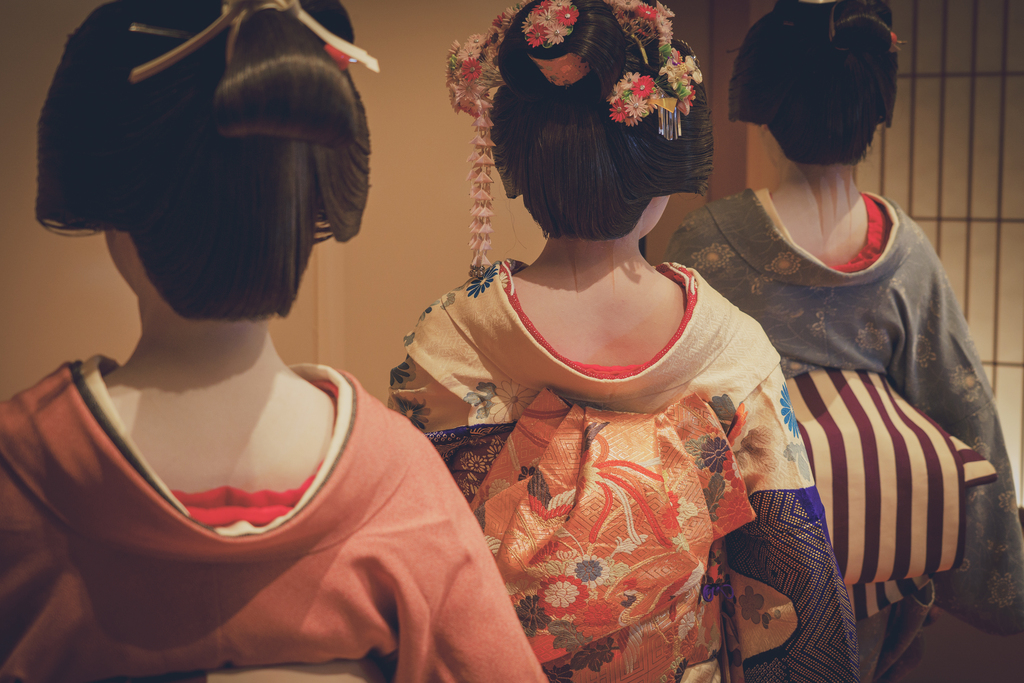
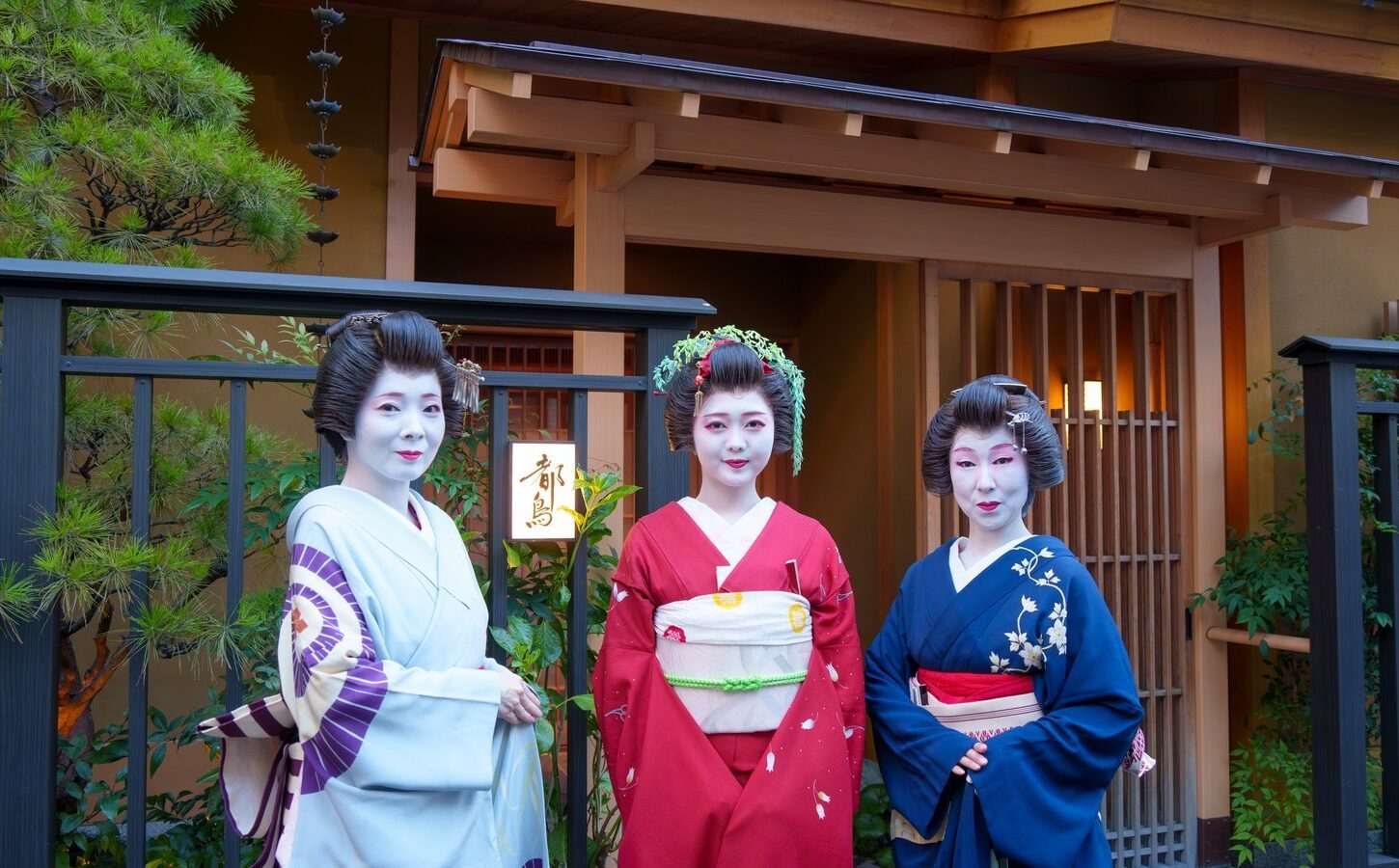
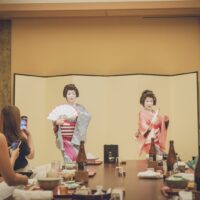
Asakusa is home to one of Tokyo’s oldest geisha districts — a neighborhood where this culture has been part of daily life for centuries. Miyakodori offers private ozashiki banquets with geisha, a way to experience that living tradition directly. The Ozashiki Tea House is also available for those looking for a lighter first experience.
Experience Asakusa’s Geisha Culture
Miyakodori has hosted private ozashiki banquets with geisha in Asakusa since 1950.
Its proprietress — a former geisha herself — keeps this living tradition at the heart of the neighborhood.
9. Summary
Asakusa rewards a range of visit lengths and interests. The essentials — Kaminarimon, Senso-ji, Nakamise Street — can be covered in a morning. Add the hidden gems, local streets, and riverside walks for a full day. Factor in a seasonal event and the experience changes again. The access is straightforward from any part of Tokyo, and the area is compact enough that even an unplanned afternoon yields something worth remembering.
See also: Asakusa Sightseeing Spot Complete Guide | From Kaminarimon to Hidden Gems – 10 Selected Part③.
About Miyakodori
Since its establishment in 1950, Miyakodori has offered authentic geisha banquets in Asakusa.
Its proprietress, a former geisha, is a living connection to the culture this neighborhood was built around.


- Complete Guide to Asakusa Tourist Spots | From Kaminarimon to Hidden Gems: Top 10 Selections Part 1
- Asakusa Sightseeing Spot Complete Guide | From Kaminarimon to Hidden Gems - 10 Selected Part③
Asakusa Sightseeing with a Baby Stroller: Safe Access & Guide to Kid-Friendly Spots & Gourmet Part①
【Must-See for Families】Rain or Shine! Indoor Playgrounds & Tourist Spots in Asakusa That Kids Will Absolutely Love
Christmas in Asakusa 2026: Japanese-Style Illuminations, Christmas Markets Nearby, and a Geisha Dinner
How to Become a Geisha: Training, Stages, and Life in Asakusa Today
Authentic Experience Touching Artisan Skills! Asakusa’s Traditional Culture Workshop
Enjoying Exquisite Shaved Ice in Asakusa! Top 6 Local Favorites Part 2
Comment ( 0 )
Trackbacks are closed.
No comments yet.