



Tokyo VIP Tours, Reimagined: An Evening at Miyakodori
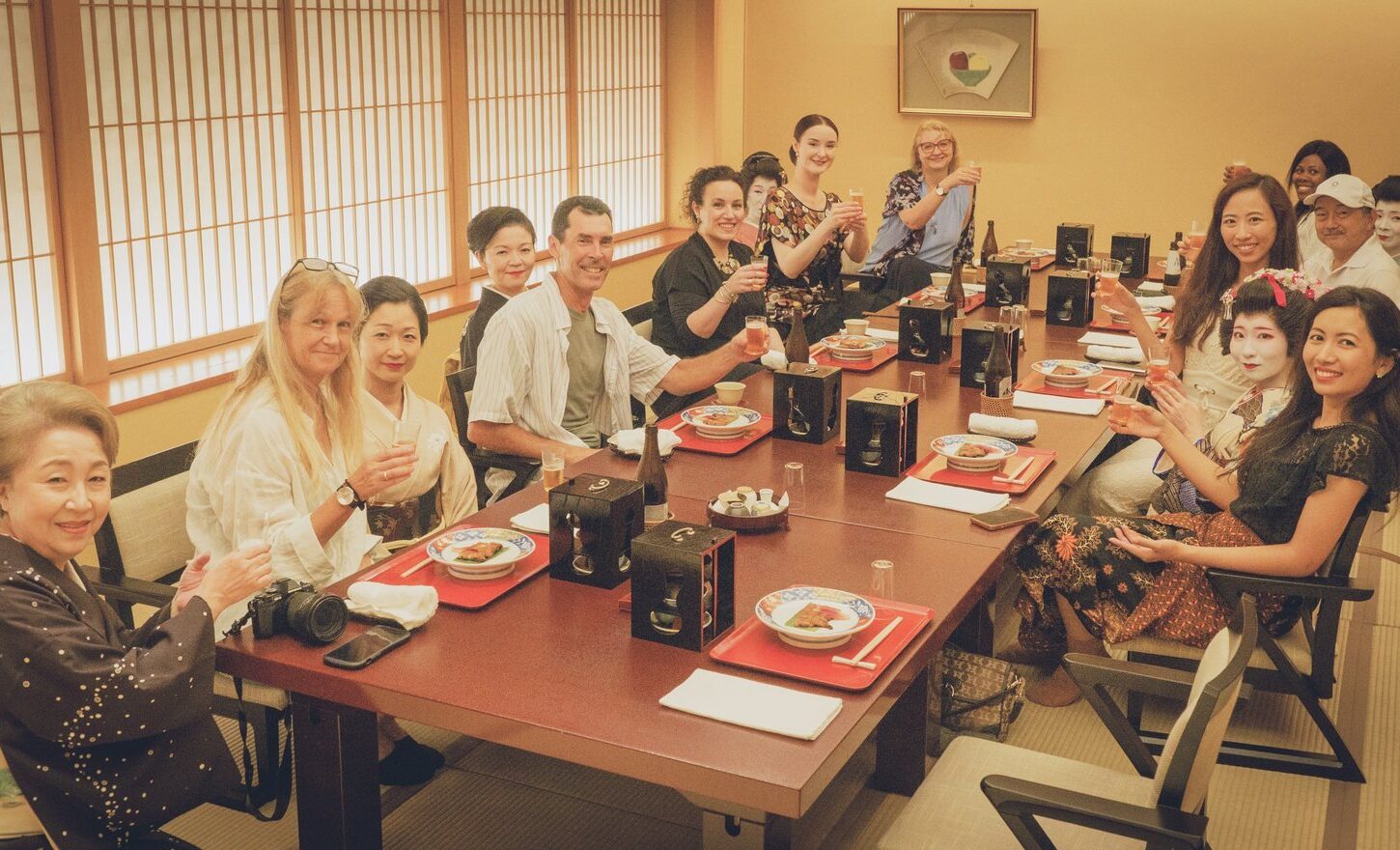
At Miyakodori, a Tokyo VIP evening means real, professional geisha in your own private tatami room at the only machiai-chaya left in Asakusa — a house that has stood in the district since 1950 — with an English interpreter present throughout. It is booked as a private ozashiki (geisha banquet) request rather than an instant online reservation, in one-, two- and three-hour formats.
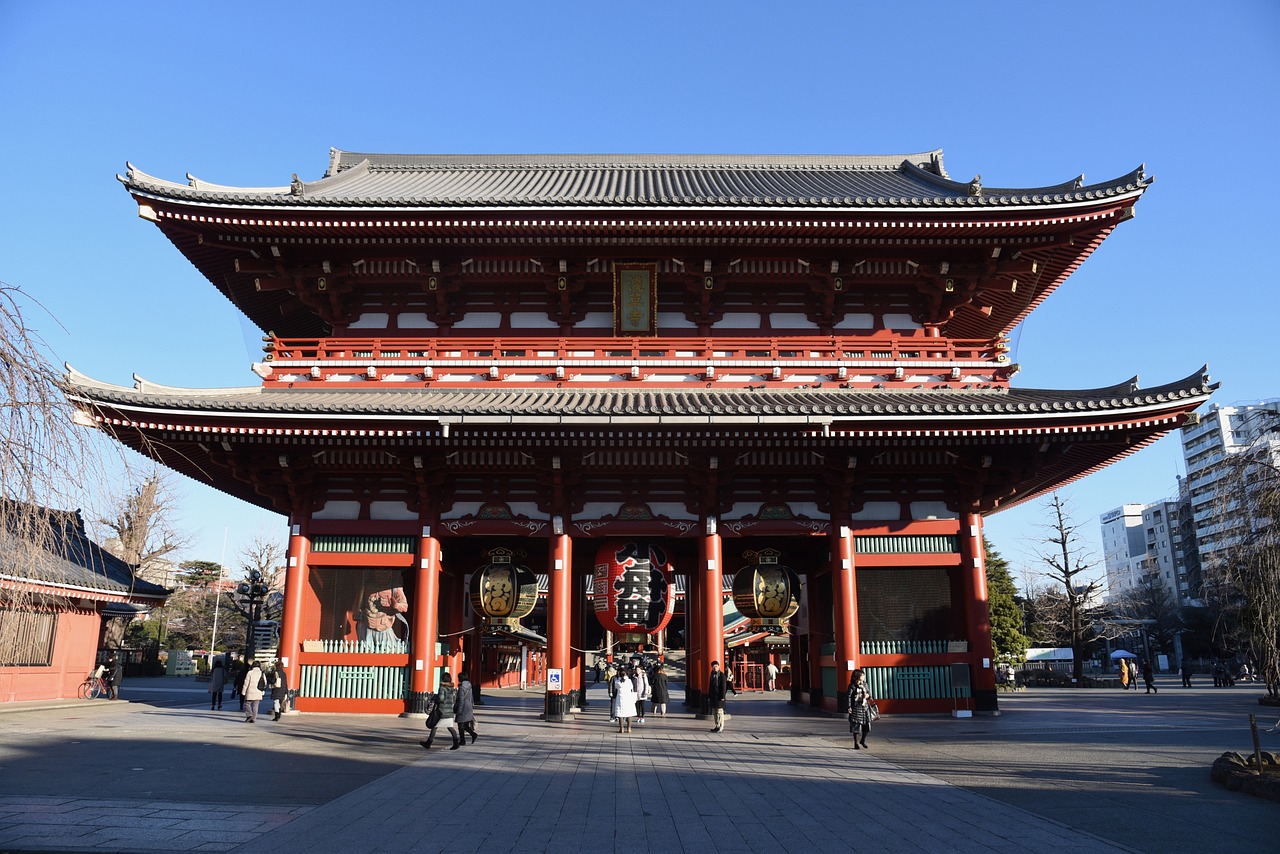
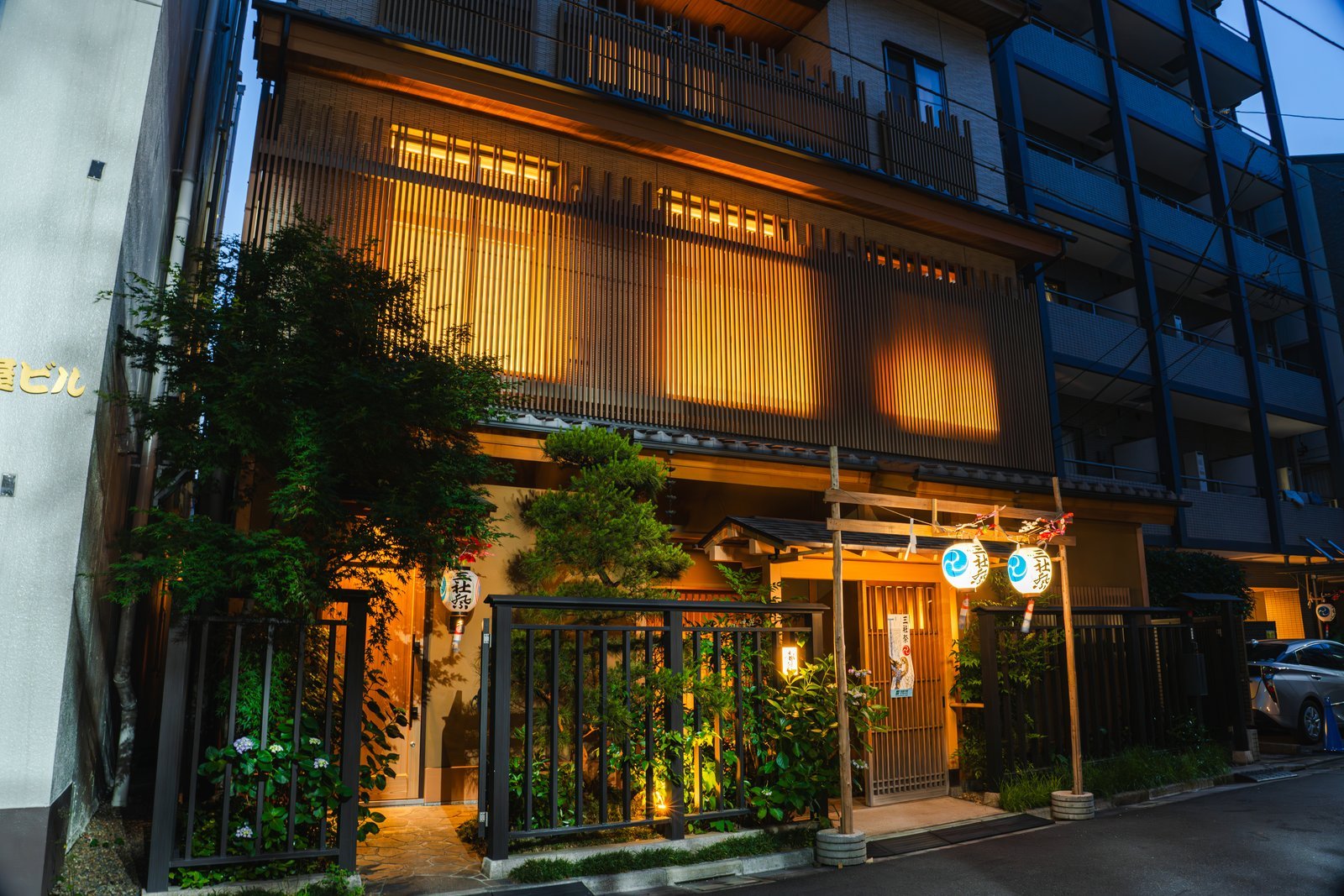
Most Tokyo VIP tours are built around access: a private car, a skip-the-line pass, a concierge who knows which door to knock on. Those services have their place. But when you are entertaining a guest who truly matters — a business partner, a longtime client, a person you want to honor — access alone rarely leaves a lasting impression. At Miyakodori, we offer something different: a private evening with real, professional geisha, in a machiai-chaya — a traditional teahouse that receives guests in private tatami rooms and brings its cuisine in from outside — that has stood at the heart of Asakusa’s geisha district since 1950, and is the only machiai-chaya left in the district. For guests worth the extra care, this is what VIP hospitality in Tokyo can look like.
The Story Behind Our Name
Our name comes from a waka poem in The Tales of Ise, composed by the poet Ariwara no Narihira over a thousand years ago. In it, a traveler asks a miyakodori — literally, a “capital bird” — whether the one he loves is safe and well. The name was chosen by the founder of the house, the predecessor of our current okami, and the wish behind it has not changed since: to be a place where guest and house think of one another — a place people carry with them long after the evening ends.
Born From Asakusa’s Geisha Tradition
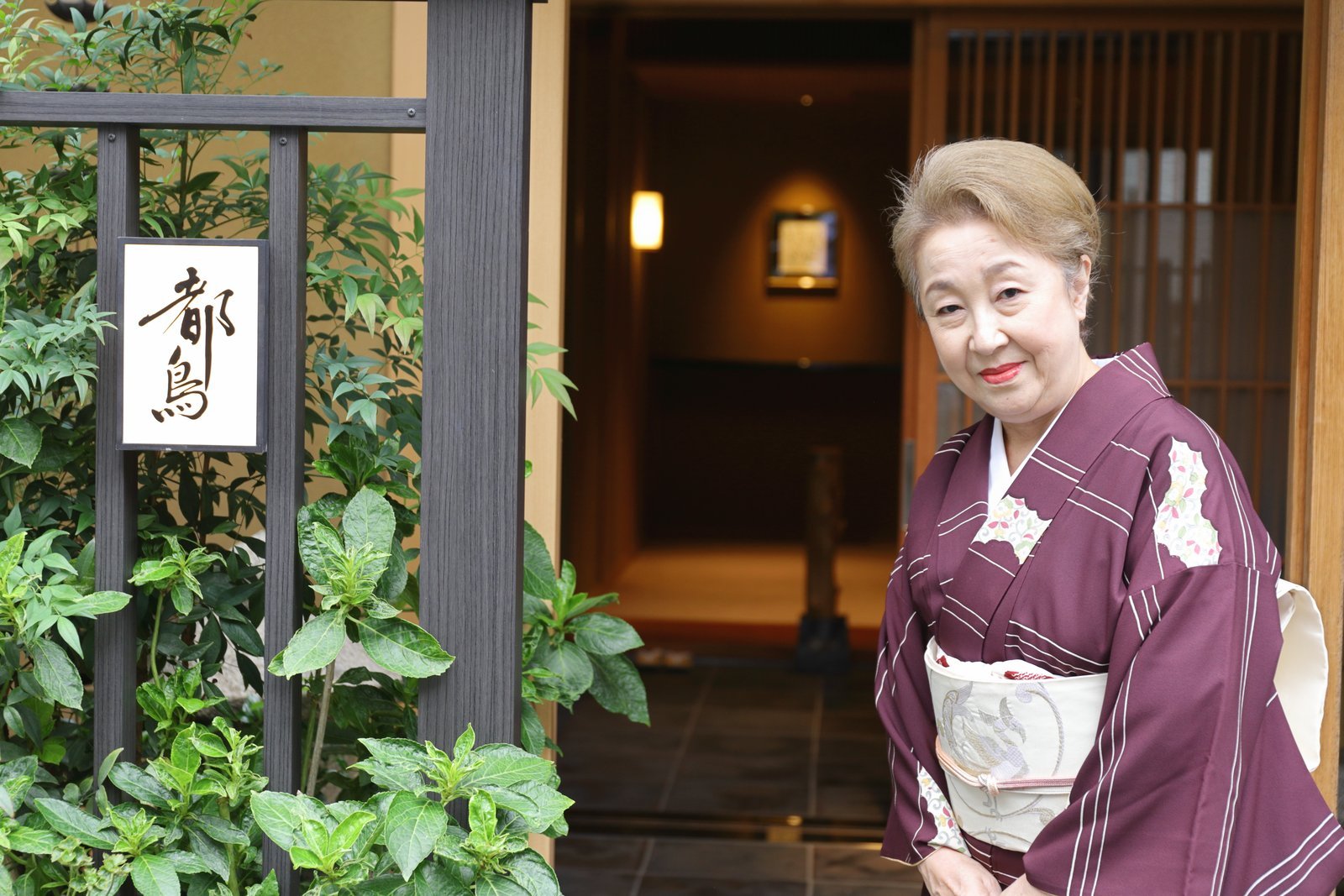
Our okami (proprietress) was born and raised in Asakusa — the district whose geisha quarter rebuilt itself after the wartime air raids and now thrives alongside events like the Sanja Matsuri. Her mother was a geisha before her; she entered the hanamachi herself at fifteen, spent twenty-seven years as an Asakusa geisha, and took over the house at forty-two as its second generation. She is the only okami in Asakusa who was herself a geisha. Asakusa has always been a place of life and celebration, and geisha culture is one of its great treasures. Our mission is to carry that living culture forward and share it — with Japan and with the world.
So what is a geisha, exactly? They are people who are skilled in their art, but more than that, they are people who love their art. That includes the art of entertaining a guest. They have made peace with treating that as their life’s work. A Miyakodori evening is your guide to experiencing that art in person, not as a stage show, but as a living tradition.
What a Private Evening Includes
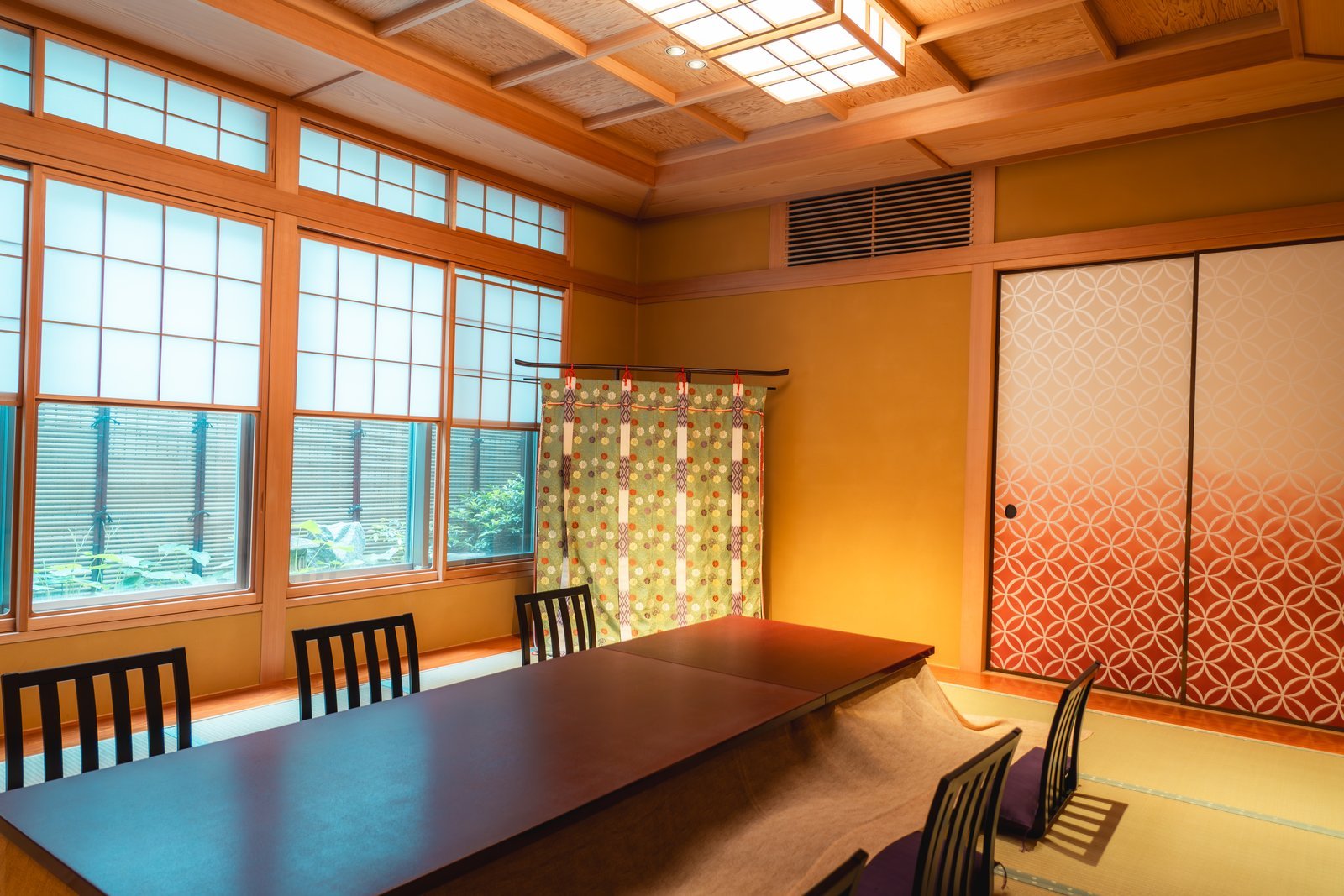
Everything below is the standard shape of a private ozashiki experience at Miyakodori: a banquet in a private tatami room, with the geisha in the room with you the whole time rather than on a stage in front of you.
| Format | A private ozashiki (banquet room) experience with real, professional geisha |
|---|---|
| Duration | Geisha remain with your party for the full length of your selected plan |
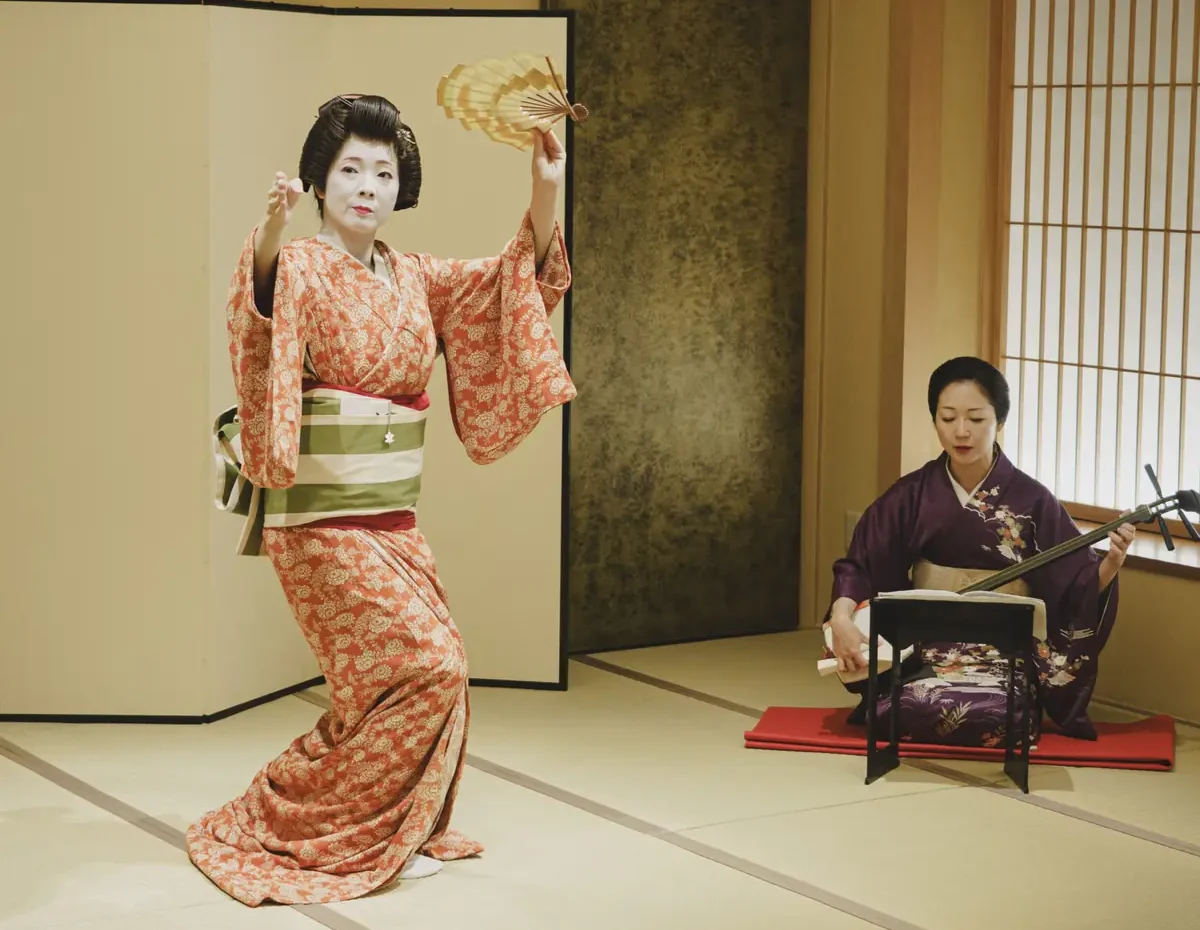
| Includes | The geisha pouring for you and joining the conversation, live dance and music performance, traditional ozashiki games |
| Drinks | Depends on the plan: free-flow beer, sake and soft drinks are included on the two- and three-hour plans; the one-hour daytime plan asks each guest to order one drink from the menu |
| Language | An English interpreter is present throughout, so nothing between your guest and the geisha gets lost |
| Food | Also depends on the plan: the three-hour evening plan includes a kaiseki course. The one- and two-hour plans are booked without a meal and can add one as an option — but kaiseki is served only on ozashiki starting at 17:30 or later, so it can be added to the two-hour plan when it starts in the evening, and not to the one-hour plan, which runs in the daytime only. A seasonal bento or A5 wagyu can be added to a daytime plan instead. Because we are a machiai-chaya, everything is brought in from outside the house. Vegan, vegetarian, gluten-free and allergy requests are all accommodated; full halal or kosher meals are served in bento form with five days’ notice |
| First-time guests | Warmly welcomed — no introduction or referral required |
| Location | Our machiai-chaya in the heart of Asakusa, Tokyo — the only one left in the district |
| Ideal for | Anniversaries, VIP and business hospitality, family celebrations, cultural travel |
Inside a Private Ozashiki Evening
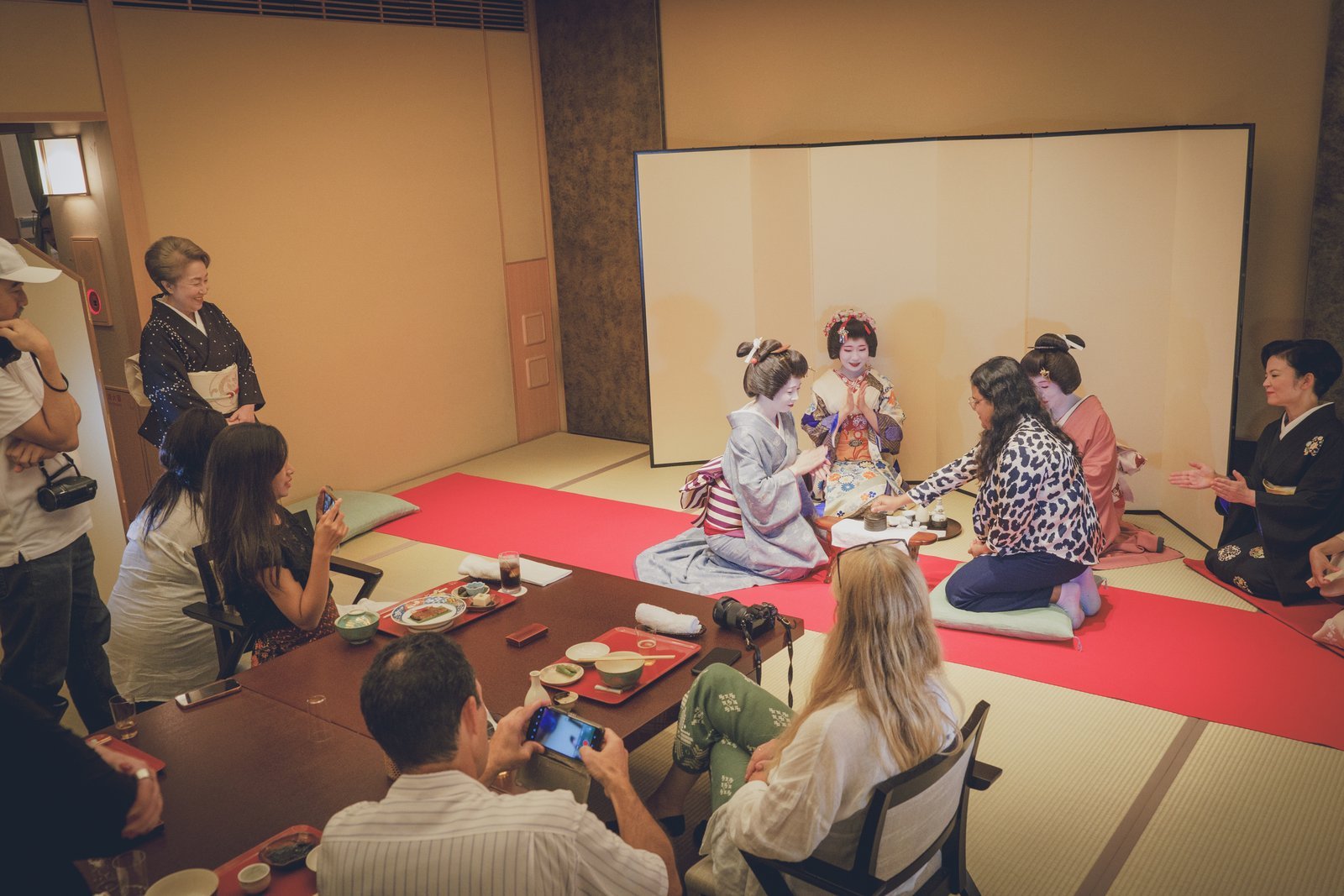
Once your party is seated, the geisha stay in the room for the full duration of your plan. They pour drinks, join the conversation, and share the art they have spent years refining. Then come the ozashiki games — playful contests with names like Konpira Fune Fune, Tora Tora and Tosenkyo, all with Edo-era origins, still played in rooms like ours. The distance between the geisha and the guest closes, the conversation deepens, and the time disappears before you know it. Every conversation unfolds differently, which is exactly what makes each evening feel personal.
Where to Seat Your Guest
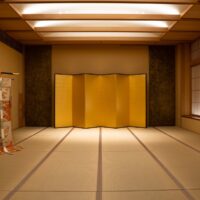
Japanese hospitality has an unwritten seating order, and getting it right is one of the quiet signals a host sends. In a tatami room, the seat closest to the tokonoma — the alcove where a hanging scroll and a seasonal flower are displayed — is the kamiza, the seat of honor. The seat nearest the door is the shimoza, and it goes to the most junior person present. Seniority decides everything in between.
The convention runs deep enough that the geisha keep it among themselves. When an older sister tells a younger one to move up toward the tokonoma, the younger one says “taka-agari shitsurei shimasu” — roughly, “forgive me for taking the higher seat” — before she sits. If you are hosting, the principle is simple: your guest takes the kamiza and you take the shimoza. And if you would rather not think about it at all, you don’t have to. We show every party to their seats, and nobody is tested on this. For the rest of the room’s small conventions, see our guide to tatami room etiquette.
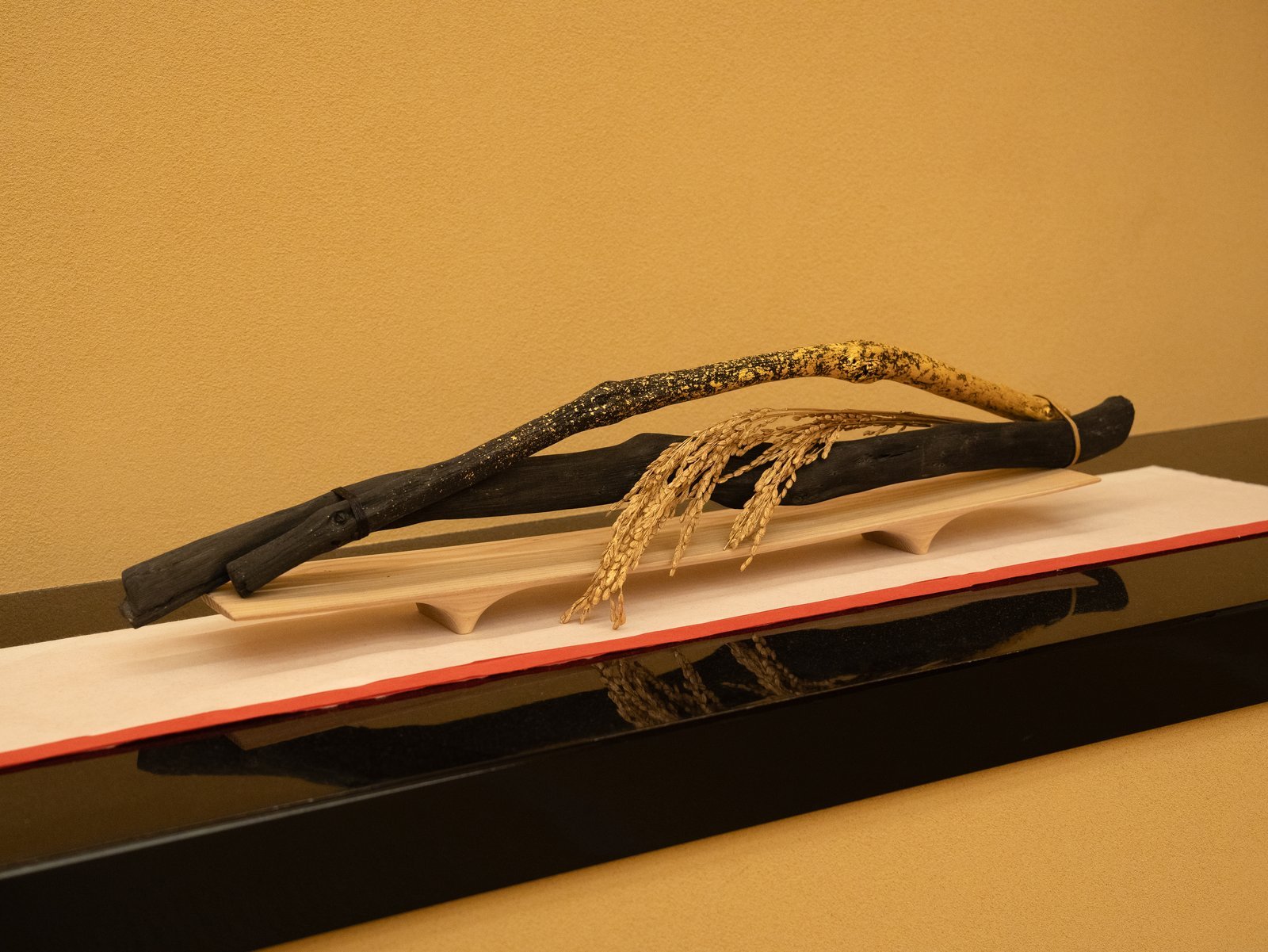
Asked which guest left the strongest impression, an Asakusa geisha answers that it is the ones who saw her debut and kept coming back — and that her goal is for them to see how much she has improved. Subtitled on screen.
Why Real Geisha Matter for VIP Hospitality
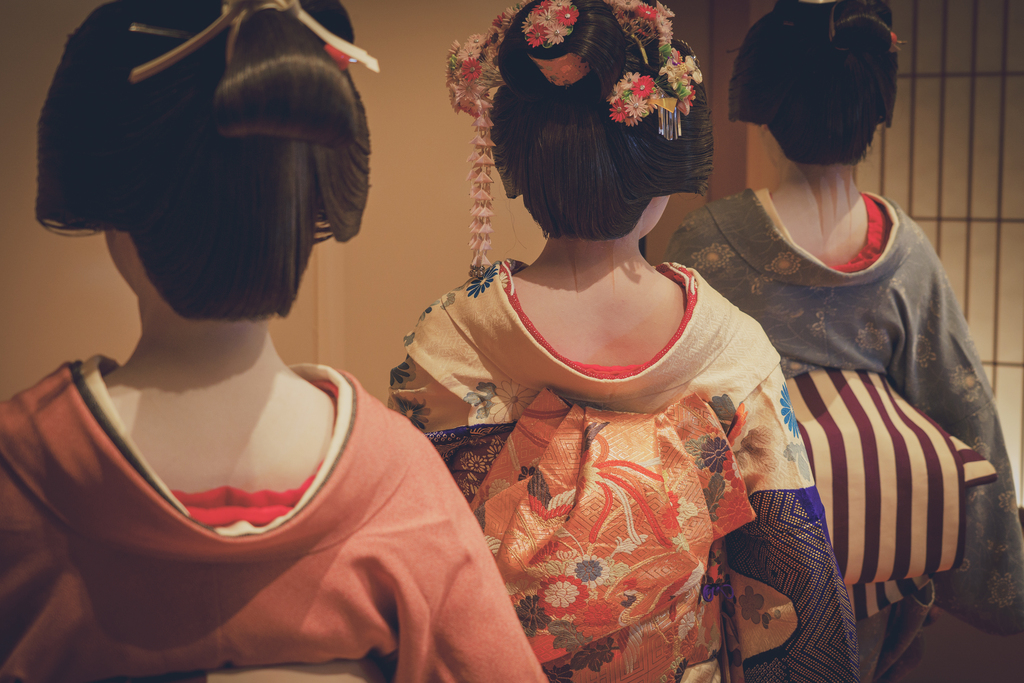
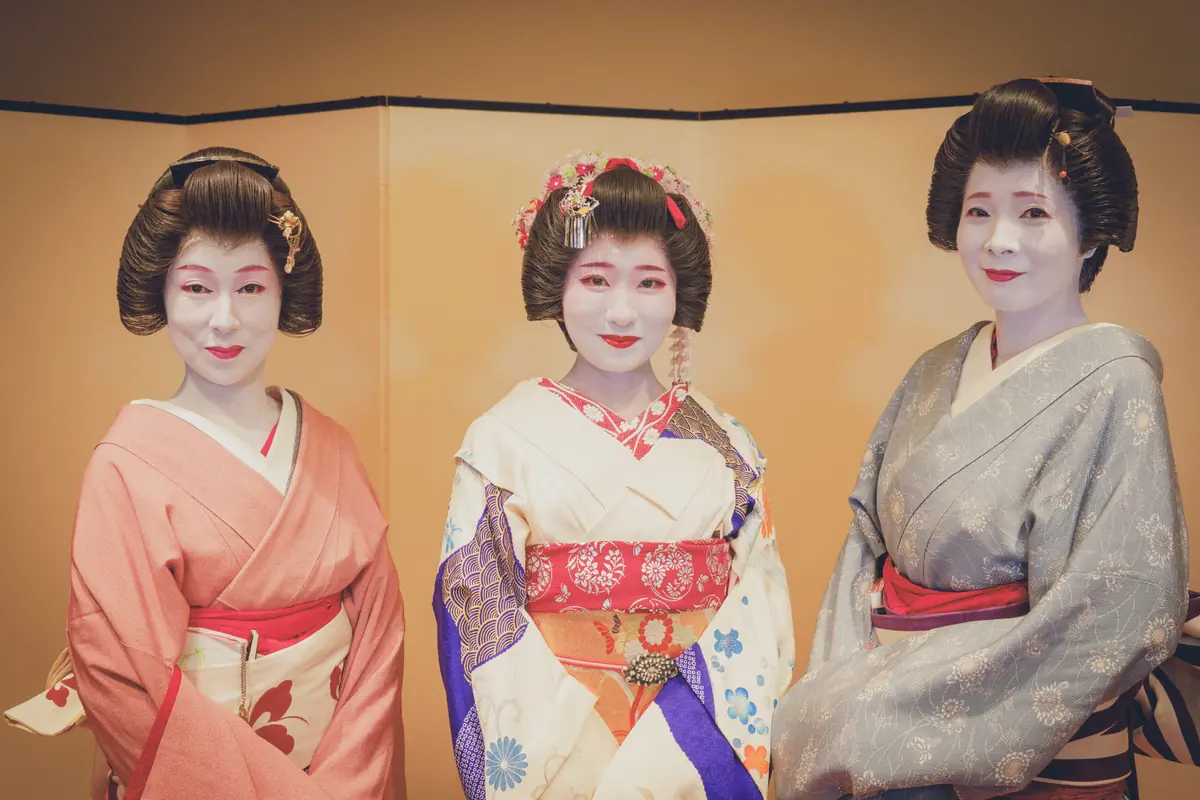
A growing number of “geisha” experiences in Tokyo are entertainment acts that borrow the look without the training behind it. The geisha we invite — independent artists registered with the Asakusa kenban, the district’s own association — carry forward an art that took shape in the late 1600s, when the wars of the preceding century were over and Japan’s entertainment culture flowered. The shape of an ozashiki evening itself has changed remarkably little in about two centuries. The Japanese word for geisha, 芸者, literally means “a person who performs art.” Feeling that art live is the entire point.
That authenticity is also why guests who might otherwise hesitate find themselves at ease. Ozashiki culture has a reputation for being closed to newcomers, but we welcome first-time guests openly. We designed the space itself the same way — keeping the traditional Japanese atmosphere intact while adding an elevator, and rotating seasonal touches like New Year kagami mochi, all without letting the room ever upstage the geisha themselves.
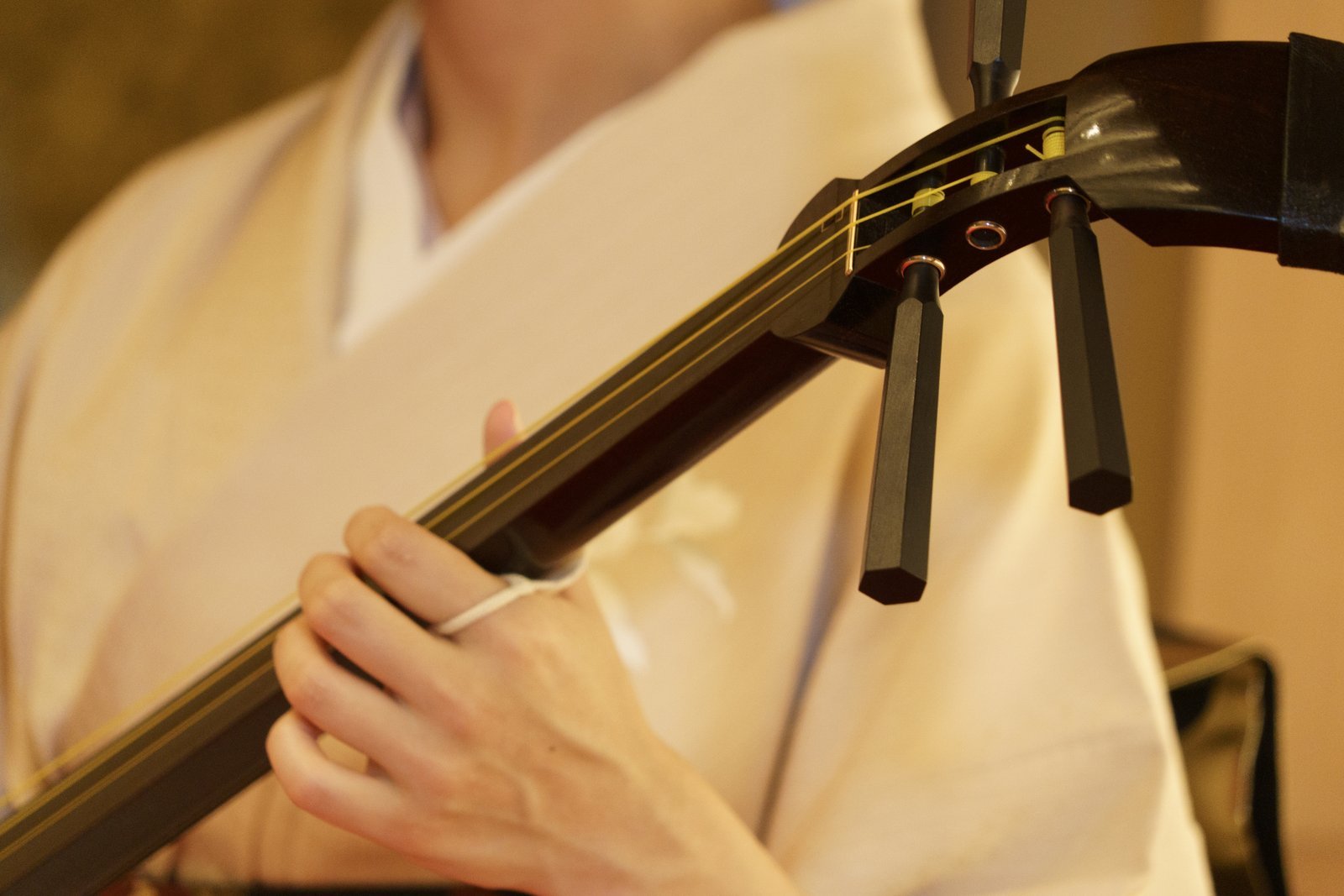
Goshugi: The Quiet Gesture That Marks a Practiced Host
There is one custom that separates a host who has done this before from one who hasn’t. Goshugi is a small gift of appreciation, sealed in a decorative pochi-bukuro envelope and offered to the geisha after they have danced and played. A guest who prepares one is called an iki guest: someone with style, someone who understands how this world works. In front of a client, that is a rather good thing to be.
The convention is one envelope per geisha, prepared in advance; guests who bring it usually put ¥3,000 to ¥5,000 in each. Etiquette says you never raise the subject of money with the geisha directly — you mention it quietly to the okami or to our staff, and we take it from there, including when to hand it over so the moment lands naturally. We keep pochi-bukuro on hand for guests who would like to take part, and if you are traveling without Japanese cash we can prepare the envelopes on your behalf and add it to your bill at the end of the evening. Just tell us when you book.
Perfect For
- Entertaining important guests — business partners, clients, or dignitaries you want to honor properly
- Anniversaries and milestone celebrations
- Travelers who want one unforgettable evening in Japan, not just a photo stop
- Anyone with a genuine interest in geisha culture, whether it’s your first exposure or you’ve studied it for years
Plan a Private Evening for Your Guest
A private ozashiki (geisha banquet) at Miyakodori, the only machiai-chaya left in Asakusa. Real, professional geisha in your own tatami room, with an English interpreter present throughout. Private plans are handled as reservation requests.
Request a ReservationAdd Sumo: The One Combination Tokyo Can’t Copy
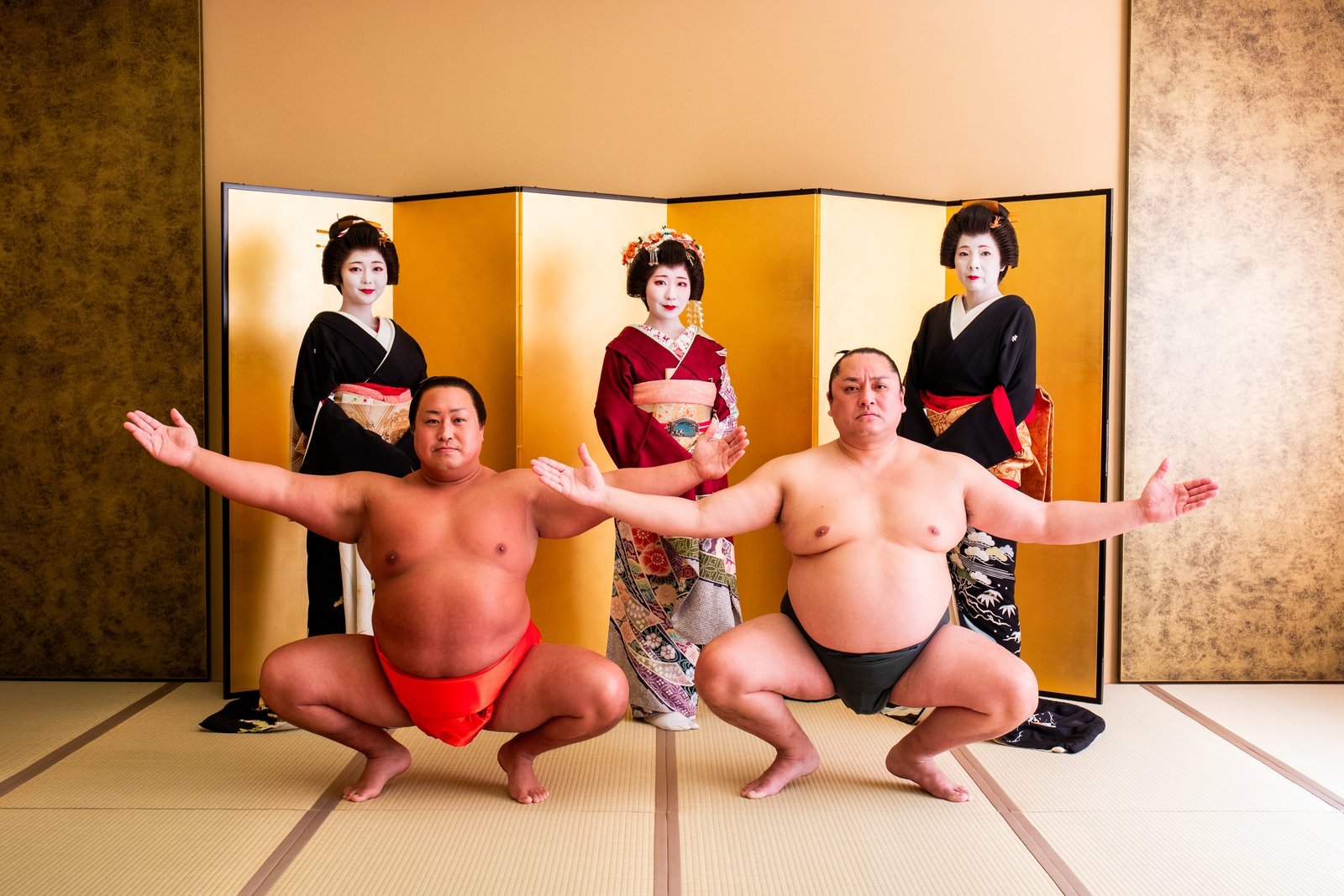
For a guest who has already done Tokyo, there is one thing we can offer that nobody else can: trained sumo performers and Asakusa geisha in the same room. The rikishi who appear are not current professional sumo wrestlers; they are performers trained under the supervision of a company run by former professionals. They demonstrate at close range — shiko and teppo, the foundations of sumo training — and in the longer formats an actual bout. They also join the geisha for the ozashiki games, and there are photographs before their time in the room is up — the performers’ appearance is a fixed slot, while the geisha stay with you for the whole of your plan. It runs in one-, two- and three-hour formats, seats up to fourteen people, and can be held in the afternoon as well as the evening.
This one is by request only and needs at least two weeks’ notice, because the performers are arranged individually for every booking. If that sounds like the right scale for your guest, look at our exclusive experiences and send us your dates early.
Frequently Asked Questions
Is Miyakodori open to first-time guests, even without an introduction?
Yes. While traditional ozashiki culture is sometimes associated with an “introduction only” reputation, we welcome first-time guests openly, and our staff are there to help you feel comfortable from the moment you arrive.
How is this different from a geisha show for tourists?
A staged show is performance for an audience. Our ozashiki is an evening with the geisha themselves — pouring drinks, talking with you, and playing games at your table for the length of your visit.
How long does a private evening last?
You choose the length. One hour runs in the daytime only (starting between 14:00 and 17:00); two hours can start any time from 14:00 to 20:00 and includes free-flow drinks; three hours is an evening plan from 17:30, includes a kaiseki course, and takes two guests or more. The geisha stay with your party for the whole of it. Our okami’s own view is that an hour goes by too fast — she would rather guests took at least two, which leaves more room for the games and for conversation running in both directions. For entertaining a guest, we would say the same.
Can international guests book a VIP evening at Miyakodori?
Yes. We regularly welcome overseas travelers and hosts entertaining international guests, and an English interpreter is present throughout the evening, so the conversation between your guest and the geisha never stalls. Private plans are handled as reservation requests rather than instant bookings, so send us your dates and we will confirm — usually within two business days.
What should we know before booking?
Reach out to us in advance so we can match a plan to your group size and occasion — whether that’s a quiet evening for two or hosting an important guest. If you are working out a budget first, we have broken down what a geisha dinner costs in Tokyo plan by plan.
Plan Your Evening
A real geisha evening is not something you can compress into a quick stop on a packed itinerary — it deserves its own place in your Tokyo trip. If you’re planning to entertain a VIP guest, celebrate an occasion, or simply want one evening in Japan that you’ll actually remember, we’d love to help you plan it. Request a Reservation to check availability and start planning your evening at Miyakodori. If this is the first time you have arranged something like this, our step-by-step guide to booking a geisha experience in Tokyo walks through what happens after you send the request.
Request Your Evening at Miyakodori
Tell us your dates, your party size, and the occasion, and we will build the evening around your guest — a private ozashiki (geisha banquet) in Asakusa, with an English interpreter present throughout. We usually confirm within two business days.
Request a Reservation


- Asakusa Tourist Guide: A Full Day in Tokyo’s Most Traditional Neighbourhood
- Tokyo Tourist Guide: A Geisha Teahouse's View of the City We Call Home
How to Book a Geisha Experience in Tokyo: Step-by-Step Guide (2026)
Existing Geisha Districts in Tokyo! How to Enjoy These Elegant Neighborhoods Once
2026 Best Geisha Dinner in Kyoto and Tokyo: Private Experience Review and Booking Guide
1,060 to 20: A Third-Generation Owner on What Changed in Asakusa’s Geisha World
Oiran: The Courtesans of Japan’s Yoshiwara — History, Hierarchy, and Legacy
No comments yet.