



Things to Do in Tokyo at Night: Walk-In and Book-Ahead Options
Most cultural things to do in Tokyo at night need no booking. You can walk in to see Senso-ji’s lights, hear rakugo (comic storytelling) at Asakusa Engei Hall, soak in a neighborhood bathhouse called a sento, eat at an izakaya (a casual pub) or join the Tori no Ichi fair in November. Kabukiza single-act seats work both ways: online from noon the day before, or at the box office on the day if any are left. A geisha ozashiki (a private gathering with geisha) needs a request at least two to three days ahead, and a houseboat dinner needs a reservation. The table below sorts each one, and each section names the page its rule comes from.
We are Miyakodori, a machiai-chaya (a traditional teahouse where geisha are called to entertain guests) in Asakusa, so one option on this list is ours. It gets the same treatment as the rest: when you can walk in, and when you have to book. Every time, price and rule below comes from an official page (ours, for our own rules), checked on 8 November 2026. They change, so check again before you go. For the wider picture, see our guide to 26 experiences in Tokyo.
Things to Do in Tokyo at Night, Sorted by How You Get In
Read across each row. “If seats remain” means the venue sells a limited number on the day and stops when they run out.
| Option | Walk in | Book ahead | Times to know |
|---|---|---|---|
| Senso-ji after dark | Yes. No ticket needed. | Nothing to book. | Lights on from sunset to about 11 pm. The Main Hall closes at 5 pm. |
| Rakugo and variety, Asakusa Engei Hall | Yes. Tickets are sold at the window on the day only. | Groups of 10 or more can reserve. | Night session 4:40 pm to 9 pm. Cheaper tickets from 6 pm and from 7 pm. |
| Izakaya and yokocho alleys | Yes. Each place sets its own rule. | Only if you want a table for a group. | Each place sets its own hours. Some add a late-night surcharge. |
| A neighborhood sento | Yes. Pay at the front desk. | Nothing to book. | Hours and closing day differ by bath. |
| Night festivals | Yes. Tori no Ichi in November (7 and 19 November in 2026), the Sumida River Fireworks in July and the New Year’s bell on 31 December. | Fireworks seats only. In 2026 they went on sale on 10 May. | Tori no Ichi runs for 24 hours. The bell is struck at midnight. |
| Kabuki, one act, at the Kabukiza | Yes, if seats remain. The single-act box office sells from 10 am. | Online from noon the day before. | Times change monthly. In November the last act ends at 9:17 pm. |
| Houseboat dinner (yakatabune) | No. | Yes. Reserve with the Tokyo Yakatabune Association, by email for now. | Weekday sailings are usually at 6:30 pm or 7 pm. |
| Private ozashiki with geisha | No. | Yes. Request it at least two to three days ahead. | Visits start between 2 pm and 8 pm, Monday to Friday except public holidays. |
| Ozashiki Tea House, shared seats | Yes, if seats remain. | Online until 2 pm on the day. | A 75-minute afternoon session. |
Each rule comes from the official page linked in its section, checked on 8 November 2026. Izakaya and yokocho have no single official rule, so that row is a general guide.
Our advice: if you plan only one thing ahead, plan the two that need a reservation, the ozashiki and the houseboat dinner. Almost everything else can wait until the day. If one Kabukiza act matters to you, buy the online seat the day before, because the box office has only about 20 seats.
Senso-ji After Dark: Lit Buildings and Painted Shutters
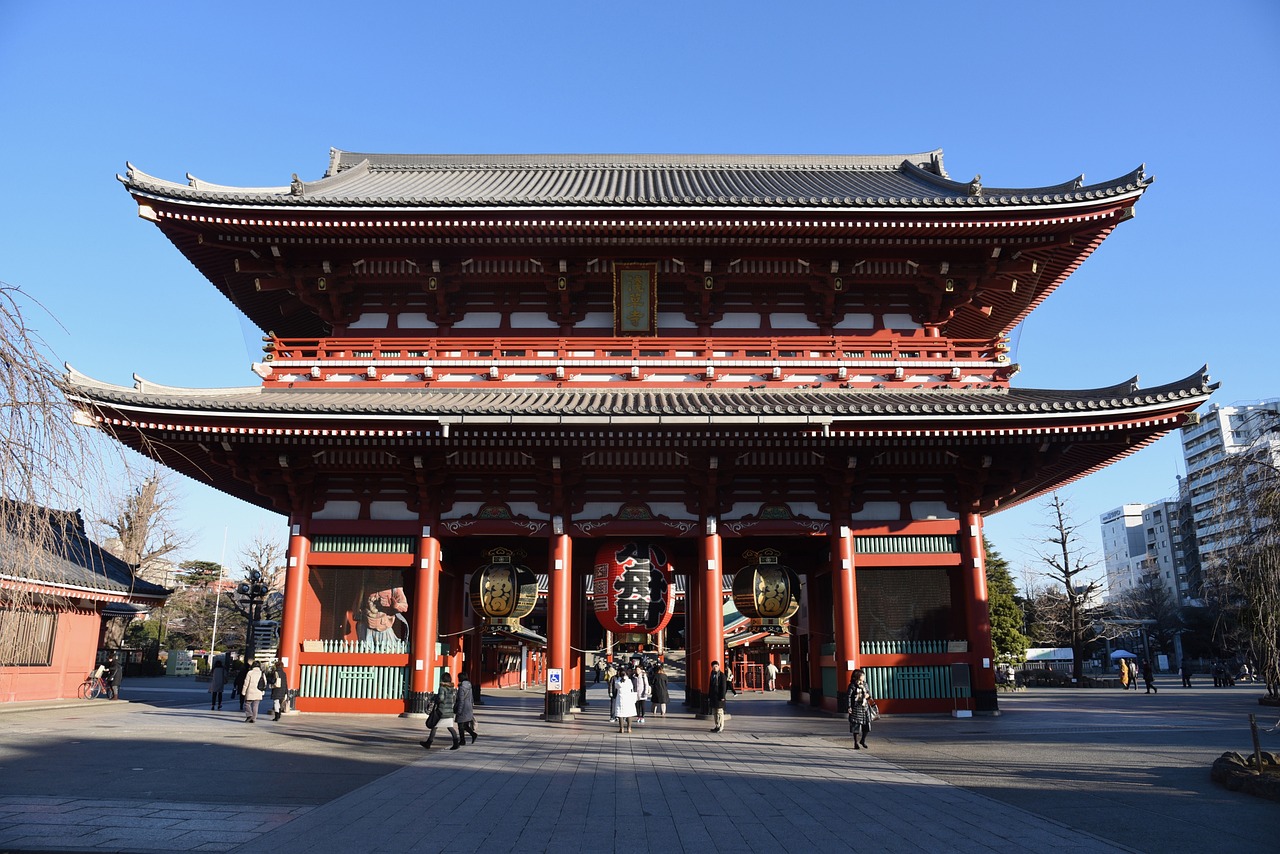
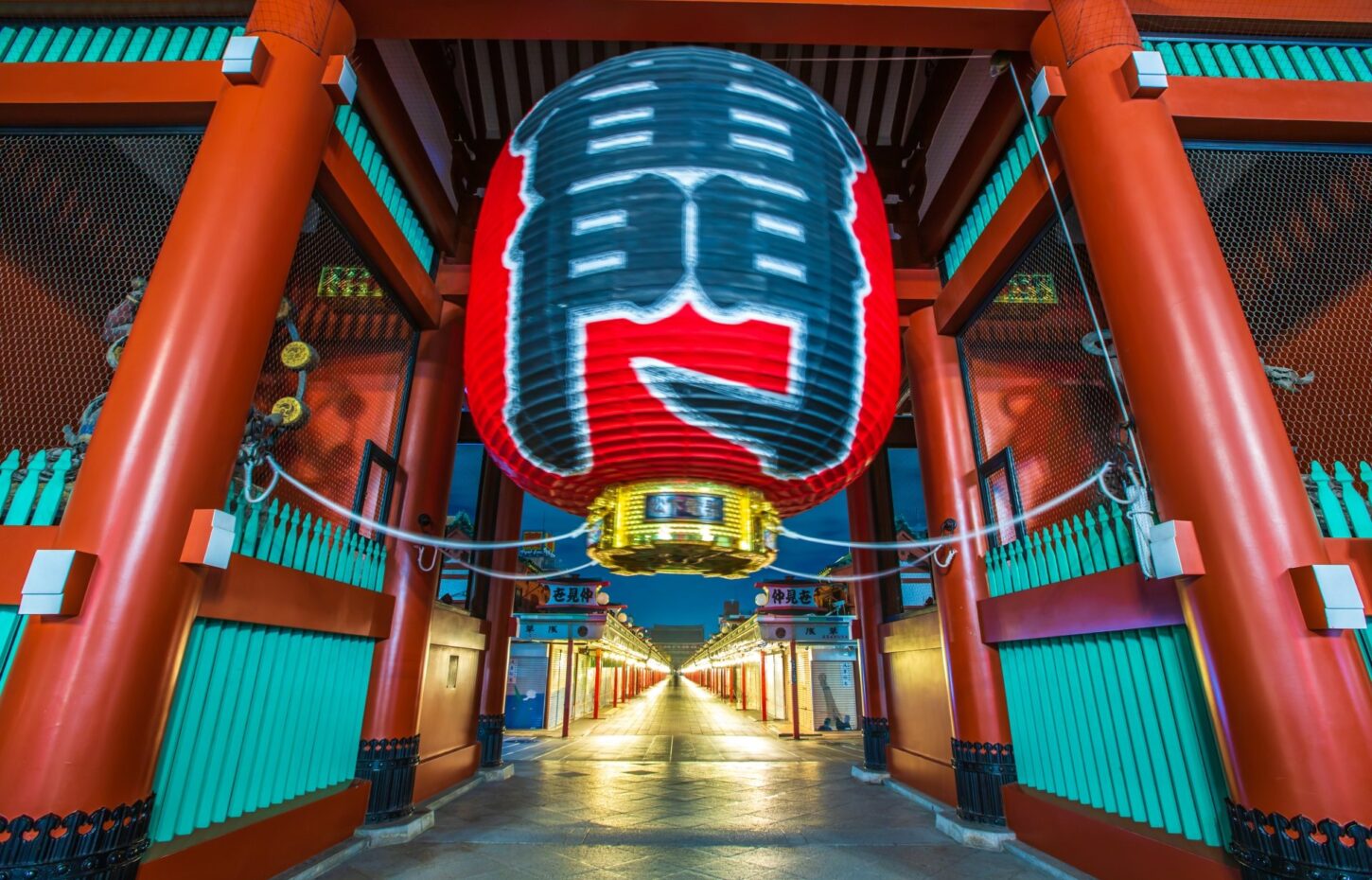
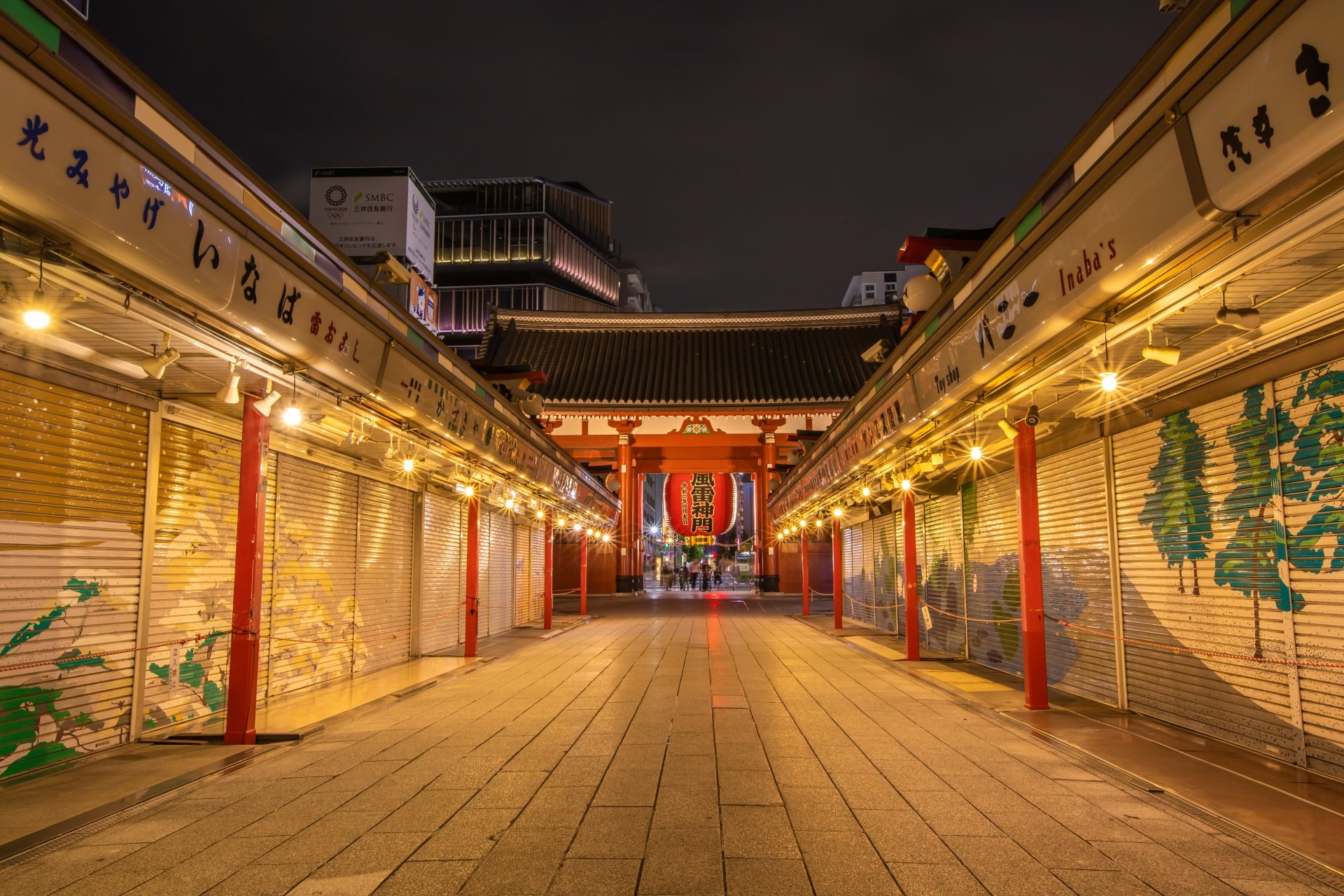
Walking up to Senso-ji at night takes no ticket and no booking. The Main Hall closes at 5 pm, according to the temple’s website, and JNTO, Japan’s national tourism organization, says the Nakamise shops close at about the same time. After sunset the temple lights the Main Hall, the five-storied pagoda, Hozomon gate and Kaminarimon gate. The temple’s lighting page says this happens every day, from sunset to about 11 pm.
With the shutters down, Nakamise Street becomes a corridor of painted doors. JNTO describes the Asakusa Emaki, about 400 meters of shutter paintings showing seasonal scenes, festivals and old Japan, in its feature on a night walk along Nakamise, and notes how quiet the street is once the shops close. For the time the lights come on in each month, see our guide to Sensoji at night, and for the quietest hours of the day, our guide to the least crowded times in Asakusa.
Rakugo and Variety at Asakusa Engei Hall: Tickets at the Window
Rakugo is comic storytelling in which one seated performer voices every character, with a paper fan and a small cloth as props. Asakusa Engei Hall says it performs every day of the year. The bill mixes rakugo with manzai (a comic double act), magic, acrobatics and paper-cutting.
According to the hall’s ticket page, tickets are sold at the window on the day and cannot be bought in advance. Only groups of 10 or more can reserve. The night session runs from 4:40 pm to 9 pm, though special programs differ. An adult ticket costs ¥3,500 at the regular price, ¥2,500 from 6 pm and ¥2,000 from 7 pm, tax included, and the cheaper night tickets may not be offered for special programs. The hall does not clear the seats between sessions, so once you are in you can stay until the show ends, but you cannot re-enter if you leave.
The hall’s pages are in Japanese, and we found no mention of English-language shows on them. Its page for first-time visitors says ordinary days let you walk straight in, but New Year, special programs and busy periods can fill the hall. It also bans photography and recording. If you do not read Japanese, the magic, acrobatics and paper-cutting acts are the easiest to enjoy. English-language rakugo is a separate event: the English Rakugo Association holds shows on some Sunday afternoons, from 2 pm to 4 pm, at the Asakusa Culture Tourist Information Center, with tickets sold through Peatix.
Izakaya and Yokocho: Dinner at a Japanese Pub
An izakaya is a casual pub-restaurant where a group orders drinks and many small dishes to share. JNTO’s guide to dining at an izakaya says each guest gets a small plate called a torizara, and that sashimi platters, karaage (fried chicken), yakisoba noodles and edamame are on offer at most izakaya, with hot pots (nabe) in the colder months.
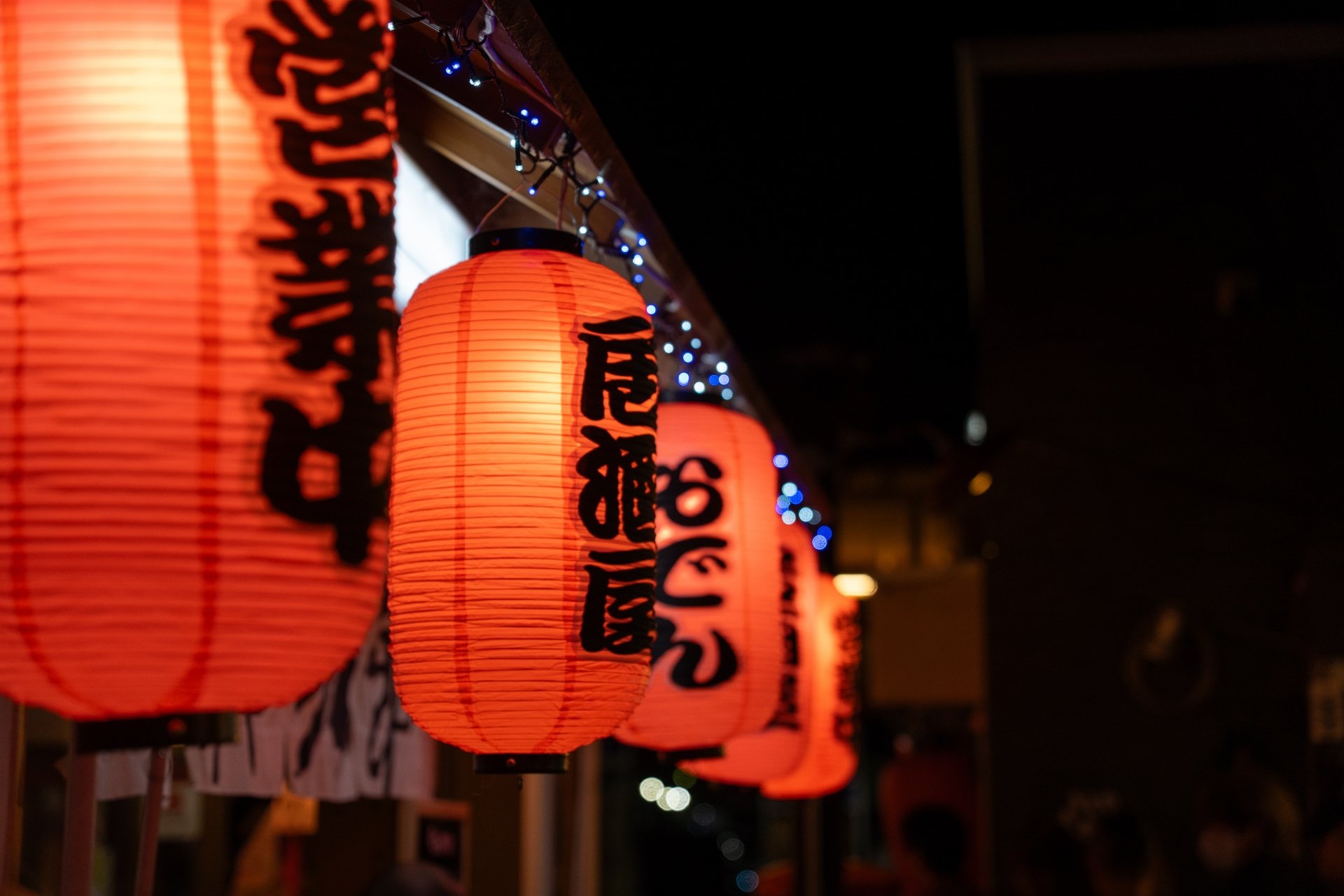
Each izakaya sets its own rule for walk-ins, so the table above is a general guide. The detail that surprises first-time visitors is the otoshi, a small appetizer that arrives without being ordered. JNTO’s guide to customs and etiquette says it is a table charge and is not free. JNTO’s etiquette page adds that tipping is not a custom and that some izakaya add a surcharge for late-night customers, and its nightlife guide says smaller places may not accept cards, so carry some yen.
For a more atmospheric version, look for a yokocho, a narrow alley lined with tiny pubs. JNTO’s feature on Tokyo’s yokocho describes Omoide Yokocho in Shinjuku as a red-lantern alley of yakitori grills, Golden Gai in Shinjuku as a cluster of small, often themed bars, and Nonbei Yokocho in Shibuya as a lane where most places seat no more than ten. With seats that few, small groups fit best. For izakaya in Asakusa itself, see our Asakusa nightlife guide.
A Neighborhood Sento: Tokyo’s Public Bath
A sento is a public bath. The Tokyo Sento Association says sento began as public baths for homes without a bath of their own, that their numbers have fallen since 1965 as baths at home became common, and that people now see a sento as a kind of hot spring in the neighborhood. It adds that their popularity has returned. Going is a simple way to help a local bath stay open.
Nothing needs booking. According to the association’s step-by-step guide, you leave your shoes in a locker, pay at the front desk and undress in the changing room: bathing is without clothes, and swimsuits and underwear cannot be worn. You wash first, sitting on a small stool, and then get into the large tub, where the water is usually around 42 degrees Celsius. Most baths sell towels, shampoo and soap, so you can arrive without bringing your own. The association’s Japanese fee notice sets the adult price at ¥600 from 1 August 2026, while its English guide still shows the older price of ¥550.
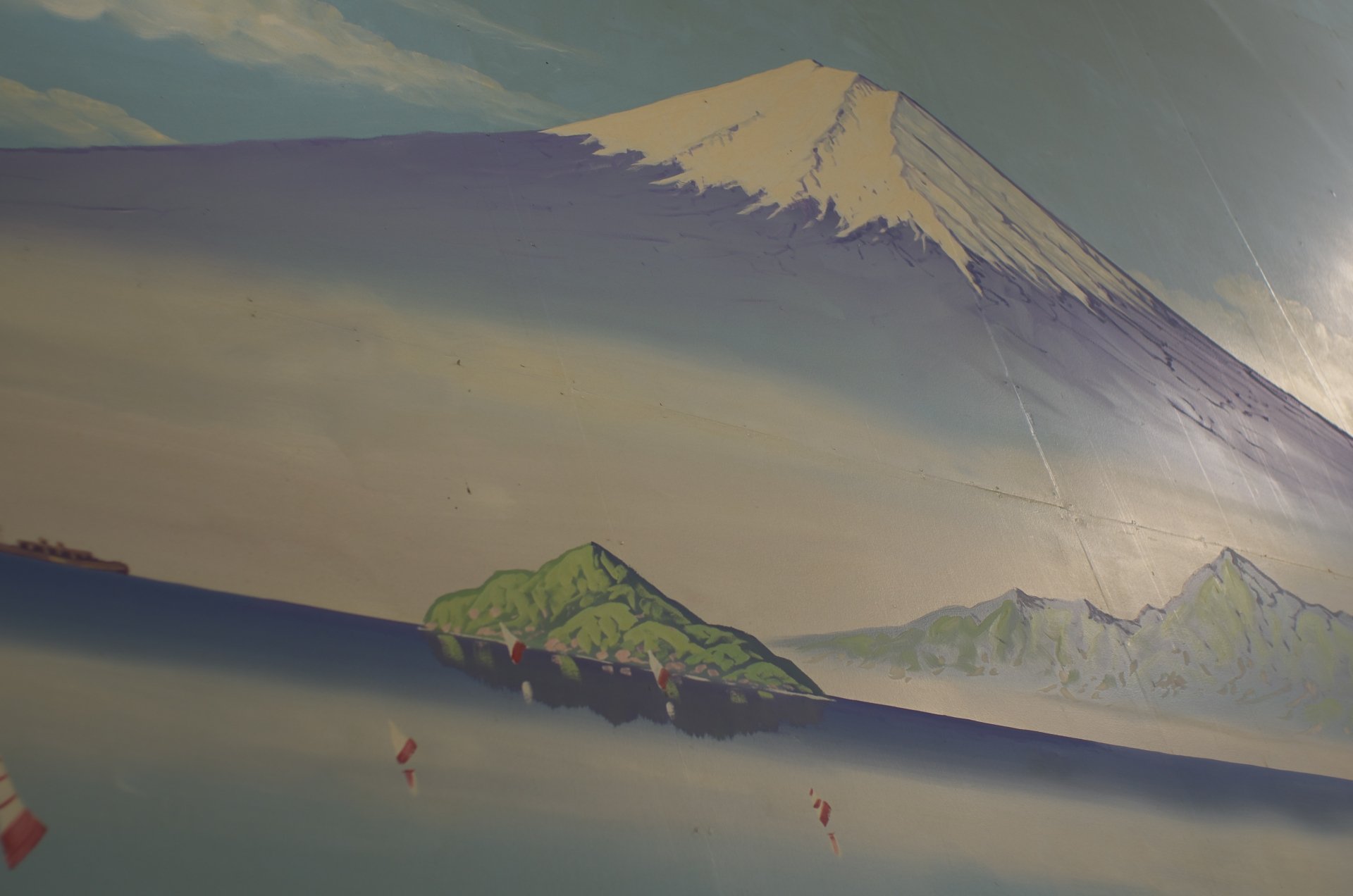
Older sento often have a painted mural of Mt. Fuji. The association’s Q&A (in Japanese) says a handful of artists now paint them, that a wall takes about five hours and is finished before opening, and that renovated sento keep a mural less often. Hours differ by bath, and the association’s map of member baths (in Japanese) lists each bath’s hours and closing day. If you have a tattoo, check the bath’s policy first, because rules differ; some baths do not admit tattoos of any size, as our guide to sento near Asakusa explains.
Night Festivals: Tori no Ichi, the Sumida River Fireworks and the New Year’s Bell
Three festivals run after dark, each on its own calendar. You can walk into all three, but the fireworks have no seats except the sponsor seats.
Tori no Ichi, in November
Tori no Ichi is the rooster-day fair held in November at Otori Shrine and Chokokuji Temple in Senzoku, about 10 minutes on foot from our door. People go to buy a kumade, an ornamental rake meant to rake in good fortune for the year ahead. The fair falls on each rooster day of November, so some years have two fairs and some three. In 2026 there are two, on Saturday 7 and Thursday 19 November. According to Chokokuji’s site and Otori Shrine’s page, each fair runs for 24 hours, from midnight to midnight, so you can go at any hour. The temple adds that some stalls near it open from about 7 pm on the day before. The shrine asks for advance booking only for its formal ceremonies and lists none for the fair itself. Our Tori no Ichi guide has the hours and etiquette.
The Sumida River Fireworks, in summer
The Sumida River Fireworks Festival lights up the river near Asakusa each summer, and its 49th edition was held on Saturday 25 July 2026. The festival’s official site says there is nowhere to sit except the sponsor seats. Applications for them opened on 10 May at noon, first come, first served, and the sale had ended by 6 July. The organizers also ask visitors to leave through stations other than Asakusa, because that station is very crowded afterward. This year’s plan was announced on 7 April, so check the same site for next year’s dates. Our guide to watching the fireworks from a restaurant covers where to find a seat.
Joya no Kane, on New Year’s Eve
Joya no Kane is the New Year’s Eve bell at Senso-ji. According to the temple, the grounds gradually fill with worshippers after dusk on 31 December. At midnight the bell on Benten-yama is struck to announce the new year, and the 108 strikes that follow take about 40 minutes. The temple’s page mentions no ticket. We take no ozashiki bookings on 31 December or 1 January.
Kabuki at the Kabukiza: One Act, Two Ways In
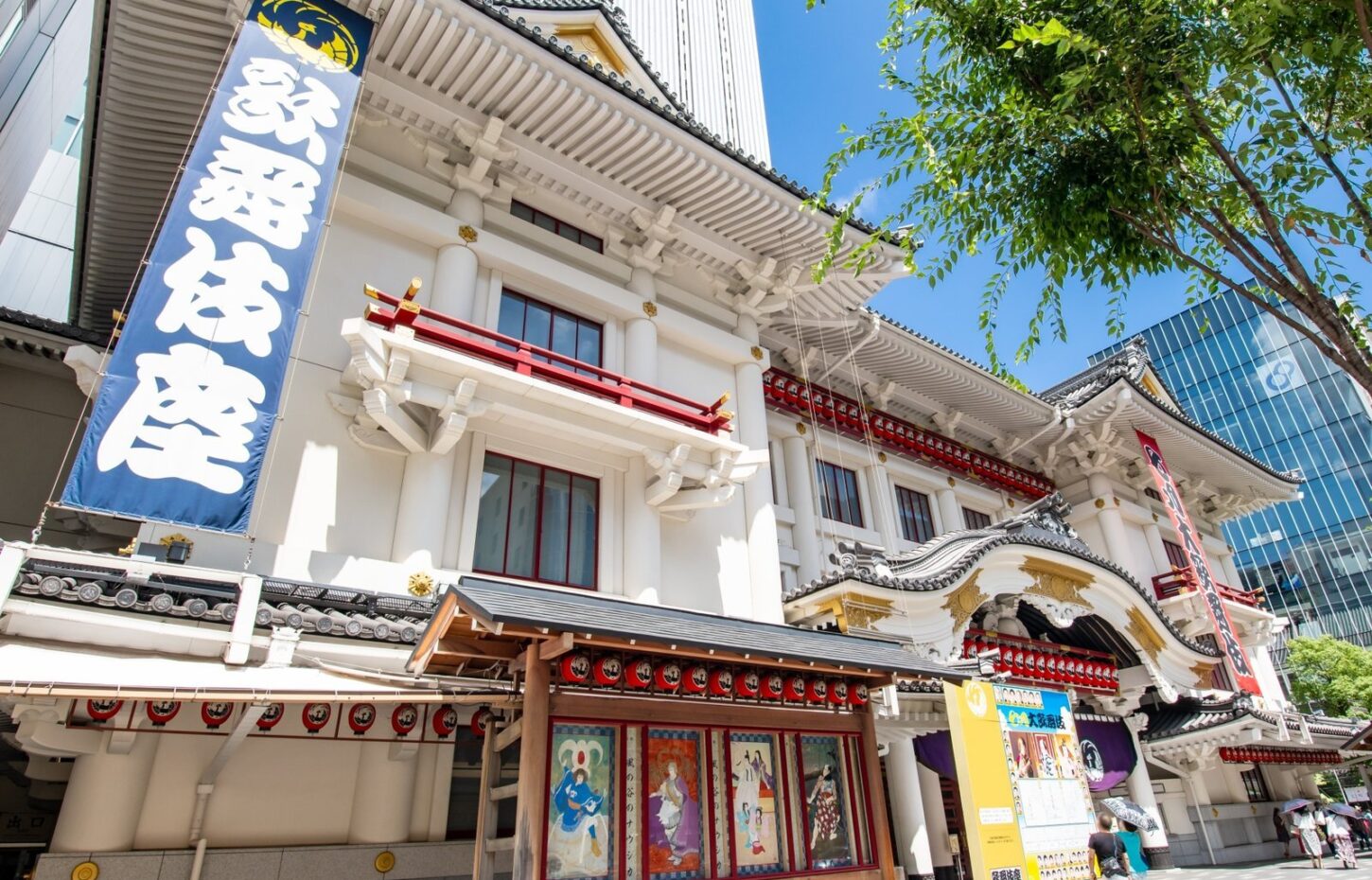
A kabuki program is usually several plays and dances, and the Kabukiza in Ginza sells tickets for a single act, so you can see one act instead of the whole program. Kabuki Web, the English-language site of the theater company Shochiku, lists two ways to get a fourth-level single-act seat.
- Online. Reservations open at noon on the day before the performance, act by act. About 70 seats are sold this way.
- At the box office. The single-act box office, on the left side of the theater, sells tickets from 10 am on the day if seats are left. About 20 seats are sold this way, you can choose your seat, and sales end as soon as the seats run out.
The fourth level is the top floor and the farthest from the stage. Kabuki Web warns that the hanamichi (the runway through the audience) is not visible and that the main stage may be partly out of sight. English captioning is available at ¥1,000 an act, cash only, and English programs are sold at the fourth-level counter. Photography and recording are not allowed.
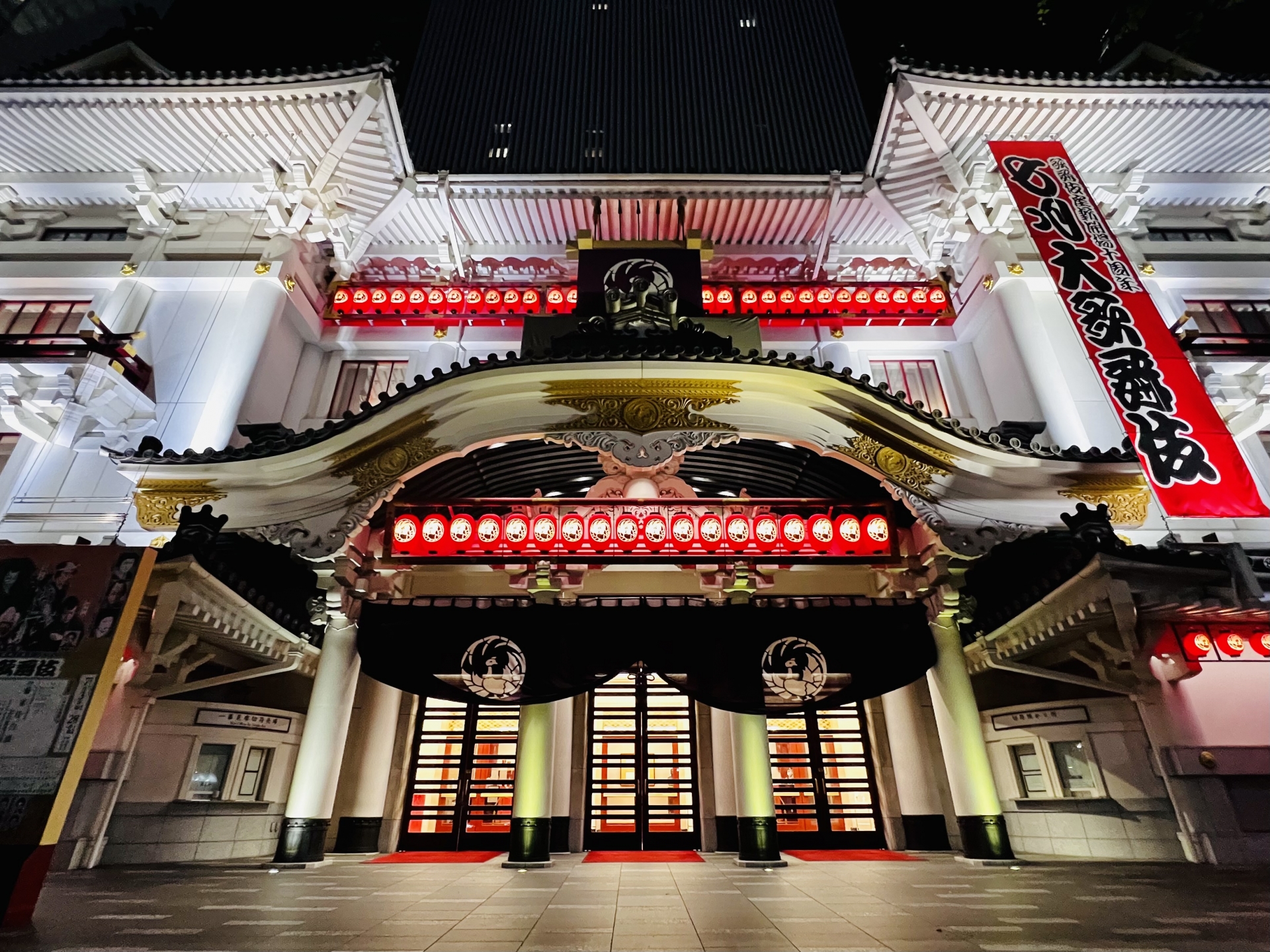
Programs change every month. In the November run, from 1 to 25 November 2026, fourth-level single acts cost from ¥1,600 to ¥3,000. The later show starts at 4:30 pm, and its last act runs from 6:45 pm to 9:17 pm. The Kabuki Web page for November asks you to look again on the day of your visit for the exact times, and the Kabuki Web schedule shows other months. To compare kabuki with sumo, rakugo and an ozashiki, see our guide to traditional entertainment in Tokyo.
Cultural Experience Dinners in Tokyo: What Each One Needs
A dinner built around a cultural experience takes three forms in Tokyo, and they differ mostly in how early you have to commit.
- A houseboat dinner (yakatabune). The Tokyo Yakatabune Association says a typical adult fare is ¥13,000, with food and all-you-can-drink, for a cruise of about two to two and a half hours. Shared boats take two adults or more and leave mainly from Asakusa, Kuramae, Asakusabashi, Monzen-nakacho, Harumi and Shinagawa, usually at 6:30 pm or 7 pm on weekdays and between 5:30 and 6 pm on weekends. A shared sailing may not run when a private charter takes the boat, and some are confirmed only once 10 to 20 people have booked. The association’s online form is paused, so you reserve by email with your date, party size, budget and preferred area.
- A kaiseki dinner with geisha. At Miyakodori, the three-hour private plan includes a kaiseki dinner (a multi-course meal) and starts at 5:30 pm or later. Other plans can add a meal if you order it at least two days ahead. Our pricing page has the current rates.
- A dinner you put together yourself. Pair rakugo at the Engei Hall with an izakaya before or after. Nothing needs booking, and the hall’s night tickets are cheaper from 6 pm. It is the only one of the three you can arrange on the day.
A Geisha Ozashiki in a Machiai-chaya: Request It Ahead
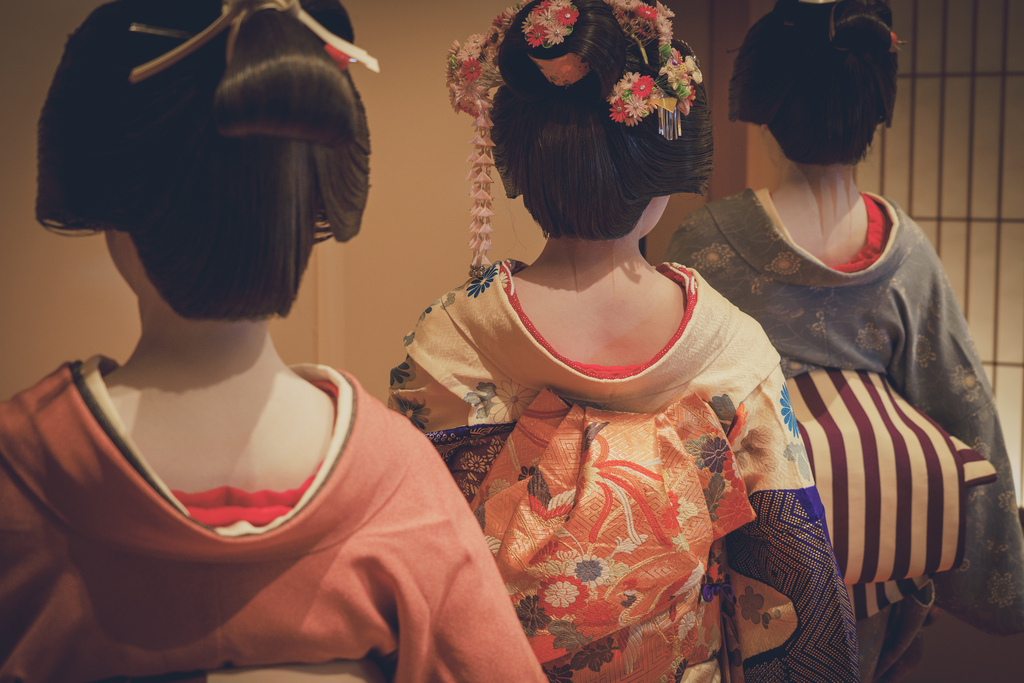
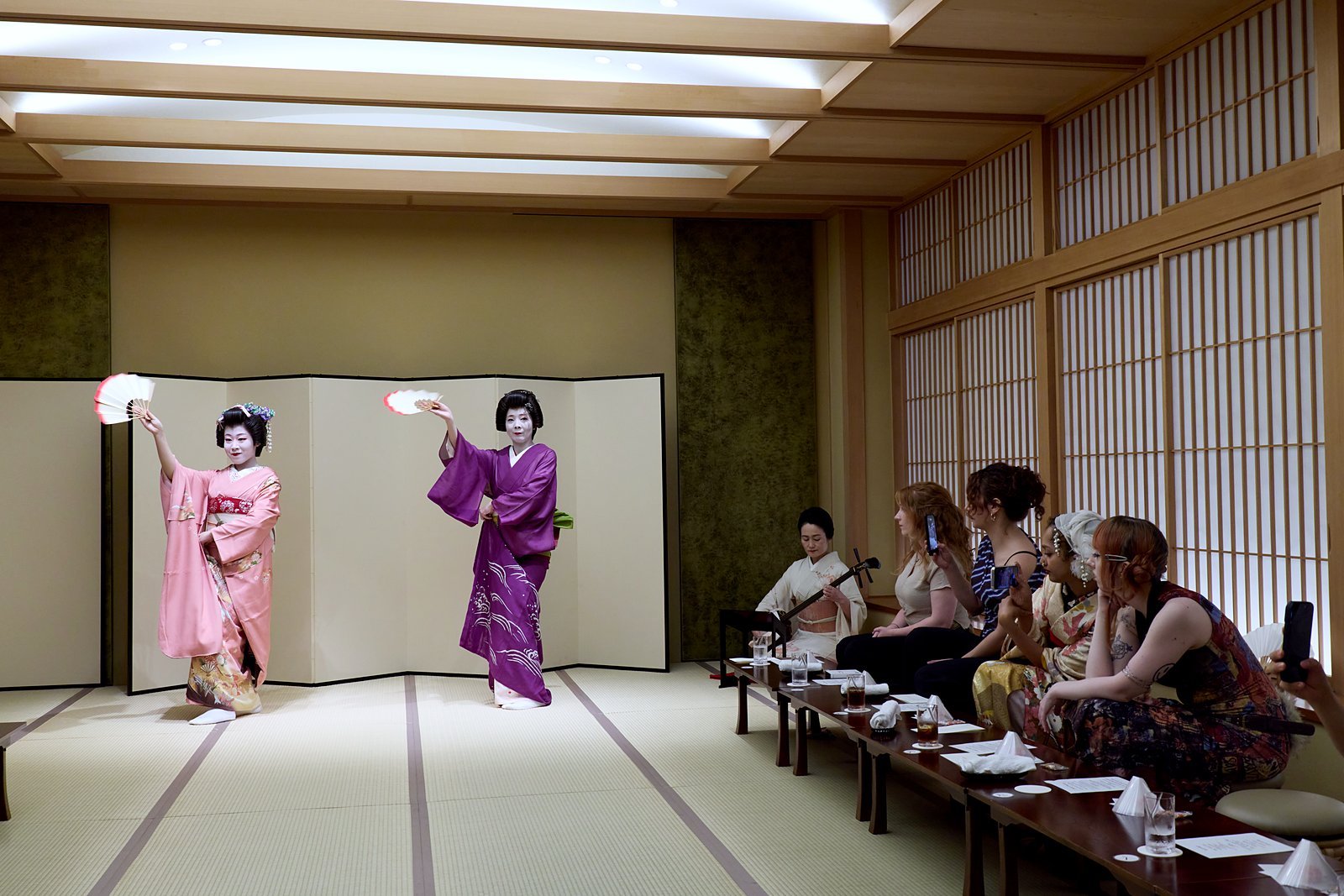
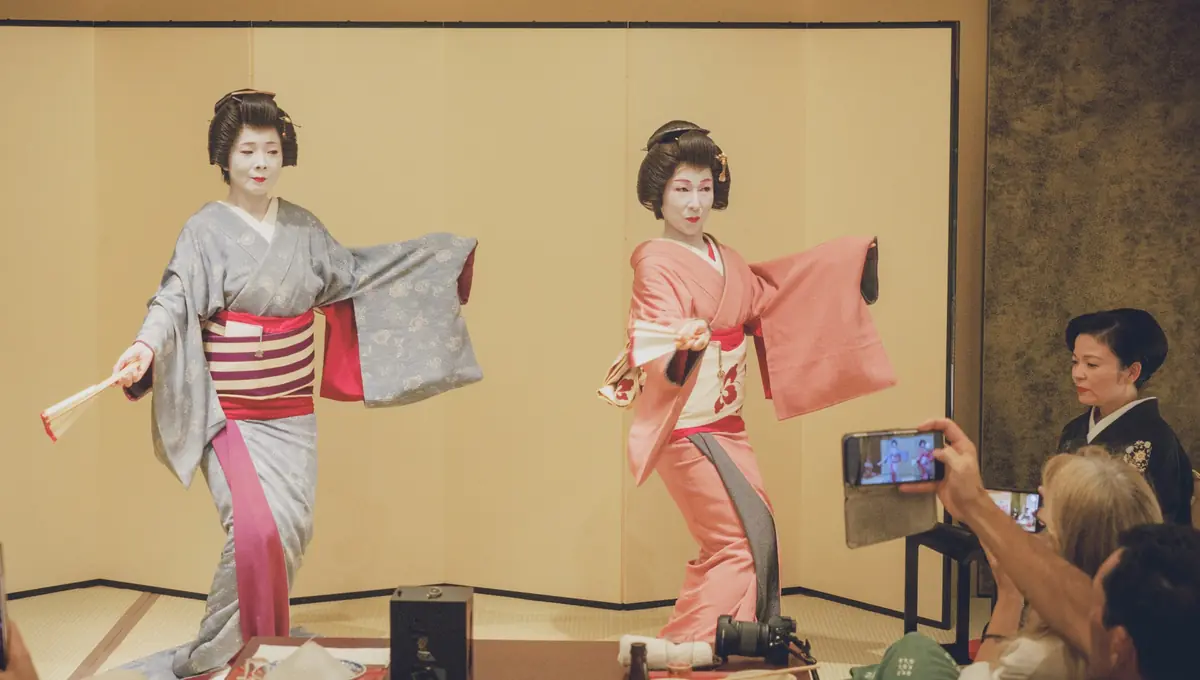
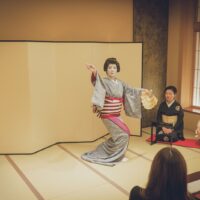
An ozashiki is a private gathering in which geisha dance to live shamisen (a three-stringed Japanese instrument), play games with the guests and talk with them. At a machiai-chaya, the house provides the room and looks after the guests, and the geisha are invited for each gathering. The geisha are self-employed professionals who belong to an okiya (a geisha house) and are registered at the Asakusa kenban (the district’s registry office), and we invite them for each ozashiki.
You watch the geisha dance a few steps away and join the old parlor games. An English-speaking interpreter is at your side, and solo guests are welcome. Plans run from one to three hours. Request a visit online at least two to three days ahead, and phone us for anything closer; confirmation usually comes within two business days. We are normally open Monday to Friday, except public holidays, and visits start between 2 pm and 8 pm, so a visit that starts in the afternoon leaves time for a show or dinner afterward. Our pricing page explains special openings and current rates.
If you decide on the day, the Ozashiki Tea House is the geisha option that can still be booked. It is a 75-minute session with three geisha and shared seating, held on set afternoons. Online booking is open until 2 pm on the day, and walk-ins are welcome if seats remain. One drink order per guest is required and charged separately.
We are on the north side of Senso-ji, about 3 minutes’ walk once you have crossed the grounds, and 13 to 15 minutes on foot from the Asakusa stations. For how the ways of seeing a geisha compare, see our guide to how to see a geisha in Tokyo; for the district itself, see our guide to geisha in Asakusa.
Best Things to Do in Asakusa at Night, in Brief
For one night in Asakusa, the cultural options sort like this. You can walk in to see Senso-ji’s lights and the painted Nakamise shutters, hear rakugo at the Engei Hall, or eat at an izakaya. A houseboat dinner, which leaves from Asakusa among other piers, and a geisha ozashiki on the north side of the temple need a booking. Our guide to Asakusa at night goes hour by hour, and our guide to things to do in Asakusa covers the daytime.
Getting Home After a Night Out
- Last trains. JNTO’s nightlife guide says the last trains in most Japanese cities leave around midnight to 1 am, and many bars stay open until the first trains. The time differs by line and station, so check your last departure before you sit down to dinner.
- Taxis. The same guide notes that a taxi is always an option if you miss the last train. After a visit with us we can call one for you, and from the Asakusa stations a taxi to our door takes about 4 minutes.
For which nights to book each of these across three days in Tokyo, see our 3 day Tokyo itinerary.
Frequently Asked Questions
Which cultural things to do in Tokyo at night need no booking?
Senso-ji’s lights and the painted shutters on Nakamise Street, rakugo at Asakusa Engei Hall, a neighborhood sento, an izakaya or a yokocho alley, and the Tori no Ichi fair all take walk-ins. The Engei Hall sells tickets at the window on the day only. A Kabukiza single-act seat can also be bought at the box office on the day, if any are left.
Which ones do you have to book ahead?
A private geisha ozashiki needs a request at least two to three days ahead, and a houseboat dinner is reserved with the Tokyo Yakatabune Association, which takes requests by email while its online form is paused. Kabukiza single-act seats can be reserved online from noon the day before. At the Sumida River Fireworks, the only seats are sponsor seats, which went on sale on 10 May in 2026.
Can I buy Kabukiza single-act tickets on the day?
Yes, if seats remain. The single-act box office on the left side of the theater sells fourth-level tickets from 10 am, about 20 seats in all, and sales end when they run out. About 70 more seats are sold online from noon the day before. The fourth level is the farthest from the stage, and part of the stage may be out of sight. English captioning costs ¥1,000 an act, cash only.
How does a sento work, and what does it cost?
You leave your shoes in a locker, pay at the front desk and undress in the changing room. You wash first, then get into the large tub, where the water is usually around 42 degrees Celsius. Swimsuits and underwear cannot be worn, and most baths sell towels, shampoo and soap. The Tokyo Sento Association’s fee notice sets the adult price at ¥600 from 1 August 2026. Hours differ by bath, so check each bath’s hours and closing day on the association’s map. If you have a tattoo, check the bath’s policy first.
What time do the last trains run, and how do I get home?
JNTO says the last trains in most Japanese cities leave around midnight to 1 am. The time differs by line and station, so check your last departure before dinner. If you miss it, a taxi is the fallback, and many bars stay open until the first trains. After a visit with us, we can call a taxi for you.
Can I see geisha without booking days ahead?
Partly. You may pass geisha in the back streets of Asakusa on their way to an engagement, but a sighting lasts seconds and cannot be planned. The Ozashiki Tea House, a 75-minute session with three geisha and shared seating, takes online bookings until 2 pm on the day and welcomes walk-ins if seats remain. A private ozashiki needs a request at least two to three days ahead.
Request a Private Ozashiki
Dance, shamisen, conversation and the old parlor games, in a private room with an English-speaking interpreter beside you. Request it at least two to three days ahead; visits start between 2 pm and 8 pm on weekdays. First-time and overseas guests are welcome, and no introduction is needed. Current rates are on our pricing page.
Request a Reservation


- Tori no Ichi in Asakusa 2026: Dates, Hours, Kumade, and a Geisha House's View of the Rooster Fair
- Traditional Entertainment in Tokyo: Kabuki, Sumo, Rakugo and a Geisha Ozashiki
Unique Things to Do in Tokyo: Choosing the Right Experience
The Ultimate Guide to Tokyo Dinner Reservations in 2026: How to Secure the Best Tables
26 Best Experiences in Tokyo: Unique Guide (2026)
3 Day Tokyo Itinerary: What to Book for Each Night, With a Day in Asakusa
Best Restaurants for a Birthday Dinner in Tokyo | Memorable Dining Experiences
Traditional Entertainment in Tokyo: Kabuki, Sumo, Rakugo and a Geisha Ozashiki
Comment ( 0 )
Trackbacks are closed.
No comments yet.