



How to Become a Geisha: Training, Stages, and Life in Asakusa Today
In Tokyo, a woman can become a geisha from the age of eighteen. She first trains as a minarai (trainee) for roughly six months to a year, then debuts either as a hangyoku, Tokyo’s apprentice geisha, or directly as a full geisha, called ippon. A hangyoku usually becomes ippon after two to four years. There is no exam and no required license, but training never stops: dance, music, and manners are practiced every week for as long as she works.
Who Can Become a Geisha?
In Tokyo, the minimum age to appear as a geisha is eighteen — in practice, after finishing high school. Kyoto is different: there, apprentices known as maiko can begin at fifteen.
Asked who can do it, the okami (proprietress) of our house, who worked as an Asakusa geisha for twenty-seven years, from fifteen to forty-two, answers simply: from eighteen, she thinks anyone can. The condition is training. Nobody walks into the banquet room on day one; the arts come first.
What matters most is a quality the geisha world calls kibataraki — the ability to notice what the room needs before anyone asks. The okami describes the balance a young geisha has to learn: don’t push yourself forward, don’t hold back too much. Everything in moderation. That sense of measure is learned during the apprentice years, in the room, by watching.
How to Start: The Kenban and the Okiya
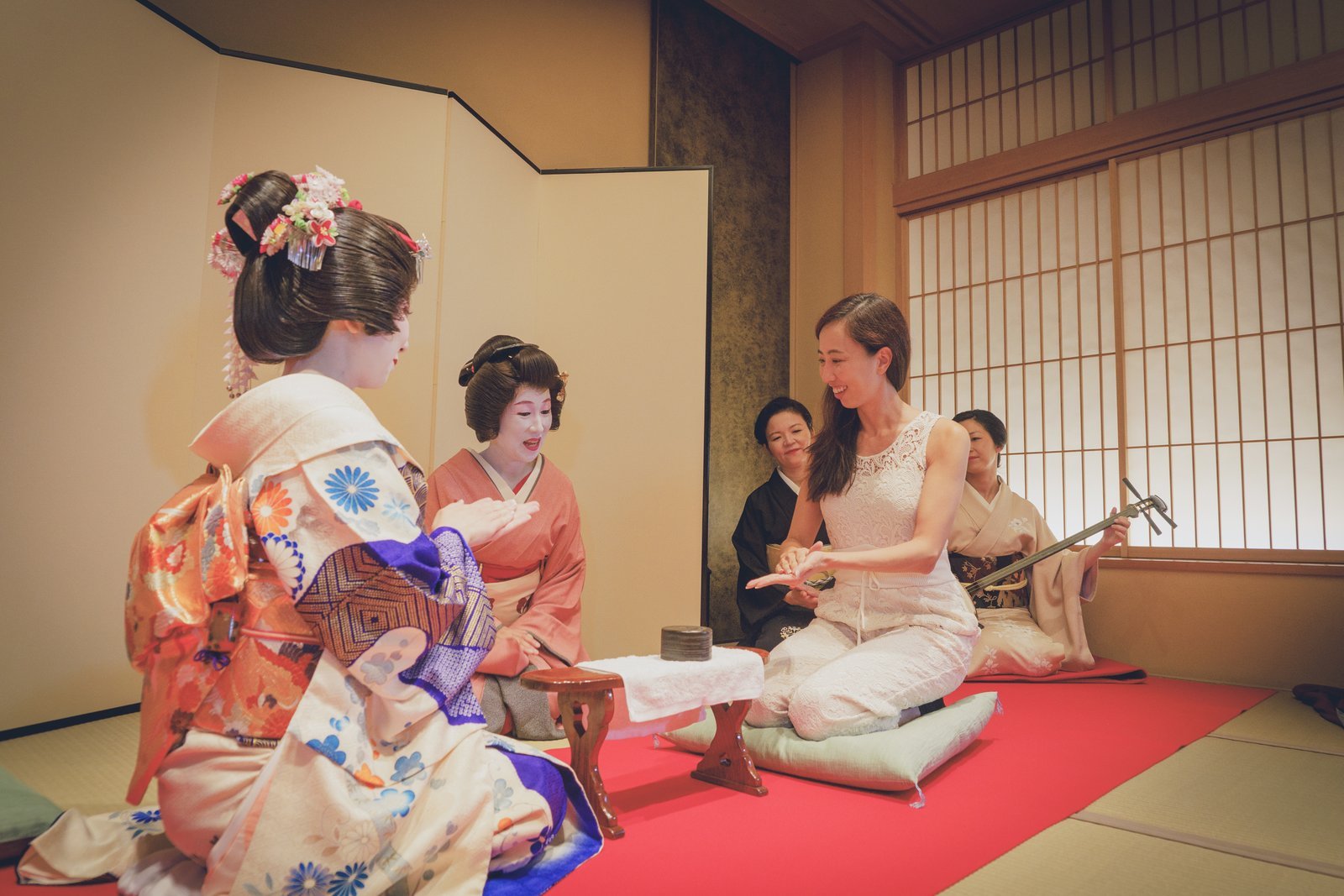
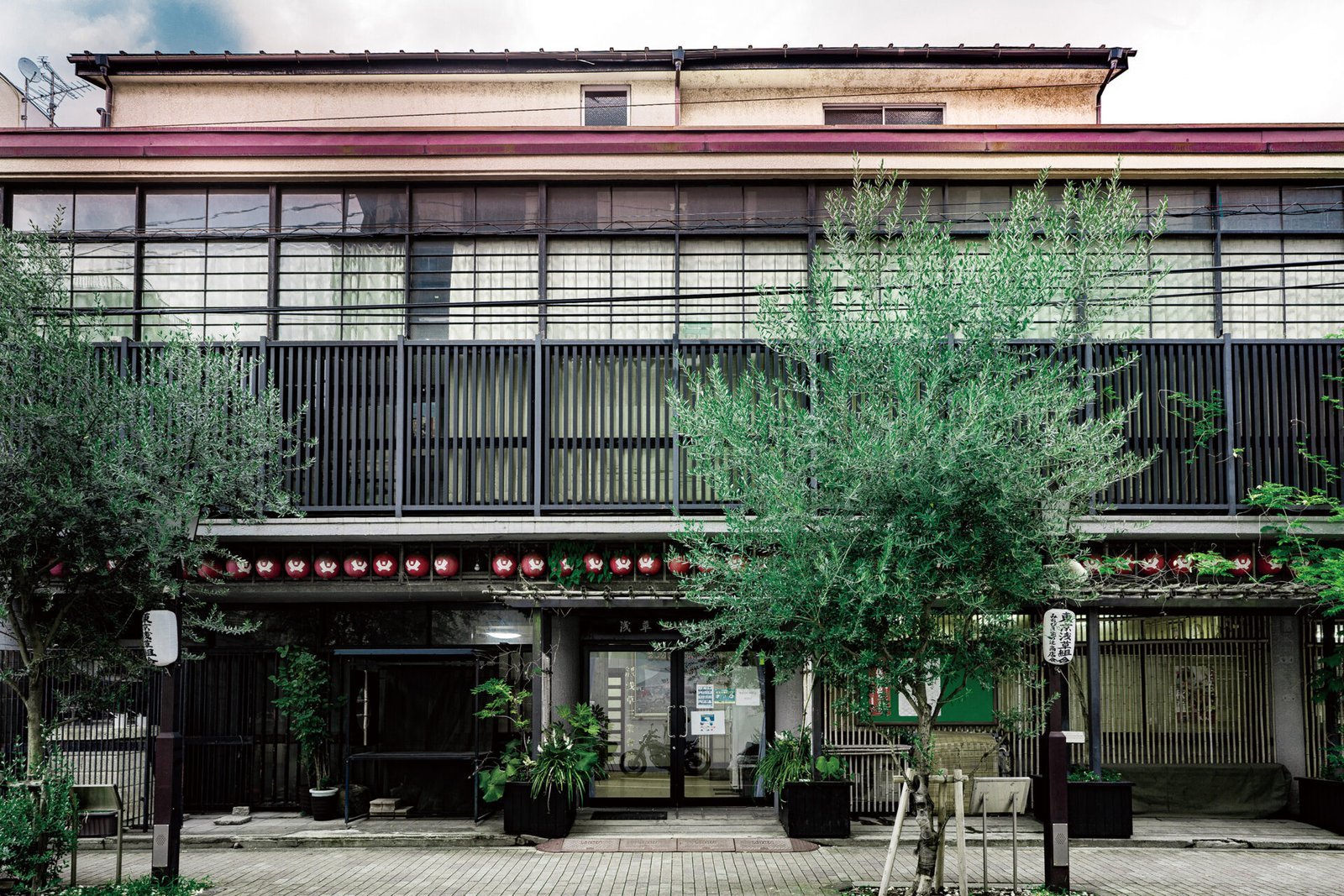
Every working geisha in Tokyo is registered with the kenban (見番) of her district — the office that manages registration, bookings, and lessons for the geisha of that area. Asakusa geisha are registered with the Asakusa kenban, Shinbashi geisha with the Shinbashi kenban, and so on. That registration is also what makes a geisha a geisha; it is the clearest way to tell the real profession from a costume.
There are two usual ways in. A would-be geisha can contact the kenban, which today acts as the main point of entry, or she can approach an okiya (置屋) — a geisha house — directly. Some now find an okiya through social media and get in touch that way. Either route is accepted.
In the early 2000s, a history of the Asakusa district recorded what the kenban tells applicants at the first meeting. A two-hour banquet includes perhaps ten or fifteen minutes of dance; the rest is hospitality at the table. The work is paid by the engagement, not by salary, and lessons and kimono are costs she carries herself. Candidates are told the reality before they start.
The Stages: Minarai, Hangyoku, and Ippon
A geisha’s career in Tokyo moves through three stages.
Minarai (見習い) — trainee. Usually about six months to a year. A trainee is not yet a geisha. She follows senior geisha to their engagements, helps in the house, and learns how to move, sit, pour, and speak in a banquet room.
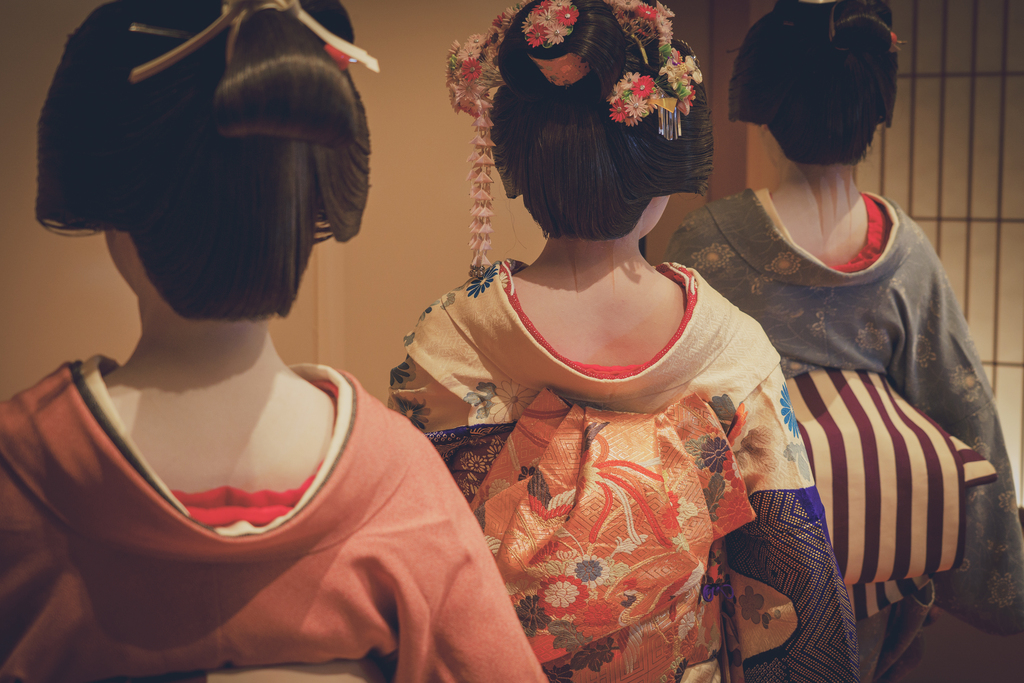
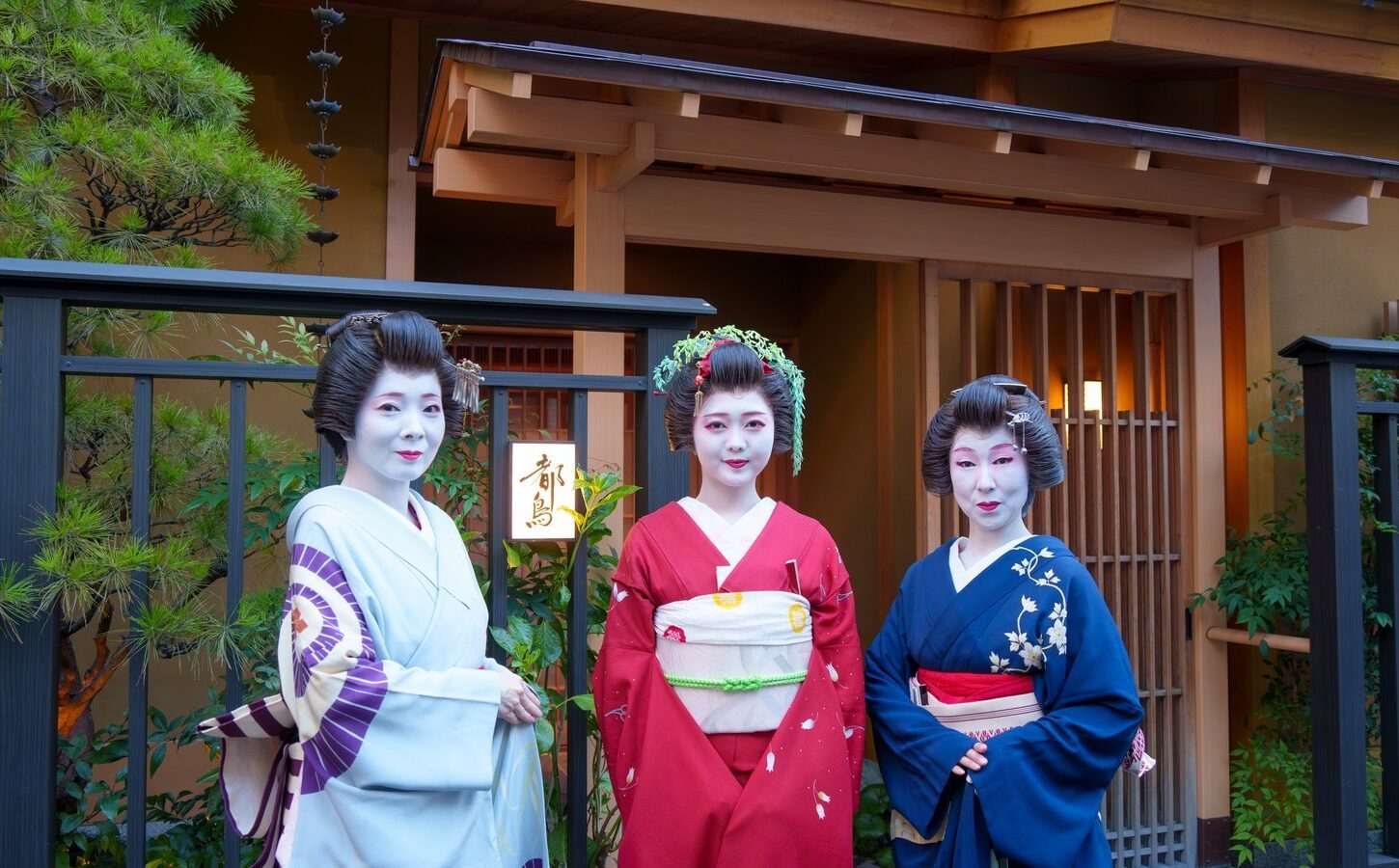
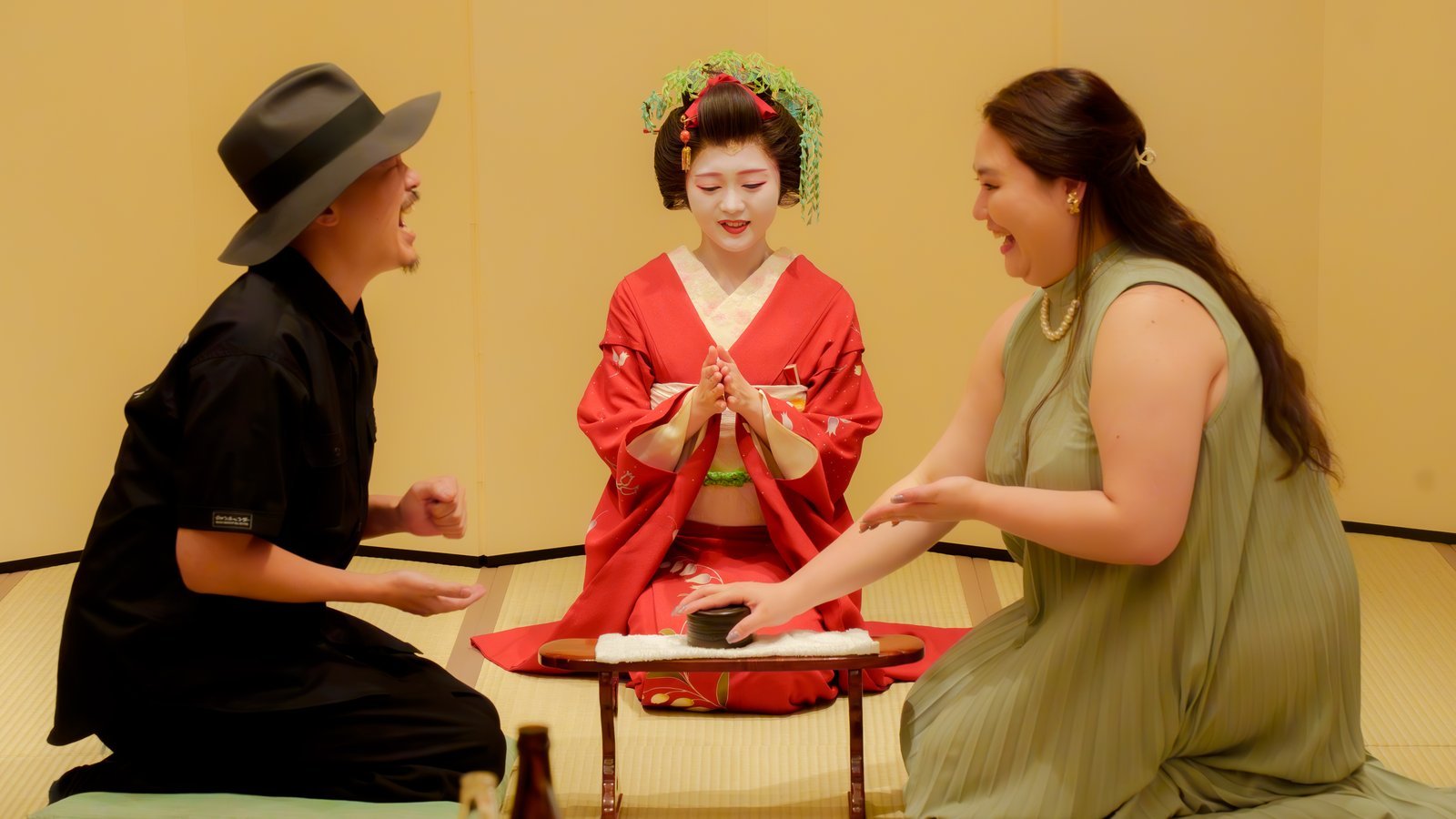
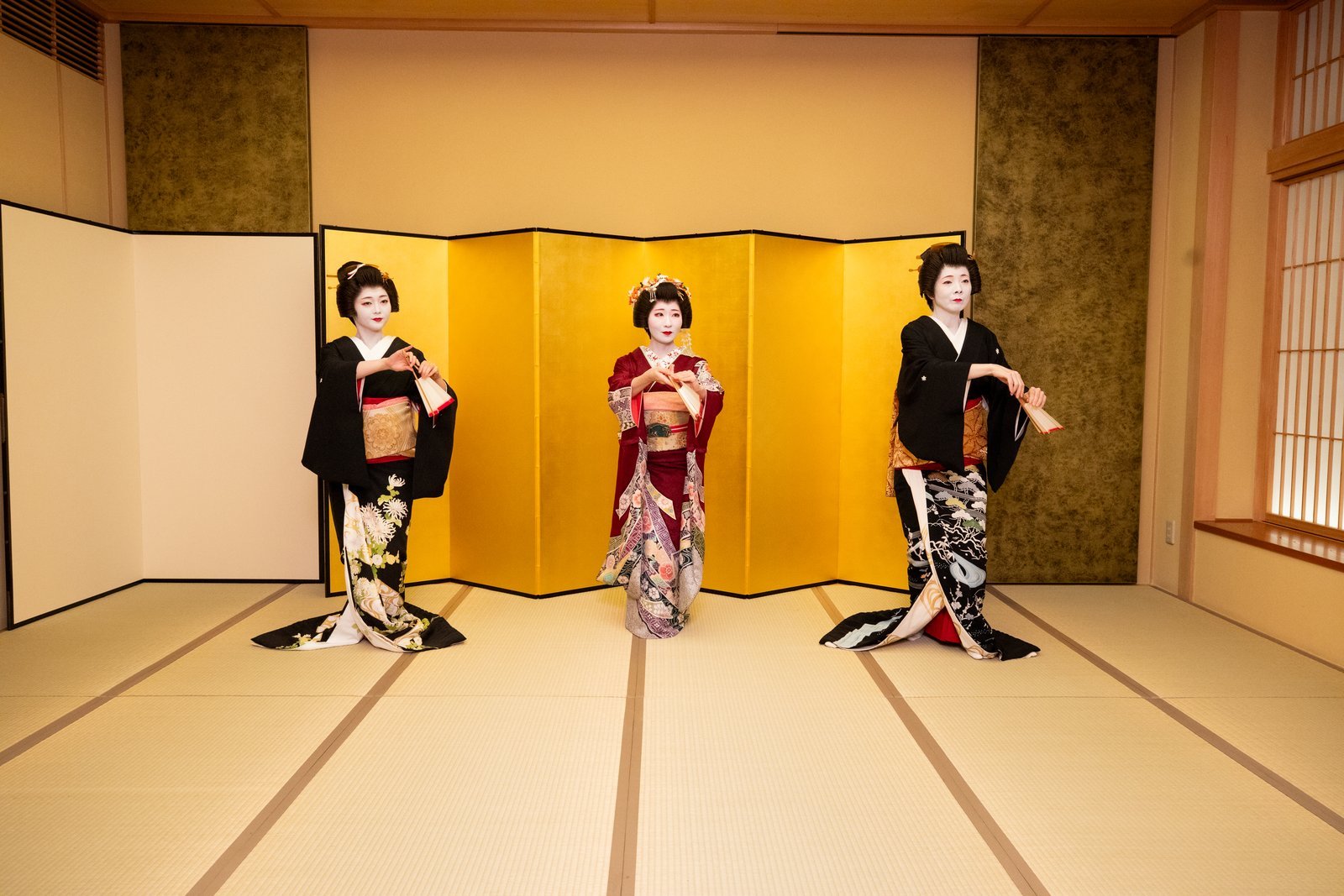
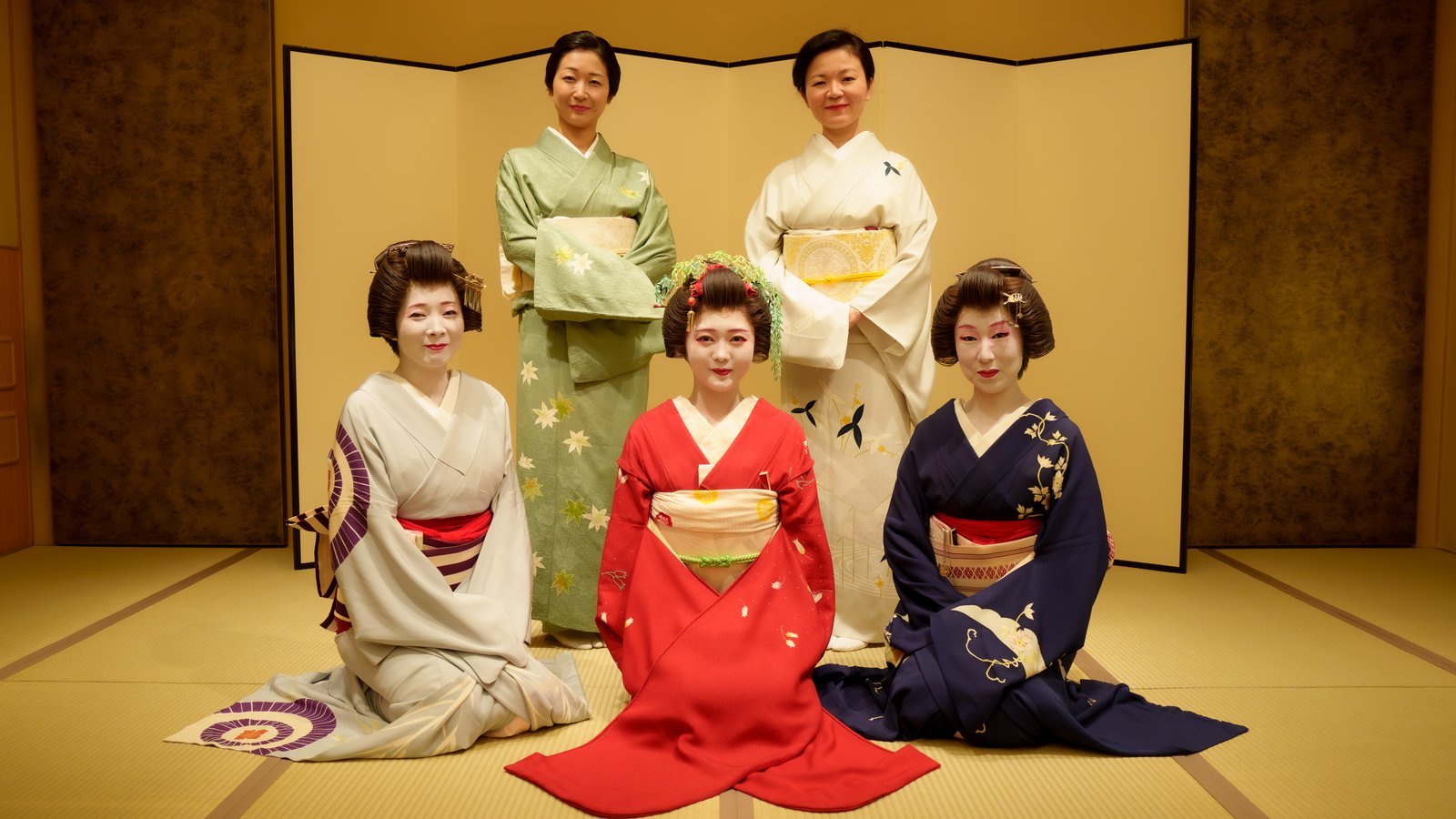
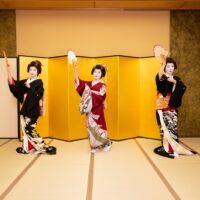
Hangyoku (半玉) — apprentice geisha. After her debut, a young geisha works as a hangyoku, dressed in a long-sleeved furisode kimono with bright ornaments. The name means “half jewel”: a hangyoku’s fee was once half that of a full geisha. She is already a geisha — an apprentice one — and she takes part in real engagements.
Ippon (一本) — full geisha. After two to four years, depending on her age, her appearance, and how her arts are progressing, a hangyoku becomes ippon. The word means “one stick”: before clocks were common, a geisha’s time was measured by how long one incense stick took to burn, and the fee was set per stick. Only as ippon may she wear the formal black kimono with a trailing hem.
A woman who starts older may skip the hangyoku stage and debut directly as ippon. The trainee period, however, is never skipped.
In Kyoto, the stages carry different names — maiko and geiko — and a different ceremony, erikae, marks the change. For the full comparison, see maiko vs geisha.
What Geisha Train In
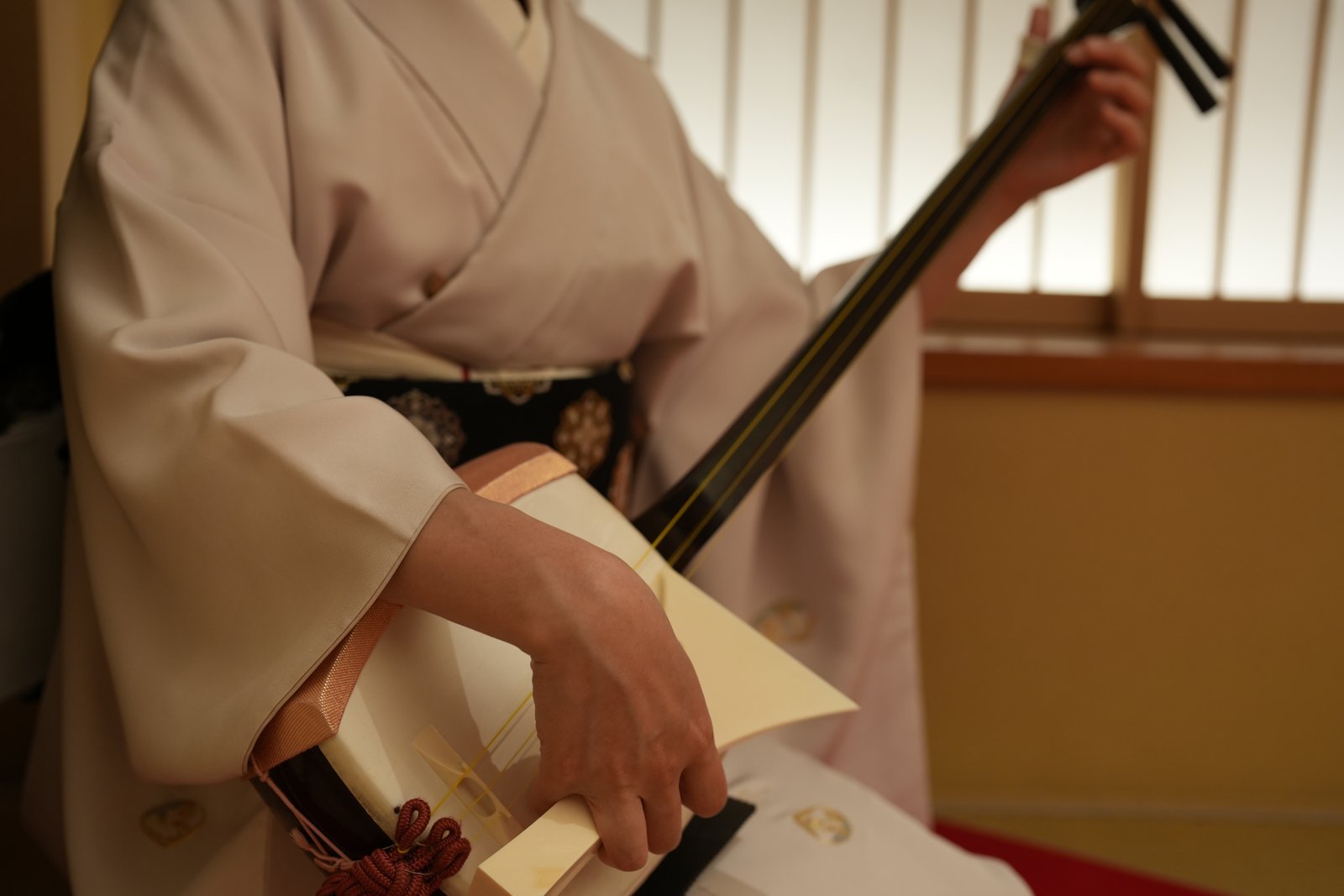
The core lessons for a young geisha are dance (nihon buyo), percussion (narimono — the hand drum and stick drum), and the tea ceremony. Many add shamisen, song, and other forms on top. The tea ceremony teaches poise and manners; it is part of training, not something performed at a banquet.
As a geisha settles into her career, she usually develops in one of two directions. Tachikata are the dancers, in white makeup and traditional hairstyles. Jikata play the shamisen and sing. Some choose music from the start; others dance for the first few years and move to the shamisen later. For more on the two roles, see our guide to geisha dance and geisha instruments.
The lessons do not stop at a debut, or at becoming ippon. Asakusa geisha attend lessons every week — sessions of fifteen minutes to an hour at a practice studio — for as long as they work. The arts, as the district puts it, have no end.
A Day in the Life of an Apprentice
The okami’s own apprentice days give a picture of the rhythm. Breakfast, then dressing, then from about ten in the morning, lessons — three in a day, usually some combination of dance, percussion, and nagauta shamisen. Home again, an early dinner, the long preparation of hair and kimono, and out to the evening’s engagements from five or six o’clock.
The other half of the training happens in the banquet room itself, and it is not taught in words. Senior geisha rarely explain; they show, and the apprentice learns by watching. Seating has an order — seniors in the upper seats, the apprentice at the lower end. The first rule an apprentice learns is not to make her seniors move: if a senior reaches to fetch another bottle of beer, the apprentice is already on her feet saying, “I’ll go.” Guests at an ozashiki usually understand that a hangyoku is still learning, and they are generous when she makes a small mistake.
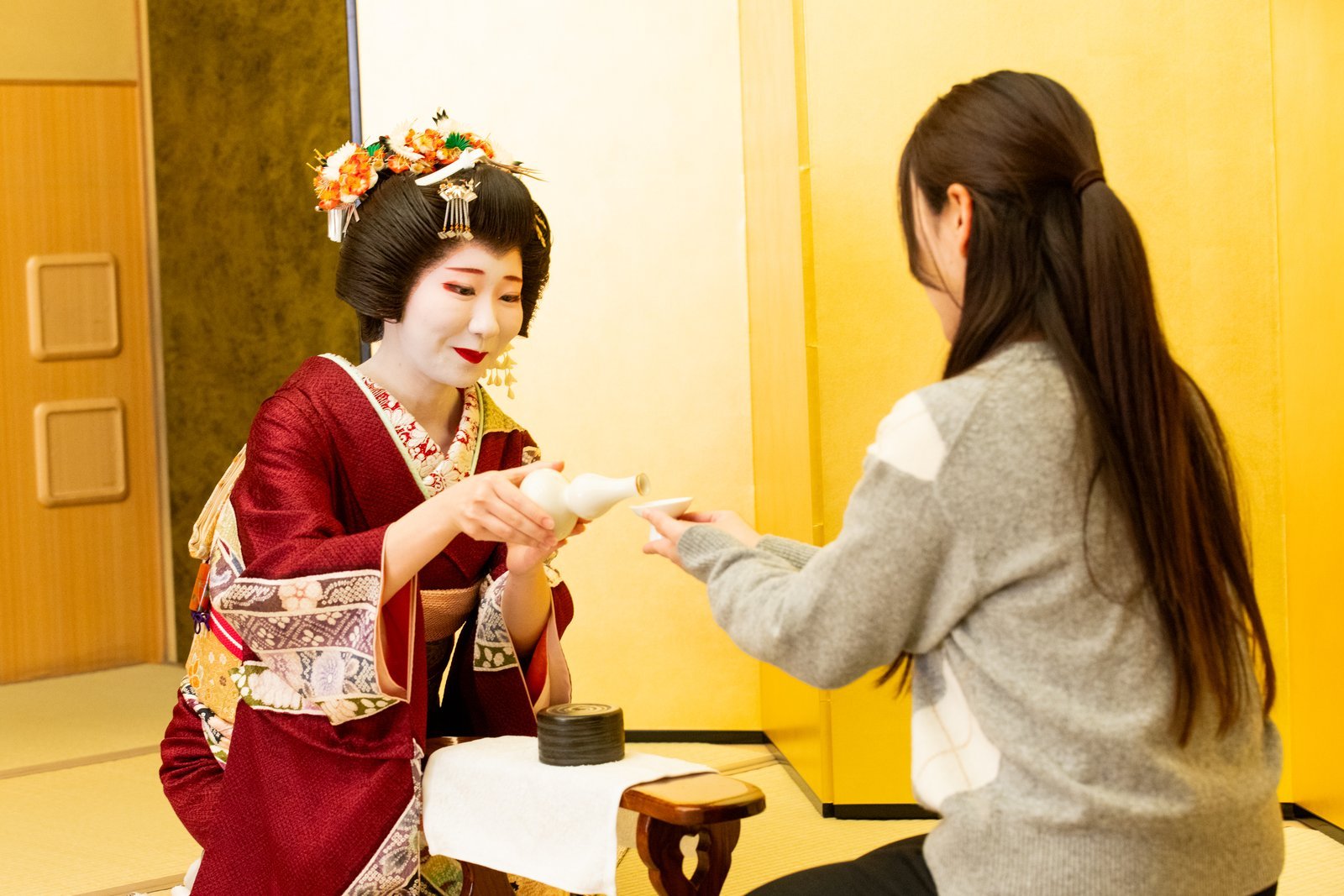
Meet the Geisha of Asakusa in Person
At our teahouse in Asakusa, a private ozashiki (geisha banquet) brings you face to face with the geisha and hangyoku training under this same system today — dance, shamisen, conversation and the old parlor games, for your group alone. First-time and overseas guests welcome.
Request a ReservationDebut and the Road to Ippon
A geisha’s debut is called ohirome (お披露目), a round of formal greetings that introduces her to the district. The timing is chosen with care. May is avoided because of the Sanja Festival and the holidays; from June the kimono changes from lined to unlined for the warm months; summer is avoided too. In practice, the window runs from autumn to spring.
The customs of the debut continue on a smaller scale than in the past: venues still mark the occasion with a courtesy booking, and the new geisha still gives out name-printed tenugui towels, only fewer of them.
When a hangyoku becomes a full geisha, Asakusa simply says she “becomes ippon.” There is no exam and no panel. The change is marked by an ippon hirome — a second round of greetings, because her dress and standing change — and from then on she wears the formal kimono of a full geisha.
How Geisha Earn a Living
Geisha are not employees of the venues where they perform. In Asakusa, a geisha is an independent professional registered with the kenban, and a venue such as ours books her through the kenban for each engagement. She is paid per engagement, not by salary. For how the money moves and what geisha pay for, see how geisha are paid.
Then and Now
The path has changed a great deal. Before the war, children were placed with okiya while still at school and trained for years before their debut, and the hierarchy of the banquet room was strict. In the postwar period, Asakusa for a time allowed apprentices to debut younger than other Tokyo districts; today the minimum in Tokyo is eighteen. The okami’s own story belongs to that earlier era: she entered the district at fifteen, trained for a few months, spent three and a half years as a hangyoku, and became ippon at eighteen and a half.
The numbers have changed too. When the okami debuted in 1969, Asakusa had more than 140 geisha. Today there are around twenty. That is the reality, and it is worth saying plainly — because it is also why the next part matters. After years when few young women came forward, applications have been rising again. The okami believes that guests from overseas, arriving to see the ozashiki for themselves, are part of the reason: they give young women a reason to dream of the work. New kinds of engagements help too. A geisha who has just made her debut needs rooms to dance in, and every new banquet is a chance to improve.
Frequently Asked Questions
How old do you have to be to become a geisha?
In Tokyo, eighteen or older. In Kyoto, maiko can begin at fifteen.
How long does geisha training take?
A trainee (minarai) period of roughly six months to a year comes first. A hangyoku then usually becomes a full geisha (ippon) after two to four years. Lessons continue for her whole career.
Is a hangyoku a geisha?
Yes. Hangyoku are apprentice geisha, and they work at real engagements. Only the trainee stage before the debut is not yet a geisha.
Is there an exam to become a full geisha?
Not in Asakusa. A hangyoku “becomes ippon” when her seniors judge she is ready, and the change is marked with a round of greetings called ippon hirome.
Do geisha get paid a salary?
No. Geisha are independent professionals registered with their district’s kenban. They are paid per engagement and cover their own lessons and kimono.
Can foreigners become geisha?
We do not have first-hand records of non-Japanese geisha in Asakusa to point to. What we can say is what the path requires of anyone: registration with a kenban, a trainee period, and years of lessons in dance, music, and Japanese banquet manners, carried out in Japanese.
See This Training in Action
An evening with Asakusa geisha, from apprentice to ippon, at a private ozashiki (geisha banquet) in our teahouse. First-time and overseas guests welcome, without an introduction. Current rates are on our pricing page.
Request a Reservation


- Geisha Dance: The Nihon Buyo You Will See at an Asakusa Ozashiki
- How Much Do Geisha Make? How Geisha Are Paid in Tokyo, Then and Now
Enjoy Asakusa! Complete Year-Round Information on Seasonal Events, Festivals, and Sightseeing Activities
What Is the Origin of Asakusa’s Place Name? 【Thorough Explanation】Three Prominent Theories and Unfamiliar History
What Is a Ryotei? Japan’s Traditional Restaurant Culture, Explained
Kanzashi: A Guide to Japanese Hair Ornaments
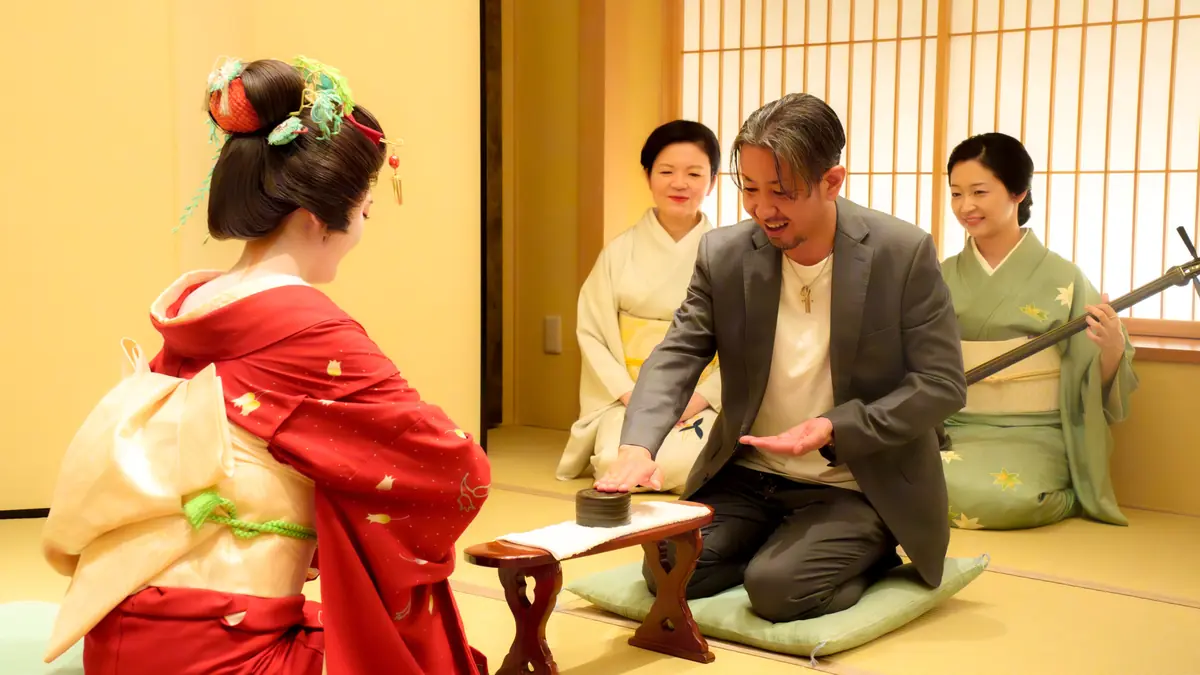
Ozashiki Parlor Games: How to Play Konpira Funefune & Tora-Tora
No comments yet.