



How Much Do Geisha Make? How Geisha Are Paid in Tokyo, Then and Now
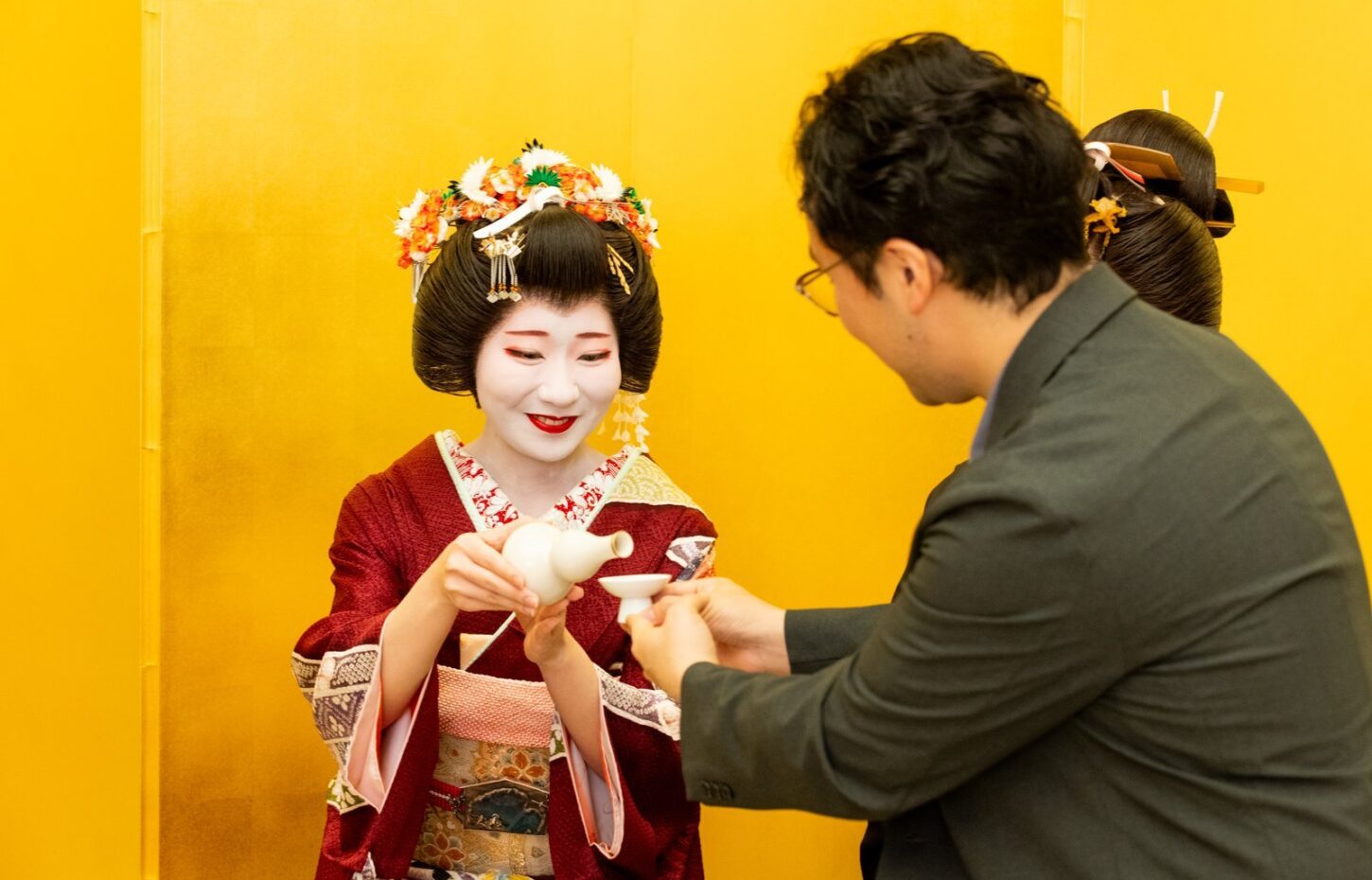
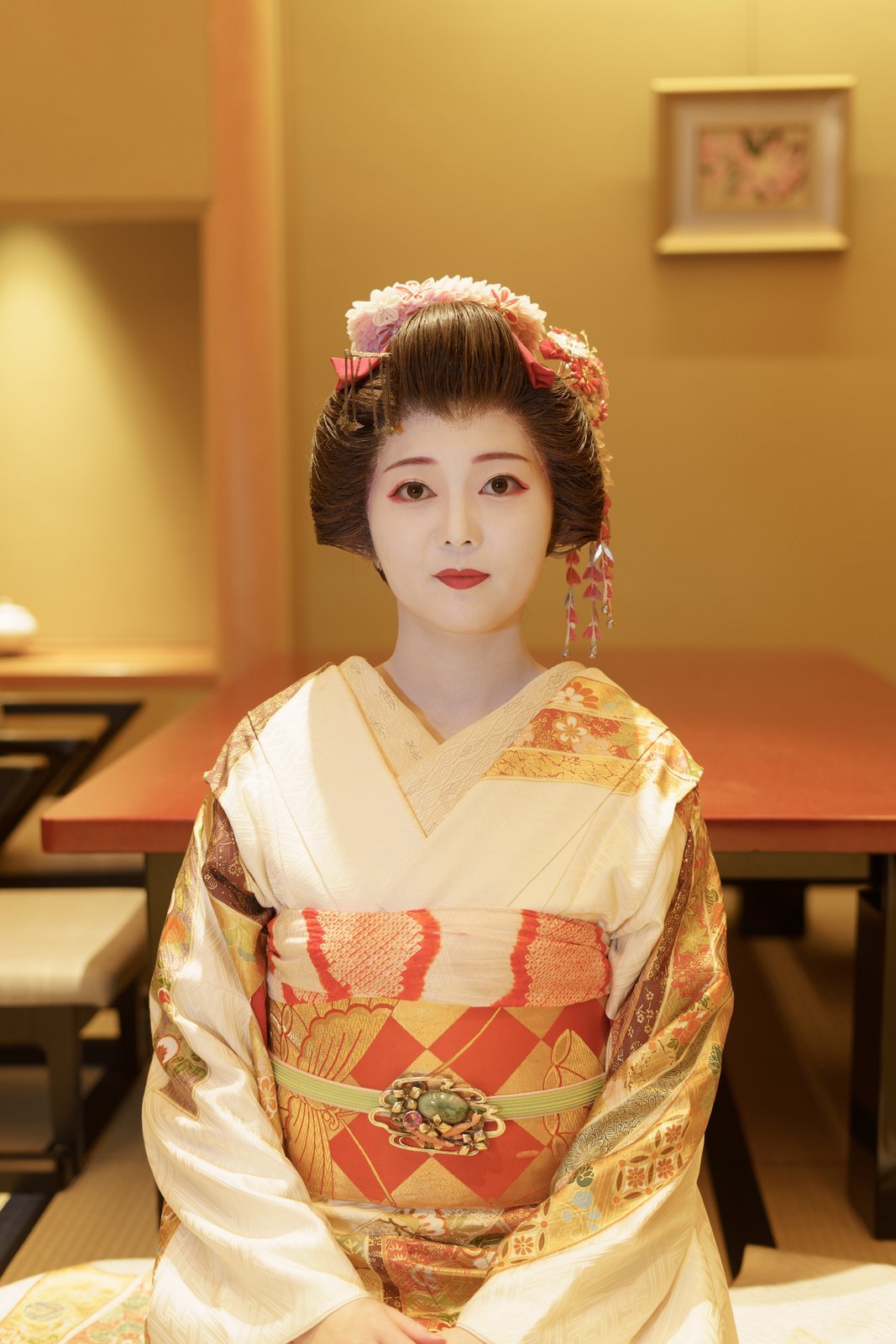
Geisha do not earn a salary. In Asakusa, Tokyo, a geisha is an independent professional registered with the district’s kenban (見番), the geisha office, and she is paid for each engagement she is called to. What she earns depends on how often she is called, and out of it she pays for her own lessons and kimono. In Asakusa, the fee travels from the guest to the venue, to the Asakusa geisha association, and on to the geisha by bank transfer. Individual payments are private, and venues such as ours do not publish them.
Do Geisha Get Paid a Salary?
No. Geisha are not employees of the venues where they perform, and there is no monthly wage. In Asakusa, every working geisha is registered with the Asakusa kenban as an independent professional, and a venue that wants her at a banquet books her through the kenban. A venue such as ours calls geisha for each engagement; it does not employ them.
This is not new. A history of the Asakusa district written in the early 2000s records what the kenban told young women who came to ask about the work: this is not a salaried job, you are paid for the engagements you are called to, and your lessons and kimono come out of your own pocket. Candidates heard the reality before they started, and it has not changed.
So the honest answer to “how much do geisha make” is that it varies. A geisha who is called often, who has regular guests who ask for her, and whose arts are in demand earns more. There is no fixed figure to quote.
What the Fee Is Called: Hanadai, Gyokudai, and the Incense Stick
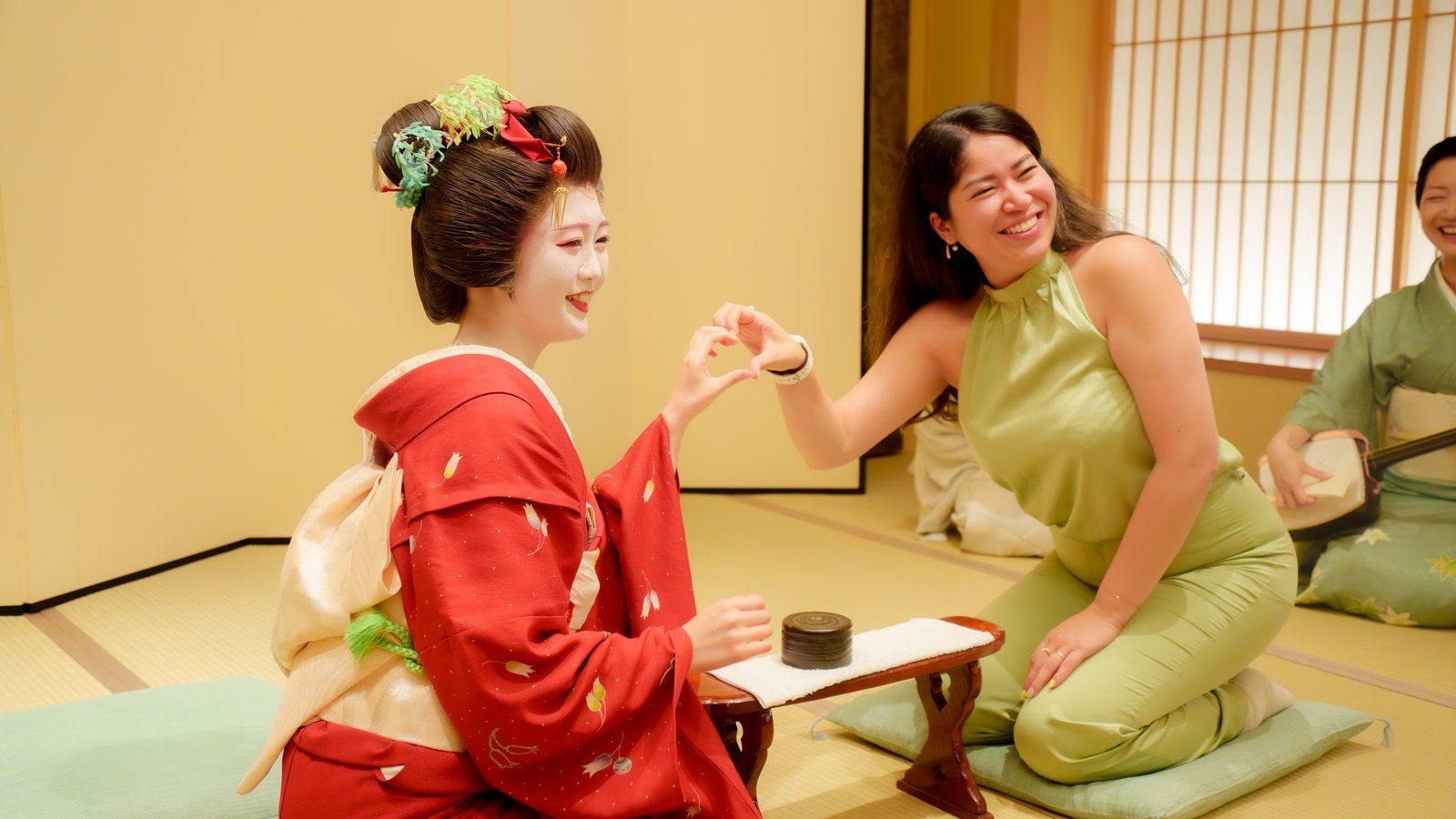
The fee paid for a geisha’s time has several names. Hanadai (花代) means “flower fee.” Gyokudai (玉代) means “jewel fee,” and it is the word Tokyo has used for centuries. A third word, osenkō-dai (お線香代), the “incense fee,” carries the history of how geisha were paid.
Before clocks were common, a geisha’s time was measured in incense sticks. One stick burning down was one unit, and the fee was set at so much per stick. That is where the word ippon (一本), “one stick,” comes from: a full geisha is still called ippon today. One historian of Tokyo’s geisha districts notes that Tokyo traditionally said gyokudai rather than senkō-dai, and that everywhere in Japan the unit was counted in sticks. Even so, a history of the Asakusa district written in the early 2000s records that older Asakusa geisha still used the word osenkō-dai.
The apprentice geisha of Tokyo, the hangyoku (半玉), takes her name from the same system: “half jewel,” because her fee was once half that of an ippon. A hangyoku is already a geisha. She works at real engagements; the name refers only to how her fee was once counted. For the stages of a geisha’s career, see our guide to how to become a geisha.
How the Money Moves: From the Guest to the Geisha
At an Asakusa ozashiki (a private geisha banquet), the payment for the geisha moves in four steps:
- The venue charges the guest for the geisha’s time, by the hour.
- The guest pays the venue.
- The venue settles with the Asakusa geisha association, the organization behind the kenban, submitting a slip for each geisha who attended.
- The association pays each geisha, by bank transfer.
The okami (proprietress) of our house has walked through this flow many times, because guests are often surprised by it. Most assume the geisha at the table are “the restaurant’s staff.” They are not. The venue pays the association; the association pays the geisha.
Booking works the same way in the other direction. When a venue wants geisha for an evening, it telephones the kenban, gives the date, the time, and the number of geisha, and asks for particular geisha by name if the guest has a preference. In Asakusa, the venue is said to “call” the geisha (ozashiki wo kakeru), and from the geisha’s side, “an ozashiki has come in.” Venues such as ours still make that call by phone.
The history of the Asakusa district written in the early 2000s adds that the fee was set for the district as a whole: a geisha called to one licensed venue in Asakusa earned the same as at another. When a geisha is called outside those venues, to an unlicensed restaurant or another district, the engagement is called tōde (遠出), “going far,” and the fee is higher. Even then, the booking and the bill still go through a licensed venue.
Meet the Geisha of Asakusa at a Private Ozashiki
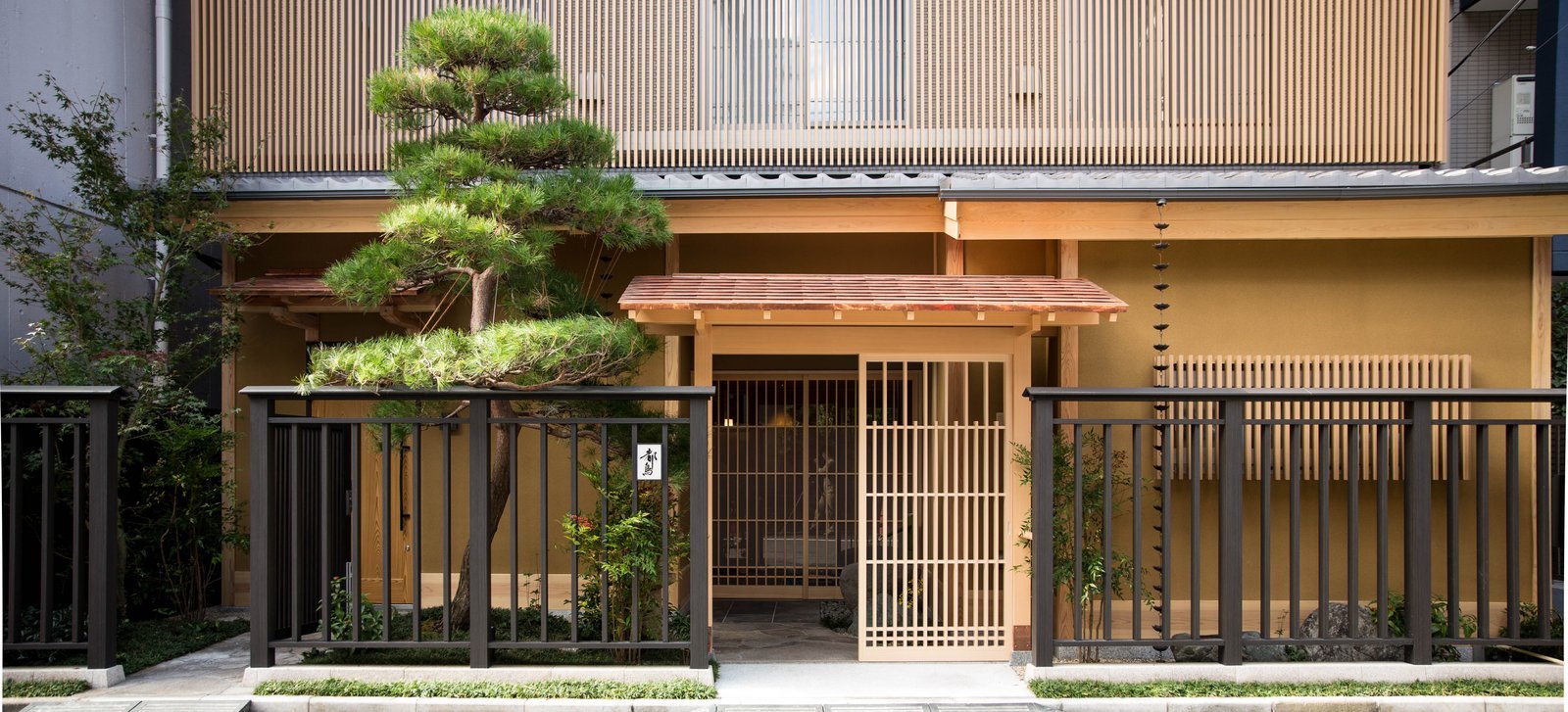
See this system in person: a private ozashiki (geisha banquet) at our teahouse in Asakusa, with the same geisha who are called through the kenban for every engagement — dance, shamisen, conversation and the old parlor games, for your group alone. First-time and overseas guests welcome.
Request a ReservationWhat Geisha Pay For
A geisha’s income comes only from engagements, and a large part of it goes back into the work.
- Lessons. Asakusa geisha take lessons every week in dance, music, and other arts for as long as they work, and pay for them themselves.
- Kimono. Formal kimono, obi, and accessories for every season. The further a geisha goes in her career, the more she needs.
- Performances and occasions. Appearing in the district’s dance recitals, and the weddings, funerals, and celebrations of the geisha world, all come with costs.
The history of the Asakusa district quoted above makes the point directly: the longer a geisha works, the more goes out. That has always been true. One historian of Tokyo’s geisha districts quotes a writer from the last years of the Edo period on the geisha of Yanagibashi: from the outside their fees looked high, but kimono and hair ornaments were costly, the obligations of the district were many, and what went out often exceeded what came in.
Okiya, Jimae, and Kanban-gari
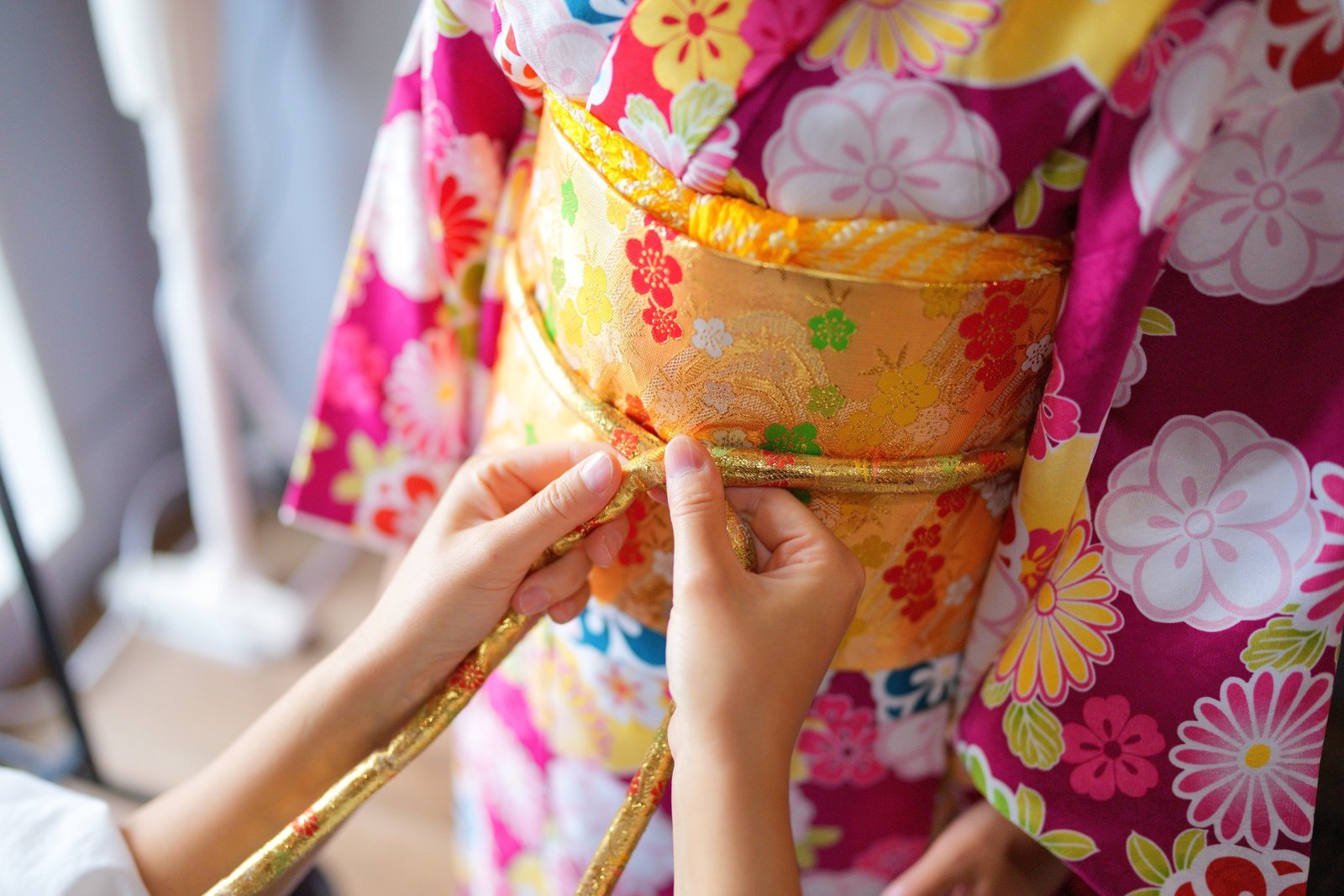
Most geisha begin under an okiya (置屋), a geisha house. While she works under an okiya’s name, a young geisha pays the house for its support. The head of the okiya is called okāsan, “mother,” by the geisha of her house, or onēsan, “elder sister,” if she is still a working geisha herself.
After working with an okiya for a set number of years, a geisha can receive what the district calls a kōrō kanban (功労看板), a “service signboard,” from the association. With it she can become jimae (自前), independent, running her own affairs rather than working under the okiya’s name. A geisha who belongs to an okiya without being one of the geisha it supports is described as kanban-gari (看板借り), “borrowing the signboard.” Both words are still in everyday use in Asakusa.
Being attached to an okiya and being an independent professional are not in conflict. The okiya gives a young geisha a home in the district; the kenban registers her; the venues call her. She is paid for her own work.
How It Used to Work
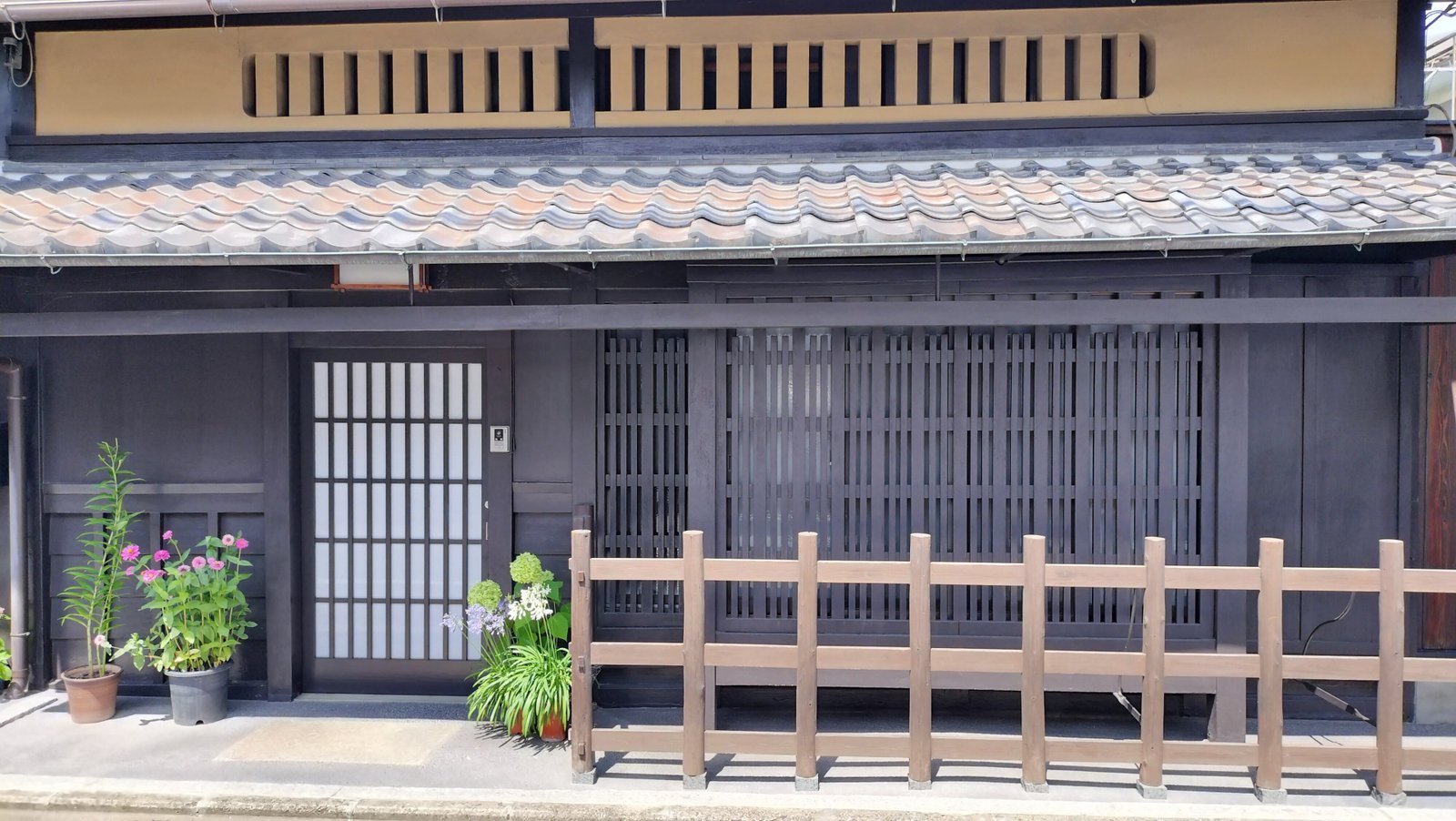
The system has changed a great deal, and the history explains why today’s geisha are independent.
The kenban began as a supervisor. One historian of Tokyo’s geisha districts traces the first kenban to the Yoshiwara pleasure quarter in the late eighteenth century, where an office was set up to register the district’s geisha, send them to engagements, and keep order. The fee system was set at the same time. Registering geisha, sending them to engagements, and keeping order is still, in essence, what a kenban does.
Geisha were among the highest taxpayers. From the mid-Meiji era until 1944, geisha fees were taxed by the rank of the district, not by the skill of the geisha. The historian notes that in 1935 a geisha in Tokyo’s first-rank districts, Shinbashi and Yanagibashi, paid a tax of eleven yen a month, while a top-ranked sumo wrestler paid a hundred and twenty yen a year. A first-rank geisha out-paid a yokozuna. At a time when few careers were open to women, the historian notes, geisha were among the very few who earned their own living through their art and could support their families.
Geisha Income Today
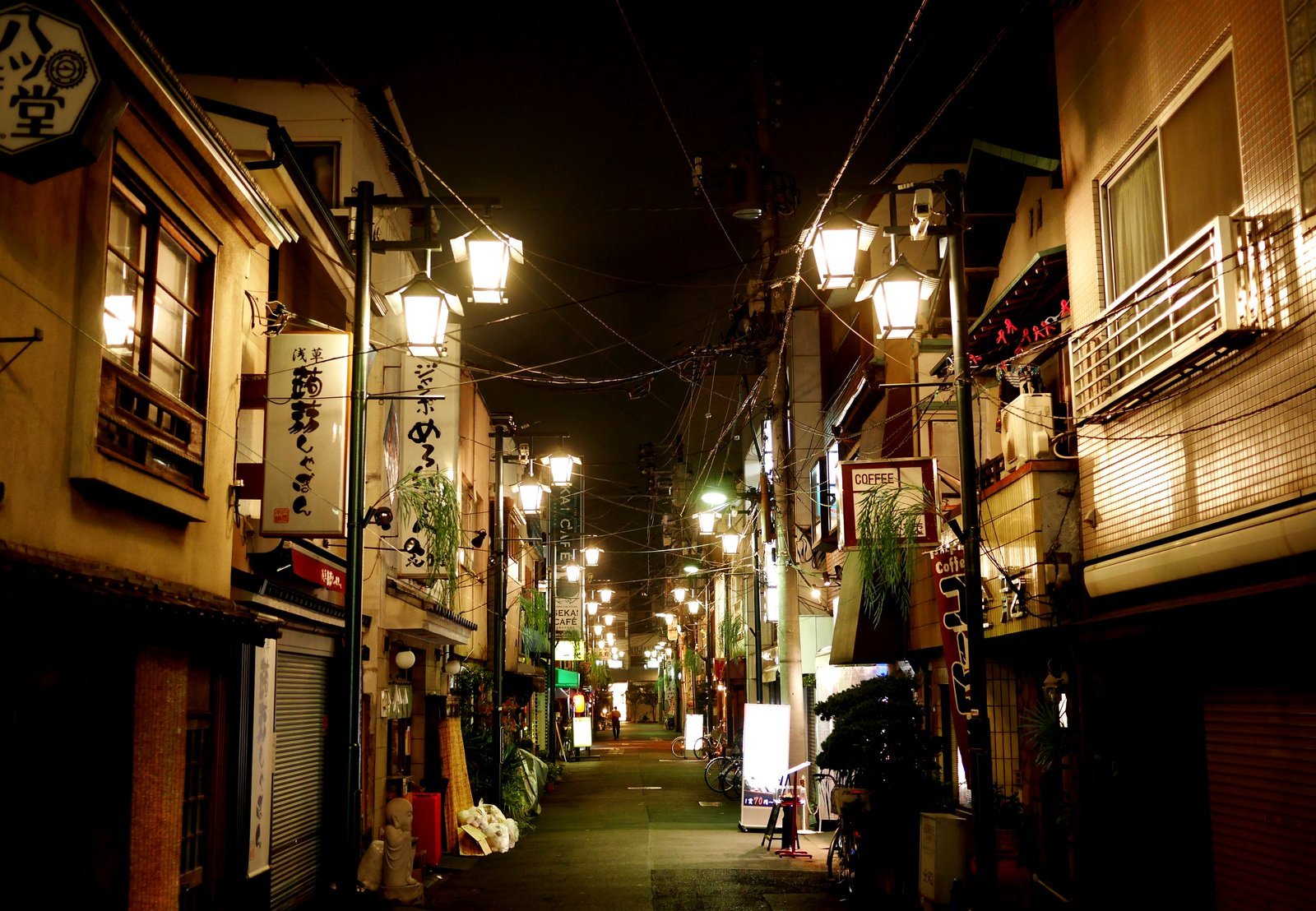
The numbers of the last half century are not easy ones. When the okami debuted in 1969, Asakusa had more than 140 geisha. Today there are around twenty.
At Miyakodori, we see the reason as a chain. As the old ryōtei (traditional restaurants) and tea houses closed, there were fewer rooms for geisha to be called to. Fewer engagements meant less income, less income meant fewer young women could make a living at it, and fewer geisha meant fewer places could offer an evening with them. The tea houses closed first. A ryōtei has a kitchen and can survive as a restaurant on nights when no geisha are called; a tea house that depended only on geisha banquets could not.
That chain can also run the other way. Every engagement is income for a geisha and a room for a young one to dance in. In recent years, applications to become a geisha in Asakusa have been rising again, and the okami believes guests from overseas are part of the reason: they come to see the ozashiki for themselves, and they give young women a reason to picture a future in the work. For the geisha’s side of that story, see real geisha stories from Tokyo.
Frequently Asked Questions
Do geisha get paid a salary?
No. Geisha are independent professionals registered with their district’s kenban. They are paid for each engagement and pay for their own lessons and kimono.
How much do geisha make?
It depends on how often a geisha is called. There is no fixed salary, and individual payments are private. What is public is how the system works: a fee per engagement, paid to the geisha through the geisha association.
Who pays the geisha?
The guest pays the venue. The venue pays the geisha association, and the association pays each geisha by bank transfer. The venue does not employ the geisha; it calls them through the kenban.
What is hanadai or gyokudai?
Both are names for the fee paid for a geisha’s time. Gyokudai, the “jewel fee,” is the traditional Tokyo word. The fee was once counted in incense sticks, which is why a full geisha is called ippon, “one stick.”
Do you tip a geisha?
Tipping isn’t mandatory in Japan, but at Miyakodori an optional gratuity line is provided on the final bill, and many guests choose to add one as a gesture of appreciation. This is separate from goshugi, a traditional gift envelope handed directly to the geisha; see how much a geisha dinner costs in Tokyo for how it works.
How much does it cost to hire a geisha in Tokyo?
The cost depends on the length of the evening, the number of guests, and the number of geisha. Our current prices are on our pricing page, and our guide to geisha dinner costs in Tokyo explains what is included.
Plan an Evening with Asakusa Geisha
A private ozashiki (geisha banquet) at our teahouse in Asakusa, with the geisha this system supports. First-time and overseas guests welcome, without an introduction. Current rates are on our pricing page.
Request a Reservation


Top 5 Must-Do Experiences in Asakusa — Including an Authentic Geisha Encounter
When is the Least Crowded Time in Asakusa? The Complete Guide to Avoid Crowds and Enjoy Comfortably
Geisha Instruments: The Music Behind the Ozashiki
Traditional Japanese Culture Experience: A 2026 Travel Guide
The Geisha Experience in Tokyo: Planning Your Visit to Asakusa
No comments yet.