



The Real Meaning of Geisha in Japan: History, Life, and Modern Traditions
When you first begin your search for the soul of Japanese culture, the image of the geisha inevitably appears. For many travelers, this figure represents the ultimate mystery of Japan. However, finding reliable information in English that goes beyond the surface can be a challenge. To truly understand the geisha, one must look past the colorful kimono and the painted face to see the years of dedication and the skilled artistry that defines this ancient profession. This article serves as a guide to help you navigate the history, the training, and the modern reality of these extraordinary women, ensuring your next trip to Japan is enriched with genuine knowledge. In a world that moves fast, the geisha stands as a living monument to a slower, refined Japan.
What Is a Geisha? Defining the Meaning and Profession
A geisha is a professional Japanese artist and entertainer trained in traditional performing arts including dance, music, and the art of hospitality. The word combines gei (art or performance) and sha (person) — a geisha is, at her core, a living embodiment of Japanese artistic tradition.
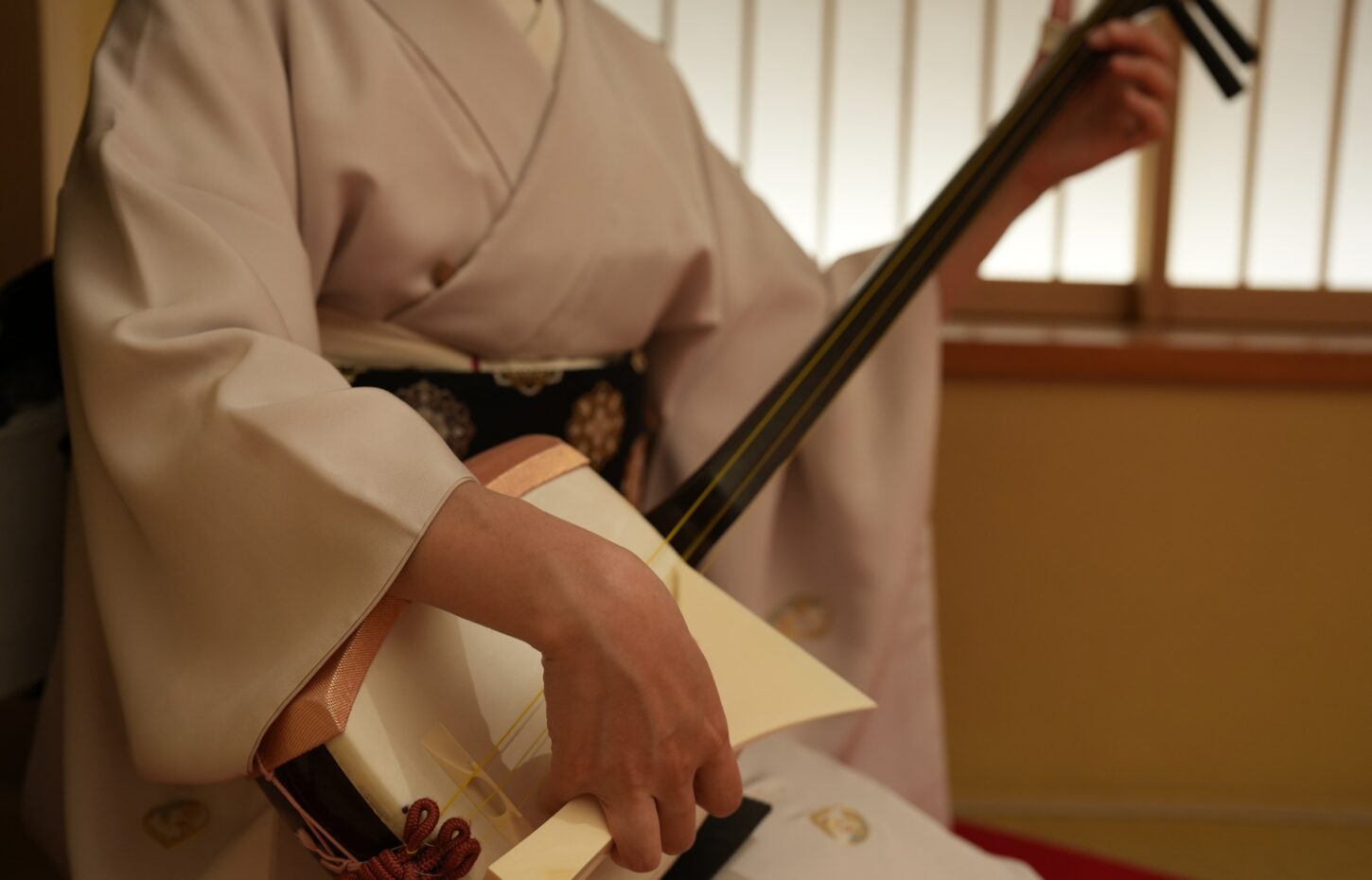
The word geisha is often used as a catch-all term in western society, but its true meaning is deeply rooted in the concept of art. In the Japanese language, geisha is a combination of two words: gei, meaning art or performance, and sha, meaning person. Essentially, a geisha is an artist. They are not just hostesses; they are also highly trained professionals who entertain customers through various traditional forms of art including singing, dancing, and playing musical instruments like the three-stringed shamisen. Their status in society is that of a cultural guardian.
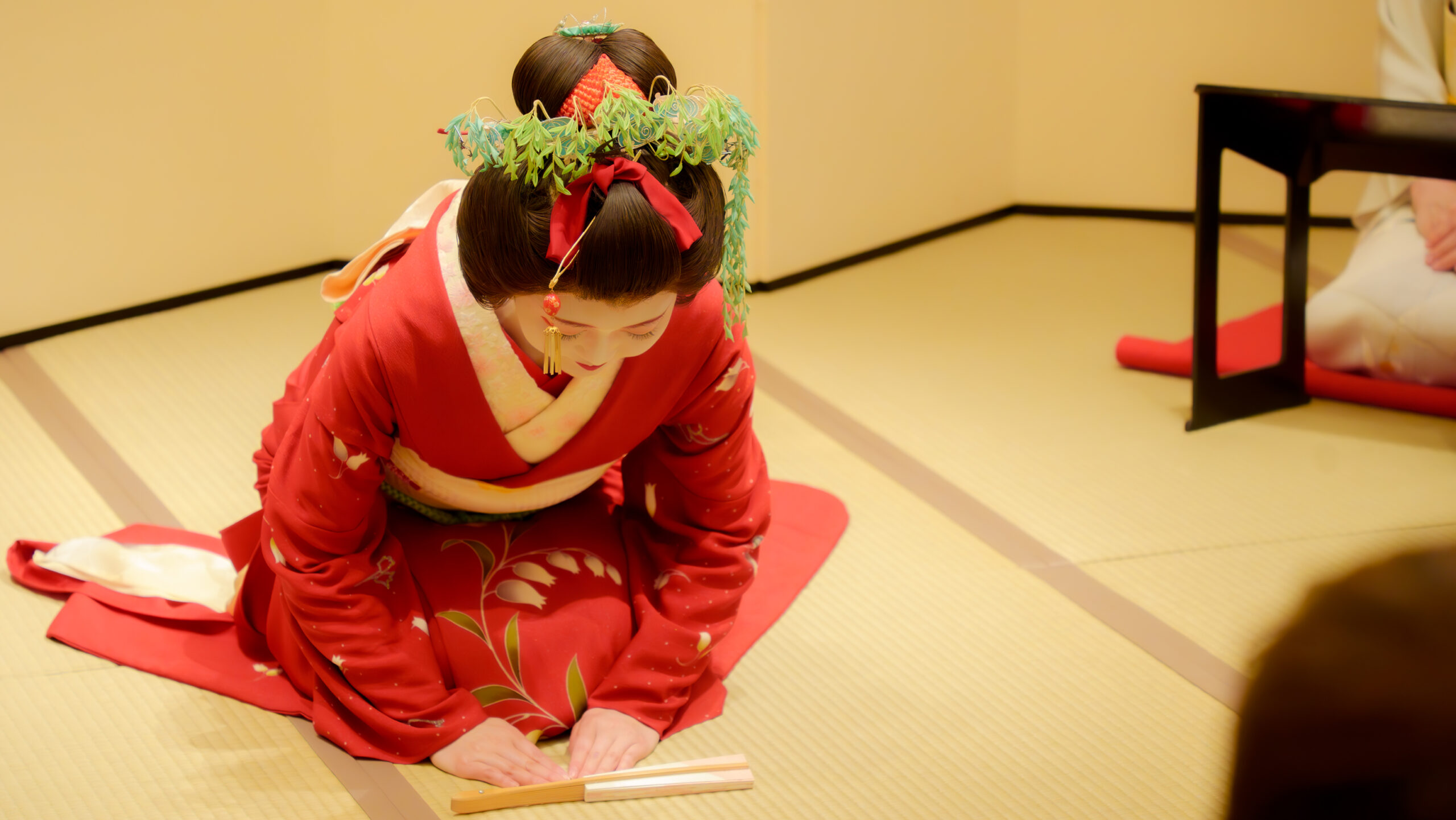
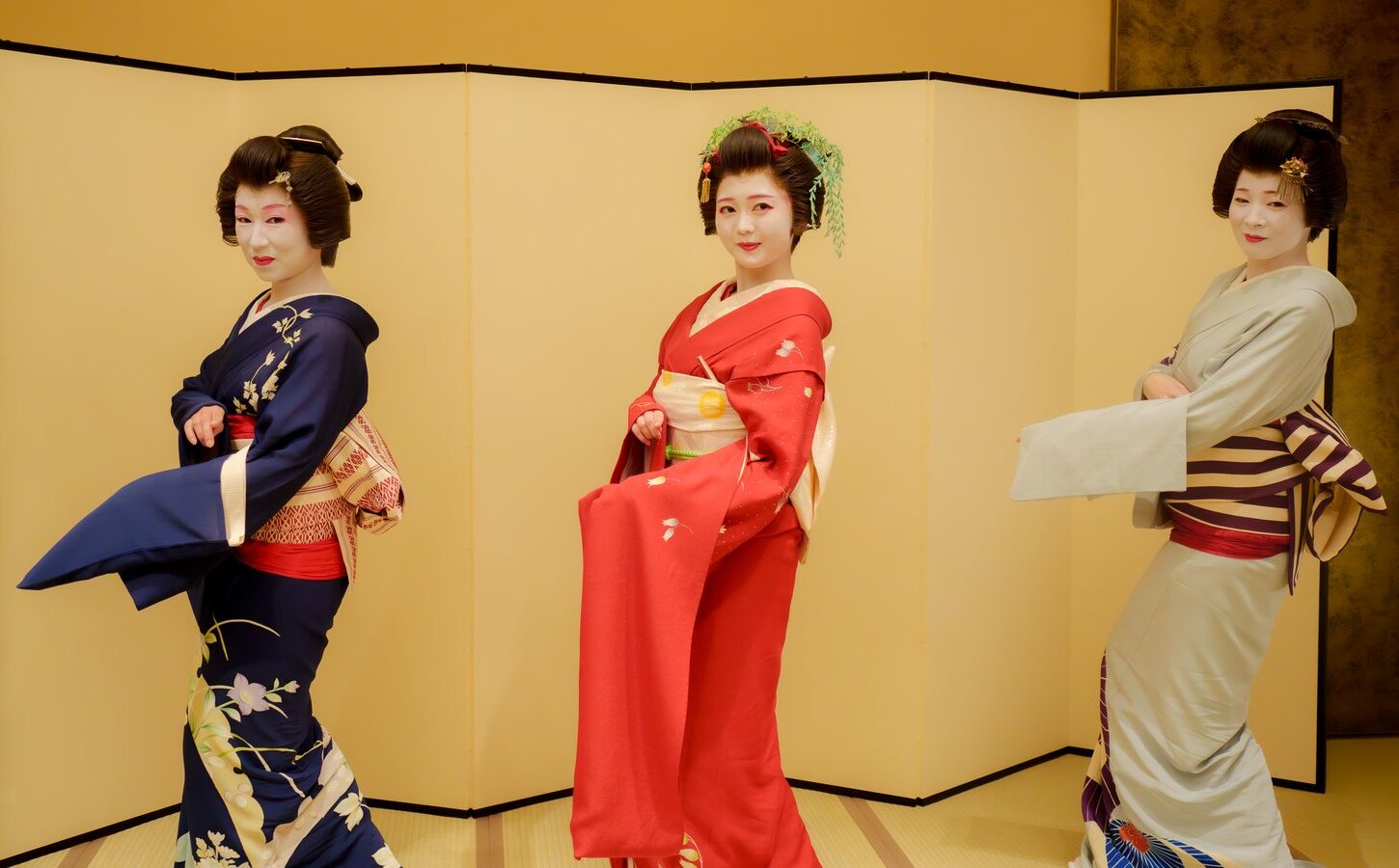
There is a difference in the names used depending on the region and the stage of a woman’s career. In Kyoto’s traditional districts, a full-fledged senior geisha is referred to as a geiko. In Tokyo, the term geisha is more common. Both regions also have junior geisha who have already made their professional debut. In Kyoto, a junior geisha is called a maiko; in Tokyo, particularly in historic areas like Asakusa, she is called a hangyoku. Both maiko and hangyoku are geisha — they have debuted as junior geisha and later advance to senior status. Understanding these terms is the first step in showing respect for their status and the hard work they put into their craft.
The History of Geisha: Origins in the Edo Period
The origins of the geisha can be traced back to the Edo period, a time when the samurai class held power and Japanese society was strictly organized. Interestingly, the very first people to call themselves geisha were male. These men, known as hokan (also called taikomochi), worked as professional entertainers for the elite, performing comedic arts and facilitating banquets with energy and wit. It was in the 17th century that women began to enter the profession. These women were so skilled at singing and playing music that they quickly became the preferred entertainers in many districts.
By the 19th century, the female geisha had become the main entertainers in the pleasure districts, though they were always legally separated from the courtesans and oiran of the Yoshiwara. The government at the time had a strict policy to ensure geisha only provided entertainment through art and conversation. The kenban (geisha registration office) was established to enforce this separation and protect the integrity of the profession.
Throughout the years, the number of geisha fluctuated, reaching its peak in the early 20th century. However, as Japan’s entertainment culture shifted with modernization, the profession evolved significantly. Today, while the number of active geisha is far smaller than at its height, those who remain are more dedicated than ever — preserving traditions that might otherwise be lost to time.
The Rigorous Training Process: Becoming a Geisha
To become a geisha is to commit to a life of constant study. A young woman who decides to enter this world must join an okiya, or geisha house, where she will live and train under the guidance of a senior mentor. This training takes thousands of hours and covers a wide range of skills. An apprentice must learn the tea ceremony, traditional dance, and musical instruments including the shamisen. Each geisha is trained to be a master of omotenashi, the Japanese art of selfless hospitality.
The daily life of an apprentice is demanding. They work long hours, often starting early in the morning with lessons and finishing late at night after attending a banquet. During this time, they learn the art of conversation, discovering how to make every guest feel genuinely welcomed and at ease. It is a career that requires intelligence, patience, and a deep love for Japanese culture. Even after they become a full geisha, they continue to practice their art every day. They must also learn how to manage the company of high-status guests, ranging from government officials to leaders of major corporations.
Years of Training. One Unforgettable Evening.
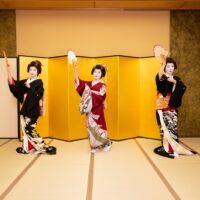
Experience the art, music, and hospitality of Asakusa’s geisha firsthand at an authentic ozashiki (geisha banquet) — a tradition kept alive at Miyakodori since 1950.
The Iconic Appearance: Makeup, Kimono, and Hair
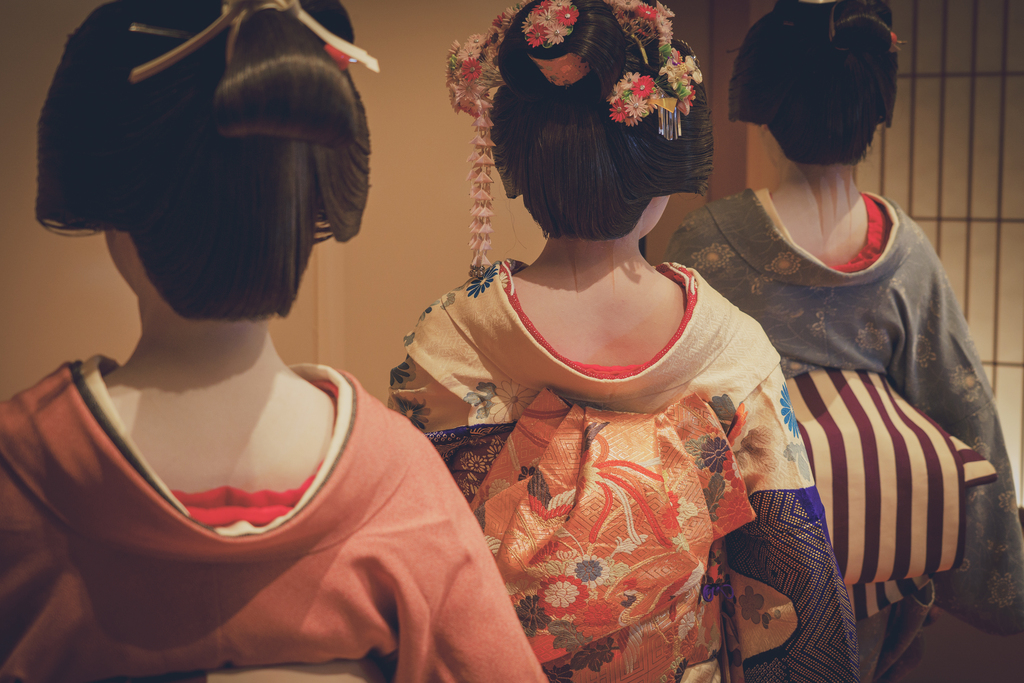
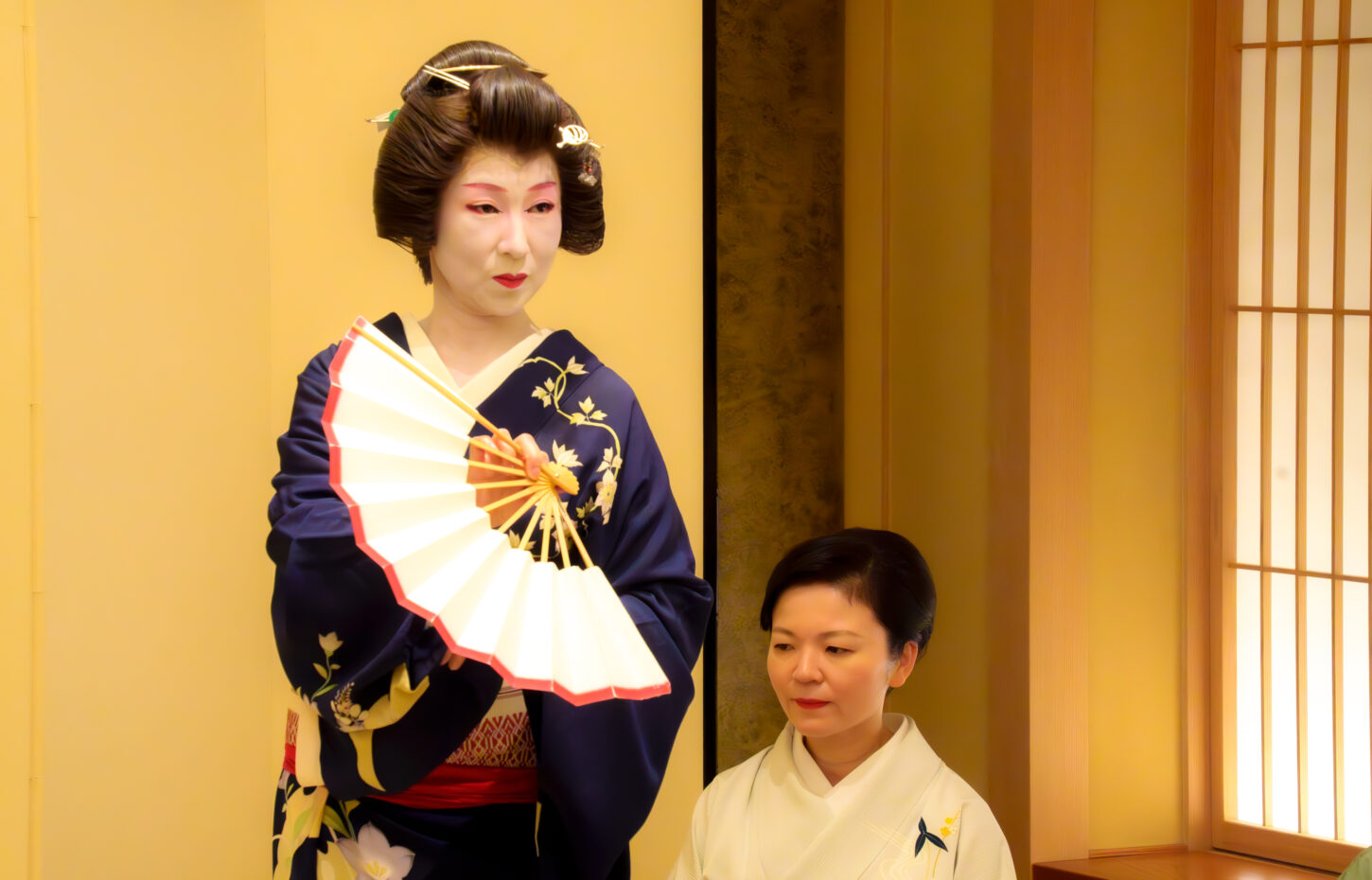
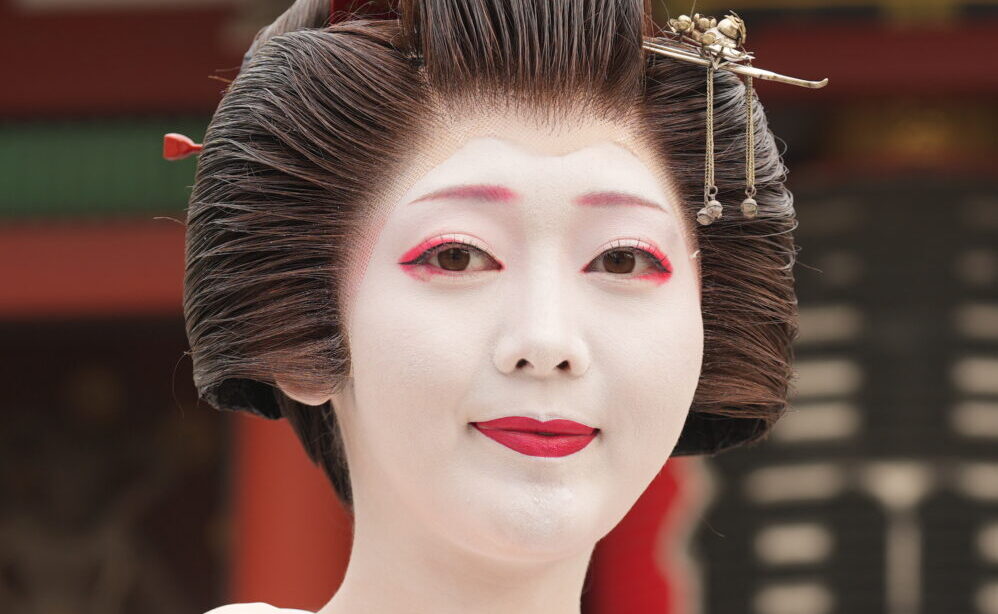
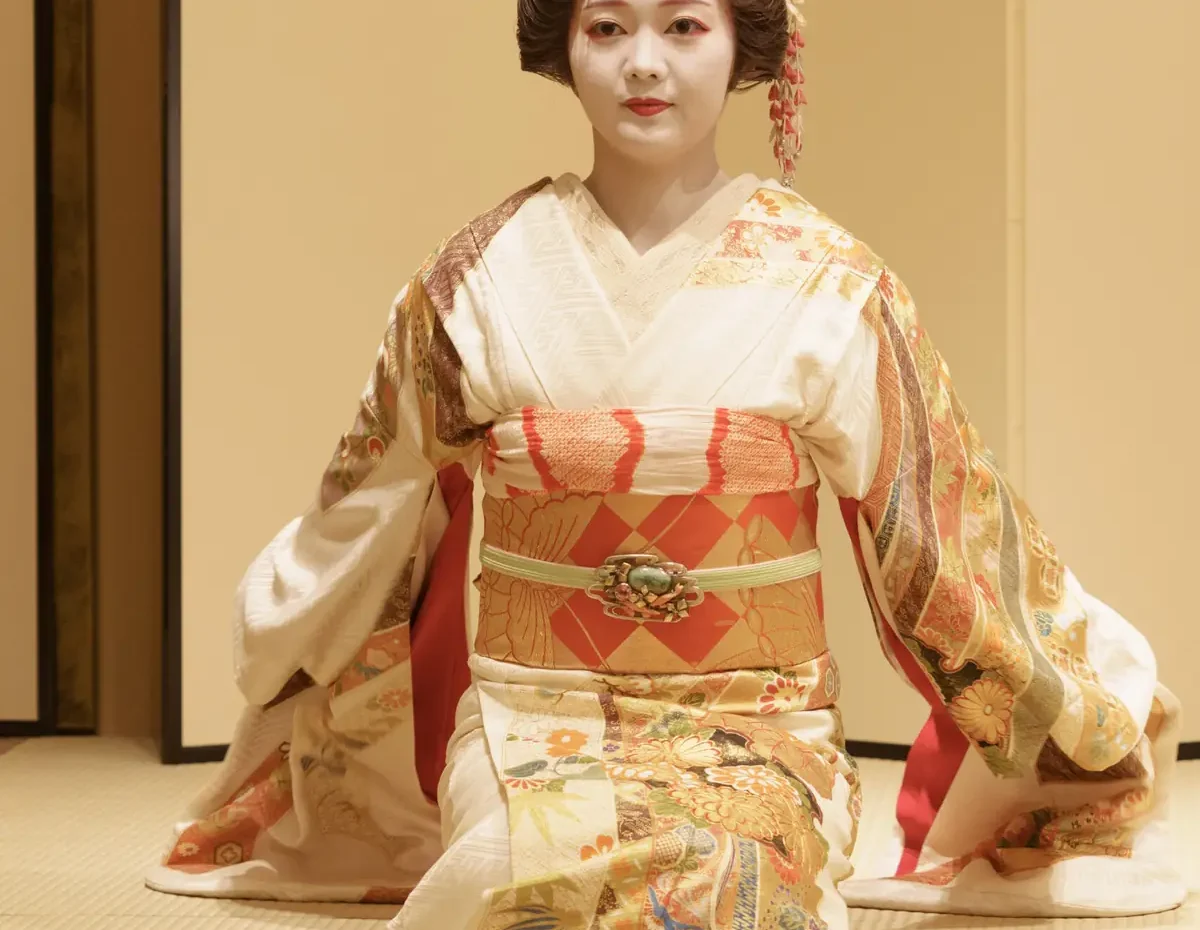
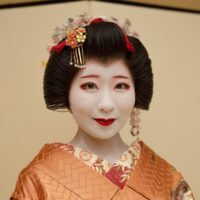
The appearance of a geisha is perhaps the most recognizable aspect of their profession, but every detail has a specific meaning. The white makeup, or oshiroi, is applied to the face and neck, creating a striking beauty that was traditionally designed to be seen in the dim light of paper-lantern-lit rooms. A striking red lipstick is used to accentuate the lips, though the way it is applied changes as a woman progresses in her training. In Kyoto, a maiko traditionally paints only her lower lip; in Asakusa, a hangyoku applies her lip color the same way as a senior geisha. This use of lipstick is a sign of her growing maturity and skill.
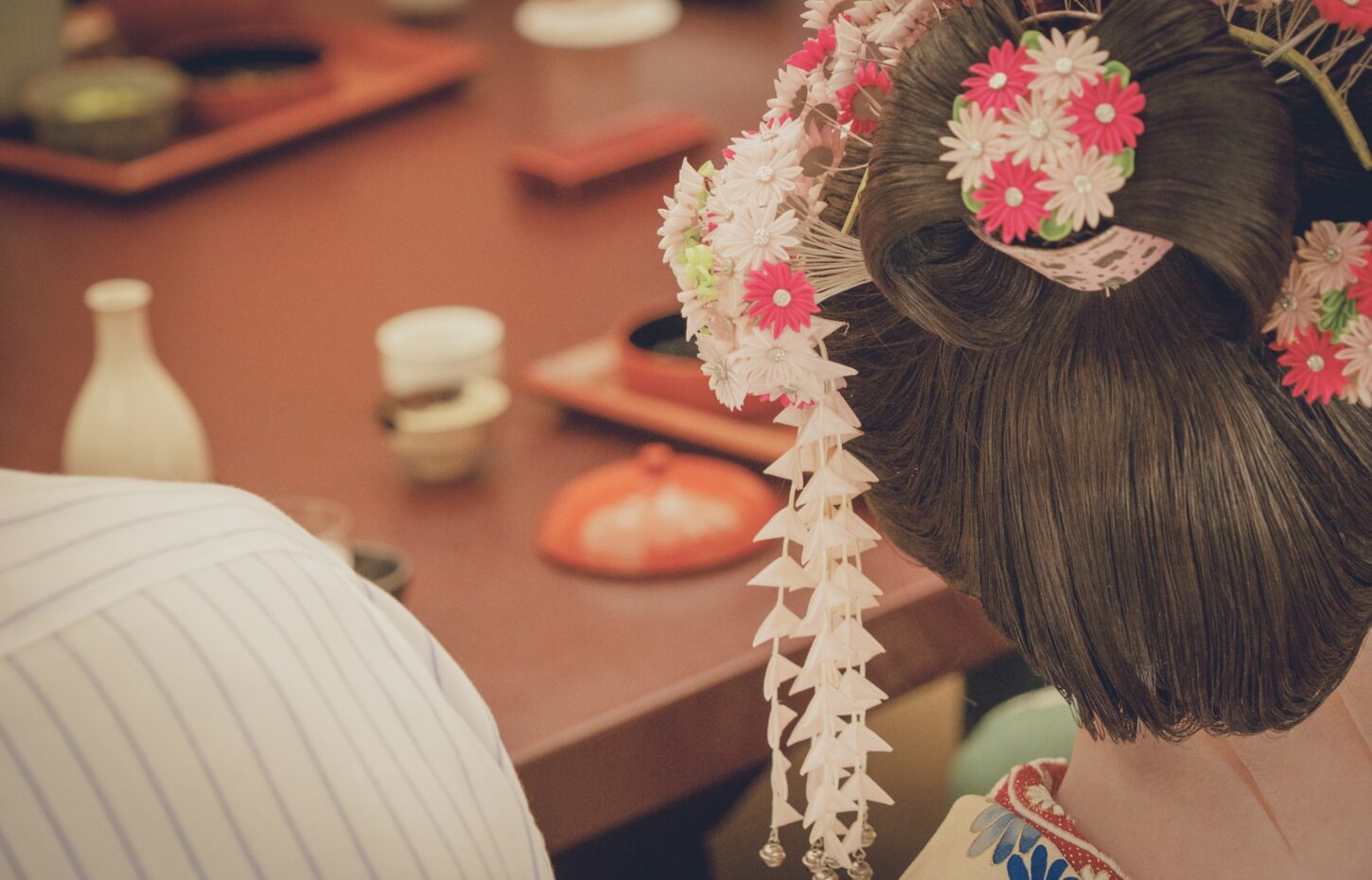
The hairstyle is another area of great importance. A maiko or junior apprentice will usually have her own hair styled into elaborate shapes, which requires her to sleep on a special wooden block to maintain the form. In contrast, a fully trained geisha will often wear a wig, or katsura, which allows for more complex designs and is easier to manage given their busy schedules. The black color of the hair provides a sharp contrast to the white makeup and the vibrant colors of the kimono. Even the small details — like the choice of a hair ornament or the specific pattern on a silk robe — are set according to the season and the nature of the event they are attending. The amount of money spent on a single silk kimono can be equivalent to the cost of a small car, reflecting the high value placed on their image and craft.
Common Misconceptions About Geisha: Debunking the Myths
One of the most persistent misconceptions about geisha — particularly in Western popular culture — is that they are connected to the sex industry. This is a historical misunderstanding rooted in the post-war occupation period, when some women falsely presented themselves as geisha to attract foreign servicemen. The confusion this caused has unfortunately endured for decades.
Geisha have always been professional entertainers whose main role is to facilitate a high-level social experience through art. They are allowed to have private lives, but their work in the teahouses and restaurants is strictly professional. They are respected members of their communities, and many have successful careers that can last into their 80s and 90s. The strict policy of the kenban, or geisha registration office, ensures that their professional conduct remains beyond question.
A further misconception is that geisha are a dying tradition. In reality, the culture is finding new forms of vitality. A smaller number of practitioners does not mean a weaker tradition — it often means a more concentrated and authentic one. In Asakusa, for example, the geisha community that once numbered over 1,000 practitioners has become a tightly knit group of roughly 20, each deeply committed to the art.
Where to See Geisha in Japan Today
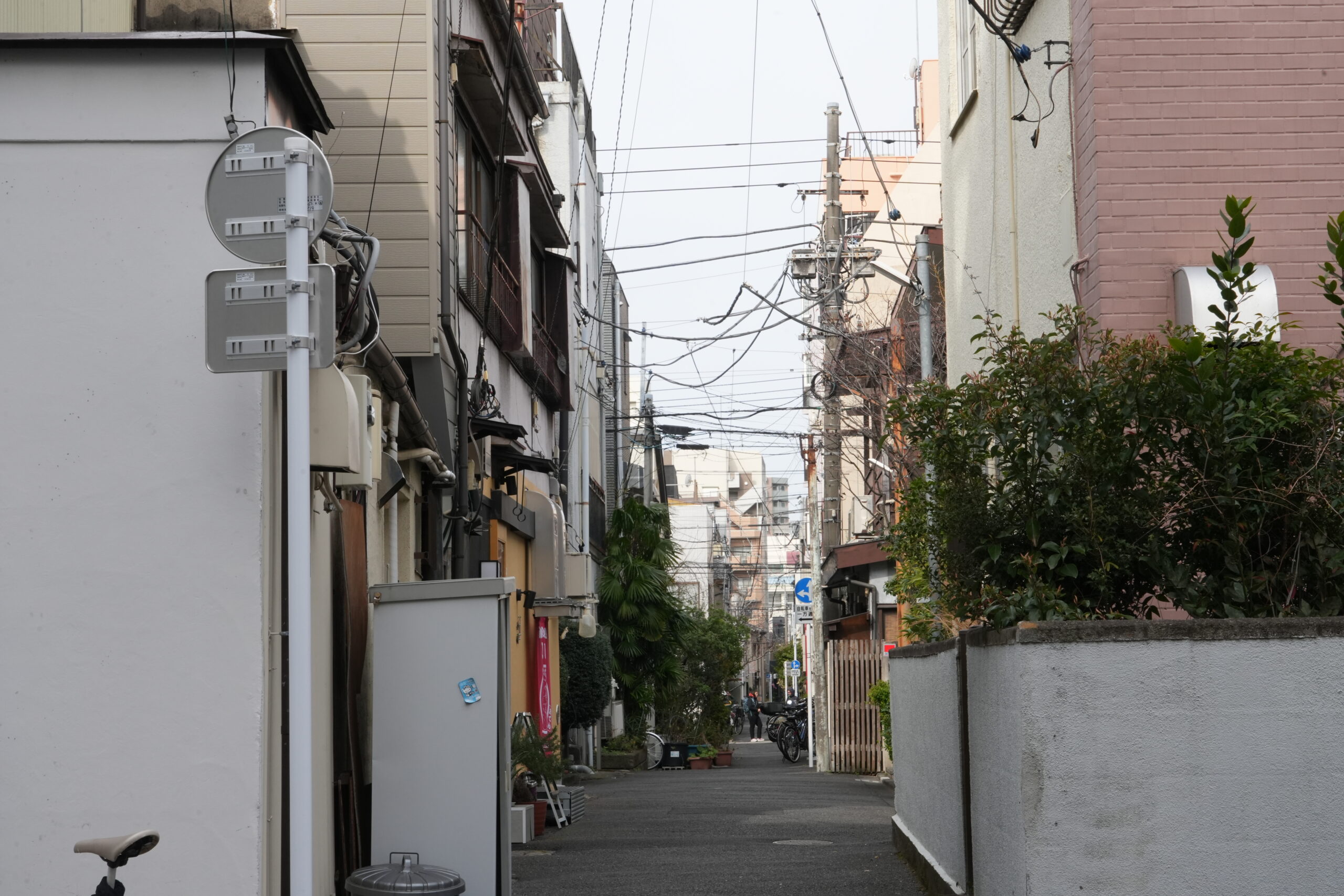
If you wish to see a geisha today, there are several cities where the tradition remains strong. Kyoto’s Gion district is the most famous, where you can often see maiko and geiko walking between appointments. However, Tokyo offers some of the most accessible and high-quality experiences for international visitors. Areas like Kagurazaka and Asakusa’s historic hanamachi (geisha district) have a long history of geisha culture and are home to many skilled performers.
In these districts, the geisha work in specialized establishments called chaya (teahouses) or ryotei. While many of these places were once closed to first-time visitors, some now welcome international groups and individuals who wish to experience the culture. You can also find geisha performing at local festivals throughout the year, where they showcase their dancing and music skills to a public audience. Many of these festivals are free to attend, offering a glimpse into a world that was once largely hidden from public view.
How to Experience a Geisha Banquet as a Tourist
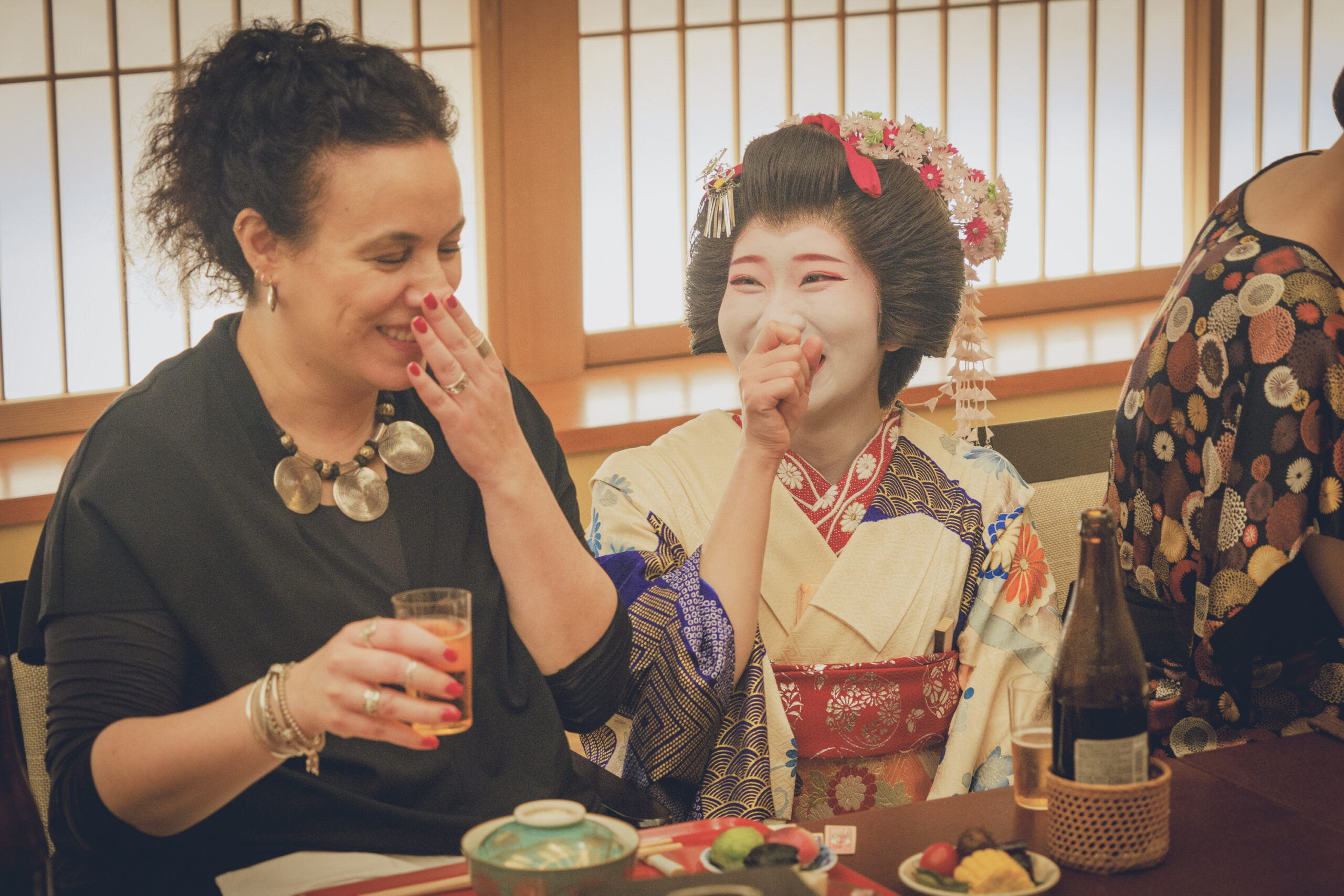
For many travelers, the dream is to attend a traditional geisha banquet, or ozashiki (geisha banquet). During these events, geisha will entertain you with live music and dance while you enjoy a high-quality meal. It is a chance to see their skills up close and even participate in traditional ozashiki games. To book such an experience, it is often best to go directly through the establishment’s website, where you can review plans and availability.
When you attend such a performance, it is important to follow the rules of etiquette. You should always ask for permission before taking a photo, and you should avoid touching the geisha’s kimono or wig, as these are incredibly expensive and delicate. At our ozashiki banquets in Asakusa, an English interpreter is present throughout the evening to help you enjoy every moment of the experience — from the opening dance to the final tejime (ritual clapping ceremony).
Asakusa Miyakodori: Experiencing Geisha Culture in Tokyo
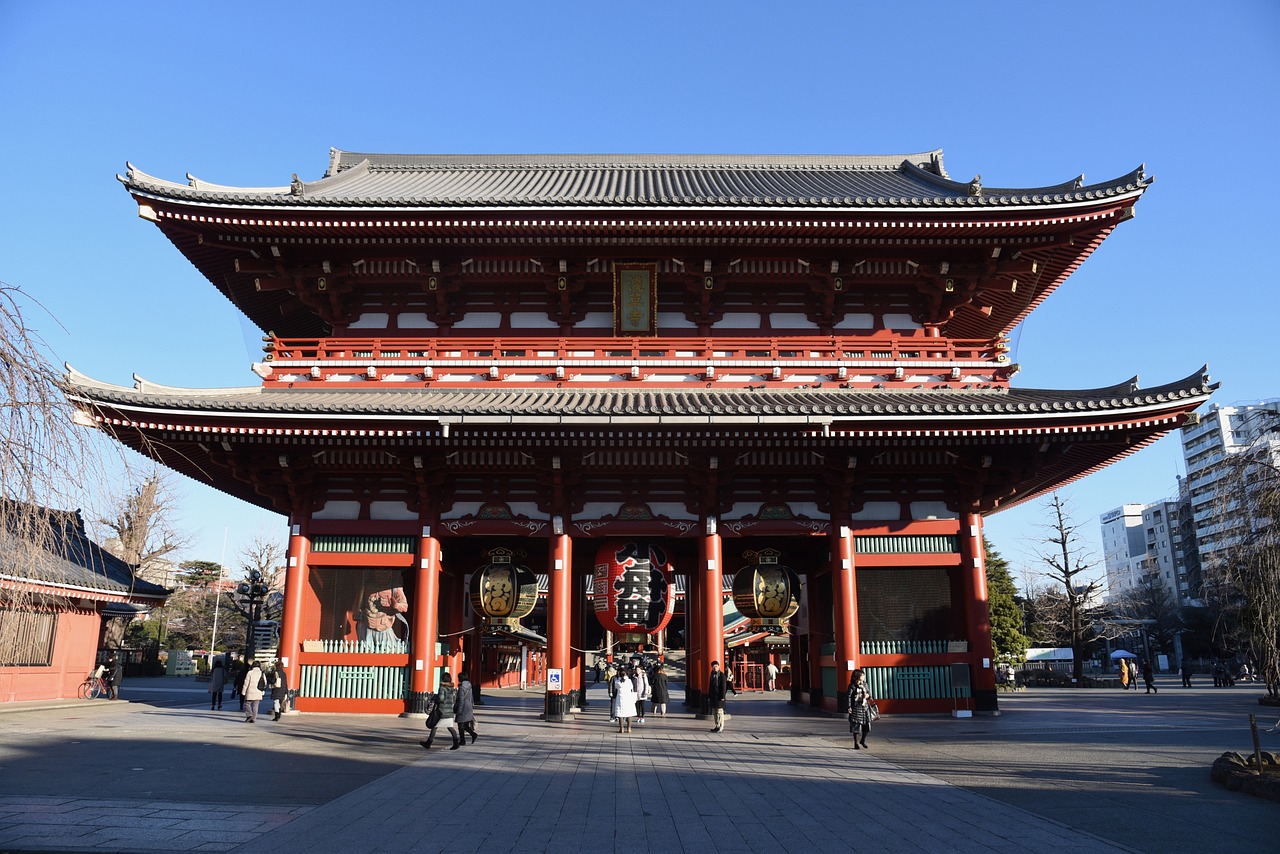
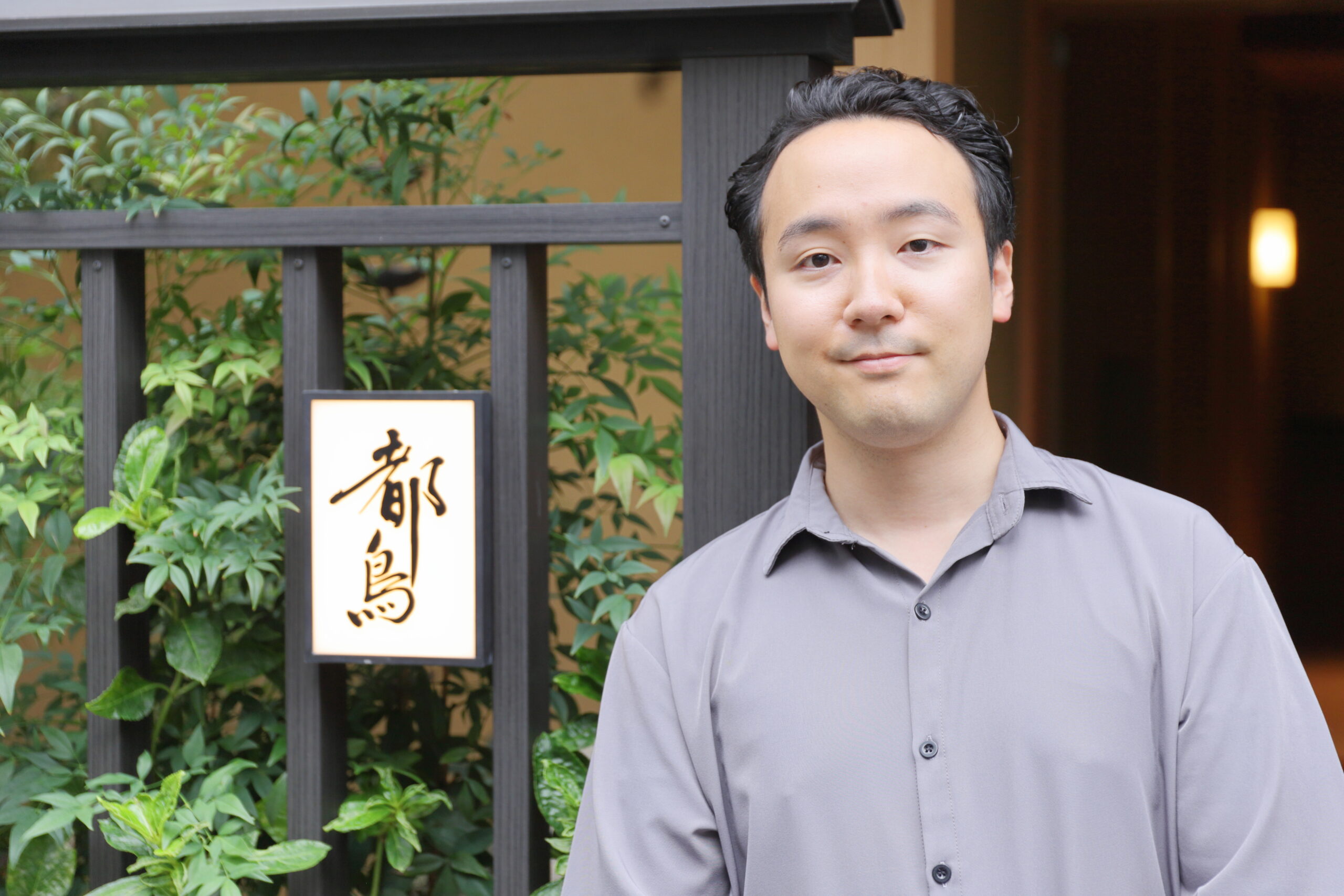
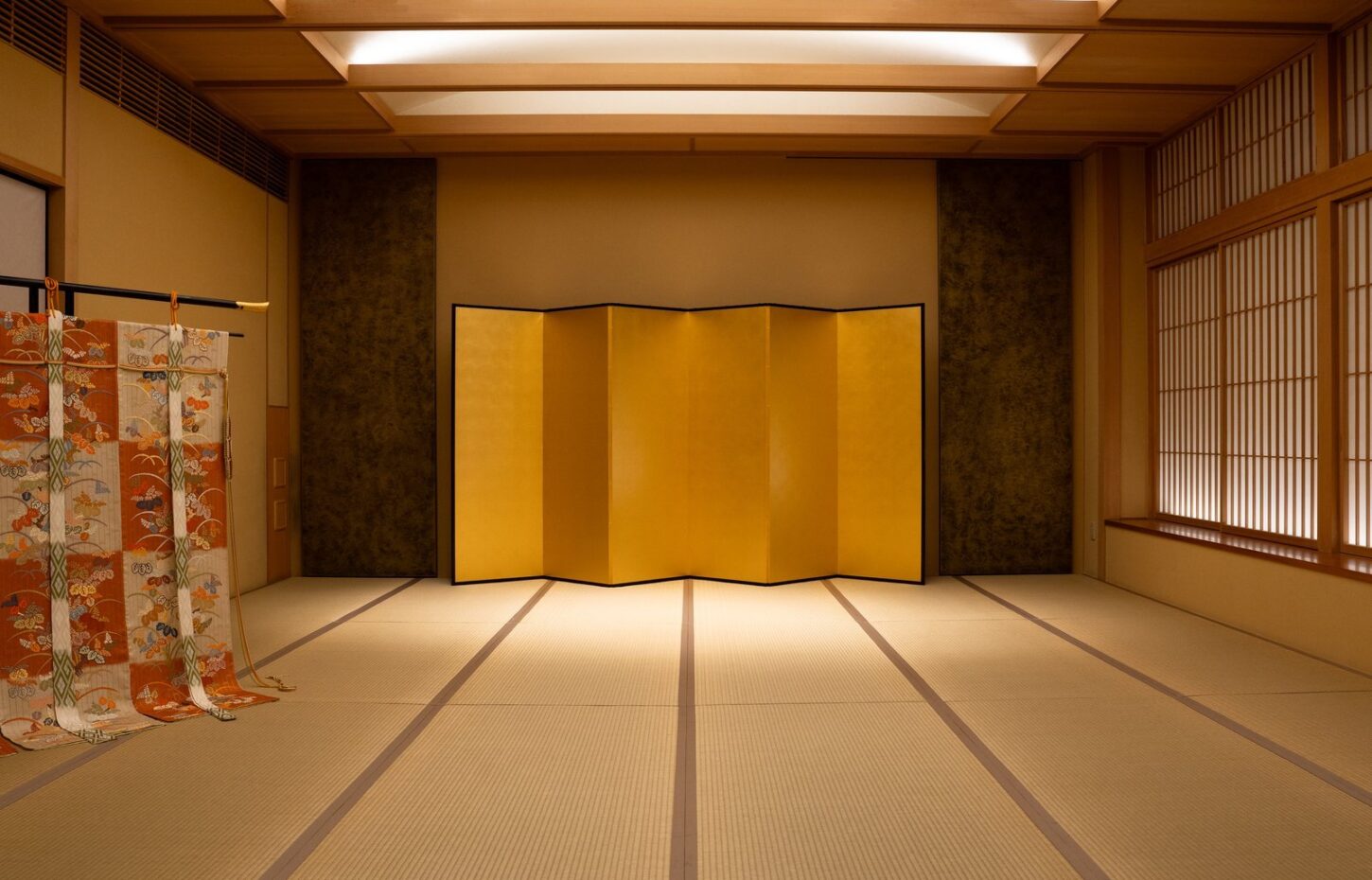
Among the many places to experience this culture, Asakusa Miyakodori stands out as a rare gem in the heart of Tokyo. Asakusa has been a center of entertainment since the Edo period, and Miyakodori carries on this legacy with pride. This establishment is unique because it is the only remaining chaya in the district — a type of gathering house where the focus is entirely on the geisha experience. The building itself is a testament to traditional architecture, allowing guests to escape the noise of the modern city.
At Miyakodori, you are a guest in a space that breathes history. The geisha here are exceptionally trained in the Asakusa style, which is known as iki — a spirit of refined, open-hearted elegance that is distinctly different from the more reserved Kyoto style. They are masters of the shamisen and traditional dance, and they take great joy in sharing their culture with people from all over the world. Whether you are a business group looking to entertain clients or a couple wanting to create a lifelong memory, Miyakodori provides an atmosphere that is both grand and intimate.
Miyakodori was founded in 1950 and is currently led by Chikage, the Okami of Miyakodori, the proprietress of this third-generation establishment, who began her training at the age of five (six by the traditional Japanese count), made her debut in 1969, and has devoted her life to the art. Hers is one of the last families in Asakusa to have raised and mentored geisha across generations. The establishment also understands the needs of the modern international traveler: online booking is available in English through our online reservation form, and dietary accommodations including halal-friendly and vegan meals can be arranged. Follow their performances on TikTok and Instagram to get a sense of what awaits you.
How Geisha Culture Is Evolving in the Digital Age
As we move further into the 21st century, the geisha world is finding new ways to connect with audiences around the globe. While the number of active geisha is far smaller than at its historical peak, those who remain are more dedicated than ever. They are using technology to reach an international audience, sharing clips of their dancing and ozashiki games online. This transparency helps to break down the walls of the once secretive world and encourages new guests to visit — and a new generation of women to consider the profession.
Establishments like Miyakodori have embraced this shift by making reservations accessible online in multiple languages and ensuring that every international guest receives the full, authentic experience without the language barrier. The goal is not to modernize the art itself — it is to remove the barriers that have historically kept it out of reach.
Geisha FAQ: Your Questions Answered
How much does it cost to meet a geisha at an ozashiki banquet?
The price varies by plan duration and group size. At Asakusa Miyakodori, the 1-hour “Geisha Highlights” plan starts from ¥34,000 per person (daytime, group of 4+), while the 2-hour “Geisha Elegance” plan starts from ¥45,000 per person. Prices are lower per person for larger groups. All plans include geisha performance and English interpreter support. You can view full pricing at the official pricing page.
What can I expect at an ozashiki (geisha banquet)?
An ozashiki typically begins with the geisha’s entrance and greeting, followed by a traditional dance performance with live shamisen music. After the performance, guests participate in interactive ozashiki games such as Konpira Fune Fune or Tora Tora, have time for conversation with the geisha through an interpreter, and close with a group photo and the traditional tejime clapping ceremony. The full experience lasts one to three hours depending on the plan you choose.
What is the difference between a geisha, a maiko, and a hangyoku?
A maiko (Kyoto) and hangyoku (Tokyo/Asakusa) are junior geisha — they have already debuted as geisha and are still developing their craft. A geiko (Kyoto) or ippon (Tokyo) is a geisha who has reached full senior status. Both junior and senior are geisha; the distinction is one of seniority, not of whether they have become geisha yet. You can tell the difference by their hairstyle, the complexity of their kimono, and the way they apply their makeup. Junior geisha typically wear more ornate hair ornaments and brighter kimono patterns; senior geisha tend toward more refined, understated elegance.
Can I take a photo with a geisha?
Yes, within a private ozashiki setting — photographs are typically welcomed and a dedicated photo session is included in most banquet plans. Always ask for permission before photographing, and avoid touching the geisha’s kimono or accessories, as these are extremely valuable and fragile. Note that photographing geisha on public streets without their permission is considered disrespectful.
How do I book a geisha banquet in Asakusa?
You can book directly through Asakusa Miyakodori’s online reservation form. The booking process is available in English, and reservations are confirmed within two business days. Request a reservation here. For phone inquiries, the reception is available daily from 14:00 to 20:00 (JST) at +81-3-3874-2175.
Is English support available at a geisha banquet?
Yes. At Asakusa Miyakodori, an English interpreter accompanies every banquet, explaining the history of each performance, the rules of the ozashiki games, and the meaning behind the rituals. No Japanese language knowledge is required to fully enjoy the experience.
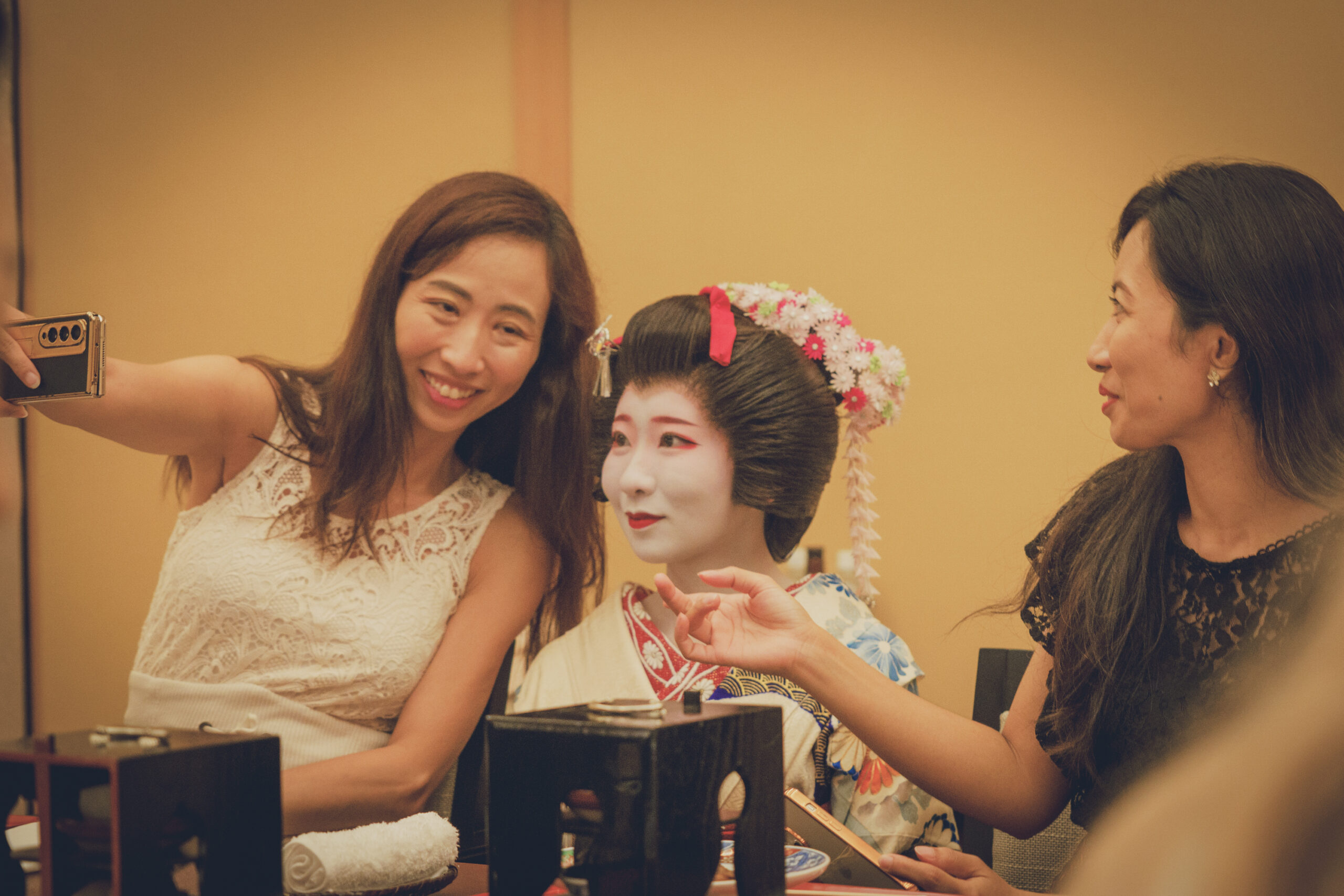
Experiencing the world of the geisha is a highlight of any trip to Japan. It is a rare opportunity to step back in time and witness a level of grace and skill that is hard to find anywhere else. Whether you are watching a live performance at a festival or enjoying a private ozashiki banquet in Asakusa, the memories you make will stay with you for a lifetime. The geisha are the living pulse of Japan’s history, continuing to entertain and inspire us through the ages.
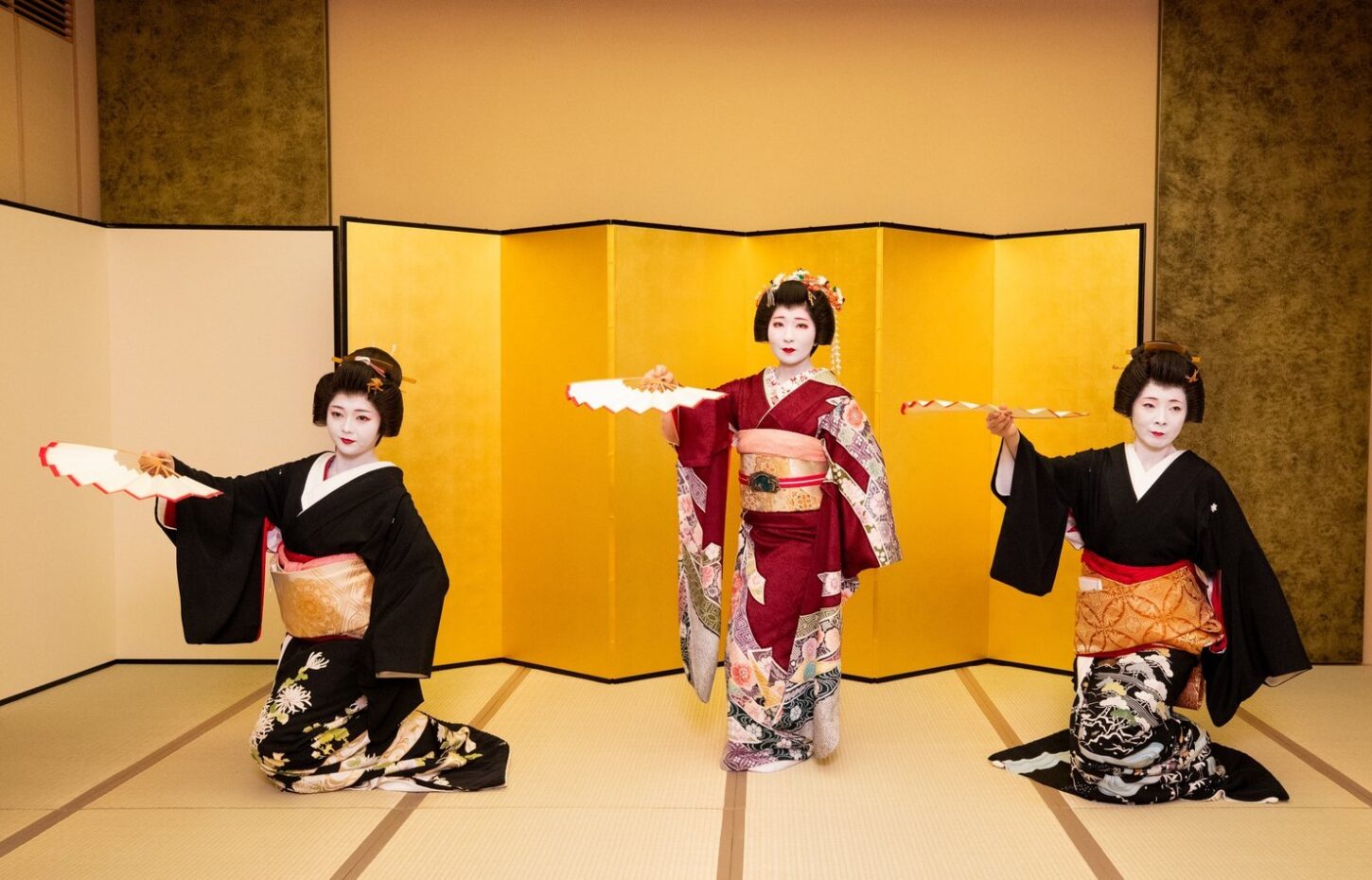
- Private Ozashiki Banquets: An intimate, refined encounter with authentic Asakusa geisha.
- Traditional Geisha Artistry: Elegant dance, live shamisen music, and interactive ozashiki games.
- Historic Setting Since 1950: A sophisticated cultural experience in Asakusa’s last remaining chaya.
- English Support Available: Interpreter present throughout — no Japanese required.


- The Ultimate Guide to Tokyo Dinner Reservations in 2026: How to Secure the Best Tables
- What Is a Taikomochi? Japan's Hokan Tradition Guide
Geisha: What Do They Actually Do in Japan?
Is Memoirs of a Geisha a True Story? What Real Geisha Are Like
Geisha Instruments: The Music Behind the Ozashiki
What Is a Ryotei? Japan’s Traditional Restaurant Culture, Explained
Asakusa Geisha Encyclopedia: Inside Tokyo’s Hanamachi
Kanzashi: A Guide to Japanese Hair Ornaments
Comment ( 0 )
Trackbacks are closed.
No comments yet.