



Asakusa Hanayashiki: Prices, Opening Hours and Which Ticket to Buy at Japan’s Oldest Amusement Park
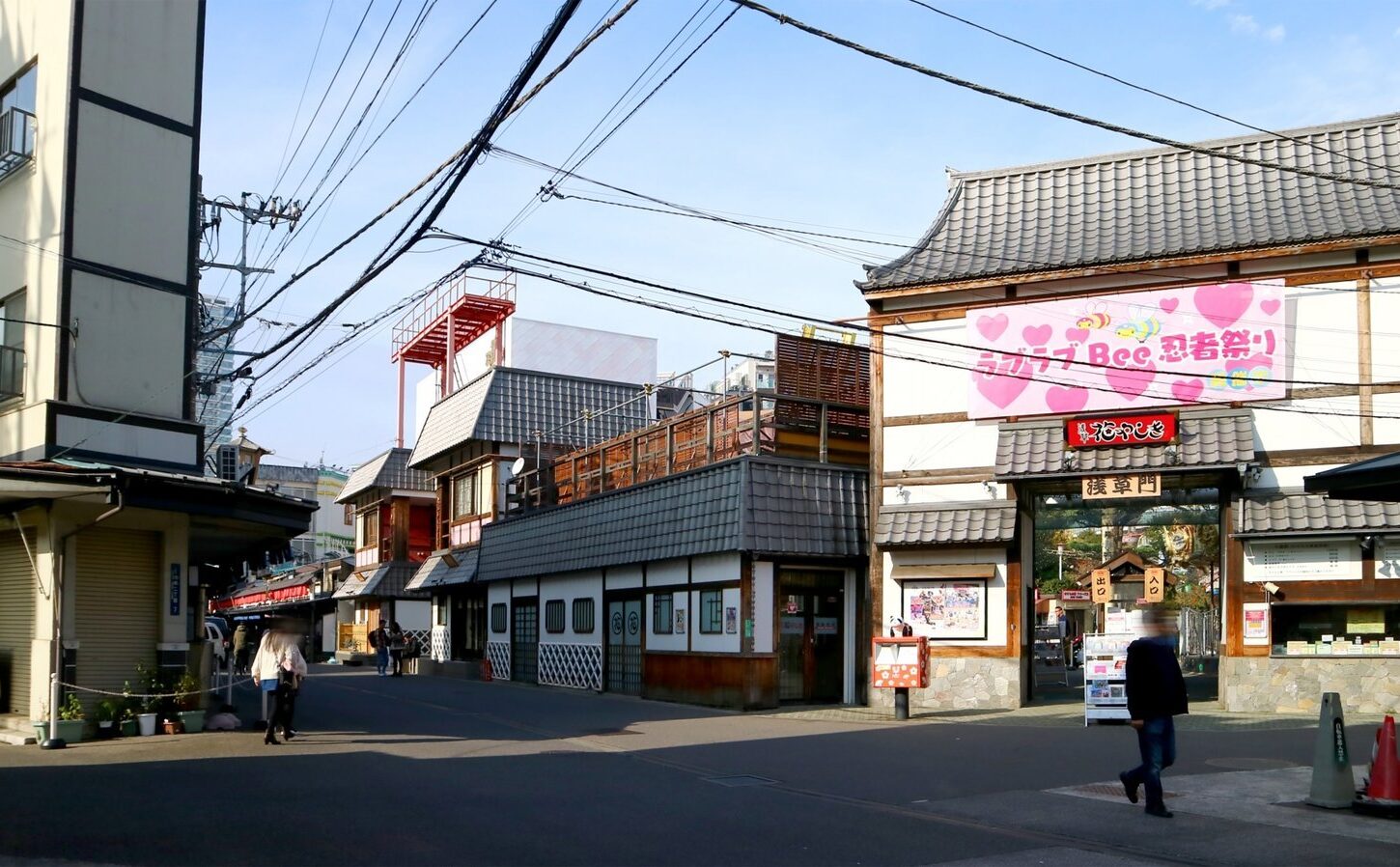
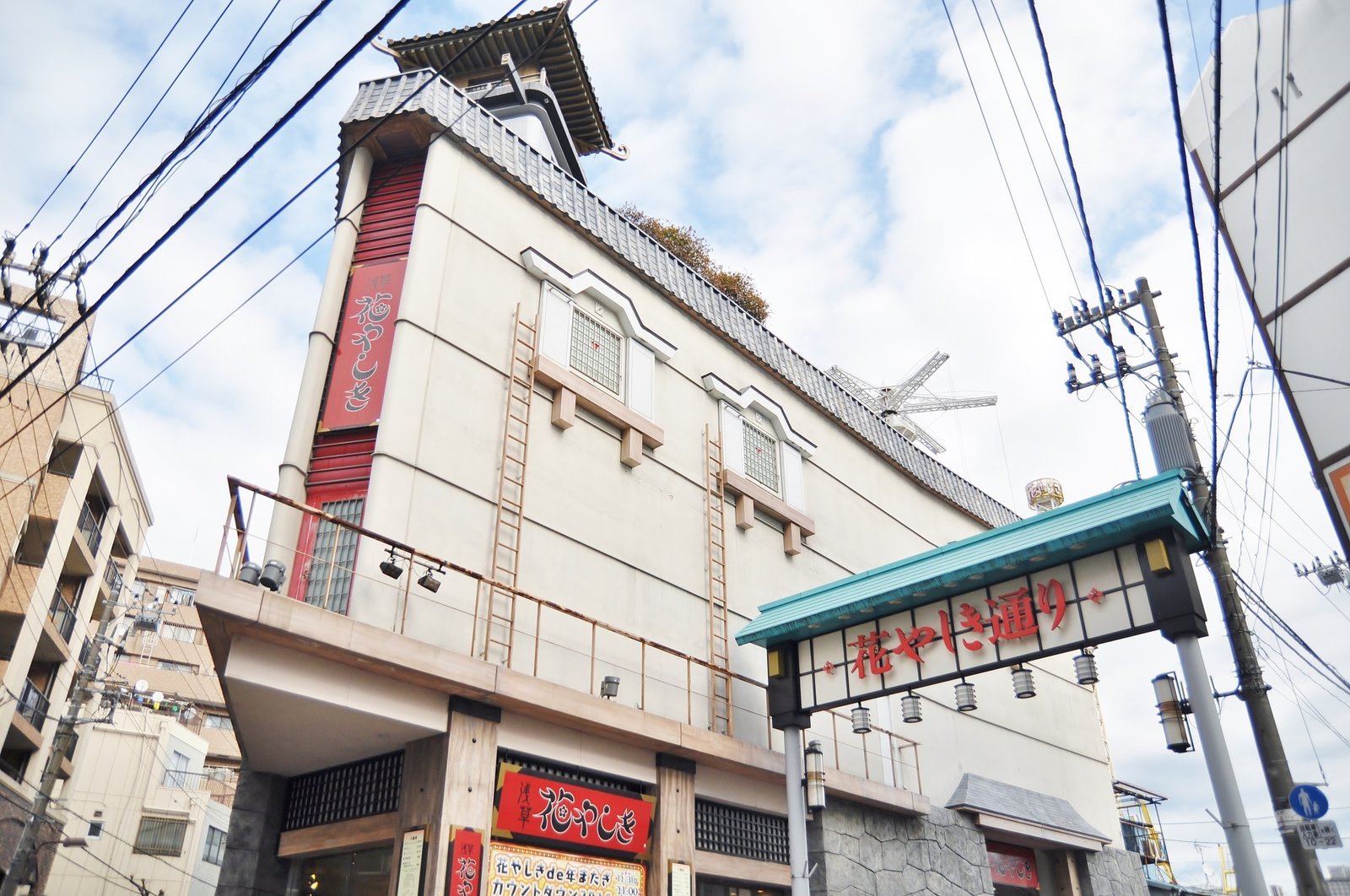
Asakusa Hanayashiki is a small amusement park beside Senso-ji temple in Tokyo that calls itself Japan’s oldest. It began in 1853 as a flower garden and has had rides since around 1872. Adult admission is ¥1,600, and rides cost extra: either ride tickets at ¥100 each (most rides take 5 or 8) or an unlimited-ride pass. The park usually opens from 10:00 am to 6:00 pm, with last entry 30 minutes before closing, but it closes earlier on some winter weekdays and is closed on a few days marked on its calendar. The nearest station is Asakusa on the Tsukuba Express, a 5-minute walk.
We are Miyakodori, a teahouse in Asakusa where geisha entertain guests, open since 1950. Our house is in Kannon-ura, the streets just north of Senso-ji. This guide sets out what the park costs, which ticket makes sense for the rides you want, and when it is open. Every price, time and rule about the park below comes from its official website, checked on 16 November 2026.
Asakusa Hanayashiki at a Glance
| Item | Details |
|---|---|
| Hours | Usually 10:00 am to 6:00 pm, last entry 30 minutes before closing. Hours change with the season and the weather |
| Closed days | Marked on the park’s opening calendar |
| Admission only (rides extra) | Adults (13 to 64) ¥1,600; children (5 to 12) and seniors (65 and over) ¥800; 4 and under free |
| Unlimited Ride Pass | Adults ¥3,000; children and seniors ¥2,600 |
| 1-Day Pass (admission and unlimited rides) | Adults ¥4,600; children and seniors ¥3,400 |
| Ride tickets | ¥100 each, or 11 for ¥1,000. Most rides take 5 or 8 tickets |
| Getting there | 5 minutes on foot from Asakusa Station on the Tsukuba Express; 10 minutes from Asakusa Station on the Ginza Line, the Asakusa Line and the Tobu Skytree Line. No parking |
| Way in and way out | One entrance, the Asakusa Gate on the Senso-ji side. The exit is on the Kokusai-dori side |
Which Ticket to Buy: Ride Tickets or the Unlimited Pass
Admission only gets you into the park. Each ride is paid for separately, and how much you spend depends on how many you plan to go on. The Roller Coaster and the Haunted House take 8 tickets each.
| Ride | Tickets | Height | Other rules |
|---|---|---|---|
| Roller Coaster | 8 | 110 cm or more | Not for riders 65 and over. Shorter children cannot ride even with an adult. Top speed 42 km/h |
| Disk’O | 8 | 120 cm or more | Not for riders 65 and over. May stop in rain |
| Little Star | 8 | 130 cm or more | Not for riders 65 and over |
| The Haunted House: The Curse of the Neck | 8 | None | Children 5 and over may go in alone; 4 and under need someone 13 or older with them |
| Merry-go-round, Swan, Sky Ship and most other rides | 5 | See the sign at each ride | Swan and Sky Ship may stop in rain |
| Panda Car | Not accepted | None | ¥200, cash only. Ride tickets and passes cannot be used |
Where the pass starts to pay
Add up the tickets you need, then compare. Working from the official prices, ride tickets come 11 for ¥1,000, so three sets give an adult 33 tickets for ¥3,000, the same as the adult Unlimited Ride Pass. For children and seniors the pass is ¥2,600, which buys 28 tickets (two sets of 11 and six single tickets).
- Adults: up to 33 tickets, tickets cost no more than the pass. Four 8-ticket rides (32 tickets) cost ¥3,000 either way, and six 5-ticket rides (30 tickets) cost ¥2,800 in tickets
- Children and seniors: up to 28 tickets, tickets cost no more than the pass. Three 8-ticket rides cost ¥2,200 and five 5-ticket rides ¥2,300 in tickets; for four 8-ticket rides or six 5-ticket rides, the pass is cheaper
Seniors cannot ride the Roller Coaster, Disk’O or Little Star, so most will need fewer tickets. The 1-Day Pass is simply admission plus the Unlimited Ride Pass added together (¥1,600 and ¥3,000 make ¥4,600), so it saves no money; it only lets you buy both at the gate in one go. The same is true of the children’s and seniors’ 1-Day Pass (¥800 and ¥2,600 make ¥3,400).
For a visit with young children, the numbers change. Children aged 4 and under enter free and ride most rides free, but the park asks that someone aged 13 or over rides with them, and that person pays. There are exceptions: a child of 4 or under who is tall enough for the Roller Coaster, Disk’O or Little Star pays to ride them, and the Ninnin Park play area charges from age 3. Ride charges otherwise start at age 5.
What the passes do not cover
The Panda Car (¥200) and the Maruhana Ennichi fairground games (from ¥500) are paid separately, and the Panda Car takes cash only. Ride tickets bought at the ticket machines and the ticket house have no expiry date and can be used on another day, though you pay admission again. They cannot be refunded. Tickets bought online for a set date can be cancelled free of charge until 11:59 pm the day before; you do this yourself on the ticket site.
Opening Hours and Closed Days
The standard hours are 10:00 am to 6:00 pm, and the last entry is 30 minutes before closing. Throughout November 2026 the park is open every day on those hours. The calendar changes in winter. In December 2026, for example, it is closed from 1 to 4 December and on 15 December, and on the other weekdays from 7 to 18 December it closes at 5:00 pm. On New Year’s Day 2027 it opens at 1:00 pm.
Because the hours move, look at the business calendar for the day you plan to go. If rain is forecast, most rides still run; the park lists Swan, Sky Ship and Disk’O as the ones that stop.
Getting There, Getting In and Leaving
The closest station is Asakusa on the Tsukuba Express, 5 minutes away on foot. From the Asakusa stations on the Ginza Line, the Asakusa Line and the Tobu Skytree Line it is 10 minutes. The park has no car park or bicycle parking.
There is only one way in: the Asakusa Gate, on the side facing Senso-ji. You leave by a different gate, on the Kokusai-dori side. If you want to step out for lunch or to see the temple and come back, ask the staff at the exit for a re-entry ticket and show it at the entrance when you return. You may bring your own lunch and eat it at the park’s tables and benches.
A few practical points from the park’s FAQ: there are coin lockers in four places, strollers are not lent out but folded ones can be left at the information desk, and there is no ATM inside. Card, e-money and QR-code payments are taken at the gate, the information desk, the ticket house and the ticket machines.
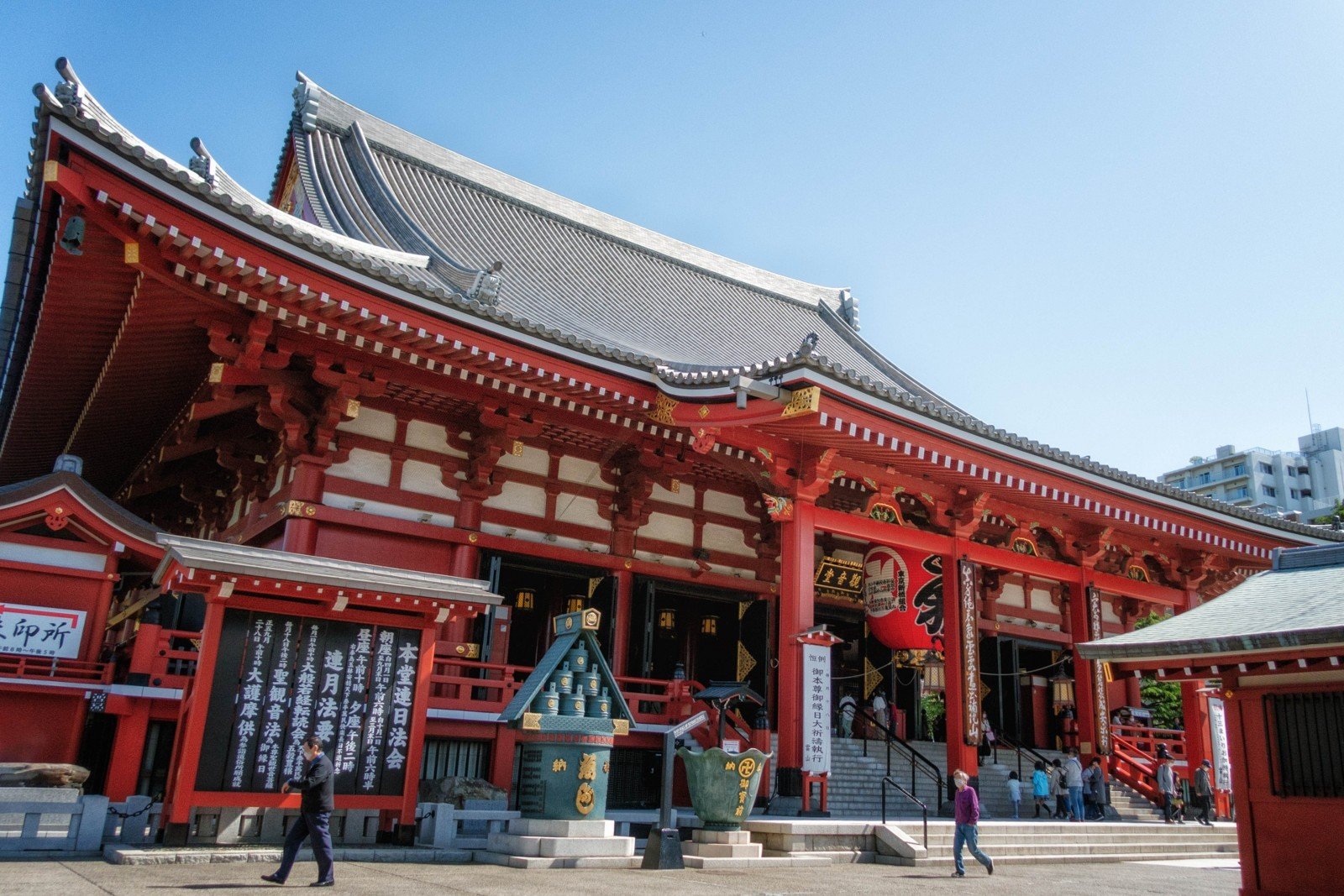
If you are combining the park with the rest of Asakusa, our guide to the best things to do in Asakusa gives walking times and opening hours for the other stops, from Engei Hall to Kappabashi.
From Flower Garden to Amusement Park: A Short History
According to the history published by Hanayashiki Co., Ltd., the park began in 1853, late in the Edo period, when the garden designer Morita Rokusaburo opened a flower garden of peonies and chrysanthemum figures on land granted by Senso-ji. From around 1872 rides were set up, along with rare birds and animals, and the garden became one of Tokyo’s popular sights.
After closures caused by earthquake and war, it was rebuilt as an amusement park in 1949. The Roller Coaster opened in 1953, and the park describes it as the oldest roller coaster still running in Japan. A tall tower followed in 1960, later known as the Bee Tower; it closed in September 2016, and the Asakusa Hanagekijo hall opened on its site in 2019. Entry was free until February 1985, when the park began charging admission.
After the Park: Kannon-ura, Where Asakusa’s Geisha Work
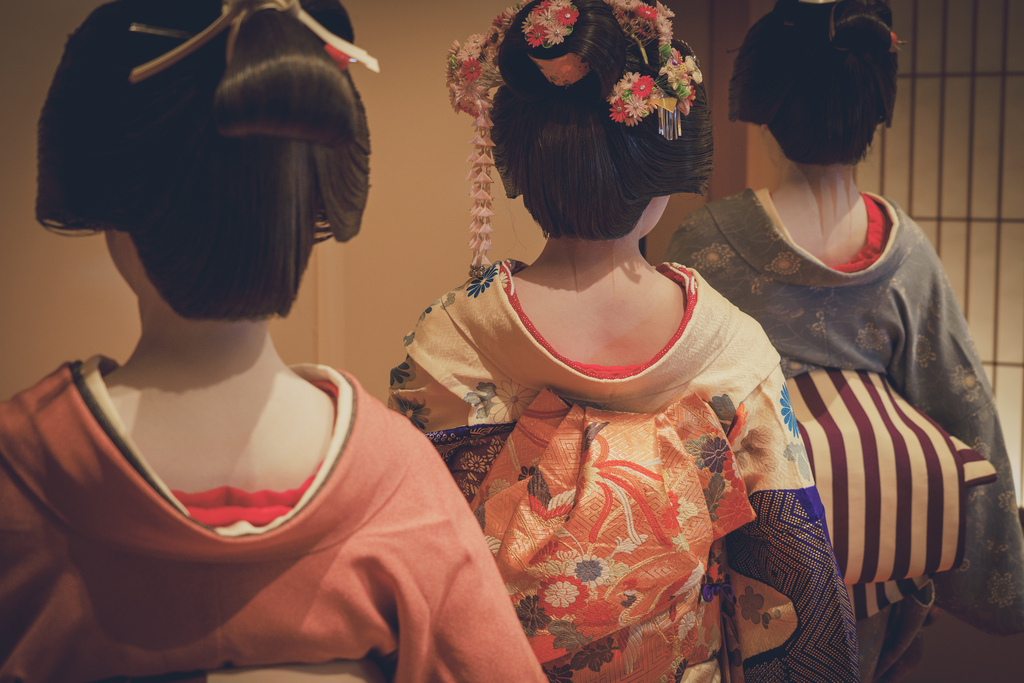
North of Senso-ji is a quieter part of the neighborhood, Kannon-ura, which means “behind Kannon”, the deity of the main hall. This is where the geisha of Asakusa still work, and where the geisha office and teahouses are.
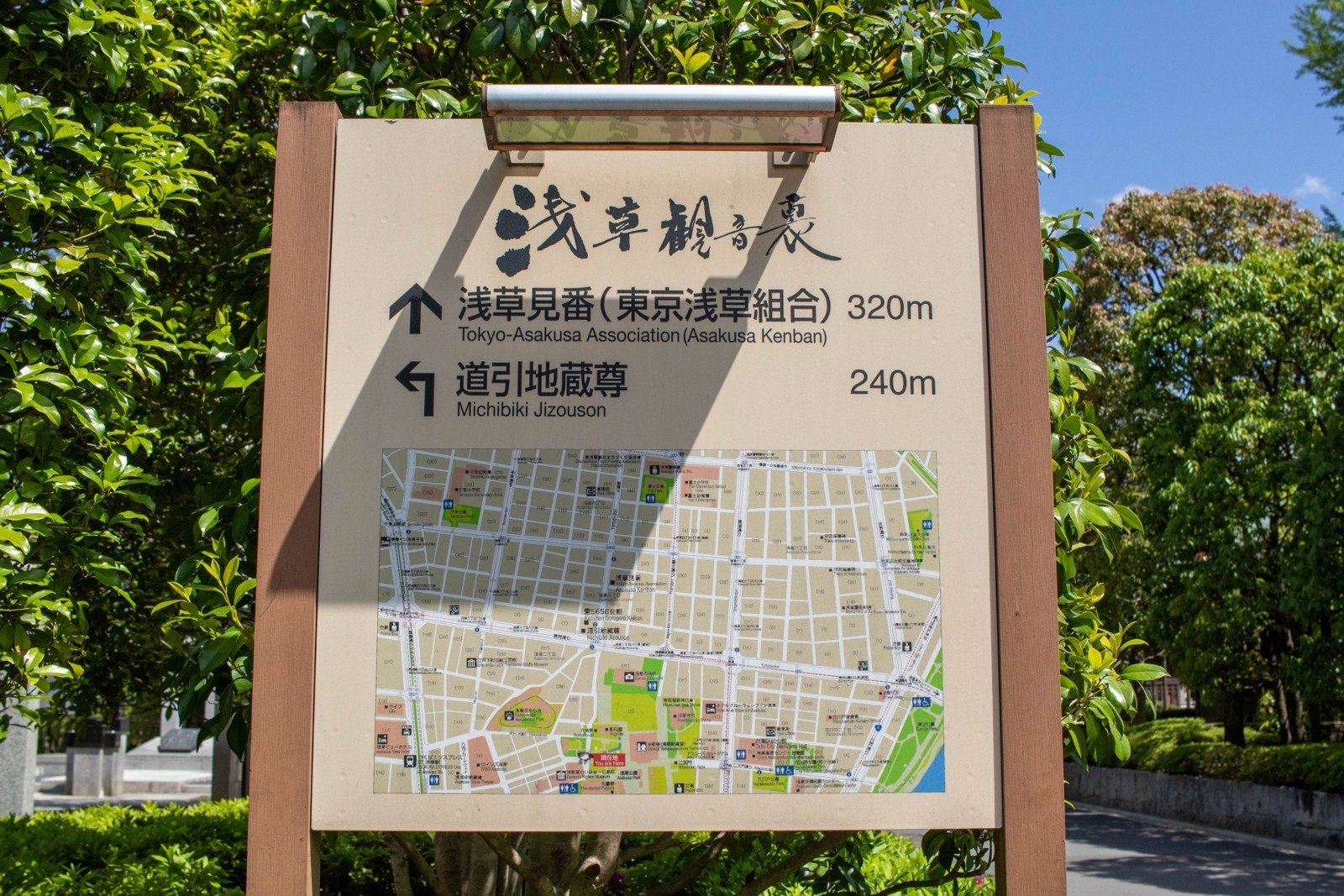
There is no set time to see geisha in the street, but you are more likely to after 5:00 pm, and by around 7:00 pm most are already at an ozashiki. If you would like a photo, ask first rather than taking one without a word: they may be holding up the hem of a kimono as they walk. Our guide to the geisha streets of Asakusa says more about Kannon-ura, and our walk through the shrines of Asakusa ends in these streets.
Miyakodori is in Kannon-ura, about 3 minutes’ walk after you leave the Senso-ji grounds on the north side. From the Asakusa stations on the Ginza Line, the Tobu Skytree Line and the Tsukuba Express, Miyakodori is a 13-minute walk, or 4 minutes by taxi. We are closed on Saturdays, Sundays and public holidays, so a day that pairs the park with a visit to us has to be a weekday.
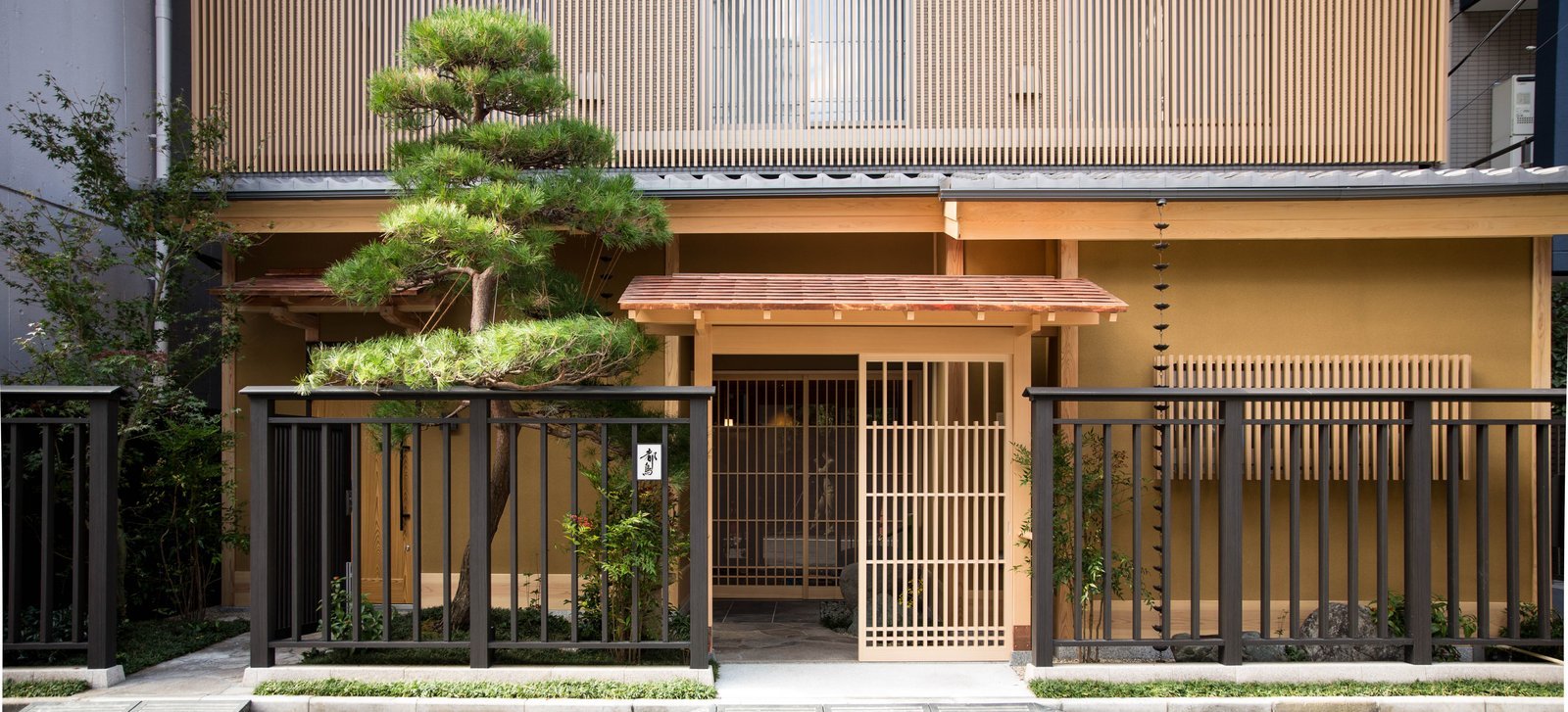
An ozashiki after a day in Asakusa
An ozashiki is a private room where geisha dance to live shamisen music, talk with you and play traditional party games, such as konpira fune fune and tosenkyo, a game of throwing a folded fan at a target. Your party has the room to itself. Children can come too: the booking form asks for the number of adults, children and infants separately.
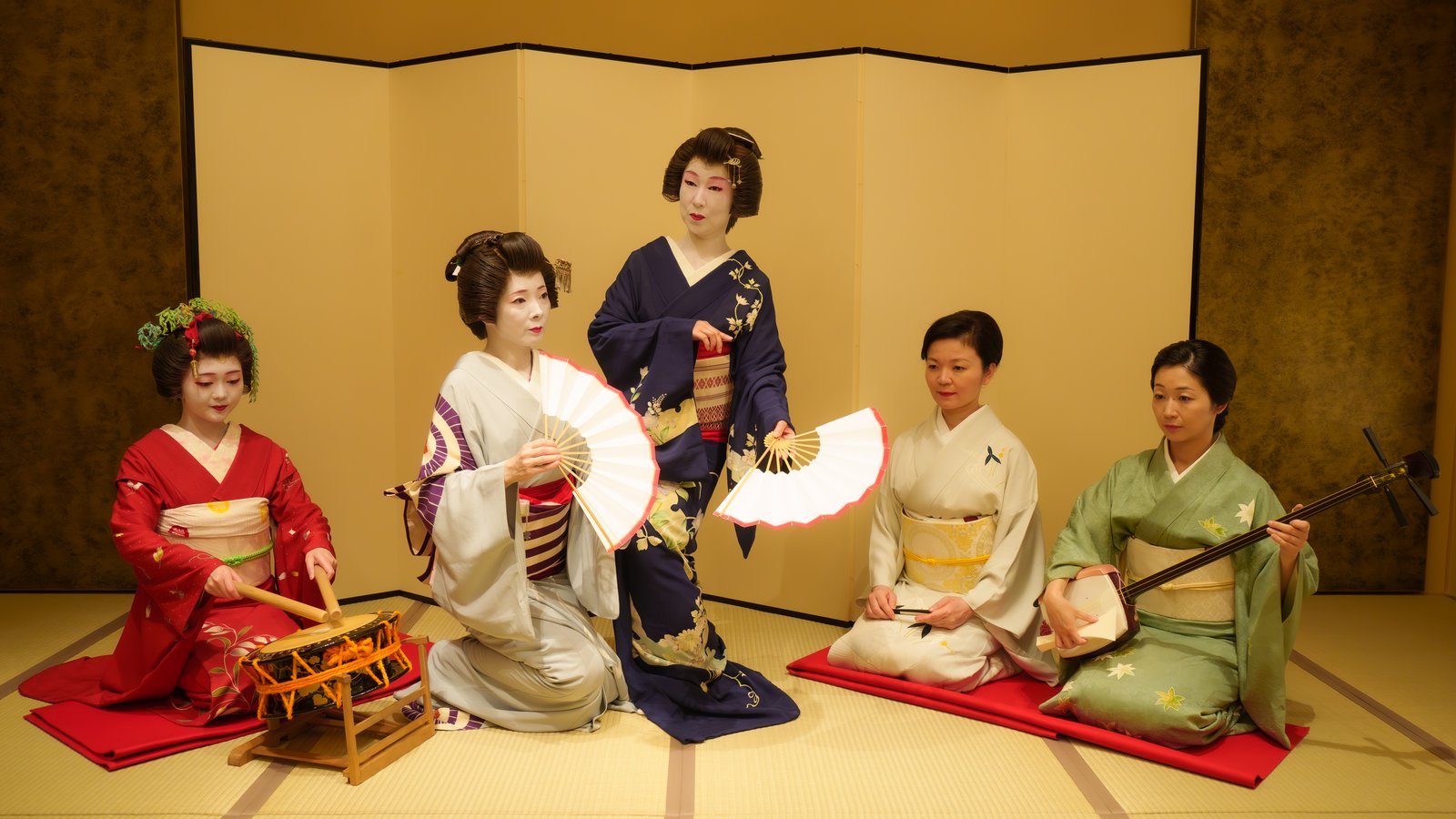
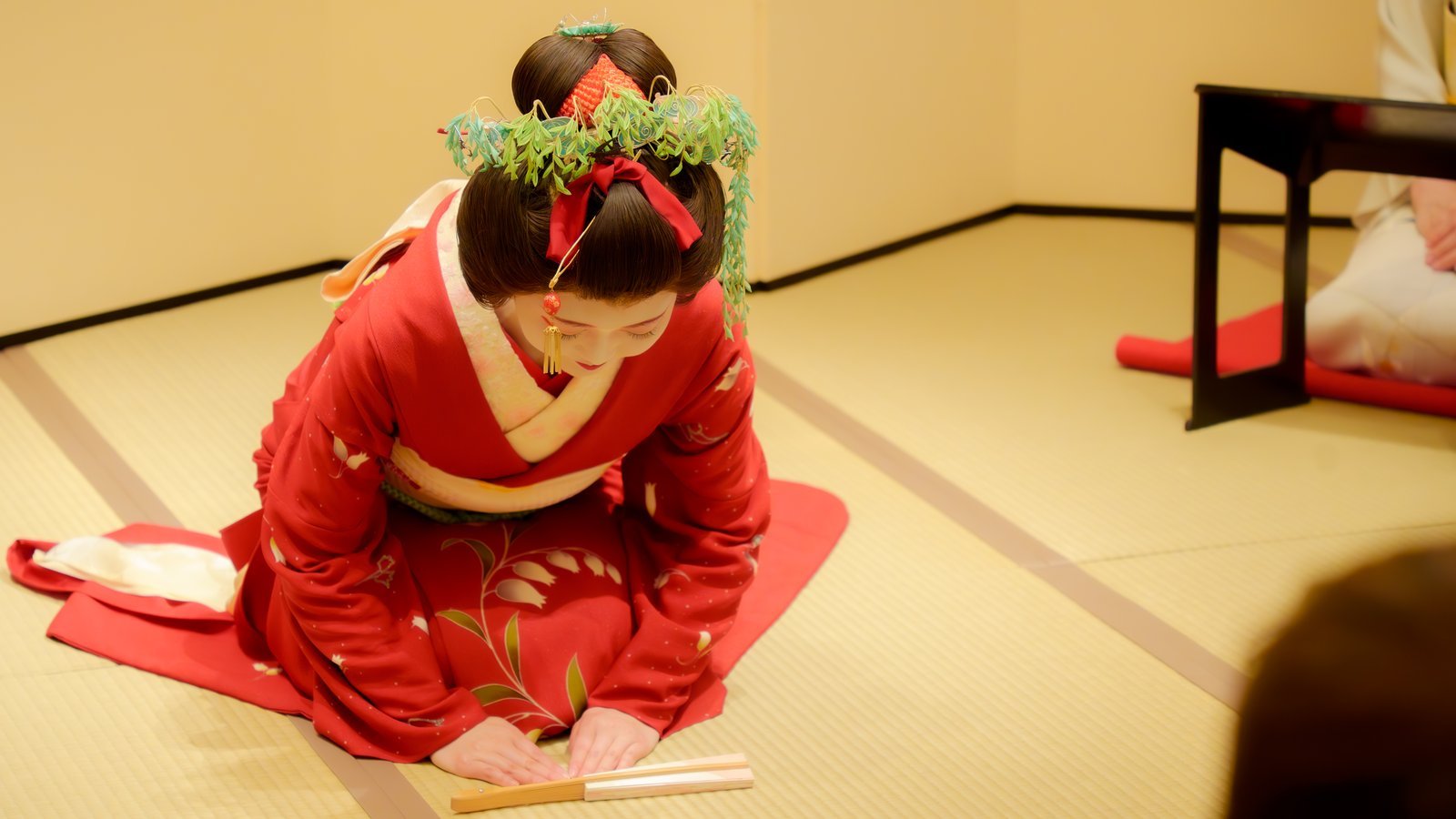
If you would rather see Senso-ji lit up after dark before or after an ozashiki, our guide to Senso-ji at night has the details.
Be a Guest at an Ozashiki in Asakusa
A private ozashiki in a tatami room for your party alone, with dances to live shamisen music and traditional games. Choose from one-, two- and three-hour visits on weekdays except public holidays. Start times are 2:00–5:00 pm or 5:30–8:00 pm for one hour, 2:00–8:00 pm for two hours, and 5:30–8:00 pm for three hours. A guest travelling alone can book.
Request a ReservationFrequently Asked Questions
How much does Asakusa Hanayashiki cost?
Adult admission is ¥1,600, and rides are extra. Ride tickets are ¥100 each or 11 for ¥1,000, and most rides take 5 or 8 tickets. An adult Unlimited Ride Pass is ¥3,000, and the 1-Day Pass, which combines admission and unlimited rides, is ¥4,600. Children 4 and under enter free (official prices, checked 16 November 2026).
What are the opening hours of Asakusa Hanayashiki?
Usually 10:00 am to 6:00 pm, with last entry 30 minutes before closing. The hours change with the season and the weather, the park closes at 5:00 pm on some winter weekdays, and it is closed on a few days, such as 1 to 4 December 2026. Check the official business calendar for your date.
Is it cheaper to buy ride tickets or the unlimited pass?
Count the tickets you need. The adult Unlimited Ride Pass (¥3,000) costs the same as 33 ride tickets bought in sets of 11, and the children’s and seniors’ pass (¥2,600) the same as 28. Up to those numbers, ride tickets cost no more than the pass; above them, the pass is cheaper. For an adult, four 8-ticket rides come to 32 tickets.
How old is the roller coaster at Hanayashiki?
It opened in 1953, and the park describes it as the oldest roller coaster still running in Japan. Its top speed is 42 km/h. Riders must be at least 110 cm tall, and riders aged 65 and over are not allowed on.
How do you get into the Hanayashiki haunted house?
The Haunted House takes 8 ride tickets or an Unlimited Ride Pass, on top of admission. There is no height limit. Children aged 5 and over may go in alone, and children aged 4 and under need someone 13 or older with them.
What can you do near Hanayashiki in the evening?
North of Senso-ji is Kannon-ura, the area where Asakusa’s geisha work. On weekdays you can book a private ozashiki at a teahouse there, such as ours, where geisha dance to live shamisen and play traditional games with you. Senso-ji itself is lit up after dark.
Sources
- Asakusa Hanayashiki (official): Price guide, Directions, Attractions and the pages for the Roller Coaster, Disk’O, Little Star, The Haunted House and Panda Car; in Japanese, the business calendar and FAQ (checked 16 November 2026)
- Hanayashiki Co., Ltd., in Japanese: History of Hanayashiki (checked 16 November 2026)
The ticket arithmetic in this guide is our own, worked out from the official prices. Prices, hours and closed days change; check the park’s website before you go if a detail matters to you.


- Traditional Japanese Architecture: What You Find Inside a Japanese House, and How to Behave There
- Hagoita-ichi 2026: A First-Timer's Guide to the Hagoita Market at Senso-ji, Asakusa
Unique Things to Do in Tokyo: Choosing the Right Experience
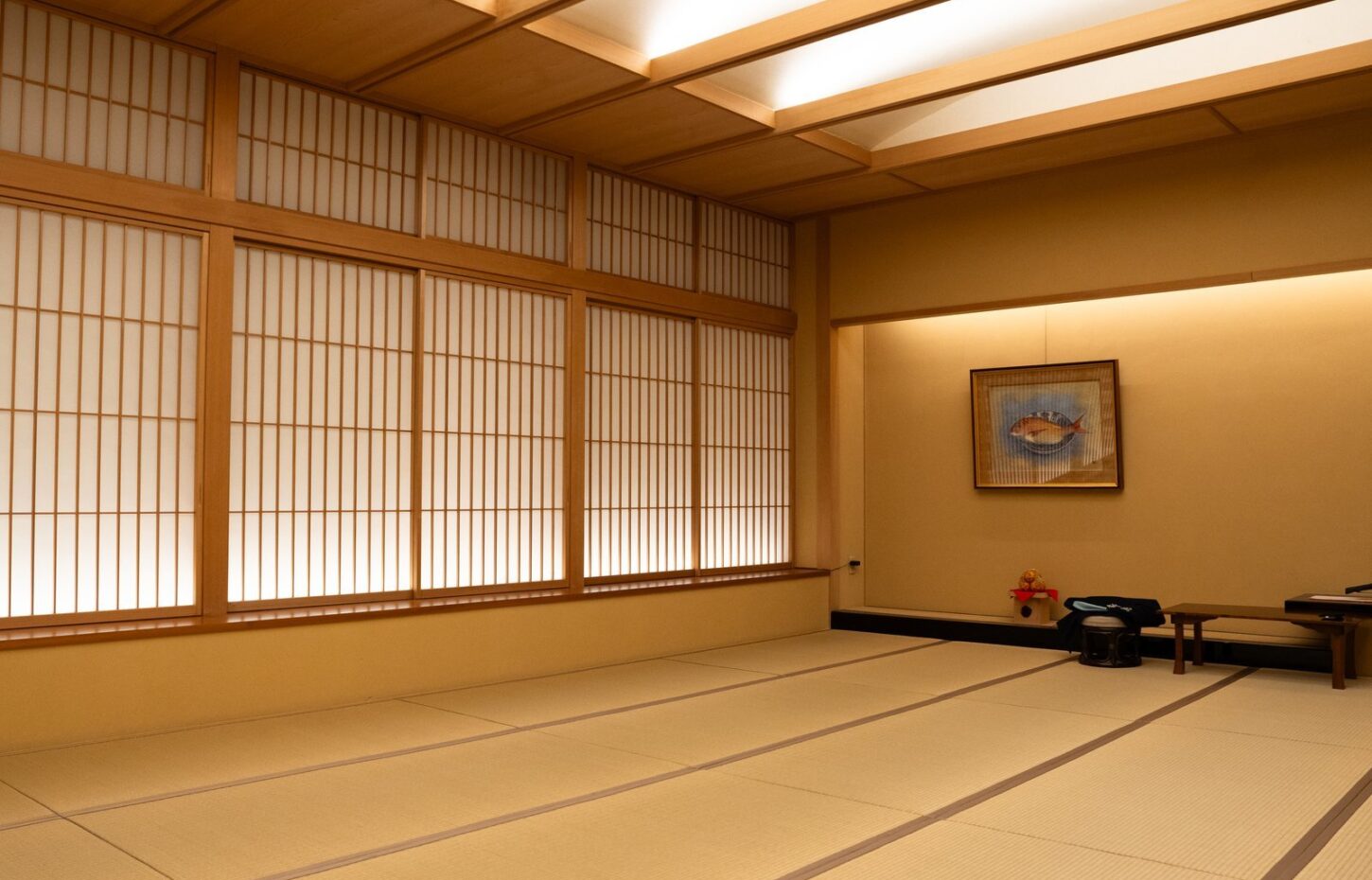
Traditional Japanese Architecture: What You Find Inside a Japanese House, and How to Behave There
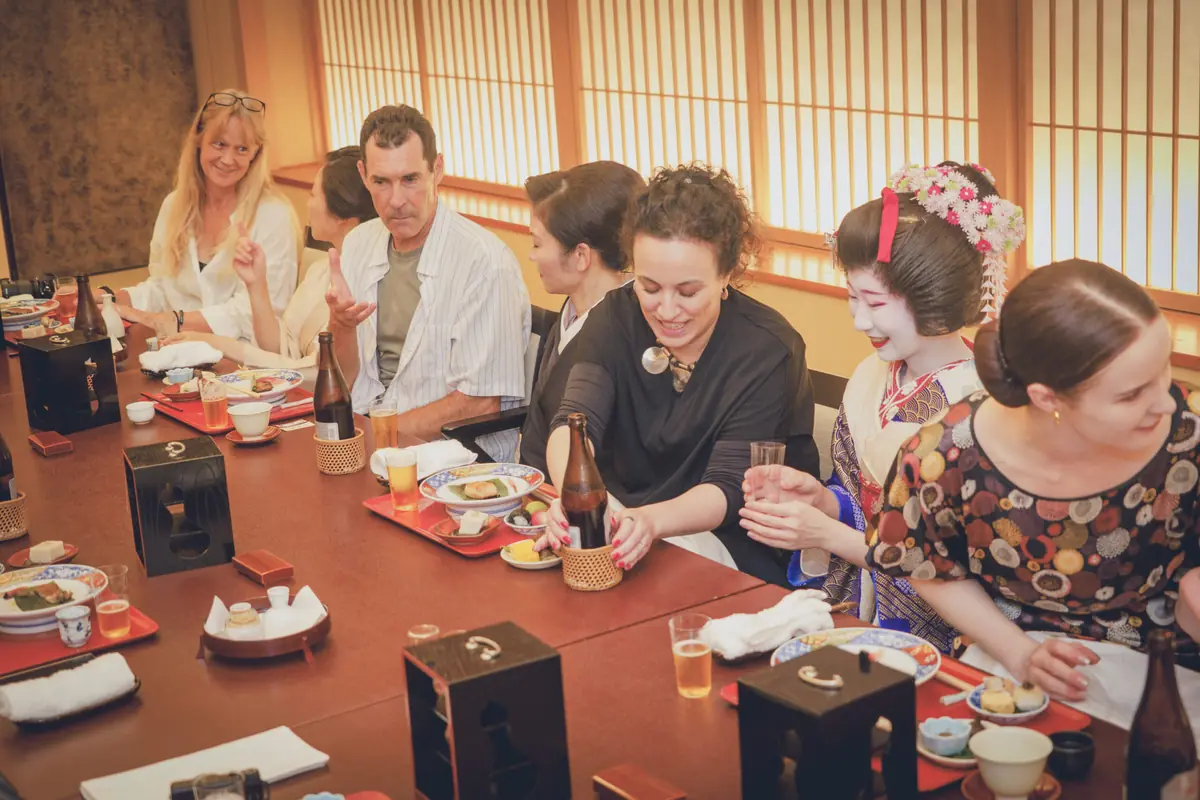
Top Rated Traditional Japanese Restaurants Near Me: Authentic Flavors and Sushi
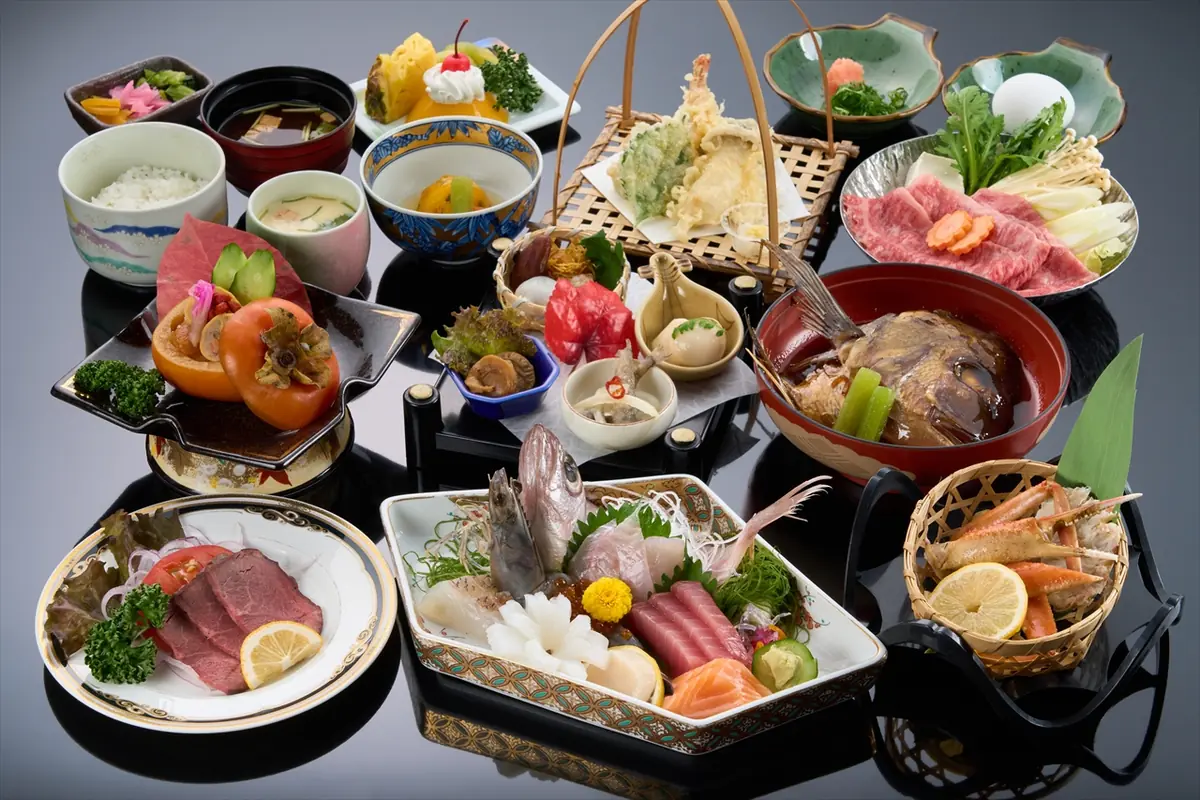
The Ultimate Traditional Japanese Dining Experience Guide 2026
Japanese Fine Dining Tokyo: The 2026 Guide to Extraordinary Culinary Experiences
3 Day Tokyo Itinerary: What to Book for Each Night, With a Day in Asakusa
Comment ( 0 )
Trackbacks are closed.

No comments yet.