



Shrines in Asakusa: What Each Is Prayed For, and a Walk North of Senso-ji
The best-known shrine in Asakusa is Asakusa Shrine, which stands right beside the main hall of Senso-ji; Senso-ji itself is a Buddhist temple, not a shrine. North of the temple, within a short walk, are three more shrines with their own followings, Imado Shrine, Yoshiwara Shrine and Otori Shrine, as well as Matsuchiyama Shoden, a temple on a small hill that many visitors take for a shrine. This guide sets out what each one is prayed for, how to pray at each, and an order to walk them in.
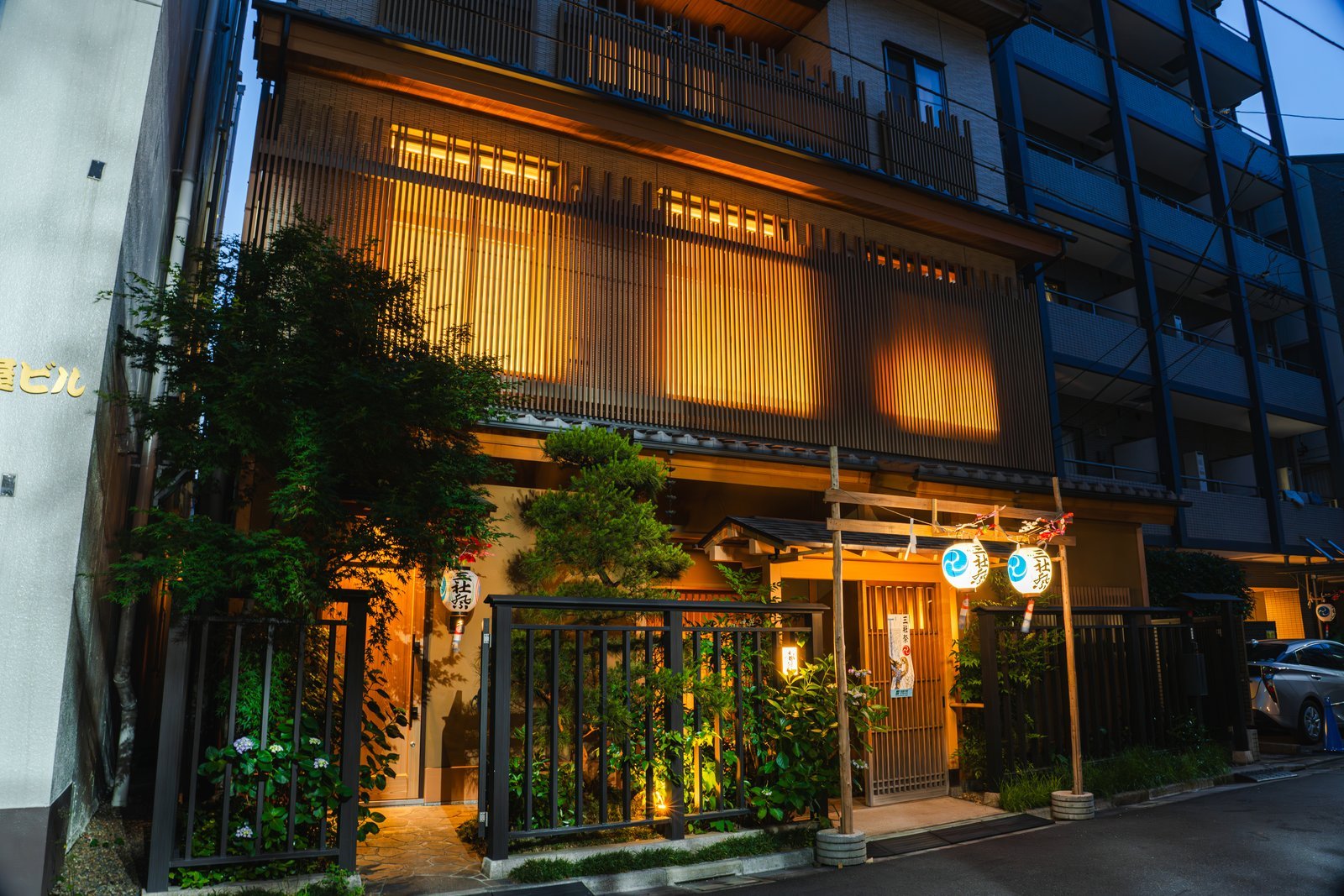
We are Miyakodori, a teahouse in Asakusa where geisha entertain guests, open since 1950. Our house is on the quiet north side of Senso-ji, about three minutes past the temple grounds, so these shrines are our neighbors. Office hours and festival dates below come from each shrine’s or temple’s own website, checked on 14 November 2026. Walking times between the stops were measured with an online route planner based on OpenStreetMap, not by walking them, so allow extra time for crowds and traffic lights.
Shrine or Temple? How to Tell in Asakusa
A shrine (jinja) is a place of Shinto, where kami are honored. A temple is Buddhist, and its name usually ends in -ji or -in. A shrine is entered through a torii gate; a temple through a roofed gate. The difference matters most at the moment you pray.
- At a shrine: bow at the torii, rinse your hands at the water basin, then before the hall give two bows, two claps and one more bow. Asakusa Shrine sets out this order on its own website.
- At a temple: press your palms together quietly and bow. You do not clap.
In this guide, Senso-ji and Matsuchiyama Shoden are temples. Asakusa Shrine, Imado Shrine, Yoshiwara Shrine and Otori Shrine are shrines. Our guide to praying at Senso-ji and Asakusa Shrine walks through each step in detail.
Asakusa Shrines at a Glance: What Each Is Prayed For
Each of the five is visited for different wishes, and their hours differ too. This table puts them side by side. The wishes listed are the ones each site names itself, unless another source is given.
| Stop | Shrine or temple | What people pray for | Office hours (official) |
|---|---|---|---|
| Asakusa Shrine (Sanja-sama) | Shrine: two bows, two claps, one bow | It honors the guardians of Asakusa, and its pair of guardian dogs is said to bring a good match, harmony between partners and success in love. | 9:00 am to 4:00 pm on weekdays; 9:00 am to 4:30 pm on weekends and public holidays |
| Matsuchiyama Shoden (Honryu-in) | Temple: palms together, no clapping | Health, a good match and a happy marriage (the radish symbol); prosperity in business (the purse symbol) | Main hall 6:00 am to 4:30 pm; office 8:30 am to 4:30 pm |
| Imado Shrine | Shrine: two bows, two claps, one bow | Matchmaking. Japan’s national tourism organization also notes its beckoning cats. | 9:00 am to 4:00 pm, every day |
| Yoshiwara Shrine and Yoshiwara Benzaiten | Shrine: two bows, two claps, one bow | Good fortune, business and progress in the arts (the Seven Lucky Gods association). The tourism organization adds women’s wishes. | No hours on an official site. The Seven Lucky Gods association gives 9:00 am to 4:00 pm for its seals outside the New Year period. |
| Otori Shrine (Otori-sama) | Shrine: two bows, two claps, one bow | Good fortune and prosperity in business | Not listed on the shrine’s site. On Tori no Ichi days in November the festival runs all 24 hours. |
All five also belong to the Asakusa Meisho Shichifukujin, a round of the Seven Lucky Gods spread over nine shrines and temples. Each holds one of the gods: Ebisu at Asakusa Shrine, Bishamonten at Matsuchiyama Shoden, Fukurokuju at Imado Shrine, Benzaiten at Yoshiwara Shrine and Jurojin at Otori Shrine. The association says seals for the round are given all year, not only at New Year.
Asakusa Shrine (Sanja-sama), Beside Senso-ji
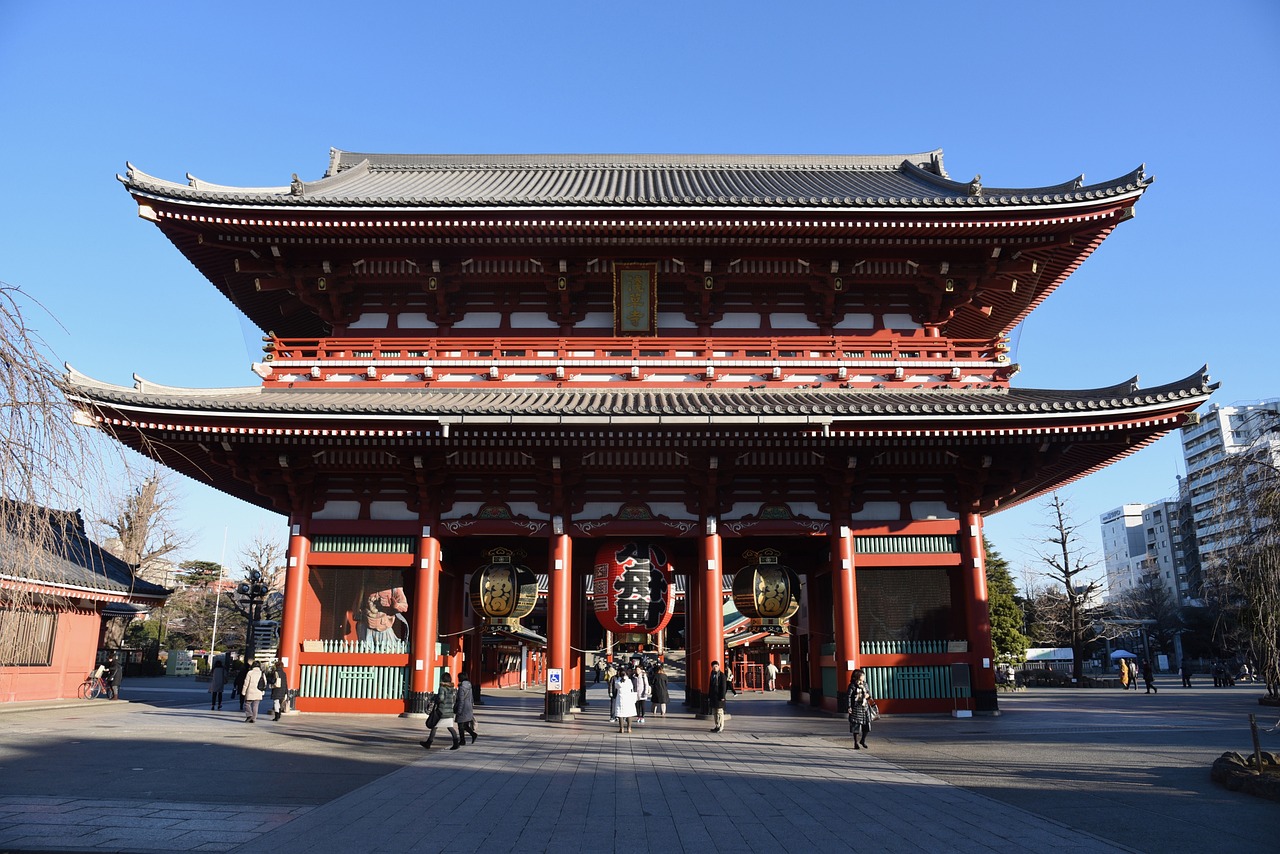
Asakusa Shrine stands to the east of Senso-ji’s main hall, with its own torii. Its story is the story of the temple. According to the shrine, on a spring morning in 628 the fisherman brothers Hinokuma Hamanari and Takenari kept finding a small statue in their net in the river now called the Sumida. A local man of learning, Haji no Matsuchi, recognized it as an image of Kannon, and he later turned his house into a temple to keep it. That temple became Senso-ji. In time the three men were enshrined beside the hall as the guardians of Asakusa, which is why the shrine is still called Sanja-sama, the three shrines.
The shrine itself gives no exact founding date and places it in the late Heian or early Kamakura period. It took the name Asakusa Shrine in 1873, after the Meiji government separated Shinto and Buddhism. The present hall was given by the third shogun, Tokugawa Iemitsu, and has come through fires, war and the 1923 earthquake. It was designated an Important Cultural Property in 1951.
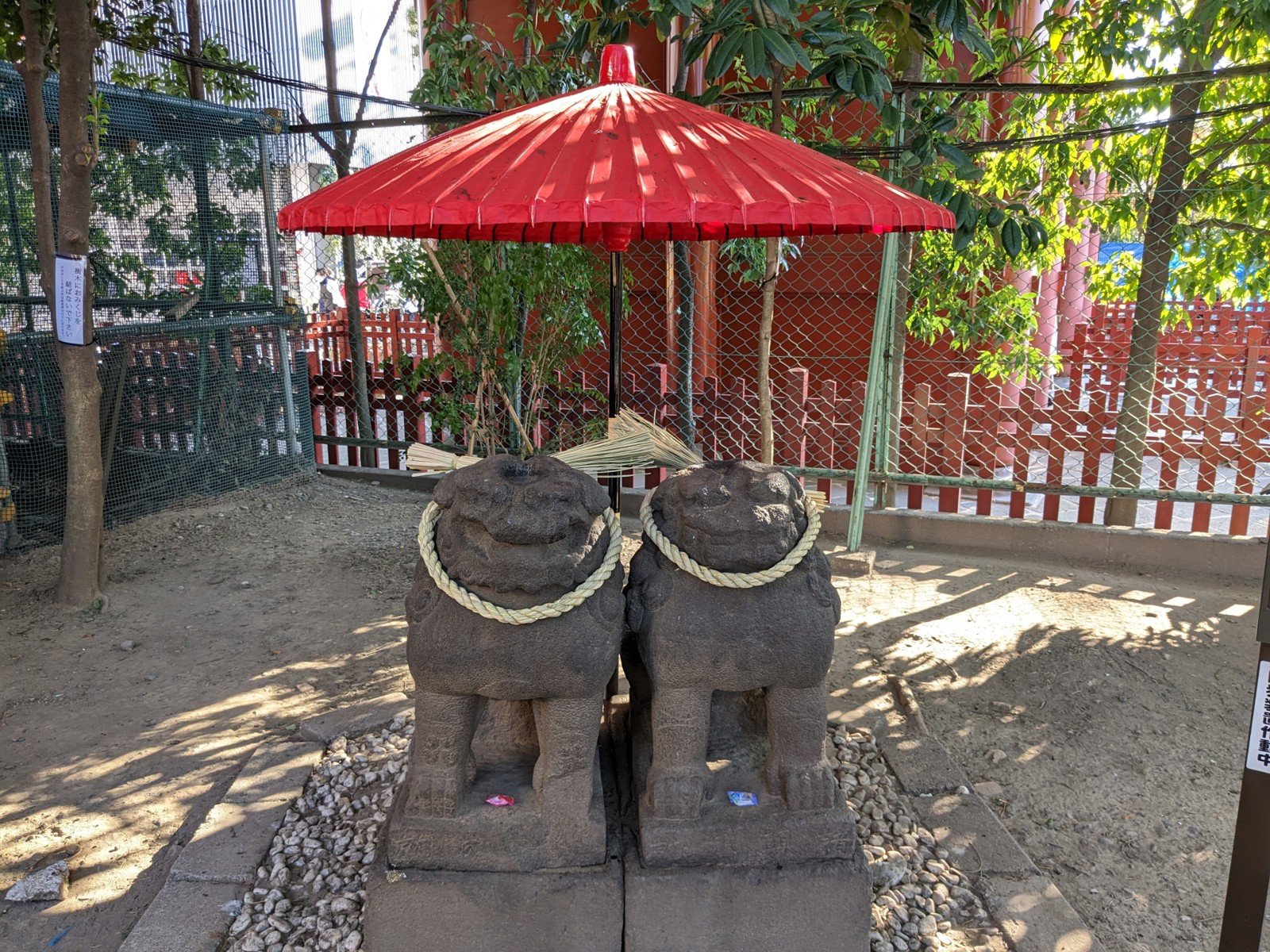
Two things are worth finding. The first is a pair of stone guardian dogs from the early Edo period. Guardian dogs usually face each other across the path; these two sit close together, and the shrine says they are prayed to for a good match, harmony between partners and success in love. The second is the storehouse of the three portable shrines carried at Sanja Matsuri, opened for viewing during the festival in May, at New Year and on some spring weekends and holidays.
Amulets and goshuin, the brush-written seals given as a record of a visit, are handled at the shrine office. The shrine does not send either by post, and it takes one seal book per person.
Sanja Matsuri is this shrine’s festival, held over the Friday, Saturday and Sunday around the third Saturday of May. In 2027 it runs from 14 to 16 May. The first day’s procession includes Asakusa geisha in festival dress, and during the festival the Tokyo Asakusa Kumiai, the geisha association of Asakusa, performs a dance as an offering in the shrine’s kagura hall. Portable shrines also stop in front of our house, where we hand out drinks to the bearers, a custom kept since our okami’s time. Our guide to Sanja Matsuri in Asakusa covers the three days.
North of Senso-ji: Four More Stops
The streets behind Senso-ji, which people here call Kannon-ura, behind the Kannon, lead on to four more places of worship. Two stand near the Sumida River, and two stand in and beside what was once the Yoshiwara.
Matsuchiyama Shoden (Honryu-in): A Temple on a Hill
Matsuchiyama Shoden is often listed among the shrines of Asakusa, but it is a temple. Its formal name is Honryu-in, and it is one of the sub-temples of Senso-ji. It stands on a hill about 10 meters high on the west bank of the Sumida. The temple’s legend says the hill rose out of the ground overnight in 595.
Its main figure of worship is Daisho Kangiten, known as Shoden-sama, a guardian deity of Buddhism. Two symbols appear all over the grounds. The forked radish stands for health, a good match and harmony in marriage; the drawstring purse stands for prosperity in business. Radishes are offered at the hall every day. A notice on the temple’s website says radishes for offering are sold until 3:00 pm, and asks visitors not to write on them. The best-known event of the year is the Daikon Matsuri on 7 January, when, after a service, radishes offered over the New Year are simmered and served to visitors with sacred sake.
Because this is a temple, pray with your palms together and do not clap. The main hall is open from 6:00 am to 4:30 pm.
Imado Shrine: Matchmaking and Beckoning Cats
Imado Shrine was founded in 1063, when the warriors Minamoto no Yoriyoshi and Yoshiie brought the spirit of Iwashimizu Hachiman from Kyoto to Imanotsu, today’s Imado. It was known as Imado Hachiman until 1937, when it merged with a neighboring Hakusan shrine and took its present name. The hall you see today was built in 1971, after the earlier one was lost in the air raids of March 1945.
Among its deities are Izanagi and Izanami, the pair who in myth made the islands of Japan, and the shrine calls itself a shrine of en-musubi, the binding of ties between people. Japan’s national tourism organization recommends it to visitors hoping for love and points to the large beckoning cats in the main hall. The cats have local roots. Imado ware, an earthenware made in this district since the Edo period, is still made by one family, and its figures include beckoning cats, according to Taito City. The shrine’s stone guardian dogs carry the names of Imado potters on their pedestals, with the date 1752.
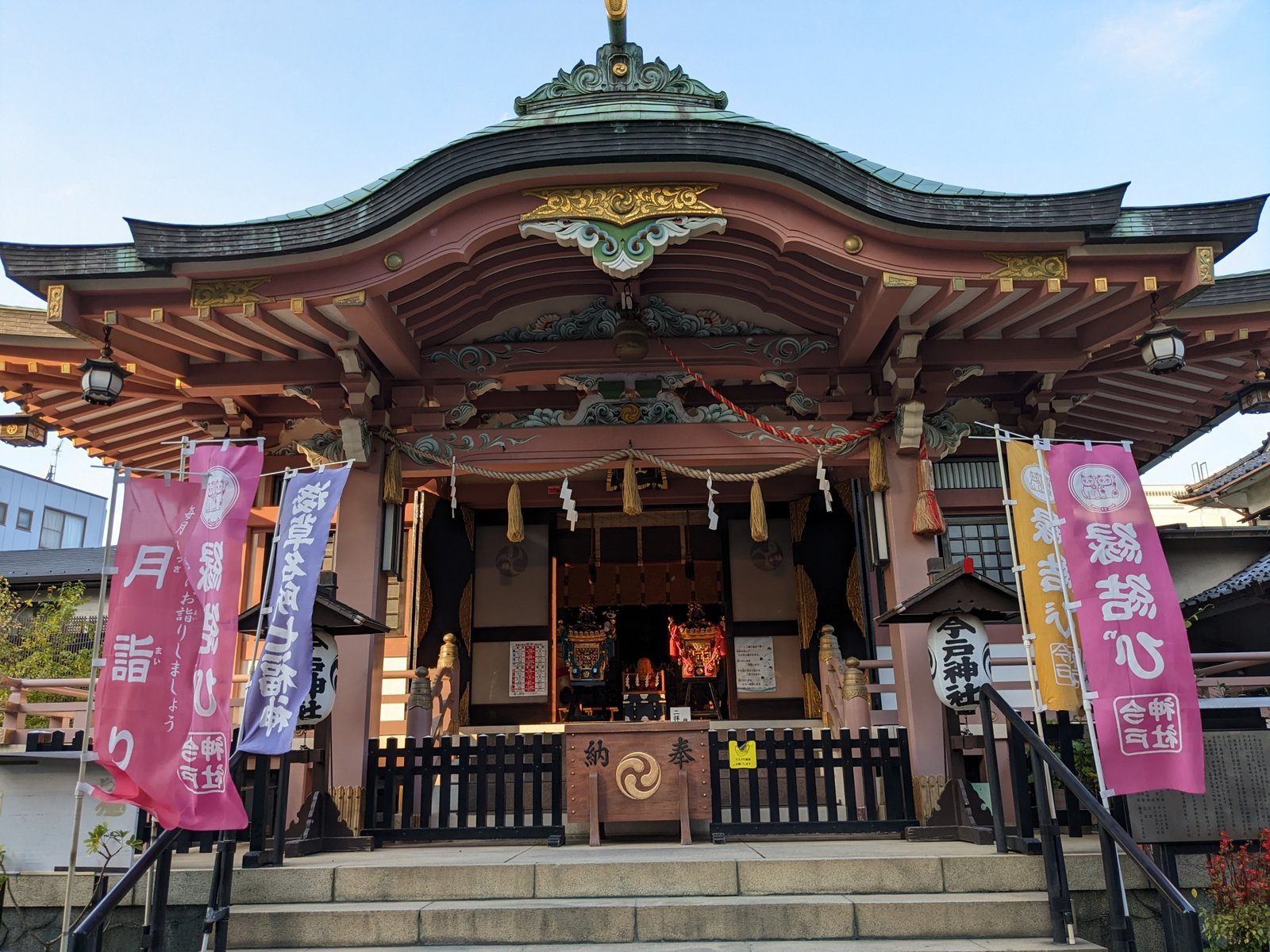
The office is open every day from 9:00 am to 4:00 pm. Goshuin here are given already written on paper, and the shrine has no toilets or parking.
Yoshiwara Shrine and Yoshiwara Benzaiten
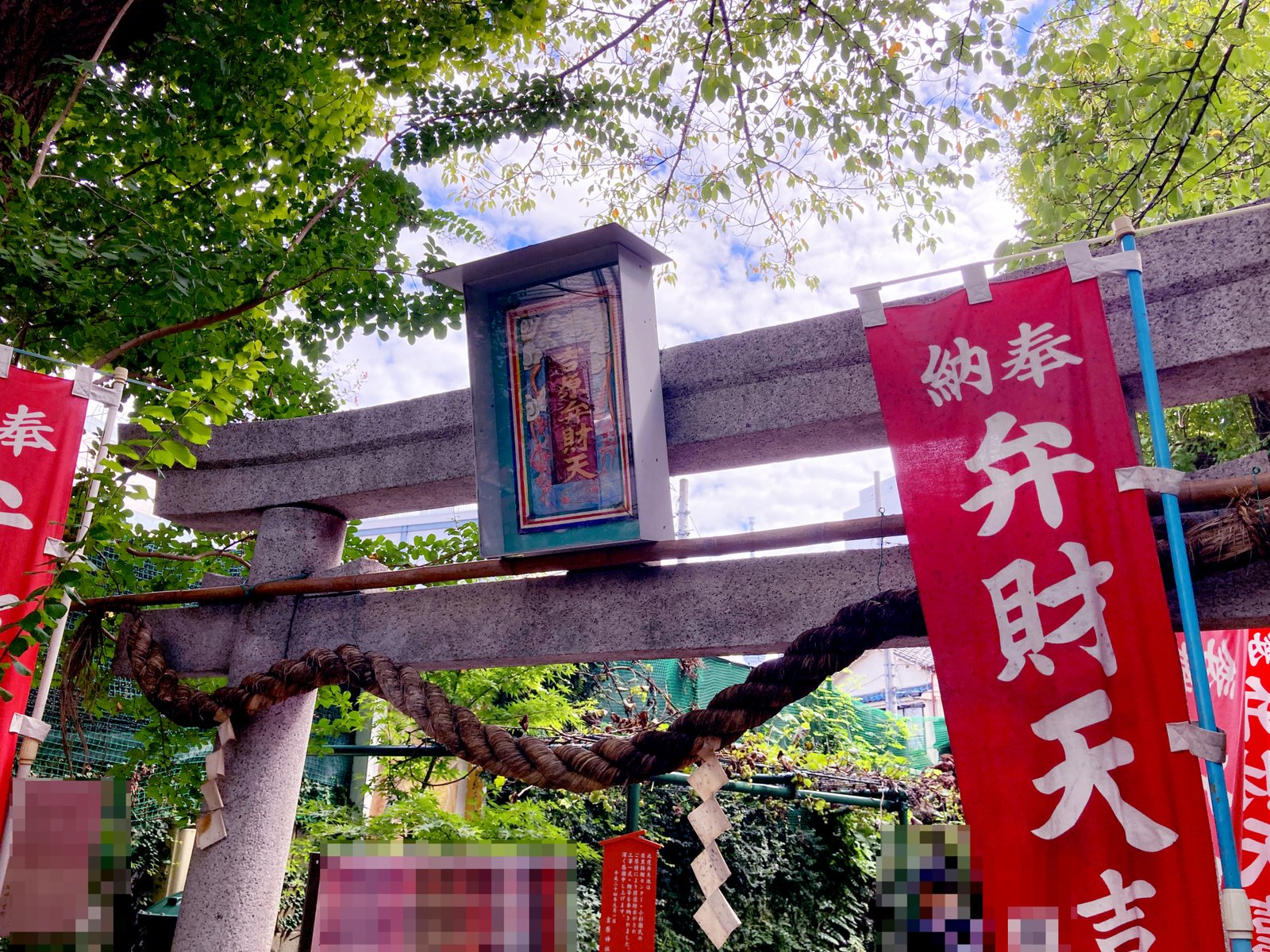
Yoshiwara Shrine was the shrine of the Yoshiwara, the licensed quarter of Edo. It was formed in the early Meiji period by bringing together the Inari shrines that had guarded the quarter and its corners, and the Benzaiten of the nearby pond was added after the 1923 earthquake. Its deities are Ukanomitama, the Inari deity, and Ichikishimahime, who is honored as Benzaiten. The association of the Seven Lucky Gods lists good fortune, business and progress in the arts as what it is prayed for, and Benzaiten is the goddess of the arts among the seven.
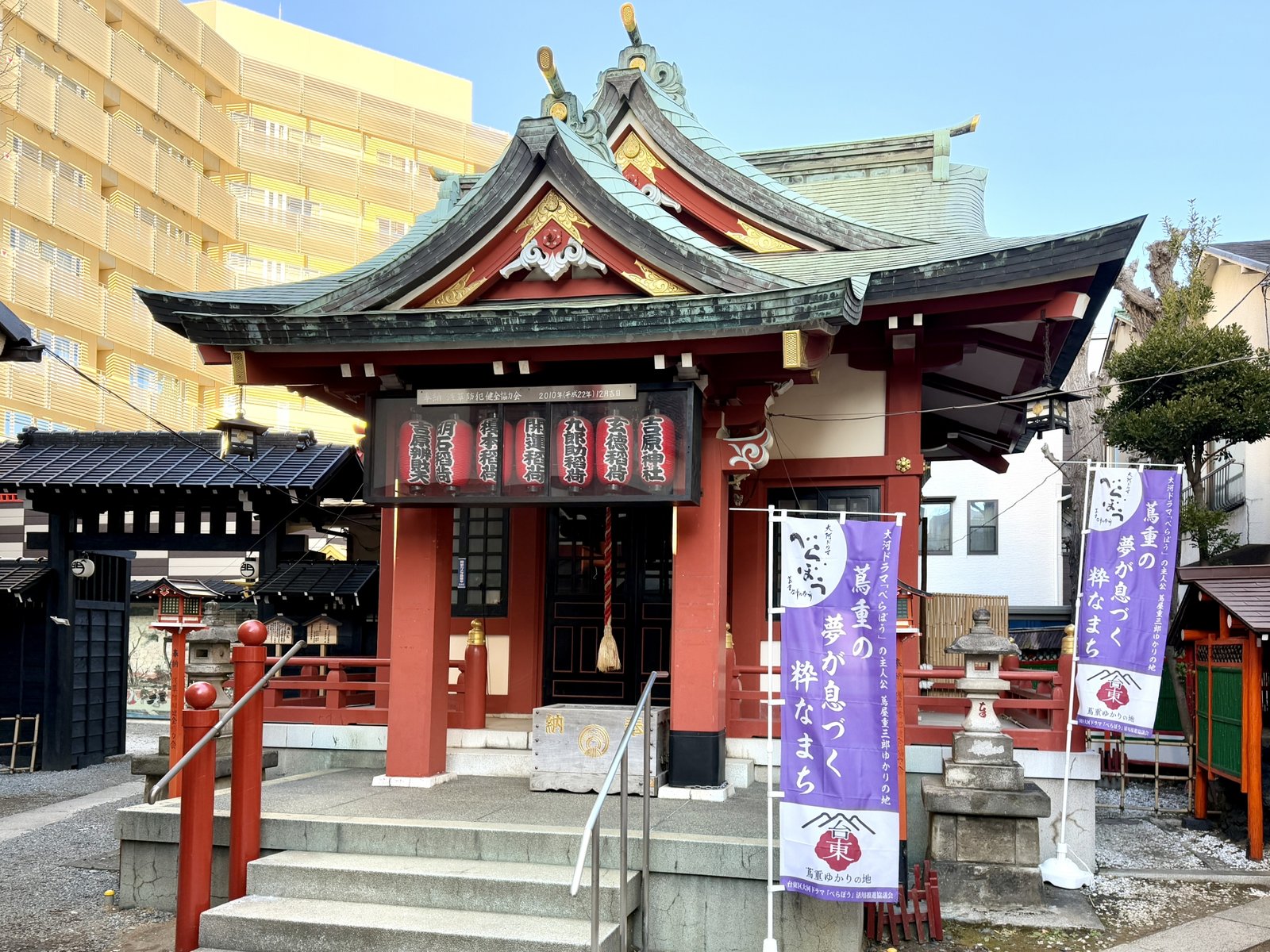
About two minutes away on foot is Yoshiwara Benzaiten, a detached precinct of the shrine that keeps the main sanctuary of its Benzaiten, along with a stone monument to the old quarter. Our article on the history of the Yoshiwara tells the story of the quarter and of this precinct, and explains how the women of the quarter differed from geisha.
Otori Shrine: The Shrine of Tori no Ichi
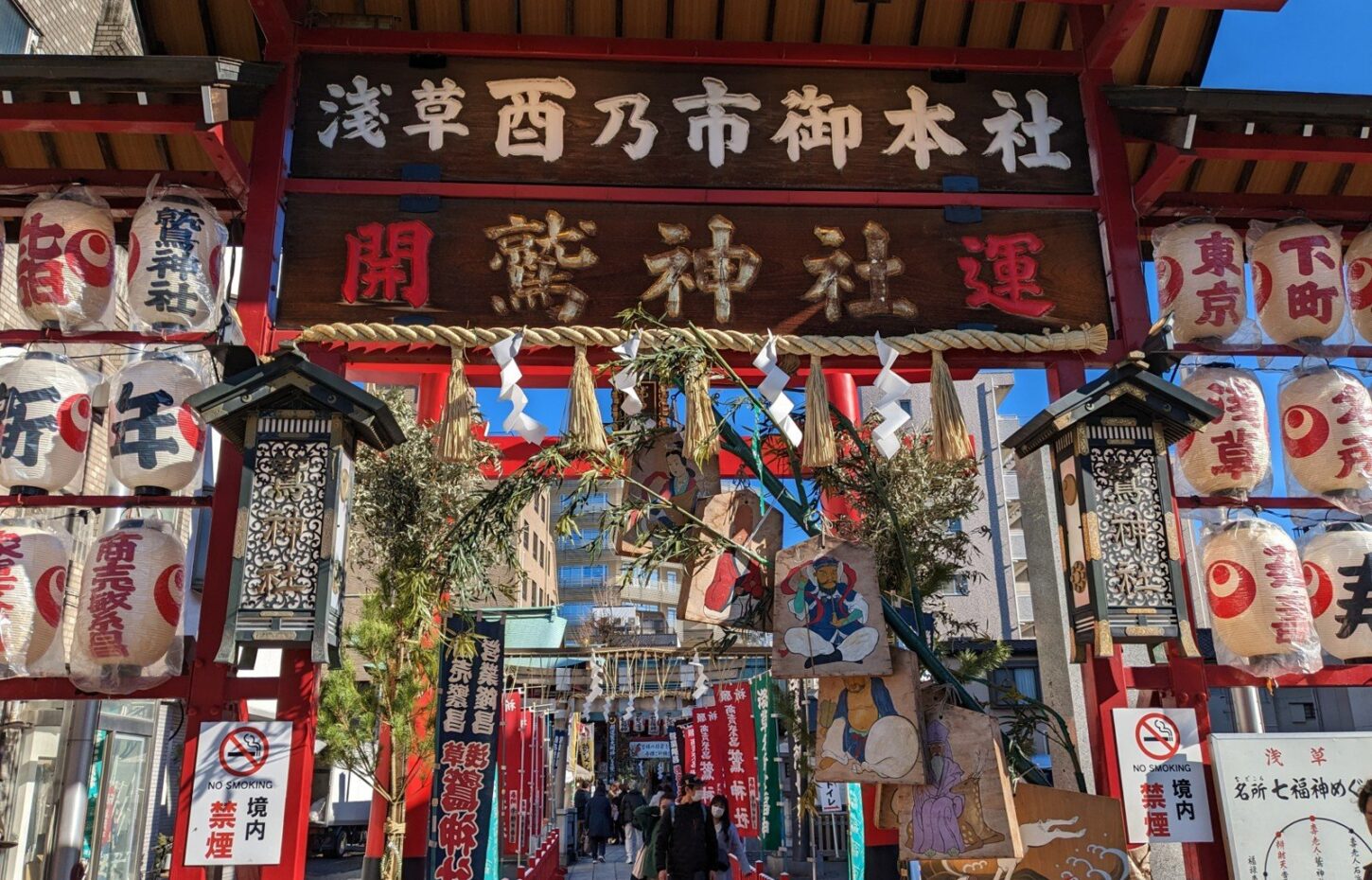
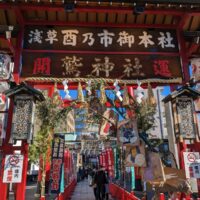
Otori Shrine honors Amenohiwashi, a deity of opening new land and of good fortune, and Yamato Takeru. According to the shrine, Yamato Takeru stopped here on his way back from a campaign and hung a rake on the pine in front of the shrine to give thanks for his victory. That day was a rooster day in November, and it became the shrine’s festival, Tori no Ichi. In 2026 the rooster days are 7 and 19 November, and each runs for 24 hours from midnight. Decorated bamboo rakes, kumade, are sold for gathering in good fortune.
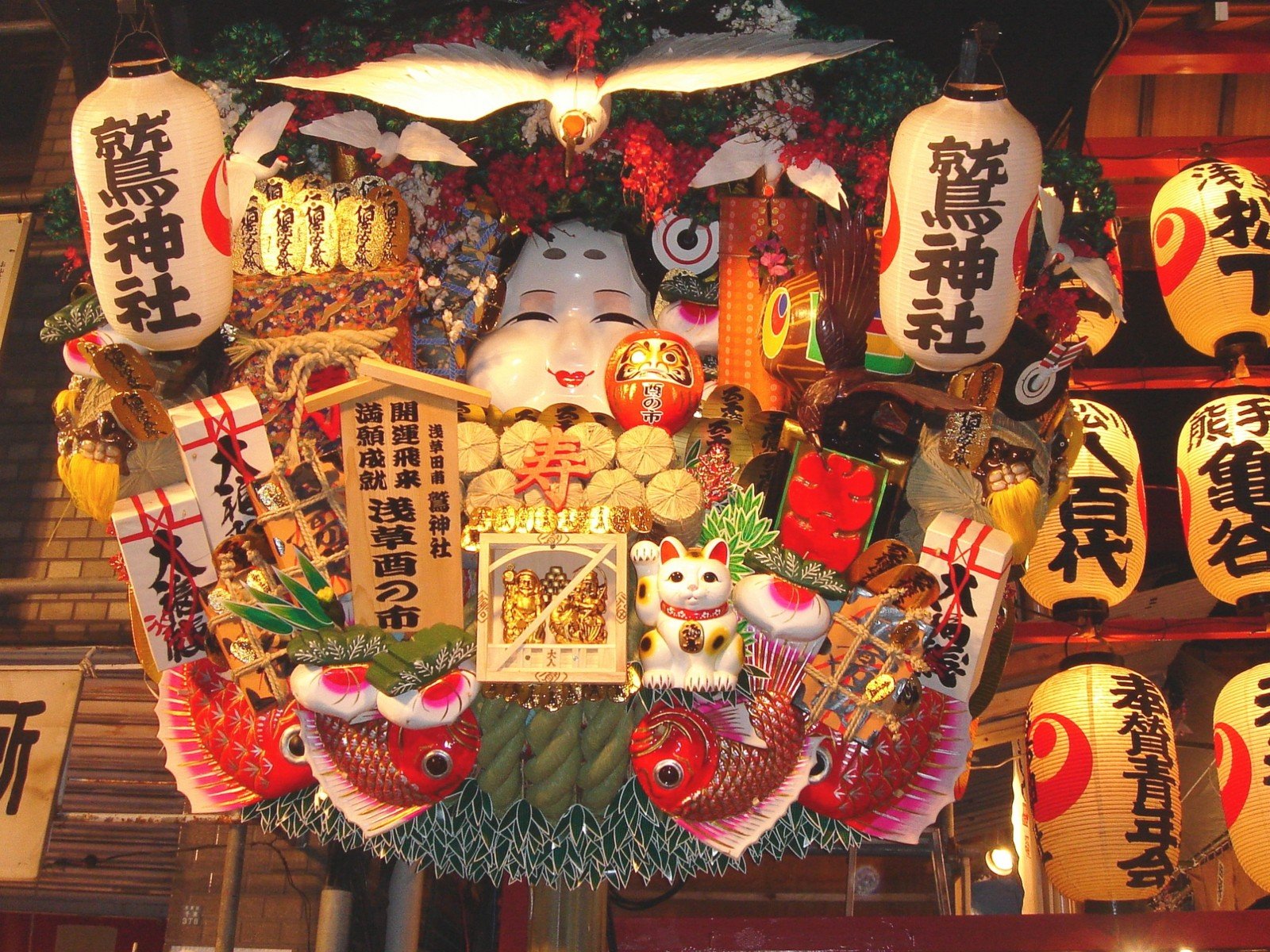
The shrine’s website says that on ordinary days the nade-okame sits on the offering box. It is a smiling mask of the goddess who danced before the cave of the sun in myth, and each part of the face is stroked for a different wish: the nose for money, and the right cheek as you face it for love. During Tori no Ichi the mask is moved to the entrance of the shrine office. The shrine stands next to Chokoku-ji, a temple that holds Tori no Ichi at the same time.
Otori Shrine is about ten minutes on foot from our door. Our okami and the third generation of the house go to Tori no Ichi every year and buy a new rake, which hangs by our entrance. Our guide to Tori no Ichi in Asakusa explains how to buy one.
Which Order to Walk Them
The five stops make an easy loop from Senso-ji. Start at Asakusa Shrine, walk east to the two stops near the river, then north-west to the old Yoshiwara, and finish at Otori Shrine, the stop farthest from Senso-ji, from where it is about ten minutes back to our door in Kannon-ura. The times below are walking only.
| From and to | Distance | Walking time |
|---|---|---|
| Asakusa Shrine to Matsuchiyama Shoden | About 800 m | About 10 minutes |
| Matsuchiyama Shoden to Imado Shrine | About 350 m | About 5 minutes |
| Imado Shrine to Yoshiwara Shrine | About 1.3 km | About 18 minutes |
| Yoshiwara Shrine to Yoshiwara Benzaiten | About 160 m | About 2 minutes |
| Yoshiwara Benzaiten to Otori Shrine | About 300 m | About 4 minutes |
| Otori Shrine to Miyakodori | Not measured | About 10 minutes, our own figure |
Times between the shrines come from an OpenStreetMap walking route, measured on 14 November 2026 and rounded. They are not timed walks.
That is about 40 minutes on foot between the shrines, or about 50 if you walk on to our door, before the time you spend at each stop. The offices close at 4:00 or 4:30 pm, so if you want amulets or seals, start by early afternoon. If you only have an hour, choose by what you want to ask for:
- Love and a good match: Asakusa Shrine and Imado Shrine, then Matsuchiyama Shoden on the way between them
- Business and good fortune: Otori Shrine and Matsuchiyama Shoden
- The arts: Yoshiwara Shrine and Yoshiwara Benzaiten
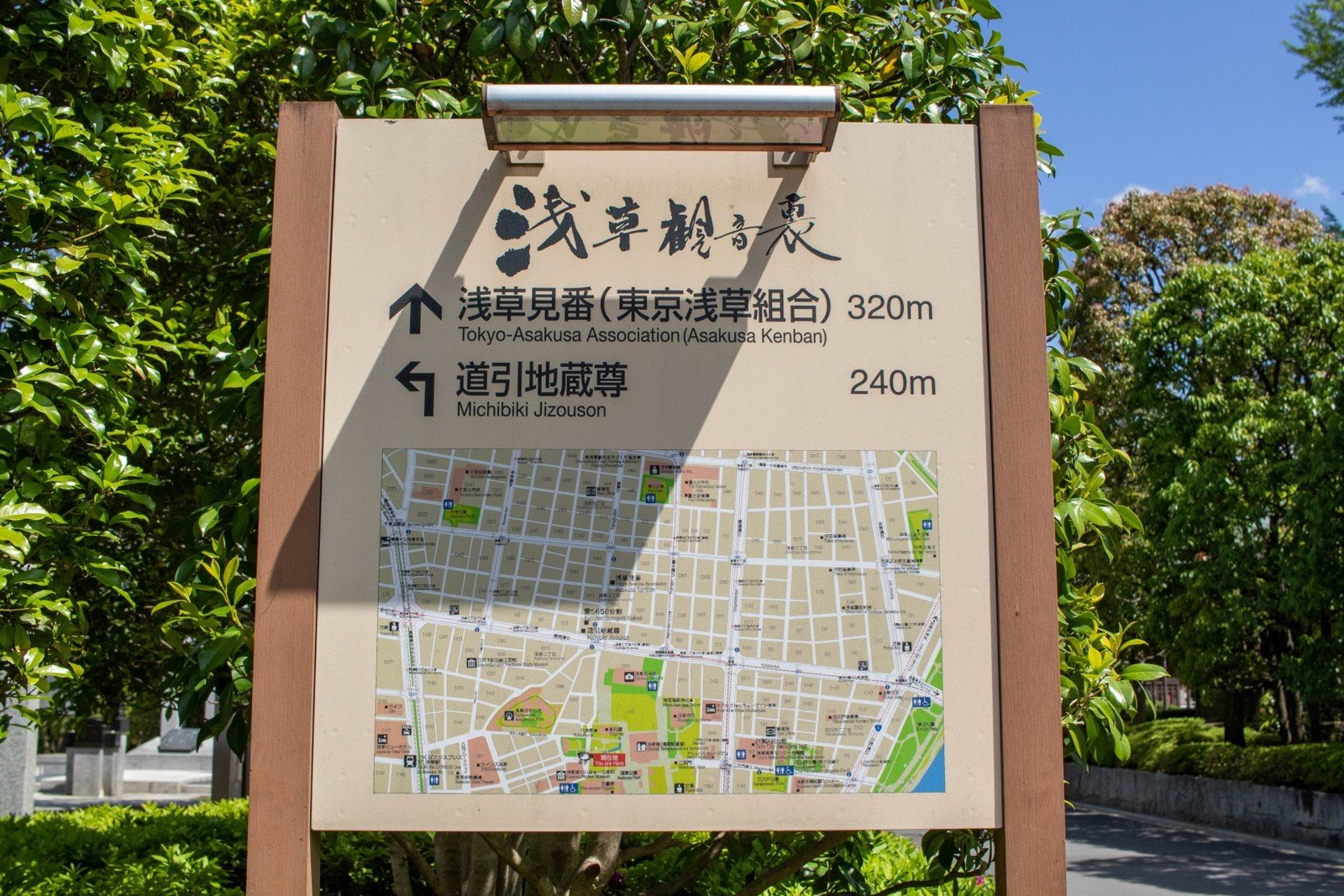
If you would rather follow the Seven Lucky Gods round, the association says all nine of its shrines and temples take about four hours on foot, and you may visit them in any order.
After the Shrines: Kannon-ura and an Ozashiki
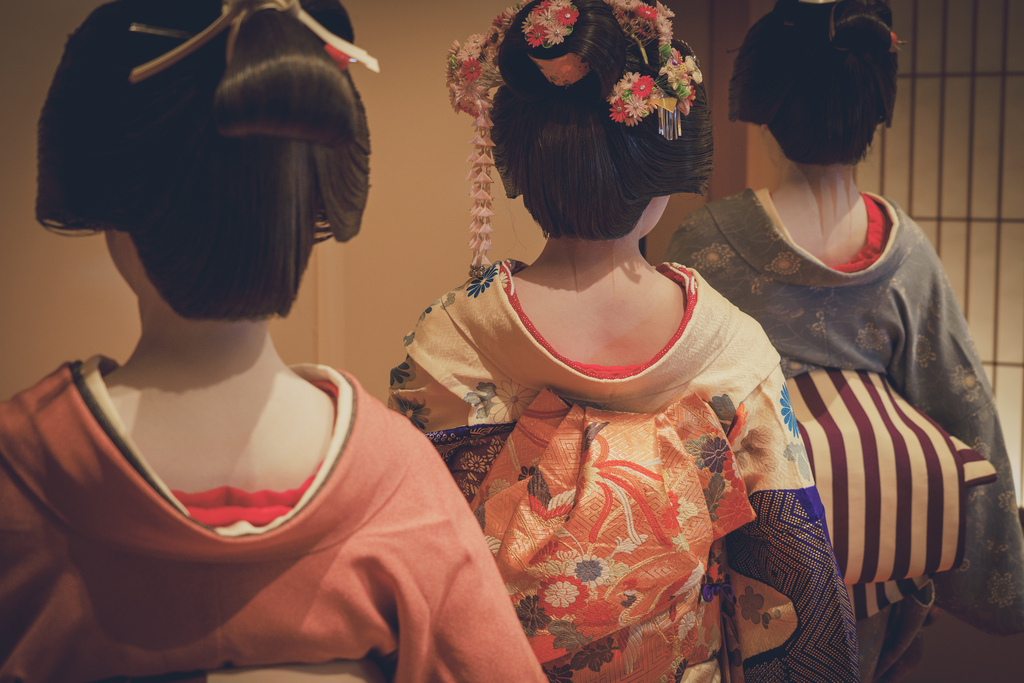
The loop ends in Kannon-ura, where the geisha of Asakusa still work. You may pass geisha in these streets. There is no set time, but you are more likely to after 5:00 pm, and by around 7:00 pm most are already at an ozashiki. If you would like a photo, ask first rather than taking one without a word. Our guide to meeting real geisha in Tokyo says more about the district.
If you would like to spend time with geisha after the walk, our house hosts an ozashiki, a gathering with geisha in a tatami room, for your party alone. Shrine offices close by 4:30 pm, and a private ozashiki can start as late as 8:00 pm, so the two fit into the same day.
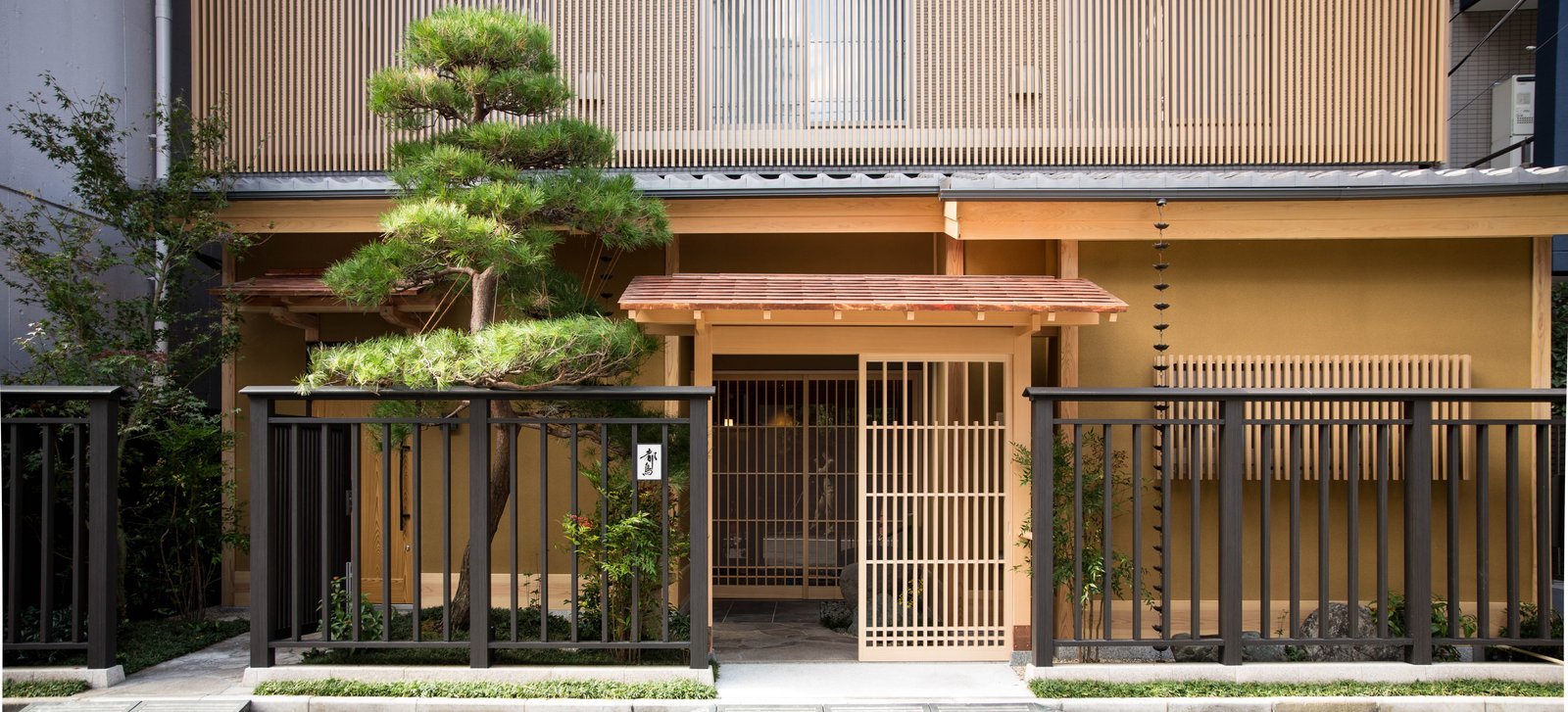
Be a Guest at an Ozashiki in Asakusa
A private ozashiki in a tatami room for your party alone, with dances to live shamisen music and traditional games. Choose one, two or three hours, starting between 2:00 and 8:00 pm on weekdays except public holidays. A guest travelling alone can book.
Request a ReservationFrequently Asked Questions
What is the main shrine in Asakusa?
Asakusa Shrine, known locally as Sanja-sama, which stands just east of Senso-ji’s main hall. It honors the three men linked to the founding of Senso-ji, and its festival is Sanja Matsuri in May.
Is Senso-ji a shrine or a temple?
Senso-ji is a Buddhist temple. The shrine next to it is Asakusa Shrine. At the temple you pray quietly with your palms together; at the shrine you bow twice, clap twice and bow once more.
Which shrine in Asakusa is for love?
Imado Shrine calls itself a shrine for matchmaking, and Japan’s national tourism organization recommends it to visitors hoping for love. At Asakusa Shrine, the pair of guardian dogs is prayed to for a good match. At Matsuchiyama Shoden, a temple, the radish symbol stands for a good match and harmony in marriage.
How long does it take to walk to the shrines north of Senso-ji?
Walking from Asakusa Shrine to Matsuchiyama Shoden, Imado Shrine, Yoshiwara Shrine, Yoshiwara Benzaiten and Otori Shrine takes about 40 minutes in all on an online route planner, plus the time you spend at each stop.
When is Tori no Ichi at Otori Shrine?
Tori no Ichi is held on the rooster days of November, two or three each year. In 2026 they fall on 7 and 19 November, and each day runs for 24 hours from midnight.
Where can I see geisha near the Asakusa shrines?
At Sanja Matsuri in May, Asakusa geisha walk in the opening procession, and their association performs a dance as an offering at Asakusa Shrine. On other days you may pass geisha in the Kannon-ura streets, more often after 5:00 pm, or you can book an ozashiki at a teahouse there such as ours, where geisha dance and play traditional games with your party.
Sources
- Asakusa Shrine, in Japanese: About the shrine, Goshuin, Amulets and Sanja Matsuri schedule (checked 14 November 2026)
- Otori Shrine, in Japanese: History, Tori no Ichi this year and Tori no Ichi notes (checked 14 November 2026)
- Imado Shrine, in Japanese: Official website (checked 14 November 2026)
- Matsuchiyama Shoden Honryu-in, in Japanese: Official website, including its history, grounds and visitor questions pages (checked 14 November 2026)
- Senso-ji, in Japanese: Matsuchiyama Shoden (checked 14 November 2026)
- Asakusa Meisho Shichifukujin association, in Japanese: Seven Lucky Gods of Asakusa, with its pages on each site and its questions page (checked 14 November 2026)
- GO TOKYO: Asakusa-jinja Shrine (checked 14 November 2026)
- Japan National Tourism Organization: Spend the New Year in Tokyo, Mie, or Okinawa (checked 14 November 2026)
- Taito City: Nihonzutsumi, Kiyokawa, Hashiba, Higashi-asakusa, Imado (checked 14 November 2026)
- Walking routes: OpenStreetMap routing (measured 14 November 2026)
Office hours and festival dates change from year to year. Check the shrine’s own website before you go if a detail matters to you.


- Omotenashi Meaning: The Idea Behind Japanese Hospitality
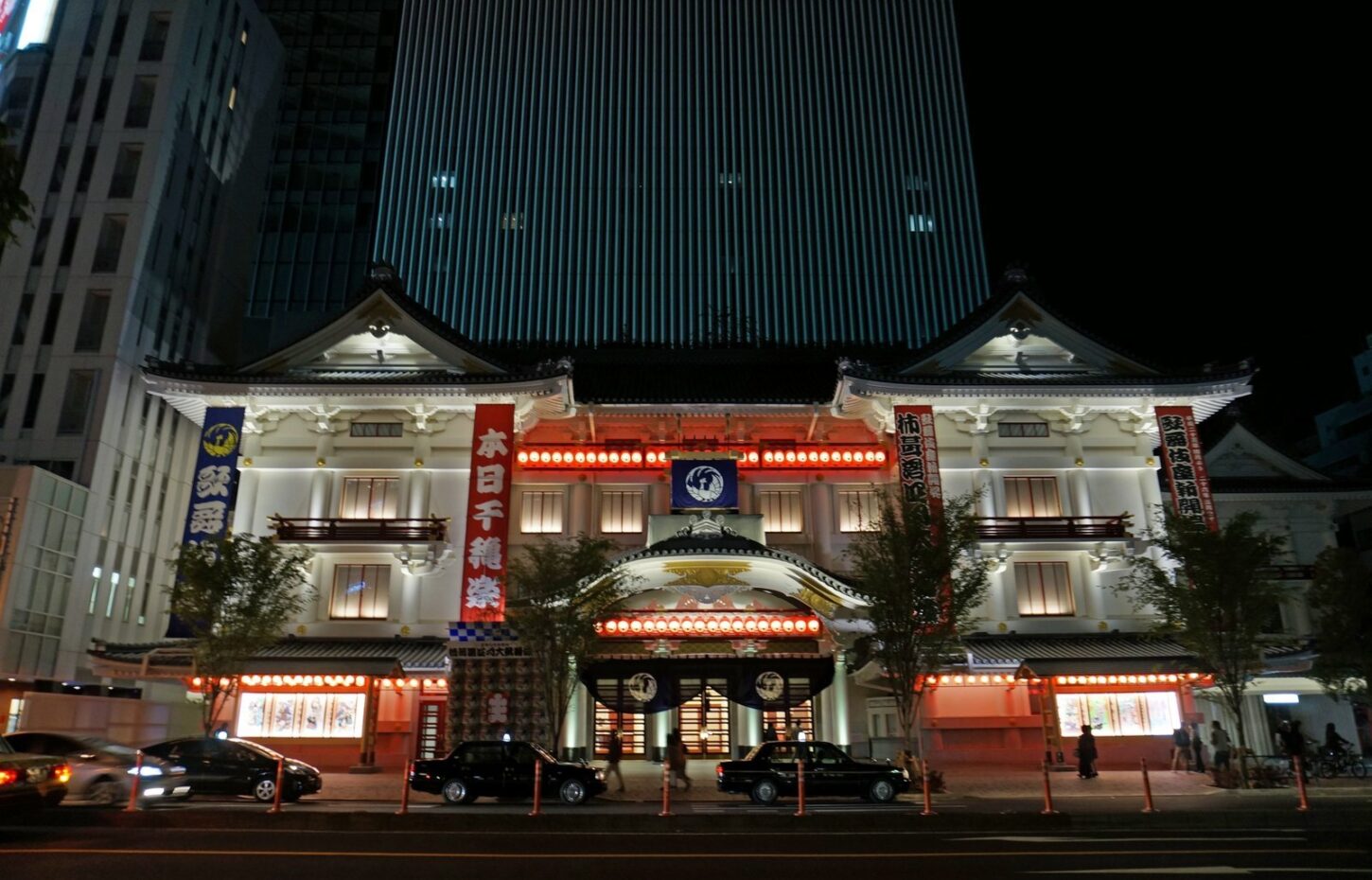
- Kabuki in Tokyo for First-Timers: One Act, English Help and Tickets
Kabuki in Tokyo for First-Timers: One Act, English Help and Tickets
Best Private Room Restaurant in Tokyo: A Guide to Exclusive Dining at Asakusa Miyakodori
Traditional Japanese Architecture: What You Find Inside a Japanese House, and How to Behave There
Best Restaurants for a Birthday Dinner in Tokyo | Memorable Dining Experiences
Japanese Fine Dining Tokyo: The 2026 Guide to Extraordinary Culinary Experiences
12 Best Tokyo Dinner Places: A Complete Guide (2026)
Comment ( 0 )
Trackbacks are closed.

No comments yet.