


Japanese vs Korean Culture: Social Differences, Arts and Traditions
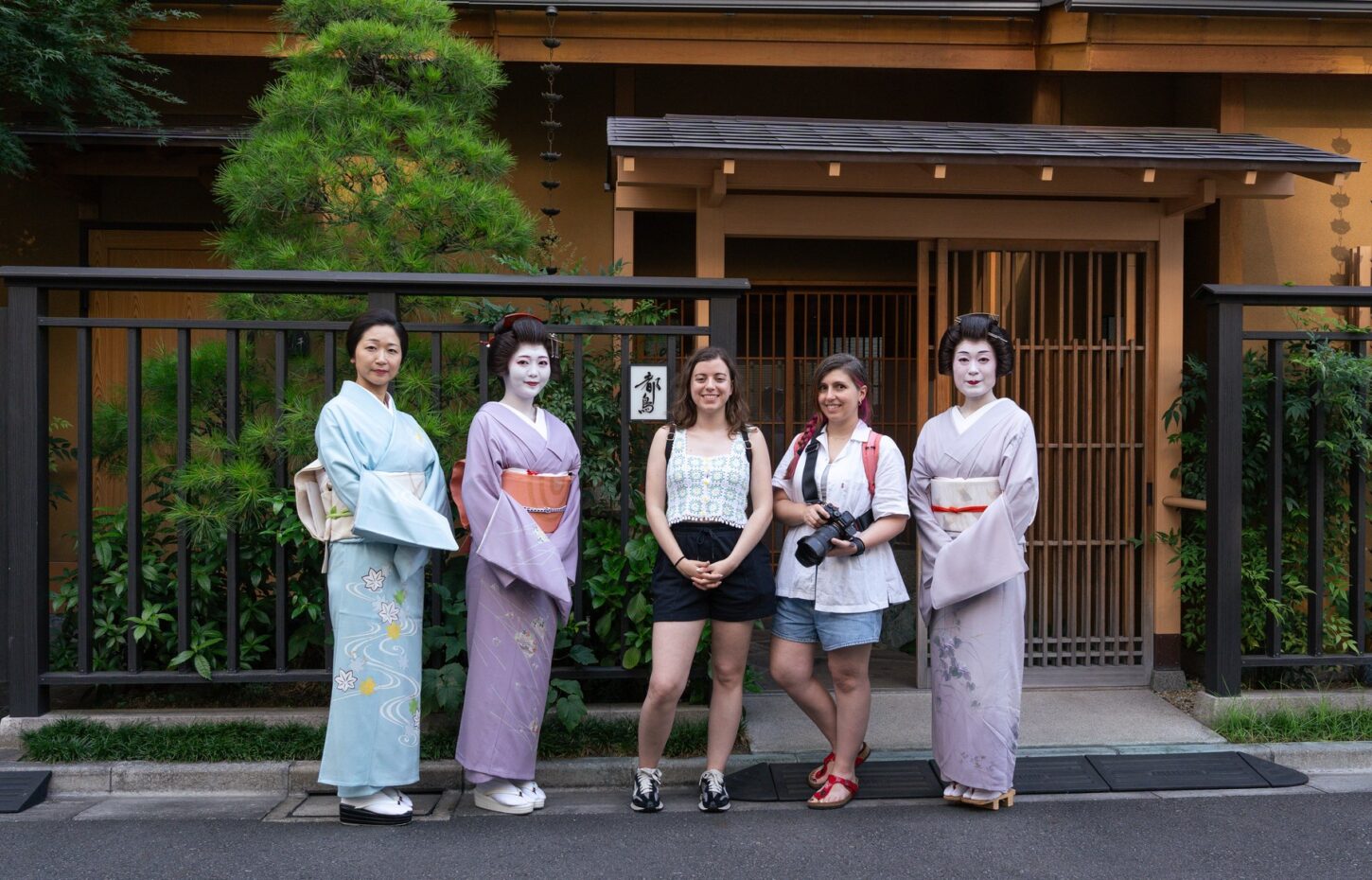
When you compare two of Asia’s most culturally rich nations, Japan and South Korea, it becomes clear that despite their geographical proximity and shared historical influences, these countries have developed profoundly distinct social dynamics, values, and cultural identities. For travelers and culture enthusiasts, understanding these differences goes far beyond surface-level observations like food or fashion. It requires a deeper look at communication styles, social etiquette, family structures, religious beliefs, and artistic traditions — and in Japan’s case, one of the most remarkable expressions of this cultural depth is the living art of geisha.
Confucianism, Hierarchy, and Social Structure: Shared Roots, Different Applications
Both Japan and South Korea have been deeply shaped by Confucian philosophy, which arrived from China centuries ago and became deeply embedded in the social fabric of both nations. However, the way each country interprets and applies these Confucian ideals today differs significantly.
In South Korea, Confucian hierarchy is perhaps more visibly ingrained in everyday modern life. Age-based respect is fundamental. Koreans use a complex honorific language system called jeondaemal for formal speech and banmal for casual speech among peers or those younger. Offering and receiving objects with two hands, bowing when greeting elders, and using the correct title or social position is expected in nearly every interaction. The concept of nunchi, which refers to the ability to read the room or understand the emotional dynamics of a group, is considered a critical social skill.
In Japan, hierarchy is equally present but expressed with remarkable subtlety. The Japanese social code of respect is built around the idea of not imposing on others, known as meiwaku. High-context communication means that what is left unsaid often carries more weight than what is spoken. Rather than asserting personal opinions or desires directly, Japanese communication involves reading between the lines and understanding implied meaning. This results in a highly indirect style of social interaction that can sometimes feel opaque to outsiders but is deeply intentional to those raised within the culture.
Communication Styles: Directness vs. Indirectness
One of the most striking differences between Japanese and Korean communication lies in how feelings and opinions are expressed.
Korean communication tends to be considerably more direct by comparison. Koreans may express opinions clearly and passionately, particularly within close social or professional circles. This directness is valued as a sign of sincerity and connection. In a business setting, it is not unusual for Korean colleagues to debate or disagree openly during meetings, which is seen as productive engagement rather than disrespect.
Japanese communication, in contrast, relies heavily on the principle of wa, or social harmony. Maintaining group harmony takes precedence over individual expression. In professional settings especially, Japanese business culture often favors consensus-building through a process called nemawashi, which involves quietly gathering support for an idea before it is formally proposed. This makes decision-making slower but typically results in smoother implementation.
Both approaches have strengths, and both have been shaped by the need to maintain social cohesion in densely populated, community-oriented societies.
Social Etiquette and Customs: Points of Distinction
While both nations share a deep respect for politeness and social decorum, their etiquette norms diverge in fascinating ways.
In Japan, public behavior is governed by an unwritten set of rules that emphasize silence, cleanliness, and consideration for others. Talking loudly on trains or eating while walking is generally frowned upon. Gift-giving is a highly ritualized practice, with specific rules about wrapping, timing, and presentation. Refusing a gift initially before accepting is considered polite. Shoes are removed before entering homes and many traditional spaces, and the act of bowing replaces the handshake as the dominant form of greeting.
South Korea also emphasizes cleanliness and respect, but its social norms reflect a culture that values expressiveness and warmth within social groups. Sharing food communally at a table is a central part of Korean dining culture, and pouring drinks for others rather than yourself is an essential expression of care and respect. Koreans are often described as being very warm, even effusive, once a relationship has been established, though initial meetings may involve formality and reserve.
Experience Japan’s Living Cultural Tradition
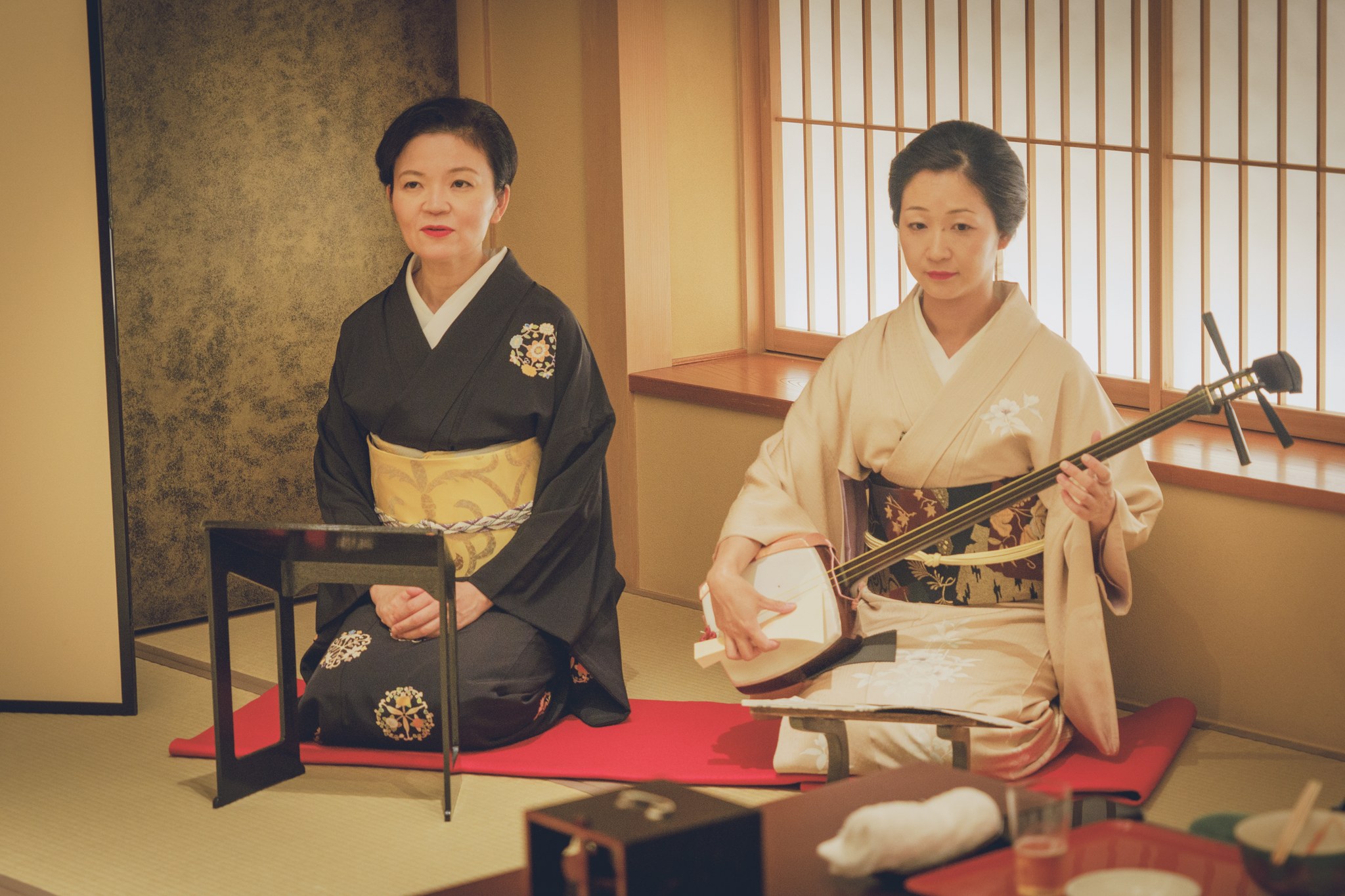
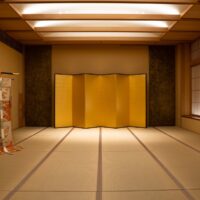
Miyakodori in Asakusa is the only machiai-chaya in the district — a private geisha banquet unlike anything else in Tokyo. Meet skilled geisha performers in an authentic tatami setting.
Request a ReservationReligion and Spiritual Life
The religious landscape of each country also reveals important cultural differences.
Japan is a country where Shintoism and Buddhism coexist and blend in a unique practice sometimes called shinbutsu-shugo, or the syncretism of Shinto and Buddhist beliefs. Many Japanese people describe themselves as non-religious in surveys, yet they may observe Shinto rituals at New Year, hold Buddhist funerals, and celebrate Christian-influenced holidays like Christmas, all without perceiving a contradiction. Spirituality in Japan is often tied to a sense of place, nature, and seasonal cycles rather than doctrine.
South Korea, by contrast, has seen a dramatic rise in Christianity over the past century, particularly evangelical Protestantism. Korea now has some of the largest Christian megachurches in the world. Buddhism also maintains a strong presence, especially in rural and older communities. Korean spirituality, broadly speaking, is often more communal and explicitly faith-driven, with religion playing a visible role in family and social gatherings.
Traditional Arts: Geisha Culture vs. Joseon Gisaeng
When looking at the intersection of traditional arts and cultural identity, one of the most illuminating comparisons is between Japan’s geisha tradition and Korea’s historical gisaeng women.
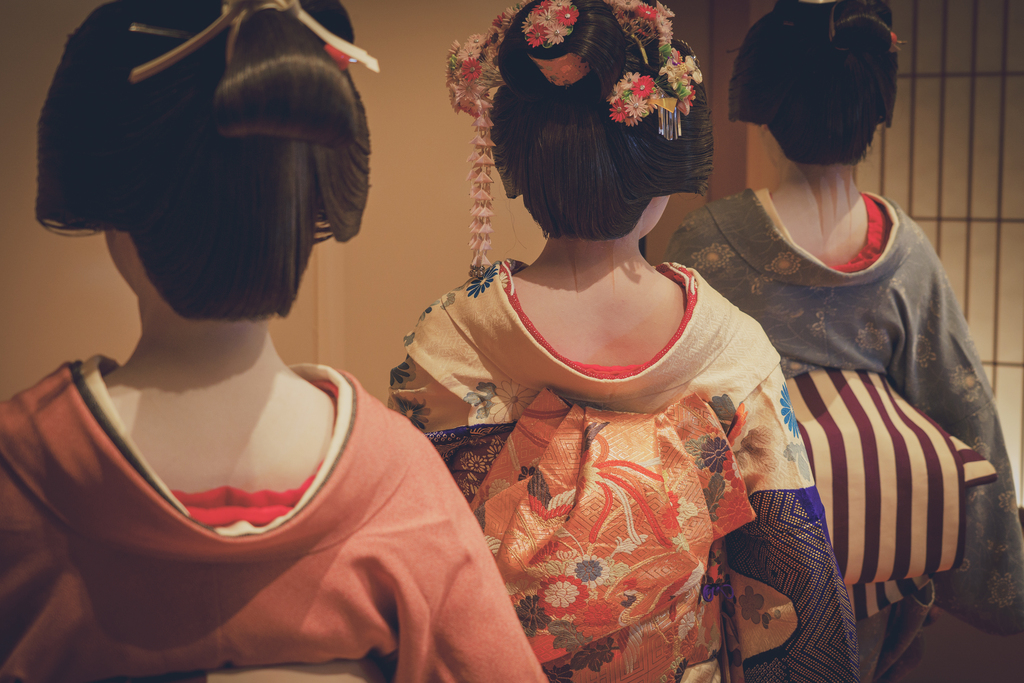
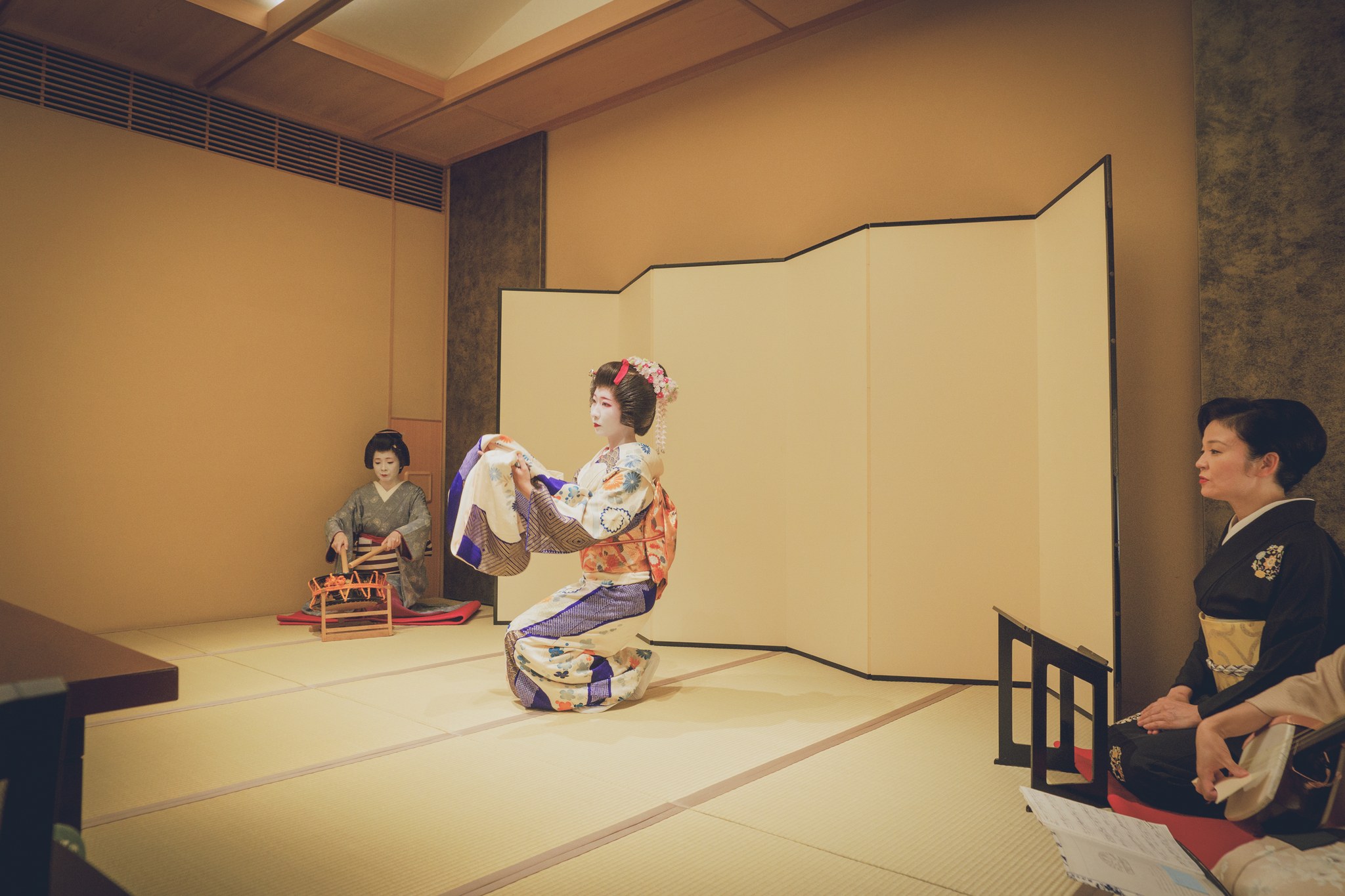
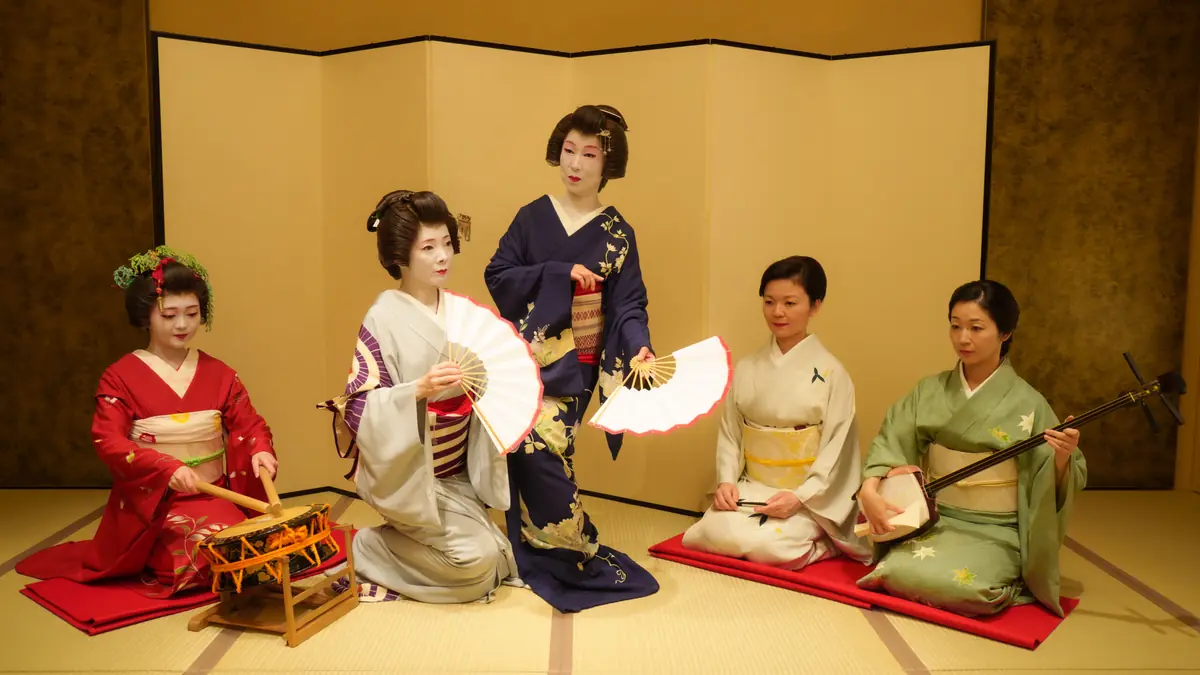
The geisha — in Tokyo’s Asakusa district, known as geiko and hangyoku — represent a centuries-old artistic tradition that remains alive today. These are skilled performers, trained in classical music, dance, and the art of conversation. They entertain guests at ozashiki geisha banquets in traditional teahouses called ochaya or machiai-chaya. Far from a relic of the past, this cultural institution continues to thrive, with dedicated young women continuing their training and performance in active hanamachi — flower districts — across Japan. To explore this world in depth, see our guide to hanamachi, Japan’s geisha districts.
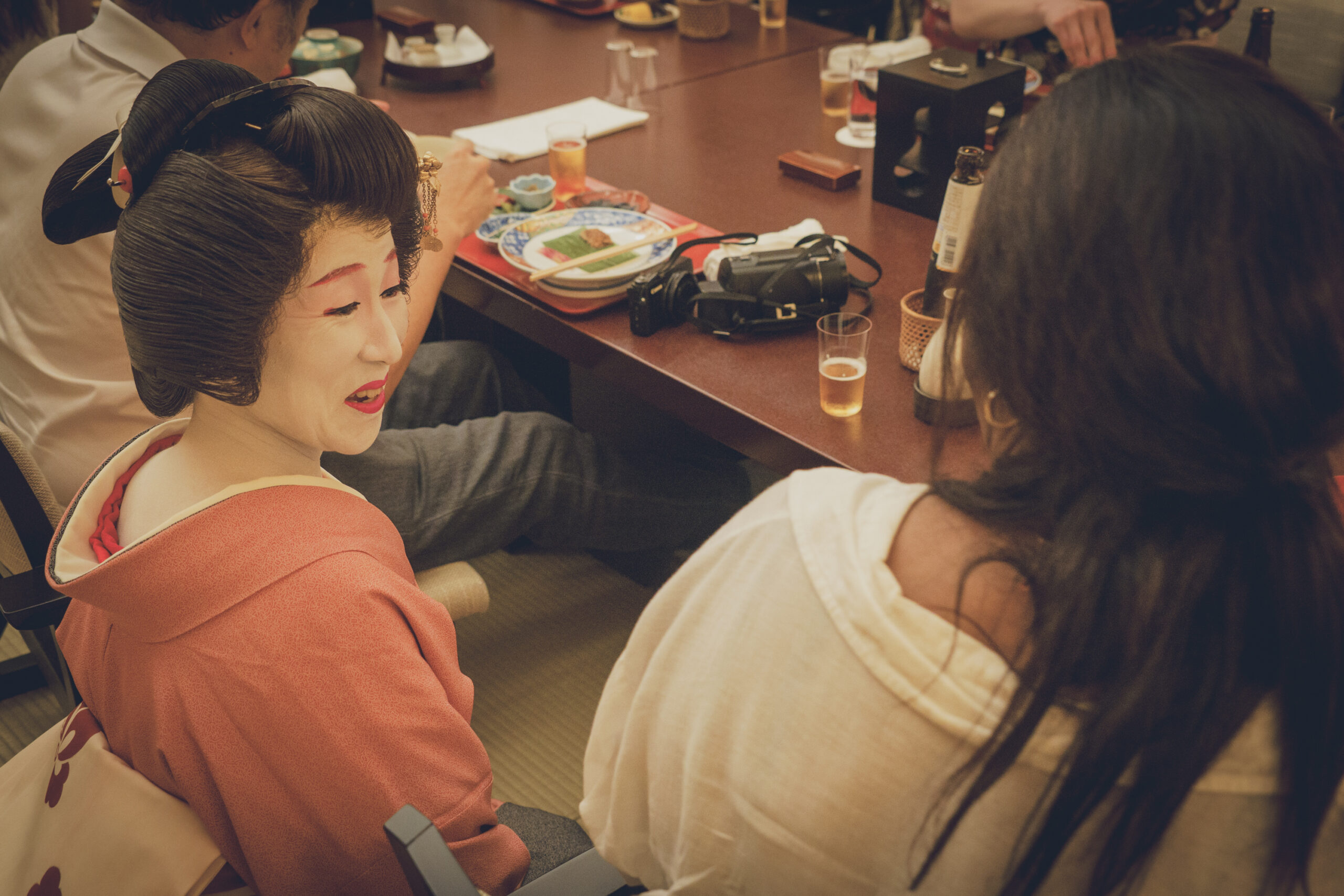
In Asakusa specifically, Miyakodori is the only machiai-chaya where guests can experience an authentic geisha banquet. Founded in 1950, Miyakodori offers a private dining and entertainment experience where skilled geisha perform traditional music and dance for guests. Meals are catered from renowned local restaurants, and English-speaking staff ensure that international visitors can fully participate in this remarkable cultural experience. Dietary options including halal-friendly bento are available with five days’ advance notice.
The Korean gisaeng were performers who occupied a similar social space historically, trained in poetry, music, and dance to entertain aristocratic male guests during the Joseon dynasty. Like geisha, they were not courtesans, despite frequent historical mischaracterization. However, unlike the geisha tradition, the gisaeng system did not survive into modernity as a living cultural institution. Some Korean folk performance traditions continue to honor their legacy, but there is no active gisaeng community in the way that the geisha community persists in Japan.
For a deeper understanding of the geisha world in Asakusa, explore the karyukai — the flower and willow world that geisha inhabit.
Business Culture: Relationships and Hierarchy in the Workplace
Business culture is another arena where the differences between Japan and South Korea become particularly apparent.
Japanese business culture is known for its meticulous attention to detail, hierarchical decision-making, and an emphasis on building long-term relationships, or ningen kankei. Business cards, or meishi, are exchanged with great ceremony: presented with both hands, received respectfully, and never written on or shoved into a pocket. Age and seniority play a crucial role in workplace dynamics, and decisions typically move upward through the hierarchy before being approved.
South Korean business culture, while also hierarchical, operates with a greater sense of speed and urgency, driven in part by the enormous influence of large conglomerates known as chaebol, such as Samsung, Hyundai, and LG. Quick decisions, aggressive timelines, and intense work ethics are hallmarks of Korean corporate culture. Building personal rapport, known as kibun, or the mood and atmosphere of a relationship, is essential before business can truly begin. Hospitality through shared meals and evenings out remains central to professional relationship-building.
Conclusion
Japan and South Korea are two fascinating nations with deeply layered cultural identities. Their shared Confucian foundations have led to different expressions of social hierarchy, communication, spirituality, and artistic tradition. For curious travelers, understanding these distinctions not only enriches a visit to either country but also provides a gateway into the broader tapestry of East Asian culture.
For those seeking to experience Japan’s living arts traditions firsthand, a private geisha banquet at Miyakodori in Asakusa offers one of the most immersive cultural experiences in Tokyo. Founded in 1950, Miyakodori is the only machiai-chaya in Asakusa, welcoming international guests to witness and participate in the world of geisha. Learn more about what it means to be a geisha in Japan, or explore the ultimate guide to geisha in Japan.
Book a Private Geisha Banquet in Asakusa
Step into the world you just read about. Miyakodori’s ozashiki is open to international visitors — geisha performance, traditional cuisine, English support, and an experience found nowhere else in Tokyo.
Request a ReservationPrefer email? Reach us at [email protected]
Frequently Asked Questions
- Q: What is the main cultural difference between Japan and South Korea?
- While both countries share Confucian roots, Japan tends toward indirect communication and social harmony (wa), while South Korea leans toward more direct expression and emotional warmth. Japan also has a unique blend of Shinto and Buddhist practices, while South Korea has seen significant growth in Christianity.
- Q: Are geisha still active in Japan today?
- Yes. Geisha are professional performing artists who continue to train and perform in hanamachi, or flower districts, across Japan. In Tokyo’s Asakusa district, the geisha tradition remains actively practiced. Geisha are not historical figures but contemporary artists committed to preserving classical Japanese culture.
- Q: Can foreign visitors experience a real geisha banquet in Tokyo?
- Yes. Miyakodori in Asakusa is the only machiai-chaya in the district, founded in 1950, and welcomes international guests to authentic ozashiki geisha banquets. These private experiences feature geisha performing traditional music and dance, with meals catered from local restaurants. English support is available.
Sources
- Asakusa Kenban (Geisha Association): asakusa-kenban.or.jp
- PR Times – Miyakodori Asakusa: prtimes.jp
- Asakusa Tourism Federation: asakusa.or.jp
- Tokyo Metropolitan Government – Traditional Arts: metro.tokyo.lg.jp


- Traditional Japanese Culture Experience: A 2026 Travel Guide
- Authentic Geisha Outfit Guide: Traditional Japan Costume Arts
Best Geisha Experiences in Japan: A Complete Guide for 2026
Welcome the New Year at Tokyo Tower: The Complete 2026 First Sunrise Guide (Official Information Included)
Tokyo Experience Gifts: Unforgettable Cultural Gift Ideas in Japan
Japanese Culture Events: A 2026 Guide to Festivals and Traditions for International Travelers
Enjoy Autumn in Asakusa! Recommended Food Walk & Momiji Model Course with Kimono
Geisha in Tokyo: The Complete Experience Guide
Comment ( 0 )
Trackbacks are closed.
No comments yet.