



Authentic Geisha Outfit Guide: Traditional Japan Costume Arts
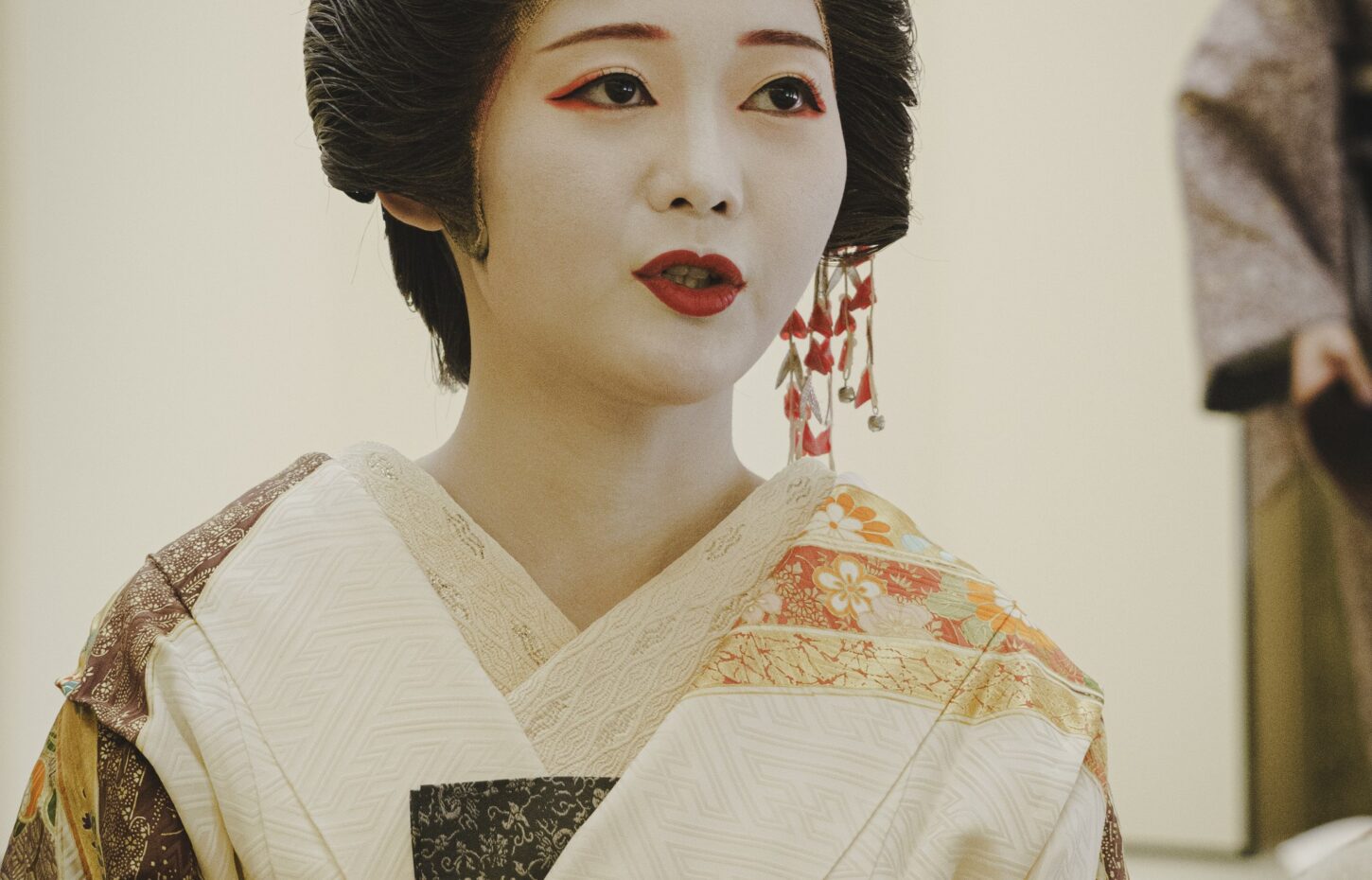
In Asakusa, an established geisha (an ippon) often wears a hikizuri, a kimono long enough to trail along the floor. Her most formal dress is the black hikizuri with five crests, which she wears in January and on special occasions. A hangyoku, the Tokyo counterpart of the Kyoto maiko, wears a furisode with long sleeves and keeps the hem tucked up at the hip, so it does not trail.
We are Miyakodori, the only machiai-chaya in Asakusa: a teahouse where geisha are called to entertain at private ozashiki (a private gathering with geisha). Our okami (proprietress), Chikage, debuted as a hangyoku in Asakusa in 1969, at fifteen, and worked as a geisha for 27 years. What follows comes from Chikage and from our third-generation proprietor, and it describes dress as it is worn in Asakusa today.
The Geisha Outfit at a Glance
The table compares three kinds of dress: a hangyoku’s, an ippon’s black hikizuri, and what an ippon wears to an ordinary ozashiki.
| Part | Hangyoku | Ippon, black hikizuri | Ippon, ordinary ozashiki |
|---|---|---|---|
| Kimono | A furisode with long sleeves and shoulder tucks (kataage) | A black hikizuri with five crests: chest, sleeves and back | Not black. Often a hikizuri in another color; it varies by geisha and by occasion |
| Hem | Tucked up at the hip (hashori), so it does not trail | Trails along the floor and narrows toward the bottom | Many geisha trail it, dancers especially |
| Obi | Koken-musubi, a flat knot set high on the back | Usually yanagi-musubi, with no obijime | Usually taiko-musubi, the drum knot; colors and patterns vary, and the obijime is a braided cord (kumihimo) |
| Hair and ornaments | Momoware, usually a wig, with flower kanzashi | Taka-shimada (sometimes tsubushi), tortoiseshell comb, kogai and kanzashi, a red-and-white motoyui | Nihongami or yōhatsu, depending on the guest (jikata: yōhatsu); a simple comb and kanzashi |
Each term is explained in the sections below.
What a Hangyoku Wears
A hangyoku is a geisha in training. Kyoto calls this stage maiko; Tokyo calls it hangyoku. Her dress is meant to look young: a furisode with long sleeves, and the shoulder tucks (kataage) that a child’s kimono has.
In Tokyo the hangyoku tucks the hem of her kimono up at the hip (hashori), so it does not trail. A Kyoto maiko lets the hem trail and wears the long darari obi. In Asakusa the hangyoku ties her obi in koken-musubi, a flat knot set high on the back. Her collar is sometimes red and sometimes white.
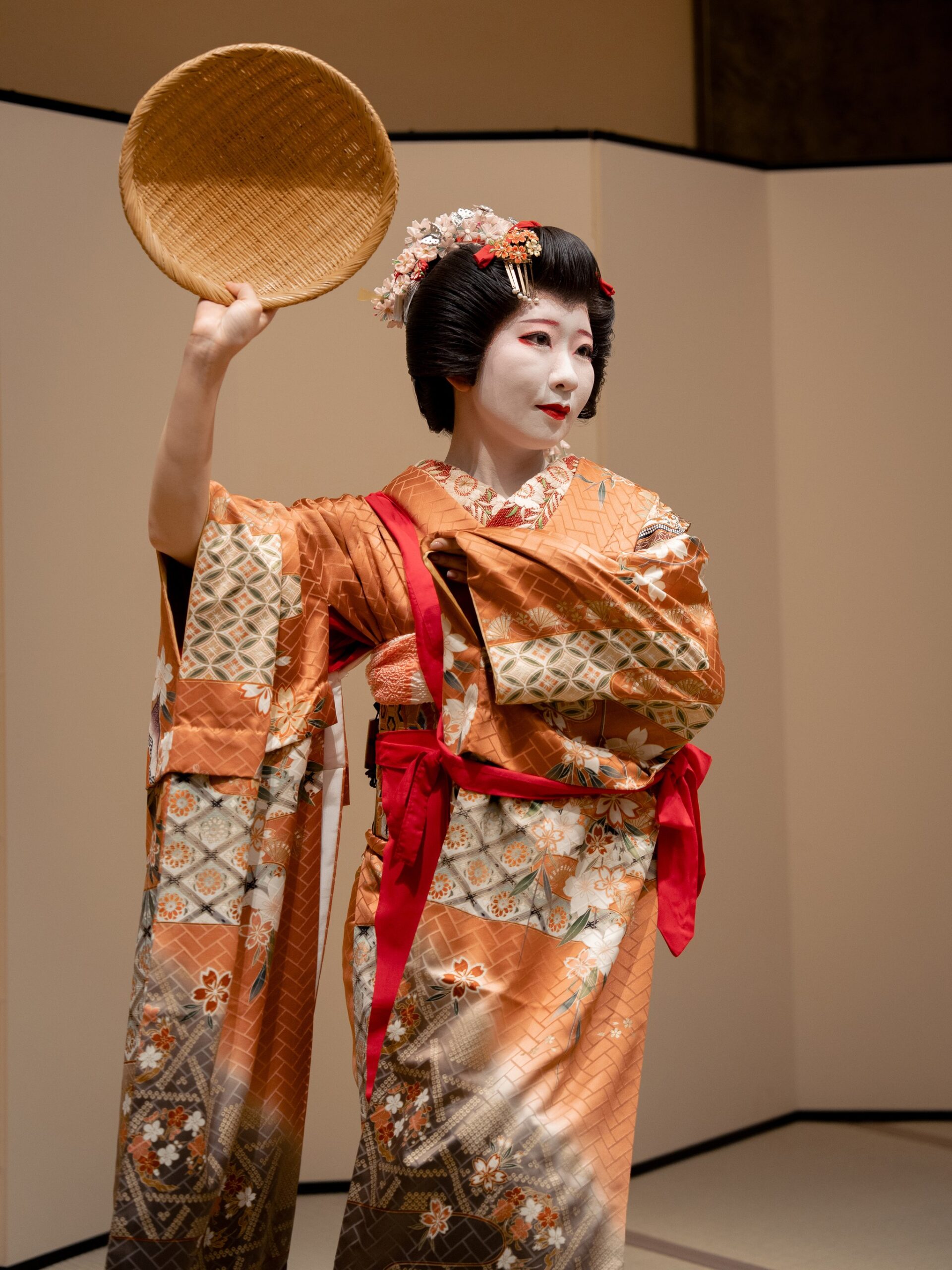
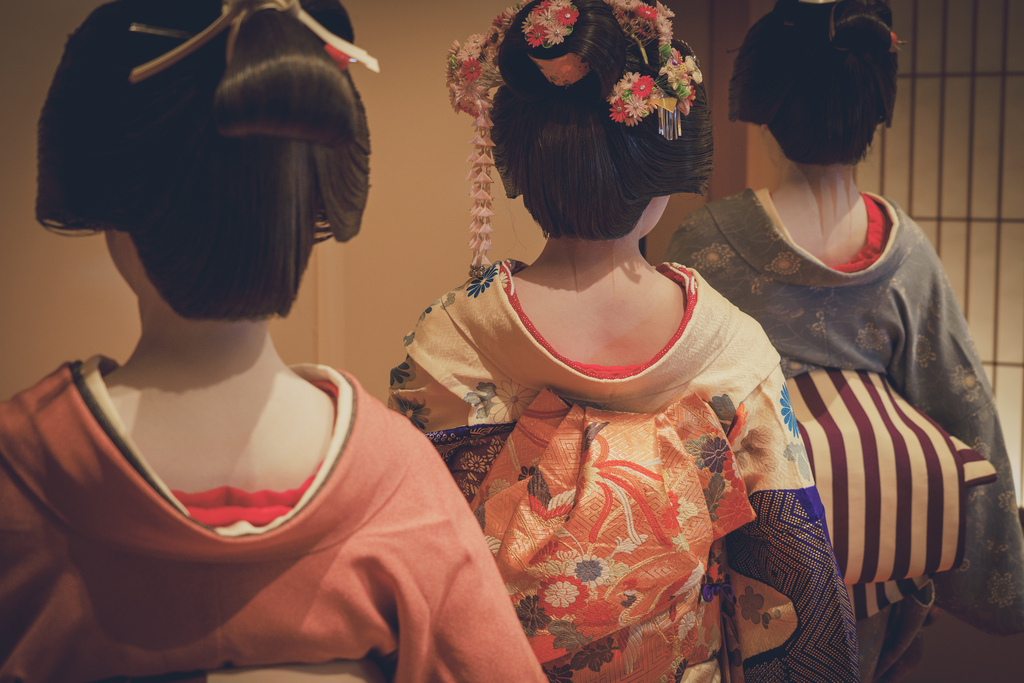
Her hair is set in momoware, a shape like a split peach, usually as a wig, and carries flower kanzashi. For the stages in detail, see Maiko vs Geisha: The Differences.
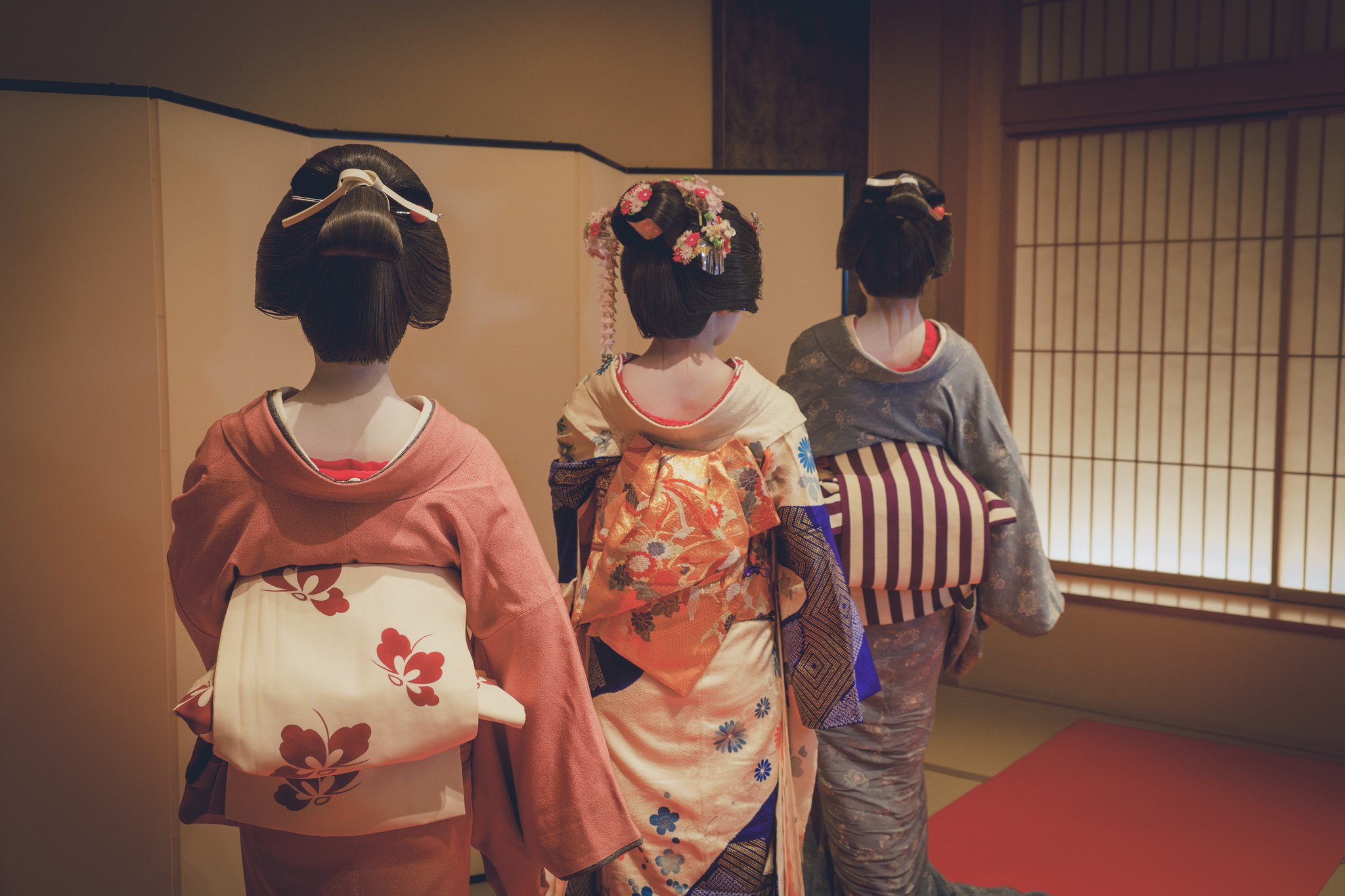
The Black Hikizuri, the Most Formal Geisha Kimono
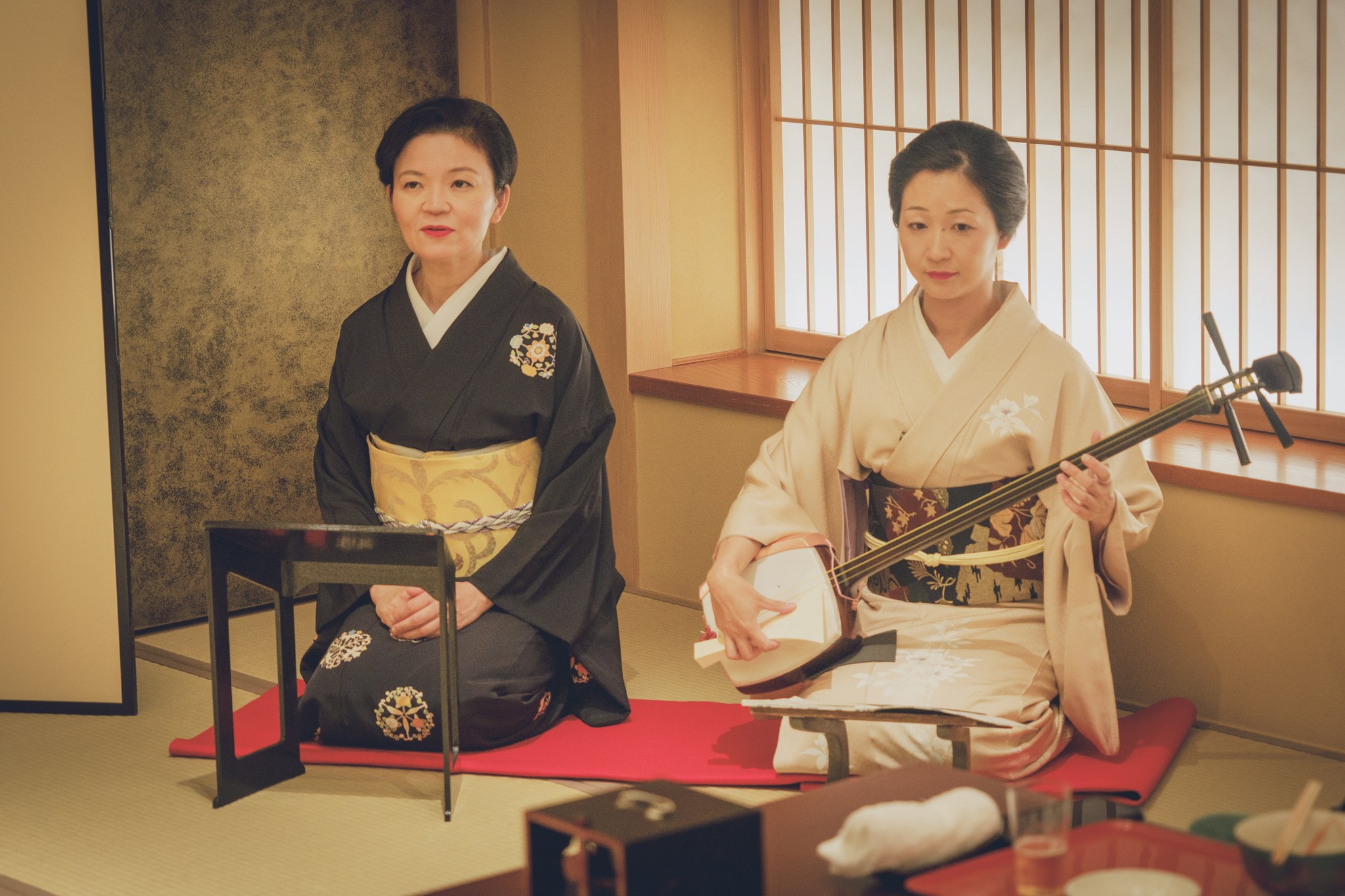
The black hikizuri is an ippon’s most formal dress. As a rule, she wears it in January, on auspicious occasions and for special scenes, and not to an ordinary ozashiki. It has five crests: two on the chest, two on the sleeves and one on the back. Five crests are the most formal count, in ordinary kimono as well. The crest is that of her own okiya, the geisha house she belongs to; it is not Miyakodori’s.
A hikizuri is cut long enough for the hem to drag along the floor. It is heavy and expensive, and it takes practice to walk in, so it is a dress for experienced geisha. On a black hikizuri the hem narrows toward the bottom. In the geisha world, a hem that spreads out instead is said to have become an andon, and it looks wrong.
As a rule, the obi is tied in yanagi-musubi, the willow knot, and no obijime (the cord tied over the obi) is worn. In the karyukai, the flower and willow world, “yanagi no obi” simply means this obi. It is a Tokyo expression, and Kansai does not use it.
The knot looks a little like a cross, and that look is considered iki, the Edo word for crisp, unfussy chic. Chikage’s own impression is that Edo, and so Tokyo, dresses for iki, where Kyoto aims for hin, refinement.
January: from Black to Iro-gawari
January is the month of the black hikizuri. The geisha wear it until about the middle of the month. For the rest of January they wear iro-gawari, the “change of color”: a hikizuri in a color other than black (a tsukesage), with three crests, on the two sleeves and the back. At New Year, hangyoku and ippon alike also put an inaho kanzashi, a spray of rice ears, in their hair.
What Geisha Wear to an Ordinary Ozashiki
At an ordinary ozashiki an ippon wears a kimono of another color, and it is often still a hikizuri. What she chooses differs from one geisha to the next and from one occasion to the next.
Many geisha let the hem trail at an ordinary ozashiki too, dancers especially.
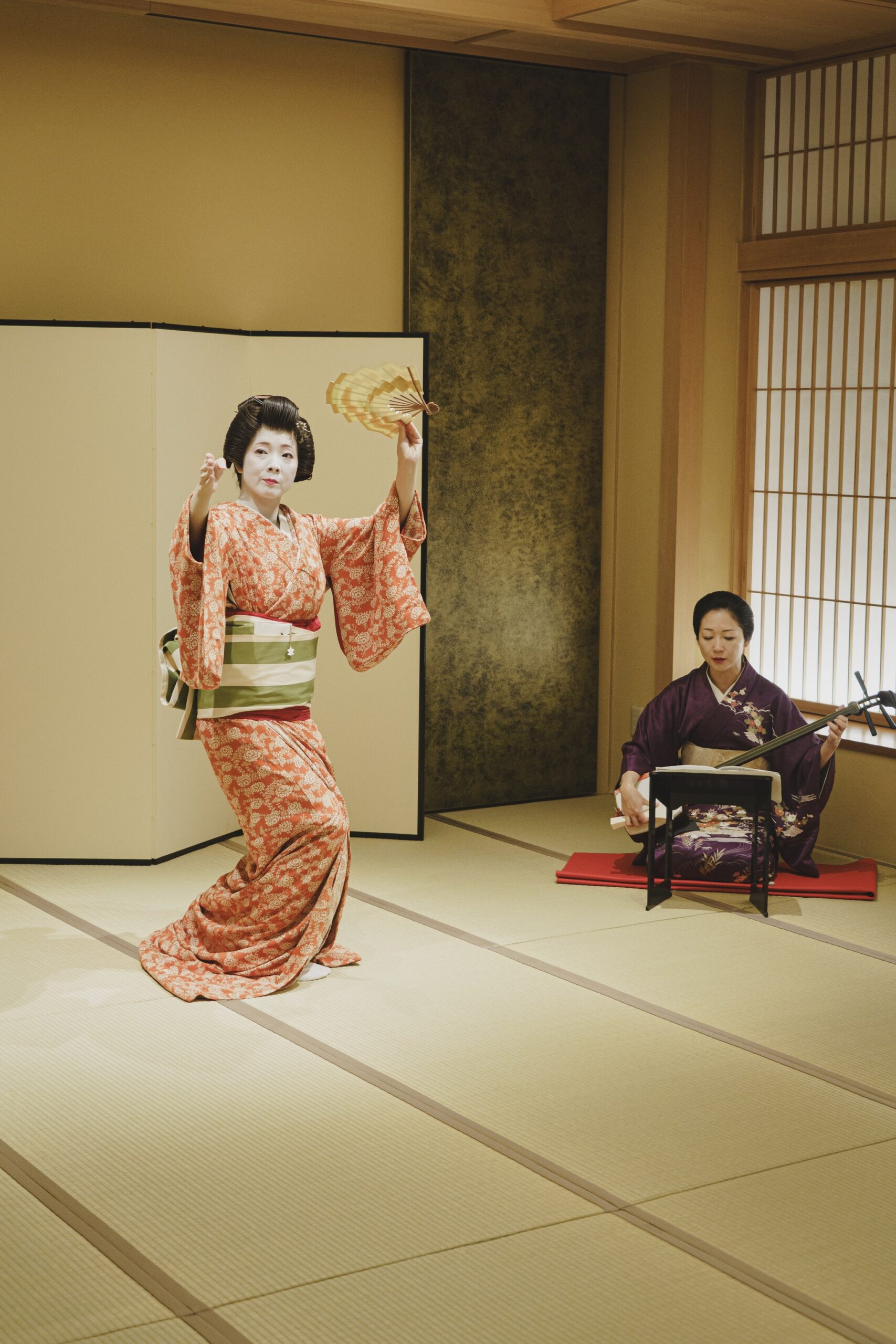
For an ordinary ozashiki the obi is usually tied in taiko-musubi, the drum knot. The obijime is still a braided cord, a kumihimo. Rings and watches come off before an ozashiki; wearing them in the room is against the rules. A geisha does not change kimono partway through an ozashiki either. That used to happen, but not today.
See Geisha Dress at a Private Ozashiki in Asakusa
Sit in the same room as the geisha at a private ozashiki (a private gathering with geisha), with live shamisen and dance. First-time and overseas guests are welcome, without an introduction.
Request a ReservationHair, Combs and Kanzashi
In Asakusa, hangyoku and ippon alike usually wear wigs (katsura) for nihongami, the traditional hairstyles. What the dancers wear in their hair depends on the guest. At a first-time guest’s ozashiki they mostly come in nihongami with white makeup; guests who know the house often see a yōhatsu, an updo, and no white. The jikata, who play the shamisen and sing, wear yōhatsu.
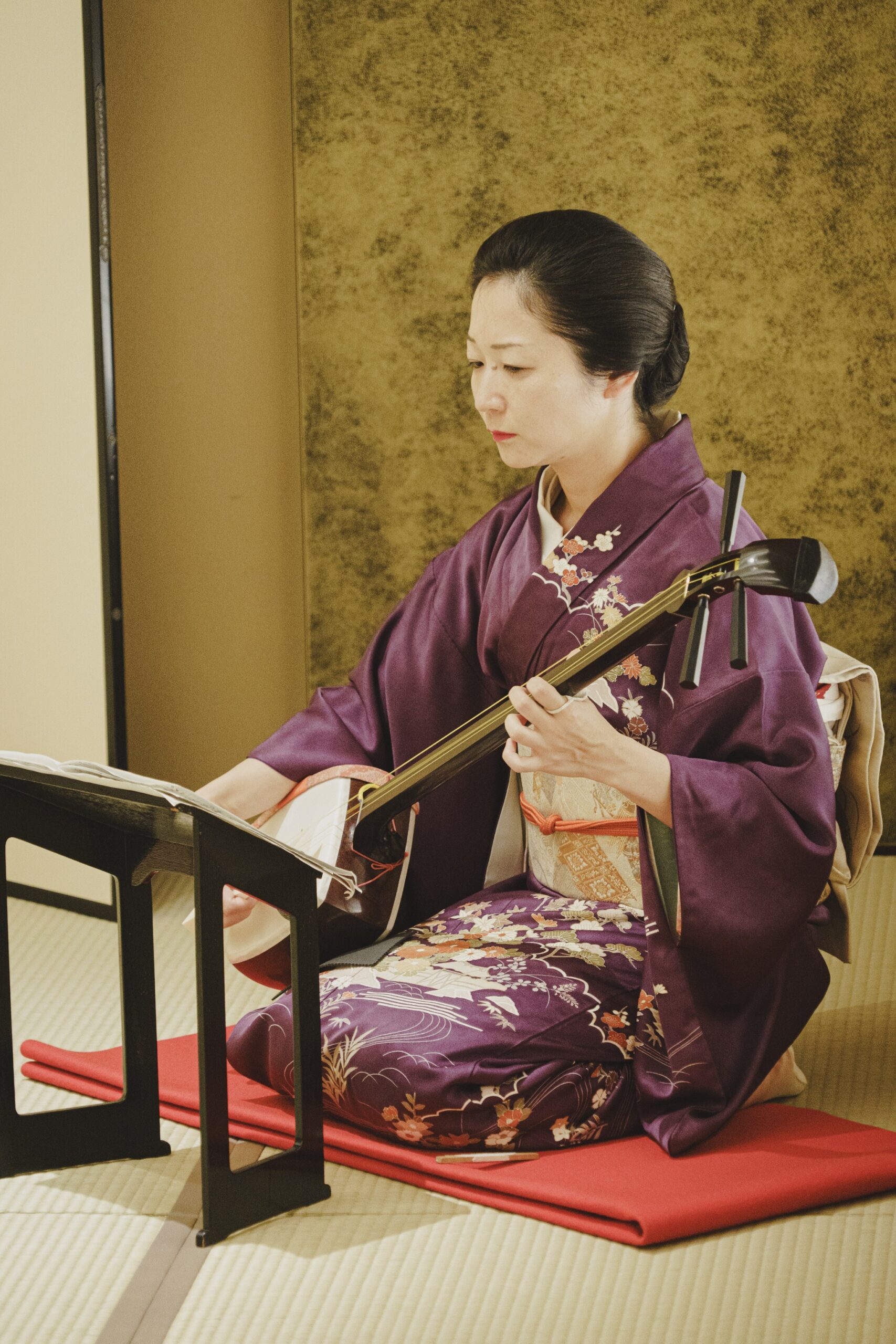
The shape of the nihongami follows the career. A hangyoku wears momoware. An ippon wears taka-shimada, and as the years go by she may switch to the lighter tsubushi. Despite its name, a taka-shimada is often set at a medium height.
With the black hikizuri, the hair carries a tortoiseshell comb, a kogai (a bar that passes through the chignon and shows on both sides) and a kanzashi, and a red-and-white motoyui is tied at the base of the chignon. In the geisha world, motoyui is read “mottoi”.
An ippon’s ornaments are plain, our proprietor says. Her comb is not wide, and she sometimes chooses kanzashi that have aged and no longer shine, on purpose, so that they do not stand out in the room or catch the stage lights. Kanzashi set with a coral or jade bead are still used today. A hangyoku wears bright flower kanzashi instead.
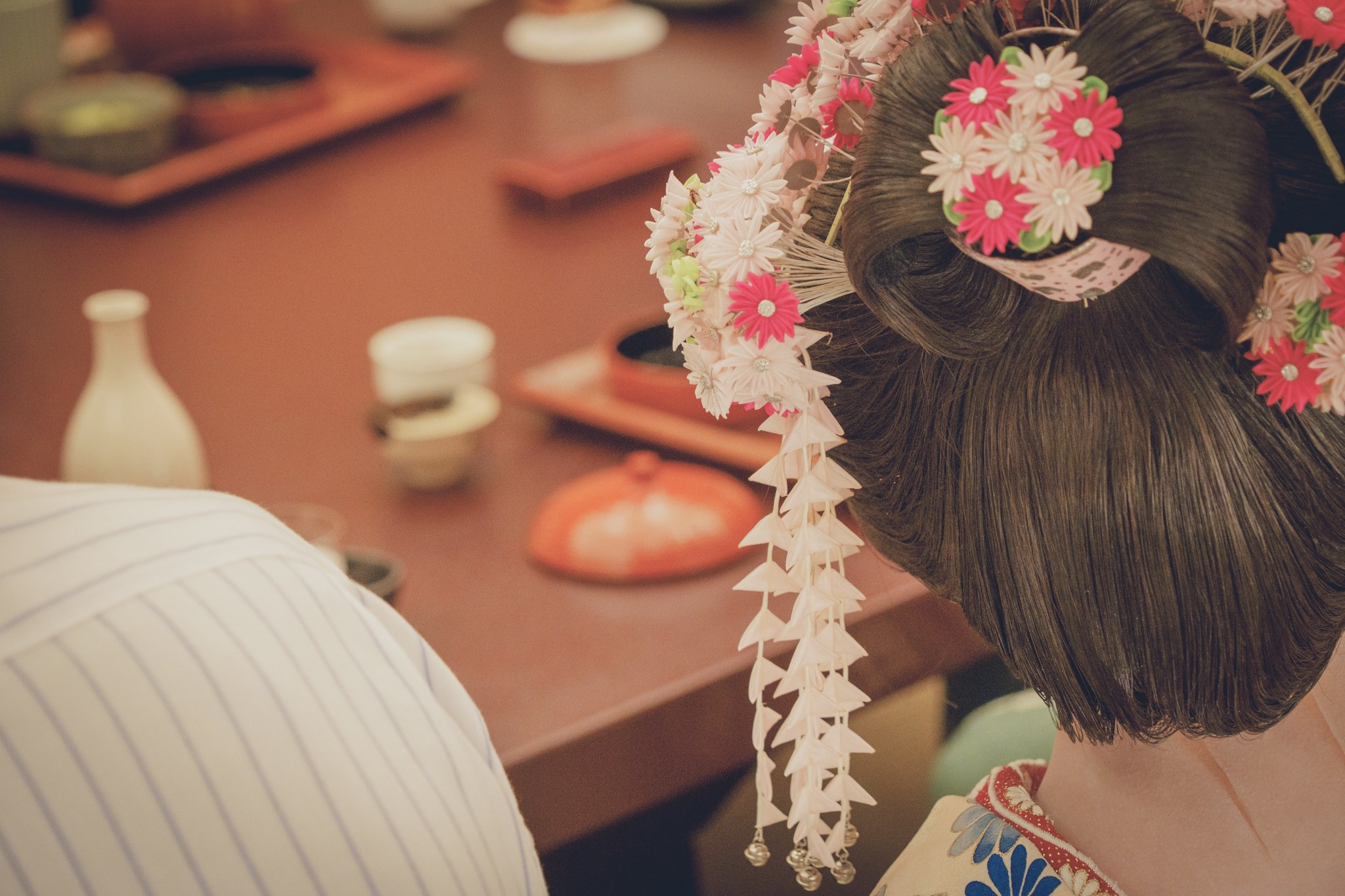
Makeup follows the hair: with nihongami there are no false eyelashes and no blue or glittery eyeshadow. For more, see our guide to traditional geisha makeup.
Zori, Pokkuri and Tabi
Outdoors, an ippon usually wears zori, flat sandals, and now and then geta, wooden clogs. A hangyoku wears pokkuri, tall wooden clogs left as pale, unpainted wood, with a small bell inside the base that rings with every step. Indoors, both wear pure white tabi, the split-toe socks.
The full outfit as it is actually worn, not posed for a photo studio: an Asakusa geisha on the street in Tokyo, on the way to an engagement.
How a Geisha Gets Dressed
Getting ready takes 30 minutes to an hour. Putting on the kimono itself takes about 20 minutes, and a trainee needs around an hour and a half in all.
In Asakusa today, a hikizuri is mainly dressed by a hakoya, one of the men who traditionally carried a geisha’s shamisen case (our guide to the hakoya tells their story). Before the ozashiki, our okami looks over each geisha: the line of the collar, any slack in the kimono, whether the under-kimono or a cord shows, and where the comb and kanzashi sit.
A kimono that shifts during the ozashiki is not fixed in front of the guests. The geisha steps out of the room to put it right, and sometimes Chikage does it for her.
The Left-Over-Right Rule
Every kimono is worn with the left side over the right. Right over left is how the dead are dressed for a funeral, so the correct wrap is a sign of the living. A black kimono and a cream one are wrapped the same way.
Kimono Through the Year
The kimono changes with the season, and so do the dances, the flowers and the meals. As a rough guide, a lined kimono (awase) is worn from about October into spring, an unlined one (hitoe) in June and September, and thin silk such as ro in July and August. The collar piece (haneri), the obiage and the under-kimono change with them. These months are an approximation, not a fixed rule.
See the Geisha Outfit in Asakusa
At one of our ozashiki you sit in the same room as the geisha, close enough to see the kimono move as they dance.
The geisha who come to our ozashiki are independent artists. Each belongs to an okiya and is registered with the Asakusa kenban, the district’s geisha office. For the wider world they work in, see our guides to the karyukai and to what a hanamachi is.
If you would like to see the black hikizuri, please ask us before your visit. It is the dress of a fully fledged geisha, so young geisha do not own one, and not every geisha can wear it for you. We cannot always say yes: it depends on the time of year and on the geisha’s availability, and an additional fee applies.
To learn more about the full geisha experience at Miyakodori, see Geisha Experience in Tokyo: Private Ozashiki in Asakusa. For the history and training behind the dress, see Geisha Culture in Japan: History, Training, and Modern Experiences, or the Asakusa Geisha Encyclopedia.
Request an Ozashiki in Asakusa
A private ozashiki at our teahouse, for your group alone, with dance to live shamisen. First-time and overseas guests are welcome, without an introduction.
Request a ReservationFrequently Asked Questions
What does a geisha wear?
In Asakusa, an established geisha (an ippon) often wears a hikizuri, a kimono with a hem long enough to trail along the floor, tied with an obi. Black with five crests is her most formal dress, for January and special occasions; at an ordinary ozashiki she wears other colors. A hangyoku wears a furisode with long sleeves and the hem tucked up at the hip.
What is the difference between geisha and maiko dress?
A maiko is the Kyoto counterpart of the Tokyo hangyoku. A Kyoto maiko lets her hem trail and wears the long darari obi. A Tokyo hangyoku wears a furisode with the hem tucked up at the hip (hashori), so it does not trail, and ties her obi in koken-musubi, a flat knot set high on her back. An established geisha wears a kimono with shorter sleeves and often trails the hem.
Why do geisha wear black kimono?
Our okami says a black kimono with crests is a geisha’s most formal dress. The black hikizuri has five crests, the most formal count in any kimono. As a rule, an ippon wears it in January, on auspicious occasions and for special scenes, and not to an ordinary ozashiki. It is the mark of a fully fledged geisha, so young geisha do not own one.
What is the left-over-right rule in kimono dressing?
The left side of a kimono is always placed over the right. Right over left is how the dead are dressed for a funeral, so wearing a kimono left over right is a sign of the living. Geisha wrap every kimono this way.
Who dresses a geisha?
In Asakusa today, a hikizuri is mainly dressed by a hakoya, one of the men who traditionally carried a geisha’s shamisen case. Before the ozashiki, our okami checks the collar, the kimono, the cords, and the comb and kanzashi.
How long does a geisha take to get ready?
Getting ready takes 30 minutes to an hour, and putting on the kimono itself takes about 20 minutes. A trainee needs around an hour and a half.
Do geisha change kimono during an ozashiki?
Not today. A change of outfit partway through used to happen, but it does not now. If a kimono shifts, the geisha steps out of the room to put it right.
Do geisha own their kimono?
A geisha usually has her own hikizuri made at some point, but not every geisha owns one. A hikizuri is heavy and expensive. Some okiya also rent out kimono.
Can I see geisha in traditional dress in Tokyo?
Yes. Geisha come to private ozashiki at Miyakodori in Asakusa, and you sit in the same room as they dance and play the shamisen. You can request a reservation through our online reservation form.
Sources
- Press release regarding Asakusa Miyakodori and its traditional machiai-chaya experiences. PR Times. https://prtimes.jp/main/html/rd/p/000000001.000165250.html
- Information on the history of Asakusa as an open flower town and Miyakodori store details. Asakusa Norenkai. https://asakusa.gr.jp/jp/?p=385
- Feature article on Asakusa tourism appeal and the history of Tokyo flower towns. Tokyo Metro. https://www.my.metro.tokyo.lg.jp/w/000-20240711-43128106
- Details concerning the training and culture of Asakusa geisha. Asakusa Kenban. https://asakusakenban.com/


- Japanese vs Korean Culture: Social Differences, Arts and Traditions
- Japanese Culture and History: A Complete Guide for International Travelers
Geisha Etiquette in a Tatami Room: What to Know Before You Go
Celebrate the Start of 2026 in Asakusa — Your Complete Guide to a Perfect New Year’s Day
What is a Geisha House? An Ultimate Guide to the World of Okiya and Ochaya (2026 Edition)
【2025 Edition】Recommended for Foodie Walks! Autumn Asakusa Gourmet & Sweets
The Best Kakigori in Asakusa: Top Shaved Ice Shops & Visitor Guide
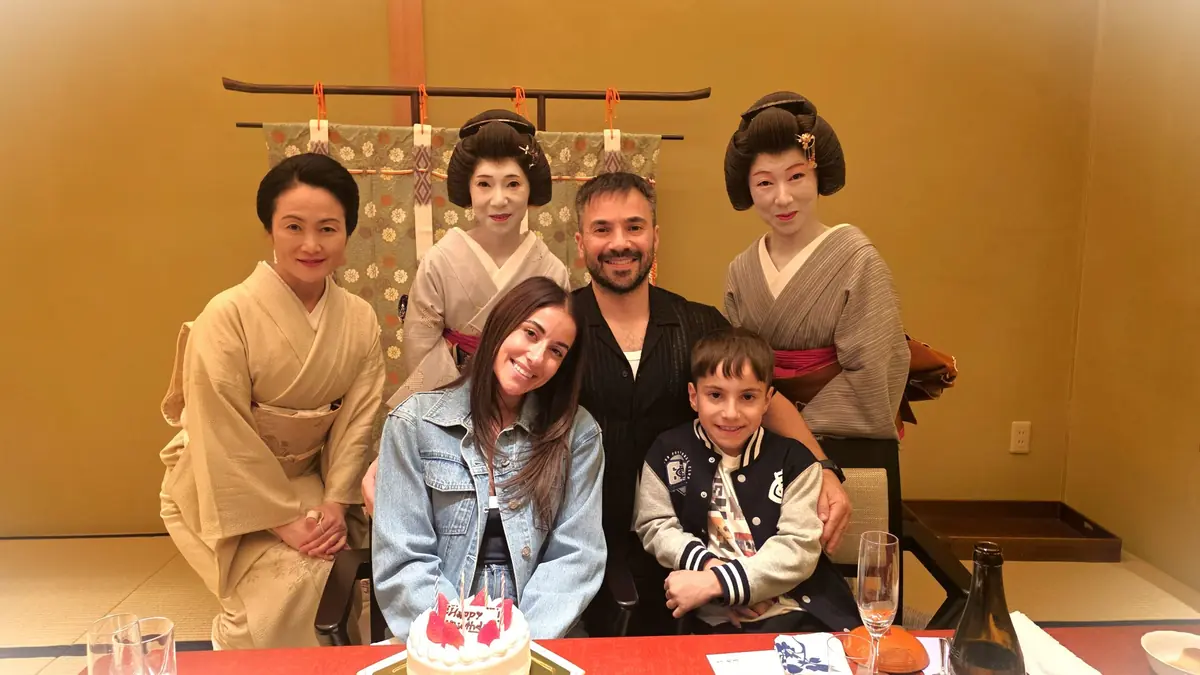
Geisha Experience in Tokyo: Private Ozashiki in Asakusa
Comment ( 0 )
Trackbacks are closed.
No comments yet.