



Best Geisha Experiences in Japan: A Complete Guide for 2026
If you have ever dreamt of stepping into a world where time seems to slow down and every movement is a piece of art, then a geisha experience is likely at the top of your Japan travel list. As we move into 2026, the fascination with this ancient culture continues to grow, yet many travelers still find themselves confused about what a geisha truly is and where to find an authentic encounter. This guide is designed to peel back the curtain and show you the heart of Japanese hospitality, focusing on the refined elegance of Kyoto and the vibrant, welcoming spirit of Tokyo. You will discover how to navigate the narrow streets of historic districts, understand the complex layers of their art, and find out why a visit to Asakusa is the most unique option for modern visitors seeking a genuine connection to the past. This experience is about engaging with a living history that has survived through centuries of change.
What is a Geisha? Understanding the Heart of Japanese Art
A geisha is a professional Japanese performing artist trained in classical dance, the shamisen, song, and the art of hospitality, who entertains guests at private banquets called ozashiki. To appreciate the experience, we must first understand the person behind the white makeup. A geisha, or geiko as they are called in Kyoto, is not a relic of the past but a living, breathing practitioner of traditional Japanese arts. The word geisha literally translates to art person. These women spend years of their lives training in classical dance, the shamisen (a three-stringed instrument), tea ceremony, and the delicate art of conversation. In the modern era, they are the cultural ambassadors of Japan, preserving traditions that date back over 400 years to the Edo period. They are masters of atmosphere, ensuring that every guest feels like the most important person in the room.
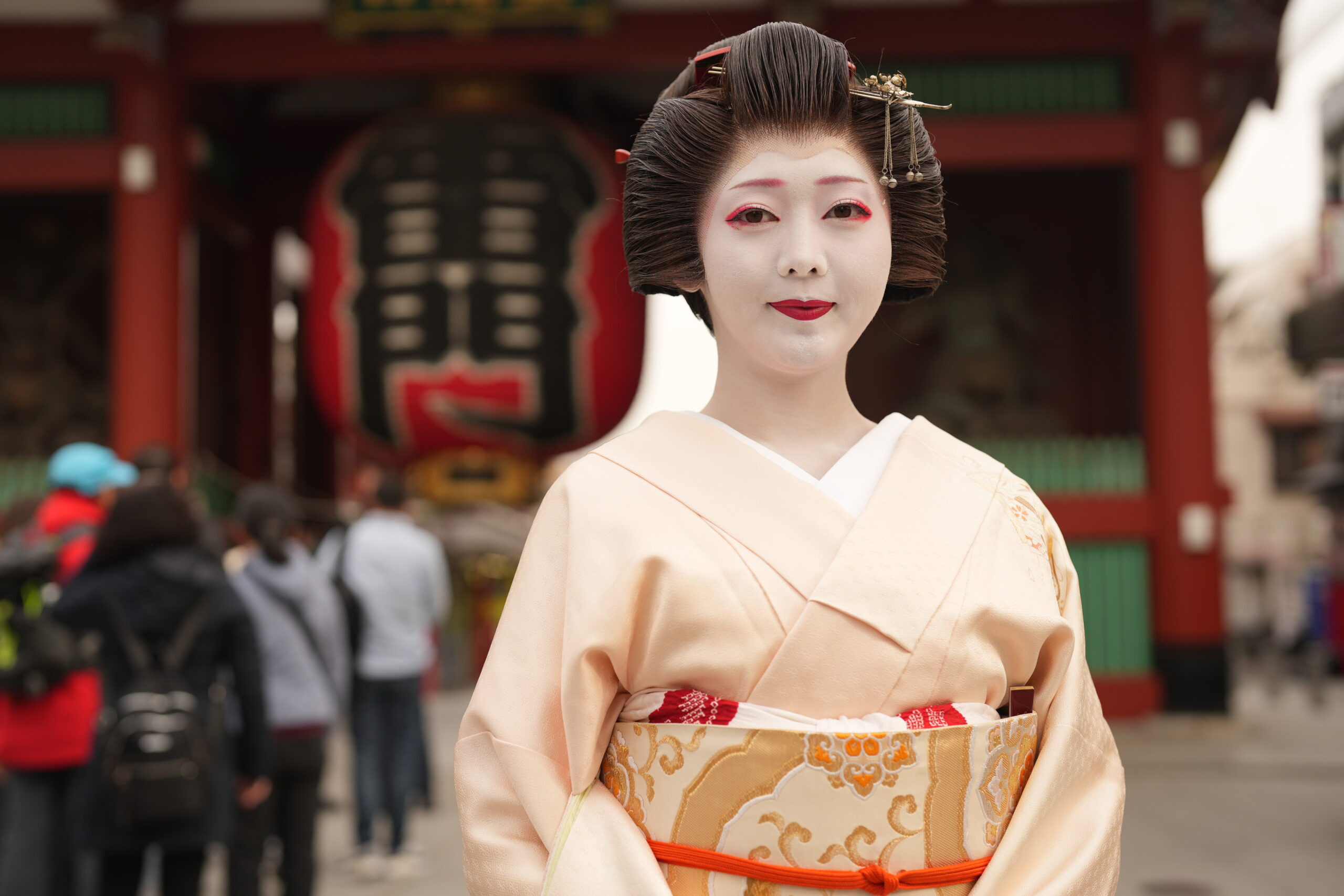
The history and evolution of geisha culture is a fascinating tale of adaptation and resilience. While its origins are often linked to the tea houses and entertainment quarters of the 1600s, the profession evolved into a sophisticated class of entertainers who were the trendsetters of their time. Today, they remain the guardians of Japanese tradition. In the early days, taikomochi — entertainers who preceded the geisha tradition — established the foundations of the art form, and by the late 17th century, women had entered and come to dominate the role, bringing a new level of grace and aesthetic beauty to the performance. Taikomochi continue to exist to this day as a distinct tradition within the world of Japanese banquet entertainment. The training is rigorous, involving daily practice and a deep study of seasonal poetry and social etiquette.
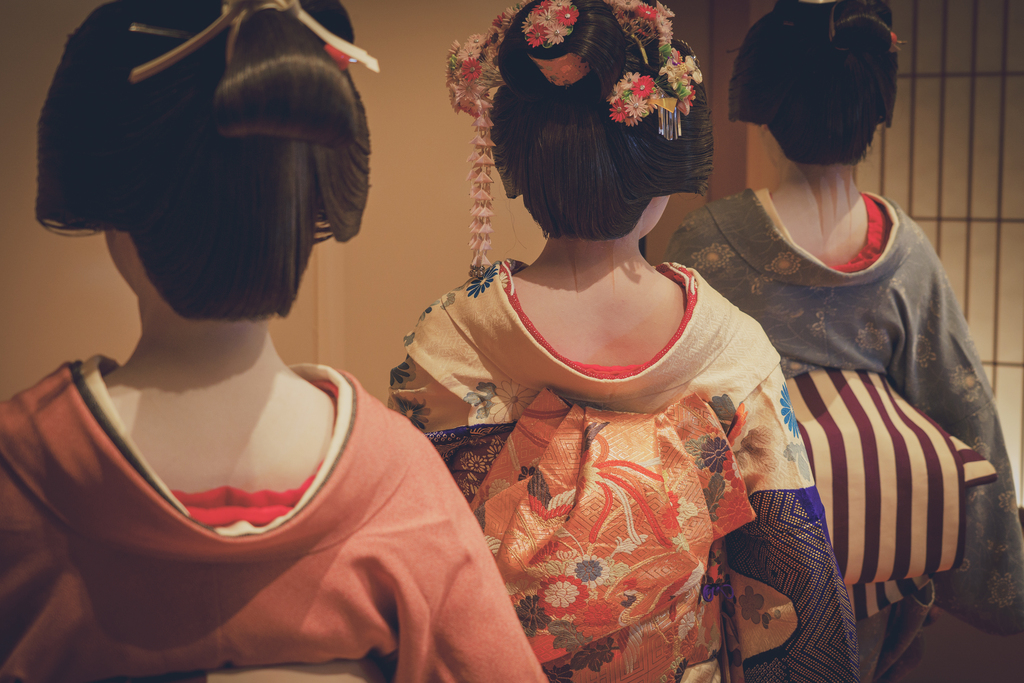
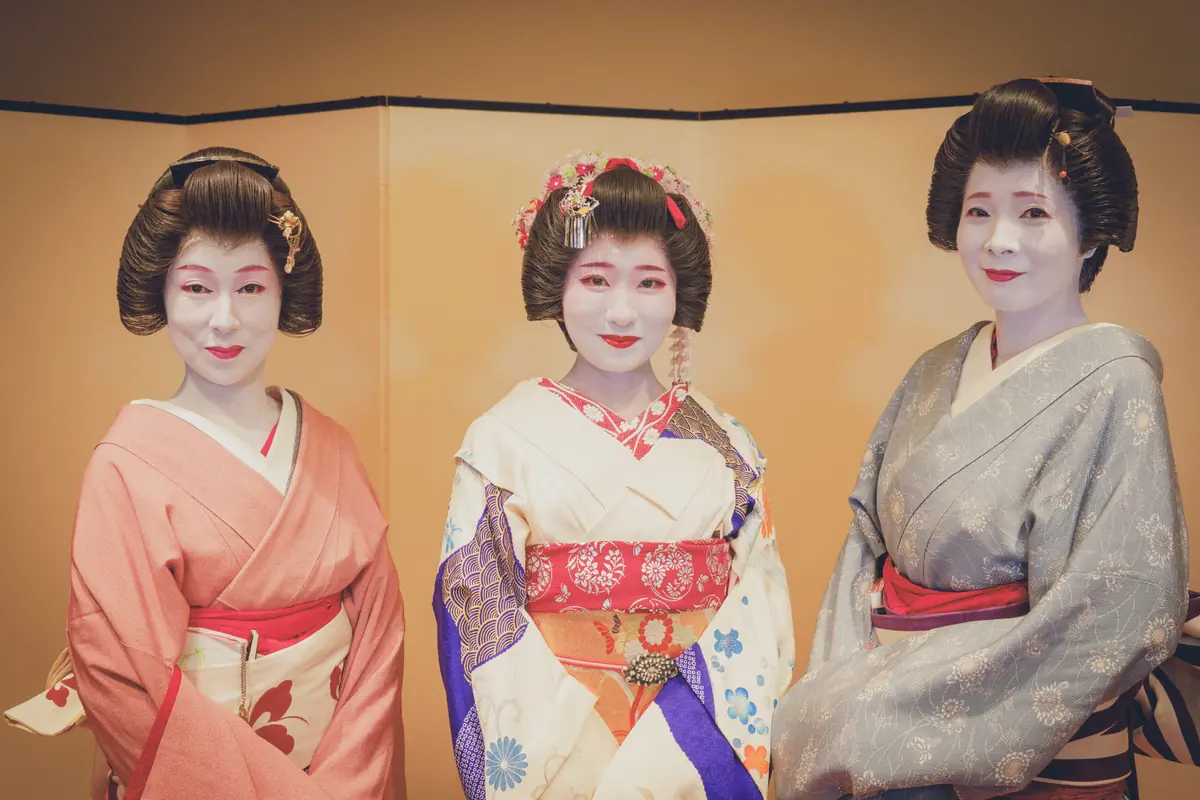
Understanding the stages within the geisha profession is essential for any traveler. In Kyoto, an apprentice is called a Maiko — a young woman, often in her late teens, who is still training in the arts and not yet a geisha. You can recognise her by her colorful kimono, long hanging sleeves, and elaborate hair ornaments that change with the months. In Asakusa, the stages are different: junior geisha are called hangyoku. They have already made their debut as geisha and later advance to ippon (senior geisha) status. Both hangyoku and ippon are fully-fledged geisha. A Geiko or Geisha, whether hangyoku or ippon, is a professional practitioner of traditional Japanese arts. Her mastery of dance, music, and conversation is the result of years of dedicated training. Traditionally they lived in a communal building called an okiya, where they learned the discipline and social skills required to represent their district with honor.
Where to Find Authentic Geisha Experiences in Japan
You can experience geisha culture across Japan, but the two leading destinations are Tokyo — above all the historic Asakusa district — and Kyoto. Asakusa offers a lively, welcoming iki (Edo chic) atmosphere where visitors are openly received, while Kyoto’s Gion and Pontocho embody a more formal, aristocratic miyabi (refined elegance).
When people think of geisha, Kyoto usually comes to mind first. Districts like Gion and Pontocho are famous for their narrow wooden streets and the sight of geiko hurrying to their appointments in the early evening. Kyoto’s culture is often described as miyabi, or refined elegance. It is deeply rooted in the traditions of the imperial court, offering a serene and somewhat exclusive atmosphere that feels very formal. Walking through Gion at dusk is like stepping into a movie set, but it can be crowded with tourists hoping for a fleeting photo.
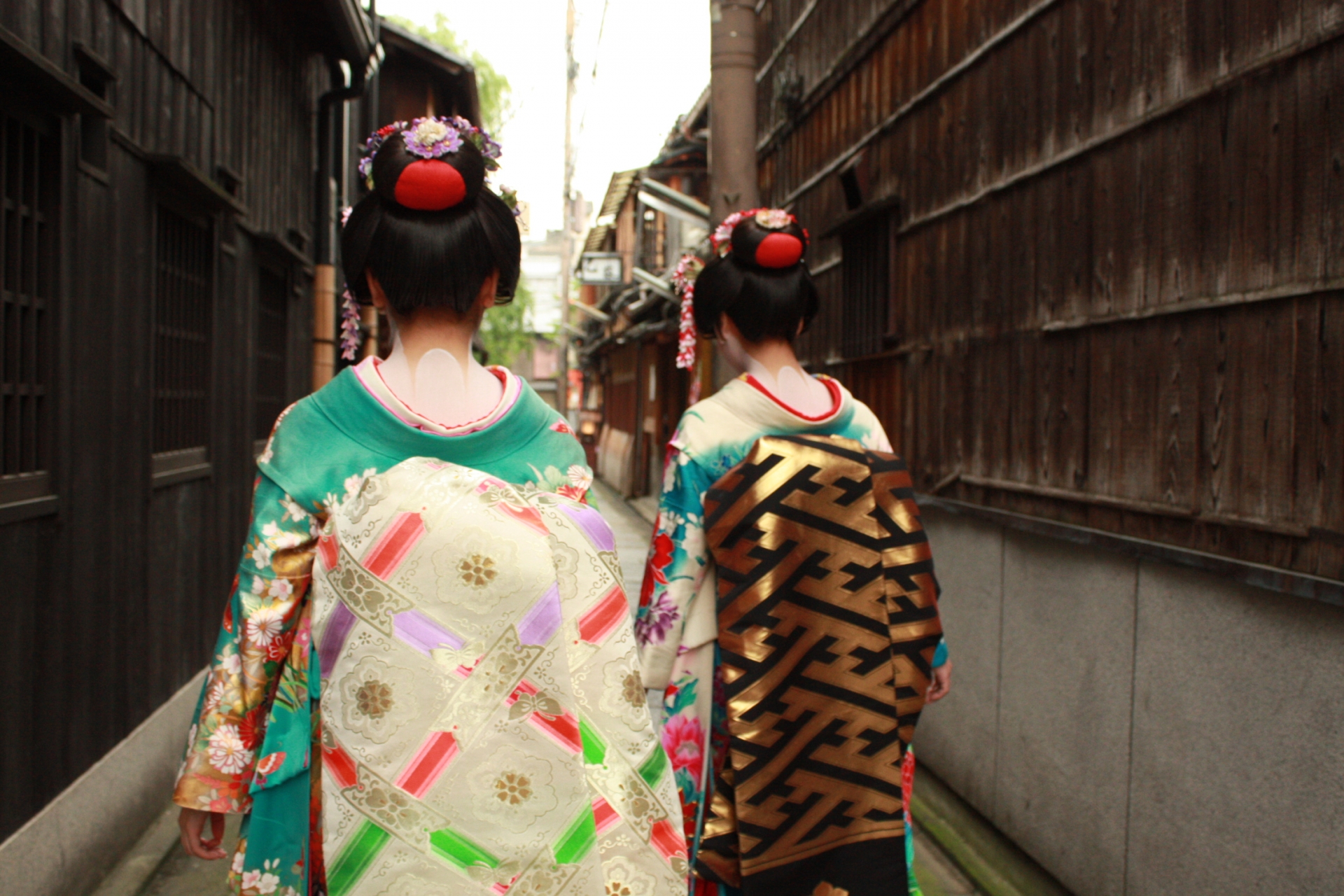
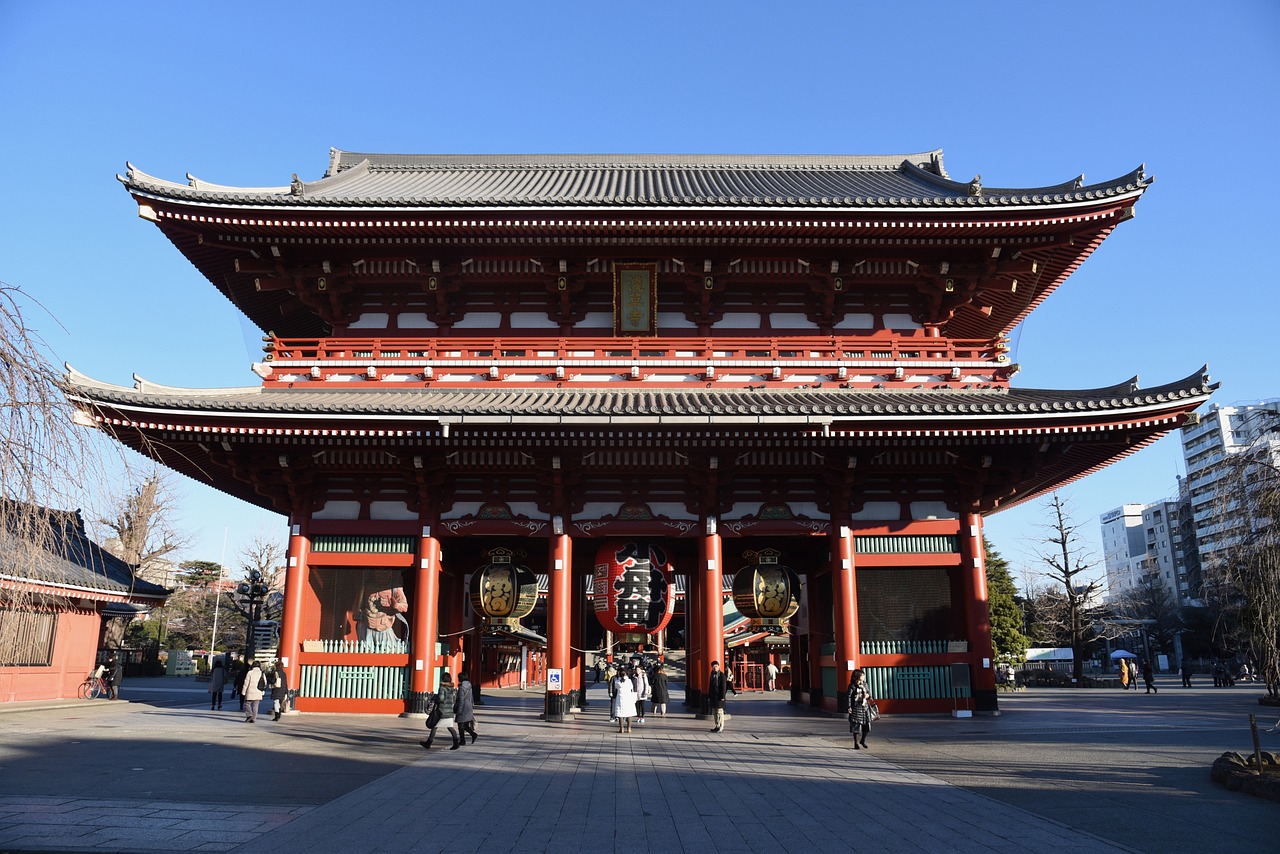
However, if you want to experience a different side of this world, you must look toward Tokyo, specifically the historic area of Asakusa. While Kyoto is aristocratic, Tokyo’s geisha culture is defined by iki, a word that translates to chic or stylish with a bit of a rebellious edge. This is the culture of the Edo period, where the merchant and samurai classes mingled. Asakusa is particularly special because it is known as an open geisha district. Unlike some areas in Kyoto where you might need a personal introduction from an existing customer to enter a high-end tea house, Asakusa has always been a place where the community protects and nurtures the arts while remaining welcoming to visitors from all walks of life. The atmosphere here is lively and historic, centered around the ancient Senso-ji Temple.
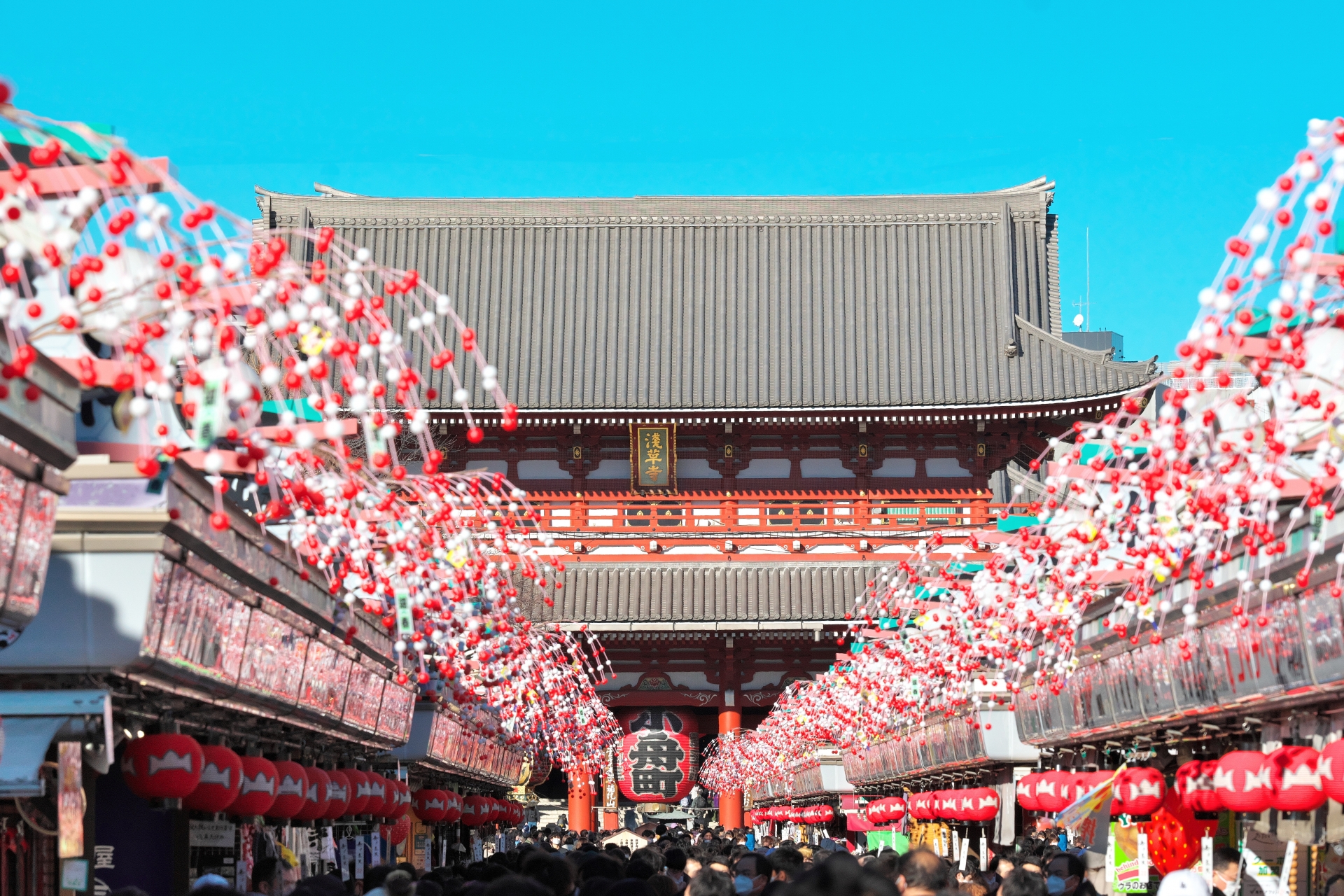
Beyond Kyoto and Tokyo, other regions like Osaka, Kanazawa, and Niigata also maintain geisha traditions. In Osaka, the history is tied to the merchant class, offering a slightly more boisterous and friendly interaction compared to the quiet dignity of Kyoto. Kanazawa’s Higashi Chaya district is stunningly beautiful and offers a more quiet, intimate vibe. However, for those seeking a deep connection to the history of old Tokyo, Asakusa stands apart. It is one of the few places where the local community still sees the geisha as an essential part of their daily life and major festival events. You’ll find that the local people are very proud of their geisha and work hard to keep the tradition alive for the next generation.
Experience an Authentic Geisha Banquet in Asakusa
Asakusa Miyakodori is the only remaining machiai-chaya in Asakusa — combining live shamisen music, traditional dance, and ozashiki (a private gathering with geisha) games in a private room. English interpretation included. Open to international guests with no introduction required.
Types of Geisha Experiences You Can Book
There are four main formats for experiencing geisha culture: a casual matcha gathering with geisha, a private dinner at a ryotei or ochaya, a large-scale public performance, and a makeover-and-photoshoot session. Which one suits you depends on your interests and budget — you can choose a simple matcha gathering or go for a full evening of entertainment that includes a multi-course meal.
Matcha with Geisha
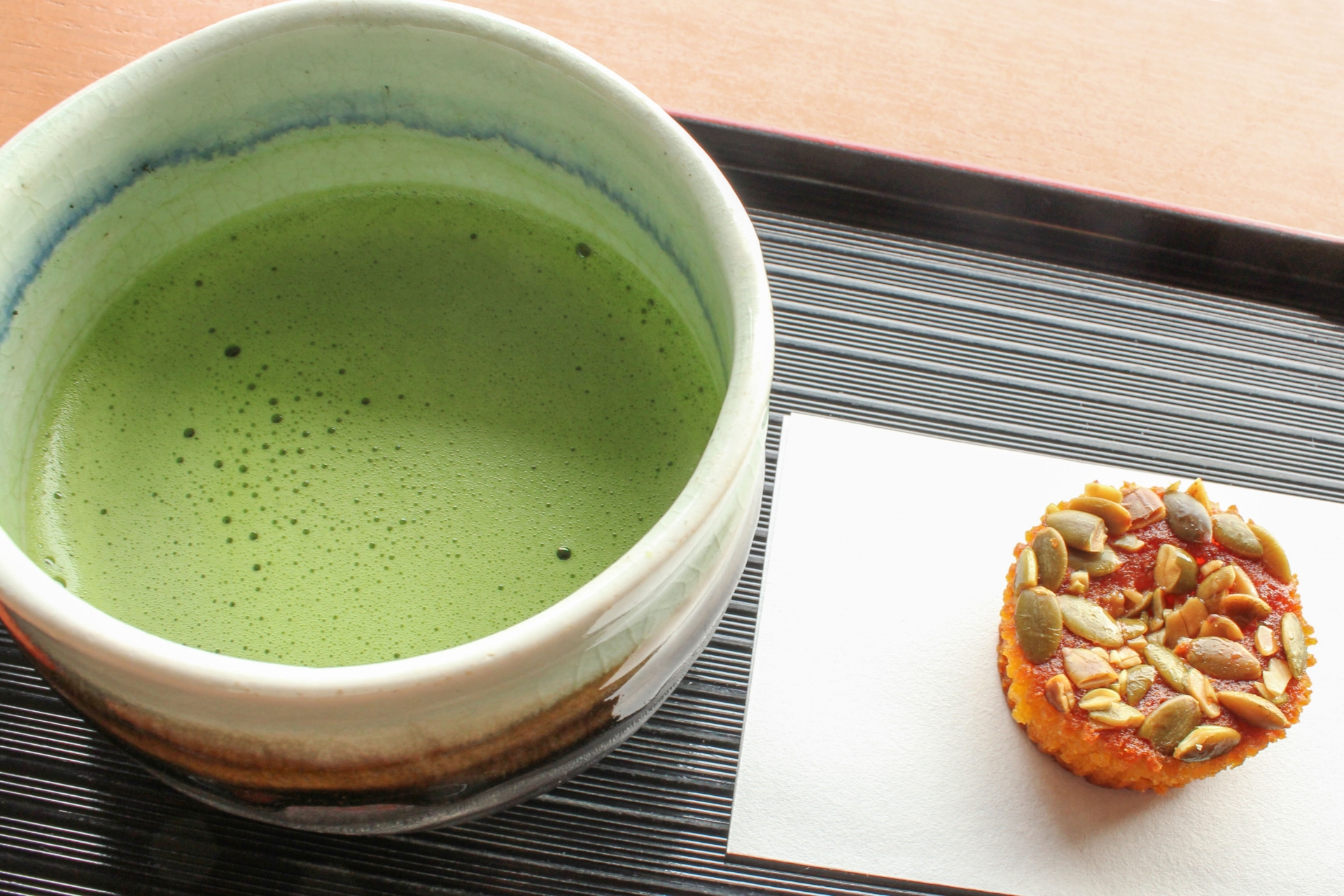
For those who want a relaxed, welcoming introduction, a matcha gathering with geisha is a wonderful choice. Matcha and seasonal Japanese sweets are served as a gesture of hospitality during the visit — this is not a formal tea ceremony with ritual instruction. This is often available as a group event or a private tour. It is a great way to observe their movements and grace up close without the pressure of a long social engagement.
Private Dinner at a Ryotei or Ochaya
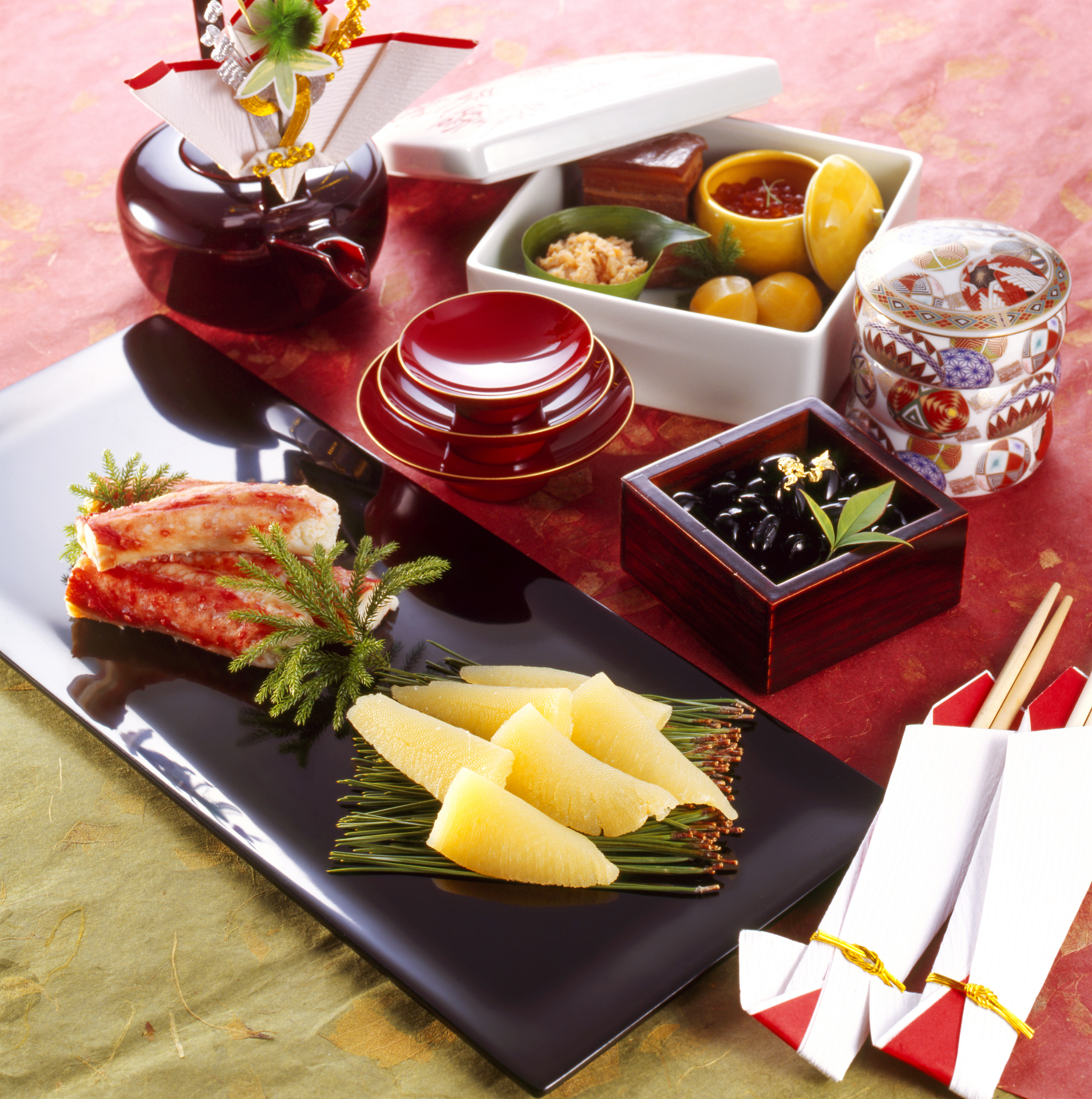
This is the pinnacle of the experience and the most popular option for VIP guests. Booking a private room in a traditional restaurant, or ryotei, allows you to enjoy an evening of music, dances, and games in an intimate setting. This is where you can truly appreciate the art of conversation and the hospitality known as omotenashi. Many of these dinners include drinks and a high-end kaiseki meal. It is an exclusive chance to have the geisha’s full attention for several hours. To understand what a full ozashiki (a private gathering with geisha) evening looks like, our complete geisha experience guide covers every detail.
Public Performances and Festivals
If you are visiting during specific seasons, you can attend large-scale dances like the Miyako Odori in Kyoto or watch geisha take part in the Sanja Matsuri festival in Asakusa. Unlike a private session, you do not book the geisha directly for these — you attend as part of the audience, so check official schedules and secure tickets early as popular performances can sell out. While you don’t get to talk to the geisha during these shows, the sheer scale of the dancing and music is breathtaking.

Makeover and Photoshoot
Many studios offer the chance to be dressed as a maiko or geisha. While fun, remember that this is a costume experience and different from meeting a real geisha. You’ll get ready from head to toe, wearing a heavy wig and a traditional dress. It is a great way to understand the physical demands of the profession. Many tourists enjoy wearing the kimono while they walk through the historic streets for photos.
Private Ozashiki at a Machiai-Chaya
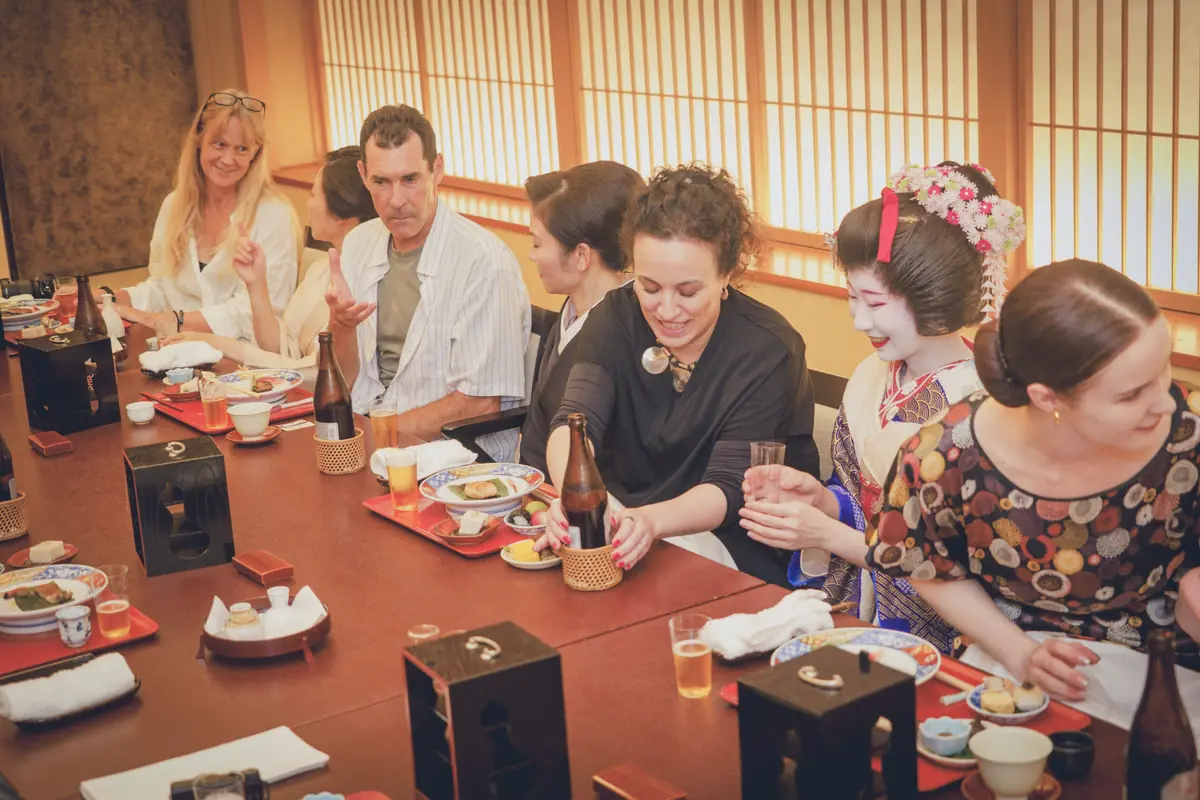
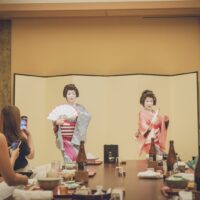
The most intimate option is a private ozashiki (a private gathering with geisha) held at a machiai-chaya — a dedicated establishment for geisha entertainment. In Asakusa, this takes place in a private tatami room where a small group enjoys live shamisen, dance, and parlor games with the geisha’s full attention, often alongside a seasonal meal. It combines the focus of a private dinner with the lively games and conversation that define a banquet. To understand the neighborhood where this tradition still thrives, see our guide to the Asakusa geisha district.
Why Miyakodori Is Considered One of the Best Places to Experience Geisha in Tokyo
For travelers who want a genuine geisha banquet rather than a costume or a stage show, Asakusa Miyakodori stands out for a few concrete reasons.
- Founded in 1950 — the only remaining machiai-chaya in Asakusa. A machiai-chaya is a dedicated establishment where guests gather to enjoy geisha entertainment in the traditional way, and Miyakodori is the last one still operating in the district.
- English interpretation is included in every plan. A bilingual interpreter helps you talk with the geisha, join the parlor games, and understand each performance — so language is never a barrier.
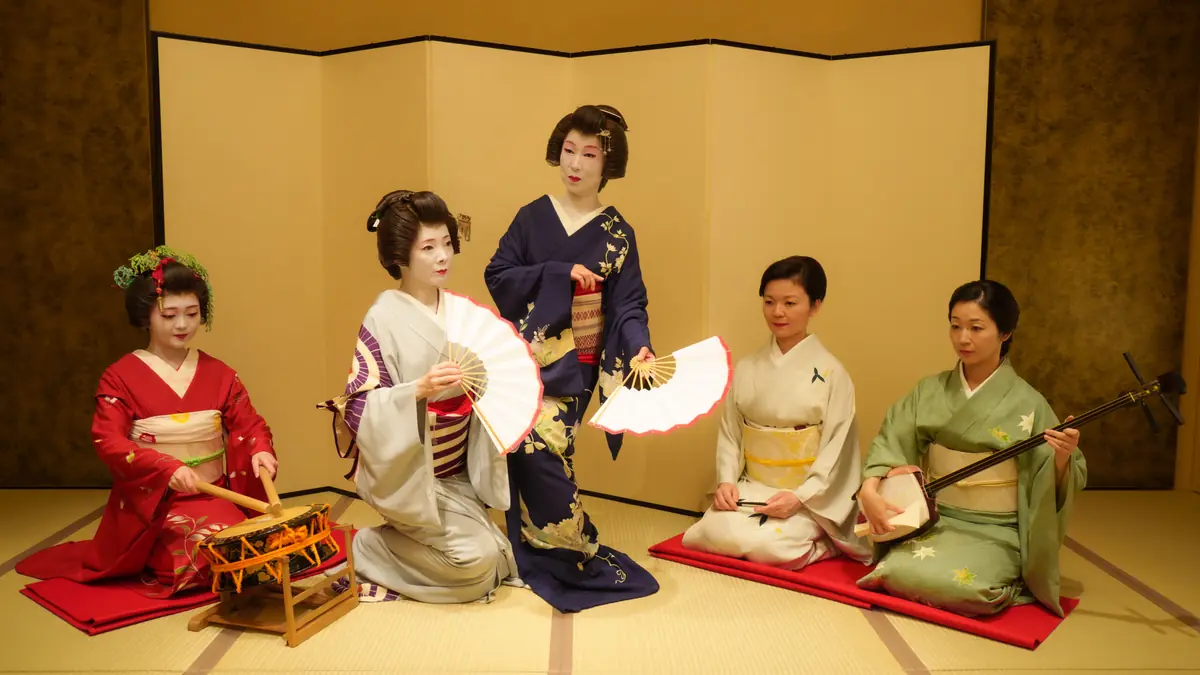
- Live geisha entertainment in a private room. Every banquet features live shamisen music, traditional dance, and ozashiki (a private gathering with geisha) games such as Konpira Fune Fune, held privately for your group.
- Dietary needs are accommodated. Allergies and restrictions, including vegetarian and vegan, can be catered for. Fully halal or kosher meals are served as a bento and should be requested at least five days in advance.
- Set in Asakusa’s living geisha district. Asakusa is the only place in Japan where officially registered taikomochi — male geisha — still perform, a sign of how actively the local community keeps the tradition alive. You can read more in our guide to taikomochi.
What to Expect During Your Geisha Experience
When you step into a place like Miyakodori in Asakusa, you are entering a space designed to make you forget the outside world. The evening usually begins with a warm welcome and a multi-course kaiseki dinner. This meal is a journey through the Japanese seasons, with each dish reflecting the freshest ingredients available at that time of year. The presentation is as important as the taste, with every plate resembling a piece of art that reflects the beauty of nature.
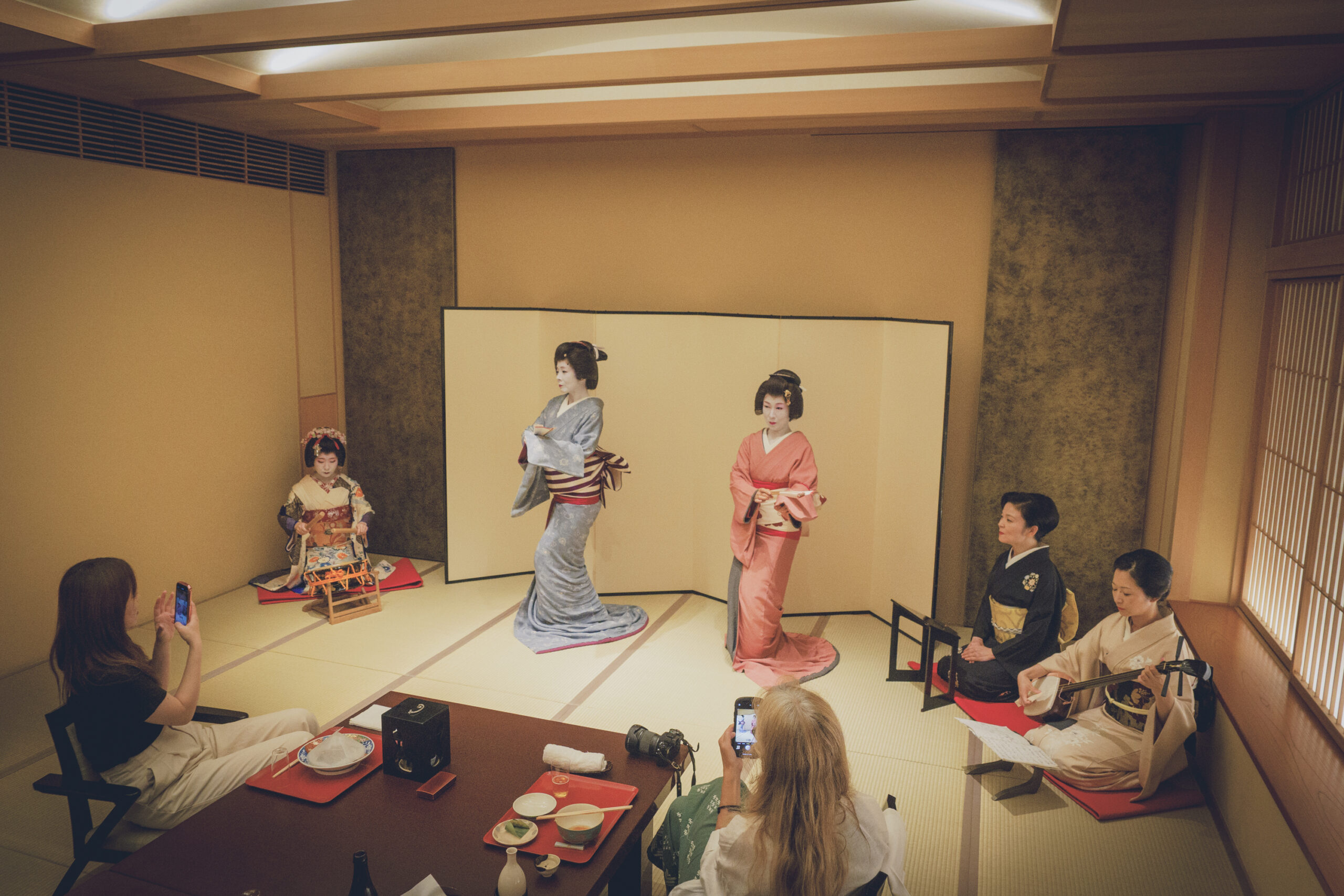
As you dine, the performance begins. The dances are slow and deliberate, telling stories of nature, love, and history. The music of the shamisen provides a hauntingly beautiful backdrop that echoes through the room. But it is not all serious. One of the highlights is Ozashiki Asobi, or traditional parlor games played with the geisha — part of the ozashiki (a private gathering with geisha) experience. These are simple, rhythmic games that often involve clapping or stone-paper-scissors variations. They are designed to break the ice and ensure everyone, regardless of language barriers, has a wonderful time with their friends and family. For a deeper look at these games, see our guide to ozashiki games.
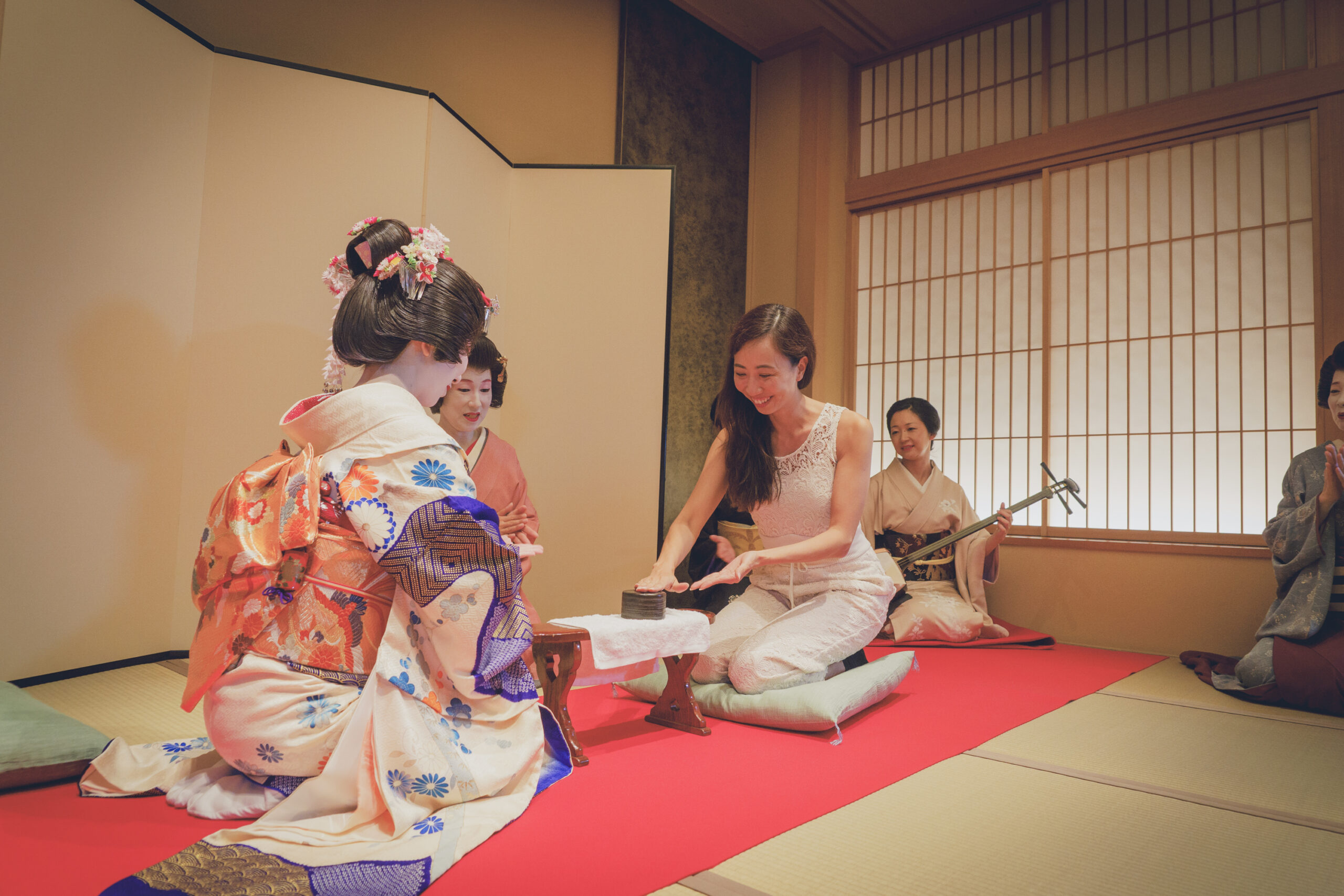
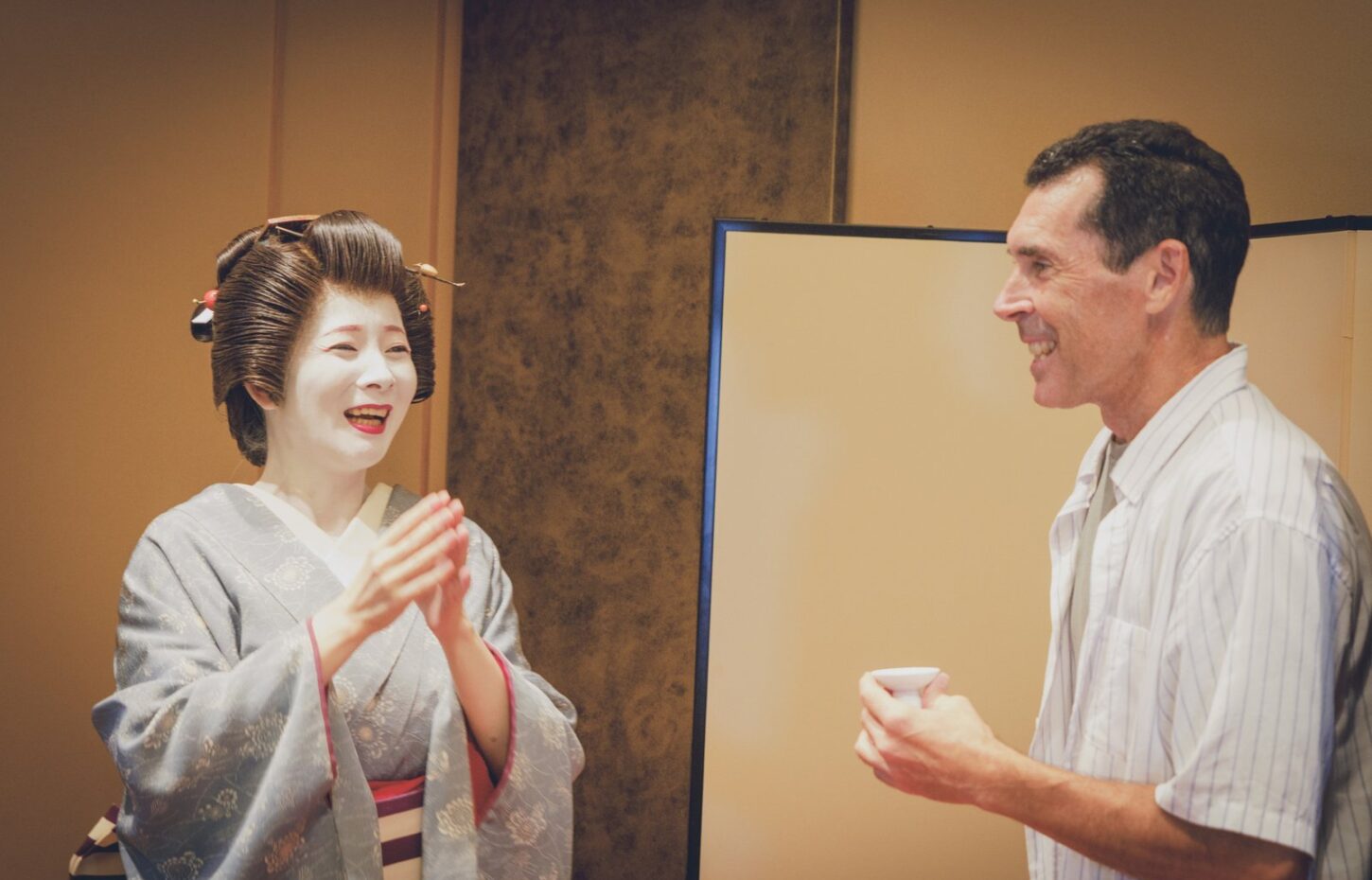
The interaction is personal and warm. You might find yourself chatting with the geisha about her training, her daily life, or the history of the building itself. This level of personal connection is what makes the experience so memorable and different from any other tourist activity in Japan.
Planning and Booking Your Visit
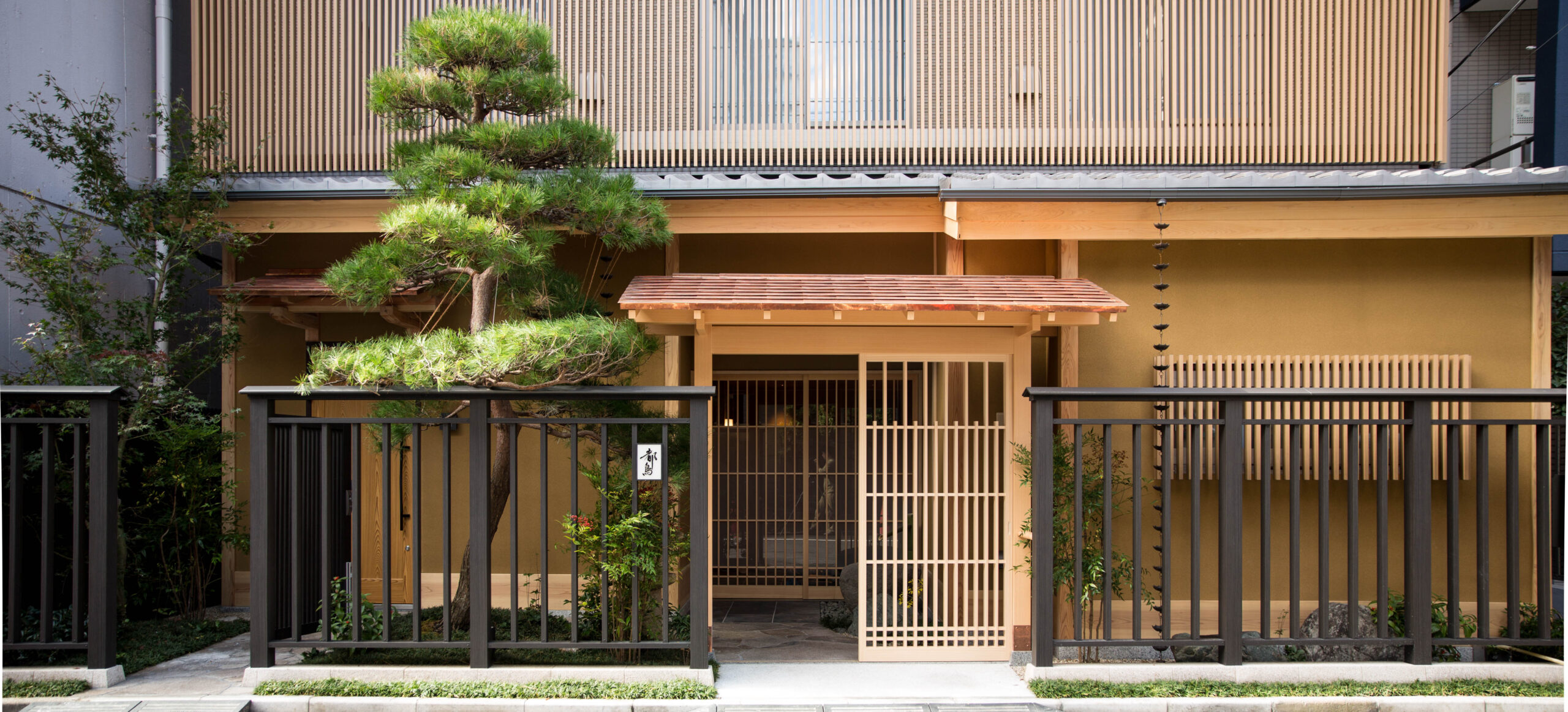
Booking an authentic experience used to be difficult for international travelers, but things have changed significantly. Many high-end ryotei now welcome global guests through specialized guides or online booking platforms. For a truly authentic experience in Tokyo, we highly recommend Miyakodori. Founded in 1950, it is the only remaining machiai-chaya in Asakusa. This means it is a dedicated site for people to meet and enjoy geisha entertainment in the traditional way.
Hours and Schedule
At Miyakodori in Asakusa, reception runs from 14:00 to 20:00 (last reception), and the venue is closed on weekends and public holidays. Daytime sessions begin between 14:00 and 17:00, while evening banquets start from 17:30. Sessions are offered in one-, two-, and three-hour formats, so confirm your start time and duration when you reserve. For a closer look at how each length feels in practice, see our guide on how long a geisha experience takes.
Cost and Group Size
Prices vary with the plan length, the number of geisha attending, and whether a meal is included. At Miyakodori, per-person rates start from ¥34,000 and range up to ¥179,000 depending on the format and group size. Because a minimum number of geisha attend every booking, the per-person cost falls as your group grows — so larger groups pay less per head. Solo guests are welcome on all three plans. For exact, up-to-date figures, check the official pricing page before you reserve.
Dress Code
While you don’t need to wear a formal kimono, wearing smart-casual clothing is a sign of respect for the artists. Avoid wearing shorts or flip-flops when visiting these historic establishments.
Request Your Geisha Experience in Asakusa
Asakusa Miyakodori is the only remaining machiai-chaya in Asakusa — open to international guests, with English interpretation, halal and vegan options, and live geisha entertainment. Explore our ozashiki (a private gathering with geisha) plans and reserve your seat today.
Phone inquiries: +81-50-1793-5252 (English AI receptionist, 24 hours. Our team follows up with you.)
Frequently Asked Questions
Do geisha still exist in modern Japan?
Yes, they absolutely do. While their numbers are smaller than in the past, the profession is seeing a resurgence among young women who are passionate about preserving Japanese arts. They are not historical actors or museum pieces; they are contemporary professionals who balance strict tradition with modern life. They use social media and technology like everyone else, but they dedicate their working hours to the timeless arts of their ancestors.
Can kids join geisha experiences?
Many venues, especially in the open and welcoming area of Asakusa, are very friendly to families. It is a wonderful way for children to see a different side of history and enjoy the lively music and games. Since the ozashiki games are simple and fun, children often find them very engaging. However, it is always best to check with the specific venue beforehand to see if they have any age policies or special meals for younger guests.
How long is a typical geisha session?
Most private dinner experiences last about two to three hours, featuring several dance performances and plenty of time for conversation and traditional games. For the 3-hour Geisha Kaiseki Dinner, this includes a multi-course kaiseki meal as well. If you are doing a shorter tea-house gathering or a public performance, the time may be around 60 to 90 minutes. For a full immersion, the evening dinner is highly recommended.
What is the average cost for a private geisha experience?
The cost varies depending on the venue, the duration of the experience, the number of geisha, and whether a full kaiseki meal is included. Group bookings significantly reduce the per-person cost. We recommend checking the venue’s official pricing page for accurate, up-to-date figures before making your reservation.
Are there vegetarian or halal food options available?
In recent years, many traditional ryotei in Asakusa and Kyoto have become more accommodating to dietary needs. Establishments like Miyakodori in Asakusa can provide vegetarian or halal-friendly meals if you notify them several days in advance. This ensures that everyone in your group can enjoy the seasonal flavors of Japan regardless of their dietary restrictions.
Is there a specific dress code I should follow for an evening with a geisha?
There is no requirement to wear a kimono, but the atmosphere of a traditional tea house is quite formal and respectful. We recommend smart-casual or business-casual attire. Since you will be sitting on tatami mats, it is very important to wear clean, nice-looking socks as you will be taking your shoes off at the entrance.
What is the best geisha experience for first-time visitors?
For a first visit, a shorter format is often the easiest way in. At Miyakodori in Asakusa, the daytime Matcha with Geisha tea-house session lasts about 75 minutes with three geisha and can be booked online, making it an approachable introduction. If you prefer a private banquet, the one-hour and two-hour plans welcome solo guests and small groups alike, and English interpretation is included in every plan so language is never a barrier. Because a set number of geisha attend each booking, the per-person cost is lower for larger groups, and solo guests are welcome on all three plans.
Request Your Geisha Experience in Asakusa
Asakusa Miyakodori is the only remaining machiai-chaya in Asakusa — open to international guests, with English interpretation, halal and vegan options, and live geisha entertainment. Explore our ozashiki (a private gathering with geisha) plans and reserve your seat today.
Phone inquiries: +81-50-1793-5252 (English AI receptionist, 24 hours. Our team follows up with you.)
Making Your Japan Trip Unforgettable
A geisha experience is a bridge to Japan’s soul and a testament to the country’s ability to preserve its past. Whether you choose the refined and quiet paths of Kyoto, the lively merchant streets of Osaka, or the welcoming, historic atmosphere of Asakusa, you will leave with a deep appreciation for the dedication and grace of these artists.
If you are looking for a place that combines history with a welcoming heart, Asakusa Miyakodori offers an experience that is both exclusive and accessible. Don’t miss the chance to book this unique cultural treasure for your 2026 trip. Visit our site to explore the different plans available and secure your place in an experience that keeps a living tradition thriving.
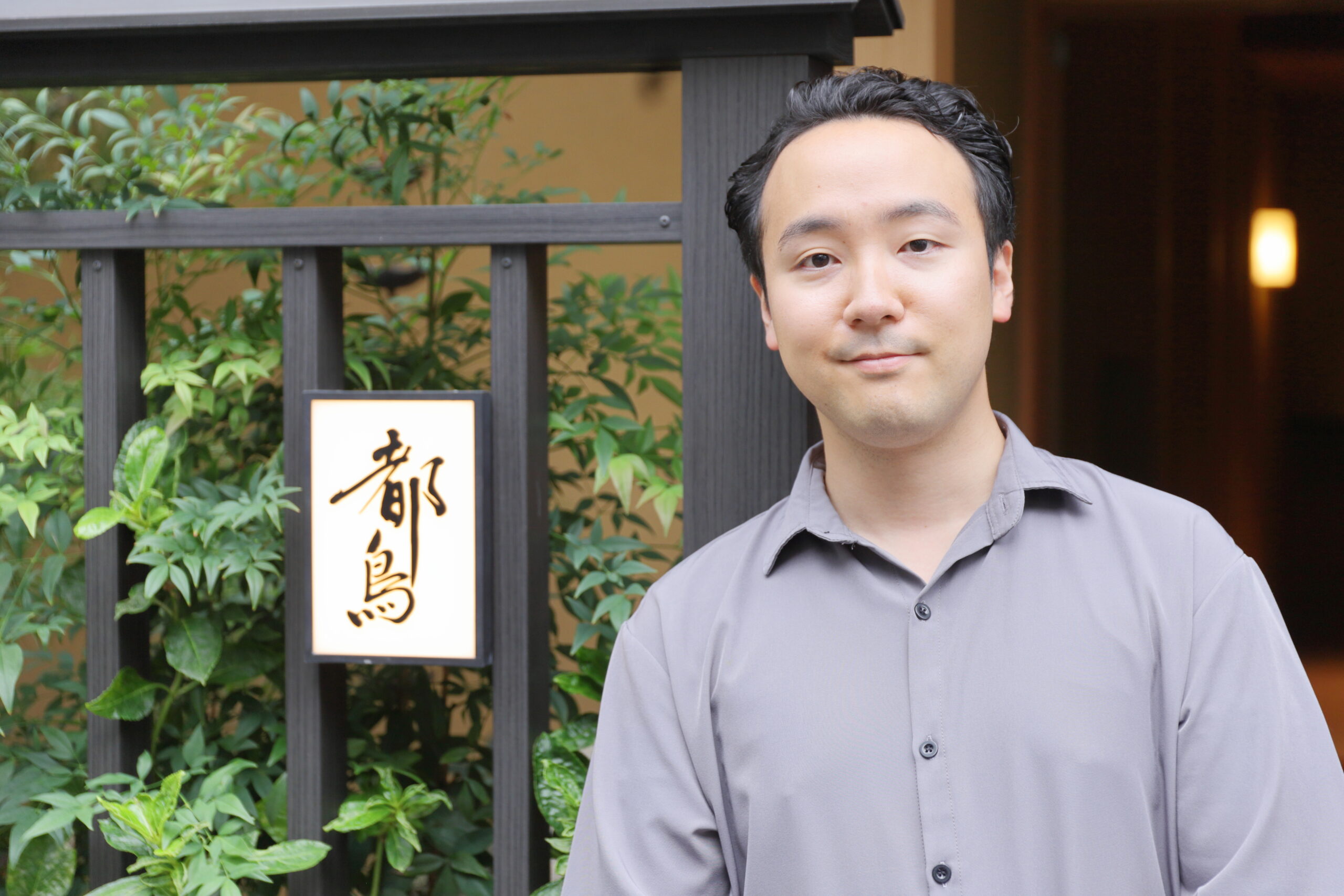


- Taikomochi: Japan's Male Geisha (Hōkan) Explained
- Japanese Geisha Cup Game: Rules and How to Play Konpira Fune Fune
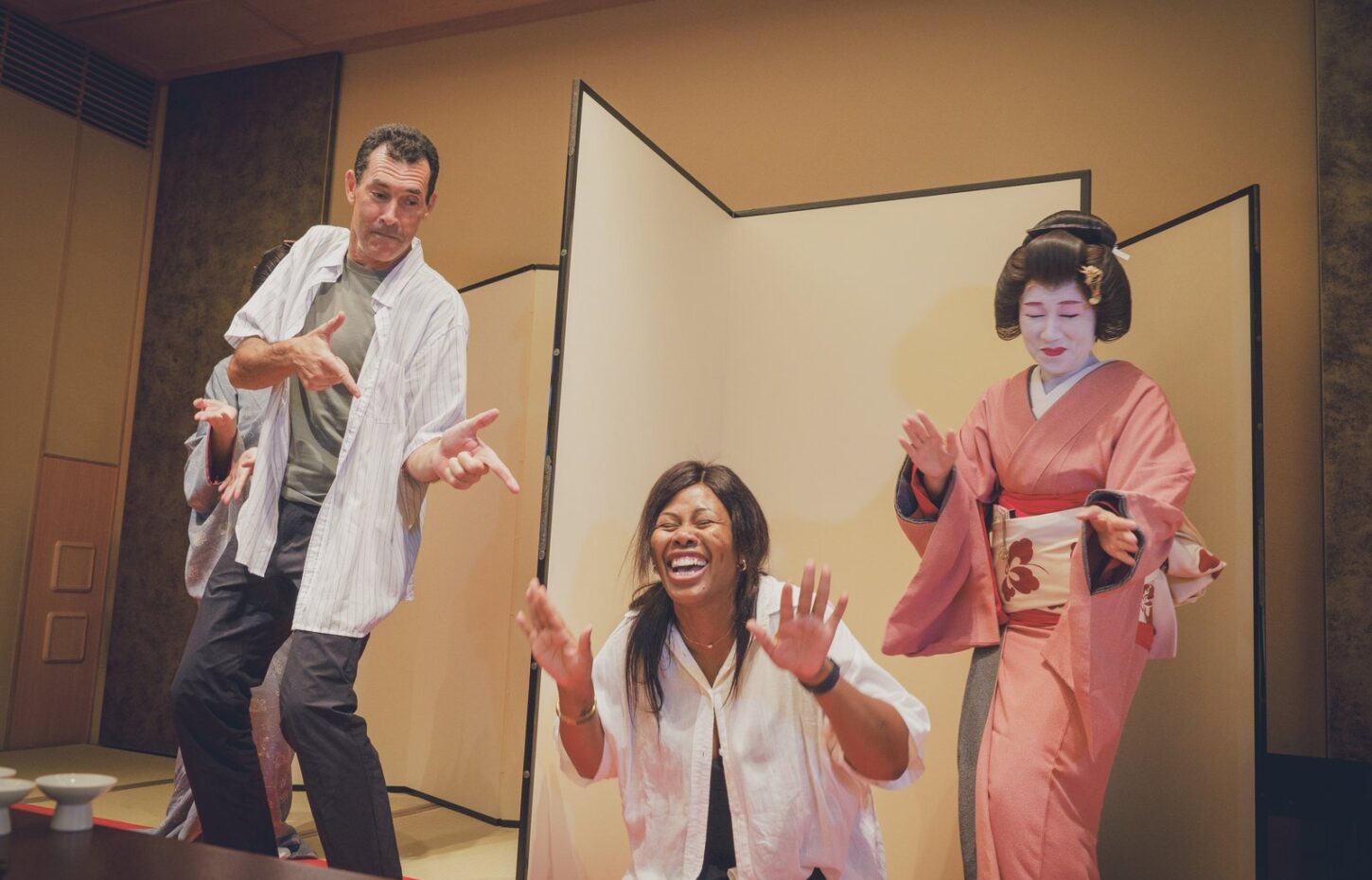
What Is the Tora Tora Game? Rules, History, and How to Play
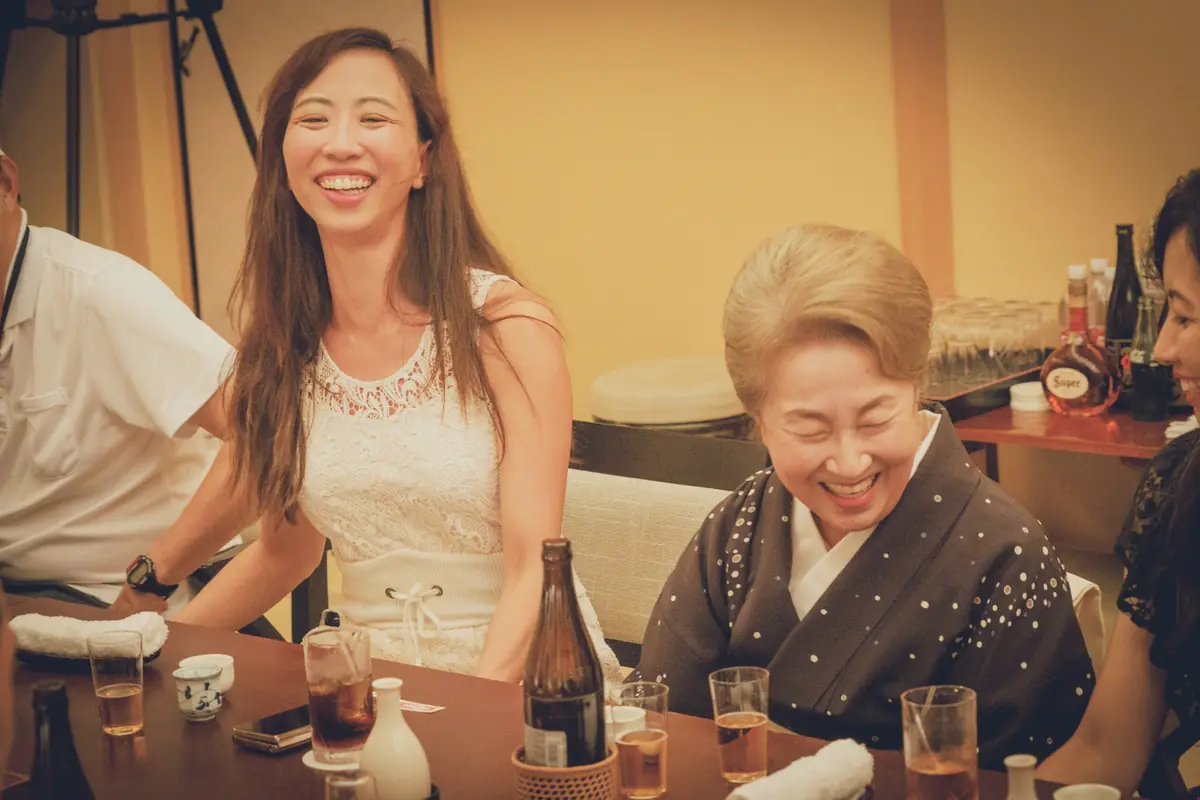
How Long Is a Geisha Experience? (Tokyo Ozashiki Guide)
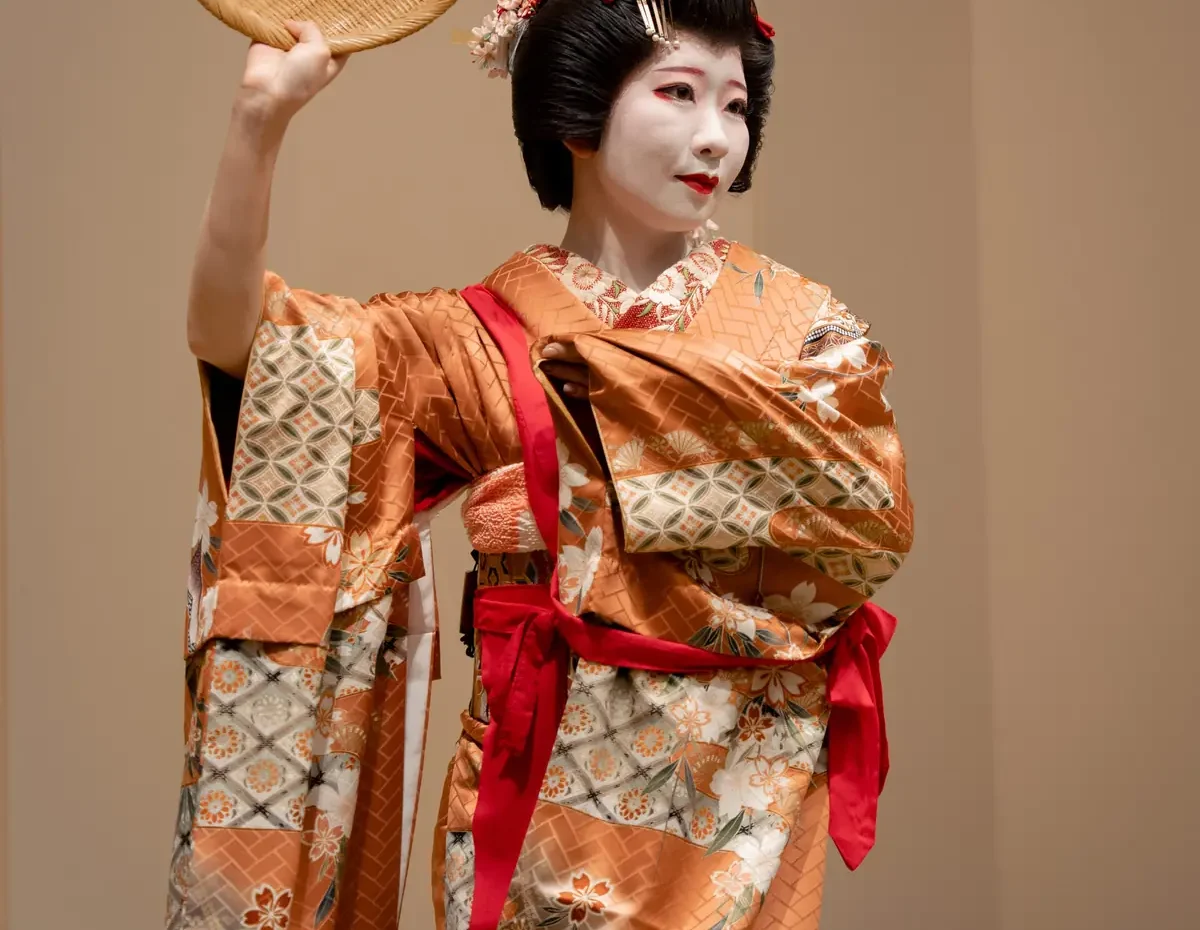
Geisha Culture in Japan: History, Training, and Modern Experiences
The Geisha Experience in Tokyo: Planning Your Visit to Asakusa
Existing Geisha Districts in Tokyo! How to Enjoy These Elegant Neighborhoods Once
Geisha Danna: What a Geisha’s Patron Was, and How Geisha Are Supported Today
Comment ( 0 )
Trackbacks are closed.

No comments yet.