

Kimono Makeup: Japanese Looks, Hair and Smudge-Proof Tips
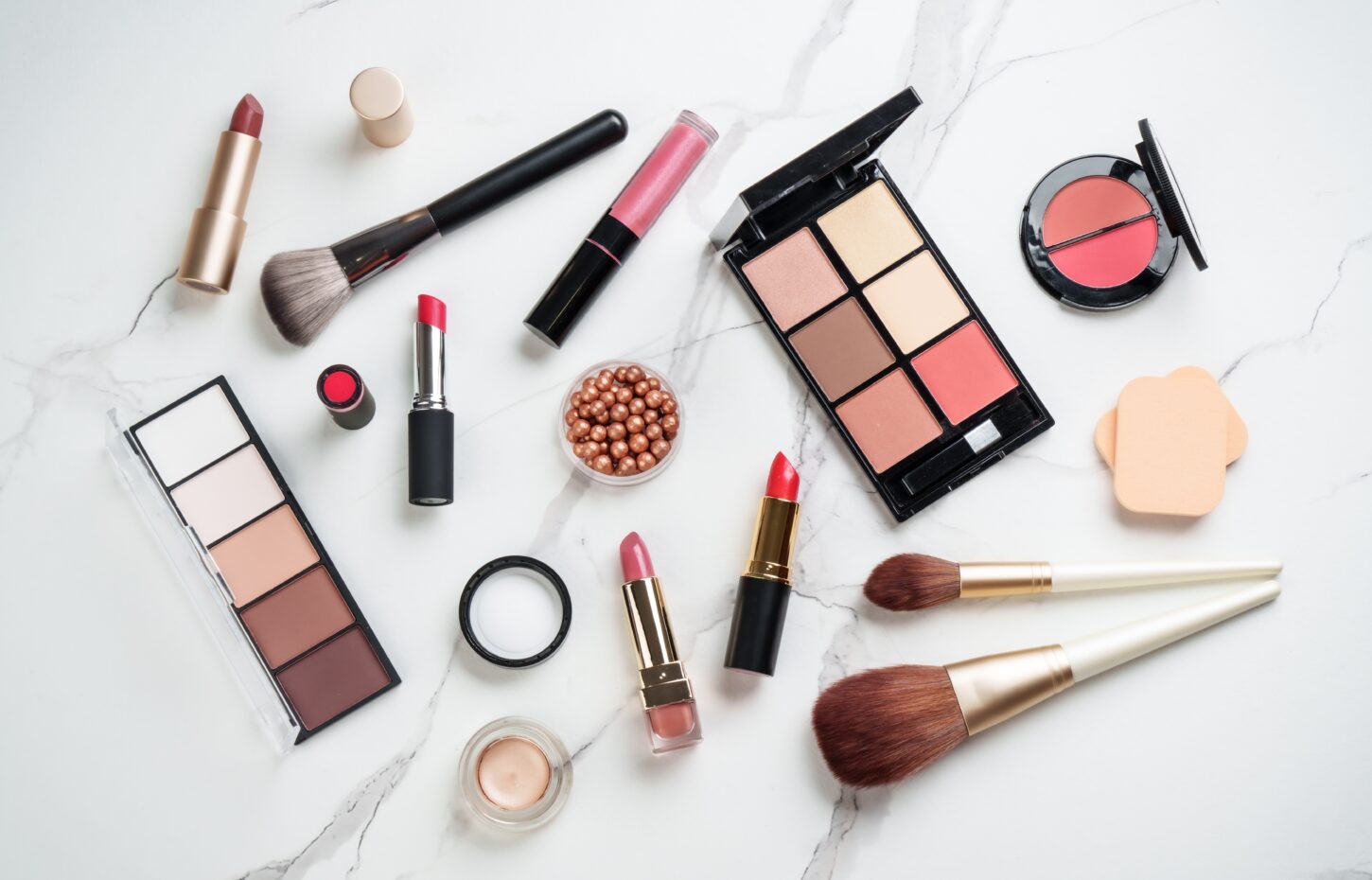
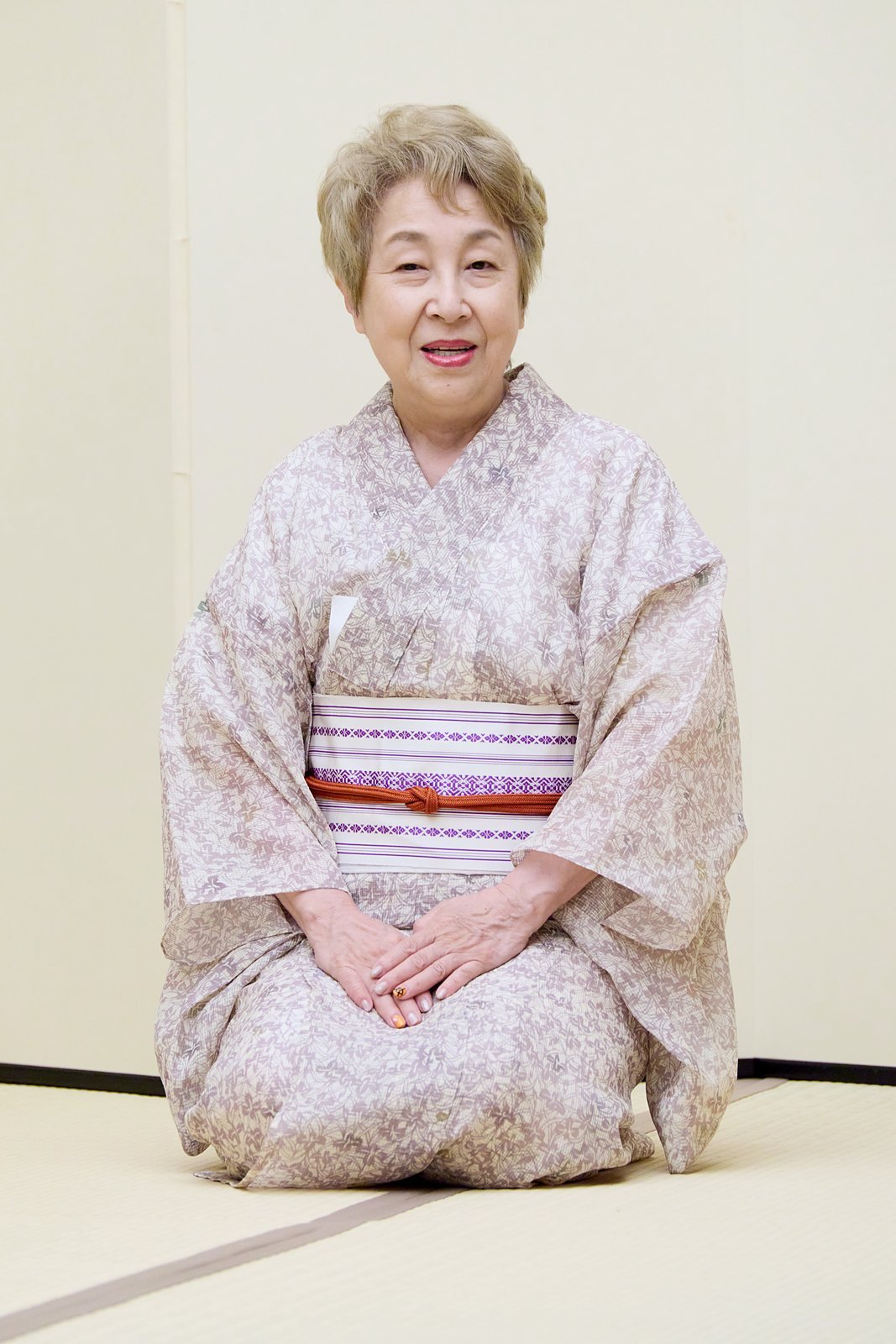
Kimono makeup is makeup that looks balanced with traditional Japanese clothing. The goal is not to look like a geisha. It is to look clean, calm, and a little more refined than usual, so that the kimono stays the main feature. In practice that means an even base that matches your neck, soft brows, and one accent color taken from your kimono.
We are Miyakodori, a machiai-chaya (geisha tea house) in Asakusa that has hosted geisha banquets since 1950. Some of our guests rent a kimono earlier in the day and come straight to us. Kimono makeup is not difficult, but it follows a slightly different logic from everyday makeup. The collar frames your face and neck, the layers keep you warm, and a day out in Asakusa means stone paving, temple steps, and plenty of street food.
This guide covers what kimono makeup is, which colors suit which kimono, how to do it step by step, how to make it last all day, and how to style your hair to match. If you would rather leave it to a professional, we also explain how makeup services at Asakusa kimono rental shops usually work.
What is Kimono Makeup?
Three ideas sit behind most Japanese kimono makeup:
- Even, smooth skin rather than heavy contouring
- Soft, gently arched brows rather than sharp, angular ones
- One accent color taken from the kimono, usually on the lips or eyelids
A kimono covers the body up to the collar, so your face and the back of your neck are what people notice. A natural base that matches your neck, careful brows, and a clear lip color go a long way.
Kimono Makeup vs. Geisha White Makeup
Many visitors ask whether they should wear white makeup with a kimono. The short answer is no.
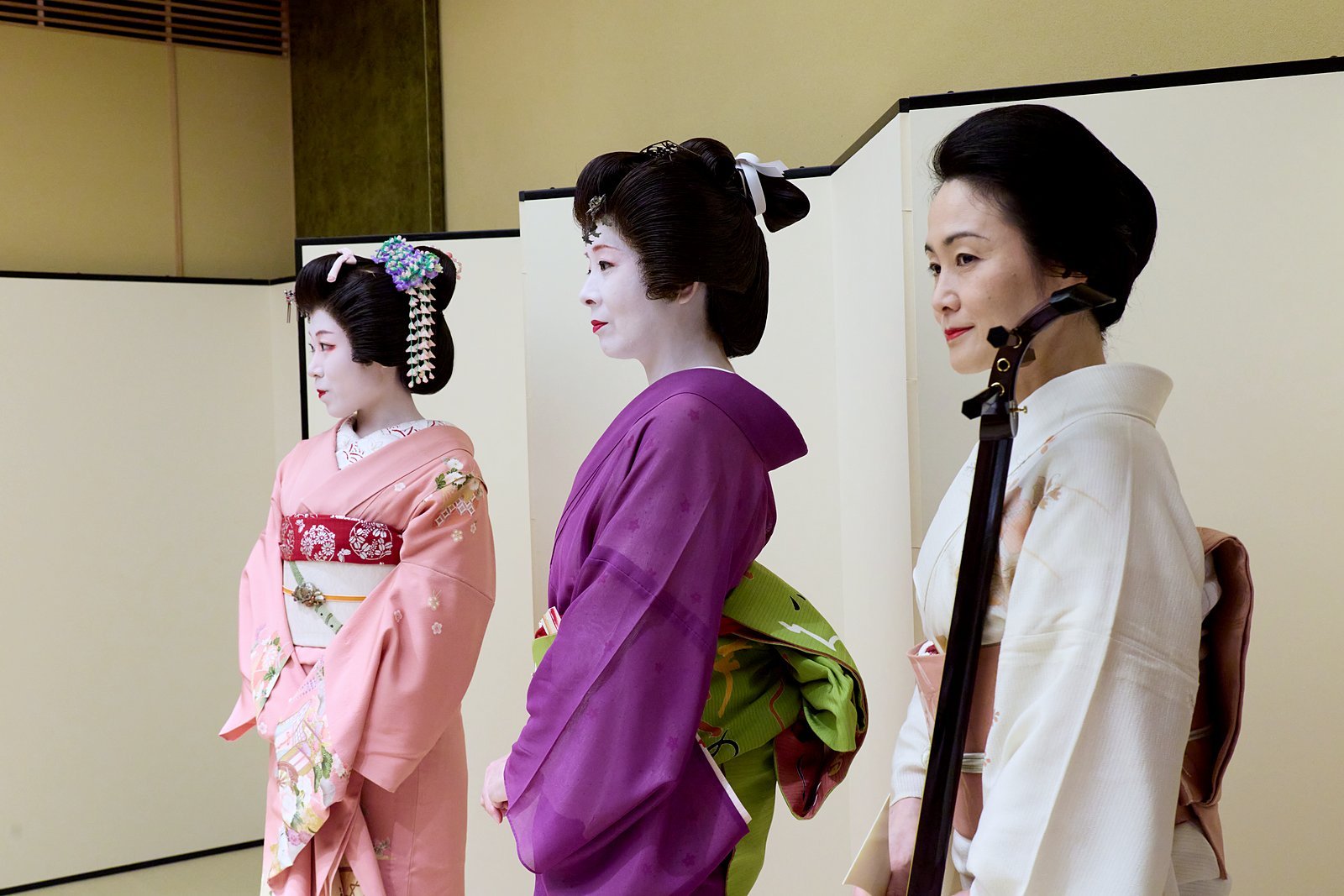
The white face associated with geisha is built on oshiroi, a white powder (or a stage-white pancake) spread over a layer of wax-based oil called bintsuke-abura. It covers the face and neck, with a few strips of bare skin left at the nape, called eri-ashi. The eyes, brows, and lips are drawn in afterwards in red and black. It takes training and time to apply, and it belongs to the banquet room and the stage, not to daylight sightseeing. The explanation handed down in the profession is that a white face stands out in the soft light of a candlelit room.
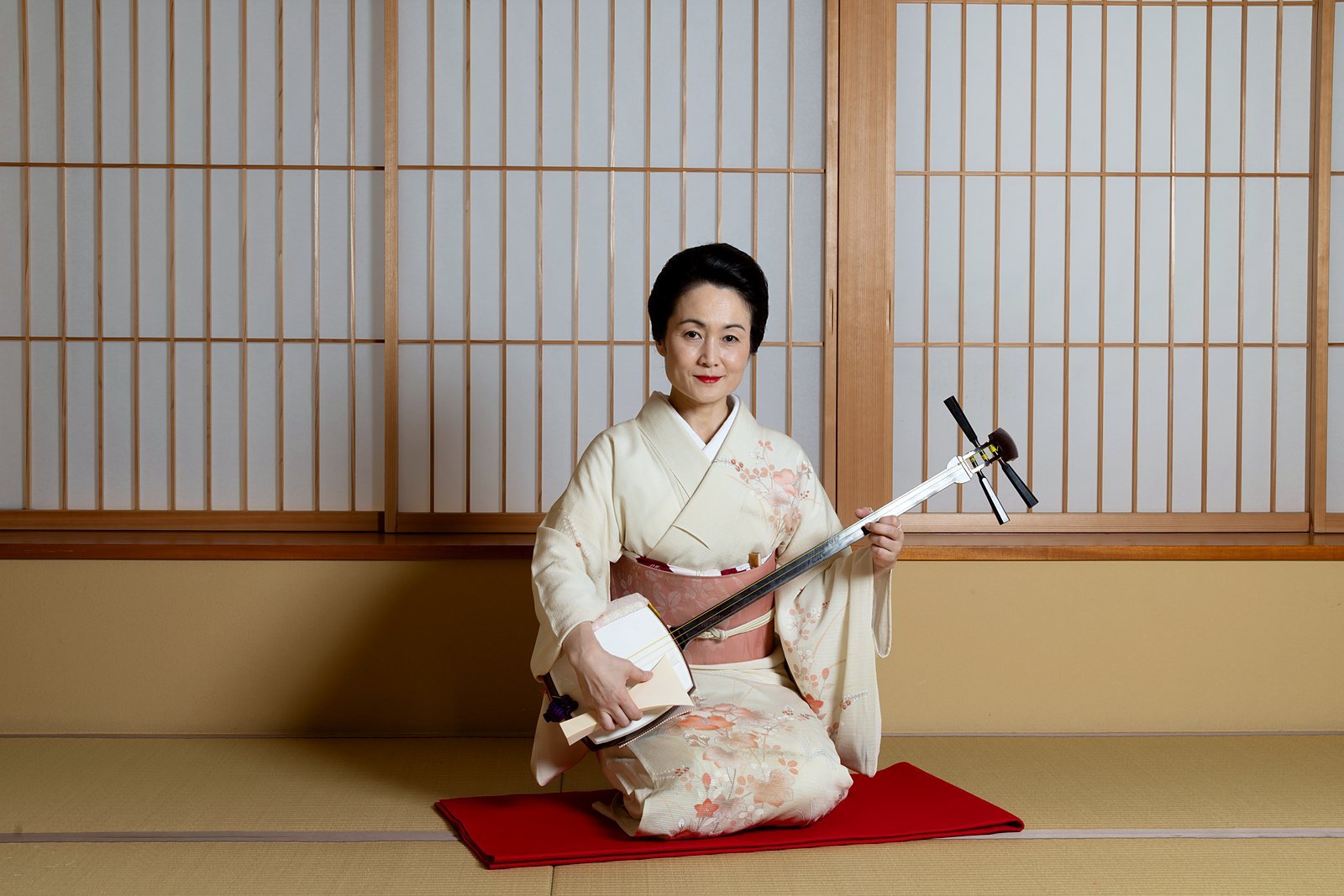
In Asakusa, whether a geisha wears the white face at an ozashiki (a private gathering with geisha) depends on her role. The tachikata, the geisha who dance, wear it together with nihongami, the traditional Japanese hairstyle (see our guide to geisha hairstyles). The jikata, who play the shamisen and sing, usually appear in polished, natural-looking makeup with a modern hairstyle. For a first visit, the dancers almost always arrive in nihongami and the white face; for guests who know the room well, or who prefer a plainer look, a dancer may come without it.
For a kimono day out, that natural, polished look is the one to aim for. The full story of the white face is in our guide to geisha makeup, and the roles inside an Asakusa ozashiki are laid out in Types of Geisha.
| Feature | Kimono makeup (your day out) | The geisha white face (Asakusa dancers) |
|---|---|---|
| Base | A thin, natural base matched to your neck | White oshiroi over bintsuke-abura, on the face and neck |
| Eyes and brows | Soft brows, gentle eye color, waterproof liner | Black brows and eye line, with red at the outer corners of the eyes |
| Lips | One accent color taken from your kimono | True red, never pink or beige |
| Nape | Foundation blended down so the color matches | White carried down the back of the neck, with two or three strokes of bare skin left |
| Hair | A low bun, a loose updo, or a small clip | Nihongami, the traditional hairstyle |
If you want to try the full white makeup, some studios in Japan offer maiko or geisha makeover experiences. These are photo experiences, separate from walking around town in a rental kimono. Our guide to geisha photoshoots in Tokyo explains how they work.
Classic vs. Modern Kimono Makeup
Classic kimono makeup keeps everything soft: an even, subtle base, muted eyeshadow, gently arched brows, and a red or rose lip. It suits formal kimono, plain colors, and traditional patterns such as cherry blossoms or chrysanthemums.
Modern kimono makeup borrows more from current Japanese and Korean makeup trends: a dewy base, a peach or coral flush high on the cheeks, slightly lifted eyeliner, and a tinted or glossy lip. It works well with brightly colored rental kimono, lace collars, retro prints, and yukata.
Neither is more correct. Consider the kimono you will wear first and match its mood.
See the White Face in Person
At Miyakodori, a machiai-chaya (geisha tea house) in Asakusa, you can watch geisha dance and play the shamisen in a private tatami room, with English support throughout. Guests who come in kimono are very welcome.
Kimono Makeup Ideas by Kimono Color
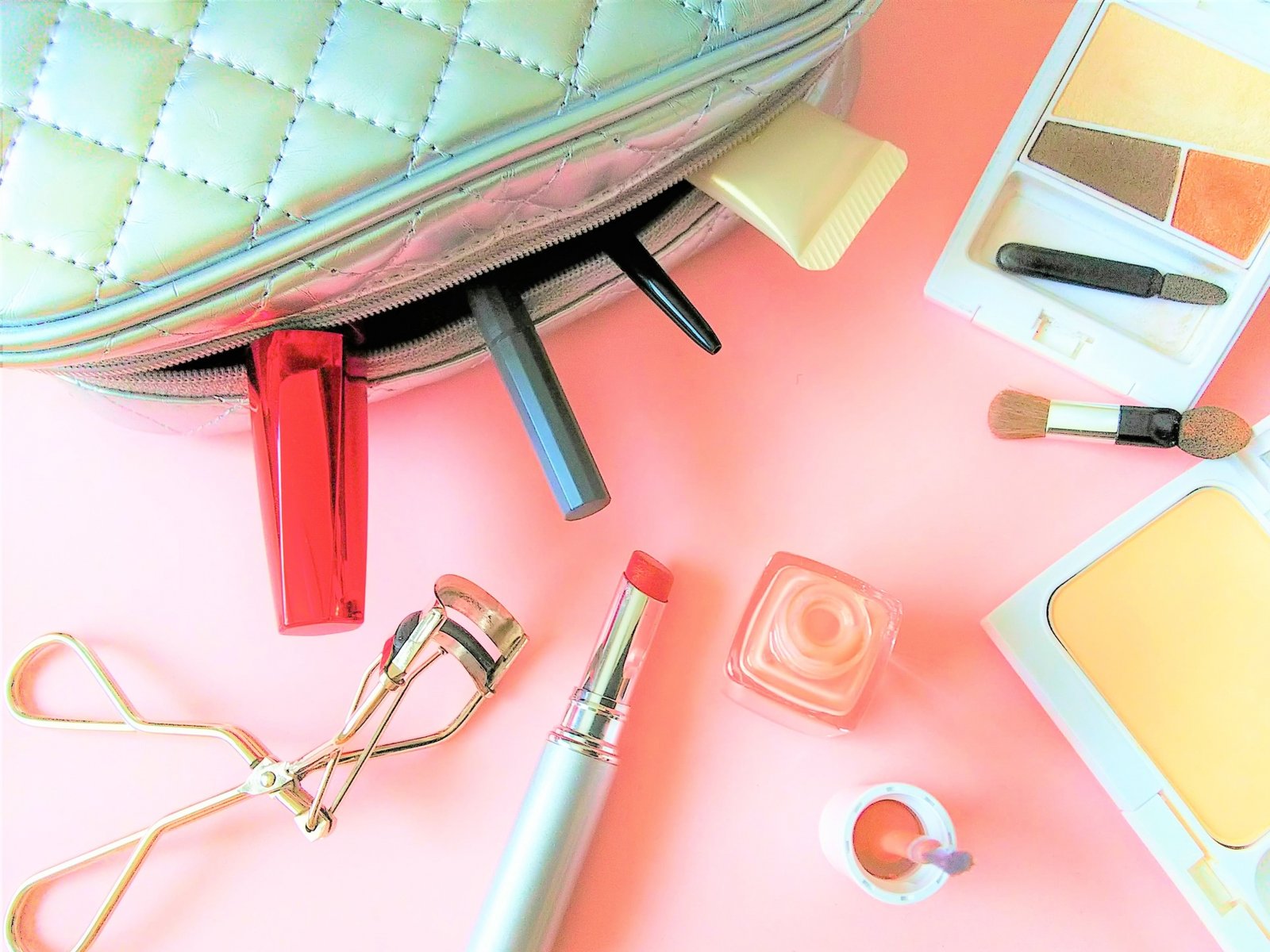
The easiest way to plan your makeup is to pick one color from your kimono, obi, or obijime cord and repeat it once on your face. Keep everything else quiet.
| Your kimono | Eyes | Lips | Cheeks |
|---|---|---|---|
| Red or pink | Brown or gold eyeshadow | Rose or red | Soft pink blush |
| Blue, navy, or purple | Gray, taupe, or mauve eyeshadow | Berry or rose-beige | Cool pink blush |
| Green or yellow | Warm brown or khaki eyeliner | Coral or terracotta | Orange or coral blush |
| White, cream, or pastel | Light pink or peach eyeshadow | A sheer coral lip | A touch of highlighter on the cheekbones |
| Black or other dark | Simple brown liner | A clear red lip | Keep it light |
| Busy or multicolored patterns | Neutral | The strongest accent color in the pattern, used on the lips only | Keep it light |
A useful rule: if your lips are bold, keep your eyes soft, and the other way round. Two strong points on the face compete with the kimono.
Our okami (proprietress), who wore the white face herself for twenty-seven years as a geisha, sums up her approach to makeup in one word: subtraction. The same instinct works for kimono makeup: choose one accent and leave the rest quiet.
If you are renting, you may not know which kimono you will wear until you reach the shop. Do a neutral base, brows, and soft eyes at home, and carry one stronger lip color to add once you have chosen your kimono.
How to Do Kimono Makeup, Step by Step
These steps take about 30 to 40 minutes. Do your makeup before you are dressed in kimono, or before you go to the rental shop. It is much easier than applying makeup in a kimono, and it keeps makeup off the fabric.
Step 1 Skin Prep and Base
- Moisturize well with a toner and then a lotion or light cream. Dry skin tends to produce more oil later in the day, which makes makeup slide.
- Apply an oil-control primer to the T-zone, nose, and chin.
- Apply a thin layer of semi-matte liquid or cushion foundation. Spread it with a brush, then press it in with a damp sponge. Match the shade to your neck, not just your face, because the kimono collar draws attention to the neckline.
- Cover dark spots or redness with concealer and blend the edges carefully.
- Press in a finely milled loose powder with a puff, then brush away the excess.
Thin layers pressed into the skin last far longer than one thick layer.
Step 2 Eyes
- Apply a cream eyeshadow or eyeshadow base first, then layer powder shadow on top. The cream base helps the color stay put and keeps it from settling into creases.
- Use a waterproof liquid eyeliner. A slight upward flick at the outer corner suits kimono well. Keep your eyes looking down until it dries.
- Curl your lashes, apply a mascara base, and finish with waterproof mascara.
Keep the lower lash line light. It is the first place makeup smudges in heat.
Step 3 Brows
Kimono suits soft, gently arched brows that are a little longer than usual. Fill sparse areas with a liquid or fine pencil, then add powder from the tail toward the center so the front of the brow stays soft. A clear brow gel keeps everything in place.
Step 4 Cheeks and Lips
- Apply a cream or liquid blush high on the cheekbones and set it lightly with powder. Color placed high and slightly toward the ears gives a calm, elegant look that suits kimono.
- Prepare your lips with a balm. Apply a lip tint, blot with a tissue, then apply a second layer. Add a little gloss to the center if you like.
Lip tints stain the lips, so the color survives eating and drinking much better than a regular lipstick.
How to Make Kimono Makeup Last All Day
Why Makeup Slides in Kimono
- Heat: The obi, the under-kimono (nagajuban), and several layers of fabric trap body heat, even in spring and autumn. Most sweat appears on the forehead, nose, and neck.
- Unfamiliar footwear: Walking in zori sandals on stone paving and temple steps takes more effort than you expect, so you sweat more than usual.
- Street food: Asakusa is full of snacks such as fried manju and menchi katsu. Wiping your mouth and handling cups and wrappers wears away lip color and the base around your mouth.
Heavy makeup also cracks around the nose and eyes as the day goes on. Light, well-set layers hold up much better.
Setting Your Makeup in the Morning
- Apply foundation with a damp, well-wrung sponge for a thin, even layer.
- Use setting spray twice: once after primer and once when all your makeup is done. This “sandwich” holds the base in place.
- After applying loose powder, wait a few minutes before brushing off the excess. This sets the base more firmly.
A Small Touch-Up Kit
A kinchaku drawstring bag has little room, so carry only what you need:
- Oil-blotting paper or tissues (press, never rub)
- A compact pressed powder
- Cotton swabs for fixing smudged liner
- Your lip tint
- A stick concealer
Check your makeup before and after you eat, and before photos at the spots you care about most. Do your touch-ups out of sight, in the restroom rather than at the table. The geisha who come to our rooms keep the same habit with their kimono: when it slips out of place, they do not fix it in front of guests but step outside to do it, and our okami sometimes does it for them.
Hair to Match Your Kimono
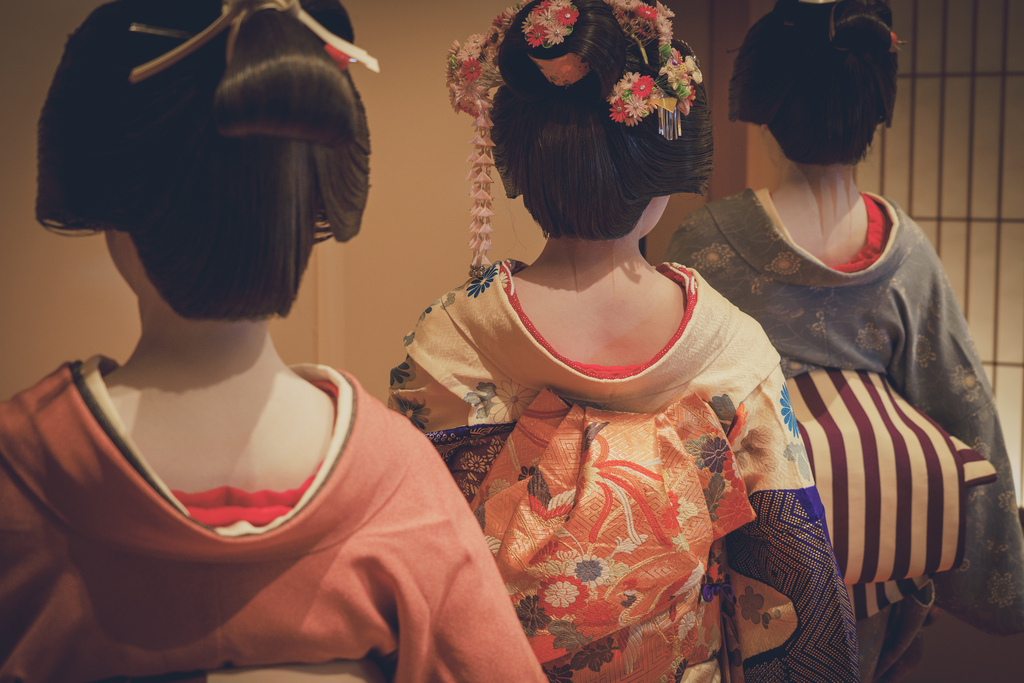
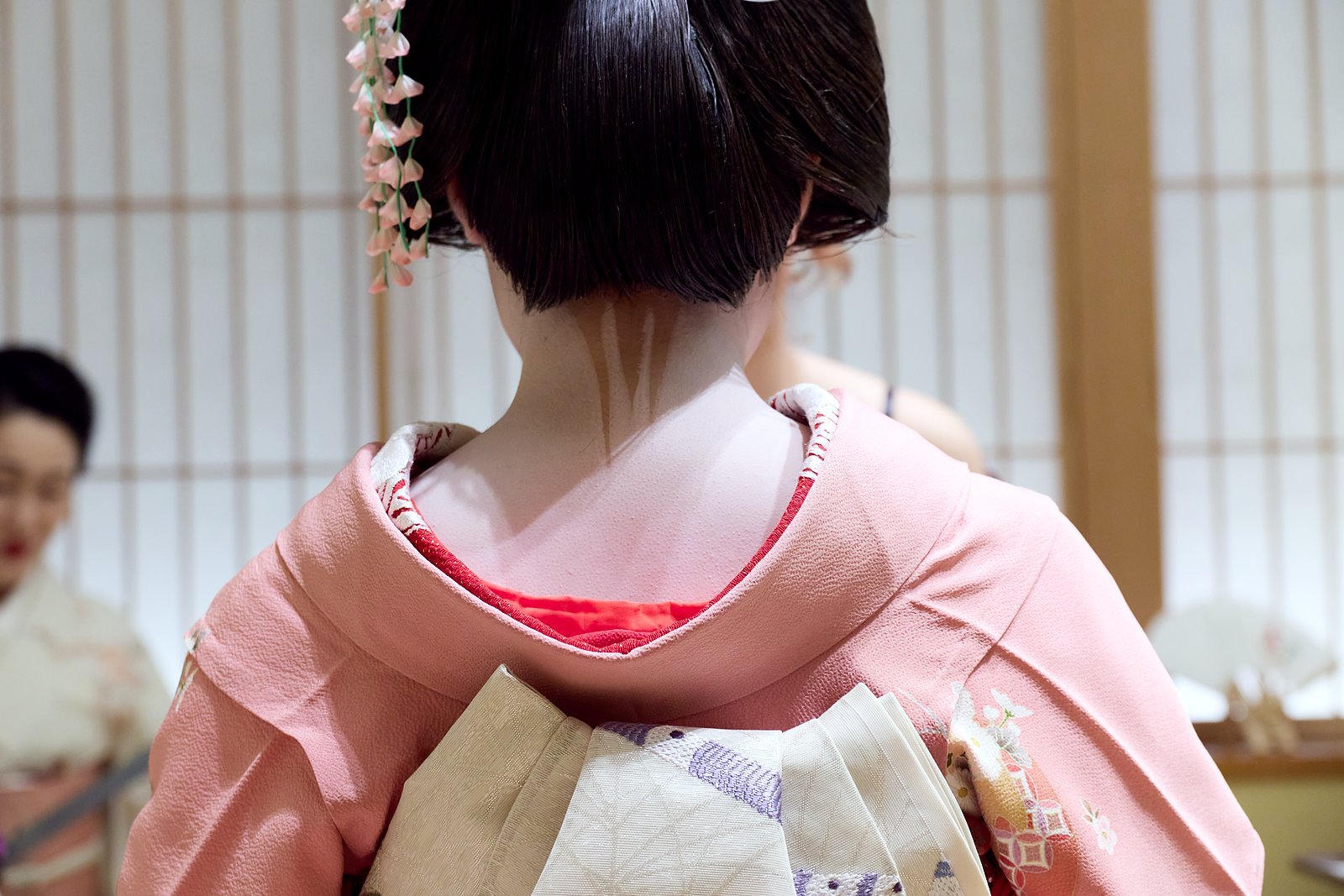
Hair and makeup work as one look with kimono. The collar dips slightly at the back, so the nape of the neck is part of the outfit, and most kimono hairstyles keep hair off the neck. In Asakusa, the geisha who wear the white face take this furthest: the white is carried down the back of the neck, leaving two or three strokes of bare skin, the eri-ashi.
- Long hair: a low bun or a loose updo at the back of the head. Leave a few soft strands near the face for a more modern look.
- Medium-length hair: a twisted half-up style or a small pinned bun.
- Short hair: tuck it behind the ears and add a hair ornament (kanzashi) or a small clip at one side.
Rental shops in Asakusa often offer hair styling, either included in the plan or as an add-on, so check what yours offers. If you are having your hair done at the shop, finish your makeup before you arrive. When your hair is up, blend your foundation down onto the back of your neck so the color matches.
Kimono Makeup for Photos
Most kimono days end up as a camera roll, so it helps to think about how your makeup looks in pictures.
- Daylight is honest. Under the bright sky at Kaminarimon or by the river, heavy foundation and strong contour show clearly. A thin base photographs better.
- Add a little more color than feels natural to you. Kimono colors are strong, and pale lips or cheeks can disappear next to them in photos.
- Avoid glittery highlighter on the T-zone. It reads as shine in photos. Keep any highlighter on the top of the cheekbones.
- Check your neckline. In photos taken from behind or at an angle, a line where foundation stops at the jaw is easy to spot.
- For evening photos, when temple buildings are lit up, a slightly deeper lip color keeps your face from looking washed out.
Kimono Makeup by Season
Japan’s seasons change what you wear and how your skin behaves, so it is worth adjusting your makeup to the time of year.
- Spring (March to May): Lined kimono in soft colors and blossom patterns are common. Peach and light pink tones suit the season. Mornings can be cool and afternoons warm, so set your base well.
- Summer (June to August): Unlined and sheer kimono, and yukata, are worn in the heat. Use the lightest base you are comfortable with, waterproof eye products, and setting spray. Blotting paper is essential.
- Autumn (September to November): September is still hot, and lined kimono return from October. Earthy tones suit both kimono and makeup: brick, terracotta, and bronze lips and eyes.
- Winter (December to February): The air is dry. Moisturize well, choose a slightly dewier foundation, and use a lip balm under your tint. Deeper reds look elegant with winter kimono and shawls.
Yukata Makeup: What Changes in Summer
A yukata is a light cotton kimono worn in summer, especially for fireworks and festivals. Yukata makeup follows the same ideas as kimono makeup, with a few changes:
- Use a lighter base. A tinted primer or a sheer cushion foundation is enough.
- Waterproof eyeliner and mascara are essential in Tokyo’s summer humidity.
- Brighter, more playful colors suit yukata: coral, orange, or a sheer red lip.
- Use setting spray and carry blotting paper.
Many summer events start in the evening, so a little shimmer on the eyelids helps catch the light.
Products That Hold Up
These products are widely available at Japanese drugstores and department stores. Names and lineups change from time to time, so check in store before you buy.
Drugstore picks
- Cezanne Sebum Control Primer
- Oil-control base
- Innisfree No-Sebum Mineral Powder
- Loose setting powder
- Heroine Make Prime Liquid Eyeliner Rich Keep
- Smudge-resistant eyeliner
- Opera Lip Tint N
- Lip tint
- Kose Make Keep Mist EX+
- Setting spray
Department store picks
- Estée Lauder Double Wear Stay-in-Place Makeup
- Long-wear foundation
- Cosme Decorte Face Powder
- Loose powder
- SUQQU Signature Color Eyes
- Eyeshadow palette
- Addiction The Blush
- Blush
- Dior Addict Lip Tint
- Lip tint
Getting Your Kimono Makeup Done in Asakusa
If you would rather not do it yourself, some kimono rental shops in Asakusa offer professional makeup alongside dressing and hair styling. Details vary by shop, but services often fall into two types:
- Full makeup: skin prep, base, eyes, brows, cheeks, and lips. Often about an hour.
- Partial makeup: eyes, brows, and lips over your own base. Often about 30 minutes.
Not every rental shop offers makeup, and slots can be limited at those that do. Ask when you book your kimono rather than on the day. If you have sensitive skin, ask whether you can bring your own skincare and products.
Allow enough time in the morning. Dressing, hair, and makeup together can take a good part of the morning. Rental plans usually come with a return time, so check it when you book, and ask whether a late return is possible if you have plans later in the day.
For a sense of scale, the geisha who come to our rooms put on a kimono for work, and even they need 30 minutes to an hour to get fully ready. The kimono alone takes about 20 minutes, and a younger geisha still in training takes closer to an hour and a half. If this is your first time in a kimono, allow more time than you think you need.
A Few Tips for Your Kimono Day in Asakusa
A Classic Route
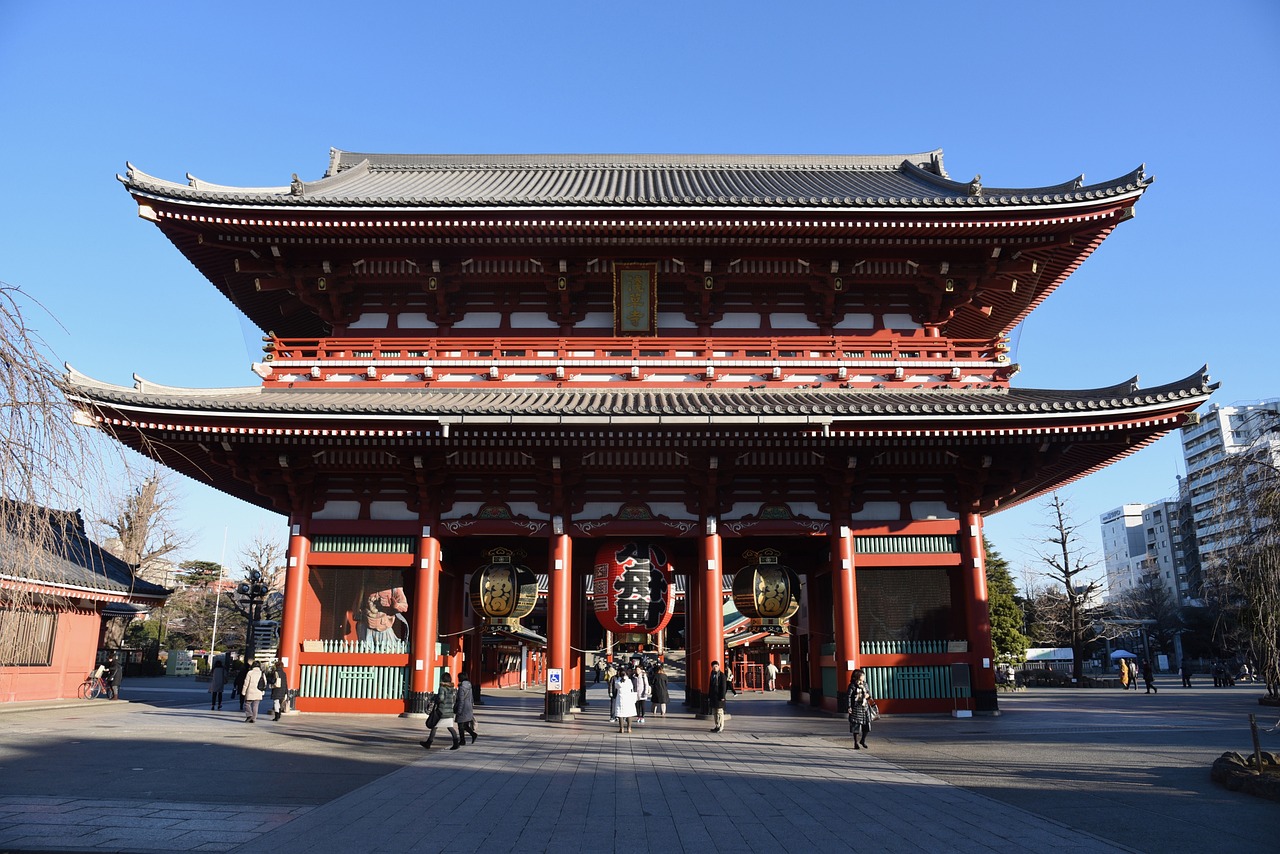
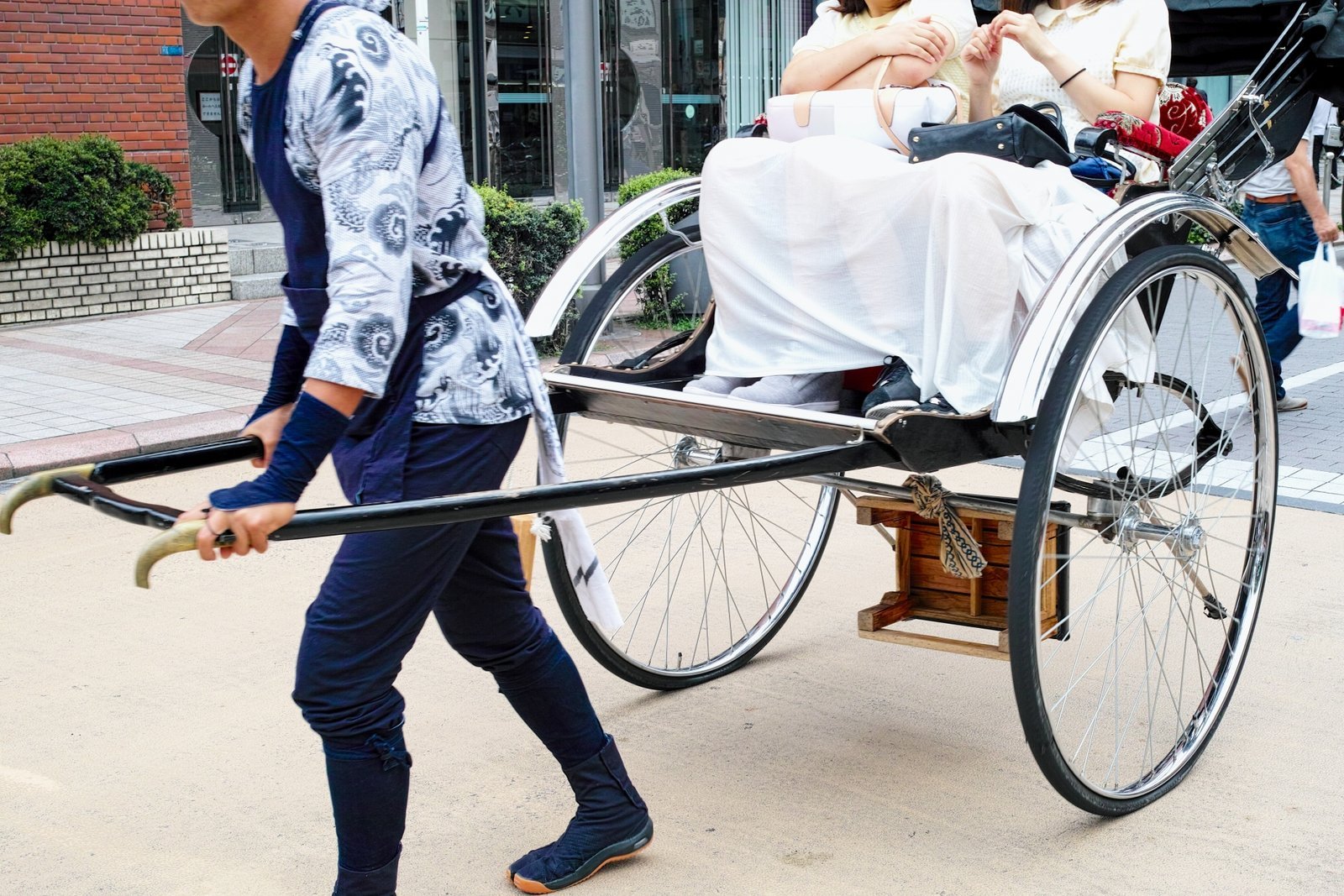
A simple loop takes you through Kaminarimon Gate, along Nakamise shopping street, through Hozomon Gate to Senso-ji Temple, then along Denpoin-dori and down to Sumida Park by the river, with views of Tokyo Skytree. Riding a rickshaw through the old downtown streets is another highlight, and it gives your feet a rest. Asakusa is served by the Tokyo Metro Ginza Line, the Toei Asakusa Line, and the Tobu Skytree Line.
What to Bring
- A kinchaku bag, plus a foldable tote for shopping
- A large handkerchief or tenugui to cover your lap when eating
- Plasters for zori blisters
- Two clothes pegs to clip your sleeves in the restroom
- A portable phone charger
Moving in Kimono
- Walk with small steps.
- On stairs, lift the front of the kimono slightly with your right hand.
- When eating, hold your sleeve back with your other hand and keep it away from the dishes.
- In the restroom, clip your sleeves to the obi and lift each layer in turn. Check the fold at your waist (ohashori) in the mirror before you leave.
Finishing Touches
If you want to coordinate your nails with your outfit, simple Japanese-inspired designs work beautifully. Match them to your kimono: a milky pink base with gold flakes for a red kimono, or small white flowers on pale blue for a blue one. Classic motifs such as cherry blossoms, camellias, and ichimatsu patterns can be drawn with a dot tool or masking tape, and nail stickers need no painting skills at all.
FAQ
Do I need white makeup to wear a kimono?
No. White makeup (oshiroi) is a professional style worn by geisha and maiko. For a kimono day out, a natural, even base looks best. Even among geisha it depends on the role: in Asakusa, the dancers wear it, and the shamisen players usually do not.
Can I wear my everyday makeup with a kimono?
Yes, with a few small changes: soften your brows, choose one accent color from your kimono, and make sure your foundation matches your neck.
Do I really need waterproof products?
For eyeliner and mascara, yes. Even in mild weather, the layers of a kimono keep you warmer than usual.
Should I do my makeup before going to the kimono rental shop?
Usually yes, unless you have booked makeup at the shop. It is easier to do your makeup before you are dressed, and it keeps foundation off the collar.
How do I keep foundation off the kimono collar?
Set your jawline and neck with powder and let everything dry fully before you dress. During the day, press a tissue along the jawline rather than wiping.
What about men wearing kimono?
Most men wear no makeup. A moisturizer, lip balm, and some blotting paper for the afternoon are plenty.
How long does it take to get ready in kimono?
Allow about 30 to 40 minutes for your own makeup, plus the time dressing and hair take at the shop. For a sense of scale, the geisha who come to our rooms put on a kimono for work, and getting fully ready still takes them 30 minutes to an hour, with the kimono alone taking about 20 minutes.
Can I wear a rental kimono to a geisha banquet?
Yes. At Miyakodori there is no formal dress code, and casual to smart-casual is fine, but guests in kimono are very welcome. Some rent a kimono earlier in the day and come straight to us. Shoes come off at the entrance, so wear or bring socks, and ask your rental shop whether a late return is possible.
Summary
Kimono makeup is about balance: an even base, soft brows, and one accent color taken from your kimono. Thin, well-set layers, waterproof eye products, and a small touch-up kit will carry you from a morning at Kaminarimon to an evening by the river.
If you would like to end your kimono day in a distinctly Japanese way, an ozashiki with geisha is a natural next step. At Miyakodori there is no formal dress code, but guests who come in kimono are very welcome, and the room is built for it. For what to expect, from timing to etiquette, see our complete guide to experiencing geisha in Asakusa.
Learn more about the Ozashiki Asobi in Kimono experience
Bring Your Kimono to an Ozashiki in Asakusa
Casual to smart-casual is fine at Miyakodori, and guests in kimono are very welcome. Request an ozashiki (a private gathering with geisha) and watch the dance and the shamisen up close, with English support throughout.


- Ozashiki Parlor Games: How to Play Konpira Funefune & Tora-Tora
- Looking for a Unique Experience in a Kimono? Discover the World of Ozashiki Asobi in Asakusa
How to See a Geisha in Tokyo: 5 Ways Compared (2026)
BestRestaurants in Asakusa for Dinner: A Complete Guide (2026 Edition)
Asakusa Temple Autumn: A Guide to Fall Foliage at Senso-ji and the Streets of Old Tokyo
Asakusa Observation Deck: The Free Terrace Above Kaminarimon
Asakusa Geisha: Where to Meet Real Geisha in Tokyo
Asakusa Geisha Encyclopedia: Inside Tokyo’s Hanamachi
Comment ( 0 )
Trackbacks are closed.

No comments yet.