



Asakusa Temple Autumn: A Guide to Fall Foliage at Senso-ji and the Streets of Old Tokyo
Autumn colour around Senso-ji Temple in Asakusa usually peaks from mid-November into early December, and it leans gold rather than fiery red — the district sits low and close to the Sumida River, so it turns later than Kyoto or the mountains around Nikko, and the second half of November is the safest window. The classic walk pairs the temple grounds and the ginkgo by the Nitenmon gate with Asakusa Shrine next door, then quieter Matsuchiyama Shoten to the north and Ushijima Shrine across the river for foliage with Tokyo Skytree in the same frame. Mid-November also brings the Tori-no-Ichi fair to nearby Otori Shrine, and the district’s evening side — seasonal cuisine and Asakusa geisha, in one of Tokyo’s six remaining hanamachi — carries the season on after dark.
There’s a particular kind of light in Asakusa once the heat finally lets go. The crowds thin a little, the air turns clean and a bit sharp, and the ginkgo trees around Senso-ji Temple start dropping gold onto the stone. If you’re planning a trip to Tokyo and wondering whether autumn is worth timing your visit around, my honest answer is yes, and Asakusa is one of the best places in the city to feel it. This old Japanese neighborhood wears the season well. Below I’ll walk you through where the color actually shows up, when to come, what’s happening in autumn, and how to turn an afternoon of temple-visiting into an evening you’ll remember. Let’s start with the temple itself.
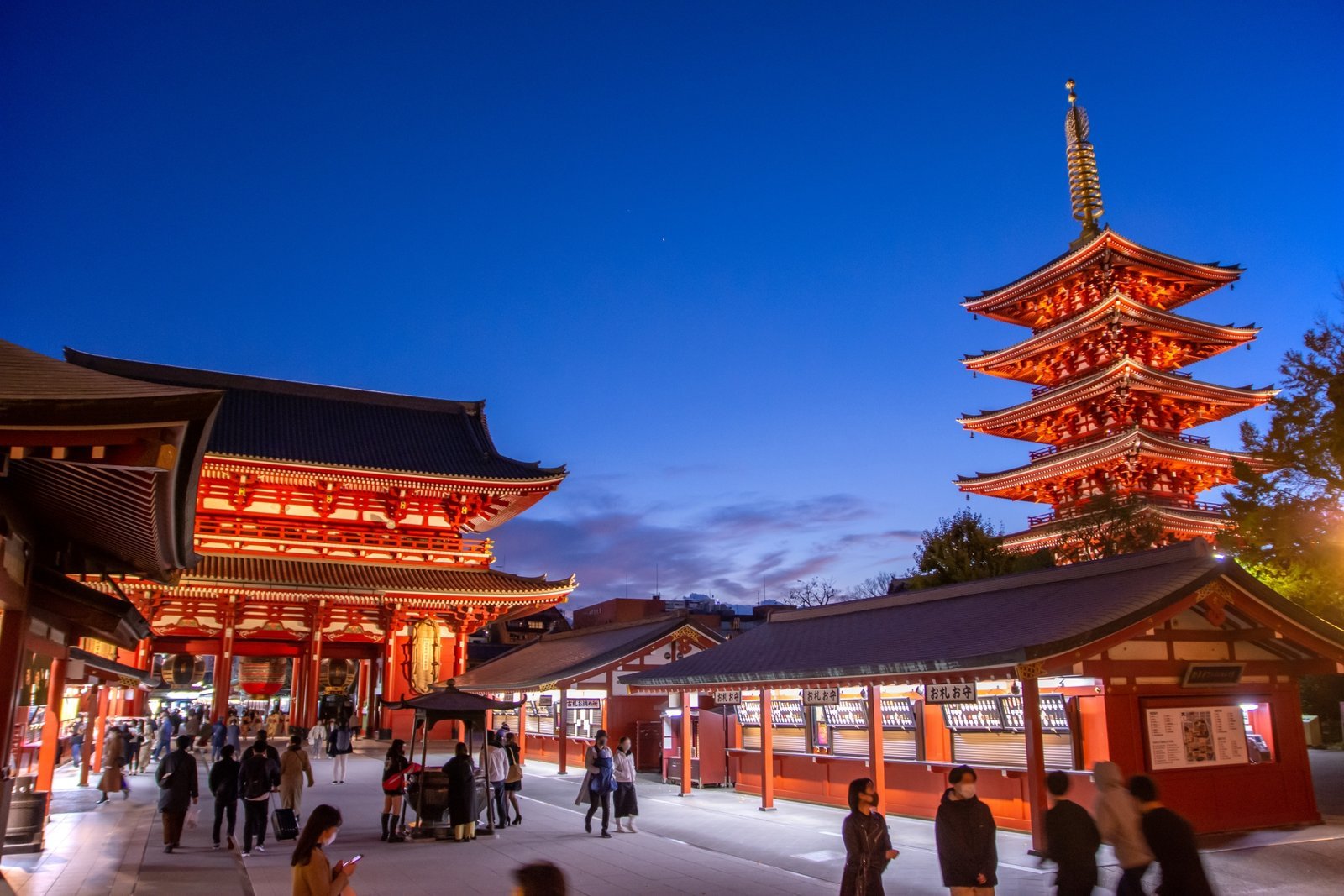
When Does Autumn Arrive in Asakusa?
If you’ve read about fall foliage in Kyoto or the mountains around Nikko, set your expectations a little differently for Tokyo. Asakusa sits low and close to the water, so the color arrives later and leans more toward gold than fiery red. In most years the leaves around Senso-ji Temple and along the Sumida River reach their peak from mid-November into early December, with the tail end sometimes running right up to the year’s end. Cherry trees turn earlier and briefly, dropping their leaves before the ginkgo really gets going, so if you catch a splash of copper in late October that’s usually them.
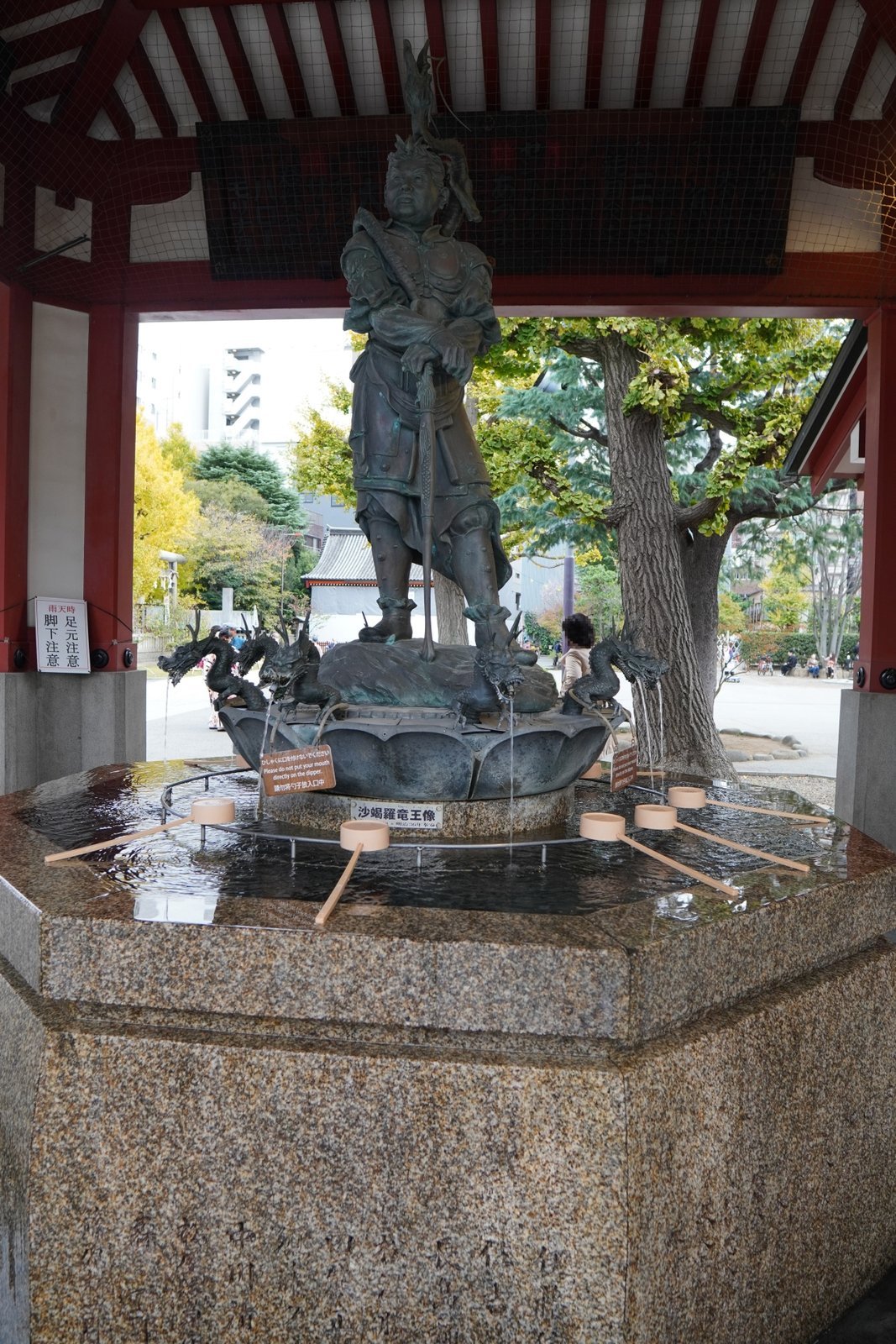
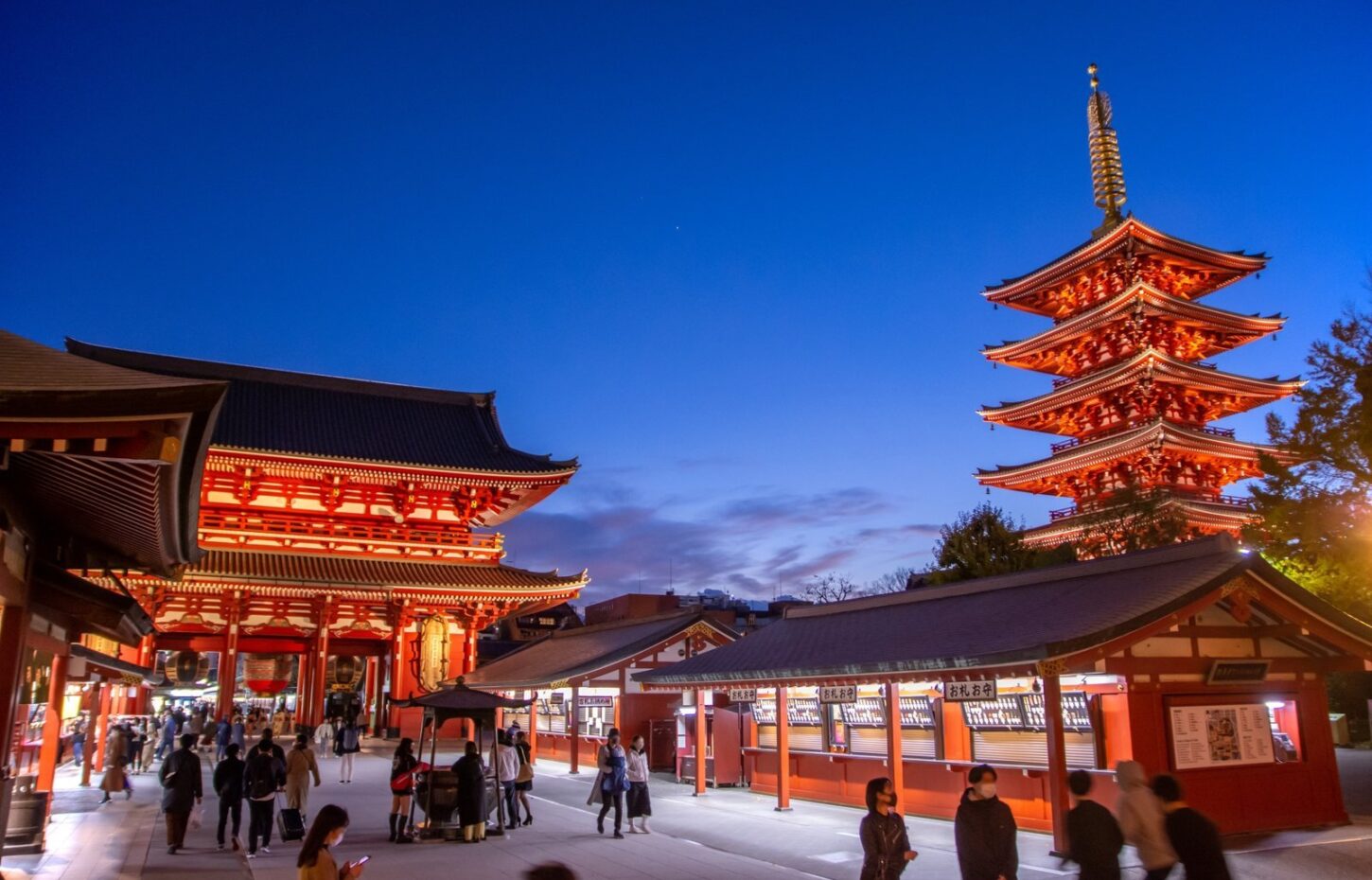
What this means in practice: don’t rush your autumn trip to Asakusa in the first half of November unless you’re also here for the crisp weather and thinner crowds. The back half of the month is your safest window for peak color in 2026, and the light in those weeks, low and warm by mid-afternoon, is genuinely lovely against the temple’s red buildings. Mornings are quiet and cool, perfect for a walk before the day fills up. Afternoons warm enough that you’ll want to linger. Bring a light jacket for the evening, because once the sun drops behind the pagoda the temperature does too.
Top Autumn Foliage Spots Around Asakusa
You don’t need a plan to enjoy autumn here, but a few spots reward a little intention: the Senso-ji grounds and the older ginkgo by the Nitenmon gate on the eastern side, Asakusa Shrine right next door, Matsuchiyama Shoten a little north in Kannon-ura, and Ushijima Shrine across the Sumida River for leaves with Tokyo Skytree behind them.
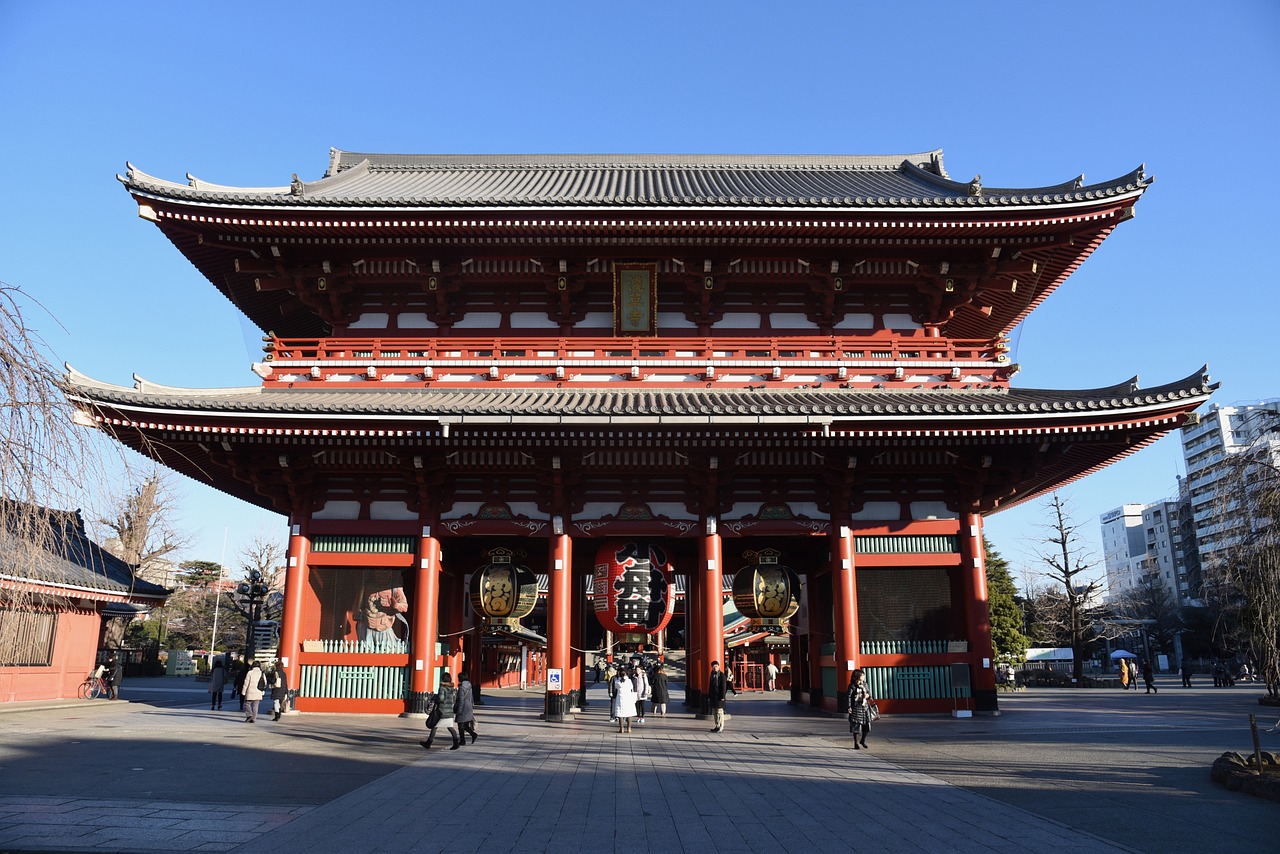
The grounds of Senso-ji Temple are the obvious first stop, and rightly so. Walk in through the Kaminarimon gate and down Nakamise street, then keep going past the main hall toward the Nitenmon gate on the eastern side, where the older ginkgo trees turn a deep gold that plays beautifully against the vermilion temple architecture. Come early in the morning if you want that view without a shoulder-to-shoulder crowd.
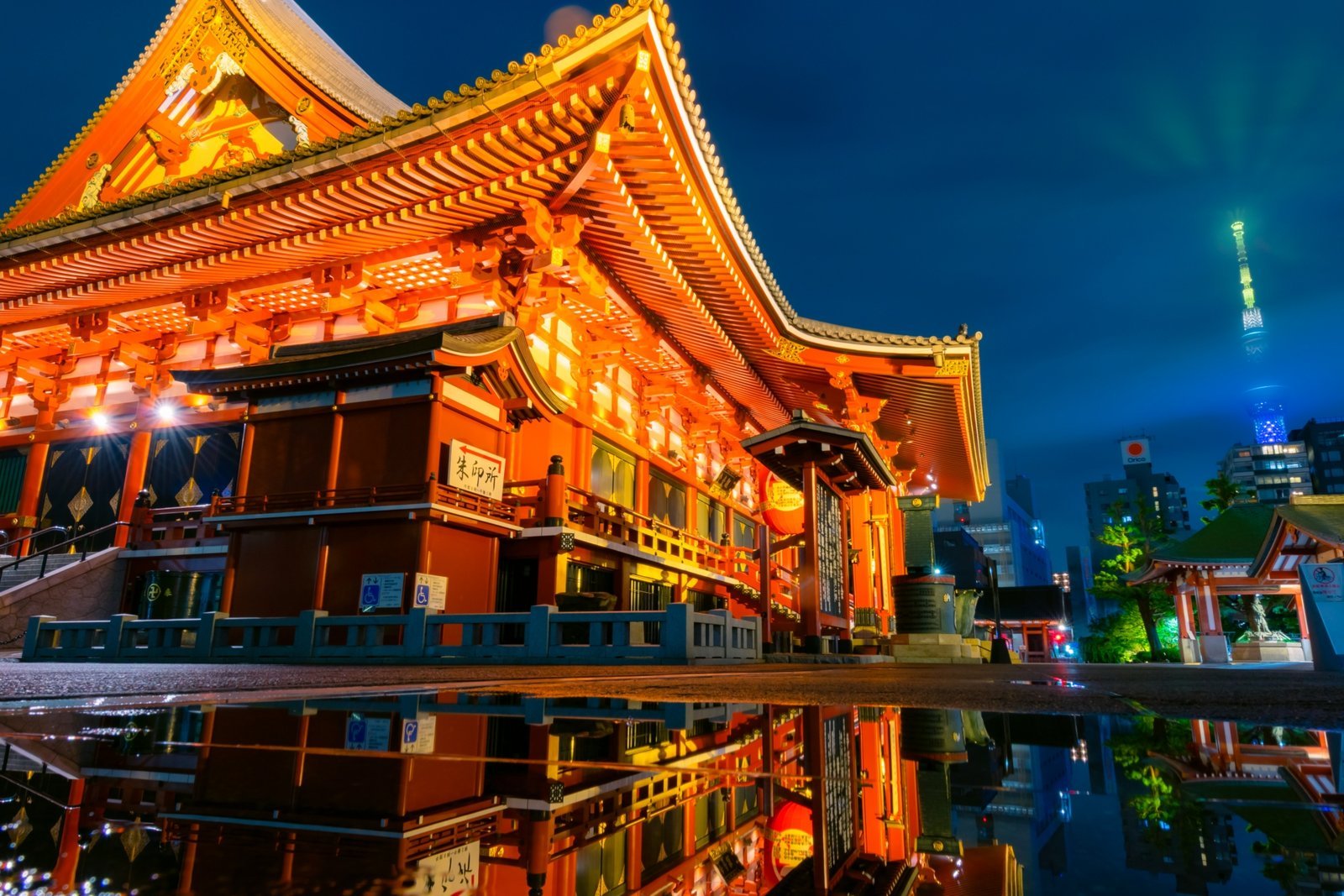
But here’s a tip most guides skip: don’t stop at the main temple. Just beside it sits Asakusa Shrine, and in my view this is the single best spot in the area for autumn color. The pairing of a solemn, quiet shrine with the turning leaves is something you have to see for yourself, the kind of view that photographs never quite do justice.
For real quiet, walk a little north to Matsuchiyama Shoten, a small hilltop temple that counts as one of the district’s genuine hidden corners. Unlike the busier grounds near Senso-ji and Asakusa Shrine, comparatively few people find their way here, so you can take the season in slowly and in peace. This whole area north of the temple is what locals call Kannon-ura, the “back of Kannon,” where the pace slows and you get a truer sense of the shitamachi, Tokyo’s old downtown. It’s also, as it happens, where a handful of the district’s traditional restaurants and geisha houses still quietly operate, a thread I’ll pick up later.
If you want autumn leaves with Tokyo Skytree in the same frame, skip the obvious guess. Sumida Park has fine open river views, but for the Skytree pairing my recommendation is Ushijima Shrine, on the far side of the river, where the tower rises directly behind the grounds. It’s the kind of shot where old and modern Tokyo share one frame.
Wherever you walk, the pairing that makes an Asakusa autumn is simple: warm color overhead, old streets underfoot, and the temple somewhere in view.
Autumn Events and Seasonal Culture in Asakusa
Autumn in Asakusa isn’t only about leaves. The season carries its own rhythm of events, and catching one turns a nice walk into a real memory. The fixed point is Tori-no-Ichi in mid-November at nearby Otori Shrine, where kumade rakes carry no price tags and the money you haggle off is left with the seller as a goshugi — exact dates shift year to year, so check the current schedule before you lock in your trip.
Mid-November brings Tori-no-Ichi, the “rooster fair,” to nearby Otori Shrine, one of the liveliest traditional events on the district’s calendar. Stalls sell ornately decorated bamboo rakes called kumade, meant to rake in good fortune and prosperity for the year ahead. On fair days you’ll see people carrying big finished rakes home through the streets, and the whole neighborhood fills with a kind of visible happiness.
There’s real custom behind those rakes, and knowing it makes the fair far more fun to watch. The tradition is to buy a kumade slightly bigger than last year’s, so your luck and fortune grow larger year by year, and to bring the previous year’s rake back to the shrine as an offering. The rakes carry no price tags, either. You ask the seller a price, then haggle it down, a bargaining ritual that goes back to the Edo period. But the truly stylish move is this: you don’t pocket the money you saved. You leave the difference with the shop as a goshugi, a celebratory tip. Haggling hard and then handing back the savings is considered the iki, the chic and auspicious, way to buy. It’s a small piece of old Tokyo etiquette that says everything about the district’s character.
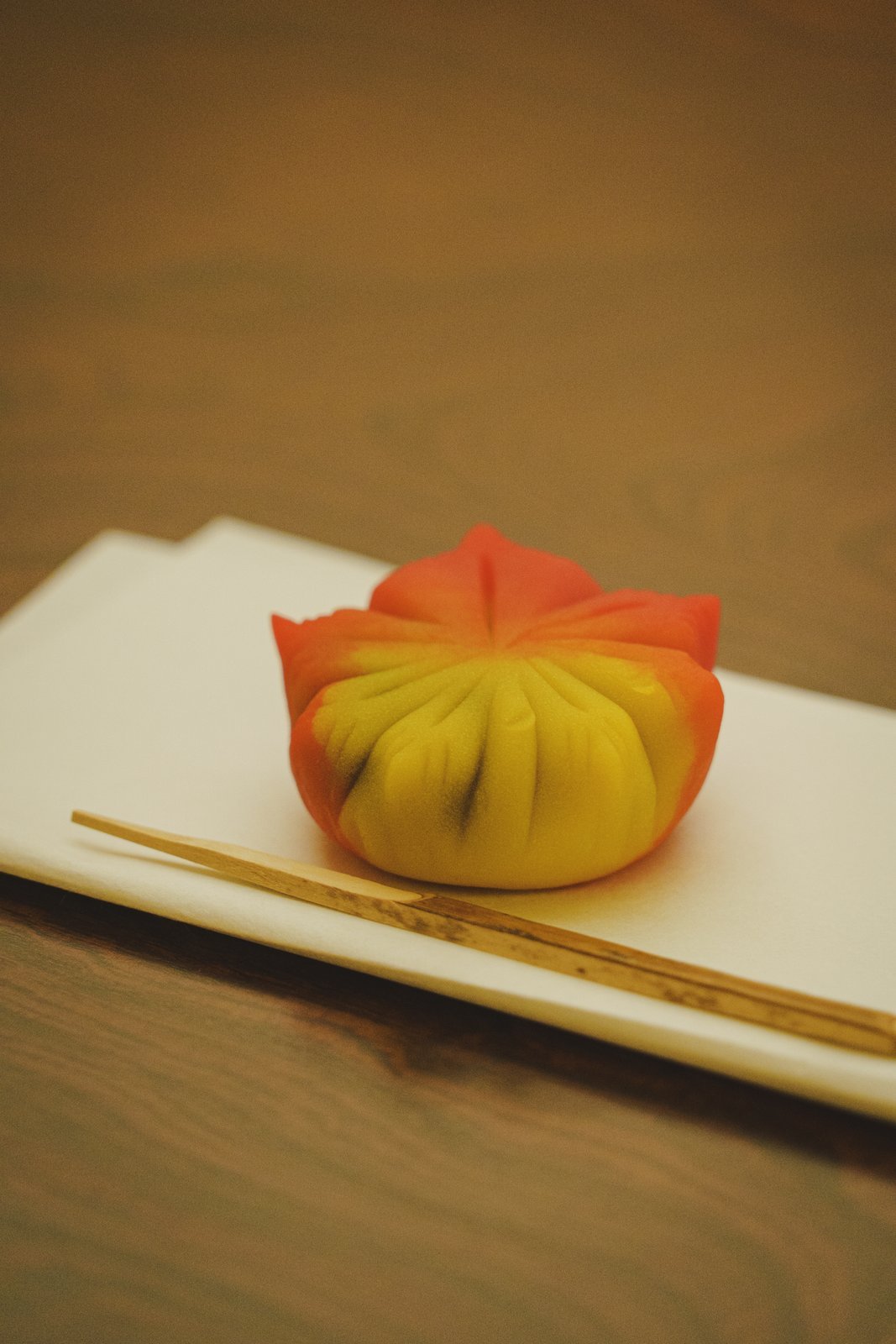
Beyond the marquee events, autumn is simply a good season to notice the small seasonal touches that Japanese culture builds into everyday life here: the shift in shop displays, the seasonal sweets that appear in the confectionery windows, chestnut and sweet potato flavors taking over from summer’s shaved ice. Asakusa has been a place of festivity and gathering for a very long time, a neighborhood that rebuilt itself after the war and kept its appetite for celebration intact, and autumn shows that side of it well.
If your dates are flexible, it’s worth a quick search for the current year’s festival schedule before you lock in your trip, since exact dates shift. But even on an ordinary autumn afternoon, the season is present in a hundred small ways once you start looking.
Stay for the Evening Side of the Season
When the light goes, Asakusa’s autumn moves indoors. A private ozashiki (a private gathering with geisha) at our teahouse in Kannon-ura pairs seasonal kaiseki cuisine with Asakusa geisha — dance, shamisen, conversation and the old parlor games — for your group alone, first-time and overseas guests welcome.
Request a ReservationAn Autumn Food Walk Down Nakamise and the Back Streets
Half the pleasure of an Asakusa autumn happens with something warm in your hand. The street food here is built for wandering, and cool weather makes it even better. In autumn that means chestnut and sweet potato: ningyo-yaki griddled on Nakamise street, senbei grilled over coals, and three long-established names worth a detour — Tokiwado for its limited sweet-potato okoshi, Funawa for imo-yokan, Kohshin for daigaku-imo.
Start on Nakamise, the long shopping street that runs from the Kaminarimon gate to the temple. It’s touristy, yes, but for good reason: this is the place for freshly griddled ningyo-yaki, small sweet cakes filled with red bean paste, handed to you still hot. In autumn the seasonal flavors lean into chestnut and sweet potato, and a warm sweet paired with the cold air is one of those small perfect things. Senbei rice crackers grilled over coals send up a smell you’ll follow without meaning to.
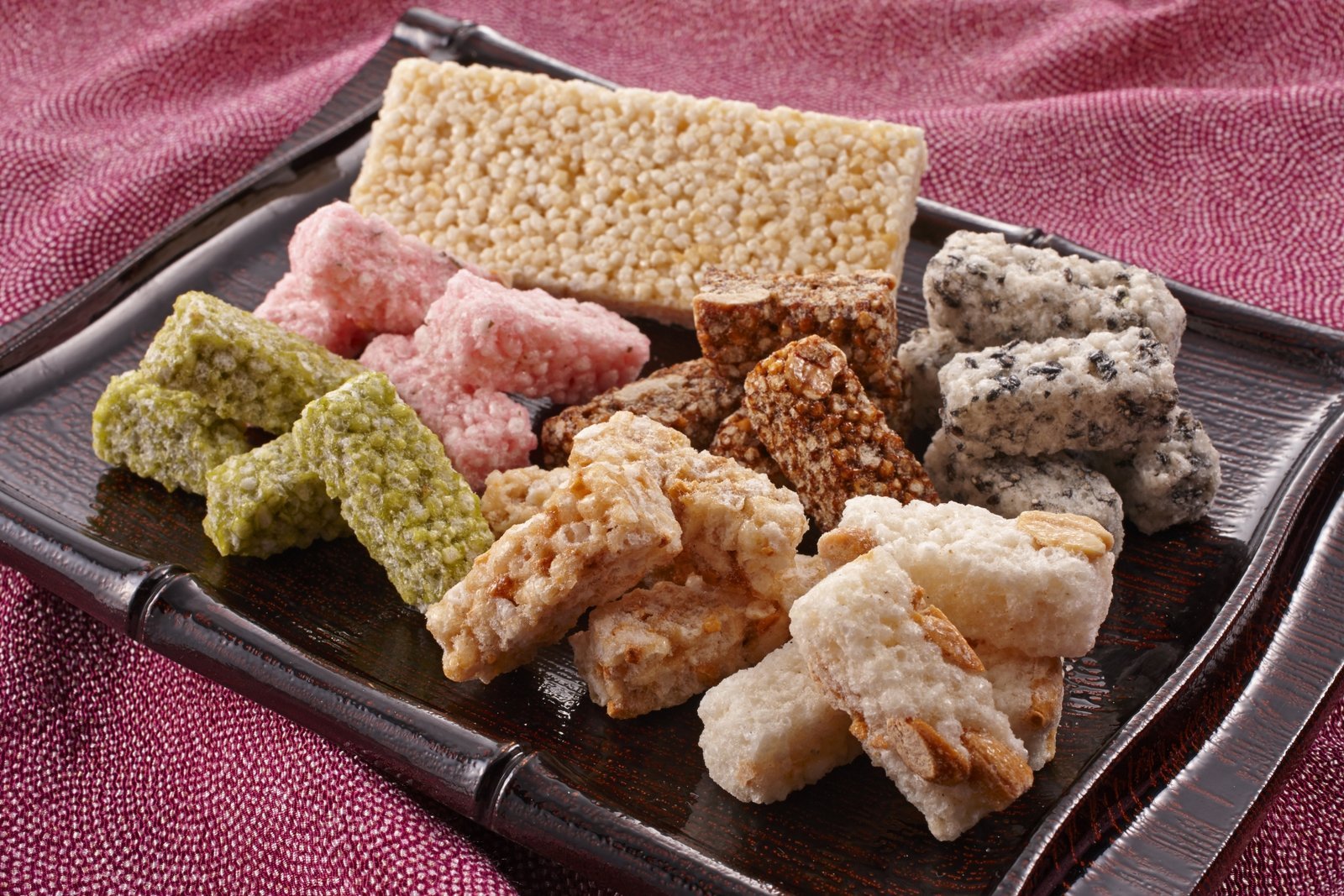
One seasonal treat worth seeking out: the sweet-potato okoshi from Tokiwado, the long-established maker of Asakusa’s famous kaminari-okoshi puffed-rice crackers. Their sweet-potato version is a limited flavor and a nice change from the usual souvenir sweets.
Sweet potato is something of an Asakusa signature all year round, so you’re not out of luck outside the seasonal window either. Funawa is the famous name for imo-yokan, a firm, gently sweet sweet-potato jelly, and Kohshin is well known for daigaku-imo, candied sweet potato with a glossy caramelized coat. Both are easy to eat on the move and make good gifts to take home.
Off the main drag, the back streets reward a slower walk. You’ll find old sweet shops, standing spots for a quick bite, and the occasional storefront that hasn’t changed its look in decades. This is where the shitamachi character really lives, less polished, more genuine. Take a lap without a destination and let the smell of grilled things decide your route.
If you’d rather sit down properly, Asakusa has everything from casual to refined, and autumn is prime season for the kind of long, unhurried dinner that Japanese hospitality does so well. Which brings me, finally, to the evening.
Ending the Day: A Traditional Asakusa Evening
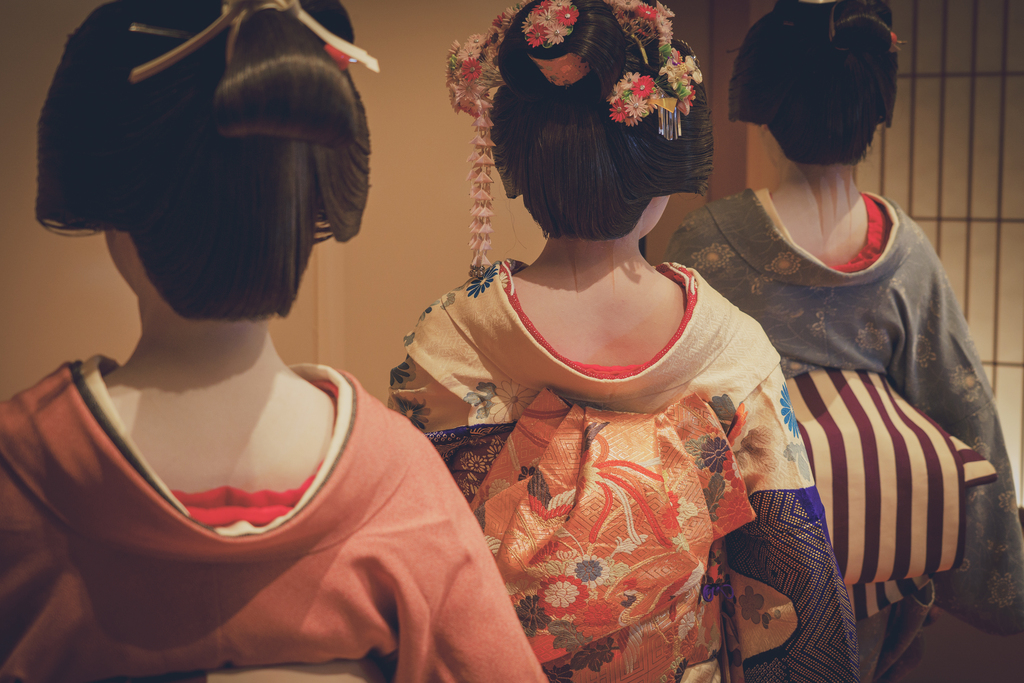
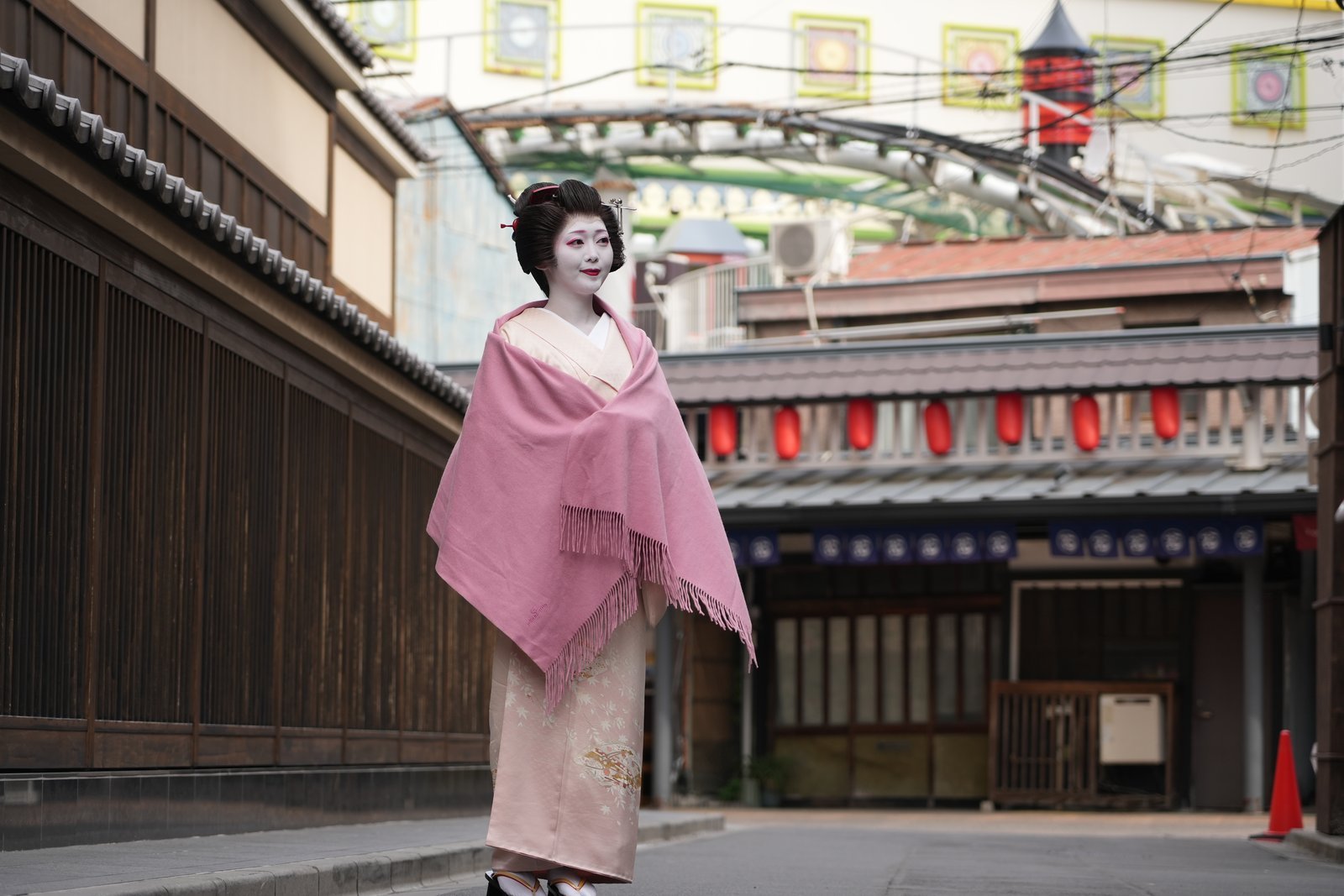
Here’s the thing most autumn guides leave out. Asakusa isn’t only a daytime district of temples and street food. It’s also one of Tokyo’s six remaining traditional entertainment quarters, or hanamachi, and its geisha culture is very much alive, not a costumed photo op but a living tradition carried by people who have devoted their working lives to it.
Asakusa has a character all its own here. As one longtime figure in this world puts it, the district grew up around Senso-ji, the city’s most visited temple, so its entertainment quarter was raised in the open, protected and nurtured by the whole neighborhood and loved by people of every age and walk of life. That openness is the point. Where some quarters built a reputation for exclusivity, Asakusa’s has always leaned welcoming.
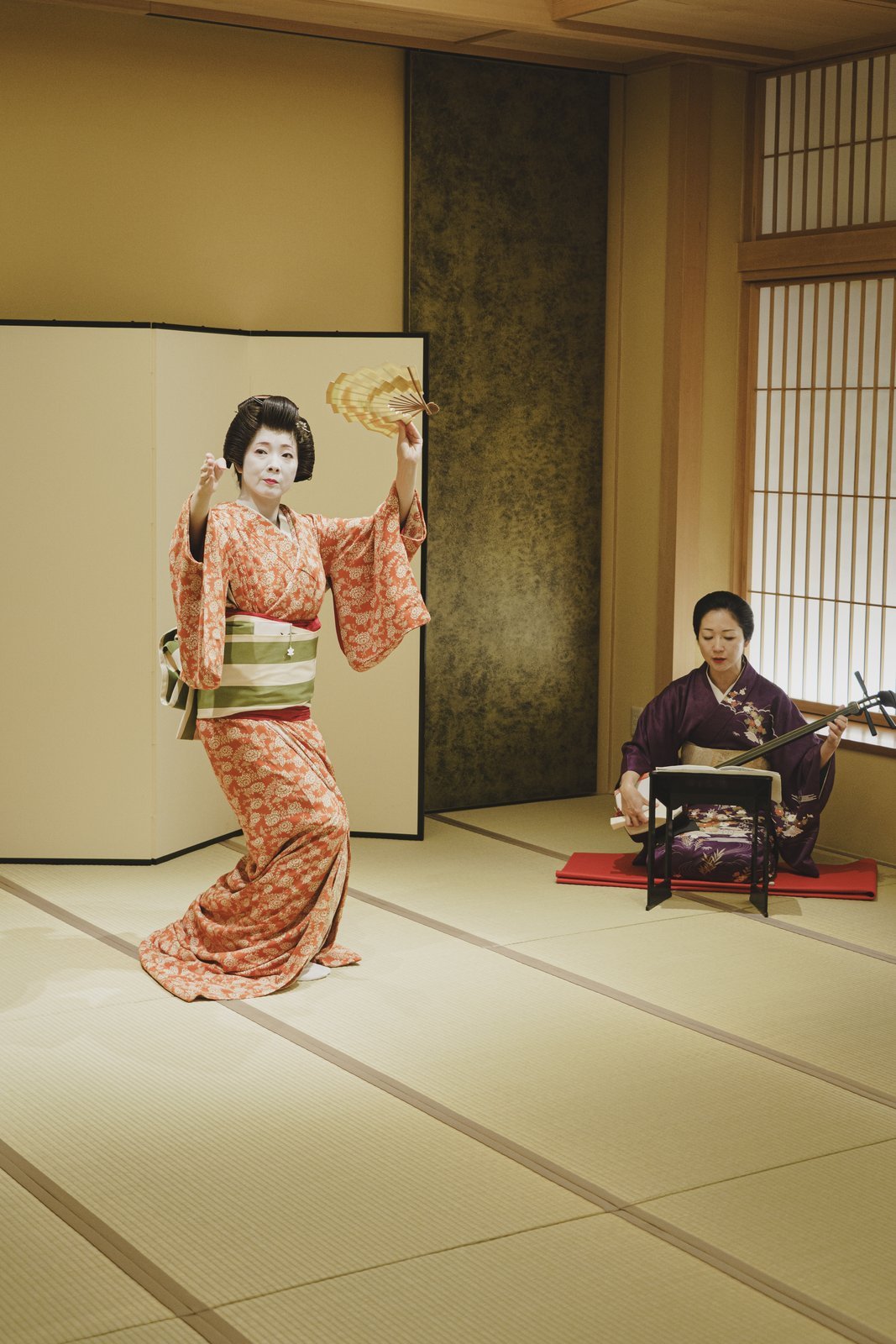
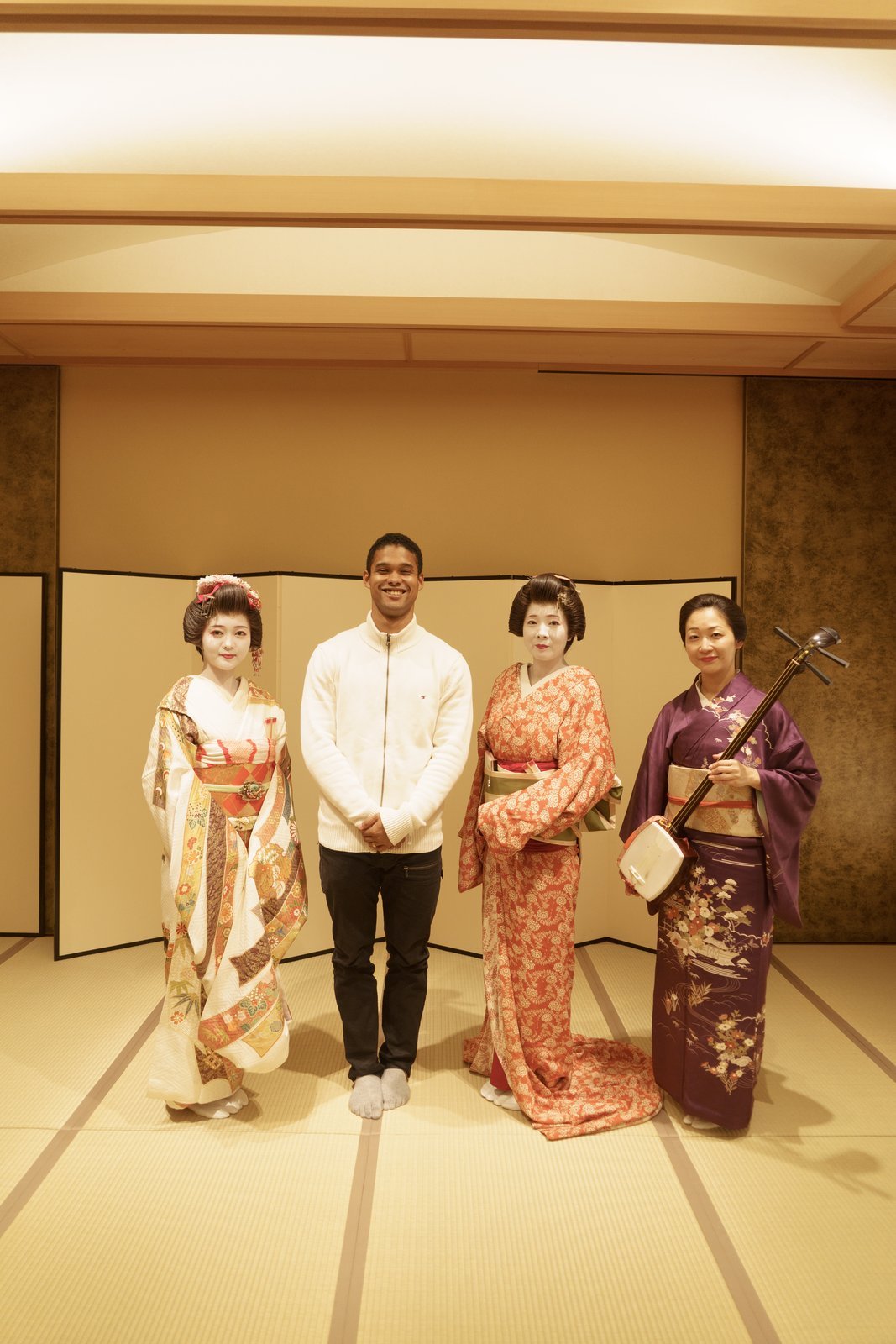
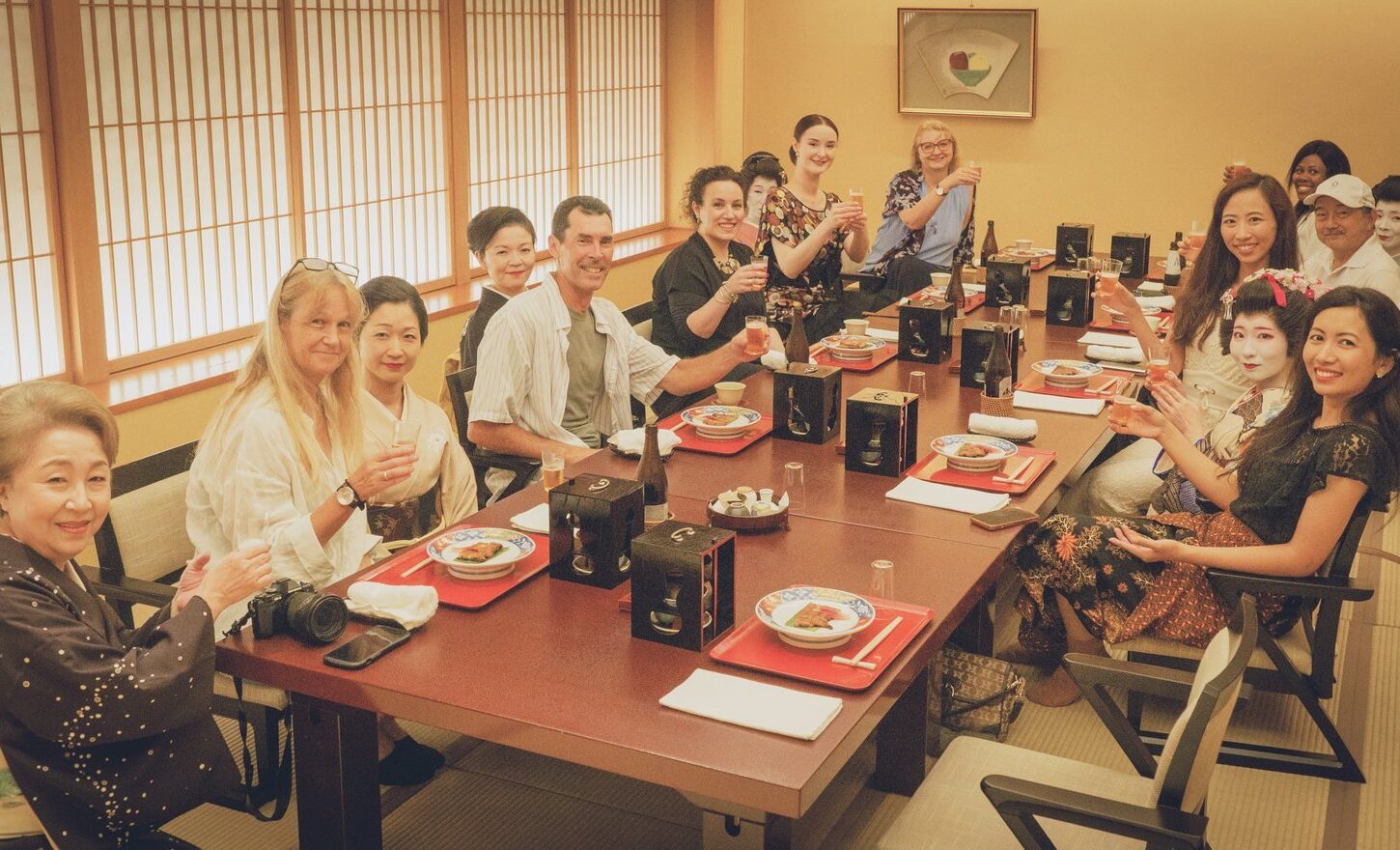
I mention this because it’s the perfect close to an autumn day here, and because we happen to know it well: our teahouse, Miyakodori — a machiai-chaya, a house that hosts geisha banquets rather than cooking for them, and the only machiai-chaya in Asakusa — sits in that quiet area behind the temple, and we’ve kept the doors of this world open to first-time and overseas guests. Miyakodori was founded in 1950. An evening in a traditional private room here means seasonal kaiseki cuisine that changes with the calendar, and time in the company of Asakusa geisha, who spend the whole visit in your room, pouring drinks, sharing conversation, performing dances and music refined over centuries, and drawing you into ozashiki-asobi, the old parlor games that have barely changed in two hundred years.
Our okami, an Asakusa geisha since 1969 and the only okami in Asakusa who was herself a geisha, likes to say that this is an art you can only truly feel in person. A screen can’t carry the sound of a live shamisen or the way a room warms as the evening goes on. What you take away, she says, is different for everyone, which is exactly what makes it worth doing.
We welcome first-time visitors openly, so if the idea of stepping from a golden autumn afternoon into an authentic evening of old Tokyo appeals to you, this is your invitation. It’s the kind of memory Asakusa in autumn was made for.
Frequently Asked Questions
When is the best time to see autumn leaves at Senso-ji Temple?
In most years the foliage around Senso-ji Temple and the Sumida River peaks from mid-November into early December. The second half of November is usually your safest bet for full autumn color in Asakusa, though exact timing shifts year to year with the weather.
Is Asakusa worth visiting in autumn compared to other seasons?
Yes. Autumn brings comfortable temperatures, clean light, thinner crowds than the cherry-blossom rush, gold foliage against the temple’s red architecture, and lively seasonal events. For many travelers it’s the most rewarding season to walk the district.
What’s the best autumn walk in Asakusa?
Start at the Kaminarimon gate, stroll Nakamise street to Senso-ji Temple, then step next door to Asakusa Shrine, the standout spot for shrine-and-foliage views. Continue to the Nitenmon gate for the best ginkgo, then head north to the quieter Matsuchiyama Shoten. For the Skytree-and-leaves shot, make your way to Ushijima Shrine across the river.
Where can I see autumn leaves with Tokyo Skytree in the background?
Ushijima Shrine, on the far side of the Sumida River, is the spot: the tower rises directly behind the grounds, so old and modern Tokyo sit in one frame. Sumida Park has fine open river views, but it doesn’t line the tower up the same way.
Where can I see autumn colour in Asakusa away from the crowds?
Walk north to Matsuchiyama Shoten, a small hilltop temple in the area locals call Kannon-ura, the “back of Kannon.” Comparatively few visitors find their way there, so you can take the season in slowly, unlike the busier grounds near Senso-ji and Asakusa Shrine. Coming early in the morning also thins the crowd at the temple itself.
Are there autumn festivals in Asakusa?
Yes. The most notable is Tori-no-Ichi in November at Otori Shrine, where decorated bamboo rakes are sold for good fortune. Dates shift each year, so check the current schedule before your trip.
What autumn food should I try in Asakusa?
Chestnut and sweet potato are the flavours of the season here. On Nakamise street look for freshly griddled ningyo-yaki and senbei grilled over coals; for something to take home, Tokiwado makes a limited sweet-potato okoshi, Funawa is the name for imo-yokan, and Kohshin for daigaku-imo.
Can I experience traditional culture in Asakusa in the evening?
You can. Asakusa is one of Tokyo’s six remaining hanamachi, and Miyakodori — the only machiai-chaya in Asakusa, in the quiet streets behind Senso-ji — welcomes first-time and overseas guests for an evening of seasonal cuisine, Asakusa geisha and ozashiki-asobi parlor games.
Bringing It Together
Autumn suits Asakusa. The season arrives late and gentle here, gold more than red, peaking through the back half of November around Senso-ji Temple and the Sumida River. Come in the morning for quiet views, walk Nakamise with something warm in your hand, catch a seasonal festival if your dates align, and let the old back streets slow you down. It’s an easy, human way to experience this corner of Tokyo, no rush, no checklist, just good light and old streets.
And when the sun drops behind the pagoda, you don’t have to let the day end there. The same neighborhood that shows you gold ginkgo by afternoon can show you a living piece of Edo-era Tokyo by evening. We’d be glad to be the ones who welcome you into it. Asakusa in autumn is a fine thing on its own, and a memorable one if you stay for the night it can offer.
Spend an Autumn Evening in Old Tokyo
Step from a golden afternoon at Senso-ji into a private ozashiki (a private gathering with geisha) at Miyakodori, our teahouse in the quiet streets behind the temple. Seasonal kaiseki, Asakusa geisha for the whole visit, and ozashiki-asobi parlor games — first-time and overseas guests welcome.
Request a ReservationSources and References
- Asakusa Tourism Federation — Miyakodori feature: asakusa.gr.jp
- Tokyo Metropolitan Government (my.metro.tokyo.lg.jp): my.metro.tokyo.lg.jp
- Asakusa geisha (Asakusa Kenban): asakusakenban.com
- Machiai-chaya / ozashiki feature (PR TIMES): prtimes.jp


- Sanja Matsuri in Asakusa: A Geisha House Guide to Tokyo's Wildest Festival
- What Is a Ryotei? Japan's Traditional Restaurant Culture, Explained
Christmas in Asakusa 2026: Japanese-Style Illuminations, Christmas Markets Nearby, and a Geisha Dinner
How to Get from Haneda or Narita Airport to Asakusa: A Local’s Guide
Geisha Instruments: The Music Behind the Ozashiki

Geisha Drinking Game: Culture, Fun, and Tradition
Best Time to Visit Sensoji Temple: Hours, Crowds and the Quiet Times Locals Know
No comments yet.