



Planning a Group Dinner in Tokyo: A Private, Unforgettable Evening in Asakusa
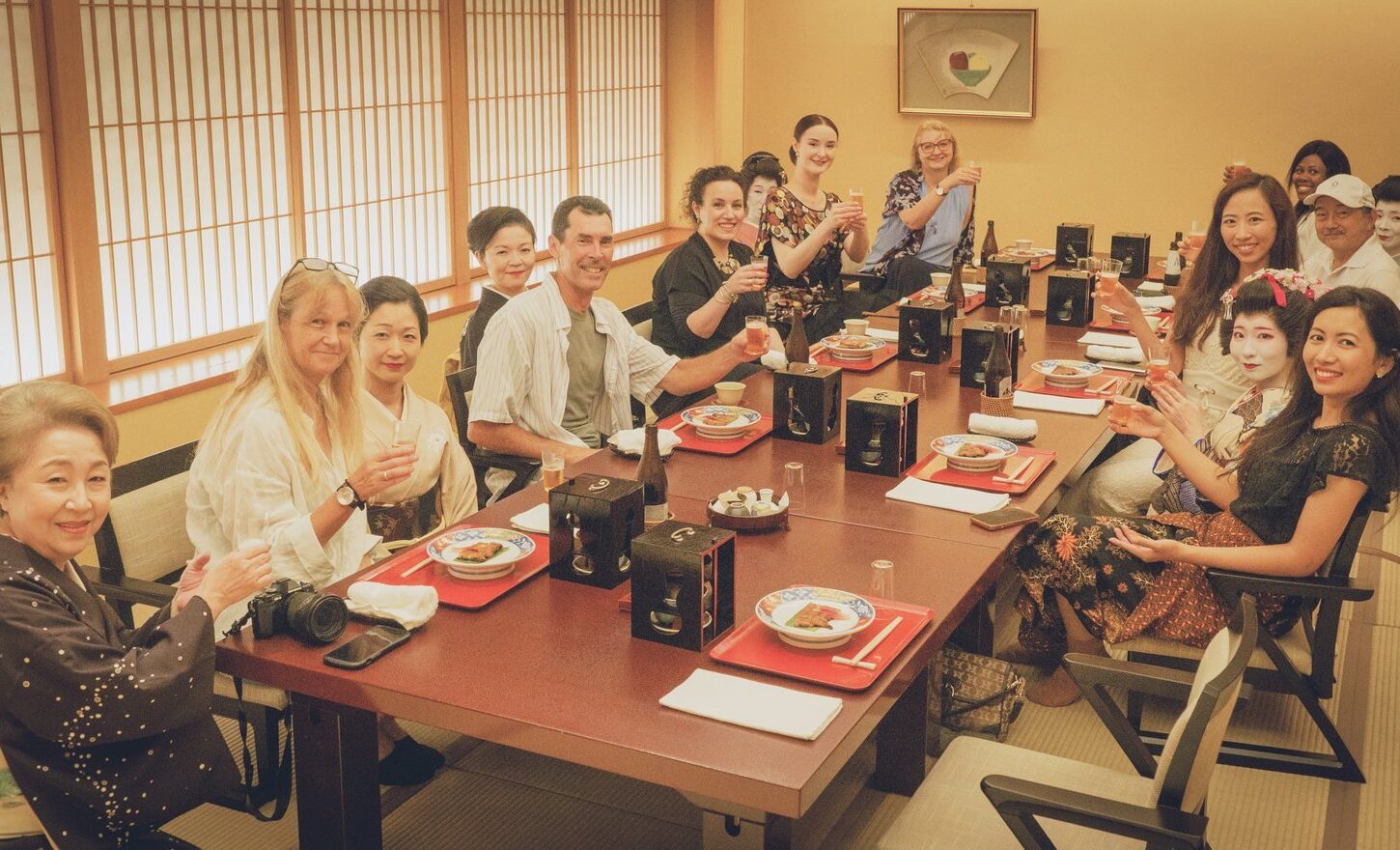
Planning a group dinner in Tokyo comes down to one thing most restaurants cannot offer: a private room where your whole party sits at one table. At Miyakodori, a traditional machiai-chaya (geisha teahouse) in Asakusa founded in 1950, there are three private rooms, the largest seating up to 23 guests (the other two seat 1 to 8 and 1 to 6), and for evening ozashiki (a private gathering with geisha) dinner is a seasonal kaiseki course shared with geisha — two as standard, more on request — who stay in your room for the length of your plan. Halal options can be prepared with at least five days’ notice, first-time guests from overseas are welcome, and the evening includes live music, dance, and traditional ozashiki games such as konpira fune fune, tora tora, and tosenkyo.
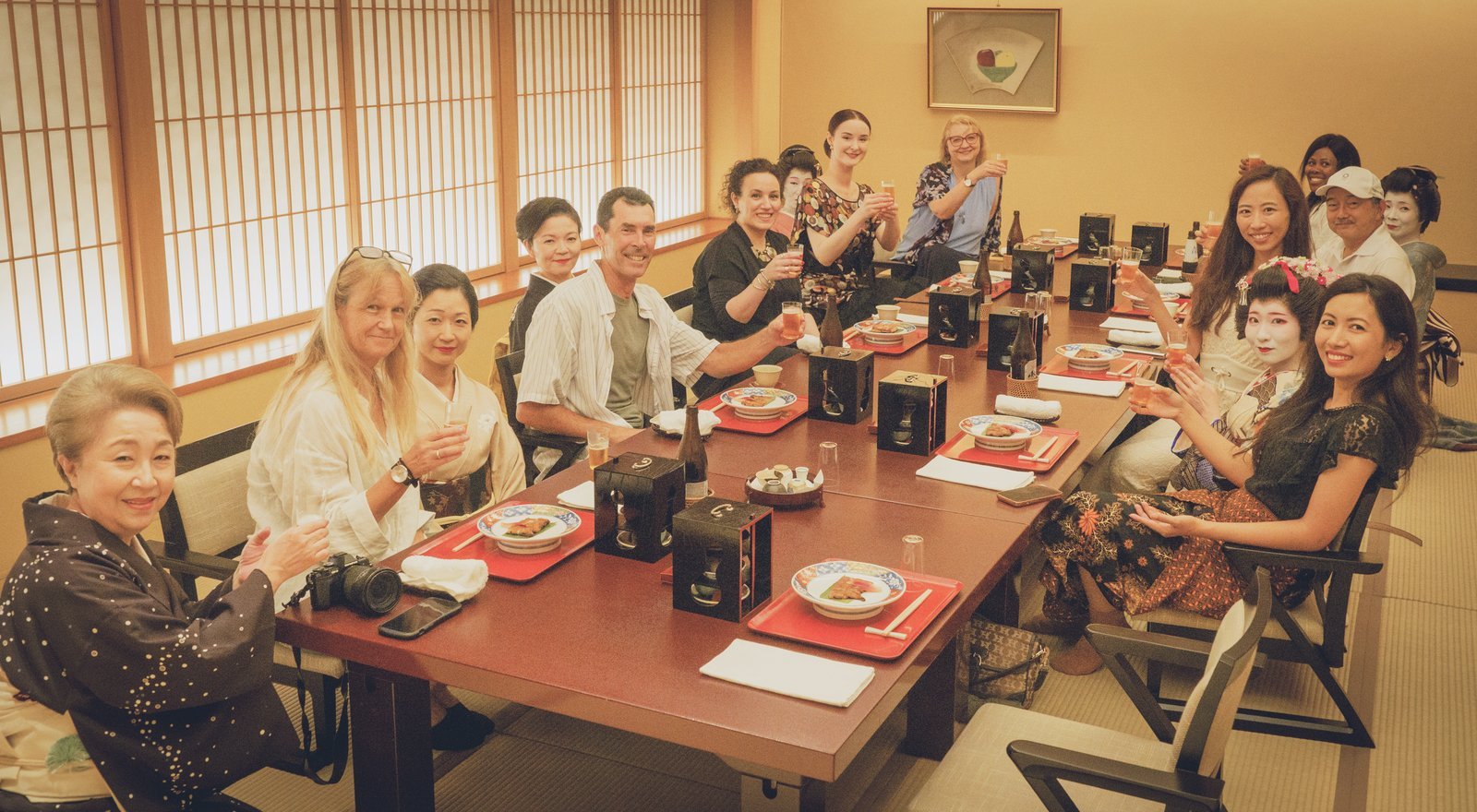
Finding the right place for a group dinner in Tokyo is harder than it looks. Most restaurants in the city are built for two to four diners, and once your party grows past six or eight, the options narrow fast. Add a few guests who are vegetarian, or visiting from overseas for the first time, and the search can feel overwhelming. If you are hosting family, entertaining business guests, or gathering friends for a once-in-a-lifetime evening in Japan, you want more than a table that fits everyone. You want a night people remember.
Here at Miyakodori, a traditional machiai-chaya (geisha teahouse) in Asakusa, we host exactly these kinds of evenings. Below we share what to look for when booking a group dinner in Tokyo, and why an evening at an Asakusa geisha teahouse offers something no ordinary restaurant can.
Why group dining in Tokyo is trickier than you expect
Tokyo has an enormous restaurant scene, but the way many places are built works against large parties. Most seat two to four diners. Counter seating, small rooms, and tight table layouts are the norm. In popular areas around major stations, a group of ten or more often has to split across separate tables, which defeats the purpose of gathering everyone together.
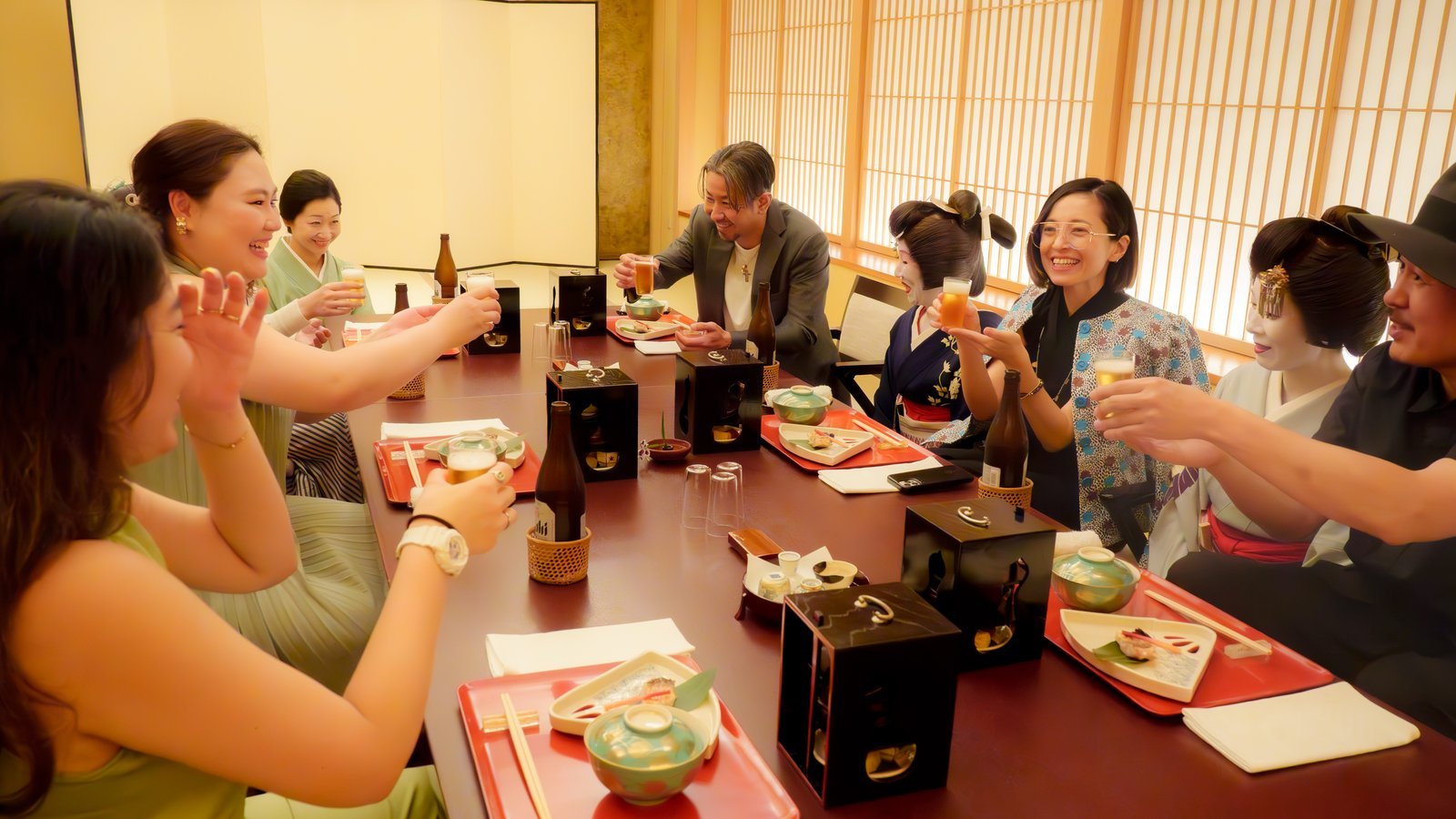
The most reliable solution is a private room. A private space lets your whole group share one table, talk freely, and enjoy the evening without worrying about other diners nearby. For a special occasion, a private room is not a luxury but the foundation of a good group dinner.
What to check before you book
A few practical points make or break a group reservation in Tokyo. Confirm the maximum party size the room can seat, since listed capacity and comfortable capacity are not always the same — ours are 3 to 23, 1 to 8, and 1 to 6, listed room by room below. Ask whether the venue can accommodate dietary needs. At Miyakodori we can prepare halal options in bento form with at least five days’ notice, and we are glad to discuss vegetarian requests when you book ahead. Check how long you can keep the room, because a set course with a fixed time frame helps you plan the night. Finally, book early. Private rooms for larger groups fill quickly, especially in high travel seasons.
Our rooms, and how many each one seats
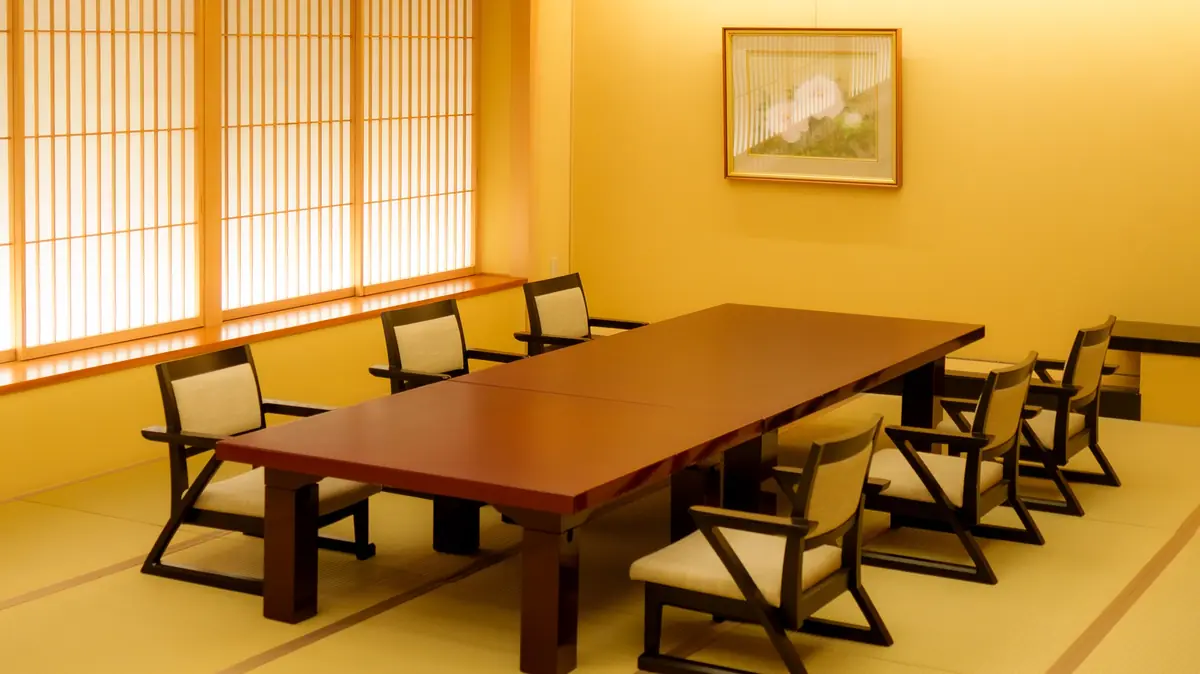
Because “how many fit” is the first question every group has, here are ours plainly. We have three rooms. The Hiroma, our largest, is on the second floor and seats 3 to 23 guests at tables and chairs. The Yanagi room, also on the second floor, takes 1 to 8 at a table. The Hana room is on the ground floor and seats 1 to 6 at a horigotatsu — a sunken table you sit at with your legs below, so no one has to kneel.
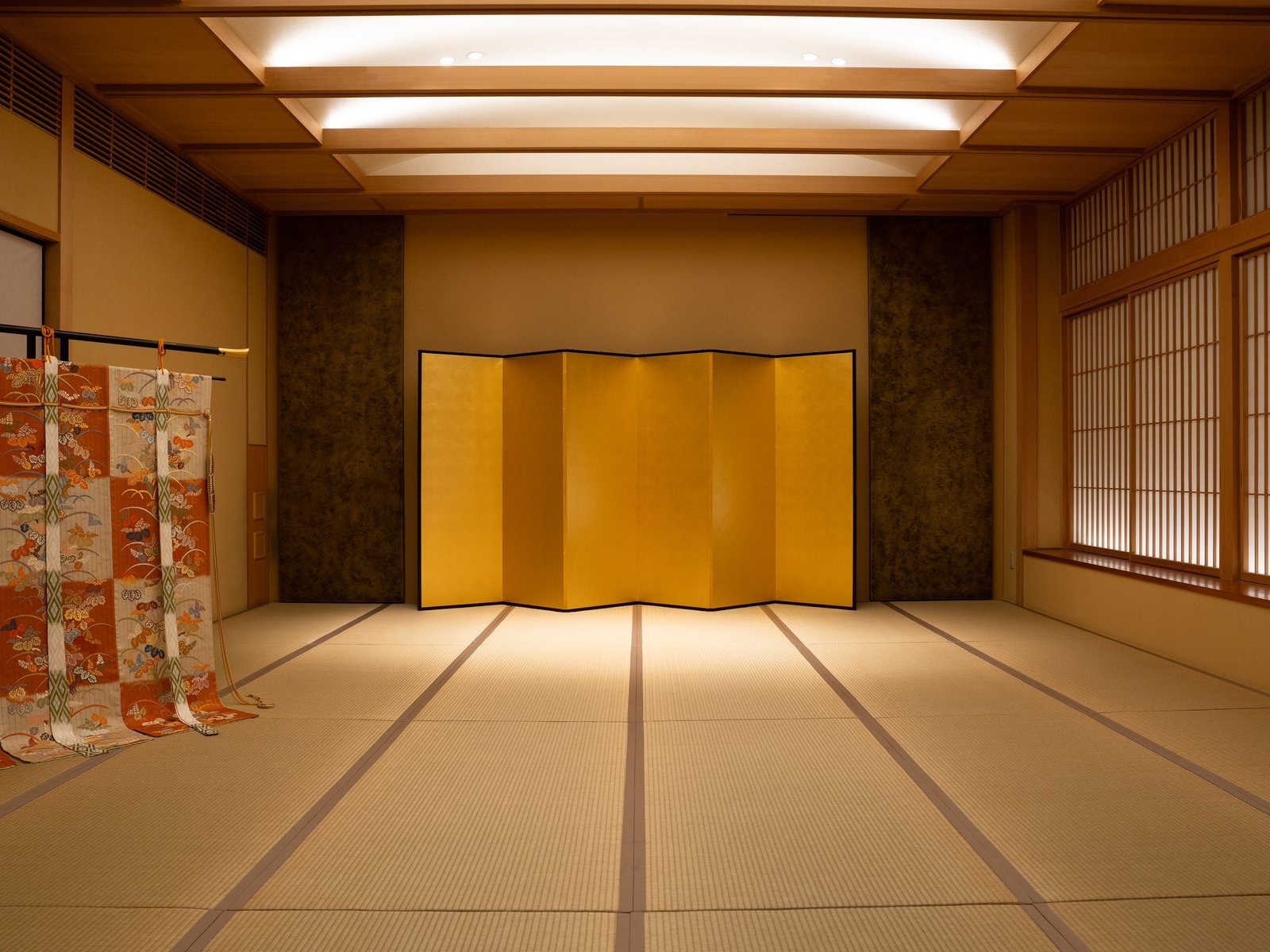
That last detail matters more than it sounds. None of our three rooms asks you to sit directly on the floor in seiza, and there is a lift in the building, so older guests and anyone with stiff knees can be comfortable. The ground-floor Hana room needs no stairs at all.
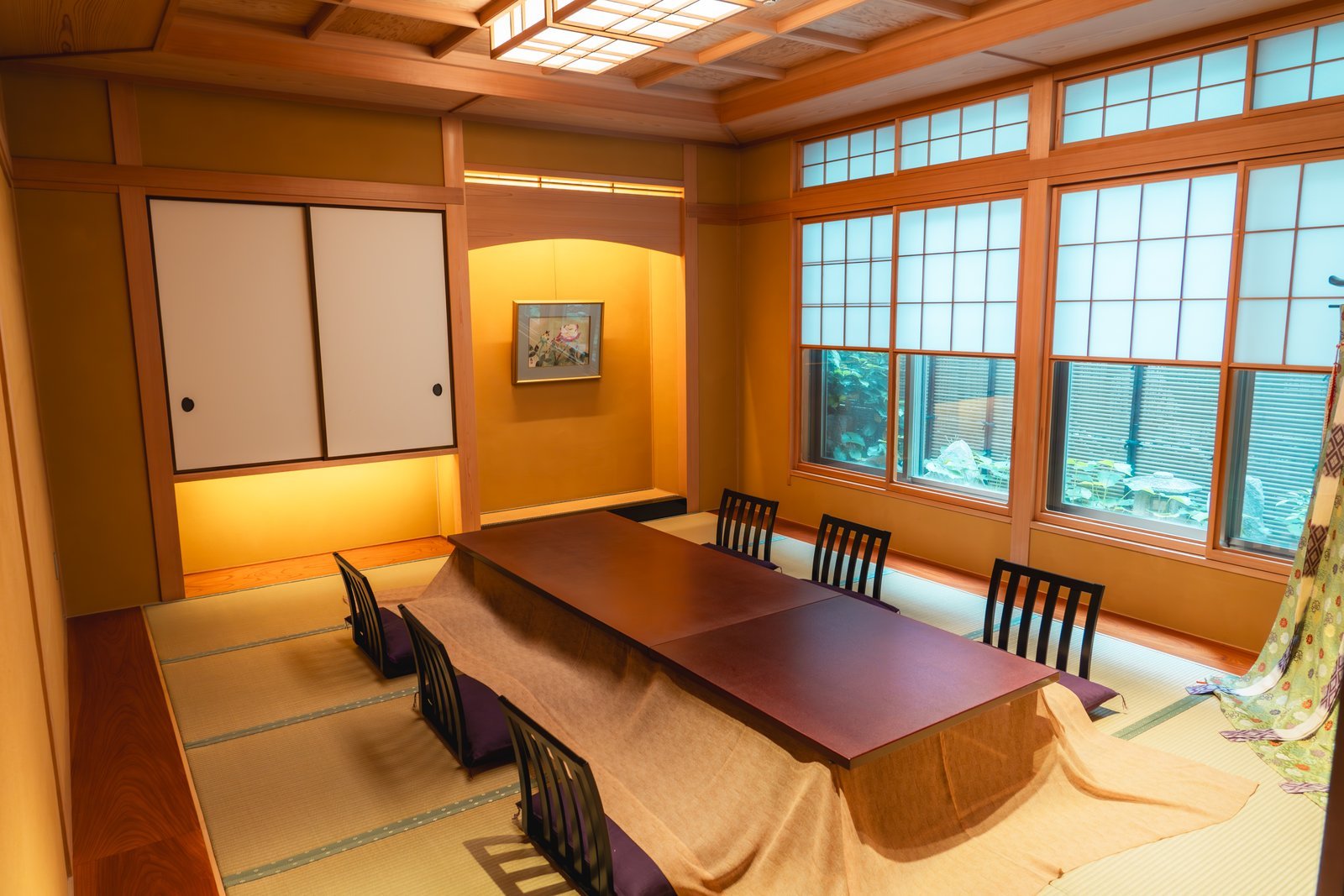
For a party of nine or more, the Hiroma is the room, and it is the one that fills first — worth asking about early if your dates are fixed.
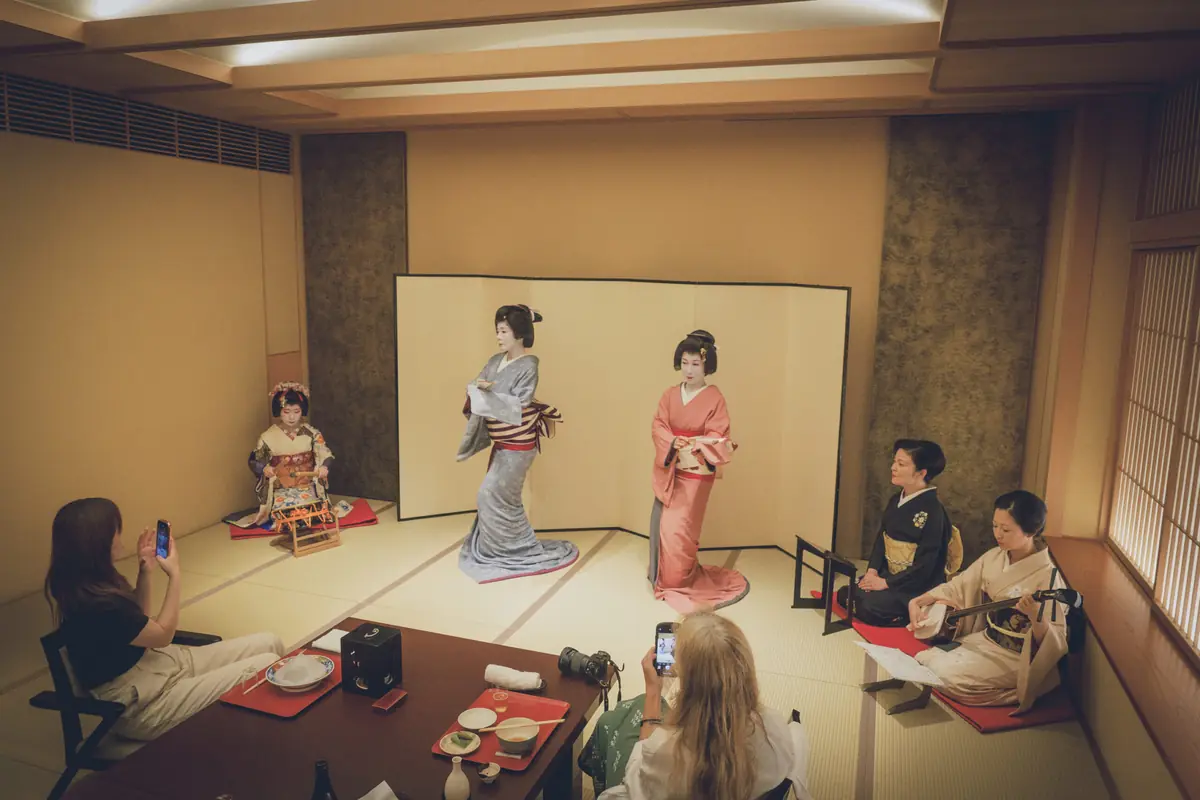
Geisha are booked separately from the room. An evening comes with two geisha as standard, and you can add more; larger groups often do, simply so that everyone at a long table is close to the performance rather than watching it from the far end.
Planning a group dinner in Tokyo?
Miyakodori hosts private ozashiki (a private gathering with geisha) evenings in Asakusa for groups of up to 23 guests — a seasonal kaiseki course, live music, dance, and traditional games, in a room kept for your group alone. Tell us your date, your party size, and any dietary needs, and we will take it from there.
Request a ReservationAn Asakusa teahouse: dinner as an experience, not just a meal
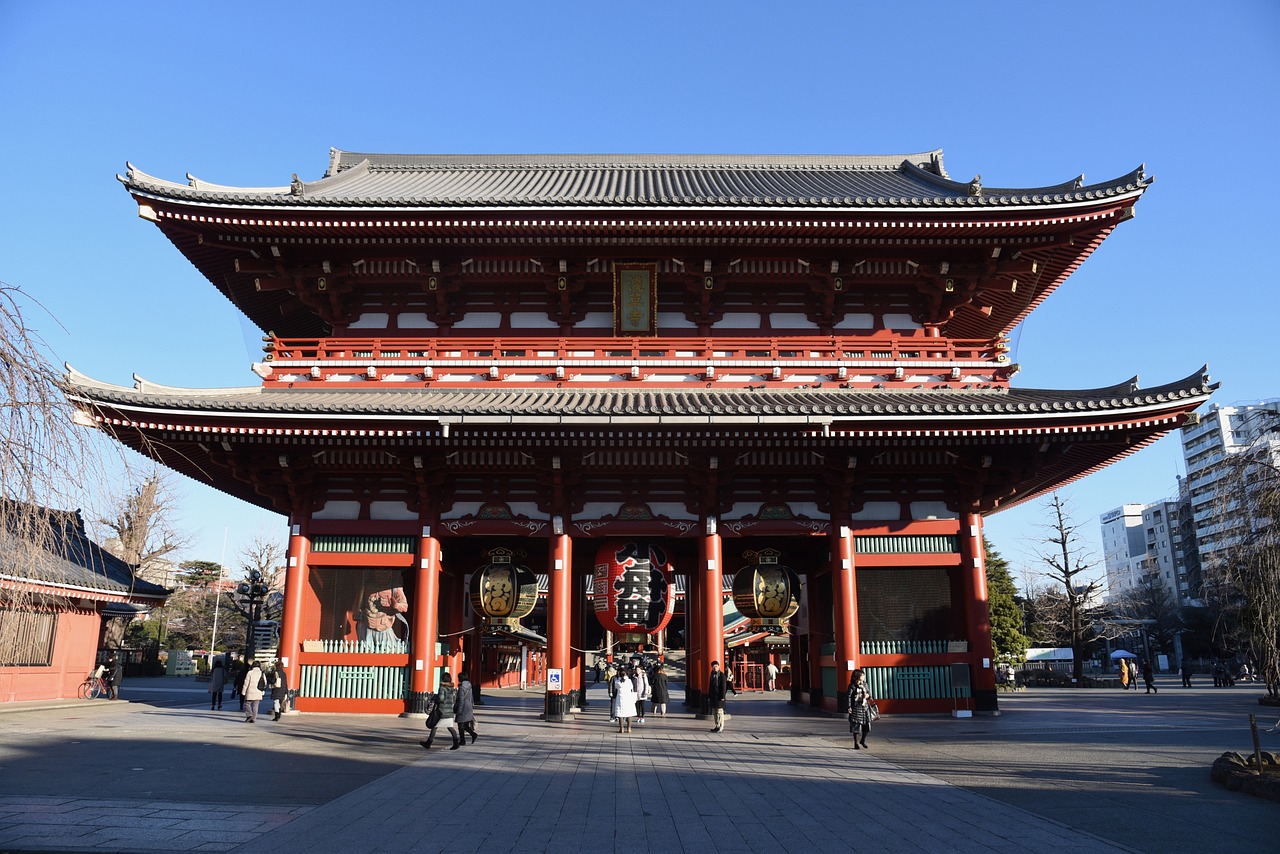
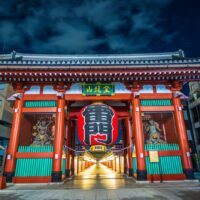
Asakusa sits at the heart of old Tokyo, built around Senso-ji, the city’s oldest temple. Asakusa’s hanamachi sits apart from the more exclusive districts near the government offices, and it was here that our house chose to open its doors to first-time guests. As our okami explains it, because Asakusa grew up as the most tourist-friendly part of the city, the whole neighborhood came together to protect and raise its geisha culture, welcoming guests of every age, profession, and background. That openness is exactly why a first-time visitor can feel at home here.
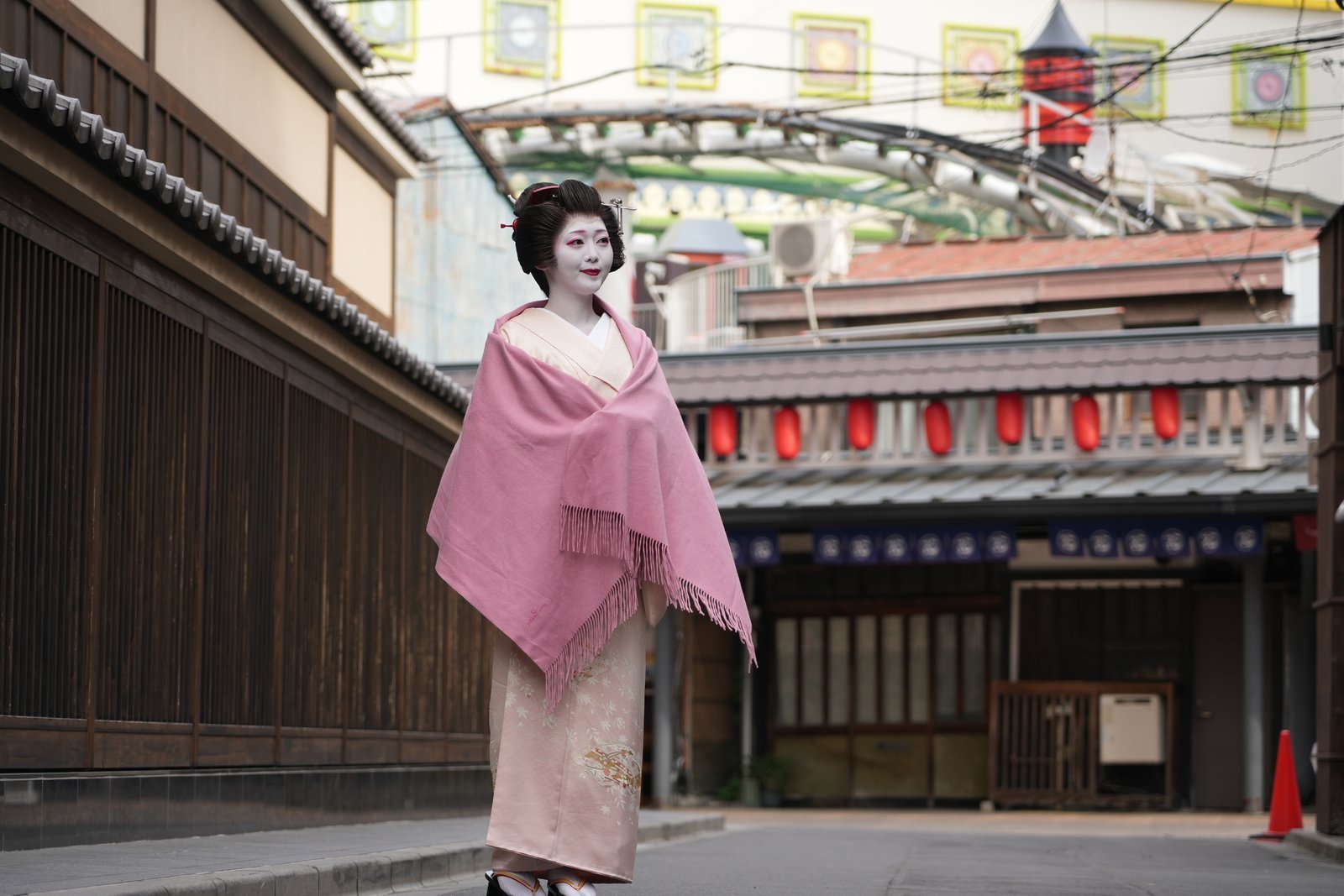
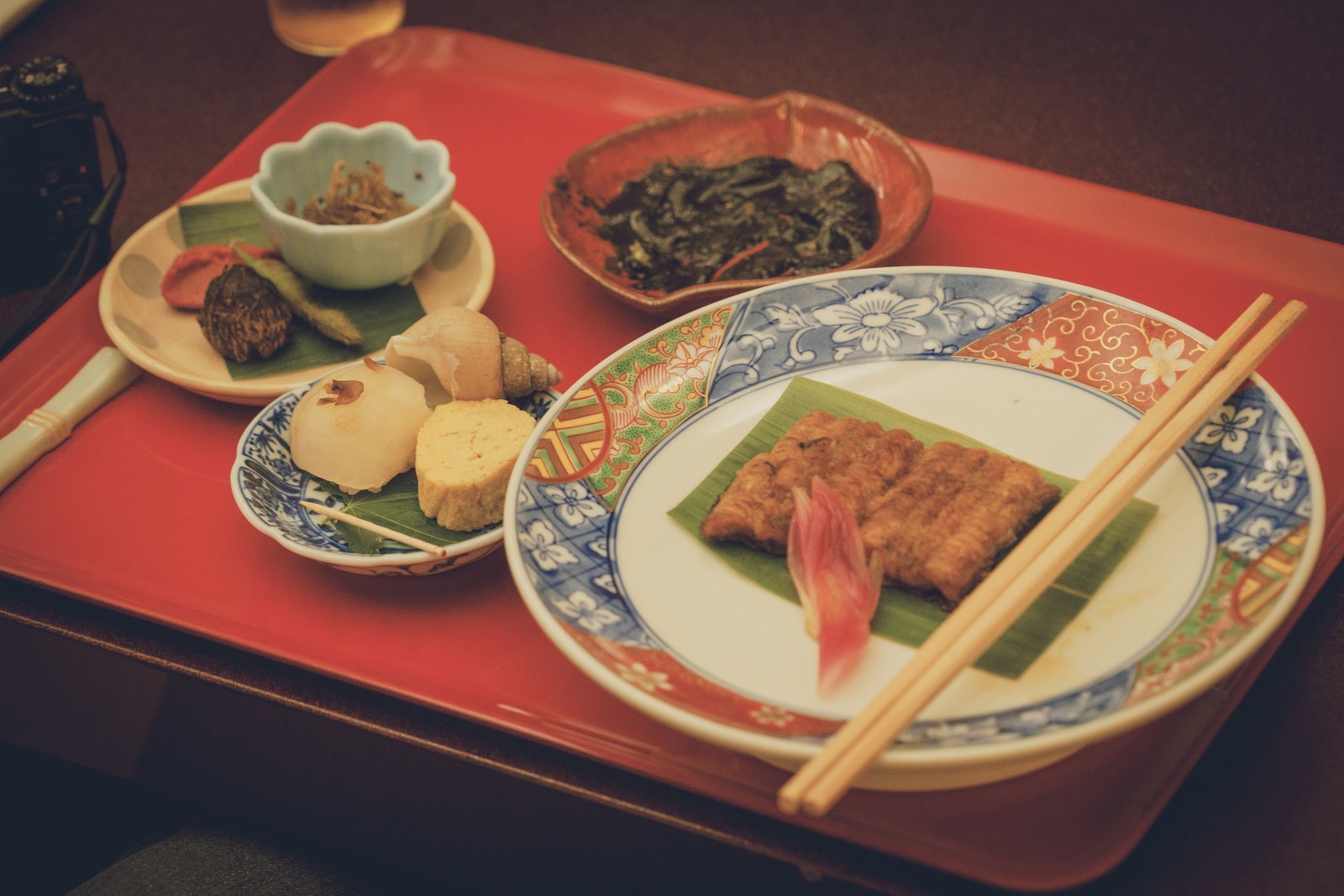
Miyakodori was founded in 1950, and we are the only machiai-chaya (geisha teahouse) in Asakusa, a house where the main purpose is not simply dining but spending the evening in the company of geisha. For evening ozashiki, dinner is a seasonal kaiseki course, where each dish reflects the time of year. But the meal is only part of the night.
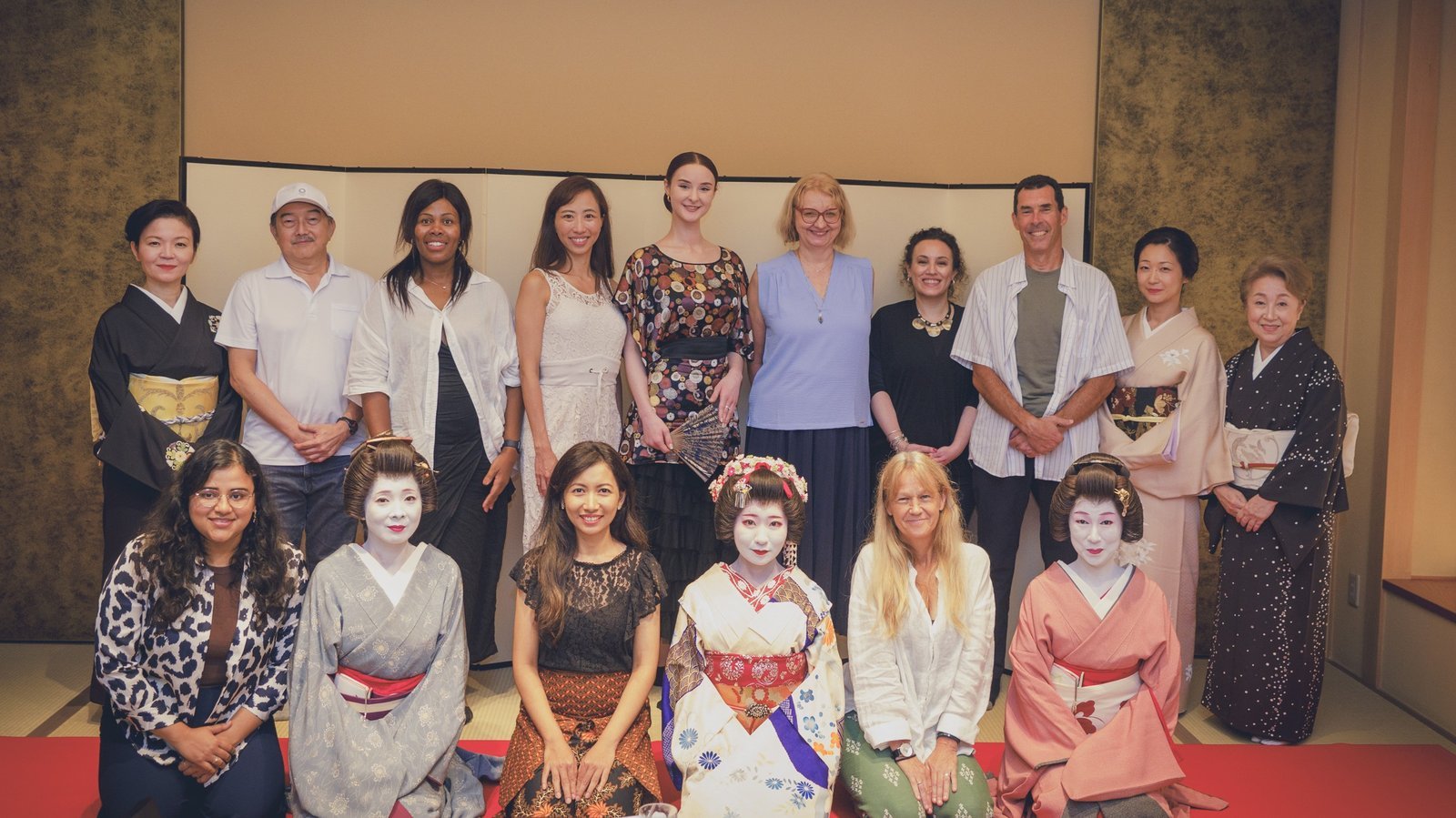
What an evening actually looks like, from the sliding door to the tatami room: the greeting at the entrance, the first course already set at your place, and the moment the geisha come in. English subtitles available.
What makes a geisha evening unforgettable
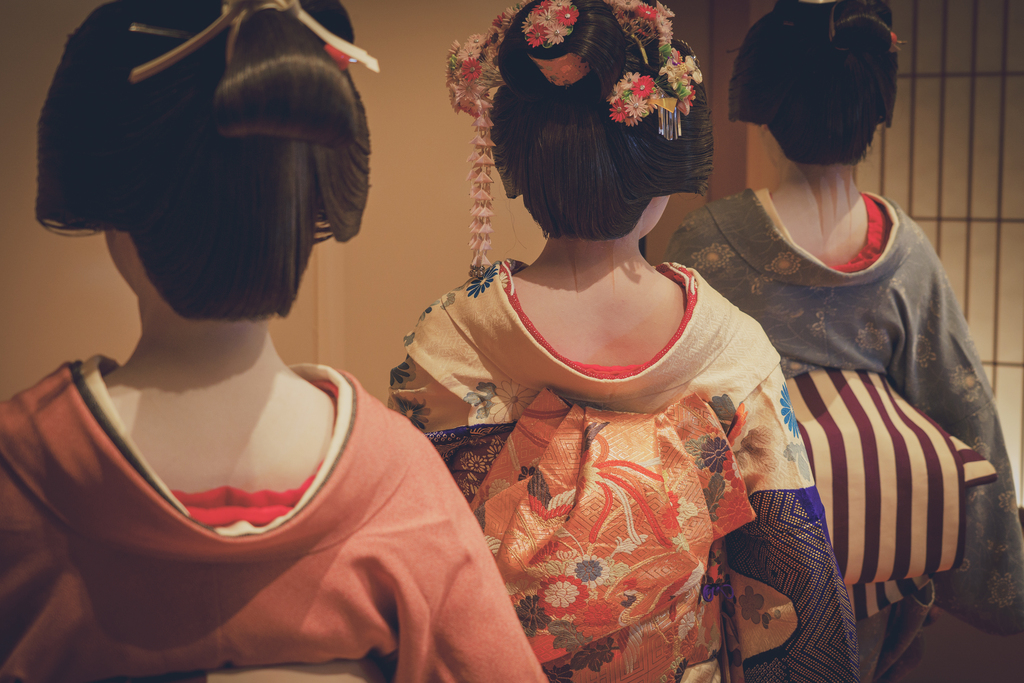
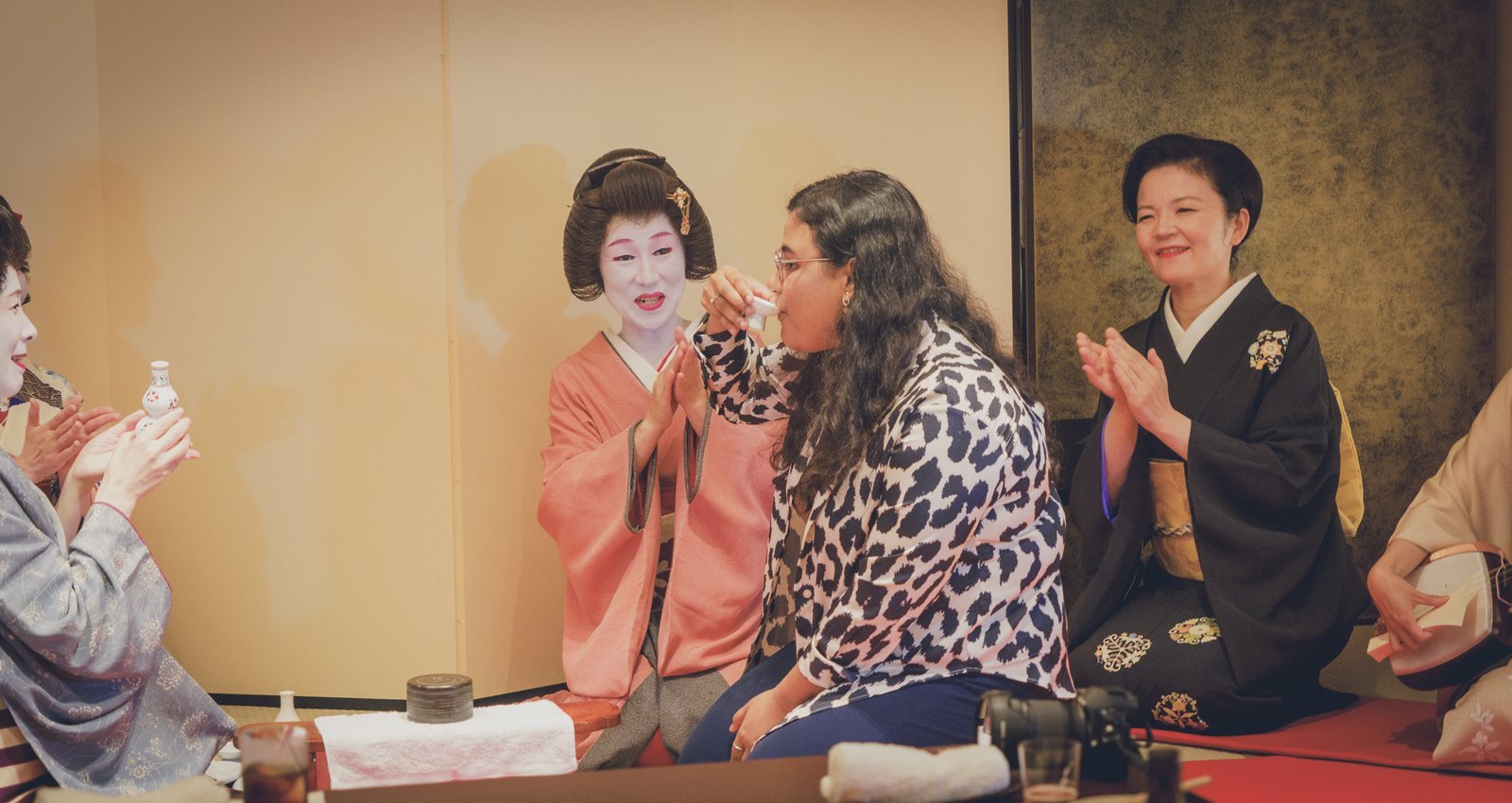
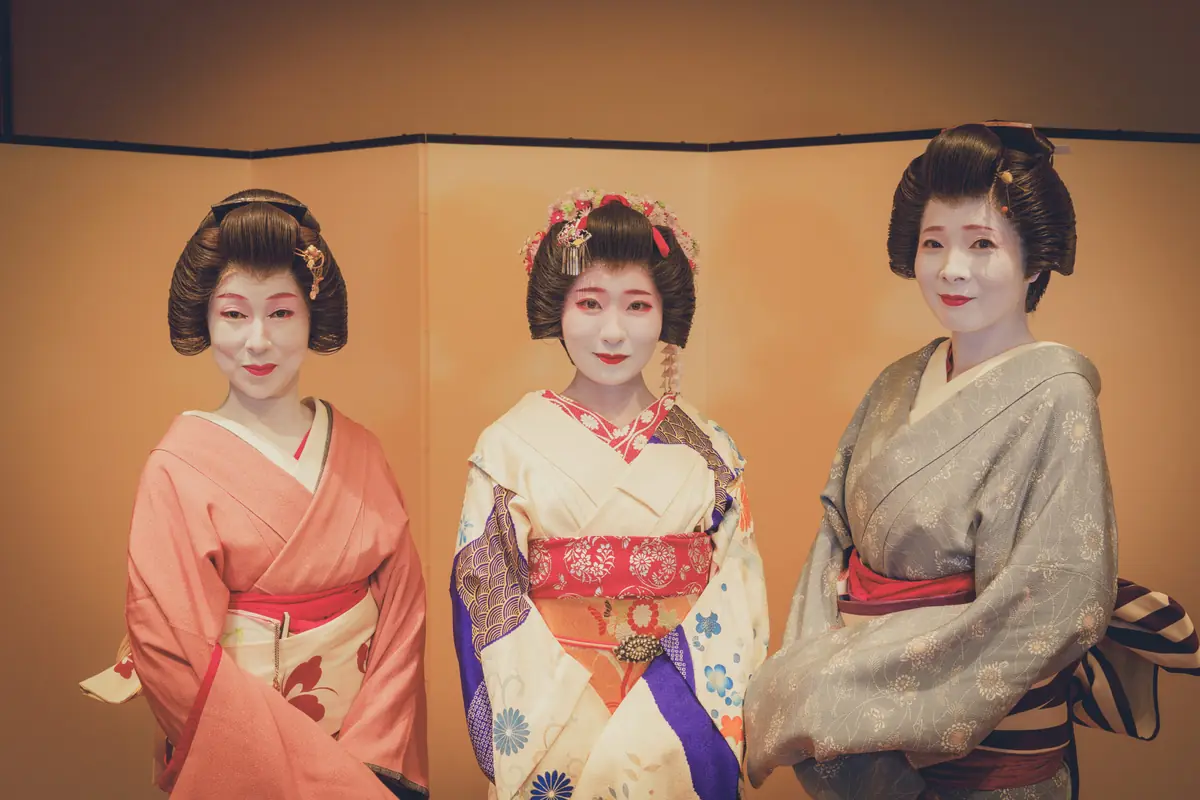
During your dinner, geisha — two as standard, more if you add them — stay in your room for the length of your plan. They pour drinks, share conversation, and perform the dances and music they refine every day. Then come the ozashiki games, the traditional parlor games that guests have played in almost the same form for more than two centuries. There is konpira fune fune, tora tora, tosenkyo, and more. As our okami puts it, the distance between the geisha and the guests slowly closes, the conversation flows, and the time disappears.
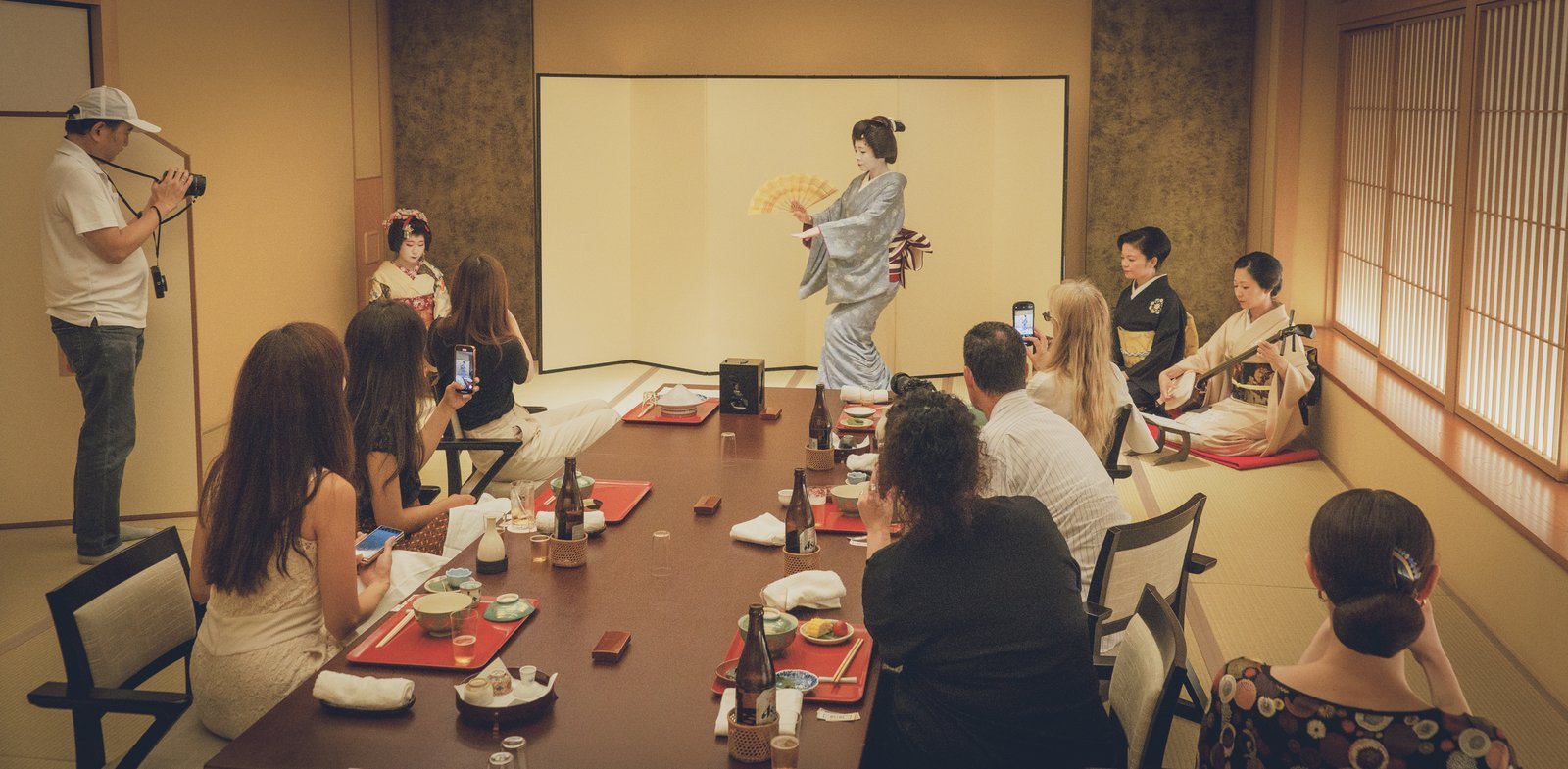
There is a reason this has to be seen in person. The art of the geisha has been refined and handed down since the late seventeenth century. Our okami is clear that video cannot carry it. The living sound of the shamisen and the presence of the performers only reach you when you are in the room with them. For a group gathered to mark something important, this is the kind of shared memory that lasts.
Who these evenings are for
You do not need to be an insider. Although the geisha world carries an image of turning away first-time guests, we openly welcome newcomers, and our staff and geisha take care to put nervous first-timers at ease. Anniversaries, celebrations, sightseeing evenings, family gatherings, and business entertaining all suit an evening here, for parties of 1 to 23 guests. What matters most is a genuine curiosity about this culture. If your group is looking for a group dinner in Tokyo that no one will forget, Asakusa is a fine place to begin.
Frequently Asked Questions
Can you seat a large group in one private room?
Yes — our largest room, the Hiroma, seats 3 to 23 guests in one private room. We host group dinners in private rooms and will confirm the right room for your party size when you reserve. For very large parties, please contact us ahead so we can prepare properly.
Which room fits my party size?
The Hiroma, our largest, seats 3 to 23 guests at tables and chairs on the second floor. The Yanagi room, also on the second floor, takes 1 to 8 at a table, and the ground-floor Hana room seats 1 to 6 at a horigotatsu. For a party of nine or more, the Hiroma is the room, and it is the one that fills first.
Do we have to sit on the floor?
No — none of our three rooms asks you to sit directly on the floor in seiza. Two have tables and chairs, and the ground-floor Hana room has a horigotatsu, a sunken table you sit at with your legs below. There is a lift in the building, and the Hana room needs no stairs at all.
What is served for dinner?
For evening ozashiki, dinner is a seasonal kaiseki course, where each dish reflects the time of year. The meal is only part of the night: geisha stay in your room for the length of your plan, with dance, live shamisen, and traditional ozashiki games.
Do you offer options for guests with dietary restrictions?
We can prepare halal options in bento form, and we are happy to discuss vegetarian and other dietary needs. For halal, please let us know at least five days before your visit.
How many geisha join a group dinner?
Two geisha as standard, and you can add more. Geisha are booked separately from the room, and larger groups often add geisha simply so that everyone at a long table is close to the performance rather than watching it from the far end.
Is Miyakodori suitable for first-time visitors from overseas?
Yes — first-time guests from overseas are welcome, and no introduction is needed. We welcome first-time guests, and our team helps you feel comfortable throughout the evening, including for those new to Japanese customs.
What kind of occasions suit a dinner here?
Anniversaries, family celebrations, sightseeing evenings, and business entertaining all fit well. Guests who enjoy the evening most are those curious about geisha culture.
If you are weighing this against other options for the evening, our guide to seeing geisha in Tokyo lays out the choices, and our plans and pricing are listed in full.
In closing
A group dinner in Tokyo can be more than a reservation that fits everyone. In Asakusa, at a machiai-chaya like Miyakodori, it becomes an evening of seasonal cuisine, live music, dance, and centuries-old games shared around one table by a party of up to 23. If you are planning a gathering that deserves to be remembered, we would be glad to welcome you.
Reserve a private ozashiki in Asakusa
An evening at Miyakodori — a machiai-chaya (geisha teahouse) founded in 1950 — is a private ozashiki (a private gathering with geisha) for your group alone: a seasonal kaiseki course, two geisha as standard, dance, live music, and traditional games. Halal options with advance notice, and first-time guests from overseas are welcome.
Request a Reservation


- Geisha Show in Tokyo: Where to See an Authentic Geisha Performance in Asakusa
- Where Is Asakusa, Japan? A Local Guide to Tokyo's Most Traditional District
Tokyo Geisha House Guide 2026: Authentic Okiya Experiences & Traditional Japan
Japanese Tea Ceremony in Tokyo: A Guide to Chadō — and the Geisha Tea House Few Travelers Know
Geisha Etiquette in a Tatami Room: What to Know Before You Go

Asakusa Geisha Culture: Knowledge Q&A【Miyakodori】
Ultimate Guide to Asakusa Geisha Ozashiki Odori: Experience Traditional Geisha Dance in Tokyo

No comments yet.