



Hagoita-ichi 2026: A First-Timer’s Guide to the Hagoita Market at Senso-ji, Asakusa
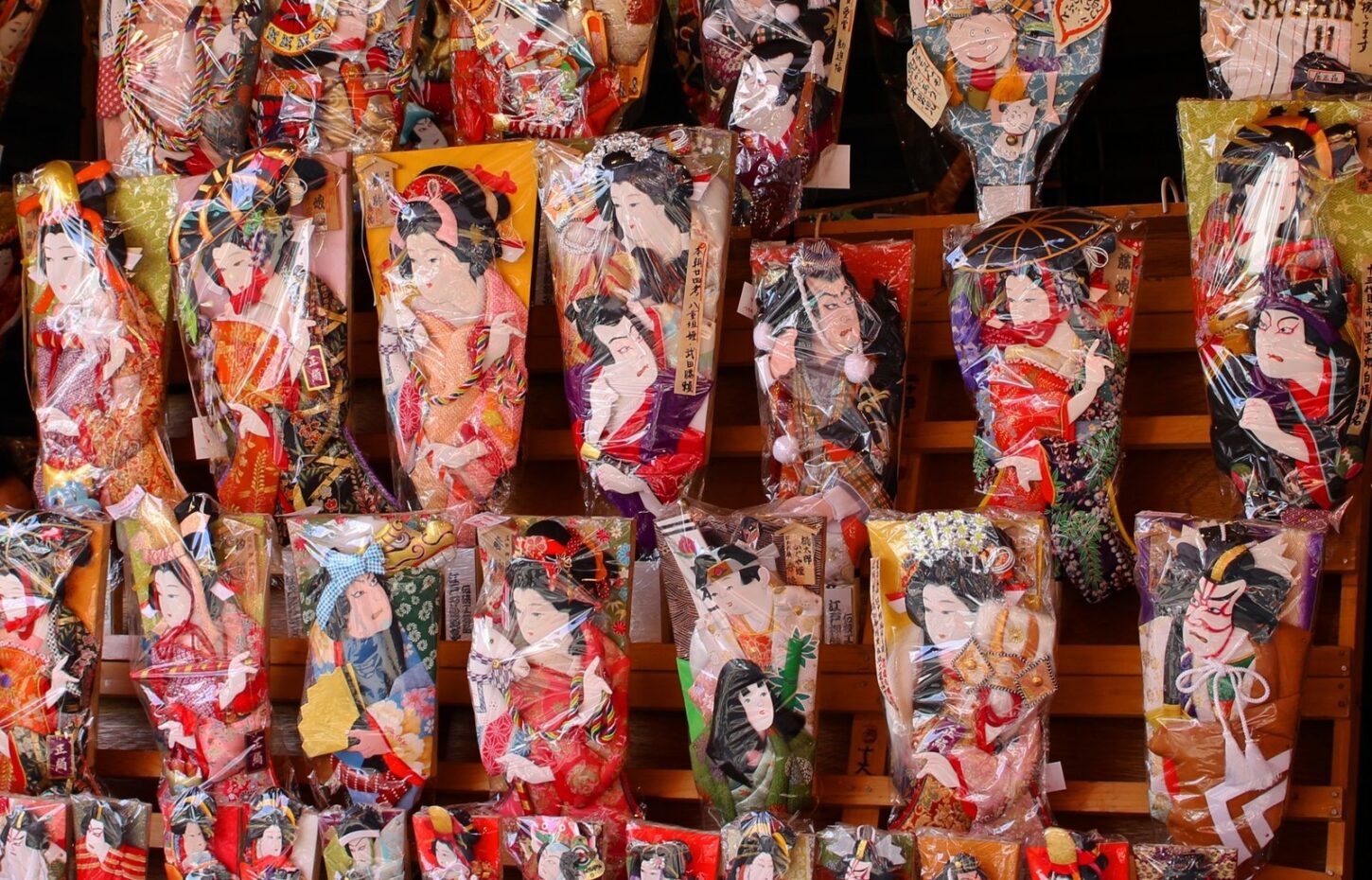
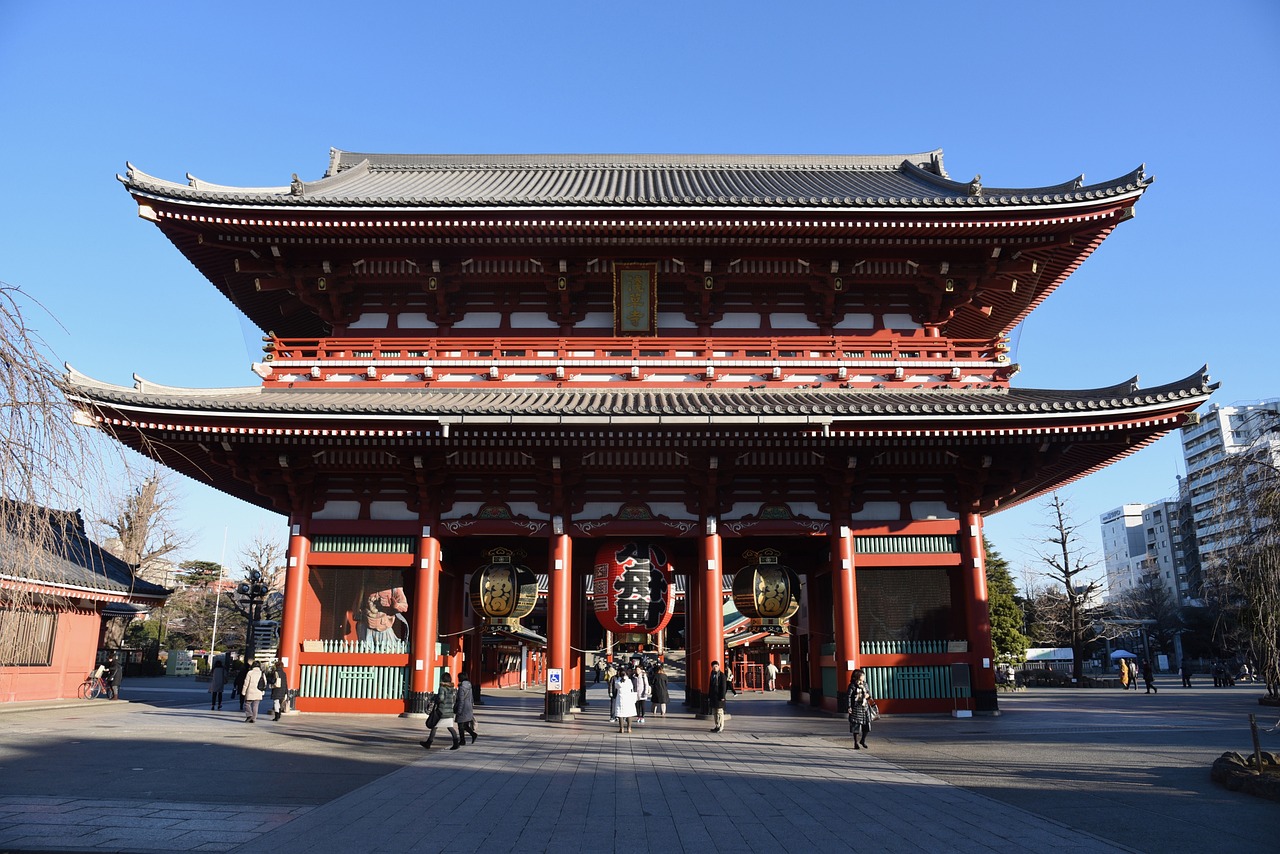
Hagoita-ichi, the Hagoita Market, is Senso-ji temple’s year-end fair in Asakusa, Tokyo, held every year from 17 to 19 December. In 2026 it runs from Thursday 17 to Saturday 19 December, from 9:00 am to 7:30 pm, closing at 7:00 pm on the final day, according to Taito City. Dozens of stalls in the temple grounds sell hagoita, decorated paddles that are bought as good-luck charms for the New Year. The nearest stations are Asakusa on the Ginza Line, the Tobu line and the Tsukuba Express, about 5 minutes’ walk from the temple grounds.
We are Miyakodori, a teahouse where geisha entertain guests, open since 1950 in Kannon-ura, the streets just north of Senso-ji. This guide is for a first visit to the market: when to go, what you will find at the stalls, how buying works and how to get there. Dates and hours come from Taito City’s page for the market, and the history from Senso-ji’s own pages, all checked on 17 November 2026.
Hagoita-ichi 2026 at a Glance
| Item | Details |
|---|---|
| Dates | Thursday 17, Friday 18 and Saturday 19 December 2026. The dates are the same every year; only the days of the week change |
| Hours | 9:00 am to 7:30 pm; on 19 December, until 7:00 pm |
| Place | The grounds of Senso-ji temple, Asakusa |
| 18 December | Osame-no-Kannon, the last Kannon festival day of the year. Senso-ji says this day draws especially many visitors |
| What is sold | Hagoita: kabuki scenes, and novelty boards on satire, the news and celebrities |
| Prices | Not published by Senso-ji or Taito City. Ask at the stall |
| Getting there | 5 minutes on foot to the temple grounds from Asakusa Station on the Ginza Line, the Tobu line and the Tsukuba Express; 7 minutes from Asakusa Station on the Toei Asakusa Line |
| After dark | Senso-ji is lit up every day from sunset to about 11:00 pm. The main hall closes at 5:00 pm |
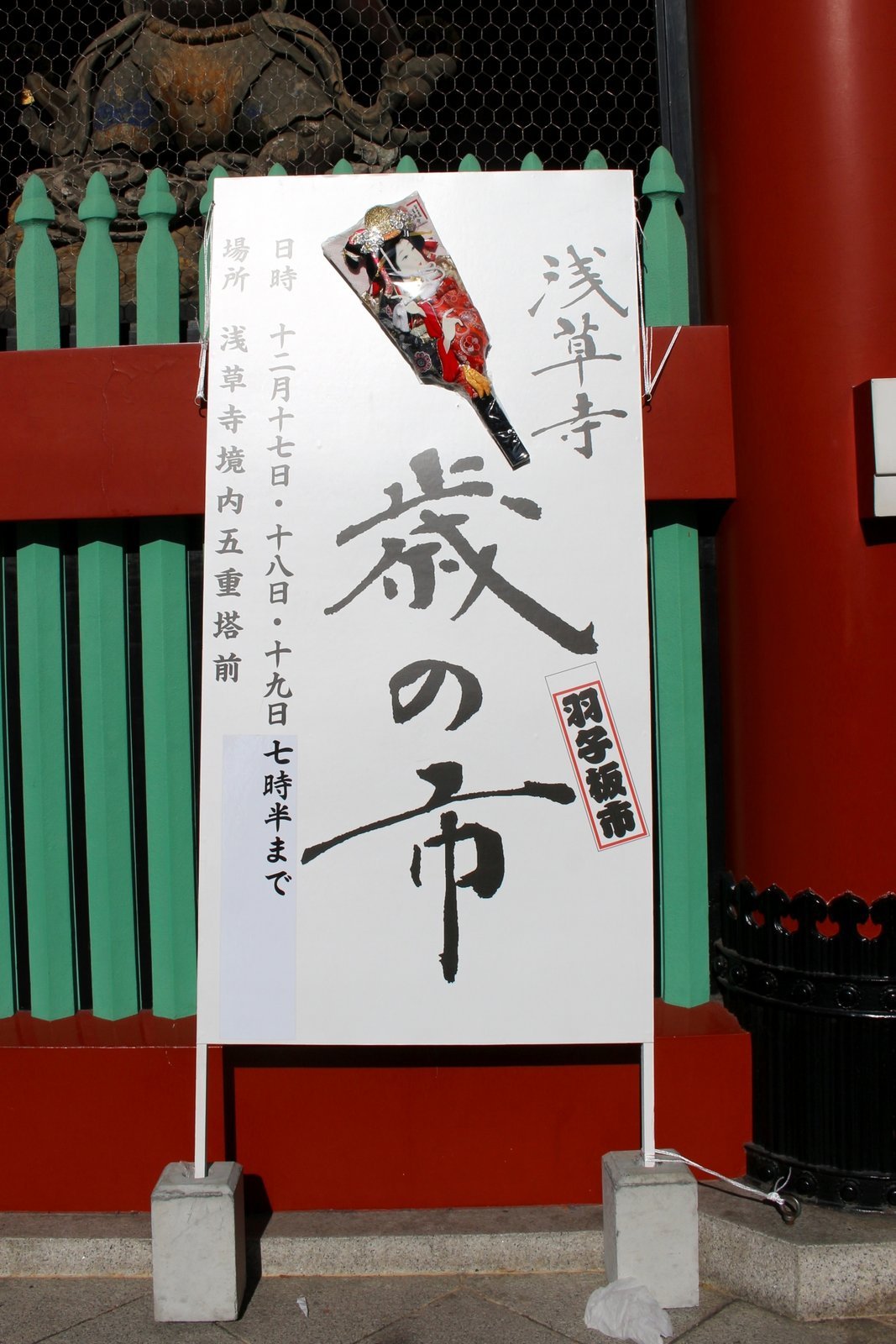
The market’s page on the Taito City website was last updated on 29 September 2026. Check the page (in Japanese) again shortly before you go.
What Hagoita Are, and Why a Temple Sells Them
A hagoita is the paddle used in hanetsuki, a New Year game like badminton without a net. The ones sold at the market are not for playing. They are ornaments, and people buy them to welcome the New Year.
The fair is older than its name. Senso-ji explains that in the Edo period, stalls selling New Year goods and lucky charms gathered in the temple grounds on 17 and 18 December, when crowds came for the Kannon festival day. This year-end fair, the toshi-no-ichi, was the largest in Edo, with stalls stretching from Asakusabashi to Ueno.
From the late Edo period, more and more of the stalls sold hagoita. According to Senso-ji, the paddle was already a lucky charm. The shuttlecock looks like a dragonfly, an insect that eats other insects, so it was said to eat the bad insects that bring illness. The bead at its tip is called a mame, a bean, and the word suggested a healthy, hard-working life. Then it became the custom to give a hagoita to a family with a newborn daughter, and the paddles took over the fair. Taito City says the name “Hagoita-ichi” had settled by around 1950.
What You Will Find at the Stalls
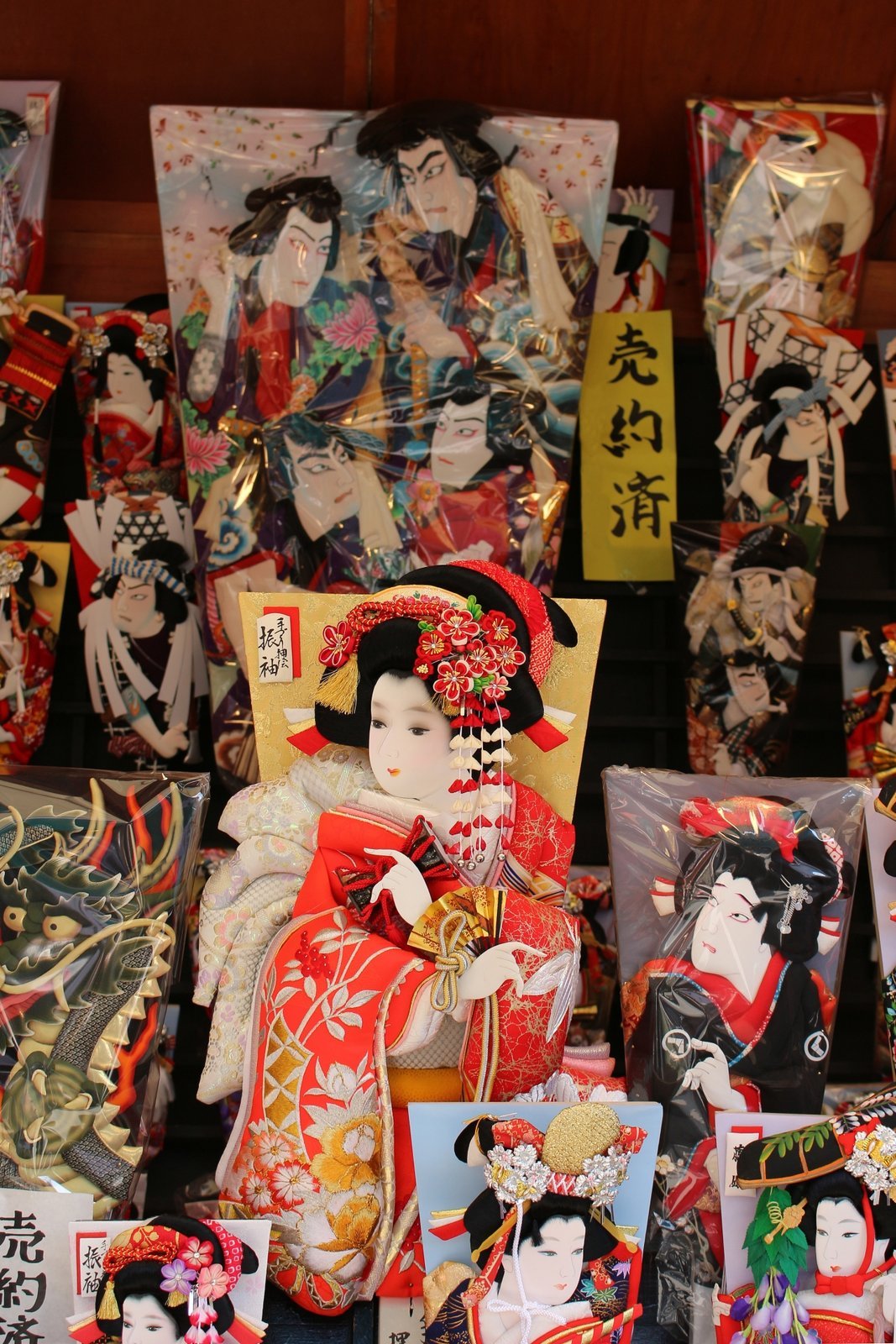
Senso-ji describes dozens of hagoita stalls set up in the grounds for the three days. GO TOKYO, Tokyo’s official travel guide, says the market centers on Edo oshi-e hagoita. It describes oshi-e as embossed art: the figures stand out from the board.
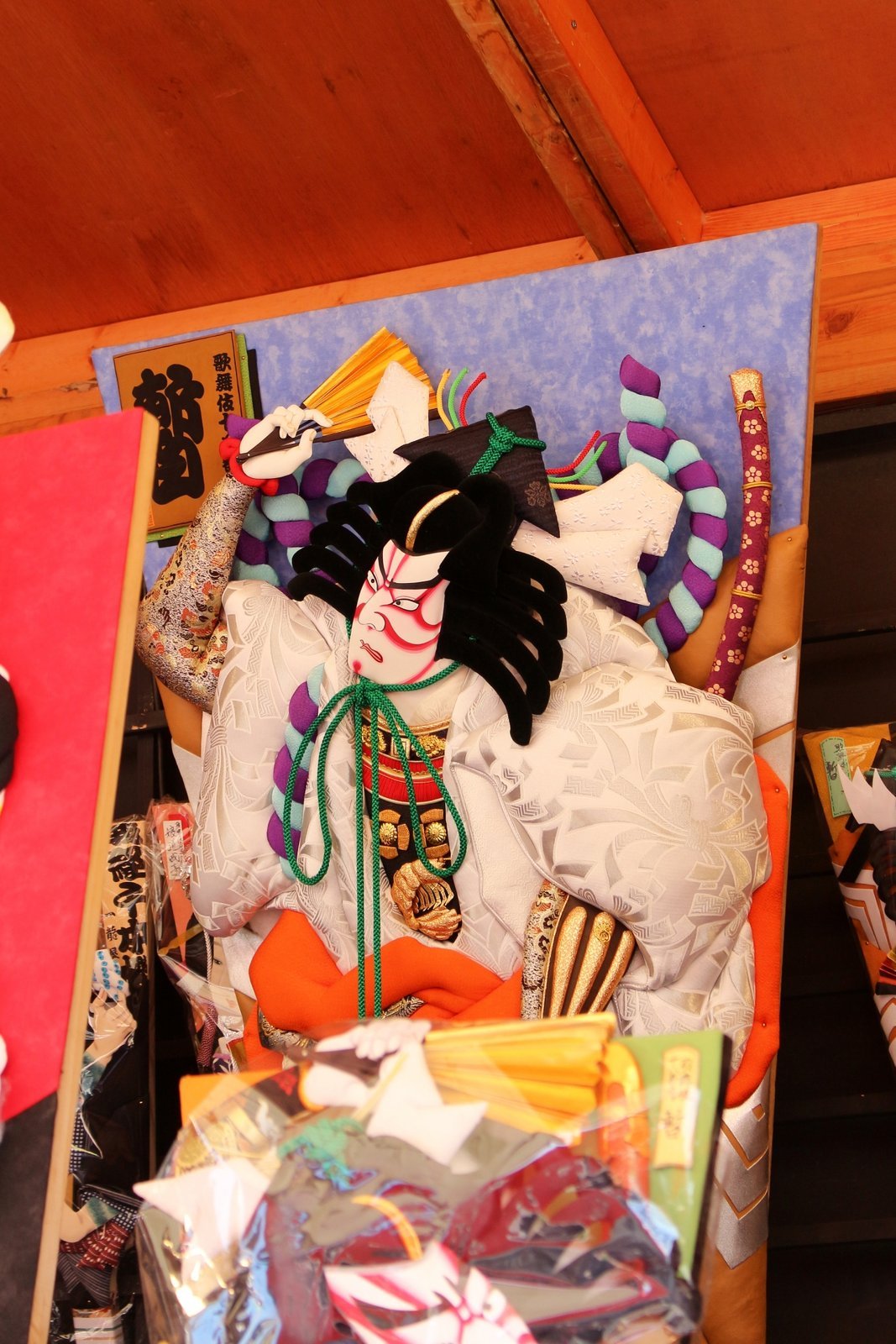
Taito City lists what you can expect to see. There are kabuki scenes, and there are novelty hagoita, called kawari-hagoita, which take their subjects from satire, the news and popular celebrities. Looking for the year’s newsmakers on the novelty boards is part of the fun.
GO TOKYO’s listing for the 2025 market adds more detail. Read it as a guide to what the market has been like, not a promise for 2026:
- About 10,000 Edo oshi-e hagoita on display, from 15 cm to about 2 m tall
- A stall run by the Hagoita Preservation Society in front of the Five-Storied Pagoda, selling a zodiac hagoita that is only available during the market
- A hagoita kuyo service, with registration from 10:00 am to 5:00 pm (until 2:30 pm on the last day), traditional craft demonstrations and workshops, and a taiko drum performance by Oedo Sukeroku Taiko
Taito City’s 2026 page does not mention these events, so they are not confirmed for this year.
How to Choose and Buy a Hagoita
Choosing
Start with what it is for. A hagoita for a baby girl’s first New Year follows the custom Senso-ji describes. A kabuki board suits someone who loves the theater. A novelty board is a souvenir of the year itself.
Then think about size. If the hagoita has to travel home in a suitcase, size will decide more than anything. GO TOKYO’s 2025 listing gives a range from 15 cm to about 2 m, so tell the stallholder how you will carry it home before you fall for a big one.
What a hagoita costs
Senso-ji and Taito City do not publish prices, and GO TOKYO directs readers to the organizers for prices. Prices differ from stall to stall and from board to board, so ask the stallholder about the one you like. We do not sell hagoita, so we have not given a price range here.
The patter and the hand-clap
Buying is part of the show. Senso-ji says the stallholders’ patter and their exchanges with customers entertain everyone watching. When someone buys a hagoita, the stall gives them a sanbon-jime, a rhythmic hand-clap in three rounds, for good luck.
When to Go
Every month, the 18th is a festival day for Kannon, the deity of Senso-ji, and the one in December, Osame-no-Kannon, is the last of the year. Senso-ji says this day draws especially many visitors. Neither Senso-ji nor Taito City publishes crowd figures by day or by hour, so we will not guess which time is quietest. In 2026 the 19th falls on a Saturday.
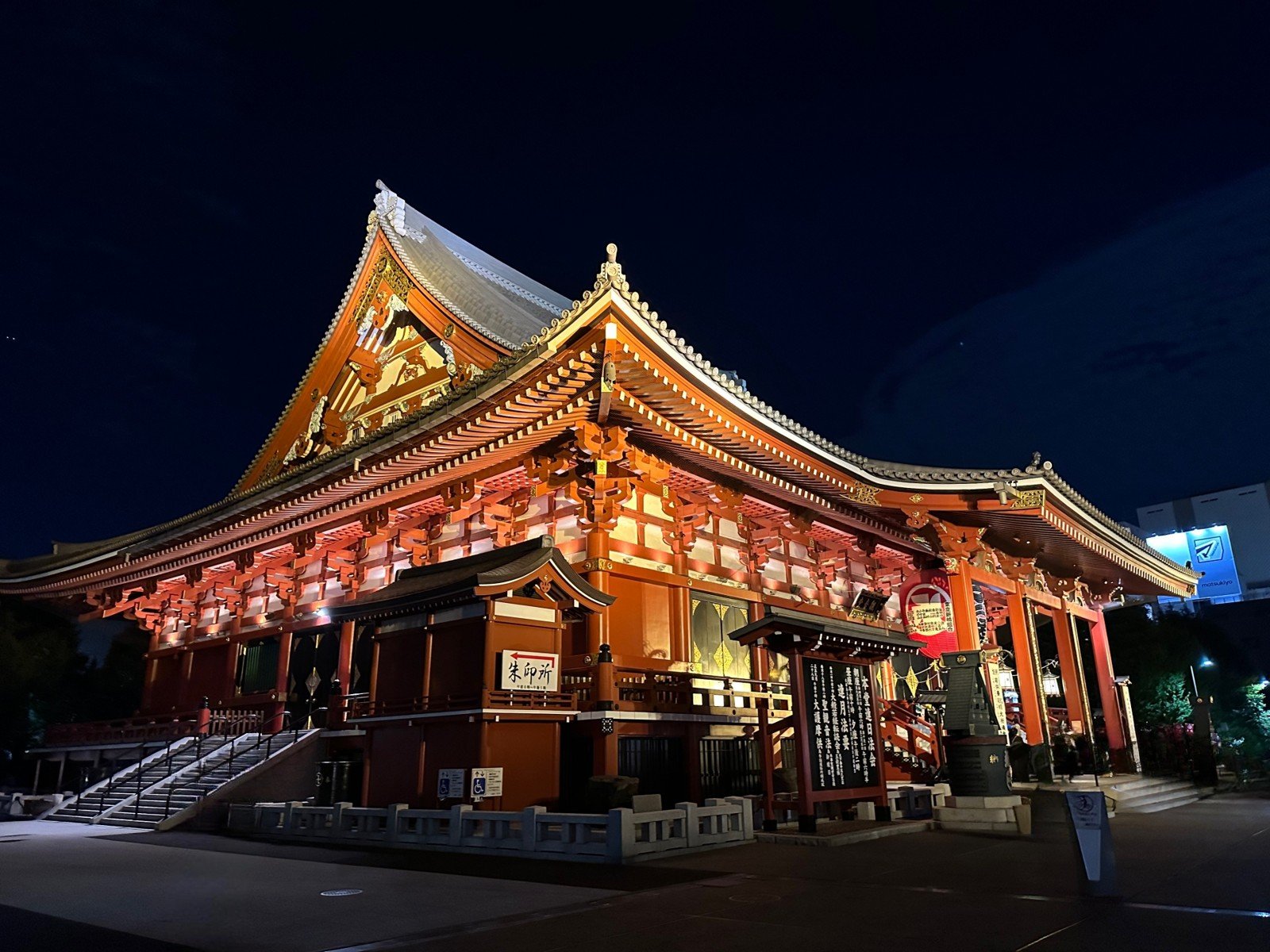
If you want to go inside the main hall, plan around its hours. From October to March it is open from 6:30 am to 5:00 pm, so it closes while the market is still running. After sunset the main hall, the Five-Storied Pagoda, Hozomon gate and Kaminarimon gate are lit up until about 11:00 pm, so the last part of the market is under the lights. Our guide to Senso-ji at night has more on the temple after dark.
Getting There
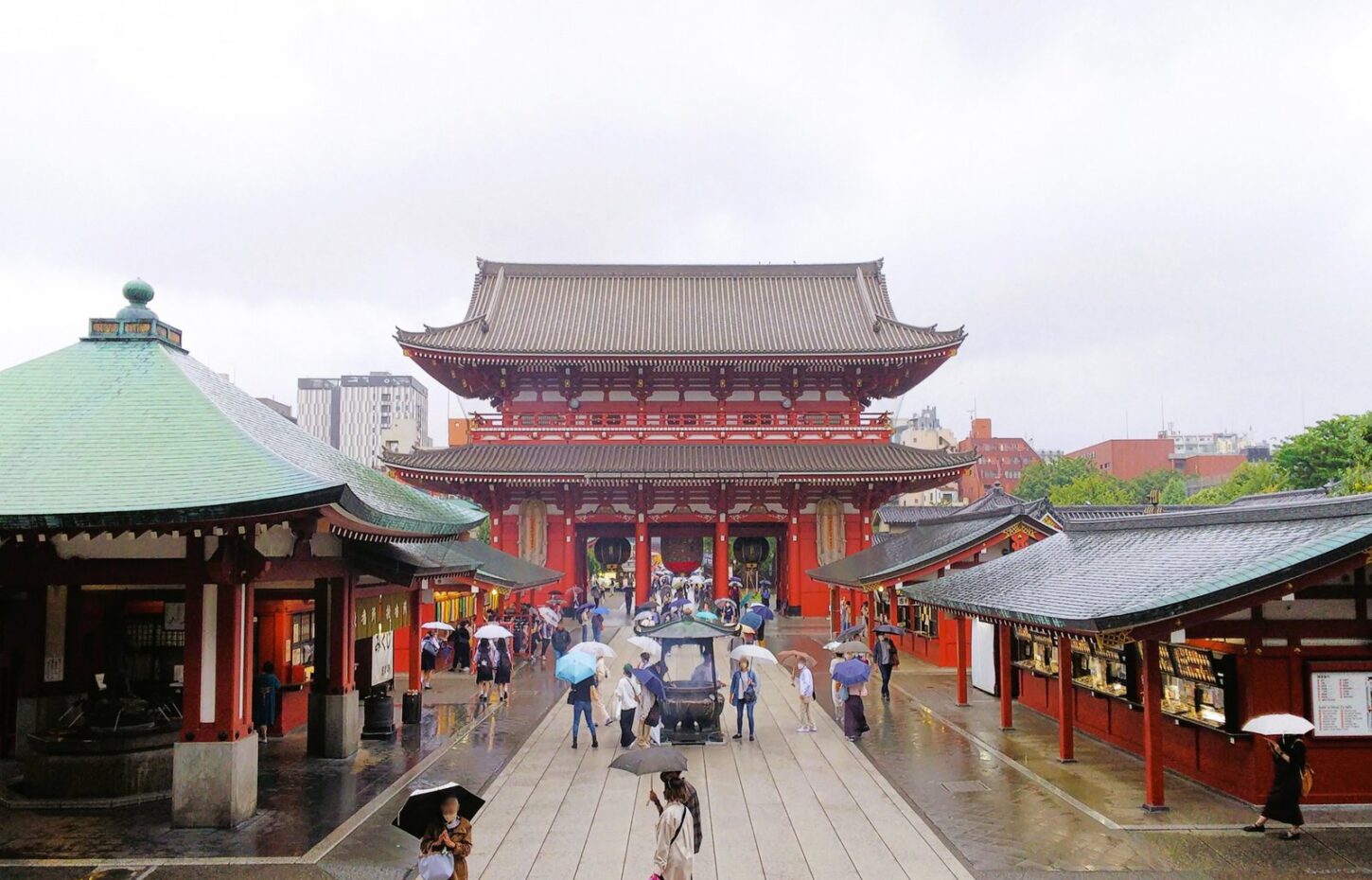
According to Taito City, the temple grounds are 5 minutes on foot from the Asakusa stations on the Tokyo Metro Ginza Line, the Tobu line and the Tsukuba Express, and 7 minutes from Asakusa Station on the Toei Asakusa Line. From Kaminarimon gate, Nakamise shopping street leads north to Hozomon gate, and the main hall stands beyond it.
December has more to see in Asakusa than the market. Our guide to Asakusa in winter covers the weather and the rest of the season. Two weeks after the market comes New Year’s Eve at Senso-ji, with its temple bell, and then hatsumode, the first temple visit of the year.
After the Market: An Ozashiki in Kannon-ura
In Edo, a trip to the fair ended at a restaurant. The Asakusa Tourism Federation’s site describes how, in the Edo period, samurai households and large merchant houses came to Asakusa in force, with servants carrying baskets and chests for their purchases. Each household bought from the same stall every year and stopped at a restaurant on the way home, which was admired as a show of style.
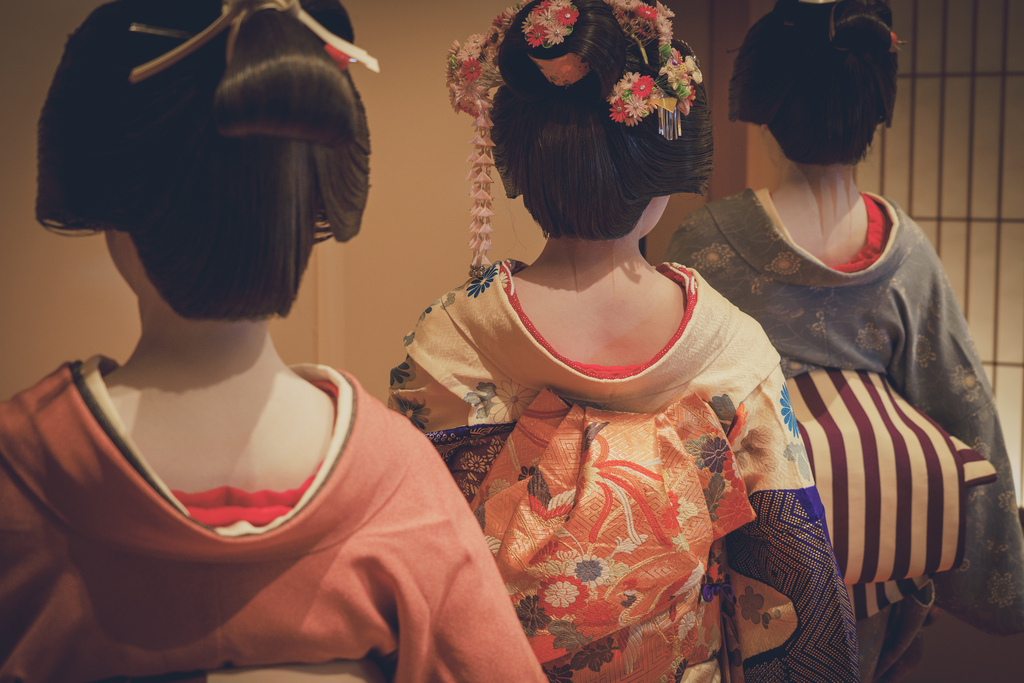
Geisha have no particular role in the Hagoita Market. They do take part in other Asakusa events, such as Sanja Matsuri in May. They work in Kannon-ura, the quieter streets north of Senso-ji, where the geisha office and the teahouses are. You are more likely to see geisha in these streets after 5:00 pm, and by around 7:00 pm most are already at an ozashiki.
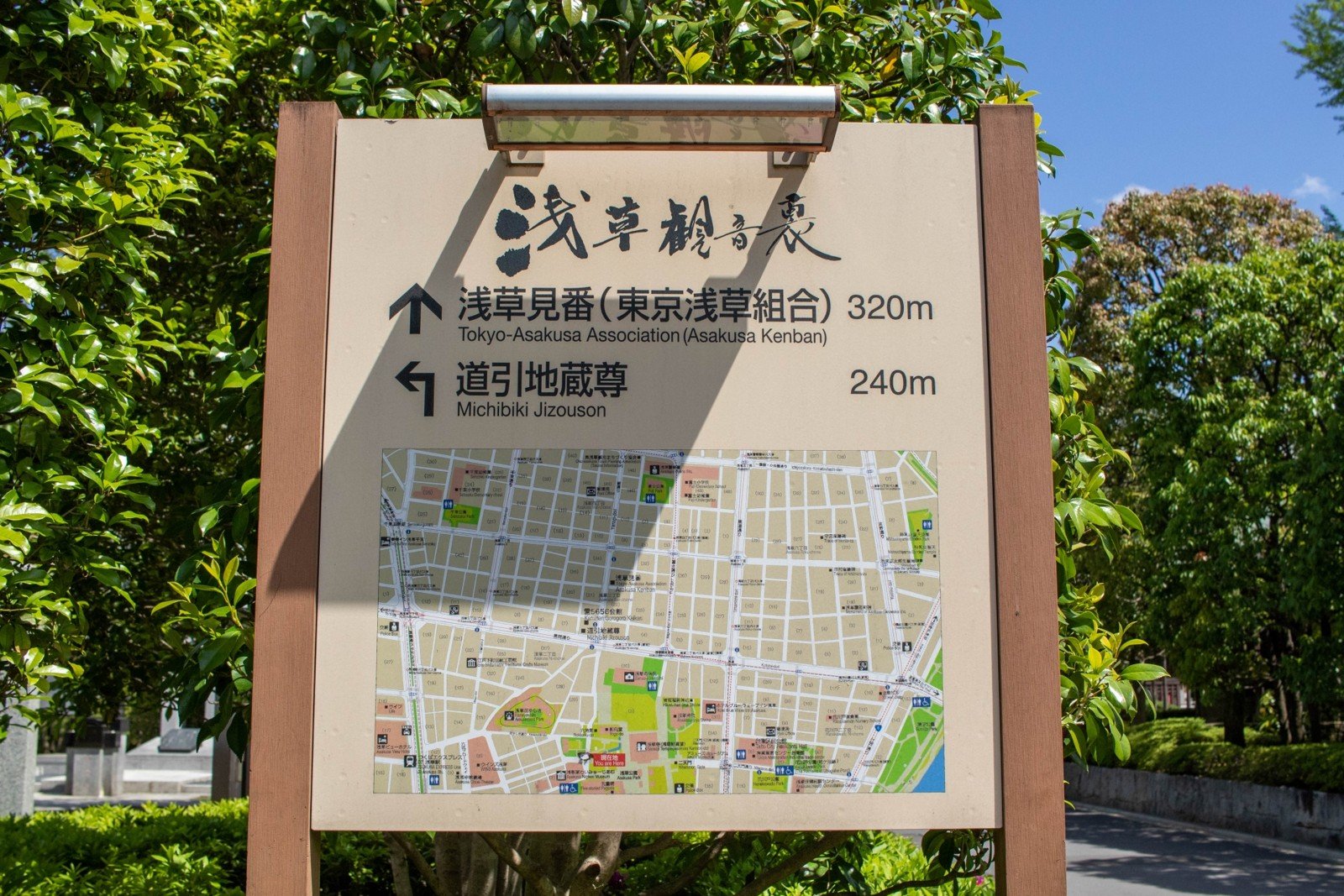
Miyakodori is in Kannon-ura, about 3 minutes’ walk after you leave the Senso-ji grounds on the north side, so you can walk straight over from the market. From the Asakusa stations on the Ginza Line, the Tobu Skytree Line and the Tsukuba Express, Miyakodori is a 13-minute walk, or 4 minutes by taxi. The name “Hagoita-ichi” settled around the time we opened, in 1950.
Our days during the 2026 market
- Thursday 17 and Friday 18 December are regular days for us. Ozashiki start between 2:00 and 8:00 pm, so you can walk the market in the morning and come to us in the afternoon, or come to us first and see the temple lit up afterwards. Request a date on our reservation page.
- Saturday 19 December is one of our regular closed days, as are Sundays and public holidays. We can sometimes open on a closed day if you ask at least a week ahead by email at [email protected]. An additional charge applies, and the online reservation form does not take closed days.
Our last ozashiki of the year are around 25 December. Year-end and New Year parties are often booked three or four months ahead, so for a date in market week, ask as early as you can.
What an ozashiki is
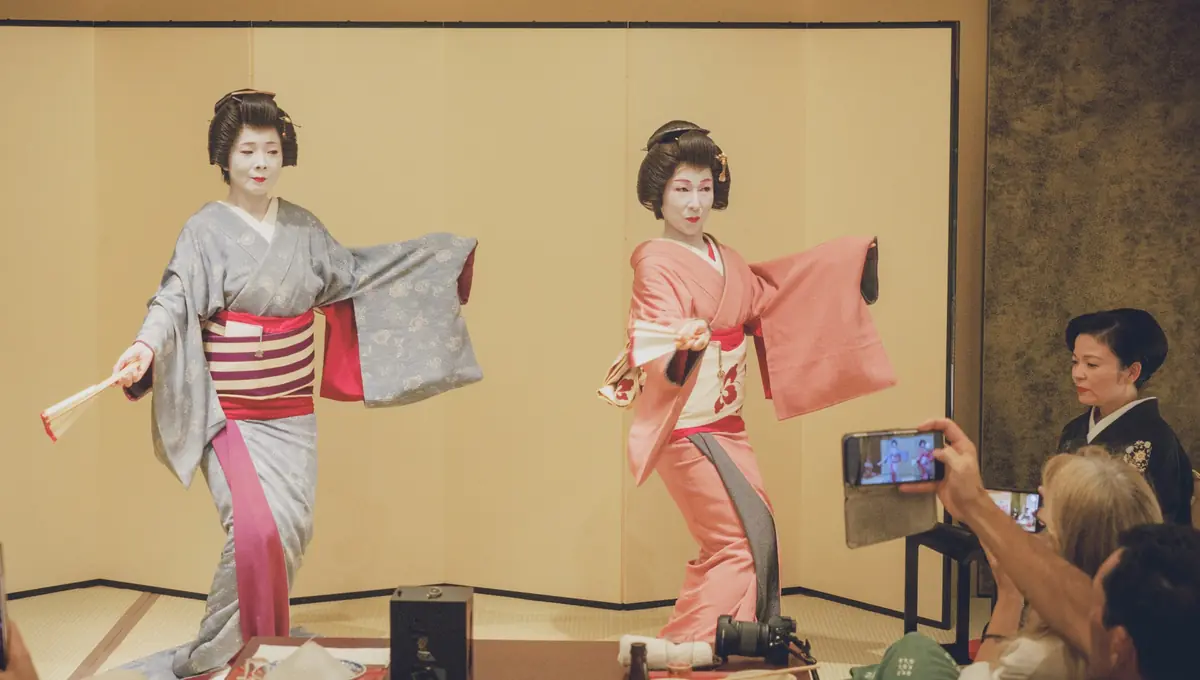
An ozashiki is a private room where geisha dance to live shamisen music, talk with you and play traditional party games. Your party has the room to itself, and one guest can book alone. Our page on the ozashiki experience explains how the time is spent.
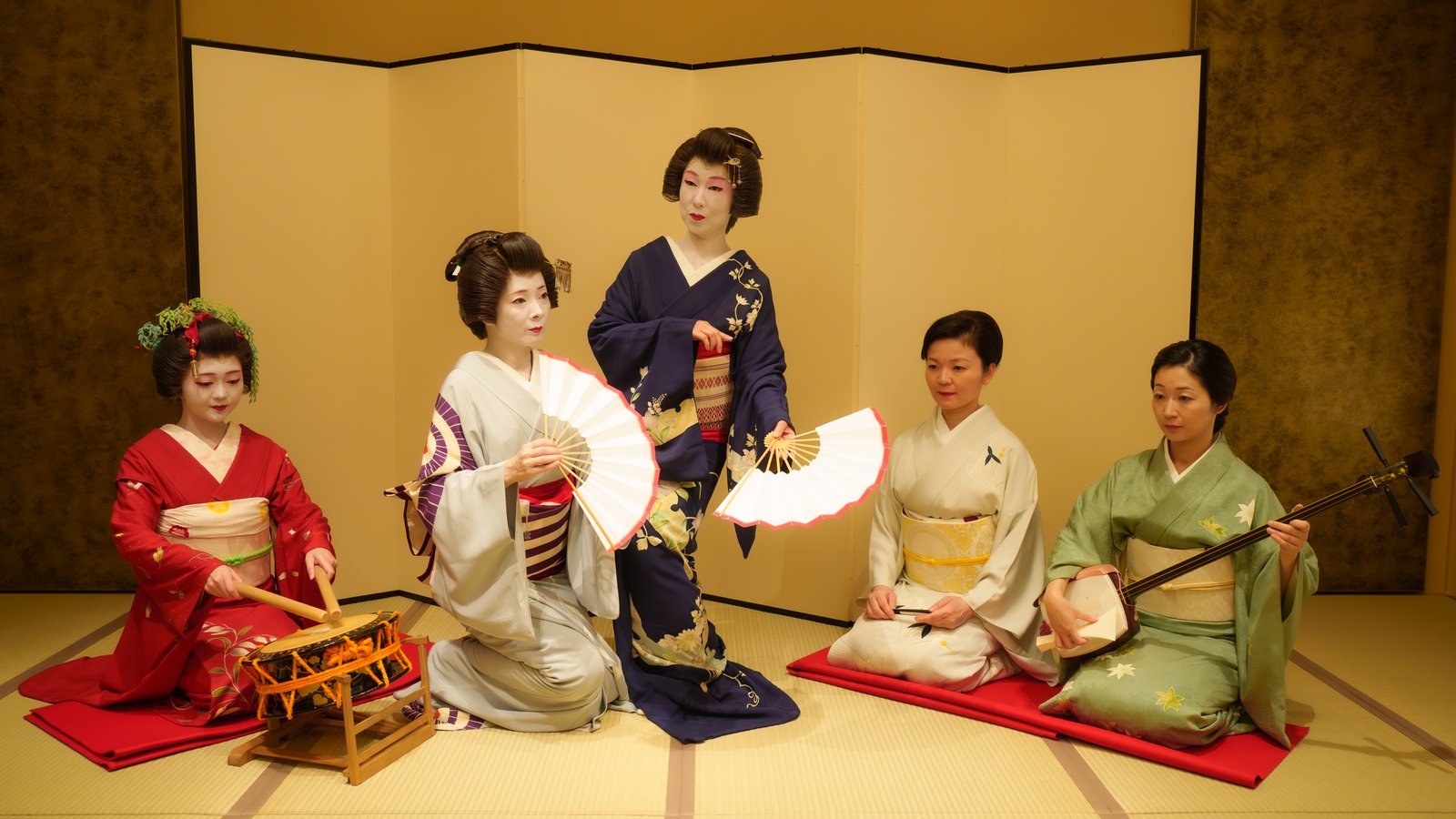
Be a Guest at an Ozashiki in Asakusa
A private ozashiki in a tatami room for your party alone, with dances to live shamisen music and traditional games. Choose from one-, two- and three-hour visits on weekdays except public holidays. Start times are 2:00–5:00 pm or 5:30–8:00 pm for one hour, 2:00–8:00 pm for two hours, and 5:30–8:00 pm for three hours. A guest travelling alone can book.
Request a ReservationFrequently Asked Questions
When is Hagoita-ichi in 2026?
From Thursday 17 to Saturday 19 December 2026, in the grounds of Senso-ji in Asakusa. The market is held on the same dates every year, and Taito City publishes the year’s details on its website.
What time does the Hagoita Market open?
According to Taito City, from 9:00 am to 7:30 pm, and until 7:00 pm on the final day, 19 December. Senso-ji’s main hall closes at 5:00 pm, but the temple is lit up from sunset to about 11:00 pm.
What is a hagoita and why do people buy one?
A hagoita is the paddle from hanetsuki, a New Year game. The decorated ones sold at the market are lucky charms. Senso-ji explains that the shuttlecock was said to eat the insects that bring illness, and that it became the custom to give a hagoita to a family with a newborn daughter.
How much does a hagoita cost?
Senso-ji and Taito City do not publish prices, and they differ from stall to stall and board to board. Ask the stallholder. GO TOKYO’s listing for the 2025 market says the boards ranged from 15 cm to about 2 m.
How do I get to the Hagoita Market?
It is in the grounds of Senso-ji. Taito City gives 5 minutes on foot from Asakusa Station on the Ginza Line, the Tobu line and the Tsukuba Express, and 7 minutes from Asakusa Station on the Toei Asakusa Line.
Do geisha appear at the Hagoita Market?
Not as part of the market. Geisha have no particular role in the Hagoita Market, though they do take part in other Asakusa events, such as Sanja Matsuri in May. They work in Kannon-ura, north of Senso-ji, where you can book a private ozashiki.
Can I go to an ozashiki after the market?
Yes, on the market’s weekdays. Miyakodori is in Kannon-ura, about 3 minutes’ walk from the north side of the Senso-ji grounds. In 2026, Thursday 17 and Friday 18 December are regular days for us, and Saturday 19 December is a closed day. Ozashiki start between 2:00 and 8:00 pm.
Sources
- Taito City, in Japanese: Toshi-no-ichi (Hagoita-ichi), updated 29 September 2026 (2026 dates, hours, place and walking times)
- Senso-ji, in Japanese: Osame-no-Kannon and Hagoita-ichi (history, stalls, sanbon-jime, main hall hours) and Light-up
- GO TOKYO: Sensoji Temple Year-end Market (Hagoita Market), the listing for the 2025 market
- Asakusa Tourism Federation, in Japanese: Toshi-no-ichi (Osame-no-Kannon) Hagoita-ichi (the Edo-period year-end fair)
All pages checked on 17 November 2026. Dates, hours and events can change; check Taito City’s page before you go if a detail matters to you.


- Asakusa Hanayashiki: Prices, Opening Hours and Which Ticket to Buy at Japan's Oldest Amusement Park
- Tokyo in December: Cultural Visits, Indoor Options and the 2026–27 Year-End Closures
Things to Do in Tokyo at Night: Walk-In and Book-Ahead Options
The Ultimate Traditional Japanese Dining Experience Guide 2026
Asakusa Hanayashiki: Prices, Opening Hours and Which Ticket to Buy at Japan’s Oldest Amusement Park
3 Day Tokyo Itinerary: What to Book for Each Night, With a Day in Asakusa
Rainy Day in Asakusa: Indoor Cultural Things to Do, in the Order They Open
26 Best Experiences in Tokyo: Unique Guide (2026)
Comment ( 0 )
Trackbacks are closed.

No comments yet.