



26 Best Experiences in Tokyo: Unique Guide (2026)
If you are planning a trip to Japan this year, you are probably overwhelmed by the sheer volume of lists telling you where to eat ramen or which neon crossing to photograph. We have all seen the viral videos of Shibuya and the bright lights of Shinjuku. But the true magic of Tokyo lies in the balance between its high-tech future and its deeply guarded traditions. Whether it is your first time or your tenth, finding the best experience in Tokyo requires looking beyond the surface. This guide is designed to help you navigate the bustling streets, discover quiet temples, and ultimately connect with the heart of Japanese culture. We want to share our favorite spots and provide you with a comprehensive set of tips to ensure your trip is memorable. It’s not just about the destinations; it’s about the stories you collect along the way.
Tokyo Travel Basics: Planning Your 2026 Trip
Before we dive into the specific activities, let us cover the logistics. The best time to visit Tokyo remains the shoulder seasons of late March to early April for cherry blossoms or November for the vibrant autumn leaves. However, 2026 is seeing a surge in winter travel, as December offers crisp blue skies and incredible views of Mount Fuji from the city’s observation decks. Access to the city is easier than ever, but you need to know the right ways to navigate.
Timing Your Visit: The 2026 Calendar
For those chasing the iconic pink blooms, the 2026 cherry blossom peak is forecast between March 25 and April 5. If you prefer a quieter experience with equally stunning weather, I highly recommend the post-Sakura window in mid-April or the lush, green days of late May. Be mindful of Golden Week (May 2–6, 2026); while it features fantastic events like the Kurayami Matsuri, it is also the busiest domestic travel period, and hotels book up months in advance. During February, you might even catch the early plum blossoms, which offer a more serene atmosphere compared to the crowded cherry blossom spots.
The Digital Shift: Suica, QR, and Tap-to-Pay
The way you move through Tokyo is changing rapidly. For international visitors, the Welcome Suica Mobile app (launched in 2025) is now the gold standard, allowing you to preload funds and tap through gates using your smartphone. Even better, Tokyo Metro has finally rolled out direct tap-to-pay functionality, meaning you can use your international credit or debit card at most station gates without needing a separate IC card. This makes transport super easy for those who are used to contactless payments.
Airport Strategy: Haneda vs. Narita
While Haneda is much closer to central districts like Ginza and Asakusa (approx. 30–45 minutes), Narita remains a vital hub for long-haul flights. If you land at Narita, the Narita Express (N’EX) or the high-speed Keisei Skyliner are your best friends, whisking you to the city in about an hour. For families with kids or those with heavy luggage, private airport transfers have become surprisingly affordable in 2026, often costing less than two taxi fares while providing door-to-door service to your hotel.
Maximizing the 2026 Economy
The exchange rate in 2026 continues to favor the US Dollar (averaging around 150–155 JPY), transforming what was once a splurge into a manageable reality. This is the year to book that high-end Kaiseki dinner or stay in a luxury Ryokan. However, keep an eye on the new tiered accommodation tax introduced this year; hotels now charge a small nightly fee ranging from 200 to 1,000 Yen depending on the room rate. Make sure to carry some cash for smaller stores in traditional areas, but generally, credit cards are widely accepted in the main building centers and malls.
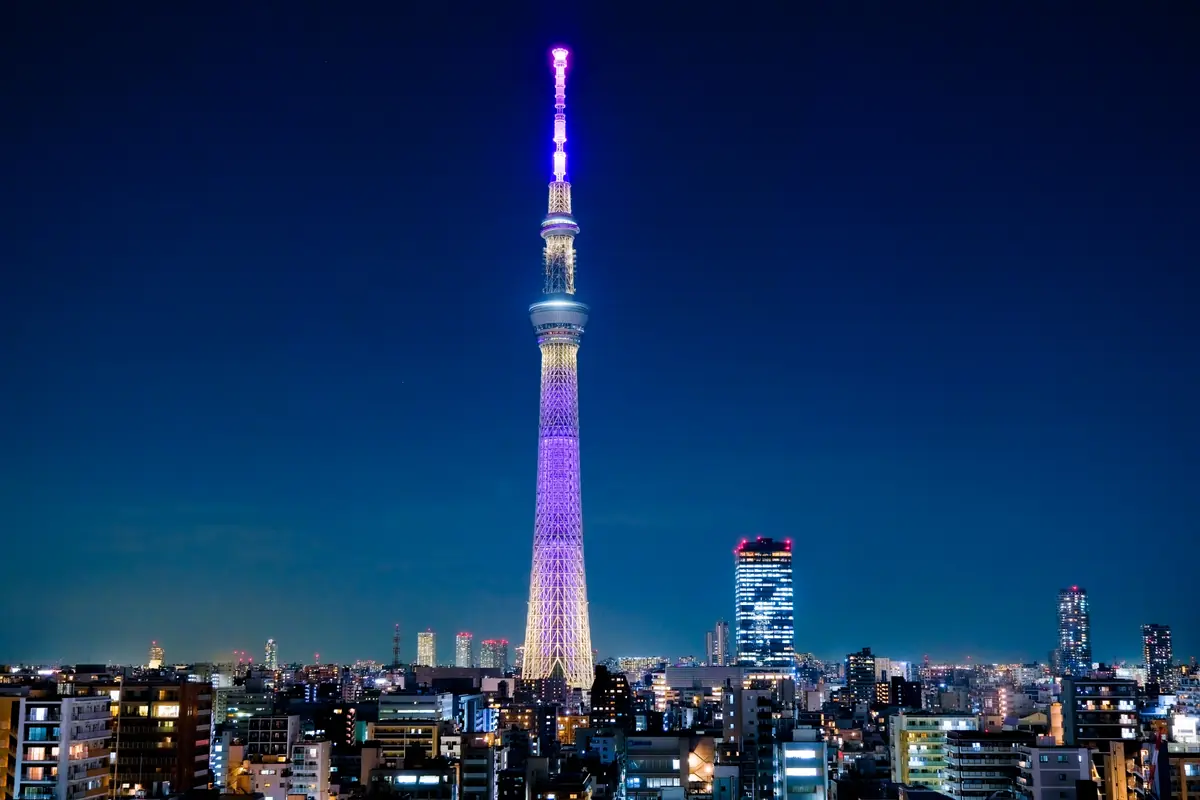
Unique and Cool Experiences in Modern Tokyo
Tokyo is a playground for innovation that never truly sleeps, and the city has reached a new peak of sensory immersion. If you want a unique experience that feels like stepping into a science fiction future, your first stop must be the teamLab museums. These are not your typical galleries where you stand behind a rope and whisper. In Toyosu, teamLab Planets invites you to walk through water and become one with the flowers. They have added several new installations that change the artwork based on the number of people in the room, meaning no two visits are ever exactly the same. The entrance is often busy, so booking a ticket in advance is needed.

Over in Azabudai Hills, teamLab Borderless has redefined what a museum can be. The artworks move out of the rooms, communicate with other works, and sometimes even follow you down the hallways. It is a borderless world that perfectly mirrors the fluid, fast-paced energy of Tokyo itself. For the best experience, booking a morning slot to avoid the largest crowds allows you to lose yourself in the digital forest in peace.
For pop culture fans, Akihabara remains the undisputed mecca for anime, manga, and gaming. However, nowadays Akiba has shifted toward a more nostalgic, retro gaming vibe alongside its high-tech centers. You can find multi-story buildings dedicated to rare 1980s consoles right next to cutting-edge VR arenas. If you are a fan of Godzilla or Studio Ghibli, there are many themed cafes and stores in this area that you shouldn’t miss.
If you want a more curated and sophisticated fashion experience, head to the backstreets of Harajuku, known as Ura-Hara. This is where the city’s aesthetic soul truly resides. Here, small independent boutiques offer one-of-a-kind handmade garments that you won’t find anywhere else in the world. As you head toward Ginza, the atmosphere shifts from rebellious creativity to high-end elegance. The boutiques here, like those in the revamped Ginza Six, are architectural masterpieces in their own right, offering personalized shopping experiences that include private tea ceremonies and sake tastings for VIP guests.
Traditional and Cultural Experiences: The Heart of Asakusa
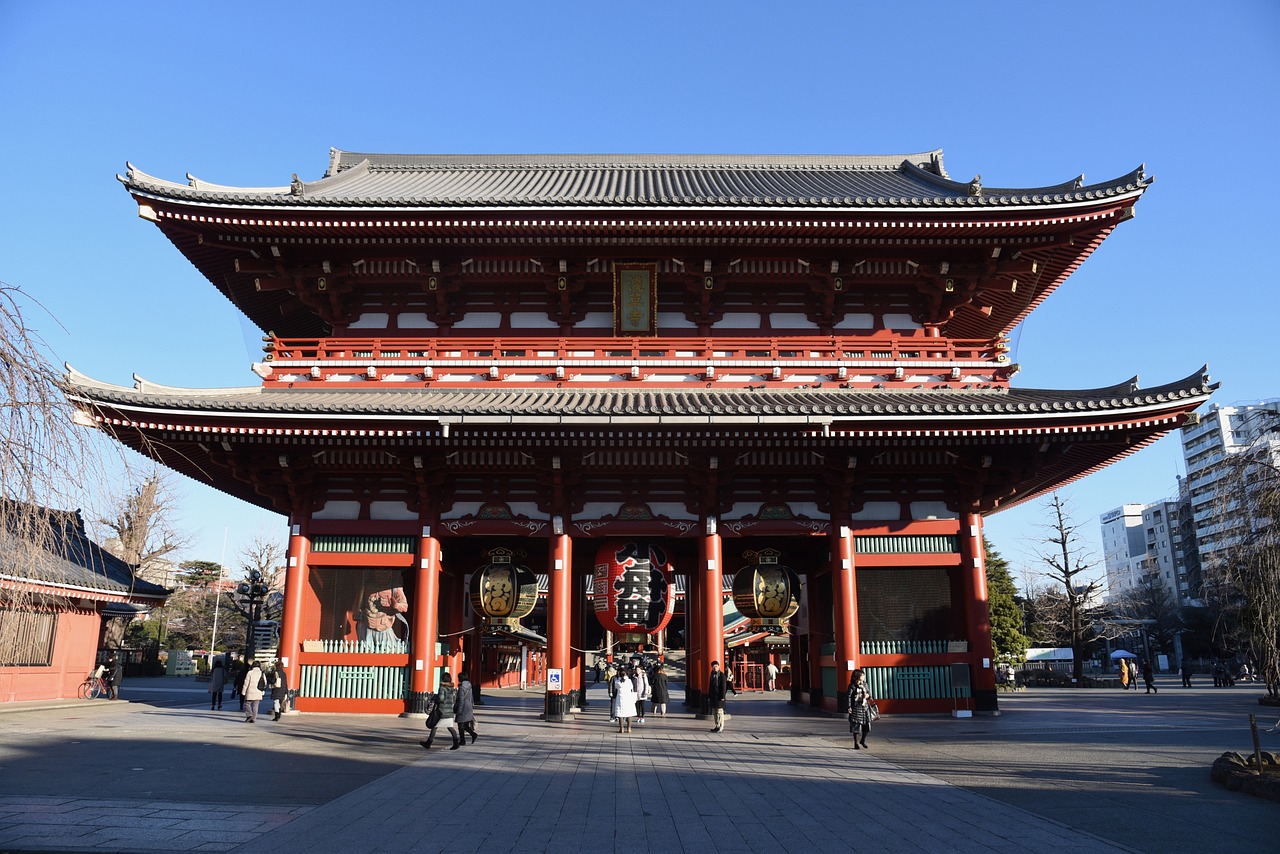
While the modern city is exciting and full of flashing lights, most travelers find their most lasting memories in the traditional side of Japan. This often leads people to Asakusa, the home of Sensoji, the city’s oldest and most significant temple. Most tourists walk through the massive Kaminarimon Gate, take a photo of the giant red lantern, and buy a few snacks on Nakamise Street before moving on. But there is a much deeper, more authentic layer to Asakusa that many visitors completely miss.
Asakusa has been a thriving center of entertainment and spirituality since the Edo period, over 400 years ago. It was the playground of the samurai, the merchant class, and the artists who defined Japanese culture. Unlike the more exclusive geisha districts in Kyoto, which can sometimes feel intimidating or closed off to outsiders, the Asakusa hanamachi or flower town has always been more open and welcoming. This is rooted in the history of the area as a place for the common people. For a complete look at the Asakusa geisha district and its neighborhoods, our guide to the Asakusa geisha district covers everything from the Kenban to Kannon-ura’s quiet lanes.
In Asakusa, the concept of iki is king. Iki is a difficult word to translate, but it essentially means a chic, straightforward, and understated elegance. It is the opposite of being flashy or boastful. In the 17th and 18th centuries, the people of Asakusa prided themselves on being sophisticated without being arrogant. This spirit lives on today in the way the local geisha interact with guests. They are masters of hospitality who prioritize making everyone feel at ease, regardless of their background or status.
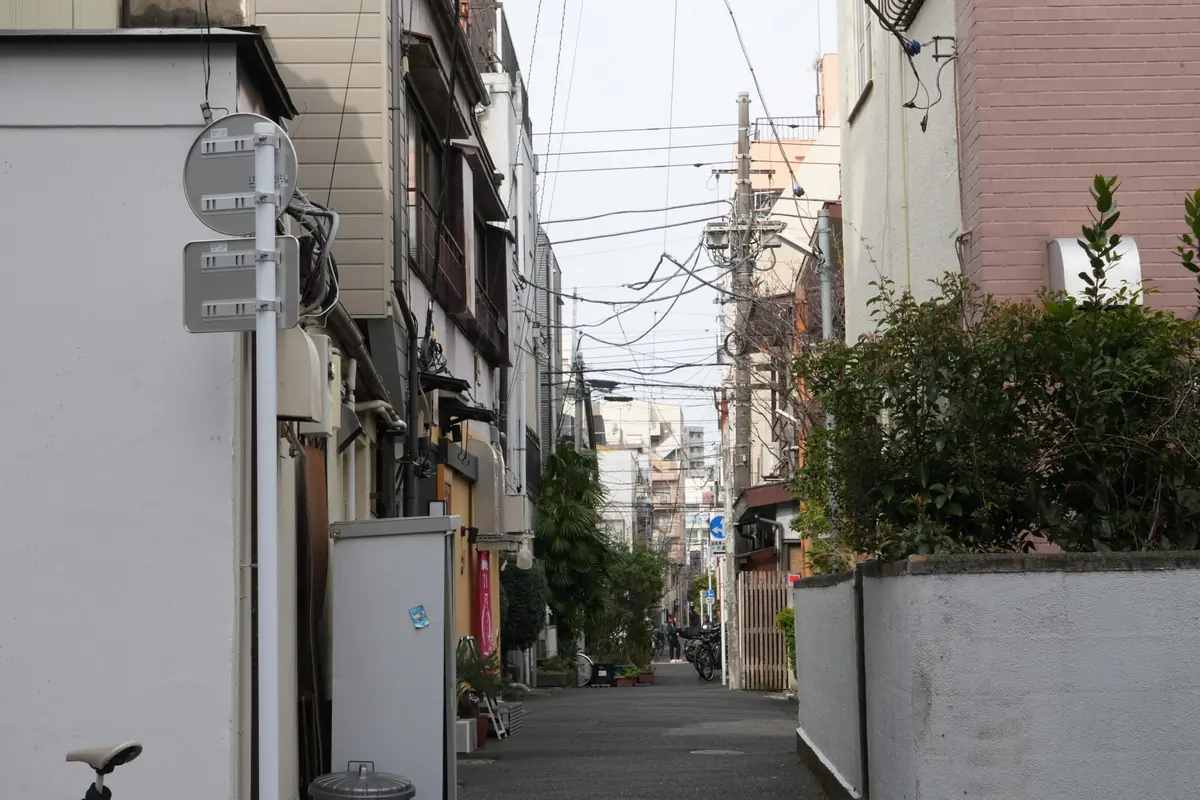
To truly discover this side of the city, you must venture into Kannon-ura, the area located directly behind the Sensoji temple. This quiet neighborhood is where the real magic happens. The streets are narrower, the sounds of the bustling city fade away, and you are left with the soft glow of lanterns and the occasional sound of a shamisen being tuned behind a wooden door. This is the authentic heart of traditional Tokyo, a place where time seems to slow down. Here, you can find small, family-run craft shops that have been making the same style of combs, fans, or traditional footwear for generations. Exploring this area on foot is a masterclass in Japanese history and the best way to understand how the city’s past continues to breathe within its modern skin.
The Ultimate Traditional Highlight: Miyakodori
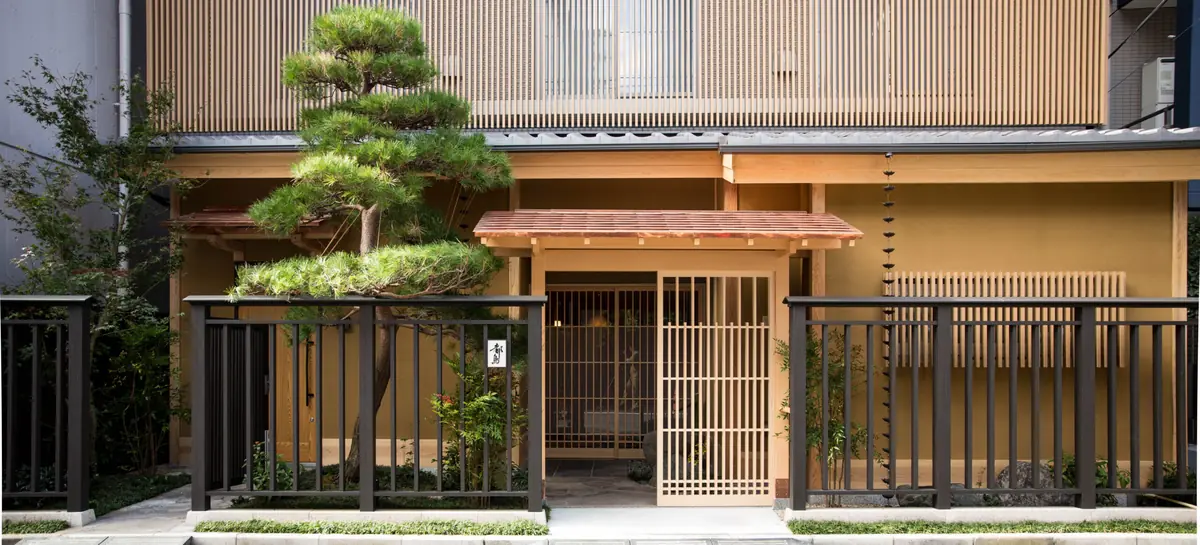
If you are searching for the single best experience in Tokyo that combines history, art, and world-class hospitality, you must look into the world of the machiai-chaya — the traditional teahouse where geisha perform. Specifically, a place called Miyakodori. Located in the quiet area behind the Sensoji temple known as Kannon-ura, Miyakodori is a historic establishment founded in 1950. While many parts of Tokyo were racing toward modernization after the war, Miyakodori was established to preserve the soul of the Edo period, ensuring that the refined culture of the flower town would not be lost to time.
What makes Miyakodori unique is its status as a machiai chaya. In the world of Japanese traditional dining, most restaurants focus primarily on the food. However, a machiai chaya is designed specifically to facilitate the enjoyment of geisha entertainment. Historically, these were places where guests would wait for their companions or meet with geisha before heading to other engagements. Today, Miyakodori stands as the only remaining establishment in Asakusa that maintains this specific traditional form. While the kaiseki cuisine served on the three-hour Geisha Kaiseki Dinner plan, featuring seasonal ingredients and careful presentation, is world-class, the soul of the experience is the interaction with the geisha.
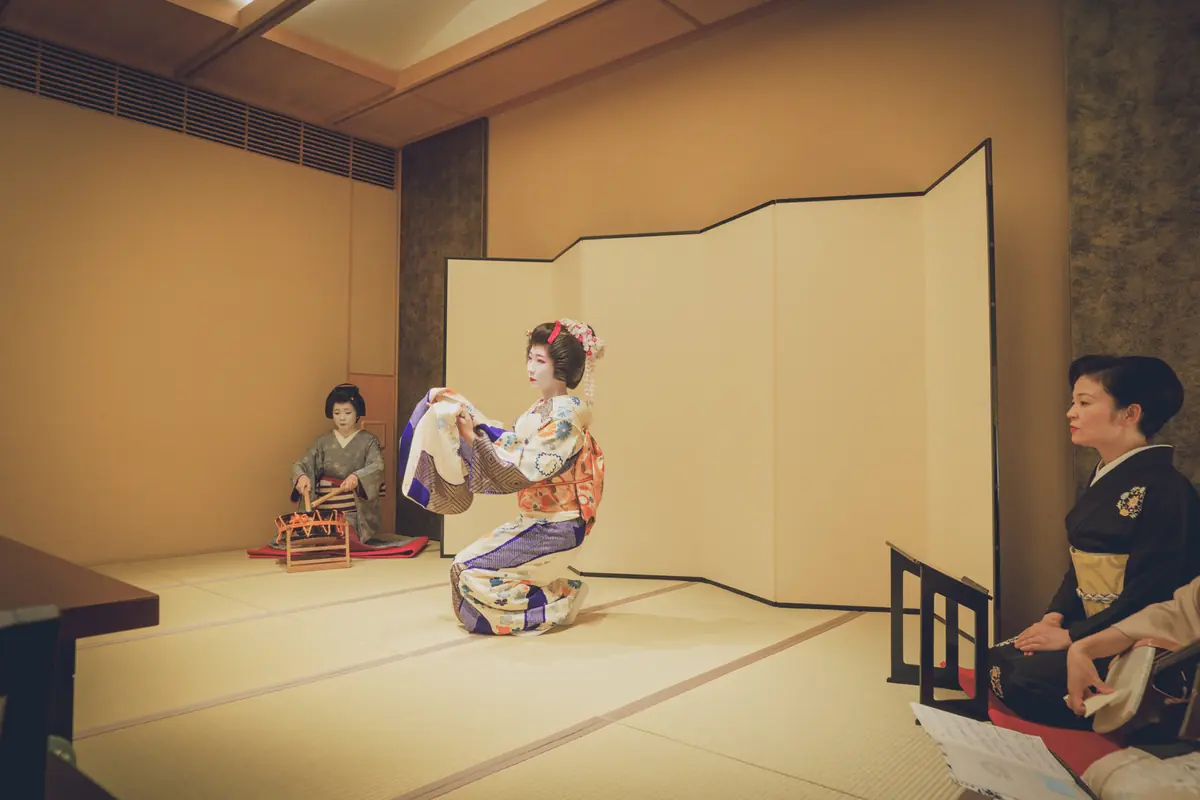
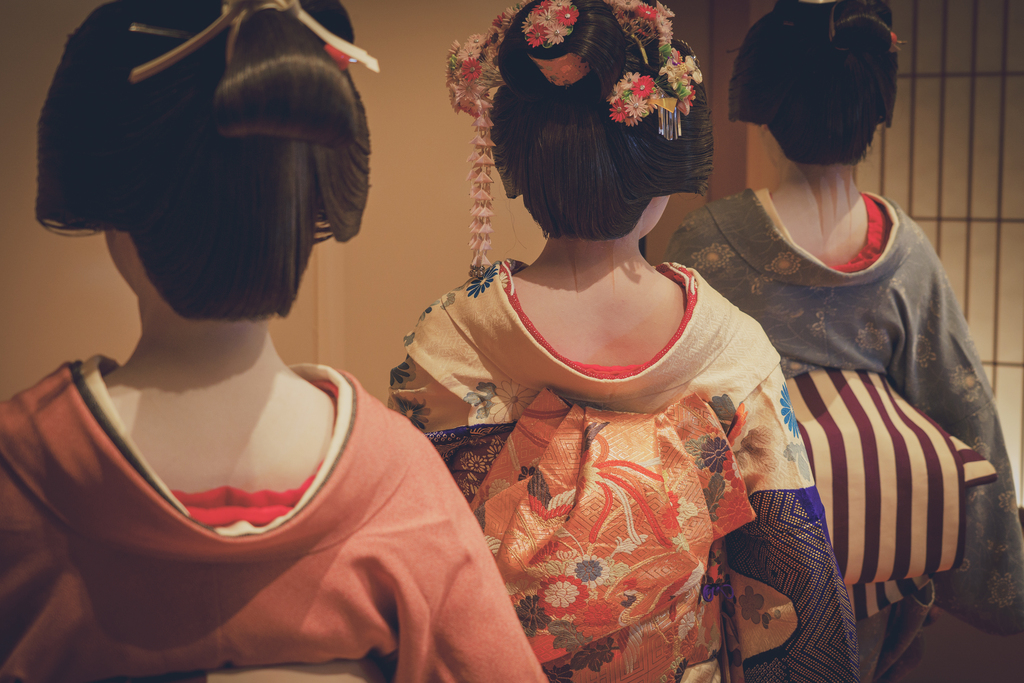
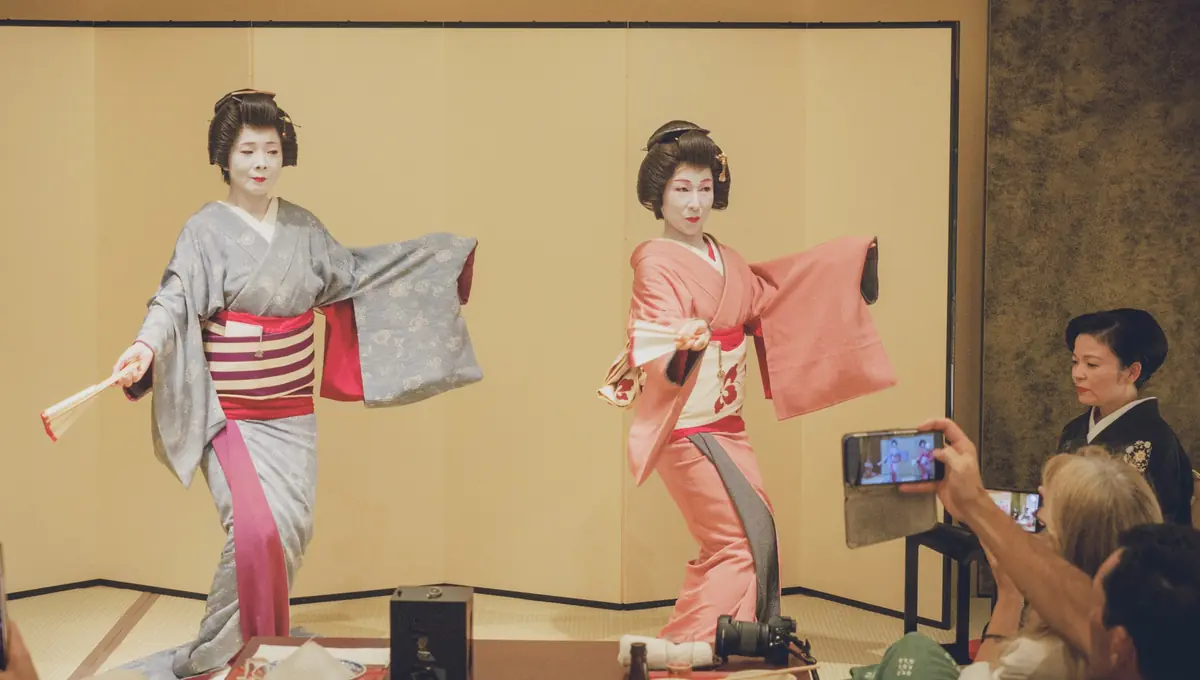
To understand the value of this experience, one must understand the Asakusa geisha. These women are performers; masters of conversation, dance, and traditional music. They undergo years of rigorous training in the arts of the shamisen, classical dance, and the subtle art of omotenashi or selfless hospitality. At Miyakodori, you can witness the graceful dance of the geisha and hear the soul-stirring notes of the shamisen in a private, high-class room. This is not a stage show where you sit in a dark theater; it is an intimate, interactive evening where the geisha pour your drinks, engage in witty conversation, and guide you through traditional parlor games known as ozashiki asobi (geisha banquet games). If you want to understand these games before your visit, our guide to ozashiki (a private gathering with geisha) games explains Tora Tora, Konpira Fune Fune, and more in detail.
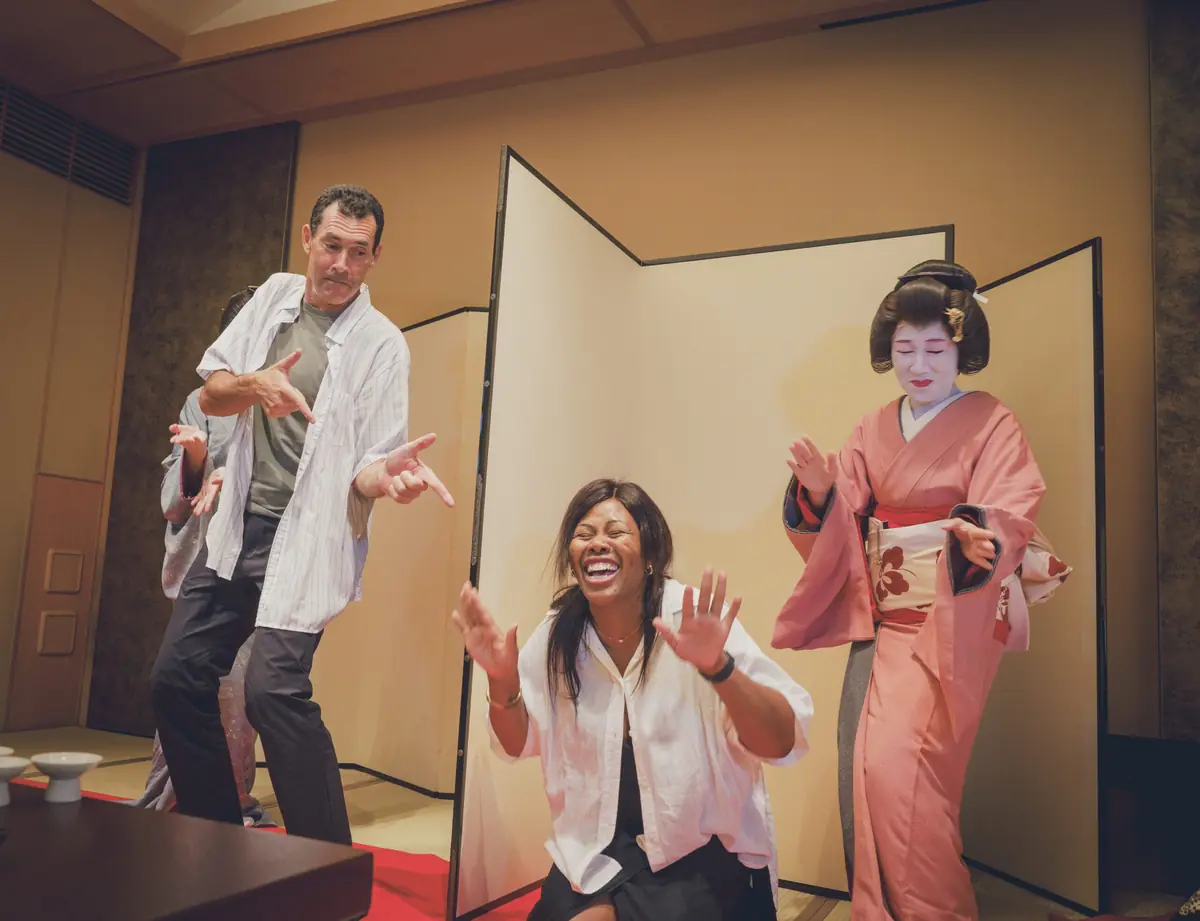
The architectural space of Miyakodori itself is a testament to Japanese aesthetic values. The private rooms are designed to provide a sense of refined seclusion, far removed from the neon lights and noise of the modern city. Every detail, from the scent of the fresh tatami mats to the seasonal flowers arranged in the tokonoma alcove, is carefully curated to create a harmonious atmosphere. For international guests, this provides an intimate window into a world that has remained largely unchanged for centuries. It is a rare opportunity to experience the same type of entertainment that once delighted the samurai and high-ranking merchants of old Tokyo.
Furthermore, Miyakodori has embraced the needs of the modern, global traveler without sacrificing its traditional roots. They even offer halal options to ensure that guests from all over the world can enjoy the traditional flavors of Japan without worry. This inclusivity is a hallmark of the Asakusa spirit. As a town that grew around the Sensoji temple, Asakusa has always been a place where people from all walks of life gather. Miyakodori carries this torch by making the once-hidden world of the geisha accessible to those who truly appreciate cultural depth. Whether you are hosting a business dinner for international VIPs or celebrating a major family milestone, the level of care and personalized attention you receive here is unmatched anywhere else in the city.
In 2026, as the world becomes increasingly digital and automated, the human connection found at Miyakodori is more valuable than ever. The laughter shared over a game of Tora Tora or the silent appreciation of a seasonal dish creates a memory that stays with you long after you have left Japan. It is the ultimate expression of Japanese culture, where food, art, and human warmth converge in a single, unforgettable evening.
Experience an Authentic Geisha Banquet in the Heart of Asakusa
Miyakodori is the only remaining machiai-chaya in Asakusa — where live shamisen music, traditional dance, and an intimate ozashiki (a private gathering with geisha) come together in a private tatami room. English interpretation included. Halal options available.
Request a Reservation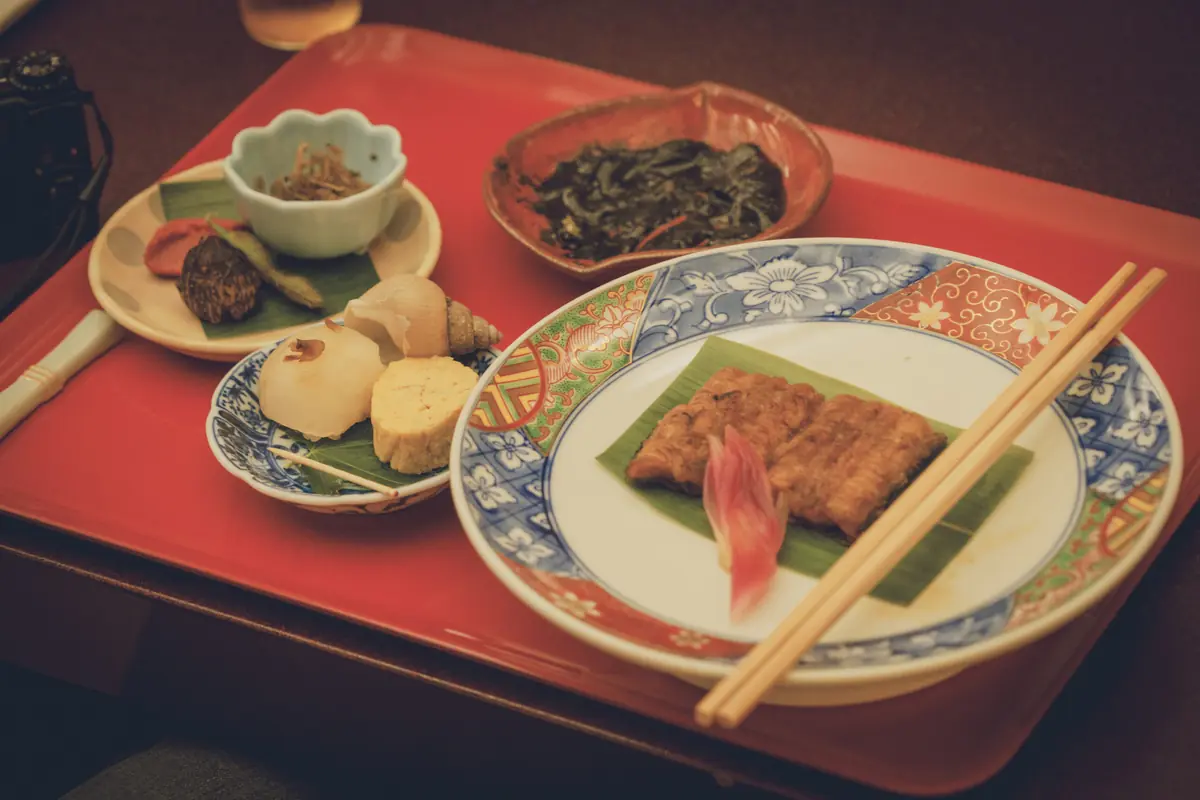
Foodie Bucket List: From Ramen to Kaiseki
Tokyo is the world’s premier dining destination, and in 2026, the culinary landscape has become even more diverse and accessible. Your gastronomic journey should ideally begin at dawn, reflecting the city’s rhythm. While the inner wholesale market has moved to Toyosu, the Tsukiji Outer Market remains a vibrant and essential hub for street food and traditional kitchenware. Here, you can sample tamagoyaki (rolled omelet) on a stick, grilled scallops, or fresh oysters right on the sidewalk.
For a quintessential urban experience, Shinjuku offers a different kind of culinary thrill. Not only are there the famous ramen vending machines where you buy a ticket and slip into a narrow counter seat, but also various specialty shops. Whether you crave the rich, creamy texture of Tonkotsu or the delicate clarity of a Shoyu broth, the city’s ramen scene is a testament to the Japanese obsession with technical perfection. It is a meal that is fast, loud, and incredibly satisfying.
But to truly understand the height of Japanese hospitality, one must experience Kaiseki. This is Japanese philosophy served on a plate. At a venue like Miyakodori in Asakusa, the concept of the micro-season is taken to its literal extreme. Japan traditionally recognizes 24 solar terms, and the seasonal kaiseki served on Miyakodori’s three-hour plan reflects these subtle shifts in nature. This makes it the ultimate choice for a special occasion or a business dinner with VIPs who want to see the true heart of the culture. For a deeper dive into this art form, our guide to the best kaiseki in Tokyo covers everything from course structure to where to book.
From the crispness of the seasonal vegetables sourced from local farms to the succulent seafood caught in nearby waters, every element is a tribute to the land. Miyakodori also offers vegetarian options, and fully halal meals as bento. This allows international guests with specific dietary needs to enjoy the tradition without compromise. Each course is a work of art, often served on antique ceramic or lacquerware that has its own story to tell. Finishing your meal with a bowl of matcha tea while overlooking the quiet streets of Kannon-ura is the perfect way to conclude a day of exploring.
Sumo and Tradition in Ryogoku
No trip to Tokyo is complete without exploring the world of sumo wrestling. Head to the Ryogoku district, where the Kokugikan stadium hosts major tournaments. Even if a tournament isn’t happening, you can visit the Sumo Museum or walk through the streets to see the large wrestlers in their traditional yukata. Many stables offer a guided tour of their morning practice, but these must be booked well in advance through a reputable site or agency. Afterward, try Chanko Nabe, the famous high-protein hot pot that sumo wrestlers eat to gain weight. It’s a delicious and healthy meal filled with meat, fish, and vegetables that is perfect for a cold day in February.
Parks and Shrines: Serene Spots in the City
When you need a break from the bustle, Tokyo’s parks and shrines offer a peaceful sanctuary. Meiji Shrine, located next to Harajuku, is dedicated to Emperor Meiji and is surrounded by a massive forest that makes you forget you’re in the middle of a huge city. Walking down the wide gravel road toward the main building is a meditative experience. Nearby, Yoyogi Park is a popular spot for locals to relax, play music, or have a picnic under the trees. If you’re visiting in the spring, the Shinjuku Gyoen National Garden offers some of the best scenery for a stroll. Entrance fees are small, and the experience is worth every yen.
Tokyo at Night and Day Trips: Escaping the Crowds in 2026
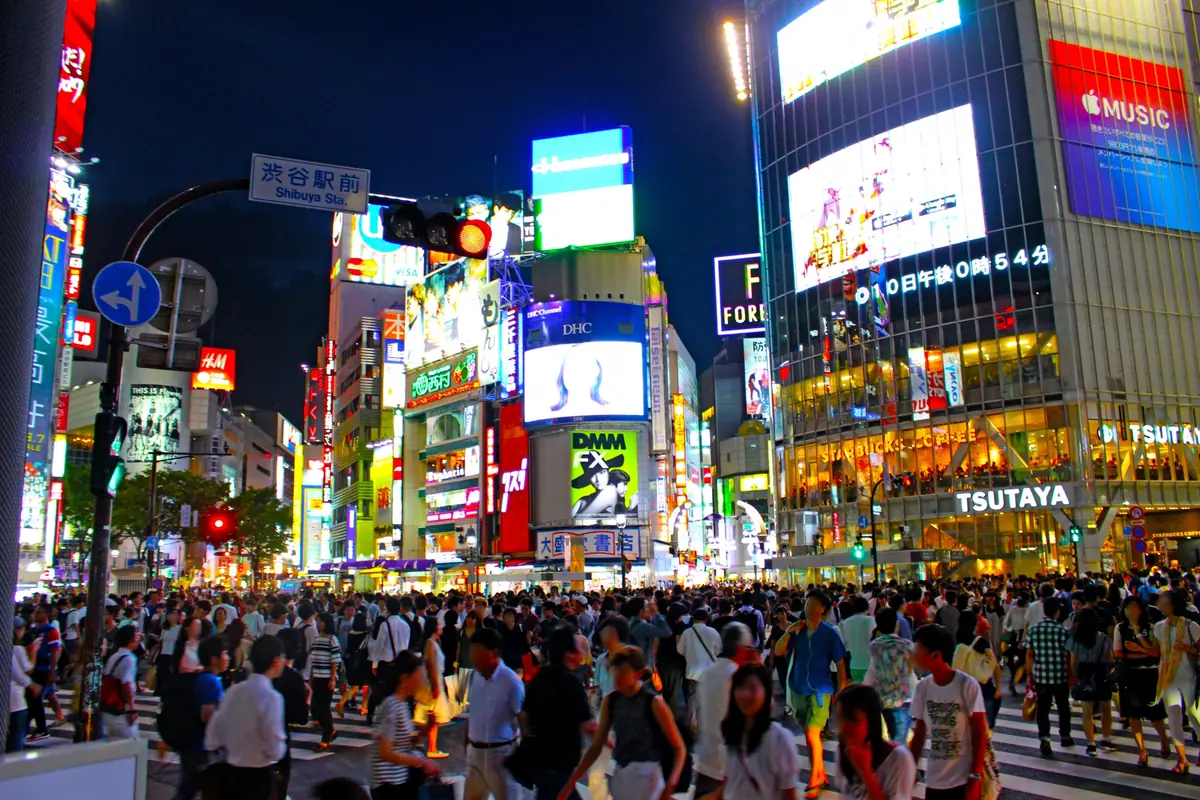
When the sun sets, the city transforms into a neon-lit labyrinth that feels both futuristic and intimate. While the view from the SHIBUYA SKY observation deck remains a top choice, the 2026 experience has been upgraded with the popularity of THE ROOF SHIBUYA SKY, a rooftop bar where you can sip cocktails while suspended 229 meters above the scramble. For a grittier, more authentic vibe, the tiny bars of Shinjuku Golden Gai still offer the best late-night conversations. However, please remember that many alleys here now strictly prohibit photography to protect the privacy of regular patrons.
If you have extra time, a day trip to see Mount Fuji or the historical coastal town of Kamakura is highly recommended. In 2026, traveling to Mount Fuji has become more regulated to preserve its beauty. If you plan on climbing beyond the 5th station, you must now navigate the new online reservation system and pay a mandatory 4,000 Yen entry fee. For those who prefer a more relaxed day, taking the Fuji Excursion train directly from Shinjuku to Lake Kawaguchi is suggested. The views from the lakeside are breathtaking and require far less logistical planning.
Kamakura, often called the Little Kyoto of the East, is just as rewarding. The famous Slam Dunk anime crossing at Kamakura High School Front Station remains a massive draw for photographers, but the true charm lies in the quiet temples like Hokokuji with its bamboo grove. After a long day of walking the hills of Kamakura or the streets of Shinjuku, the best way to reset is to escape the tourist crowds entirely. This is why I always recommend ending your evening back in the Kannon-ura district of Asakusa.
Returning to a place like Miyakodori after a busy day trip provides the perfect cultural contrast. While the city’s observation decks and mountain trails are about the scale of nature and architecture, Miyakodori is about the scale of human connection. Stepping into a private tatami room after the sensory overload of Shibuya or the physical exertion of a day trip feels like a sanctuary. You can relax as the geisha guide you through a refined evening of seasonal kaiseki and traditional arts, proving that even in a city as fast-paced as Tokyo, the most profound experiences are often found in the quietest corners. For practical guidance on planning your geisha evening in Asakusa, our geisha experience in Tokyo planning guide covers itinerary, dress code, and what to expect.
Family Fun and Theme Parks
If you are traveling with kids, Tokyo has plenty of attractions to keep them entertained. Tokyo Disneyland and DisneySea are world-renowned for their incredible design and attention to detail. The new expansion areas inspired by Frozen and Tangled have made these parks more popular than ever. For a unique experience, visit the Ghibli Museum in Mitaka, which offers a whimsical look into the films of Hayao Miyazaki. Tickets are famously hard to get, so you’ll need to book in advance through the official website or a trusted partner. Another great spot for families is the Harry Potter studio tour in Nerima, which has become a major highlight for fans of the series.
Shopping and Fashion Capitals
Tokyo is a global leader in fashion, and each neighborhood has its own unique style. Shibuya is the center of youth culture, with iconic stores like Shibuya 109 and the massive Magnet building offering the latest trends. For high-end luxury, Ginza is the place to be, with its elegant department stores and flagship boutiques. If you’re looking for quirky souvenirs and affordable fashion, Takeshita Street in Harajuku is a must-visit. For anime fans, Nakano Broadway is a great alternative to Akihabara, offering a wide selection of rare collectibles and vintage items in a more relaxed indoor setting.
Cultural Protocols and Etiquette
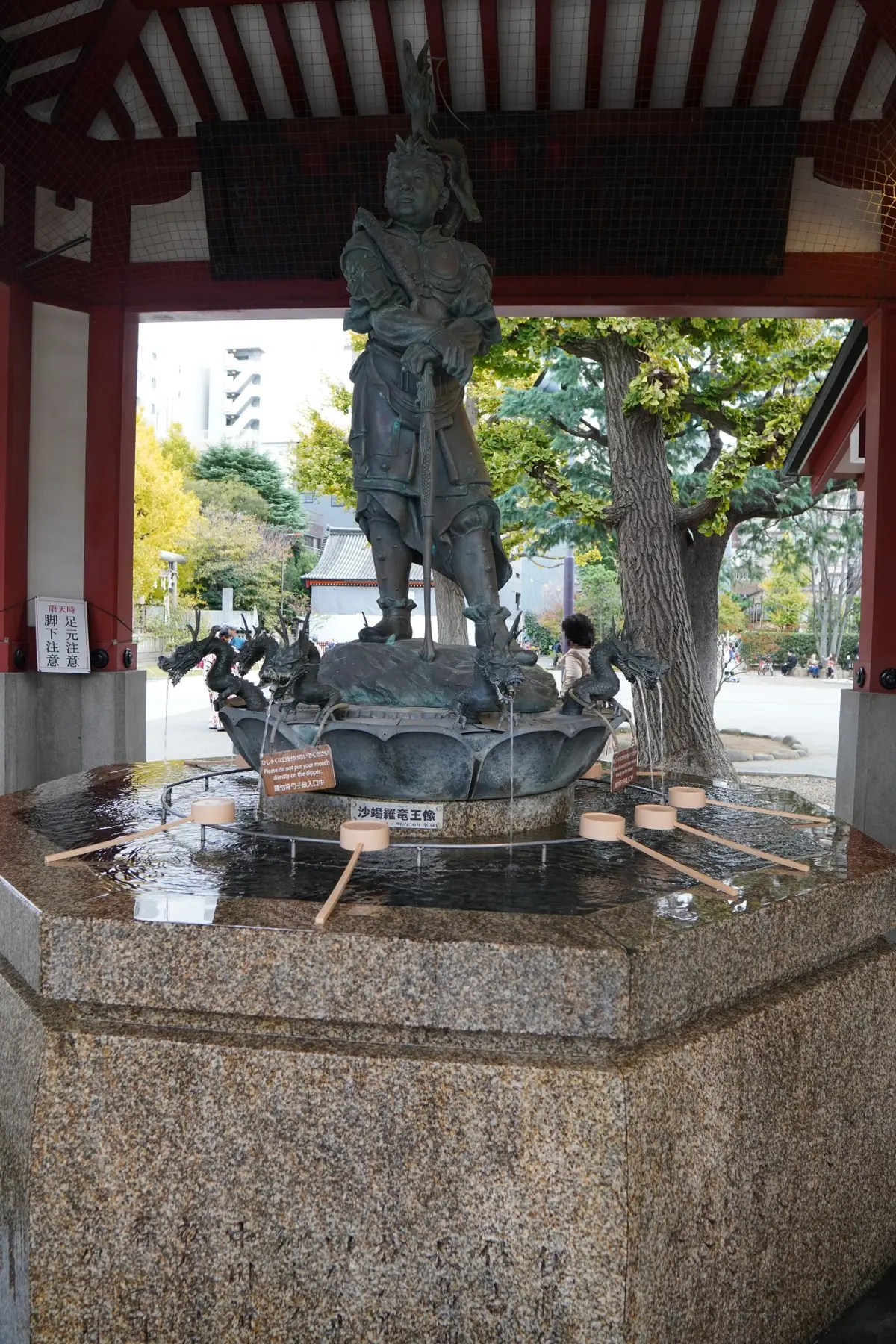
Japanese culture values politeness and respect, and knowing a few basic rules will make your trip much smoother. When entering a house or a traditional establishment like Miyakodori, you’ll typically be asked to remove your shoes at the entrance. In public transport, it is considered rude to talk loudly on your phone or eat messy snacks. When visiting shrines and temples, follow the local practice of bowing and washing your hands at the purification fountain. Tips are not expected in Japan; in fact, they might even be refused. Instead, a simple thank you or a bow is the best way to show your appreciation for excellent service.
Expanded Q&A: Your Questions Answered
Is it difficult for foreigners to visit a geisha house in Asakusa?
While some traditional places are referral only, Miyakodori is known for its open atmosphere and welcomes international guests looking for an authentic cultural experience. Unlike the more exclusive districts of Kyoto, Asakusa has always been the people’s district, valuing the spirit of hospitality above status. You don’t need a special introduction to book here.
Do I need to book in advance?
Yes, especially for private rooms and geisha performances, booking several weeks in advance is highly recommended. For the cherry blossom season or autumn peak, we suggest reaching out at least two months before your trip to ensure the availability of your preferred date.
Are there vegetarian or halal options?
Yes, Miyakodori specifically offers halal and dietary accommodations if notified in advance.
What is the dress code at Miyakodori?
While there is no strict requirement, most guests wear business casual or smart casual attire. It is important to wear socks, as you will be removing your shoes to walk on the tatami mats.
Can I take photos during a geisha performance?
Generally, yes, but it is always best to ask your host or the geisha themselves first. At Miyakodori, the atmosphere is friendly, and there is usually a dedicated time at the end of the performance for commemorative photos with the geisha. Please avoid using flash during the dance to respect the performers.
How do I get to Asakusa Kannon-ura?
Asakusa Station is served by the Ginza Line, Asakusa Line, and Tobu Skytree Line. From the station, it is a pleasant 13–15 minute walk through the Sensoji temple grounds to reach the quieter Kannon-ura neighborhood where Miyakodori is located. Navigation apps like Navitime or Google Maps make it easy to find your way through the smaller alleys.
Is English spoken at Miyakodori?
Yes, they are well-prepared for international guests. While the deep nuances of traditional culture are Japanese, the staff is accustomed to hosting visitors from all over the world and can guide you through the evening in English with the help of an interpreter.
Can I find a free tour in Tokyo?
Yes, there are several groups that offer free walking tours led by local volunteers. These are a great way to learn about the history of areas like Ueno Park or the Imperial Palace.
What are the best onsen spots near the city?
If you don’t have time to travel to Hakone or Kusatsu, there are several hot springs within the city limits. Spa LaQua in Bunkyo and the Oedo Onsen Monogatari in Urayasu (recently updated) offer a relaxing bath experience with a variety of pools and saunas.
Are there Harry Potter or Super Mario attractions in Tokyo?
Yes! The Warner Bros. Studio Tour Tokyo in Nerima is a must-visit for Potter fans. For Mario, you can visit the Nintendo store in Shibuya or take a shinkansen trip to Universal Studios Japan in Osaka to see the full Super Nintendo World.
What should I expect in terms of costs for a trip to Tokyo in 2026?
While the exchange rate is favorable, Tokyo can still be expensive if you stay in high-end hotels and eat at Michelin-starred restaurants every night. A daily budget of 15,000 to 20,000 Yen per person is typically enough for a comfortable trip including mid-range dining, transport, and attraction fees. Using a JR pass or a subway pass can help you save on travel costs.
Is Tokyo safe for solo travelers?
Yes, Tokyo is renowned as one of the safest cities in the world. Whether you are a man or a woman, you can feel comfortable walking the streets at night or using public transport alone. However, always use common sense and keep an eye on your belongings in crowded areas like Shibuya Crossing.
Can I rent a car and drive in Tokyo?
While it is possible to rent a car, driving in central Tokyo is not recommended for tourists. The traffic is heavy, parking is extremely expensive, and the public transport network is so efficient that a car is rarely needed. If you want to explore rural areas like the Fuji Five Lakes, renting a car from a station outside the city center is a better option.
What are some good souvenir ideas from Asakusa?
Traditional crafts like hand-painted fans, woodblock prints, or high-quality Japanese knives are excellent choices. You can also buy local snacks like Senbei (rice crackers) or Ningyo-yaki (small cakes shaped like dolls). These are unique to the area and make for great gifts for friends and family back home.
How can I stay connected to the internet?
Most hotels and cafes offer free Wi-Fi, but for seamless navigation, renting a pocket Wi-Fi or buying an eSIM is highly recommended. You can pick these up at the airport upon arrival or order them online beforehand.
Conclusion: Making Memories That Last
Tokyo in 2026 is a city of endless discovery, a place where the futuristic hum of the metropolis meets the silent, centuries-old grace of its hidden corners. Throughout this guide, we have explored the high-energy pulse of the Shibuya Scramble, the digital wonders of modern art, and the complex flavors of the world’s greatest culinary scene. Yet, the memories that truly last are not those of the bright lights, but the moments where you felt a genuine connection to the local culture.
If you want to move beyond the typical tourist path and experience the true essence of Japanese hospitality, an evening at Miyakodori in Asakusa is our top recommendation. It is a journey through time that allows you to step inside a living history book. In the quiet district of Kannon-ura, the air feels different. The pace slows down, and the hospitality of the geisha reminds us that even in a world of rapid automation, the human touch remains the most luxurious commodity.
When you sit down in a tatami room at Miyakodori, watching a dance that has been perfected over generations, you are not just a spectator; you are part of a continuous lineage of appreciation for the arts. This is where you find the true soul of Tokyo. Whether it is the subtle aroma of seasonal ingredients, the sharp, beautiful melody of the shamisen, or the warm, witty conversation with a master of omotenashi, these are the details that define a trip of a lifetime.
As you plan your 2026 itinerary, we encourage you to balance the famous landmarks with these intimate, high-quality experiences. Tokyo is a city that rewards those who look deeper. By choosing a traditional experience like the one offered at Miyakodori, you are supporting the preservation of a rare art form while treating yourself to a level of service that is becoming increasingly rare in the modern world. Take the time to breathe, to listen, and to savor the elegance of Asakusa. These are the stories you will tell for decades to come. For the full picture of what Tokyo’s traditional districts have to offer, our Asakusa 2026 essential guide is the perfect starting point, and our Ultimate Guide to Geisha Dinner in Tokyo covers everything about the banquet experience itself.


- The Ultimate Tokyo Food Experience 2026: A Guide to the Best Tours, Restaurants, and Local Eats
- The Complete Guide to Traditional Geisha Makeup: History, Meaning & 5-Step Application Process
Best Kaiseki Tokyo: Japan’s Ultimate Culinary Art Form
12 Best Tokyo Dinner Places: A Complete Guide (2026)
Japanese Fine Dining Tokyo: The 2026 Guide to Extraordinary Culinary Experiences
The Ultimate Guide to Tokyo Dinner Reservations in 2026: How to Secure the Best Tables
The Ultimate Tokyo Food Experience 2026: A Guide to the Best Tours, Restaurants, and Local Eats
What’s New in Tokyo 2026: New Attractions & Openings Guide
Comment ( 0 )
Trackbacks are closed.

No comments yet.