



Rainy Day in Asakusa: Indoor Cultural Things to Do, in the Order They Open
On a rainy day in Asakusa, spend the hours under a roof: the Main Hall of Senso-ji from early morning, the free Asakusa Culture Tourist Information Center opposite Kaminarimon, the Edo Taito Traditional Crafts Center, and a live variety show at Asakusa Engei Hall, a rakugo theater that runs every day of the year. On some Sundays, English rakugo is performed at the tourist center itself. The opening hours, closed days and prices below were checked on each venue’s official page on 18 November 2026. Plan on an umbrella between stops; this guide does not map a covered route.
We are Miyakodori, a teahouse in Asakusa where geisha entertain guests, open since 1950. Rain does not close Asakusa, but it changes what is worth the walk. This guide lists the indoor places where you can still see something of Asakusa’s culture, puts them in the order they open, and notes which plans depend on the day of the week.
Indoor Cultural Stops in Asakusa, at a Glance
Each row uses the venue’s own page, and the walking times are the ones each venue gives from its nearest station.
| Venue | What you do inside | Hours and closed days | Cost and booking | From the station |
|---|---|---|---|---|
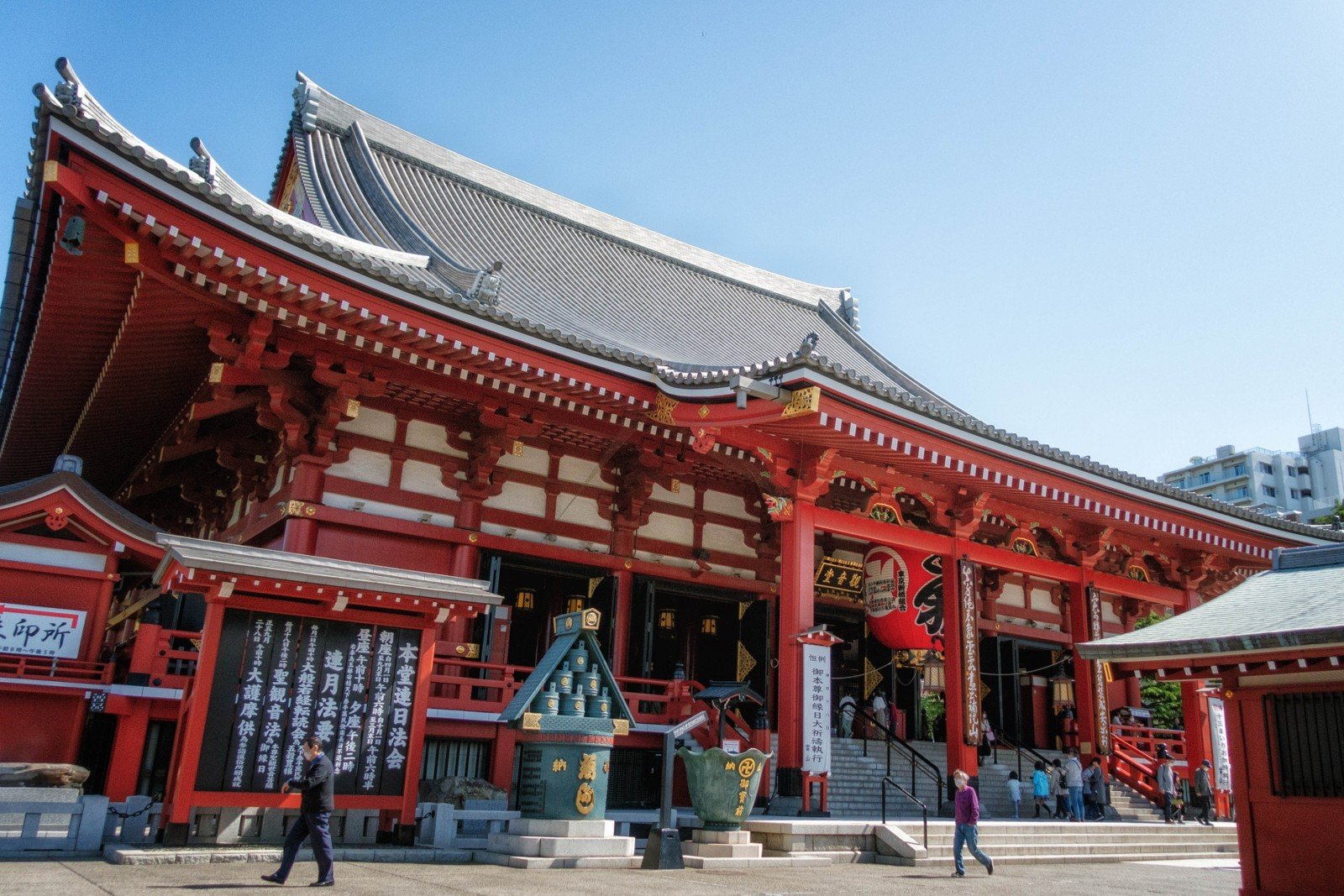
| Senso-ji Main Hall | Pray before the hall’s altar and see the daily services at 10:00 am and 2:00 pm. | 6:00 am to 5:00 pm; from October to March the hall opens at 6:30 am. Open every day. | The temple’s pages list hours but no entry fee. No booking. | 5 minutes on foot from Asakusa Station (Ginza, Tobu, Tsukuba Express and Toei Asakusa lines), as the temple gives it. |
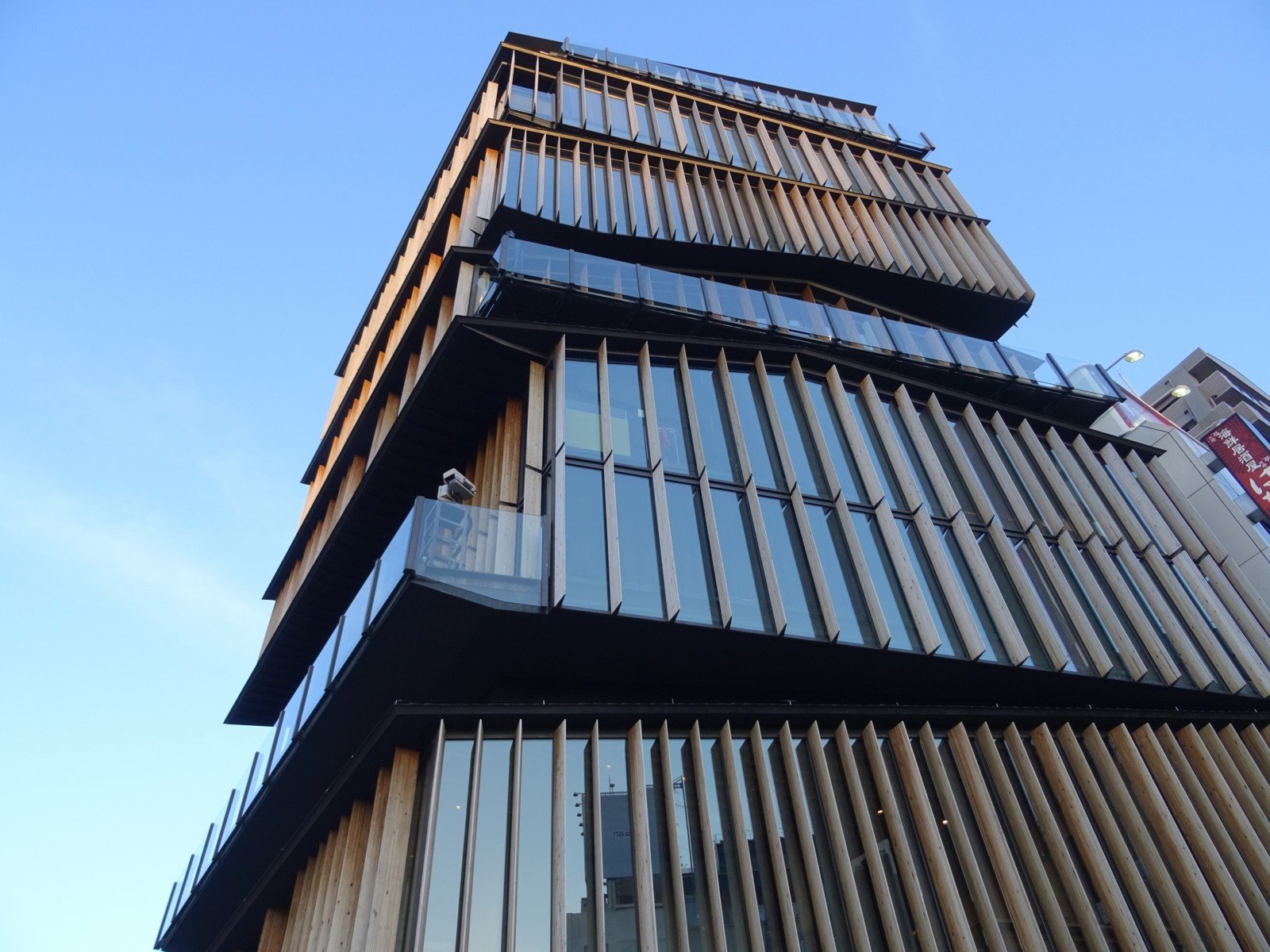
| Asakusa Culture Tourist Information Center | Videos on local history and culture with seating (6th floor), exhibits including the original artwork for the Nakamise shutter mural (7th floor), and the observation terrace (8th floor). | 9:00 am to 8:00 pm; the terrace stays open until 10:00 pm. Open every day. | Free. No booking. | 1 minute on foot from Asakusa Station (Ginza Line); 5 minutes from the Tobu line. |
| English rakugo at the tourist center | Rakugo, comic storytelling, performed in English, with other variety acts. | Twice a month. Shows listed on 18 November 2026: Sunday 22 November, 13 December and 27 December, each from 2:00 to 4:00 pm. | ¥1,000 to ¥2,500 depending on the show. Tickets on Peatix. No preschool children. | Same building as above. |
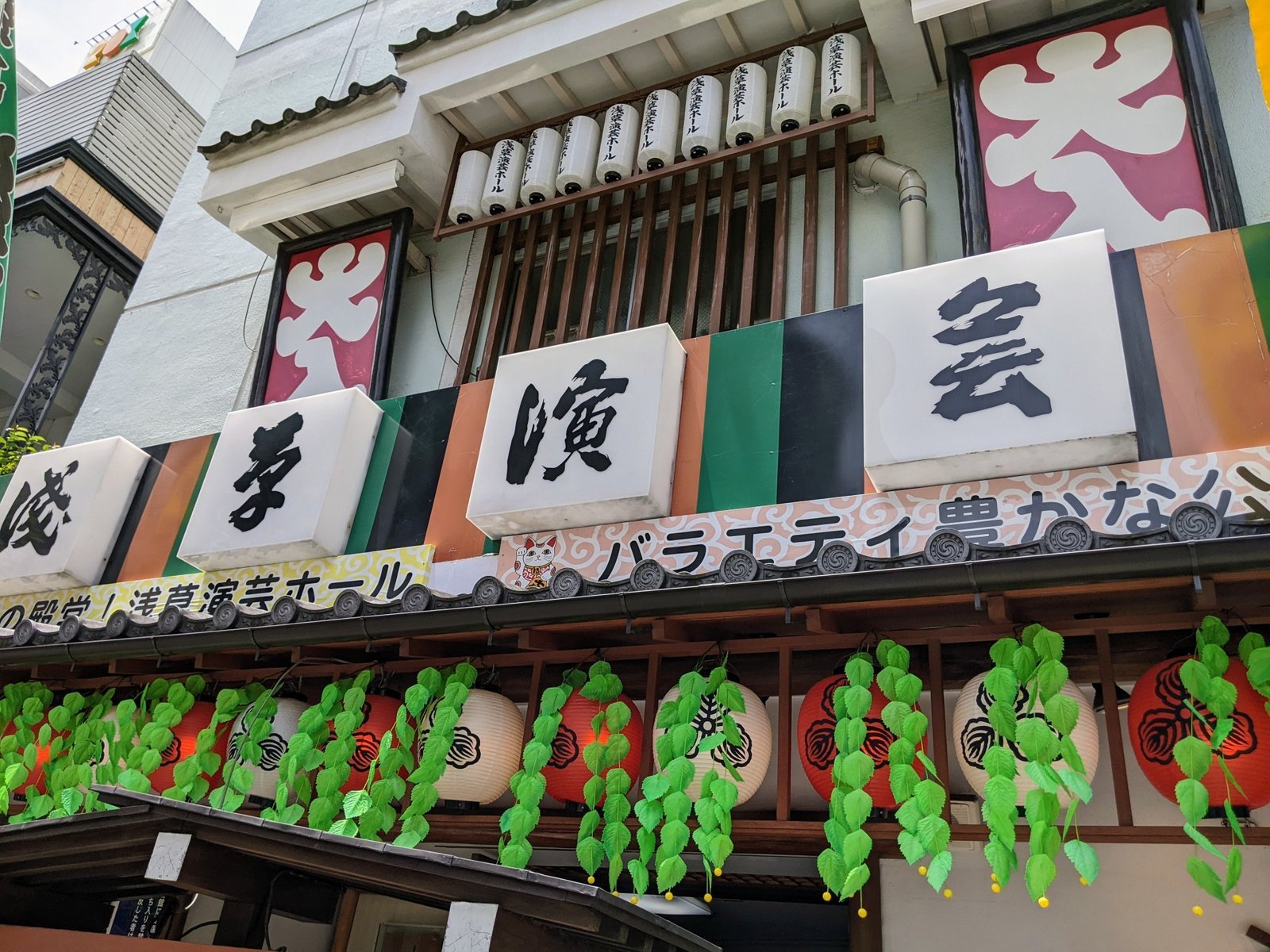
| Asakusa Engei Hall | A variety show built around rakugo, with comic duos, magic, juggling and paper-cutting. | Every day of the year. Day show 11:40 am to 4:30 pm, night show 4:40 to 9:00 pm (special shows differ). | Adults ¥3,500; ¥2,500 from 6:00 pm and ¥2,000 from 7:00 pm. Same-day tickets only, at the window, usually from 11:00 am. No re-entry. | 30 seconds from Asakusa Station (Tsukuba Express); 5 minutes from Tawaramachi Station (Ginza Line). |
| Mokubatei | Rokyoku, narrative singing to shamisen, in a small wooden theater of about 131 seats. | The regular rokyoku program runs on seven days each month; other days have special shows. | Regular program ¥2,500 (¥2,800 from 1 February 2027). No advance booking. | 8 minutes from Asakusa Station (Ginza and Toei Asakusa lines); 3 minutes from the Tsukuba Express. |
| Edo Taito Traditional Crafts Center | About 250 objects from some 50 local crafts on two floors, with touch-screen notes in English. | 10:00 am to 6:00 pm. Closed on the second and fourth Tuesday (the next day if that Tuesday is a holiday). | No fee is listed on GO TOKYO; the center’s own site did not load when we checked. | 5 minutes from Asakusa Station. |
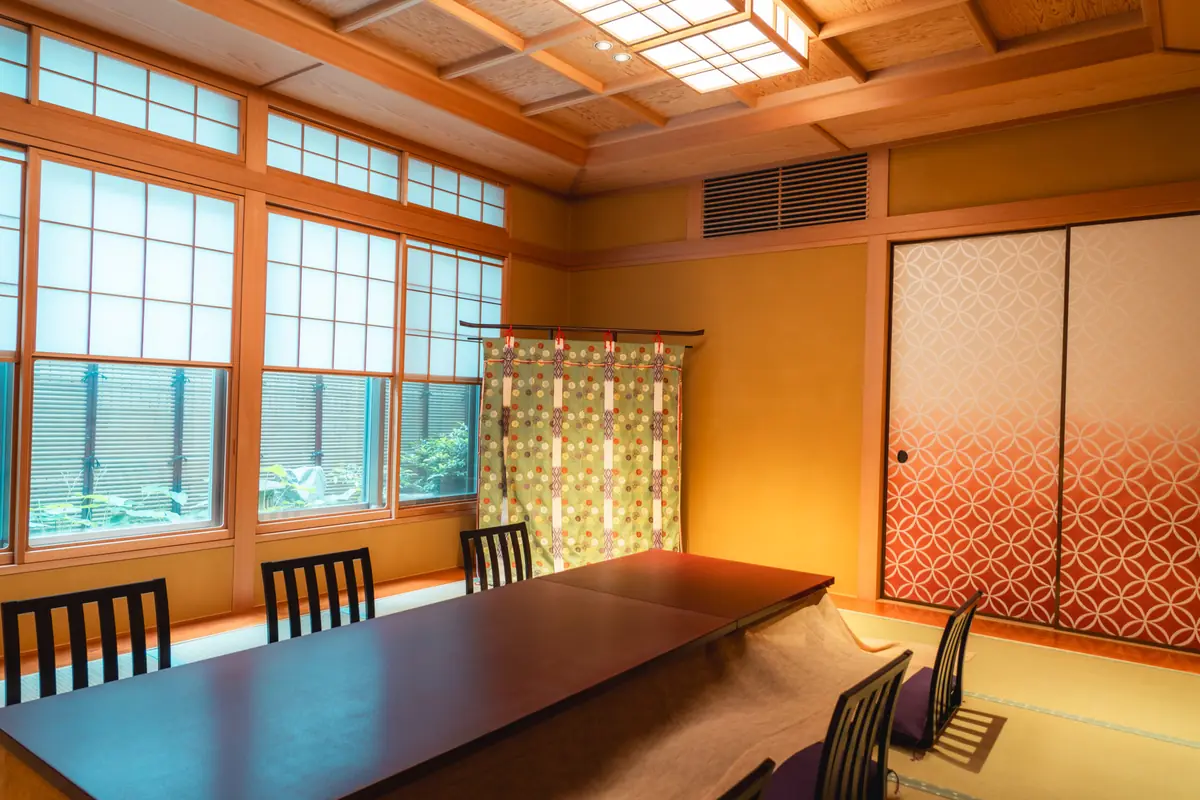
| Miyakodori (geisha ozashiki) | A private tatami room where geisha dance to live shamisen and play games with your party. | Visits start between 2:00 and 8:00 pm on weekdays. Closed on Saturdays, Sundays and national holidays. | Booking needed, usually two or three days ahead. Rates are on our pricing page. | 13 minutes on foot from Asakusa Station (Ginza, Tobu and Tsukuba Express lines), or 4 minutes by taxi. |
Two of these need Japanese more than the others. Rakugo and comic talk at Asakusa Engei Hall and the rokyoku at Mokubatei are performed in Japanese, and both theaters’ websites are in Japanese only. The magic, juggling and paper-cutting acts at Engei Hall are easy to follow without the language. If you want the stories themselves, the English rakugo shows are the ones to plan around.
What Rain Changes in Asakusa
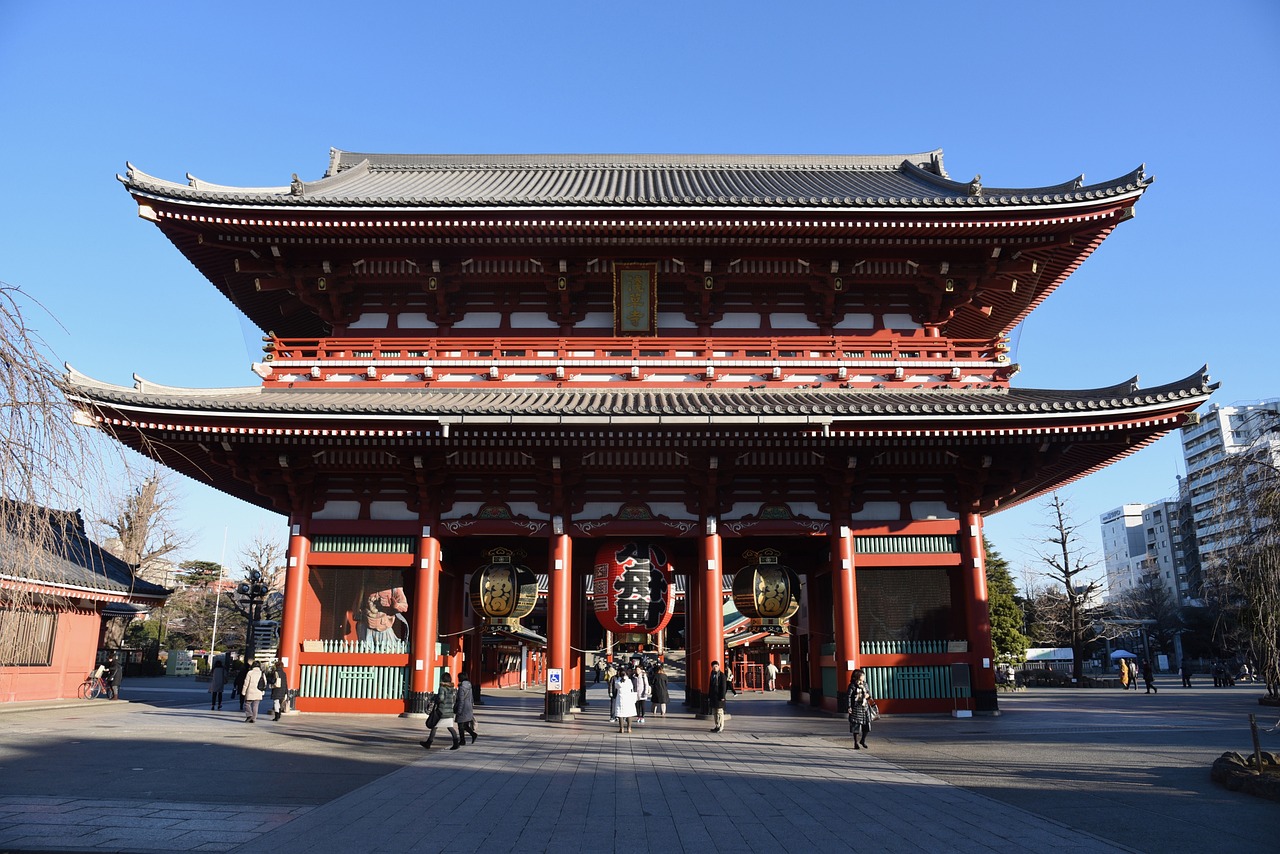
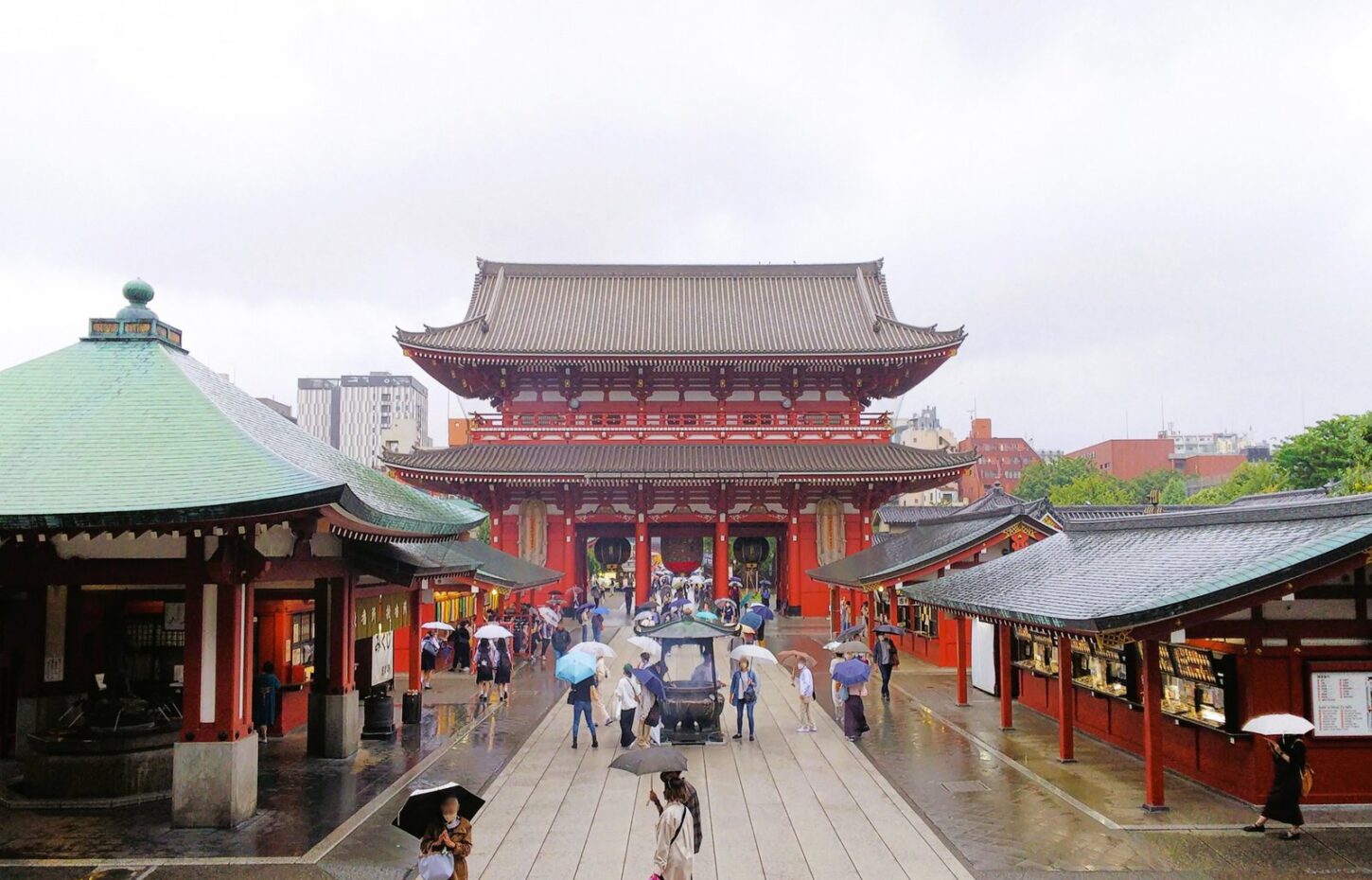
- Senso-ji: the Main Hall is roofed, but the temple grounds around it are open to the sky. In the rain, the hall itself is the place to linger.
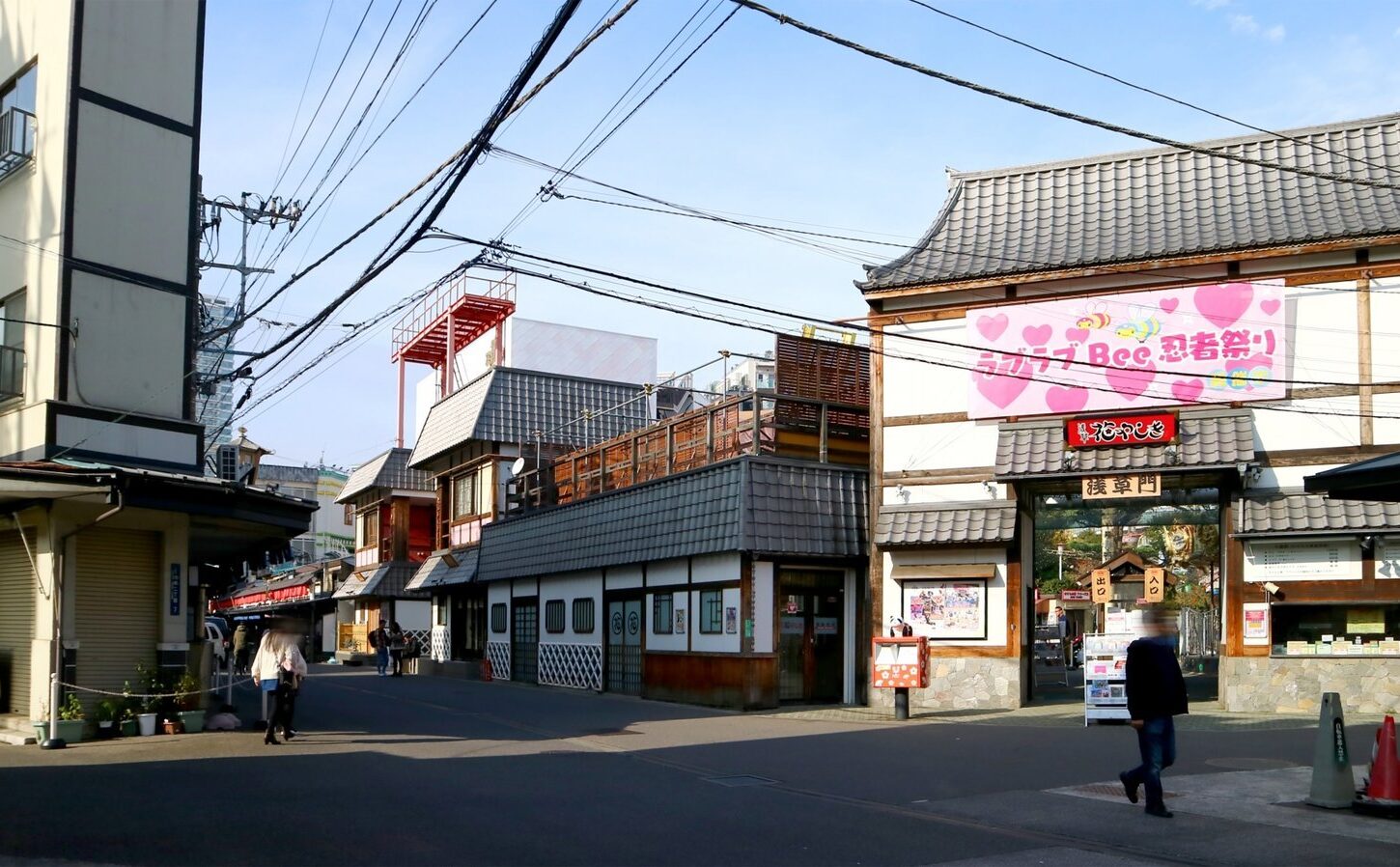
- Asakusa Hanayashiki: the amusement park says most rides run in the rain, except the Swan, the Sky Ship and the Disk-O. Outdoor rides can still get you wet, and opening hours can change with the weather. Our Hanayashiki guide has the tickets and hours.
- The observation terrace: it is on the top floor of the tourist center and open until 10:00 pm. The official pages do not say whether it is sheltered, so look before you plan on the view. Our guide to the observation deck explains what you can see from it.
- Walking between stops: plan on an umbrella.
A Rainy Day in Asakusa, in the Order Things Open
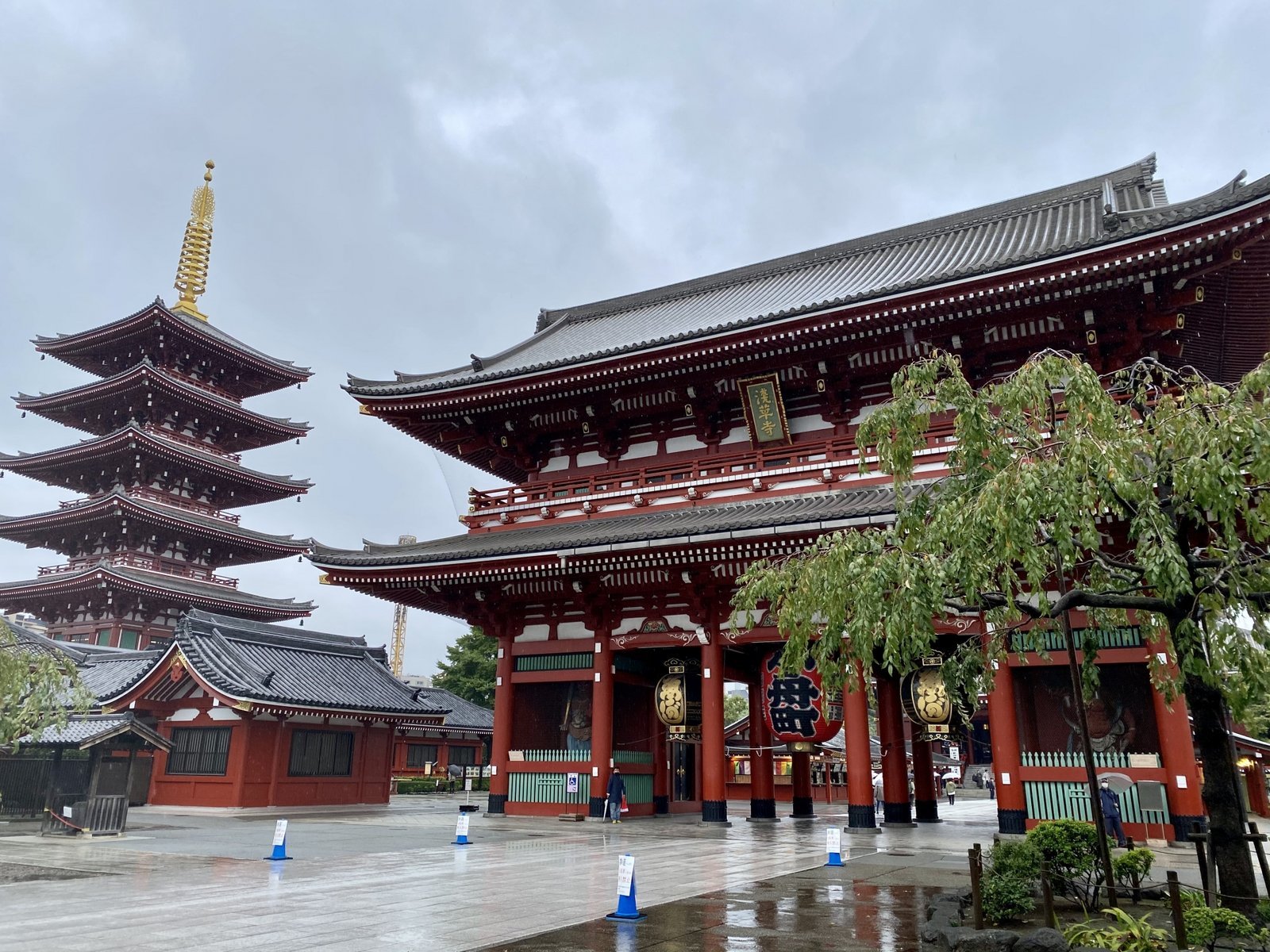
The order below follows opening and closing times and leaves out walking time. You will not fit every stop into one day.
Morning: Senso-ji, Then the Tourist Center
From October to March, the Main Hall opens at 6:30 am, and the first service of the day is held at that hour. Early in the day the hall is the most useful roofed place in Asakusa. The tourist center opposite Kaminarimon opens at 9:00 am. Its 6th floor plays videos on the sights, festivals, history and culture of the area, on a stepped floor with seats, and the city allows visitors to rest and eat a packed lunch there (except during events). On the 7th floor, the exhibition space shows the original artwork for the painted shutters along Nakamise, with touch screens on local crafts.
Late Morning: Crafts
The Edo Taito Traditional Crafts Center opens at 10:00 am. Its collection covers about 50 crafts made in the area, and the touch screens explain them in English. Check the day before you go: the center closes on the second and fourth Tuesday of each month.
Midday: A Live Show at Asakusa Engei Hall
The day show at Asakusa Engei Hall begins at 11:40 am, and the window usually starts selling tickets at 11:00 am. There is no changeover between shows, so one ticket lets you stay to the end of the program, and you can arrive or leave at any point, ideally between acts. You cannot leave and come back, though, so if rain is the reason you came in, plan to stay for a while. The hall allows food and drink during the show, as long as it is not noisy or strong-smelling. Tickets cannot be bought in advance.
Afternoon: Stories, Songs or a Private Ozashiki
On the Sundays it is held, English rakugo at the tourist center runs from 2:00 to 4:00 pm, and the tickets are sold on Peatix. On the seven days a month of its regular program, Mokubatei offers rokyoku, a sung storytelling art accompanied on the shamisen. On weekdays, Miyakodori begins receiving guests at 2:00 pm (see below).
After 5 pm: Night Show, Terrace or a Bath
Senso-ji’s Main Hall closes at 5:00 pm. Asakusa Engei Hall’s night show runs until about 9:00 pm, and its tickets drop to ¥2,500 from 6:00 pm and ¥2,000 from 7:00 pm. The tourist center closes at 8:00 pm, but the 8th-floor terrace stays open until 10:00 pm. To end a wet day somewhere warm, our guide to sento and saunas near Asakusa covers six public baths and saunas, with their tattoo rules.
Which Day of the Week Changes the Plan
| Venue | Weekdays | Weekends and holidays |
|---|---|---|
| Senso-ji Main Hall, tourist center, Asakusa Engei Hall | Open every day | Open every day |
| Edo Taito Traditional Crafts Center | Closed on the second and fourth Tuesday | Open |
| English rakugo | No weekday shows in the schedule on 18 November 2026 | The three shows listed on 18 November 2026 are all on Sundays |
| Mokubatei | Regular program on seven days a month, set in the theater’s monthly program (in Japanese) | The same seven-days-a-month program |
| Miyakodori | Open, with booking | Closed |
A wet weekday suits the crafts center (outside its Tuesday closures) and a private ozashiki. A wet Sunday suits English rakugo, if one is scheduled. Senso-ji and Asakusa Engei Hall work on any day.
A Private Ozashiki on a Wet Afternoon
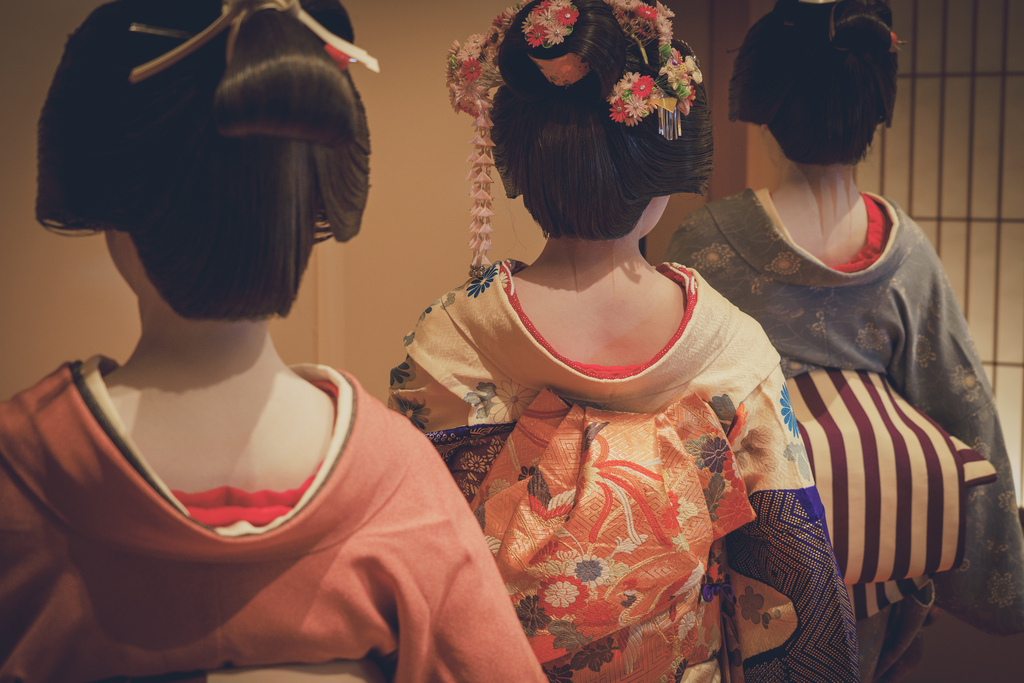
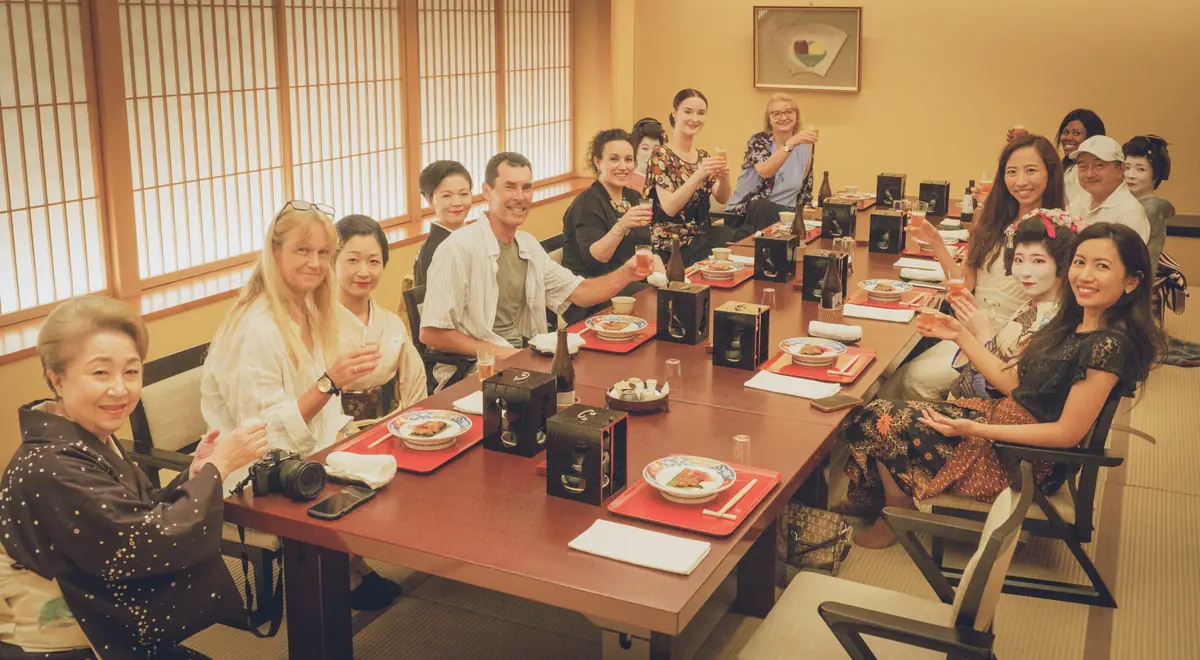
A geisha ozashiki is a gathering in a tatami room where geisha dance to live shamisen music, play traditional games with the guests and talk with them over drinks or a meal. The geisha are independent professionals: each belongs to an okiya, a geisha house, and is registered with the Asakusa kenban. It is one indoor option among the ones above, and the one that needs booking.
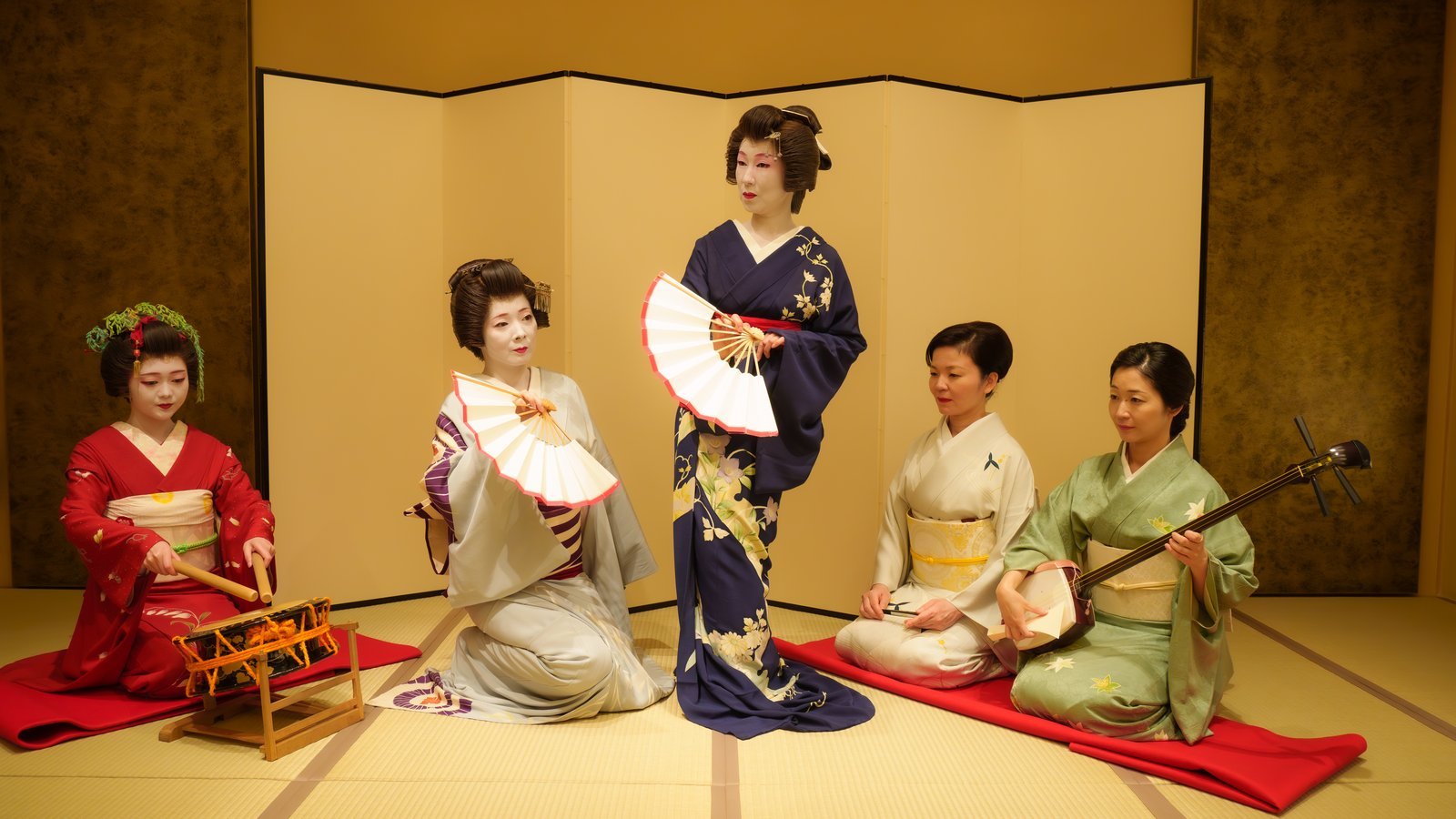
In the rain, the way here matters. Miyakodori is on the north side of Senso-ji, about 3 minutes beyond the temple grounds and 13 minutes on foot from the Ginza, Tobu and Tsukuba Express stations named Asakusa (15 minutes from the Toei Asakusa Line). A taxi from any of the Asakusa stations takes about 4 minutes, and when you leave, we can call a car for you at the time you choose. A private visit lasts one, two or three hours and starts between 2:00 and 8:00 pm on weekdays; requests usually need two or three days’ notice, and rates are on our pricing page.
Plan a Private Ozashiki in Asakusa
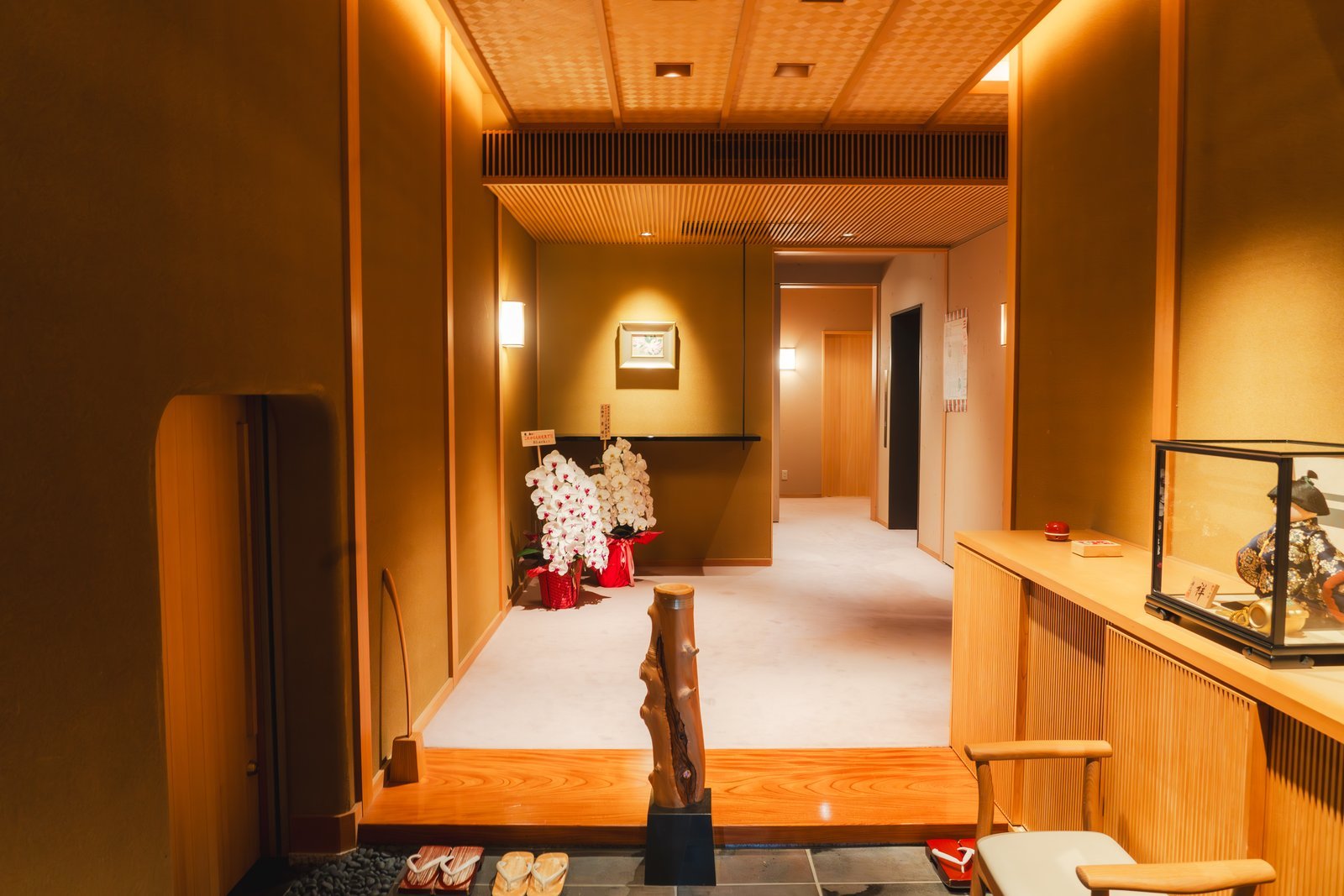
A tatami room for your party alone, with dances to live shamisen music and traditional games. Choose from one-, two- and three-hour visits on weekdays except public holidays. Start times are 2:00–5:00 pm or 5:30–8:00 pm for one hour, 2:00–8:00 pm for two hours, and 5:30–8:00 pm for three hours. A guest travelling alone can book.
Request a ReservationFor a dry-weather day, our Asakusa tourist guide covers the neighbourhood from Senso-ji to the Sumida River. If you would rather spend a wet afternoon in the museums of Ueno, our guide to getting from Asakusa to Ueno shows the route. For more on rakugo and how it compares with kabuki and sumo, see traditional entertainment in Tokyo.
Frequently Asked Questions
What can I do in Asakusa on a rainy day?
Stay under a roof at Senso-ji’s Main Hall, the free Asakusa Culture Tourist Information Center opposite Kaminarimon, the Edo Taito Traditional Crafts Center and Asakusa Engei Hall, a rakugo theater with shows every day of the year. On some Sundays, the tourist center hosts English rakugo from 2:00 to 4:00 pm.
Is there anything free to do indoors in Asakusa?
Yes. The Asakusa Culture Tourist Information Center is free and open every day from 9:00 am to 8:00 pm, with videos on local history on the 6th floor and exhibits on the 7th. The Senso-ji Main Hall is open from 6:30 am (6:00 am from April to September) to 5:00 pm, and the temple lists no entry fee.
Can I see rakugo in English in Asakusa?
Yes, on set dates. The English Rakugo Association performs twice a month at the Asakusa Culture Tourist Information Center; on 18 November 2026 its schedule listed Sunday 22 November, 13 December and 27 December, from 2:00 to 4:00 pm, with tickets on Peatix. The daily shows at Asakusa Engei Hall are in Japanese.
Does Asakusa Hanayashiki close in the rain?
Not as a rule. The park says that most rides run in the rain, except the Swan, the Sky Ship and the Disk-O, and that outdoor rides can get you wet. Its opening hours of 10:00 am to 6:00 pm can change with the season and the weather.
Do I need tickets in advance for Asakusa Engei Hall?
No, and you cannot buy them in advance. Tickets are sold at the window on the day, usually from 11:00 am; adults pay ¥3,500, or less after 6:00 pm. Once inside you can stay to the end of the show, but re-entry is not allowed.
Can I see geisha in Asakusa on a rainy day?
Yes, on weekdays with a booking. Miyakodori holds private ozashiki in a tatami room for one, two or three hours. Start times are 2:00–5:00 pm or 5:30–8:00 pm for one hour, 2:00–8:00 pm for two hours, and 5:30–8:00 pm for three hours. It is about 4 minutes by taxi from any of the Asakusa stations. When you leave, we can call a car for you.
Sources
- Senso-ji: About Senso-ji (Main Hall hours) and Daily services and Access (in Japanese)
- Taito City: Asakusa Culture Tourist Information Center and floor guide (in Japanese)
- English Rakugo Association: Performance schedule
- Asakusa Engei Hall: Tickets and First visit (in Japanese)
- Mokubatei: Regular rokyoku program and Access (in Japanese)
- GO TOKYO: Edo Taito Traditional Crafts Center (page updated 25 December 2025)
- Asakusa Hanayashiki: FAQ (in Japanese)
All pages above were checked on 18 November 2026. Opening days, hours and prices change, so check the official pages before you go.


- Tokyo in December: Cultural Visits, Indoor Options and the 2026–27 Year-End Closures
- Old Tokyo Neighborhoods Compared: Asakusa, Yanaka, Ryogoku and Kagurazaka
Shrines in Asakusa: What Each Is Prayed For, and a Walk North of Senso-ji
12 Best Tokyo Dinner Places: A Complete Guide (2026)
Unique Things to Do in Tokyo: Choosing the Right Experience
The Ultimate Guide to Geisha Lunch Specials: Sushi, Hibachi, and More
Best Restaurants for a Birthday Dinner in Tokyo | Memorable Dining Experiences
Asakusa Hanayashiki: Prices, Opening Hours and Which Ticket to Buy at Japan’s Oldest Amusement Park
Comment ( 0 )
Trackbacks are closed.

No comments yet.