



Where Is Asakusa, Japan? A Local Guide to Tokyo’s Most Traditional District
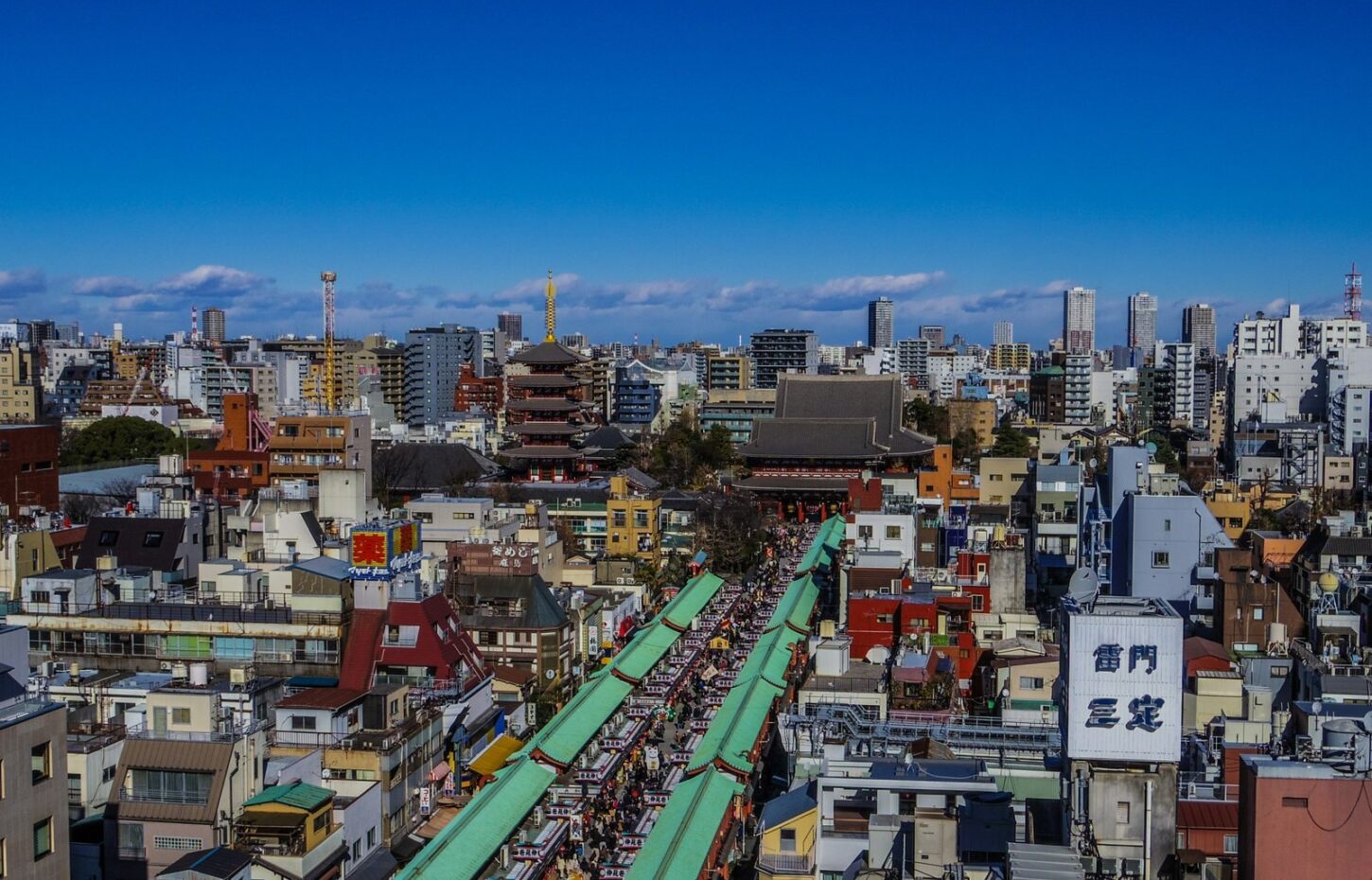
Asakusa sits in the northeast of central Tokyo, in Taito Ward, on the west bank of the Sumida River. It’s roughly a 20-minute ride northeast of Tokyo Station, or about 35 to 40 minutes from Shinjuku, and Asakusa Station is served by four railways including the Tokyo Metro Ginza Line. The district is built around Senso-ji, Tokyo’s oldest temple, founded in the 7th century, in the old shitamachi quarter of Taito City — one of Tokyo’s 23 special wards. So if you can find Senso-ji, you’ve found Asakusa.
If you’ve been mapping out a trip to Tokyo, chances are the name Asakusa keeps surfacing — usually next to a photo of a giant red lantern. But pin it down on an actual map and things get a little vague. So let’s answer the plain question first, then walk through everything that makes this corner of the city worth the train ride.
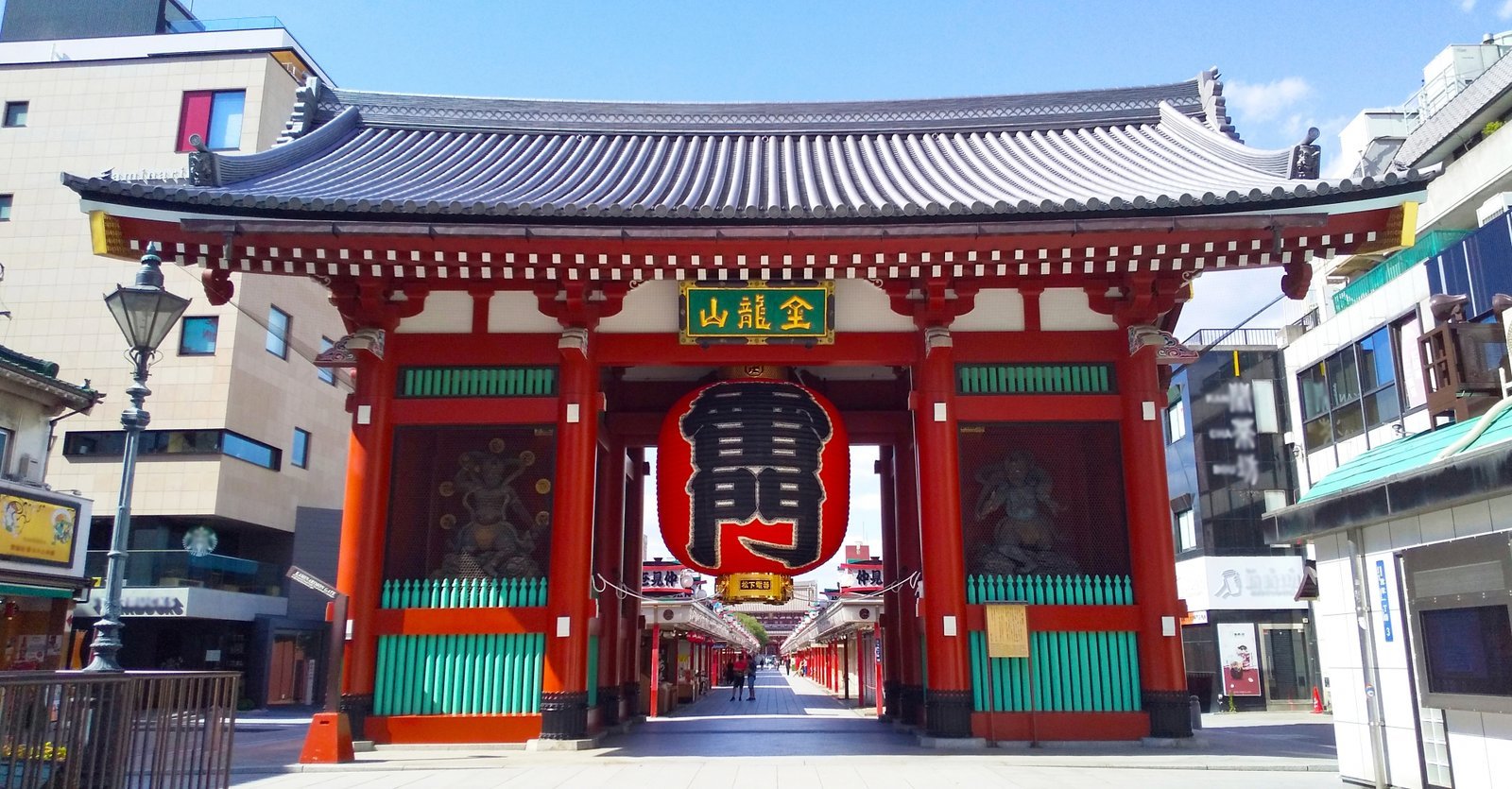
Asakusa sits in the northeast of central Tokyo, in Taito Ward, on the west bank of the Sumida River. It’s part of what locals call shitamachi — the older, low-lying “downtown” that grew up during the Edo period and still carries that lived-in, unhurried feeling. If you’re standing at Tokyo Station, Asakusa is roughly a 20-minute ride to the northeast. From Shinjuku, budget closer to 35 or 40 minutes. It’s not the neon Tokyo of Shibuya crossings; it’s the Tokyo of temple bells, hand-pulled rickshaws, and shops that have sold the same sweets for generations.
I’ll be honest — the first time I tried to explain Asakusa to a friend visiting from abroad, I fumbled it. “It’s the old part, near the big temple, by the river.” All true, but it undersells the place. So here’s the fuller picture.
So, where exactly is Asakusa on a Tokyo map?
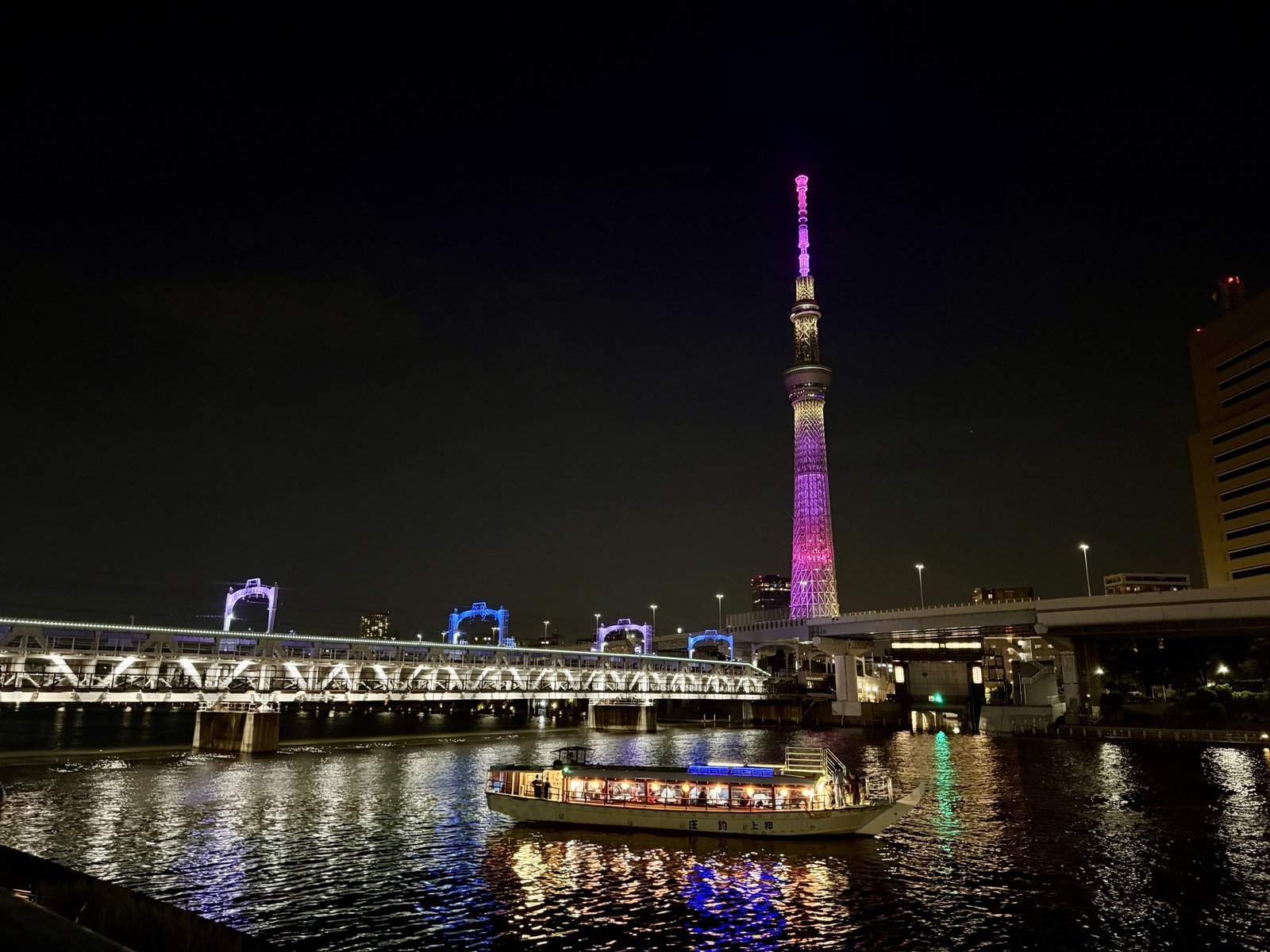
Asakusa is in the eastern half of Tokyo’s 23 special wards, specifically within Taito City (Taito Ward), roughly a 20-minute ride northeast of Tokyo Station. Look for the bend of the Sumida River on the map’s east side; Asakusa hugs the western bank there. Just across the water you’ll spot the golden Asahi Beer Hall and the towering Tokyo Skytree, which makes for one of the city’s most recognizable skylines.
To orient yourself with neighboring areas: Ueno, with its museums and sprawling park, is a short hop west. Akihabara, the electronics and anime district, sits a little further southwest. Kuramae, a quieter craft-and-coffee neighborhood, is just south along the river. So while Asakusa feels like a world apart, it’s genuinely central — you’re never far from the rest of the city.
The beating heart of the district is Senso-ji, Tokyo’s oldest temple, founded in the 7th century. Almost everything in Asakusa radiates outward from it. If you can find Senso-ji, you’ve found Asakusa.
How to get to Asakusa
Getting here is easy, which is part of the charm — Asakusa Station is served by four separate railways, and the ride runs about 20 minutes from Tokyo Station or 35 to 40 minutes from Shinjuku, so you can be temple-side within minutes of stepping off almost any major line.
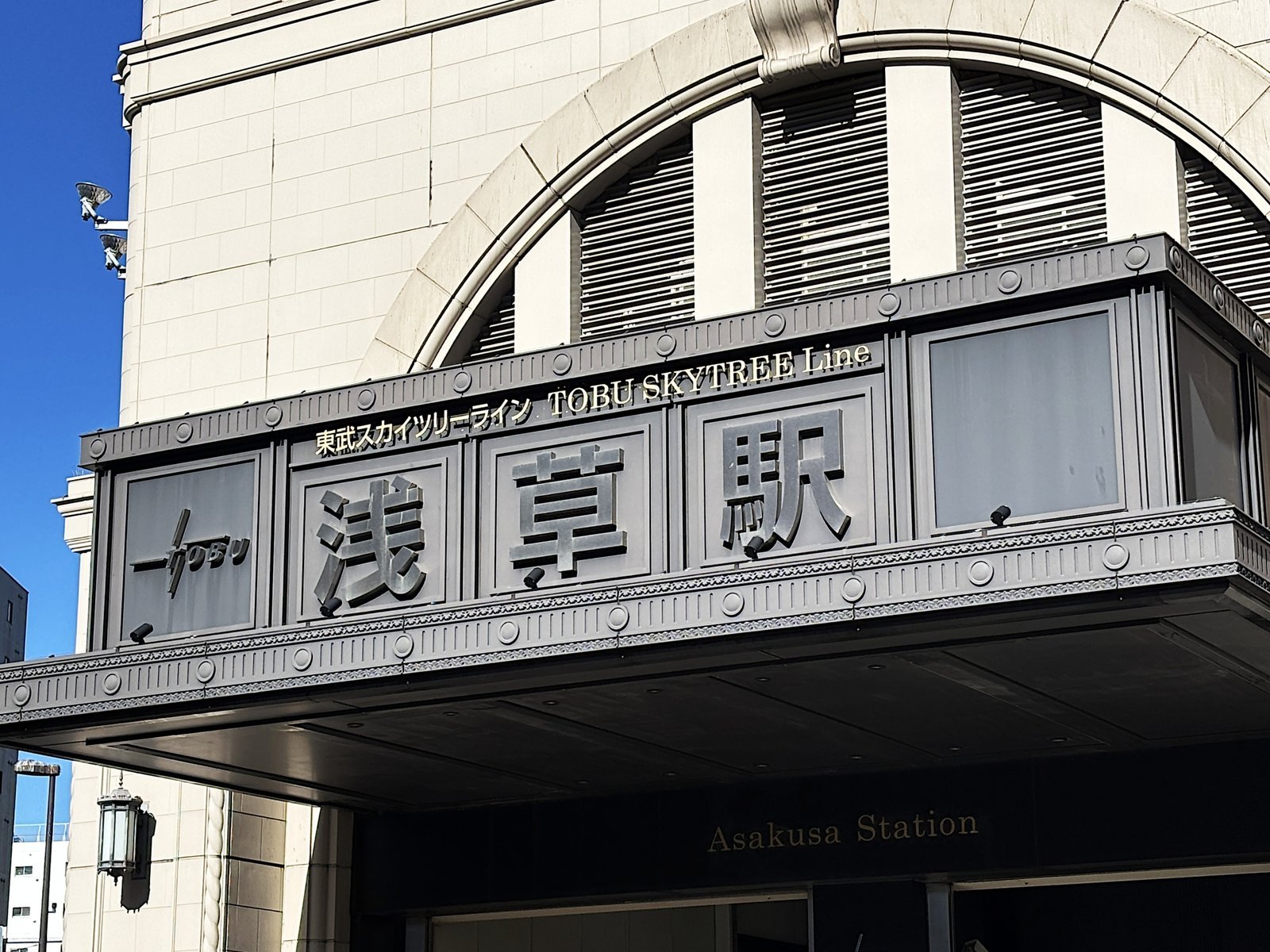
Asakusa Station is served by four different railways: the Tokyo Metro Ginza Line, the Toei Asakusa Line, the Tobu Skytree Line, and the Tsukuba Express (whose station sits a short walk west). The Ginza Line is usually the simplest for first-time visitors, since it connects directly to Ueno, Ginza, and Shibuya without a transfer.
Coming from the airport? From Haneda, the Keikyu and Toei Asakusa lines can carry you straight through, roughly an hour door to door. From Narita, the Keisei Access Express is your friend, landing you near Asakusa in about an hour and fifteen. If you’d rather skip the train puzzle entirely, a taxi from central Tokyo is straightforward, though traffic can stretch the trip.
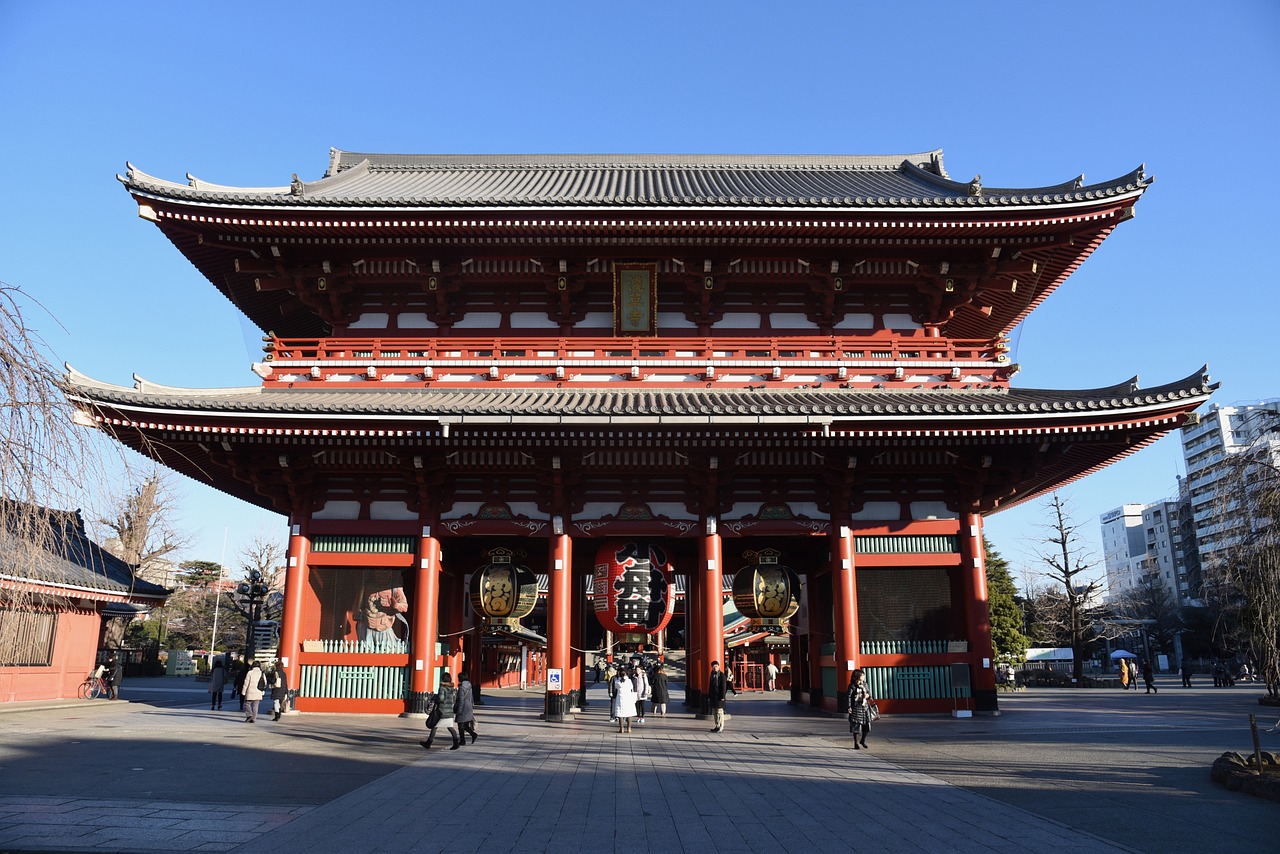
One small tip from experience: exit toward Kaminarimon. Popping up from the subway and seeing that enormous lantern for the first time is a proper “oh, I’m really here” moment.
What is Asakusa known for?
Ask ten people and you’ll get ten answers, but a few things come up every time: Senso-ji and the giant lantern at its Kaminarimon gate, the stall-lined Nakamise-dori, the low-rise shitamachi streets, the Sanja Matsuri each May, and the Asakusa hanamachi — one of Tokyo’s six remaining geisha communities.
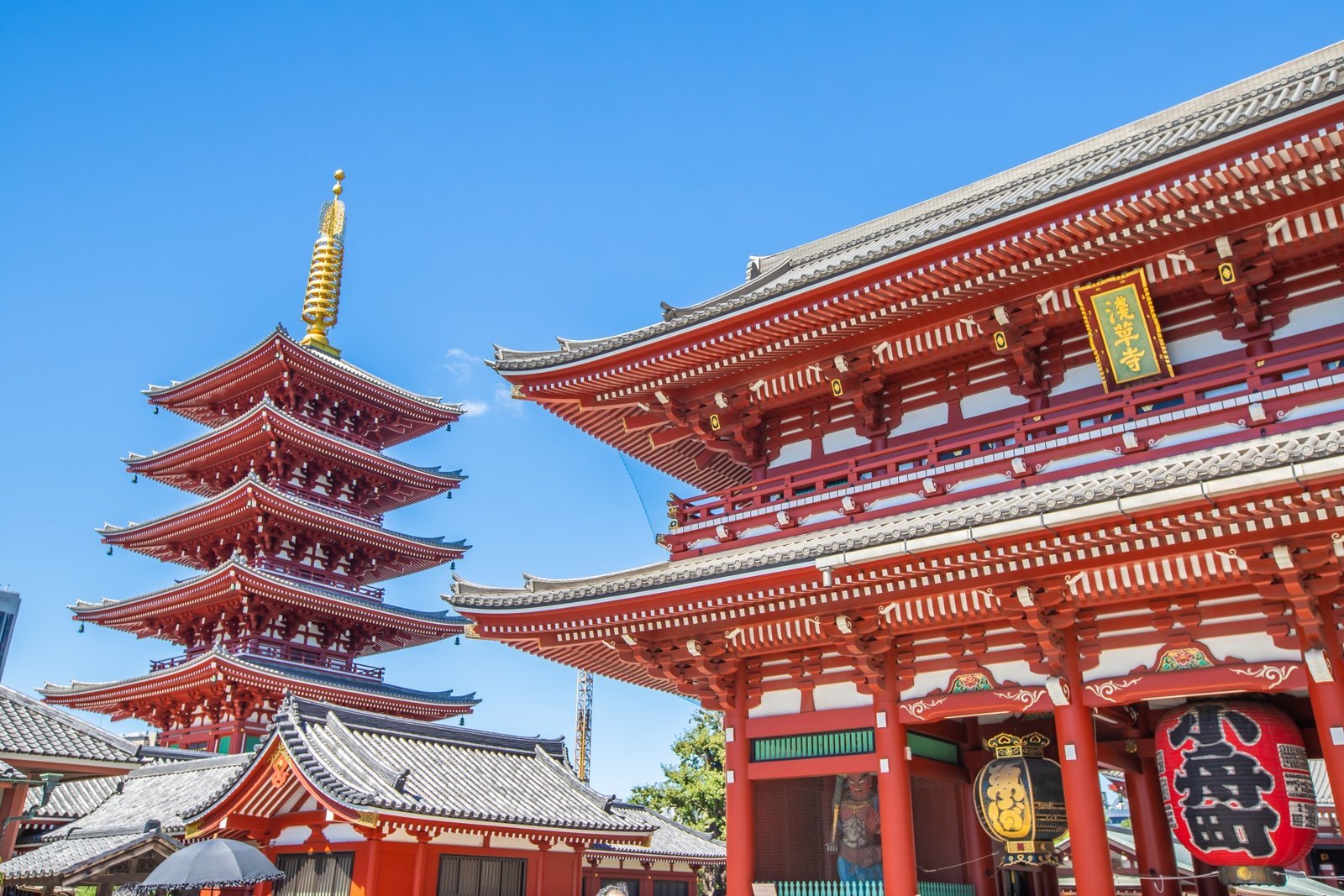
Senso-ji temple and Kaminarimon. That giant red lantern hangs at the Kaminarimon, or “Thunder Gate,” the outer entrance to the temple grounds. Pass through it and you’re on Nakamise-dori, a shopping street lined with stalls selling snacks, fans, and souvenirs — a walk people have been making for centuries.
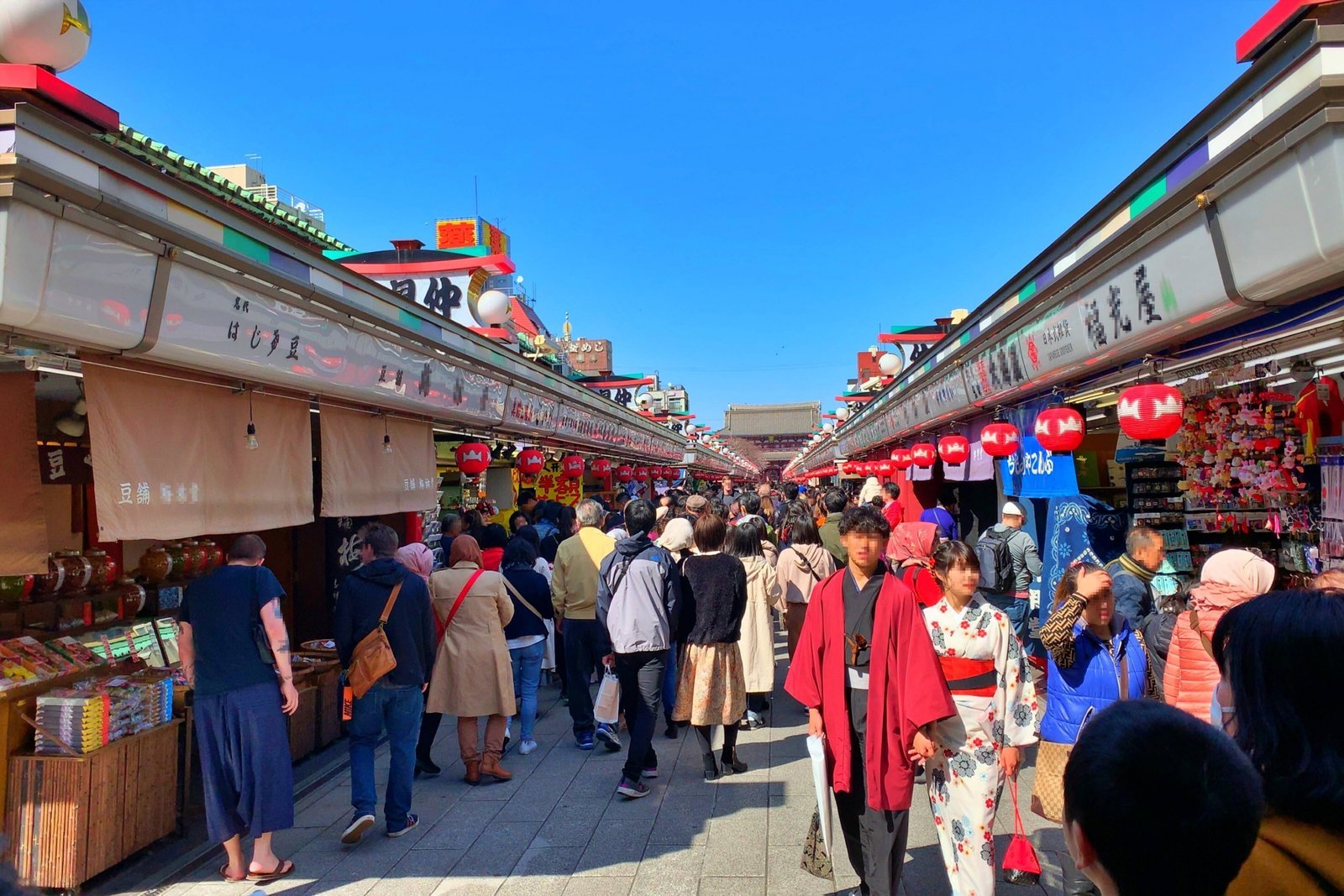
The shitamachi atmosphere. Asakusa is one of the best places in Tokyo to feel the old Edo spirit. The streets are walkable, the buildings low, and the pace gentler than the rest of the city. It’s a district that rewards wandering rather than rushing.
Traditional entertainment and food. This is a neighborhood of long-standing restaurants, tempura counters, sweet-shops, and — less known to visitors — one of Tokyo’s historic geisha communities, the Asakusa hanamachi. More on that below.
Festivals. The Sanja Matsuri each May is one of Tokyo’s wildest and most beloved festivals, filling these streets with portable shrines and enormous crowds.
What to see and do in Asakusa
Here’s how I’d spend a day, loosely — a half-day covers Senso-ji and Nakamise-dori, while a full day leaves room for the back streets, the Sumida River walk, and an evening in the district.
Start at Senso-ji. Walk Nakamise-dori toward the main hall, pause for the incense smoke people waft over themselves for good health, and take in the five-story pagoda. Early morning is quietest.
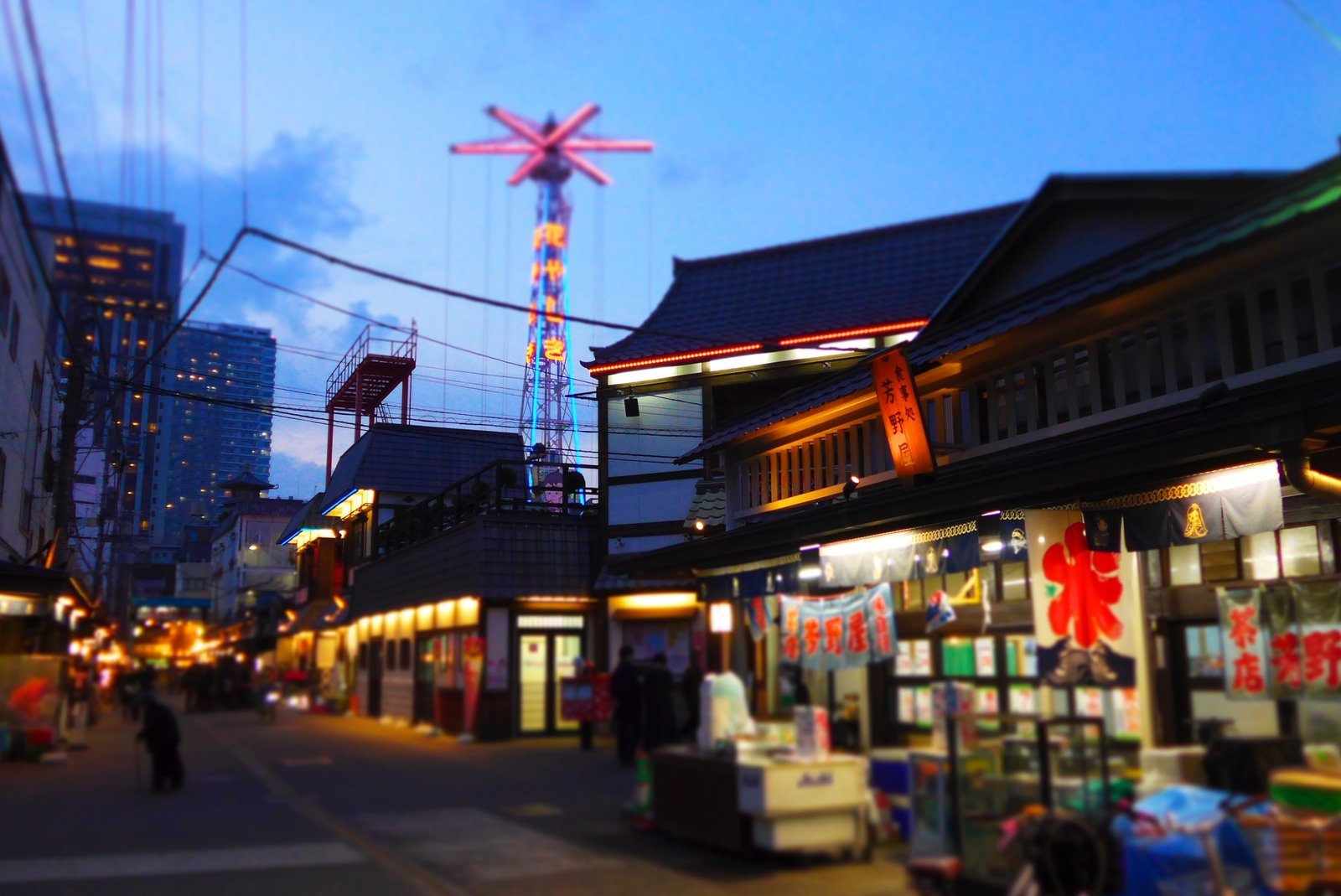
Wander the back streets. West of the temple, the crowds thin and the real neighborhood appears — tiny bars, craft shops, and the retro Hanayashiki amusement park, which claims to be Japan’s oldest.
Head to the river. The Sumida River walk gives you those postcard views of the Skytree and the Asahi building. You can even board a water bus here and cruise down toward Odaiba.
Eat well. Asakusa is famous for tempura, unagi (grilled eel), and old-fashioned sweets like ningyo-yaki and melon pan. Come hungry.
Experience living tradition. In the evening, Asakusa reveals a quieter, more intimate side. This is where the district’s geisha culture still lives — not as a museum piece, but as a genuine, ongoing art.
Spend an evening in the Asakusa most visitors walk straight past
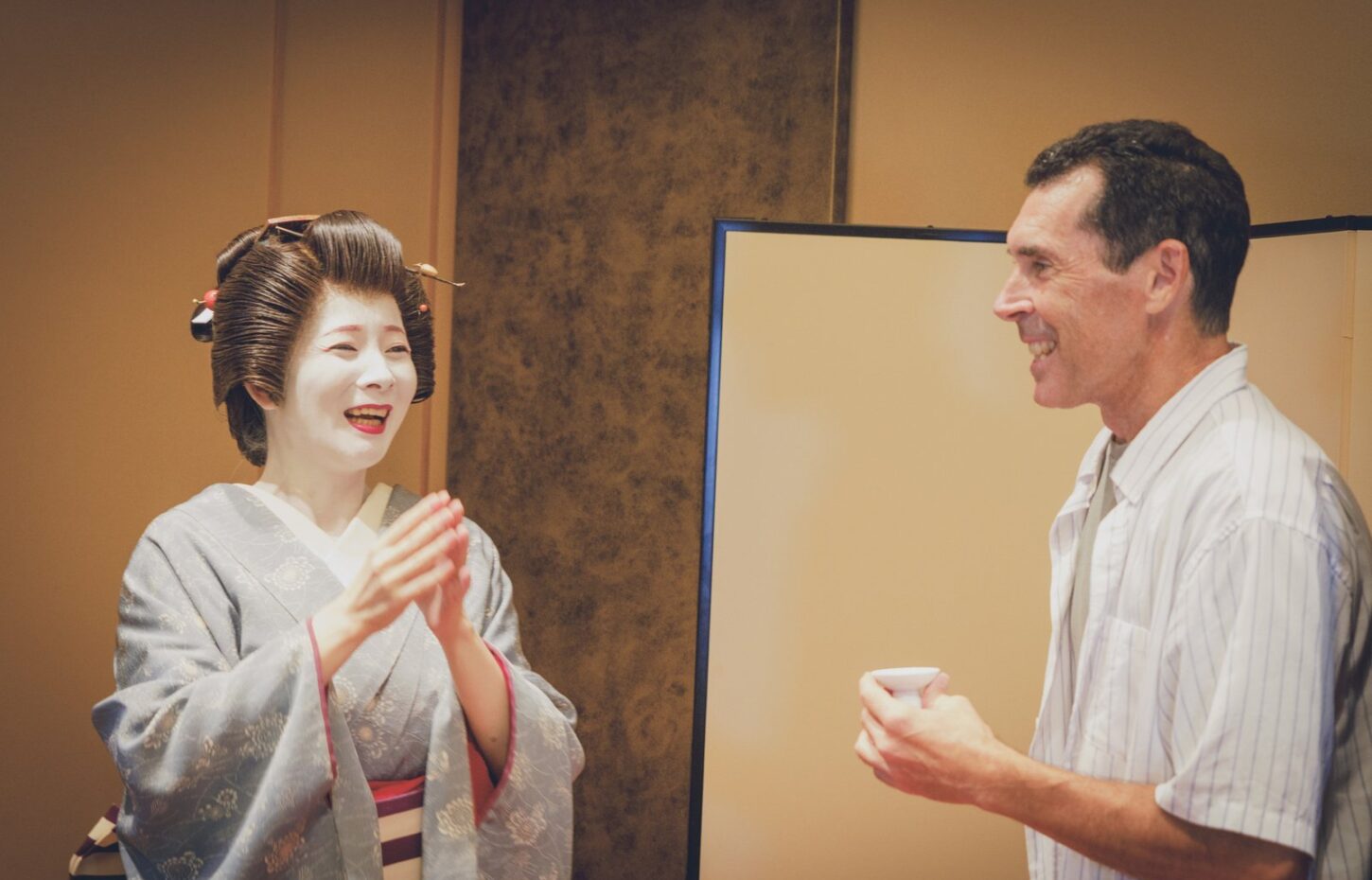
Miyakodori is a traditional teahouse in Asakusa’s hanamachi, hosting private ozashiki (a private gathering with geisha) evenings with the district’s geisha since 1950. First-time guests are welcome — no fluent Japanese and no prior experience required.
Request a ReservationWhen to visit Asakusa
Asakusa is a year-round destination, but a few windows stand out: cherry blossoms along the Sumida River in spring, the Sanja Matsuri each May, and clear Skytree views in autumn — with weekday mornings the calmest hours around Senso-ji in any season.
Spring brings cherry blossoms along the Sumida River — one of Tokyo’s classic hanami spots. May means the Sanja Matsuri and its electric energy. Autumn offers mild walking weather and clear Skytree views. Even a rainy day works; the covered Nakamise arcade and indoor tempura counters keep you dry.
For crowds, mornings on weekdays are calmest around Senso-ji. By midday the temple approach fills up, so if you want that serene first impression, arrive early and save the busier streets for later.
Where does Asakusa’s geisha tradition fit in?
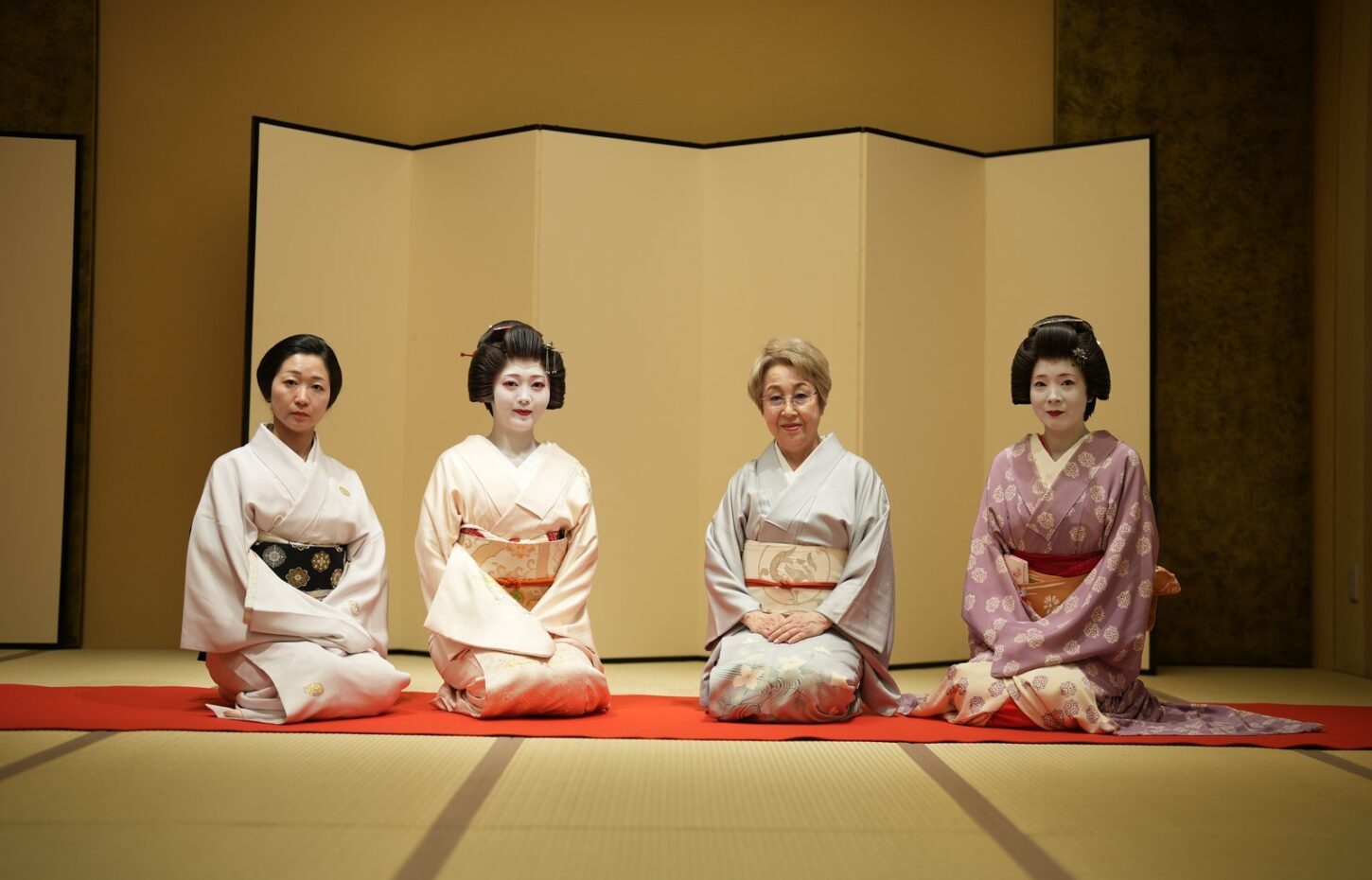
This is the part many guides skip, and it’s a shame, because it’s one of the district’s oldest and most authentic threads — and a living one: geisha still perform in the district’s teahouses in the evening, ours included, where Miyakodori has hosted ozashiki since 1950.
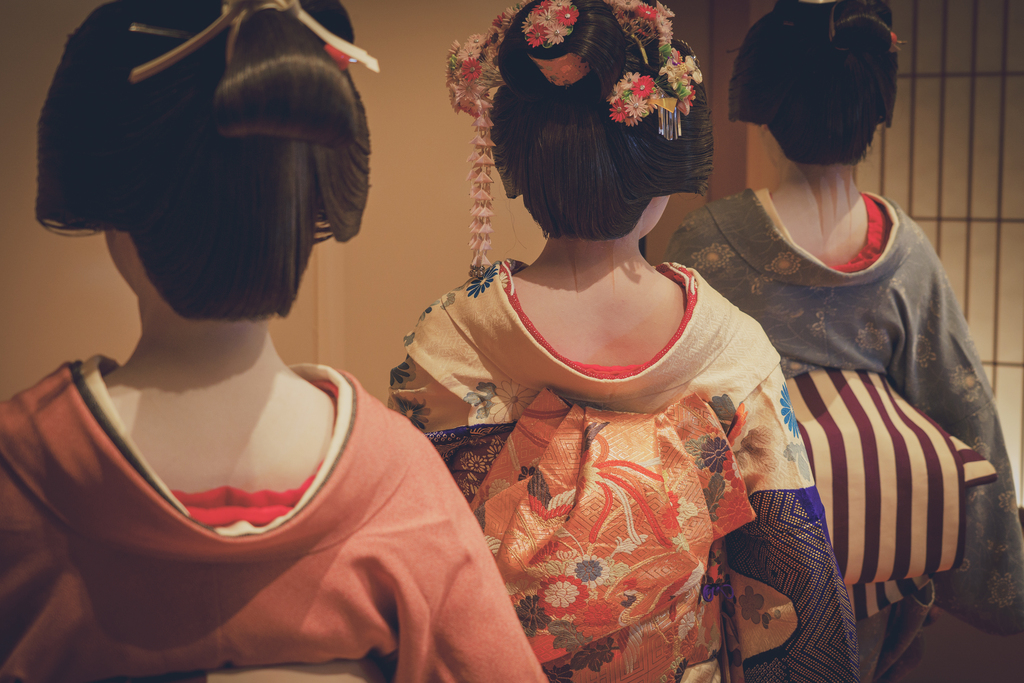
Asakusa is one of Tokyo’s six remaining hanamachi, or geisha communities. Unlike the more politically-connected districts of Shimbashi and Akasaka, Asakusa’s flower town grew up around Senso-ji as an open, welcoming place — a neighborhood that raised and protected its geisha culture across generations, and shared it with visitors of every age and background.
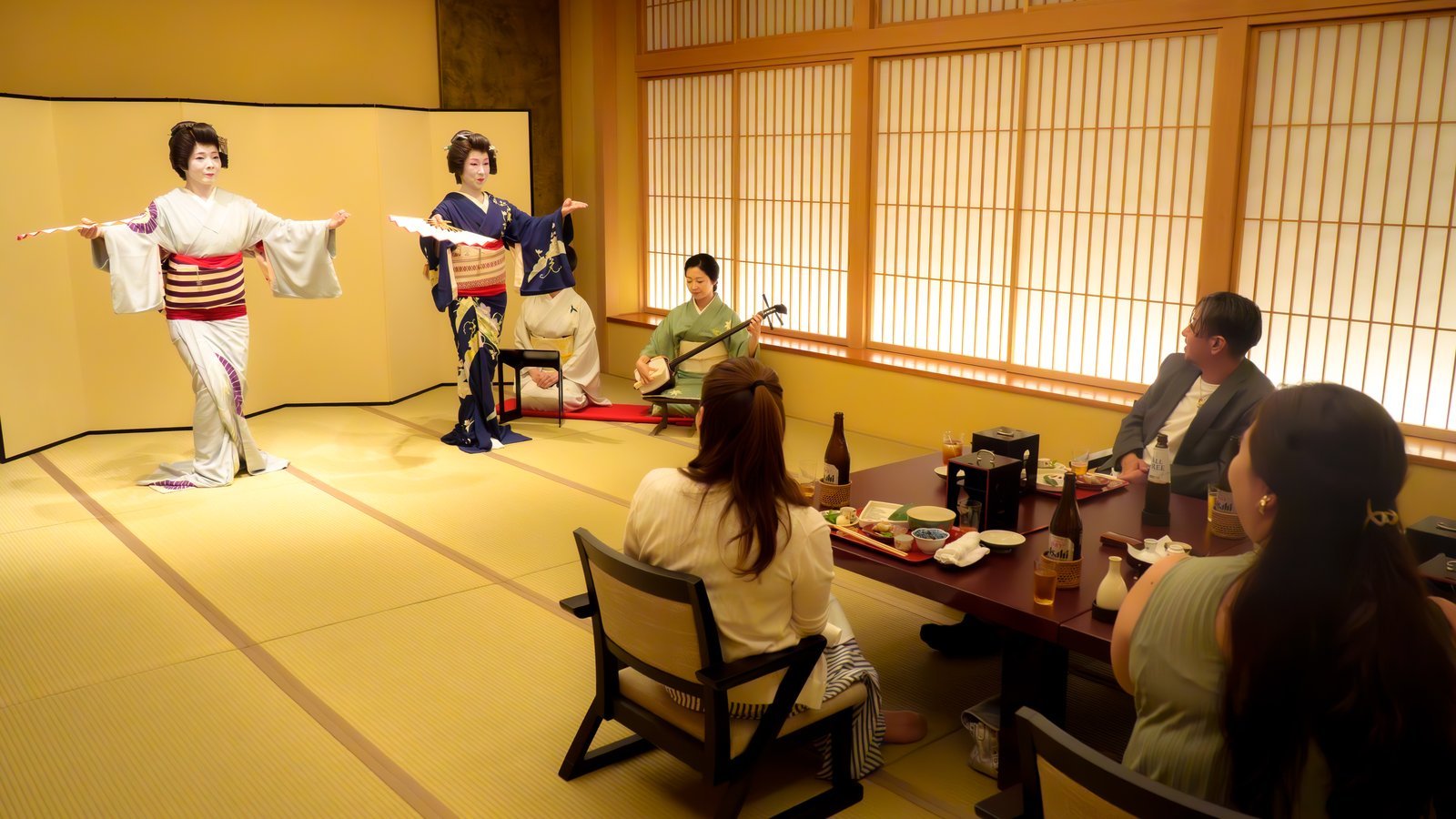
At the center of this world sit the district’s ryotei — traditional restaurants where guests dine while geisha perform dance and music and lead the old parlor games known as ozashiki-asobi — and its machiai-chaya, the waiting teahouses that book the geisha and host the evening while the meal is brought in from outside kitchens. Miyakodori, on the north side of Senso-ji in Taito Ward, is one of the latter, and has been since 1950. Our okami, the proprietress of Miyakodori, puts it plainly: the geisha are not simply skilled performers, but people who genuinely love their art and have made a life’s commitment to it — including the art of making a guest feel at home. That, she says, is what makes an evening here impossible to fake or film. Some of these games have gone unchanged for over two hundred years; the three-stringed shamisen music being played was refined long before recordings existed, which is exactly why it has to be felt live to be understood.
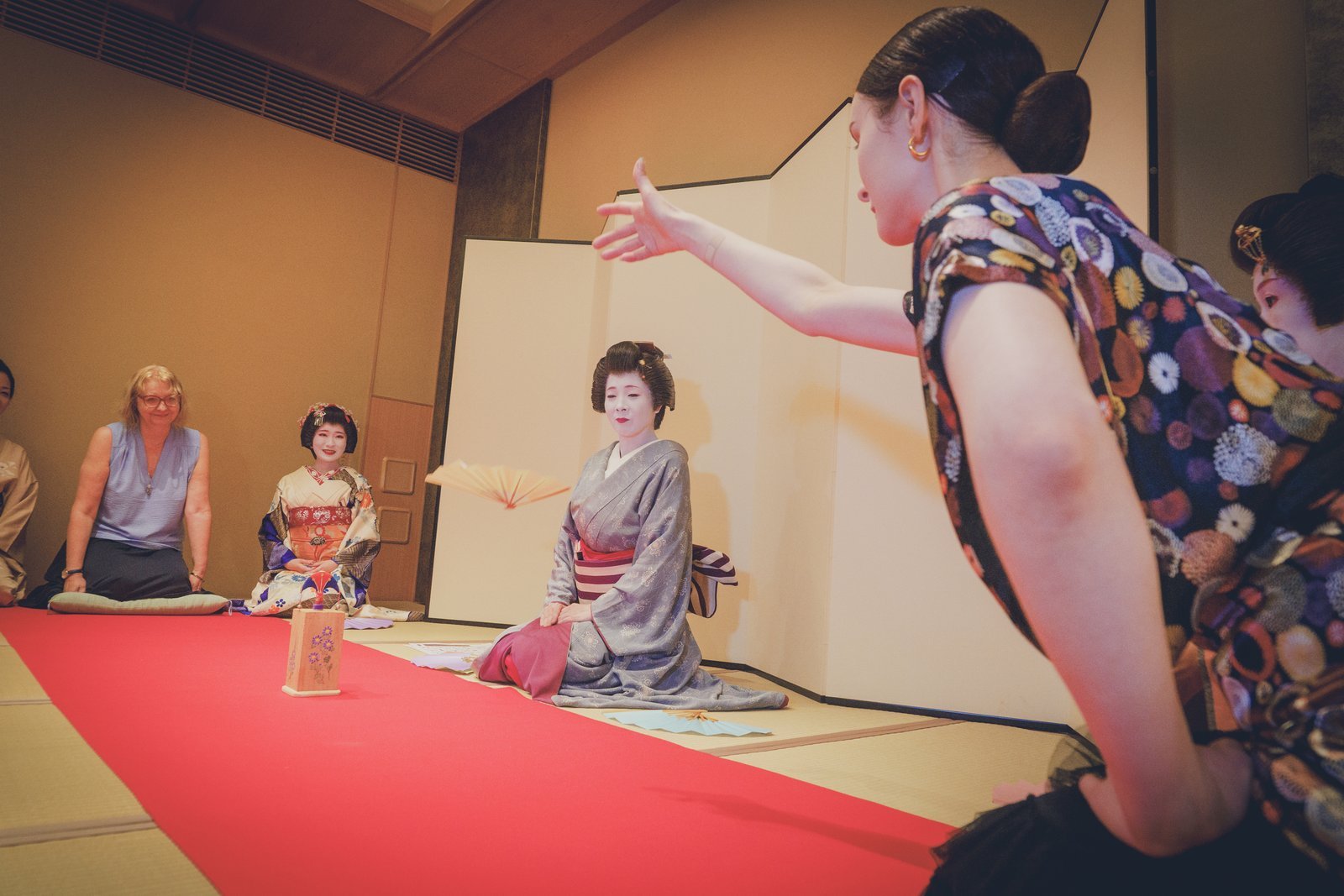
If the phrase “you can’t just watch geisha, you have to be in the room” sounds like a marketing line, it isn’t. It’s the honest reason this tradition has survived where imitations haven’t.
Asakusa is also one of Tokyo’s living geisha districts, which is a side of the neighbourhood most guides skip: read more about the Asakusa geisha district and about how to see geisha in Tokyo.
Frequently asked questions about Asakusa
Where is Asakusa located in Tokyo?
Asakusa is in Taito Ward, in the northeast of central Tokyo, on the west bank of the Sumida River. It’s about 20 minutes northeast of Tokyo Station.
Is Asakusa worth visiting?
Yes — Asakusa is worth visiting, and a half-day is enough to see why. It offers Tokyo’s oldest temple, a walkable historic district, riverside Skytree views, excellent traditional food, and living cultural experiences you won’t find in the newer parts of the city.
How do I get to Asakusa?
Take any of the four railways that serve Asakusa Station: the Tokyo Metro Ginza Line, the Toei Asakusa Line, the Tobu Skytree Line, or the Tsukuba Express. The ride is about 20 minutes from Tokyo Station and 35 to 40 minutes from Shinjuku. From Haneda or Narita airport, direct train routes take roughly an hour.
How much time should I spend in Asakusa?
A half-day covers the highlights, but a full day lets you explore the back streets, enjoy the river, and stay for an evening meal or cultural experience.
Can I experience traditional geisha culture in Asakusa?
Yes — Asakusa is one of Tokyo’s six remaining hanamachi, or geisha communities, and a small number of traditional teahouses in the district still welcome guests for authentic ozashiki evenings. Miyakodori, a machiai-chaya on the north side of Senso-ji, has hosted them since 1950.
What is Asakusa known for?
Asakusa is best known for Senso-ji, Tokyo’s oldest temple, and the giant red lantern hanging at its Kaminarimon gate. Beyond that: the stall-lined Nakamise-dori shopping street, the low-rise shitamachi streets, tempura and unagi restaurants, the Sanja Matsuri each May, and the Asakusa hanamachi — one of Tokyo’s six remaining geisha communities.
How far is Asakusa from Tokyo Station and Shinjuku?
Asakusa is roughly a 20-minute ride northeast of Tokyo Station, and about 35 to 40 minutes from Shinjuku. Both trips are straightforward by train, and Asakusa Station is served by four separate railways.
When is the best time to visit Asakusa?
Spring and autumn are the best times to visit Asakusa: cherry blossoms line the Sumida River in spring, and autumn brings mild walking weather with clear Tokyo Skytree views. May means the Sanja Matsuri, and weekday mornings are the calmest hours around Senso-ji in any season.
Final thoughts: why Asakusa stays with you
So, where is Asakusa, Japan? On the map, it’s a district in Taito Ward, in northeast Tokyo, on the west bank of the Sumida River, about 20 minutes from Tokyo Station. But the more honest answer is that Asakusa is where the city keeps its memory — the temple, the shitamachi streets, the food, and the traditions that are still very much alive rather than preserved behind glass.
If you want to go beyond the temple photo and actually step into that living culture, an evening in one of the district’s traditional teahouses is the way to do it. Here at Miyakodori — a machiai-chaya on the north side of Senso-ji, in Taito Ward — we’ve kept the old geisha tradition going since 1950, and we welcome first-time guests warmly — no fluent Japanese and no prior experience required. When you’re ready to see the Asakusa that cameras can’t quite capture, we’d be glad to host you. [2]
See the Asakusa that cameras can’t quite capture
A private ozashiki (a private gathering with geisha) at Miyakodori, a traditional teahouse in Asakusa welcoming guests since 1950. English interpretation throughout, and first-time guests are genuinely welcome. Reservations are by request.
Request a ReservationSources and notes
- 浅草花街の歴史・六花街としての位置づけ/asakusa.gr.jp「都鳥」紹介:https://asakusa.gr.jp/jp/?p=385 /浅草見番:https://asakusakenban.com/
- 都鳥 公式:https://miyakodori-geisha.com/ /お座敷茶屋についてのPR TIMESリリース:https://prtimes.jp/main/html/rd/p/000000001.000165250.html
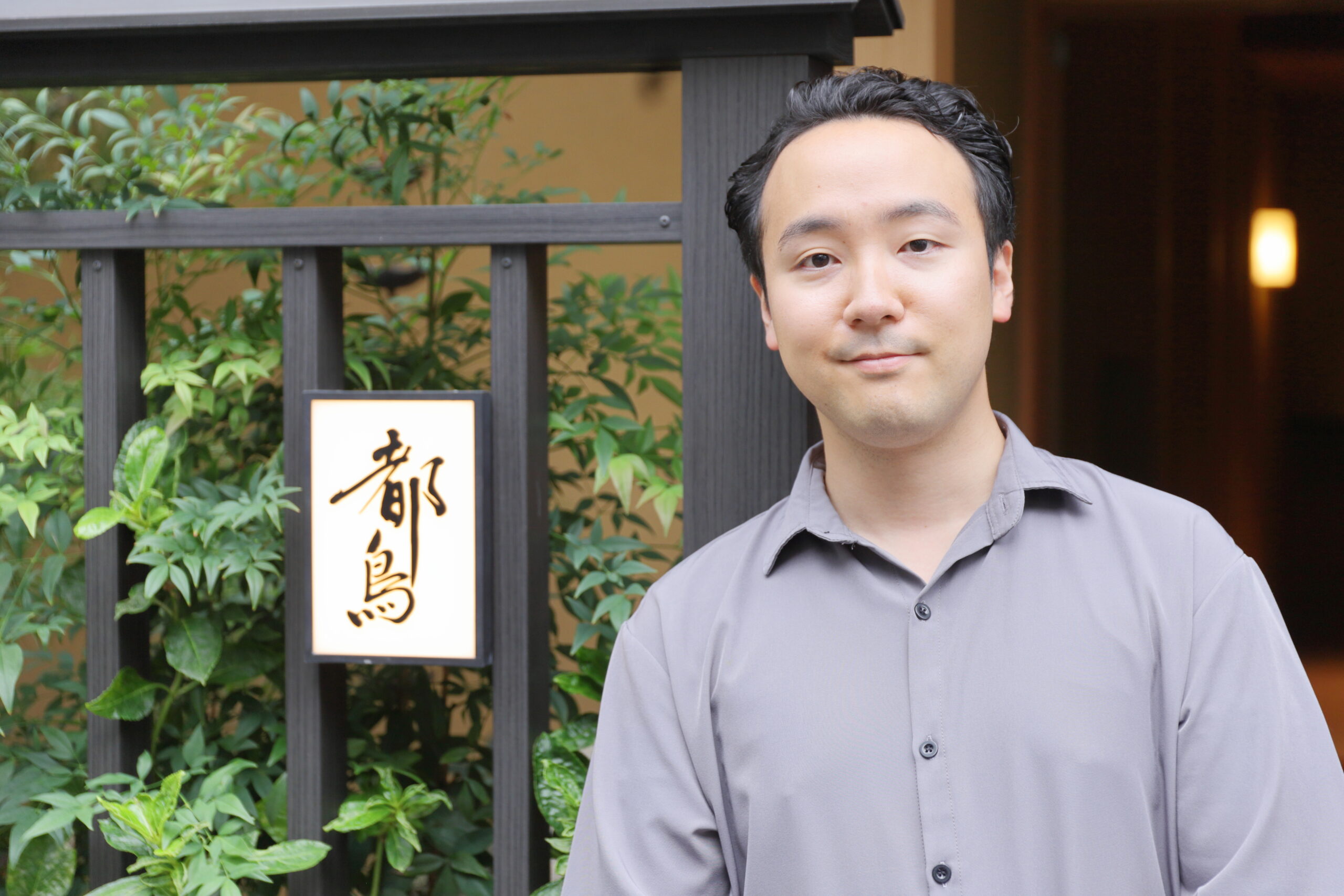


- Planning a Group Dinner in Tokyo: A Private, Unforgettable Evening in Asakusa
- Wagashi in Japan: A Guide to Traditional Japanese Sweets, Seen Through the Eyes of an Asakusa Geisha House
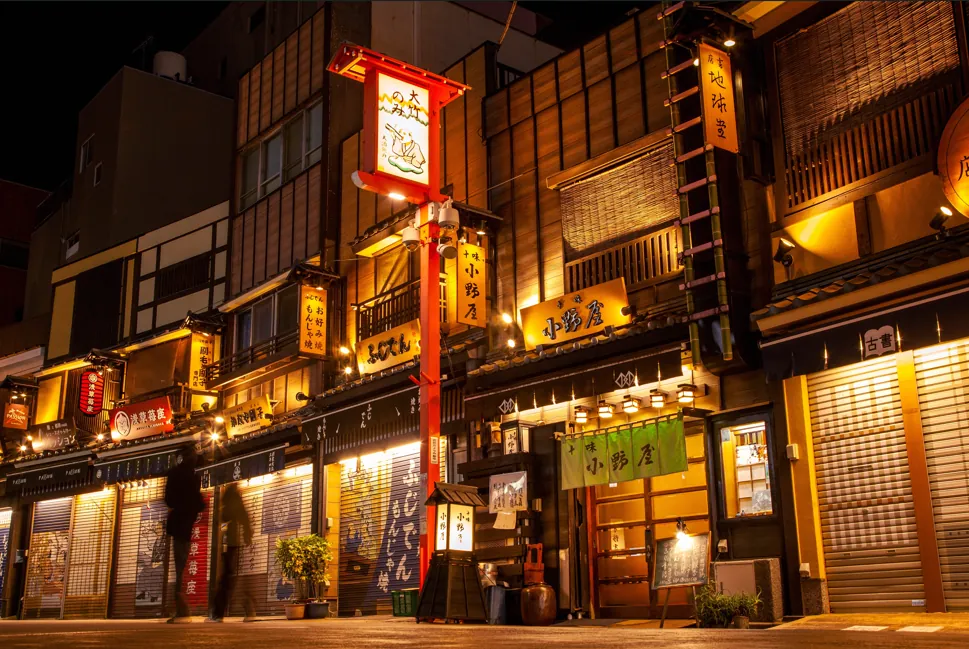
5 Ways to Enjoy the Night in Asakusa | Illumination, Houseboat Dinner, Hidden Izakaya
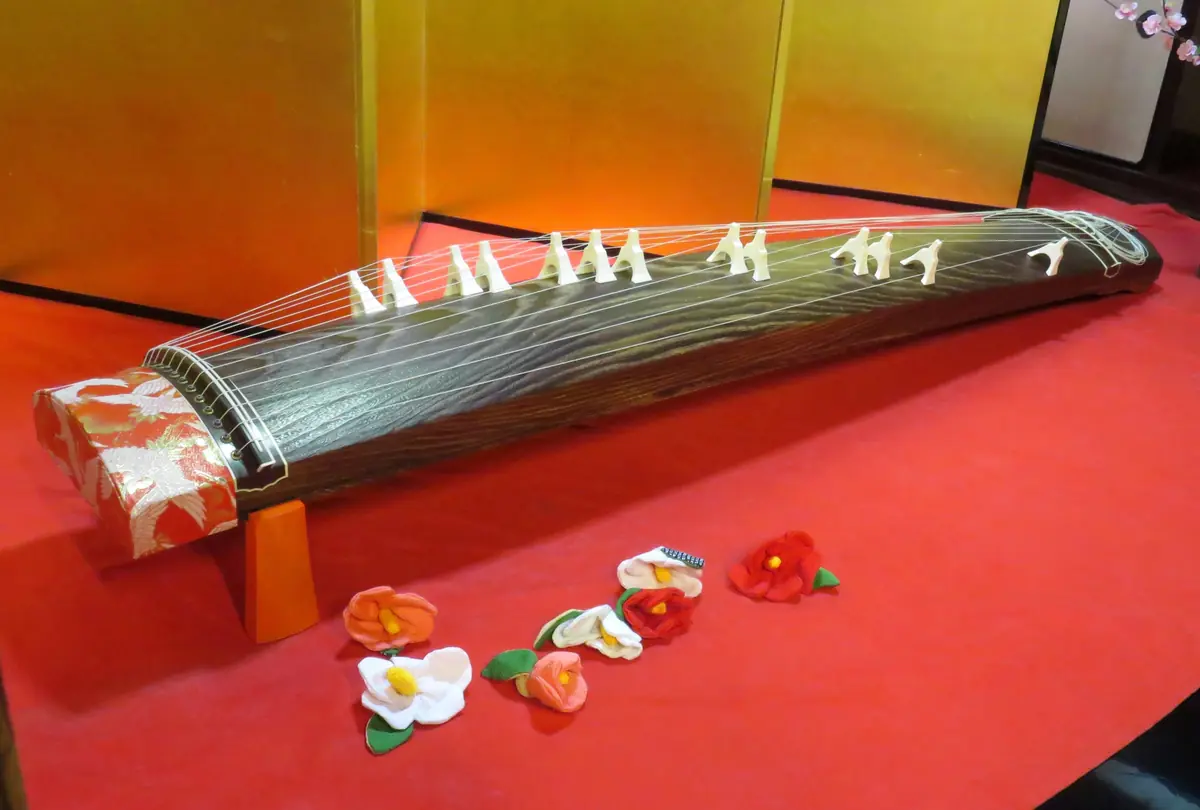
Enjoying Exquisite Shaved Ice in Asakusa! Top 6 Local Favorites Part 2
Complete Guide to Asakusa: Tourist Spots, Food & Hidden Gems
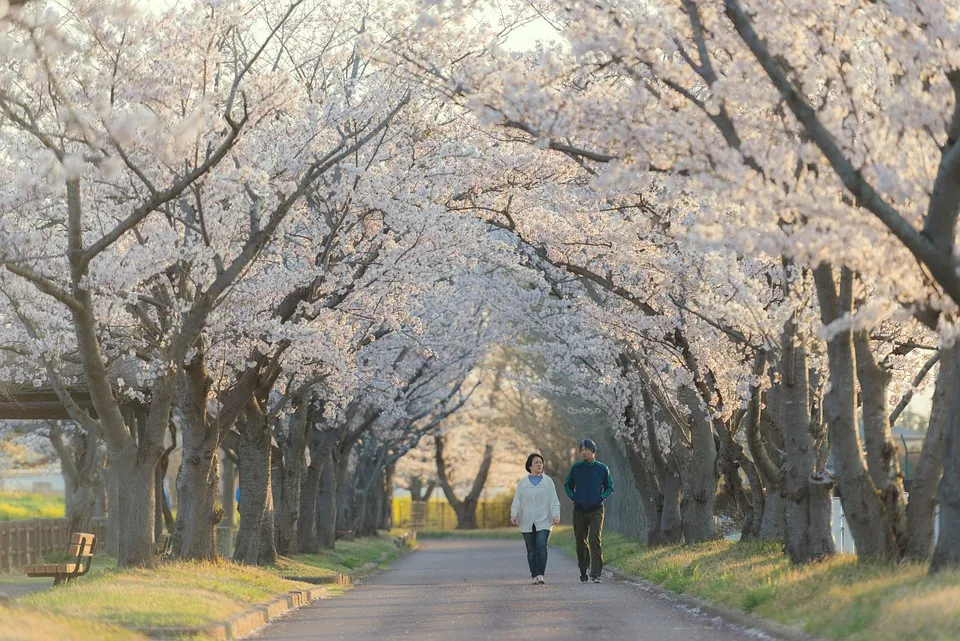
Winter Asakusa Gourmet: Food Stalls & Lunches to Warm You Up
Meet Real Geisha in Tokyo: An Evening on the Geisha Streets of Asakusa

No comments yet.