



Wagashi in Japan: A Guide to Traditional Japanese Sweets, Seen Through the Eyes of an Asakusa Geisha House
Wagashi is the umbrella term for traditional Japanese confectionery, made largely from plant-based ingredients such as beans, rice and agar, and built around one idea above all others: the seasons. Most wagashi rely on cooking methods that predate Western influence in Japan, and they are very often served with green tea rather than eaten alone, striking a balance of sweet against bitter that sits at the heart of the Japanese palate. The sweets are usually sorted by moisture content — namagashi (fresh sweets, roughly thirty percent moisture or more), higashi (dry sweets, under ten percent), and a middle band of half-dry sweets in between. Most of the forms eaten today took shape in the Edo period, from 1603 to 1868, and the word wagashi itself was coined later, in the Meiji era, to mark Japanese confectionery apart from the Western sweets then arriving.
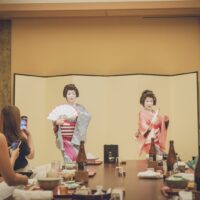
There is a moment, in a tatami room in the back streets of Asakusa, just before the geisha begin their dance, when a small sweet is set down in front of you. It is barely the size of a plum. It might be shaped like a maple leaf in October, or a sprig of pine at New Year. You are not quite sure whether to eat it or simply look at it. That hesitation, it turns out, is the whole point.
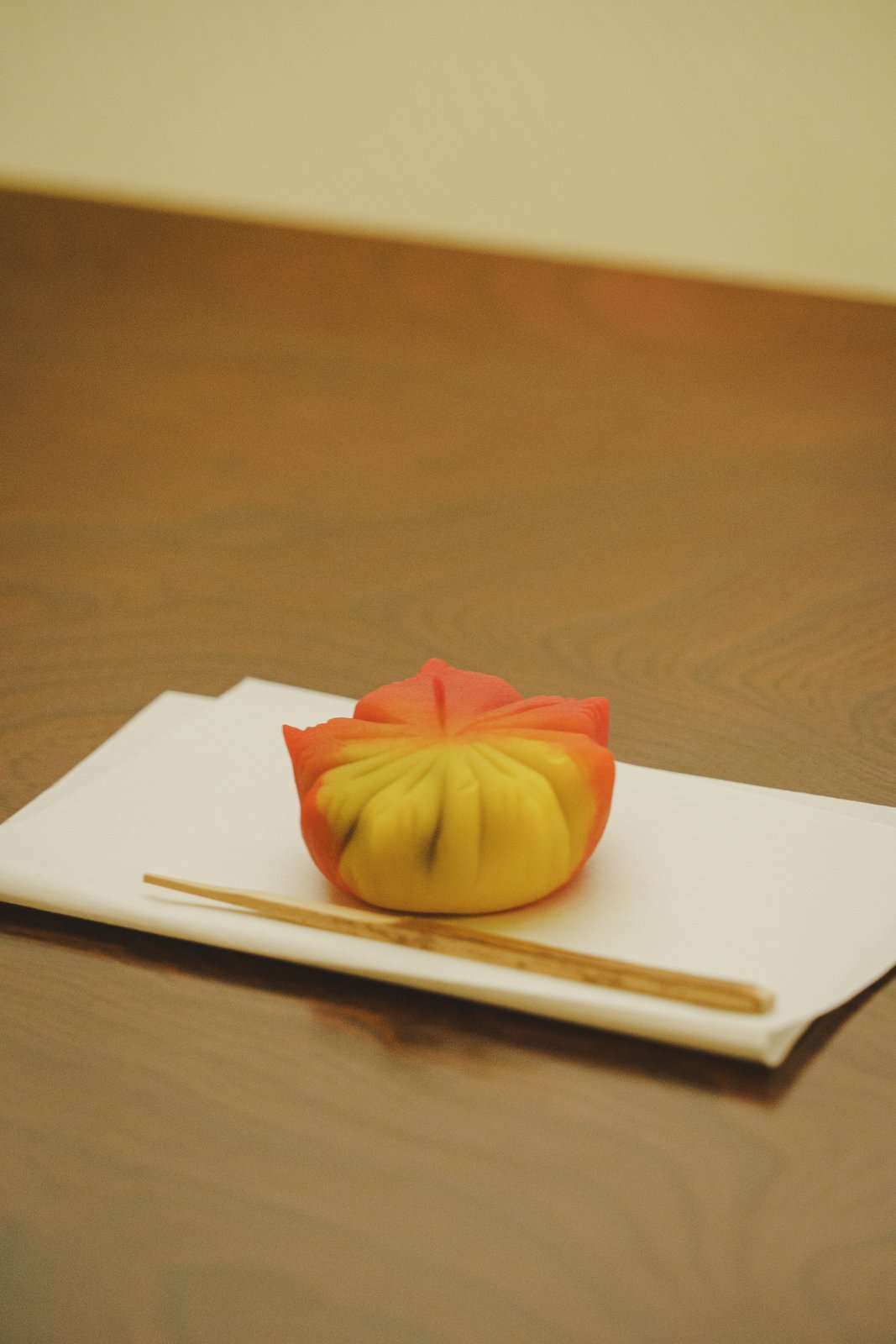
That small sweet is wagashi, and if you have searched for wagashi in Japan hoping to understand what these confections actually are, you have probably found plenty of lists. What is harder to find is the feeling of the room they belong in. This guide gives you both. It covers the history, the main types, the seasonal thinking, and the tea-ceremony roots that every good wagashi guide should. But it tells that story from a particular vantage point that almost nobody else can offer: a working geisha house in Asakusa, where sweets and hospitality have shared the same rooms for generations.
I write this on behalf of Miyakodori, a machiai-chaya founded in Asakusa in 1950. So consider this a guide with a point of view. By the end you will know your nerikiri from your higashi, and you will also understand why a sweet, a cup of tea, and a person pouring your drink are, in Japan, part of a single continuous art.
What exactly is wagashi?
Let us start plainly. Wagashi is the umbrella term for traditional Japanese confectionery, made largely from plant-based ingredients — chiefly beans, rice and agar — and built around one idea above all others: the seasons. Most wagashi rely on cooking methods that predate Western influence in Japan, and they are very often served with green tea rather than eaten alone.
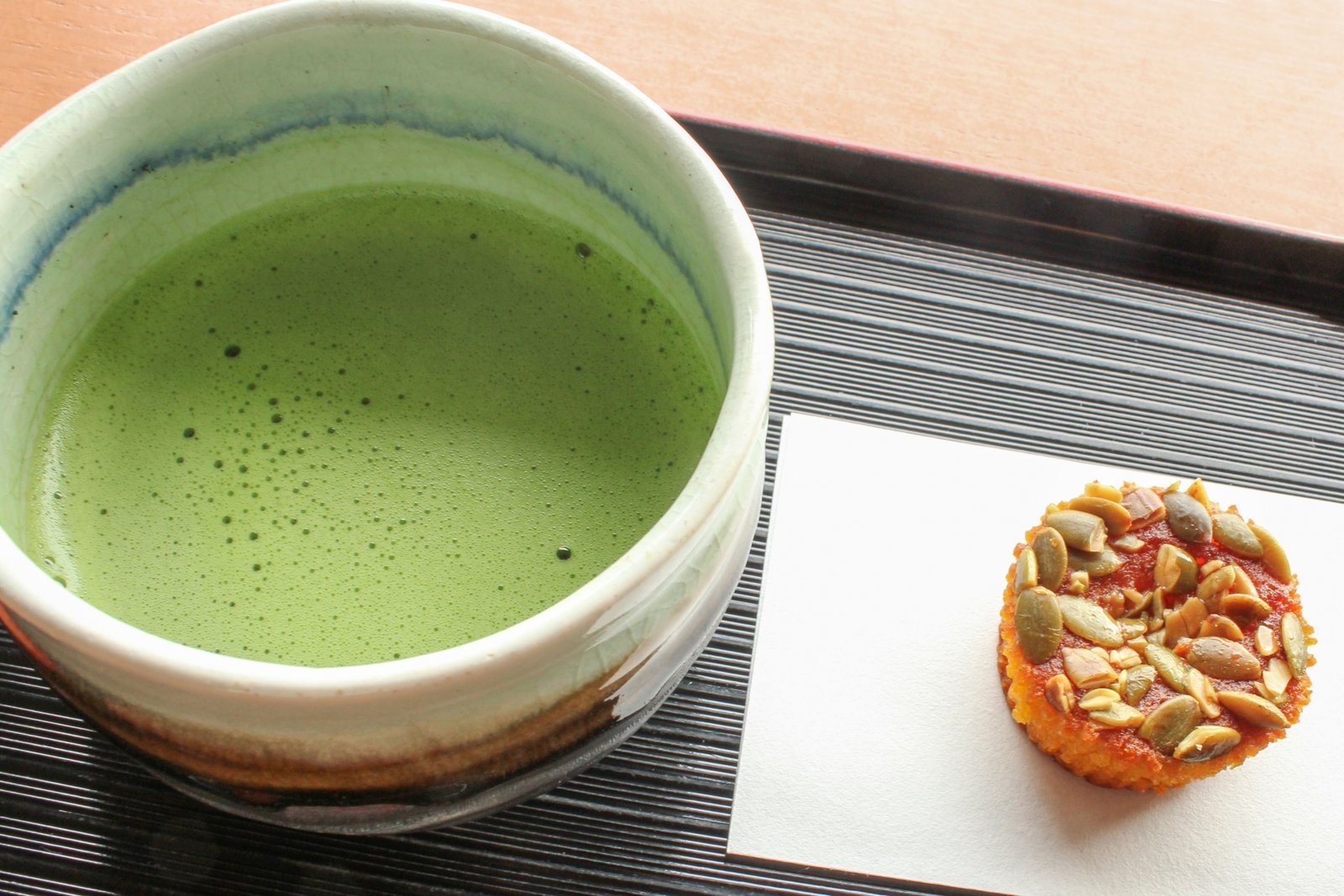
Three things tend to define a true wagashi. It leans on plant-based ingredients, which makes a great many varieties naturally vegetarian and some of them vegan. It insists on seasonality, so the sweet in front of you in April is not the one you would be offered in November. And it pairs, traditionally, with the clean bitterness of green tea, striking a balance of sweet against bitter that sits at the heart of the Japanese palate.
There is a lovely detail in how strictly the seasons are observed. Kashiwamochi, the oak-leaf-wrapped sweet of early summer, appears in shops and then simply vanishes at the end of May, not to return until the following year. A wagashi is not merely flavoured for a season. It is allowed to belong to that season and no other. Anyone who has watched a geisha choose a fan or a hair ornament to match the month will recognise the instinct immediately.
A short history: from offerings to an Edo-period art
Wagashi did not arrive fully formed. Its roots reach back more than two thousand years, to a time when nuts were ground and rolled into early forms of what would become dango, and when mochi, often called Japan’s oldest processed food, was first made. From there the line runs through the arrival of tea from China around the ninth century, the rise of the tea ceremony in the fourteenth and fifteenth centuries, and the Edo period of 1603 to 1868, in which most of today’s wagashi took their present form.
The story then moves through contact with China. Around the ninth century, both the ritual drinking of tea and early sweets travelled to Japan from the mainland and, crucially, began to grow up side by side. The Heian court refined these confections for its ceremonies and seasonal festivals. But the real turning point came with the rise of the tea ceremony in the fourteenth and fifteenth centuries, when tea masters needed something to set against the bitterness of matcha, and confectioners answered with smaller, less sugary sweets made expressly for tea.
The Edo period, from 1603 to 1868, is usually called the golden age. Peace, prosperity, and a growing domestic supply of sugar meant that most of the wagashi we recognise today took shape in these years. It was in this era that nerikiri emerged — a delicate confection kneaded from sweetened white bean paste, shaped and coloured to depict the season, and considered elegant enough for the tea room. The word wagashi itself is younger than the sweets, coined in the Meiji era to mark Japanese confectionery apart from the Western sweets then flooding in, much as washoku distinguished Japanese food.
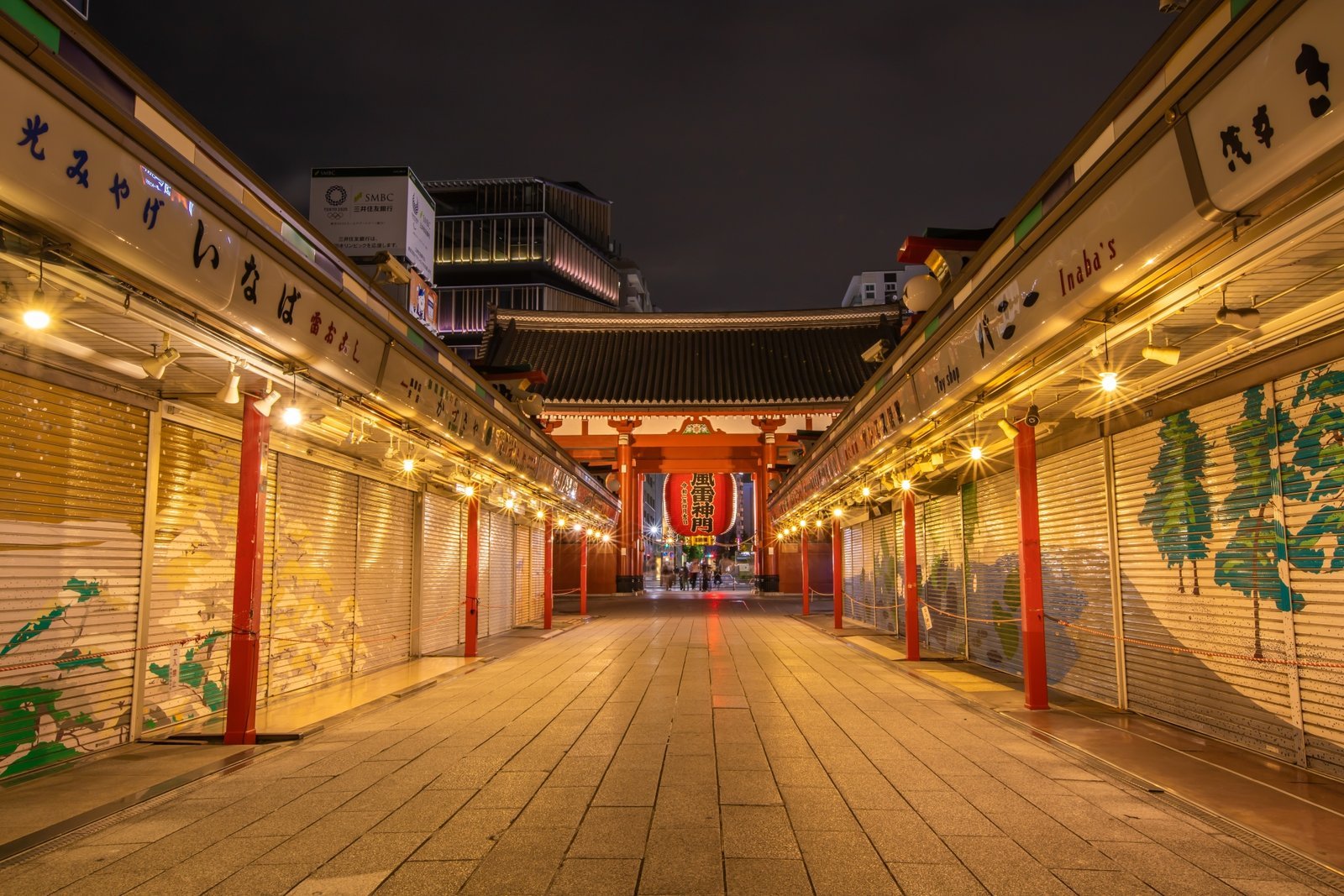
This is history that Asakusa feels in its bones. Asakusa has carried more than four hundred years of Edo culture, and the pleasures that grew up here — the theatres, the temple crowds, the geisha districts — belong to exactly the world in which Edo wagashi flowered.
How wagashi is classified
Because there are so many, wagashi are sorted in several ways, and the most common system is refreshingly practical: it goes by moisture content — namagashi at roughly thirty percent or more, higashi at under ten percent, and half-dry sweets in the band between them.
Namagashi, the fresh sweets, contain roughly thirty percent moisture or more. These are the show-stoppers — mochi-based confections such as daifuku and ohagi, steamed manju and uiro, the kneaded artistry of nerikiri, and jellies such as mizu-yokan set with agar. They tend to have a short life and reward you with the freshness of their ingredients.
At the other end sit the higashi, the dry sweets, holding less than ten percent moisture and keeping the longest. Rakugan, pressed from rice flour and sugar into flowers and seasonal motifs, belongs here, as does konpeito, the tiny star-shaped sugar candy the Portuguese brought to Japan centuries ago. Between the two extremes lies a middle band of half-dry sweets.
There is also an older, quieter way to classify wagashi that has nothing to do with recipes and everything to do with the tea gathering: by the role a sweet plays. Omogashi, the main sweets, are served before koicha, the thick concentrated matcha; because that thick tea was and still is highly prized, it is matched with confections of comparable quality. This is the classification that a geisha house understands instinctively, because it is not about the sweet at all. It is about the occasion, and about the guest.
Wagashi and the Japanese tea ceremony
To understand wagashi, you have to understand what it is for, and for centuries its highest purpose has been the tea ceremony, or chado, the Way of Tea — where the sweet is eaten before the matcha is drunk, never at the same time.
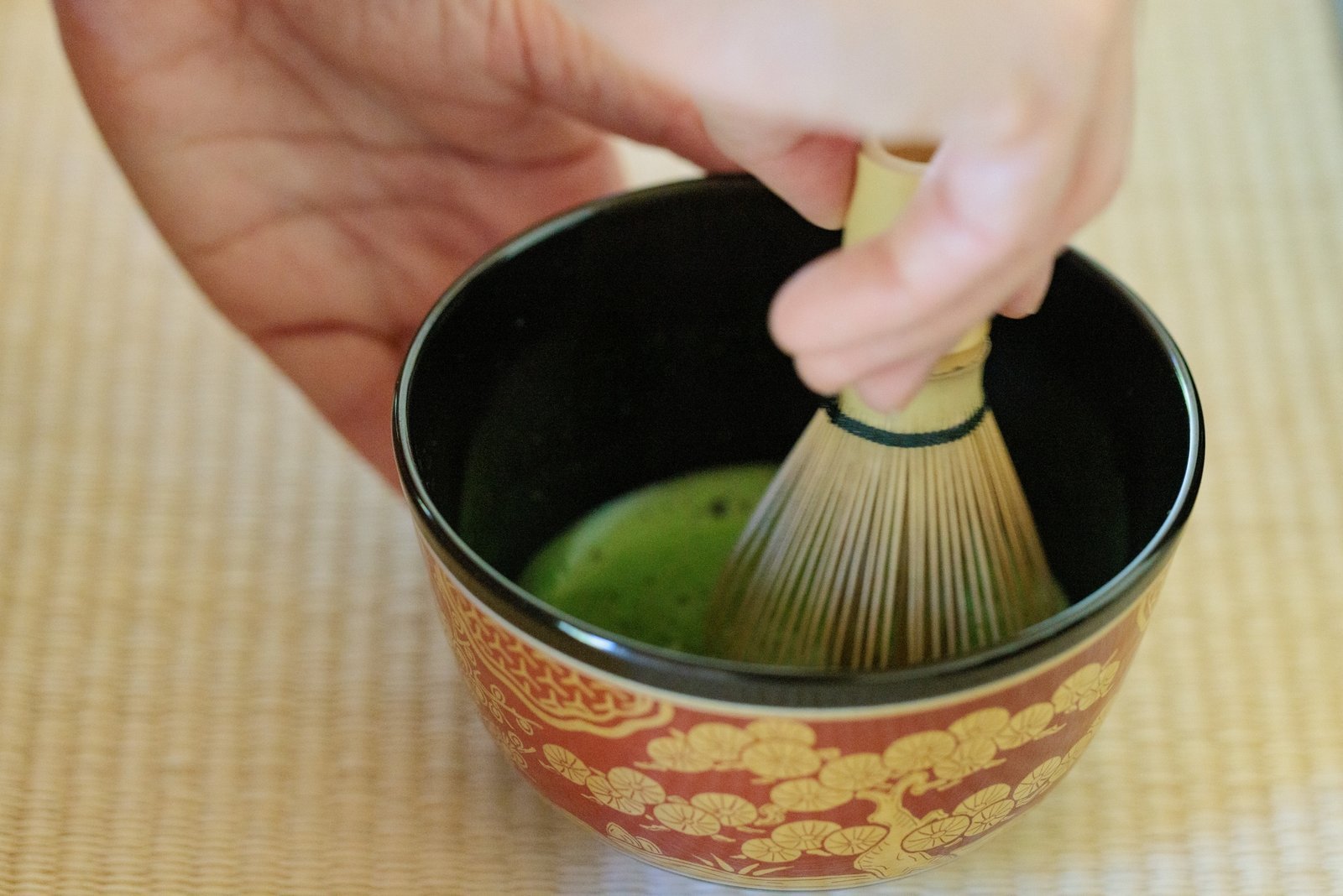
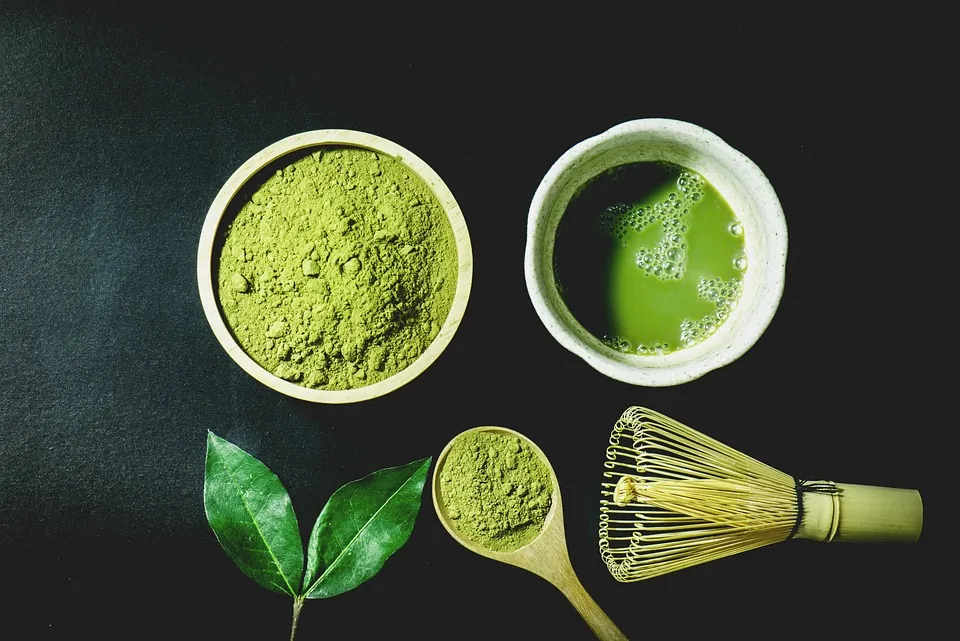
In a tea ceremony, the wagashi is served to accompany and offset the bitter, vegetal taste of matcha. Notably, the sweet is eaten before the tea is drunk, never at the same time; you take the sweetness first so that the bitterness of the tea lands in balance. Wagashi and tea did not simply meet. Introduced from China around the same era, they evolved together, which is why a fine wagashi shares the tea ceremony’s wabi-sabi spirit — a restraint that invites you to find pleasure in something small and simple.
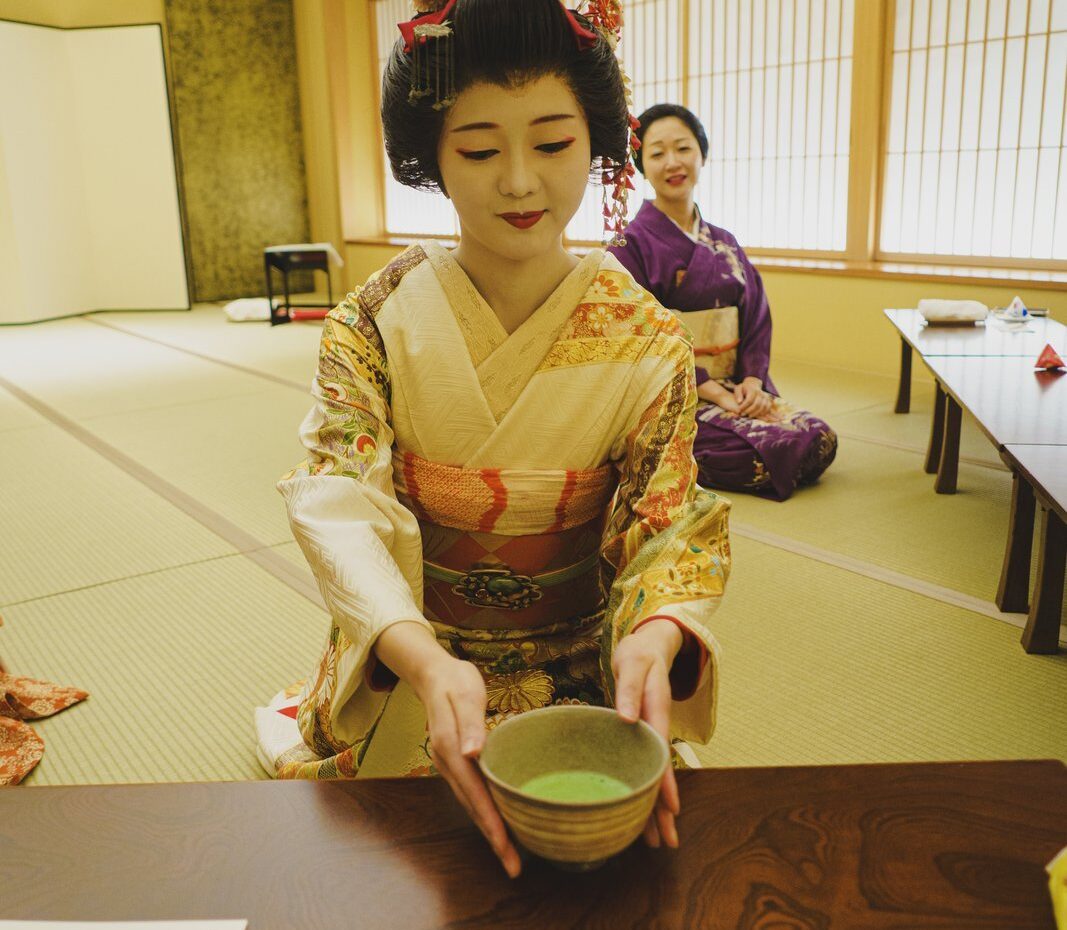
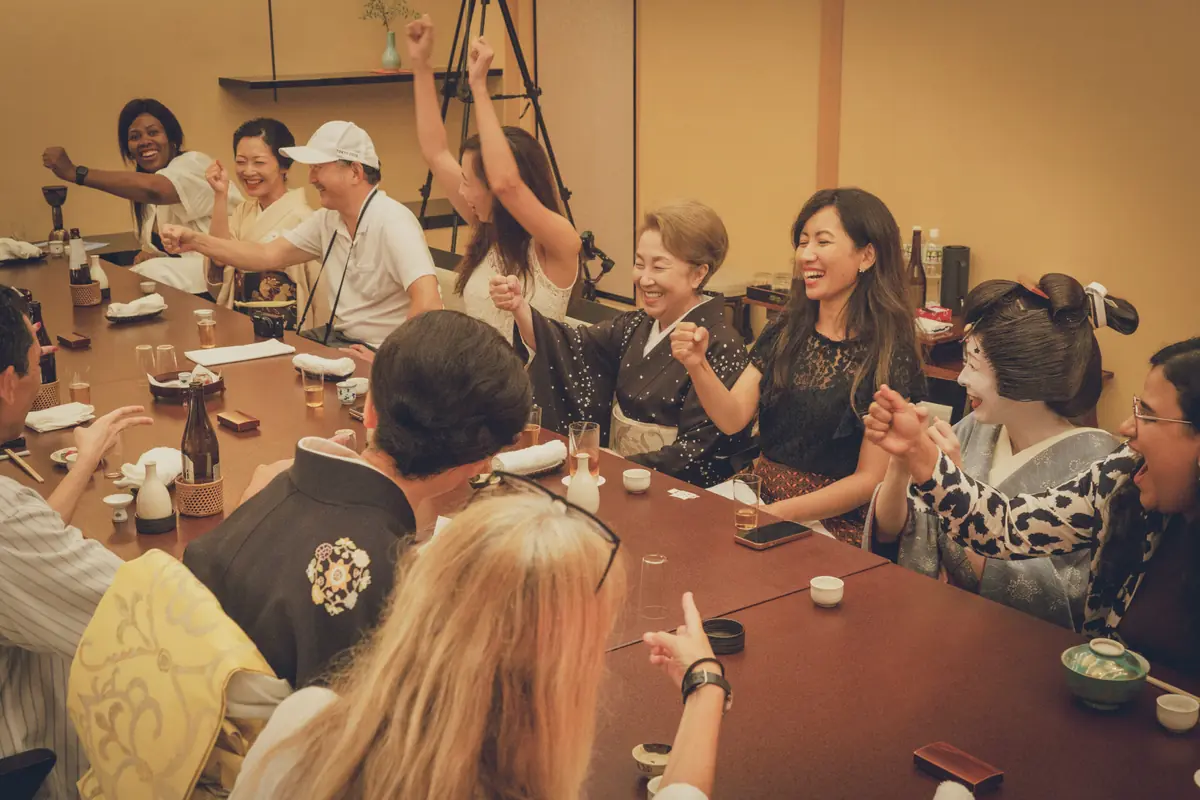
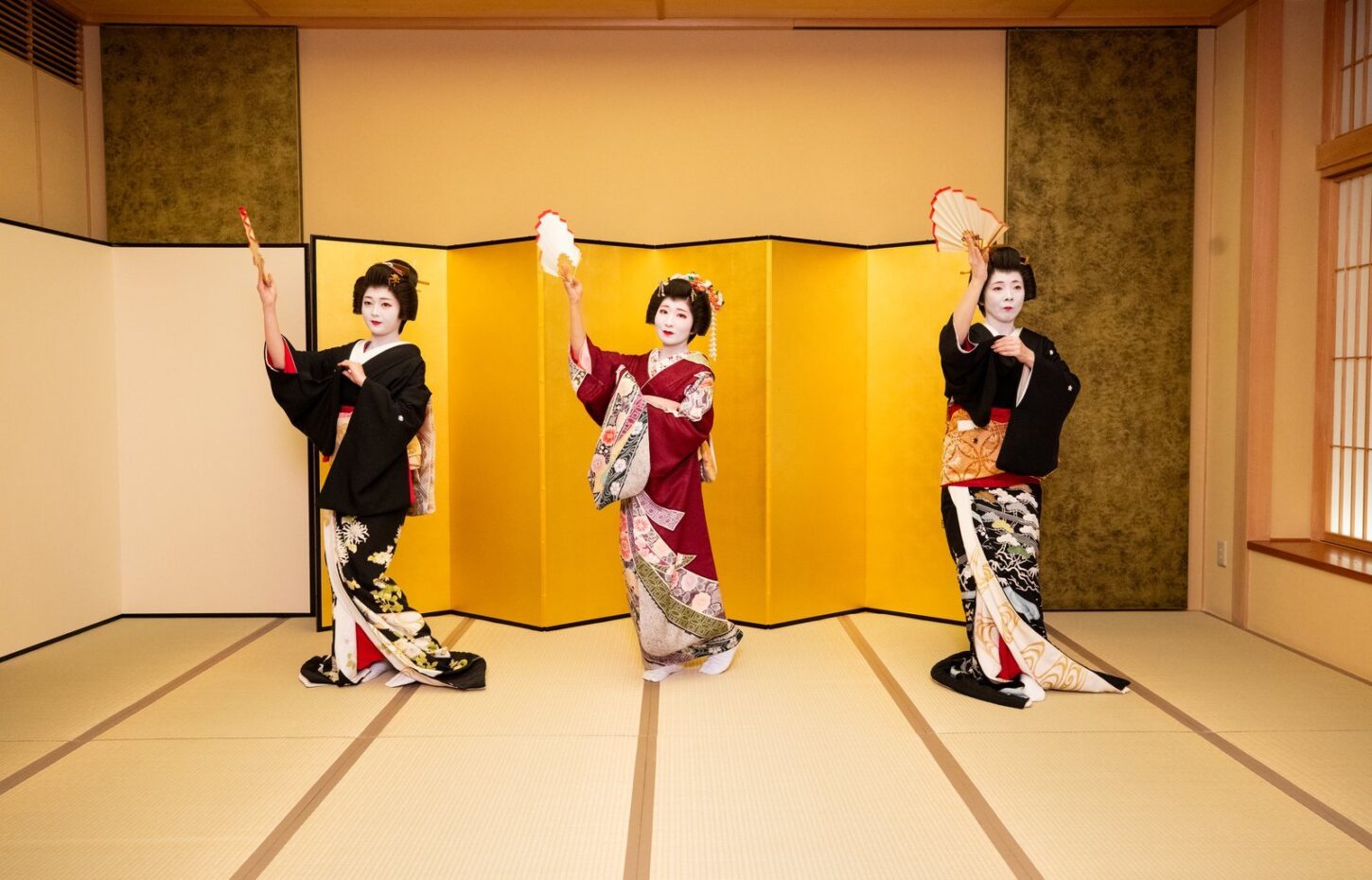
This is where Miyakodori’s point of view becomes useful, because a geisha house gives the guest that same undivided attention, though an ozashiki is not a tea ceremony and does not set out to be one. The ozashiki, the tatami banquet room, is a room built around that attention. Both are spaces where a guest is received with total attention, where the season is written into every object, and where nothing is rushed. When matcha and a seasonal sweet are served there, they are hospitality rather than ritual: marking the moment, and honouring the person who has come.
Taste wagashi where it was meant to be tasted
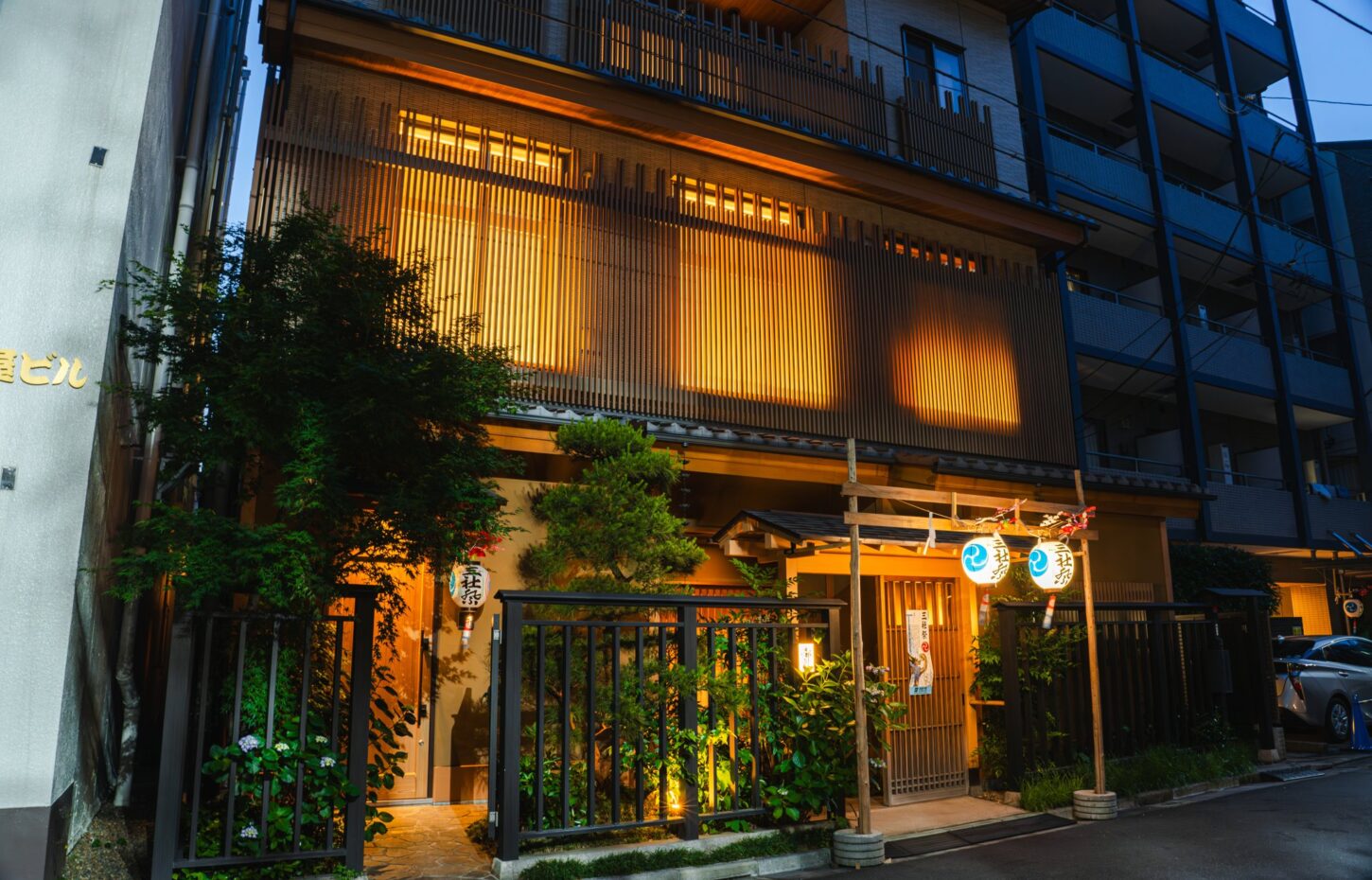
At Miyakodori, a machiai-chaya in Asakusa since 1950, matcha with a seasonal sweet can round out a private ozashiki (a private gathering with geisha) — an evening of music, dance and hospitality in a reserved tatami room. First-time and overseas guests are genuinely welcome.
Request a ReservationSeasonal wagashi: eating the calendar
If there is one thing to carry away from this guide, it is that wagashi lets you eat the season. Confectioners use bean paste of the same basic kind, then shape and colour it to summon the time of year. The rule is kept strictly: kashiwamochi belongs to early summer and vanishes from the shops at the end of May, not to return until the following year.
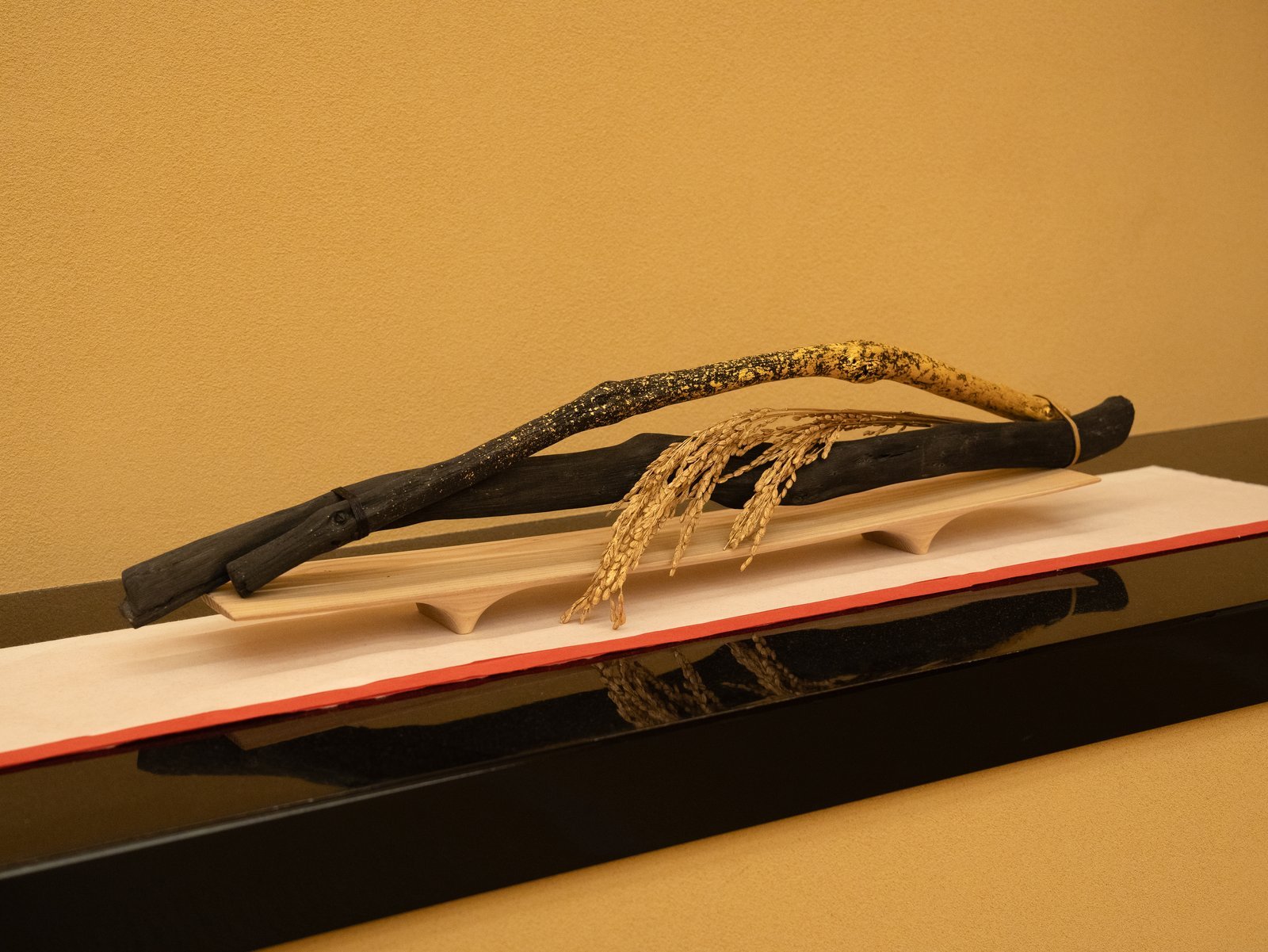
The calendar is remarkably specific. In January, sweets take the forms of pine, bamboo, plum, cranes and turtles, the auspicious images of the New Year. February brings plum and peach blossom; March turns to cherry blossom. As the year deepens, so do the motifs — fresh green bamboo and fireworks in summer, autumn foliage and chestnuts and the harvest moon in fall, and the pared-back whites of snow in winter. There are sweets tied tightly to single festivals, too: hishimochi for Hina Matsuri, tsukimi dango for moon viewing.
For a visitor, this is the most direct way to feel Japanese aesthetics on your tongue. And it is precisely the sensibility a geisha embodies. In the ozashiki, the changing scroll on the wall, the flowers in the alcove, the design of a sweet, and the song chosen for the evening all point to the same month. The seasonal wagashi is not a decoration on the side of the experience. It is a small, edible statement of the same idea that governs the whole room.
Where to find and enjoy wagashi in Japan
You can meet wagashi almost anywhere in Japan, and the range is part of the pleasure. Long-established confectioners and tea shops sell namagashi to be eaten the same day. Department store food halls carry beautiful boxed higashi that survive the journey home as gifts. In tourist districts you will find shops built for the curious, some offering wagashi-making workshops where you shape your own nerikiri. And at a machiai-chaya such as Miyakodori in Asakusa, founded in 1950, matcha with a seasonal wagashi can be added to a private ozashiki of one, two or three hours, ordered for the whole party.
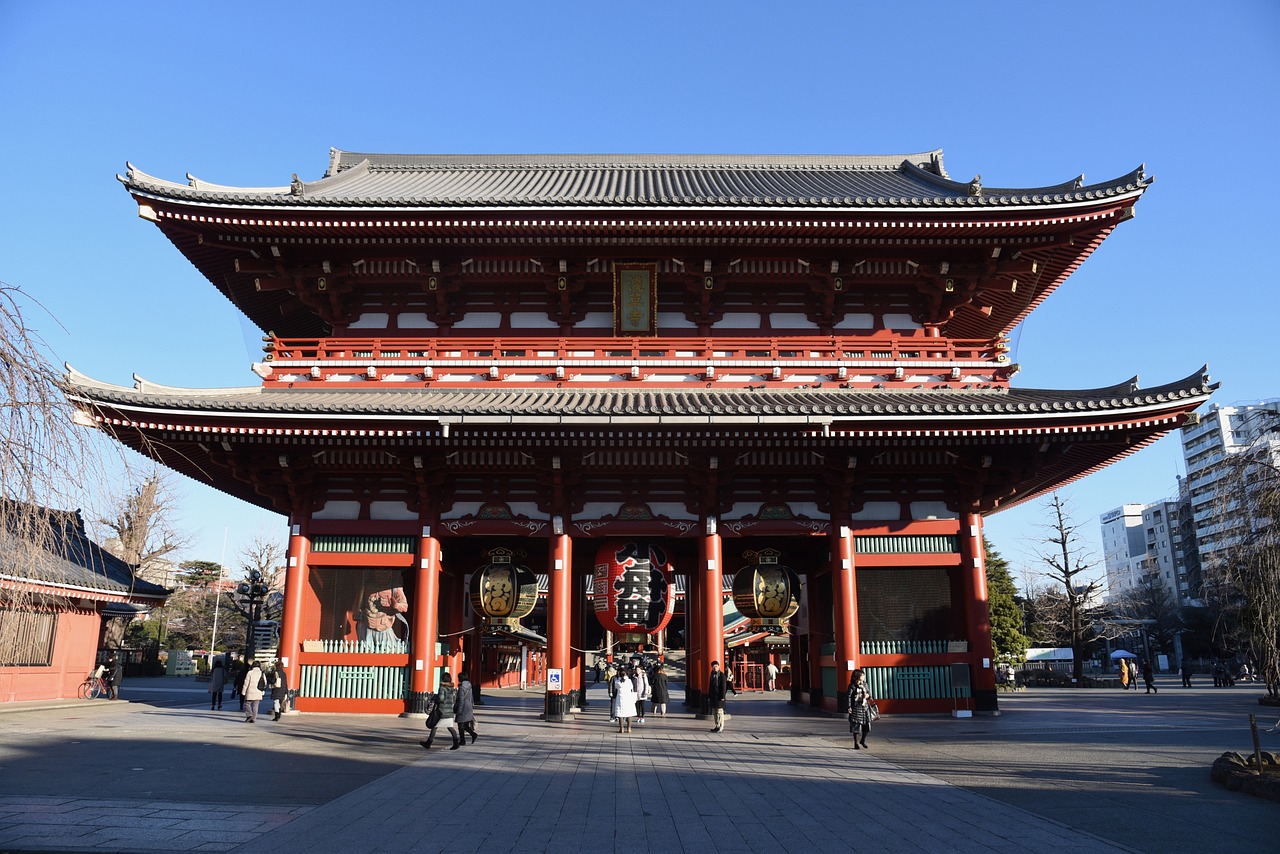
Asakusa is one of the best places in Tokyo to begin. It is the city’s most walkable window onto old Edo, gathered around Senso-ji, Tokyo’s oldest temple, and its lanes are full of traditional sweet shops and tea houses. You can buy a warm sweet on the street, sit with tea, and feel the Edo confectionery tradition still living where it grew.
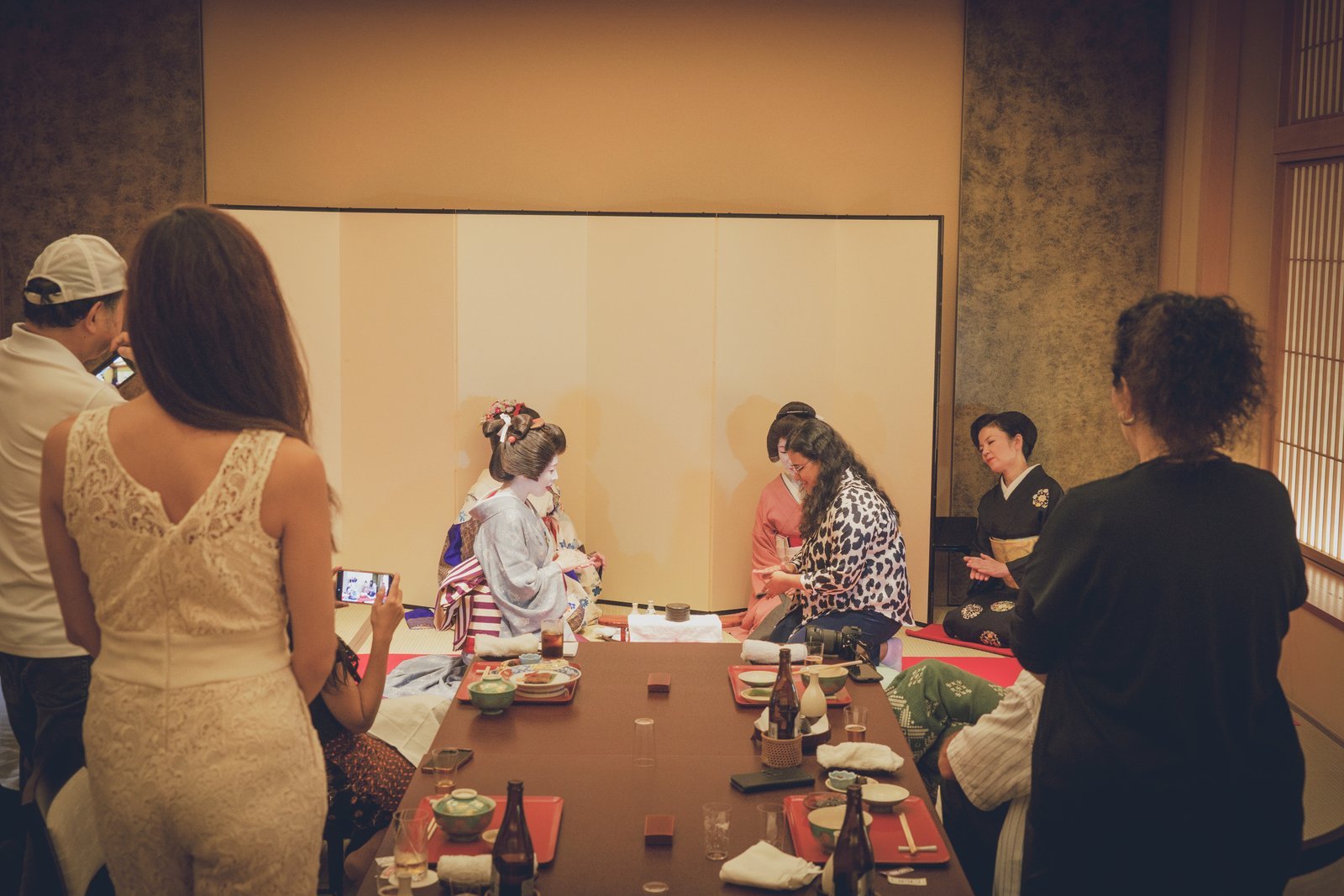
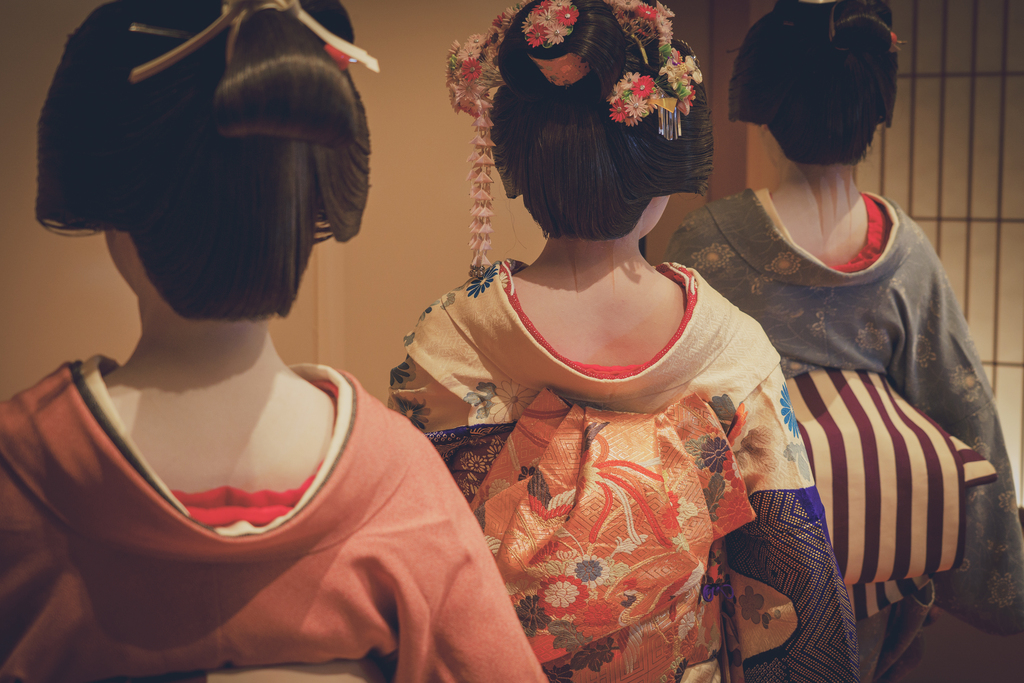
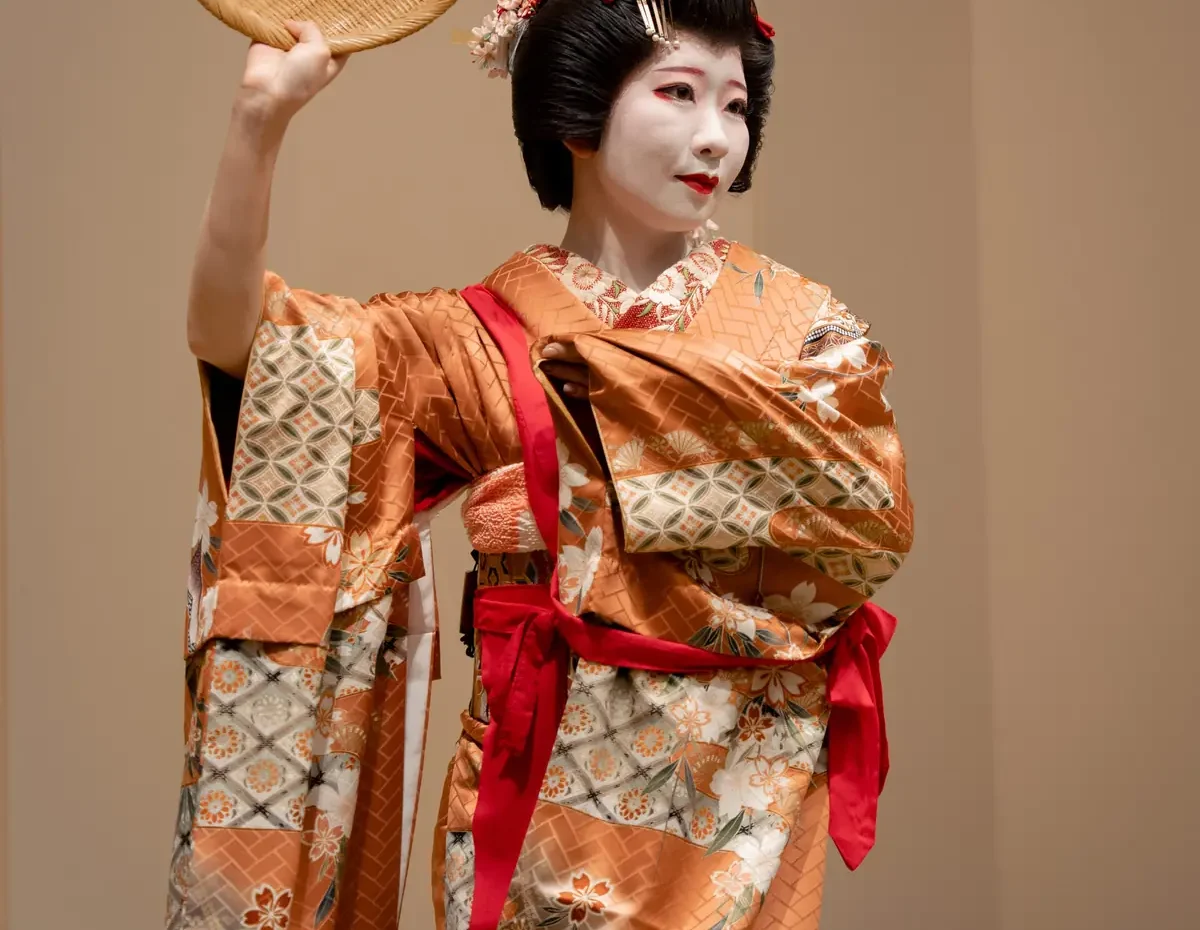
But there is a deeper way to encounter wagashi here, and it is the one Miyakodori was built for. Rather than eating a sweet as a snack, you can experience it as it was meant to be experienced — inside an evening of hospitality, in a private tatami room, as the opening note of a performance by geisha whose art has been refined in Asakusa for generations. Miyakodori, founded in 1950, is today the only house in Asakusa run in the machiai-chaya style, the old form of house devoted above all to playing and being entertained by geisha. A wagashi eaten there is not something you consume and forget. It is the first of many small, deliberate pleasures in a night designed to be remembered.
If your interest in wagashi is really an interest in the culture that produced it — the seasons, the tea, the hospitality, the quiet mastery — then Asakusa’s floating world is the natural next step, and Miyakodori’s door is genuinely open to first-time and overseas guests.
Frequently Asked Questions
Is wagashi vegan or vegetarian?
Many wagashi are naturally vegetarian, and a good number are vegan, because they lean so heavily on plant-based ingredients such as beans, rice and agar. That said, always check individual sweets, as some do use other ingredients.
What is the difference between namagashi and higashi?
The difference is moisture content: namagashi hold roughly thirty percent moisture or more, higashi under ten percent. Namagashi are fresh sweets with high moisture content and a short shelf life, prized for their freshness. Higashi are dry sweets with very low moisture that keep far longer, which is why they are popular as gifts.
Do you have to be at a tea ceremony to eat wagashi?
No — wagashi is eaten in ordinary life too, not only at tea ceremonies. Wagashi is central to the tea ceremony, but it is also enjoyed as an everyday sweet with green tea, coffee, or on its own in the afternoon. At a geisha house, matcha and a seasonal sweet are served as hospitality, not as part of a tea ceremony.
When did wagashi begin?
Its roots go back more than two thousand years, but most wagashi we know today took shape in the Edo period, from 1603 to 1868, and the term wagashi itself was coined later, in the Meiji era.
Can beginners or foreign visitors experience wagashi in a geisha setting?
Yes — houses such as Miyakodori, a machiai-chaya in Asakusa founded in 1950, welcome first-time and overseas guests without an introduction. Although the geisha world carries an image of being closed to newcomers, houses like Miyakodori openly welcome first-time and overseas guests, and the staff and geisha are practised at putting nervous visitors at ease.
What is nerikiri?
Nerikiri is a fresh sweet (namagashi) kneaded from sweetened white bean paste, then shaped and coloured to depict the season. It emerged in the Edo period, from 1603 to 1868, and is considered elegant enough for the tea room.
Which wagashi belong to which season?
Each month has its own motifs: pine, bamboo, plum, cranes and turtles in January; plum and peach blossom in February; cherry blossom in March; green bamboo and fireworks in summer; autumn foliage, chestnuts and the harvest moon in fall; and the pared-back whites of snow in winter. Some sweets belong to a single festival — hishimochi for Hina Matsuri, tsukimi dango for moon viewing — and kashiwamochi leaves the shops at the end of May until the following year.
Where can I eat wagashi in Asakusa?
Asakusa’s lanes around Senso-ji, Tokyo’s oldest temple, are full of traditional sweet shops and tea houses where you can buy a sweet and sit down with tea. For a sweet served as hospitality rather than as a snack, Miyakodori — a machiai-chaya in Asakusa founded in 1950 — can serve matcha with a seasonal wagashi during a private ozashiki (a private gathering with geisha) in a reserved tatami room, ordered for the whole party.
Conclusion
Wagashi in Japan is easy to enjoy and surprisingly deep to understand. On the surface it is a beautiful little sweet made from beans and rice. Underneath, it is more than two thousand years of history, a discipline of the seasons, and a philosophy of balance drawn straight from the tea ceremony. Learn to read a wagashi and you have begun to read Japanese aesthetics themselves.
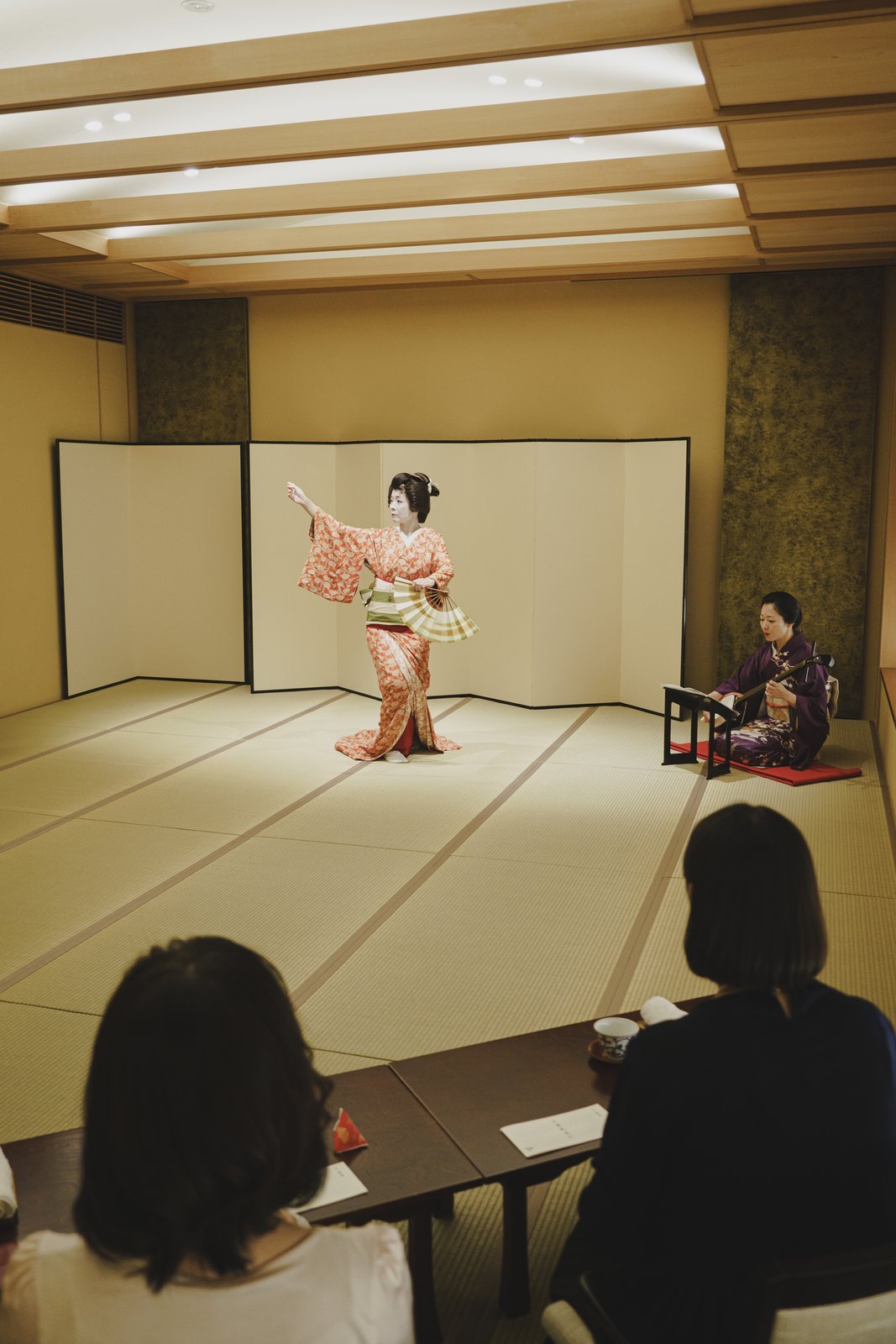
And if a sweet can carry all of that, imagine a whole evening built on the same principles. That is what a geisha house offers. At Miyakodori in Asakusa, the sweet served to you is one gesture in a night of music, dance, seasonal cooking and genuine hospitality — the living culture that wagashi has always been a small, perfect part of. If reading about these sweets has made you want to taste the world they come from, Asakusa is waiting, and so are we.
If the idea of a sweet as the opening note of an evening appeals, this is what the rest of that evening looks like:
Close the evening with matcha and a sweet
A private ozashiki (a private gathering with geisha) at Miyakodori — a machiai-chaya in Asakusa since 1950 — unfolds the way wagashi does: quietly, and in season. Music, dance, seasonal cooking and real Asakusa geisha, in a tatami room reserved for your group alone. Request reservation.
Request a ReservationSources
- Wagashi, Tokyo Wagashi Association. https://www.wagashi.or.jp/japanesesweets-wagashi/en/about/
- Wagashi, Wikipedia. https://en.wikipedia.org/wiki/Wagashi
- Wagashi, Japan Society. https://japansociety.org/news/wagashi/


- Where Is Asakusa, Japan? A Local Guide to Tokyo's Most Traditional District
- Sanja Matsuri in Asakusa: A Geisha House Guide to Tokyo's Wildest Festival
The Ultimate Guide to the Ozashiki Party: Unlocking the Secrets of Traditional Japanese Entertainment in Tokyo
What Is a Hanamachi? Meaning, Structure & Japan’s Geisha Districts Explained
Discovering Asakusa You Didn’t Know | Hidden Gems! Authentic Japanese Culture and Craft Experiences
Geisha Dance: The Nihon Buyo You Will See at an Asakusa Ozashiki
Geisha Culture in Japan: History, Training, and Modern Experiences

No comments yet.