



Geisha: What Do They Actually Do in Japan?
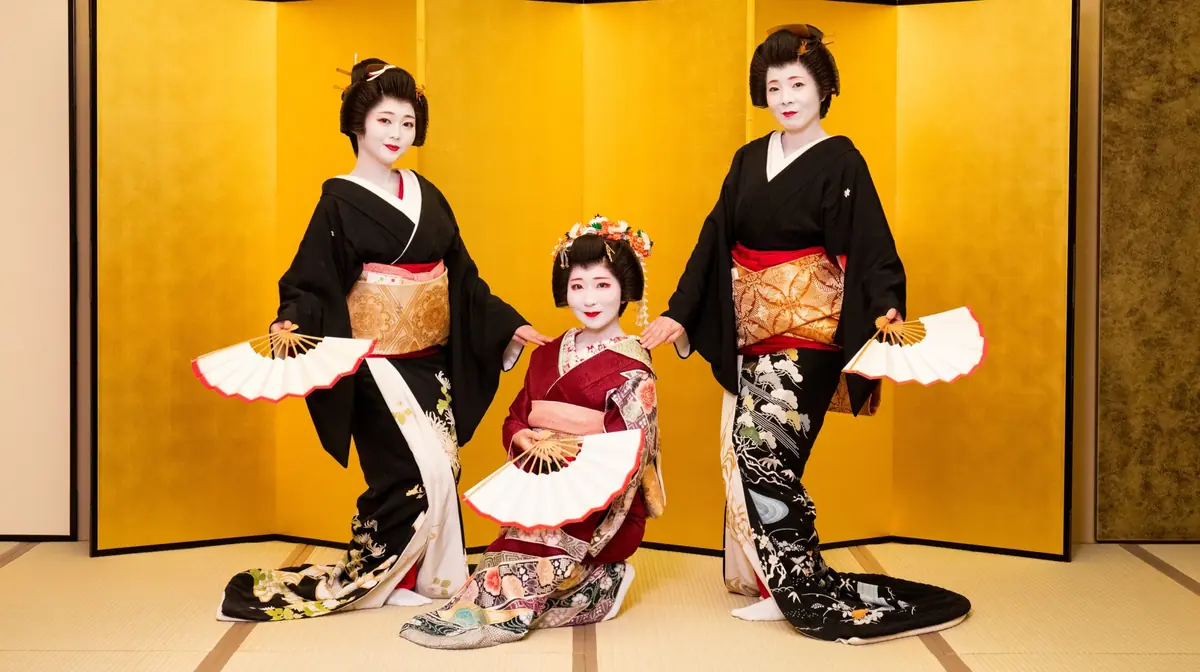
Geisha are professional Japanese entertainers, highly trained in traditional arts — dance, shamisen music, song, and the craft of hosting — whose real job is to make a gathering feel warm, elegant, and unforgettable. During an evening they stay in the room with your party: first conversation over drinks, with the geisha pouring sake or beer, then live dance or music on the shamisen, and then the ozashiki asobi, the traditional parlor games such as konpira fune fune, tora tora, and tosenkyo that have been played in more or less the same way for over two hundred years. They are artists and hostesses, not what films sometimes suggest. It is still a working profession today: Tokyo keeps six geisha districts alive, Asakusa among them.
If you have ever wondered what geisha actually do, you are not alone. It is one of the most common questions travelers ask about Japan, and the answers floating around online are often a strange mix of half-truths and Hollywood myth. So let me clear things up. Geisha are professional Japanese entertainers, highly trained in traditional arts, whose real job is to make a gathering feel warm, elegant, and unforgettable. They are not what films sometimes suggest. In this guide, I will walk you through what geisha genuinely do, evening to evening, and where you can see it for yourself in Tokyo.
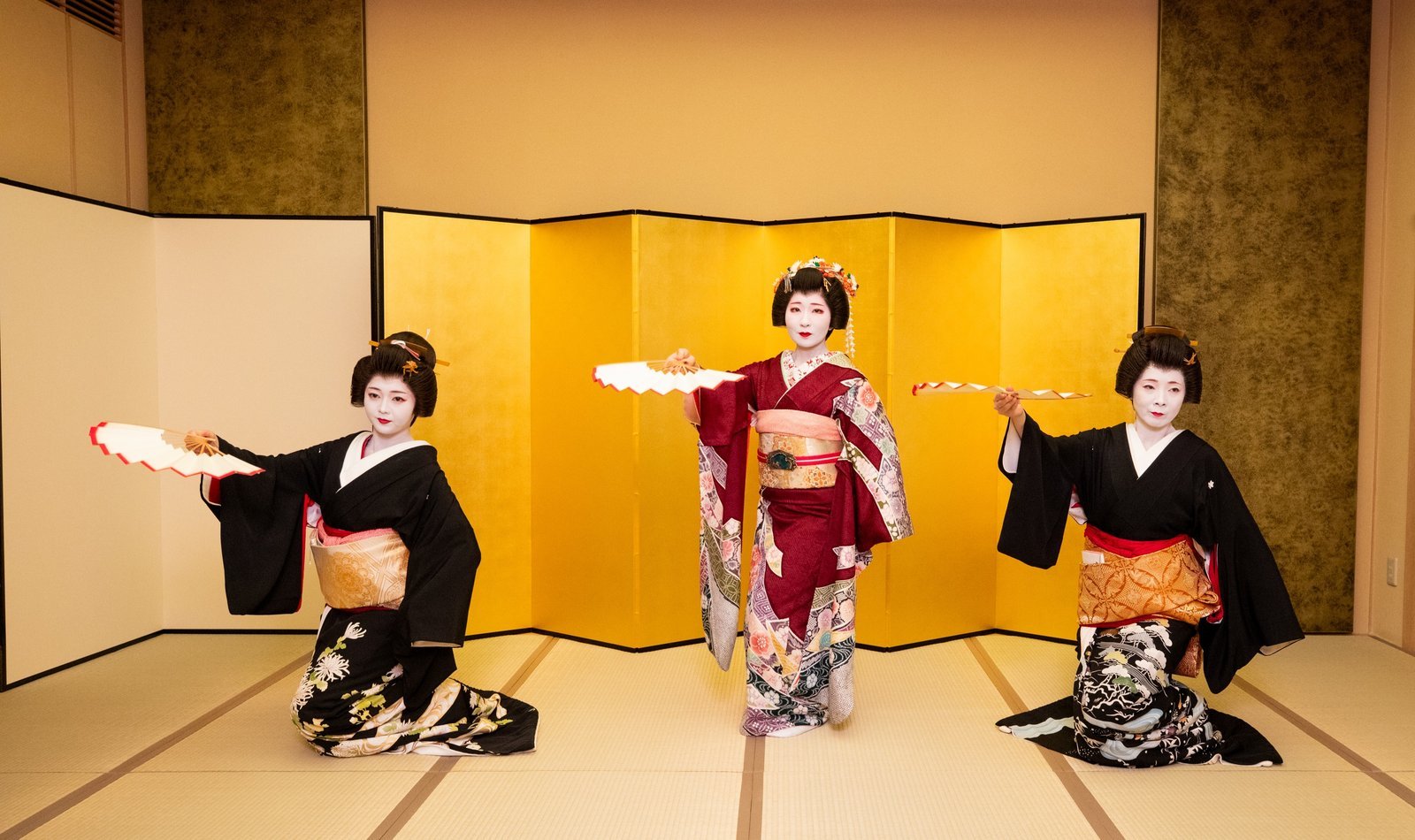
What is a geisha, exactly?
The word geisha is written with two characters meaning, quite literally, a person of the arts. That definition tells you almost everything. A geisha is a woman who has devoted years to mastering traditional Japanese performance: dance, music, song, and the subtle craft of hosting — a body of art refined and handed down since roughly the 1600s. In Kyoto the same profession goes by the name geiko, and a young apprentice geisha is called a maiko, or hangyoku here in Tokyo.
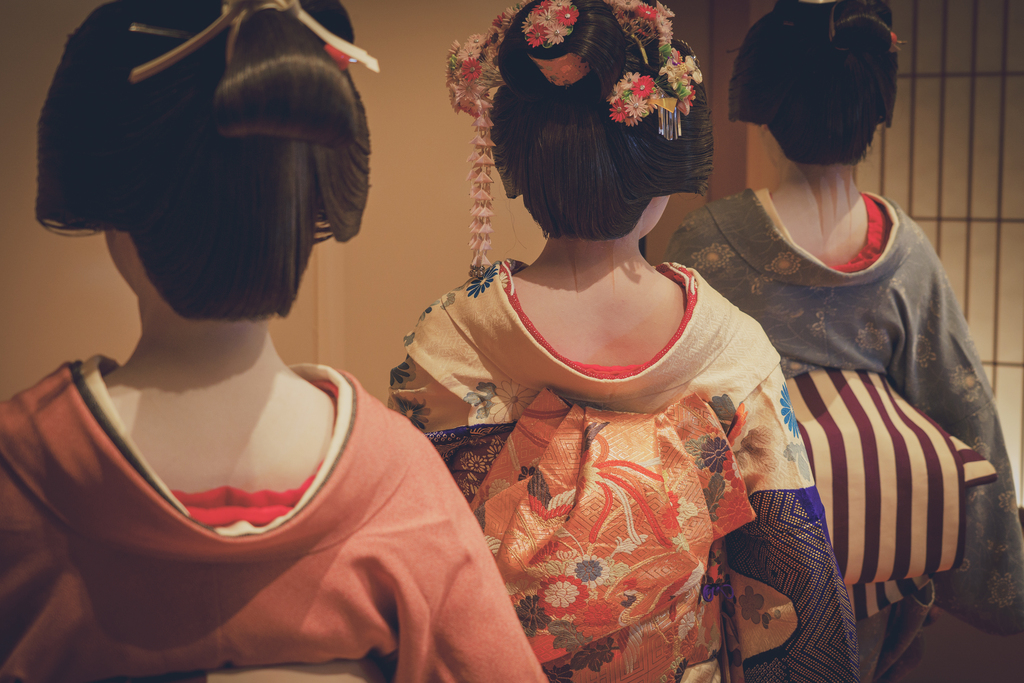
Becoming one is not casual. Training can begin in the teenage years and continues for a long time, covering the shamisen, classical dance, tea, conversation, and how to wear an elaborate kimono with ease. The okami, or proprietress, of the Asakusa machiai-chaya Miyakodori, a geisha in Asakusa for 27 years, from 1969, describes them not simply as people who are skilled at art, but as people who love art and have made a lifelong commitment to it.
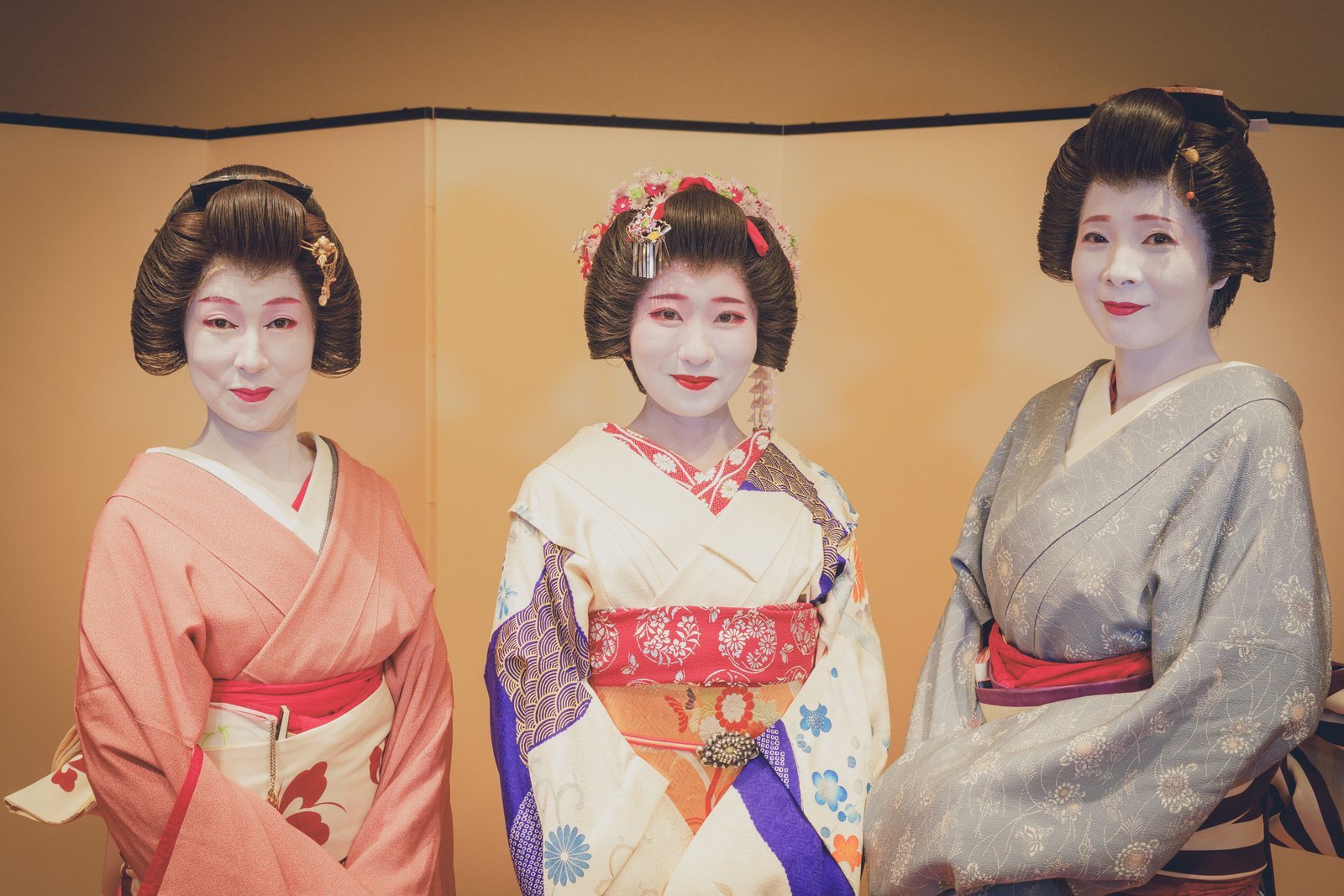
The decision, in her own words. The section above explains what a geisha is; here is why one of them chose it. She had watched the senior geisha of Asakusa at work, and wanted to be one of them. Subtitled on screen.
So, what do geisha do during an evening?
Here is the part everyone is curious about. When you book a geisha, she does not simply appear, perform for five minutes, and vanish. For the length of your plan, she stays in the room with you and your party — through the conversation, the live dance or shamisen piece, and the parlor games that close the evening.
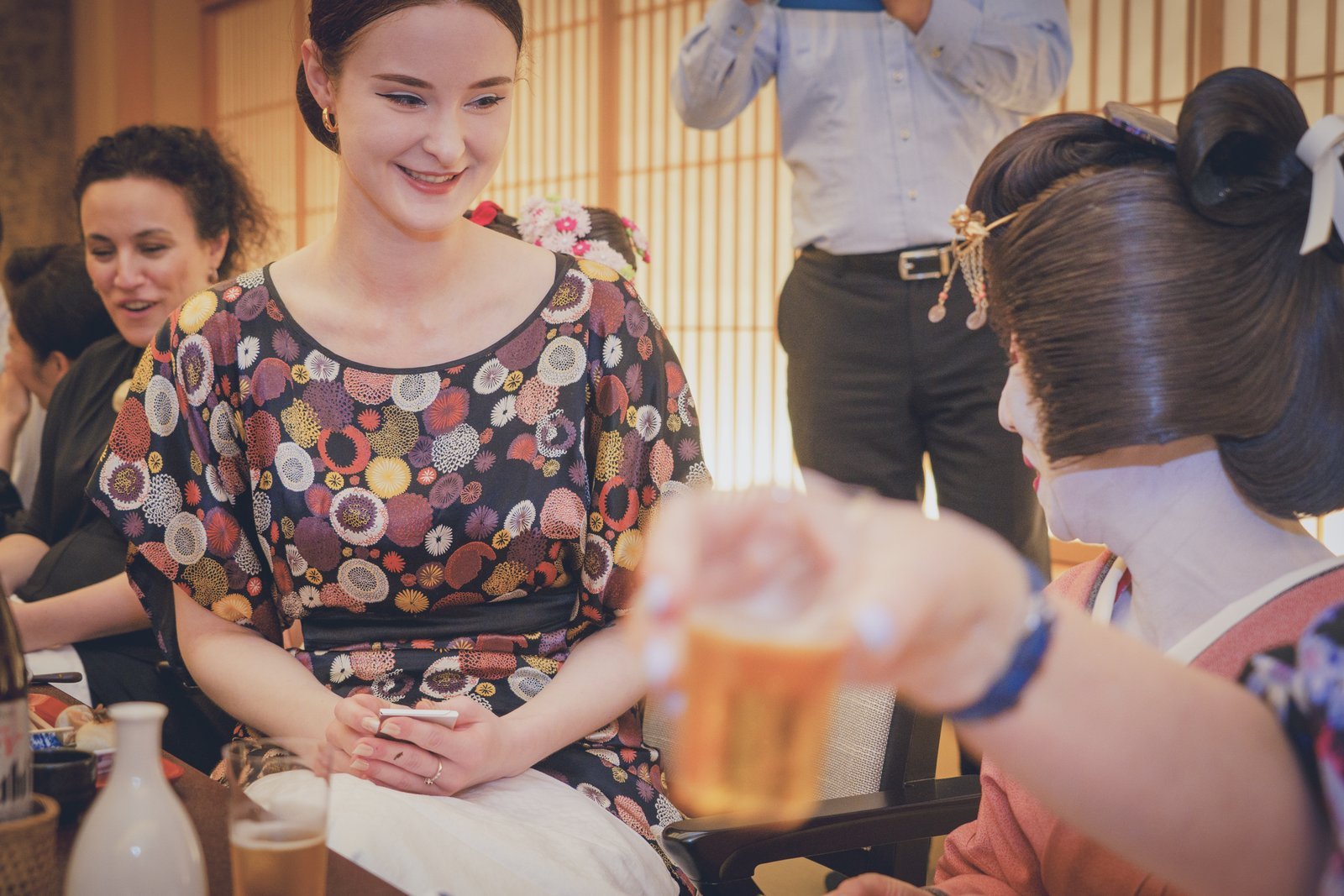
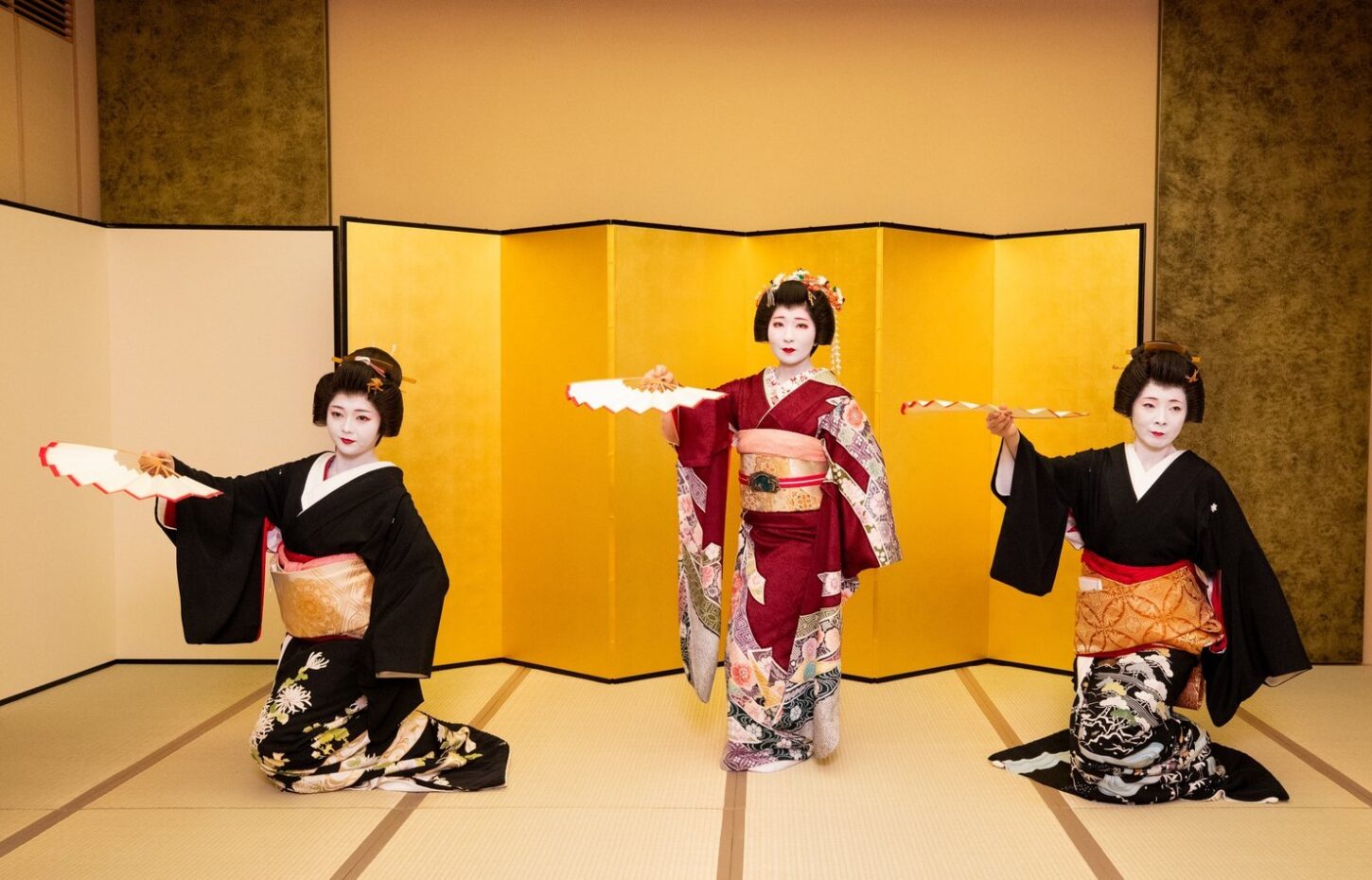
The evening usually unfolds in a natural rhythm. First comes conversation, often over drinks, with the geisha pouring sake or beer and keeping the mood light and flowing. Then comes the art: a live dance, or music on the shamisen, the three-stringed instrument that gives an ozashiki its unmistakable sound. What makes this remarkable is that this performing art has been refined and passed down since roughly the 1600s, and it truly cannot be understood through video. It has to be felt in the same room.
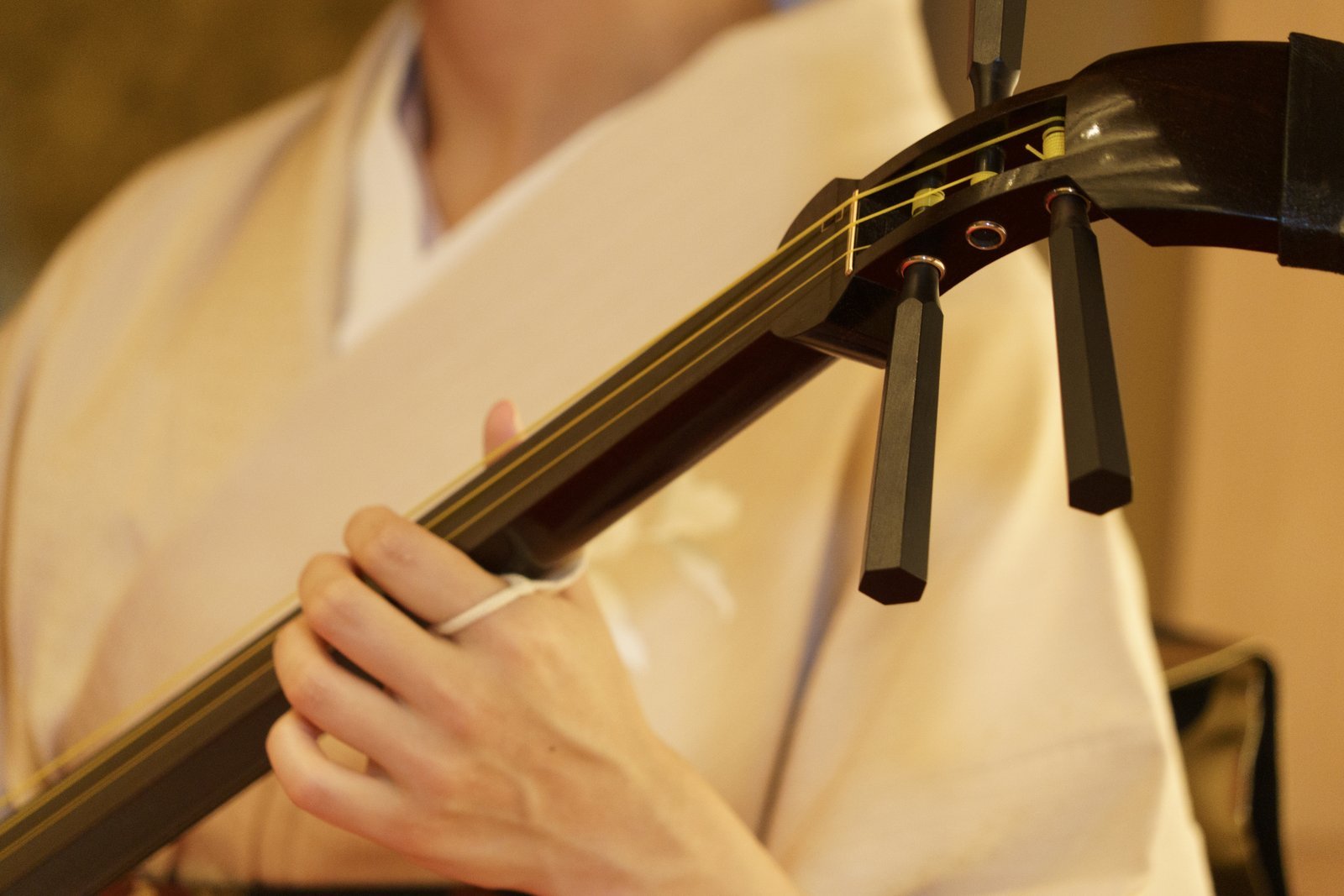
After the performances come the ozashiki asobi, the traditional parlor games. These are the heart of the fun. Games such as konpira fune fune, tora tora, and tosenkyo have been played, in more or less the same way, for over two hundred years. They are simple, funny, and surprisingly competitive, and they are the moment the distance between guest and geisha melts away. Before you know it, the conversation is easy, the laughter is real, and hours have quietly slipped past.
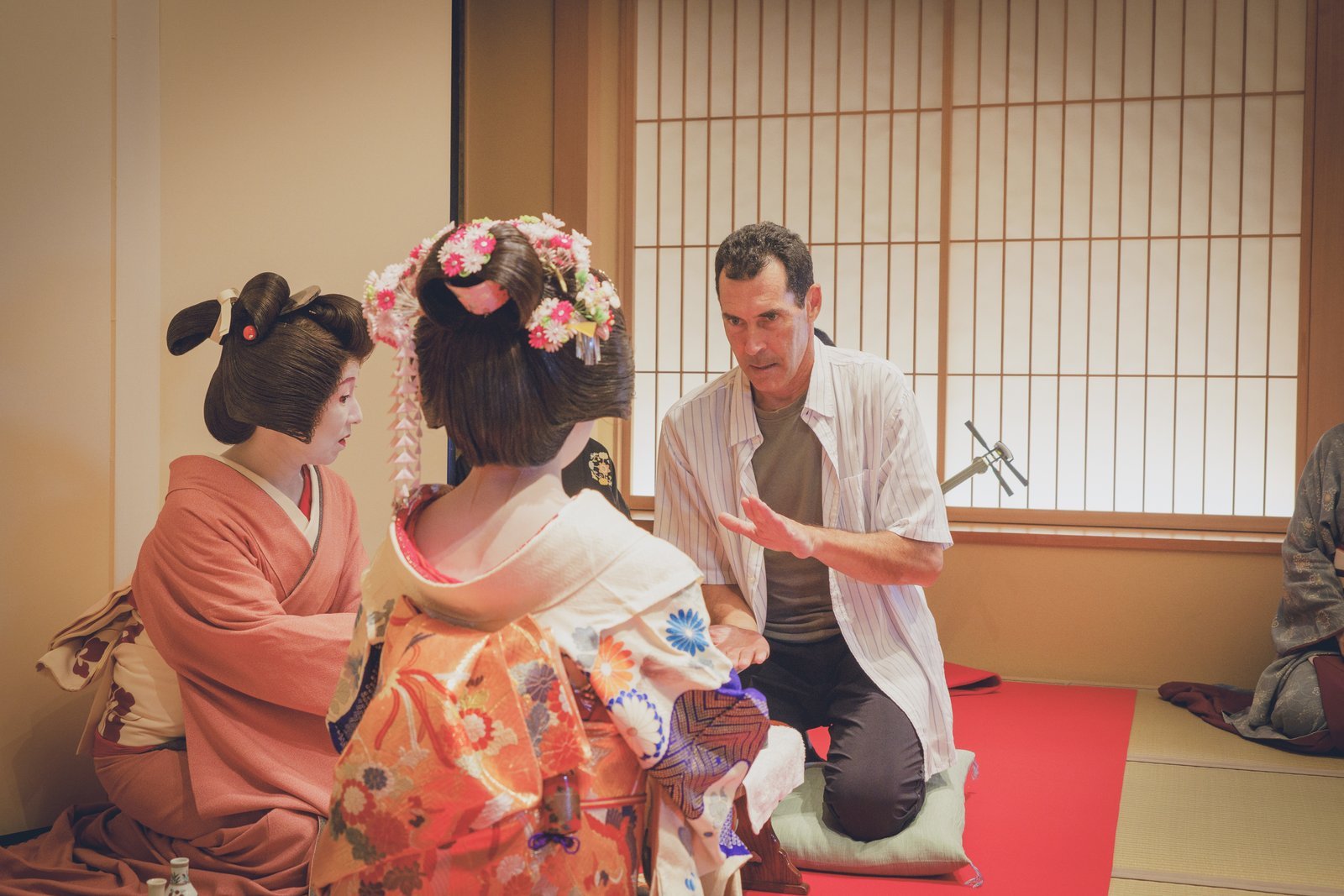
The dance, in a private room. This is the middle of the evening described above: the geisha performs with a fan while a jikata plays shamisen behind her, guests seated at the low table in front.
Are geisha the same thing as anything, well, less respectable?
Let me be direct, because this misunderstanding refuses to die. Geisha are artists and hostesses, not sex workers. Their profession is entertainment through skill, hospitality, and cultural performance, full stop. The confusion largely comes from historical mistranslation and from Western fiction, not from reality: what a geisha is actually hired for is conversation over drinks, a live dance or shamisen piece, and parlor games such as konpira fune fune and tosenkyo.
It is worth knowing that a lot of what tourists encounter today is what some in the trade call imitation geisha, essentially costumed entertainment that copies the look without the substance. The genuine article carries the weight of a craft over four hundred years deep. Understanding that difference is the single most useful thing a visitor can learn before booking anything.
What does an authentic geisha experience feel like?
Beyond the games and the dances, there is something harder to put into words. A real geisha evening is a form of living culture. You are not watching a museum exhibit; you are sitting across from someone whose everyday life is the tradition itself — training that can begin in the teenage years and continues for a long time, covering the shamisen, classical dance, tea, and conversation.
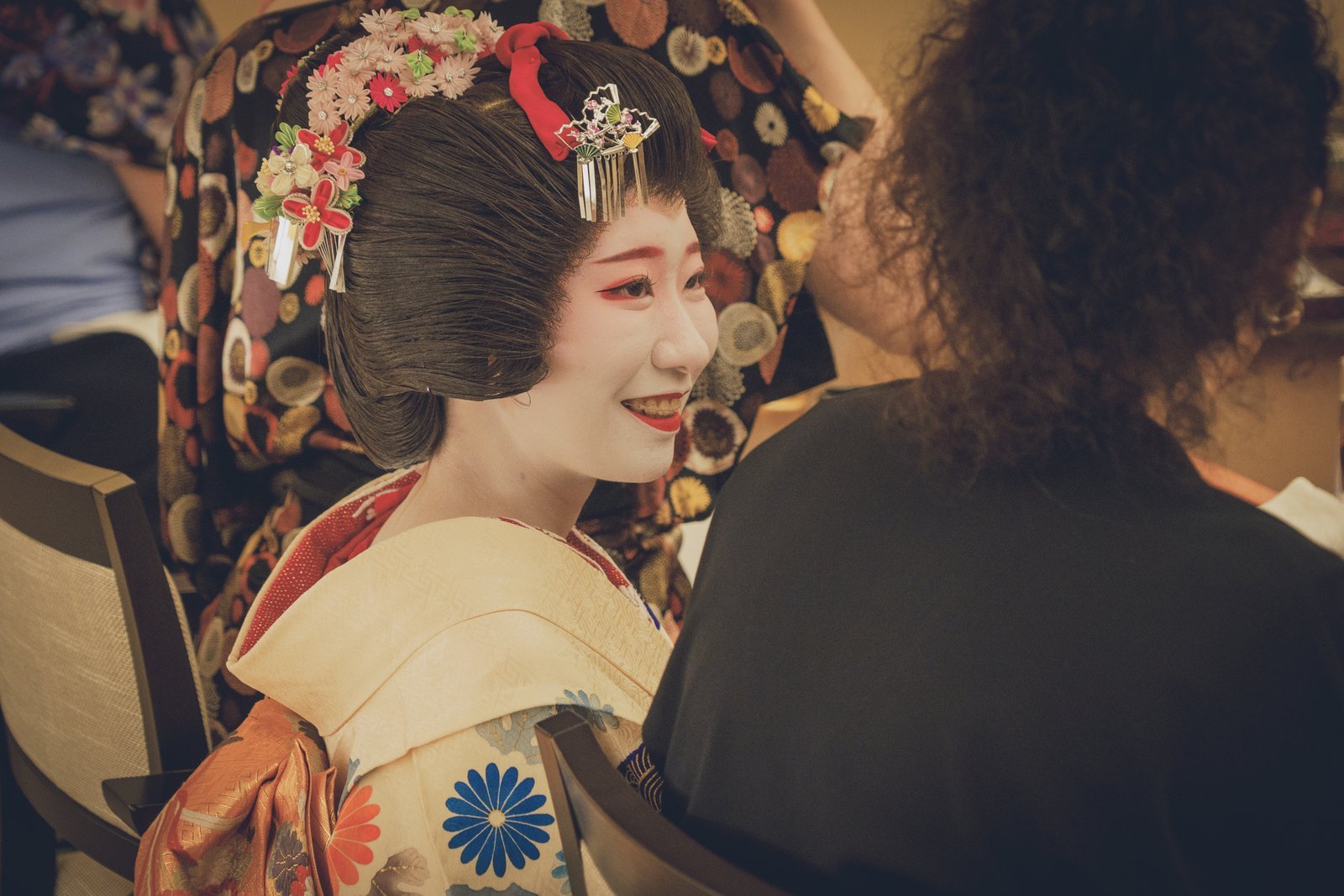
Part of the pleasure is unpredictable. Because every guest connects differently, every conversation and every impression is genuinely one of a kind. You laugh, you play, you are entertained, and somewhere in the middle of all that you find yourself absorbing something deeper, a sense of the performer’s discipline and the culture behind her. The character for geisha is, after all, the character for art itself, and the value lies in experiencing that art live, in person.
That combination, entertainment on the surface and quiet cultural depth underneath, is exactly what a first-time visitor tends to remember most.
See what geisha actually do, in the same room
A private ozashiki (a private gathering with geisha) at Miyakodori in Asakusa: conversation over drinks, a live dance or shamisen performance, and traditional parlor games with real, working Asakusa geisha. First-time and overseas guests are openly welcome.
Request a ReservationWhere can you experience this in Tokyo?
Most people associate geisha with Kyoto, but Tokyo has its own proud geisha districts. The hanamachi, or flower town, tradition traces back centuries; it is often said to have begun when seven teahouses were licensed near Kitano Tenmangu shrine in Kyoto, the origin of the Kamishichiken district still there today. The custom later flourished in Edo, and modern Tokyo keeps six geisha districts alive today, among them Asakusa.
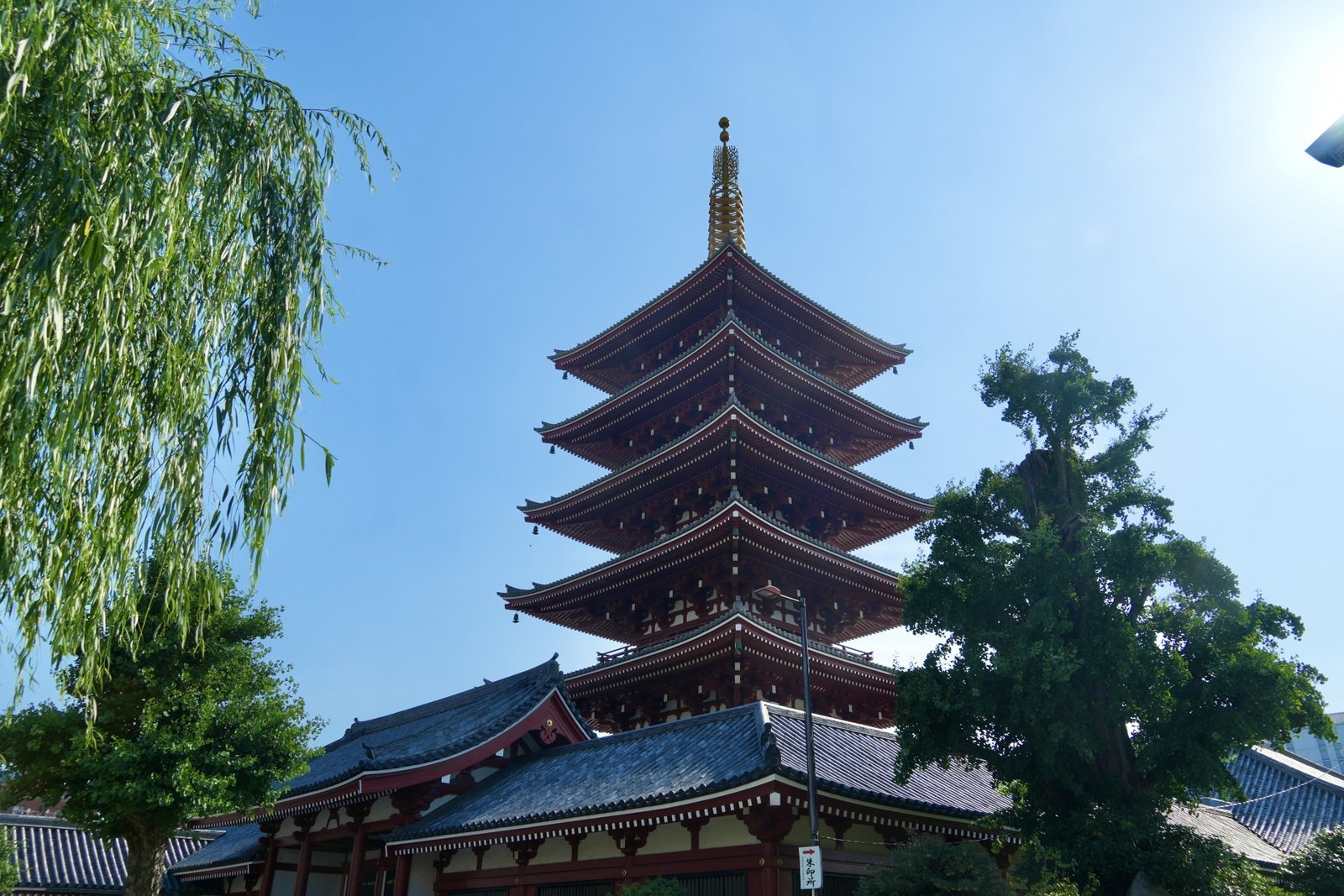
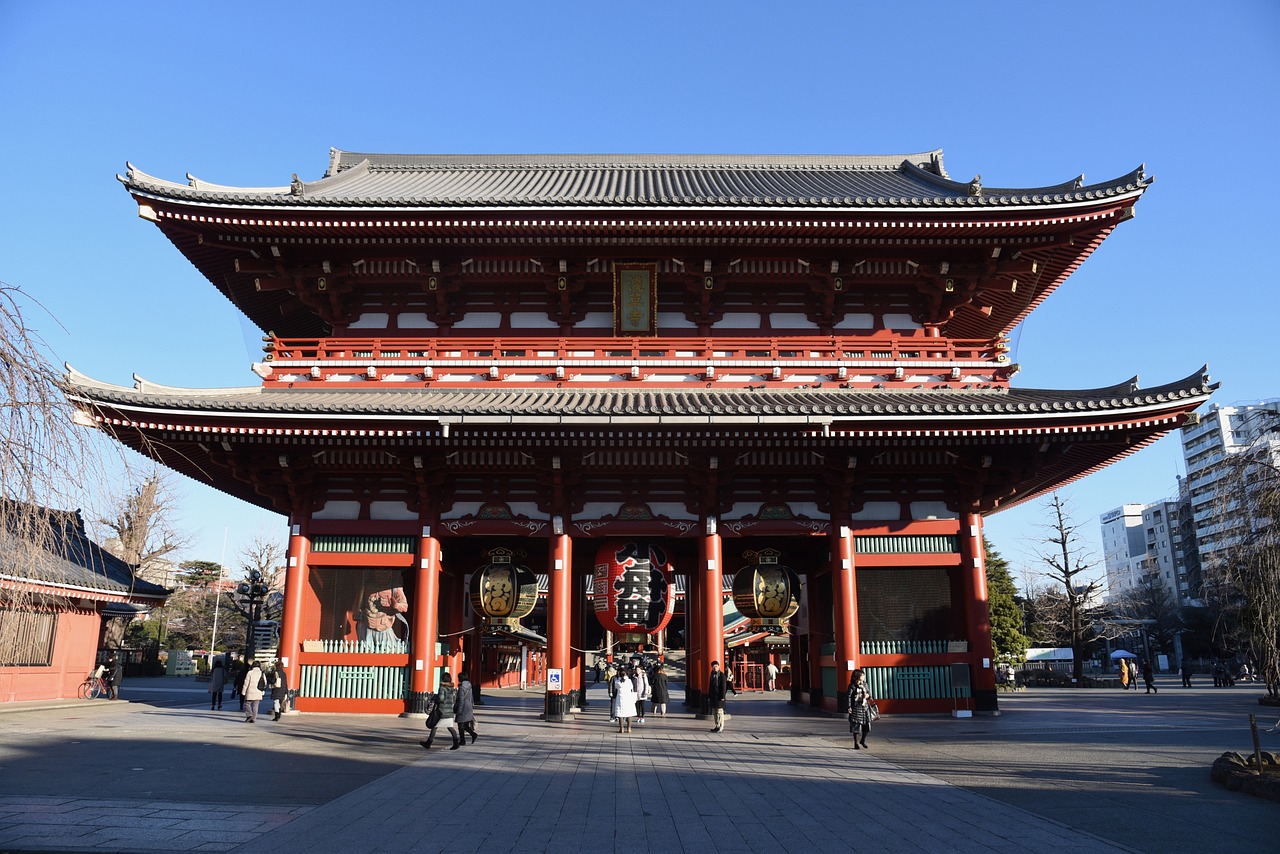
Asakusa is where our house chose to open its doors. Centered on Senso-ji, Tokyo’s oldest temple, it is the city’s most visitor-friendly quarter, and its geisha culture has been protected by the whole neighborhood rather than kept behind closed doors. Counting ours, two houses in Asakusa still welcome guests for an evening with geisha today. Among them, Miyakodori, founded in 1950, holds a distinctive place as the only surviving machiai-chaya style establishment, the kind centered specifically on enjoying time with geisha.
If you have ever felt that the geisha world was sealed off with a polite one-guests-only sign, Asakusa is your answer. Miyakodori openly welcomes first-timers, and its staff and geisha are practiced at easing the nerves of anyone stepping into an ozashiki for the very first time.
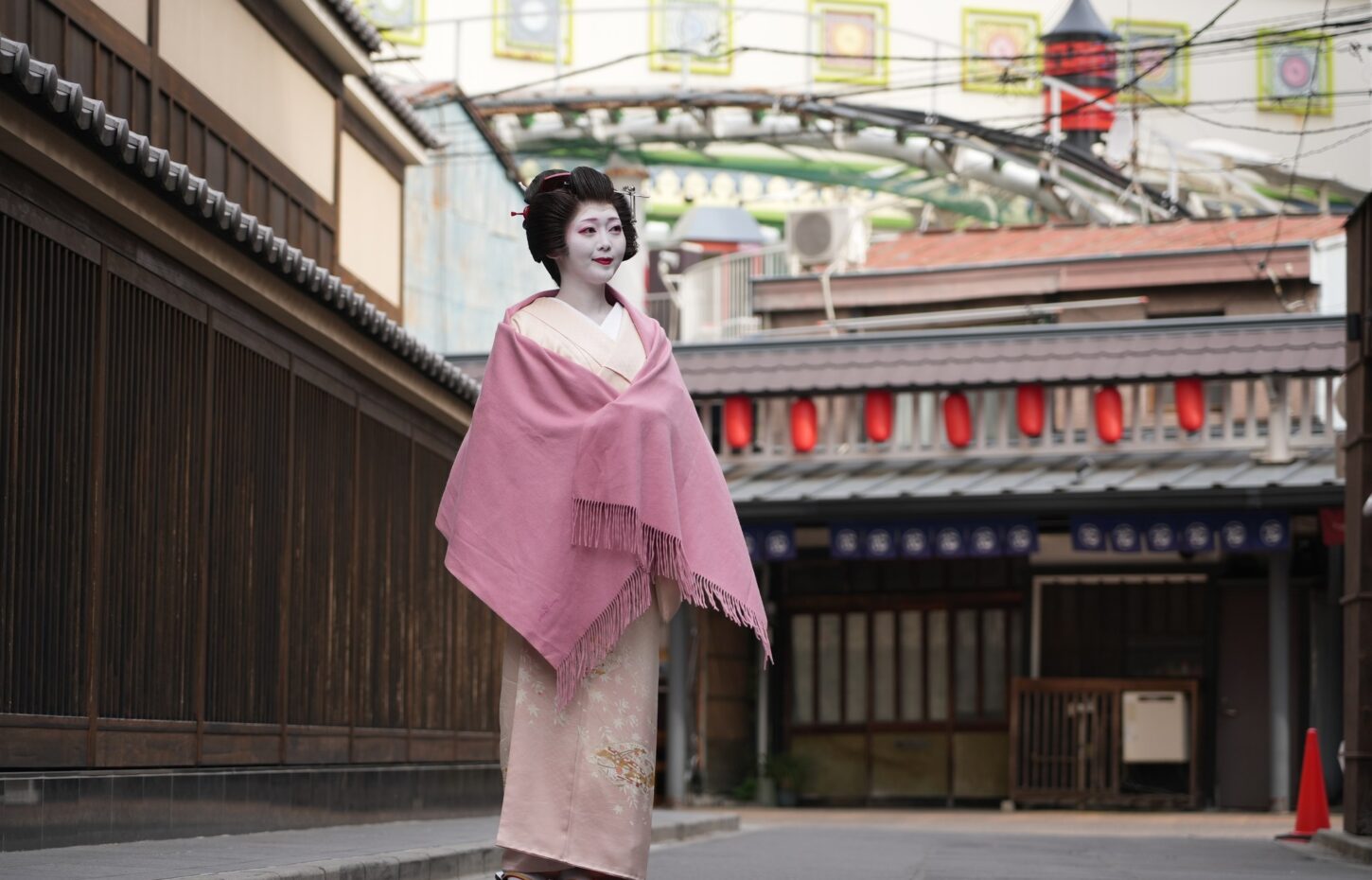
An Asakusa geisha on her way to work, filmed on the street. These are the same few blocks behind Senso-ji described above: she is walking to a teahouse, in kimono, in the early evening.
Come and meet the real thing in Asakusa
So, what do geisha do? They dance, they play music, they host, they invent laughter out of centuries-old games such as konpira fune fune, tora tora, and tosenkyo, and they carry a living art form into the present day. The only way to truly understand it is to be there.
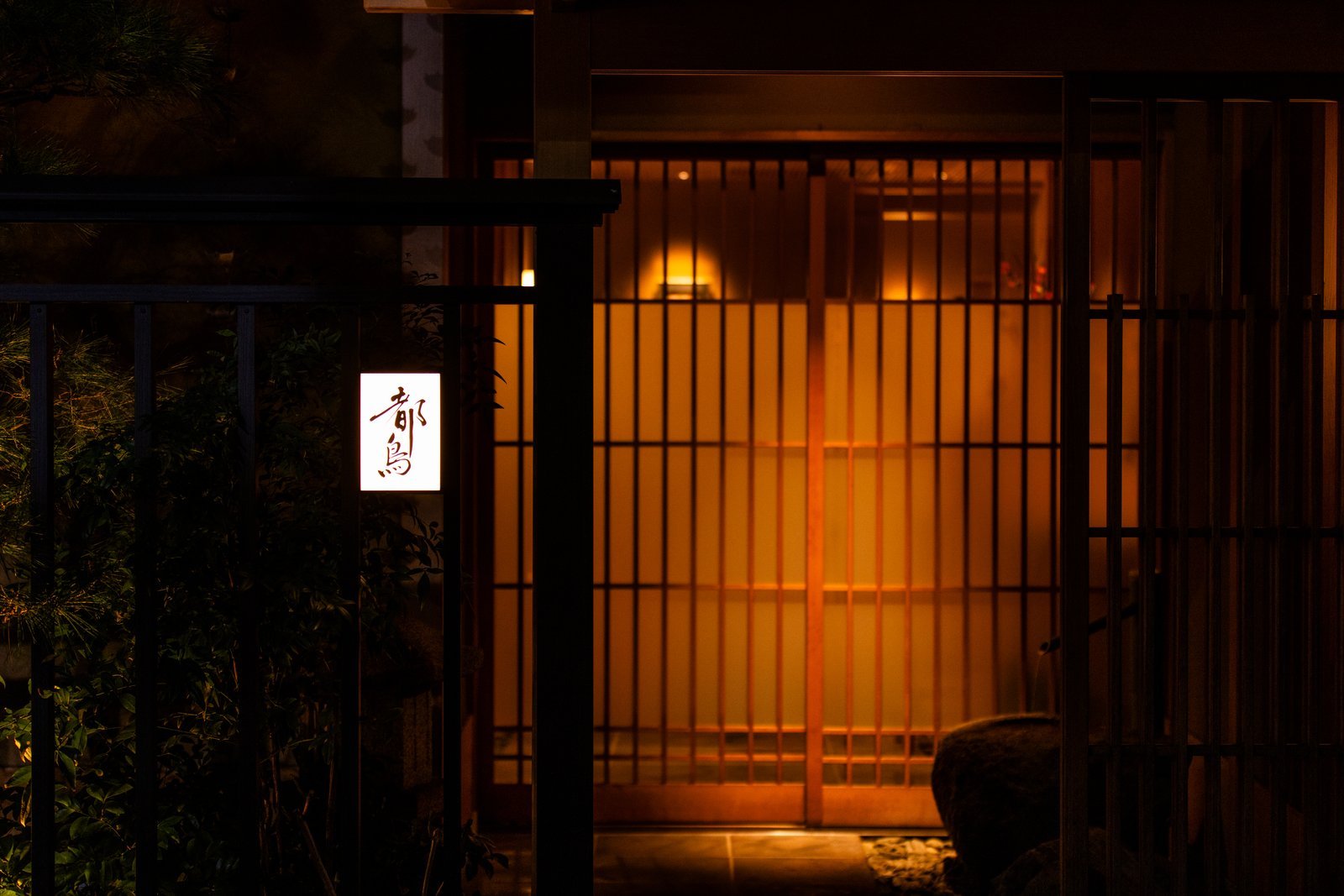
Miyakodori, tucked behind the Asakusa Kannon temple, is the neighborhood’s only machiai-chaya, run by an okami who has been a geisha in Asakusa for 27 years, from 1969. It stands about a three-minute walk north of Senso-ji, once you are through the temple grounds, and roughly 13 to 15 minutes on foot from Asakusa Station — or four minutes by taxi. The name comes from a poem in the Tales of Ise, carrying the wish to remain a place where guests and hosts genuinely think of one another. Whether it is an anniversary, a special celebration, a business dinner, or simply curiosity about a real piece of Japanese culture, this is a chance to sit an arm’s length from an art that photographs and videos can never capture. Book an evening, play a round of konpira fune fune, and let Asakusa show you the genuine article.
If you want to go deeper into the profession and the district it belongs to:
Frequently Asked Questions
Do geisha still exist today?
Yes — geisha still work professionally in Japan today, including in Tokyo’s six geisha districts, Asakusa among them, as well as in Kyoto and other cities.
What is the difference between a geisha and a maiko?
A maiko (hangyoku in Tokyo) is a young geisha still in training — already a geisha, not an apprentice outside the profession — while a fully established performer is called a geisha, or geiko in Kyoto.
Can foreign visitors book a geisha experience?
Yes — foreign visitors can book a geisha evening in Tokyo without an introduction. Some establishments, including Miyakodori in Asakusa, openly welcome first-time and overseas guests rather than operating on an introduction-only basis.
What actually happens during the evening?
A geisha evening runs in three parts: conversation over drinks, a live dance or shamisen performance, and traditional parlor games played much as they were two centuries ago. The geisha stays in the room with your party for the length of the plan rather than performing briefly and leaving.
Is a geisha experience only for special occasions?
No — a geisha evening is not reserved for special occasions. Anniversaries, celebrations, business entertaining, family gatherings, and simple cultural curiosity are all perfectly good reasons to go.
Are geisha the same as sex workers?
No. Geisha are artists and hostesses, and their profession is entertainment through skill, hospitality, and cultural performance. The confusion comes from historical mistranslation and Western fiction, not from the work itself, which is conversation, dance, shamisen music, and parlor games.
What is ozashiki asobi?
Ozashiki asobi are the traditional parlor games played with geisha during an evening — konpira fune fune, tora tora, and tosenkyo among them — and they have been played in more or less the same way for over two hundred years. They are simple, funny, and competitive, and they are the moment the distance between guest and geisha melts away.
Where can you see geisha in Tokyo?
Tokyo keeps six geisha districts alive, and Asakusa is the most visitor-friendly of them. Counting ours, two houses in Asakusa still welcome guests for an evening with geisha; Miyakodori, founded in 1950, is the district’s only machiai-chaya, about a three-minute walk north of Senso-ji and roughly 13 to 15 minutes on foot from Asakusa Station.
Summary
Geisha are professional artists and hostesses who entertain guests through dance, live shamisen music, refined conversation, and traditional games, all rooted in a tradition more than four hundred years old. They are not what fiction often implies. To see it firsthand, Asakusa in Tokyo — one of the city’s six active geisha districts — offers a rare, welcoming door into this living culture, and Miyakodori, founded in 1950 and the district’s only machiai-chaya, is one of the most authentic places to open it.
Sources
- Asakusa Kenban (Asakusa geisha association): https://asakusakenban.com/
- Asakusa Tourism Federation, on Miyakodori and Asakusa’s hanamachi: https://asakusa.gr.jp/jp/?p=385
- Tokyo Metropolitan Government feature on Miyakodori: https://www.my.metro.tokyo.lg.jp/w/000-20240711-43128106
- Additional reference on ozashiki teahouses: https://prtimes.jp/main/html/rd/p/000000001.000165250.html
Book an evening with real Asakusa geisha
Miyakodori is Asakusa’s only machiai-chaya, founded in 1950 and run by an okami who has been a geisha in Asakusa for 27 years, from 1969. A private ozashiki (a private gathering with geisha) means dance, shamisen, conversation, and konpira fune fune with your party alone. First-timers and overseas guests are genuinely welcome.
Request a Reservation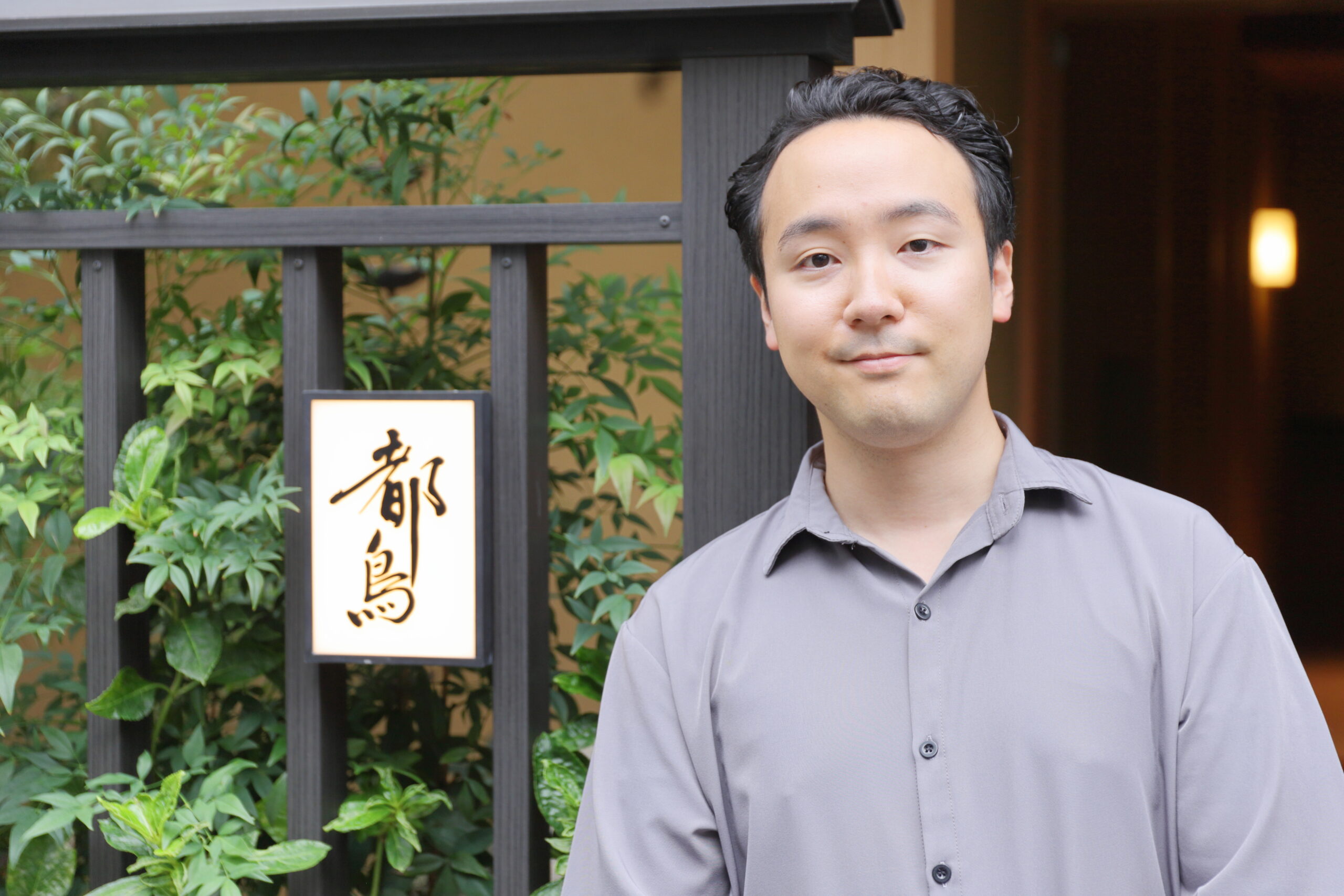


- What Is Ozashiki Asobi? A Guide to Geisha Games, Etiquette, and the Real Experience in Asakusa, Tokyo
- Geisha Show in Tokyo: Where to See an Authentic Geisha Performance in Asakusa
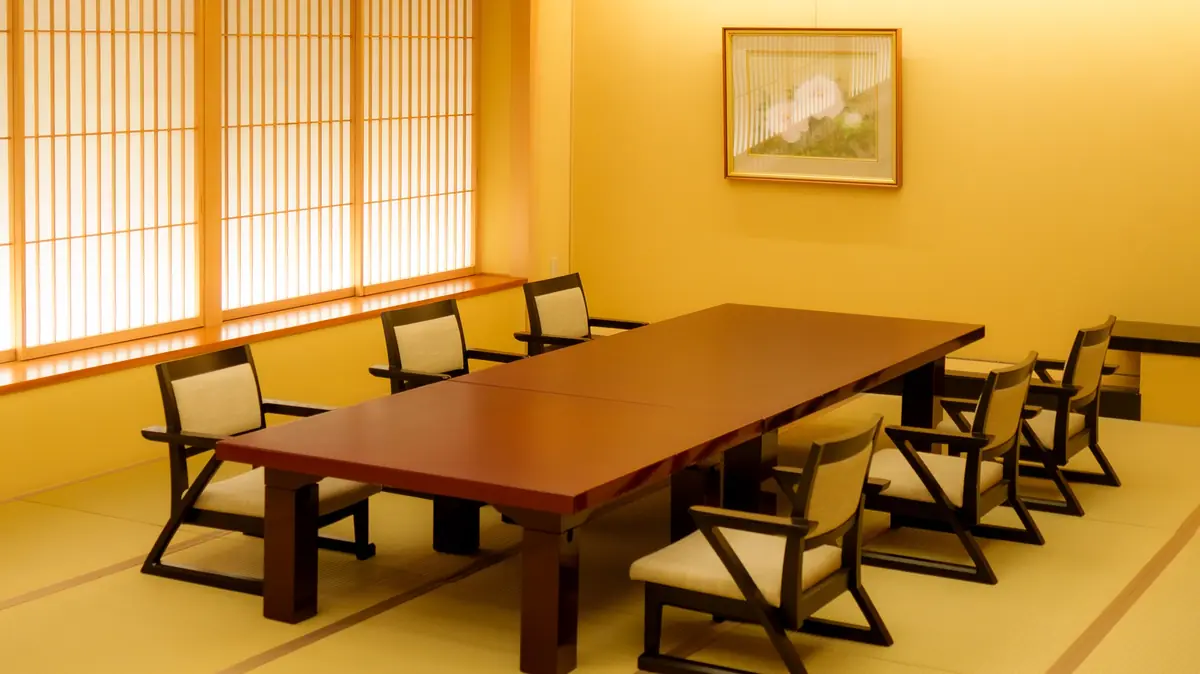
Geisha Etiquette in a Tatami Room: What to Know Before You Go
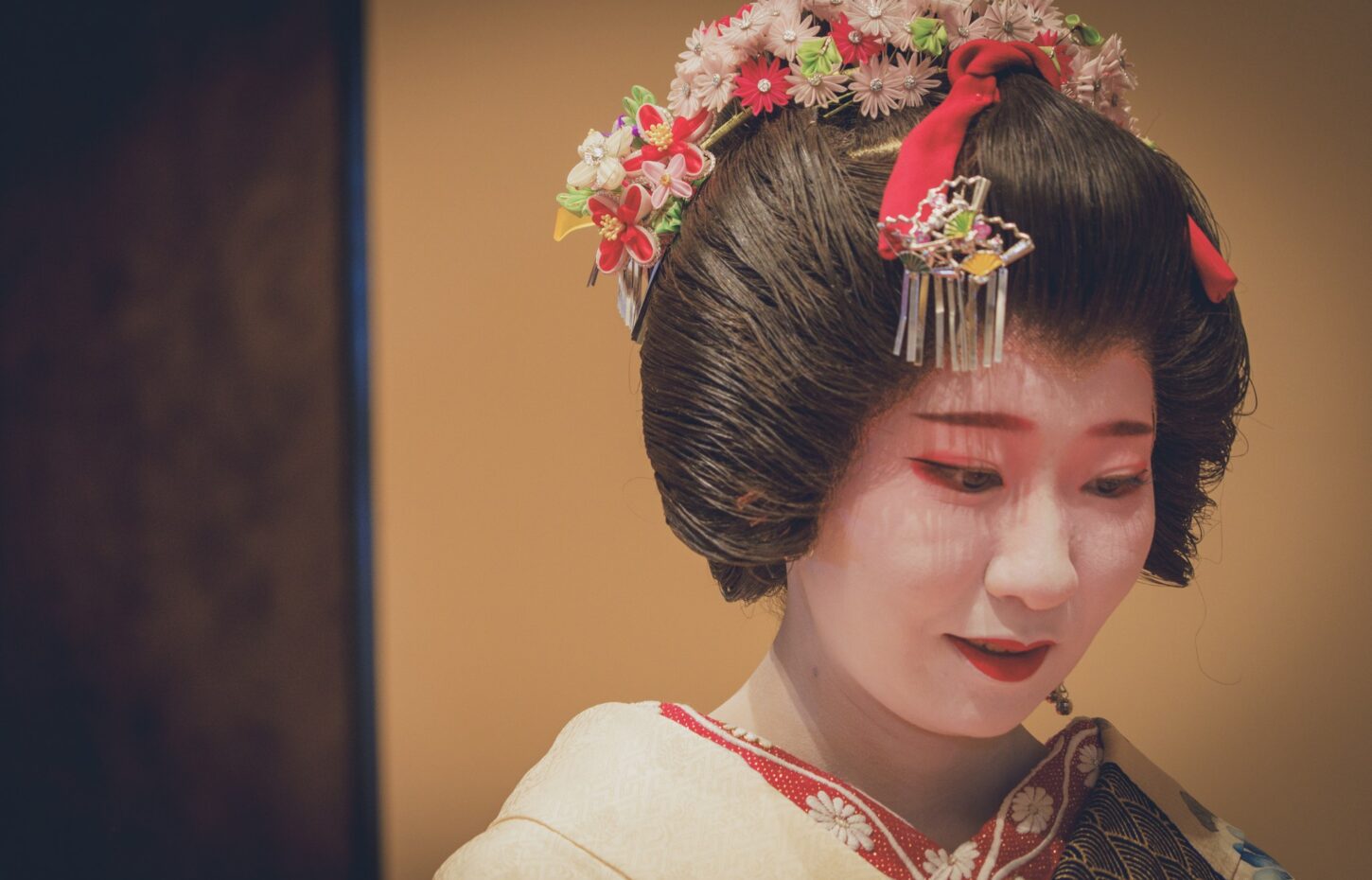
Karyukai: The Flower and Willow World of Geisha — Japan’s Geisha Culture Explained
Japanese Culture Events: A 2026 Guide to Festivals and Traditions for International Travelers
Where to See Geisha in Tokyo, Japan: A Guide to the Best Hanamachi & Experiences
Yoshiwara: History, Location & Legacy of Japan’s Famous District

No comments yet.