



What Is a Geisha? A Direct Answer from Asakusa
A geisha is a highly skilled professional entertainer, trained in traditional Japanese arts — dance, music, and conversation — registered with a kenban (geisha union) in Japan’s historic hanamachi districts.
The word comes from two kanji: gei (芸), meaning “art,” and sha (者), meaning “person.” A geisha is, literally, a person of the arts. Not a performer in general — a registered, trained professional whose entire professional identity is built on an art she has spent years earning.
At Miyakodori in Asakusa, we work exclusively with kenban-registered geisha. That registration is not a formality — it is what separates a trained performing artist from anyone else who might claim the title. If you want to go deeper into the history and culture behind this world, see our ultimate guide to geisha in Japan. This page answers one question directly: what a geisha actually is.
What Does “Geisha” Mean? The Literal Definition
Gei (芸) + sha (者) = “person of the arts.” The word itself is the job description.
Okami Chikage, the second-generation proprietress of Miyakodori, describes the geisha’s role directly: 「やっぱり芸をお見せして、会話を楽しむ人だと思ってます」 — “At the core, a geisha is someone who performs art and enjoys conversation with guests.”
What sets a geisha apart is not costume or setting, but an unbroken commitment to that art. A guiding maxim passed down at Miyakodori puts it plainly: “A geisha without her art is just an ordinary person.” A geisha trains every week, for her entire career — in dance, shamisen, song, or narimono (percussion). There is no point at which a geisha declares herself complete. The training is the work.
What she performs is kata — an inherited form refined by gifted predecessors across centuries. Through weekly lessons she receives that accumulated craft into her own body. When you watch a geisha dance, you are not watching one person’s talent. You are watching hundreds of years of refinement.
Geisha, maiko, and what Tokyo actually has — answered in under a minute, subtitled on screen.
Geisha vs. Geiko — Two Names, One Tradition
Kyoto reads 芸妓 as geiko. In Asakusa the same characters are read geigi, and people there say geigi and geisha about equally. Both are trained, kenban-registered performing artists. The difference is regional vocabulary, not substance.
Similarly, the Kyoto term maiko (a junior geisha) has a Tokyo counterpart called hangyoku (半玉). For the full breakdown of these terms and stages, see our guide to the difference between geisha and maiko.
What Do Geisha Actually Do? The Three Roles
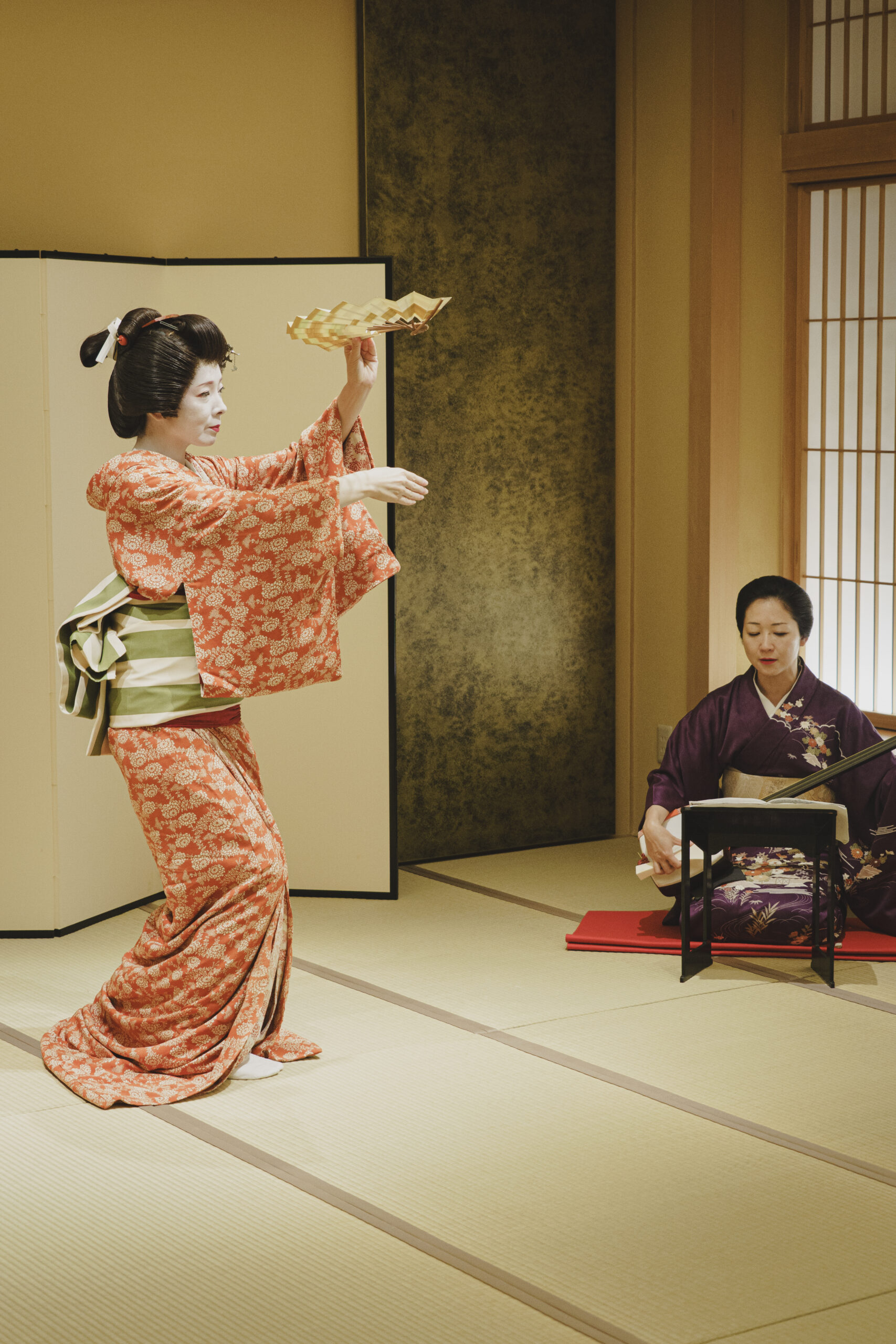
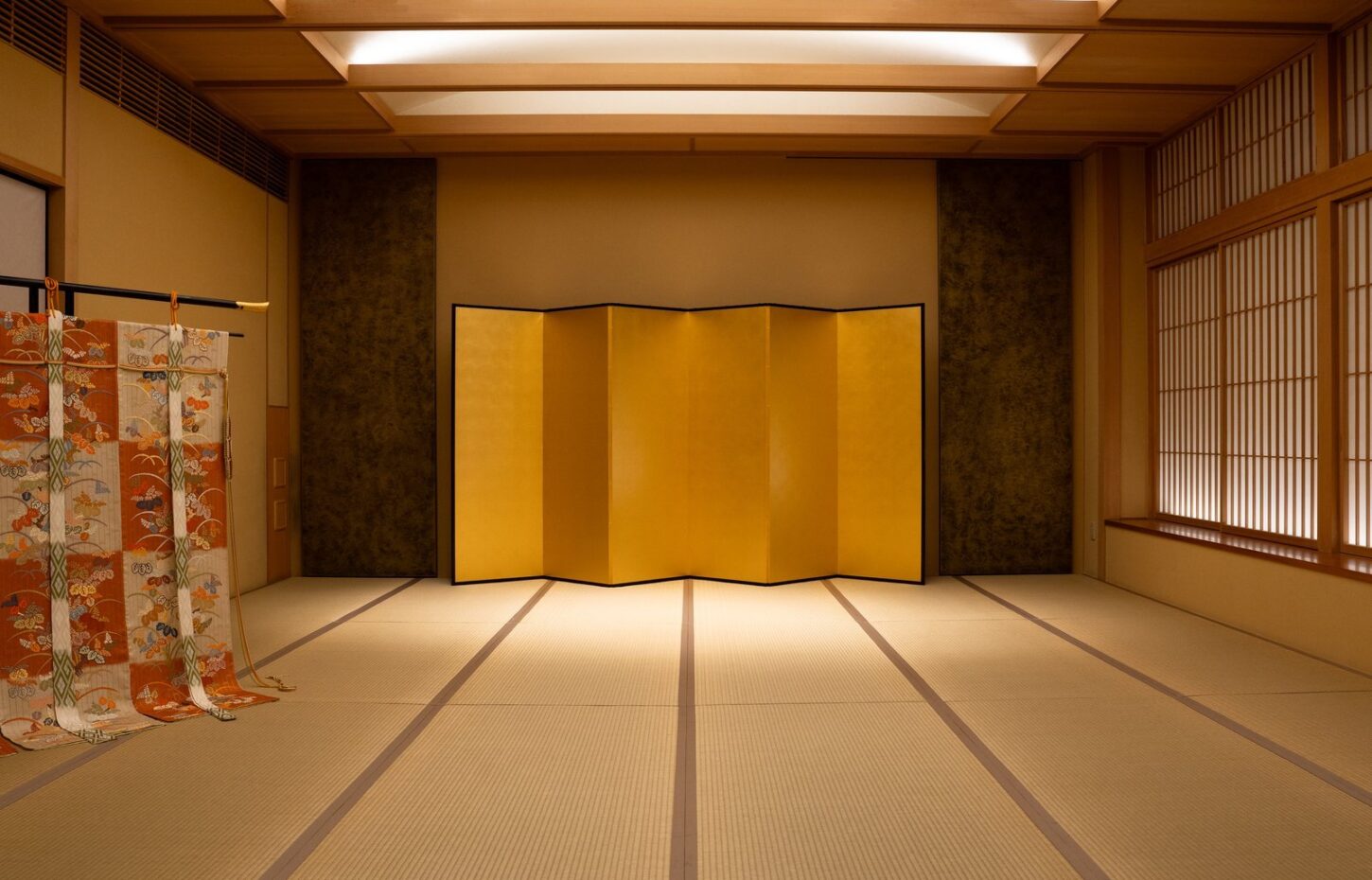
Inside an ozashiki (a traditional Japanese banquet room), the performers fall into three distinct roles. Two are kinds of geisha; the third, the taikomochi, is a male entertainer who shares the same banquet tradition without being called a geisha.
Tachikatta — The Dancers
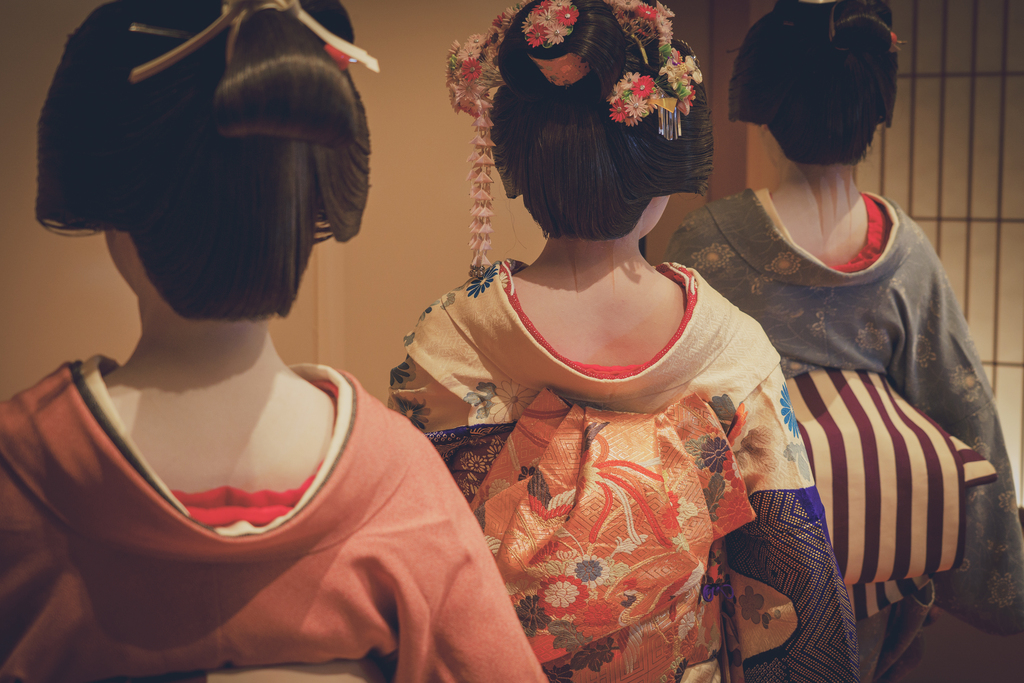
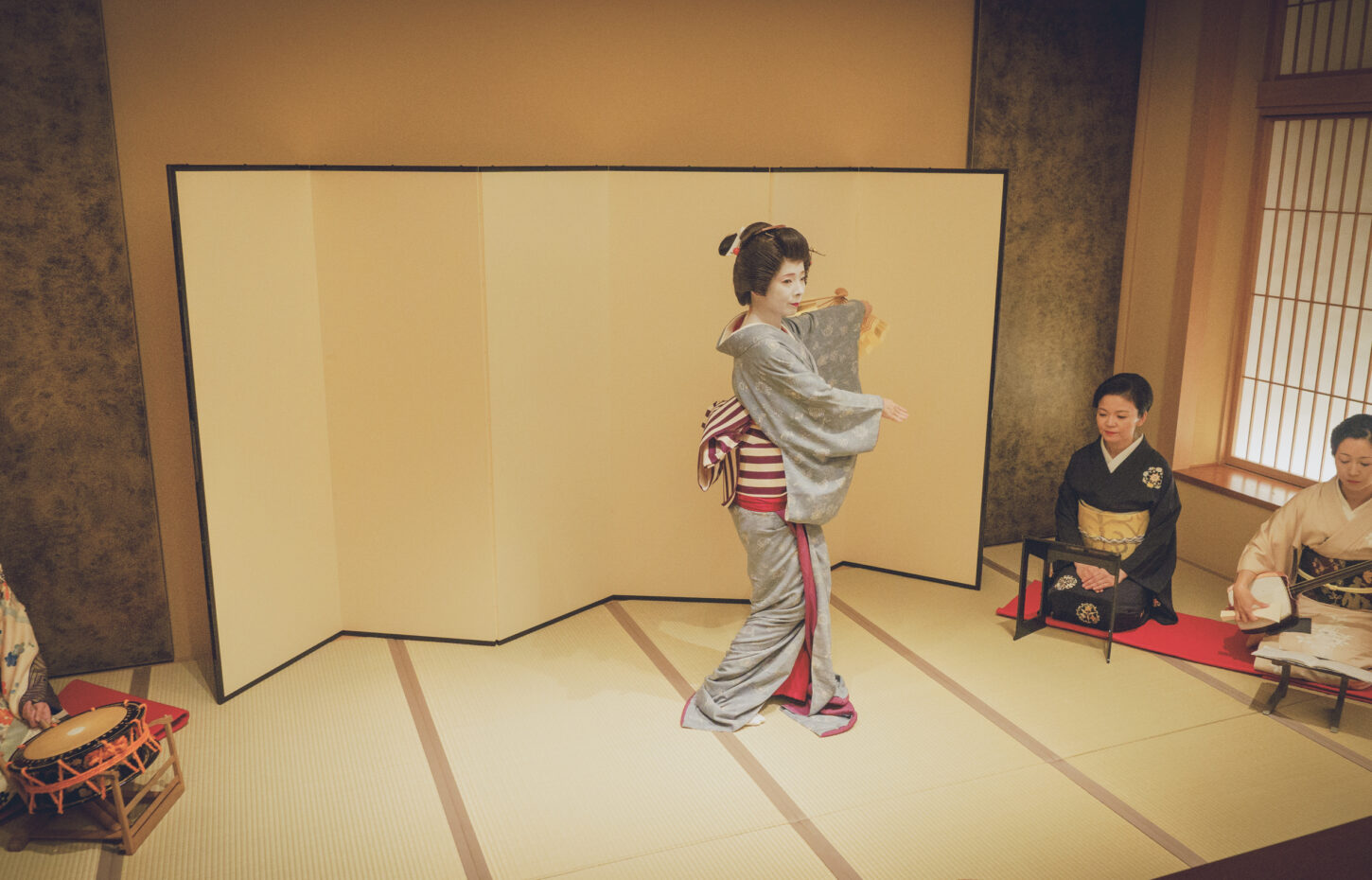
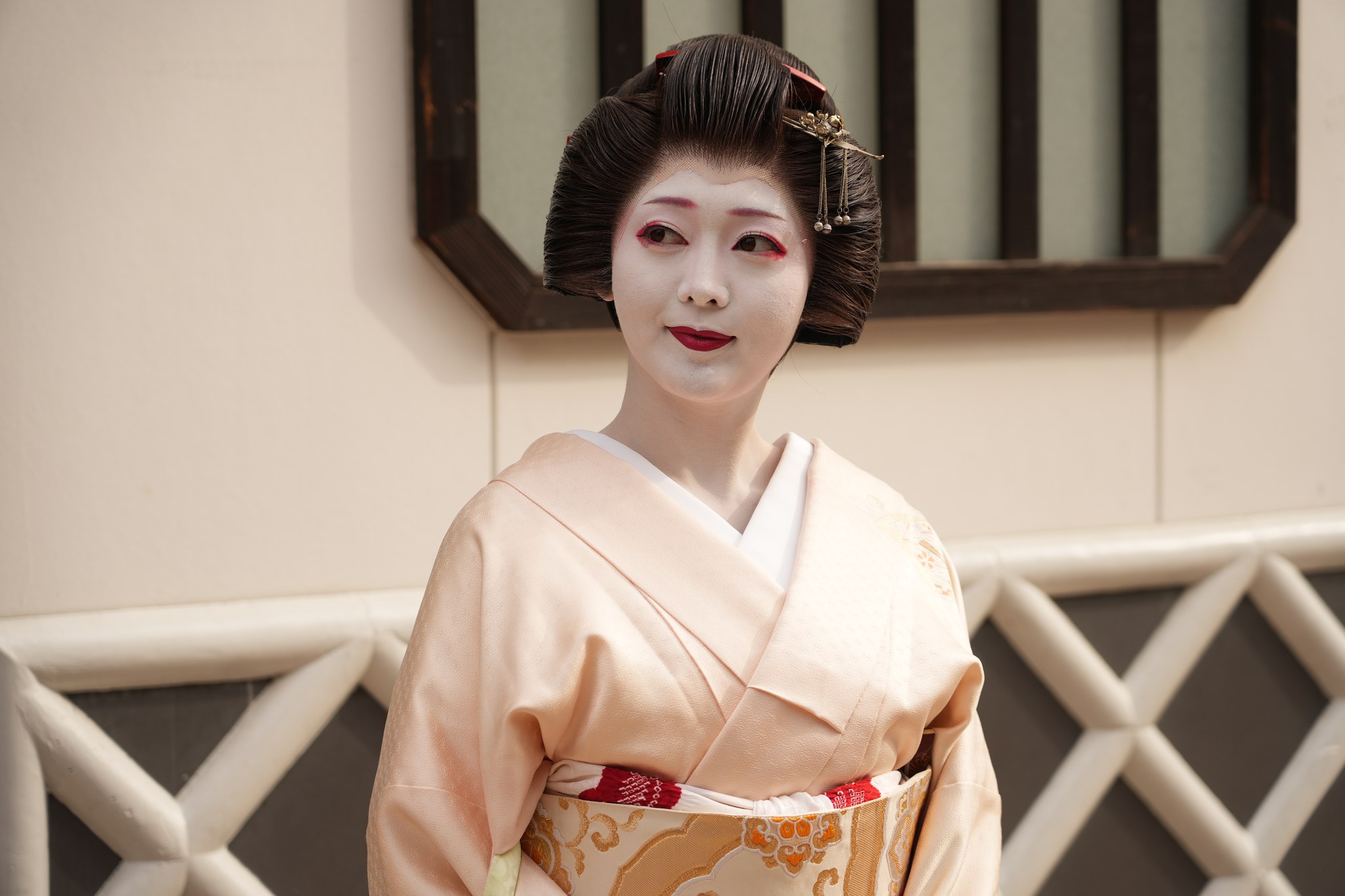
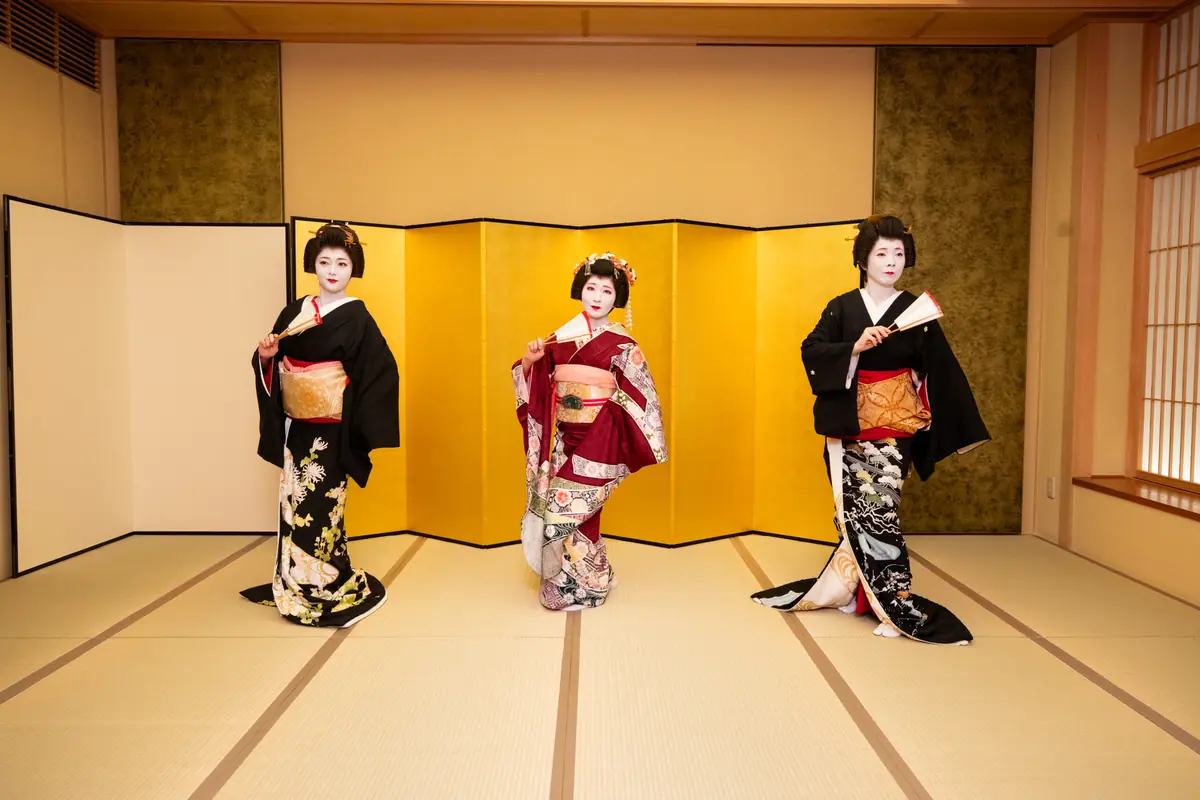
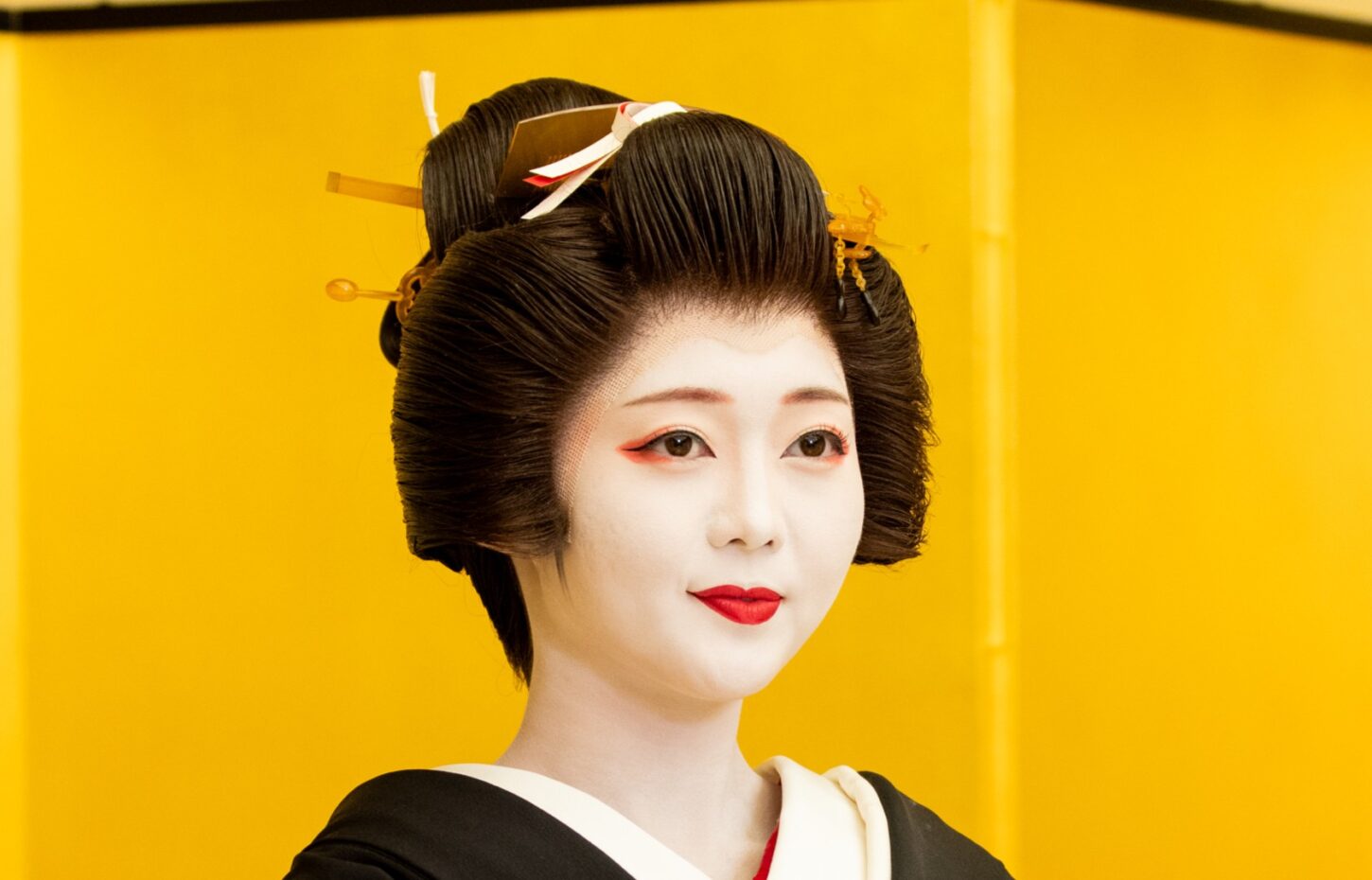
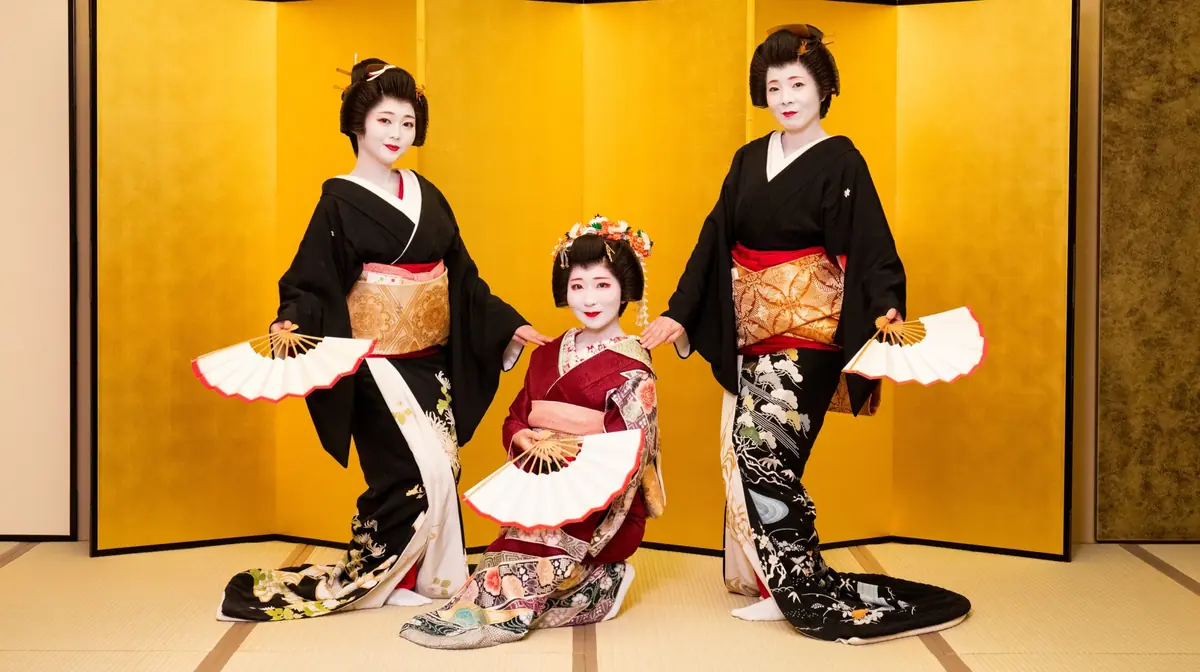
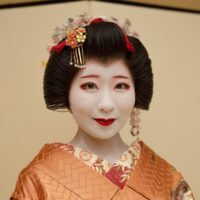
Tachikatta (立方) are the dancer geisha. They wear white face makeup and traditional nihongami hairstyles, and perform choreographed dances rooted in classical Japanese traditions — nihon buyo, nagauta, and others refined over centuries. Their appearance is what most people picture when they imagine a geisha.
Jikata — The Musicians
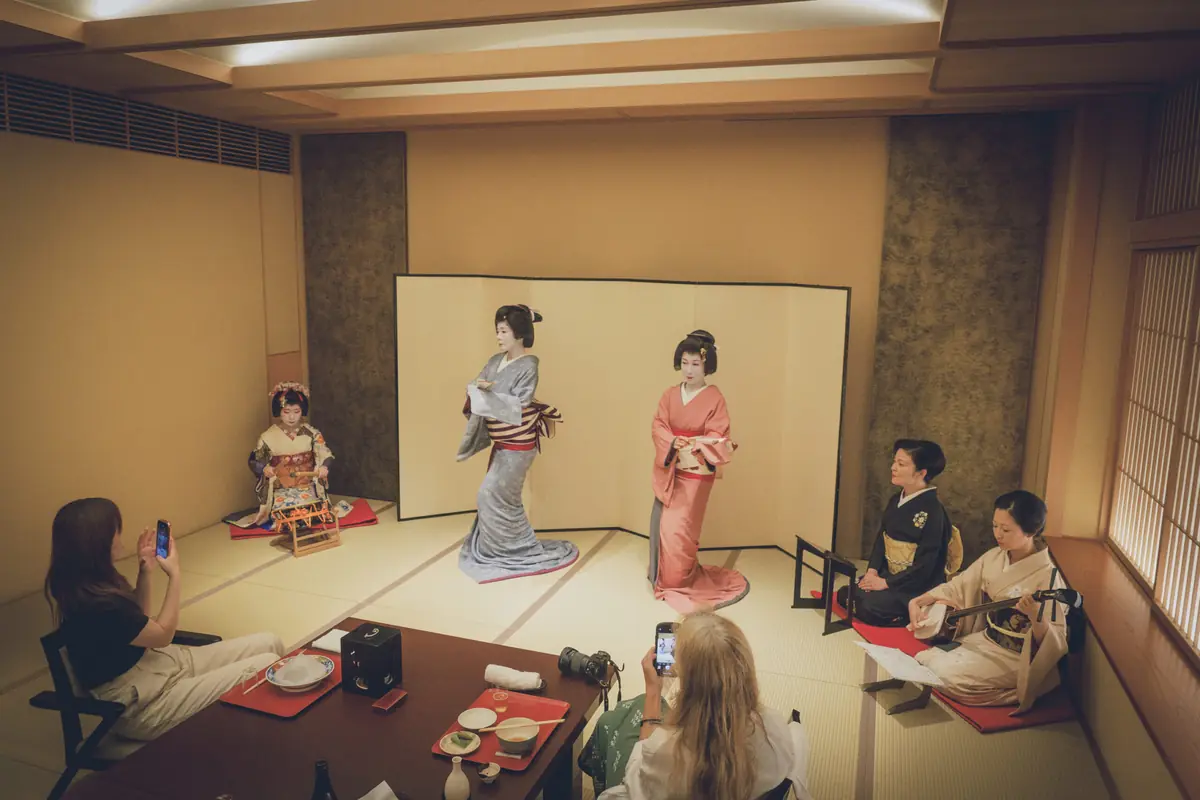
Jikata (地方) are the musician geisha. Unlike tachikatta, jikata do not wear white face makeup and style their hair more naturally. Their role is to provide live musical accompaniment — shamisen and song — for the dancers and for the atmosphere of the entire ozashiki. Drums and other percussion (narimono) are not tied to one role: the dancers play them, and at times the jikata do too. A jikata’s art is subtler but no less demanding.
Taikomochi — The Male Entertainers
Taikomochi (幇間), also called houkan, are the male entertainers of the geisha world. While not called “geisha” by name, taikomochi are historically integral to ozashiki culture — specialists in humor, wordplay, and the art of putting guests at ease. In all of Japan, taikomochi who maintain formal practice exist only in Asakusa. See our full guide to taikomochi for more.
What Happens at an Ozashiki?
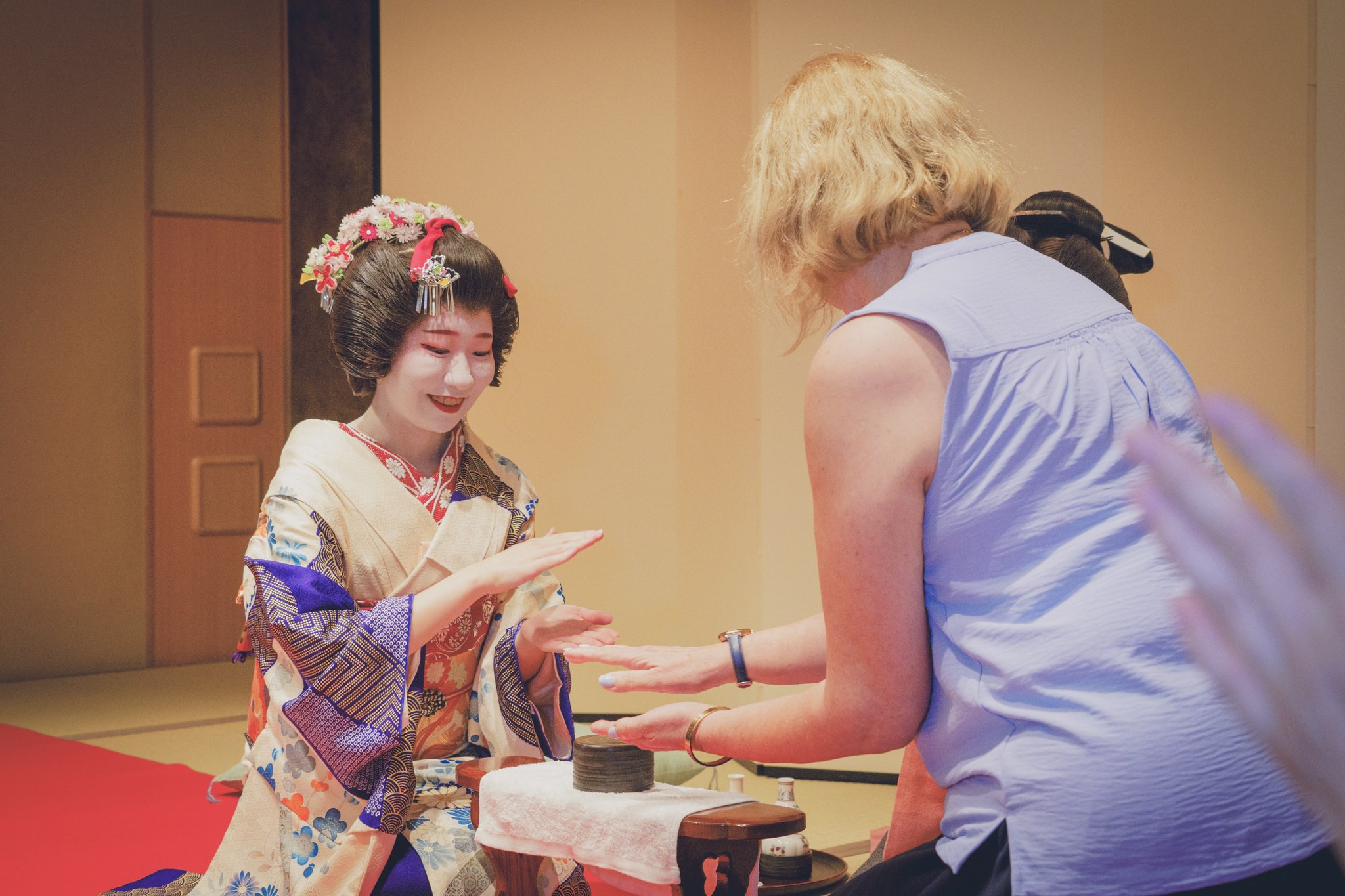
An ozashiki begins with the arrival of geisha, food, and drink. The room fills with conversation and music. Formal dances are performed. Traditional party games — such as Konpira Fune Fune — bring guests into the entertainment directly, not as observers but as participants. The form of an ozashiki has remained essentially unchanged for around 200 years.
The Geisha Career Path — From Apprentice to Professional
Minarai and Shikomi — The Apprentice Stage
A woman who enters the geisha world begins as a shikomi, learning through observation and household work, then as a minarai, attending ozashiki to watch without performing. This stage is important: minarai are not geisha. The geisha career begins at the next stage.
Hangyoku — The Junior Geisha
After completing an apprenticeship, a debuting entertainer becomes a hangyoku (半玉) — a junior geisha. In Kyoto, the equivalent is called maiko.
A common misconception is that a hangyoku is “not yet a geisha.” This is incorrect. A hangyoku is a geisha. She has made her formal debut, is registered with the kenban, and performs at ozashiki. A hangyoku typically trains for two to four years before transitioning to ippon. In Asakusa, the minimum age to become a geisha is 18.
Ippon — The Full Geisha
Ippon (一本) marks the transition to full geisha status. The distinction lies in repertoire and presence: a hangyoku’s dances tend toward the youthful and charming; an ippon geisha’s dances carry the elegance and depth of a fully developed artist. Both are geisha — the career path is a progression within the same profession.
The Role of the Kenban
The kenban (見番) is the local geisha union — the organization that registers geisha, manages ozashiki scheduling, and handles payment between establishments and performers. Registration with the kenban is what makes a geisha’s status official and verifiable. Any geisha performing at Miyakodori is kenban-registered. For more on the spaces where geisha work and live, see What Is a Geisha House?
Common Misconceptions About Geisha
Are Geisha Prostitutes?
No. Geisha are performing artists, not sex workers. This misconception has two main historical roots.
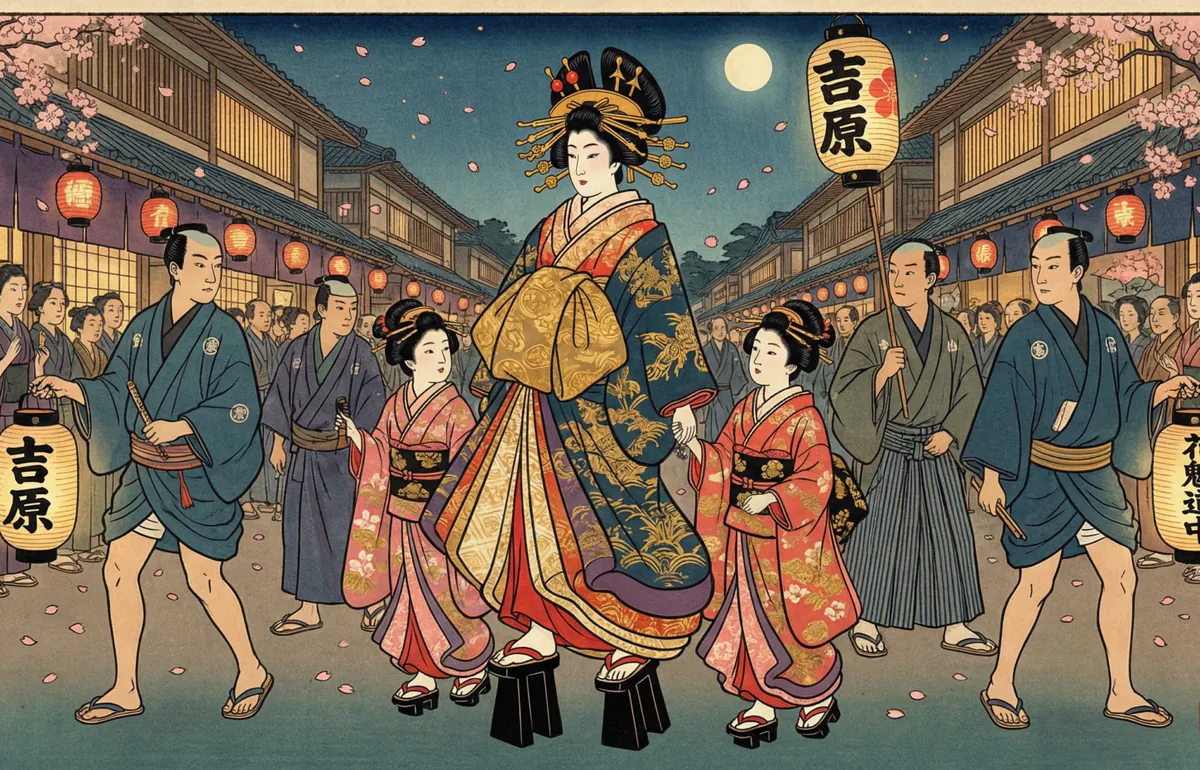
The first is confusion with oiran — high-ranking courtesans of the Edo period, based in Tokyo’s Yoshiwara pleasure quarter. Oiran and geisha coexisted in Edo-era Japan but were entirely separate professions. The oiran offered physical companionship; the geisha offered art. See our guide to oiran for the full distinction.
The two side by side: we compared them in detail — Oiran vs Geisha: What’s the Difference? — covering the obi, the geta, the kenban records, and which of the two still exists today.
The second source of confusion is the “geisha girl” phenomenon that emerged after World War II, when the term was misappropriated and applied to a wholly different service. The film Memoirs of a Geisha also contributed to persistent misrepresentation — see Memoirs of a Geisha: Fact vs. Fiction for an honest account.
A real geisha’s professional identity is built entirely on art: the training, the kenban registration, the weekly lessons — all oriented toward one purpose: performance.
Is “Geisha Girl” an Offensive Term?
In contemporary usage, “geisha girl” carries the weight of that post-war misrepresentation. It is best avoided. The correct and respectful terms are “geisha” (formal) or “geisha-san” (the honorific form used in conversation). In Kyoto, “geiko” is the appropriate term.
Where to Experience Geisha in Tokyo — Asakusa
Asakusa is one of Tokyo’s most active surviving hanamachi (geisha districts). A small number of establishments in the area maintain the infrastructure — kenban, ochaya, rehearsal spaces — required to host formal ozashiki.
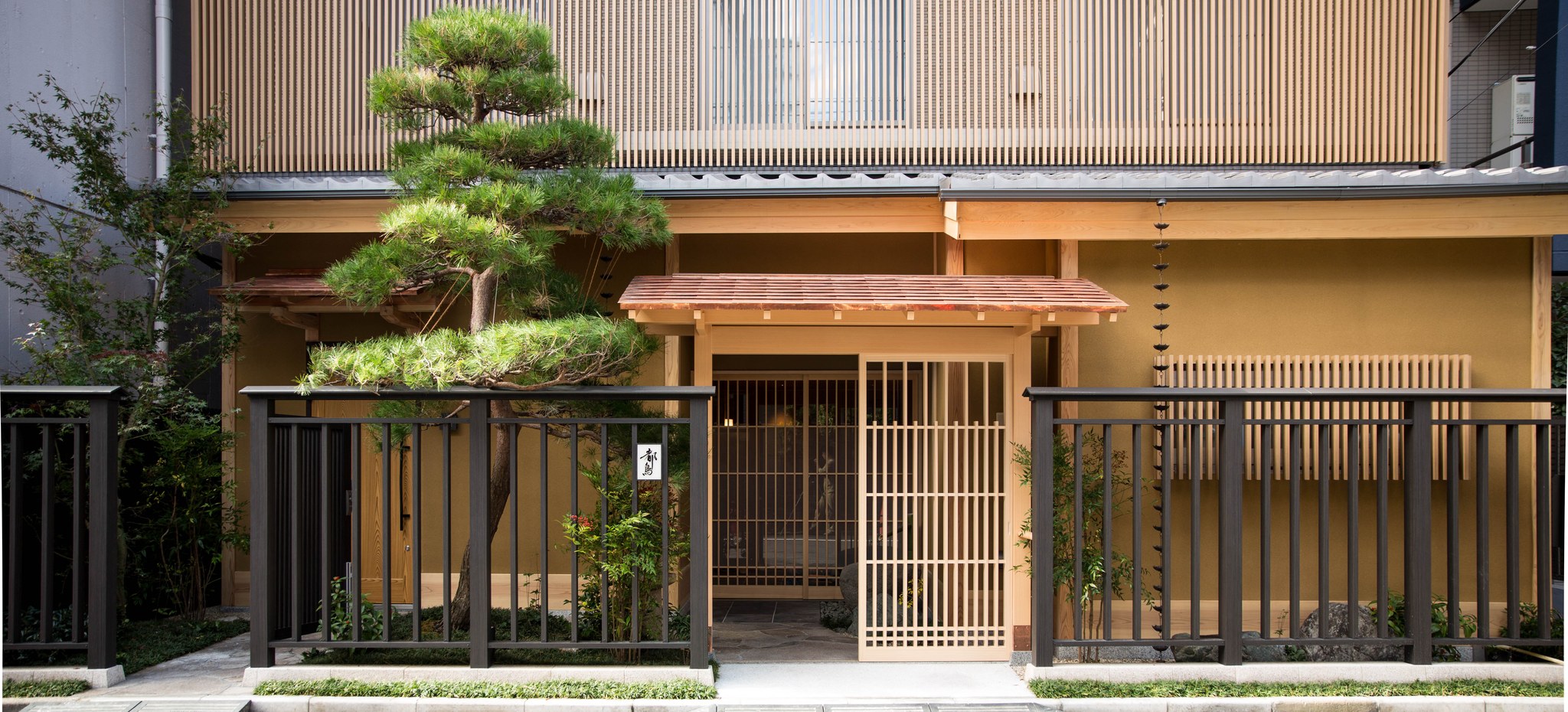
Miyakodori operates as a machiai-chaya: a traditional waiting teahouse that coordinates geisha attendance for private banquets. According to the okami, Miyakodori has operated in this role since 1950. When you reserve here, you are not attending a tourist performance — you are hosting a private ozashiki with kenban-registered geisha who have trained for years in the arts they will show you that evening.
The experience is available to international visitors. Guests of all ages, from all over the world, find the ozashiki format genuinely accessible — you do not need prior knowledge of Japanese culture to feel the art.
There are two ways to experience an ozashiki at Miyakodori:
- A first taste: our ozashiki tea house is a shorter, approachable introduction designed for first-timers — meet a geisha and experience the art without planning a whole evening.
- The full experience: a private ozashiki — your own private banquet with kenban-registered geisha, where the dance, the music, the games, and the conversation have room to unfold at their proper pace. This is the experience that answers the question of what a geisha truly is. See our pricing page for details.
Experience a Private Geisha Banquet in Asakusa
Ask us anything about an ozashiki — how an evening flows, what to expect, or what would suit your group. We’ll help you arrange it.
Reserve Your OzashikiRelated Guides
Frequently Asked Questions About Geisha
- What is a geisha?
- A geisha is a trained, kenban-registered performing artist specializing in traditional Japanese arts — dance, music, and the art of conversation. The word means “person of the arts” (gei = art + sha = person). A geisha is specifically a registered professional, not a general entertainer or a historical figure.
- Are geisha real in Japan today?
- Yes. Geisha continue to practice in Japan’s historic hanamachi districts. In Asakusa, Miyakodori works with active, kenban-registered geisha for private ozashiki banquets. Asakusa is one of the most active geisha communities in Tokyo.
- What’s the difference between geisha and maiko?
- Maiko is the Kyoto term for a junior geisha at the hangyoku stage. In Tokyo, junior geisha are called hangyoku. Both are geisha — the difference is regional terminology, not professional status. A hangyoku has made her formal debut and is registered with the kenban.
- Can foreigners experience geisha?
- Yes. At Miyakodori in Asakusa, international guests are welcome. The ozashiki format is accessible to first-time visitors — you do not need prior knowledge of Japanese culture. Miyakodori’s staff can guide guests through the experience. No introduction from an existing patron is required.
- What is the difference between a geisha and an oiran?
- Oiran were high-ranking courtesans of the Edo period — a completely separate profession from geisha. Geisha are performing artists trained in dance, music, and conversation. Oiran offered physical companionship; the confusion between the two professions has persisted since the post-war era. See our oiran guide for the full history.
- Where can I experience real geisha in Tokyo?
- Asakusa is home to one of Tokyo’s active geisha communities. A private ozashiki at Miyakodori offers an authentic experience with kenban-registered geisha, in an establishment that has operated as a geisha teahouse since 1950, according to the okami.
- How long does a geisha train?
- Geisha training begins before debut and never truly ends. After an apprenticeship of six months to a year, a hangyoku (junior geisha) typically trains for two to four more years before becoming an ippon (full geisha). Many geisha continue taking weekly lessons throughout their entire career.
- What does “geisha” mean in Japanese?
- Gei (芸) + sha (者) = “person of the arts.” The term specifically denotes a registered, trained performing artist — not a general entertainer, not a hostess, and not a historical curiosity. A geisha is active, professional, and defined entirely by an art she has spent years building.
Ready to Meet a Real Geisha in Asakusa?
Miyakodori offers private ozashiki banquets with kenban-registered geisha in Asakusa, Tokyo. No prior experience required.
Reserve Your Private Geisha Experience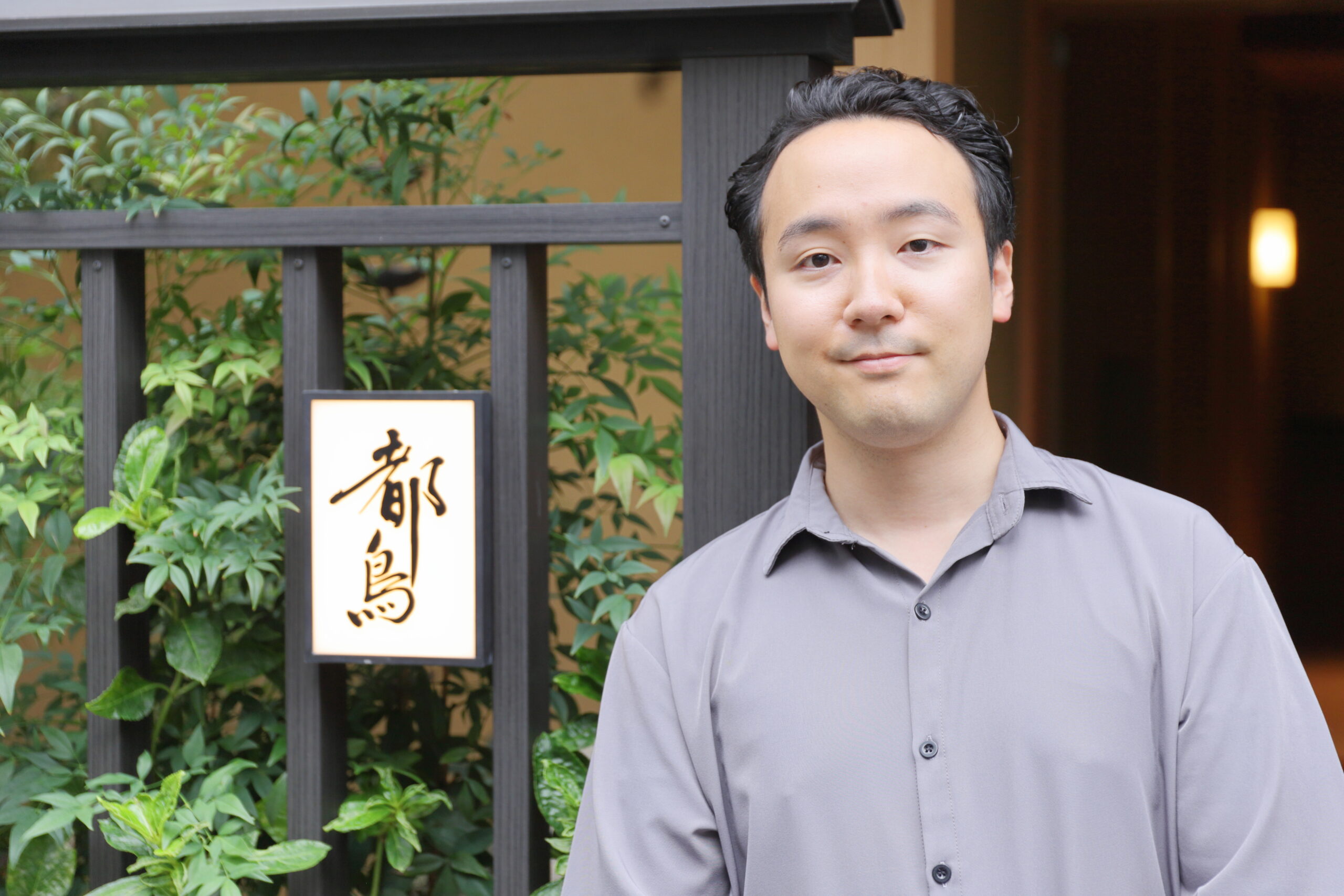


- How Much Is a Geisha Dinner in Tokyo? (Complete Pricing Guide)
- Ozashiki Games: A Complete Catalog & Rules
Maiko vs Geisha: The Differences (2026 Edition)
Ultimate Guide to Asakusa Geisha Ozashiki Odori: Experience Traditional Geisha Dance in Tokyo
What Is a Ryotei? Japan’s Traditional Restaurant Culture, Explained
Geisha Pictures: A Comprehensive Visual Guide and Stock Photo Resources
Oiran: The Courtesans of Japan’s Yoshiwara — History, Hierarchy, and Legacy
Where to See Geisha in Tokyo, Japan: A Guide to the Best Hanamachi & Experiences
Comment ( 0 )
Trackbacks are closed.
No comments yet.