



Asakusa Geisha: Where to Meet Real Geisha in Tokyo
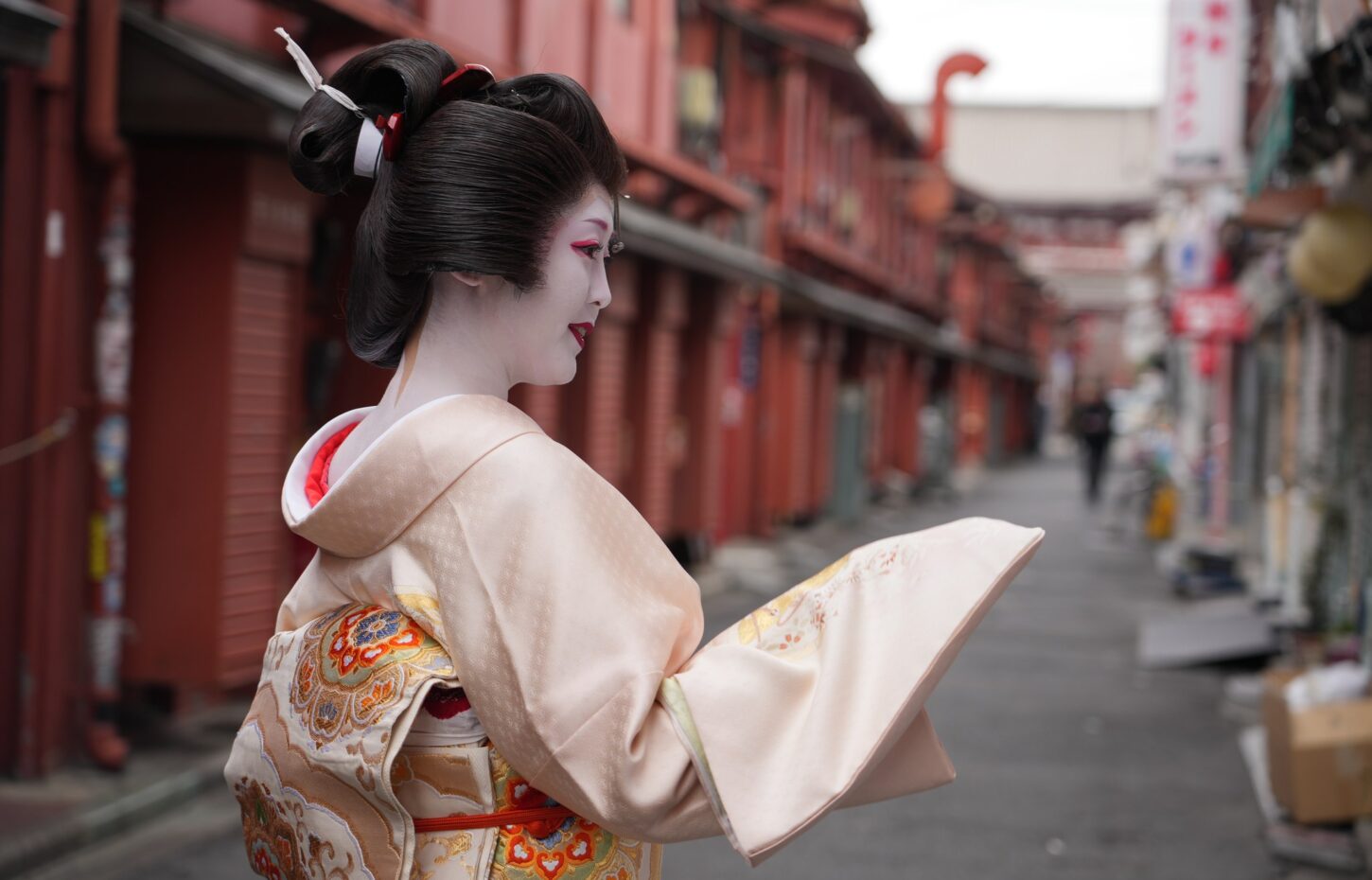
An Asakusa geisha on her own neighbourhood: the coffee shops she visits between engagements, the walk over to Kuramae, and the parfait she recommends on Hisago-dori. Subtitled on screen.
Introduction to Tokyo’s Geisha Culture in Asakusa
Asakusa is where Tokyo’s geisha culture has been most continuously alive. This neighborhood—once the entertainment heart of the old city—is home to its own hanamachi (geisha district), its own kenban (geisha union office), and Miyakodori, the only machiai-chaya (traditional banquet tea house) of its kind in Asakusa. For international visitors seeking an authentic encounter with working geisha, Asakusa is where that experience is still genuinely available today.
The Legacy of Edo and the Taito Area
Asakusa, in the Taito ward of Tokyo, carries a centuries-old tradition rooted in the culture of Edo. Long before the city became the global metropolis it is today, Asakusa was the gathering place of merchants, craftspeople, and artists who shaped the city’s aesthetic identity—an identity built on the concept of iki, a restrained elegance that prizes subtlety over display. The geisha tradition that grew here reflects that ethos. It is precise, refined, and deeply serious about its craft. For a deeper look at the cultural framework of Japan’s geisha districts, see: What Is Hanamachi? Japan’s Geisha Districts Explained.
Understanding Asakusa’s Performers: Geisha and Hangyoku
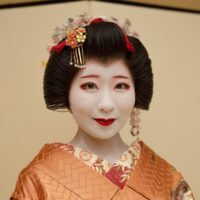
Asakusa has two categories of geisha. A hangyoku is a junior geisha—in the early stage of her professional career, still developing her repertoire of music, dance, and conversation. A fully established geisha has completed that journey and performs with the ease and depth that comes from years of daily practice. Both are professional artists; both are geisha. The distinction mirrors the Kyoto terms maiko and geiko, but Asakusa belongs to the Tokyo tradition and uses its own names. For a detailed breakdown of these distinctions across Japan’s geisha world, see: Maiko, Geisha, and Geiko: The Complete Difference Guide.
Asakusa Geisha District (Hanamachi) and Asakusa Kenban
Asakusa has long been known as an open, welcoming hanamachi—a flower town—beloved by guests from many walks of life. This openness is part of what makes it accessible to international visitors in a way that some of Japan’s other geisha districts are not.
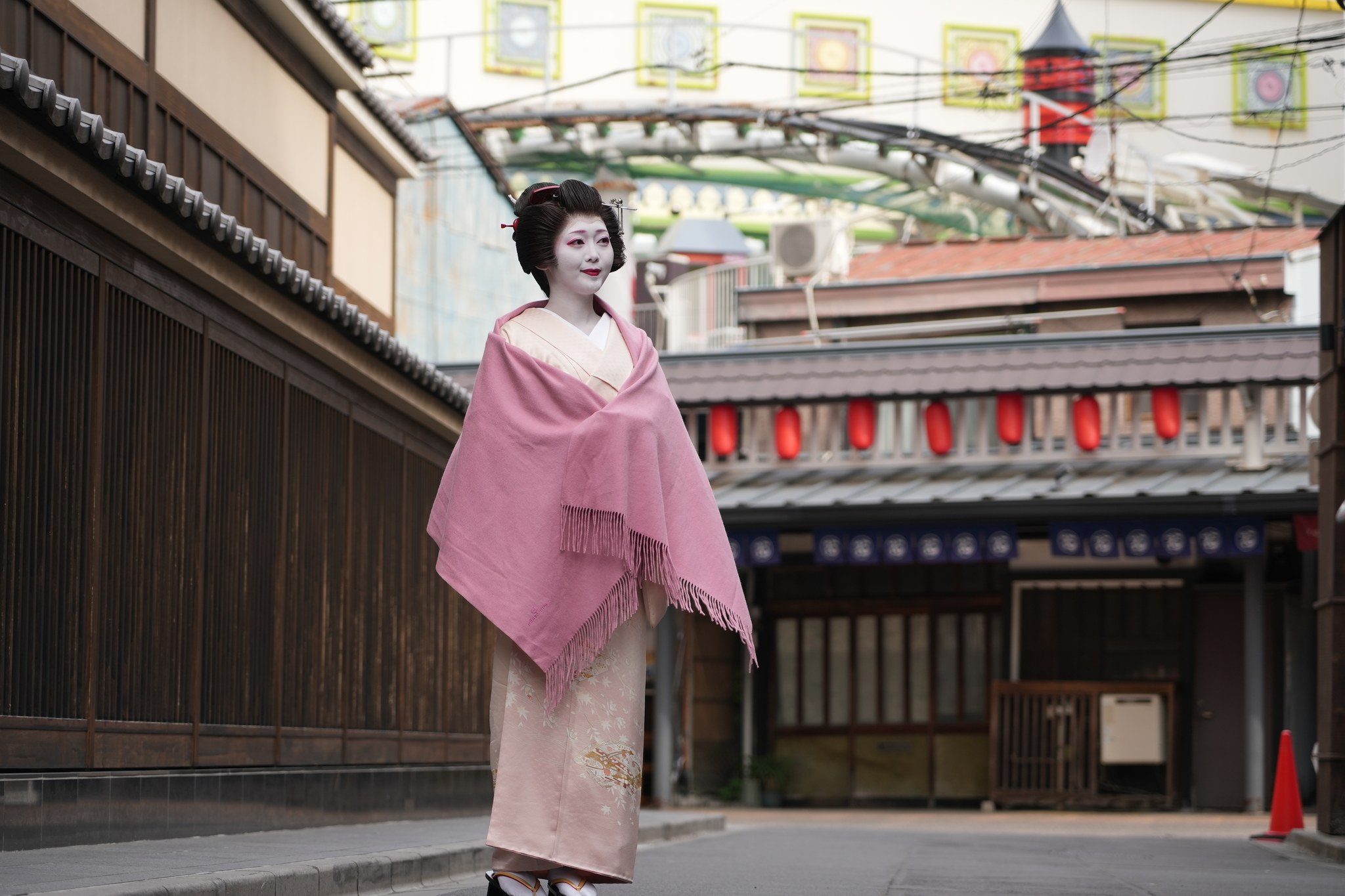
What Is the Asakusa Kenban (Geisha Union Office)?
The Asakusa Kenban is the administrative body that manages the geisha of the Asakusa district. It maintains the schedules of individual geisha, verifies training and performance standards, and serves as the coordinating organization between the hanamachi’s tea houses and its artists. When you book an experience through a tea house such as Miyakodori, it is through the Kenban that geisha are arranged. The Kenban’s role is to protect the quality and privacy of the artists while keeping the tradition accessible to guests.
Exploring the Hanamachi Near Kaminarimon Gate
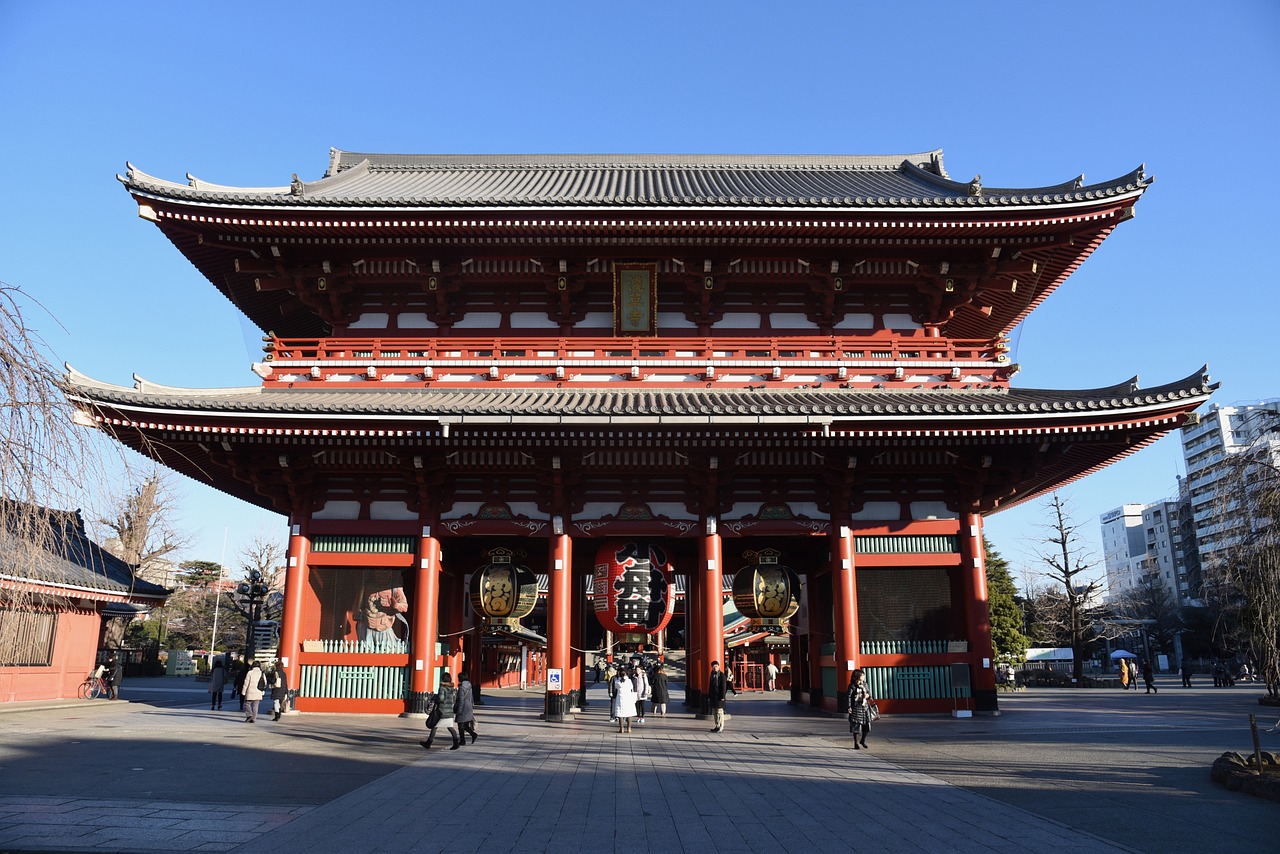
A short walk from the famous Kaminarimon Gate brings you into a different Tokyo entirely. The streets of Kannon-ura—the area behind Senso-ji Temple—are quieter, narrower, and carry the atmosphere of the old city. This is where the Asakusa hanamachi still operates. Tea houses are not marked with signs; the life of the district happens behind closed doors. Walking these alleys before a scheduled visit gives you a sense of what it means to enter a world that has maintained its own rhythms regardless of what has changed around it. For a guide to the places worth visiting in this neighborhood, see: Asakusa: The Best Places to Go.
What Happens at an Authentic Geisha Performance?
An ozashiki—a private geisha banquet—is not a performance in the theatrical sense. It is a gathering. Geisha join guests at the table, perform, play games, pour drinks, and converse. The evening unfolds at a pace set by the room, not by a program. What follows are the core elements you can expect.
Traditional Dance (Tachikata) and Seasonal Odori
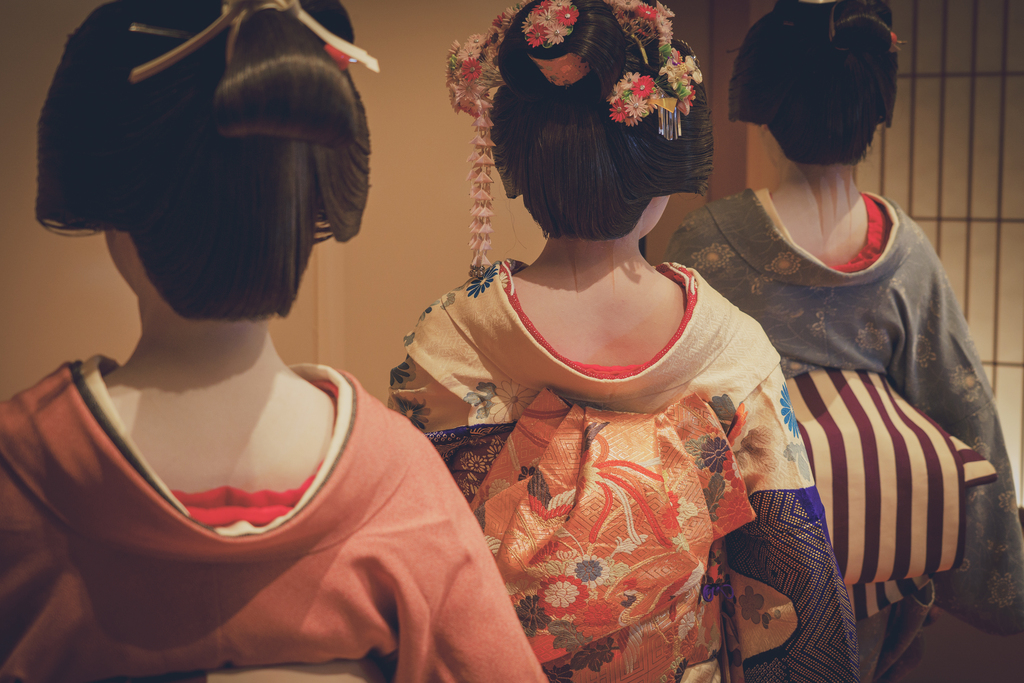
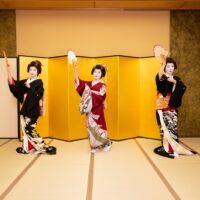
The tachikata are the dancing geisha. Their performances draw on classical Japanese dance traditions—slow, deliberate, expressive movements that reflect the season, the occasion, and the mood of the evening. Each dance is learned over years of training and performed with a quietness that rewards attention. Seasonal themes are woven into both the repertoire and the dress: spring dances differ from autumn ones in both content and costume.
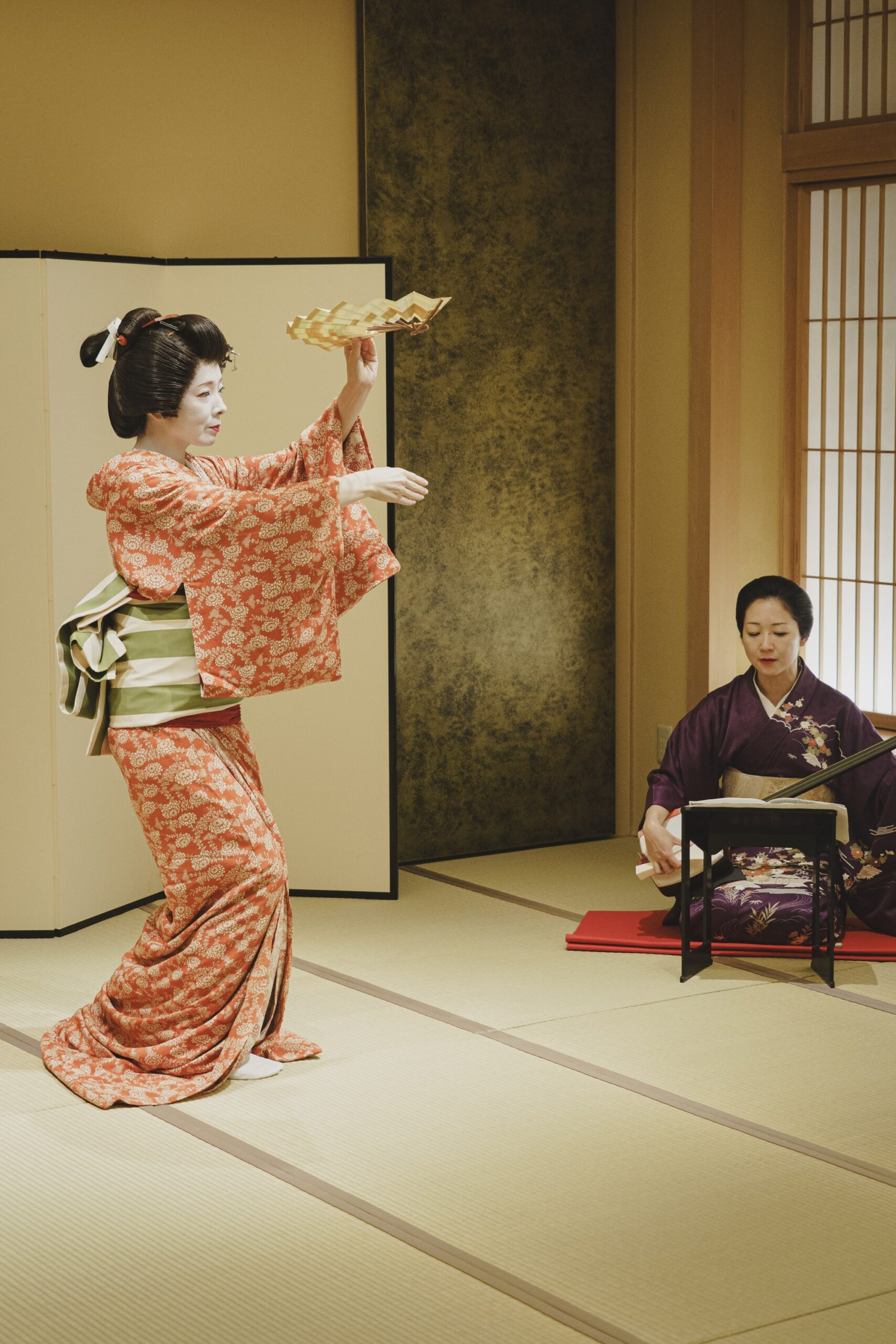
Live Japanese Music: Shamisen and Traditional Songs (Jikata)
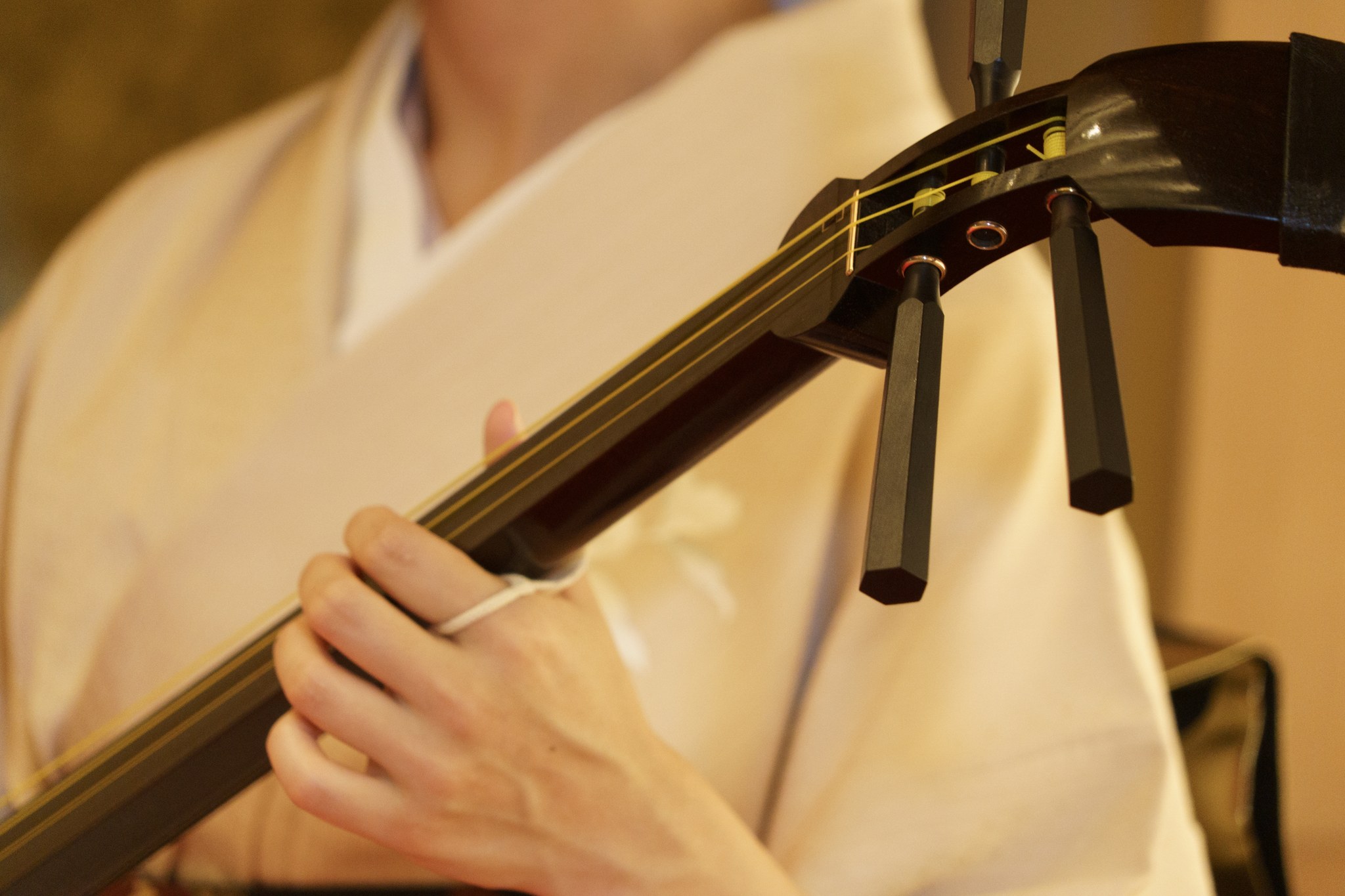
The jikata are the music geisha. They provide live accompaniment on the three-stringed shamisen; drums such as the taiko are played by the dancers, and at times by the jikata. Traditional songs—some centuries old—are performed alongside original pieces. The shamisen’s sound is unlike anything in Western music: taut, resonant, and precise. For guests hearing it live for the first time, it is frequently the detail they remember most clearly afterward.
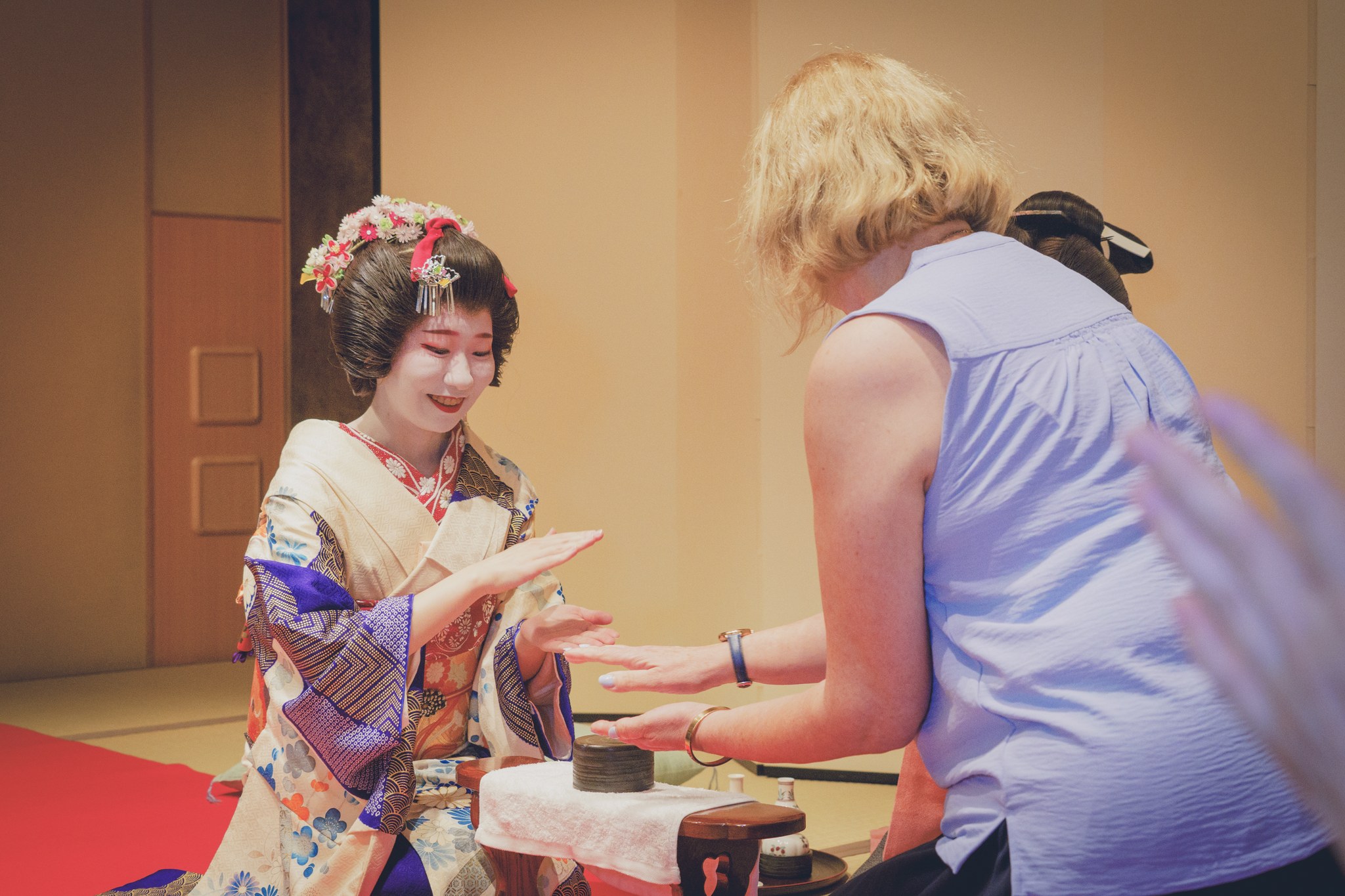
Ozashiki Games: Interactive Drinking Games with Guests
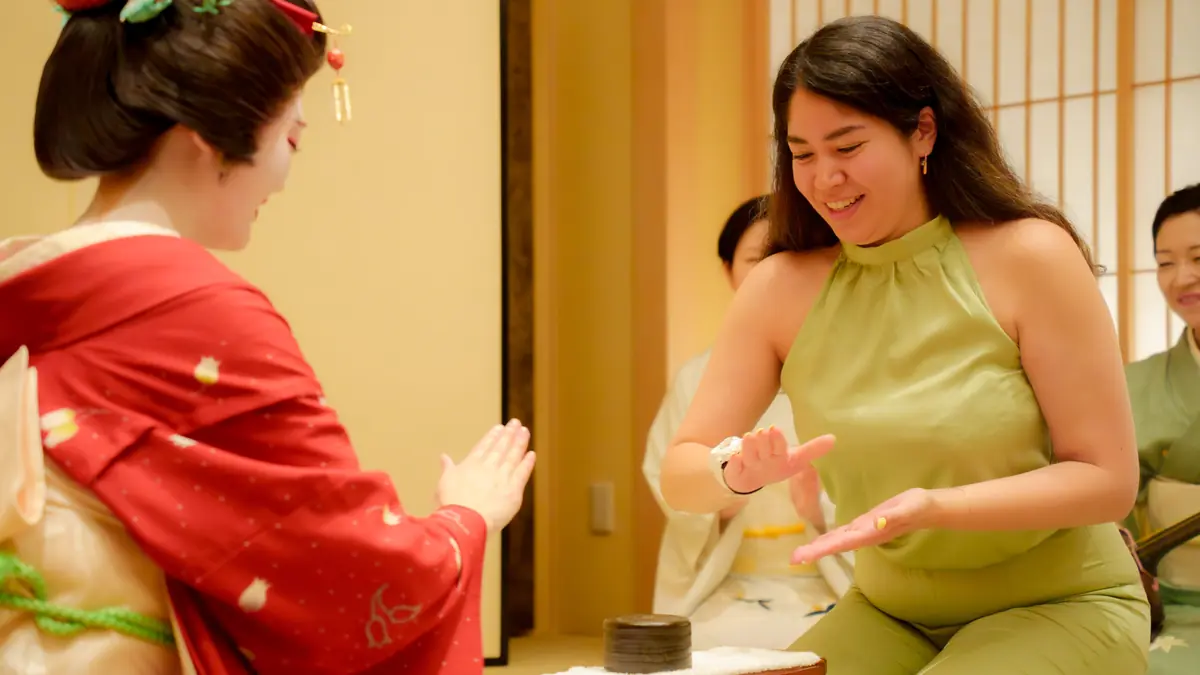
Ozashiki games are a central tradition of the geisha banquet and one of the elements that makes an ozashiki genuinely participatory rather than observational. Games like tora-tora and konpira-fune-fune are played directly with geisha—no Japanese language is required to play, and winning or losing is secondary to the laughter and connection that the games produce. For a full guide to the games you may encounter, see: The Ultimate Guide to Geisha in Japan.
Experience Authentic Geisha Culture in Asakusa
At Miyakodori—the only machiai-chaya in Asakusa—you can join a private ozashiki (geisha banquet) with live music, traditional dance, and ozashiki games. Open to international guests.
Request a ReservationHow to Experience Geisha in Asakusa
Geisha in Asakusa are working professional artists who appear in a specific context: the private banquet. There are no outdoor performances, no public stage shows, and no drop-in experiences. An authentic encounter happens through a proper booking at a machiai-chaya.
Private Ozashiki (Geisha Banquet) at Miyakodori
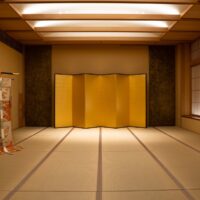
Miyakodori is the only machiai-chaya in Asakusa—a traditional banquet tea house where guests sit in a private tatami room and geisha come to join them for the evening. The experience is not a show; it is a gathering. Geisha perform, play games, and spend the evening in conversation with guests.
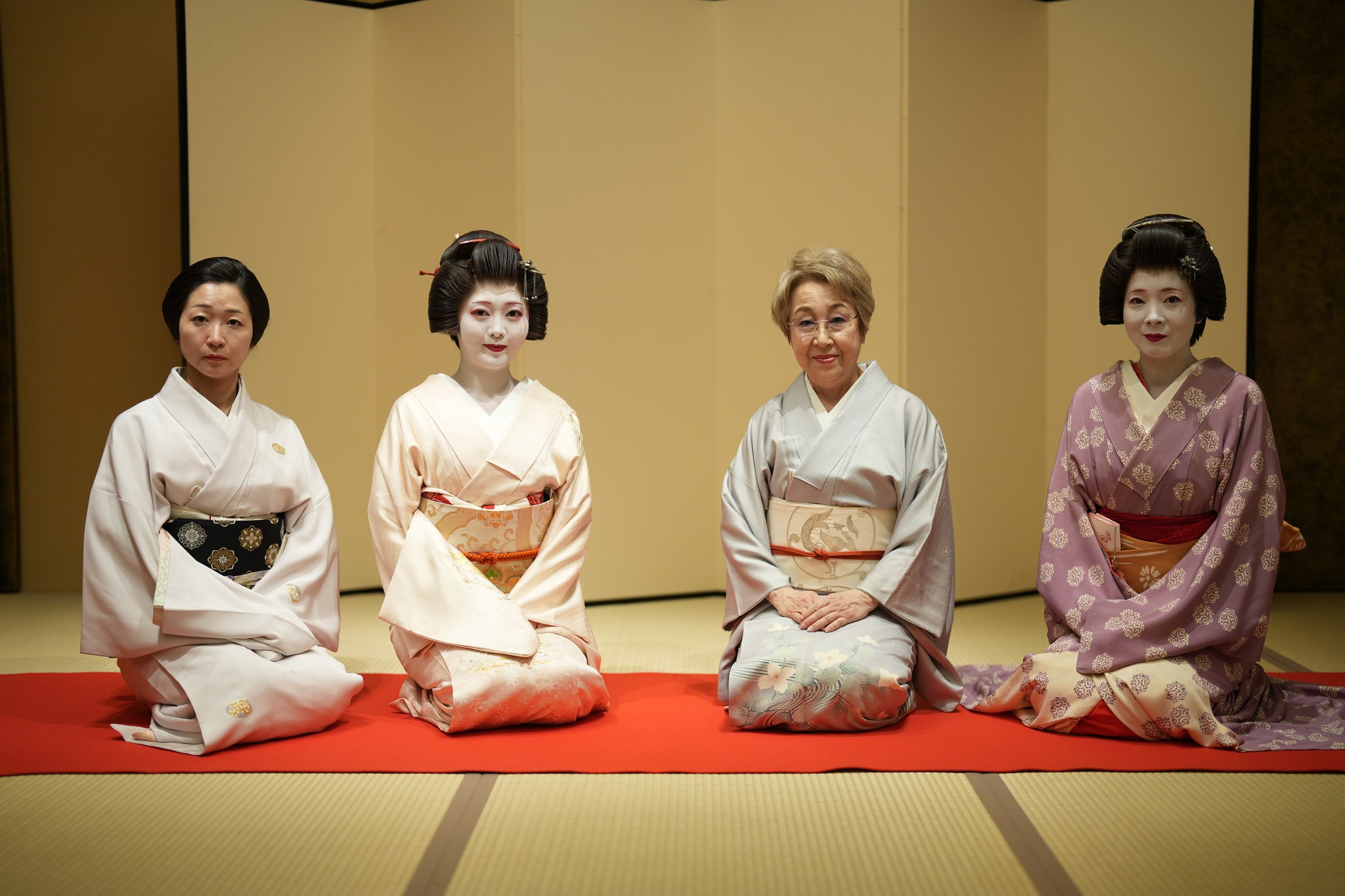
Miyakodori offers three plan lengths—one hour, two hours, and three hours—to suit different schedules and levels of immersion. The one- and two-hour plans are available in the afternoon (from 14:00); the three-hour plan runs in the evening (from 17:30), when the full range of food options, including a kaiseki course, is served. For a detailed look at what each plan includes and how to choose, see: Geisha Experience Tokyo: How to Book a Private Ozashiki.
Food, Matcha, and Dining with Geisha
Dining is woven into the ozashiki experience. All plans include at least one drink; optional food additions range from a traditional matcha and seasonal sweet (available on all plans) to a seasonal bento and A5 wagyu. The three-hour evening plan includes a full kaiseki course as part of the experience. Dietary requirements can be discussed at the time of reservation. Whether you are there primarily for the dining or primarily for the geisha arts, the two are designed to complement each other.
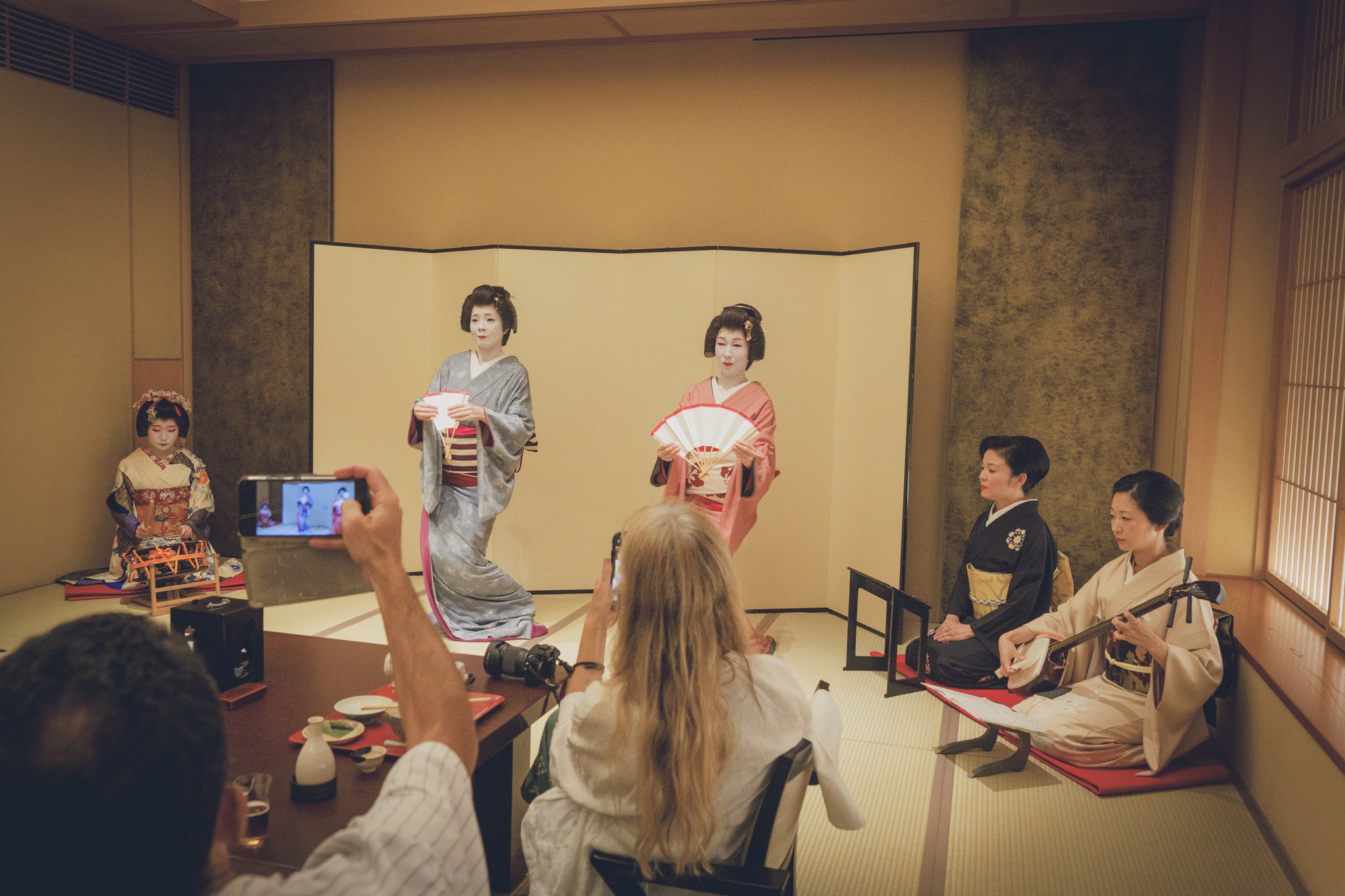
Reserve Your Geisha Evening in Asakusa
Miyakodori welcomes international visitors with no prior introduction required. Contact us by email or submit a reservation request through our online reservation form.
Request a ReservationEnquiries: [email protected]
Conclusion: A Living Tradition, Open to the World
The geisha world of Asakusa is not a reconstruction or a performance created for tourists. It is a working tradition—one that has adapted over generations while preserving the core arts of music, dance, and hospitality that define it. Visiting Miyakodori is an opportunity to be a guest within that world, not a spectator outside it. The experience is available to international visitors, in English, with no prior knowledge of Japanese culture required to appreciate what you encounter.
Frequently Asked Questions
- Can foreigners and first-time visitors enjoy an ozashiki experience in Asakusa?
- Yes. Miyakodori specifically welcomes international visitors and first-time guests. No prior knowledge of Japanese culture or language is required. Staff can assist in English, and geisha are accustomed to hosting guests from abroad. The ozashiki games in particular require no language skill—they are played with gesture and physical coordination.
- Is Miyakodori the only place in Asakusa where you can meet geisha?
- Miyakodori is the only active machiai-chaya in Asakusa—the traditional type of tea house where guests book a private room and geisha come to join them. It is one of the few remaining venues of this kind in all of Tokyo. There are no public events or open-air performances where geisha regularly appear in Asakusa.
- What is the difference between a geisha and a hangyoku in Asakusa?
- Both are professional geisha. A hangyoku is a junior geisha—still developing her full artistic repertoire—while a fully established geisha has completed that foundational stage. The distinction is one of career stage, not category. Both perform, play ozashiki games, and engage with guests during a banquet. Asakusa uses its own terminology; the equivalent in Kyoto would be maiko and geiko.
- What food is served during an ozashiki at Miyakodori?
- Food options depend on the plan and time of day. All plans include at least one drink. Optional additions include matcha with a seasonal sweet, a seasonal bento, and A5 wagyu. The three-hour evening plan (17:30 onward) includes a full kaiseki course. Dietary requirements can be discussed when making a reservation at [email protected].
- How do I book a geisha experience in Asakusa?
- Reservations can be submitted through our online reservation form or by emailing [email protected]. Miyakodori does not require a prior introduction—international visitors can book directly. Early reservation is recommended, particularly for evening dates.
- What is the Asakusa Kenban?
- The Asakusa Kenban is the official administrative organization of the Asakusa geisha district. It manages geisha schedules, maintains performance standards, and coordinates between tea houses and individual artists. When you book an ozashiki through Miyakodori, it is through the Kenban that geisha are arranged for your evening.


- Tokyo Experience Gifts: Unforgettable Cultural Gift Ideas in Japan
- Traditional Japanese Culture Experience: A 2026 Travel Guide
Complete Guide to Asakusa: Tourist Spots, Food & Hidden Gems
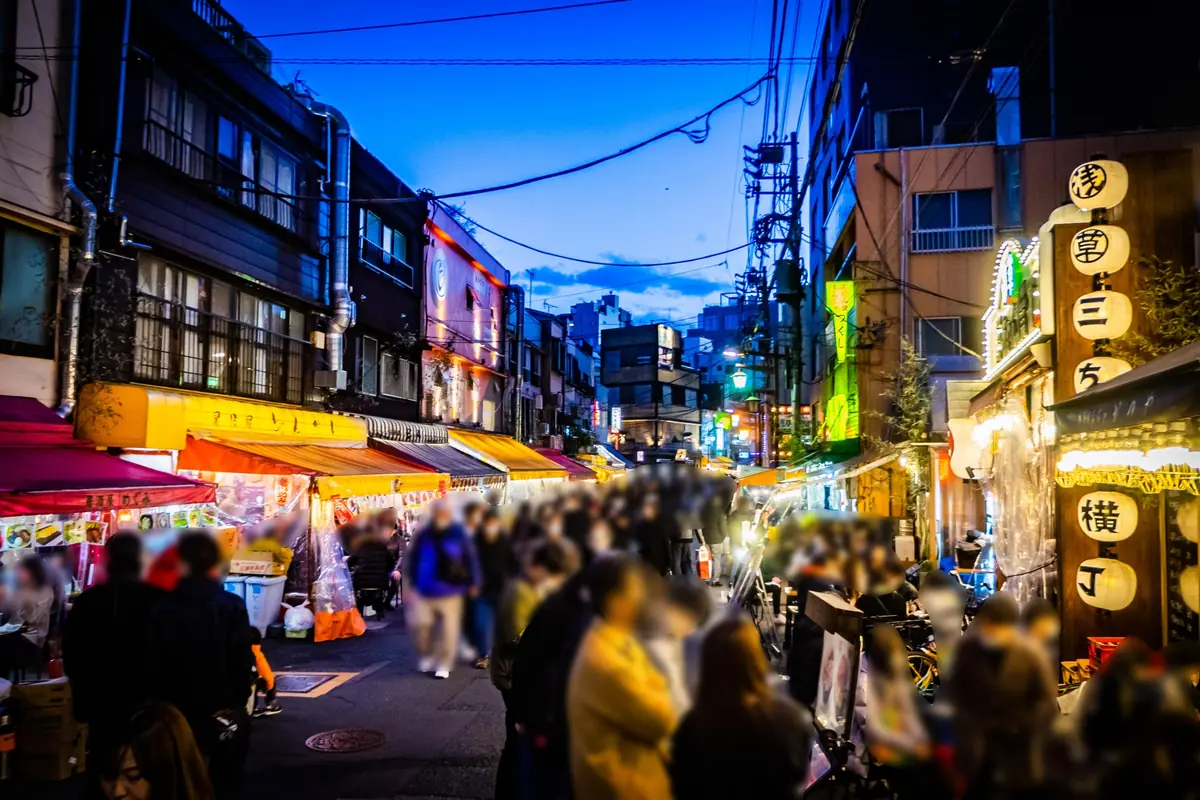
BestRestaurants in Asakusa for Dinner: A Complete Guide (2026 Edition)
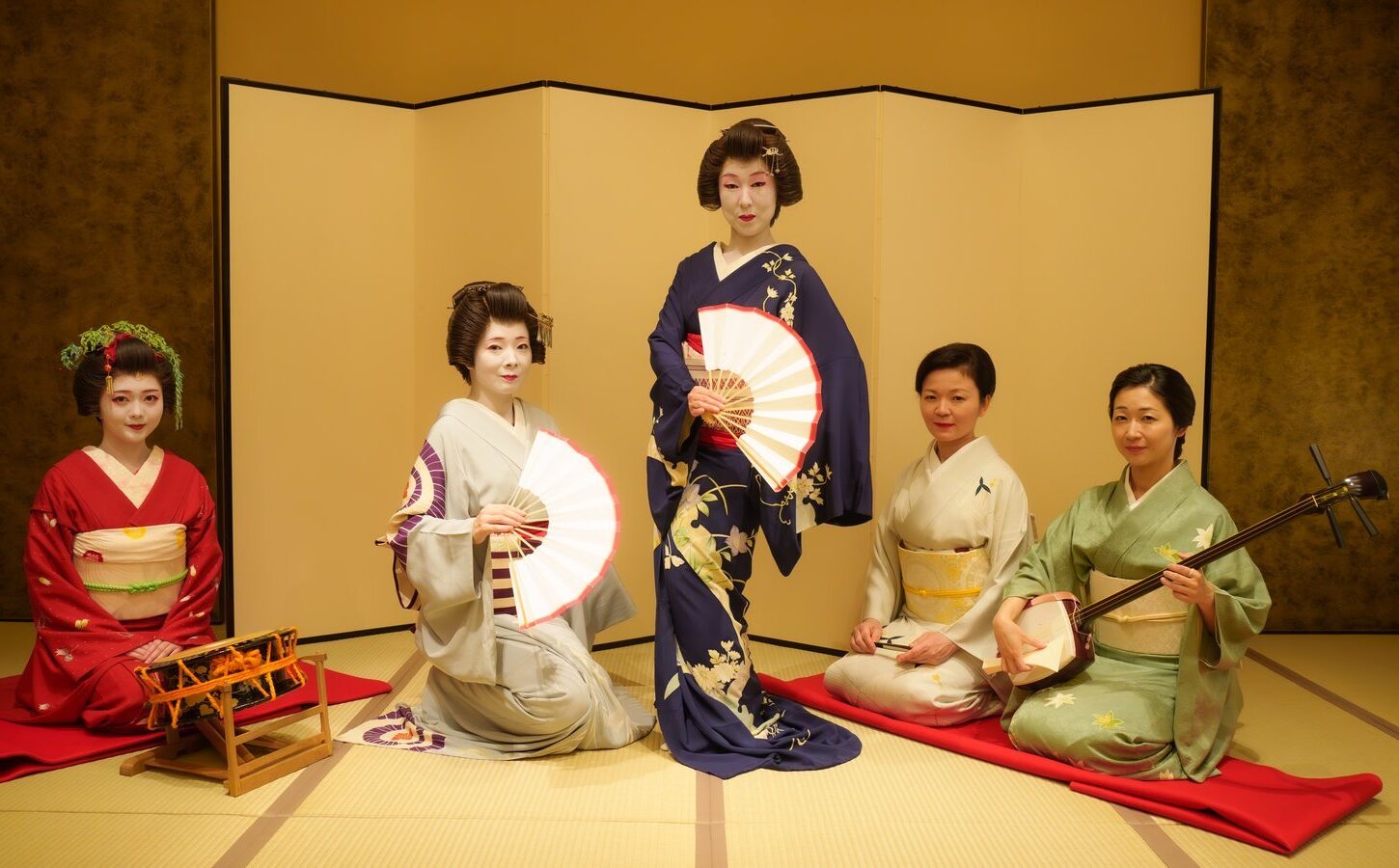
From Anime Geisha to the Real Thing in Asakusa
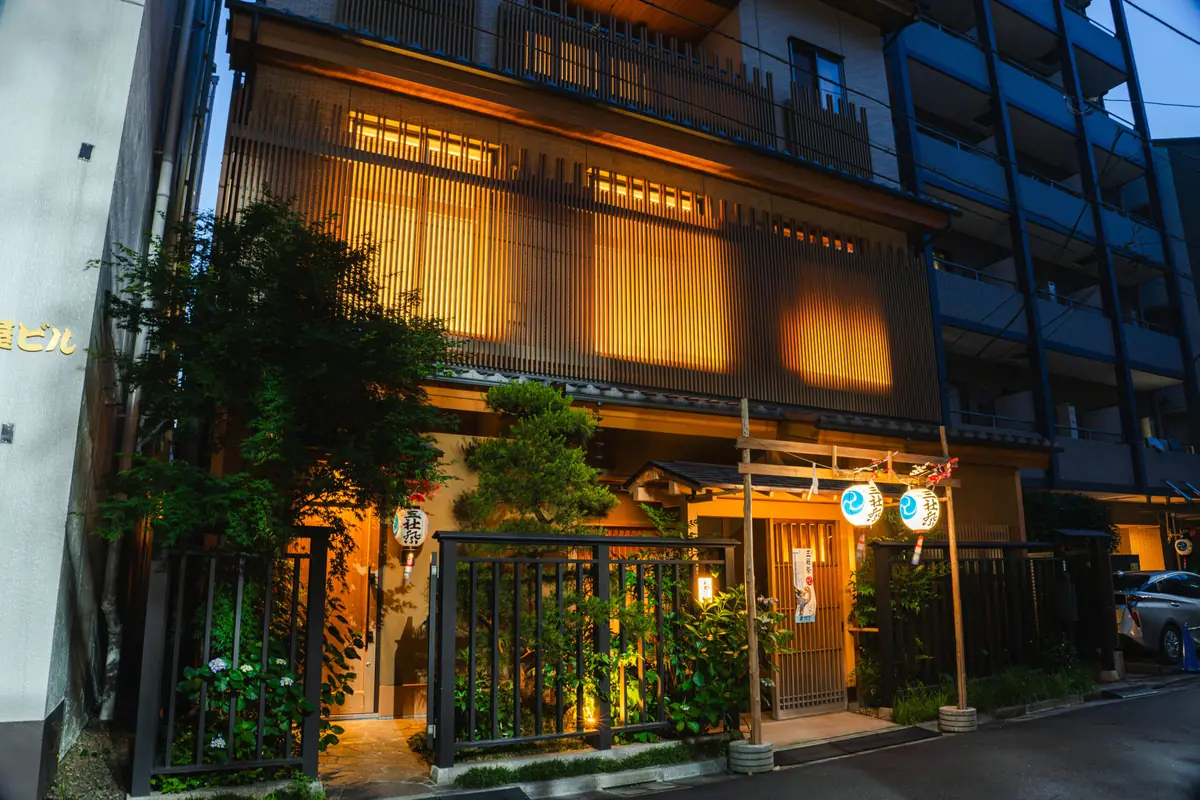
Geisha Restaurant Near Me in Tokyo: Authentic Ozashiki at Miyakodori Asakusa
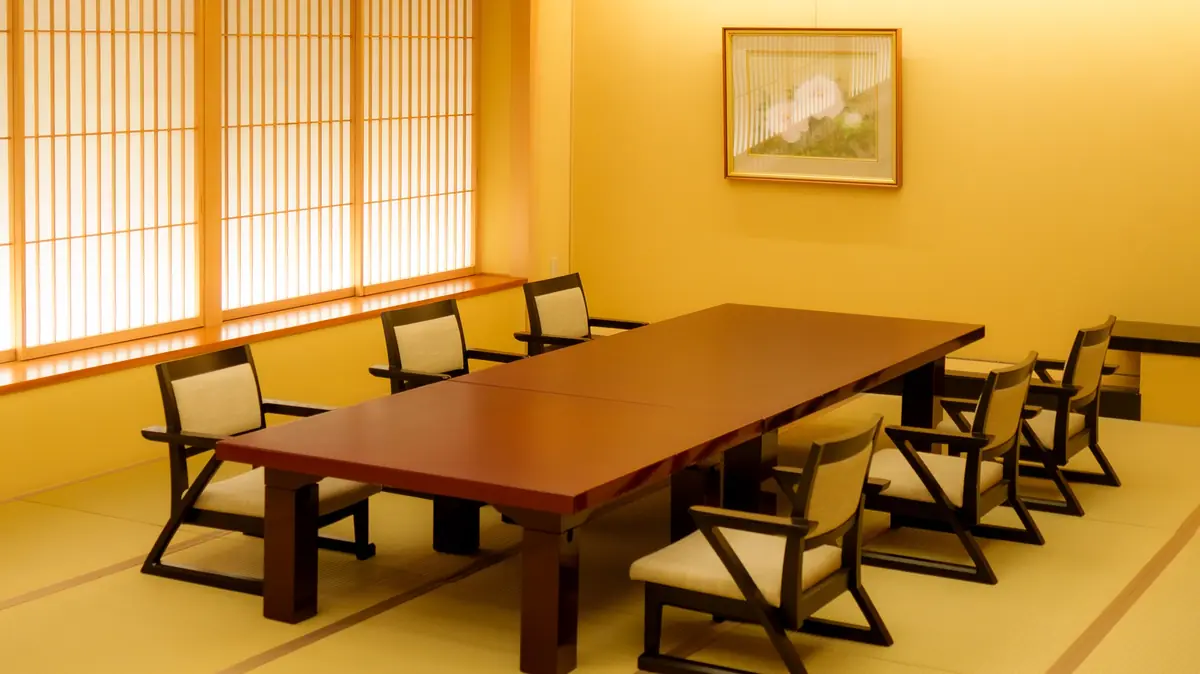
Geisha Etiquette in a Tatami Room: What to Know Before You Go
Japanese Geisha Cup Game: Rules and How to Play Konpira Fune Fune
Comment ( 0 )
Trackbacks are closed.
No comments yet.