



Ozashiki Asobi Experience: Traditional Geisha Games in Japan
Introduction: Stepping Into the World of Ozashiki Asobi
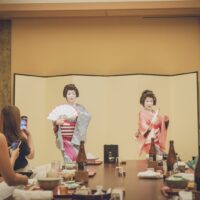
When people travel to Japan, many want to see a traditional geisha performance. However, there is a more interactive and rare cultural experience called ozashiki asobi. Literally translating to “parlor play,” this is a unique tradition where guests play games with geisha in an elegant, private room.
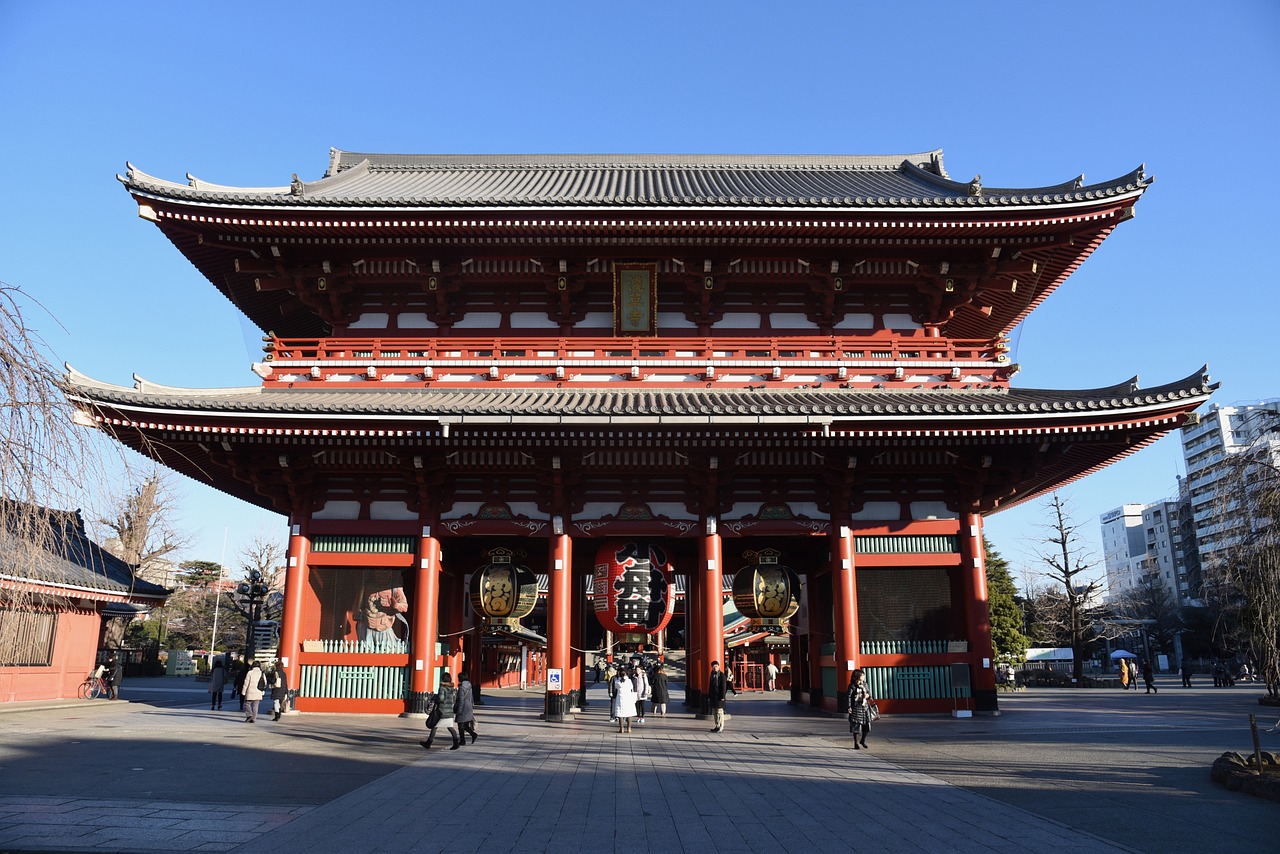
While many travelers look for these experiences in Kyoto’s Gion or Kiyomizu areas, Tokyo’s Asakusa district offers a deeply authentic and welcoming atmosphere for this cultural art. Whether you are a first-time visitor or a seasoned traveler, understanding the etiquette and flow of an ozashiki asobi experience will make your trip truly special.
What is an Ozashiki Asobi Experience?
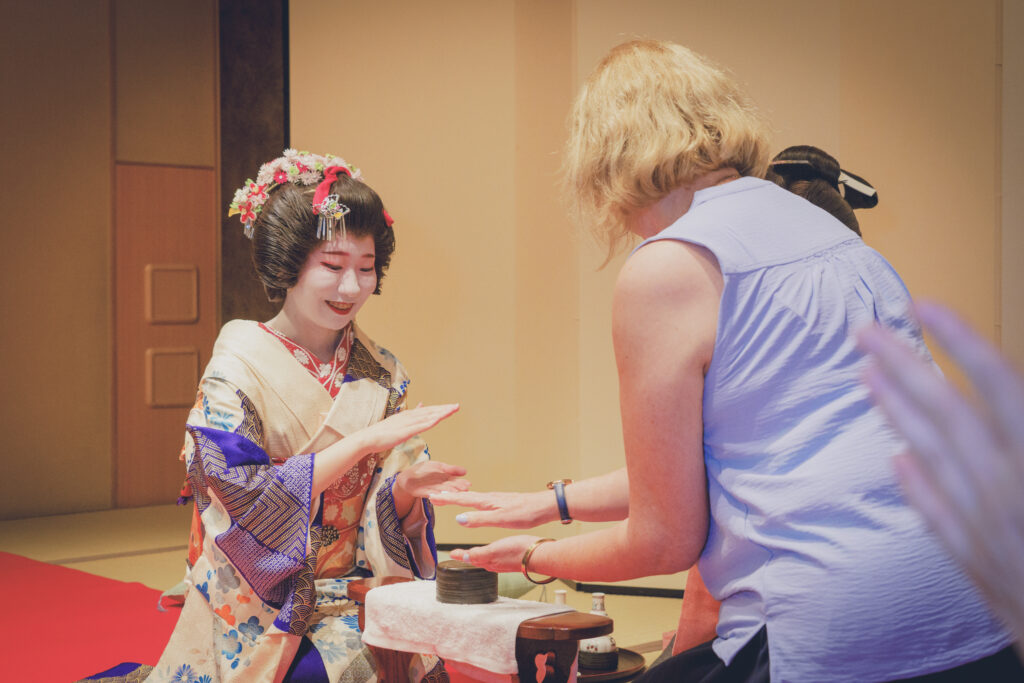
Ozashiki asobi is the interactive part of a banquet held at a ryotei (traditional restaurant) or ochaya (tea house). It is a rare opportunity to communicate directly with geisha through music, dance, and play.
The Evolution of Local Culture
The culture of the hanamachi district has evolved over centuries. Once, these establishments were exclusive and closed to the general public. However, today, some ryotei and chaya offer special plans for foreign tourists wishing to experience these traditions. This shift has allowed more people to witness the pinnacle of geisha artistry.
The Role of Geisha and Maiko
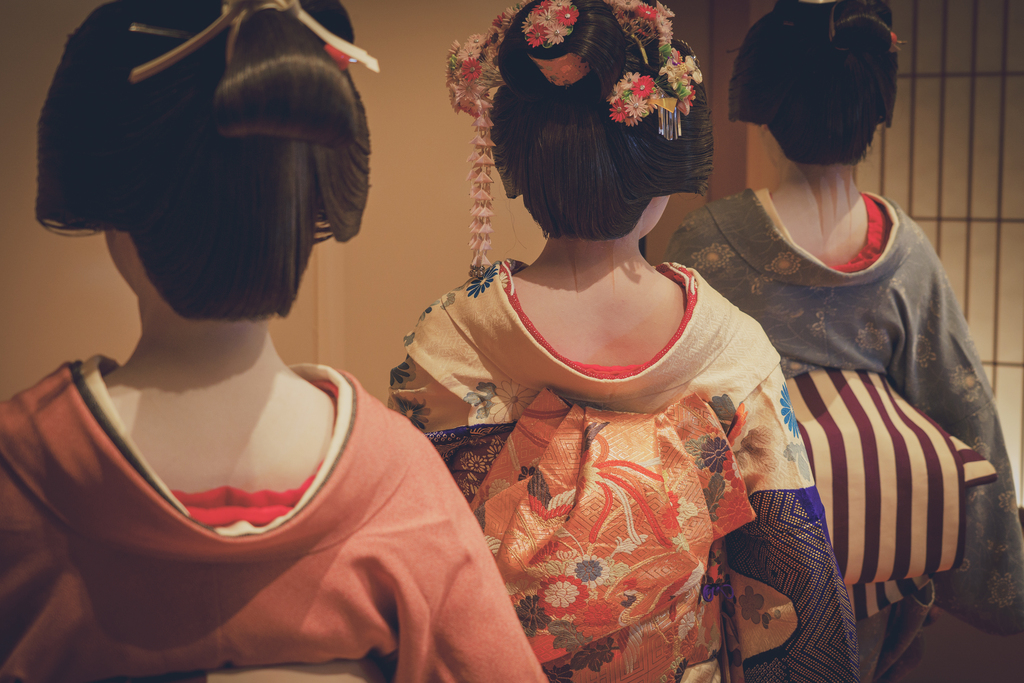
In a traditional ozashiki setting, you will meet professional artists called geisha (in Tokyo) or geiko and maiko (in Kyoto). These women have spent years mastering traditional Japanese arts. Their primary goal is to provide entertainment and ensure that every guest feels comfortable and special.
Highlights of a Traditional Ozashiki Banquet
A typical geisha experience tour includes more than just the games. It is an evening of performance, conversation and games that usually lasts around two to three hours.
1. Seasonal Kaiseki, If You Add a Meal
If you add a meal, the evening often begins with seasonal kaiseki. In Japan, the food menu changes to reflect the time of year. Each course is carefully prepared to highlight the colors and flavors of the season. The meal is served in a private tatami room, ensuring an intimate atmosphere.
2. Dance and Music Performance
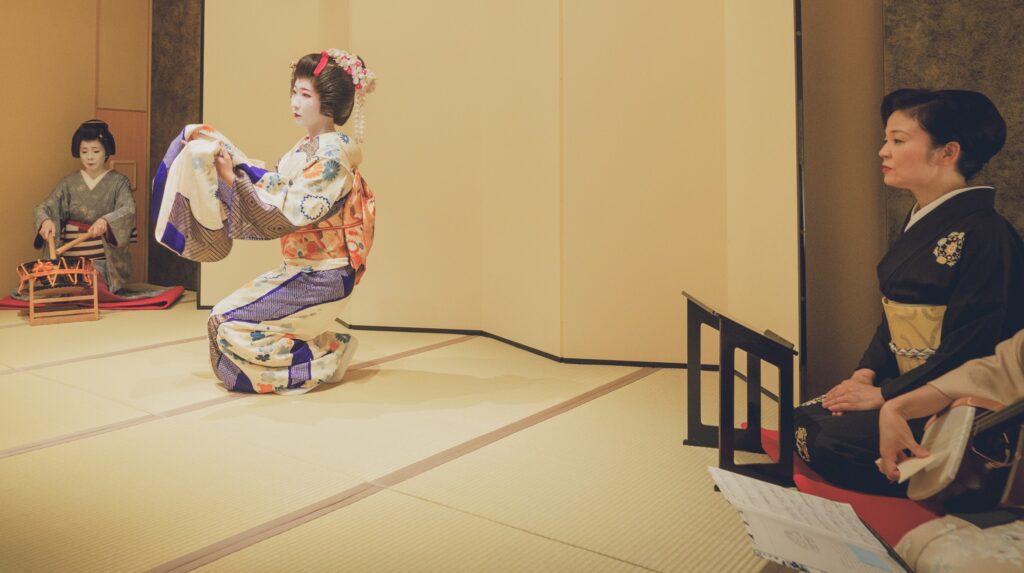
Before the games begin, you will see a professional dance performance. One or more geisha will perform traditional dances that tell stories of Japanese history or the beauty of the current season. The sound of the shamisen and the elegant movements of the kimono-clad dancers offer a view into a world that has remained unchanged for generations.
3. Iconic Ozashiki Games (Asobi)
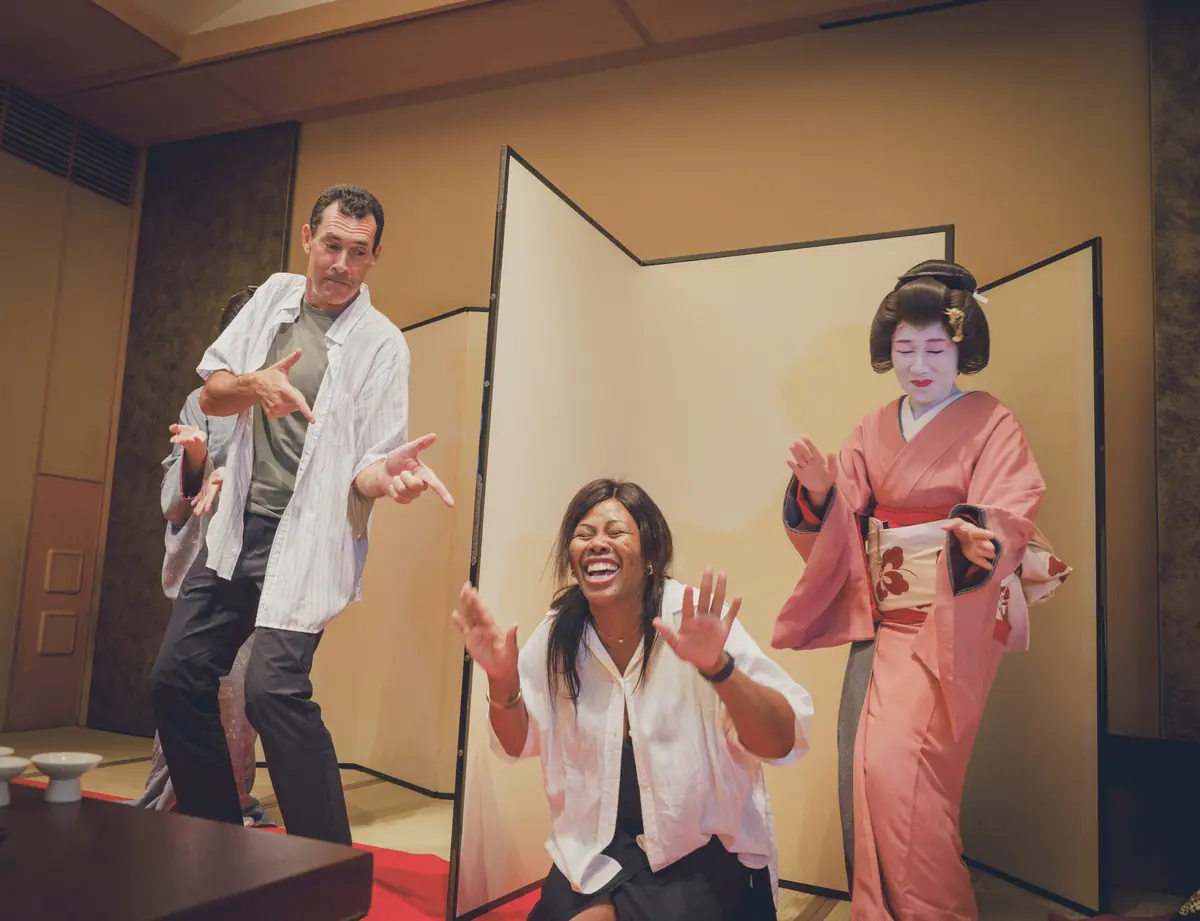
The “asobi” or games are the highlight of the evening. These are usually simple rhythm games played to the beat of a shamisen. Even without speaking Japanese, guests are easily able to learn and enjoy them. They are designed to break the ice and create a lively, fun atmosphere in the room.
Discovering Miyakodori: An Exclusive Venue in Asakusa
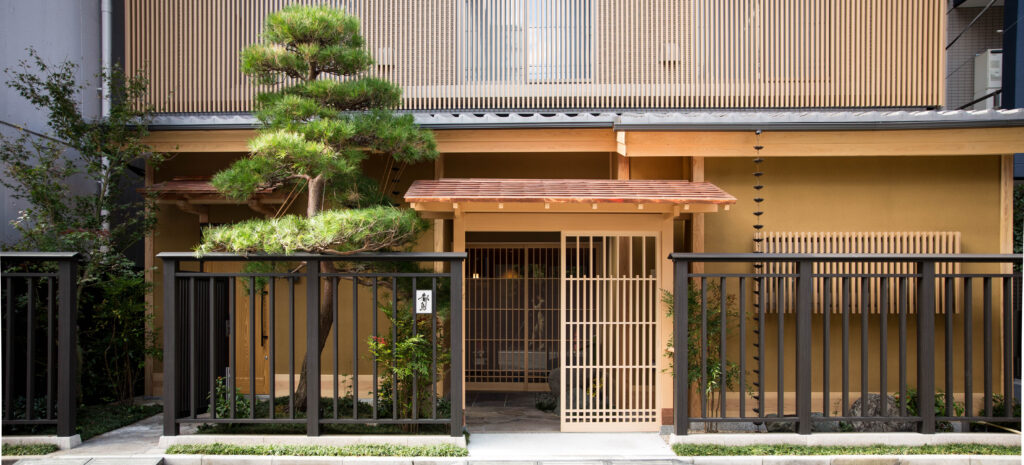
If you are seeking an authentic ozashiki asobi experience in Tokyo, Miyakodori in Asakusa is the place to visit. Founded in 1950, it is the only remaining “machiai-chaya” in the district.
Why Choose Our Venue?
While many places in Tokyo offer geisha shows, Miyakodori focuses on the original “wait-style” tea house tradition. This venue was built specifically for guests to meet and play with geisha. The atmosphere is quiet and elegant, feeling like a refined home away from home. We take pride in our history and the high quality of our hospitality.
Welcoming International Guests
Miyakodori and other Asakusa venues are increasingly popular with international travelers. We provide support for English speakers so that you can know the rules of the games and the history of the art. It is a place where you can feel the true spirit of Japanese hospitality (omotenashi) firsthand.
Planning Your Visit: Essential Details to Know
To ensure a smooth experience, here are some practical details to check before you book.
1. Booking and Fees
An ozashiki asobi experience is an exclusive event. The price per person typically includes the meal, drinks, and the geisha’s time. Please note that an additional service charge may apply depending on the specific plan. It is a good idea to check the total cost, including tax, before you finalize your reservation.
2. Cancellation and Terms
Most venues have a strict cancellation policy. Usually, you will be charged a fee if you cancel after a certain date. This is because the geisha and the food preparations are arranged specifically for you. No-shows or late cancellations often result in a 100% charge. It is best to review the terms carefully at the time of your booking.
3. Photography and Etiquette
Guests are usually allowed to take photos or videos during the games and after the show. However, please do not use flash during the performance. It is always polite to ask the geisha if it is okay to take a photo together.
4. Who Can Attend?
Whether you are traveling solo, as a couple, or in a small group, these experiences are open to everyone. While the banquet was once a place for business meetings, it is now popular for birthdays and anniversaries.
Summary: A Journey into the Heart of Japanese Art
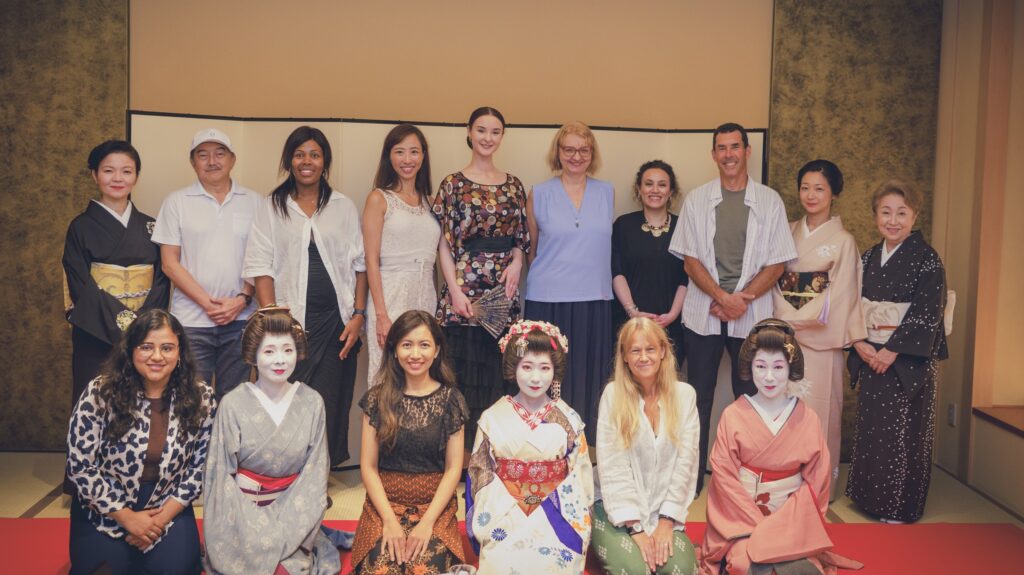
Participating in an ozashiki asobi experience is a way to connect with the living history of Japan. By playing these traditional games and enjoying the hospitality of the geisha at a venue like Miyakodori, you are helping to preserve an art form that has existed for centuries.
Are you ready to try your hand at the games or enjoy a private seasonal banquet? We invite you to contact us and find your favorite way to experience the traditions of Asakusa.
Footnotes & Sources:
- Asakusa Geisha Association Official Site: https://asakusakenban.com/
- Asakusa Tourism Federation: https://asakusa.gr.jp/jp/?p=385
- PR Times – Miyakodori Tea House Heritage: https://prtimes.jp/main/html/rd/p/000000001.000165250.html
Tokyo Metropolitan Government Culture Guide: https://www.my.metro.tokyo.lg.jp/w/000-20240711-43128106
Experience graceful performances, warm hospitality, and a timeless atmosphere where Japan’s living traditions come to life.
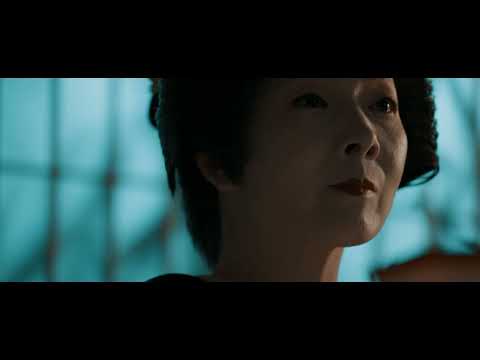
- Private Ozashiki: An intimate, refined encounter with authentic Asakusa geisha.
- Traditional Geisha Artistry: Elegant dance, live shamisen music, and interactive ozashiki games.
- Historic Machiai-chaya Setting: A sophisticated cultural experience in a traditional machiai-chaya setting.
- English Support Available: Assistance for international guests throughout your visit.
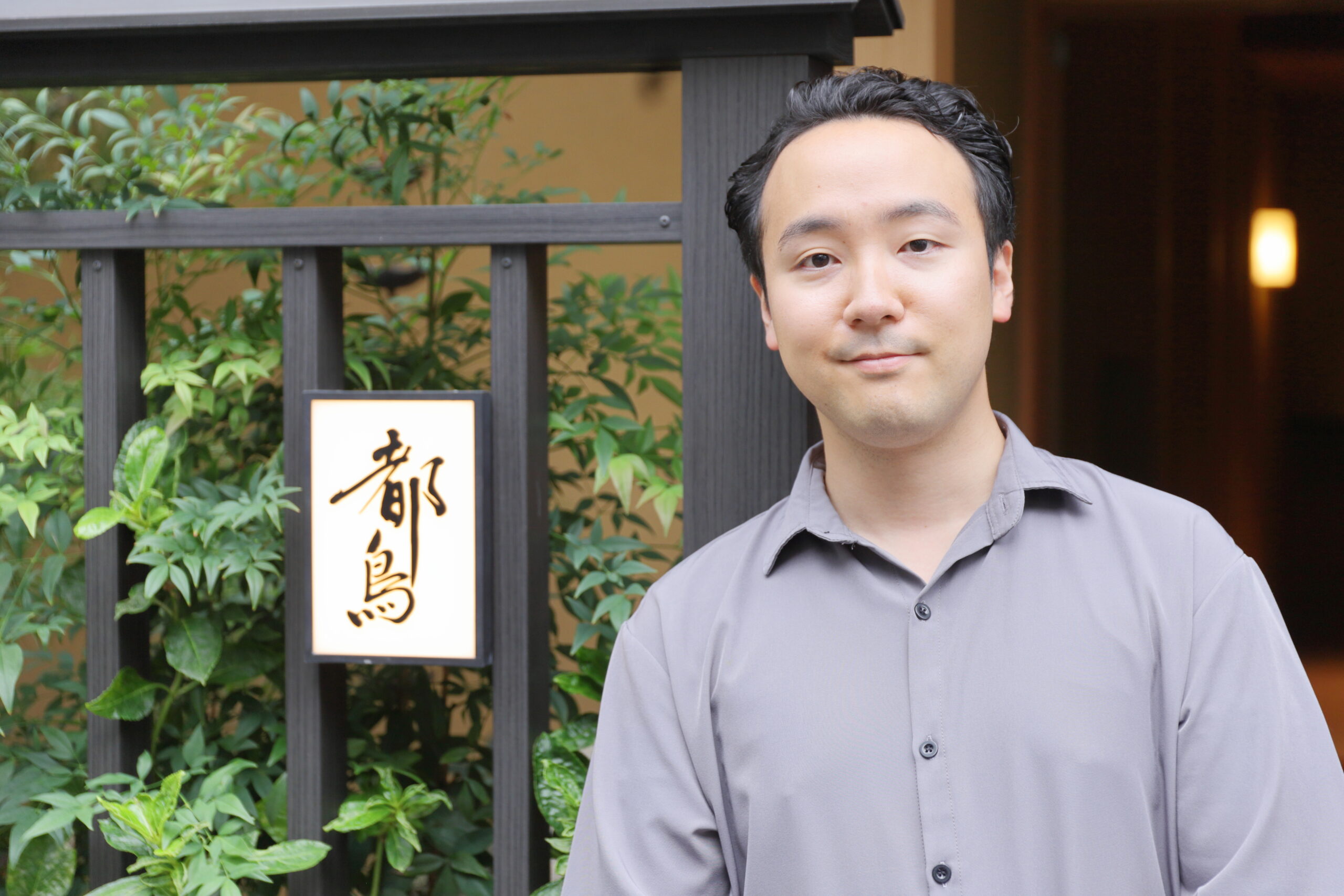


- Geisha Shows in Tokyo: Witnessing the Art of the Flower and Willow World in 2026
- Are There Still Geisha in Japan? The 2026 Guide to Finding the Living Legends of Tokyo
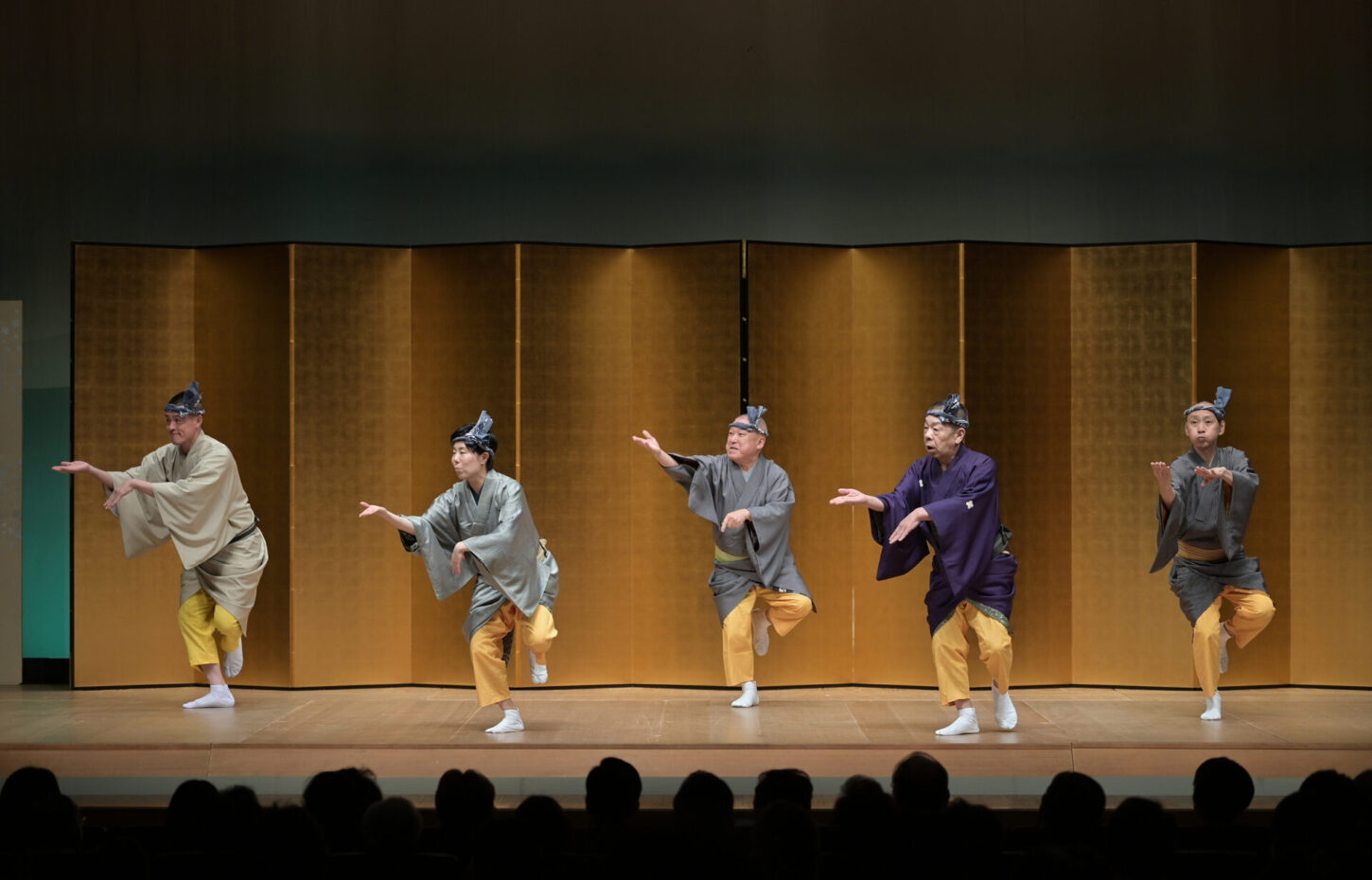
Taikomochi: Japan’s Male Geisha (Hōkan) Explained
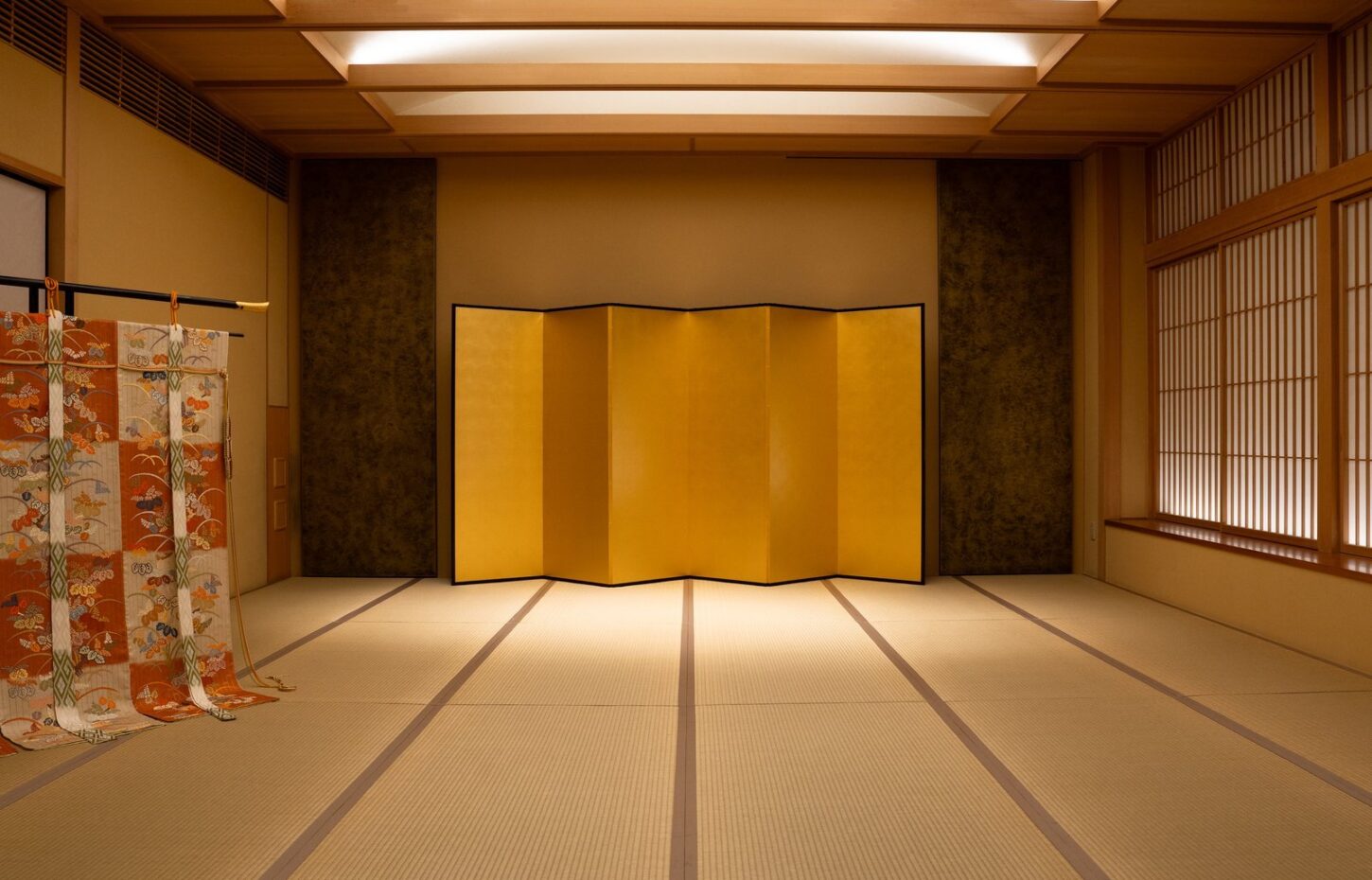
What Is a Ryotei? Japan’s Traditional Restaurant Culture, Explained
Japanese Culture and History: A Complete Guide for International Travelers
Authentic Geisha Outfit Guide: Traditional Japan Costume Arts
Yoshiwara: History, Location & Legacy of Japan’s Famous District
Ozashiki Parlor Games: How to Play Konpira Funefune & Tora-Tora
Comment ( 0 )
Trackbacks are closed.

No comments yet.