



Konpira Fune Fune Lyrics and How to Play the Geisha Drinking Game (2026)
Quick Answer
Konpira Fune Fune is a traditional Japanese folk song from Kagawa Prefecture that became a fast-paced drinking game played at geisha banquets (ozashiki). Two players face each other across a kyōsoku — a low wooden stand — with a small wooden piece called a hakama placed on top. Players take turns: open palm if the hakama is on your side, closed fist on the empty stand if it has been taken. The hakama may stay on one side for up to three consecutive turns; on the fourth it must return. Anyone who makes a wrong move drinks one full small sakazuki (sake cup). The lyrics honor the guardian deity of seafarers at Kotohira-gu shrine on Shikoku island.
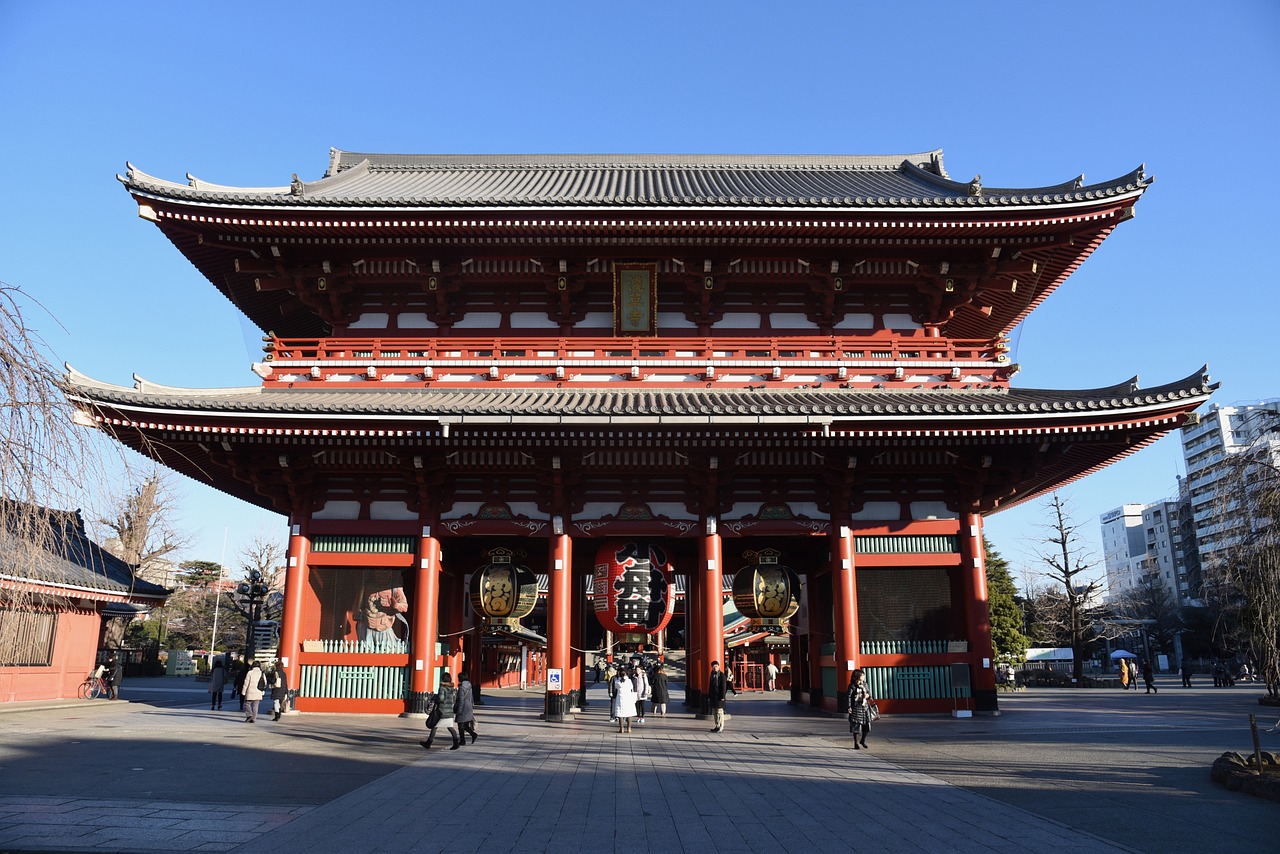
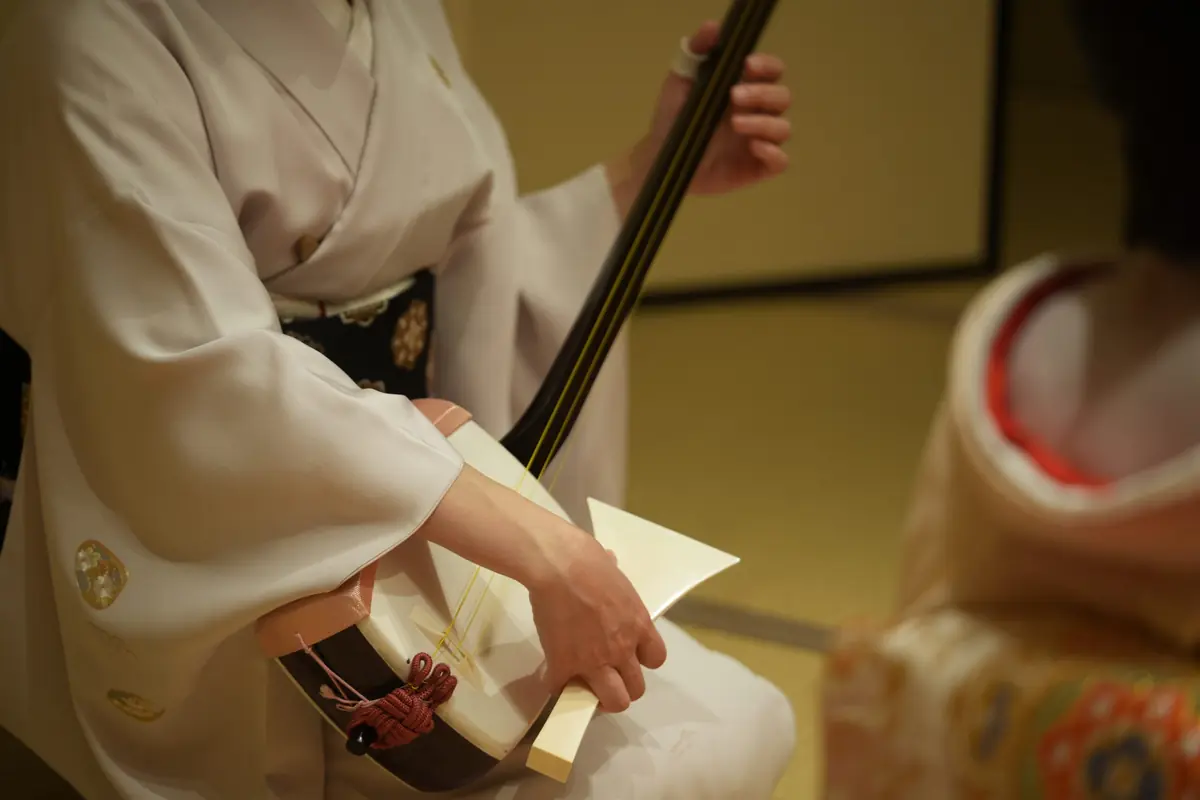
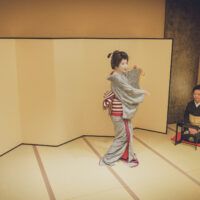
Imagine walking through the narrow, lantern lit streets of Asakusa, where the air feels thick with history. You enter a traditional wooden building, the scent of tatami mats greeting you, and suddenly, the rhythmic sound of a shamisen fills the room. This is the world of the ozashiki, a private banquet where the art of hospitality is elevated to its highest form. Among the many entertainments provided by a geisha, there is one particular game that captures the spirit of fun and tradition better than any other. It is called Konpira Fune Fune. Whether you are a traveler planning your first trip to Japan or a culture enthusiast, understanding the lyrics and the mechanics of this drinking game is your ticket to a deeper, more authentic experience.
The Roots of a Cultural Phenomenon
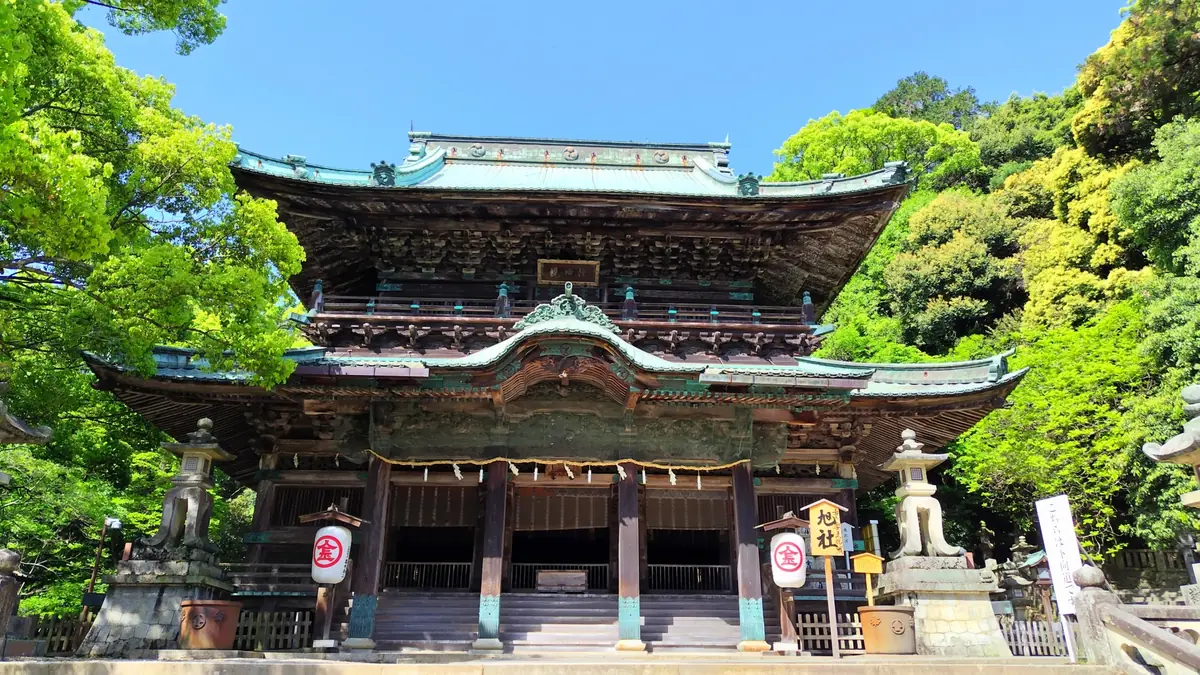
Before we dive into the game itself, it is essential to understand where this melody comes from. Konpira Fune Fune is a folk song originating from Kagawa Prefecture on the island of Shikoku. The song is dedicated to the Kotohira-gu shrine, popularly known as Konpira-san, which honors the guardian deity of seafaring and maritime safety. For centuries, sailors and travelers would visit this shrine to pray for safe passage across the sea. The rhythmic, repetitive nature of the song made it a favorite among the local people, eventually traveling across Japan to the grand entertainment districts, or hanamachi, of Kyoto and Tokyo. In these districts, the song was transformed into a fast paced, competitive drinking game played with a geiko or maiko.
The Complete Lyrics of Konpira Fune Fune
The lyrics are simple yet evocative of a ship sailing toward a sacred destination. Below are the lyrics in Japanese and their English meaning.
Japanese Lyrics:
Konpira fune fune
Oite ni hokakete shura shushu shu
Mawareba shikoku wa
Sanshu nakanogouri
Zouzu san konpira daigongen
Hitotsu mawatte
English Translation:
The ship of Konpira
With a fair wind in its sails, shura shushu shu
As it turns, the island of Shikoku appears
In the middle of the Sanshu province
Behold the Konpira Daigongen, let us circle around once
The phrase shura shushu shu is a rhythmic scat, mimicking the sound of the wind or the waves against the hull of the ship. It provides the perfect beat for the game to follow. You will notice the mention of hokakete, referring to setting the sails, and oite, which means a favorable tailwind. These terms reflect the maritime heritage of the song. The reference to Konpira Daigongen is a nod to the powerful deity that watches over the ocean.
How to Play the Konpira Fune Fune Drinking Game
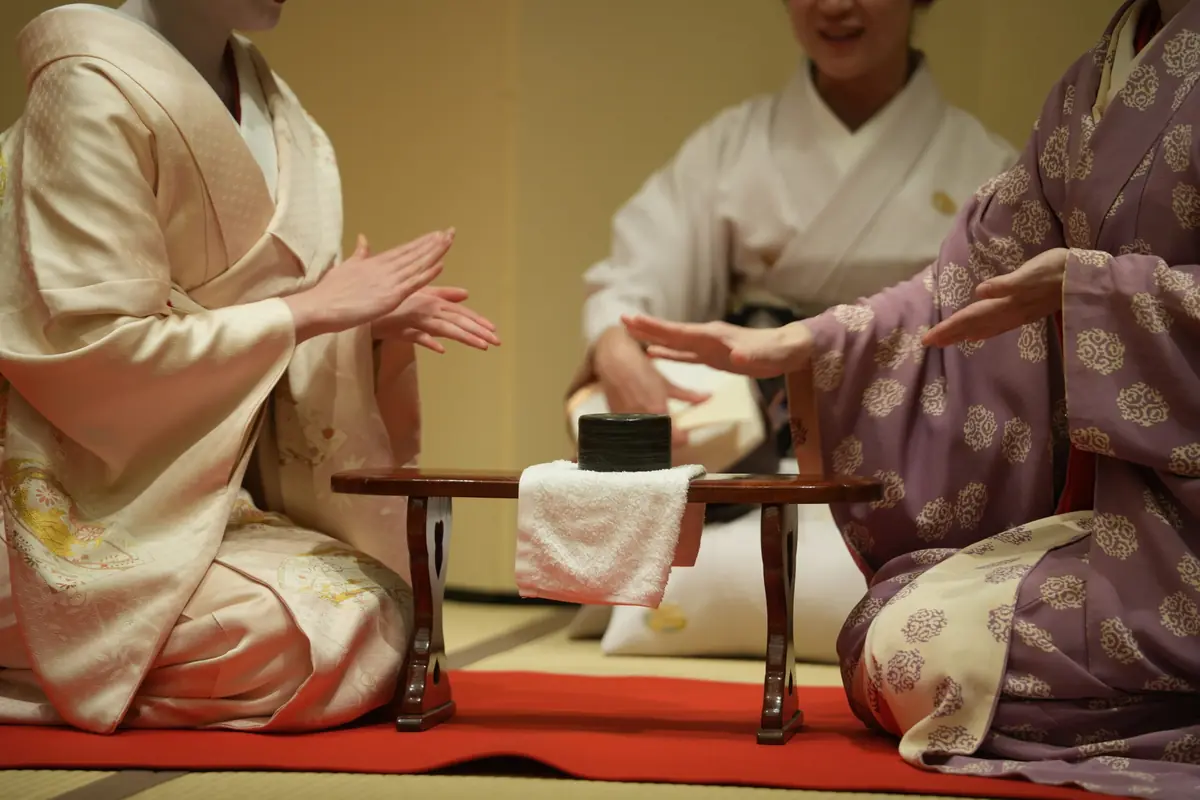
Playing this game is a test of rhythm, observation, and reflexes. It is usually played between two people sitting across from each other with a kyōsoku between them and a hakama placed on top. The game uses two wooden pieces: a kyōsoku (kyo-soku — a low armrest-style wooden stand) is placed between the two players. On top of it sits a hakama — a small wooden pedestal. The sake cup is not used during play. It only appears at the end as the forfeit drink for the loser.
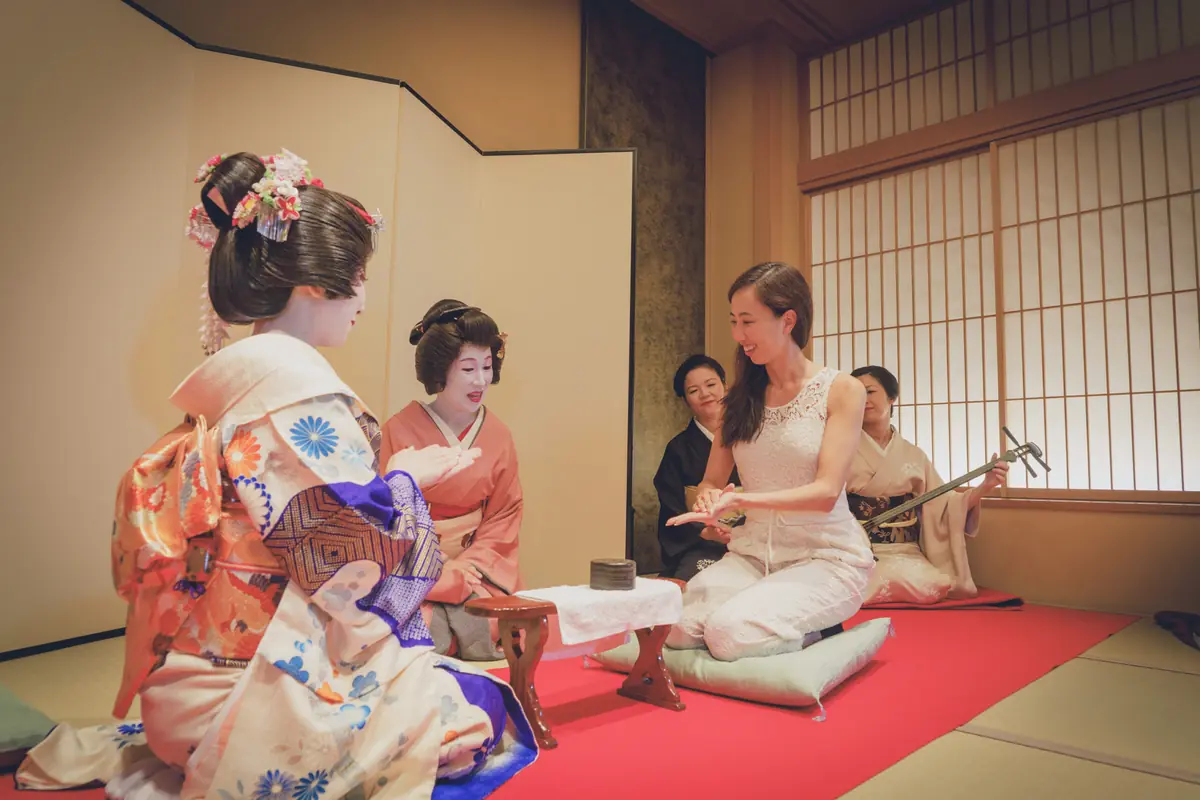
The Setup: Place the hakama on the kyōsoku in the center between both players. Both players sit kneeling across from each other.
The Basic Move: As the music starts, players take turns placing their hand on the hakama in time with the rhythm. If the hakama is in front of you (on the kyōsoku), you must place your open palm flat on top of it. If the hakama has been taken by the other player, you must place a closed fist on the empty kyōsoku where the hakama was.
The Twist: On your turn, you have the choice to either just touch the hakama or pick it up and move it to your side. If you pick it up, the next player must realize it is gone and place a fist on the empty kyōsoku. If they accidentally place a flat palm on the empty space, they lose. The hakama can be kept on your side for up to 3 times in a row by yourself; on the fourth turn it must be returned to the center.
The Escalation: The real challenge begins as the song repeats and the tempo increases. The geisha will sing faster and faster, and the shamisen player will push the speed to its limits. One small slip of the hand, and you must drink one full small sakazuki (sake cup) — not just a sip, but the whole cup. Non-alcoholic alternatives like tea or beer work just as well; the rule still applies. It is all in the spirit of fun and celebration, ensuring that every guest leaves with a smile and a memorable story.
Want to understand what else happens at an ozashiki? The complete guide to ozashiki games covers all the traditional entertainments you can expect during a geisha banquet.
Why Play This Game in Asakusa?
While you can find geisha culture in Kyoto, the experience in Asakusa, Tokyo, is unique. Asakusa is known as an open hanamachi. While Kyoto is often seen as more exclusive or formal, Asakusa has a history of being a place where people from all walks of life—merchants, artists, and tourists—come together. The culture here is defined by iki, a sense of chic, sophisticated, yet down to earth style.
In the heart of Asakusa, near the historic Senso-ji Temple, lies the district known as Kannon-ura. This is where you will find the most authentic geisha experiences. Unlike the modern entertainment found in the city center, the geisha here have spent years training in traditional dance, music, and the art of conversation. They are not merely performers; they are the keepers of a 400 year old history.
For visitors planning their first ozashiki experience, understanding geisha tea house etiquette beforehand makes the evening far more enjoyable. Our guide to geisha tea house etiquette covers everything from how to sit on tatami to how to interact with your geisha host.
Play Konpira Fune Fune with a Real Geisha in Asakusa
Experience this iconic game at Miyakodori’s private ozashiki (geisha banquet) in the historic Kannon-ura district. Geisha guide you through every move — perfect for first-time guests.
Experience the Authenticity at Miyakodori
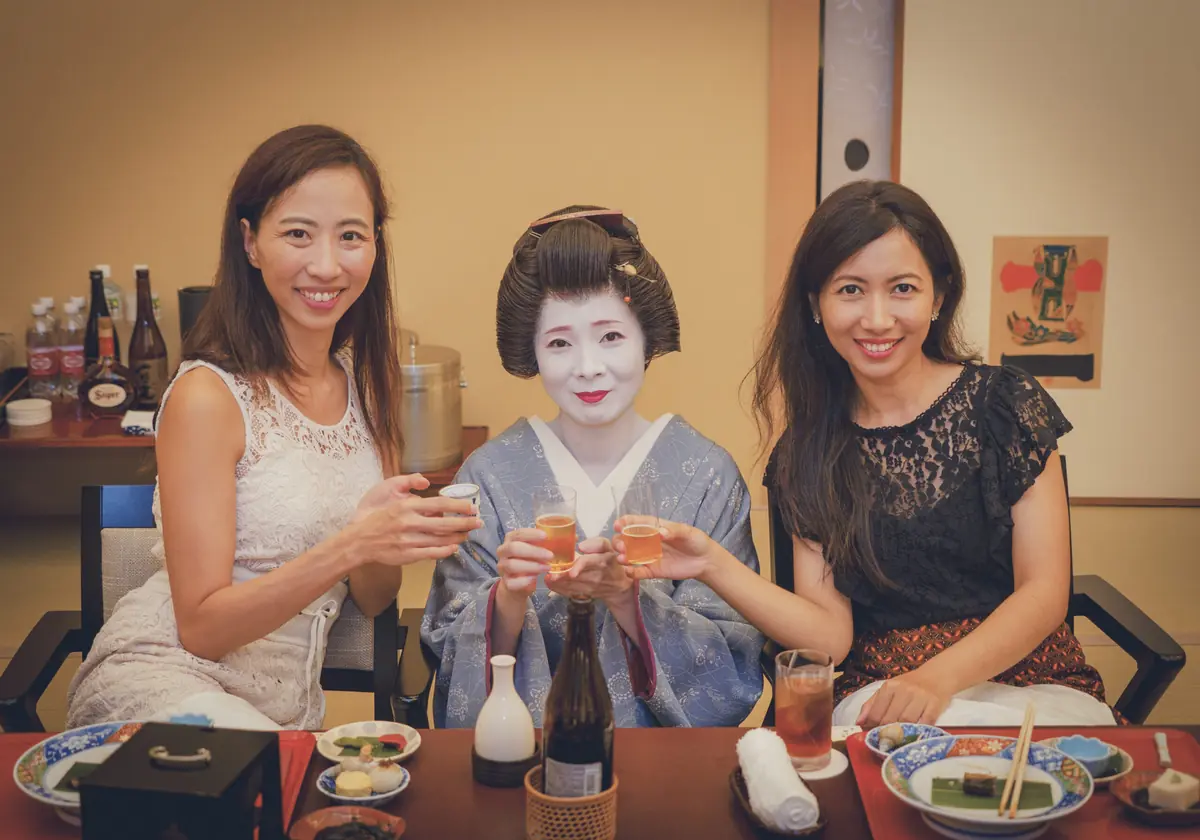
If you want to experience Konpira Fune Fune as it was meant to be played, there is no better place than Miyakodori. Located in the historic Kannon-ura area, Miyakodori is a traditional machiai-chaya (geisha banquet teahouse)—a place specifically designed for guests to enjoy the company of geisha. Unlike a ryotei, a machiai-chaya arranges cuisine from celebrated outside kitchens, allowing for flexible dietary options and a fully personalized experience.
The name Miyakodori comes from a poem in the Ise Monogatari by Ariwara no Narihira. It translates to: If you are truly a bird of the capital, let me ask you, Miyakodori, is the one I love still well? This reflects the establishment’s desire to be a place where hearts connect and memories are cherished.
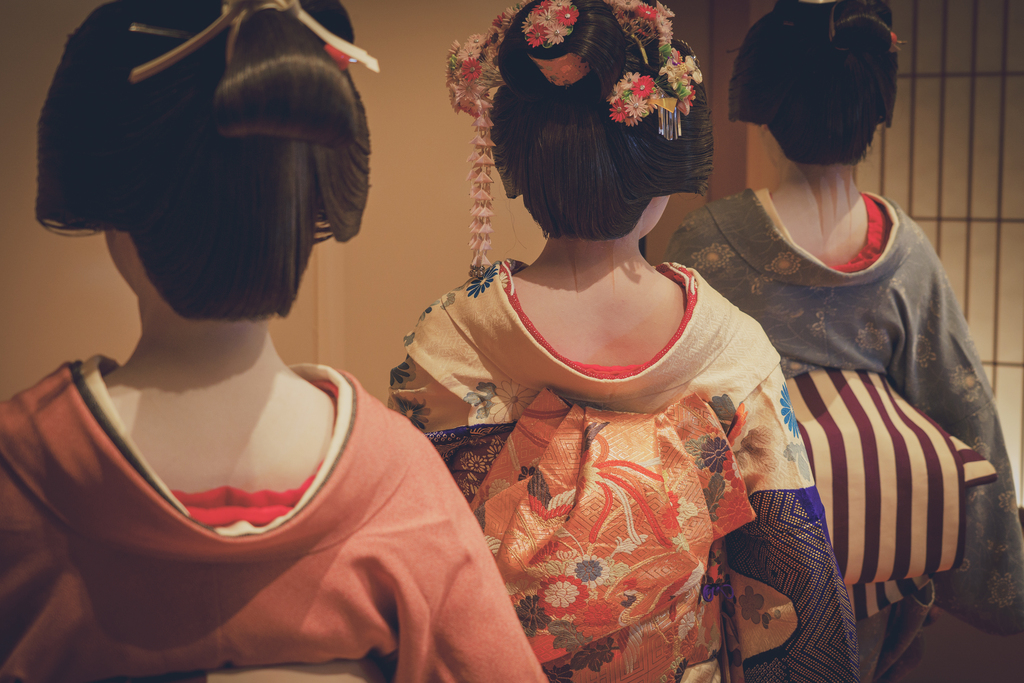
At Miyakodori, you are a guest in a space that has survived the challenges of history, including the rebuilding of Asakusa after the war. The proprietress, who grew up in the world of the Asakusa geisha, ensures that every detail, from the seasonal kaiseki cuisine to the arrangement of the private rooms, is perfect. This is a place where you can meet real geisha who have dedicated their lives to their craft.
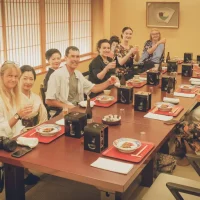
Whether you are hosting a business VIP, celebrating a family anniversary, or simply exploring Japanese culture as a tourist, Miyakodori offers a welcoming atmosphere.
Konpira Fune Fune is one of several traditional games you may encounter during an ozashiki. If you would like to learn more about what to expect, read our complete guide to Konpira Fune Fune, the definitive resource on this game’s history and cultural significance in Tokyo’s geisha world.
Conclusion: A Night to Remember
Konpira Fune Fune is a game that connects the maritime prayers of Shikoku to the vibrant banquet halls of Tokyo. By learning the lyrics and the rules, you prepare yourself for a night of laughter and cultural immersion. We invite you to step away from the everyday and into the extraordinary world of the Asakusa geisha. Come to Miyakodori, where the music of the shamisen and the warmth of true hospitality await you.
Frequently Asked Questions
- Is it okay for beginners to play Konpira Fune Fune?
- Absolutely! The geisha are experts at teaching the game and will start at a slow pace to help you get the hang of it. The goal is enjoyment, not perfection.
- Do I have to drink alcohol during the game?
- While it is traditionally a drinking game, you can easily play with non alcoholic beverages. The fun is in the rhythm and the interaction.
- How should I dress for a visit to Miyakodori?
- While formal wear is respected, the most important thing is to be neat and respectful of the traditional environment.
- How can I make a reservation?
- You can visit the official website at miyakodori-geisha.com to learn more about the packages and booking process.
Ready to Experience an Authentic Ozashiki in Asakusa?
Book your private geisha banquet at Miyakodori and play Konpira Fune Fune in the heart of historic Kannon-ura. Reservations by request — we look forward to welcoming you.
Sources: About Machiai Chaya and Miyakodori: https://prtimes.jp/main/html/rd/p/000000001.000165250.html | Asakusa Sightseeing and Culture: https://asakusa.gr.jp/jp/?p=385 | The Tradition of Tokyo Geisha: https://www.my.metro.tokyo.lg.jp/w/000-20240711-43128106 | Official Asakusa Kenban (Geisha Association): https://asakusakenban.com/ | Miyakodori Internal Interview Data and Historical Records.


- Maiko vs Geisha: The Differences (2026 Edition)
- Yoshiwara: History, Location & Legacy of Japan's Famous District
Japanese Geisha Facts: Unveiling the Art, History, and Hidden World of Traditional Entertainment
Geisha: Japanese Artistry, Culture, and Modern Experiences in 2026
Geisha Drinking Game: Culture, Fun, and Tradition
Where to See Geisha in Tokyo, Japan: A Guide to the Best Hanamachi & Experiences
Beyond “Geisha Girls”: Understanding Japan’s Traditional Artists of the Flower and Willow World
No comments yet.