



Asakusa to Ueno: How to Get There, and How to Spend One Day Between the Two
The fastest way from Asakusa to Ueno is the Tokyo Metro Ginza Line: three stops from Asakusa (G19) to Ueno (G16), about 6 minutes, for ¥180 by ticket or ¥178 with an IC card such as Suica or PASMO. On foot it takes about 30 minutes, and a taxi takes roughly 10 minutes depending on traffic. The two neighbourhoods make an easy day together: Senso-ji and the old downtown streets in the morning, the park, museums and market of Ueno in the afternoon, and back to Asakusa for the evening, when Senso-ji is lit.
We run a teahouse in Asakusa, so we know this stretch of the city well, and we lean toward our home neighbourhood. Where we have not checked something, we leave it out rather than guess.
Asakusa to Ueno at a Glance
| Way | Time | Cost | Best for |
|---|---|---|---|
| Ginza Line | About 6 minutes | ¥180 by ticket, ¥178 with an IC card | The default choice, in any weather |
| On foot | About 30 minutes | Free | Good weather and an unhurried day, with Kappabashi on the way |
| Taxi | Roughly 10 minutes, depending on traffic | Metered fare | Luggage, rain or tired legs |
Times are typical figures from route-planning sites, and the fares are Tokyo Metro’s published fares for 1 to 6 km. Check a journey planner for the day you travel.
By Train: The Ginza Line
The Ginza Line is the orange line, and it is the one to take. It runs from Asakusa (G19) through Tawaramachi (G18) and Inaricho (G17) to Ueno (G16), so there are three stops and no change. The fare for 1 to 6 km on Tokyo Metro is ¥180 by ticket or ¥178 with an IC card, which is what a ride between these two stations costs.
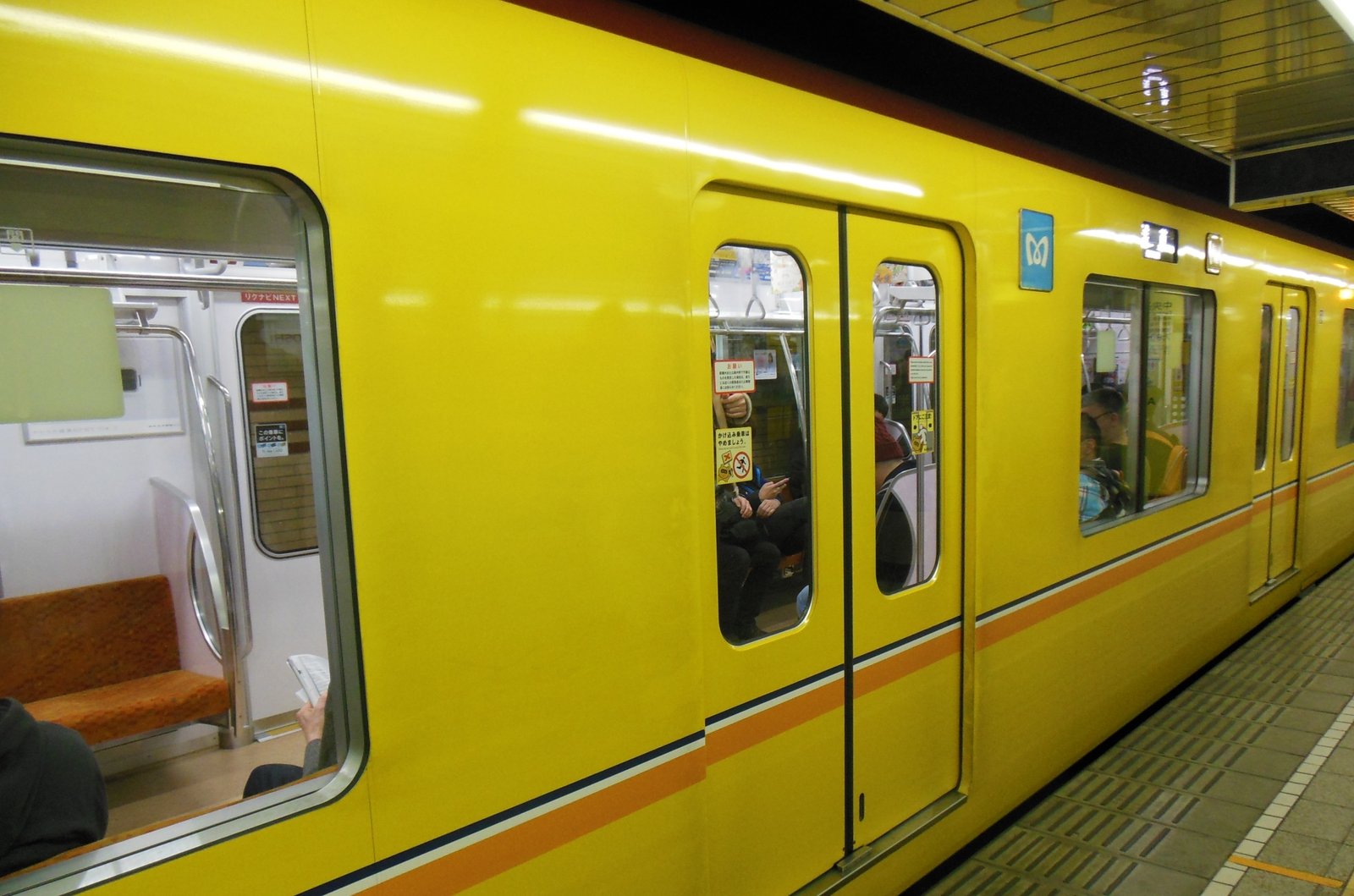
It is also a short ride with some history. The section between Asakusa and Ueno, 2.2 km long, opened on 30 December 1927 as the first subway in East Asia. You are riding the oldest underground railway stretch in the region.
Ueno Station is large. Allow a few minutes at the other end to find the exit you want, and follow the signs for the park or for the market. If you are arriving from Narita, note that the Keisei Skyliner reaches Ueno in 41 minutes from Narita Airport Terminal 2·3, according to Keisei, so the two neighbourhoods can be linked in a single easy journey: Skyliner to Ueno, then the Ginza Line to Asakusa.
On Foot: Through Kappabashi
Walking from Asakusa to Ueno takes about 30 minutes, and the best route is through Kappabashi. Kappabashi Dougu Street, the kitchenware district, is about 10 minutes’ walk from Senso-ji, and the nearest station is Tawaramachi on the Ginza Line. Most shops are open from at least 10:00 to 17:00, and many close on Sundays and public holidays, so a Sunday walk finds shutters.
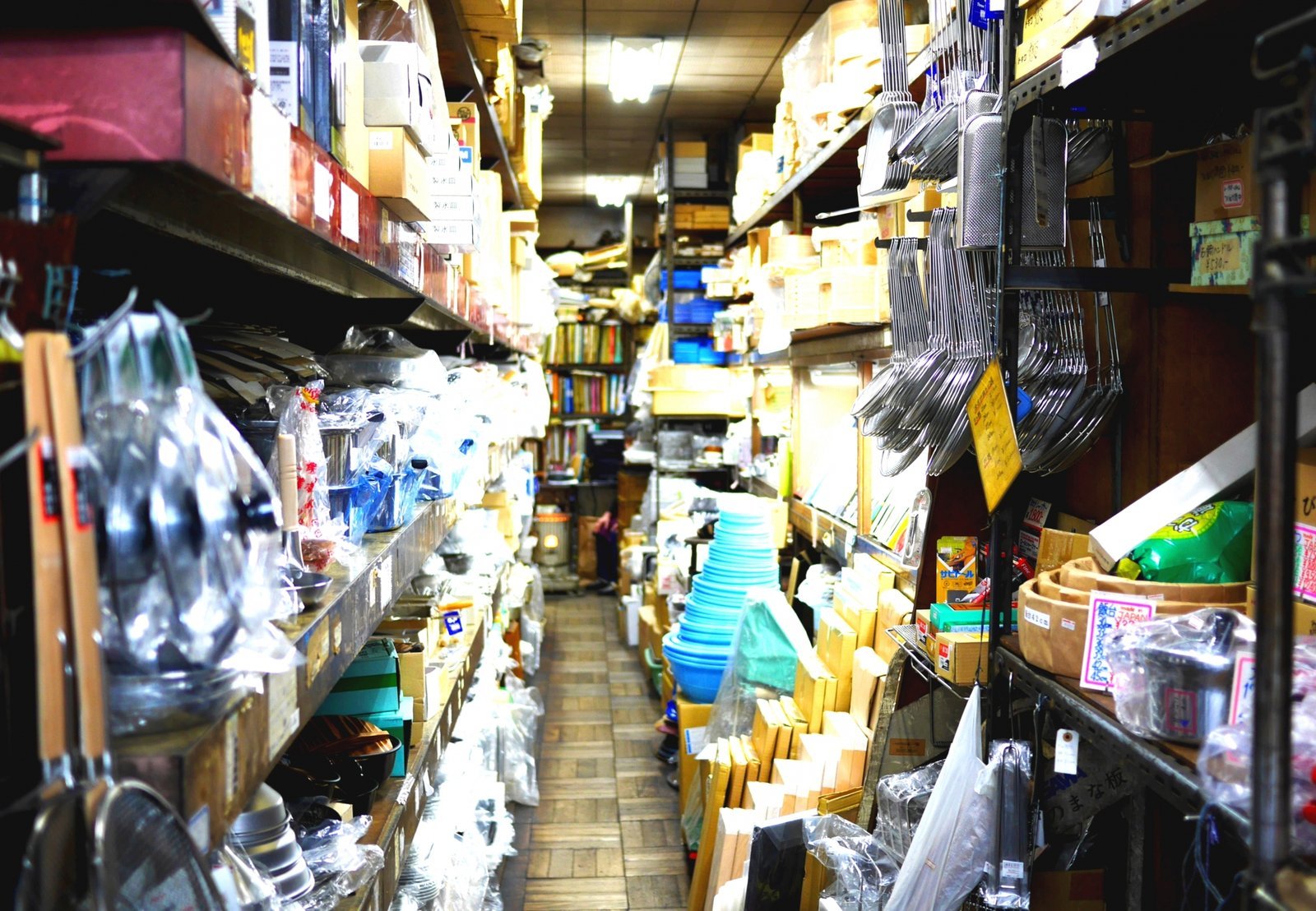
The walk runs close to the Ginza Line, so Tawaramachi and Inaricho stations are never far away if your legs say stop. That makes it an easy half-measure: walk to Kappabashi, browse, then ride the last stops. Our full-day Asakusa guide covers what is on the Asakusa end.
Asakusa and Ueno: What Each Is For
People searching for this route are often also asking which of the two neighbourhoods suits them, and the answer is that they do different jobs.
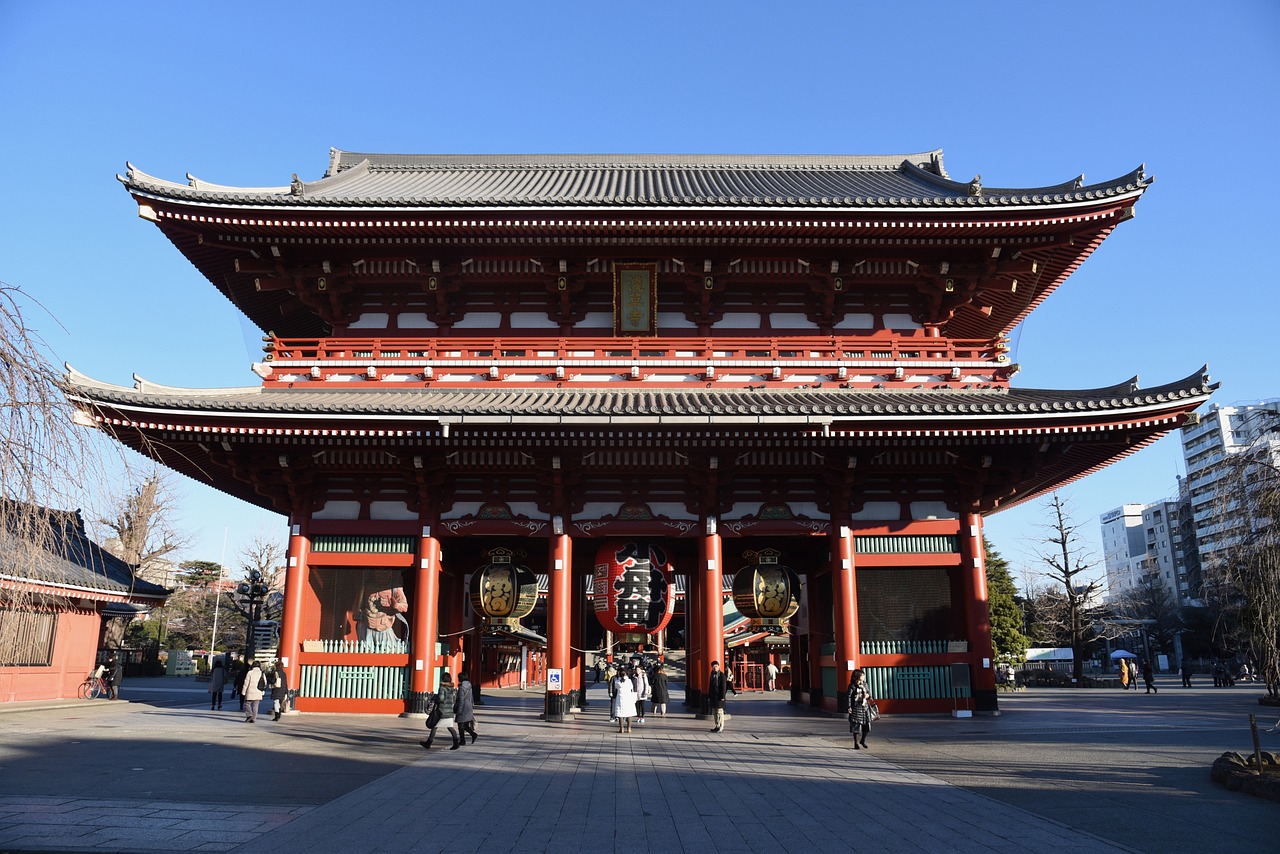
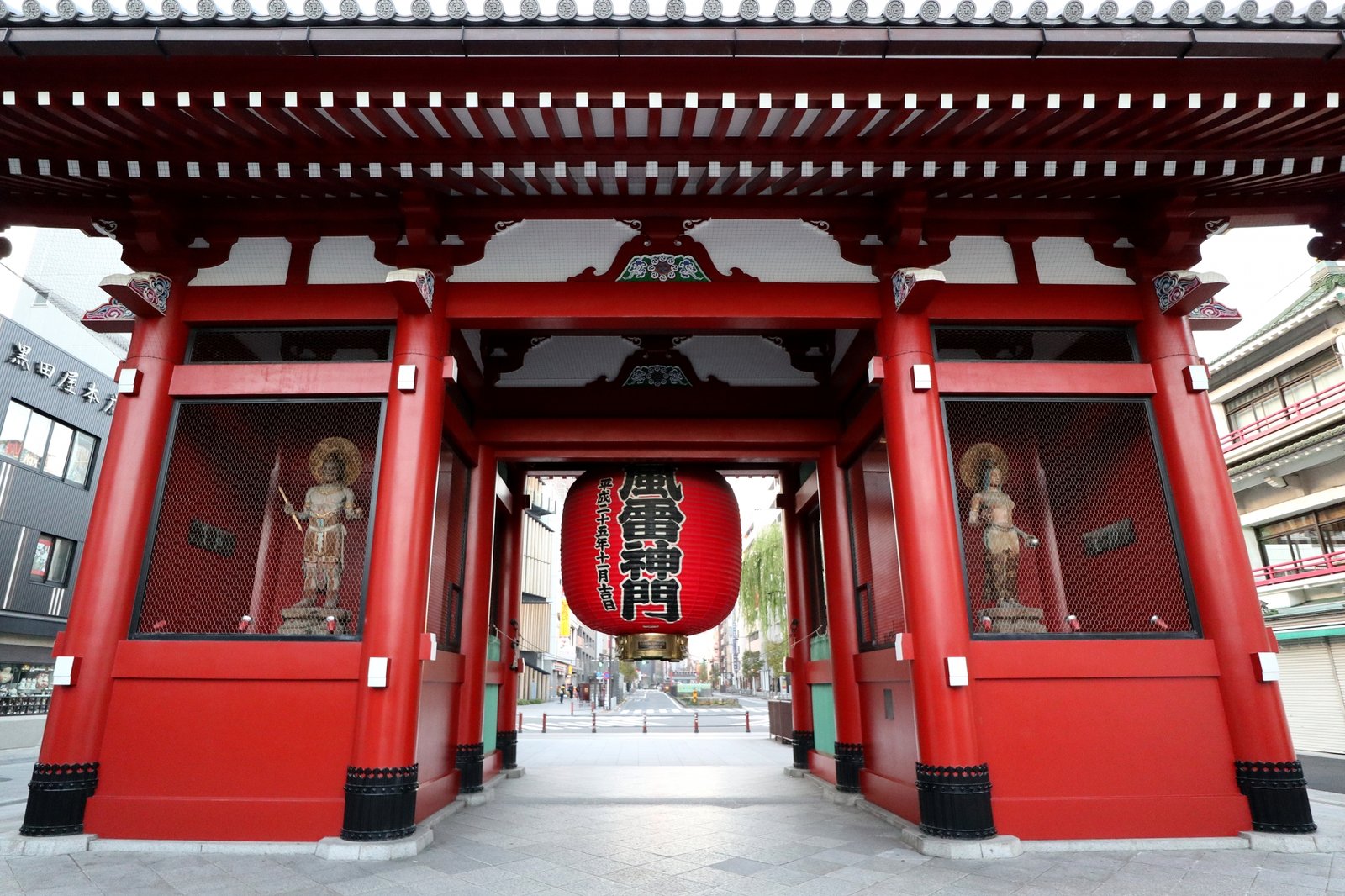
Asakusa is a temple town and an old downtown. Its centre is Senso-ji, with the Kaminarimon gate, the Nakamise shopping street and the streets of small shops and old restaurants around them. It is at its best early in the morning and again after sunset, when the grounds are lit. Our guide to the best things to do in Asakusa goes deeper.
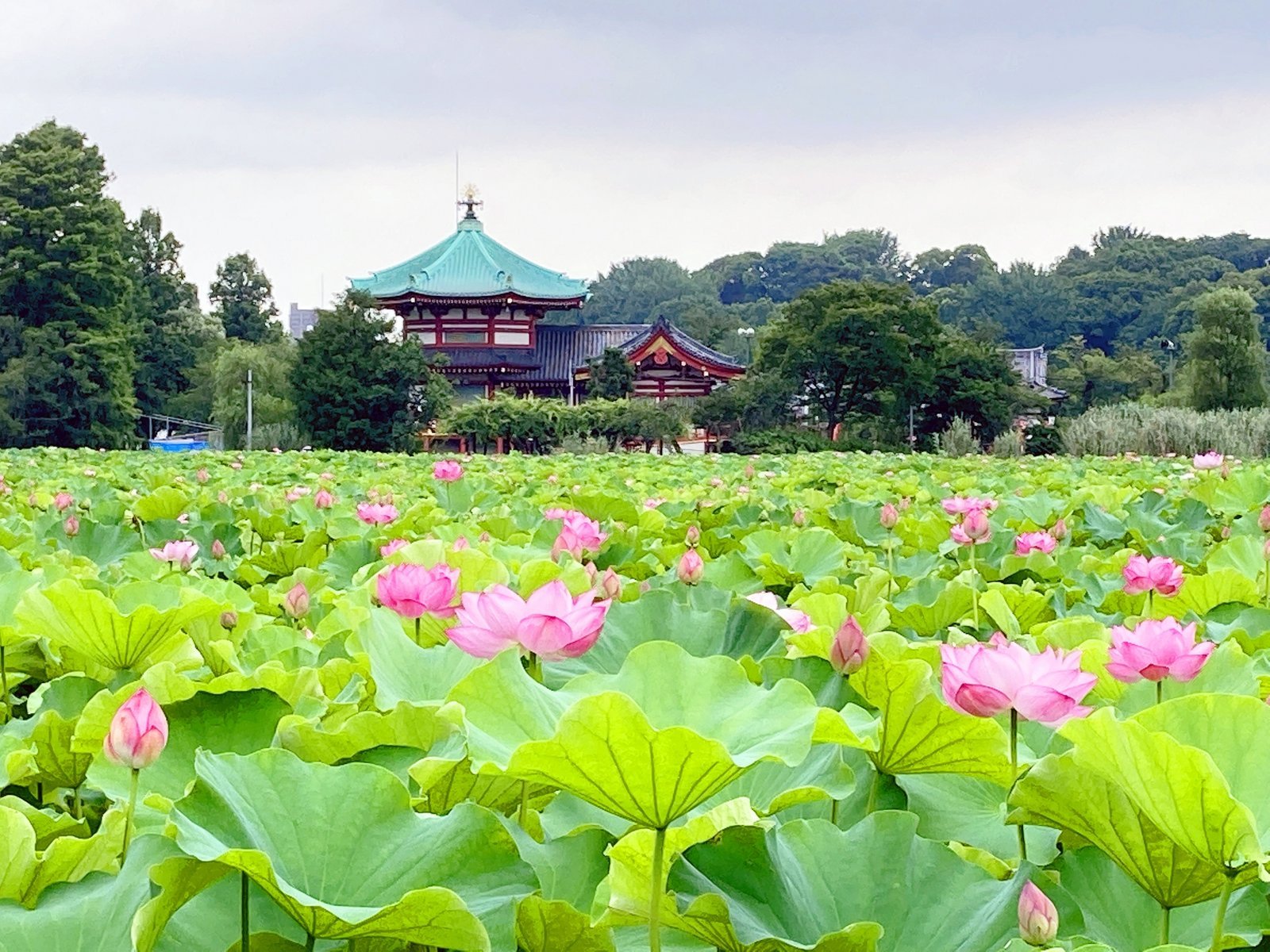
Ueno is a hub and a park. It has Ueno Park and the museums inside it, including the Tokyo National Museum, as well as the zoo, Shinobazu Pond and Ameyoko, the open-air market under the railway tracks. It is also a major JR station and the Keisei Skyliner terminus, which makes it the starting point for onward trains to the north.
The two share a line, so you do not need to choose. You need to sequence them.
A One-Day Plan: Asakusa, Ueno, and Back
The order that works best is Asakusa first, Ueno in the middle of the day, and Asakusa again in the evening. Museums and the zoo keep daytime hours, while Senso-ji is at its best at the edges of the day.
- Early morning, Asakusa. Go to Senso-ji first. The main hall opens at 6:00 from April to September and at 6:30 from October to March, and the approach is quiet before the shops open and the day-trippers arrive. Our guide to the quiet hours at Senso-ji has the timing.
- Late morning, Kappabashi. Shops open from about 10:00. Walk through, then continue on foot to Ueno or ride from Tawaramachi.
- Midday, Ueno. Lunch around Ameyoko is the easy choice, with the market’s stalls and small restaurants close at hand.
- Afternoon, Ueno Park. Choose one museum rather than three. The Tokyo National Museum alone fills an afternoon, and its hours and closing days change through the year, so check its calendar the day before. Shinobazu Pond is the lighter option.
- Late afternoon, back to Asakusa. Take the Ginza Line, about 6 minutes, and arrive as the light changes.
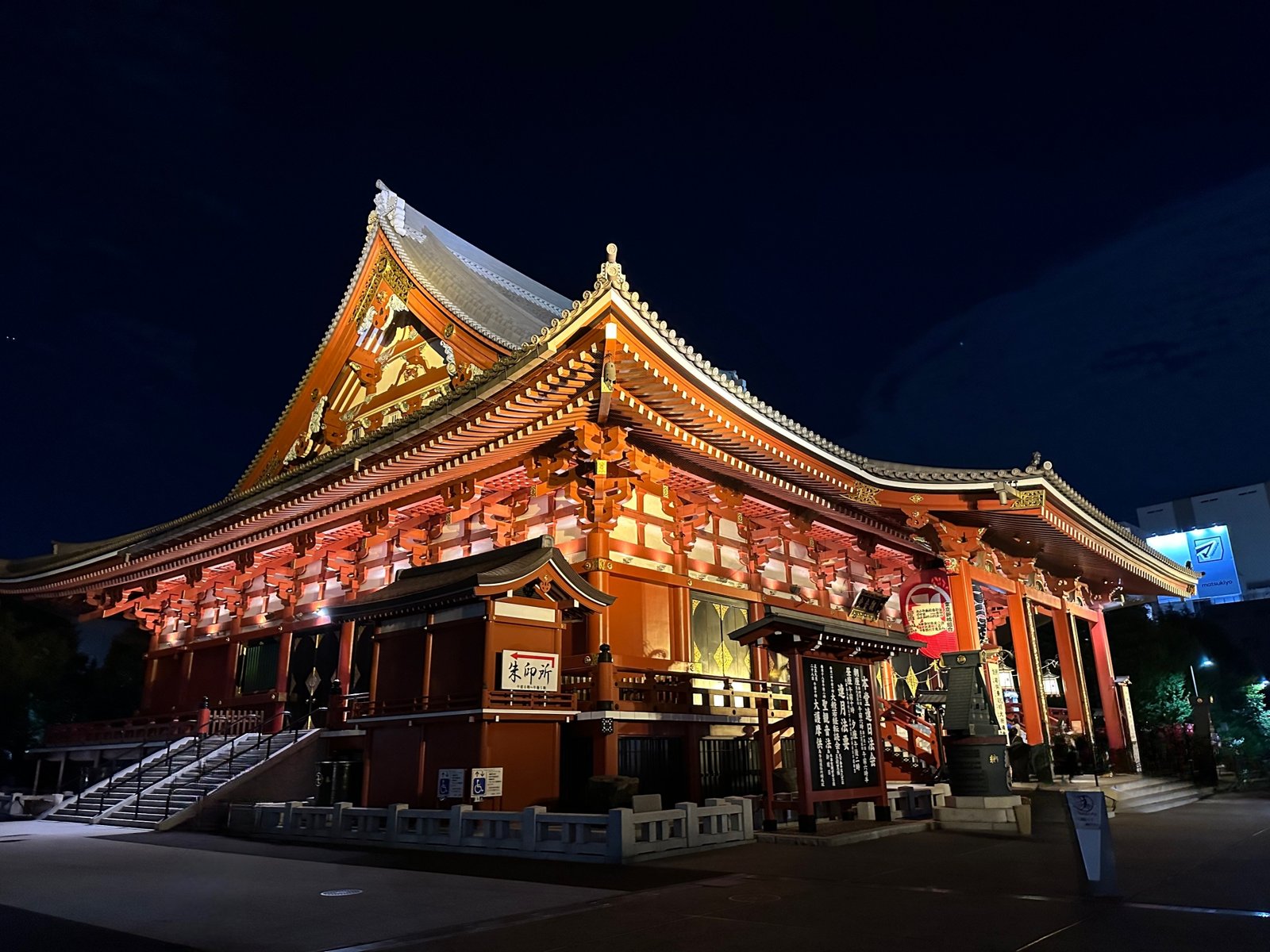
- Evening, Asakusa. Senso-ji’s main hall, pagoda and gates are lit from sunset until around 11 p.m., according to the temple. For dinner, our guide to Asakusa after dark shows what is open.
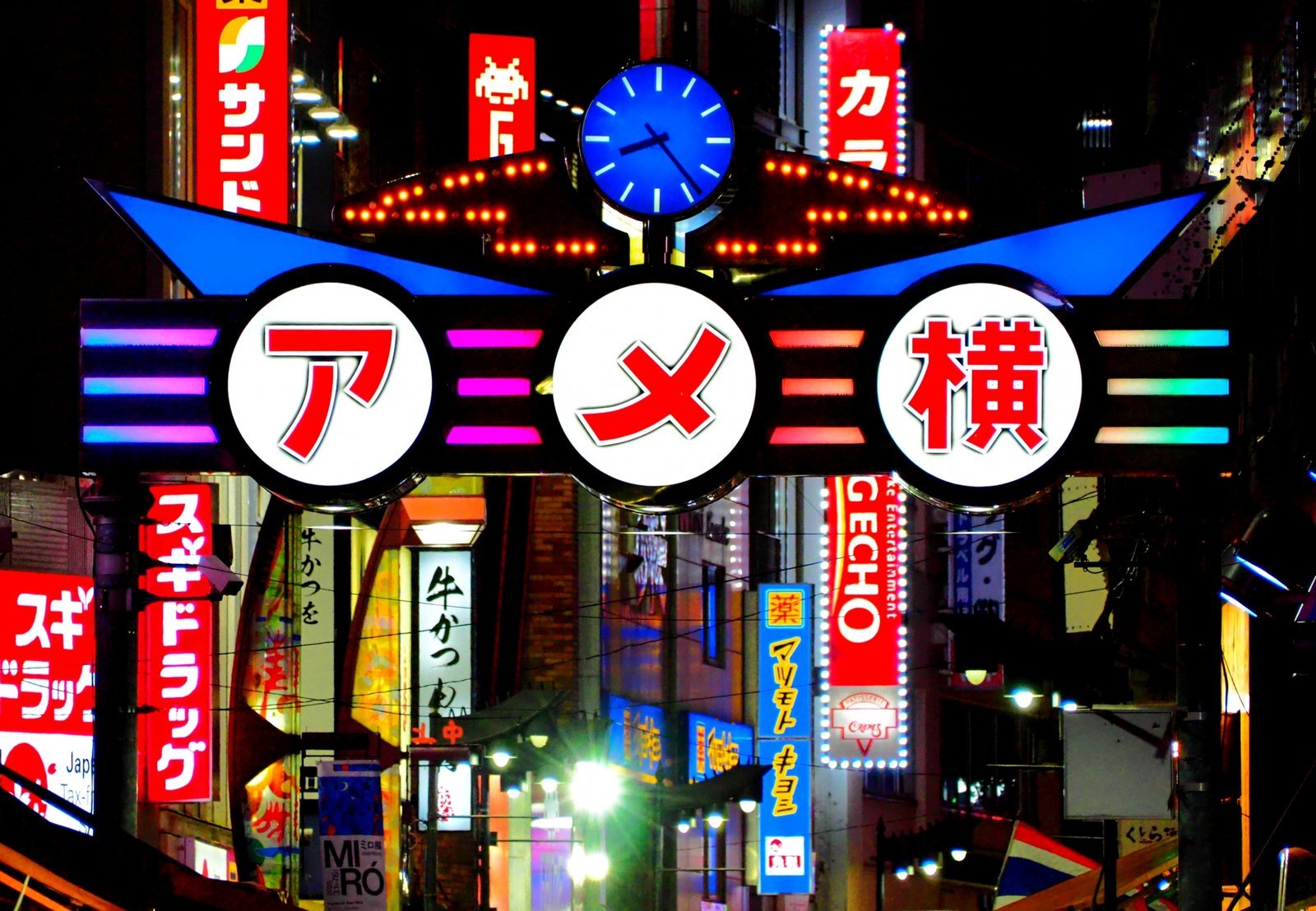
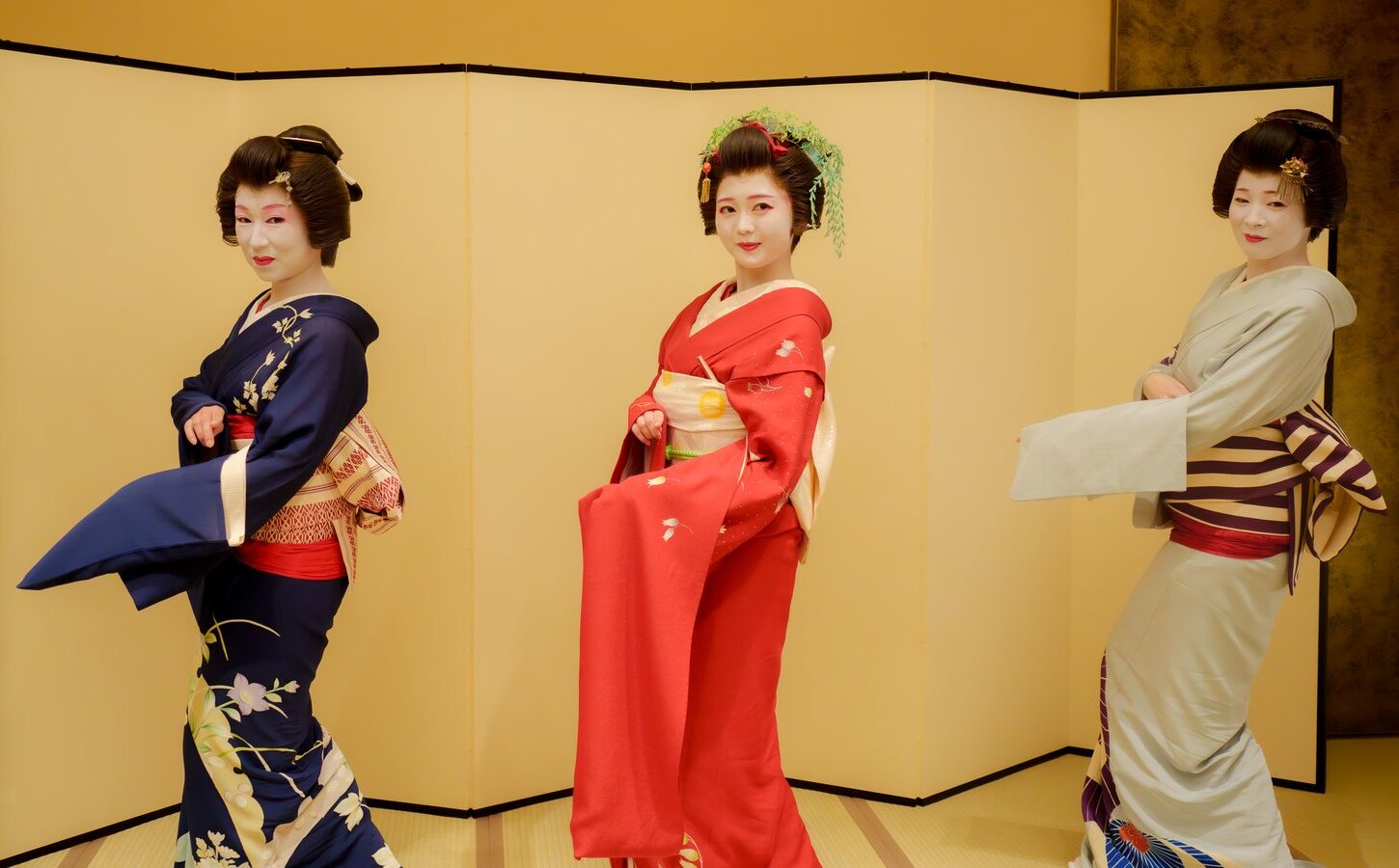
If you want to end the day with an evening of a different kind, Miyakodori is a machiai-chaya, a teahouse that lends the room and brings in the meal and the geisha, on the north side of Senso-ji at 3-23-10 Asakusa. It is in Asakusa, not Ueno, and about 13 minutes’ walk from Asakusa Station on the Ginza Line or about 4 minutes by taxi. It is the only machiai-chaya in Asakusa, founded in 1950, and a first-time visitor can request a private ozashiki (geisha banquet) online, in English, without an introduction. We are closed on Saturdays, Sundays and public holidays (openings on request are decided case by case), so a weekday is the day to plan this on.
End Your Day in Asakusa With an Evening You Will Remember
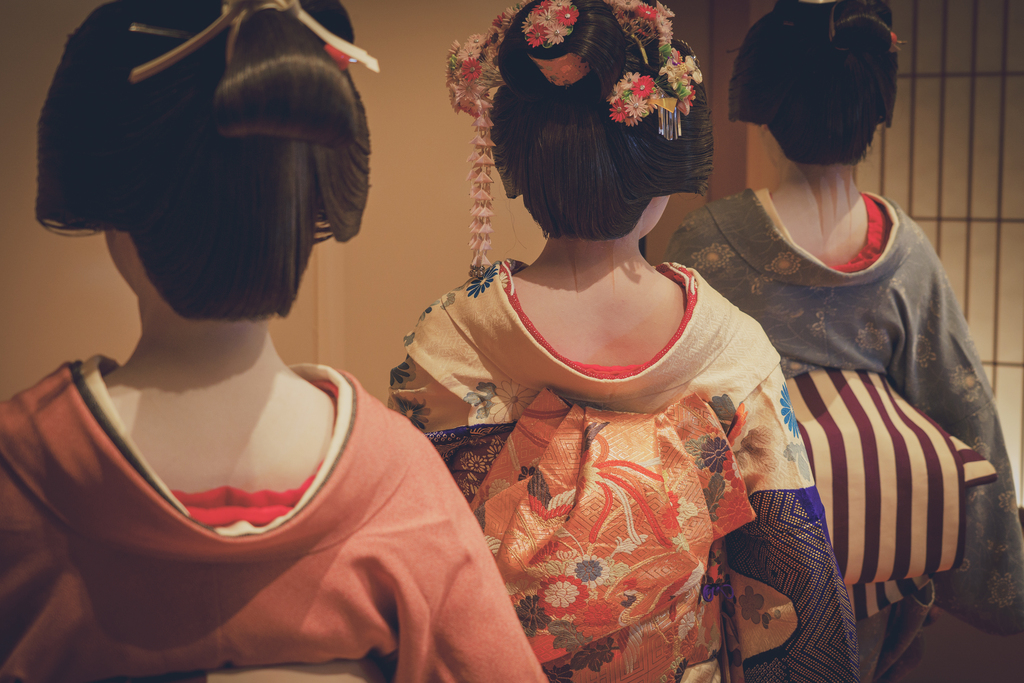
At our teahouse in Asakusa, a private ozashiki (geisha banquet) is held for your group alone. Asakusa geisha dance and play shamisen, and guests join in the old parlor games. First-time and overseas guests are welcome, with English support.
Request a ReservationStaying in Asakusa or Ueno?
If you are choosing a base, the two are three stops apart, so you are not locked in. Ueno is the larger transport hub, on the JR Yamanote Line and at the end of the Skyliner. Asakusa has the older streets, Senso-ji at the doorstep and through trains to both airports; our local guide to where Asakusa is shows the neighbourhood. If you are weighing Asakusa against another district, our comparison of Asakusa and Akasaka covers the other common choice.
Frequently Asked Questions
How far is Asakusa from Ueno?
About 2.2 km by the Ginza Line, which takes about 6 minutes, or roughly 30 minutes on foot. It is three stops from Asakusa to Ueno on the line.
Are Ueno and Asakusa near each other?
Yes. They are in the same ward, Taito, and are joined by one subway line with no change. Many visitors pair them in one day, with Senso-ji and Kappabashi on one side and Ueno Park and its museums on the other.
How much is the train from Asakusa to Ueno?
¥180 by ticket or ¥178 with an IC card such as Suica or PASMO, which is Tokyo Metro’s fare for journeys of 1 to 6 km. Check the operator’s fare table if the fare has changed since this guide was updated.
Can I walk from Asakusa to Ueno?
Yes, in about 30 minutes. The most interesting route goes through Kappabashi Dougu Street. If you walk on a Sunday or a public holiday, many of the Kappabashi shops will be closed.
Is it better to stay in Ueno or Asakusa?
It depends on the trip. Ueno is a larger transport hub with JR and Skyliner connections. Asakusa has older streets, Senso-ji nearby and through trains to both airports. They are three stops apart, so either works as a base for seeing both.
Is Ueno worth visiting?
Yes, particularly for the park and its museums. It is a different kind of place from Asakusa, so most visitors pair them rather than choosing one.
An Evening in Asakusa, After the Day Is Done
Miyakodori, founded in 1950, is the only machiai-chaya in Asakusa. Request a private ozashiki (geisha banquet), with English support. First-time and overseas guests are welcome without an introduction.
Request a Reservation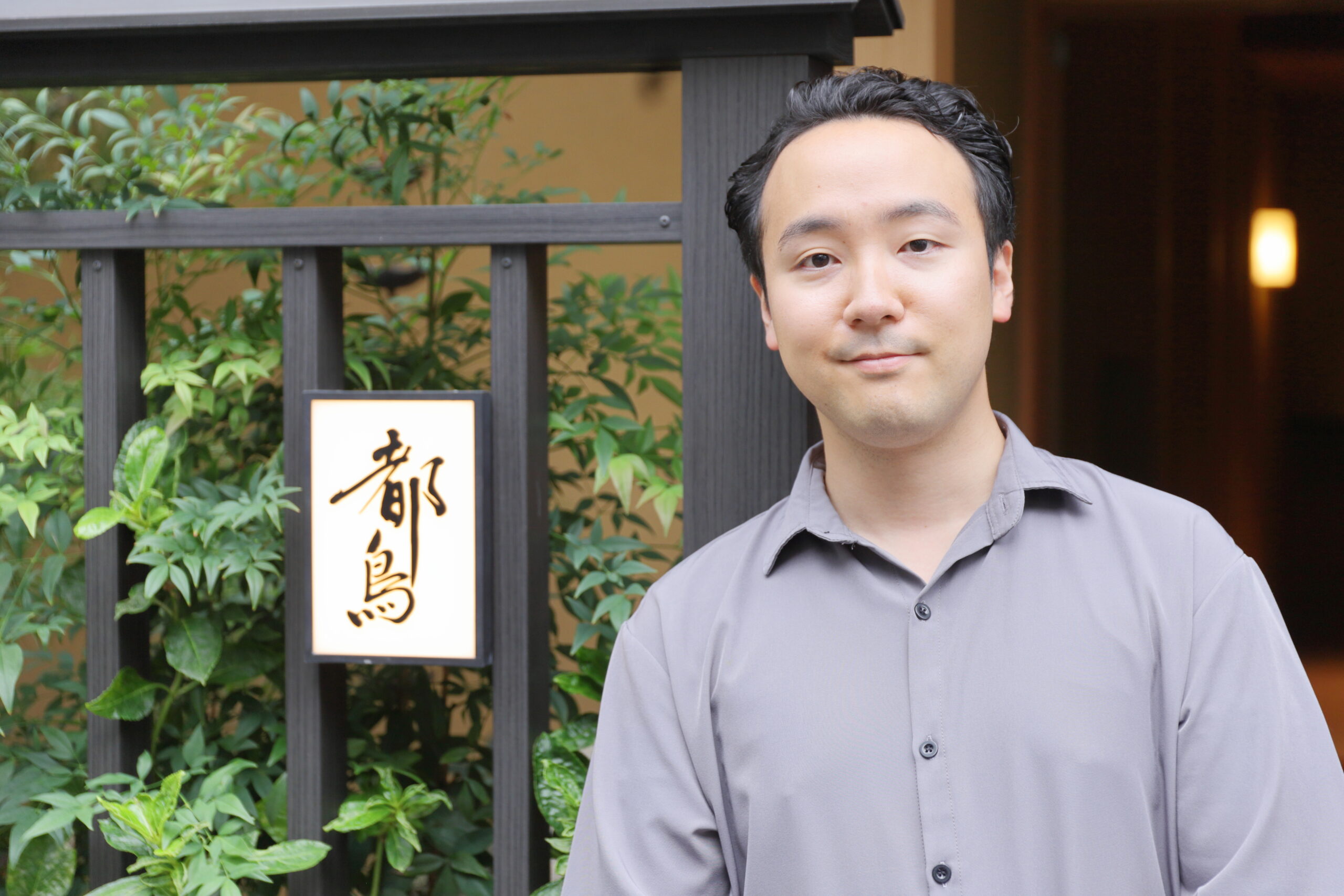


- Asakusa vs Akasaka: Where to Stay in Tokyo, and How the Two Old Geisha Districts Compare
- How Many Geisha Should You Book for an Ozashiki?
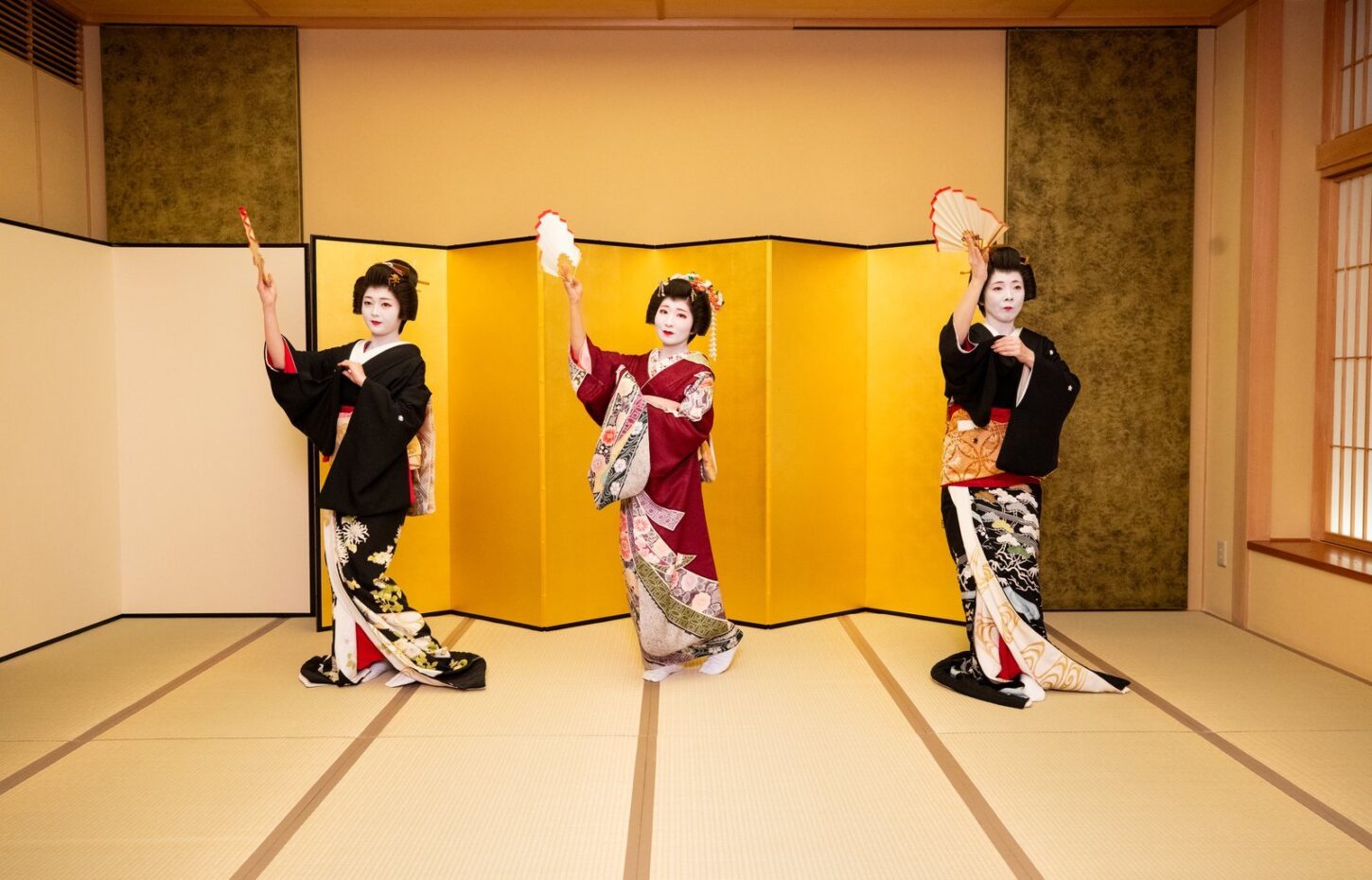
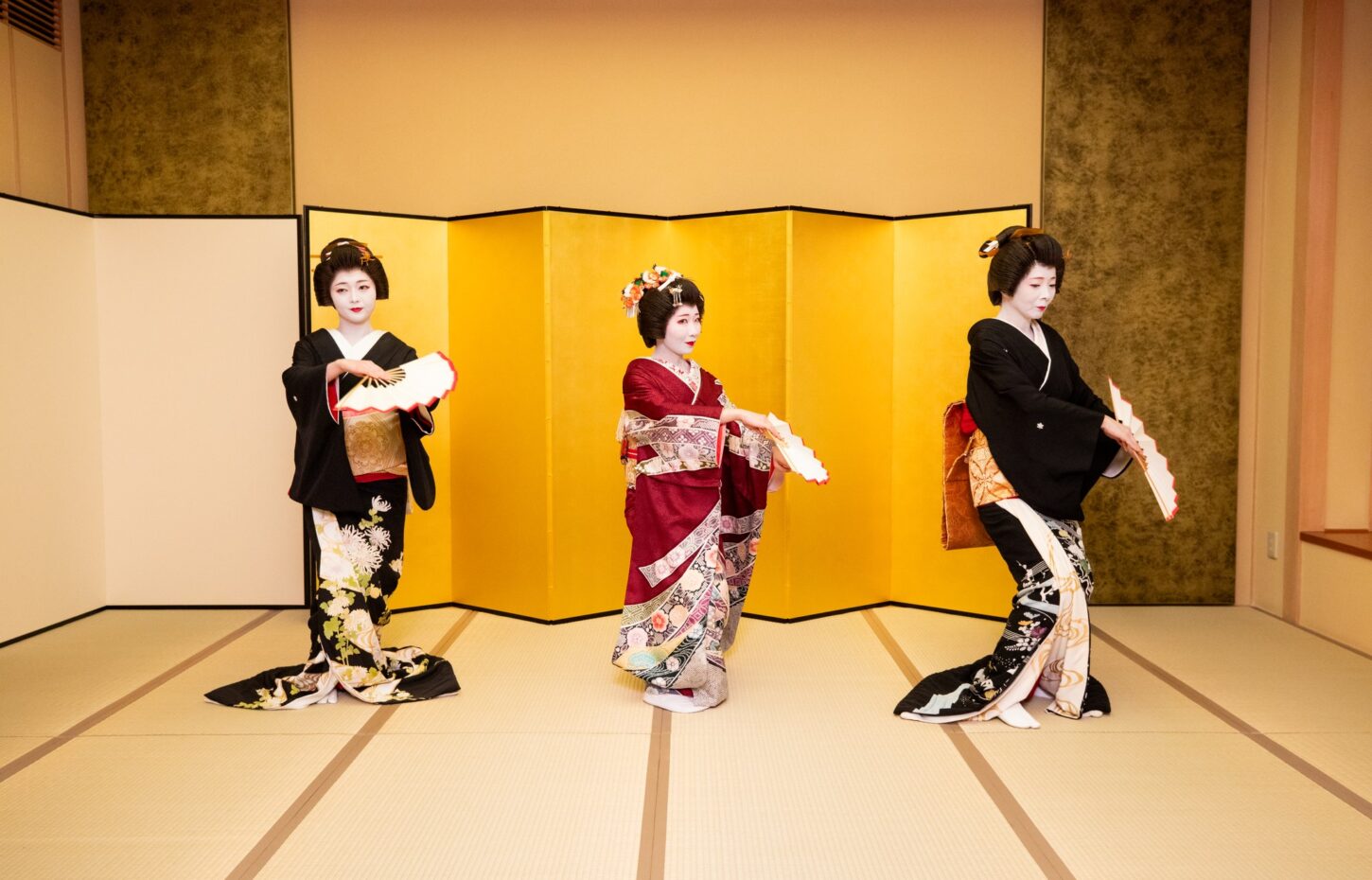
Geisha Dance: The Nihon Buyo You Will See at an Asakusa Ozashiki
Geisha Show on Netflix: The Makanai and the Real World of Geisha
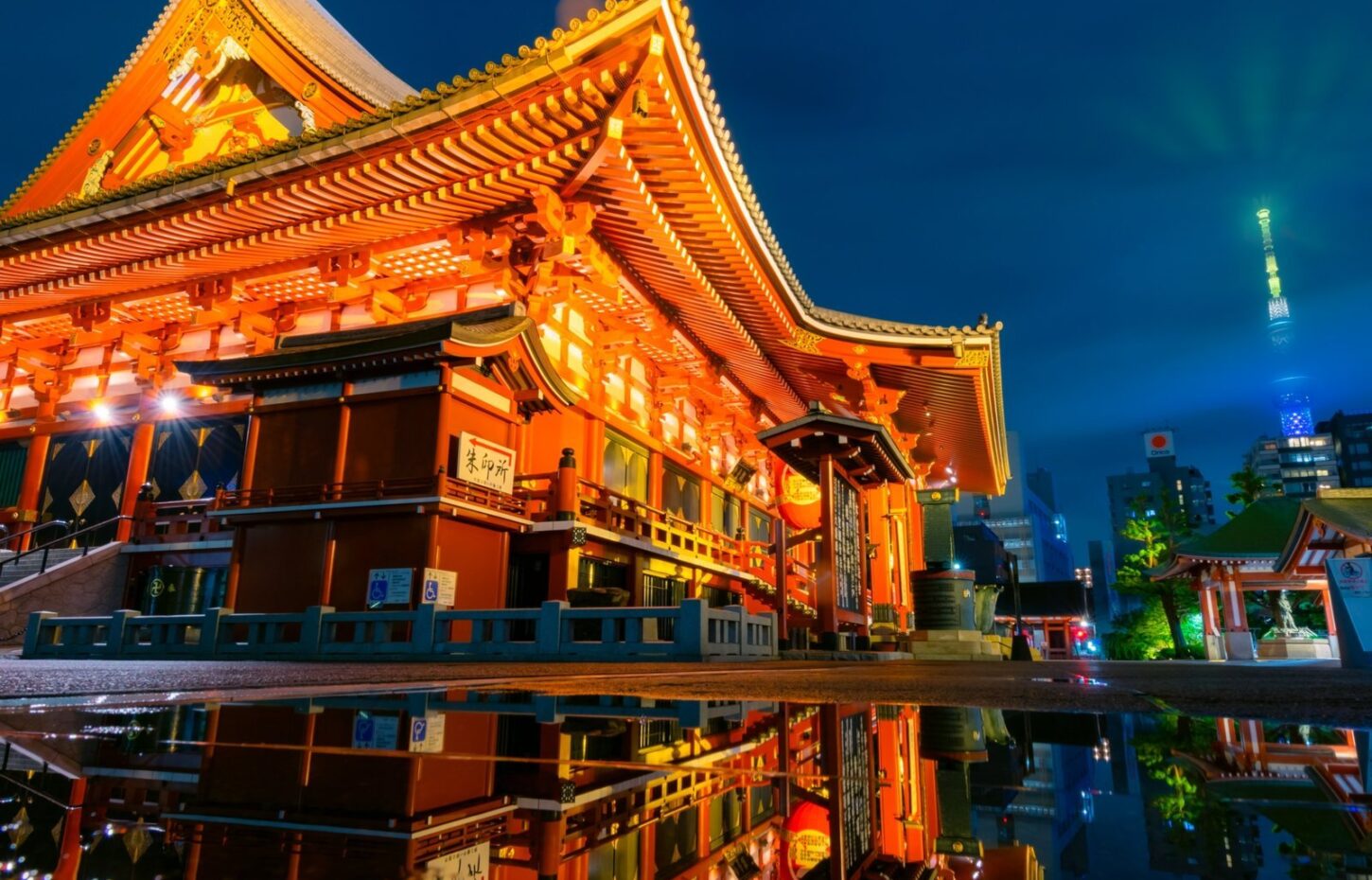
Christmas in Asakusa 2026: Japanese-Style Illuminations, Christmas Markets Nearby, and a Geisha Dinner
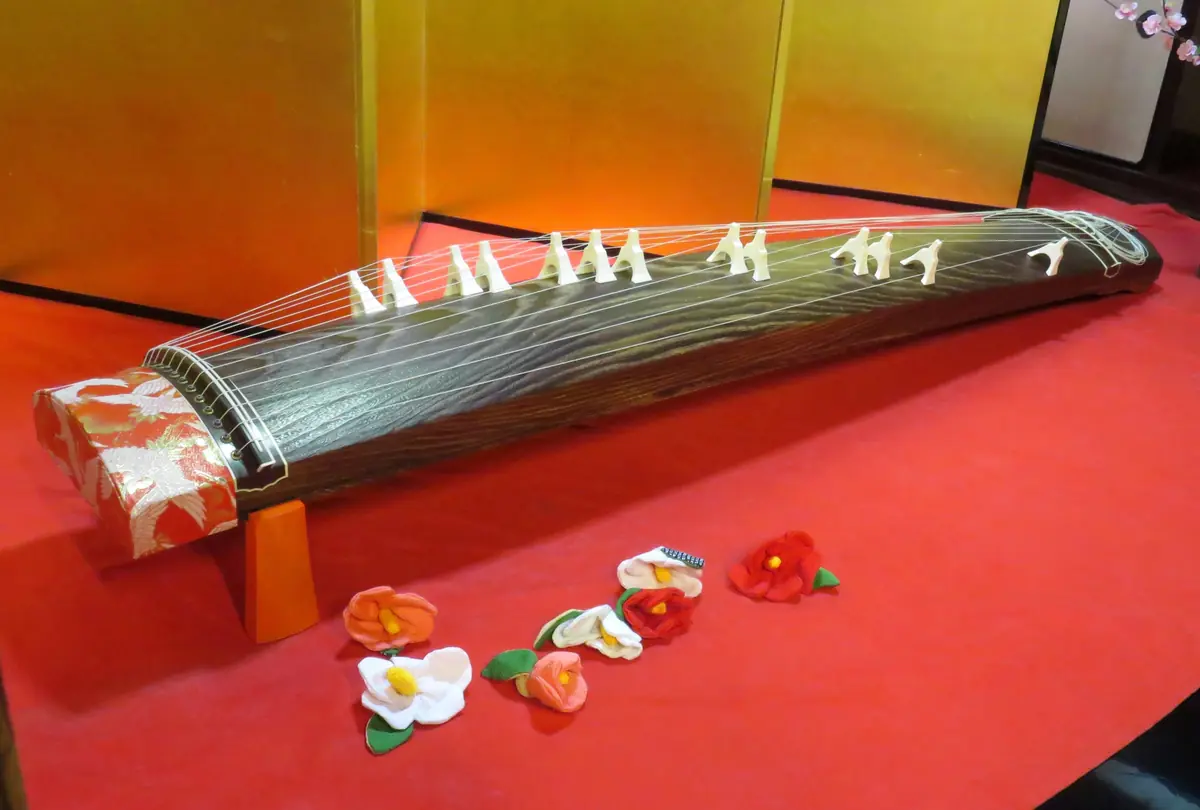
Best Time to Visit Sensoji Temple: Hours, Crowds and the Quiet Times Locals Know
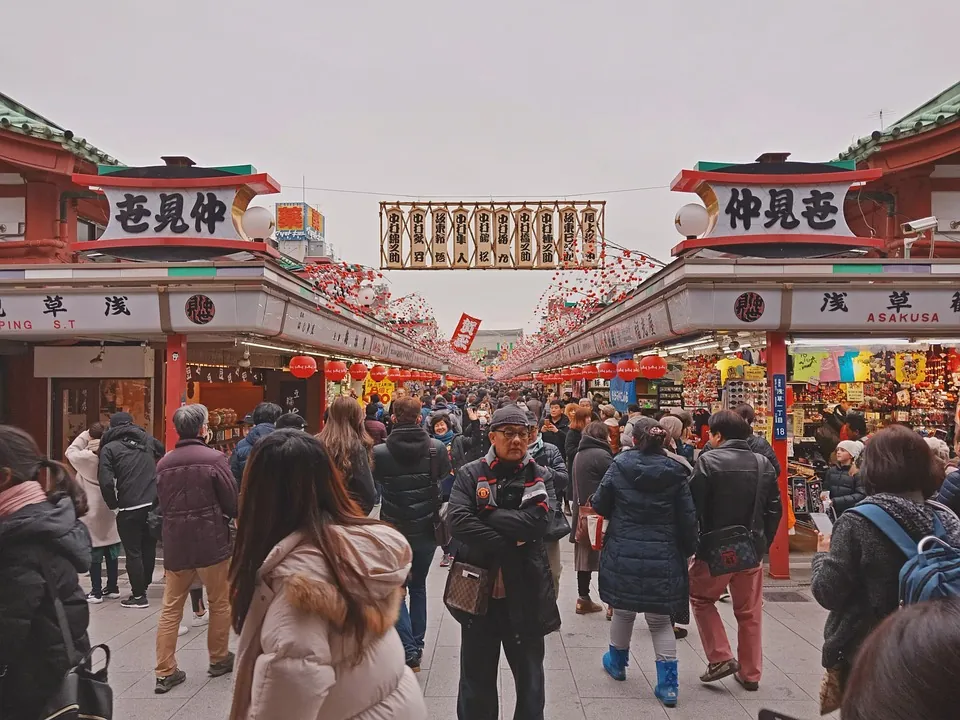
Welcoming Autumn in Asakusa: Top Things to Do in September | Highlights & Seasonal Experiences
No comments yet.