



Traditional Japanese Culture Experience: A 2026 Travel Guide
When you plan a trip to Japan, you want to collect memories that stay with you forever. Many travelers from the United States come looking for a genuine connection to Japanese culture, hoping to see the country through the eyes of the people who live here. It is easy to find the famous landmarks, but a true traditional Japanese culture experience goes much deeper than just sightseeing. It is about participating in living history, feeling the hospitality, and trying your hand at customs that have been passed down for hundreds of years. Whether you spend your time in the modern streets of Tokyo or the ancient alleys of Kyoto, choosing the right cultural experiences will transform your travel from a standard vacation into a meaningful journey of discovery.
Introduction to Japanese Cultural Experiences
A true cultural experience in Japan means moving beyond the role of a passive observer. While taking photos of shrines and visiting museums is wonderful, the real magic happens when you engage directly with local traditions. For American visitors, this can mean sitting on tatami mats, listening to the story behind an ancient art form, or learning how to hold a tool that a craftsman has spent decades mastering.
Japan’s rich history spans thousands of years, and this heritage is still very much alive in daily life. When you visit different parts of the country, you quickly realize that culture is not something frozen in time; it changes and breathes. To truly understand Japan, you need to explore activities that allow you to connect with the people. From the meticulous movements of a host in a tea house to the focused energy of an artisan in a workshop, these moments offer a unique view into the Japanese soul.
Planning a trip for 2026 gives you the perfect opportunity to seek out these authentic encounters. By prioritizing hands-on experiences, you can create a travel itinerary that balances high-energy city exploration with quiet, mindful engagement. Let us look at how you can dive into the world of traditional Japanese arts and crafts to start your adventure.
Traditional Crafts and Hands-On Arts
Kintsugi: The Beauty of Imperfection
Kintsugi is the traditional art of repairing broken pottery with lacquer dusted with powdered gold, silver, or platinum. This craft teaches a beautiful philosophy: that breakage and repair are part of the history of an object, rather than something to disguise. When you participate in a Kintsugi workshop, you learn to appreciate the cracks and scars as features that make the piece more beautiful. For international travelers, working with the delicate materials under the guide of a local master provides a peaceful space to reflect. It is a wonderful way to create a unique souvenir that carries a deep personal story.
Calligraphy and Shodo
Shodo, or Japanese calligraphy, is much more than just beautiful writing. It is a discipline that connects the mind and the brush. In a private or small group class, an instructor will show you how to hold the brush, prepare the ink, and focus your breathing. You will learn the history behind kanji characters and practice the precise strokes required to express feelings on paper. The smooth, deliberate movements help you clear your mind, making it a favorite activity for visitors who want a calm, artistic break from busy city tours. You can even take your finished work home to frame as a memory of your trip.
Pottery and Knife Making
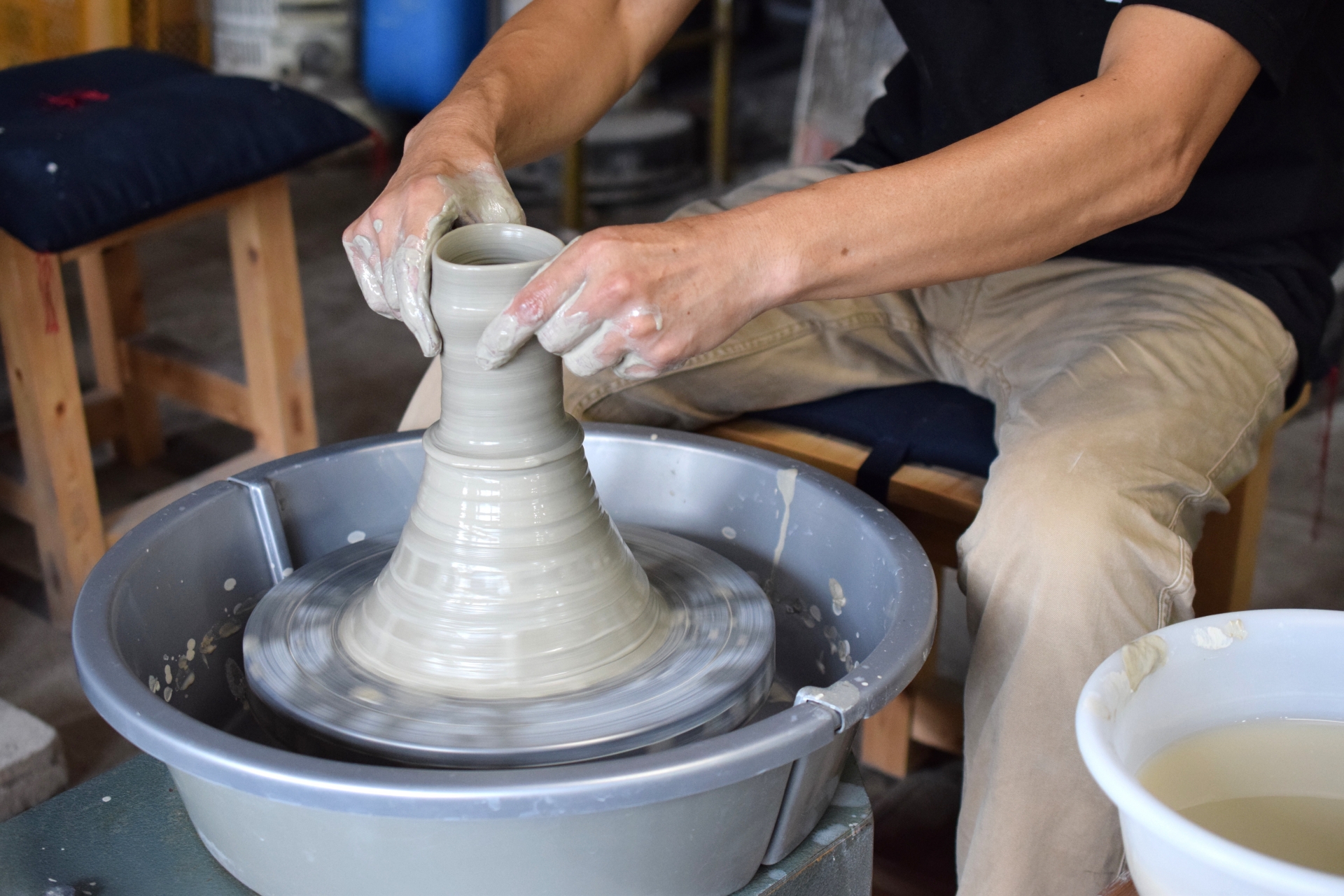
If you enjoy working with your hands, Japan offers incredible opportunities in ceramic making and blacksmithing. In historical centers like Kyoto or the traditional neighborhoods of Tokyo, you can visit local workshops where masters have produced functional art for generations. A pottery class allows you to shape local clay on a wheel, feeling the texture and learning about regional styles. For those interested in culinary tools, a knife making experience in a traditional forge is unforgettable. You will witness the intense heat, assist in hammering the metal, and learn how Japanese knives achieve their famous sharpness. It is an authentic look into the dedication that defines Japanese craftsmanship.
Tea Ceremony, Matcha, and Food Culture
Authentic Tea Ceremonies and Matcha
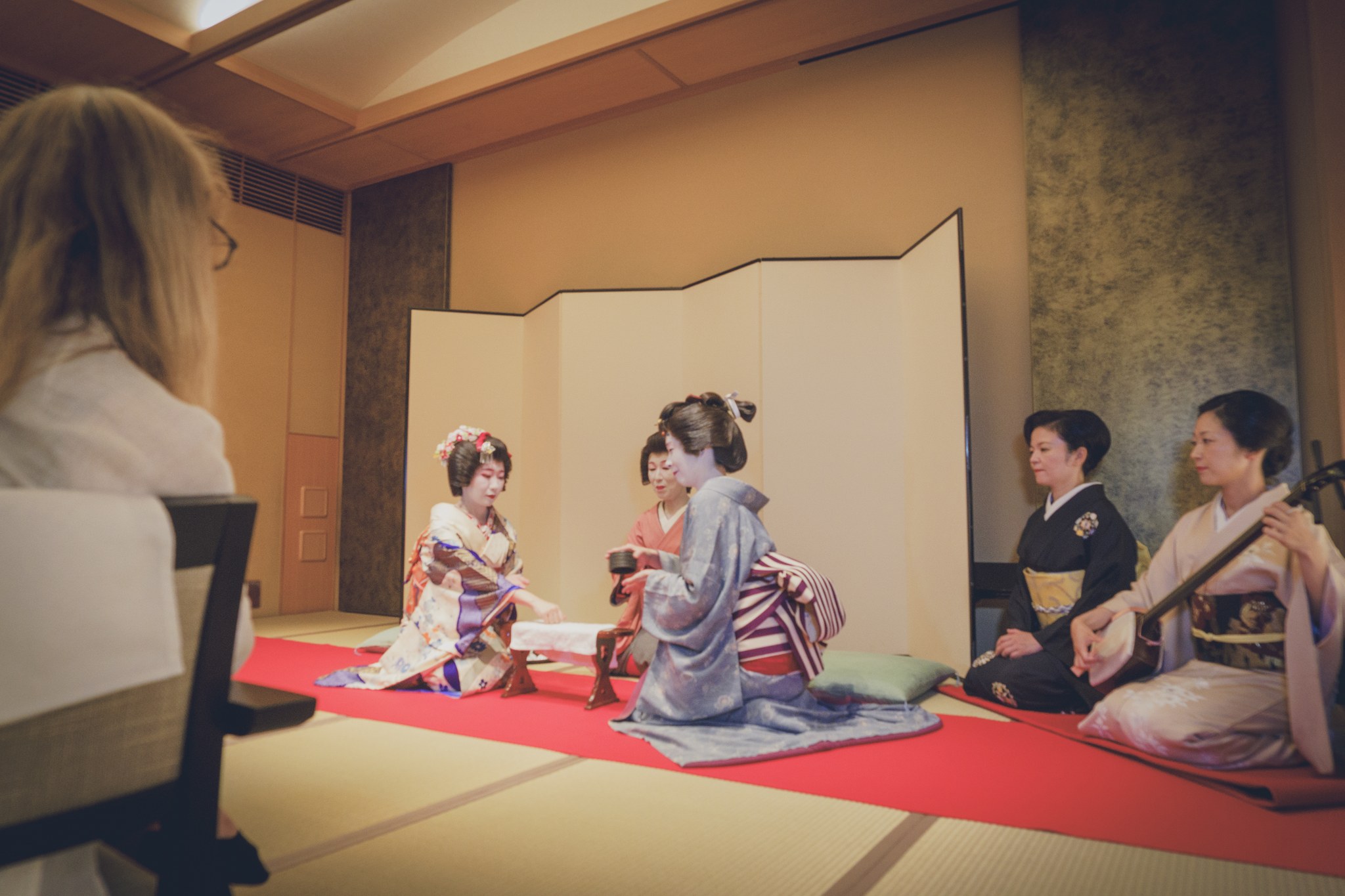
Food is often the easiest way to connect with a new culture, and in Japan, food culture is treated as an art form. One of the most famous activities you can experience is a traditional tea ceremony. This activity is not just about drinking a cup of green tea; it is a mindful performance based on harmony, respect, purity, and tranquility. When you join an authentic ceremony in a quiet tea house, a local host guides you through every step. You learn how the host prepares the high-quality matcha with smooth, intentional movements that have been perfected over many years. Visitors from the United States often find that sitting in a peaceful room, tasting the bitter matcha paired with a sweet traditional wagashi pastry, is a wonderful way to slow down and enjoy the present moment during a busy trip.
Sushi Making Classes
If you want a more active food experience, joining local cooking classes is highly recommended. Sushi making classes are a huge favorite for international travelers who want to bring a piece of Japan’s culinary heritage back home. In a private or group class, an expert chef shows you how to choose fresh fish, season the rice perfectly, and use the correct hand techniques to shape the sushi. It is an interactive and fun activity where you can ask questions, learn about regional ingredients, and finally enjoy the delicious food you created with your own hands.
Sake Brewery Tours and Wagashi
To dive even deeper into Japanese cuisine, consider booking a tour of a historical sake brewery. Many breweries offer guided walks through their facilities where you can see the fermentation process and understand how local water and rice create unique flavor profiles. Pairing this with a class on making wagashi, the beautiful seasonal sweets served during tea ceremonies, gives you a comprehensive view of how nature and tradition shape the daily flavors of Japan.
Traditional Performance and Entertainment Arts
Authentic Geisha Experiences at Miyakodori
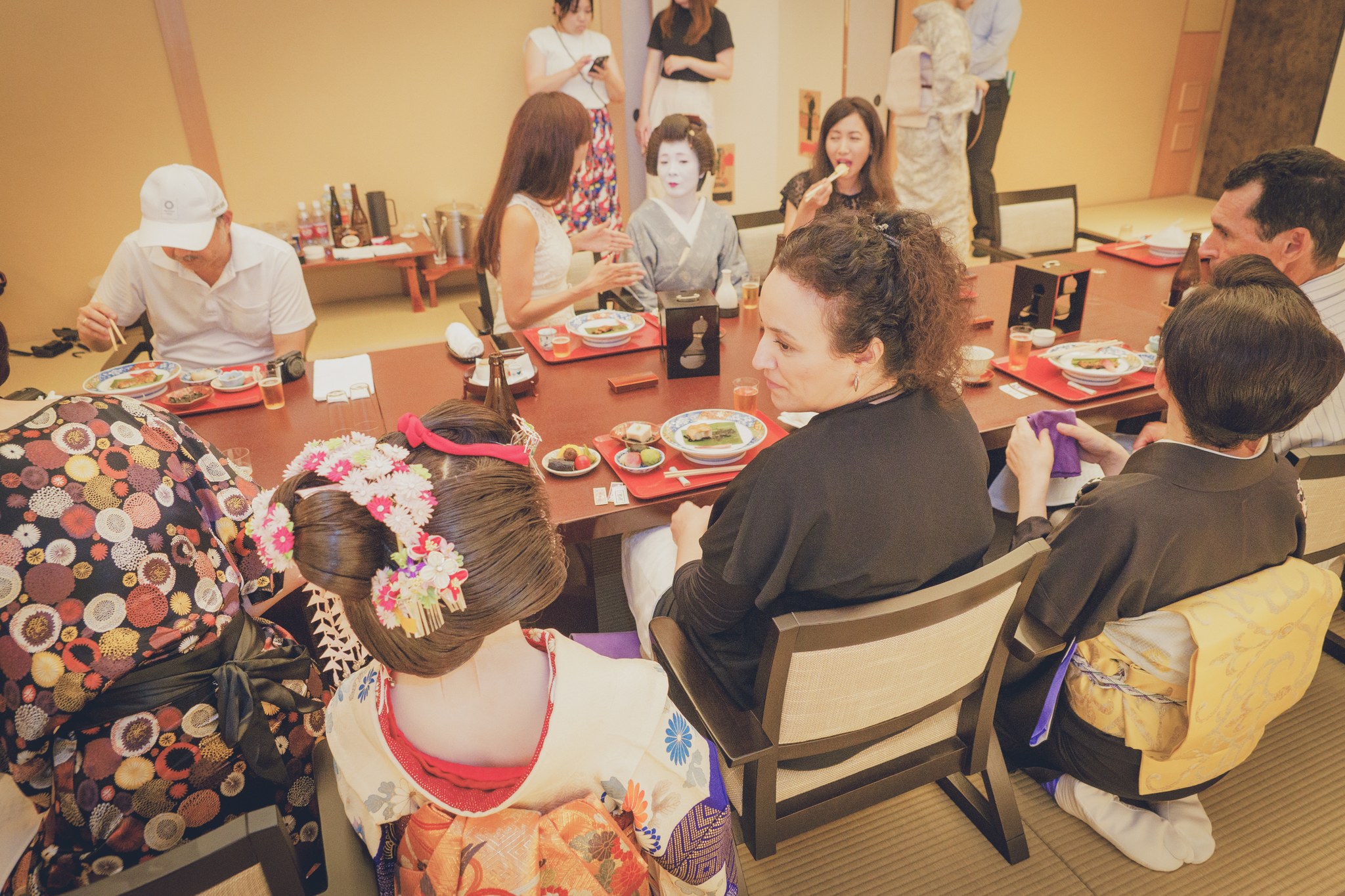
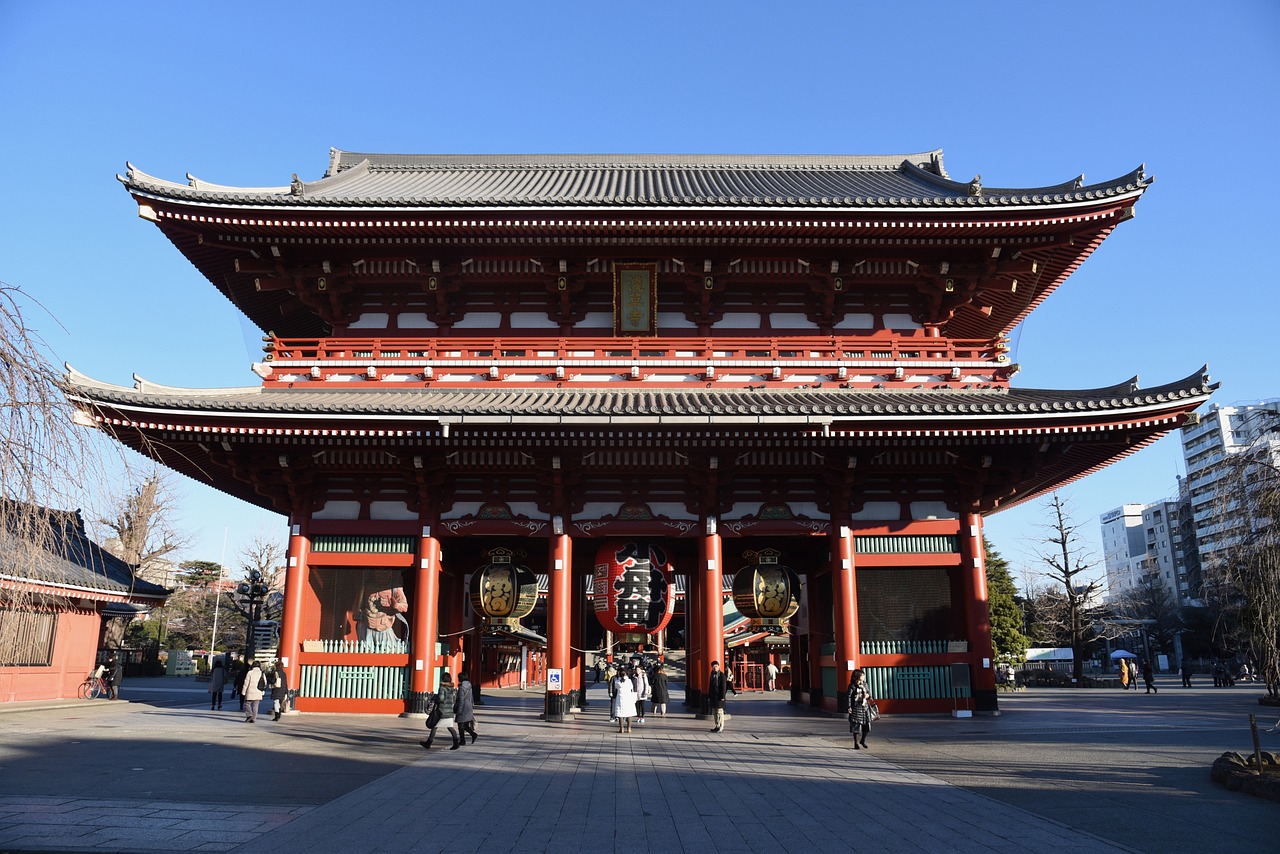
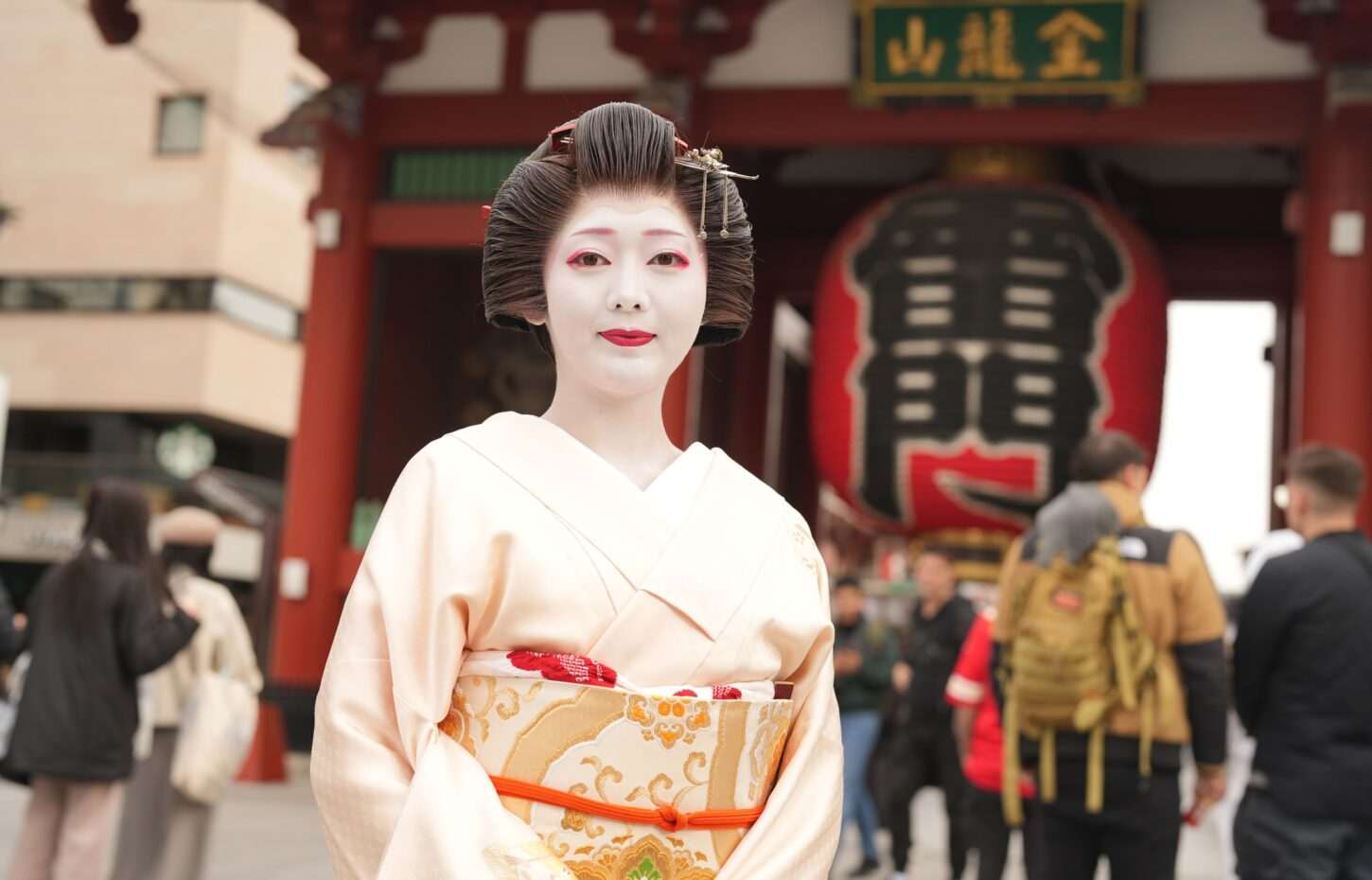
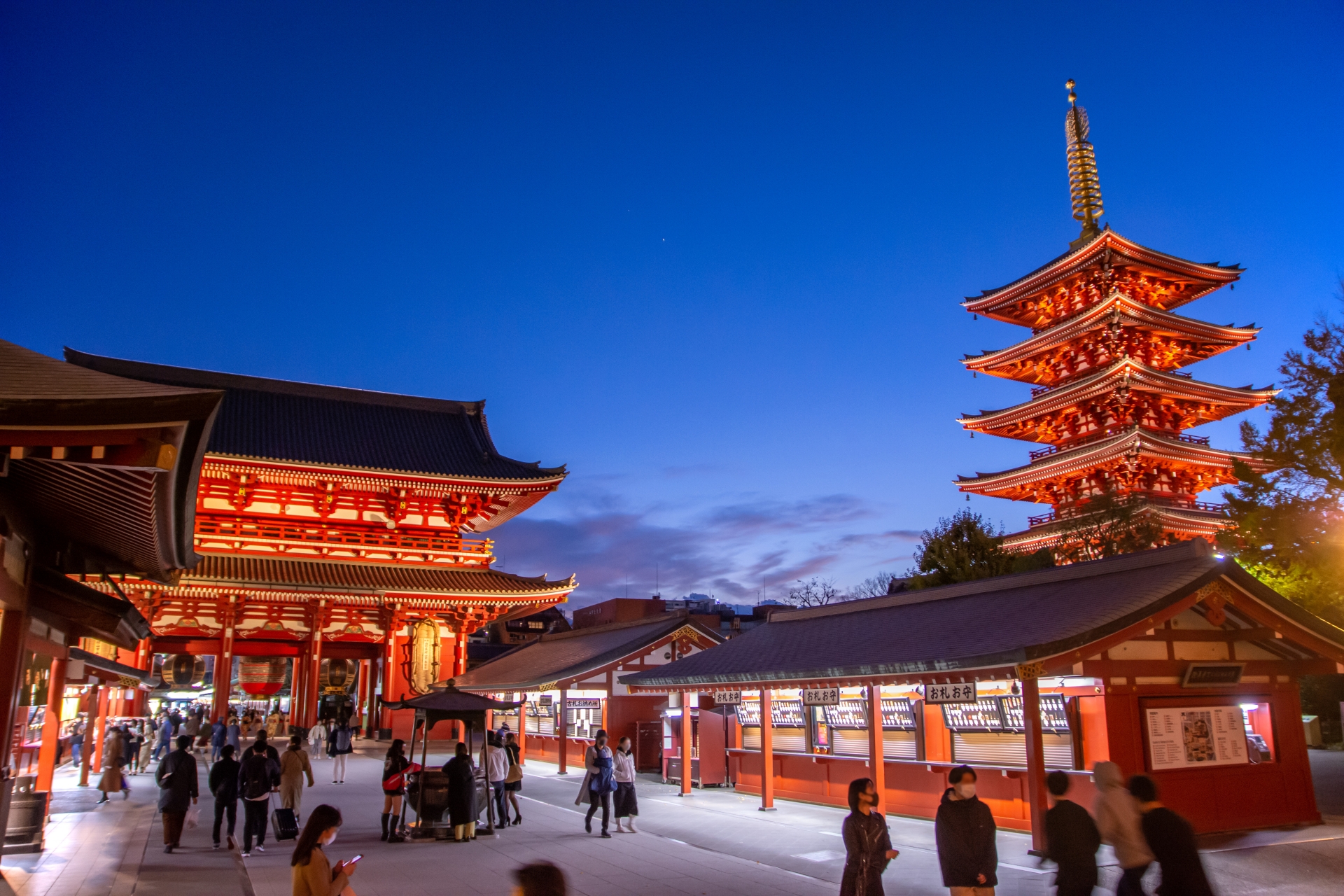
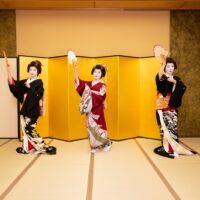
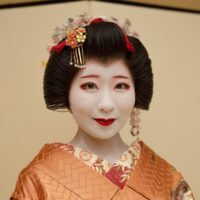
For the ultimate premium experience during your trip to Tokyo, nothing compares to an evening with authentic geisha. While many tourists think they can only see this culture in Kyoto, the historical district of Asakusa in Tokyo offers a rich, deep, and welcoming geisha tradition that has thrived for hundreds of years. The best place to experience this living history is Miyakodori, a legendary establishment founded in 1950 in the quiet area behind the famous Senso-ji Temple.
Asakusa developed a unique culture as an open entertainment district. While Kyoto is famous for its exclusive traditions where first-time visitors are rarely allowed without an introduction, Asakusa has always been a place where people from all backgrounds, ages, and industries are warmly welcomed. Miyakodori stands out as the only remaining machiai-chaya style establishment in Asakusa, which means its main focus is providing an intimate space where guests can interact directly with genuine geisha who have dedicated their lives to mastering traditional performing arts.
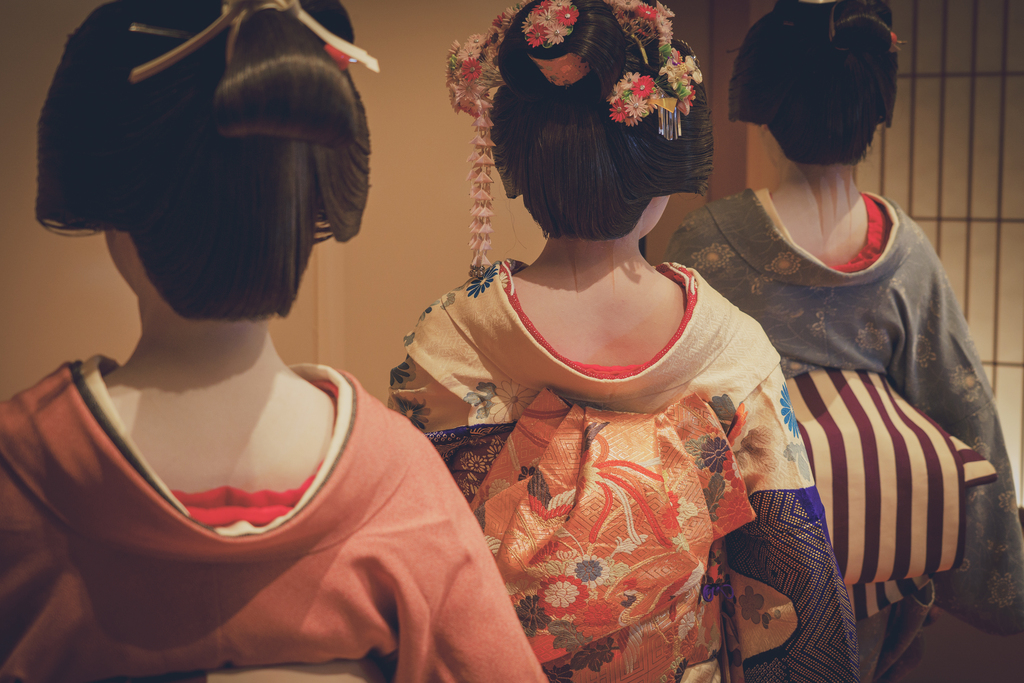
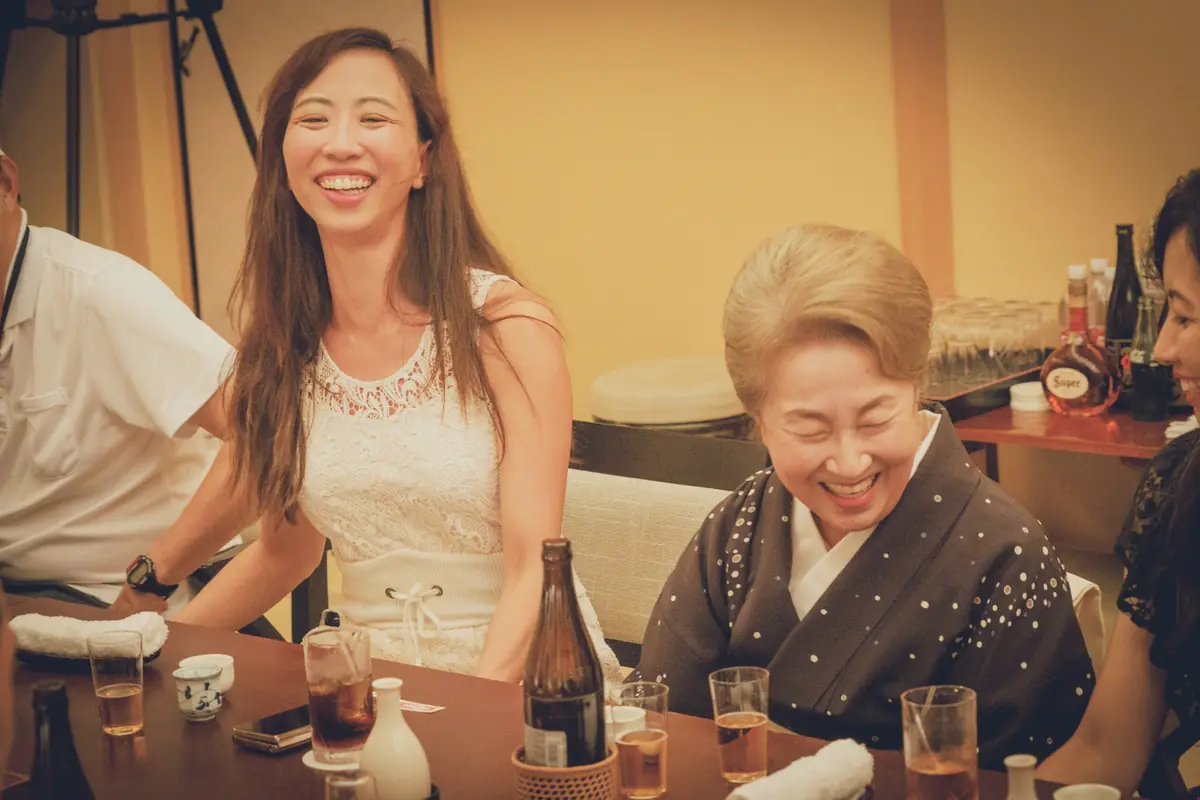
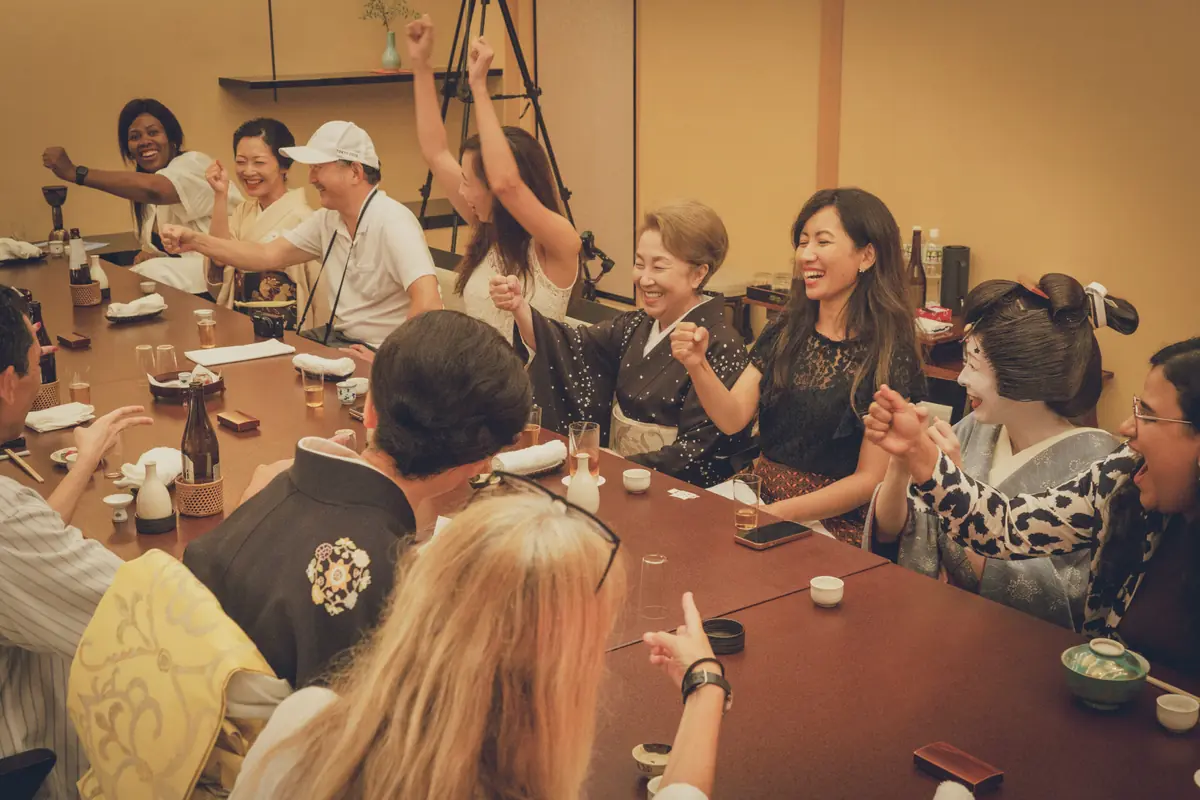
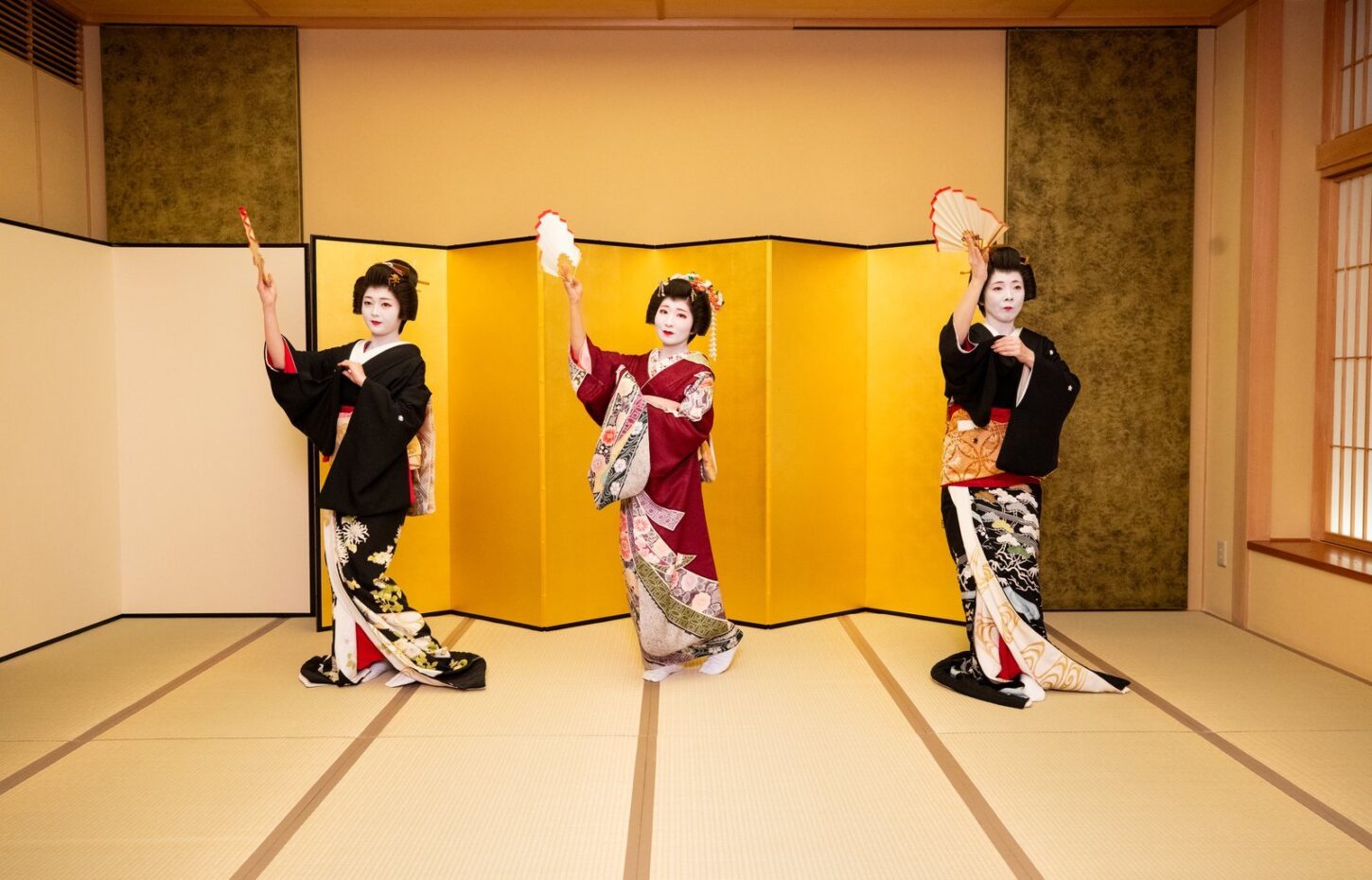
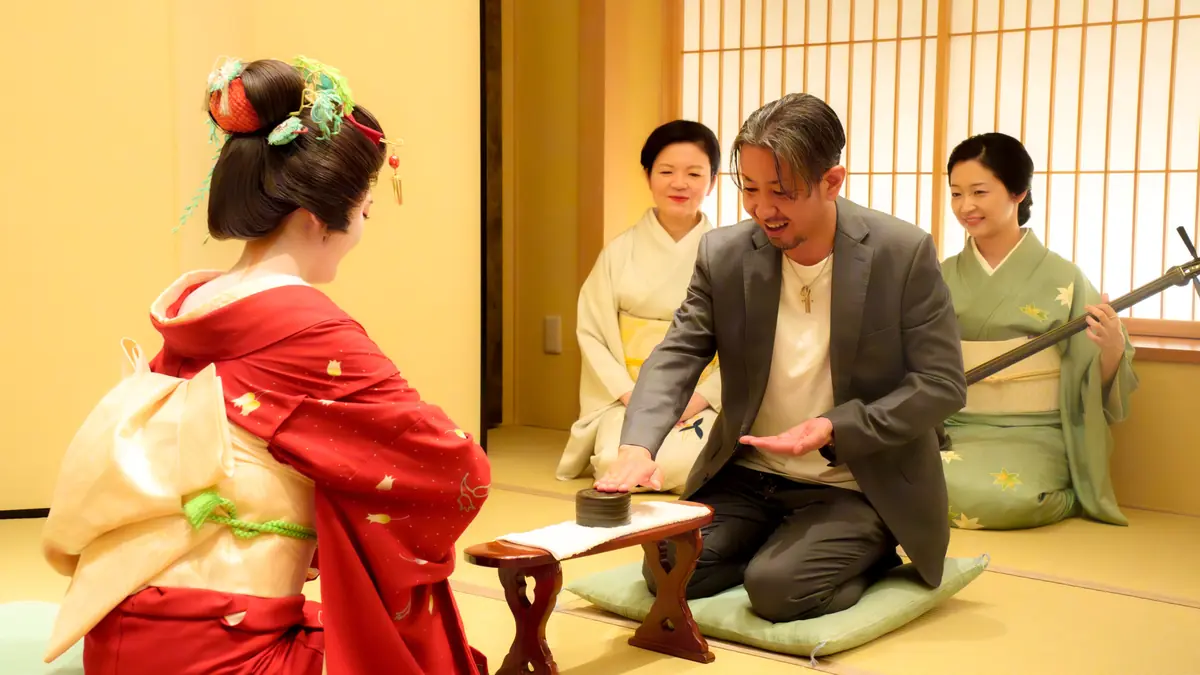
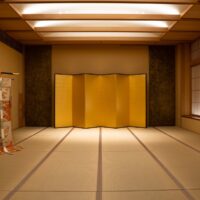
When you book a private room at Miyakodori, you are not just watching a show from a distance. The geisha remain in your room throughout your dinner, pouring drinks, sharing lively conversation, and teaching you classic party games called ozashiki asobi, such as Konpira Fune Fune or Tora Tora. You will view a stunning live performance featuring elegant seasonal dances accompanied by the beautiful music of the shamisen. Miyakodori also serves seasonal kaiseki cuisine, displaying the beauty of the four seasons on your plate, with dietary accommodations available including halal-friendly bento options (5 days’ advance notice required) to accommodate international visitors. This is a rare opportunity to connect directly with the warm hospitality and true spirit of Asakusa’s historic entertainment quarter. To ensure your spot for a special anniversary, business dinner, or family celebration during your 2026 travel, you can check availability and contact the team directly through their official website email.
To learn more about the world that surrounds this experience, see our guide to the hanamachi geisha districts of Japan and explore the broader karyukai flower and willow world that geisha call home. If you are ready to plan your own evening, see our guides to a private geisha dinner in Tokyo and the full geisha experience in Tokyo.
Book Your Geisha Banquet in Asakusa
Private ozashiki with authentic geisha — seasonal kaiseki cuisine — Senso-ji area
Request a ReservationKabuki Theater and Historical Shows
To complement your entertainment journey, attending a public performance at a traditional kabuki theater is highly recommended. Kabuki features elaborate costumes, dramatic makeup, and dynamic stage effects that tell powerful historical stories. Even if you do not speak the local language, English audio guides are often available, making it easy to follow the plot and appreciate the incredible skill of the actors who keep this centuries-old art alive in the modern city.
Martial Arts and Discipline-Based Traditions
Sumo Tournaments and Stables
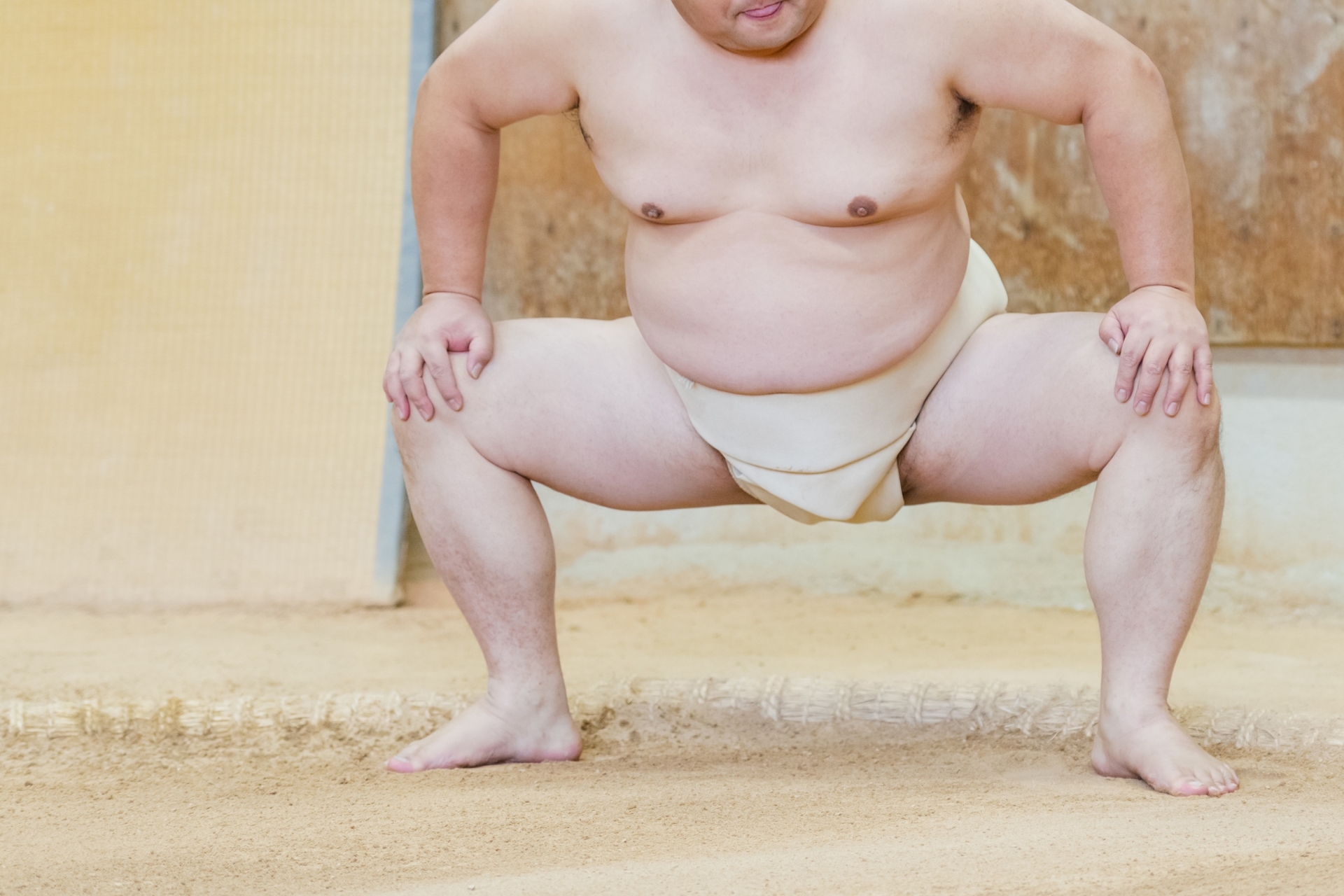
For a completely different kind of cultural energy, exploring Japan’s martial traditions offers a view into the core values of discipline and respect. Watching a live sumo tournament is a thrilling experience that connects you with an ancient sport deeply rooted in Shinto rituals. If your travel dates do not match the official tournament schedules, booking a tour to visit a sumo stable in Tokyo during morning practice is a fantastic alternative. You can watch the wrestlers train with intense focus, witnessing the immense physical strength and mental dedication required to compete at the highest level.
Kendo and Zen Meditation
If you prefer to participate directly, a private kendo class offers a hands-on look at the way of the sword. Guided by a local instructor, you learn the basic footwork, how to hold the bamboo practice sword, and the importance of shouting to project your energy. This martial art is closely connected to the concept of simple, focused living, much like the practice of Zen meditation. Joining a morning meditation session at a local temple allows you to clear your mind, sit in perfect stillness, and understand the quiet spiritual side of traditional life that counterbalances the high-tech energy of modern cities.
Heritage Stays and Relaxation
Traditional Ryokan Experiences and Onsen Culture
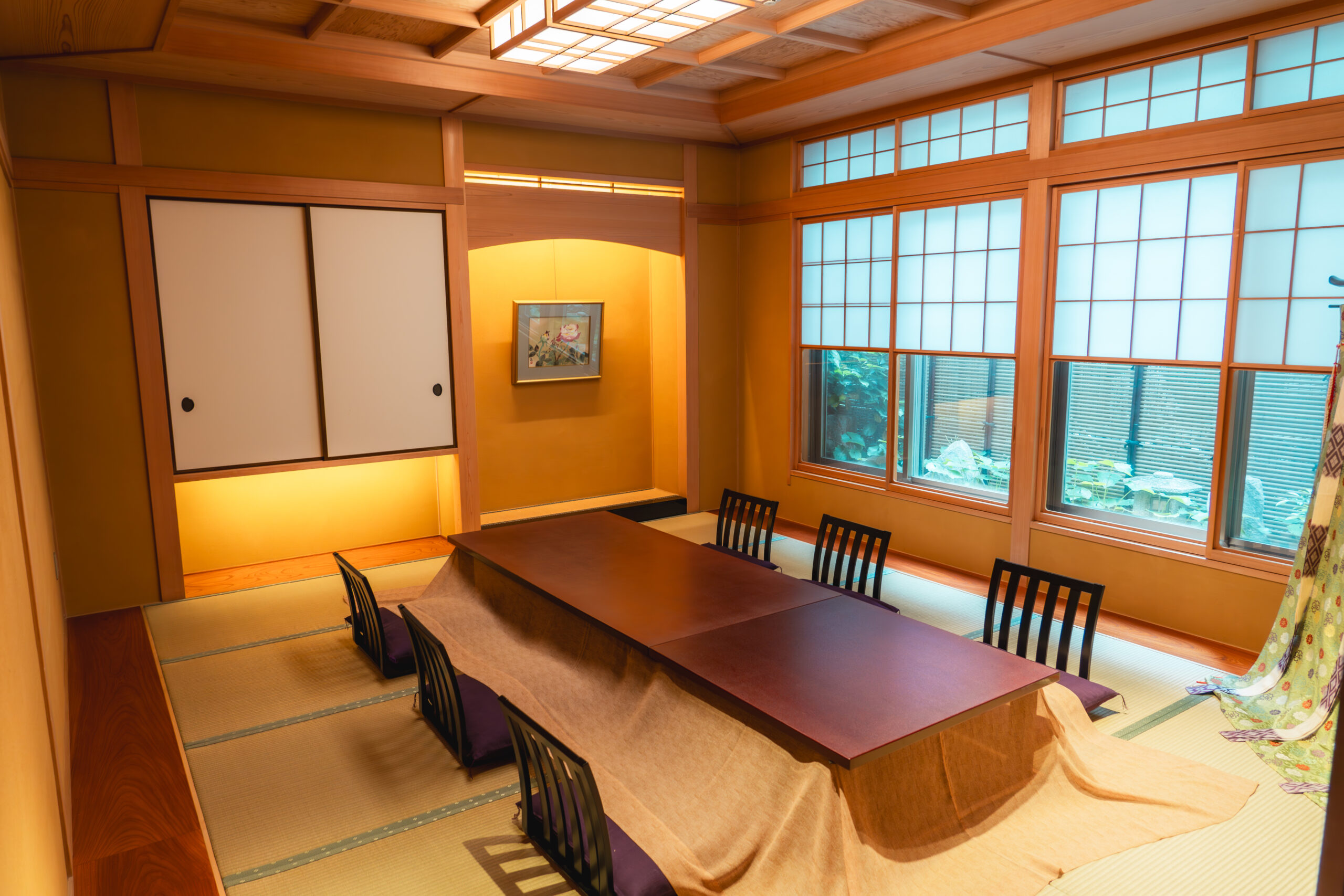
After spending days exploring the active cities and engaging in hands-on crafts, finding a place to rest that also connects you to the local culture is essential. Staying at a traditional ryokan, which is a classic Japanese inn, offers the ultimate experience in relaxation and hospitality. When you enter a ryokan, you step into a slower pace of life where the floors are covered in soft tatami mats and the rooms are designed with natural wood and sliding paper doors. The hosts provide incredible personal service, ensuring that you feel completely welcome from the moment you arrive until the day you leave.
A major highlight of any ryokan stay is the opportunity to enjoy an onsen, or natural hot spring bath. Onsen culture is a deeply rooted tradition that centers on physical and mental cleansing. Bathing in the warm, mineral-rich waters while looking out at a peaceful garden or a beautiful mountain view helps wash away the tiredness of travel. Combined with a multi-course dinner served directly in your room, a heritage stay gives you a profound look into the quiet, restorative side of traditional Japanese life.
Planning Your Trip to Japan for 2026 and Beyond
When you start planning your adventure to Japan for 2026, managing your time between the main destinations is a key factor. Most travelers from the United States choose to split their days between the high-energy streets of Tokyo and the ancient cultural centers of Kyoto. While Tokyo offers cutting-edge modern life blended with historical pockets like Asakusa, Kyoto provides a look into the imperial past with its thousands of preserved temples and shrines.
To get the most out of your trip, it is highly recommended to finalize your booking choices for activities, hotels, and special dinners well in advance. Popular traditional tours and high-demand premium experiences, such as private rooms at authentic local establishments, often fill up months ahead of time. Giving yourself enough days in each city will ensure that you do not have to rush, allowing you to discover the local customs at a comfortable pace. For a deeper look at what makes Asakusa’s cultural scene unique, read our guide on ozashiki asobi party games and explore the question are there still geisha in Japan today?
Frequently Asked Questions
- Can international visitors easily book a premium geisha experience in Tokyo?
- Yes, you can easily check availability and secure a private booking through the official website of specialized establishments like Miyakodori. They welcome first-time visitors and international travelers warmly, providing a seamless contact process via email.
- What is the main difference between the geisha culture in Kyoto and Tokyo?
- Kyoto is known for its exclusive traditions where access often requires a personal introduction. Tokyo, particularly the Asakusa district, has a long history as an open entertainment area that welcomes people of all backgrounds, ages, and professions to experience its unique hospitality.
- Are English services available during traditional performances?
- Many public theaters provide English audio guides or digital links to help you understand the history and plot. For private experiences, the hosts and staff are highly skilled at making international guests feel relaxed and engaged.
Conclusion
Embracing a genuine Japanese culture experience means opening yourself up to the stories, people, and traditions that define this beautiful country. From the careful strokes of a calligraphy brush to an unforgettable evening of performance and hospitality in Asakusa, these activities create memories that outlast any standard vacation. As you plan your 2026 travel, remember to look beyond the surface, book your choices early, and prepare to discover the true spirit of Japan.
Experience Authentic Geisha Culture in Tokyo
Private geisha banquet (ozashiki) at Miyakodori — Asakusa, Tokyo
Request a ReservationSources


- Asakusa Geisha: Where to Meet Real Geisha in Tokyo
- Japanese vs Korean Culture: Social Differences, Arts and Traditions
How Long Is a Geisha Experience? (Tokyo Ozashiki Guide)
Enjoy Autumn in Asakusa! Recommended Food Walk & Momiji Model Course with Kimono
The Ultimate Guide to the Ozashiki Party: Unlocking the Secrets of Traditional Japanese Entertainment in Tokyo
Geisha Dance: The Nihon Buyo You Will See at an Asakusa Ozashiki
Ozashiki Parlor Games: How to Play Konpira Funefune & Tora-Tora
Enjoy Asakusa! Complete Year-Round Information on Seasonal Events, Festivals, and Sightseeing Activities
Comment ( 0 )
Trackbacks are closed.
No comments yet.