



Kanzashi: A Guide to Japanese Hair Ornaments
Kanzashi (簪) are traditional Japanese hair ornaments with a history stretching back thousands of years. Once worn by geisha and high-ranking women in the imperial court, these beautiful accessories have evolved from simple functional hairpins into elaborate works of art. Today, kanzashi represents a unique blend of cultural heritage and artistic expression — a living tradition still worn by geisha at ozashiki banquets in Tokyo’s hanamachi districts.
In this guide, we explore the history, types, and significance of kanzashi in Japanese culture, with a special focus on its role in the geisha world.
What Are Kanzashi?
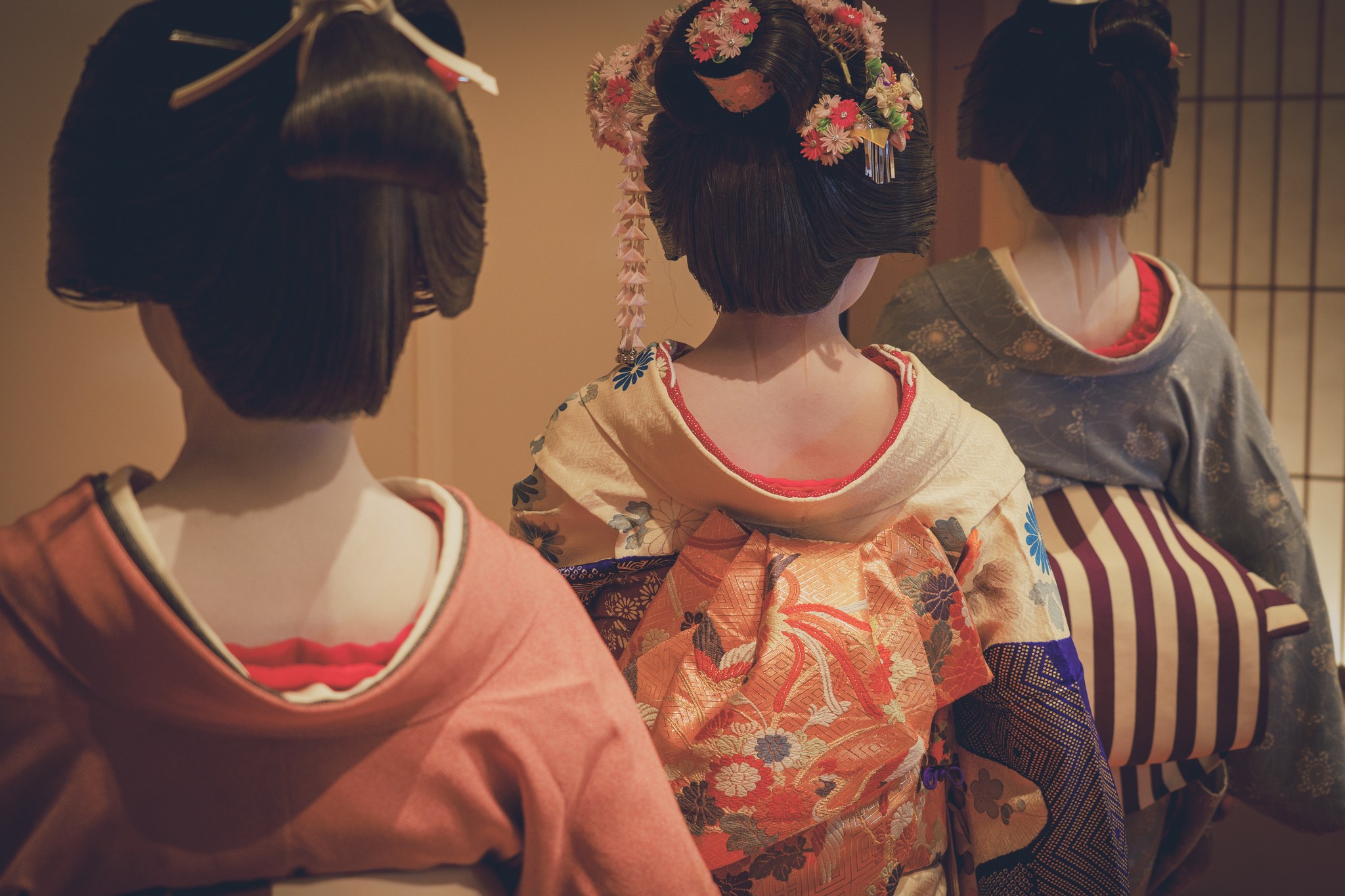
Kanzashi are traditional Japanese hair ornaments used to style and decorate the hair. The word can refer to a single hairpin or a collection of hair accessories worn together.
The history of kanzashi dates back to the Jomon period (14,000–300 BC), when simple sticks were used to style the hair and were believed to have spiritual powers to ward off evil spirits. Over time, these simple sticks evolved into elaborate accessories made from materials like tortoiseshell, coral, jade, gold, and silver.
During the Edo period (1603–1868), kanzashi became highly sophisticated and diverse, reflecting the wearer’s status, occupation, and even the season of the year. This is the period when geisha culture flourished and kanzashi became an integral part of the geisha’s appearance. For a broader look at this era’s legacy, see our guide to geisha culture in Japan.
Types of Kanzashi
Hana Kanzashi (Flower Kanzashi)
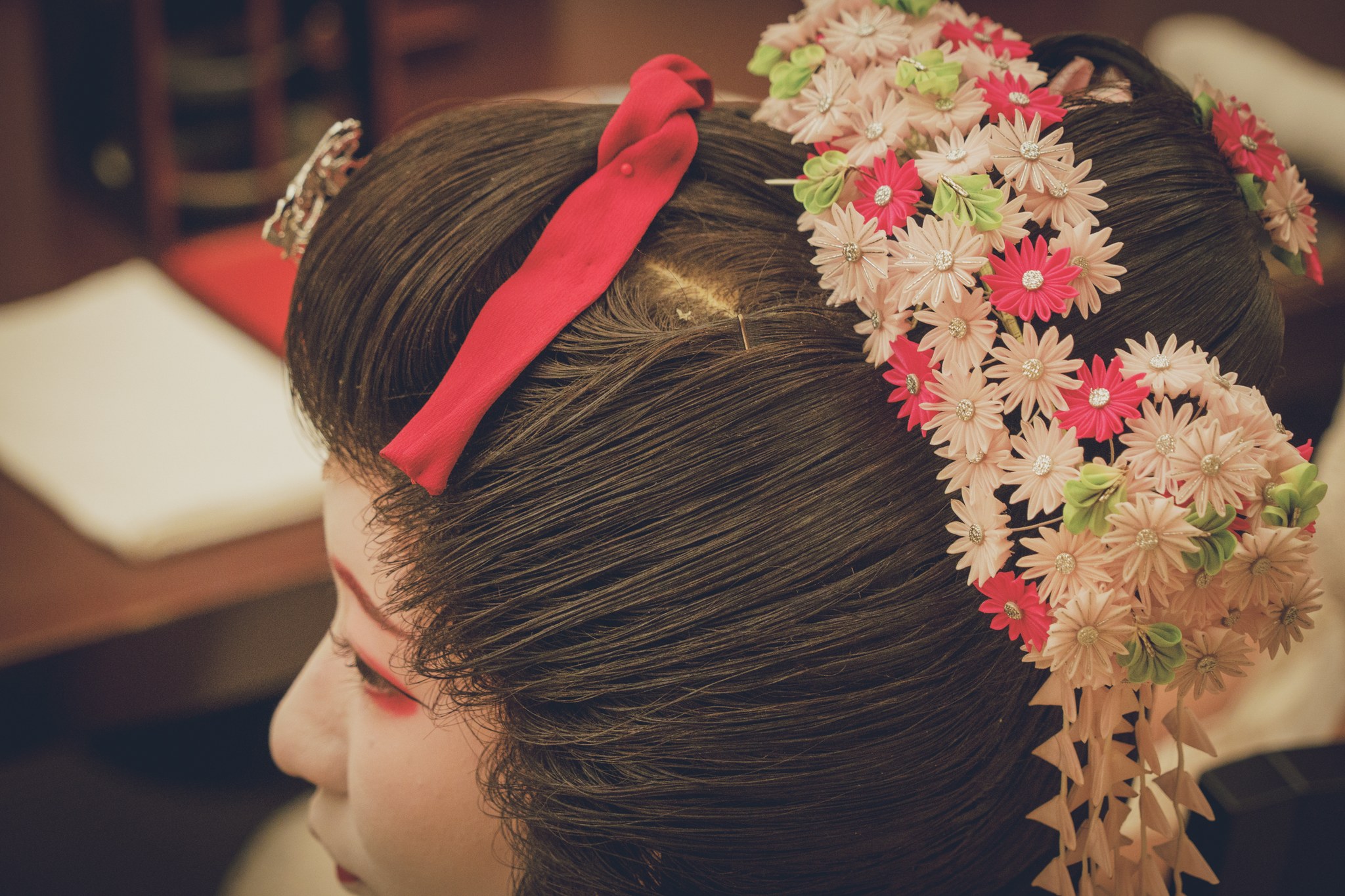
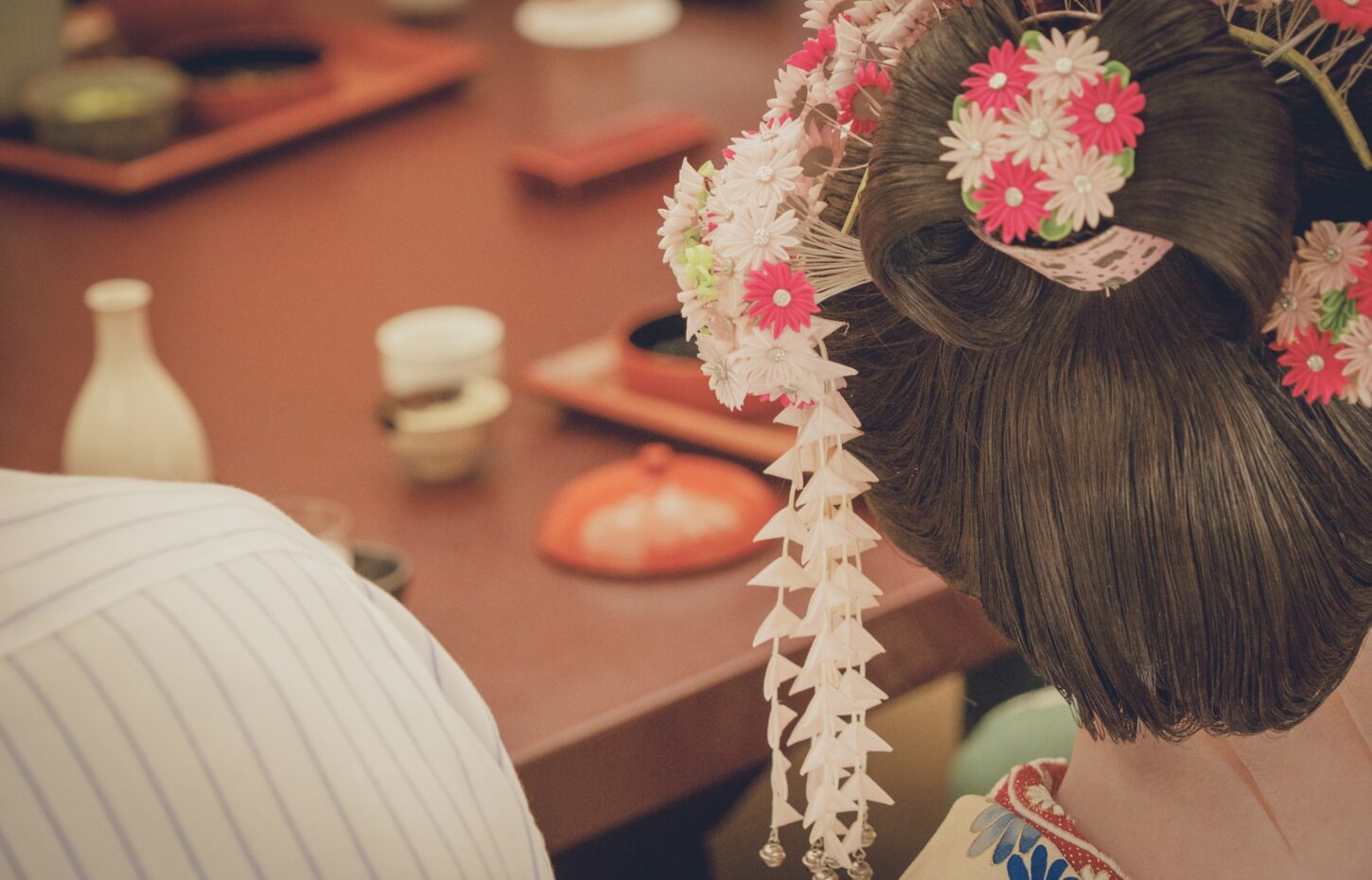
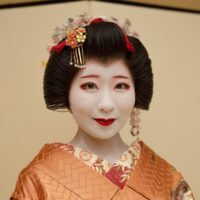
Hana kanzashi are elaborate hair ornaments made from small silk flowers or fabric. These are particularly associated with geisha and, in Kyoto, maiko (apprentice geisha). In Asakusa and other Tokyo hanamachi, the equivalent apprentice role is the hangyoku (半玉). The flowers and seasonal motifs change according to the month, allowing the wearer to display the passage of time through their accessories.
- January: Pine and plum blossoms — signaling the beginning of the new year — and in Tokyo’s hanamachi, during the New Year period when the black kimono is worn, hangyoku and senior geisha alike wear a kanzashi of rice ears.
- February: Plum blossoms — representing perseverance in the cold
- March: Peach blossoms and cherry blossoms — marking the beginning of spring
- April: Cherry blossoms — the most anticipated kanzashi of the year
- May: Wisteria — representing longing and new beginnings
- June: Willow and hydrangea — associated with the rainy season
- July: Morning glory — vibrant colors of summer
- August: Goldfish, fans, and summer motifs — cool, playful symbols of summer
- September: Autumn leaves — signaling the change of season
- October: Chrysanthemum — the national flower of Japan
- November: Maple leaves — representing autumn’s changing colors
- December: Simple pine branches — more subdued for the reflective end-of-year season
Tsumami Kanzashi
Tsumami kanzashi are made using the tsumami zaiku technique, where small squares of silk are folded into intricate petal shapes and assembled into flowers. This art form requires great skill and precision, and many tsumami kanzashi are considered works of art in their own right. The most renowned makers are based in Kyoto, where the technique has been passed down through generations.
Bira-bira Kanzashi
Bira-bira kanzashi feature dangling metal ornaments that create a delicate jingling sound when the wearer moves. These are often worn by young geisha and hangyoku during special ceremonies and performances.
Hirauchi Kanzashi
Hirauchi kanzashi are flat, decorative hairpins, usually made from tortoiseshell or metal. They are more subdued than the elaborate hana kanzashi and are worn on everyday occasions.
Kogai
Kogai is a type of kanzashi resembling a flat stick or paddle, traditionally worn through the shimada hairstyle (a traditional chignon). Kogai can be simple or ornate depending on the occasion.
Kushi (Comb)
While not strictly a kanzashi, kushi (combs) are often worn alongside kanzashi as part of a traditional Japanese hairstyle. They come in many designs and materials, including tortoiseshell, lacquered wood, and precious metals.
Kanzashi in Geisha Culture
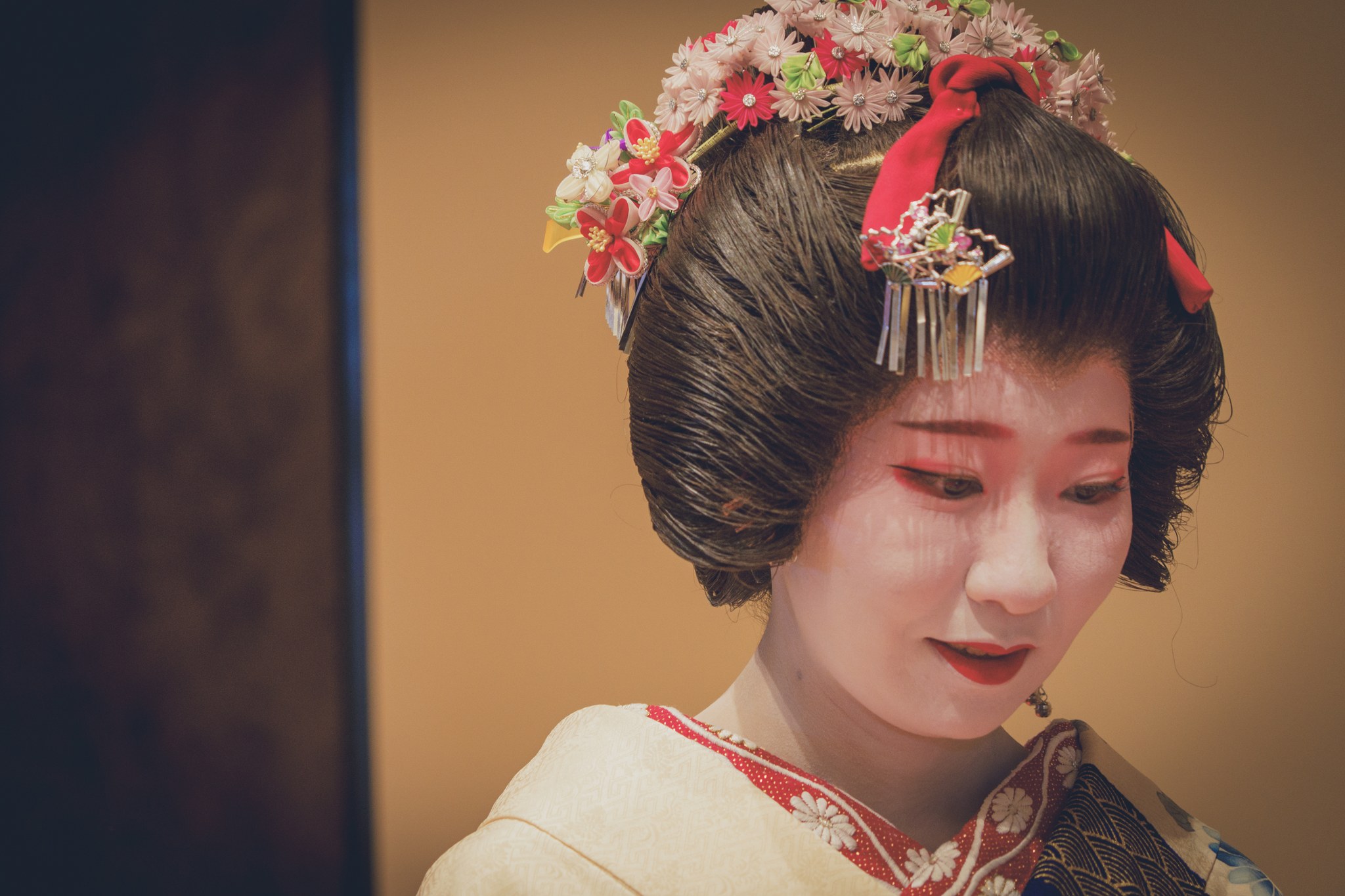
Kanzashi plays a crucial role in the geisha world. For geisha and their apprentices, the choice of kanzashi is not merely aesthetic — it carries deep cultural significance, communicating rank, season, and artistic sensibility at a glance. To understand the broader world geisha inhabit, see our introduction to the hanamachi — the traditional entertainment districts where they work.
Indicating Rank and Stage
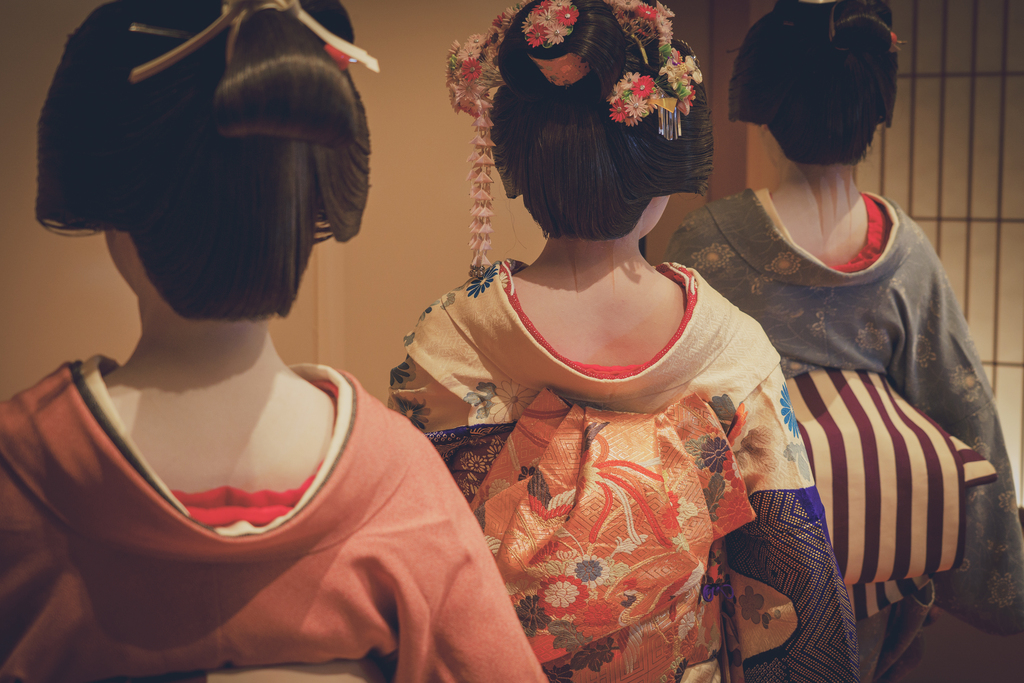
In Kyoto, apprentice geisha are called maiko; in Tokyo’s hanamachi such as Asakusa, they are called hangyoku (半玉). Regardless of regional name, apprentices wear elaborate hana kanzashi that hang down the sides of the face, sometimes extending to the shoulders. As they advance through training and seniority, the style and complexity of their kanzashi changes:
- Apprentice (1st year): Elaborate, colorful hana kanzashi with multiple flowers and long, hanging elements
- Advanced apprentice (2nd–5th year): Progressively simpler kanzashi, still with seasonal motifs
- Established geisha (ippon): Simpler, more refined kanzashi — often just one or two ornaments
- Senior geisha: Very minimal kanzashi, possibly just a single hairpin or comb
Seasonal Changes
Geisha change their kanzashi every month according to the season. This seasonal rotation is a defining aspect of geisha culture, expressing sensitivity to the natural world and the passage of time — values at the heart of traditional Japanese aesthetics.
Kanzashi and the Geisha’s Identity
For a geisha, her kanzashi reflects her artistry, taste, and cultural knowledge. Choosing the right ornament for the right occasion requires extensive knowledge of Japanese aesthetics and seasonal customs. Curious how kanzashi fits within the geisha’s full appearance? Our guide to the geisha makeup tradition offers a complementary perspective. The wider world of the karyukai — the flower-and-willow world — provides the cultural context in which these choices are made.
The Art of Making Kanzashi
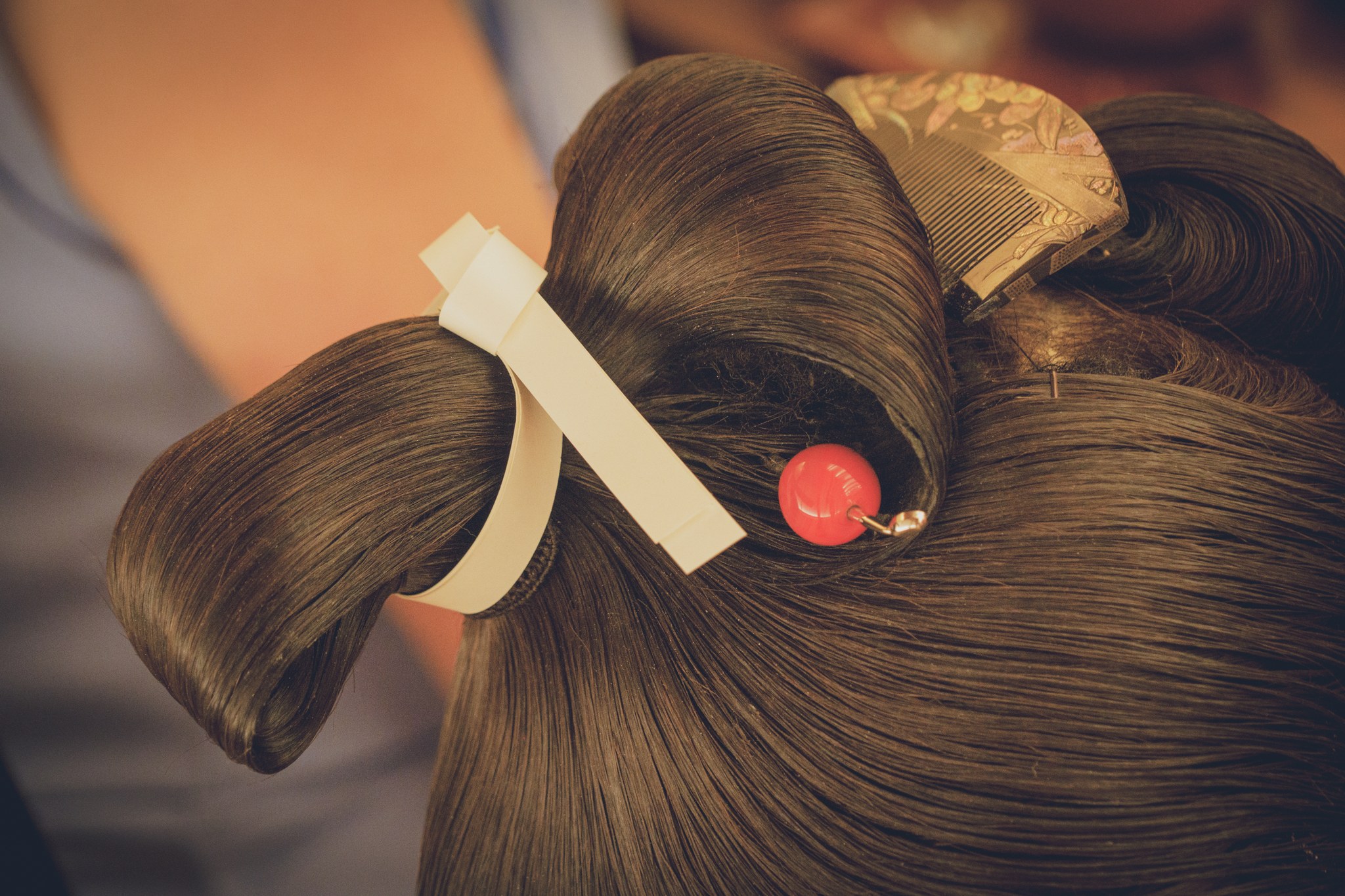
Traditional kanzashi making is a highly specialized craft. The most famous types, particularly tsumami kanzashi, require years of training to master.
Silk and Fabric: Many kanzashi, particularly tsumami kanzashi, are made from high-quality silk. The silk is cut into small squares and folded into intricate shapes before being assembled into flowers or other motifs.
Metal and Gold Leaf: Metal kanzashi are often made from silver or gold and feature detailed engravings or inlaid stones. Some of the most valuable pieces feature tiny, intricate scenes from nature or Japanese mythology.
Tortoiseshell: Tortoiseshell was historically a popular material for kanzashi, particularly for hirauchi and kushi. Today, due to conservation laws, most “tortoiseshell” kanzashi are made from synthetic materials that replicate the natural pattern.
Coral and Jade: These natural stones were used for high-end kanzashi, often reserved for special occasions and formal ceremonies.
Where to See Kanzashi in Tokyo
Miyakodori Machiai-chaya (Asakusa)
Established in 1950, Miyakodori Machiai-chaya in Asakusa is one of Tokyo’s most prestigious venues for experiencing traditional geisha culture. While not a retail shop, Miyakodori offers a unique opportunity to see kanzashi in their authentic context — adorning the hair of real geisha at a private ozashiki banquet.
Contact: [email protected]
Website: en.miyakodori-geisha.com
Asakusa Traditional Shops
Asakusa has several traditional shops selling kanzashi and other hair accessories, some run by craftspeople who have worked with these ornaments for generations. Specialty stores near Senso-ji Temple are a good starting point; the Asakusa Tourist Information Center can provide current recommendations.
Kyoto
Kyoto, the heartland of geisha culture, is perhaps the best place in Japan to find traditional kanzashi. The Gion district is particularly well-known for its kanzashi shops, and many of the country’s most skilled kanzashi craftspeople are based there.
See Kanzashi Worn by Real Geisha
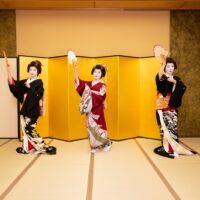
At Miyakodori’s ozashiki banquets in Asakusa, geisha wear seasonally chosen kanzashi as part of their full traditional appearance. There is no better way to experience these ornaments in their living cultural context.
Request a ReservationKanzashi in Modern Japan
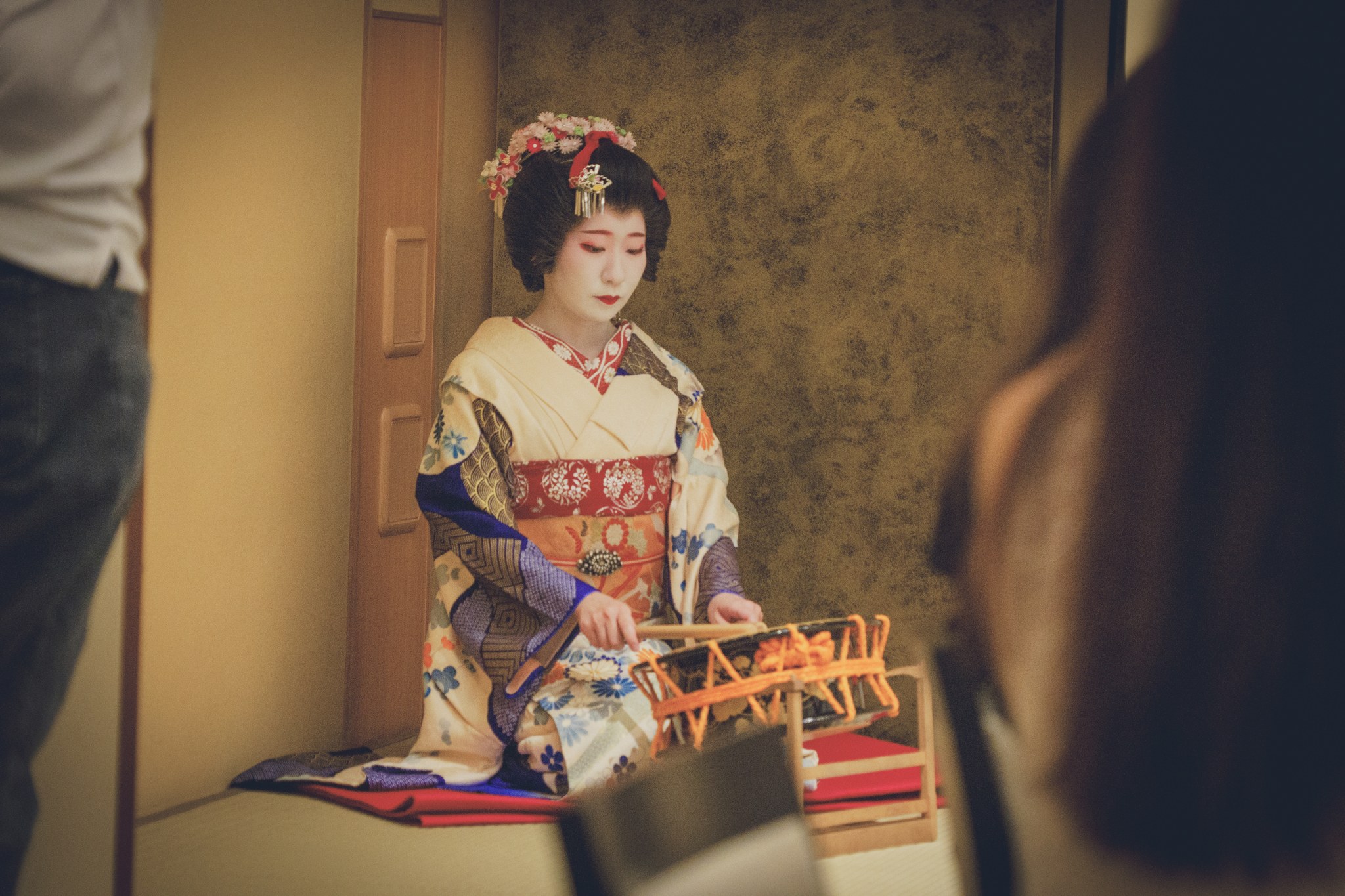
While kanzashi are most strongly associated with geisha and traditional Japanese ceremonies, they have found new life in contemporary Japan.
Kanzashi are worn at traditional ceremonies including:
- Coming-of-Age ceremonies (成人式 — Seijin-shiki): Young women wear furisode (long-sleeved kimono) with elaborate kanzashi
- Wedding ceremonies: Kanzashi are an important part of the traditional bridal ensemble
- Tea ceremony and other traditional arts: Women who practice traditional arts may wear simpler kanzashi
Kanzashi have also become popular as fashion accessories both in Japan and internationally, with some designers taking inspiration from traditional forms to create contemporary interpretations. For a first-hand perspective on how geisha maintain these traditions today, see our collection of real geisha stories from Tokyo.
Kanzashi at Miyakodori: Experiencing the Tradition Firsthand
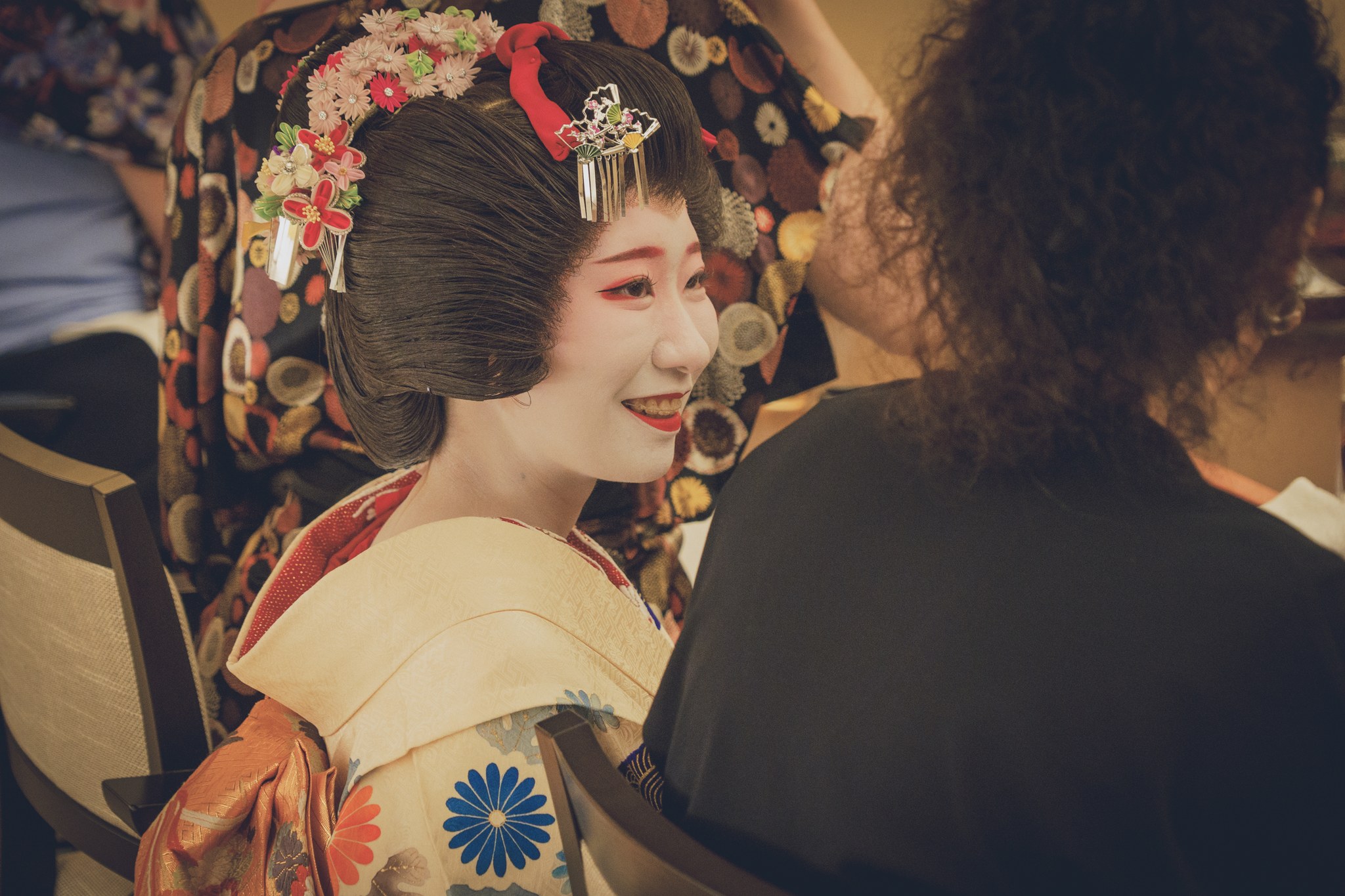
If you want to see kanzashi in their true cultural context, attending an ozashiki banquet at Miyakodori Machiai-chaya in Asakusa is one of the most direct ways to do so.
During your visit, you will have the opportunity to observe the intricate kanzashi worn by real geisha and, over the course of the evening, learn more about these fascinating hair ornaments and the traditions surrounding them. Founded in 1950, Miyakodori is one of Asakusa’s most established machiai-chaya, maintaining practices that have defined this district’s entertainment culture for generations.
The geisha who come to Miyakodori wear kanzashi chosen in accordance with the season and occasion, offering a rare opportunity to see these ornaments in their living context — not behind glass, but moving and present throughout an evening of traditional entertainment.
To book your experience at Miyakodori Machiai-chaya, send an inquiry to [email protected] or submit a reservation request through the link below.
Frequently Asked Questions About Kanzashi
- What is a kanzashi?
- Kanzashi (簪) are traditional Japanese hair ornaments used to style and decorate the hair. They range from simple functional hairpins to elaborate works of art adorned with silk flowers, metal ornaments, and precious stones. The term can refer to a single piece or a collection of accessories worn together.
- What is the difference between kanzashi and hana kanzashi?
- “Kanzashi” is the general term for traditional Japanese hair ornaments. “Hana kanzashi” specifically refers to the elaborate flower-shaped ornaments worn by geisha and their apprentices. These feature seasonal motifs that change every month, making them a kind of living calendar worn in the hair.
- Why do geisha wear kanzashi?
- Geisha wear kanzashi as part of their traditional appearance and to communicate their rank, stage of training, and the current season. The choice of kanzashi reflects the geisha’s artistic sensibility and her knowledge of Japanese seasonal aesthetics — a depth of cultural literacy that is central to the geisha’s art.
- Can I see authentic kanzashi in Tokyo?
- Yes. The most authentic way to see kanzashi in Tokyo is to attend an ozashiki banquet at Miyakodori Machiai-chaya in Asakusa, where geisha wear seasonally appropriate kanzashi as part of their full traditional appearance. Traditional craft shops near Senso-ji Temple also carry kanzashi for purchase.
- What materials are traditional kanzashi made from?
- Traditional kanzashi are made from a variety of materials including silk (for tsumami kanzashi), tortoiseshell, coral, jade, gold, silver, and lacquered wood. Today, synthetic alternatives are commonly used for materials like tortoiseshell due to international conservation laws.
Sources
- PR TIMES: prtimes.jp — Traditional Japanese crafts coverage
- Asakusa Tourism Federation: asakusa.or.jp
- Tokyo Metro: tokyometro.jp/en
- Asakusa Kenban: asakusa-kenban.or.jp
Experience Kanzashi in Its Living Tradition
An ozashiki banquet at Miyakodori brings you face to face with the complete world of traditional geisha culture — including the seasonal kanzashi that mark every performance. Reserve your evening in Asakusa.
Request a Reservation


- Japanese Culture Events: A 2026 Guide to Festivals and Traditions for International Travelers
- Japanese Culture Items: A Complete Guide to Traditional Crafts and Objects

【Definitive Guide】Retro Coffee Shops Found in Asakusa | Relaxing Moments in Nostalgic Spaces
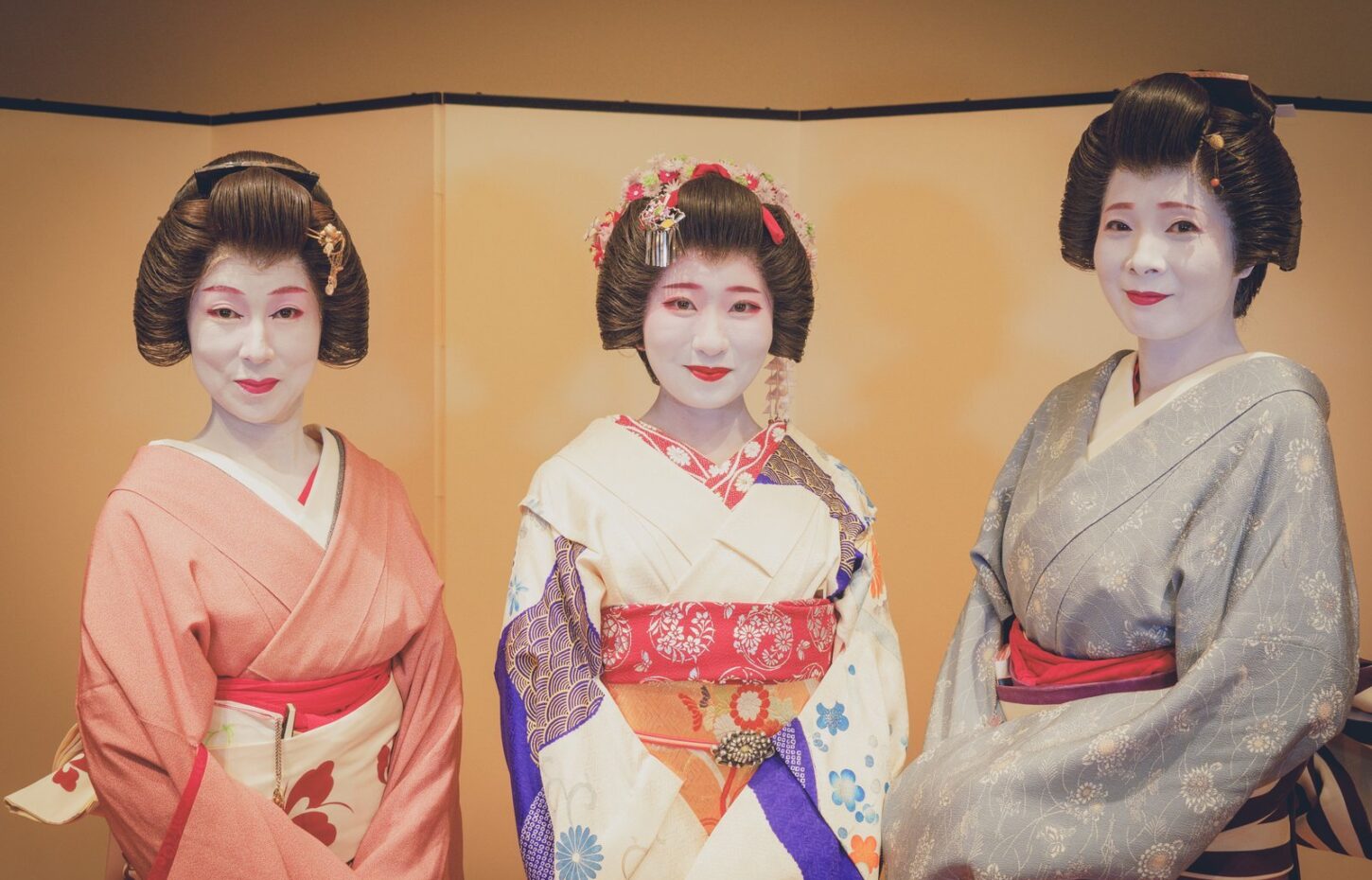
Tokyo Tourist Guide: A Geisha Teahouse’s View of the City We Call Home
Oiran: The Courtesans of Japan’s Yoshiwara — History, Hierarchy, and Legacy
Ozashiki Parlor Games: How to Play Konpira Funefune & Tora-Tora
Konpira Fune Fune: The Geisha Game Explained (Rules & History)
How Long Is a Geisha Experience? (Tokyo Ozashiki Guide)
Comment ( 0 )
Trackbacks are closed.
No comments yet.