



The Best Geisha Game Song: Konpira Fune Fune (2026 Guide)
Quick Answer: What Is a Geisha Game Song?
A geisha game song is a traditional folk song sung during ozashiki asobi (geisha parlor games). The most famous example is Konpira Fune Fune, a lively song from the Shikoku region that accompanies a hand-coordination drinking game played between geisha and their guests at a banquet (ozashiki).
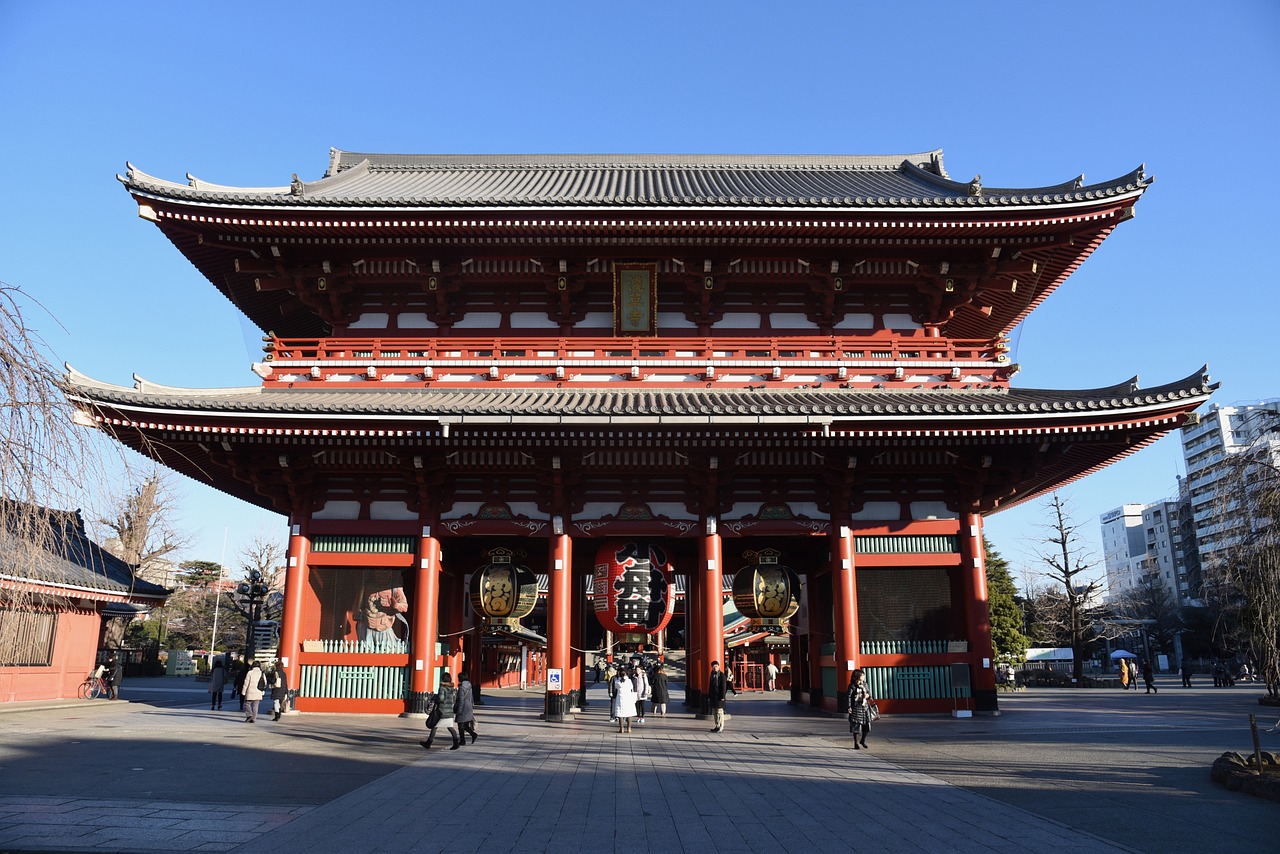
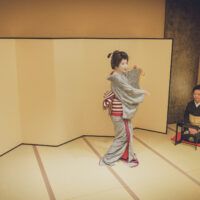
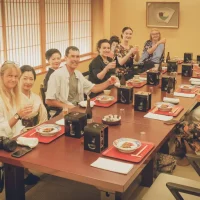
Imagine stepping into a secluded room in the heart of Asakusa, Tokyo, where the air is thick with history and the scent of fine incense. You are seated on a tatami floor, surrounded by the warm glow of traditional lanterns. Suddenly, the sliding doors open, and a geisha enters with a grace that seems to stop time. This is the beginning of a journey into the world of ozashiki asobi, or geisha parlor games. While the formal dance and seasonal kaiseki cuisine are breathtaking, the true heart of the evening often lies in the playful interaction of games with a geisha. These games form a bridge between the guest and the performer, creating a shared moment of joy and laughter. The rhythm of the music and the flick of a hand transform a simple dinner into an unforgettable cultural event.
What Is Konpira Fune Fune? The Story Behind the Geisha Game Song
Konpira Fune Fune is a lively game centered around a traditional folk song originating from the Shikoku region, specifically praising the Konpira Shrine, also known as Kotohira-gu or the Konpira Daigongen. The shrine is located on Mount Zozu and has been a site of pilgrimage for centuries. The lyrics of the song tell a story of a ship (fune) with its sails set, navigating the waves toward the sacred site.
How to Play: The Rules and Hand Gestures
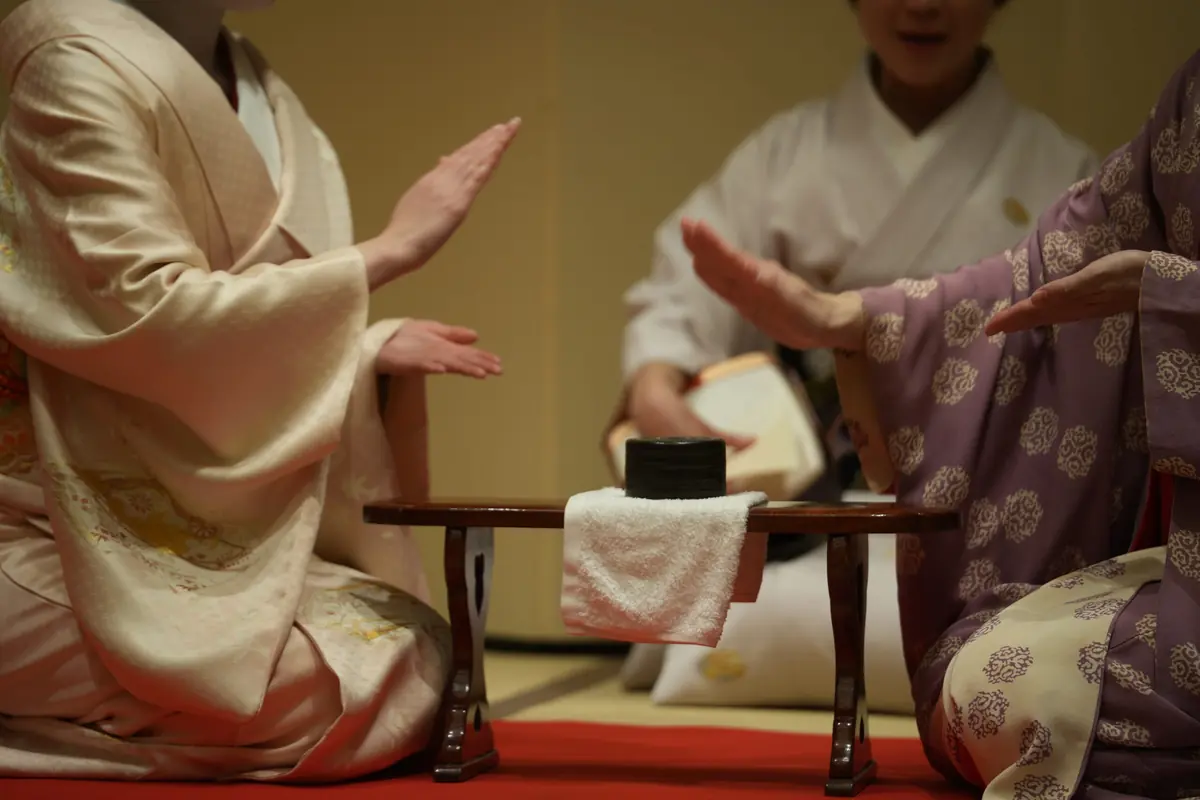
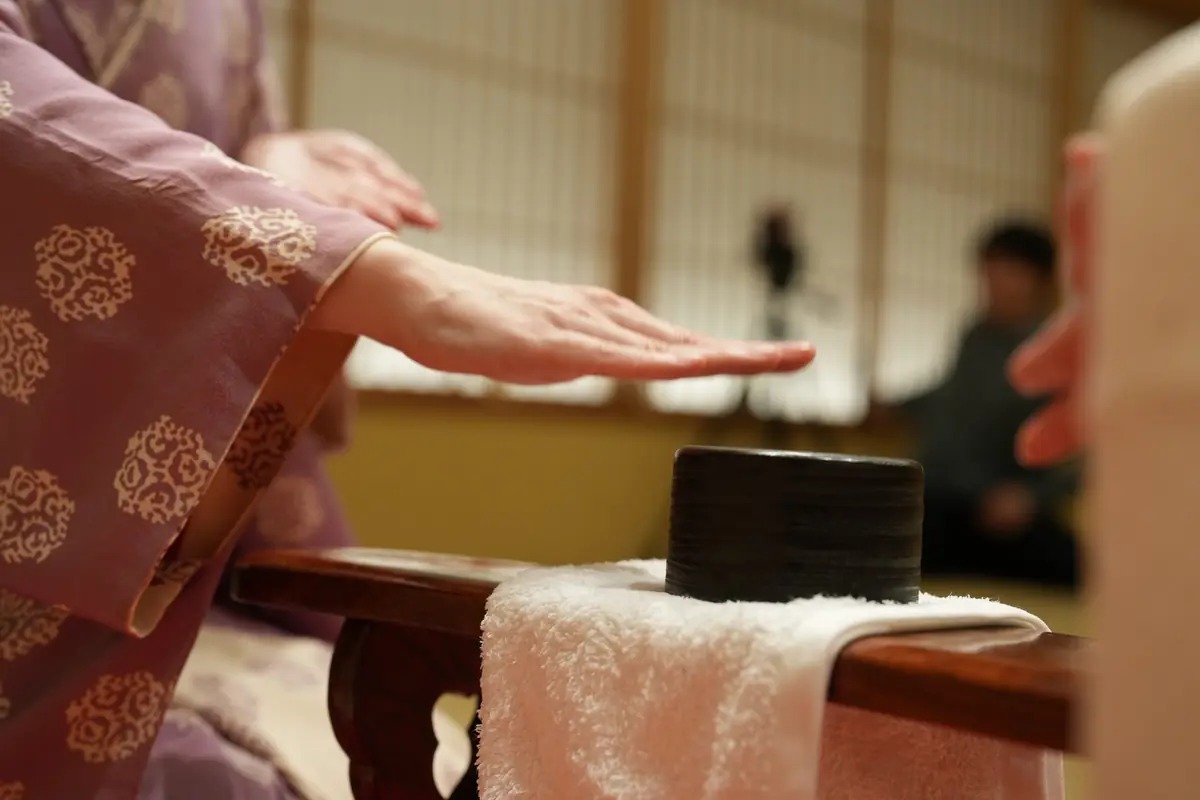
The beauty of Konpira Fune Fune lies in its simple rules, but don’t let that fool you. As the tempo increases, it becomes a thrilling challenge. To play, a small wooden pedestal called a hakama sits on top of a kyōsoku — a low armrest-style wooden stand — placed between the geisha and the guest. The players move their hands in time along with the song. The sake cup is not part of the game itself. It only appears at the very end as the forfeit drink for the loser.
The rules are based on two hand shapes: the flat hand and the fist. If the hakama sits on the kyōsoku in front of you, you must place an open palm where it rests. If your opponent has taken the hakama away, you must place a closed fist on the empty kyōsoku where it used to be. As you play the rhythm speeds up. If you use a flat hand when the hakama is gone, or a fist when it is still there, you lose! The geisha’s skill is legendary; they can maintain a perfect smile while moving their hands and not break a sweat. It is a real victory if you can win against them. It is a game of focus and fun that frequently ends with the loser drinking one full small sakazuki (sake cup) — the entire cup, not just a sip. Non-alcoholic alternatives are always welcome.
Play Konpira Fune Fune with Real Geisha in Asakusa
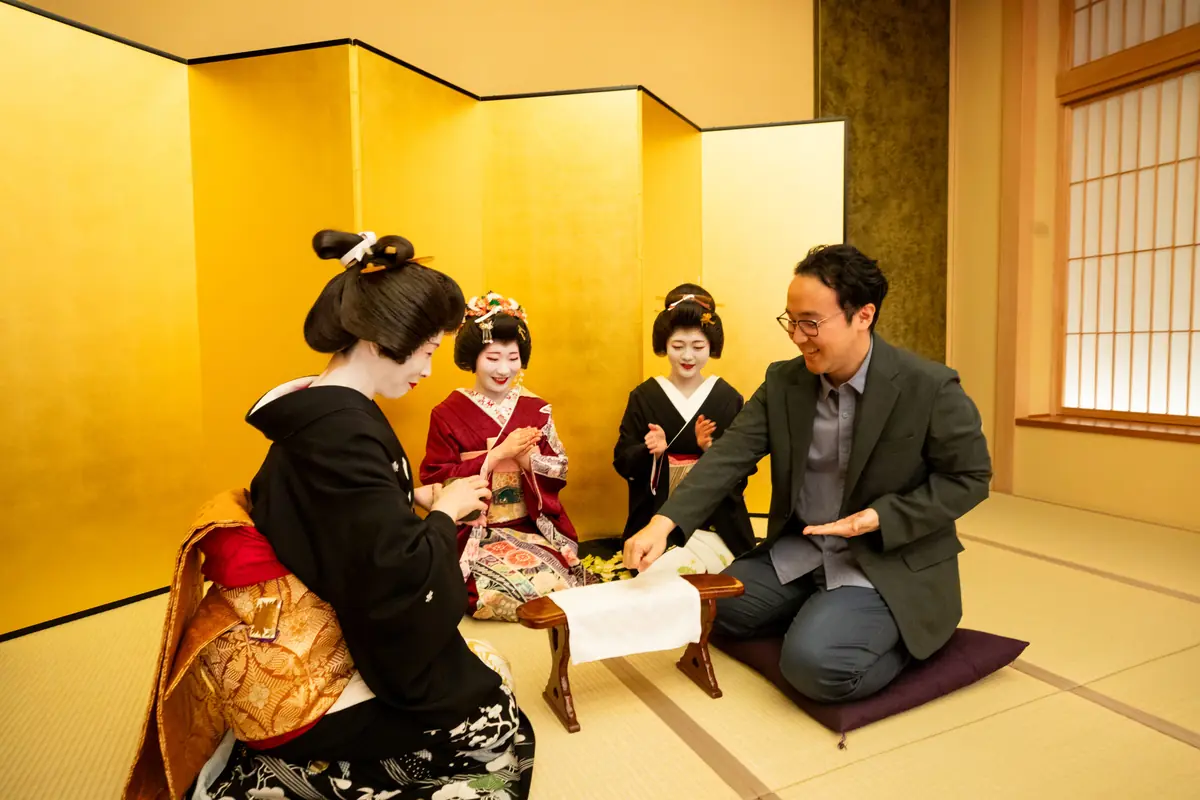
At Miyakodori — founded in 1950, the only machiai-chaya (geisha waiting house) in Asakusa — you can experience the geisha game song Konpira Fune Fune and other traditional ozashiki (geisha banquet) games firsthand. Private rooms, optional seasonal Kaiseki (included in the 3-hour plan), live shamisen, and English-speaking staff. No introduction required.
The Geisha and Hangyoku: Performers of the Geisha Game Song
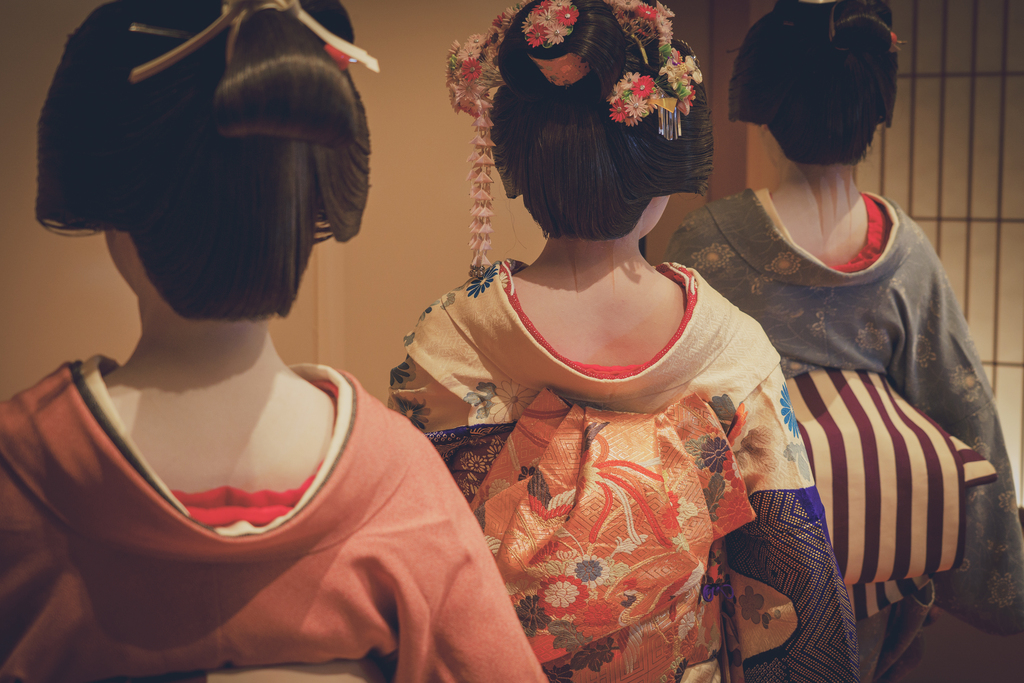
While the terms are often used interchangeably by visitors, there are distinct ranks within the geisha profession. In Tokyo’s Asakusa district, a junior geisha is called a hangyoku — she has already debuted as a geisha and is identifiable by her long-sleeved furisode kimono, raised shoulders, and floral kanzashi hair ornaments that express youth and elegance. She will later advance to ippon (senior geisha) status. In Kyoto’s hanamachi, the equivalent junior stage is called a maiko, with Kyoto-specific ceremonies such as misedashi and erikae marking the transition points within the profession. Both hangyoku and maiko are stages within the geisha profession in their respective regions, though the training styles and aesthetics differ. In Tokyo’s Asakusa district, the culture is often described as more open and welcoming, though no less professional. Here, the geisha focus on the concept of iki — a refined, minimalist, and stylish aesthetic that differs from the miyabi (elegance) of Kyoto.
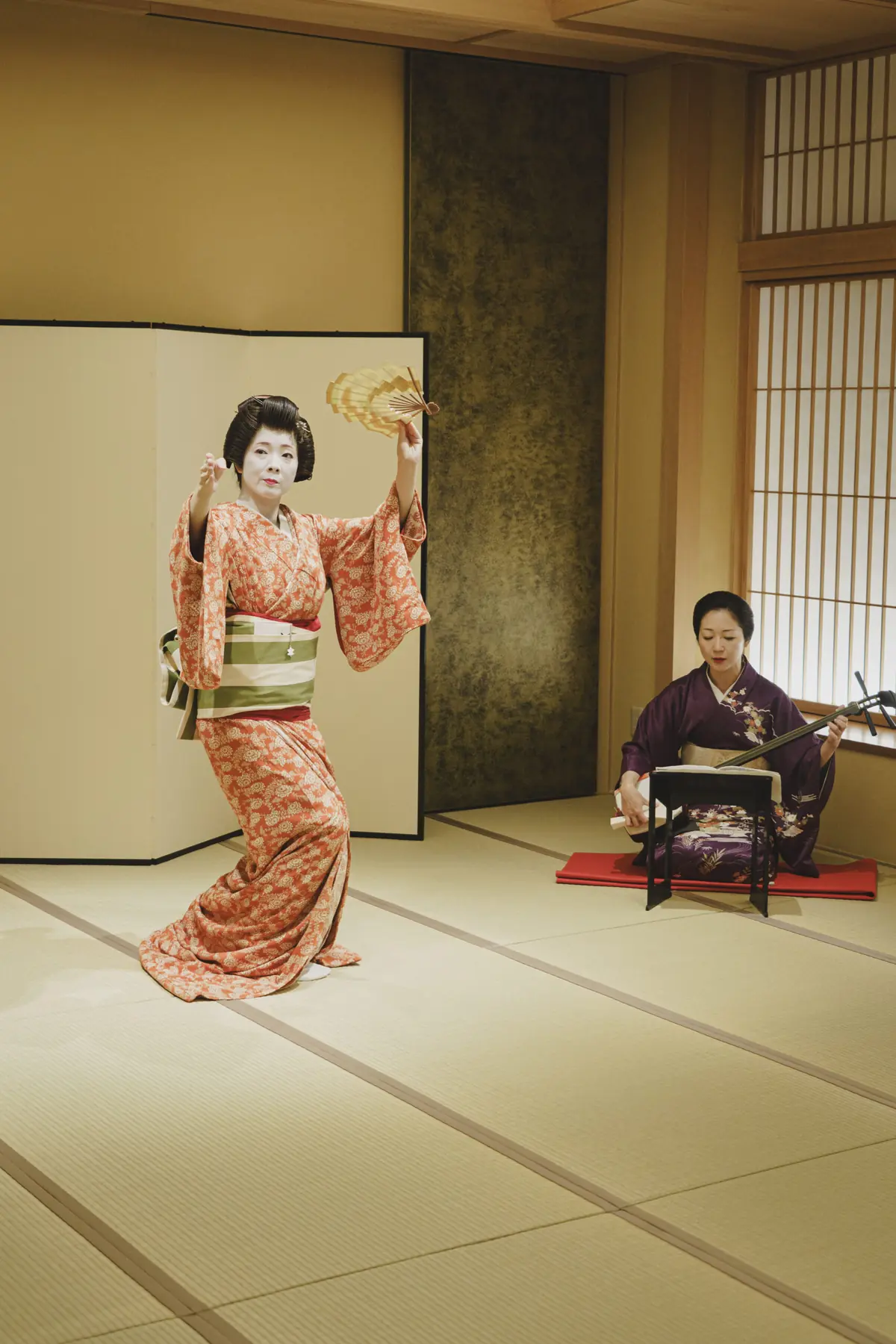
These performers spend years mastering the arts of dance, music, and conversation. Even the way they handle a fan or pour sake is a testament to their dedication. They are the guardians of a 400-year-old tradition, ensuring that even in a modern world, the human touch of Japanese hospitality remains vibrant. Whether you see them at special festivals or private events, their presence is what makes the experience authentic. For a deeper look at the differences between these roles, see our guide to the geisha in modern Japan.
Cultural Significance and Etiquette
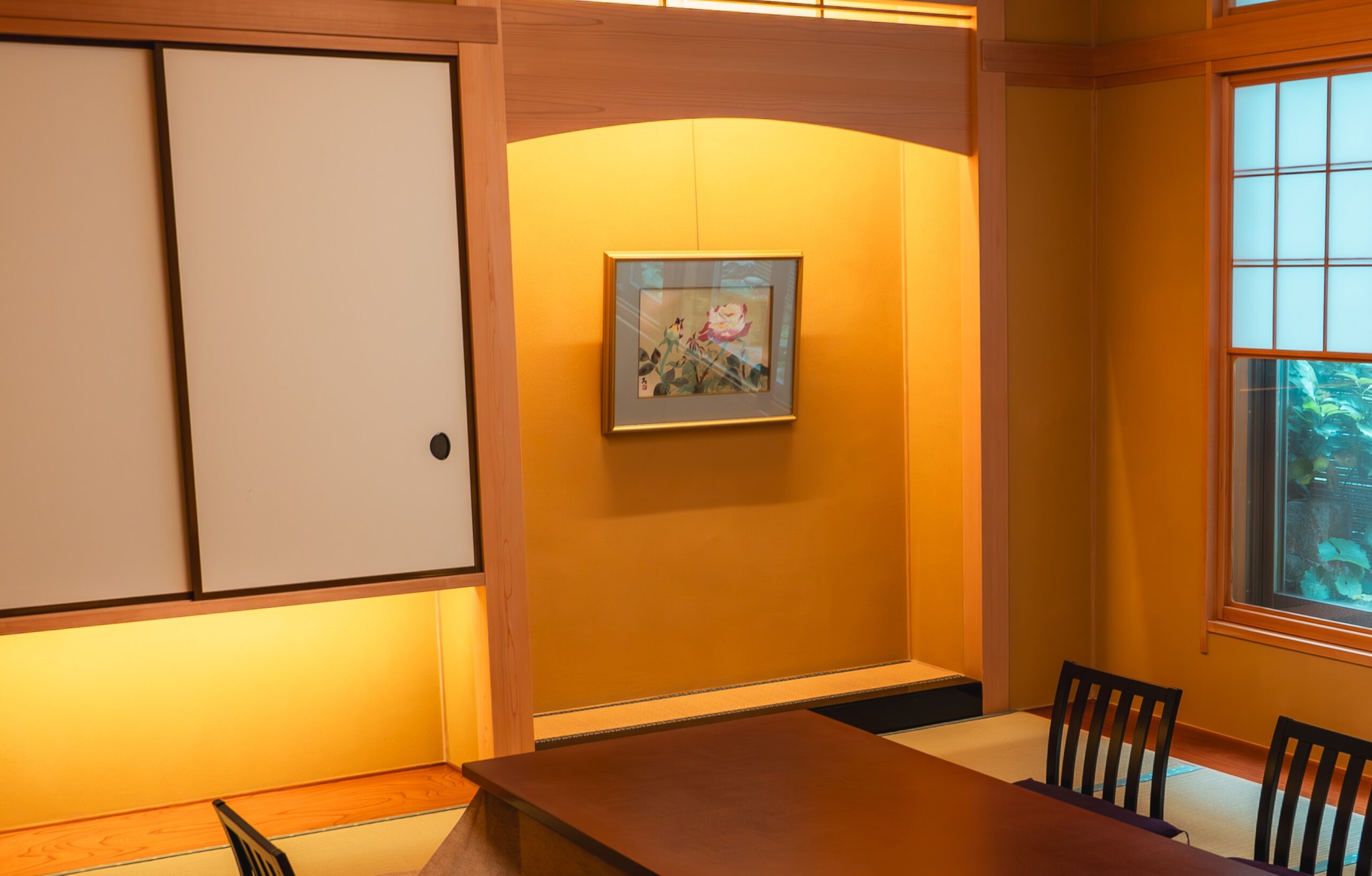
It is important to remember that an evening with a geisha is not a random party; it is a refined cultural experience. The games were traditionally played by elite clients, from samurai to modern business leaders. Today, the doors are more open to international guests, but the etiquette remains. Respecting the geisha’s craft is paramount. They are not oiran (high-ranking courtesans of the past); they are artists. When you enter a tea house or a traditional ryotei like Miyakodori, you are entering a space where every detail — from the seasonal theme to the placement of the flowers — has been carefully curated. We are glad to help newcomers navigate this path, ensuring they feel comfortable participating in such a storied tradition.
To learn more about the full ozashiki (geisha banquet) experience in Asakusa, visit our Authentic Geisha Show in Asakusa guide. For those planning a visit to the area, our Ultimate 2026 Asakusa Travel Guide has everything you need to know.
FAQ: Frequently Asked Questions About Geisha Game Songs
Q1: Can a beginner participate in these games?
Absolutely! The geisha are experts at teaching the rules to guests. They want you to have fun.
Q2: Is this only for drinking?
While it is often called a drinking game, the focus is on the interaction and the music. Non-alcoholic options are always available.
Q3: How do I find authentic experiences in 2026?
Look for established houses with a long history, particularly in areas like Asakusa which have a reputation for being welcoming to all.
Conclusion: Experience the Heart of Asakusa at Miyakodori
The world of the geisha is one of the most beautiful and misunderstood aspects of Japan. By participating in a game like Konpira Fune Fune, you move past the role of a spectator and become part of the tradition yourself. At Miyakodori in Asakusa, we invite you to step into our history. Founded in 1950, we are the only remaining machiai chaya in Asakusa, offering an intimate and authentic setting for you to meet genuine geisha who have dedicated their lives to their art. We are proud to welcome guests from all over the world, offering a bridge to the true spirit of old Tokyo.
Experience the Geisha Game Song Konpira Fune Fune in Asakusa
Founded in 1950, Asakusa Miyakodori is the only remaining machiai-chaya in Asakusa. Play Konpira Fune Fune with real Geisha, enjoy optional seasonal Kaiseki cuisine (included in the 3-hour plan), and witness live shamisen and dance — all in a private room. Book online in English. No introduction required.


- Geisha Makeup: From Traditional Art to Modern Style
- Difference Between Maiko, Geisha and Geiko: A Complete Guide
Geisha Culture in Japan: History, Training, and Modern Experiences
How to Book a Geisha Experience in Tokyo: Step-by-Step Guide (2026)
ASAKUSA NIGHTLIFE 2026: A GUIDE TO TOKYO’S HISTORIC HEART AFTER DARK
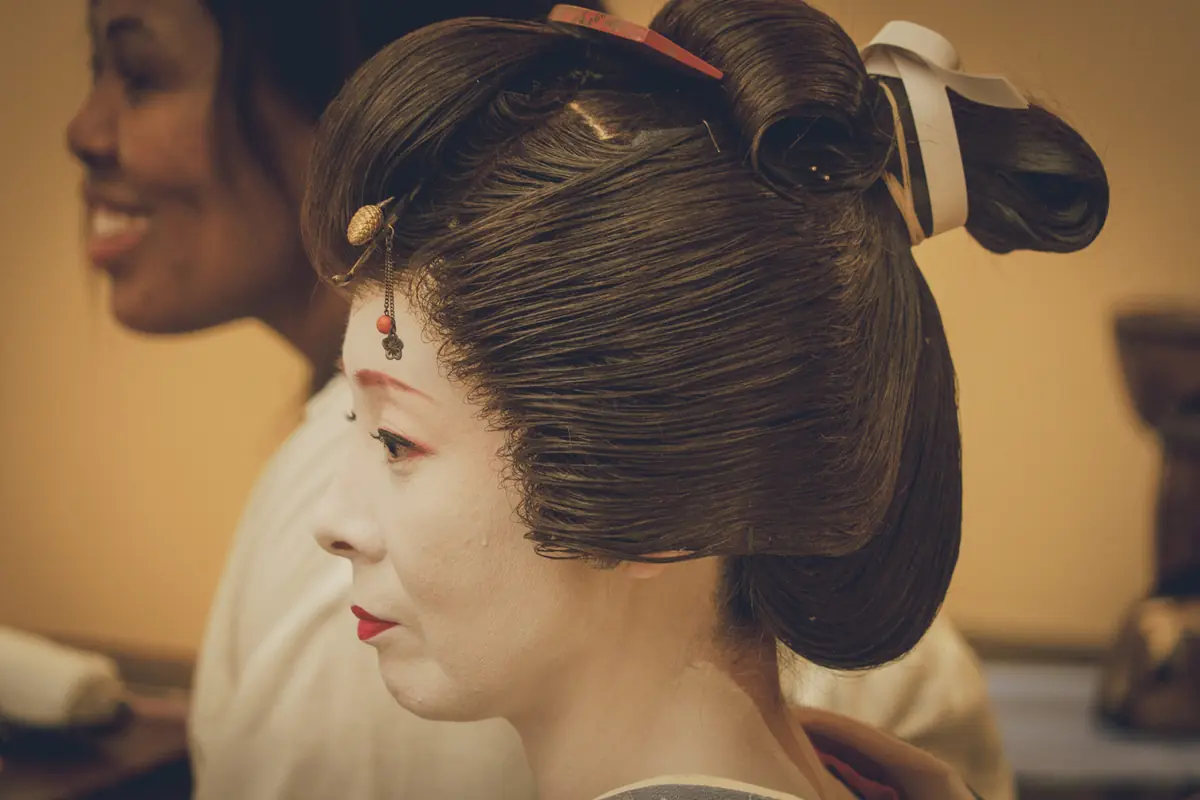
Geisha Makeup: From Traditional Art to Modern Style
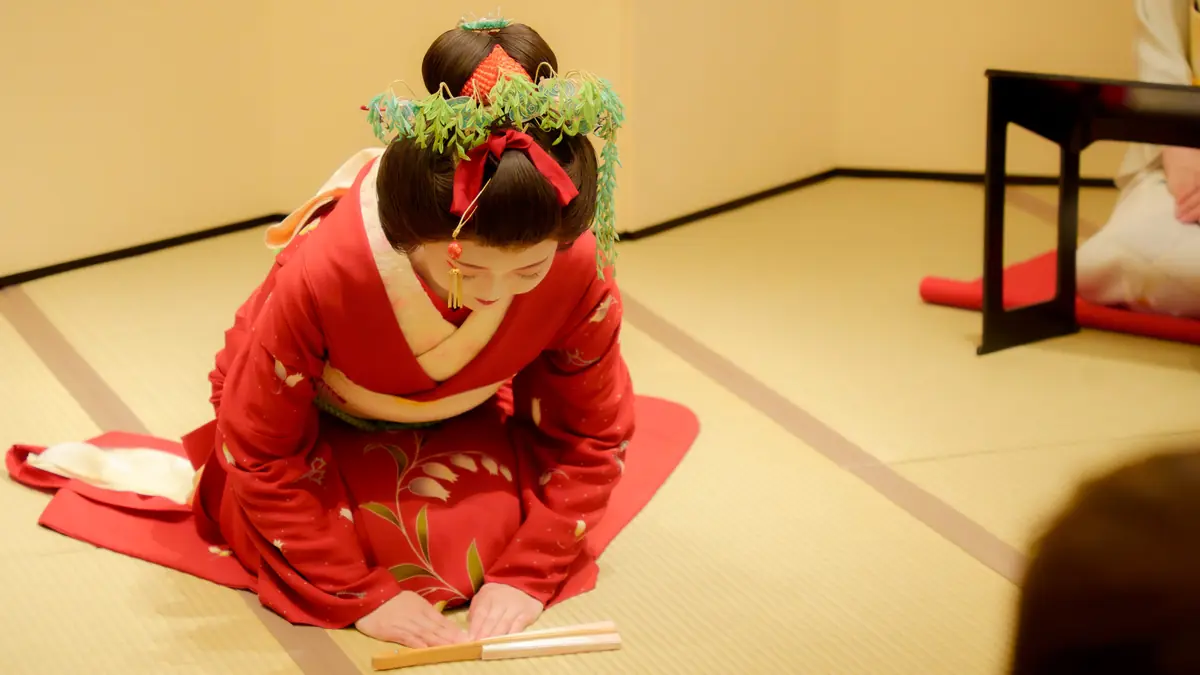
Where to See and Experience Geisha in Tokyo: An Insider’s Guide (2026 Edition)
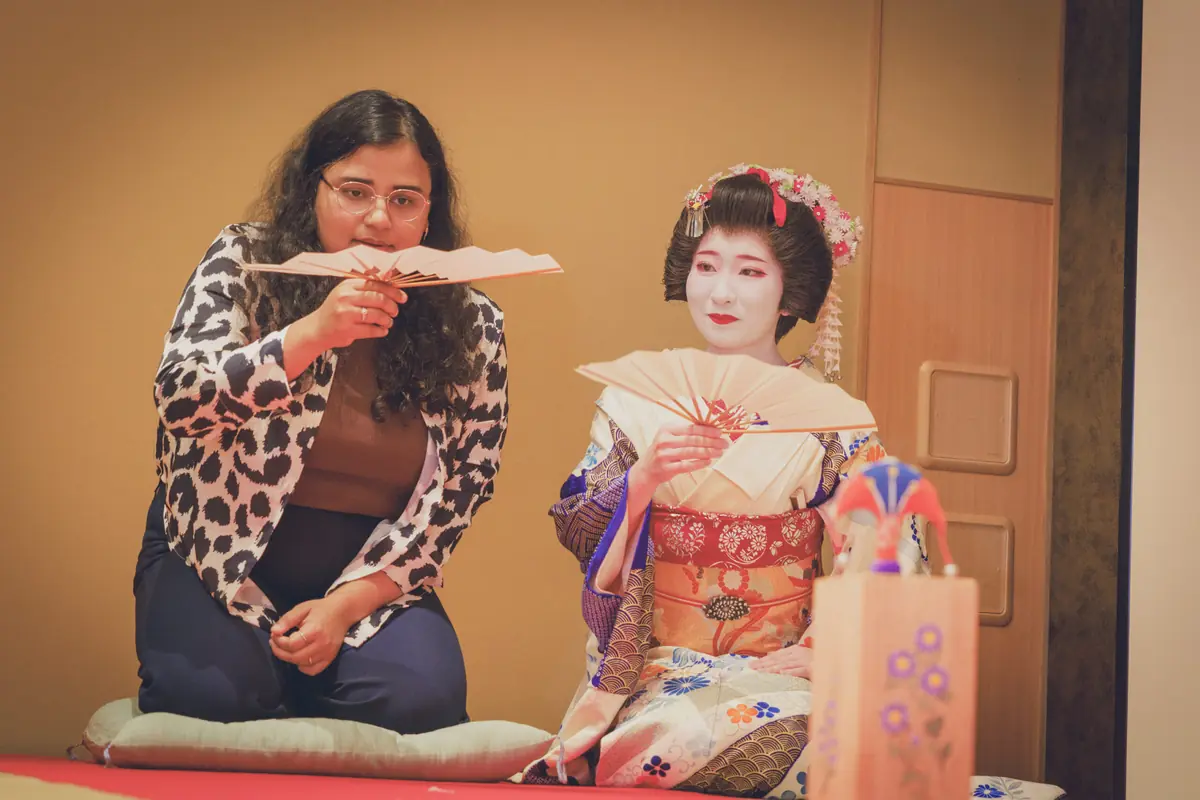
UNLOCKING THE SECRETS OF OZASHIKI GAMES: TRADITIONAL GEISHA PLAY
Comment ( 0 )
Trackbacks are closed.
No comments yet.