



Experiencing an Authentic Geisha Show in Asakusa, Tokyo
Introduction: The Timeless Allure of Asakusa
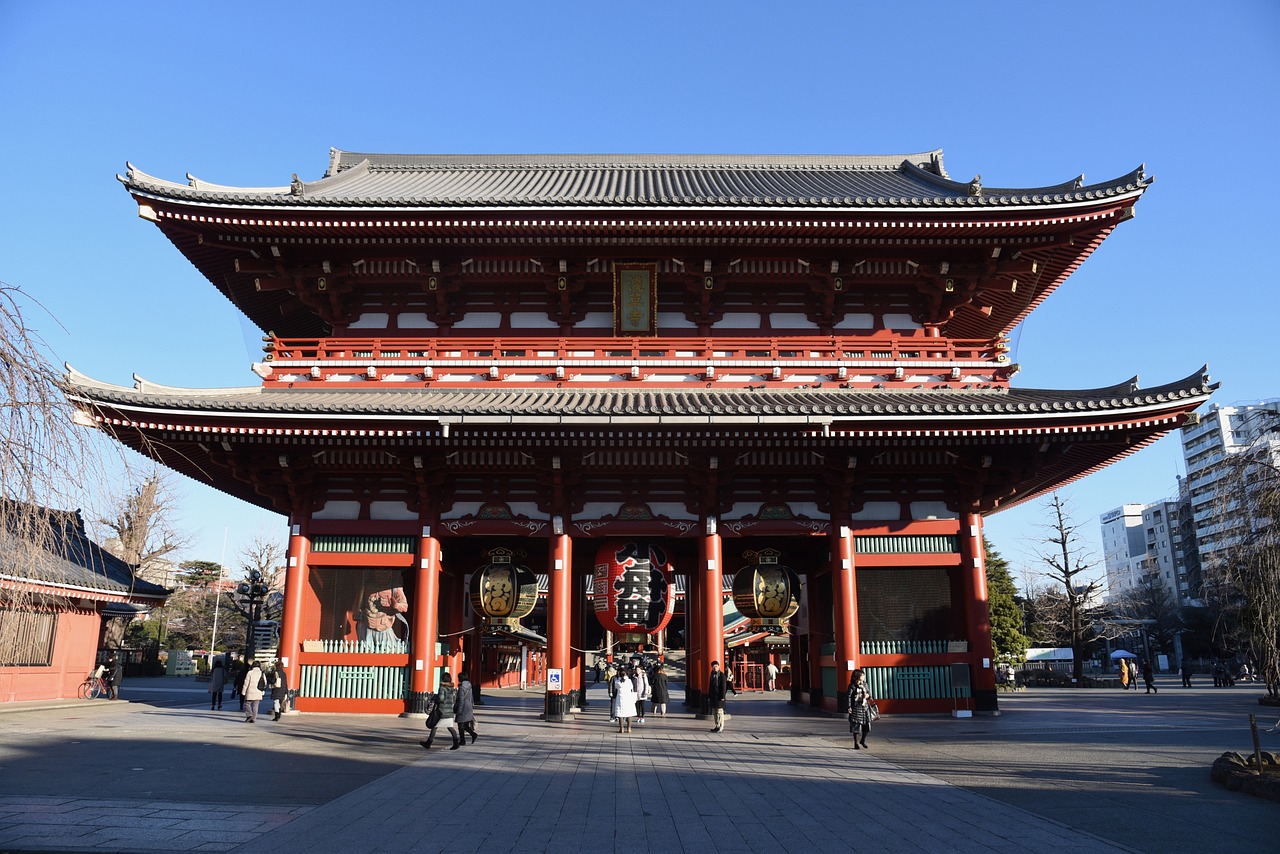
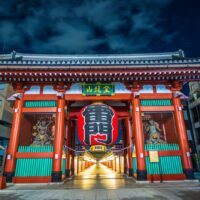
When the sun sets behind the iconic red lantern of Kaminarimon Gate, a different side of Tokyo begins to breathe. Away from the neon-lit skyscrapers of Shinjuku and the bustling crossings of Shibuya lies Asakusa, a district where the echoes of the Edo period still resonate through the cobblestone streets. For many travelers, the dream of visiting Japan is synonymous with the mystery and elegance of the geisha. However, finding a truly authentic experience can often feel like searching for a needle in a haystack. This guide is designed to navigate you through the world of the geisha show in Asakusa, ensuring your journey into Japanese tradition is both profound and unforgettable.
Asakusa has been a cultural hub for over four hundred years. Since the Edo period, it has served as a sanctuary for the arts, entertainment, and spirituality. While Kyoto is often the first place people think of when geisha are mentioned, Asakusa offers a unique, open, and vibrant geisha culture that is deeply rooted in the lives of the local people. Here, the art is not just a relic of the past; it is a living, breathing tradition that welcomes the curious traveler with open arms.
The Cultural Heart: Understanding the Asakusa Geisha Show
To appreciate a geisha show, one must first understand what a geisha truly is. In the local dialect of Tokyo, they are often referred to as geisha for senior performers and hangyoku for junior geisha, but the essence remains the same: they are masters of traditional arts. A geisha show is a curated evening of music, traditional dance, and sophisticated conversation that has been refined over centuries.
The setting of these performances is typically a ryotei, a high-class traditional Japanese restaurant. In Asakusa, the geisha district is centered around the area behind Senso-ji Temple, known as Kannon-ura. This area retains an old-world charm that is increasingly rare in modern Tokyo. When you enter a geisha show, you are stepping into a private world where time slows down, and every gesture carries meaning.
What to Expect: The Triad of Performance, Games, and Gastronomy
A typical evening at a geisha show in Asakusa involves several distinct phases, each designed to engage your senses and provide a glimpse into the aesthetic of iki, or Tokyo-style chic.
The Visual Poetry of Traditional Dance
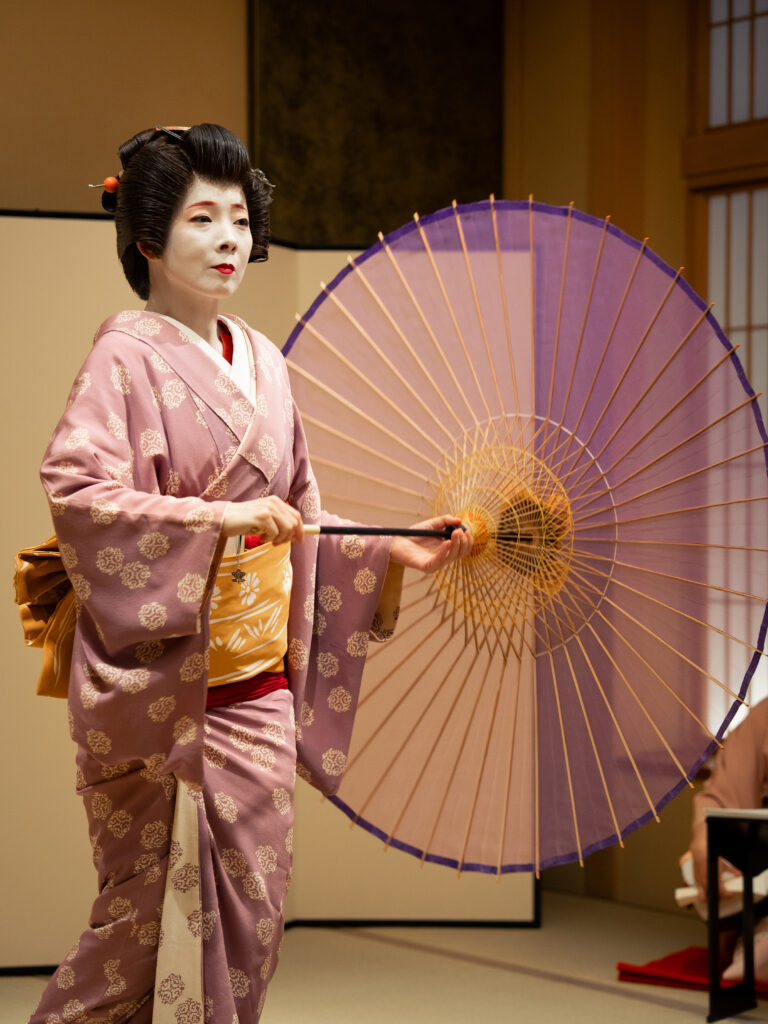
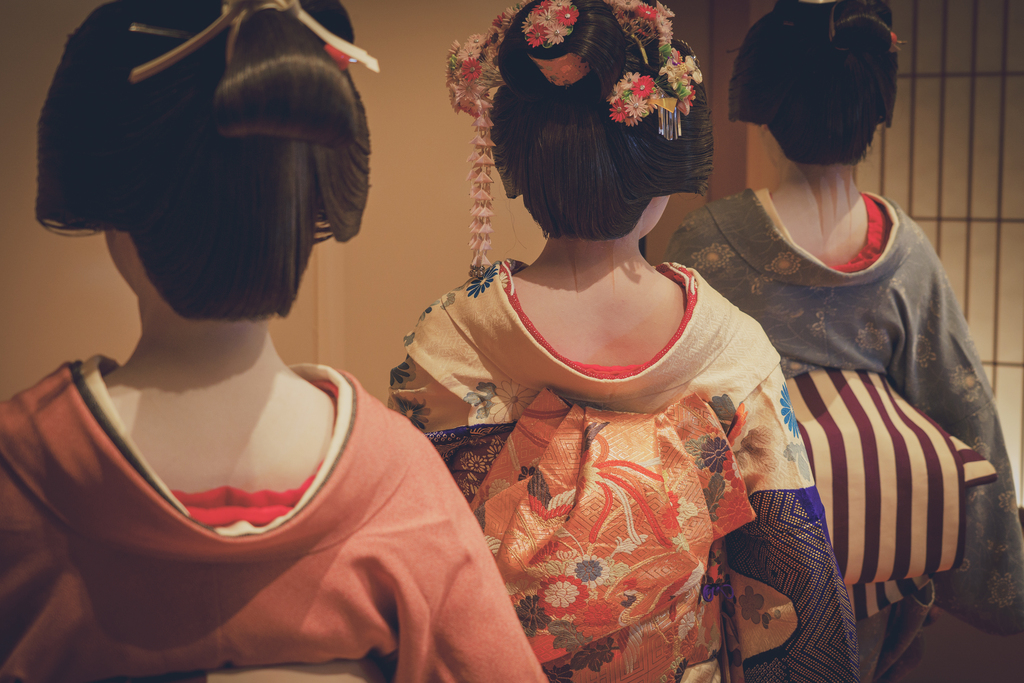
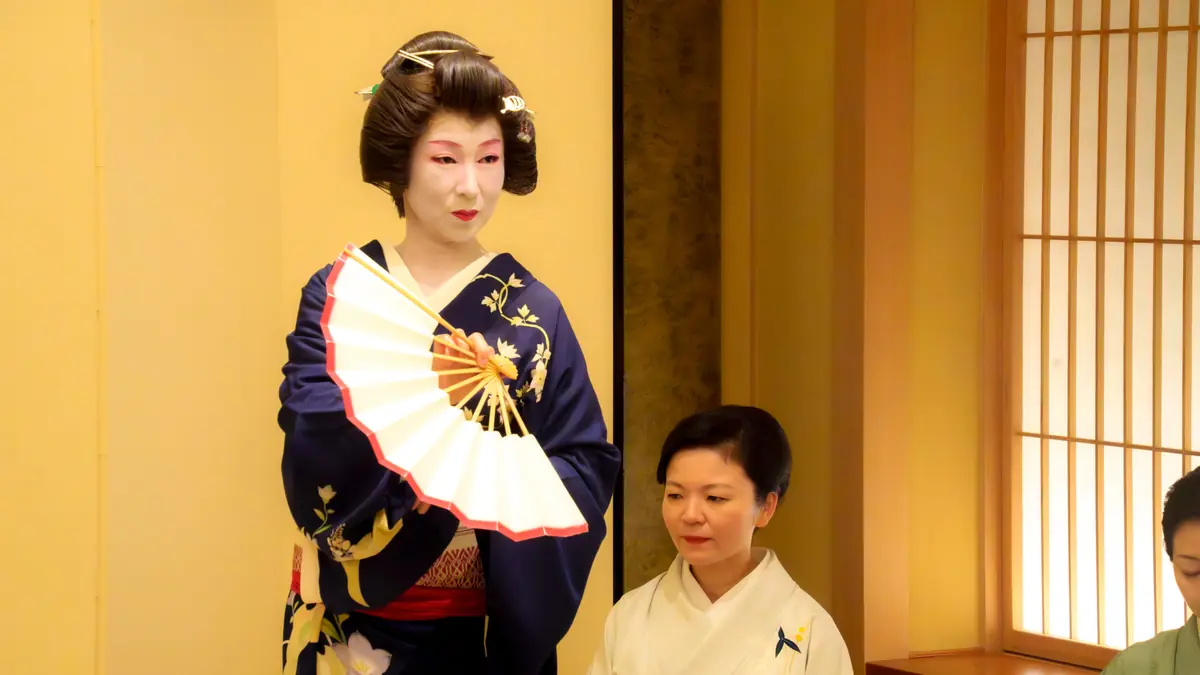
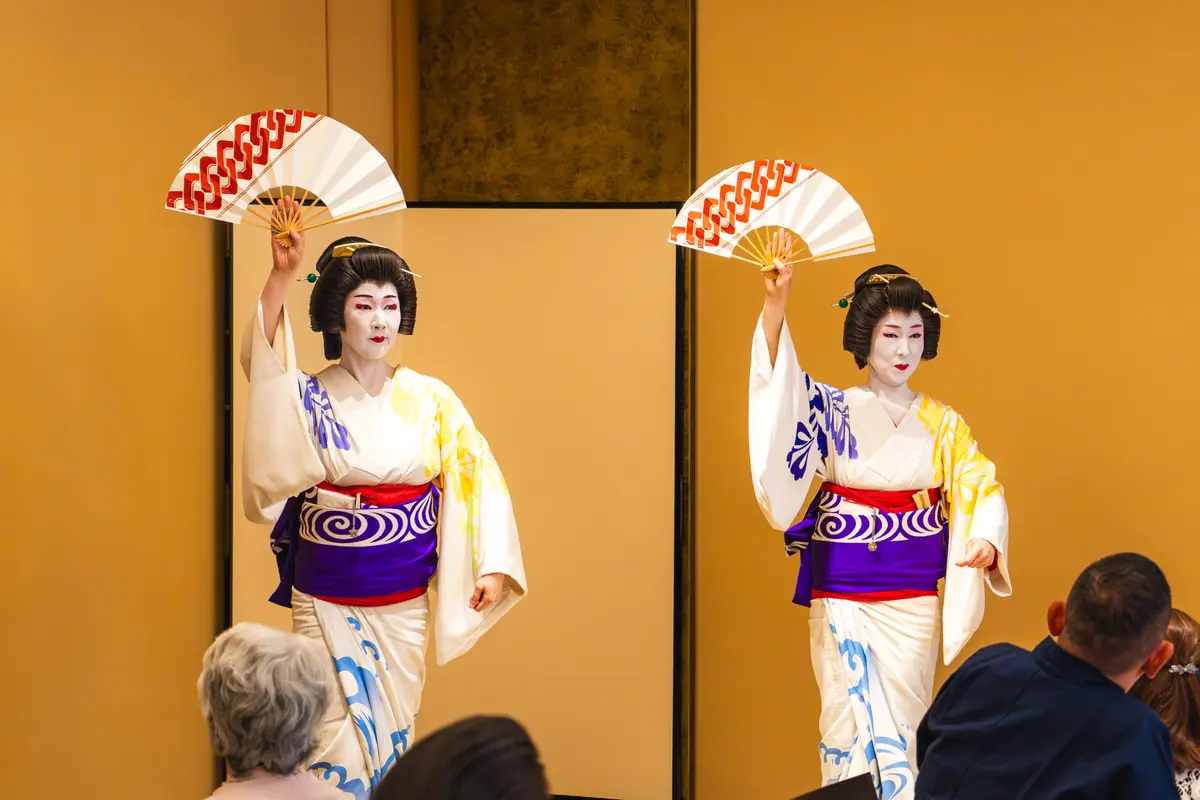
The evening usually begins with a performance of traditional dance. The geisha, adorned in kimono made of hand-painted silk, move with a precision that is both hypnotic and graceful. Every tilt of the head and flick of a fan tells a story, often related to the changing seasons or classical Japanese literature. The kimono itself is a work of art, often costing as much as a luxury car, with patterns that reflect the specific month of the year.
The Soulful Strings of the Shamisen
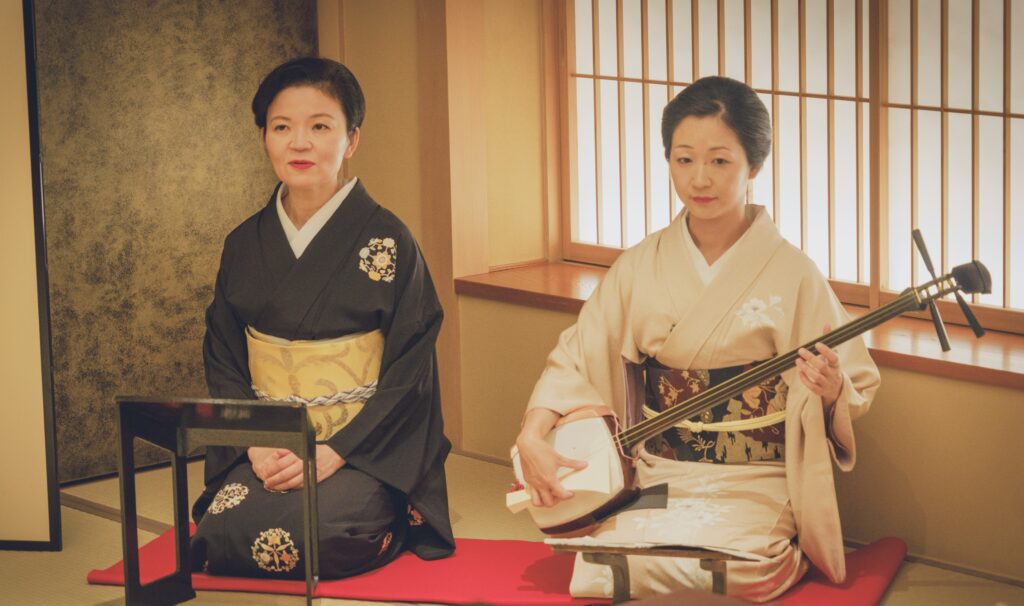
Accompanying the dance is the evocative sound of the shamisen, a three-stringed traditional instrument. The shamisen player, often a senior geisha with decades of experience, provides the rhythmic and melodic backbone of the performance. The percussive nature of the instrument, combined with haunting vocal chants, creates an atmosphere that transports guests back to the tea houses of the 1800s.
The Joy of Ozashiki Games
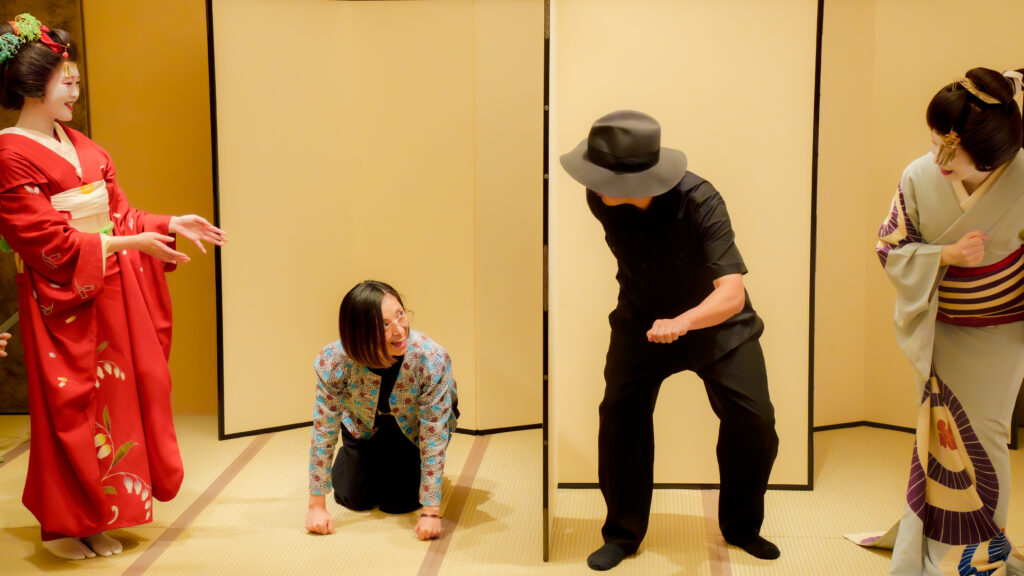
One of the most unique aspects of an Asakusa geisha show is the ozashiki games. These are interactive drinking games played between the guests and the geisha. While they may seem simple, they require quick reflexes and a sense of humor. These games break the ice and dismantle the barrier between the performer and the audience, embodying the spirit of community that Asakusa is known for. It is during these moments that you truly experience the geisha’s skill in hospitality; they are masters at making every guest feel like the guest of honor.
The Philosophy of Omotenashi: More Than Just Hospitality
At the core of every geisha show is the concept of omotenashi. This word is often translated as hospitality, but its meaning is much deeper. Omotenashi implies wholehearted service that anticipates the needs of the guest before they are even voiced. It is a selfless approach to hosting where the host takes pride in creating a perfect, once-in-a-lifetime moment (ichi-go ichi-e).
In Asakusa, omotenashi is delivered with a specific flair. Unlike the more reserved and aristocratic style found in Kyoto (the miyabi style), Asakusa geisha are known for being approachable, witty, and spirited. They are part of a community that has protected these traditions through fires, wars, and modernization. When you book a geisha show here, you become a patron of an ancient art form that the entire neighborhood works together to preserve.
Practical Guide: How to Navigate Booking and Etiquette
For many international visitors, the process of booking a geisha experience can seem daunting. Historically, ryotei operated on an introduction-only basis (ichigen-san kotowari). However, in modern Asakusa, the doors have opened wider to accommodate the global interest in Japanese culture.
How to Secure a Booking
While some public performances are held at the Asakusa Kenban (the geisha union headquarters), the most authentic way to experience this culture is through a private session at a licensed ryotei. It is highly recommended to make a booking well in advance, especially during the cherry blossom or autumn leaf seasons. Many establishments now have English-friendly websites or work with specialized travel agencies to facilitate reservations for foreign guests.
What to Wear and How to Behave
While a full tuxedo or evening gown is not required, dressing respectfully is appreciated. Think of it as a fine dining experience. You will be in a traditional tatami room, seated at a table with chairs or a sunken kotatsu, so wearing clean socks is essential as you will be removing your shoes at the entrance. Regarding photography, always ask for permission before taking photos or videos of the geisha. Usually, there is a designated time at the end of the show for commemorative photos.
A Focus on Asakusa Miyakodori: The Ultimate Traditional Experience

If you are looking for the pinnacle of this culture, Asakusa Miyakodori stands as a beacon of tradition. Established in 1950, Miyakodori is currently the only establishment in Asakusa that maintains the form of a machiai-chaya (a traditional waiting tea house). This distinction is important; it means the focus is squarely on the entertainment and the refined atmosphere of the geisha show.
Located in the historic Kannon-ura district, Miyakodori offers a sanctuary where the breath of history is palpable. The owner, Kawamura-san, emphasizes that while Kyoto geisha are defined by their aristocratic elegance, Asakusa geisha embody the samurai-influenced culture of Edo—simple, principled, and stylish. This is the essence of iki.
At Miyakodori, the experience is multi-sensory. You are treated to seasonal kaiseki cuisine, where each dish is a masterpiece reflecting the micro-seasons of Japan. For those with specific dietary needs, fully halal meals can be served as bento (boxed meals) with 5 days’ notice, ensuring that the beauty of Japanese culture is accessible to everyone regardless of their background. Whether you are hosting a VIP business dinner or celebrating a special family anniversary, the private rooms at Miyakodori provide a space where the noise of the modern world fades away, replaced by the delicate sound of a shamisen and the rustle of a silk kimono.
The Evolution of Tokyo Nightlife
When people think of Tokyo nightlife, they often envision the robot cafes of Shinjuku or the tiny bars of Golden Gai. While those are exciting, a geisha show in Asakusa offers a more sophisticated and culturally rich alternative. It is an investment in a memory that will stay with you long after the neon lights have faded. By participating in an evening at a place like Miyakodori, you are contributing to the survival of a lineage of female artists who have been the guardians of Japanese aesthetics for centuries.
Conclusion: Your Journey into the Heart of Edo
Visiting Asakusa without witnessing a geisha show is like visiting Paris without seeing the Eiffel Towerl. The combination of traditional dance, the rhythmic pulse of the shamisen, and the warmth of omotenashi creates a tapestry of experiences that define the Japanese spirit.
Asakusa remains an open and welcoming flower district (hanamachi), inviting people of all ages and nationalities to discover the joy of the ozashiki. We invite you to step away from the crowded tourist paths and enter the quiet elegance of Asakusa Miyakodori. Let the geisha guide you through a night of Edo-style play, seasonal cuisine, and warm hospitality. Your seat at the tatami table is waiting.
Frequently Asked Questions About the Asakusa Geisha Experience
Q: Where is the best place to find a geisha show and how do I get there from the station?
A: The heart of the geisha world is located in the Kannon-ura area, which serves as the cultural center of historic Asakusa. When you arrive at Asakusa Station, it is a pleasant thirteen-minute walk past the Senso-ji Temple, or fifteen minutes if you come on the Toei Asakusa Line. If you check a digital map on your phone, you can easily navigate the charming backstreets to find Asakusa Miyakodori. It is a wonderful place to visit during your day trip to explore the traditional side of Tokyo.
Q: Are there any public events or festivals where I can see geisha for free?
A: Asakusa holds several major events throughout the year. During a large festival like the Sanja Matsuri, geisha they also parade through the streets of Asakusa, allowing the public to see them up close. While these processions and street performances are free to watch, they can be very crowded. For more formal theater events, you may need to purchase tickets in advance. Please check the seasonal schedule on local tourism websites before your trip to ensure you don’t miss these rare opportunities.
Q: Is a private geisha show only for wealthy people or those staying in a luxury hotel?
A: Not at all. In modern Asakusa, this is an opportunity for everyone to enjoy authentic Japanese culture. You do not need to be a guest at a specific high-end hotel to make a booking. You can contact an establishment like Asakusa Miyakodori directly to arrange your evening. You will often find that many locals also visit these tea houses to celebrate special occasions, creating a friendly and inclusive atmosphere.
Q: What can I expect from the dinner menu?
A: Each session includes a kaiseki menu that features the freshest seasonal ingredients. The chefs take great pride in presenting dishes that are as beautiful as they are delicious.
Insider Tips for Your Visit to Asakusa
To make the most of your evening, arrive in the district early. Spend your day walking through the traditional craft shops near the temple before your scheduled geisha show. Taking the opportunity to wear a rented kimono while you explore can also enhance your connection to the local atmosphere. If you are unsure about the etiquette, simply watch the locals and follow their lead; the spirit of Asakusa is one of kindness and mutual respect.
When you finally sit down at the ryotei, remember that the geisha are there to make you feel comfortable. Whether they are performing intricate dances or pouring your drinks, their goal is to provide a seamless experience of omotenashi. If you want to capture the moment, wait for the appropriate time when the host gives you the signal that photos are allowed. This small gesture shows that you value their art and their privacy.
The Unique Position of Asakusa Miyakodori
Among the various tea houses in Tokyo, Asakusa Miyakodori holds a special place. As the only remaining machiai-chaya in the area, it offers a direct link to the golden age of the Edo period. The focus here is not just on a quick performance but on a deep, immersive cultural event. From the moment you enter until you leave, you are treated with a level of care that is rarely found in the modern world. If you are looking for a true Tokyo nightlife experience that goes beyond the typical bars and clubs, this is the place to be.
For more information or to make a reservation, you can look through our website. This is your chance to see the real Japan, guided by the grace and talent of the Asakusa geisha.
FOOTNOTES AND SOURCES:
- Asakusa Geisha Association (Asakusa Kenban): https://asakusakenban.com/
- Asakusa Miyakodori PR Times Feature: https://prtimes.jp/main/html/rd/p/000000001.000165250.html
- Asakusa Destination Guide (Asakusa.gr.jp): https://asakusa.gr.jp/jp/?p=385
- Tokyo Metropolitan Government Cultural Feature: https://www.my.metro.tokyo.lg.jp/w/000-20240711-43128106
Experience graceful performances, warm hospitality, and a timeless atmosphere where Japan’s living traditions come to life.
- Private Ozashiki: An intimate, refined encounter with authentic Asakusa geisha.
- Traditional Geisha Artistry: Elegant dance, live shamisen music, and interactive ozashiki games.
- Historic Machiai-chaya Setting: A sophisticated cultural experience in a traditional machiai-chaya setting.
- English Support Available: Assistance for international guests throughout your visit.
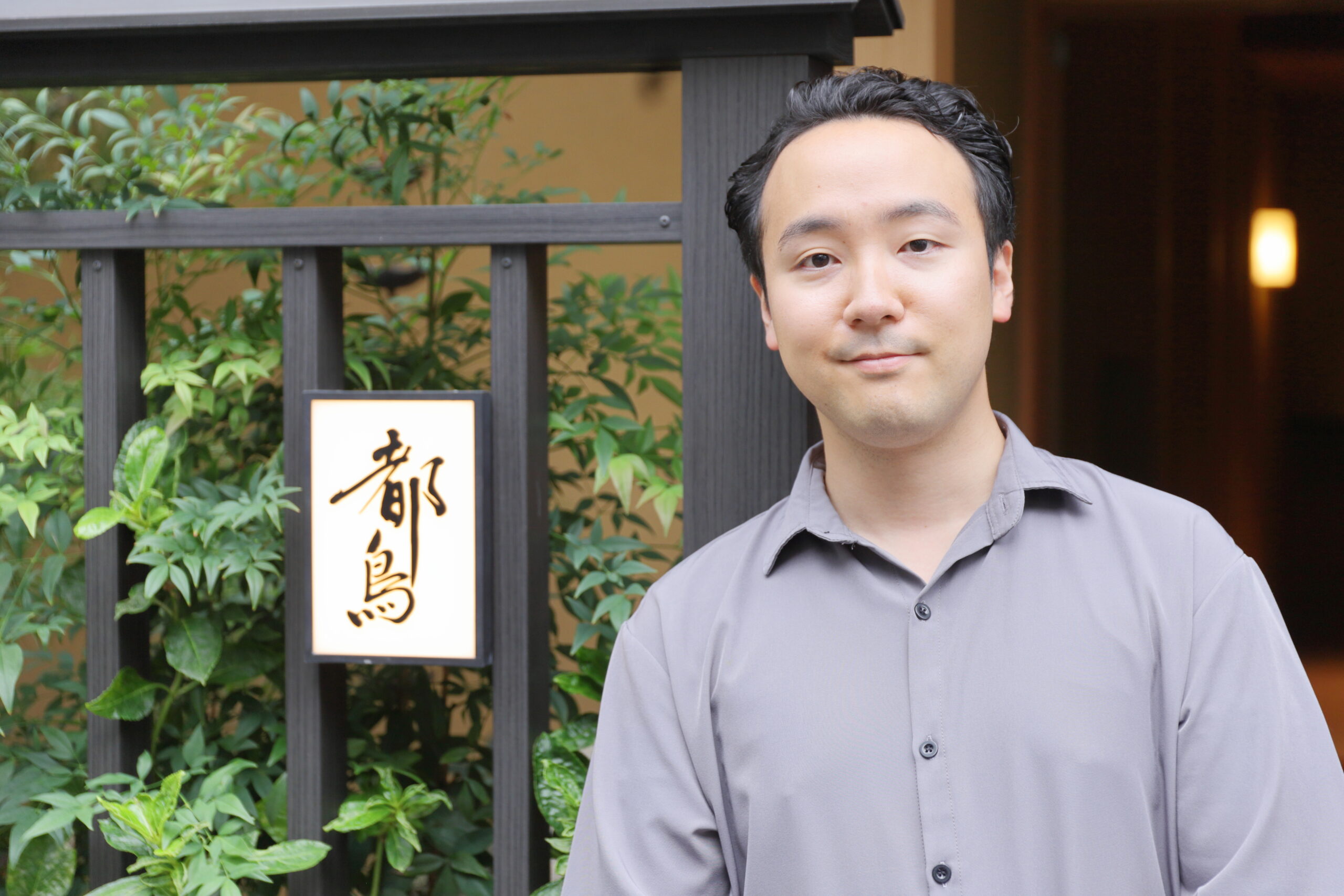


- Geisha Pictures: A Comprehensive Visual Guide and Stock Photo Resources
- Geisha Shows in Tokyo: Where to See Geisha, and How Tokyo Compares with Kyoto
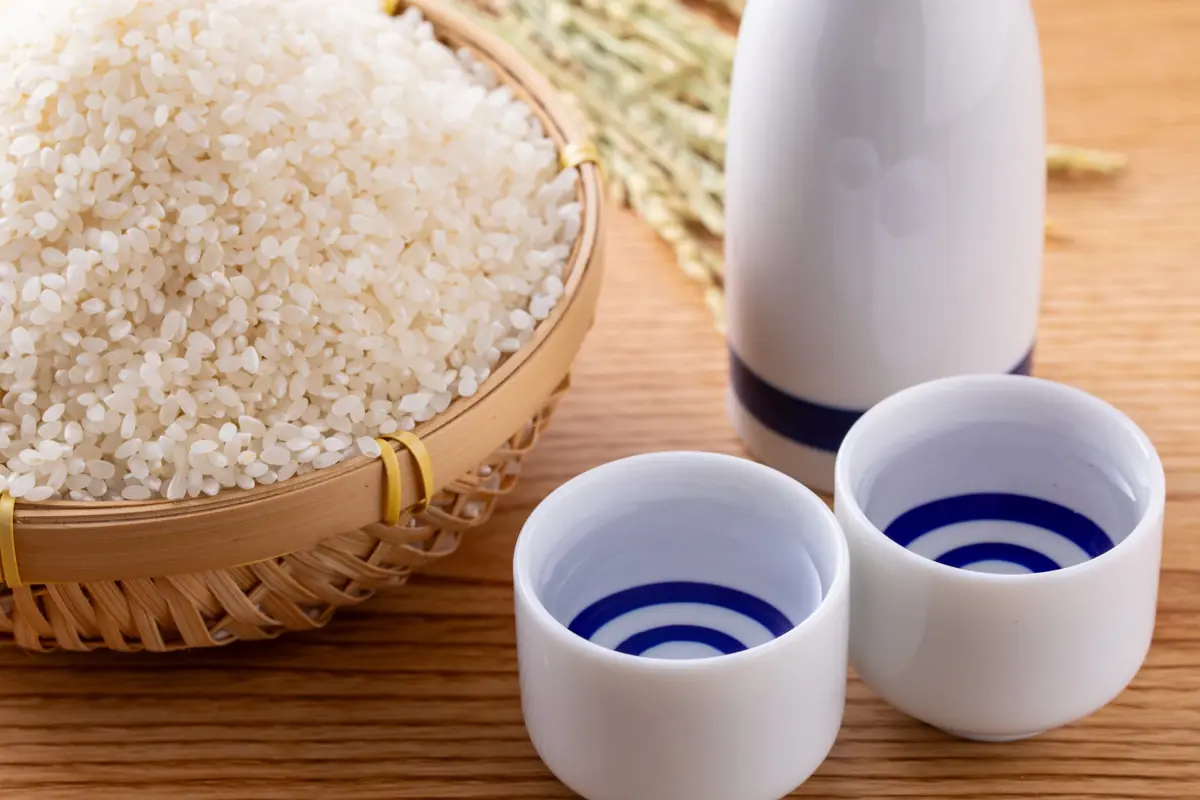
Visiting Asakusa? Here Are the Best Places to Try Japanese Sake
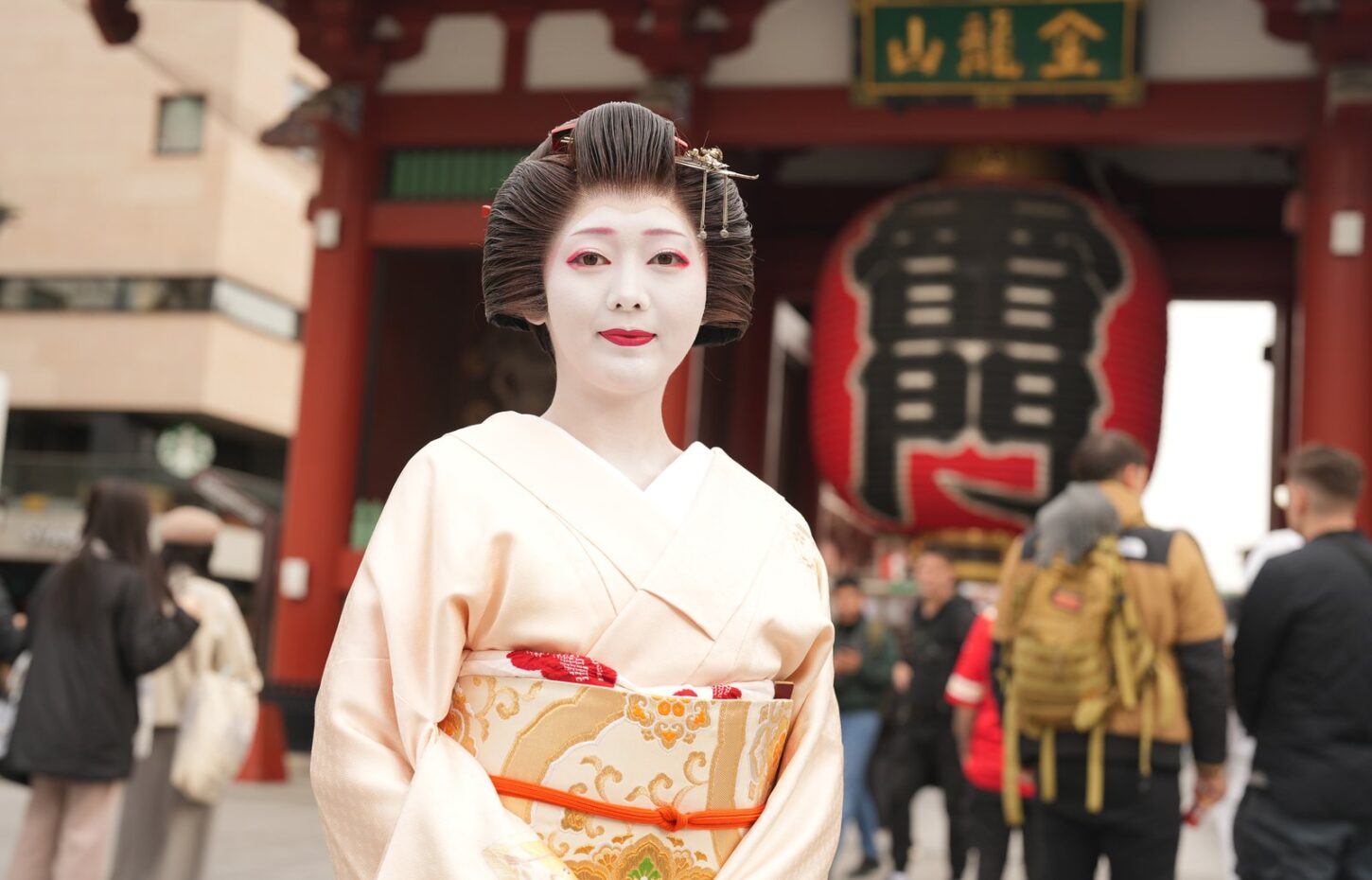
How to See a Geisha in Tokyo: 5 Ways Compared (2026)
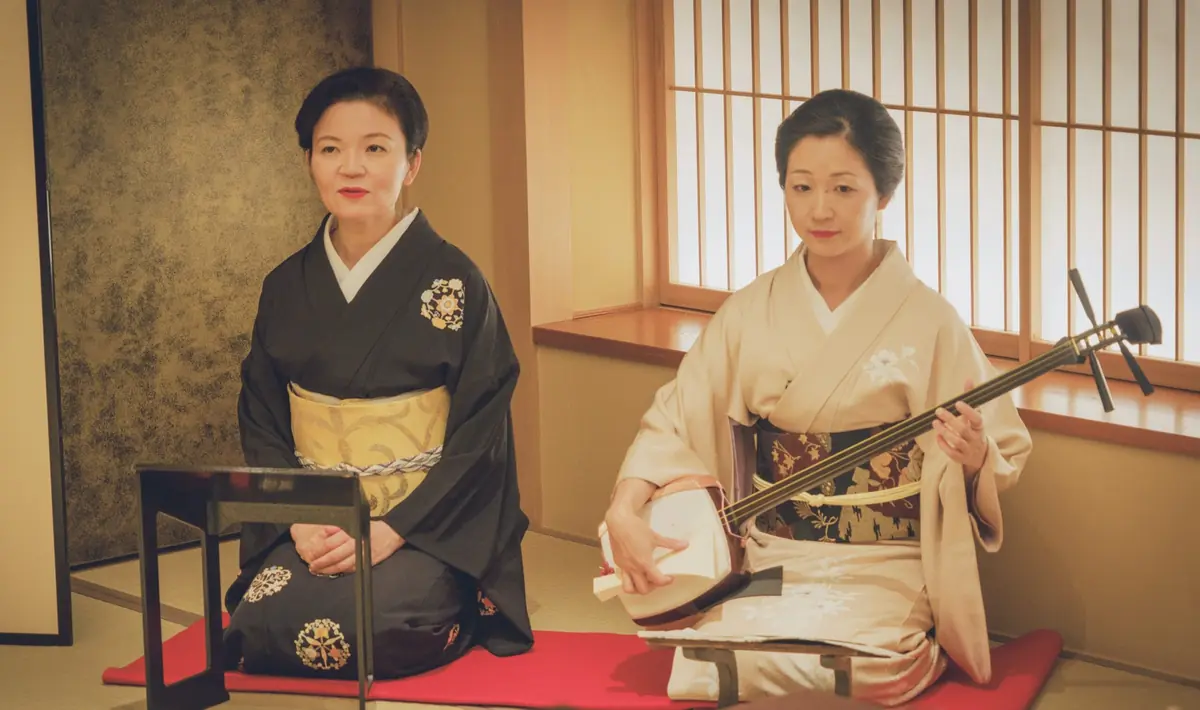
The Shamisen: Japan’s Three-Stringed Lute and the Soul of Geisha Music
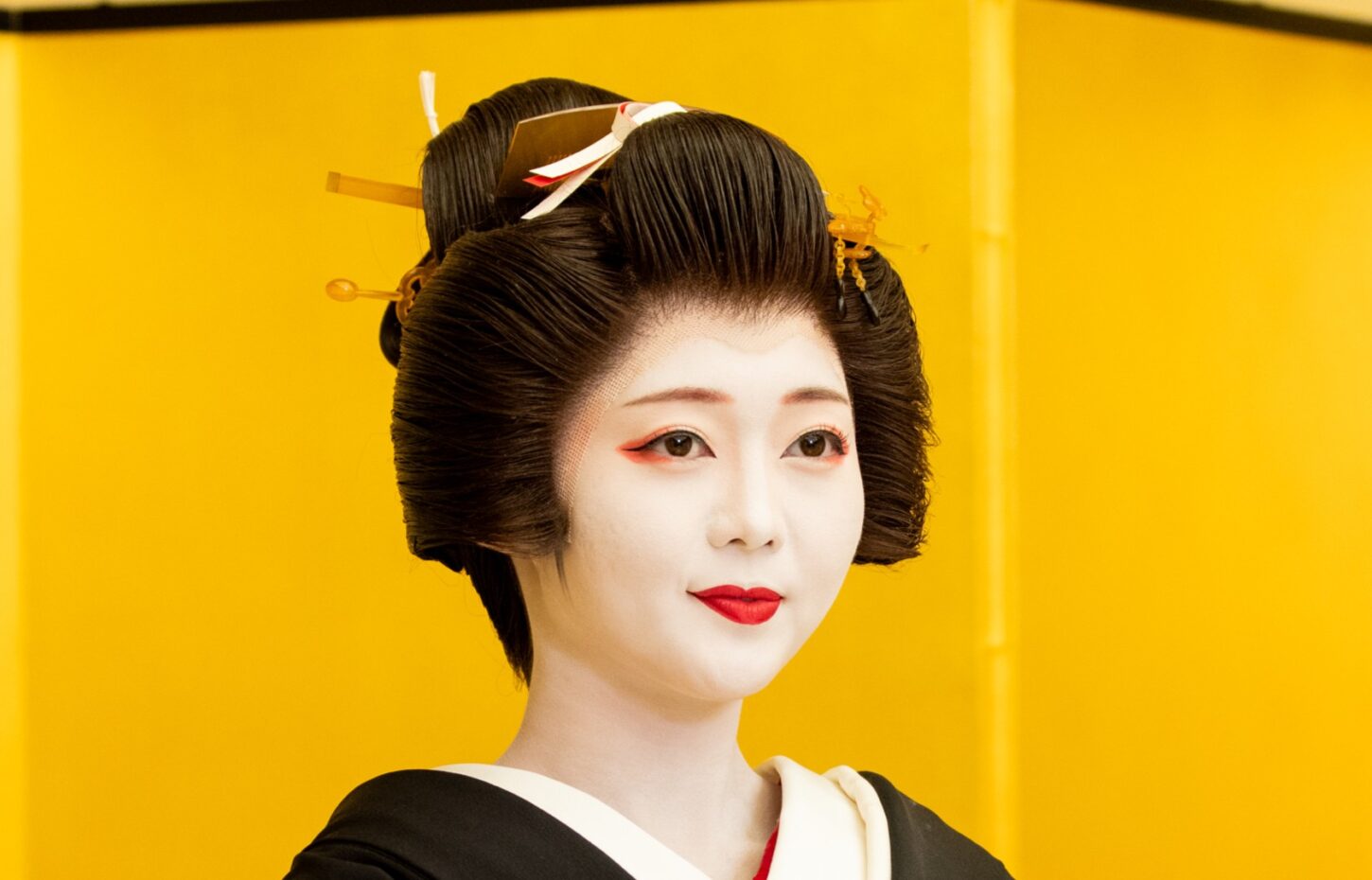
Geisha Pictures: A Comprehensive Visual Guide and Stock Photo Resources
A Guide to Tokyo’s Geisha Districts: Finding Authentic Experiences and Cultural Immersion
Geisha in Tokyo: The Complete Knowledge Guide to the Karyukai
Comment ( 0 )
Trackbacks are closed.

No comments yet.