



The Complete Guide to Geisha Dance: Unveiling the Art of Nihon Buyo in Japan
When you visit Japan, you enter a world where the ancient and the modern coexist. Among the many cultural experiences that attract people from around the globe, few are as often romanticized—or as misunderstood—as the world of the geisha.
While global media, movies, and even anime often romanticize their lives, the true essence of their profession lies in their artistic skills, specifically the geisha dance. For travelers planning their trip in 2026 or beyond, witnessing a formal dance performance is often the highlight of their journeys.
Whether you are in the historic streets of Kyoto or the bustling city of Tokyo, the “Flower and Willow World” is very much alive. This comprehensive guide will explore the history, training, fashion, and locations of geisha dances. We will cover everything from the grand public performances in theatre settings to intimate private parties in Tokyo, ensuring you have all the information needed to book the perfect experience.
1. Defining the Art: What is Geisha Dance?
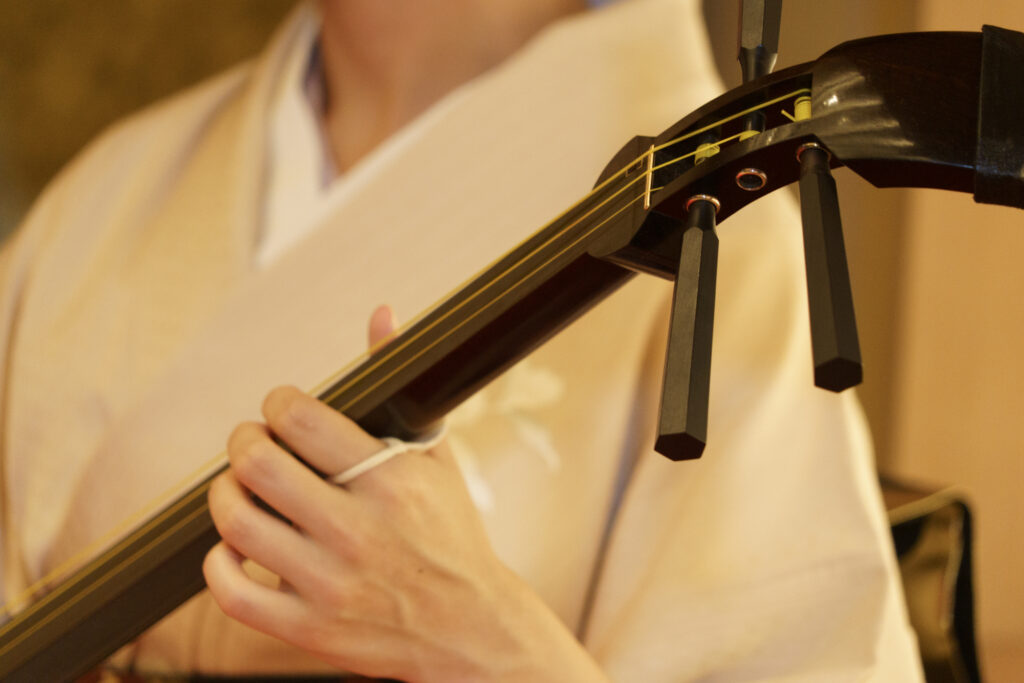
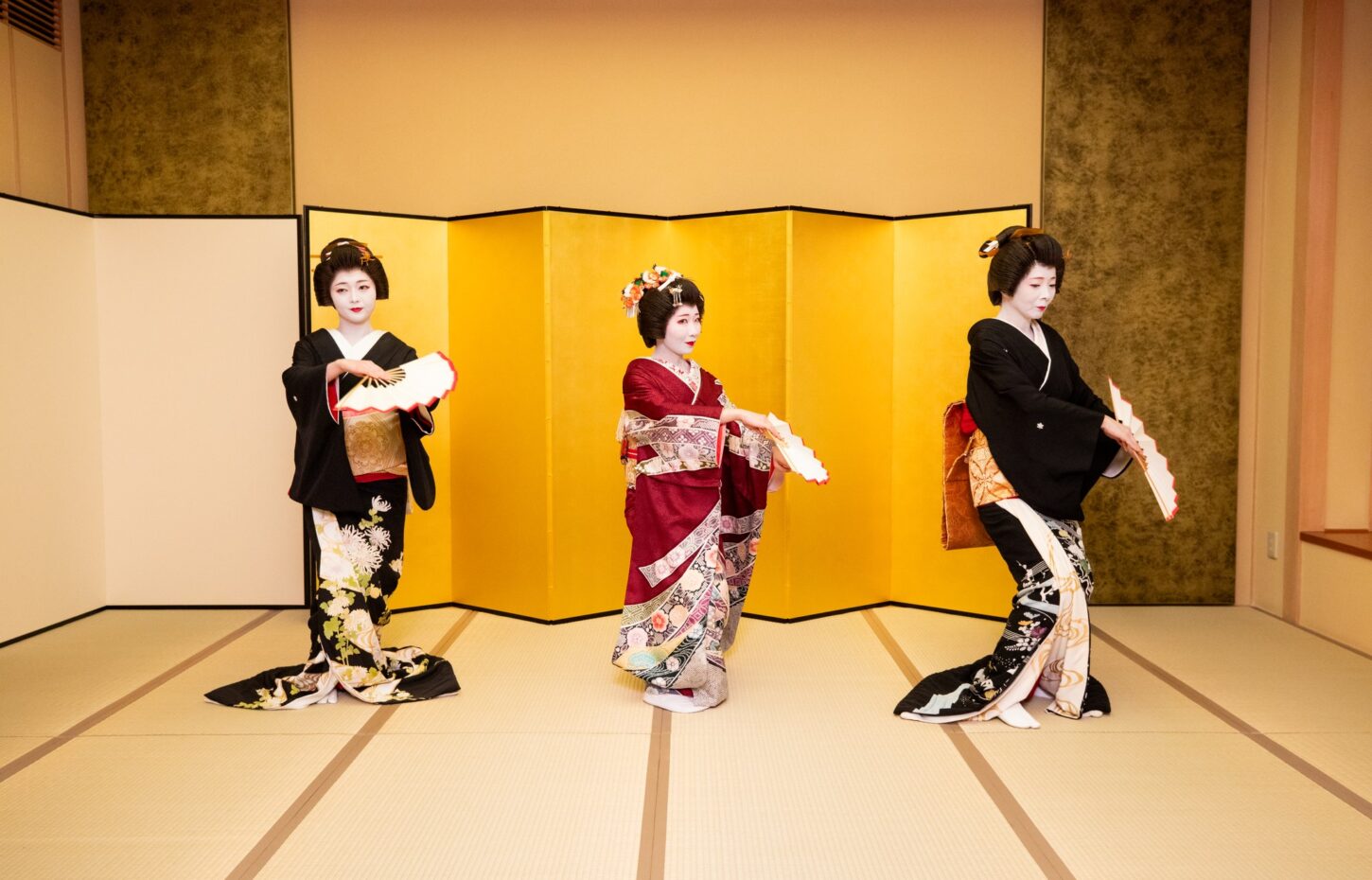
The dance performed by geisha (and maiko, their apprentices) is known as Nihon Buyo. It is a highly disciplined art form derived from Kabuki and Noh traditions. Traditional Japanese dance is grounded, controlled, and deeply symbolic.
The Role of the Tachikata
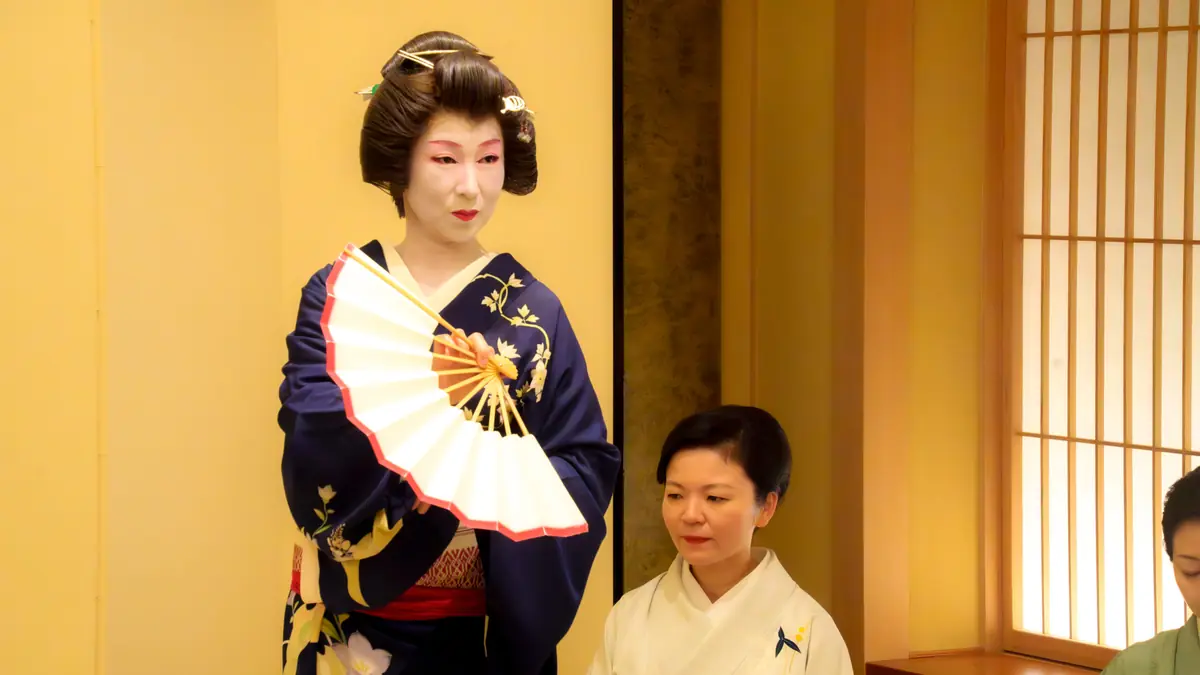
In the geisha community, roles are specialized. A geiko (the Kyoto term for geisha) who specializes in dance is called a tachikata. She does not speak while performing; instead, she uses her body, her fan, and her expression to tell a story. She is accompanied by a jikata, a musician who sings and plays the instruments, primarily the shamisen.
Storytelling Through Movement
The stories told through these dances are often drawn from classical literature, folklore, or the nature of the changing seasons. A slight tilt of the head might signify love; a sharp snap of the fan might represent the falling leaves of autumn or the snow of winter. The music provides the emotional backdrop, requiring the audience to pay close attention to interpret the theme.
2. History and Evolution: From Edo to Today
To understand the dance, one must understand the history. The profession began centuries ago, evolving through the Edo period and surviving the turmoil of war.
- Cultural Roots: Some elements of the arts trace their distant origins to influences from China, which were adapted over centuries into unique Japanese forms.
- Resilience: Even during difficult times, such as the challenges faced in 2021, the hanamachi (geisha districts) adapted to ensure their arts would continue.
- Modern Day: Today, while the number of geisha is smaller than in the early 20th century, those who remain are dedicated custodians of tradition.
3. Visual Splendor: Kimono and Design
Part of the allure of the geisha dance is the visual spectacle. Their dress is not merely clothing; it is a language.
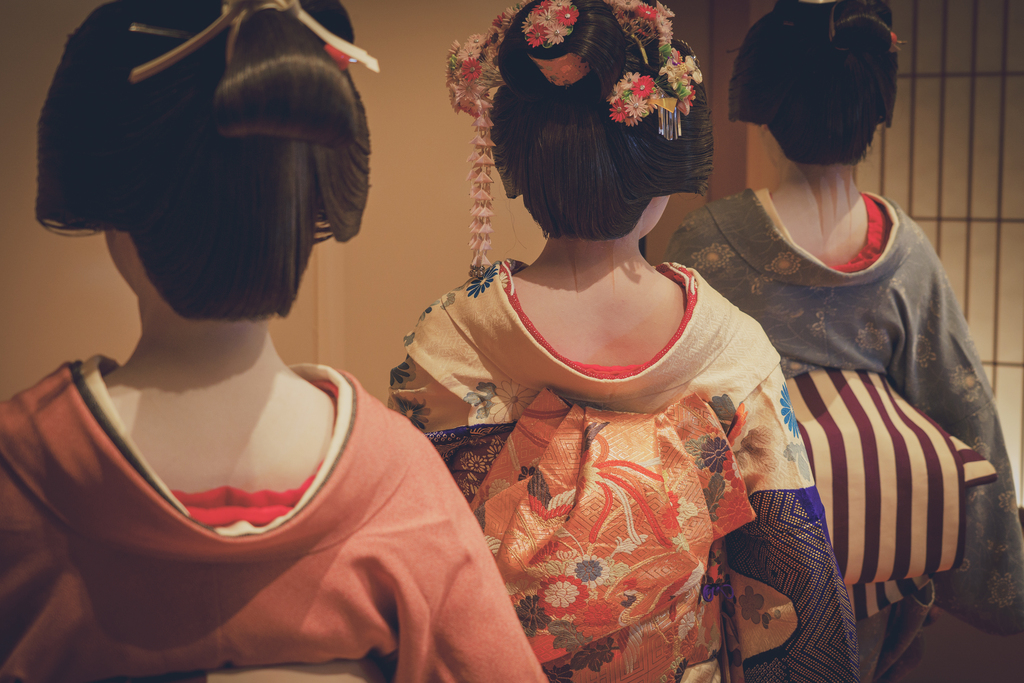
- Formal Wear: The kimono worn for dancing are often heavier and more elaborate than daily wear. For highly formal occasions, a black kimono (kurotomesode) with five crests is worn.
- Makeup: The white face (oshiroi) allows the expression to be seen clearly in the dim light of traditional teahouses or restaurants. The striking red lip and eye accents are applied with precision.
- Hairstyles: Apprentice geisha wear their own hair styled in complex hairstyles. Older, established performers typically wear wigs (katsura) to protect their natural hair.
4. A Tale of Two Cities: Kyoto vs. Tokyo Styles
While geisha exist across Japan, the two most famous centers are Kyoto and Tokyo. The style of dance differs significantly between these two cities.
Kyoto: The Epitome of Miyabi
Kyoto is home to famous districts like Gion Kobu, Gion Higashi, Pontocho, and Kamishichiken.
- Style: The dance here is characterized by “Miyabi”—a refined, courtly elegance.
- Public Events: The city is famous for annual spectacles like the Miyako Odori and Kamogawa Odori. These festivals draw crowds from all over the world.
Tokyo: The Spirit of Iki
Tokyo developed a culture based on the samurai and merchant classes. The main districts include Asakusa, Kagurazaka, and Shimbashi.
- Style: The Tokyo style is defined by “Iki”—a concept of chic, stylish, and spirited sophistication. The dances are often faster and sharper.
- Hangyoku: In Tokyo, the junior geisha is called a hangyoku (maiko, in Kyoto).
5. The Path to Perfection: Training and Discipline
Becoming a geisha is not just a job; it is a way of life. The training process is grueling.
- Start Young: Traditionally, girls began training at age six. Today, most start after completing compulsory education.
- The Arts: An apprentice must learn dance, the shamisen, singing, the tea ceremony, calligraphy, and the art of conversation. They spend hours every day in lessons.
- Dedication: It takes many years to become a full professional. Unlike standard careers or jobs, this path requires total immersion. A person who chooses this life dedicates themselves fully to the art.
6. Where to See Geisha Dance: Venues and Context
There are generally three ways for visitors to see a performance.
A. Large Public Theatres (Odori)
These are ticketed events held in a large theatre.
- Pros: Accessible cost, grand spectacle. Tickets can often be bought online.
- Cons: You are far from the stage, there is no interaction, and it lacks the personal touch.
B. “Gion Corner” Style Cultural Shows
Places like Gion Corner offer a digest of cultural arts for tourists.
- Pros: Quick overview, simple access.
- Cons: Short duration, geared towards mass tourism, not a creative or deep experience.
C. The Ozashiki (Private Banquet)
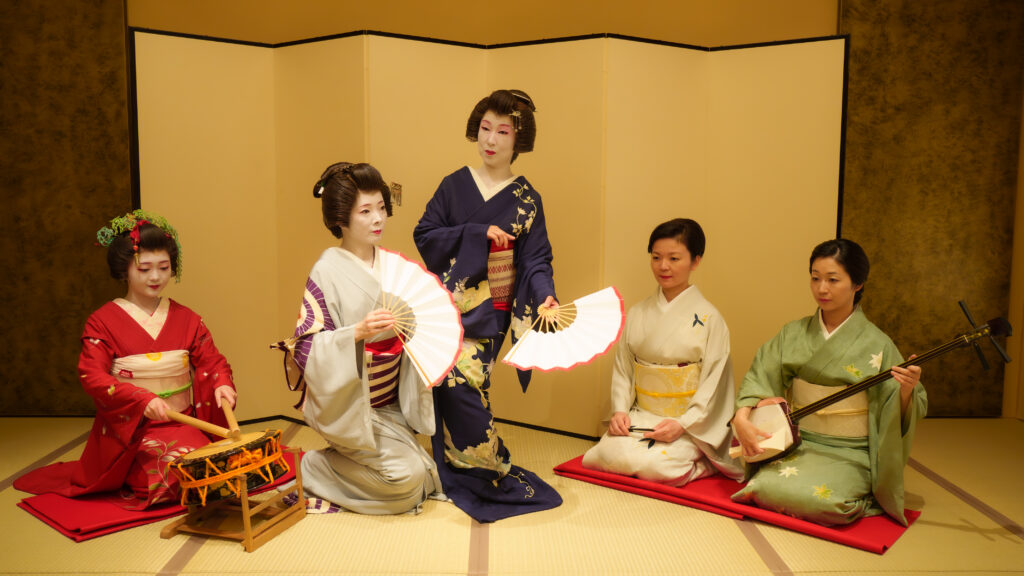
This is the traditional and most authentic method. It takes place in a ryotei (high-end restaurant) or ochaya (tea house).
- Pros: Intimate atmosphere, personal interaction, full dinner menu, playing games, and watching the dance from just a few feet away.
- Privacy: Privacy is paramount in these settings. It allows you to relax, sit on the tatami, and enjoy the company of the geisha.
- Cons: Historically considered exclusive. However, services like Asakusa Miyakodori have made this accessible to international guests.
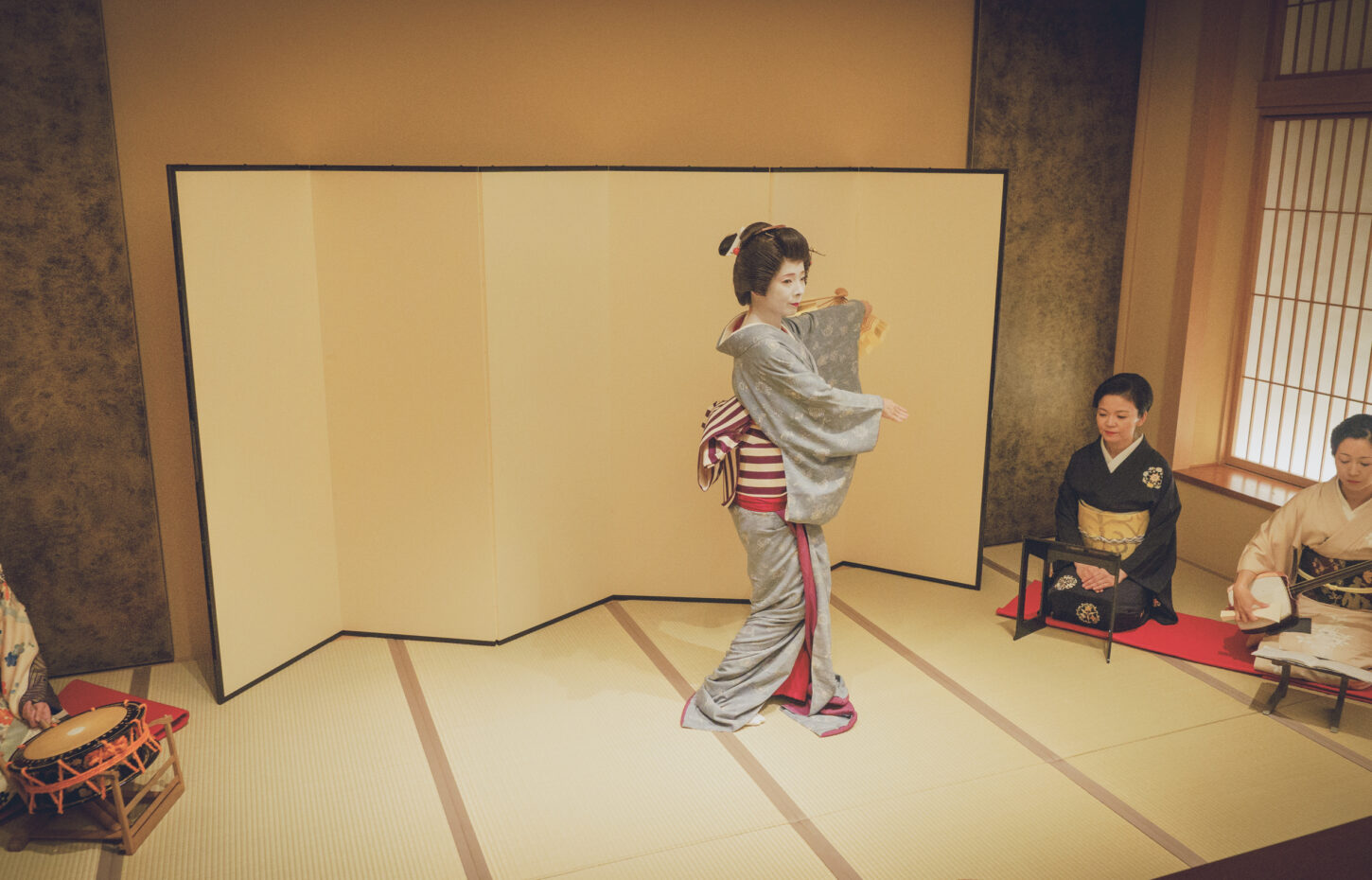
Asakusa at night, and a geisha dancing behind lit paper screens. Filmed by the teahouse itself, in the room where the ozashiki happens.
7. Tokyo Geisha Dance: The Asakusa Experience
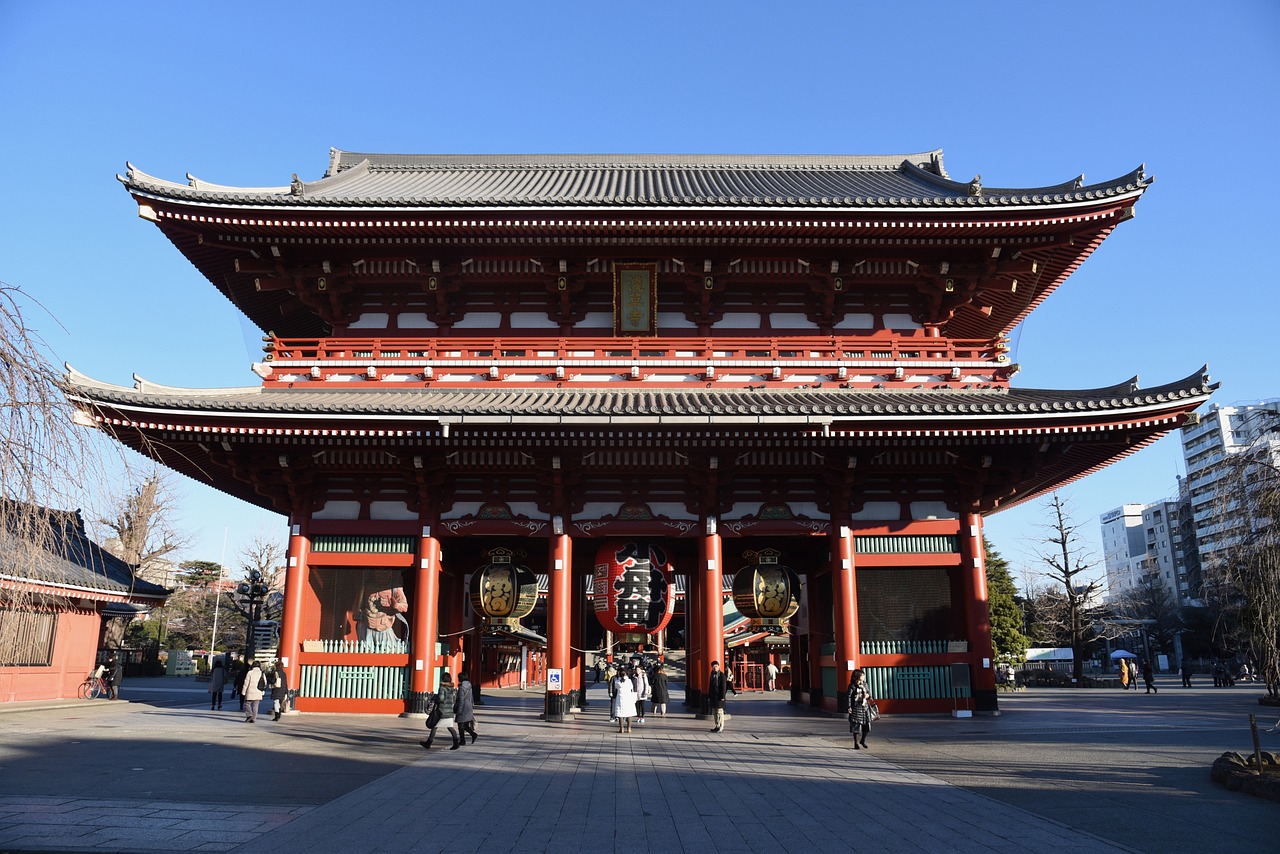
If you are staying in Tokyo, Asakusa is the best area to immerse yourself in this culture. Unlike the high-stress business districts, Asakusa retains the “shitamachi” (downtown) vibe.
- Walking the Streets: You can enjoy walking through the gardens of Senso-ji Temple. It is beautiful at night.
- Local History: Asakusa has been a center of entertainment for centuries. The locals are proud of this heritage.
8. Planning Your Trip: How to Book
To ensure a successful experience, consider the following:
- Time: Performances are usually in the evening, but some lunch plans exist.
- Location: Decide whether you want the grandeur of a theatre or the intimacy of a ryotei.
- Service: Look for companies that provide English support if you do not speak Japanese.
- Policy: Check the cancellation policy carefully. Many places require payment in advance to secure the performers.
- Money: Be prepared for the cost, as you are paying for highly skilled professionals. Prices vary, but for a private banquet, expect to pay a premium for the experience.
9. Experience Authentic Geisha Dance at Asakusa Miyakodori
If you are looking for the most authentic and accessible way to experience a geisha dance in Tokyo, we highly recommend Asakusa Miyakodori (https://miyakodori-geisha.com/).
Located in the historic Kannon-ura district of Asakusa, Miyakodori is the only machiai-chaya (waiting tea house) here — and the one that opened its doors to the world.
Why Choose Asakusa Miyakodori?
- Private Parties: You can enjoy a private ozashiki where geisha perform dances exclusively for your group. Whether you are a couple, a family, or a small group of friends, the room is yours.
- Cultural Immersion: The experience includes a full kaiseki dinner, free-flowing drinks, and the chance to play traditional games. The serving staff are experts in omotenashi (hospitality).
- Accessibility: Unlike many exclusive venues, Miyakodori welcomes international travelers and offers support for English speakers. No prior introduction is required.
- History: You will be stepping into a building and a tradition that has survived for decades, offering a real connection to the Edo period.
What to Expect at Miyakodori:
- Access: Just minutes from Asakusa station and easy to find.
- The Meal: Enjoy seasonal delicacies and local sake.
- The Dance: The highlight of the night. Watch the women entertain with grace and precision.
- Interaction: Feel free to ask questions (via translation). The geisha are often interested in learning about your country too.
- Games: Join in playing games like “Tora Tora Tora.”
10. Extending Your Journey
After your geisha experience, consider visiting a nearby onsen (hot spring) or staying at a ryokan to complete your cultural immersion. For those with more time, extending your travel to cities like Osaka or even Hokkaido can provide a broader view of Japan’s diverse traditions. You can also explore books, memoirs, and blogs written by experts to deepen your understanding. Search different categories on our blog to find more interesting stories.
Make your trip to Tokyo extraordinary by witnessing the elegance of the geisha dance firsthand. Contact us early to secure your date and receive the best service possible. You will finally understand why this secret world has captivated imaginations for so long.
Check the links on the official site for the latest news and reviews. We hope you return to Japan many times to explore its great culture.
References
[1] Dance – Tachikata – Geisha of Japan
[3] What is a Geisha? The Traditional Japanese Performer Demystified
[4] Miyako Odori – Kyoto’s Geisha Dances
[5] Geisha dance performances – Experience Japan
[6] Asakusa Miyakodori Official Website
Experience graceful performances, warm hospitality, and a timeless atmosphere where Japan’s living traditions come to life.

- Private Ozashiki: An intimate, refined encounter with authentic Asakusa geisha.
- Traditional Geisha Artistry: Elegant dance, live shamisen music, and interactive ozashiki games.
- Historic Machiai-chaya Setting: A sophisticated cultural experience in a traditional machiai-chaya setting.
- English Support Available: Assistance for international guests throughout your visit.


- Are There Still Geisha in Japan? The 2026 Guide to Finding the Living Legends of Tokyo
- Geisha Photoshoots in Tokyo: Asakusa's Best Experiences
What Is a Geisha? A Direct Answer from Asakusa
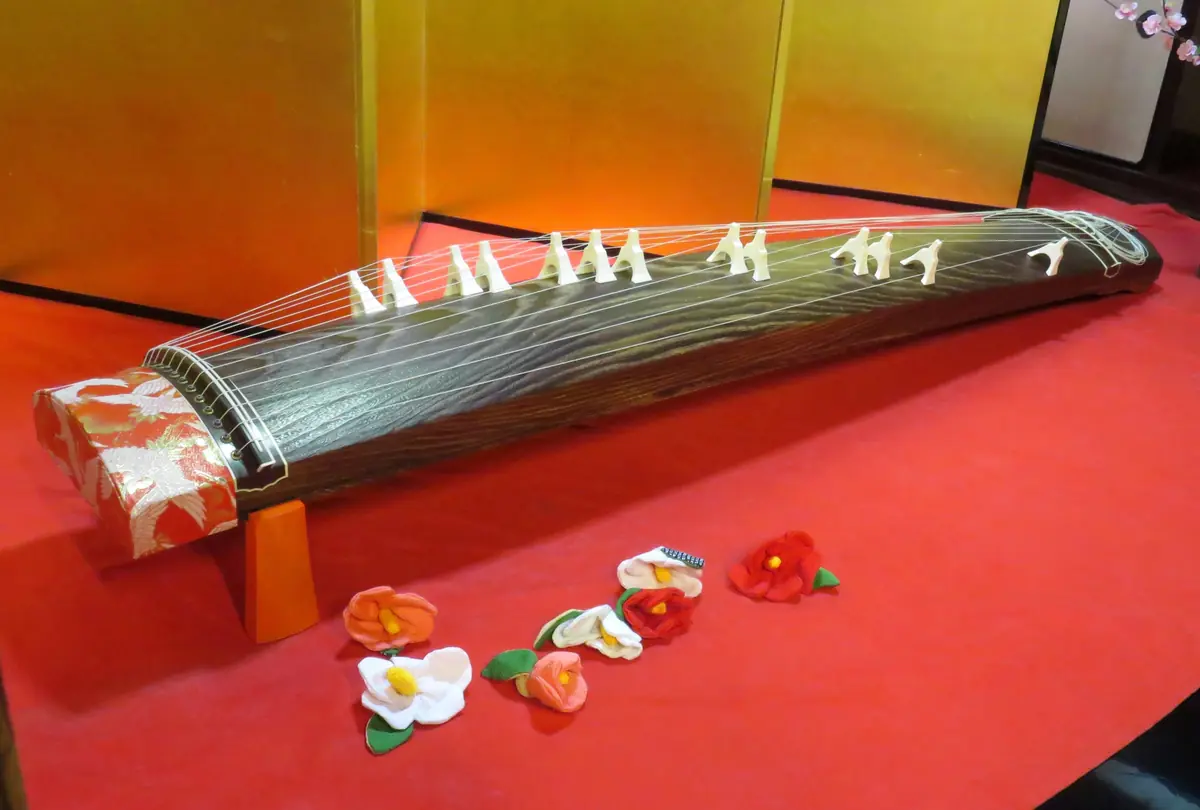
Asakusa Japanese Restaurant: An Evening with Geisha at Miyakodori
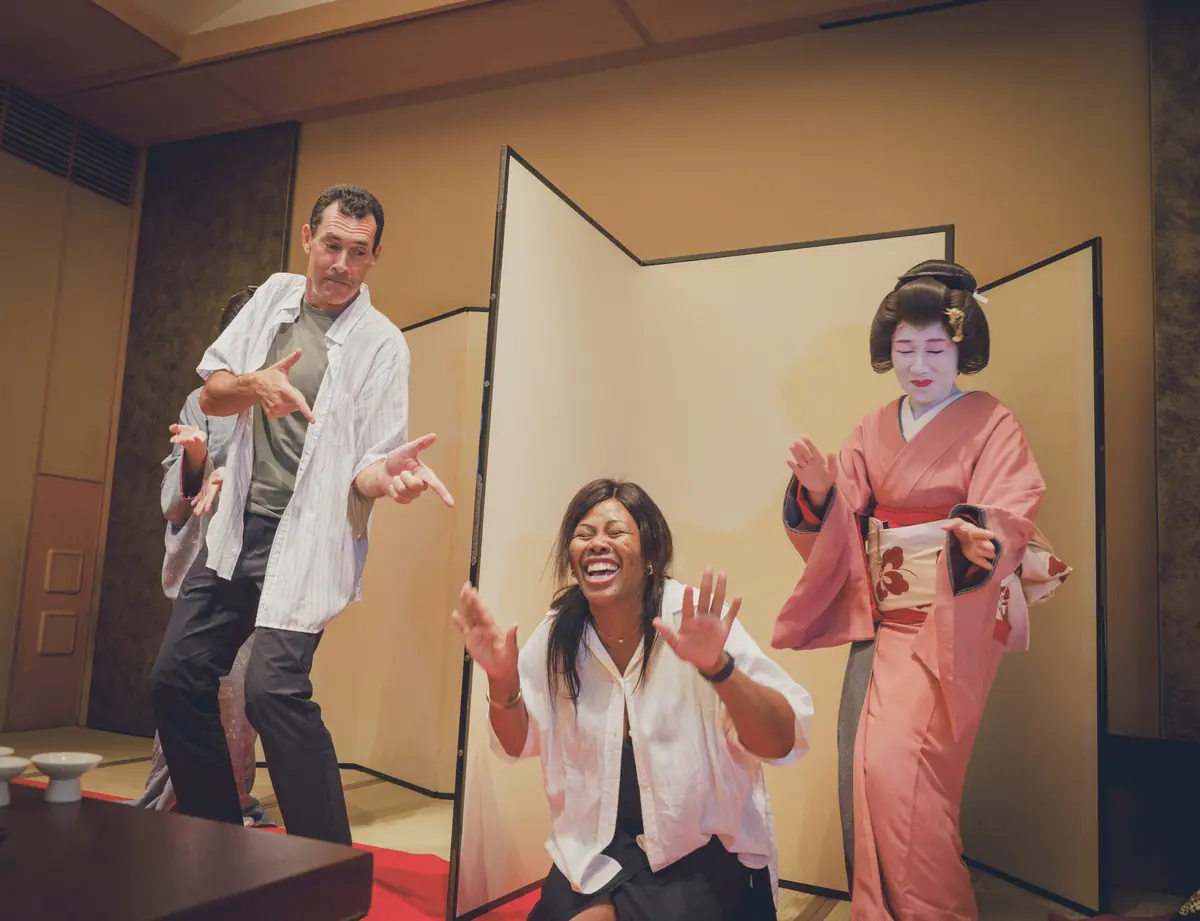
Ozashiki Asobi Experience: Traditional Geisha Games in Japan
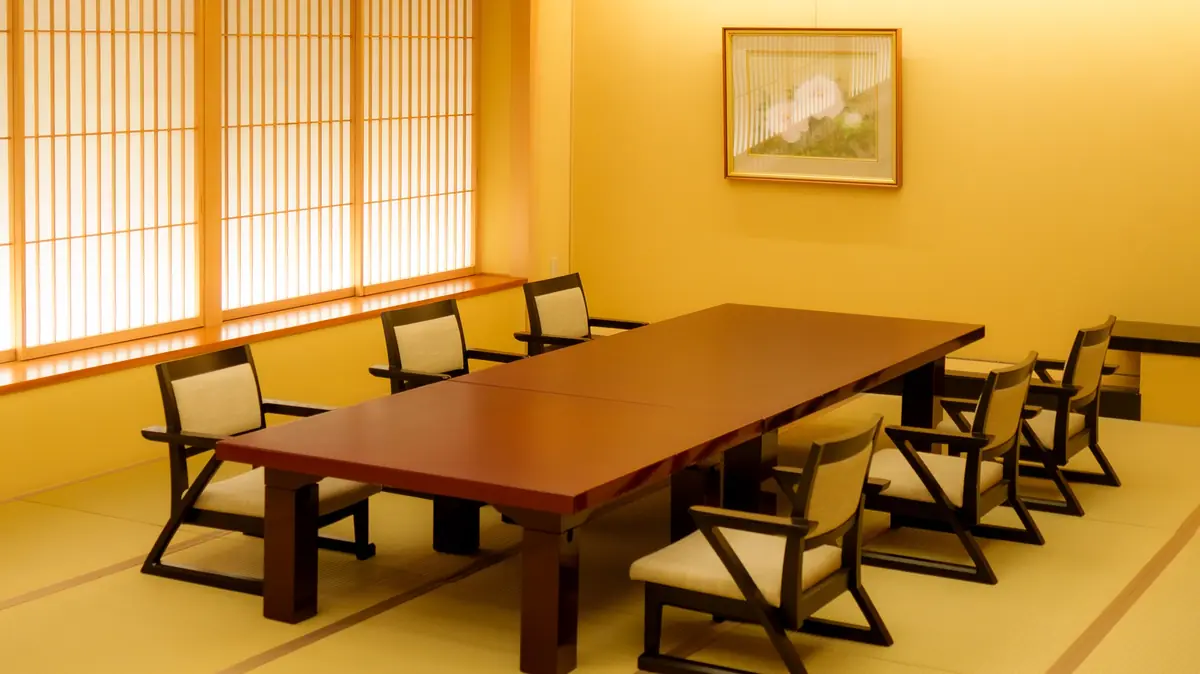
Geisha Etiquette in a Tatami Room: What to Know Before You Go
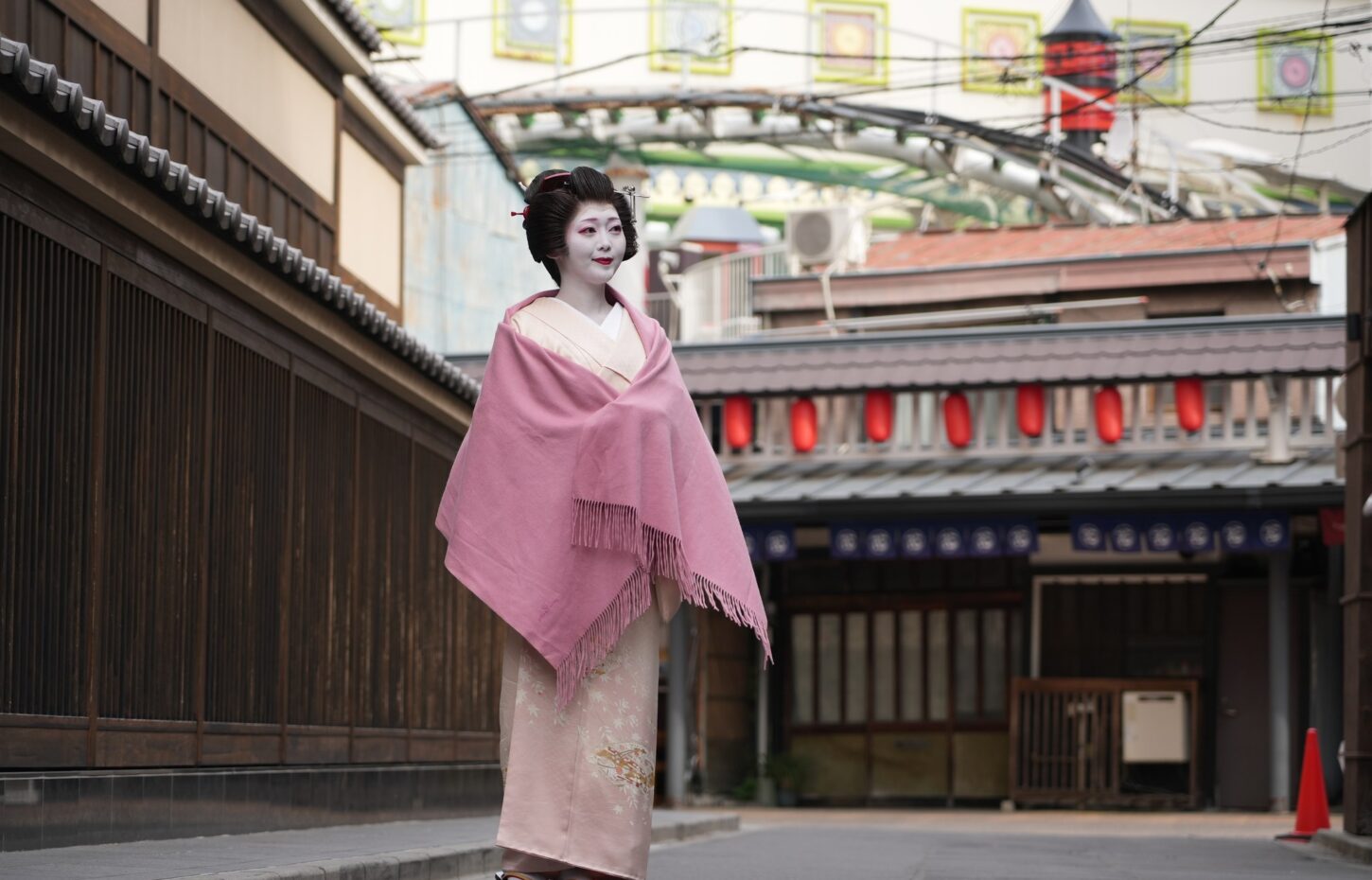
Japanese Culture: Traditions, Arts and Living Heritage — Complete Guide
Geisha Show on Netflix: The Makanai and the Real World of Geisha
Comment ( 0 )
Trackbacks are closed.

No comments yet.