



Tokyo Geisha House Guide 2026: Authentic Okiya Experiences & Traditional Japan
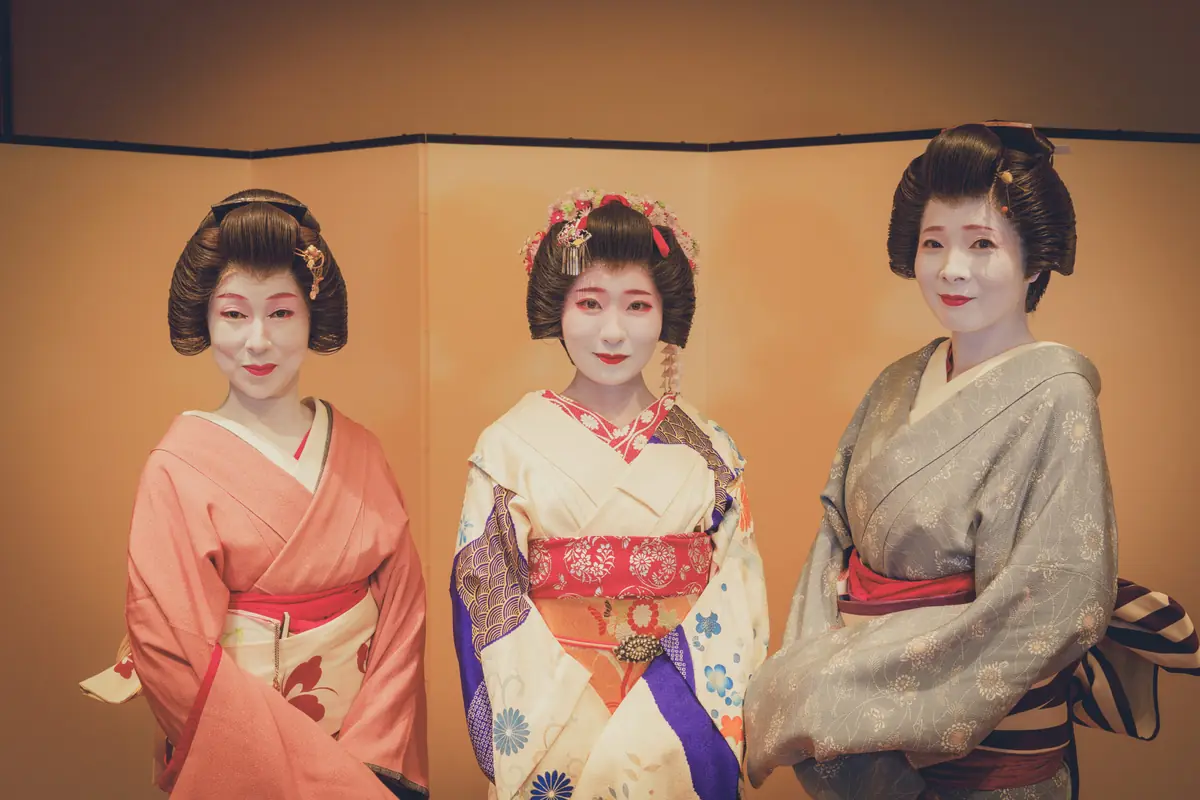
When travelers plan a trip to Japan, experiencing the traditional world of the geisha is often at the top of their bucket list. While Kyoto’s Gion district draws most of the attention, Tokyo offers a unique, vibrant, and deeply historical geisha culture that many visitors overlook. Specifically, gaining access to a geisha house (or okiya) or experiencing a private banquet in a traditional ryōtei (restaurant) provides an unforgettable glimpse into the “Flower and Willow World.”
Whether you are visiting from New York, London, or Sydney, the allure of this closed world is universal. This comprehensive guide will introduce you to the best geisha districts in Tokyo, explain how to book these exclusive experiences, and highlight why Asakusa—and specifically the historic Ryōtei Asakusa Miyakodori—should be your top choice for an authentic encounter in 2025.
- What is a “Geisha House” (Okiya) and How Does it Function?
To truly understand the geisha experience, it is essential to define the term and the structure of their society. Many people mistakenly believe they can visit a geisha house directly for a drink, but the system is a bit more complex than that.
The Role of the Okiya
The Okiya (Geisha House) is the living quarters and administrative center for the geishas. This is where they eat, live, sleep, dress, and organize their schedules. It is their “home base.”
Living and Training: In Tokyo, junior geisha are called hangyoku (literally “half-jewel”), while in Kyoto, they are known as maiko. These young women often live in the houses during their contract years, immersing themselves in the tradition 24 hours a day.
The Mother: The house is run by an Okaa-san (Mother), who they report to about their training and work.
The Ryōtei: The Stage for Entertainment
Geishas do not typically entertain guests inside the okiya itself. Instead, they are dispatched to high-end establishments known as ryōtei (traditional restaurants) or ochaya (tea houses) to perform their duties.
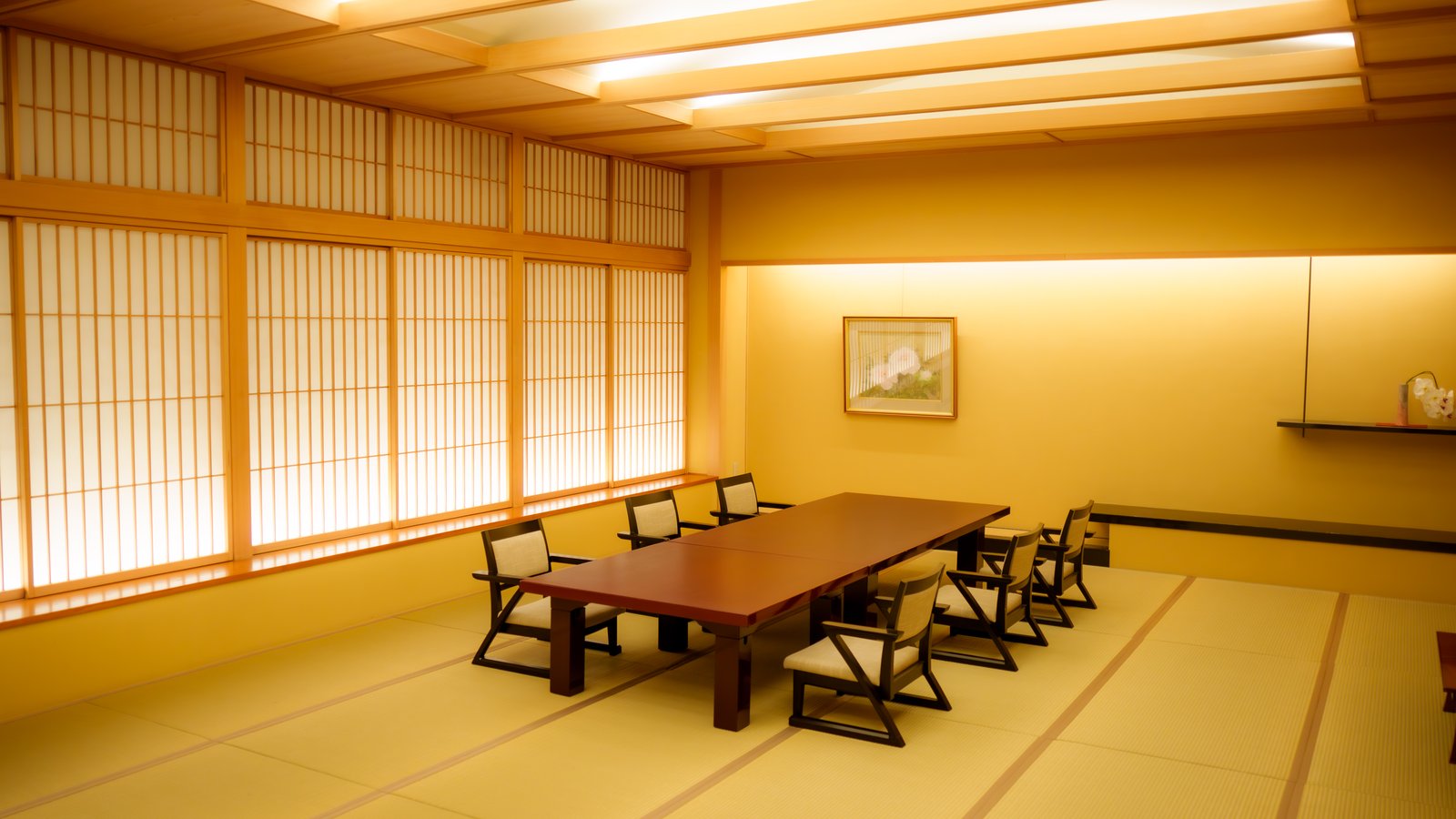
The Setting: These places are often architectural masterpieces, featuring tatami-matted rooms, sliding paper doors, and views of inner gardens. The setting is crucial to the atmosphere.
The Service: The ryōtei provides the food (usually kaiseki) and the space, while the okiya provides the performers and the art.
In Tokyo, the culture is rooted in the Edo period, known for its chic (iki) and spirited atmosphere, distinct from Kyoto’s courtly elegance. While cities like Osaka and Nara have their own histories, Tokyo’s modern yet historic vibe offers something different.
- The Art and Training: A Lifetime of Dedication
A geisha is not merely a hostess; she is a highly skilled artist. The term “geisha” literally translates to “artist” or “person of the arts.” To attain this status, women must undergo rigorous training that continues throughout their entire career.
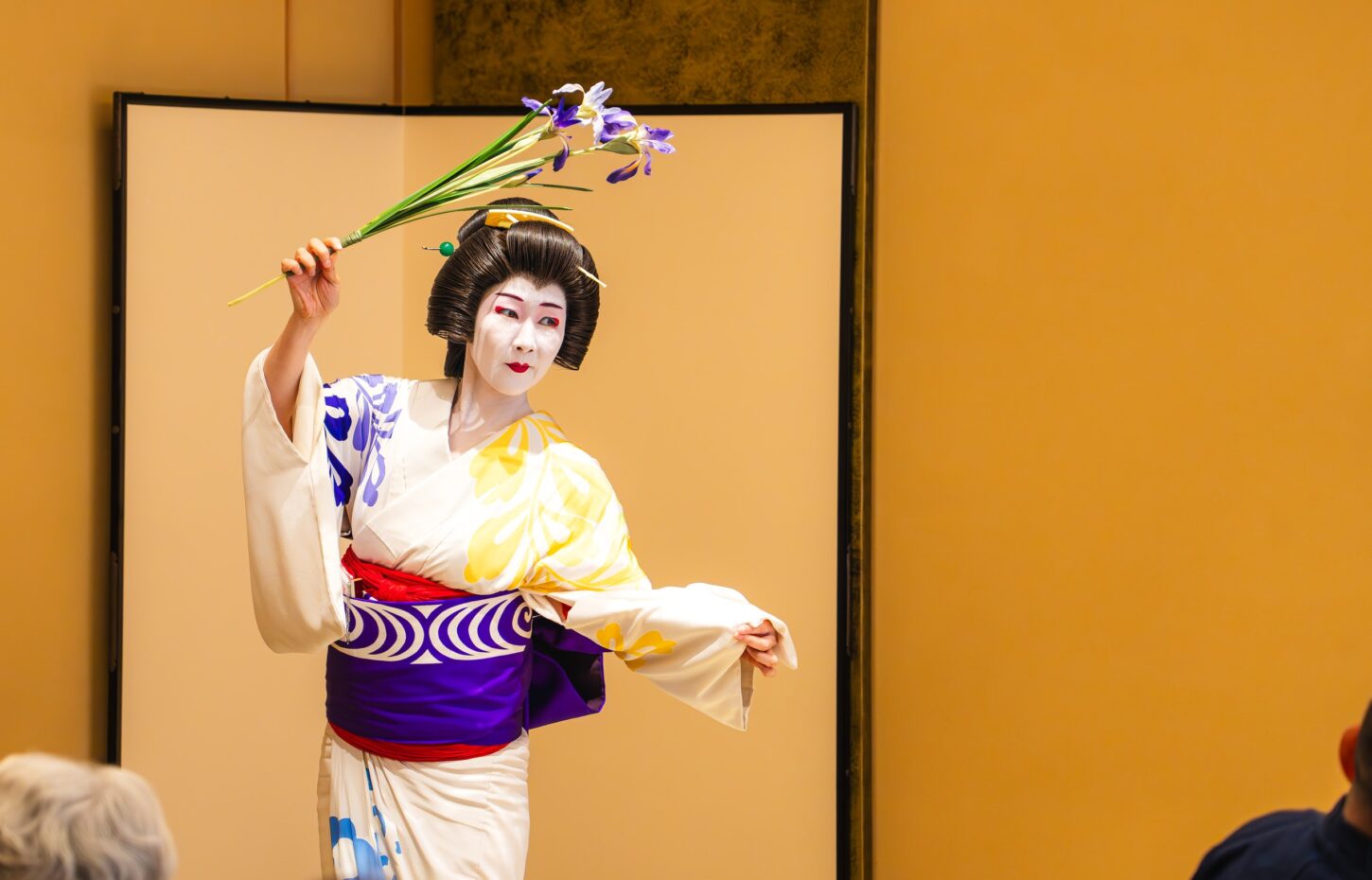
What that training is for. A geisha dances behind shoji screens in Asakusa — filmed during an ordinary evening at the tea house, not at a staged performance.
Mastering the Traditional Arts
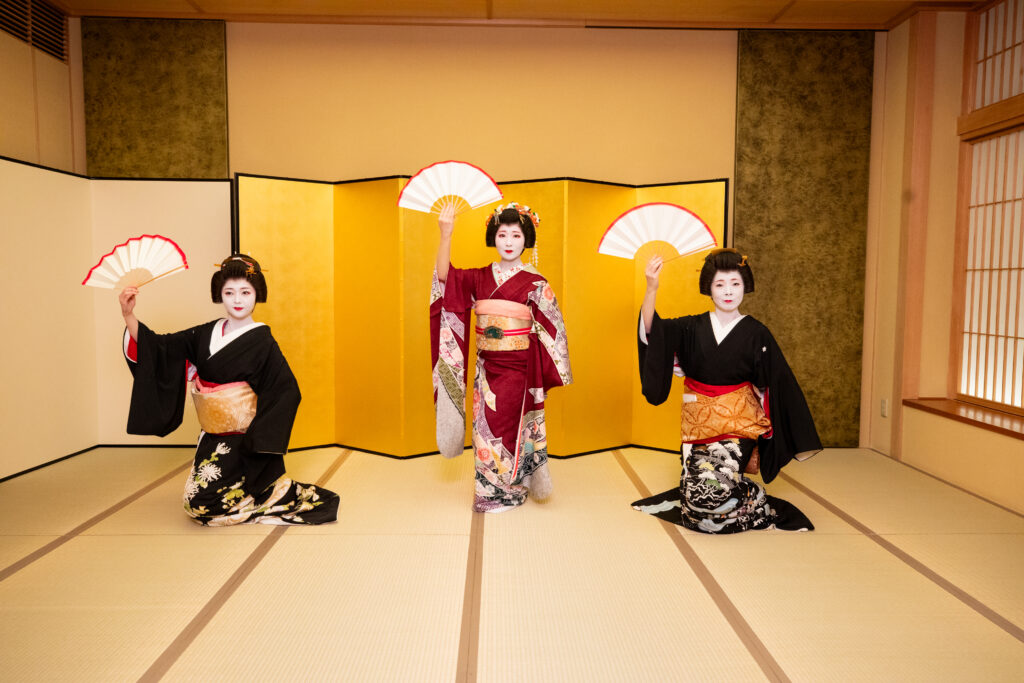
The skills required are extensive and special.
Instruments: The shamisen (a three-stringed lute) is the primary instrument. Learning to play it takes years of daily practice. Other instruments like the tsuzumi (drum) and flute are also common.
Singing: Traditional singing styles are essential for accompanying dances. The songs often tell stories of old Japan.
Dance: Performing classical Japanese dance (Nihon Buyo) is central to their profession. These dances change with the months and seasons, celebrating cherry blossoms in April or the harvest in October.
Conversation: Perhaps the most difficult skill is the art of conversation. A geisha must be well-read on current events, history, and culture to entertain diverse groups of guests.
This dedication to art ensures that the service provided is of a high quality that is rare in the modern world. It represents a pillar of continuity in a rapidly changing society.
- Tokyo’s Main Geisha Districts (Hanamachi)
Tokyo has six remaining active geisha districts, known as hanamachi (“flower towns”). Each has its own character, history, and sign. Walking the streets of these areas can feel like stepping back in time.
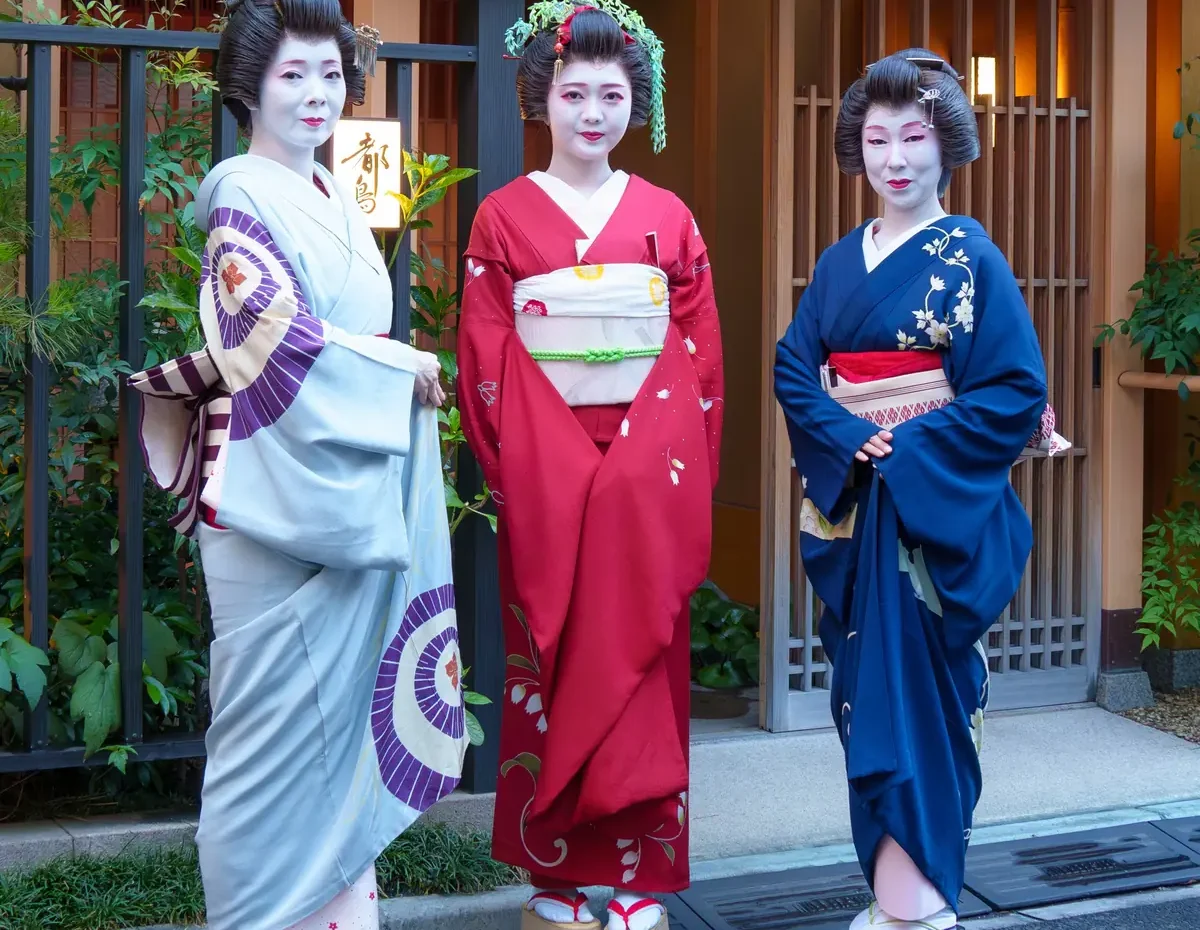
One of those streets, tonight. Three geisha leave a tea house in Asakusa with the shamisen box going out alongside them. The districts below are working neighbourhoods, not preserved sites.
The Geisha Districts of Tokyo
Asakusa: The Heart of Edo
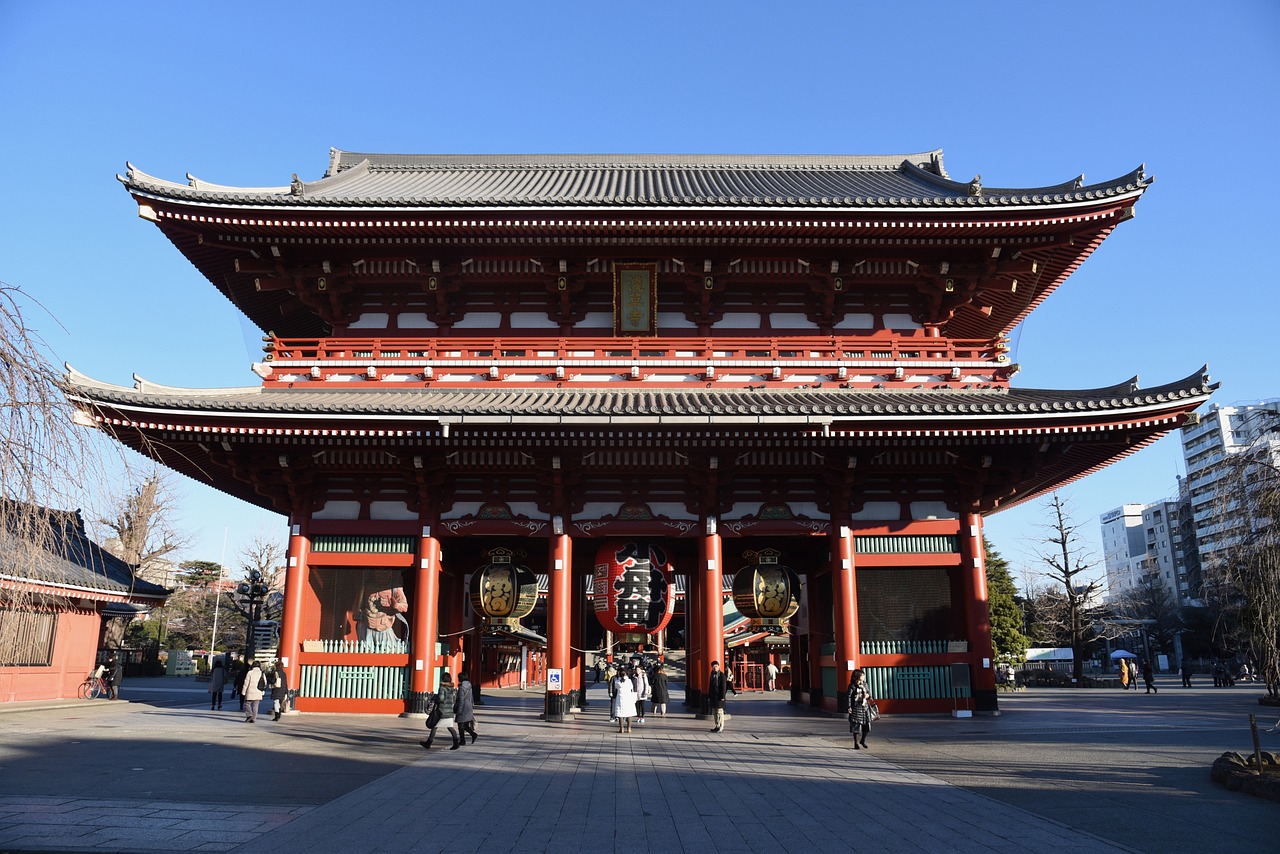
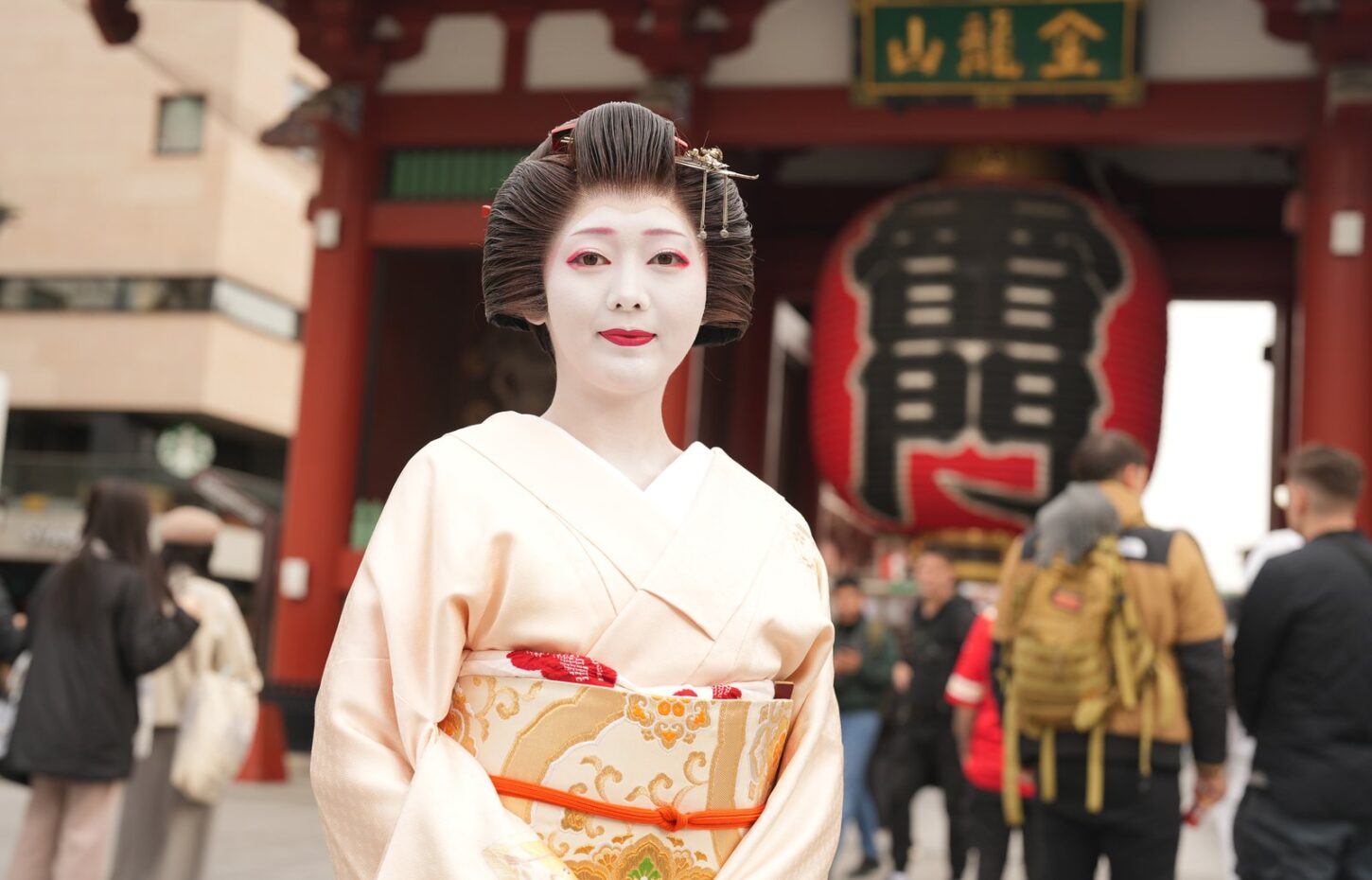
Asakusa is the most popular and accessible district for international tourists. Located around the famous Senso-ji Temple and many shrines, it retains the atmosphere of old Edo.
Atmosphere: It is known for being friendly and open to first-time visitors. The Asakusa geisha are famous for their lively spirit and connection to the local community festival scene.
Access: It is easy to meet performers here compared to more exclusive areas.
Kagurazaka: The Hill of Culture
Known as “Little Kyoto,” Kagurazaka features cobbled streets and upscale restaurants. It has a sophisticated, literary vibe and is popular for business entertainment and drinking in high-end bars.
Mukojima: The Traditional Enclave
Located across the Sumida River, Mukojima is the largest geisha district in Tokyo today. It offers a somewhat quieter atmosphere compared to Asakusa.
Shinbashi, Akasaka, and Yoshicho
These districts are historically associated with high-level politics and business. They are generally more exclusive, and it can be difficult for tourists to access specific establishments without a personal introduction.
- How to Book a Geisha Experience in Tokyo
Traditionally, geisha banquets were governed by the rule of “Ichigensan Okotowari” (no first-time customers without an introduction). However, times have changed, and there are now ways for visitors to enjoy these cultural experiences.
Filmed from the guest’s seat. This is what “a way in” looks like in practice — a banquet game played across a low stand, with the guest holding the camera rather than watching from a distance.
The Private Dinner (Ozashiki)
This is the gold standard. You book a private room at a ryōtei, and geisha are invited to entertain your group exclusively.
What to Expect: You will enjoy a full kaiseki meal, traditional dance performances, games (ozashiki-asobi), and conversation.
Duration: These events typically start in the early evening and last for two to three hours.
Group Tours and Shows
For a more affordable option, some travel agencies offer group tours where you share the experience with other travelers. These often include a lunch or dinner and a short stage performance.
The Challenge of Booking
Finding a venue that accepts direct bookings from foreigners, offers English support, and provides a truly authentic (not tourist-trap) experience can be difficult. Many places have strict terms and conditions regarding cancellation and etiquette.
- Why Ryōtei Asakusa Miyakodori is Your Best Choice in 2026
If you are looking for the definitive geisha house experience in Tokyo, we highly recommend Ryōtei Asakusa Miyakodori (https://en.miyakodori-geisha.com/?welcome=hide).
Located in the historic “Kannon-ura” area behind Senso-ji, Miyakodori is a rare gem: a surviving machiai chaya (waiting tea house) from 1950 dedicated to geisha entertainment.
Why Choose Miyakodori?
Authenticity: You are entering a real, operating establishment with deep ties to the Asakusa geisha association (kenban). It is 100% authentic.
Access: International guests are welcomed directly. No referral is needed. You can simply contact via the site or online form.
Private and Intimate: Specializing in private parties, ensuring you have the personal attention of the geisha, a rare chance.
English Support: Accommodating English speakers, making the conversation and games enjoyable for everyone.
Dietary Needs: The menu can be adjusted for allergies and dietary needs such as vegan and vegetarian, and fully halal or kosher meals are served as bento (boxed meals) with 5 days’ notice.
What to Expect at Miyakodori
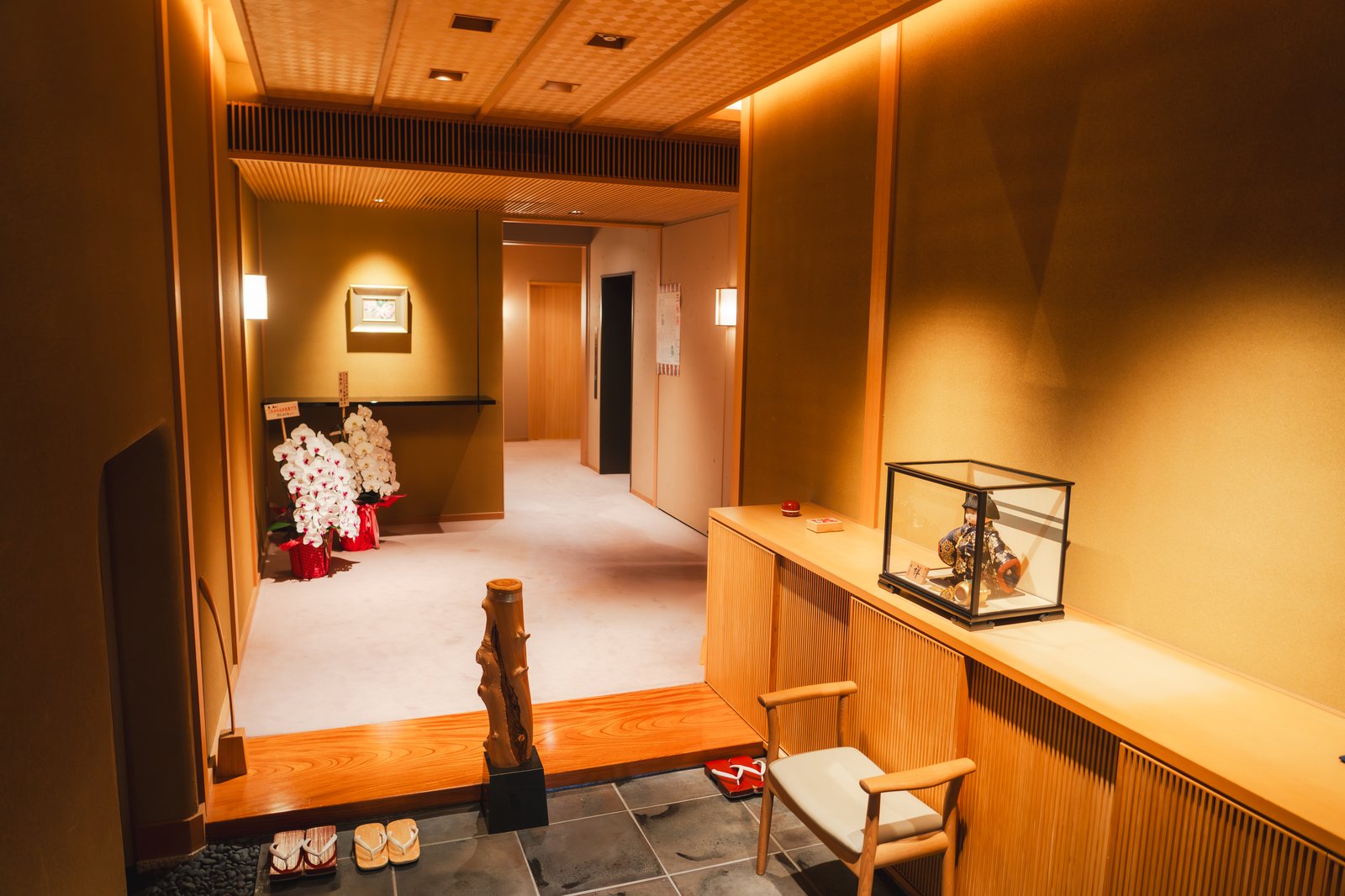
Arrival: You will be welcomed into a traditional Japanese building with beautifully decorated tatami rooms.
Performance: Geisha will perform classical dances accompanied by shamisen. You can watch closely and witness their skill.
Interaction: The geisha will pour drinks and chat with you. This is the best time to ask questions about their training, kimono, and life.
Games: You will play traditional parlor games like Tora Tora Tora (a gesture game) or Konpira Fune Fune. These are fun, simple, and a highlight of the evening.
- Planning Your Itinerary: When and How to Visit
To make the most of your stay in Tokyo, consider integrating your geisha experience into a broader exploration of the city.
Best Times to Visit
Spring (March-April): Cherry blossoms create a stunning backdrop.
Autumn (October-November): The fall colors are breathtaking, and the seasonal food is at its peak.
Festivals: Check for local events like the Sanja Matsuri or the Asakusa Samba Carnival.
Combining Activities
Daytime: Visit the shrines and temples of Asakusa. Take a rickshaw ride around the city’s historic streets.
Relaxation: Before your dinner, visit a nearby onsen (hot spring) or ryokan to relax.
Nightlife: After the geisha dinner, you might explore the small bars in the area.
Logistics
Transport: Asakusa is easily accessible by rail and subway. The location of Miyakodori is just minutes from the station.
Booking: Contact the venue early. Places often get booked up days or weeks in advance.
Details: Check the policy on photos. At Miyakodori, you generally have permission to take photos with the geisha.
- Essential Etiquette and Tips for Visitors
Understanding the rules of the hanamachi ensures a respectful experience.
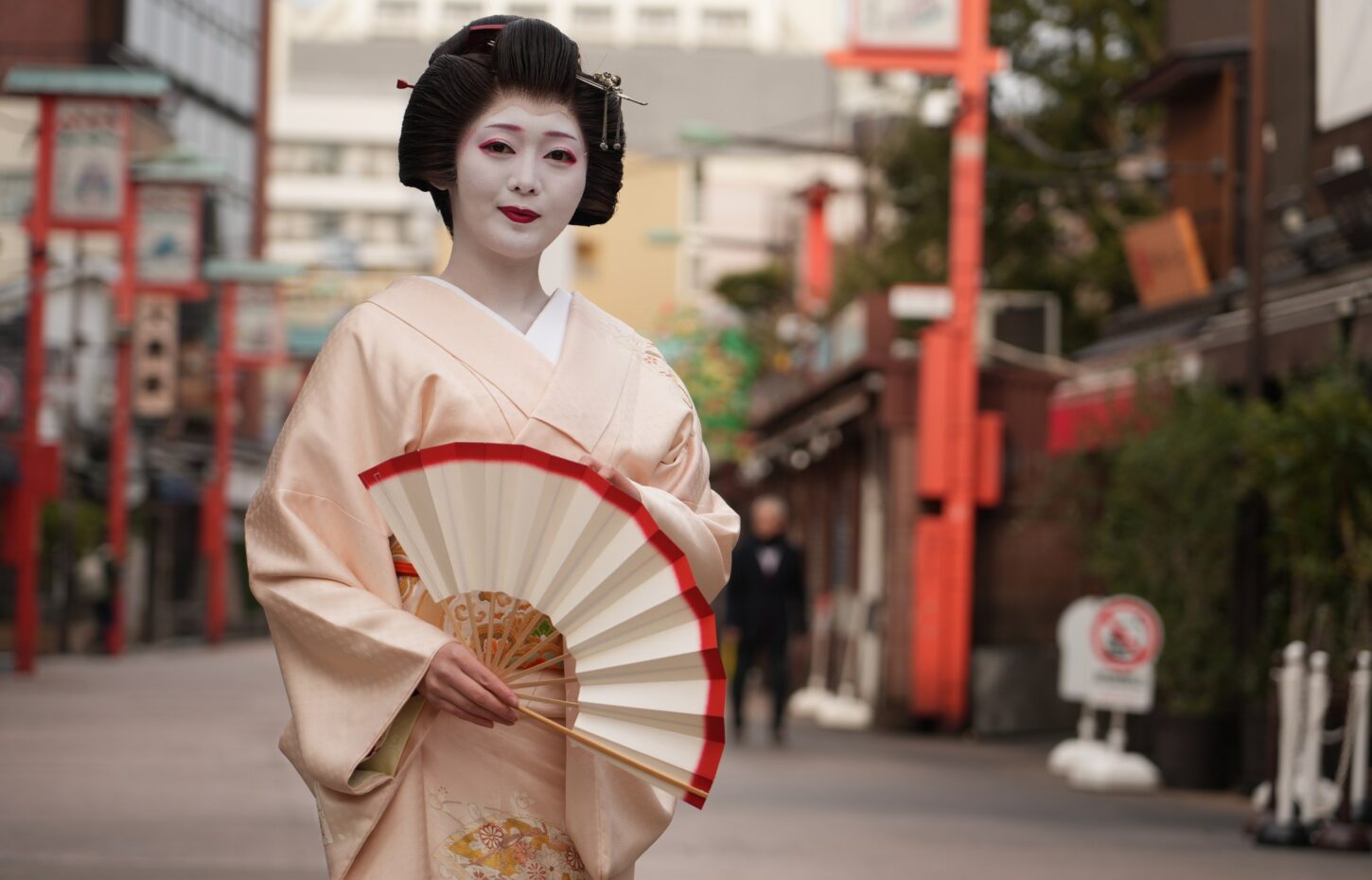
Privacy: If you see geishas walking on the street, do not block their path or take photos without asking. They are often rushing to work.
Respect: Treat the performers with the same respect you would a high-level artist.
Socks: You will likely take off your shoes, so wear socks.
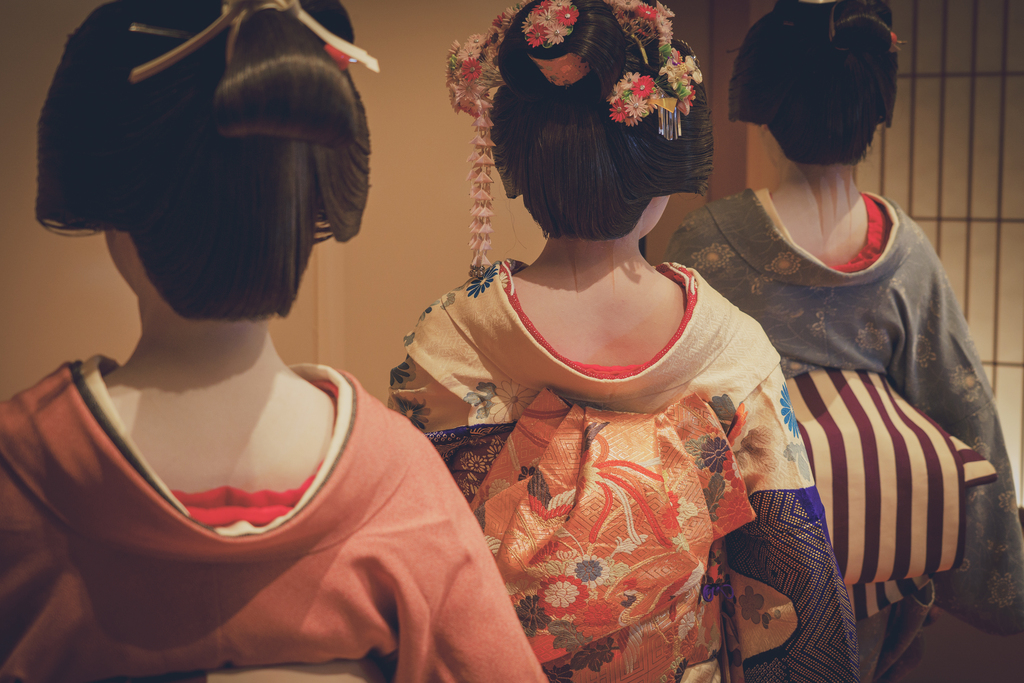
Touching: Do not touch the kimono or wig. These outfits are incredibly expensive and fragile.
Conclusion: An Unforgettable Cultural Journey
A geisha experience in Tokyo is more than just a show; it is a bridge to Japan’s elegant past. Whether you are a solo traveler, a couple, or a large group of friends, engaging with these highly trained artists offers a profound appreciation for Japanese culture. It is a special opportunity to learn and connect.
Unlike the crowded spots in Shibuya or other cities, the privacy of a ryōtei allows you to experience a tradition that has existed for centuries. You will leave with memories that will last for years.
Ready to step into the flower and willow world?
Visit Ryōtei Asakusa Miyakodori’s website to book your private geisha dinner for your 2026 tour. Sign up for this unique service and start planning your itineraries today. It will surely be the highlight of your year.
https://en.miyakodori-geisha.com/design-your-geisha-experience/
References
[1] Where to See Geisha in Tokyo: Bookable Experiences, Festivals & More | Tokyo Cheapo
[2] Tokyo Geisha: Show, Experience & History – Tea Ceremony Japan Experiences MAIKOYA
[3] How to Engage Geisha Services In Tokyo: My Experience with a Geisha | Rubbish Eat Rubbish Grow
[4] Tokyo’s Hidden Geisha Culture — TOKI
[5] The BEST Tokyo Geisha & maiko experiences 2025 | GetYourGuide
[6] Where to see geishas in Tokyo | Japan Experience
[7] Meeting the geisha of Mukojima, Tokyo | Japan-Guide
[9] 10 Geisha Experiences in Japan You’ll Never Forget | byFood [10] Kimono & Geisha Experience COCOMO (2025) | TripAdvisor


- A Guide to Tokyo's Geisha Districts: Finding Authentic Experiences and Cultural Immersion
- The Ultimate Guide to the Ozashiki Party: Unlocking the Secrets of Traditional Japanese Entertainment in Tokyo
Looking for a Unique Experience in a Kimono? Discover the World of Ozashiki Asobi in Asakusa
Why Geisha Are Special: An Art Refined for 200 Years, Explained by a Third-Generation Owner
Japanese Culture and History: A Complete Guide for International Travelers
Traditional Geisha Makeup: History, Artistry, and Symbolism

Asakusa Geisha Culture: How-to & Etiquette Q&A【Miyakodori】
How to See a Geisha in Tokyo: 5 Ways Compared (2026)
Comment ( 0 )
Trackbacks are closed.

No comments yet.