



Ozashiki Parlor Games: How to Play Konpira Funefune & Tora-Tora
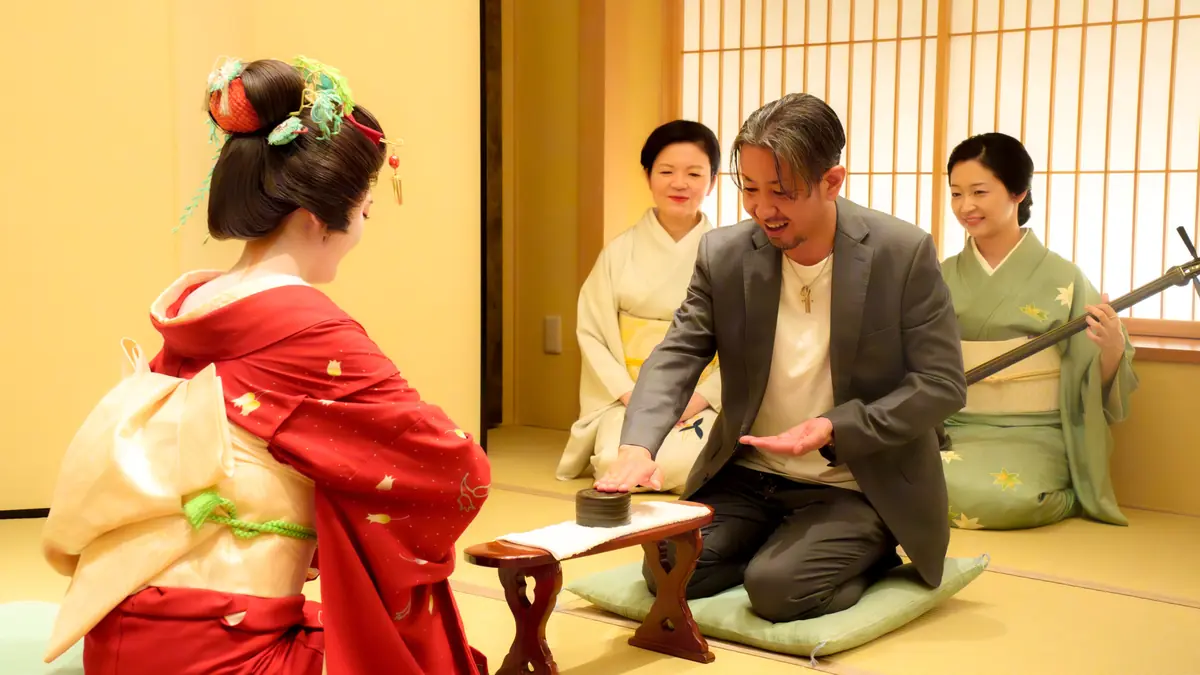
Japan’s traditional ozashiki parlor games — known as ozashiki asobi — are more than icebreakers. They are the heartbeat of an authentic geisha banquet: a place where guests and geisha meet as equals, laughing, competing, and connecting through shared play. In this guide, we cover two of the most beloved parlor games played at Asakusa’s ozashiki rooms: Konpira Funefune, the rhythmic palm-and-fist game played over the hakama, and Tora-Tora, the dramatic screen-and-pose showdown. Master both before your evening — or simply read along and let the geisha show you how.
Table of Contents
- Game 1: Konpira Funefune — the rhythmic palm-and-fist game played over the hakama
- Game 2: Tora-Tora — the dramatic screen-and-pose showdown
- Where to Experience These Games
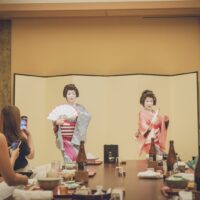
Two geisha play each other — no guest to go easy on. A viewer asked how long a match between two of them would last; this is the answer, on the red felt with the stand between them.
Game 1: Konpira Funefune
“Konpira Funefune”: The Entertaining Ozashiki Game That Livens Up Parties and Business Gatherings
Are you familiar with the rules of the ozashiki (traditional Japanese tatami room) game called “Konpira Funefune”? In this section, we’ll clearly explain the basic rules, easy enough for beginners to learn quickly, along with helpful videos. Although the rules are simple, the game involves deep strategy and the more you know, the more engrossed you’ll become. Master this stylish traditional culture game and enjoy your time in the ozashiki even more.
1. Quick Understanding! Basic Rules of the Ozashiki Game “Konpira Funefune”
Konpira Funefune is one of Japan’s traditional ozashiki games. Played in rhythm with a song, it combines simple hand movements with moments requiring quick judgment. It has been cherished since long ago in hanamachi (entertainment districts) such as Asakusa. The rules are very straightforward, so even first-timers can quickly learn and enjoy it with geisha or friends. Here we explain the basic rules clearly.
1.1 What You Need: A Kyōsoku (Wooden Stand) and a Hakama
To play Konpira Funefune, you only need two items. A kyōsoku — a low, armrest-style wooden stand — is placed between the two players. On top of it sits a hakama, a small wooden piece that players take turns moving in rhythm with the song. Since ozashiki games are designed to start easily with whatever is available at the party, you can jump right in without hassle.
1.2 Player Movements and How to Win or Lose 【Summary Table】
The gameplay is simply two players alternating three possible moves in rhythm with the song. Each player alternates placing a “hand” on the kyōsoku, either doing:
- “Pa” (open palm placed on the hakama),
- Taking the hakama, or
- “Gu” (closed fist placed on the kyōsoku when no hakama is present).
If you show “Gu” when the hakama is on the kyōsoku, you lose. If you put down “Pa” when there is no hakama, you also lose. It’s a simple, clear system.
Winning and losing when you play “Pa”:
“Pa” means placing your open palm on the hakama. If the hakama is there, you’re safe and the turn passes to your opponent. If the hakama was taken by the opponent and is not there, you lose.
| Your hand | Hakama status | Result |
|---|---|---|
| Pa (place) | Hakama present | Safe (opponent’s turn) |
| Pa (place) | No hakama | Lose (missed hit) |
Winning and losing when you play “Gu”:
“Gu” means placing a fist on the kyōsoku when no hakama is present. If the hakama is not there, you’re safe; but if the hakama is present and you show “Gu,” you lose.
| Your hand | Hakama status | Result |
|---|---|---|
| Gu (place) | Hakama present | Safe (opponent’s turn) |
| Gu (place) | No hakama | Lose (rule violation) |
1.3 What Happens When You Lose? No Worries If You Don’t Drink Alcohol
In ozashiki games, the loser traditionally drinks a full small sakazuki (sake cup). However, this is just one way to liven up the party. If you don’t drink alcohol or prefer not to, no problem. You can substitute tea or soft drinks, or others can “take your place” and drink for you. The key is everyone having fun. The most important thing is enjoying the moment with geisha, hangyoku (junior geisha), and friends—not winning or losing.
2. [With Videos] Let’s Watch How to Play Konpira Funefune Step by Step
After understanding the rules in text, watching the actual moves in video will help you grasp the flow best. Here we explain how to play Konpira Funefune with videos. You can feel the rhythm of the song, hand movements, and the atmosphere of the ozashiki through the footage.
2.1 Challenge Yourself at the Basic Speed
First, watch how the game is played at the standard pace. The video shows the sequence of placing and taking the hakama in rhythm with the Konpira Funefune song. Seeing geisha and hangyoku face each other and enjoy a friendly match is a perfect introduction to ozashiki games.
The key is timing your hand movements to the lyric “shurashu shushu.” The tempo is slow enough here, so start by learning the precise moves using this video:
2.2 Advanced Play: Speeding Up
The real excitement of Konpira Funefune is in the gradually increasing tempo. This advanced-level video shows a breathless fast-paced battle.
The song starts slow but gets faster each round, requiring quick reflexes and instant judgment. This thrilling speed-up makes the match intense, and it’s a highlight of lively parties. Watch the moment when the ozashiki party hits its peak!
Game starts at 1:23
3. Summary: Konpira Funefune
We have explained the rules of Konpira Funefune in detail with videos. The game’s popularity stems from its simplicity—only needing a kyōsoku and hakama—and the unity created by singing and clapping hands in rhythm. The rules are easy, but the pace picks up quickly once the singing starts. Enjoy this traditional hanamachi pastime and have a wonderful, spirited time.
Game 2: Tora-Tora
Have you heard of Tora-Tora, the traditional parlor game enjoyed with geisha? In this section, we’ll walk through Tora-Tora—from its origins and history to the fun, dynamic rules featuring three roles (Watanowai, the Old Lady, and the Tiger), and the clever use of folding screens. Even beginners will find it easy to pick up! We also include the full lyrics, explanations, and tips on how to have a fantastic time with a geisha in a lively traditional setting. After reading this, you’ll understand Tora-Tora deeply and be ready for an unforgettable evening.
1. What Is “Tora-Tora”—A Geisha Parlor Game?
Parlor games (ozashiki asobi) are vital to Japanese traditional entertainment, deepening bonds between geisha and guests. Among them, Tora-Tora stands out for its creative use of folding screens. Guests and geisha use gestures and role-play—just like stage actors—making it a cherished part of classic ozashiki culture.
1.1 Dramatic, Screen-Based Game with Dancing Poses
The most distinctive feature of Tora-Tora is the large folding screen placed between players. At the end of a song, each person takes turns stepping out from behind the screen and striking a pose (a dance-like action) representing one of the three characters. The winner is decided based on which pose triumphs in a “rock–paper–scissors”–style hierarchy. Its bold movements and lively mix of expressions create an amazing atmosphere—and anybody can pick it up effortlessly!
1.2 Origins & History
Tora-Tora is said to be inspired by tales like Kokusenya Kassen or the story of Kato Kiyomasa defeating a tiger. The resulting characters—Watanowai, Old Lady, and Tiger—have been loved by guests in ozashiki rooms for generations, making this a time-honored traditional game.
2. Tora-Tora Rules Made Simple: The Three-Way Hierarchy
Tora-Tora’s charm lies in its simplicity layered with humor and playful strategy. Players hide behind the folding screen, dance, then reveal one of three poses. The winner is determined by this rock-paper-scissors–style relationship:
| Pose | Beats | Loses To |
|---|---|---|
| Tiger | Old Lady | Watanowai |
| Watanowai | Tiger | Old Lady |
| Old Lady | Watanowai | Tiger |
Remembering “Tiger beats Old Lady, Watanowai beats Tiger, Old Lady beats Watanowai” is the key to enjoying the strategy and fun.
2.1 Character Poses: Role-Play in Action
Each character has a distinct pose inspired by classical Japanese performing arts:
- Watanowai: A heroic stance like wielding a spear—strong, upright, one foot forward—recalling a warrior from kabuki or joruri.
- Old Lady: A hunched posture holding an imaginary cane—one hand on the hip, the other gripping the stick—ideal for a playful matriarch impersonation.
- Tiger: A fierce, four-legged stance with paws raised, body low, as if about to pounce—full of dramatic energy.
3. How to Play: Step-by-Step Guide
Tora-Tora is easy yet engaging—perfect for everyone. Here’s how it flows:
Step 1 – Face Each Other with the Screen
Two players stand on opposite sides of a folding screen, building anticipation of each other’s poses.
Step 2 – Dance & Strike Your Pose
As the song plays, both players dance behind the screen. When the song ends, each steps out and reveals their pose in one of the three characters.
Step 3 – Compare & Reveal
At the end of the song, both players simultaneously emerge, striking their poses. The winner is decided based on the three-way hierarchy—and cheers and laughter fill the room! Sometimes the loser must perform a funny “penalty,” adding even more amusement.
4. The Song of Tora-Tora: Lyrics & Meaning
The Tora-Tora song isn’t just background—it sets the mood, cues the action, and unites players:
4.1 Sample Lyrics
Senri hashiru ya‑bu no naka wo
Minasan nozoite gorou‑jimasu
Kane no hadaki tasuki
Watanowai ga en‑yaraya to
Tora‑tora tora‑tora (clap × 2)
Tora‑tora tora‑tora (clap × 2)
Tora‑tora tora‑tora
⏺ Players reveal their characters after “tora‑tora tora‑tora.”
4.2 The Song’s Role
- Rhythm & unity: The chorus (“tora‑tora…”) brings everyone together, synchronizing movements and building energy.
- Psychological cue: The lyrics hint which character you’re aiming for, deepening the strategic fun.
- Cultural continuity: This melody carries decades of tradition—singing it helps you connect to the cultural roots of the game and enjoy the experience fully.
5. Tips to Maximize Fun with Tora-Tora
Here are three secrets to liven up your session:
- Go all in with the character
— Be bold with your expressions. Roar like a tiger, move like an old lady, or stand proud as Watanowai. Your performance fuels the excitement. - Mirror the geisha’s style
— Watch and mimic their movements. When they launch their pose, that’s your moment—matching their energy creates harmony and enhances connection. - Free your inner performer
— Don’t be shy. Go big. Guests who play with full enthusiasm energize the whole room—and Tora-Tora is made for joyous display.
Where to Experience These Games
Want to try Konpira Funefune or Tora-Tora yourself? There are two main ways to enjoy ozashiki parlor games:
Private O-zashiki at Ryotei or Ochaya
High-end traditional restaurants and tea houses still hold these parlor sessions with geisha or hangyoku. Especially in Asakusa, many century-old establishments offer full ozashiki experiences.
Includes: Dances, Konpira Funefune, Tora-Tora play, food, sake, conversation, and beauty—ideal for cultural immersion.
Cultural Showcase Events
Tourist-friendly events occasionally host geisha performances and interactive parlor game sessions, great for beginners and time-limited visitors.
Recommended: Asakusa’s “Miyakodori”
For a truly memorable experience, try Miyakodori, a classic Asakusa machiai-chaya founded in 1950. It’s the only establishment in the area led by a former geisha — 27 years as a geisha, and in the geisha world ever since her debut in 1969. Their programs include traditional games like Konpira Funefune and Tora-Tora, tailored for both locals and tourists.
Ready to play? Reserve your ozashiki experience at Miyakodori and discover both games in an authentic setting.
Conclusion
Konpira Funefune and Tora-Tora are two faces of the same joy: traditional parlor games that break down barriers and turn an ozashiki room into a stage for shared laughter. Konpira Funefune draws you in with its deceptively simple rhythm—take the hakama, place your palm, keep the beat—until the tempo climbs and the room erupts. Tora-Tora invites you behind the screen and asks you to become someone else for a moment: warrior, elder, beast. Both games deliver that rare feeling of playing inside Japanese culture, not watching from the outside. Be sure to try them—they’re experiences you’ll never forget.
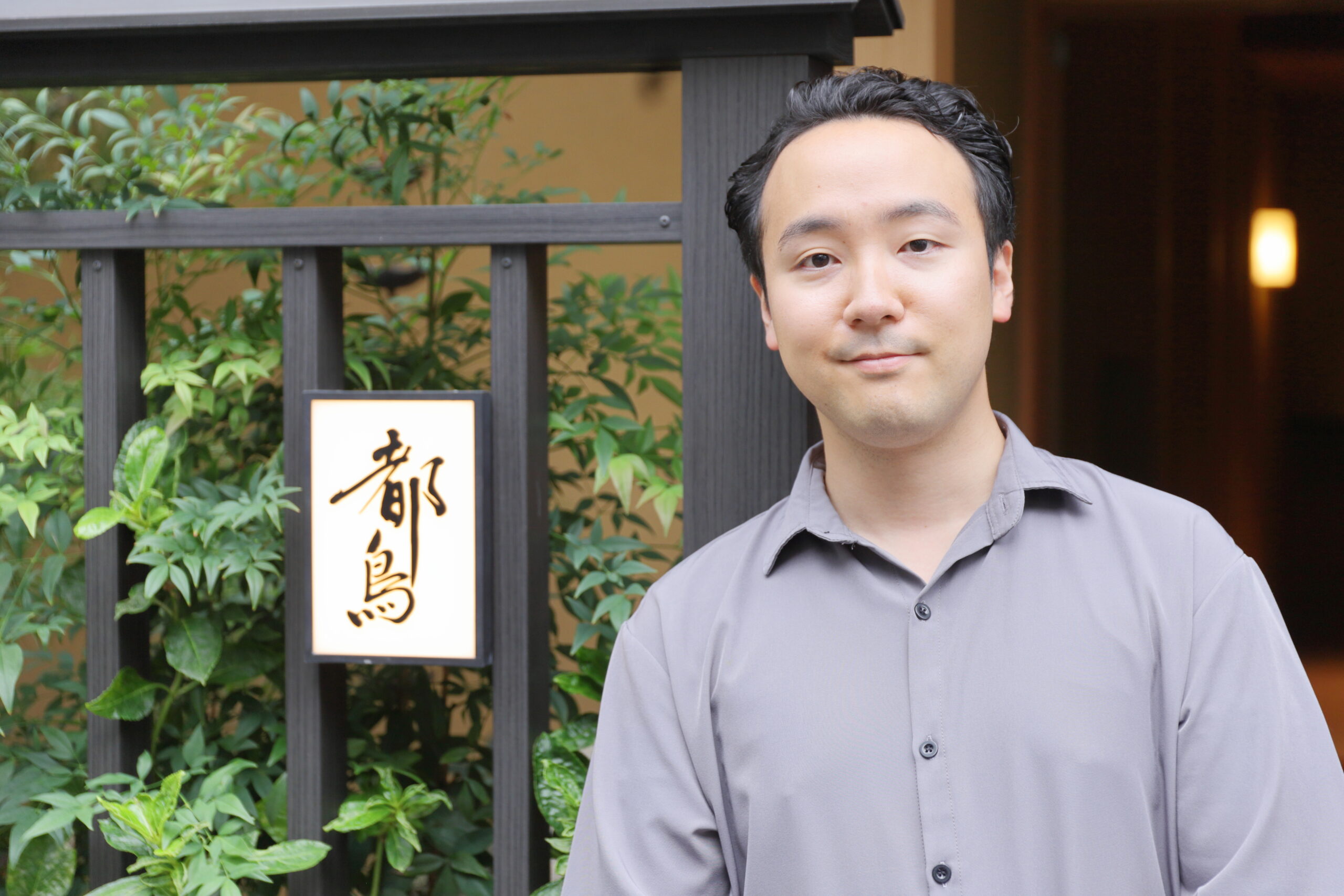


- Popular Spots to Go Out in Kimono! Introducing Areas like Asakusa, Kamakura, Kyoto, and More
- Your Complete Guide to a Kimono Day in Asakusa: Makeup, Spots & Seasonal Tips
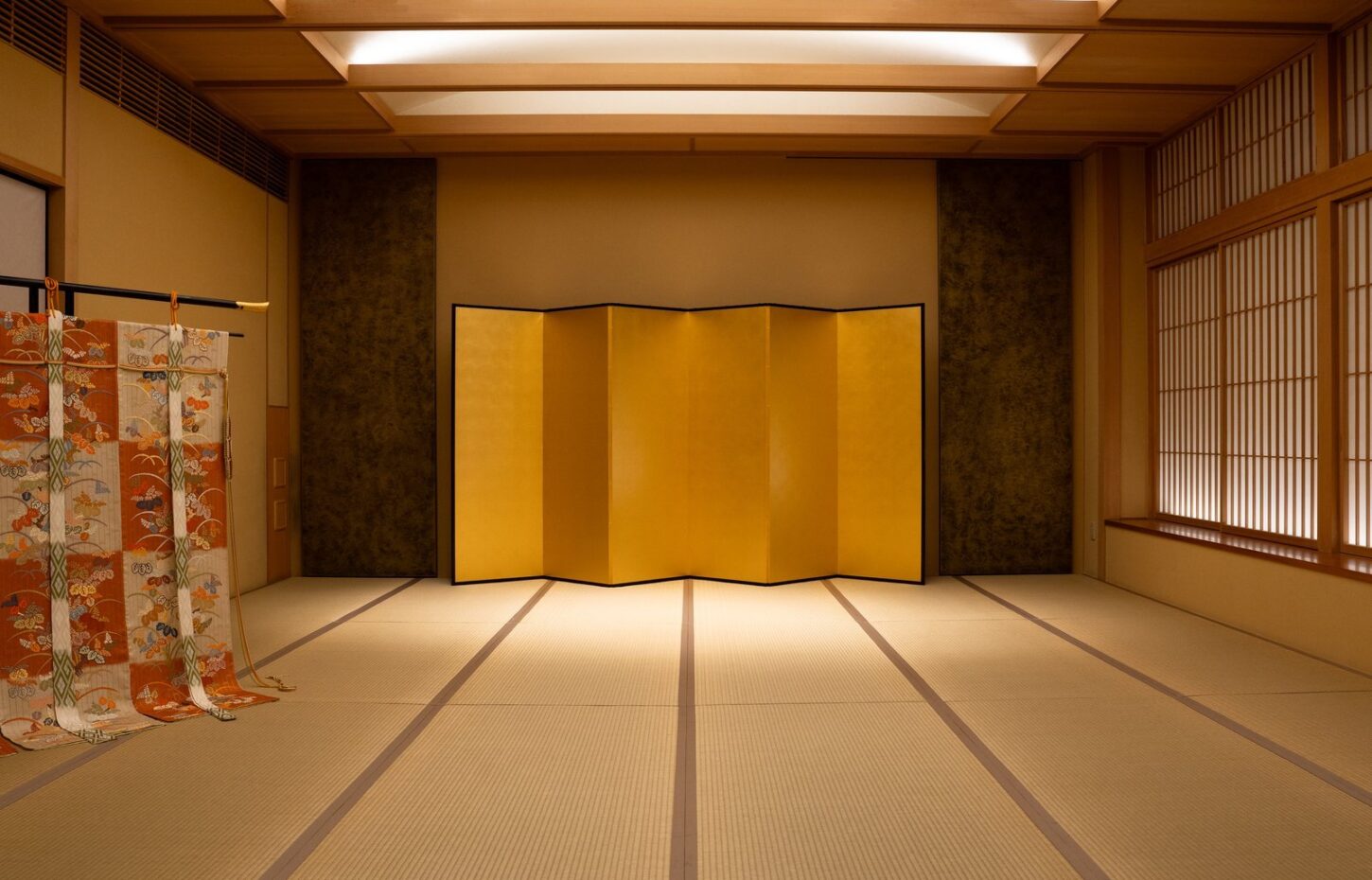
What Is a Ryotei? Japan’s Traditional Restaurant Culture, Explained
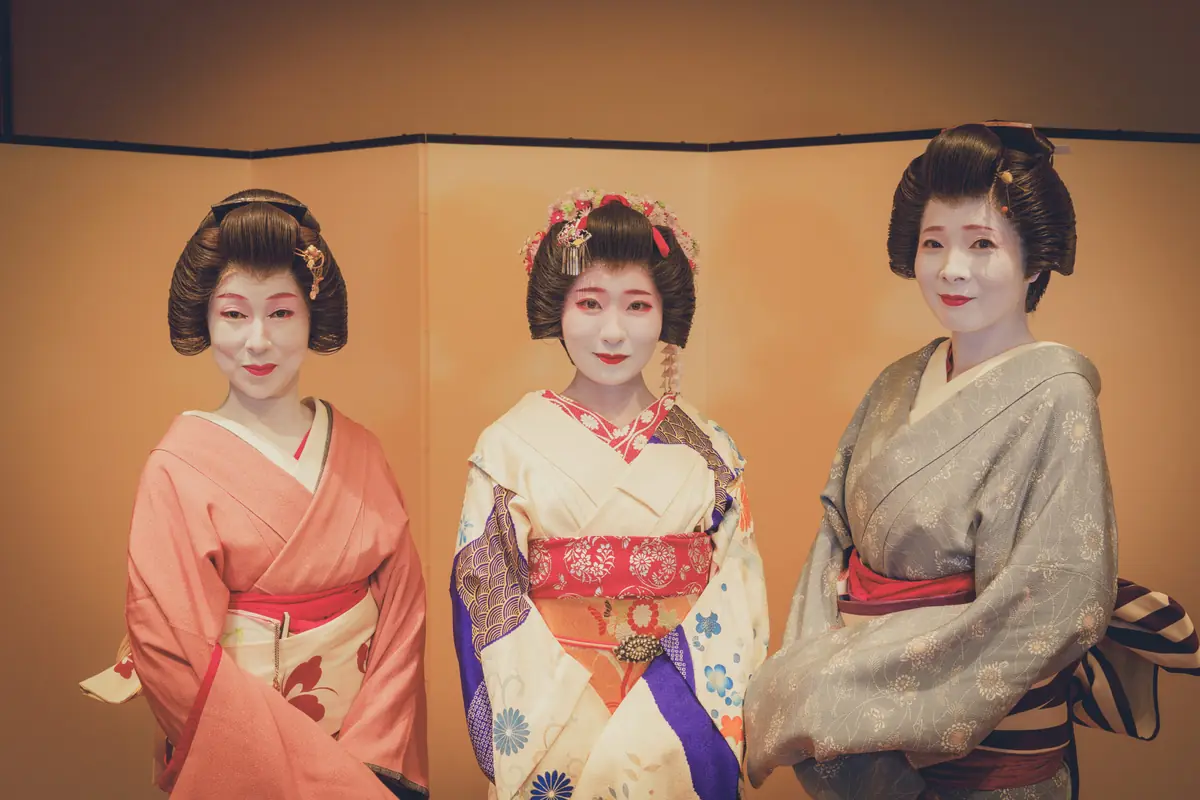
Tokyo Geisha House Guide 2026: Authentic Okiya Experiences & Traditional Japan
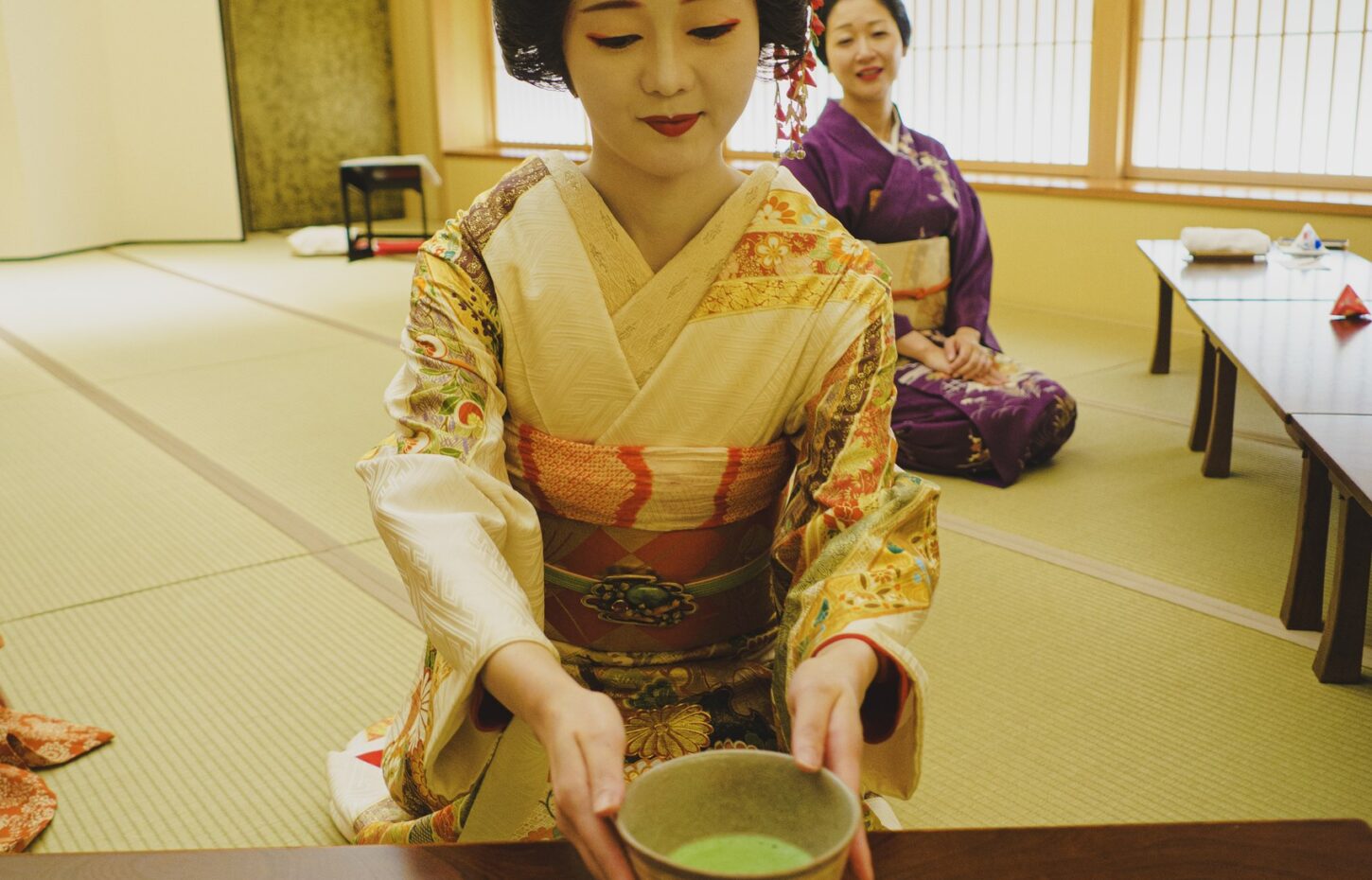
Japanese Tea Ceremony in Tokyo: A Guide to Chadō — and the Geisha Tea House Few Travelers Know
How Long Is a Geisha Experience? (Tokyo Ozashiki Guide)
Geisha Instruments: The Music Behind the Ozashiki
Hakoya: The Unsung Keeper of Asakusa’s Geisha World
Comment ( 0 )
Trackbacks are closed.

No comments yet.