



Asakusa vs Akasaka: Where to Stay in Tokyo, and How the Two Old Geisha Districts Compare
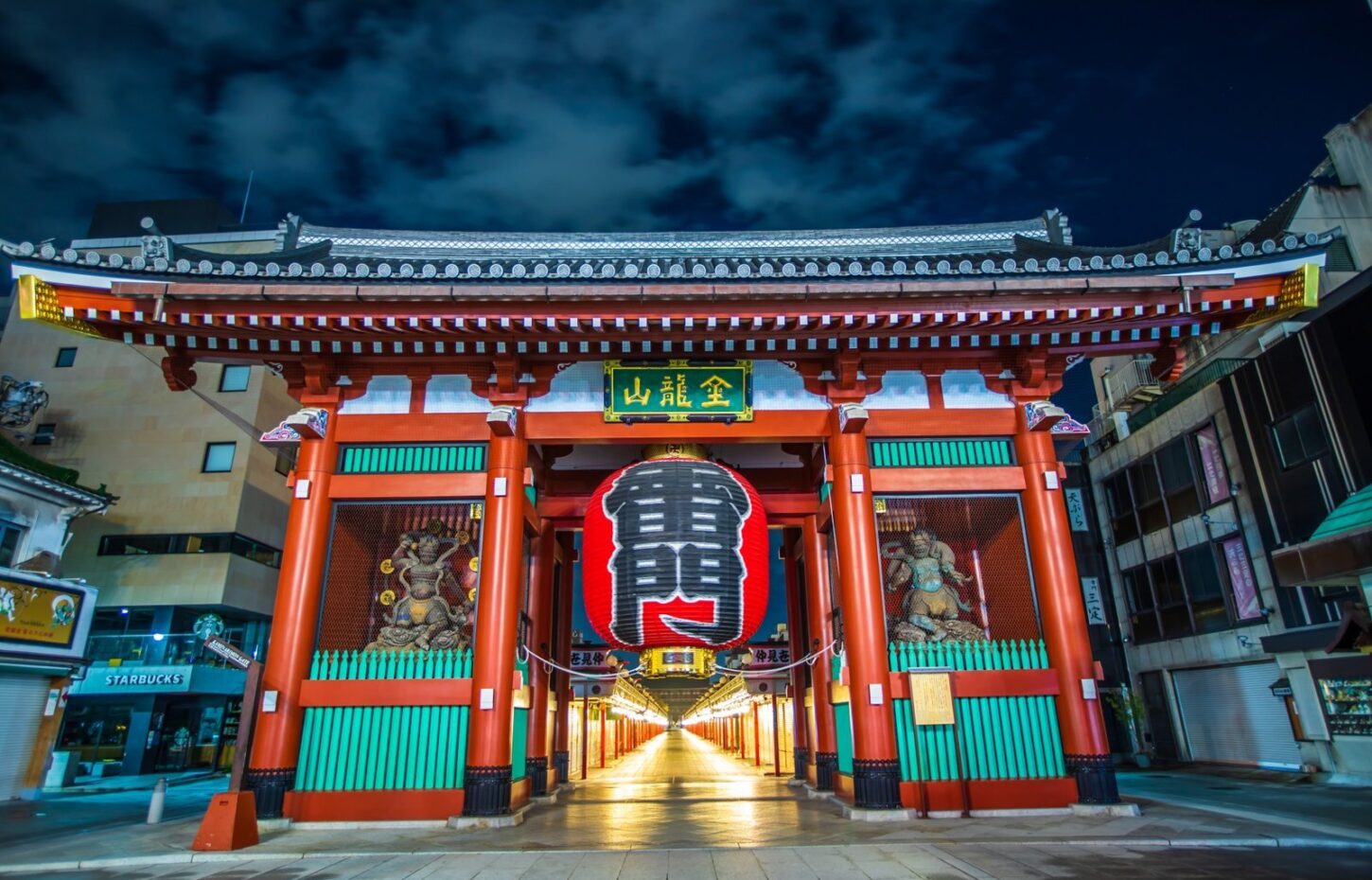
Asakusa and Akasaka are two different Tokyo neighbourhoods in different wards, about 25 minutes apart on the same subway line, the Tokyo Metro Ginza Line. Asakusa (Taito Ward) is the old temple town around Senso-ji, and it has through trains to both Narita and Haneda airports. Akasaka (Minato Ward) is a business and government district beside the National Diet, with more subway lines within reach and busier restaurant streets on weekday evenings. Stay in Asakusa for a traditional atmosphere and the quiet hours at Senso-ji; stay in Akasaka if you want a central base on many lines. Both grew up as geisha districts, and both still have working geisha.
We run a teahouse in Asakusa, so this guide leans toward our own neighbourhood, and we say so. Where we have not checked something, we leave it out rather than guess.
Asakusa vs Akasaka at a Glance
| Topic | Asakusa | Akasaka |
|---|---|---|
| Ward | Taito | Minato |
| Character | Temple town and old downtown. Senso-ji, Nakamise, small shops and long-established restaurants | Business and government district beside Nagatacho and the National Diet. Offices, hotels and restaurant streets |
| Main sights | Senso-ji, Kaminarimon, the Sumida River, Kappabashi | Hie Shrine, the State Guest House (Akasaka Palace) |
| Stations | Ginza Line (G19), Toei Asakusa Line, Tobu Skytree Line, Tsukuba Express | Chiyoda Line (Akasaka); Ginza and Marunouchi lines (Akasaka-mitsuke); Namboku Line (Tameike-sanno); Yurakucho and Hanzomon lines (Nagatacho) |
| Airport trains | Through trains to Haneda (Keikyu) and Narita (Keisei) on the Toei Asakusa Line | No through train to either airport; plan on a change, or an airport limousine bus to a hotel |
| Evenings | Senso-ji is lit after sunset until about 11 p.m.; the streets around it settle early | Busiest on weekday evenings, when the office workers are out |
| Geisha district | Yes. About 20 geisha today | Yes. 17 geisha counted in 2024 |
Train and station details come from the operators’ public information. Check a journey planner for the day you travel.
Is Akasaka the Same as Asakusa?
No. The names look alike in English and sound close, which is why the question is searched so often, but they are separate places. Asakusa is in Taito Ward, on the east side of central Tokyo. Akasaka is in Minato Ward, near Nagatacho, where the National Diet sits.
The Ginza Line is the link. Asakusa (G19) is its eastern end, and Akasaka-mitsuke (G05) is on the same line, about 25 minutes away by direct train. That also makes the mix-up easy on a booking site, so check the ward and the station in a listing before you pay. Asakusabashi, for one, is a separate neighbourhood and station in the same ward as Asakusa.
Staying in Asakusa
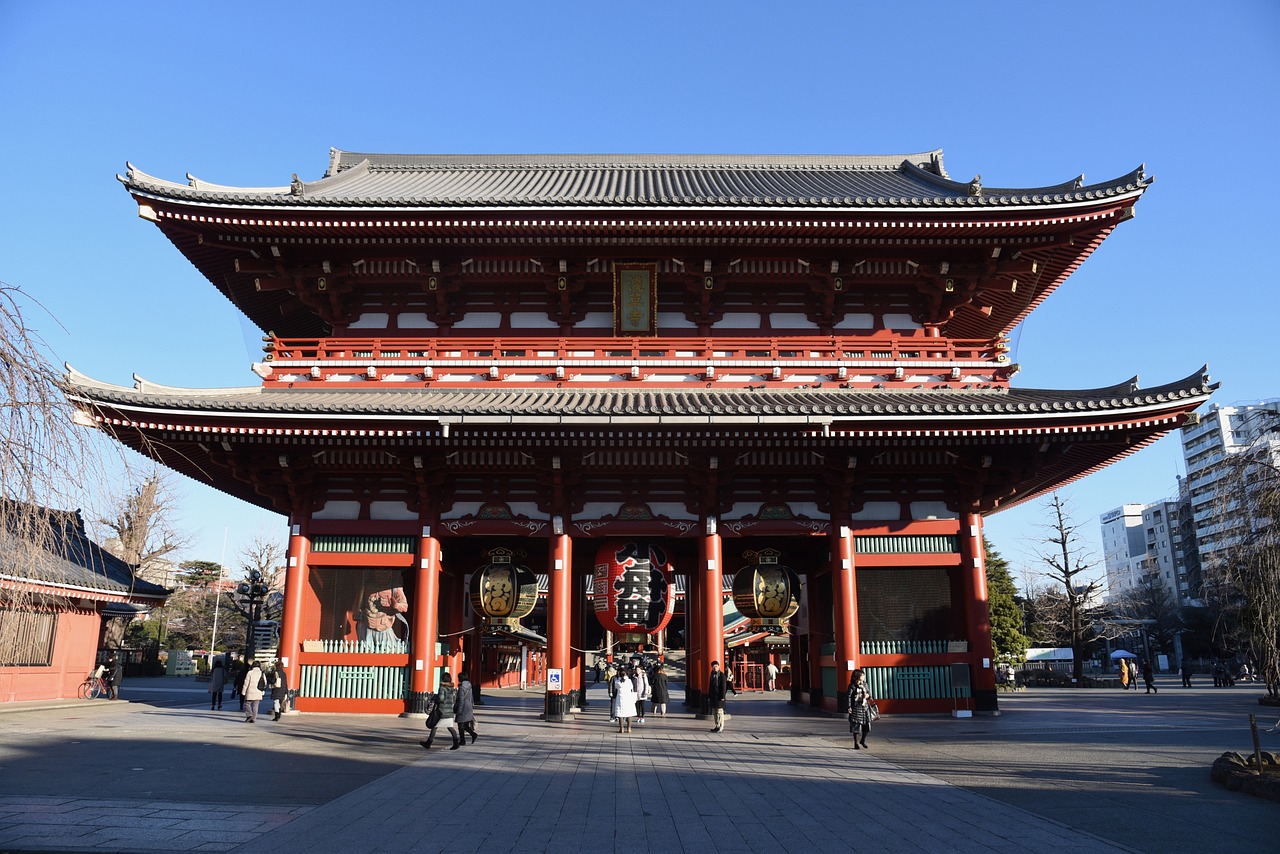
Asakusa’s strength is that it feels like somewhere. Senso-ji’s main hall opens at 6:00 from April to September and at 6:30 from October to March, so a guest who sleeps within walking distance can reach the gate before the day-trippers do. Our guide to the quiet hours at Senso-ji covers the timing.
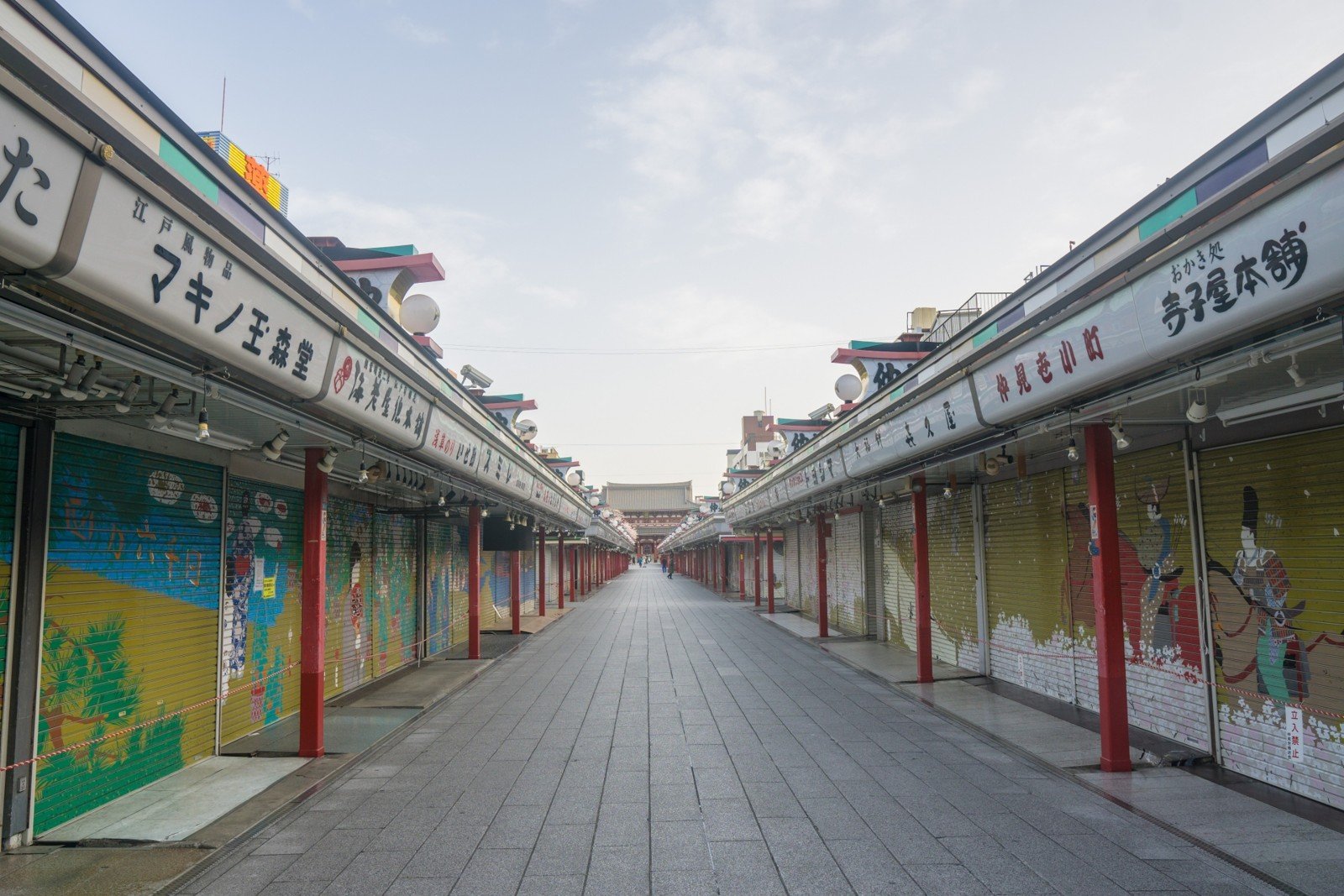
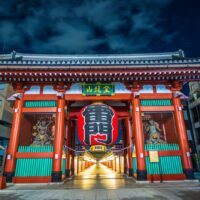
The trains are the practical case for Asakusa. The Ginza Line runs straight from Asakusa through Ueno and Ginza to Shibuya. The Toei Asakusa Line runs through to the airports, and the Tobu Skytree Line reaches Tokyo Skytree in one stop. In the evening, Senso-ji’s main hall, five-storey pagoda and gates are lit from sunset until around 11 p.m., according to the temple, and the Sumida River is a short walk away.
The trade-off is distance from the western side of the city. Shinjuku and Shibuya are a train ride from Asakusa, and the old-town streets settle early, so if a lively late dinner scene on your doorstep matters, you will often take the train for it. Our guide to Asakusa after dark shows what is open.
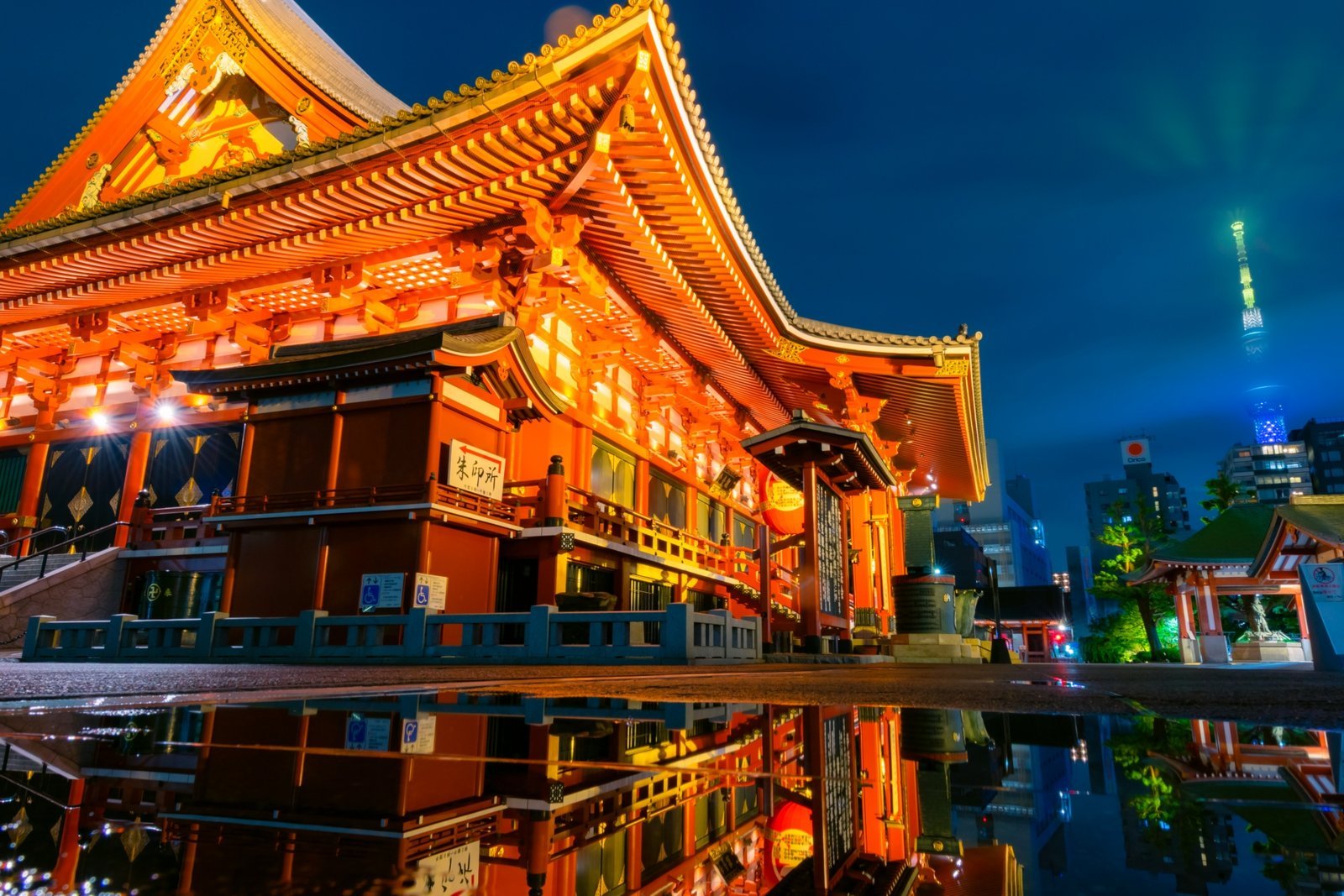
Inside Asakusa, staying near Asakusa Station puts you on the Ginza Line and close to Kaminarimon. The streets behind the temple, known as Kannon-ura, are quieter, and they are where the geisha district sits. If you want a wider view of the neighbourhood first, start with our local guide to where Asakusa is and our full-day Asakusa guide.
Staying in Akasaka
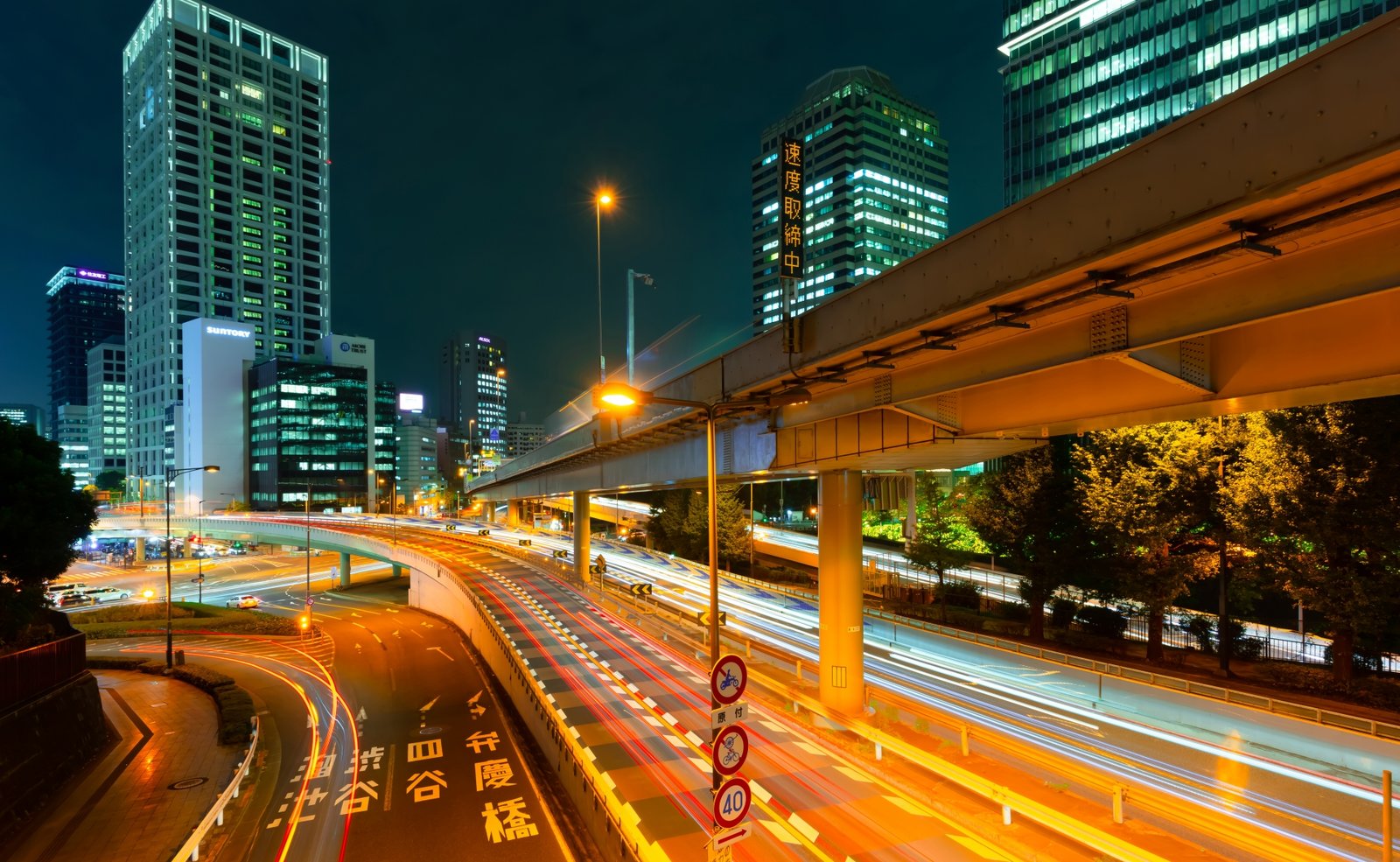
Akasaka is a workplace first. Offices and hotels fill the district on weekdays, and the restaurants around them are built for that trade: lunch sets for the people who work there, then dinner and drinks after work.
Its great advantage is rail. Akasaka-mitsuke joins the Ginza and Marunouchi lines, and the Marunouchi Line reaches Tokyo Station and Shinjuku. Akasaka station is on the Chiyoda Line toward Omotesando and Meiji-jingumae. Tameike-sanno adds the Namboku Line, and Nagatacho adds the Yurakucho and Hanzomon lines. From a hotel here, most of central Tokyo is one ride away.
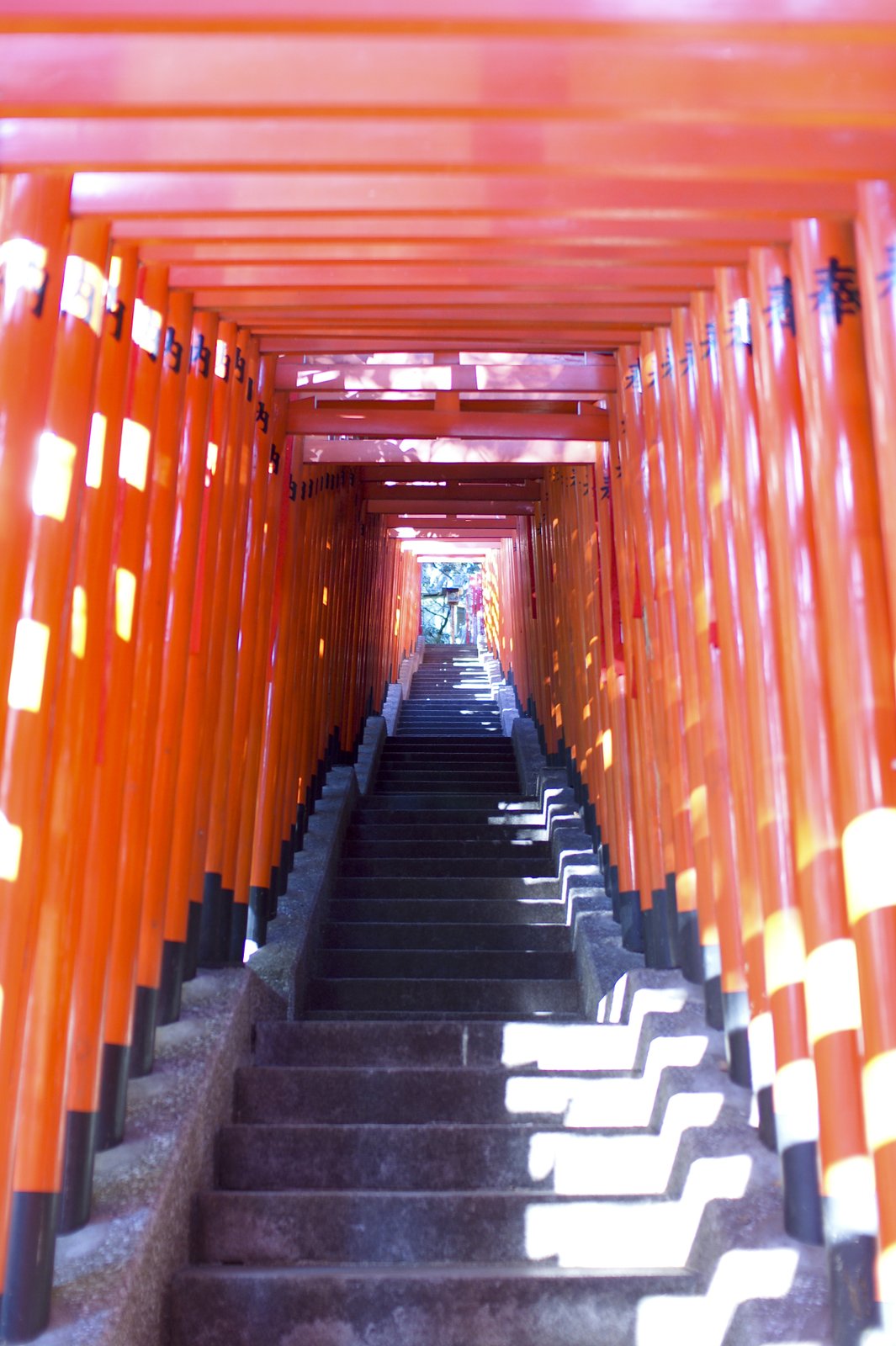
The sights are quiet rather than headline ones. Hie Shrine stands on a hill above the district, with a covered walkway of red torii gates. The State Guest House (Akasaka Palace) is the Meiji-era palace used to receive state guests, and it opens to the public on set days, so check its official calendar. Neither draws the crowds Senso-ji does, which is part of Akasaka’s appeal and also why a first-time sightseer may find less to do on the doorstep.
Getting In and Around
Asakusa has the simpler airport story. The Toei Asakusa Line runs through to Keikyu (for Haneda) and to Keisei (for Narita), so a through train needs no change. From Narita the Access Express takes roughly an hour; check which train types stop at Asakusa on the day. Akasaka has no through train from either airport, so expect a change, or take an airport limousine bus to your hotel.
Once you are in the city, the two bases lean different ways. Akasaka is better placed for the west side of Tokyo, including Roppongi, Shibuya and Meiji-jingumae. Asakusa is better placed for the east and north: Ueno is three stops away on the Ginza Line, and Tokyo Skytree is one stop on the Tobu Skytree Line.
Two Old Geisha Districts, Two Different Doors
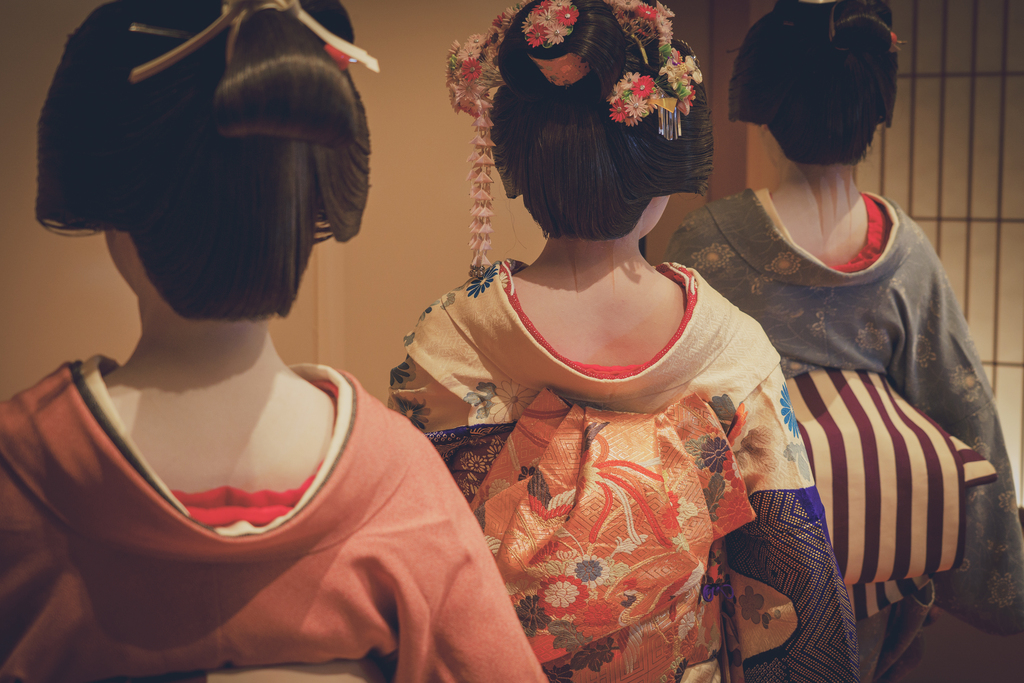
Both neighbourhoods are former hanamachi, the districts where geisha lived and worked, and both grew up where the entertaining was. Asakusa’s geisha traditions grew around the teahouses of Senso-ji, the theatres and the road to Yoshiwara. Akasaka’s grew around a clientele that began with military men and later became civil servants and politicians. Our explainer on what a hanamachi is and our guide to Tokyo’s geisha districts cover the wider picture.
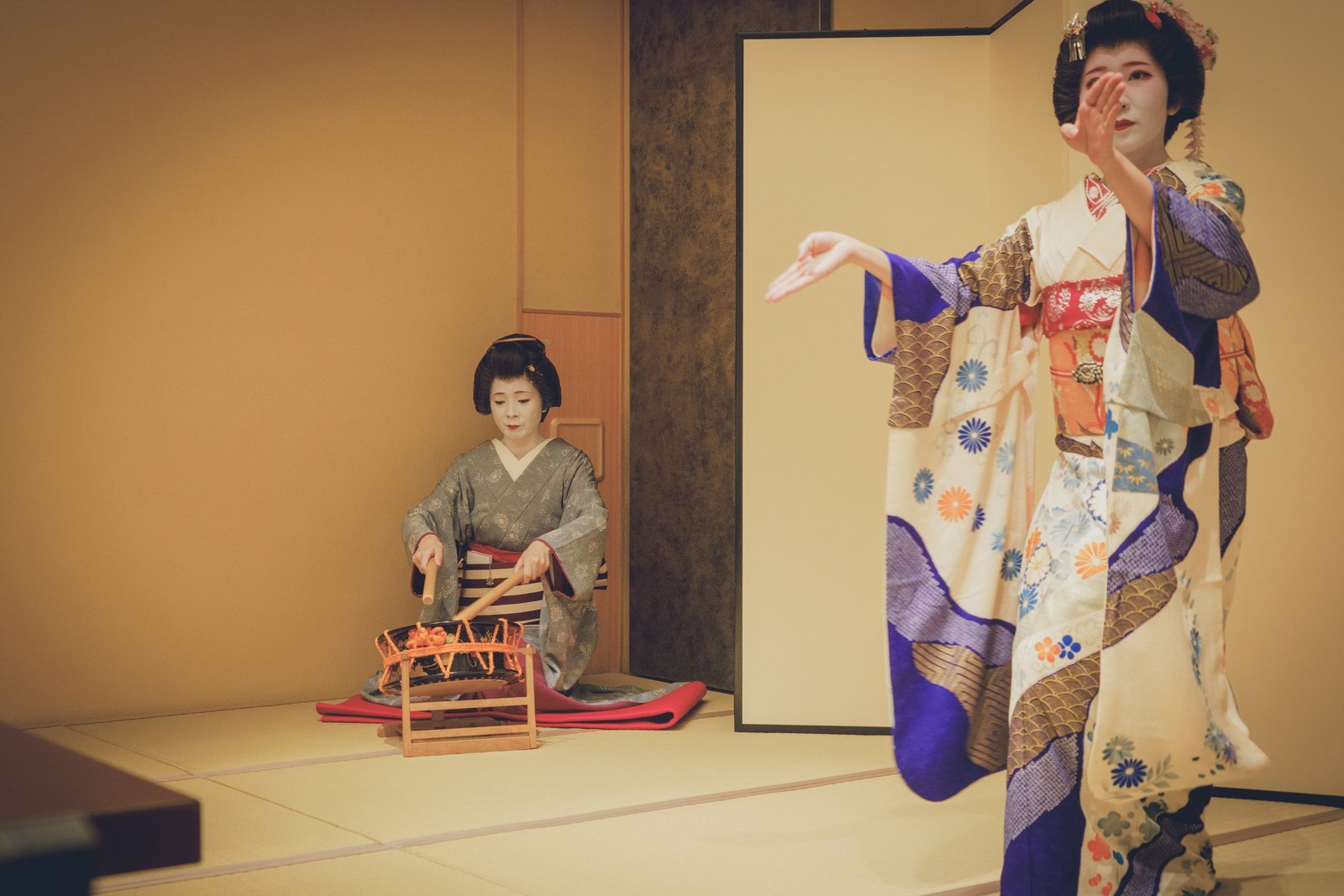
Both districts are small now, and the figures are worth giving with their sources. A June 2024 episode of TV Tokyo’s Ad-machikku Tengoku counted 17 geisha in Akasaka, against more than 400 at the district’s peak. In Asakusa, the kenban’s own history records about 1,060 geisha in the 1920s, and the number today is about 20. Neither district has stopped: geisha in both still dance, play shamisen and work the evenings, and the people who do it are the reason these traditions have a future to talk about.
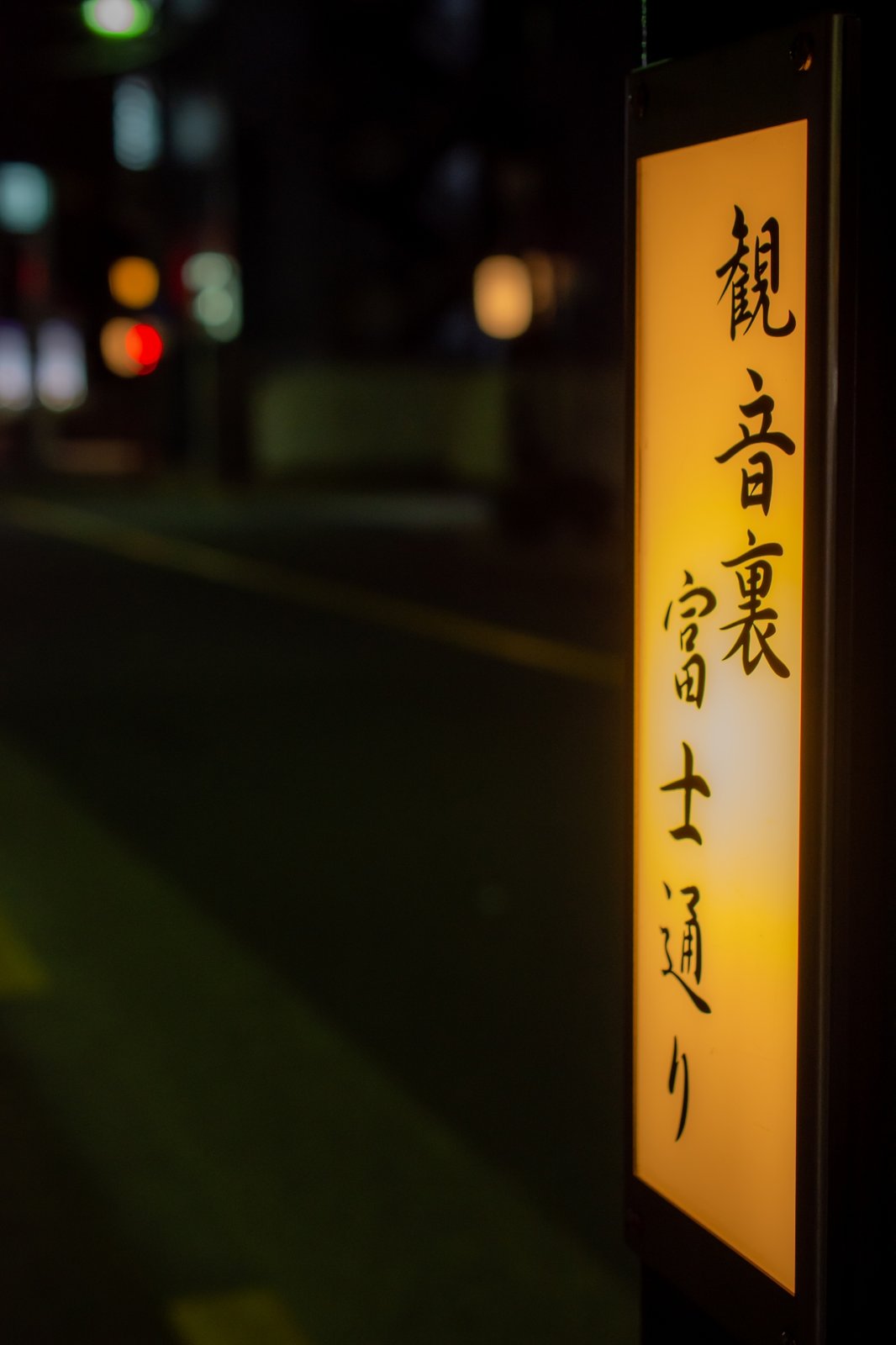
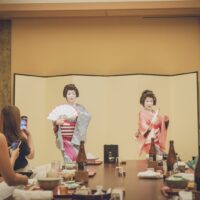
For a visitor choosing a neighbourhood, one thing matters. Neither district puts geisha on the street for sightseers. The evenings happen in private rooms, at ryotei and teahouses, by booking. So the hanamachi is not a reason to choose one base over the other. It is a reason to ask what each district lets a visitor do.
At Miyakodori, a first-time visitor can request such an evening online, in English, without an introduction. Miyakodori is a machiai-chaya, a teahouse that lends the room and brings in the meal and the geisha, founded in 1950, and the only machiai-chaya in Asakusa. It stands on the north side of Senso-ji, at 3-23-10 Asakusa, about 13 minutes’ walk from Asakusa Station on the Ginza Line or about 4 minutes by taxi. As of August 2026, there are two houses in Asakusa where you can spend an evening with geisha, Miyakodori being one of them.
How Akasaka’s houses take first-time or overseas guests today, we have not checked, so we will not guess. If an evening in Akasaka’s hanamachi appeals to you, ask the houses there directly. Either way, the sensible plan is to choose where to sleep by the rest of your trip and treat the evening as a separate booking, because it is a short ride from either base.
Spend an Evening in Asakusa’s Geisha District
At our teahouse in Asakusa, a private ozashiki (geisha banquet) is held for your group alone. Asakusa geisha dance and play shamisen, and guests join in the old parlor games. First-time and overseas guests are welcome, with English support.
Request a ReservationWhich Should You Choose?
- Choose Asakusa if this is your first visit and you want Senso-ji early and late, a through train from the airport, and an old-downtown feel on your doorstep.
- Choose Akasaka if you are in Tokyo for work, or you want a base on many lines, within a short ride of Roppongi, Shibuya and Ginza.
- Weighing Ueno as well? It is three stops from Asakusa on the Ginza Line, so a base in Asakusa keeps both within reach; our guide to getting from Asakusa to Ueno covers the trip.
- You are not locked in. The Ginza Line joins the two in about 25 minutes, so a day trip either way is easy.
Neither choice is a mistake. They suit different trips.
Frequently Asked Questions
Is Akasaka the same as Asakusa?
No. Asakusa is in Taito Ward, on the east side of central Tokyo, and is known for Senso-ji. Akasaka is in Minato Ward, near the National Diet, and is a business and government district. The Tokyo Metro Ginza Line connects them in about 25 minutes.
Is Asakusa or Akasaka better for first-time visitors?
For most first-time visitors, Asakusa, because Senso-ji, the river and the old streets are on the doorstep and trains run straight from both airports. Akasaka suits travellers who want a central base on many subway lines, or who are in Tokyo for work.
How far is Asakusa from Akasaka?
About 25 minutes by direct train on the Tokyo Metro Ginza Line, from Asakusa (G19) to Akasaka-mitsuke (G05). Check a journey planner for the exact time and fare on your travel day.
Is Akasaka worth visiting?
Yes, as a place to see rather than a place to tick off. Hie Shrine and its red torii walkway are worth a visit, and the State Guest House (Akasaka Palace) opens to the public on set days. Akasaka has no single headline sight on the scale of Senso-ji.
Why is Asakusa so famous?
Senso-ji, a temple traditionally dated to 628, is the main reason, along with Kaminarimon and the Nakamise shopping street. Asakusa was also one of Tokyo’s entertainment districts, with theatres, teahouses and a geisha district, and that history is still visible today.
Can you see geisha in both Asakusa and Akasaka?
Both districts still have working geisha, but neither puts them on the street for visitors. The evenings are held in private rooms by booking. In Asakusa, Miyakodori takes first-time and overseas guests without an introduction. For Akasaka, ask the houses there directly.
See Asakusa’s Geisha District From the Inside
Miyakodori, founded in 1950, is the only machiai-chaya in Asakusa. Request a private ozashiki (geisha banquet), with English support. First-time and overseas guests are welcome without an introduction.
Request a Reservation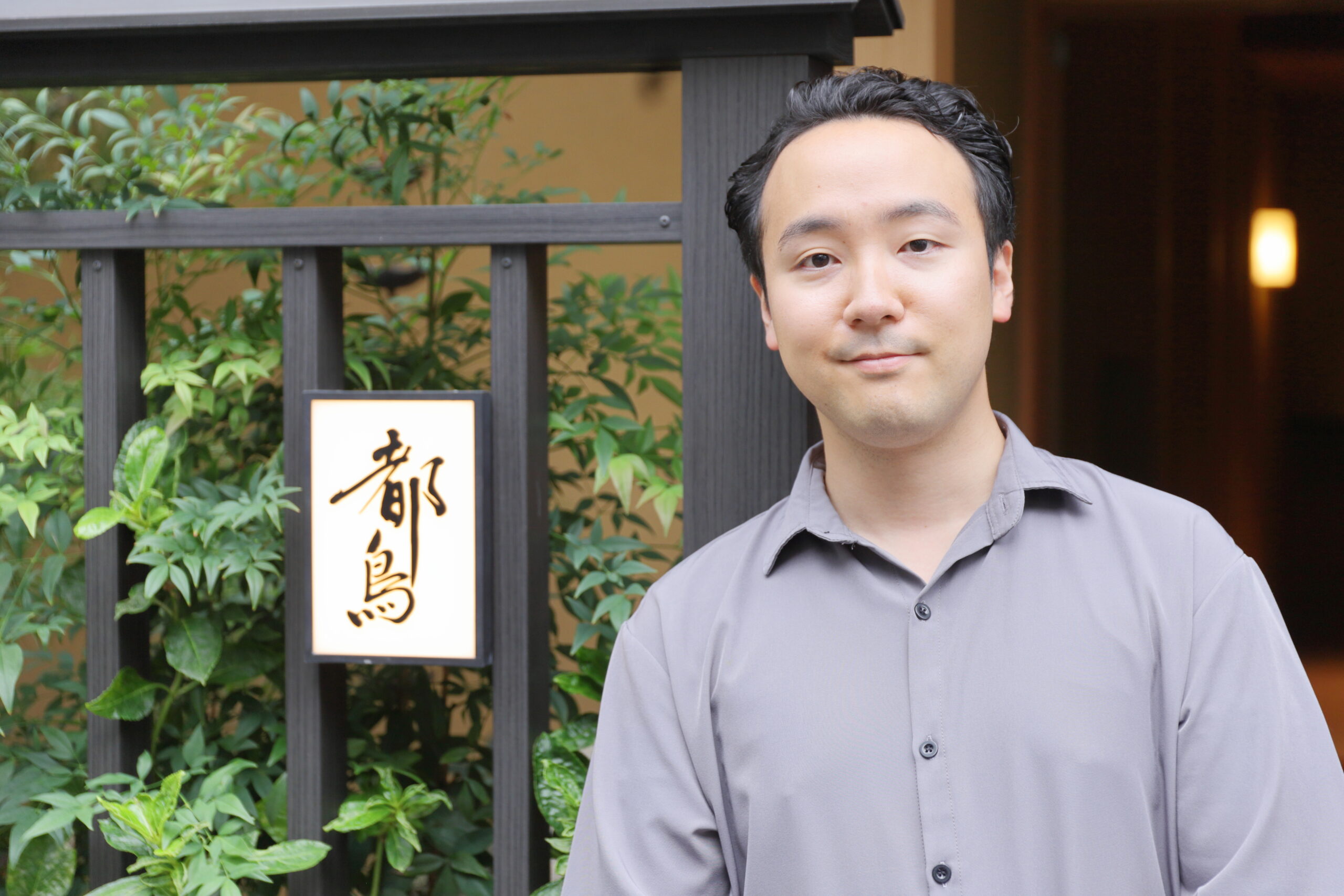


- Asakusa Observation Deck: The Free Terrace Above Kaminarimon
- Asakusa to Ueno: How to Get There, and How to Spend One Day Between the Two

Your Complete Guide to a Kimono Day in Asakusa: Makeup, Spots & Seasonal Tips
Asakusa Nightlife 2026: A Guide to Tokyo’s Historic Heart After Dark
Authentic Experience Touching Artisan Skills! Asakusa’s Traditional Culture Workshop
Geisha Restaurant Near Me in Tokyo: Authentic Ozashiki at Miyakodori Asakusa
[2025 Edition] Complete Guide to Winter Events in Asakusa! From Traditional Festivities to Hatsumode
No comments yet.