



The Poems of Ariwara no Narihira — and the One Behind Our Name
Ariwara no Narihira, a poet of the early Heian court, is remembered above all for four poems: Chihayaburu, on the Tatsuta River under autumn maples; Tsuki ya aranu, on returning to a place where a love has ended; Yo no naka ni, on cherry blossoms; and Na ni shi owaba, the miyakodori verse set on the Sumida. That last poem is where Miyakodori, our machiai-chaya in Asakusa, takes its name.
Ariwara no Narihira (825–880) is, by most accounts, the most romantic figure in Japanese literary history. A grandson of Emperor Heizei, he lived his life as a subject rather than a member of the imperial family after his branch was pushed from power — a courtier, not a commoner — and became one of the great poets of the early Heian court, and, centuries later, the presumed inspiration for Hikaru Genji, the hero of The Tale of Genji. We don’t run a literature site. But one of Narihira’s poems happens to explain our own name, and once you know the story, you can’t tell it halfway. So here are a few of his most celebrated poems — and the one that means the most to us.
Who Was Ariwara no Narihira?
Narihira lived at a moment when Japanese poetry was breaking away from Chinese models and finding its own voice — the waka, a compact 31-syllable form built for compressing a whole emotional world into five short lines. He became known as one of the Rokkasen, the six poets singled out in the preface to the Kokinshū (compiled around 905), and later one of the Thirty-Six Immortals of Poetry. His reputation, though, was built as much on romance as on craft: dozens of episodes in the Tales of Ise (Ise Monogatari) — a collection of poems and prose vignettes traditionally read as a portrait of Narihira’s life, though not literally authored by him — follow an unnamed nobleman, “the man of old,” through a string of love affairs, exiles, and journeys. Readers have identified that man with Narihira for over a thousand years.
Chihayaburu: The Tatsuta River in Autumn
Narihira’s best-known poem today is probably the one every Japanese schoolchild encounters through the Hyakunin Isshu — an anthology of one poem each by a hundred poets, compiled in the thirteenth century by Fujiwara no Teika and later turned into the karuta card game still played at New Year:
Chihayaburu / kamiyo mo kikazu / Tatsutagawa / karakurenai ni / mizu kukuru to wa
Loosely: even in the age of the mighty gods, nothing like this was ever heard of — the Tatsuta River, dyed crimson, its water tie-dyed in autumn red. The poem describes a river so thick with fallen maple leaves that the water itself seems bound in a dye pattern. It’s image rather than argument: describe the scene precisely enough, and the feeling arrives on its own. That isn’t his only mode — the two poems below turn on pure logic — but the reversal is constant, and one verse is always enough to do it. The preface to the Kokinshū, written a generation after his death, summed him up in a phrase still quoted today: his feeling ran ahead of his words (kokoro amarite kotoba tarazu).
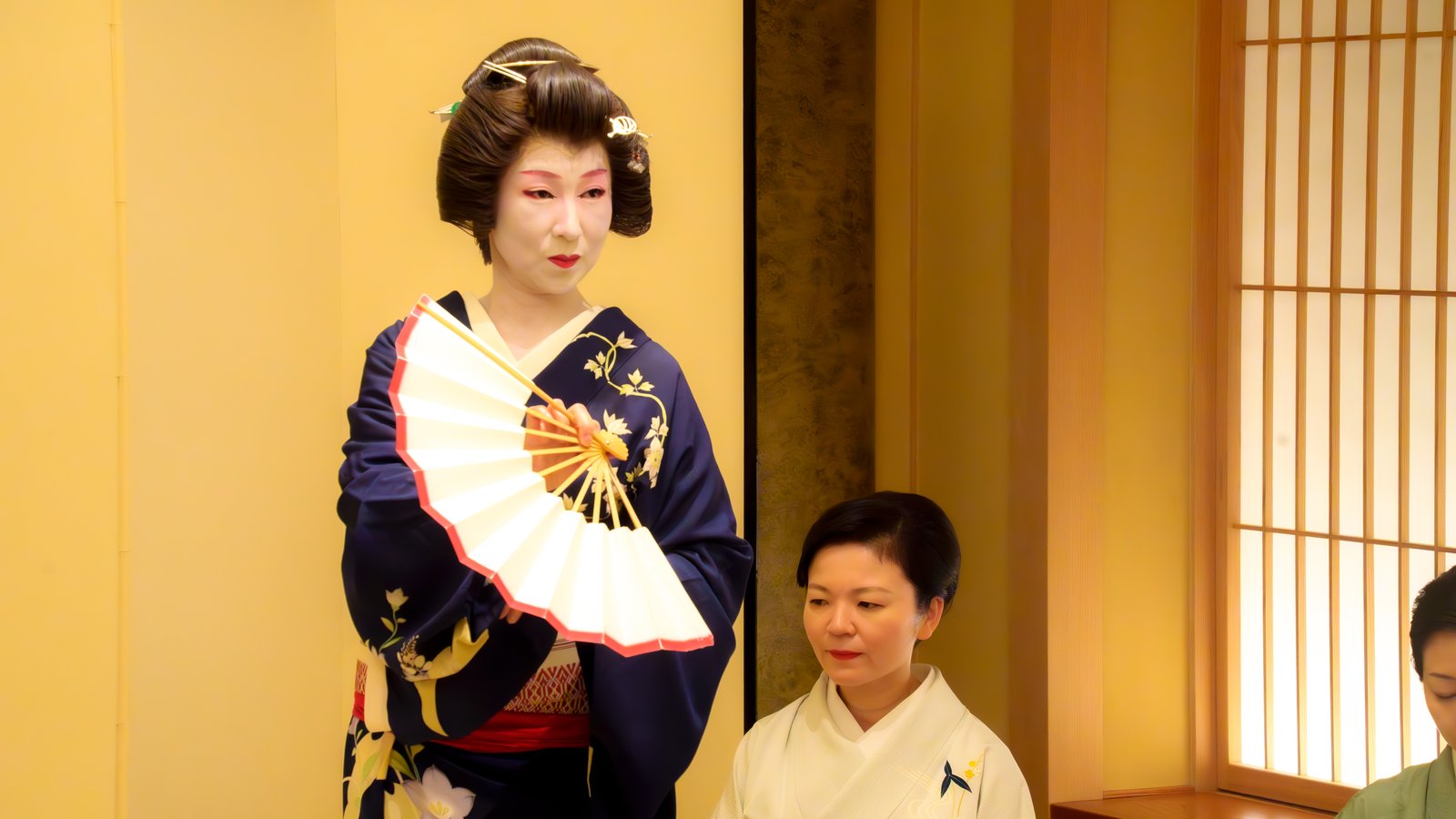
Thirty-one syllables, a whole landscape. Asakusa’s dances work the same way, with a fan instead of a brush. One of them, Asakusa Meibutsu — “the famous things of Asakusa” — was written for this neighborhood and nowhere else: it sings the local place names and landmarks, and the dancers sketch the Sanja Matsuri, the portable shrines being carried, the figure of Hanakawado Sukeroku, using nothing but a folding fan and their hands. According to the okami of Miyakodori, the piece didn’t exist yet when she made her debut, and by her reckoning it was composed roughly fifty years ago — the exact year isn’t settled. Different medium, same instinct — leave almost everything out, and let the picture carry the feeling.
Tsuki ya Aranu: The Moon That Isn’t the Same
From the Tales of Ise, this poem follows a man returning to a place where he once loved someone, only to find her gone:
Tsuki ya aranu / haru ya mukashi no / haru naranu / waga mi hitotsu wa / moto no mi ni shite
Is this not the moon? Is this spring not the spring it was? Only I remain as I was before. Nothing around him has physically changed — the same moon, the same spring — and that’s precisely the cruelty of it. The grief isn’t in what’s different. It’s in what stayed exactly the same while everything that mattered left.
Yo no Naka ni: If Only Cherry Blossoms Didn’t Exist
A lighter paradox, and one of the most quoted lines in classical Japanese poetry:
Yo no naka ni / taete sakura no / nakariseba / haru no kokoro wa / nodokekaramashi
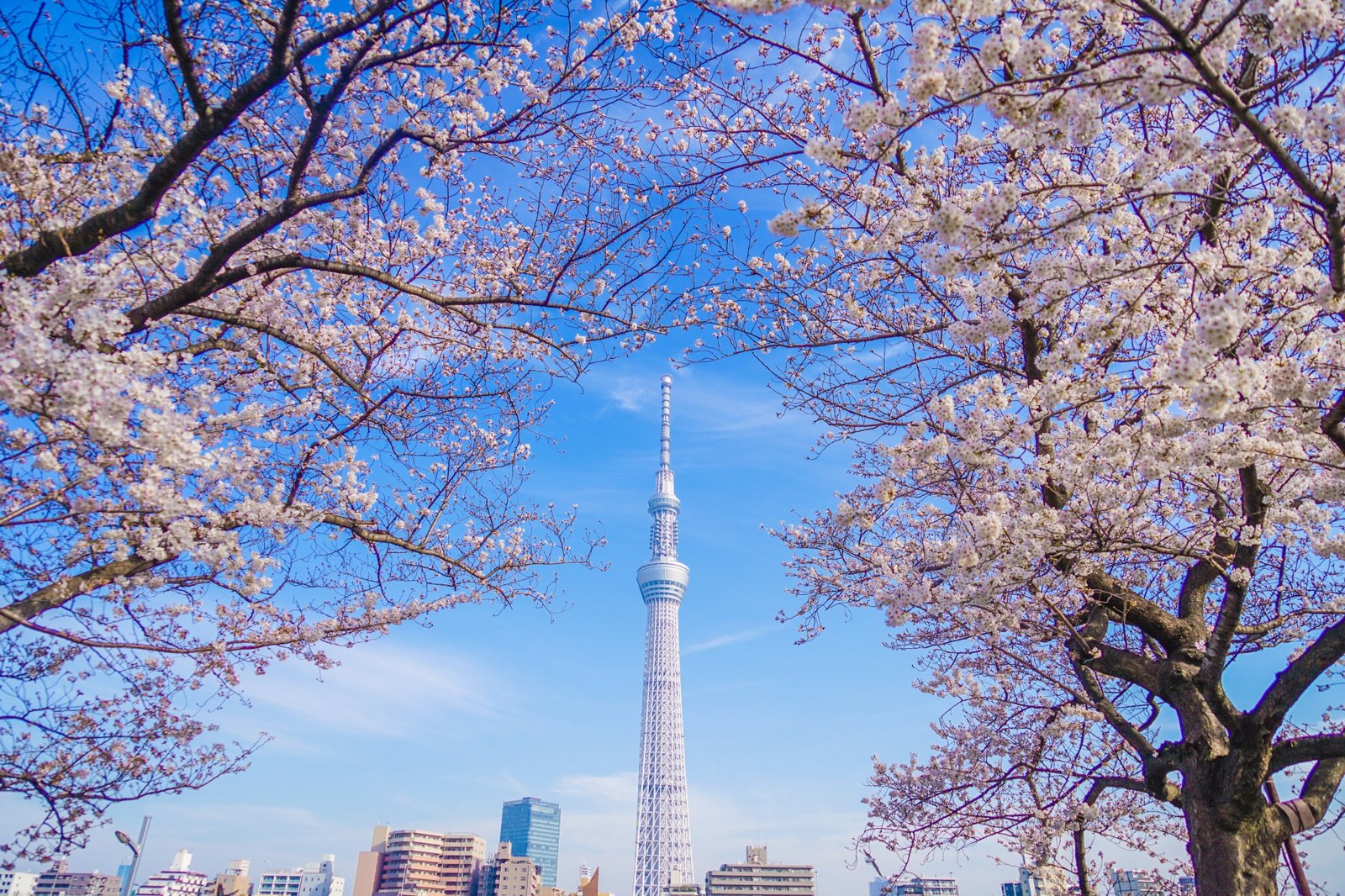
If only cherry blossoms didn’t exist in this world, our hearts in spring could finally rest easy. Anyone who has waited anxiously for peak bloom, checked the forecast daily, and grieved the petals falling three days later will recognize exactly what Narihira means — the thing you love most is also the thing that keeps you from being at peace.
Miyakodori: The Poem Behind Our Name
And then there’s the one that matters most to us. In the Tales of Ise, Narihira leaves the capital and travels east with a small group of companions — the episode known as Azuma Kudari, the journey to the east. They reach a wide river on the border between two provinces, and while waiting for the ferry, they see an unfamiliar white bird with red legs and a red bill playing in the shallows. None of them recognize it. The ferryman tells them it’s called miyakodori — “capital bird.” Hearing that name, so far from home, Narihira composes:
Na ni shi owaba / iza koto towamu / miyakodori / waga omou hito wa / ari ya nashi ya to
If you carry that name, then let me ask you something, capital bird — the one I love, back in the city: is she well, or isn’t she?
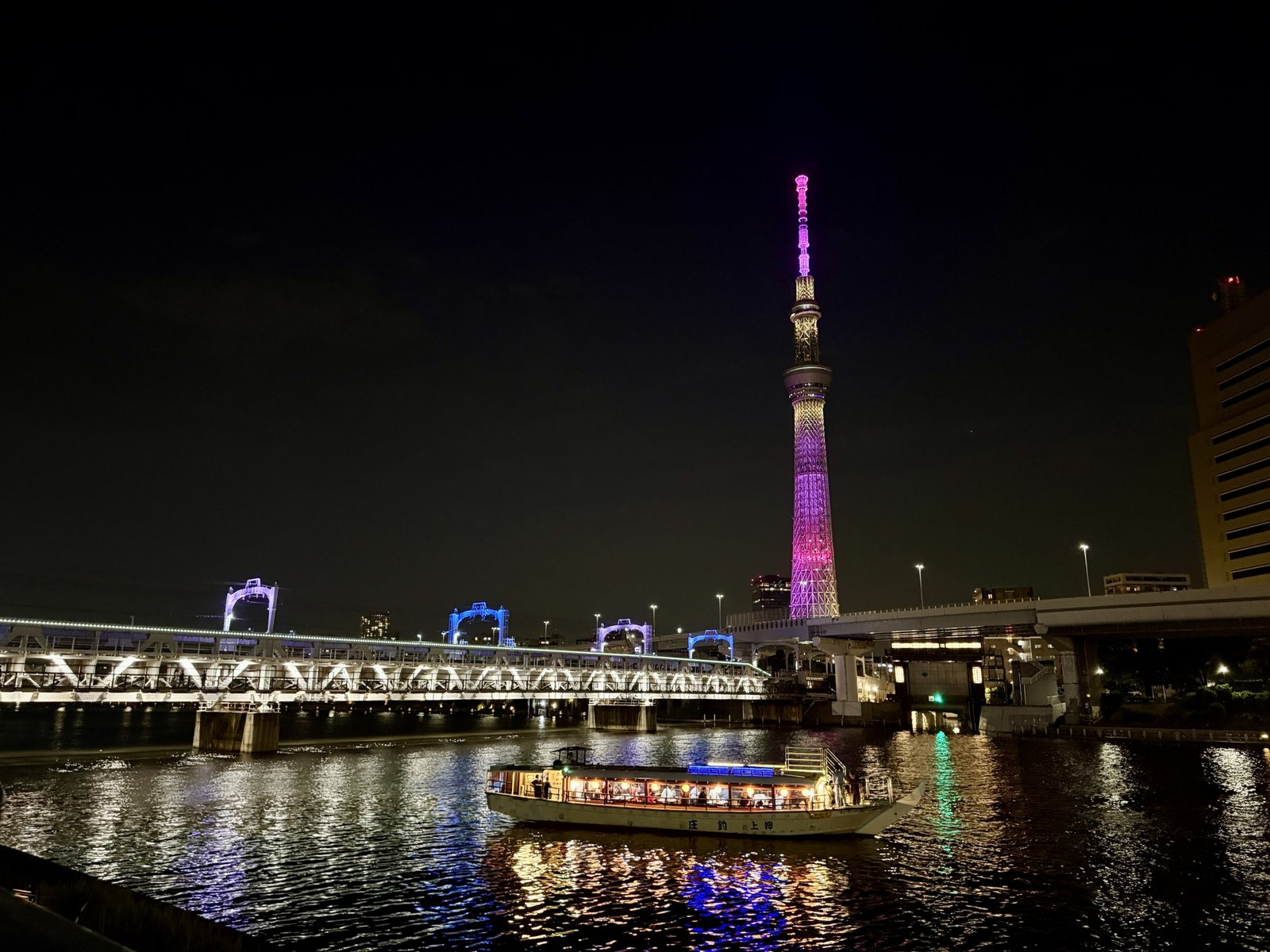
The river in the poem is the Sumida — and by long tradition, the crossing itself was located at what’s now Hashiba, on the same stretch of water as Asakusa, upriver from the geisha quarter. For centuries, Edo-period artists returned to this exact scene — the ferry crossing and the miyakodori — as a favorite subject, precisely because it happened, or was believed to have happened, along this river.
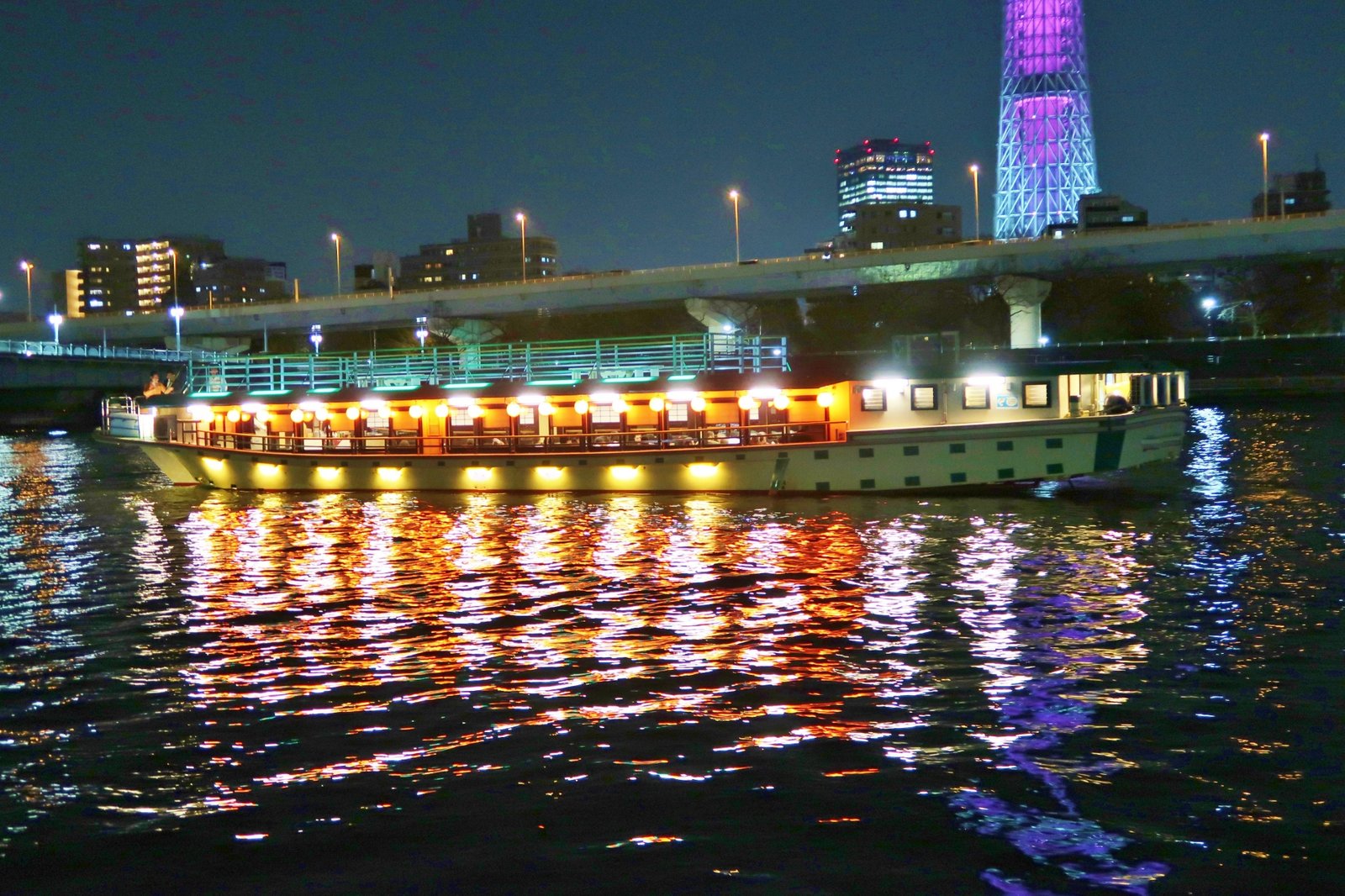
That’s the poem our name comes from. The name was chosen by the founder, the first generation of this house — not a vague gesture at “elegance” or “old Japan,” but a specific moment on a specific stretch of river: a poet asking a bird whether the person he loved was safe and well.
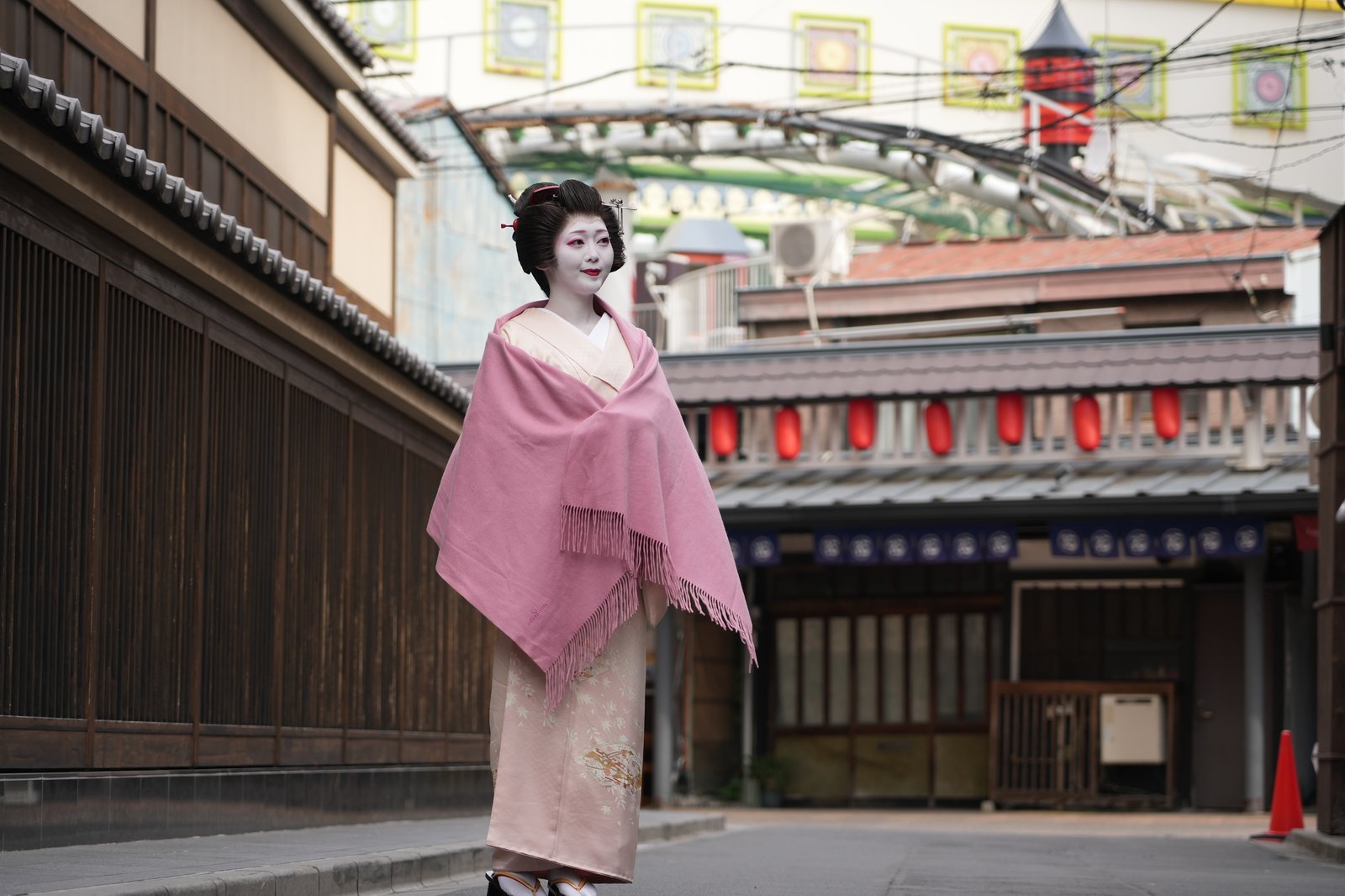
Miyakodori — the house, not the bird — sits in Asakusa 3-chome, in the middle of the district’s hanamachi, the geisha quarter. It is a machiai-chaya (a geisha waiting house) — the only house of its kind left in Asakusa: a place built for guests and geisha to meet, where the food is brought in from kitchens elsewhere rather than cooked on the premises, so an evening can be arranged with a full meal or with none at all. The house is now in its third generation, here in Asakusa’s old downtown, the district that stretch of the Sumida runs past. We can’t claim the verse was composed on our doorstep, or that the river runs past our door. What we can say is that a house named after its bird was founded here in 1950, and is still open.
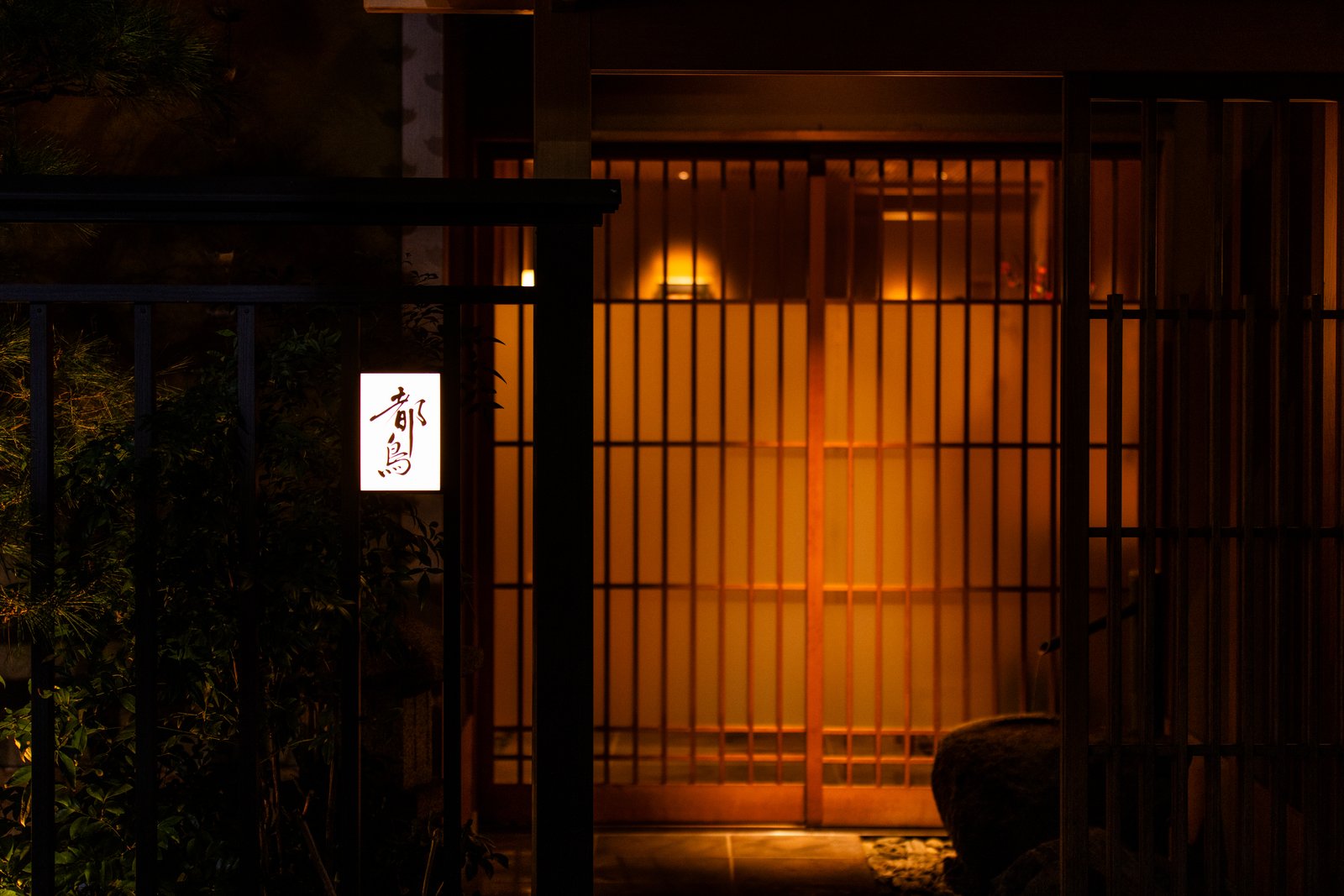
See the Ozashiki Our Name Points At
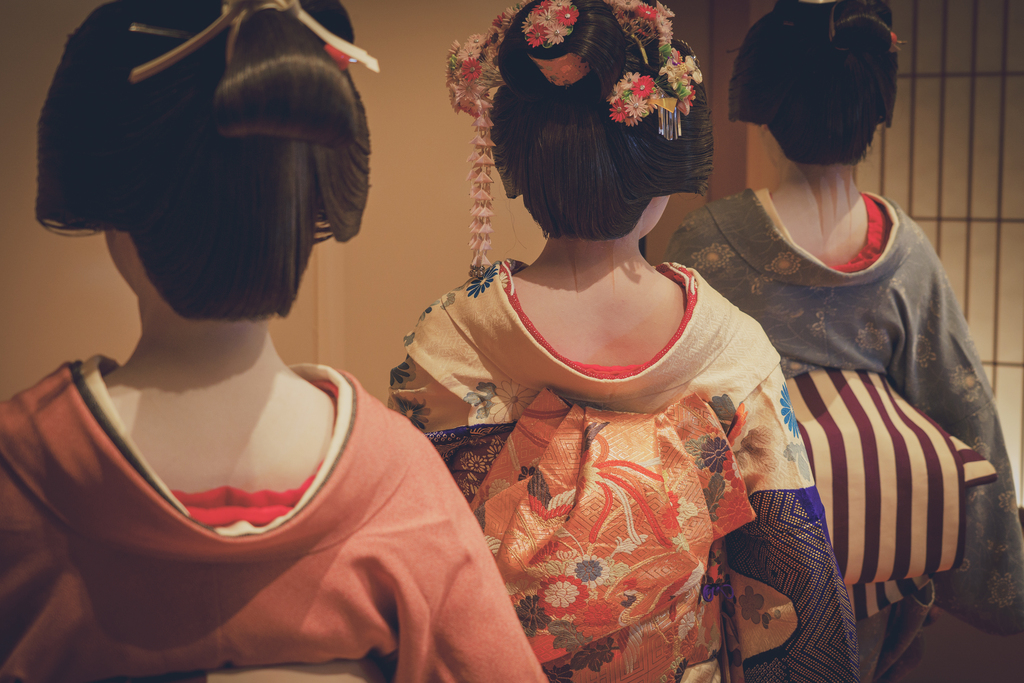
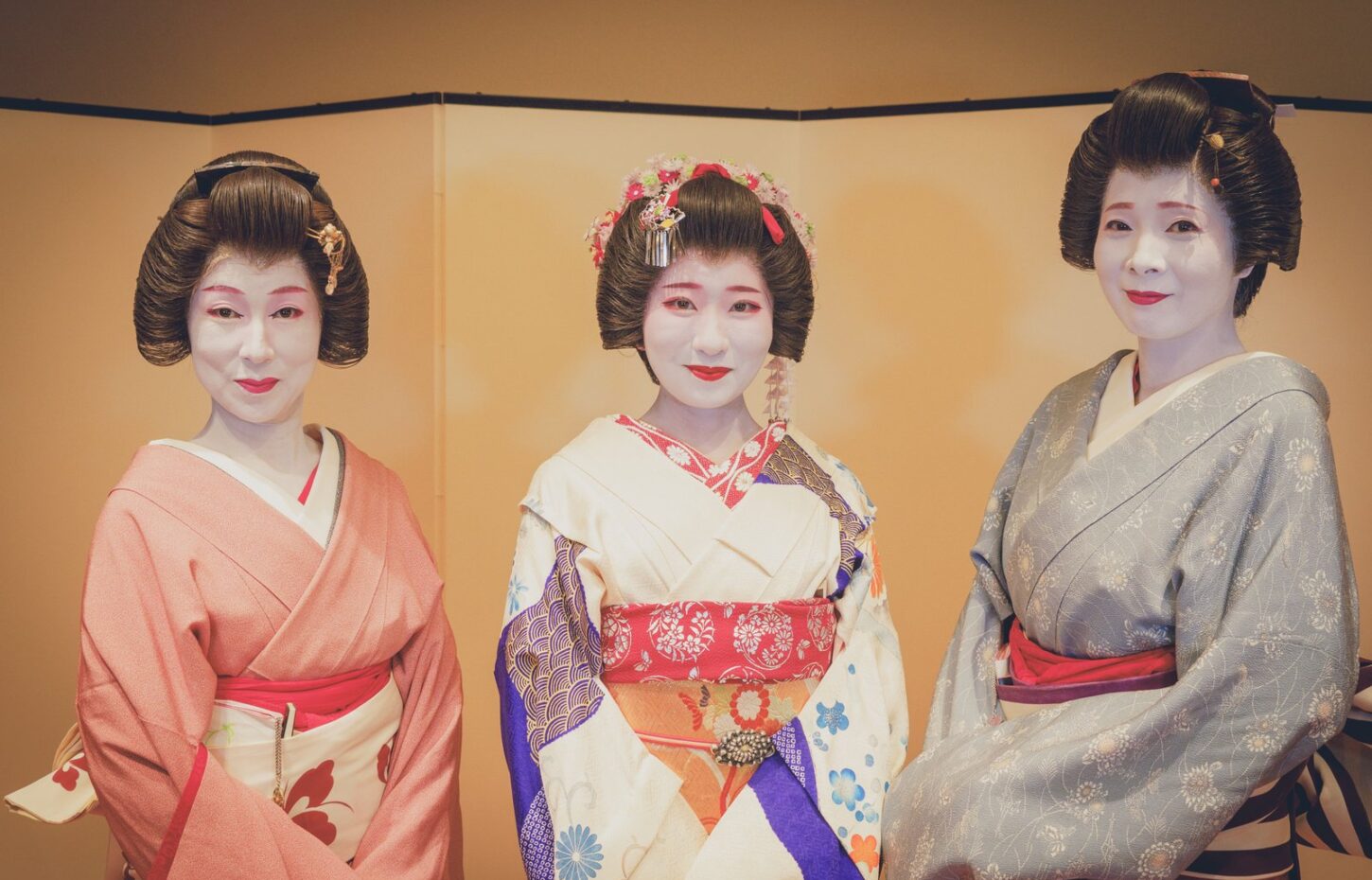
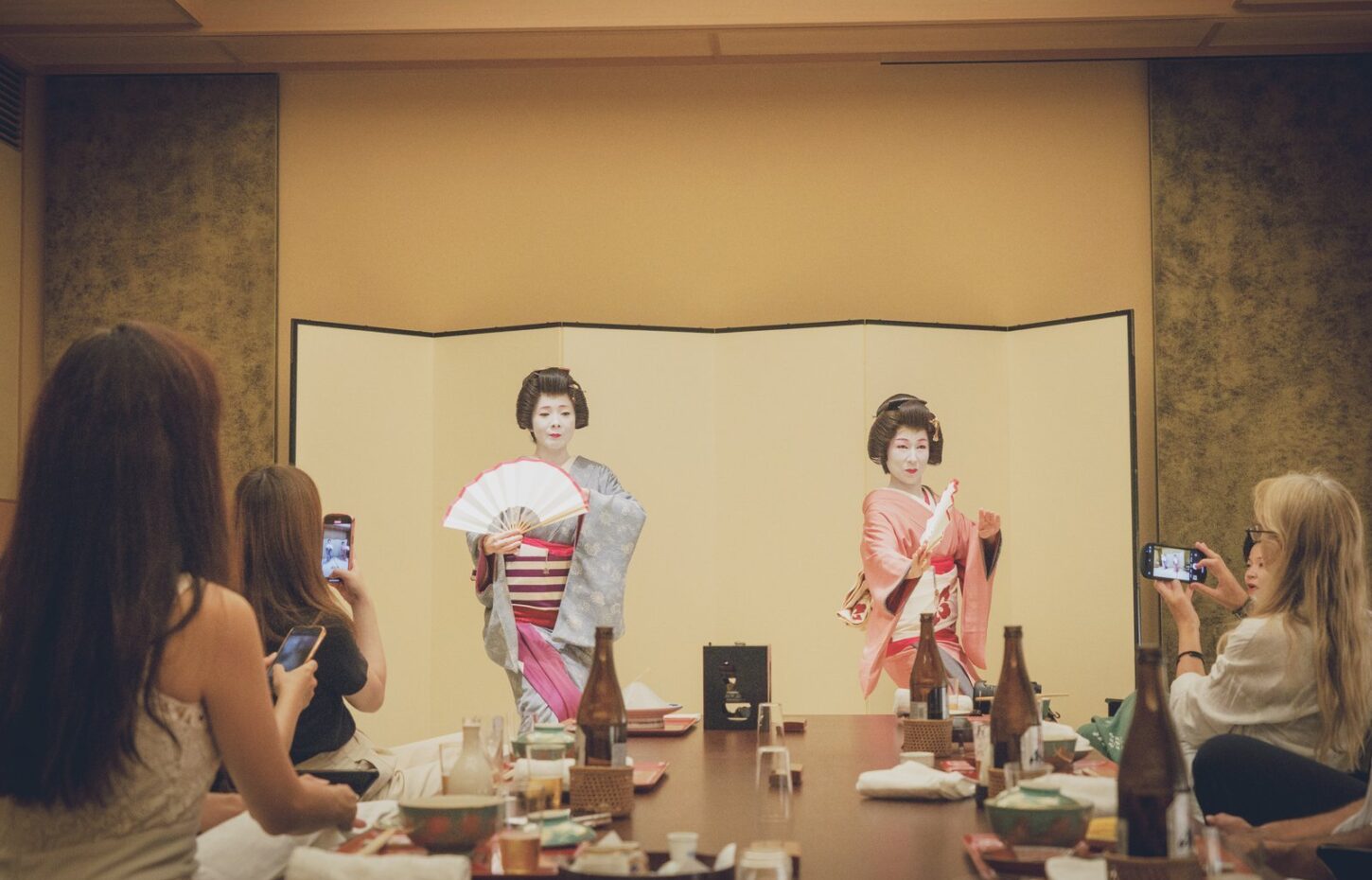
A private ozashiki (a private gathering with geisha) at Miyakodori, the Asakusa machiai-chaya founded in 1950 and named for Narihira’s capital bird — dance to live shamisen, an ozashiki game, and conversation with the artists who just performed. Reservations are by request.
Request a ReservationWhy the Poem Still Fits Us
The poem isn’t decoration for us. The founder chose the name; a generation later, the same verse became the personal motto of Chikage, the okami of Miyakodori — the second generation of the house, and the only okami in Asakusa who was herself a geisha. It is the verse she keeps closest, and her reading of it is plain: if you are worthy of the name of the capital, then let me ask you, capital bird — is the person I hold dear safe and well? And what she wants for the house follows straight from it: that Miyakodori goes on being somewhere the guests who come to us and we ourselves hold each other in mind.
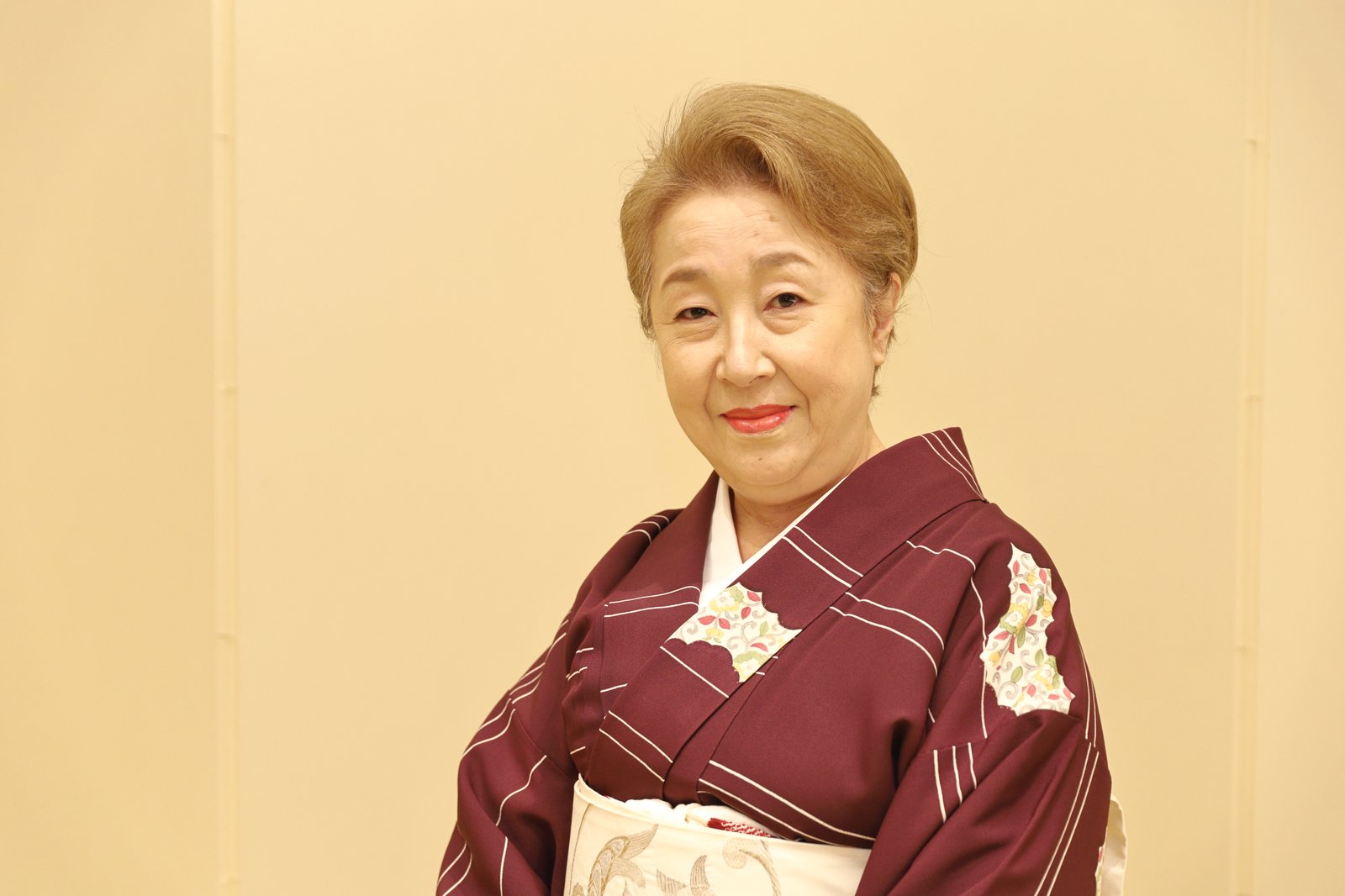
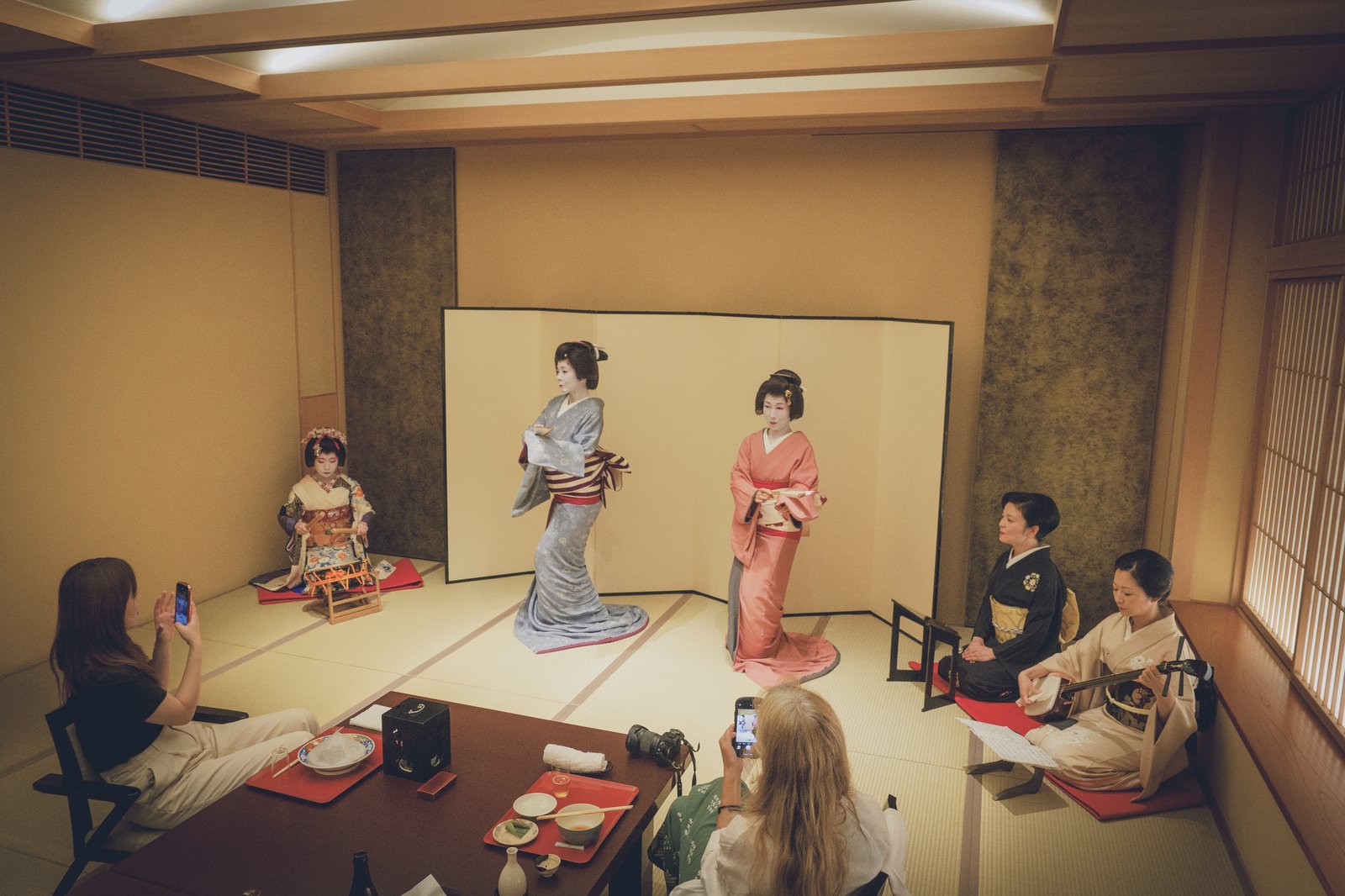
Notice what the question in the poem actually is. It isn’t “does she still want me.” It’s “is she all right.” That distinction is the whole reason the poem survives a thousand years without curdling into sentiment, and it’s the reason it suits a house of art rather than romance. An ozashiki (a private gathering with geisha) is an evening of performance: the Asakusa geisha who appear in our tatami room are independent artists registered with the local kenban, invited for that night — dancers and musicians who have given decades to their form, the way a poet gives a life to thirty-one syllables.
What the poem and the room do share is distance. Narihira, far from the capital, asked a passing bird about someone he couldn’t reach. A guest arrives from the other side of the world, sits down on the tatami, watches a dance, plays a parlour game that has been played in rooms like this one for more than two hundred years, and talks with the people who just performed it. The gap closes — not through longing, but through art performed a few feet in front of you.
The okami puts it more simply than we can. The geisha, she says, devote themselves to their art day and night — and she would be glad to welcome you to Miyakodori in Asakusa.
Frequently Asked Questions
Did Ariwara no Narihira really write the Tales of Ise?
Not exactly. The Tales of Ise is an anonymous, composite work built around poems attributed to Narihira, following an unnamed hero long identified with him. Authorship of the prose sections is uncertain; the poems are traditionally his.
Is Narihira really the model for Hikaru Genji?
It’s a long-standing tradition rather than a documented fact. Narihira’s reputation as a court romantic predates The Tale of Genji by over a century, and many readers have seen him as at least one inspiration for Murasaki Shikibu’s hero.
Where is the Sumida River crossing from the miyakodori poem?
Traditionally identified with the old Hashiba ferry crossing, on the Sumida upriver from Asakusa. Miyakodori itself stands in Asakusa 3-chome, in the heart of the district’s geisha quarter, and was founded in 1950.
Is the miyakodori bird a real species?
Yes — though the name has since moved to a different bird. The bird in the poem is generally identified with the black-headed gull (Japanese: yurikamome), which winters along the Sumida and, outside the breeding season — the time of year Narihira would have seen it — has a white head, matching the Tales of Ise description of a white bird with a red bill and red legs. Confusingly, the modern Japanese name miyakodori belongs to another species entirely, the Eurasian oystercatcher. The classical miyakodori of the poem and today’s miyakodori are not the same bird.
What actually happens at an ozashiki?
At the 75-minute Ozashiki Tea House — the short format the okami designed together with the third generation of the house, seated with other guests — you watch the geisha dance to live shamisen, put your questions to them, and try an ozashiki game, one of the parlour games that have been played in geisha rooms for more than two hundred years. Matcha and Japanese sweets come near the end, served as hospitality: this is a geisha banquet, not a tea ceremony. The okami keeps the afternoon moving. A full private ozashiki follows the same shape over a longer evening. Because a machiai-chaya doesn’t cook on site, catering is arranged separately, so a meal can be included or left out entirely.
Plan an Evening at Miyakodori
Curious where this story leads? Plan an evening at Miyakodori and see the private ozashiki (a private gathering with geisha) our name has been pointing at since 1950. Reservations are by request.
Request a Reservation


- Tokyo Tourist Guide: A Geisha Teahouse's View of the City We Call Home
- The Miyakodori Bird in Ukiyo-e: Hiroshige's Namesake
Japanese Culture Events: A 2026 Guide to Festivals and Traditions for International Travelers
Asakusa Observation Deck: The Free Terrace Above Kaminarimon
How to Book a Geisha Experience in Tokyo: Step-by-Step Guide (2026)
How Many Geisha Should You Book for an Ozashiki?
Autumn Asakusa Temple Sightseeing Guide | Maple Viewing, Illumination, Events, and Recommended Gourmet Information Summary
No comments yet.