



The Miyakodori Bird in Ukiyo-e: Hiroshige’s Namesake
The poem behind our name is Ariwara no Narihira‘s: he stood on the bank of the Sumida River and asked a bird whether the person he loved was still well, back in the capital. What gets told far less often is that this same moment became one of the most quietly persistent images in Japanese art. Painters kept returning to it for roughly a thousand years, and one of the most beautiful versions depicts a stretch of the Sumida upriver from Asakusa.
Miyakodori is a machiai-chaya — a geisha waiting house — in Asakusa, Tokyo, founded in 1950 and named by its founder after the bird in that poem. This is the story of how Edo’s printmakers painted the same bird.
A Poem That Became a Picture
By the Edo period, the miyakodori story from the Tales of Ise wasn’t just a poem people memorized — it was a scene people painted. The ferry crossing, the unfamiliar white bird, the lonely traveler asking it for news of home: it had everything a landscape artist wanted from what’s called a meisho-e, a “famous place picture.” A meisho-e doesn’t just depict a location. It depicts a location plus poetry and memories attached to it, so that a viewer who recognized the reference saw two things at once: the real river in front of them, and the ghost of a story layered over it.
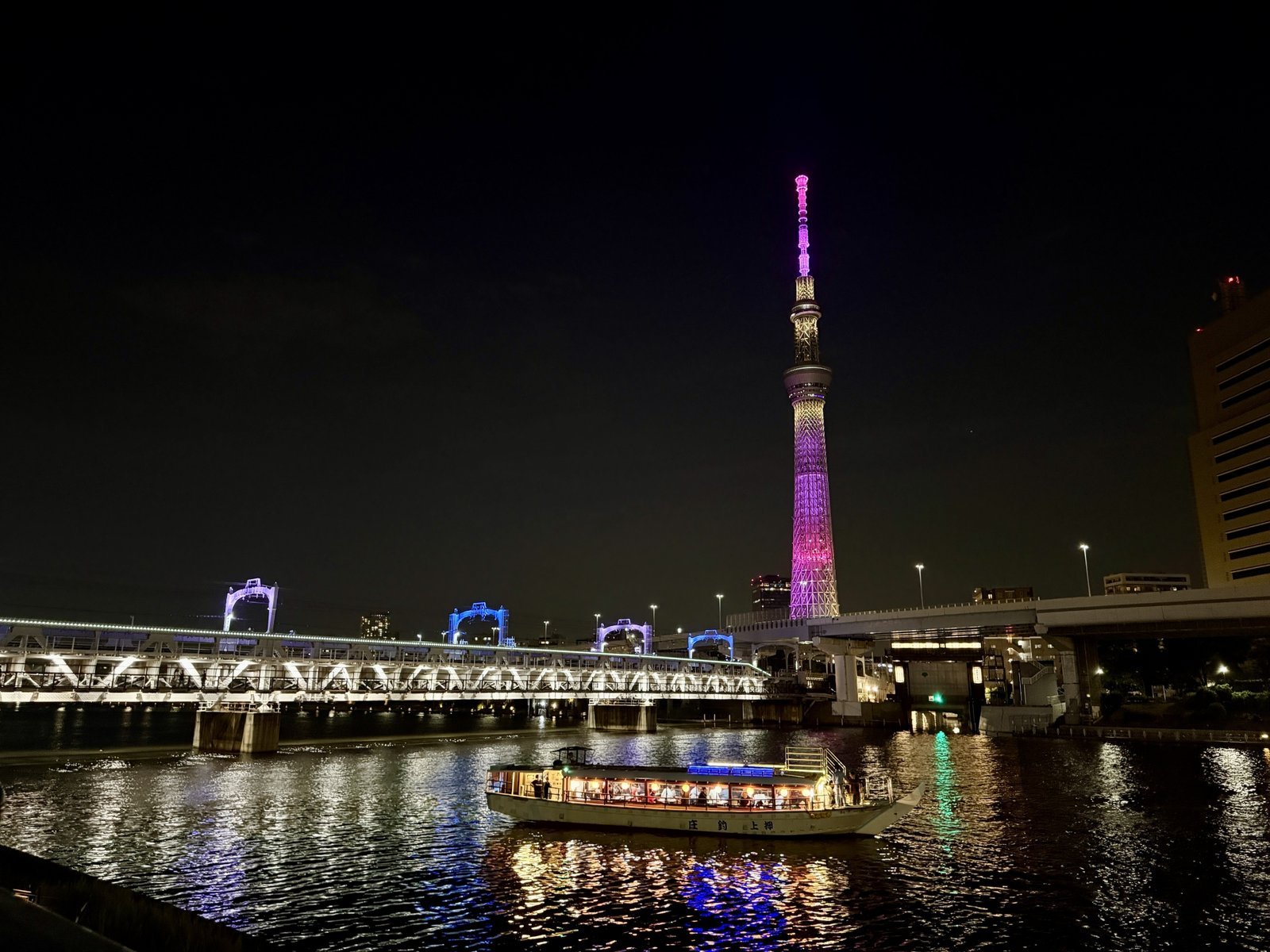
The Hashiba ferry crossing — traditionally identified as the place where Narihira’s party waited for the boat — lies on the same stretch of the Sumida, upriver from Asakusa. It was exactly that kind of place. For Edo-period viewers, you couldn’t paint that stretch of river without the miyakodori legend coming along with it.
Hiroshige’s Tile Kilns and Hashiba Ferry
The clearest surviving example is by Utagawa Hiroshige, the great landscape printmaker of the late Edo period. In 1857, near the very end of his life, he published Tile Kilns and Hashiba Ferry, Sumida River — print number 37 in his celebrated series One Hundred Famous Views of Edo.
The composition is unhurried: a tile-maker’s yard in the foreground, kilns smoking gently, the wide Sumida stretching out beyond it toward the ferry crossing. And in the shallows, small and easy to miss if you didn’t already know to look for them, a scatter of white birds. Miyakodori. They are the birds of Narihira’s poem, composed on this same river roughly a thousand years before Hiroshige ever picked up a brush — and for an Edo viewer who knew the verse, they were what the picture was about.
In the series itself, the print catalogued immediately before it — number 36 — is View from Massaki of Suijin Shrine, Uchigawa Inlet, and Sekiya. And beyond the Hundred Views, the same subject travelled onto smaller, cheaper formats — fan prints (uchiwa-e) and the like — made for people who would have recognized the story instantly.
Why the Image Kept Coming Back
None of this was Hiroshige inventing something new. He was the latest artist in a long line who understood that this particular crossing carried weight that other river views didn’t. A famous place picture only works if the place is already famous — and the Hashiba crossing had been famous, in exactly this way, since Narihira’s own ninth century, and more securely still once the Tales of Ise gathered the episode into a book in the tenth.
That’s the same instinct behind our own name. The name was chosen by the founder of the house, and not because “Miyakodori” sounded elegant: the story was already here, attached to this river and this neighbourhood, long before there was a machiai-chaya in Asakusa to name after it — the same way Hiroshige didn’t choose to paint this crossing at random. The place asked for it. We can’t claim the verse was composed on our doorstep. What we can say is that the story reached Asakusa a very long time before we did.
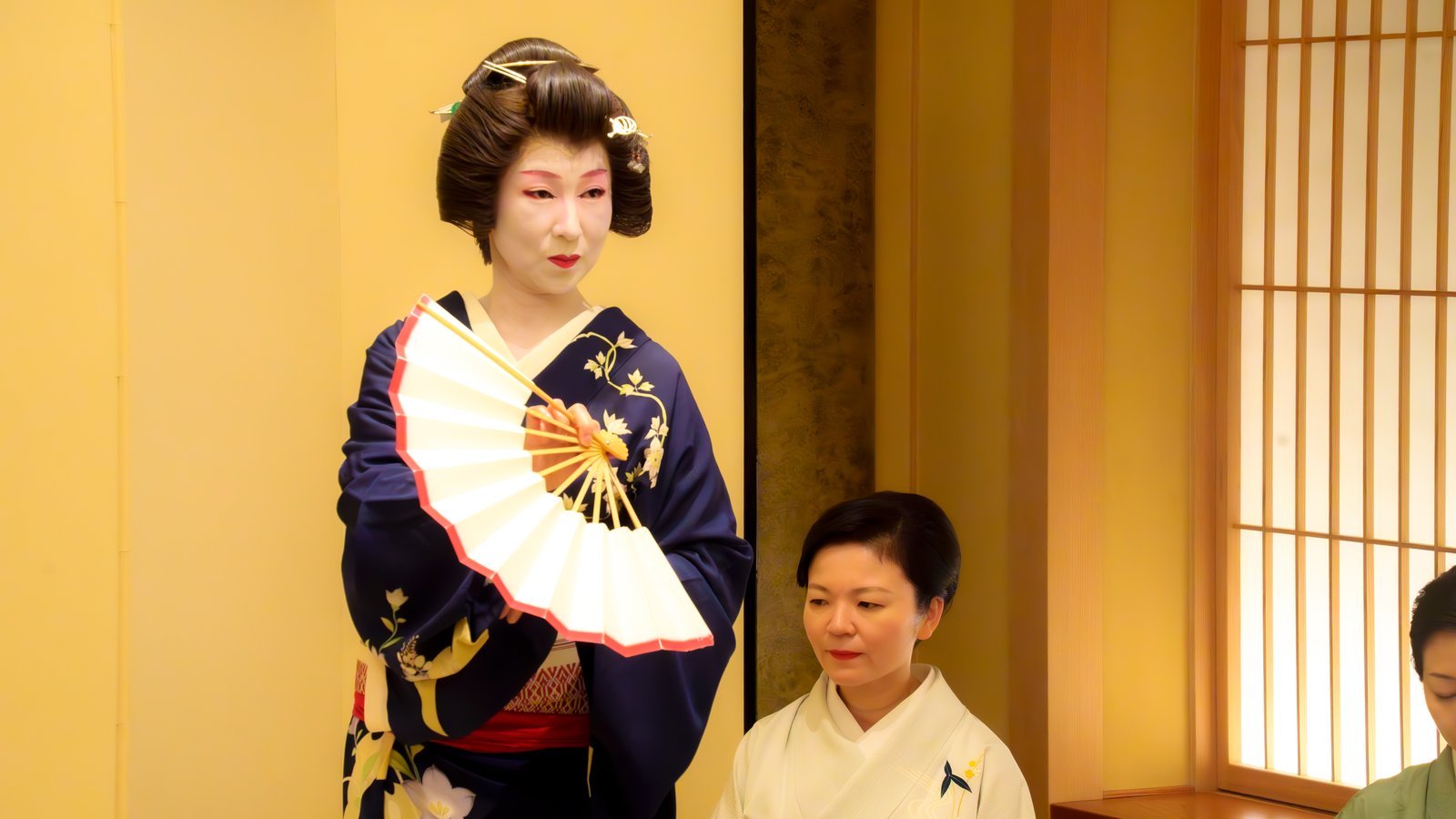
There’s a version of the same logic inside the art our guests come to see. Yuta Kawamura, the third-generation owner here, puts it this way: what makes a geisha’s dance feel unlike anything else isn’t personal invention — it’s kata, inherited form. Generations of predecessors refined the movement, the music, the way a fan is held, until the result could be handed on as a shape anyone can practise. A geisha absorbs all of that accumulated work through weekly lessons; she isn’t asked to reinvent it. Hiroshige’s crossing worked on the same principle. The image had already been shaped by everyone who painted it before him, and his job was to receive it well and set it down again.
Hear the Rest of the Story in Asakusa
Miyakodori is a machiai-chaya (geisha waiting house) in Asakusa. The geisha of Asakusa join our guests in a private tatami room for an ozashiki (a private gathering with geisha) — dance, live shamisen and traditional party games. No introduction required.
Request a ReservationA Living Thread
It’s a strange thing to sit with: a poem composed on a riverbank in the ninth century, still being painted roughly a thousand years later, of a crossing that still exists — on the river that runs past the Asakusa where a machiai-chaya still operates.
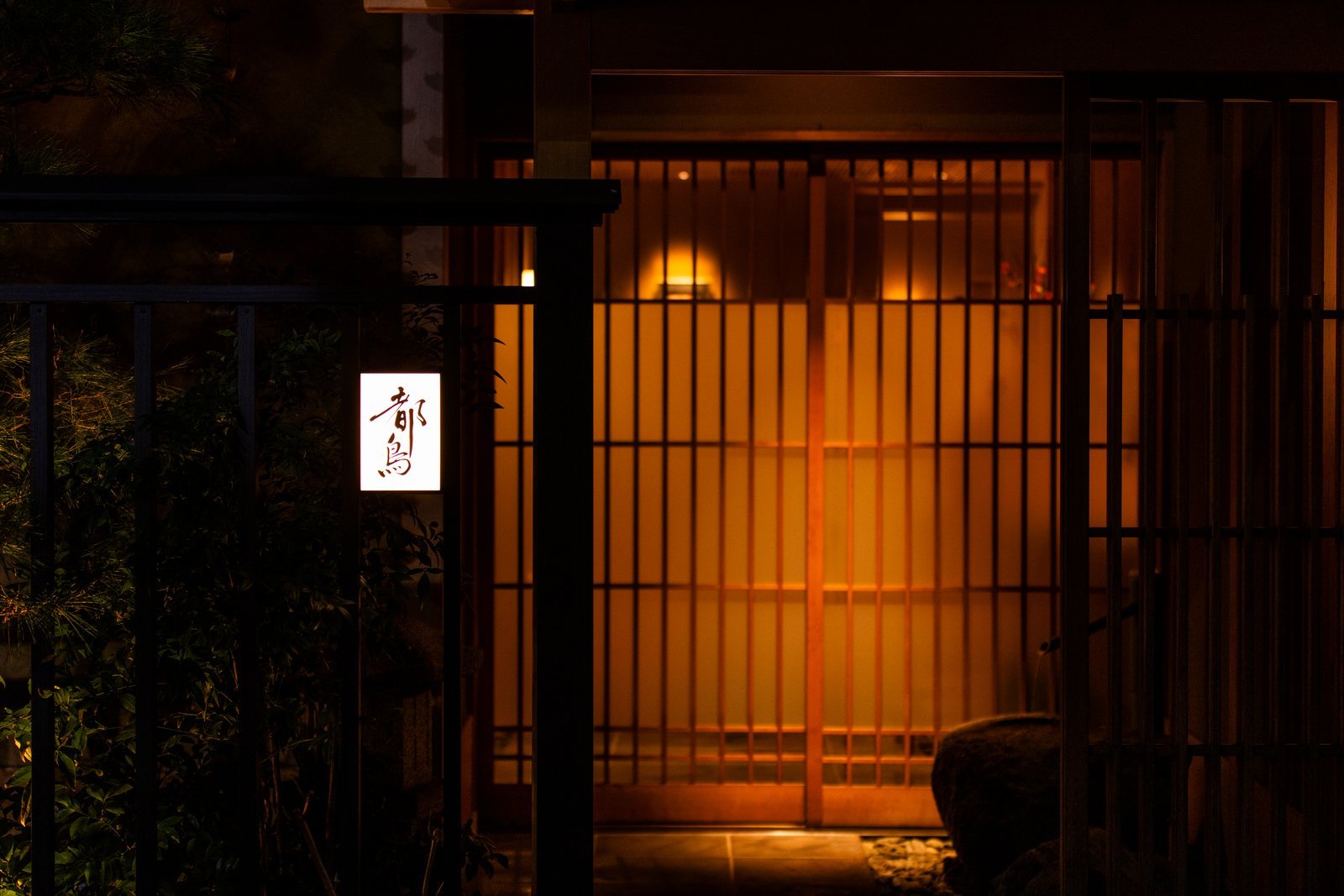
Miyakodori has stood in Asakusa since 1950 — the company register dates our founding to 23 June of that year — which makes us, in this story, the newest link by a wide margin. The poem is ninth century. Hiroshige’s print is 1857. We are 1950. Three dates, one thread. You can read the rest of that history on our about page.
For our okami, Chikage — the second generation here, who inherited the name rather than chose it — the verse isn’t a piece of literary history at all. It’s the line she keeps closest:
名にし負はば いざ言問はむ 都鳥 わが思ふ人は ありやなしやと
Na ni shi owaba / iza koto towamu / miyakodori / waga omou hito wa / ari ya nashi ya to
If you carry that name, then let me ask you, capital bird — the one I long for: is she well, or isn’t she?
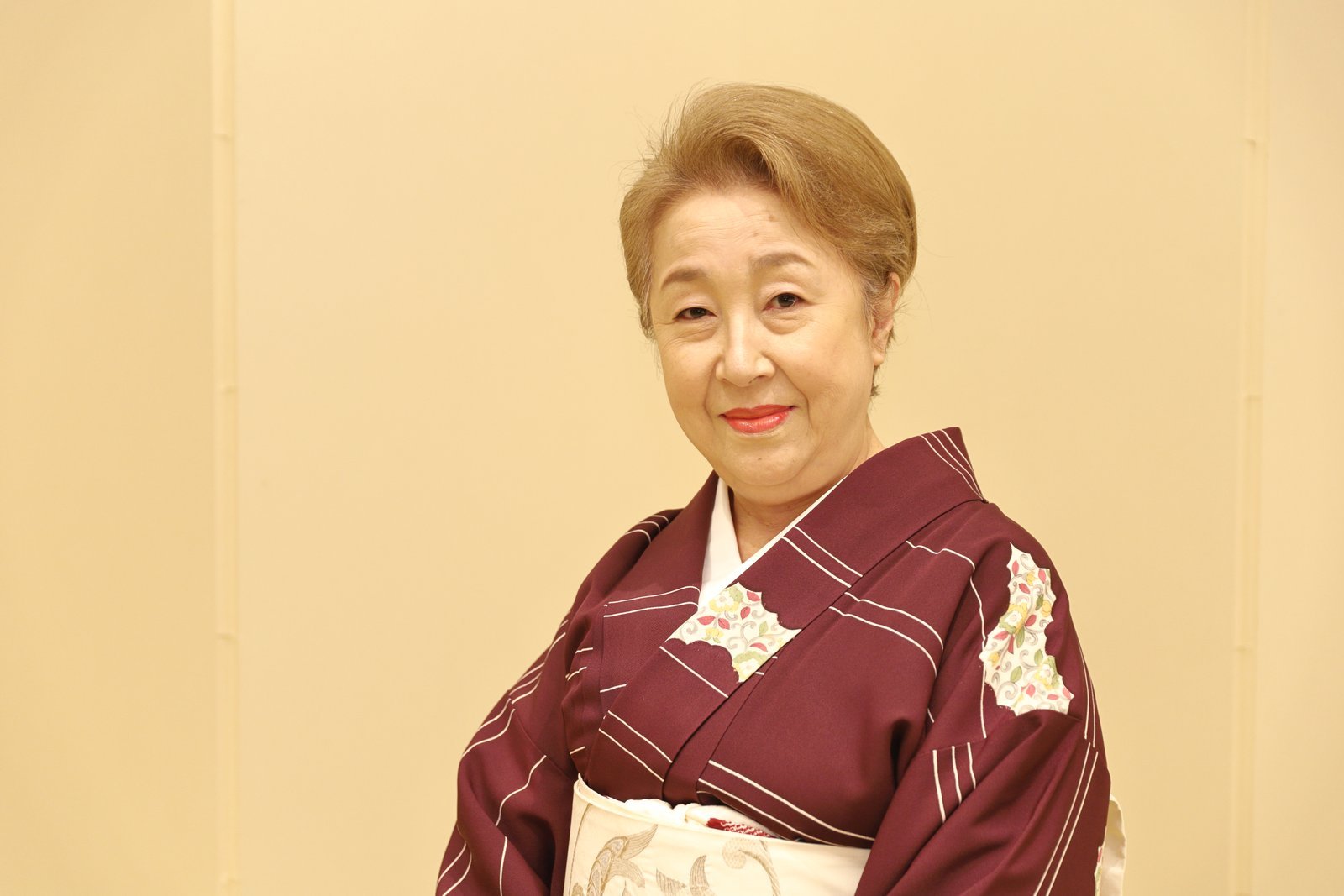
What she wants for the house follows straight from it — that Miyakodori go on being somewhere the guests who come to us and we ourselves hold each other in mind. What she keeps from the name she was handed is not the elegance of the word. It’s the question inside it.
Most named things eventually lose the reason for their name. Ours hasn’t. The bird in Hiroshige’s print, drifting in the shallows of the Sumida, is the same bird Narihira spoke to, and the same one we borrowed our name from.
FAQ
Did Hiroshige know the Ise Monogatari poem when he made this print?
Almost certainly. The miyakodori legend was one of the most widely recognized literary references of the Edo period — a meisho-e artist depicting this exact crossing would have expected viewers to recognize it immediately, in the same way a modern illustrator doesn’t need to explain a reference everyone already gets.
Is the Hashiba ferry crossing still there?
The ferry itself is long gone — bridges replaced it — but the site is still identifiable along the Sumida River, in the Hashiba area of Taito ward, upriver from Asakusa. It’s a proper walk from the temple district rather than a detour, so plan it in: our Asakusa travel guide sets out the neighbourhood in walking order.
Where can I see Hiroshige’s original prints?
Impressions of One Hundred Famous Views of Edo are held by major museums worldwide, including the Brooklyn Museum, the Art Institute of Chicago, and the Museum of Fine Arts, Boston. Many are digitized and viewable online.
Are the birds in the print really the same species as the poem’s miyakodori?
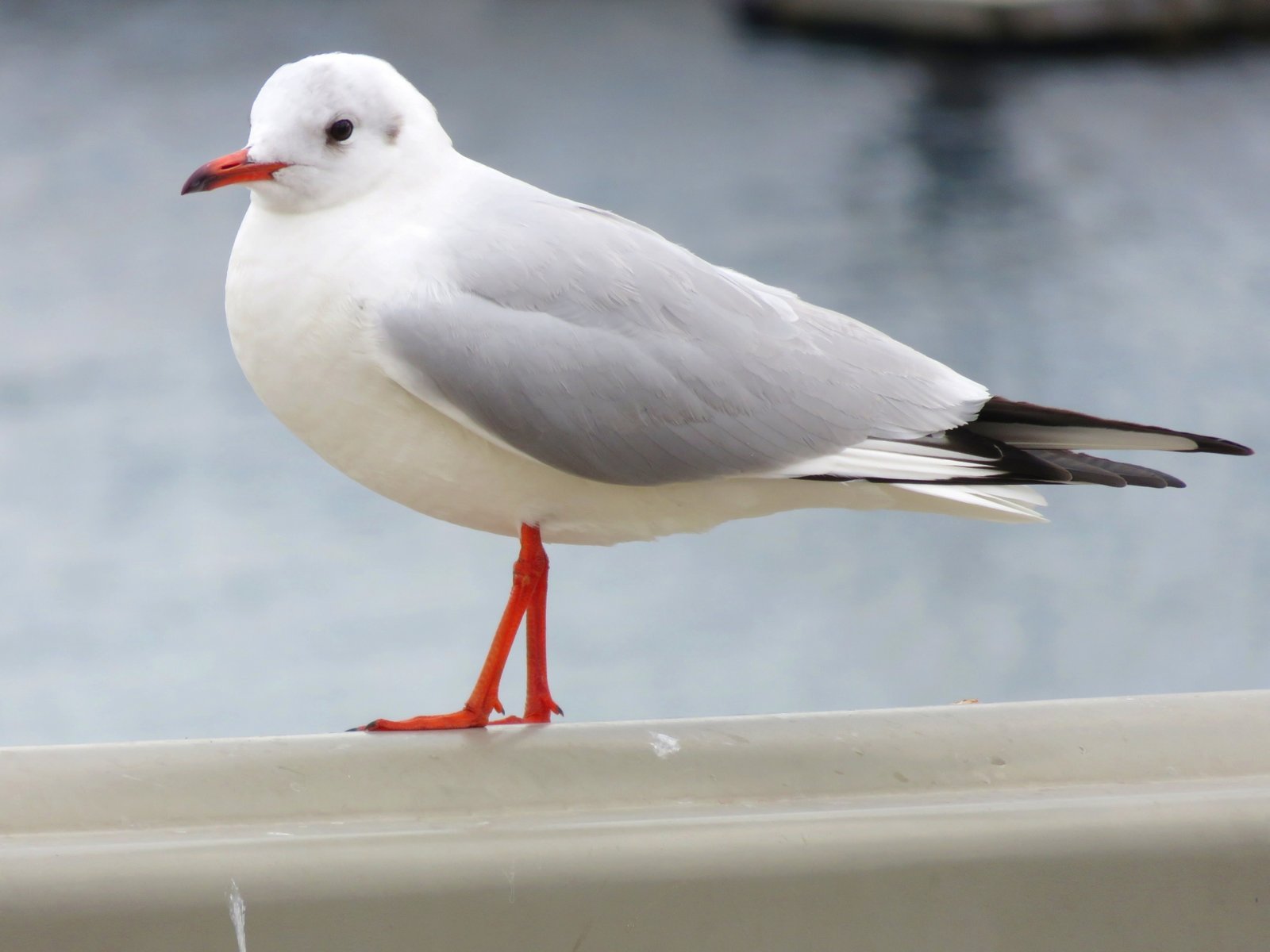
This is where two naming systems cross, and it’s worth untangling. In modern Japanese, miyakodori is the standard name for the Eurasian oystercatcher — a black-and-white wader with a bright orange bill — which is why English catalogue titles of Edo prints sometimes render the word that way. But the miyakodori of classical poetry, the bird Narihira actually addressed, is generally identified instead with the yurikamome, the black-headed gull: small, white, red-billed and red-legged, exactly as the Tales of Ise describes it, and still wintering along the Sumida in flocks today. Edo artists were painting the poetic bird, not the ornithological one. So the birds in Hiroshige’s shallows are the same birds Narihira spoke to — it’s the modern species name that moved, not the picture.
Want to hear the rest of the story in person? Miyakodori is a machiai-chaya in Asakusa, and the geisha of Asakusa — independent artists registered with the local kenban — join our guests in a private tatami room for dance, live shamisen and ozashiki games. No introduction required. Design your geisha experience with us.
Design Your Geisha Experience at Miyakodori
A private ozashiki (a private gathering with geisha) in the Asakusa machiai-chaya that took its name from the bird in Narihira’s poem — dance, live shamisen and ozashiki games with the geisha of Asakusa. No introduction required.
Request a Reservation


- The Poems of Ariwara no Narihira — and the One Behind Our Name
- Oiran vs Geisha: What's the Difference? (Answered in Asakusa)
Enjoy Autumn in Asakusa! Recommended Food Walk & Momiji Model Course with Kimono
【2025 Edition】Recommended for Foodie Walks! Autumn Asakusa Gourmet & Sweets
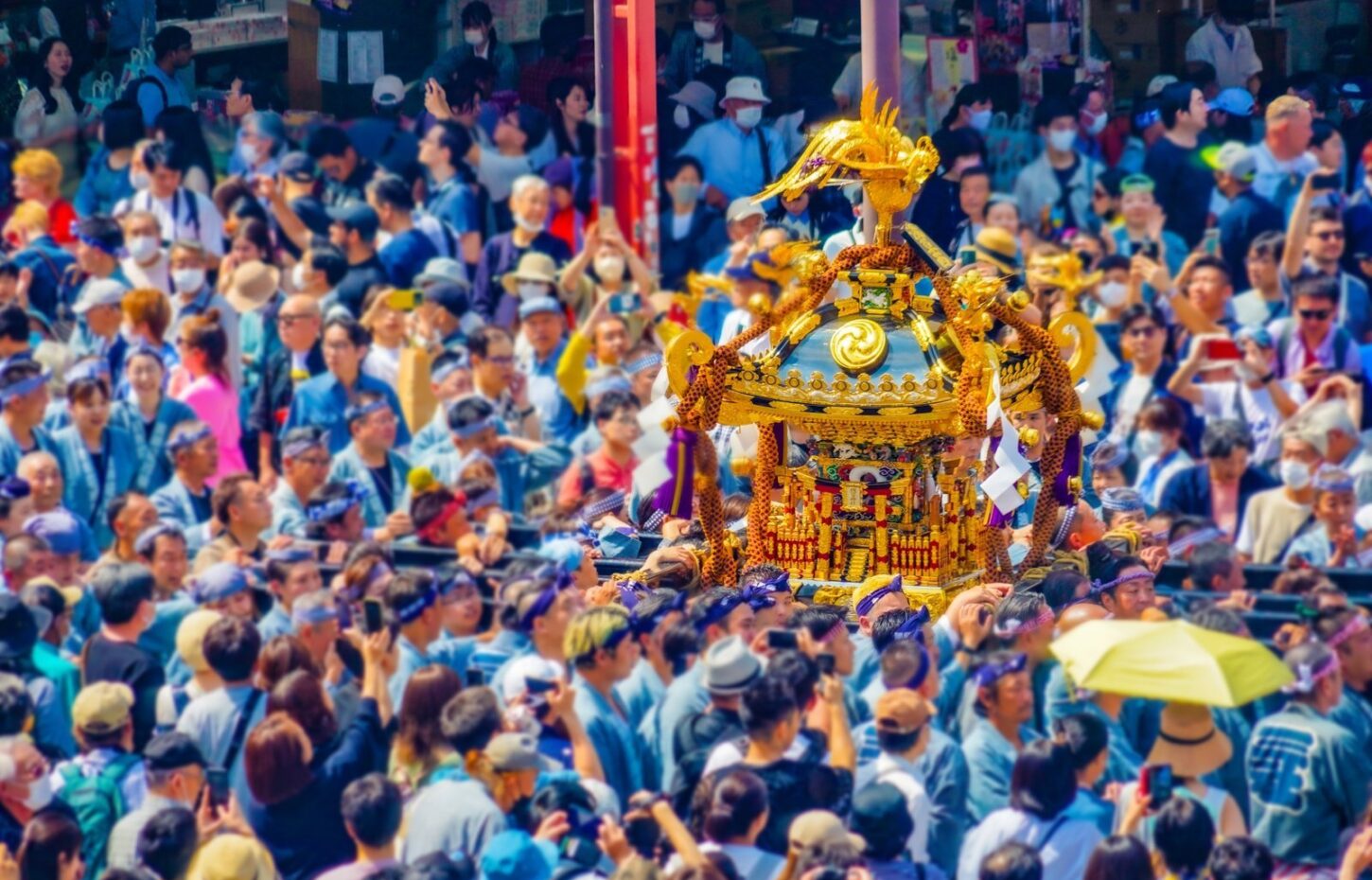
Sanja Matsuri in Asakusa: A Geisha House Guide to Tokyo’s Wildest Festival
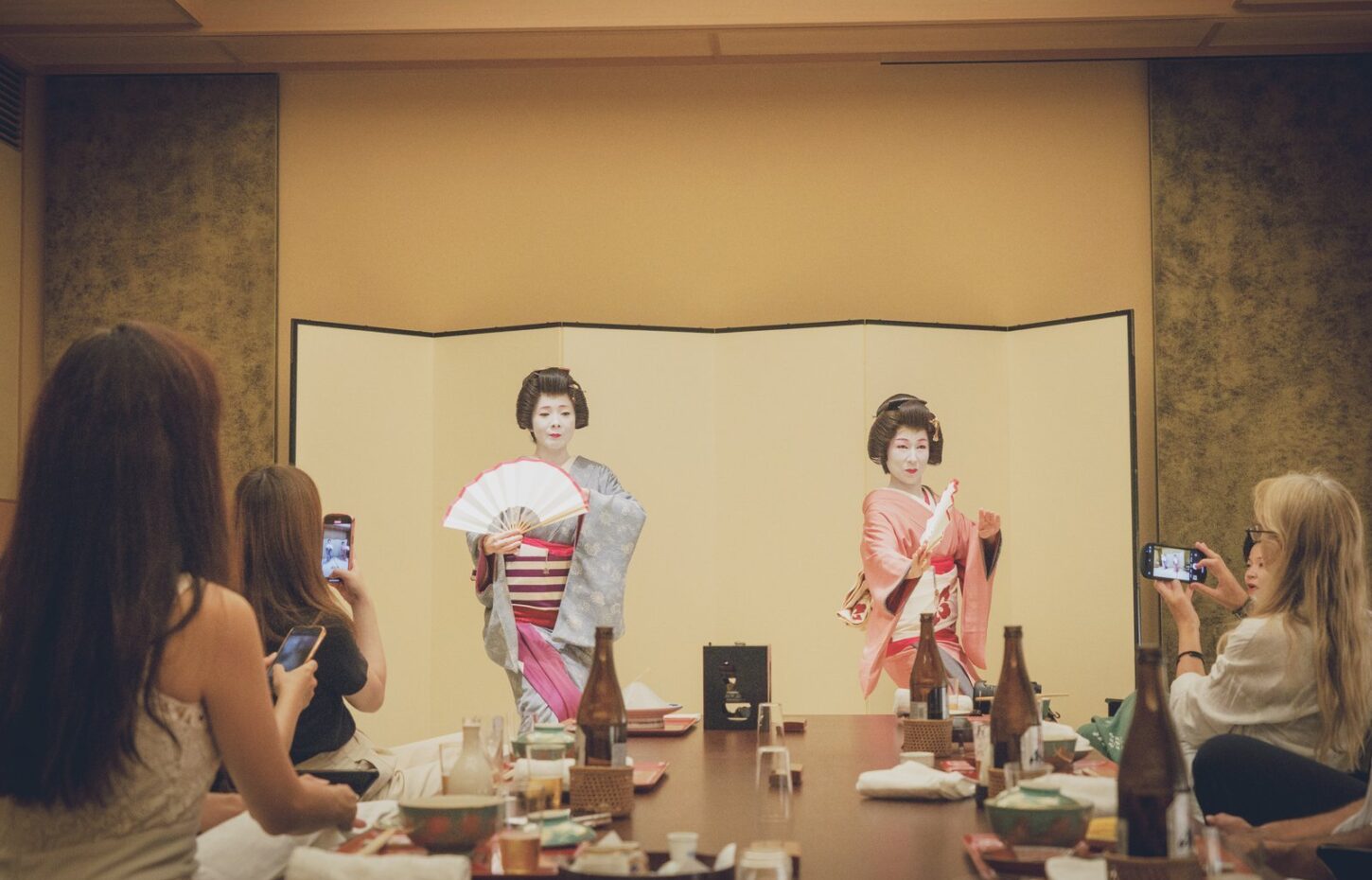
How Many Geisha Should You Book for an Ozashiki?
Authentic Experience Touching Artisan Skills! Asakusa’s Traditional Culture Workshop
No comments yet.